

Do you ever notice your lawn mower struggling to cut grass evenly? Dull blades can turn your mowing routine into a frustrating chore. Instead of letting your mower drag through the job, why not take matters into your own hands?
Key Takeaways
- Essential Tools for Sharpening: Equip yourself with a flat file, whetstone, bench grinder, socket wrench, scraper, safety glasses, gloves, dust mask, and ear protection to ensure an effective and safe sharpening process.
- Preparation Steps: Safely remove the mower blade by disconnecting the spark plug or battery, inspect for damage, clean the blade, and apply oil to prevent rust before sharpening.
- Sharpening Techniques: Use either a file or a bench grinder to sharpen the blade. Maintain the original blade angle and use even pressure for optimal results.
- Reattachment and Testing: Securely reattach the sharpened blade to the mower, reconnect power, and conduct visual and functional tests to ensure sharpness and mowing efficiency.
- Regular Maintenance: Inspect blades regularly, clean after use, and sharpen at least once per season to prolong blade life and maintain lawn mower performance.
Tools Needed for Hand Sharpening
Hand sharpening a lawn mower blade requires specific tools for effective and safe maintenance. Gather these essential tools before starting the sharpening process.
Basic Tools
- File: A flat file or a round file helps refine the blade’s edge. Choose a medium-cut file for effective sharpening without excessive material removal.
- Whetstone: A whetstone provides an alternative to files. Use a medium-grit stone for initial sharpening and a fine-grit stone for polishing.
- Bench Grinder: A bench grinder offers a quicker way to sharpen blades. Ensure the grinder has a suitable wheel for metal.
- Socket Wrench: Use a socket wrench to remove the mower blade from the mower. Confirm the right size for a secure fit.
- Scraper: A scraper or putty knife removes any grass buildup on the blade. Keeping the blade clean aids in sharpening.
- Safety Glasses: Protect your eyes from metal filings and debris while sharpening. Always wear safety glasses to avoid potential injuries.
- Gloves: Use heavy-duty gloves to protect your hands from sharp edges and tools. Ensure gloves fit snugly for better control.
- Dust Mask: A dust mask prevents inhalation of metal dust. Wear a mask, especially when using a grinder or working in an enclosed space.
- Ear Protection: If using a grinder, consider ear protection to shield your ears from high noise levels during operation. It’s crucial for maintaining long-term hearing health.
Gathering these tools and safety equipment sets you up for a successful blade sharpening experience. Regular maintenance enhances your lawn mower’s performance, ensuring a well-manicured lawn.
Preparing the Lawn Mower Blade
Preparing the lawn mower blade involves a few key steps. You’ll need to remove the blade and clean it to ensure a smooth sharpening process.
Removing the Blade
- Safety First: Disconnect the spark plug or battery. This prevents accidental starts.
- Flip the Mower: Lay the mower on its side, ensuring the air filter side faces up.
- Locate the Blade: Identify the blade and check for a nut or bolt securing it.
- Use a Socket Wrench: Use the appropriate size socket wrench to loosen and remove the blade. Keep your hand on the blade to prevent it from spinning.
- Inspect for Damage: Check for any cracks or chips in the blade before moving on.
- Remove Debris: Clear away grass clippings and dirt using a scraper or putty knife.
- Wash the Blade: Use soap and water to wash the blade thoroughly, removing any grime. Rinse and dry it.
- Examine the Edge: Look at the cutting edge for signs of wear or damage.
- Protect Against Rust: Apply a thin layer of oil to the blade’s surface after cleaning to prevent rust during storage.
By following these steps, you’re ready for sharpening. A well-prepared blade enhances cutting efficiency and promotes a healthier lawn.
Sharpening Techniques
Hand sharpening a lawn mower blade can improve its cutting efficiency. You can choose various techniques, depending on your preferred tools and comfort level.
Using a File
To sharpen the blade with a file, follow these steps:
- Select a File: Use a single-cut or double-cut flat file for effective sharpening.
- Angle the Blade: Maintain the original blade angle, typically around 30 degrees.
- Stroke the File: Start at the base of the blade and push the file in one direction along the edge. Avoid moving it back and forth, which dulls the file.
- Work Evenly: Apply even pressure on the file. Sharpen each side until it feels smooth and sharp.
- Check Your Work: Run your finger along the edge carefully. It should feel sharp with no nicks or rough spots.
Using a Grinder
For a quicker sharpening method, a bench grinder can be effective:
- Set Up the Grinder: Ensure the grinder is stable and well-lit for visibility.
- Wear Safety Gear: Put on safety goggles, gloves, and a dust mask for protection.
- Hold the Blade: Secure the blade firmly against the grinder, keeping the original angle.
- Grind the Edge: Move the blade gently against the wheel, applying light pressure. Make sure to keep the blade cool to prevent overheating.
- Examine the Edge: After grinding, check the edge for a consistent, sharp finish. Test it with your finger for sharpness.
Both techniques enhance your mower’s performance and contribute to a healthier lawn.
Finalizing the Process
After sharpening the lawn mower blade, completing the process requires careful reattachment and testing for effectiveness.
Reattaching the Blade
Reattach the blade to the lawn mower by following these steps:
- Position the Blade: Align the blade onto the spindle, ensuring that the notches fit snugly into place.
- Secure with Bolts: Use the socket wrench to tighten the bolts securely but avoid over-tightening, as it can cause damage.
- Reconnect Power: If you disconnected the spark plug or battery, reconnect it carefully to finish reassembly.
These steps ensure that the blade is securely fastened and ready for use.
Testing the Sharpness
Testing the sharpness of your newly sharpened blade is crucial for effective mowing.
- Visual Inspection: Look for fine, clean edges along the blade. A sharp blade should glisten.
- Paper Test: Try cutting a piece of paper. A sharp blade cuts through easily, while a dull one will struggle.
- Grass Test: Mow a small patch of grass. Observe how well it cuts. A sharp blade will slice cleanly, while a dull blade will leave uneven, ragged edges.
By conducting these tests, you can confirm that the blade is ready to tackle your lawn, ensuring a healthier and more manicured appearance.
Maintenance Tips for Lawn Mower Blades
Maintaining your lawn mower blades enhances performance and extends their lifespan. Regular care prevents dullness and damage, ensuring you achieve a clean cut every time.
Recommended Products
![SporGain [Updated] Lawn Mower Blade Sharpener 15°-45° Adjustable Frame with Ball Bearing Manufacture Handle for Right & Left Hand Blades, Use with Angle Grinder, Black](https://m.media-amazon.com/images/I/51KeAntENHL._SL500_.jpg)
[ Updated ] Lawn Mower Blade Sharpener: SporGain mower blades sharpener suitable for Blades standard straight, mulching and high-lift mower.

Lawn Mower Blade Sharpener: The mower blade sharpener made of corundum, strong and durable, quality item which will last long. The blade sharpener is a great helper for lawn mowers and lawn tractor blades.
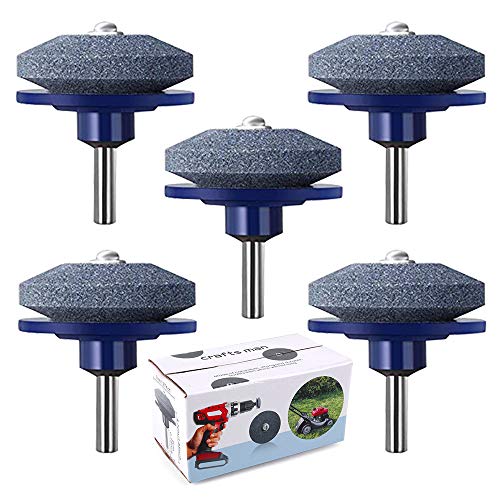
Lawn Mower Blade Sharpener : The new version of the Lawn Mower Blade Sharpener is Made of corundum, it solves the base wear caused by the excessive speed of grindstone, and effectively prolongs the service life and improves the use effect of the product. Our lawn mower blade sharpener is provided by the original factory, and it is guaranteed.
Regular Inspection
Inspect your lawn mower blades every few weeks during the mowing season. Look for signs of wear, nicks, or bends. A quick check helps you address issues early. If you notice chips or heavy wear, sharpen or replace the blade promptly. Regular inspection reduces the risk of more significant damage that can lead to costly repairs or replacements.
Best Practices for Longevity
Follow these best practices to keep your blades in excellent condition:
- Clean After Each Use: Remove grass clippings and debris after mowing. A clean blade cuts better and minimizes rust.
- Sharpen Regularly: Sharpen your blades at least once a season or whenever you notice a decrease in cutting efficiency. Maintaining sharp blades helps your mower accomplish its task easily.
- Store Properly: Store your mower in a dry, sheltered area to protect it from moisture. Cover it with a tarp in harsh weather to prevent rust.
- Oil the Blade: Apply a light coat of oil after cleaning. This step prevents rust and preserves the metal.
Implementing these tips ensures your lawn mower blades remain effective for multiple seasons, contributing to a healthier and more manageable lawn.
Conclusion
Sharpening your lawn mower blade is a rewarding task that can significantly improve your mowing experience. By taking the time to gather your tools and follow the steps outlined, you’ll ensure your blade is in top shape for a clean cut.
Remember that regular maintenance is key to keeping your mower running smoothly. Check your blades often and don’t hesitate to address any wear and tear you notice. With a little effort, you’ll enjoy a healthier lawn and a more efficient mowing process. Happy mowing!
Frequently Asked Questions
How do I know if my lawn mower blade is dull?
A dull lawn mower blade typically tears grass rather than cuts it cleanly. If your lawn appears brown at the tips or if the mower struggles to cut, it’s a sign that the blades might need sharpening. Regular inspection ensures optimal performance.
What tools do I need to sharpen my lawn mower blade?
Essential tools include a file or whetstone, a bench grinder, a socket wrench to remove the blade, scrapers for cleaning, and safety gear like gloves, goggles, and a dust mask. These tools help ensure a safe and effective sharpening process.
What is the first step in sharpening a lawn mower blade?
Start by safely removing the blade. Disconnect the spark plug or battery, flip the mower onto its side, and use a socket wrench to loosen the blade. Inspect it for damage and clean any debris before sharpening.
Can I use a file to sharpen my lawn mower blade?
Yes, using a file is a common method. Maintain the original angle of the blade while applying even pressure and frequently check for sharpness. This technique provides precision but may require more time compared to a bench grinder.
How often should I sharpen my lawn mower blade?
Sharpen the mower blade at least once per mowing season, or more frequently if you use the mower often or mow tough grass. Regular maintenance keeps the blade effective and prolongs its lifespan for a healthier lawn.
What should I do after sharpening the blade?
After sharpening, reattach the blade securely by aligning it onto the spindle and tightening the bolts without over-tightening. Reconnect the power source and conduct a visual inspection or paper test to ensure sharpness before mowing.
How can I maintain my lawn mower blade?
Regular maintenance includes inspecting the blade every few weeks, cleaning it after each use, sharpening it at least once a season, and storing the mower in a dry spot. Applying a light coat of oil post-cleaning helps prevent rust and extends the blade’s life.
Should I wear safety gear while sharpening the blade?
Absolutely. Always wear safety glasses, gloves, a dust mask, and ear protection when sharpening the blade. These items help protect you from metal shavings, dust, and noise, ensuring a safe working environment during the process.
