

Is your lawn mower struggling to start or running erratically? You might be dealing with a faulty voltage regulator. This small but crucial component plays a big role in maintaining the electrical system of your mower, ensuring it runs smoothly and efficiently.
Key Takeaways
- Understanding Voltage Regulators: A voltage regulator is essential for maintaining stable voltage in a lawn mower’s electrical system, ensuring reliable starting and operation.
- Testing Essentials: Utilize a multimeter, screwdrivers, wrenches, wire strippers, and safety gear to effectively test the voltage regulator while safeguarding yourself during the process.
- Step-by-Step Testing: To test the voltage regulator, check the battery, inspect connections, and measure voltage output while the engine runs, looking for specific voltage ranges (13.5-14.5 volts).
- Signs of Failure: Be alert for signs of a failing voltage regulator, including difficulty starting, erratic engine performance, overcharging, undercurrent, and unusual odors.
- Troubleshooting Steps: Troubleshoot issues by checking battery condition, inspecting connections, testing voltage output, verifying grounding, and replacing the regulator if necessary.
Understanding Lawn Mower Voltage Regulators
A voltage regulator maintains a constant voltage level in your lawn mower’s electrical system. Understanding its function helps diagnose problems related to starting and overall operation.
Recommended Products

592830 Alternator Replaces part # BS 592830 696458 691064 393295 BS-592830 BS-696458 BS-691064 BS-393295; Replaces John D # MIA12785 AM132174 LG399916 and LG691064

Application: For BG18HP to 24HP engines with 10A 13A 14A and 16A charging system

Fitment: Voltage regulator compatible with engine 691188 491546 793360 794360.
What Is a Voltage Regulator?
A voltage regulator is a device that controls the output voltage from the mower’s alternator. It ensures the battery charges properly without overcharging, which can damage the battery. Typically, it converts the AC voltage generated by the alternator into a stable DC voltage suitable for the mower’s electrical components.
Importance of Voltage Regulation in Lawn Mowers
Voltage regulation plays a crucial role in lawn mower performance. Proper voltage levels ensure reliable starting and smooth operation.
- Prevents Overcharging: Regulating voltage prevents excessive charge to the battery, extending its lifespan.
- Enhances Component Functionality: Stable voltage allows essential components like ignition systems and lights to operate efficiently.
- Avoids Damage: Voltage spikes can lead to equipment failures. A regulator mitigates this risk, protecting sensitive electronics.
- Improves Engine Performance: Consistent voltage supports a smooth-running engine, promoting better mowing performance.
Tools Needed for Testing
Testing a lawn mower’s voltage regulator requires specific tools to ensure accurate results. Gather the following items for a successful testing session.
Recommended Products
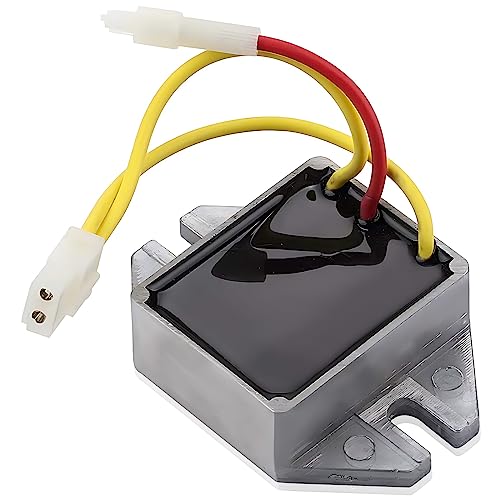
1️⃣ Voltage Regulator Fits for Toro 71246 71253 71285 71286 71427 71428 71429 74301 74325 74327 74330 74350 74351 74352 74353 74402 74403 74433 74501 74502 74602 74704 74812 74814 30108 30111 30136 30152 lawn mower tractor.

Wide Voltage Range: This voltage regulator module support convert DC 3-30V or AC 3-20V input to adjustable 1.25V-28V output for versatile power supply needs
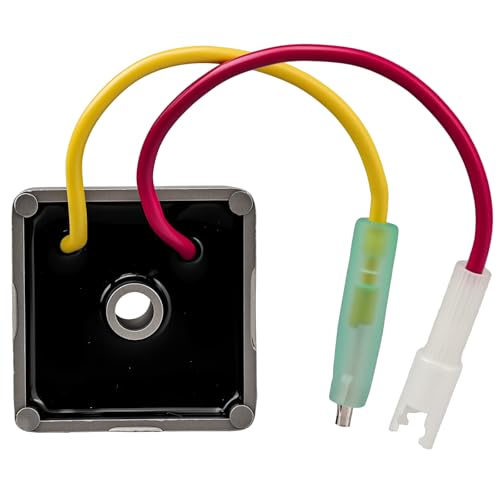
Applicable to Briggs Stratton engine models, 351400, 351700, 42A700, 256400 28B700, 28M700
Essential Tools for Testing
- Multimeter: This device measures voltage, current, and resistance. Use it to test the voltage output from the alternator and the regulator.
- Screwdrivers: Flat-head and Phillips screwdrivers help remove any covers or components blocking access to the regulator.
- Wrenches: Both standard and metric wrenches are necessary for disconnecting battery terminals and securing components.
- Wire Strippers: Use these for preparing wires if you need to connect jumpers or other testing devices.
- Test Leads: Required for connecting your multimeter to various points in the electrical system, enabling accurate measurements.
- Safety Glasses: Protect your eyes from debris when working on the mower.
- Gloves: Use insulated gloves to guard against electric shock while handling wires and connections.
- Steel-Toed Boots: Wear these to protect your feet from heavy parts or tools that may fall during the process.
- Ear Protection: If you’re working in a loud environment, use earplugs to prevent hearing damage.
These tools and safety measures prepare you for properly testing a lawn mower’s voltage regulator while ensuring a safe working environment.
Step-by-Step Guide on How to Test a Lawn Mower Voltage Regulator
Testing a lawn mower’s voltage regulator involves a few steps to ensure its proper functioning. Follow these instructions for accurate assessment.
Recommended Products

Features: Built with SANYO solid capacitors, 36μ thick PCB, high-Q inductors, and an LED output indicator for enhanced performance and reliability

Replaces Briggs & Stratton voltage regulator 845907 394890 797375 393374 691185 799147.It fits the following Briggs and Stratton models 161430,161432, 161436,161437,161452,190401,190402, 192400,196400, 19N132, 19N137, 19T137, 216977, 217977, 219977, 21A977, 21B977, 226400, 28M700, 280700, 305447,351700 311707, 311777,446777, 460707, 46077 422707 and many more models.It fits many 18HP 20HP 22HP 23HP 24HP 26HP 27HP vanguard engines with 10A 13A 14A and 16A charging system.
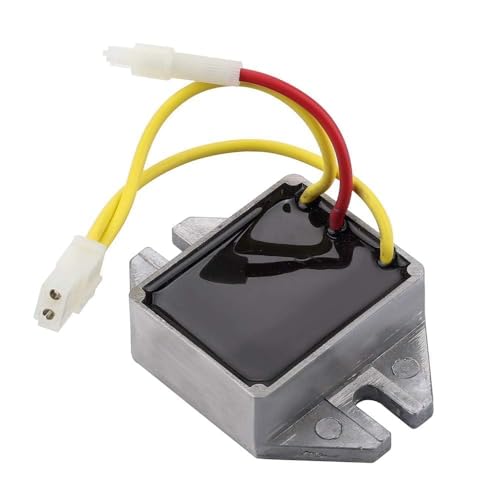
393374 Electrical Voltage Regulator This part replaces obsolete part Replace for #: 393374, 797375, 394890 (10, 13, or 16 Amp, Depending on Size of Flywheel Magnets), 691185, 394890
Preliminary Checks Before Testing
- Check the Battery: Ensure the battery is adequately charged. A weak battery may affect test results.
- Inspect the Connections: Look for loose or corroded wires and terminals. Clean and tighten them as needed.
- Grounding: Ensure the mower is grounded. A poor ground can lead to inaccurate readings.
Testing the Voltage Regulator with a Multimeter
- Set the Multimeter: Turn the multimeter to the DC voltage setting.
- Connect the Multimeter: Attach the red lead to the positive terminal of the battery. Connect the black lead to a suitable grounding point on the mower.
- Start the Mower: Start the mower and observe the multimeter reading. You should see a voltage reading between 13.5 and 14.5 volts while the engine runs. This indicates the voltage regulator is functioning correctly.
- Rev the Engine: Increase the engine speed to about 3,000 RPM and check the voltage again. The reading should not exceed 15 volts. Higher voltage may indicate a faulty regulator.
- Within Range: If the voltage remains between 13.5 and 14.5 volts, the regulator operates properly.
- Low Voltage: A reading below 13.5 volts may indicate the regulator is failing to charge the battery adequately.
- High Voltage: A reading above 15 volts suggests the regulator is overcharging the battery, which can lead to damage.
- No Reading: If there’s no voltage reading while the engine runs, the regulator may be malfunctioning or disconnected.
Following these steps ensures you accurately test your lawn mower’s voltage regulator and prevents potential electrical issues.
Common Issues with Voltage Regulators
Voltage regulators in lawn mowers can encounter various problems affecting the electrical system’s performance. Recognizing these issues ensures timely repairs and optimal mower operation.
Signs of a Failing Voltage Regulator
Identifying a failing voltage regulator helps prevent further damage. Look for these key indicators:
- Difficulty Starting: If the mower struggles to start, the voltage regulator may not be supplying adequate voltage to the ignition system.
- Erratic Engine Performance: Unstable running, including stalling or misfiring, often signals voltage regulation issues.
- Overcharging: A voltage reading above 15 volts during operation typically indicates an overcharging condition, potentially harming the battery.
- Undercurrent: Readings below 13.5 volts indicate insufficient charging, risking battery depletion.
- Burning Smell: A distinct burning odor may indicate overheating components due to improper voltage regulation.
Troubleshooting Tips
When issues arise, follow these troubleshooting steps to address potential voltage regulator problems:
- Check Battery Condition: Ensure the battery is fully charged. A weak battery complicates voltage regulator testing.
- Inspect Connections: Look for any loose or corroded wires and terminals. Secure and clean all connections to improve conductivity.
- Test Voltage Output: Using a multimeter, measure voltage across the battery terminals while the mower runs. Record readings to diagnose conditions.
- Grounding Verification: Confirm the mower’s grounding is intact. Poor grounding can affect voltage regulation.
- Replace If Necessary: If testing confirms malfunctioning behavior, consider replacing the voltage regulator to restore proper function.
By addressing these common signs and following troubleshooting tips, you can maintain a well-functioning lawn mower and enhance its performance.
Conclusion
Testing your lawn mower’s voltage regulator is a straightforward process that can save you time and frustration. By following the steps outlined and keeping an eye on those voltage readings you can ensure your mower runs smoothly and efficiently.
Don’t forget to prioritize safety while working on your mower. With the right tools and precautions in place you’ll be well-equipped to tackle any issues that arise.
Regular maintenance and timely troubleshooting will keep your mower in top shape and ready for action whenever you need it. Happy mowing!
Frequently Asked Questions
What does a voltage regulator do in a lawn mower?
The voltage regulator controls the electrical output from the mower’s alternator, ensuring that the battery charges correctly without overcharging. This is vital for maintaining the mower’s electrical system and ensuring smooth operation.
How can I tell if my lawn mower’s voltage regulator is faulty?
Signs of a faulty voltage regulator include difficulty starting the mower, erratic engine performance, overcharging, and unusual smells like burning. These indicators suggest the regulator may need testing or replacement.
What tools do I need to test a lawn mower’s voltage regulator?
To test a lawn mower’s voltage regulator, you’ll need a multimeter, screwdrivers, wrenches, wire strippers, and test leads. Ensure you have the right tools for accurate results.
What safety measures should I take when testing the voltage regulator?
Always wear safety glasses, insulated gloves, steel-toed boots, and ear protection when testing the voltage regulator. These measures help protect you during the process.
How do I test the voltage regulator on my lawn mower?
Start by ensuring the battery is charged and connections are clean. Set your multimeter to the DC voltage setting, connect it to the battery, and start the mower. A proper voltage reading should be between 13.5 and 14.5 volts while running.
What happens if the voltage regulator shows voltage above 15 volts?
If the voltage regulator shows voltage readings above 15 volts, it may indicate that it is malfunctioning and could be overcharging the battery. This can damage the battery and other electrical components.
What common issues can arise with voltage regulators?
Common issues with voltage regulators include difficulty starting, erratic performance, overcharging, undercurrent problems, and burning smells, which may suggest overheating components.
How can I maintain my lawn mower’s voltage regulator?
Regularly inspect battery connections for corrosion, test voltage output, and ensure grounding is proper. Addressing any signs of trouble early can help maintain the regulator’s functionality.
