

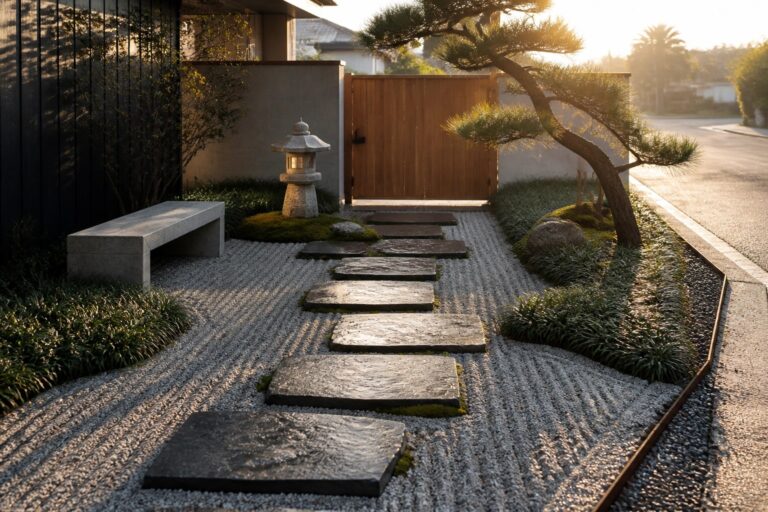
I’ve noticed that zen gardens hold up better when the gravel and stone come first and the plants stay secondary so the whole space keeps its quiet order.
In my yard the sections that actually feel peaceful are the ones where the pathways stay wide enough to walk without brushing against anything.
Gravel changes everything.
Most people start by picking plants but the real difference shows up in how the stones sit against each other and how the ground drains after rain.
A couple of these layouts look like they could be tested on a small side area first before committing to the whole garden.
Stepping Stones Through Gravel
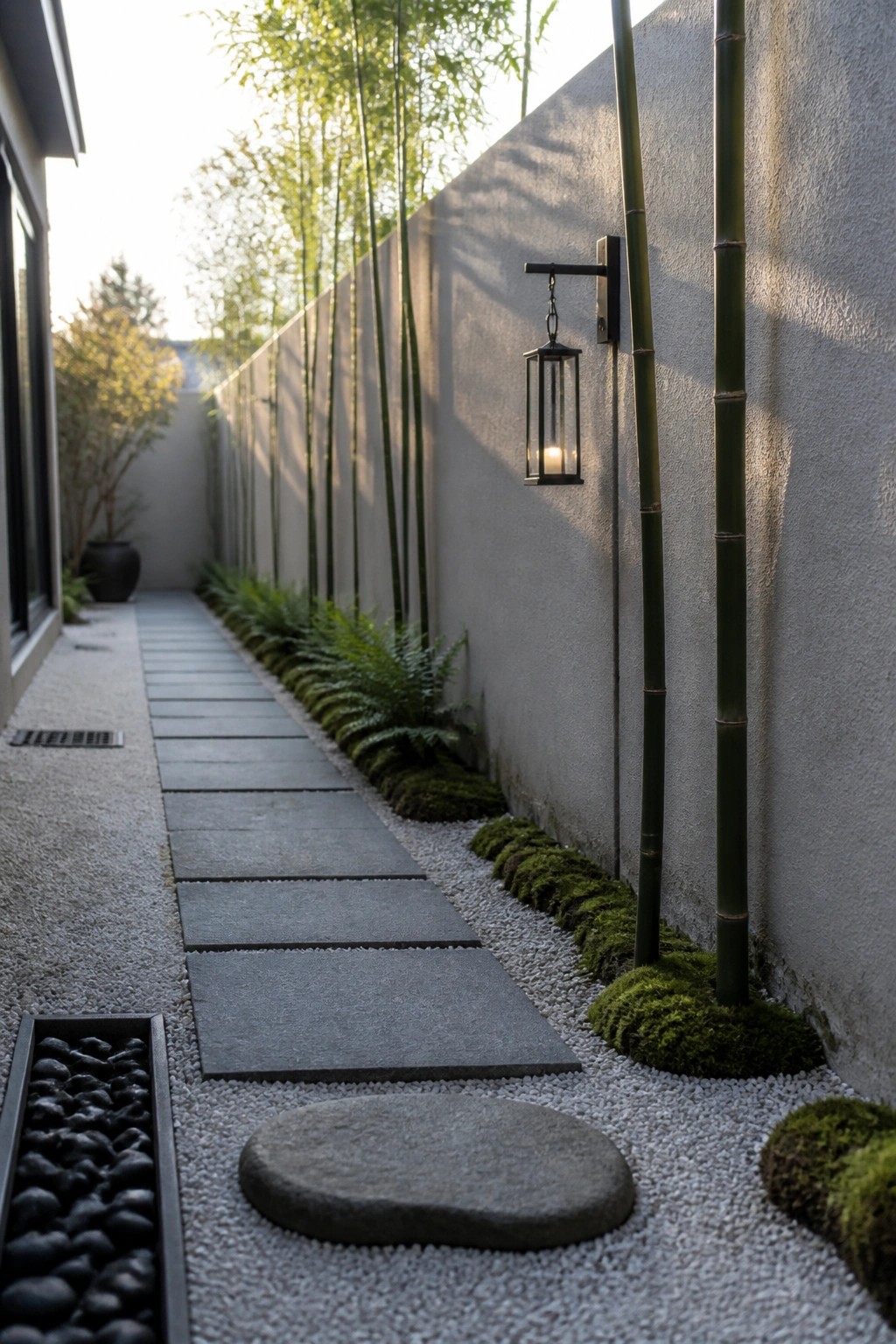
Many zen gardens use stepping stones set into gravel because the combination feels calm and easy to maintain. The stones give you a clear path while the gravel fills in around them and keeps the whole area looking neat without much work.
This approach works best in narrow side yards or along a wall where you want a simple walkway. Place the stones a comfortable step apart and keep the planting light with things like bamboo or low ferns so the gravel stays the main surface.
Gravel Floors For Simple Outdoor Seating
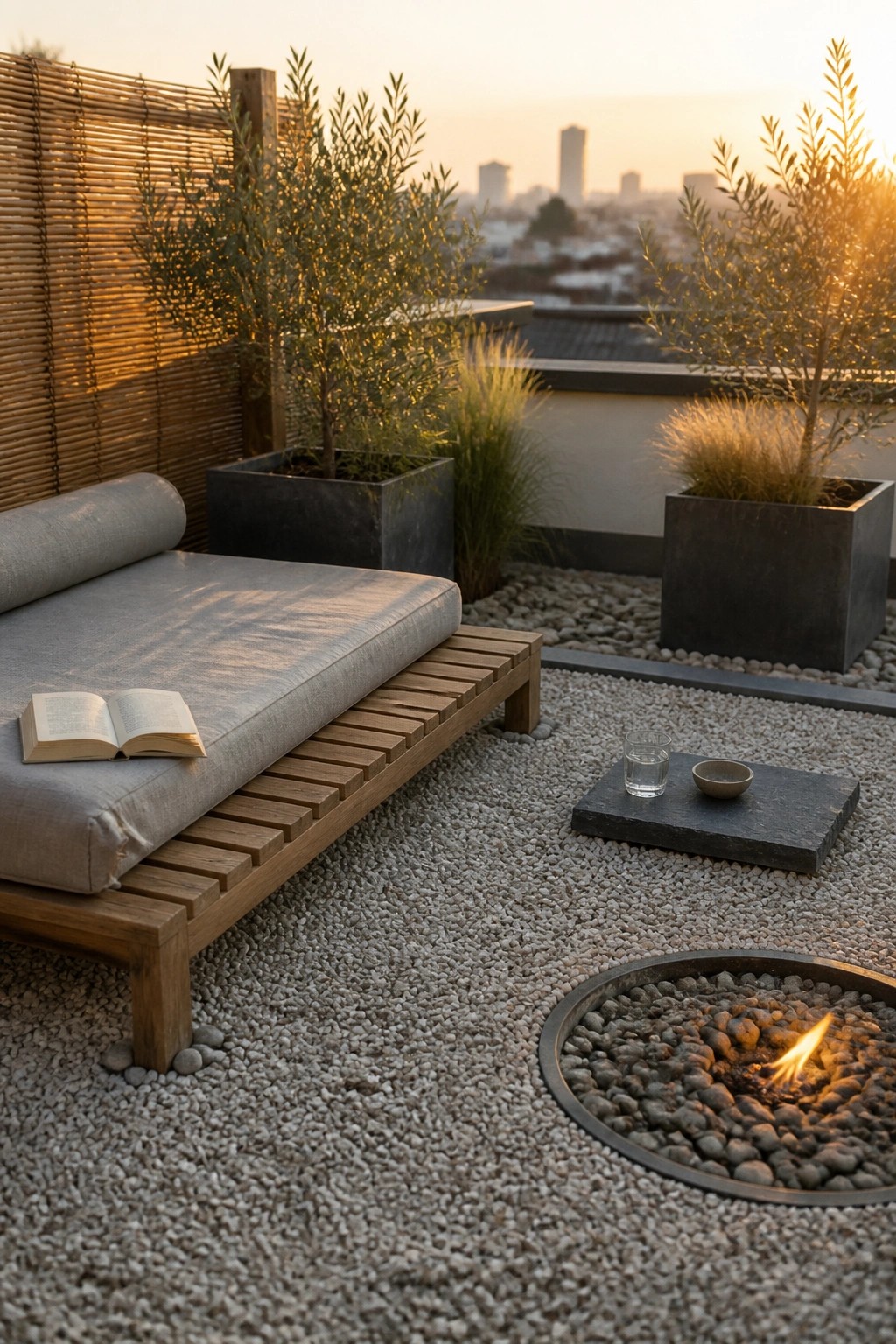
Gravel makes a good base for a small outdoor seating area because it feels soft underfoot and drains well. It keeps the space looking calm without needing grass or heavy paving, and it works with just a few potted plants to add greenery.
This setup fits rooftops or compact yards where you want a quiet spot to sit. Place a low bench or lounge near a fire pit so the gravel ties everything together, and keep extra plants in containers to avoid overcrowding.
Stepping Stones In Gravel For A Zen Path
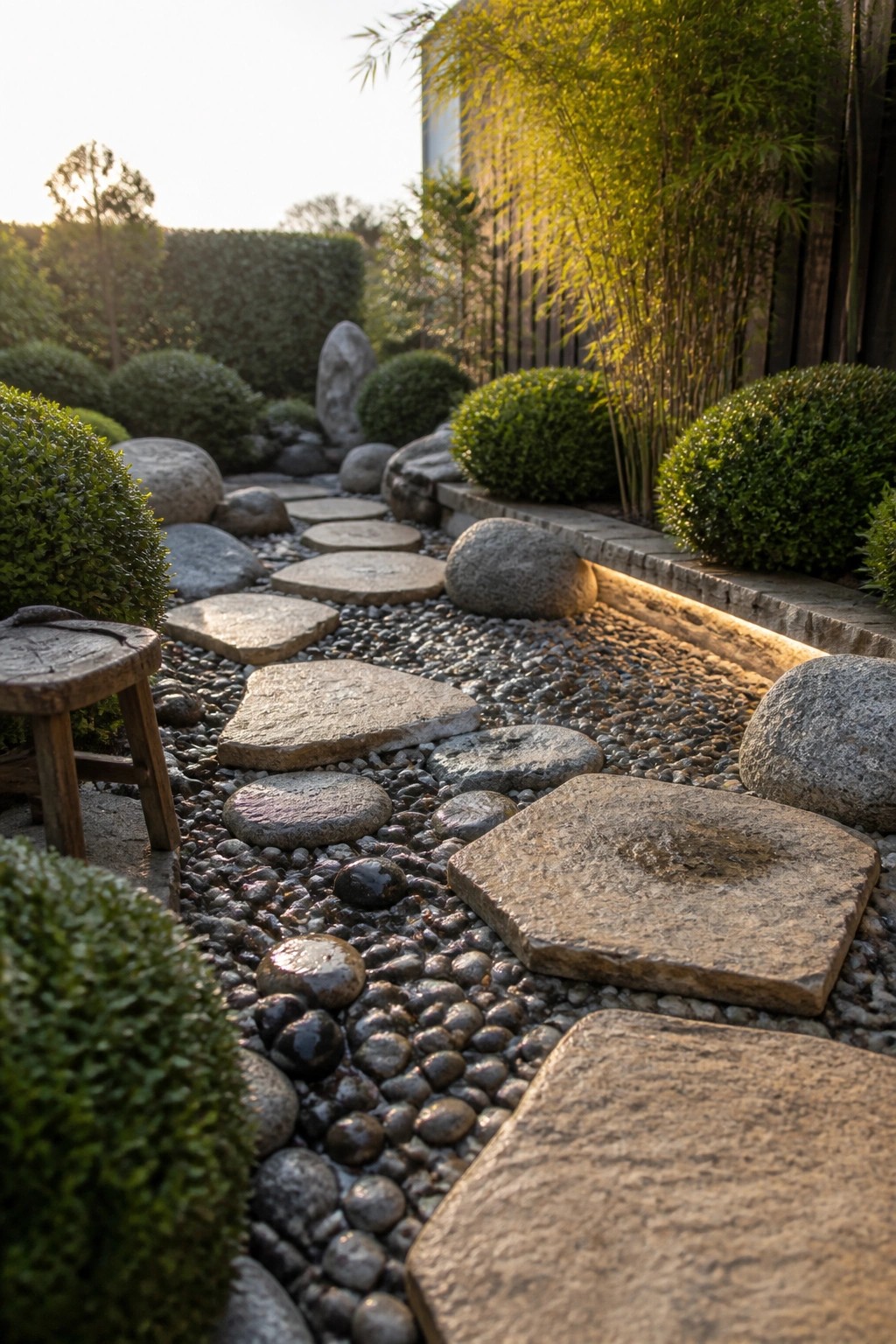
A path made from flat stones set into gravel gives a garden that quiet, unhurried feel without much fuss. The stones create clear steps while the gravel fills in around them, keeping the whole thing simple and low to the ground. It works especially well in smaller spaces where you want movement without crowding in too many plants or hard edges.
This setup suits most homes with a bit of yard space, whether the garden is new or already established. Just keep the stones large enough to walk on comfortably and let the gravel settle naturally over time. Avoid tight curves if the path sees regular use.
Stepping Stones Set Into Gravel
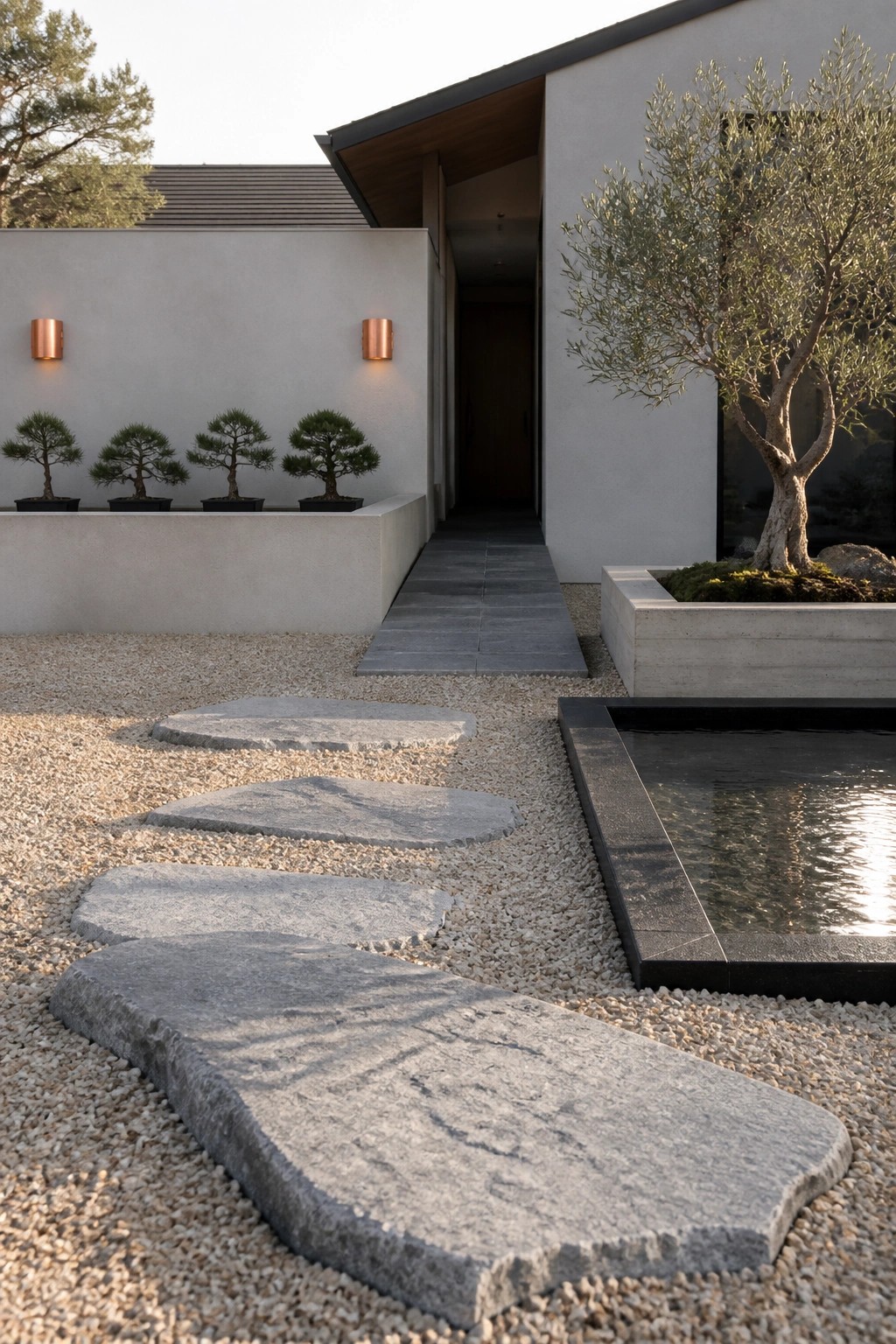
A path made of flat stones placed in gravel gives a garden a quiet, settled feel without much fuss. The stones create a clear route while the gravel keeps the surface loose and simple, which works especially well in a zen style setting where you want to avoid anything too structured.
This approach suits front entries or side gardens where traffic is light. Place the stones with comfortable spacing for walking and use a gravel that stays put but still drains well. Keep surrounding plants low and minimal so the path remains the main feature.
Stepping Stones In Gravel For Simple Paths
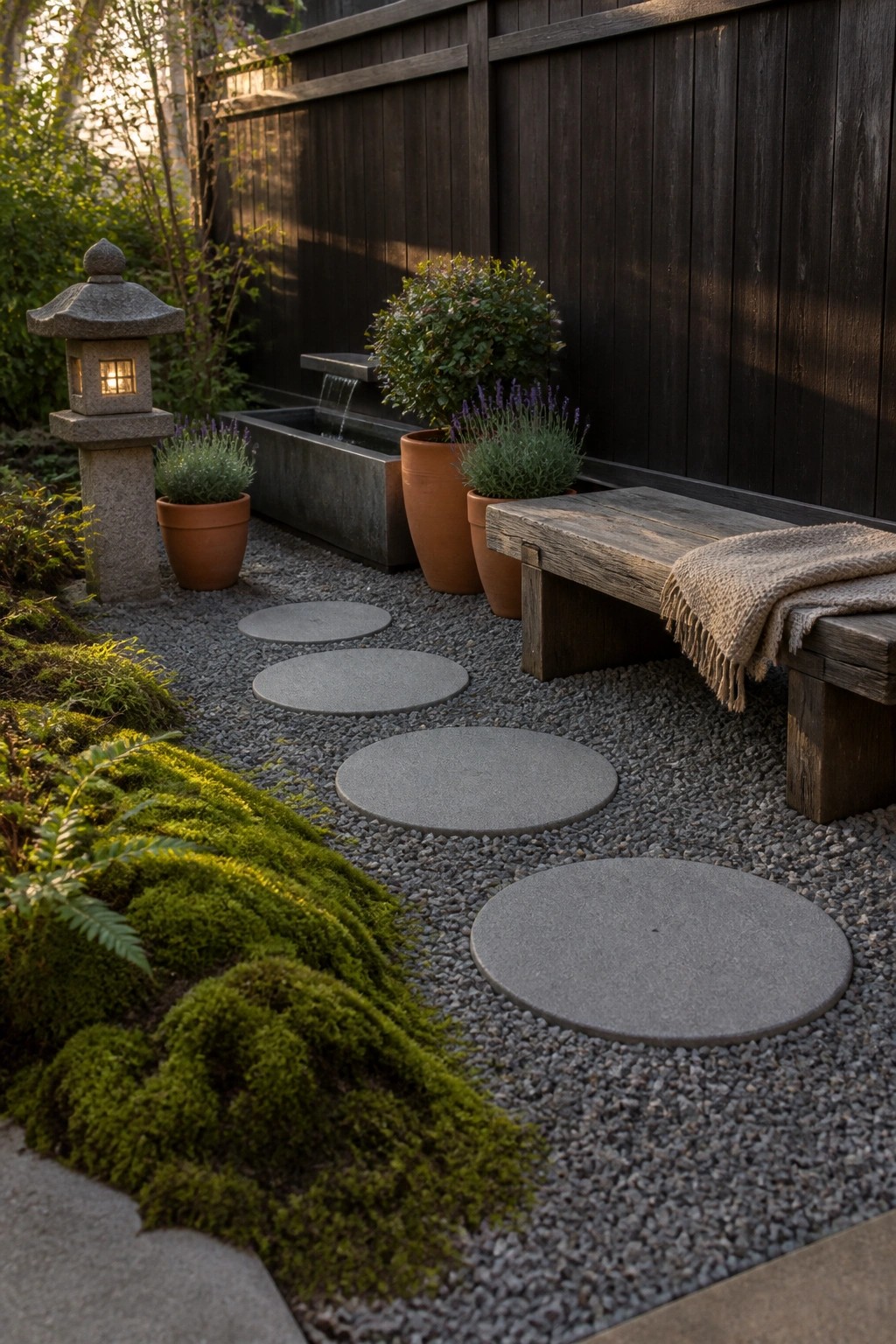
Round stepping stones laid into gravel give a garden an easy way to move through planted areas without creating a hard walkway. The stones keep feet dry and guide the eye along a gentle route while the gravel handles drainage and adds texture underfoot.
This approach works well in smaller yards or side gardens where you want low maintenance and a quiet look. Keep the stones spaced for a natural walking rhythm and let low plants like moss or lavender soften the edges over time.
Stone Steps With Gravel Beds
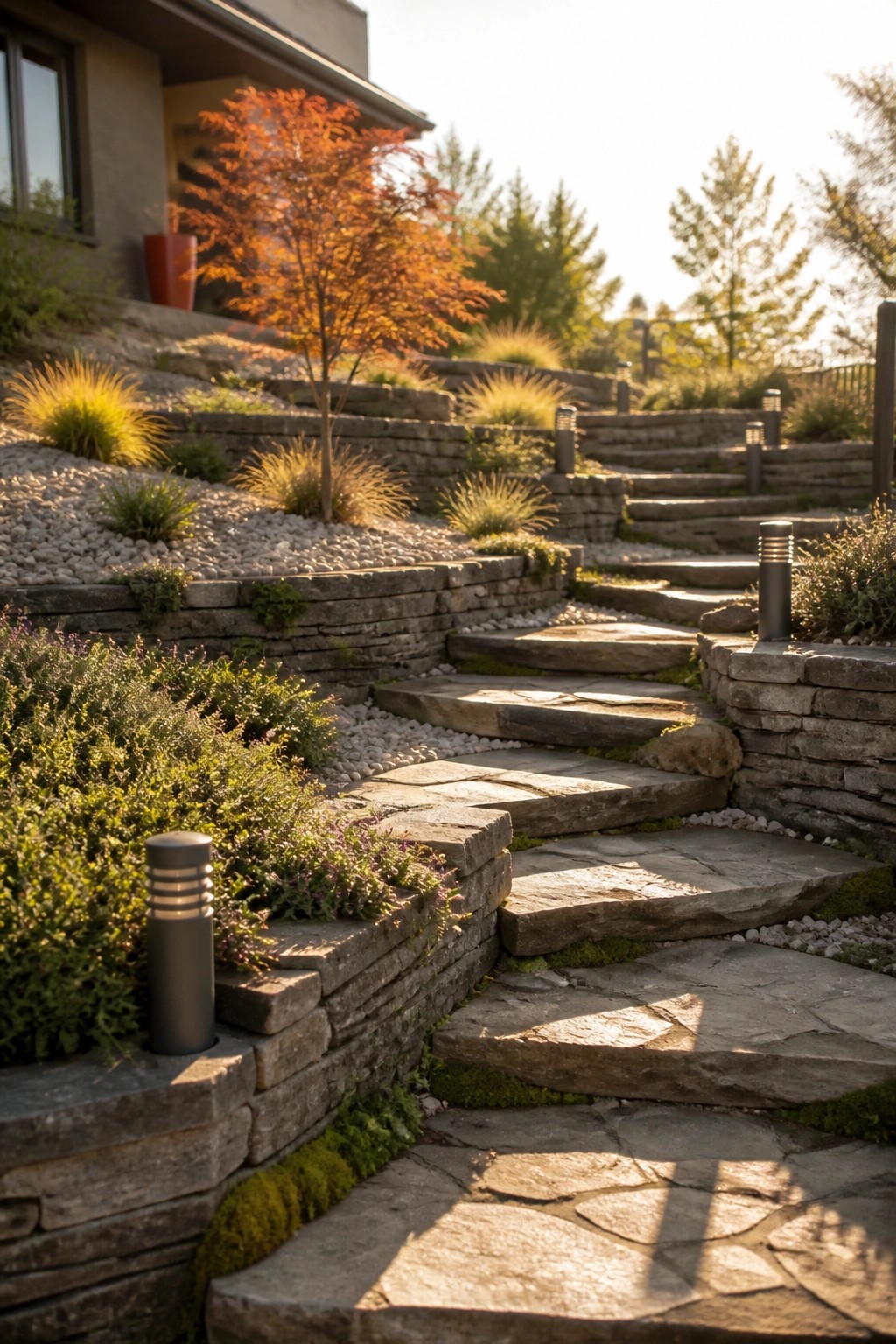
Stone steps paired with gravel beds give a garden a clear path without making it feel too formal. The combination handles slopes well and keeps the surface easy to maintain while still looking natural.
This layout suits homes with any kind of grade change, especially where you want simple access between levels. Keep the surrounding plants low and varied in texture so the steps remain the main feature and the gravel stays visible.
Raked Gravel With Standing Stones
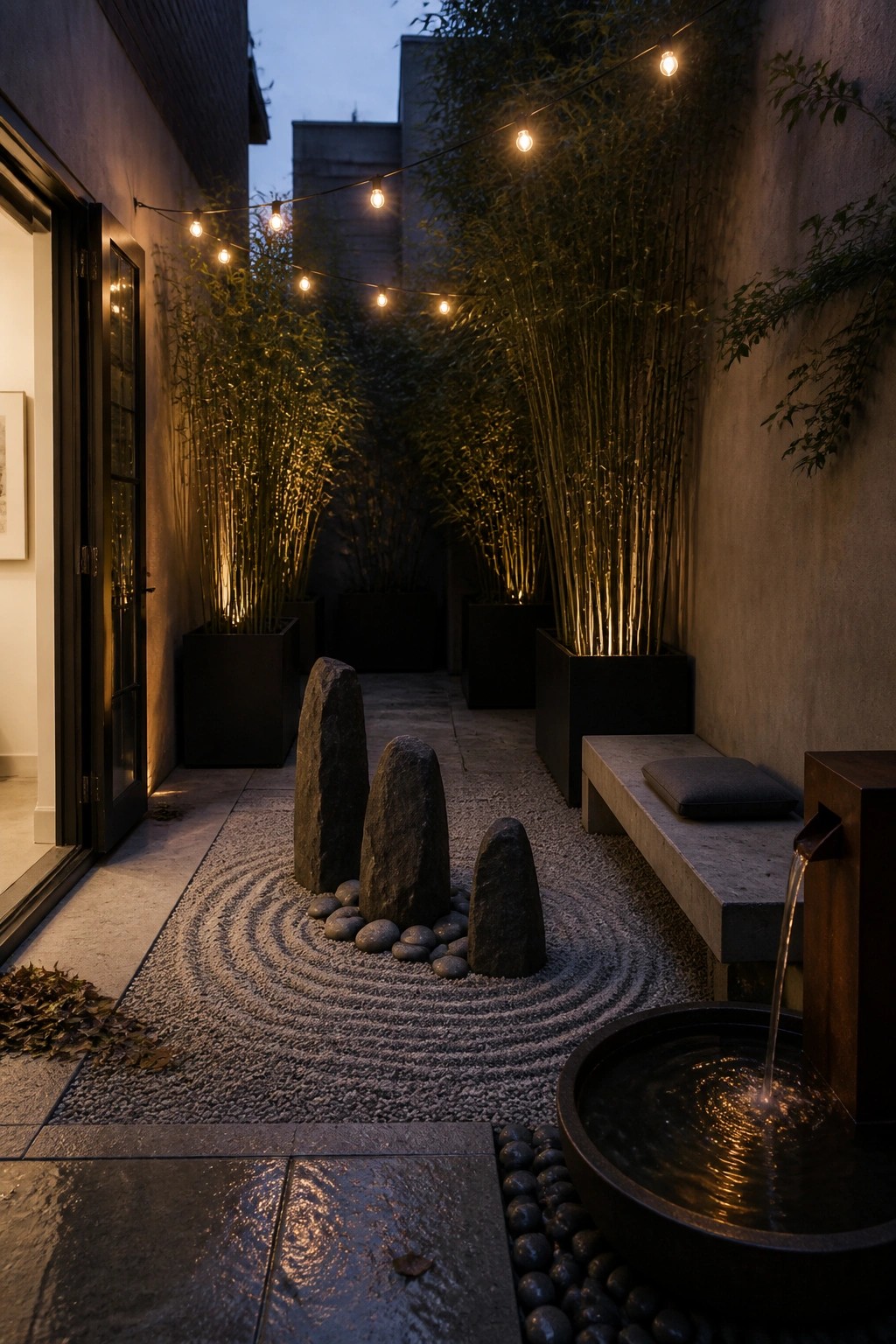
Raked gravel works well as a simple way to add calm to a small courtyard or side garden. The patterns pull attention to the center without needing lots of plants or extra features.
This approach suits narrow spaces between buildings where you want something low maintenance. Use a few upright stones to anchor the design and keep the surrounding gravel raked in soft circles. It stays easy to care for and brings a quiet feel to tight urban yards.
Gravel For A Low-Maintenance Balcony Garden
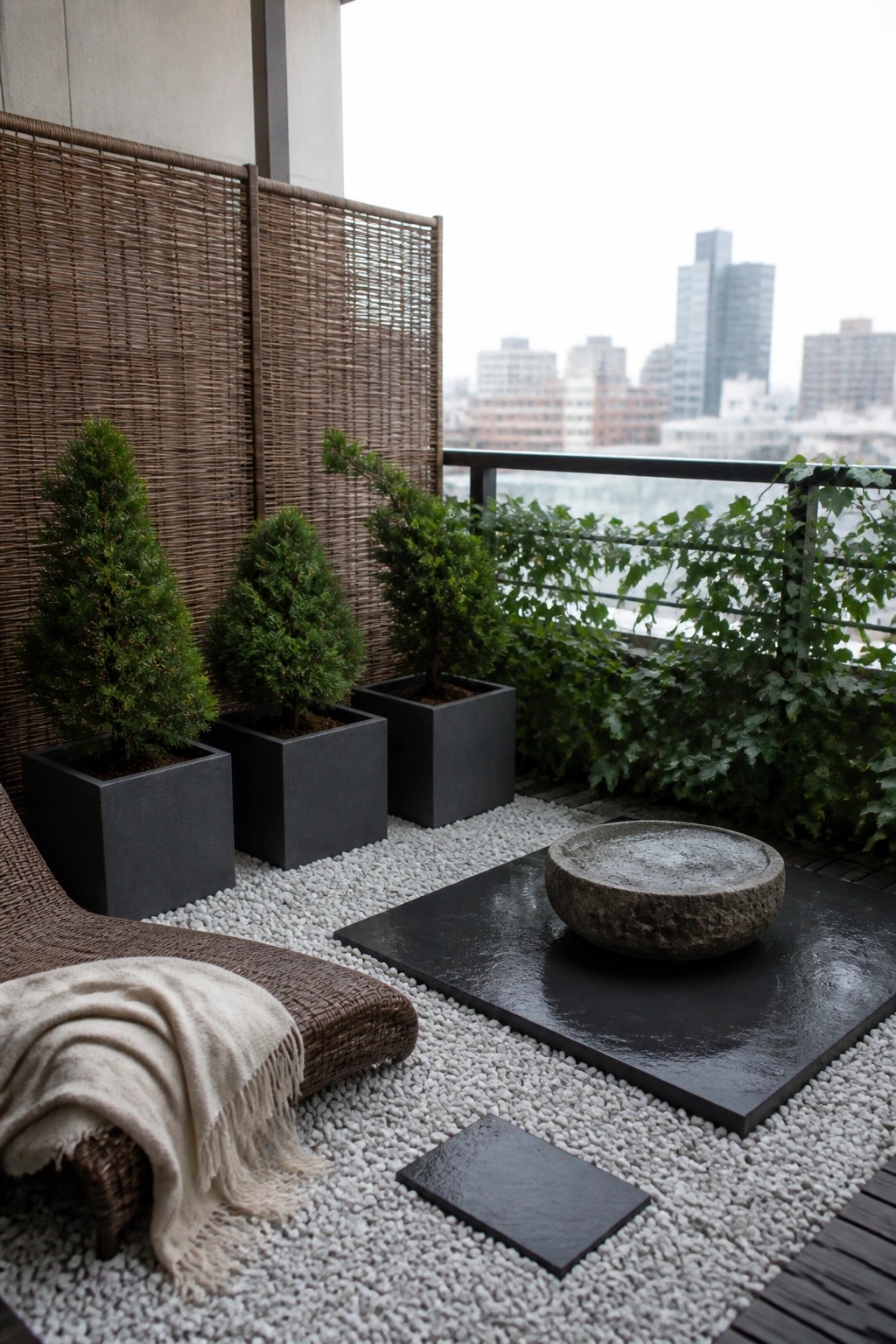
Gravel works well on a balcony when you want a calm surface that does not need much care. It gives the space a settled look and lets a few simple plants stand out without crowding the area.
Keep the planting to a handful of small evergreens in matching pots and add one larger stone piece on a flat slab. This approach suits apartments with limited space and helps the balcony feel open rather than cluttered.
Stepping Stones Set In Gravel Create A Quiet Walkway
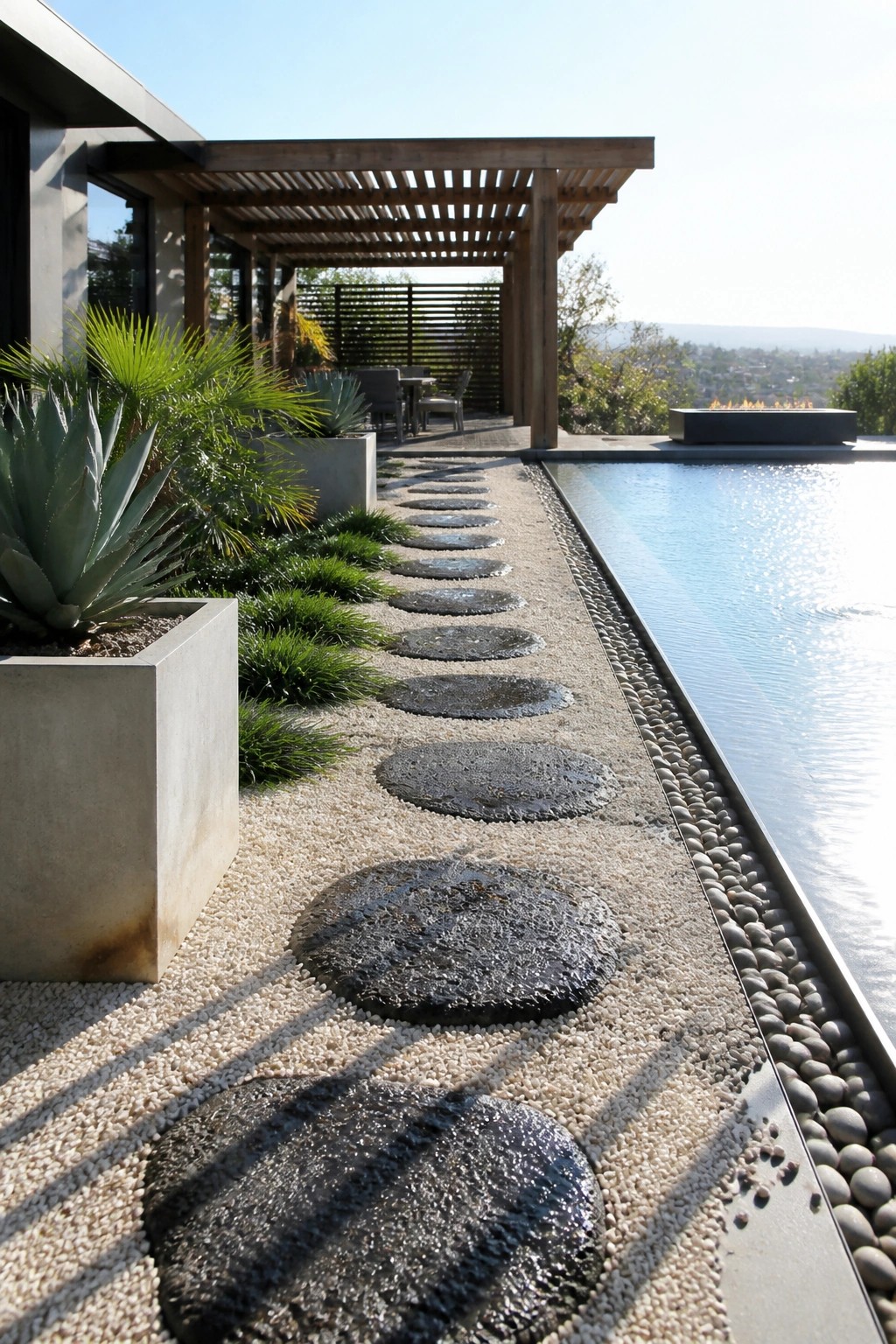
Many zen gardens use this kind of path because it feels calm and direct. The large round stones sit in light gravel so the line stays simple while the surface remains easy to walk on. It gives a clear route without adding clutter or extra materials.
This layout works best in side yards or along a pool where you need a walkway but want to keep the space open. It suits homes with clean lines and works even better when the gravel is kept raked and the stones stay a consistent size. Just make sure the gravel layer is deep enough to hold its shape over time.
Raked Gravel Paths
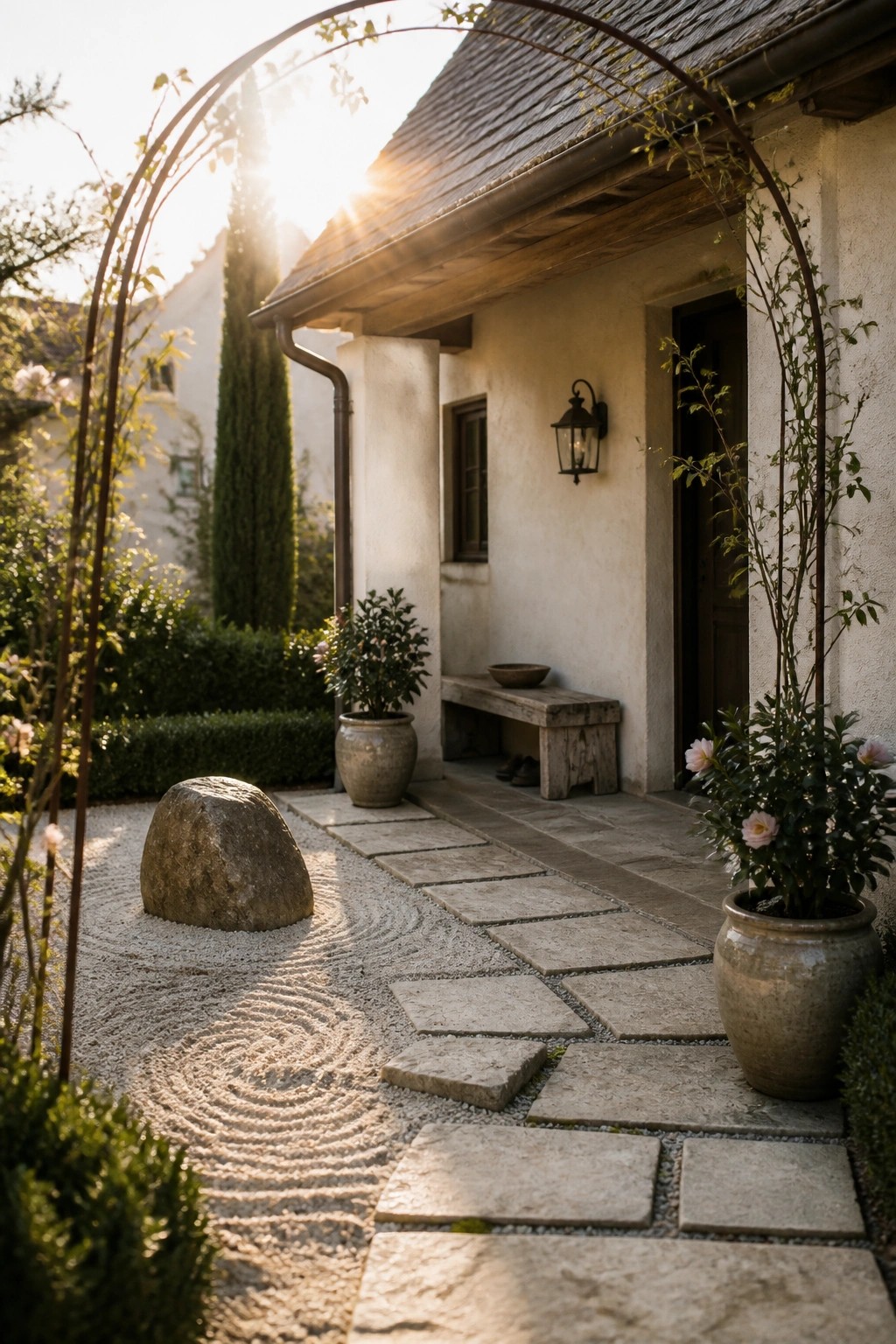
Raked gravel gives a garden path a quiet rhythm that feels settled rather than busy. The simple patterns add movement without extra plants or ornaments, which is why it fits the low-key approach many people want in a zen space.
It works best in smaller side areas or near an entry where the path can stay narrow. Use a few larger stones to break up the gravel and keep the raking simple so the pattern stays easy to maintain.
Gravel As The Base For A Zen Garden
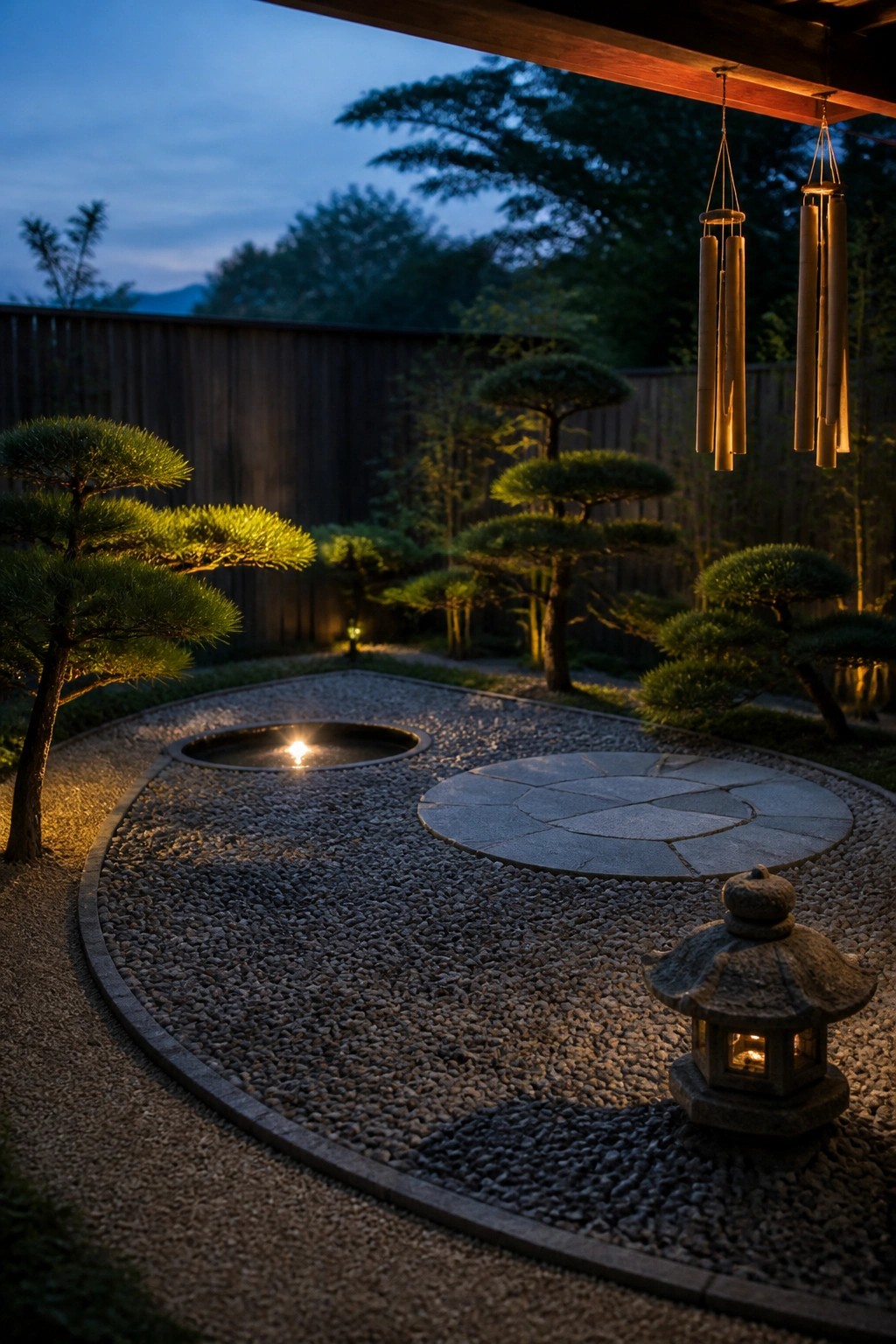
Gravel works well when you want a garden that feels open and calm without needing constant care. It covers a lot of ground quickly and gives the space a quiet, even look that lets the plants and stones stand out more.
This approach suits smaller yards or side gardens where you want low maintenance but still need some structure. Keep the gravel layer thick enough to stay in place, and use a few larger stone pieces or simple lanterns to break up the surface so it does not feel too flat.
Stepping Stone Paths Over Gravel
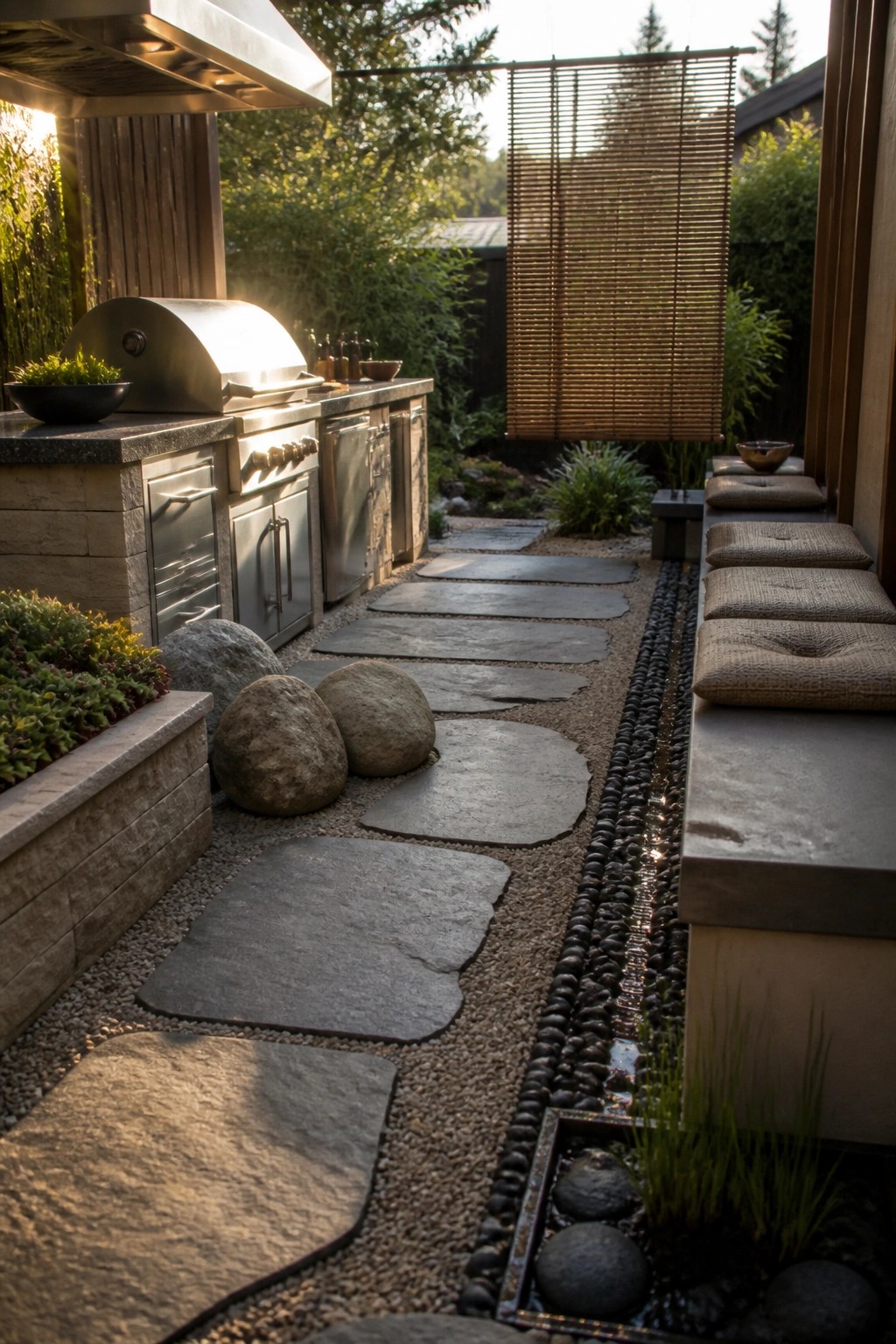
A path built from large flat stones set into gravel creates an easy rhythm through a garden while keeping everything simple and low maintenance. The stones give you a clear route to follow without turning the space into a solid walkway, and the gravel helps with drainage and weed control.
This layout works especially well in narrow side yards or along the edge of a seating area. Place the stones at a comfortable stride length and add a narrow band of darker pebbles along one side if you want a bit more definition without adding extra plants.
Gravel Paths Edged With Stone
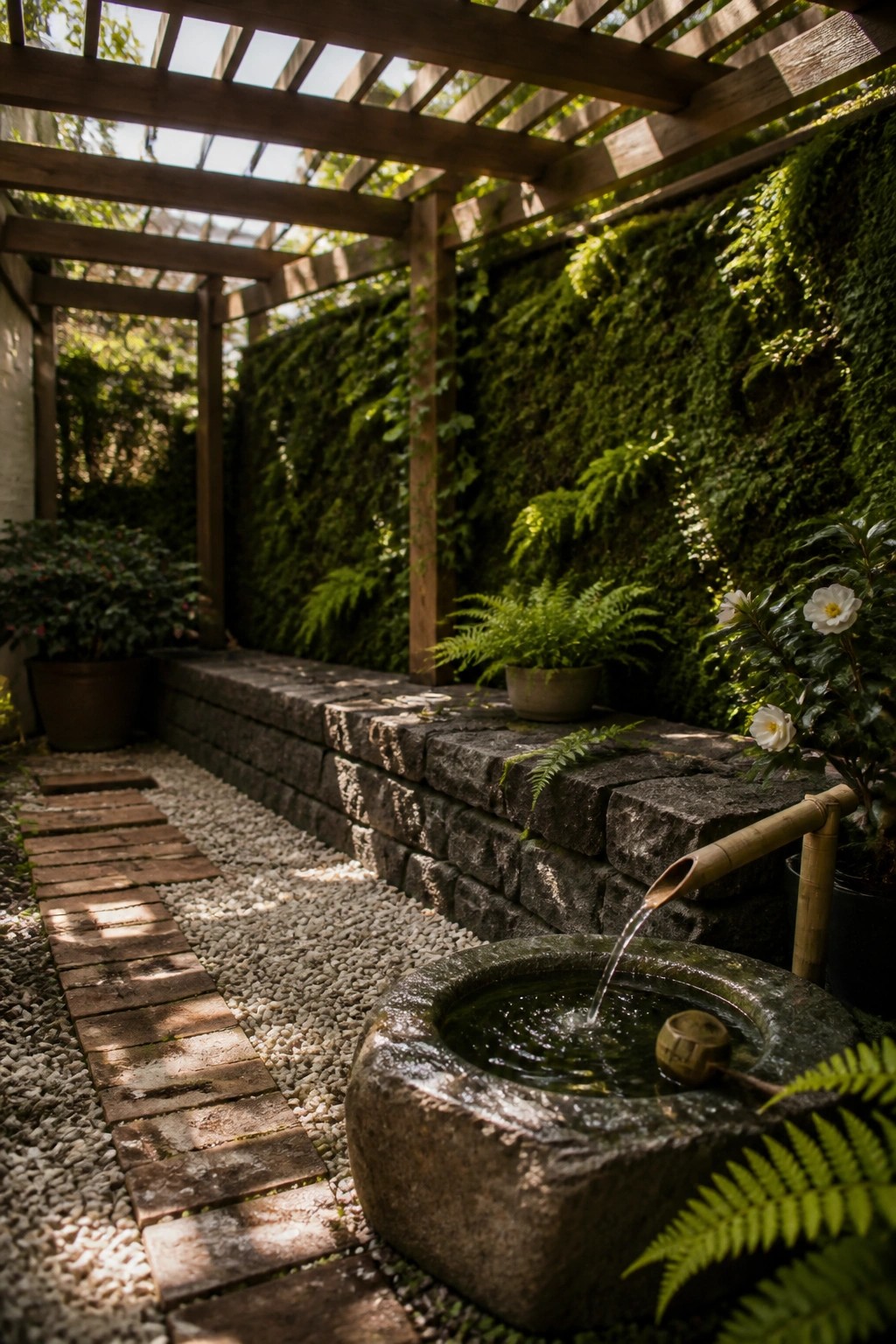
Gravel paths work well in zen gardens because they feel soft underfoot and need almost no upkeep once they are down. A low stone wall along the edge keeps the gravel from spreading and gives the whole area a clean, settled look.
This setup fits best in narrow side yards or small courtyards where you want a simple walkway. Keep the stones low so the path still feels open and pair it with just a few ferns or similar greenery.
Gravel Paths With A Winding Pebble Line
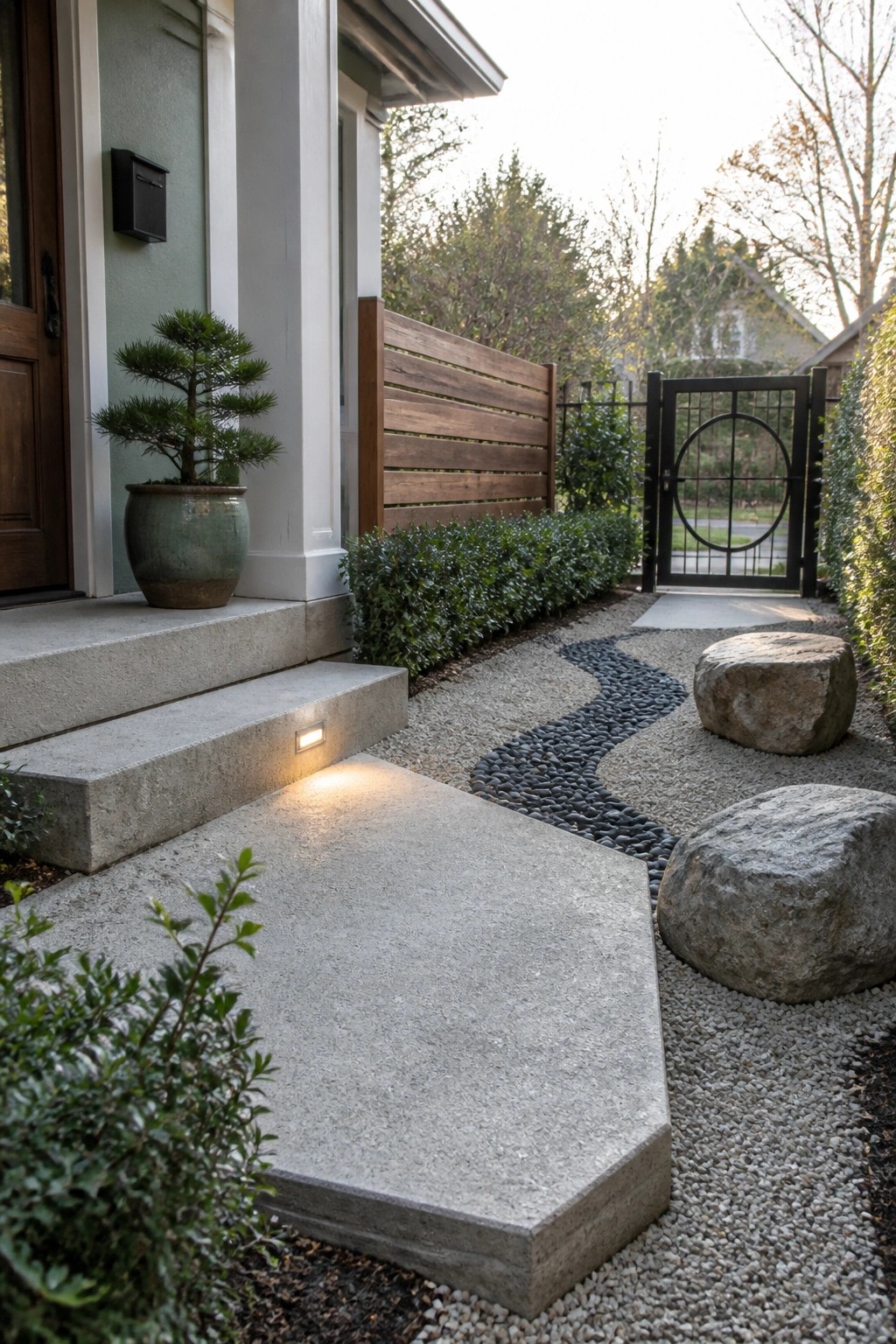
A gravel path works well when you want something low-key that still feels intentional. The dark pebbles running through it in a loose curve give the eye a clear route without needing a lot of plants or edging to make it look finished.
This approach suits front entries or side yards on smaller lots where you want to keep things open and easy to walk. Just make sure the gravel stays contained so it does not spill onto nearby paving or lawn edges over time.
Stone Circles Set Into Gravel
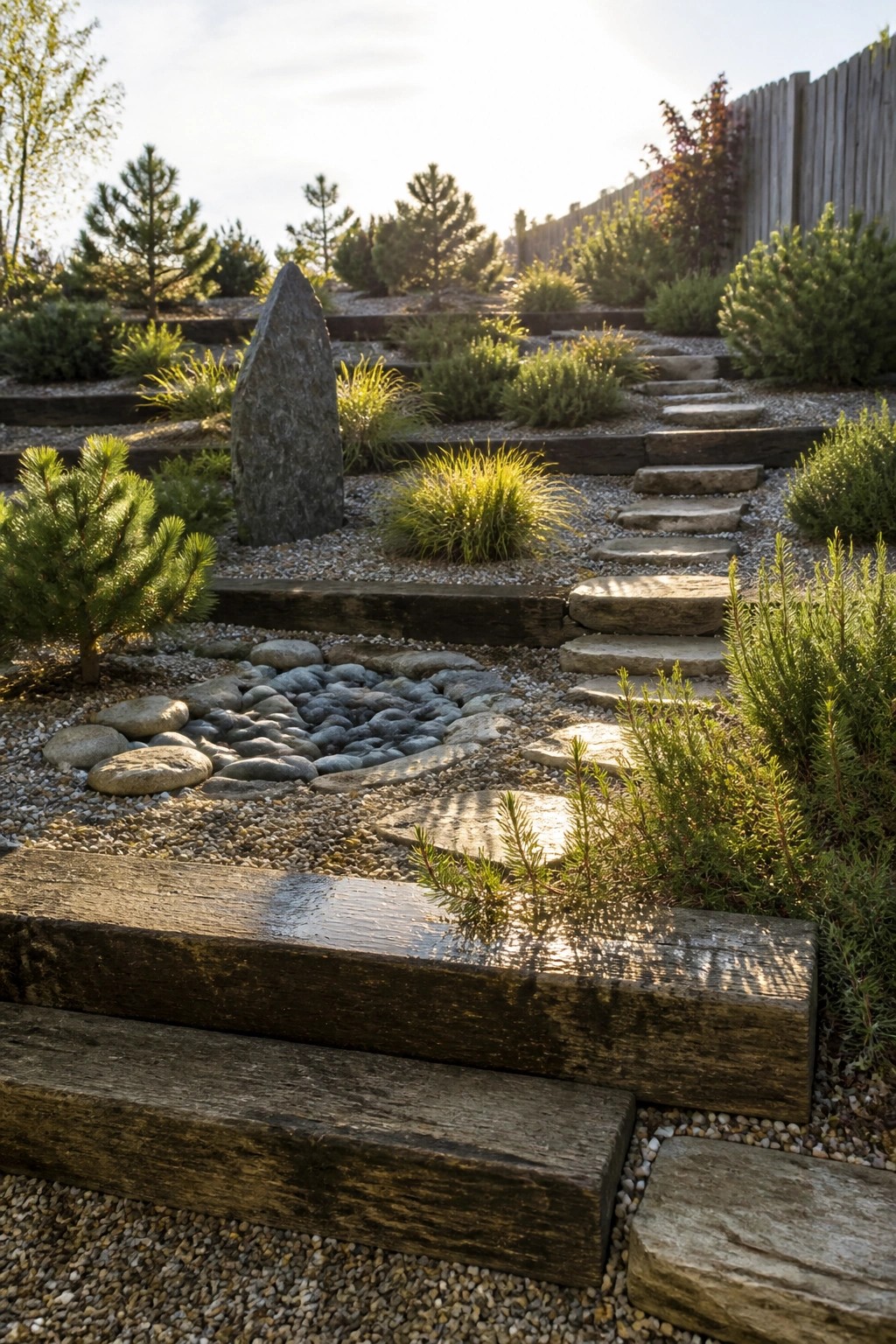
One simple way to add interest in a zen garden is to build a small circle of stones right into the gravel. It creates a quiet focal point that feels natural and grounded without needing much else around it.
This works best along a path or near a seating spot where the eye can land gently. Use stones in a similar tone and size, keep nearby plants low, and let the gravel do most of the work so the circle stays the main feature.
Raked Gravel Patterns Around A Stone Platform
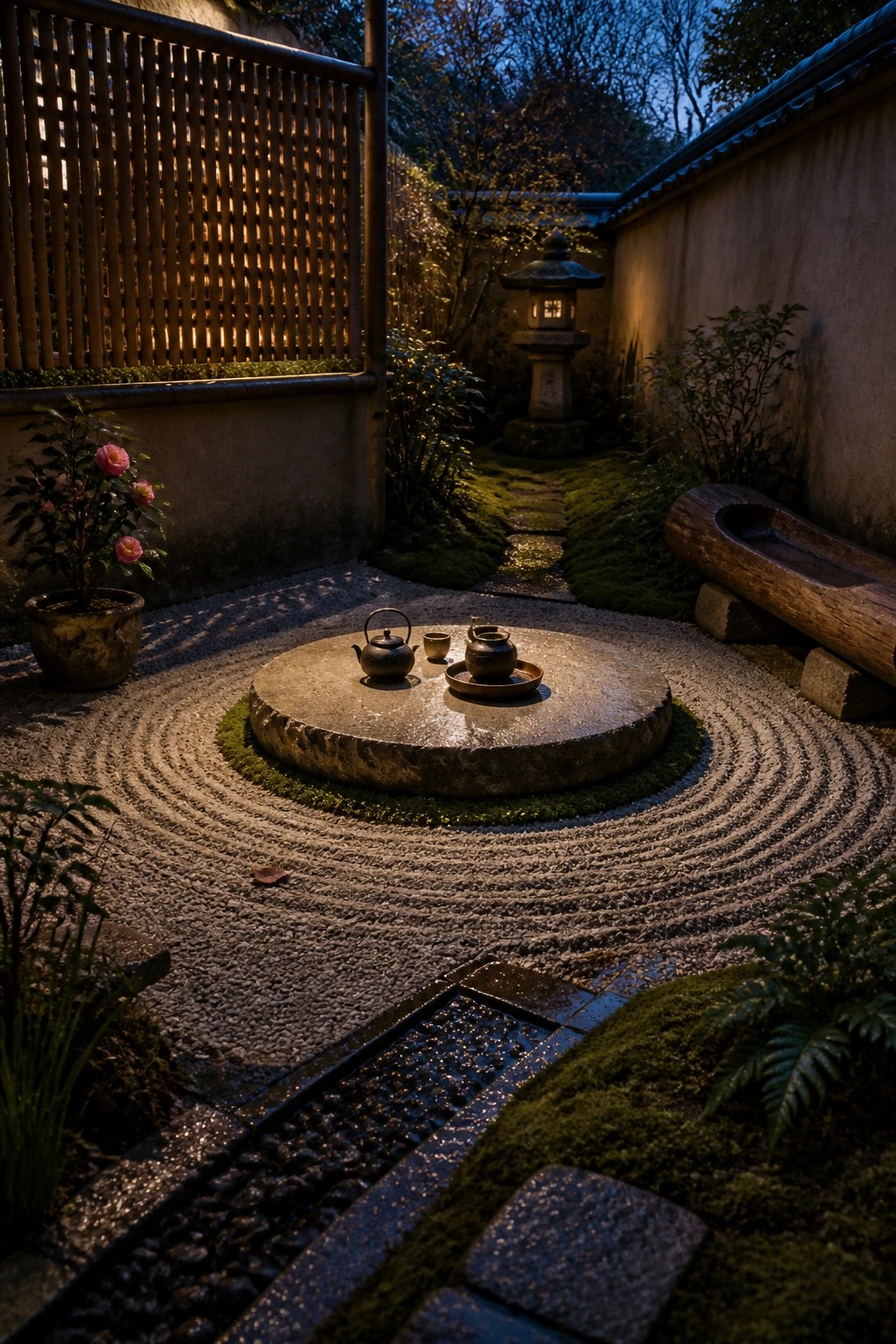
Raked gravel works well when you want a simple way to mark a quiet spot in the garden. The ripples draw attention to the center without adding clutter or extra color. It keeps the space feeling open yet intentional, especially when the rest of the garden stays low and green.
This approach suits small yards or corners where you need a low-maintenance feature. Keep the circles clean and the stone surface flat so the pattern stays easy to maintain over time. It pairs nicely with a basic path or fence to help the whole area feel connected.
Stepping Stone Paths In Gravel
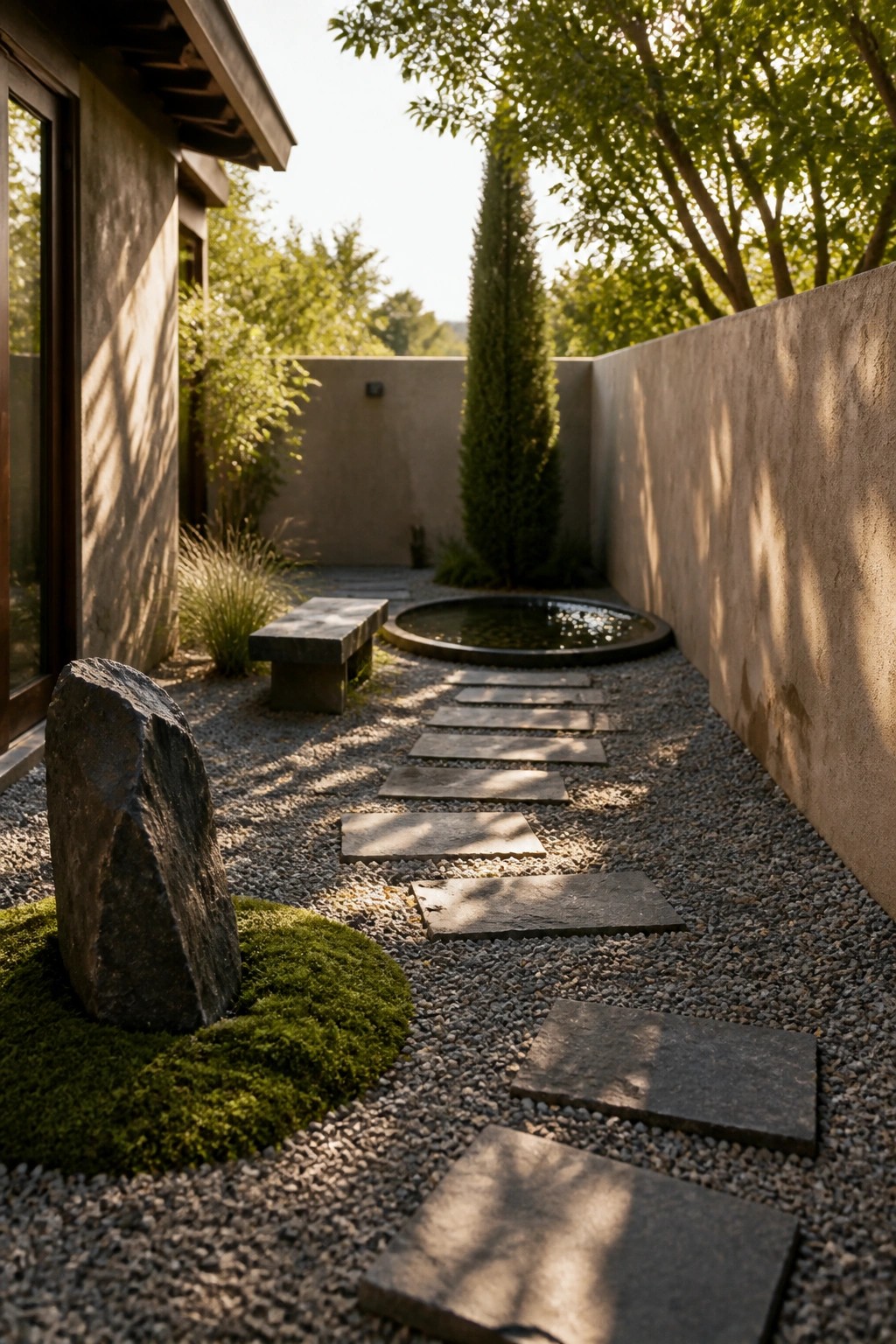
Many zen gardens use gravel with flat stones set into it to create a simple walkway. This keeps the ground easy to walk on and gives the space a quiet rhythm without needing a lot of plants or hard edges.
It suits narrow side yards or small gardens where you want something low maintenance that still feels natural. Place the stones so they sit level with the gravel and leave enough space between them for a comfortable stride.
Frequently Asked Questions
Q: How often should I rake the gravel to keep the patterns looking fresh?
A: Rake it lightly once a week or after heavy wind. This brings back the smooth look without much effort and helps you spot any weeds early.
Q: What if my yard gets full sun all day?
A: Choose drought tolerant plants like sedum or ornamental grasses that handle heat well. They keep the greenery simple and alive without constant watering.
Q: Can I use this design in a small courtyard space?
A: Scale down the gravel area and use fewer stones. A compact version still creates that calm feeling even in tight spots.
