

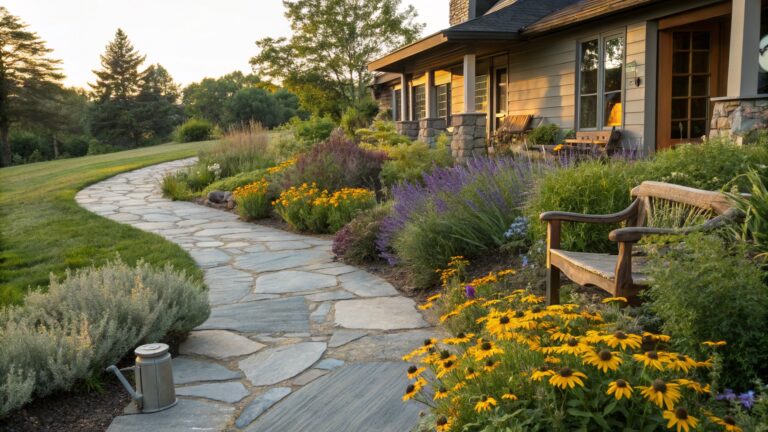
I’ve found that Black-Eyed Susans add the most life to a yard when planted in thoughtful clusters that follow the natural curves of pathways and beds. They create that sunny punch people notice right away, especially as they mound up and fill in over a couple of seasons. Good edging around them prevents the sprawl that can mess up cleaner layouts later on. In my own yard tweaks, I’ve seen how mixing them with low grasses builds a structure that looks full without constant upkeep. A few of these ideas feel worth sketching out for real spots where color lags right now.
Winding Stone Path Through Perennial Beds
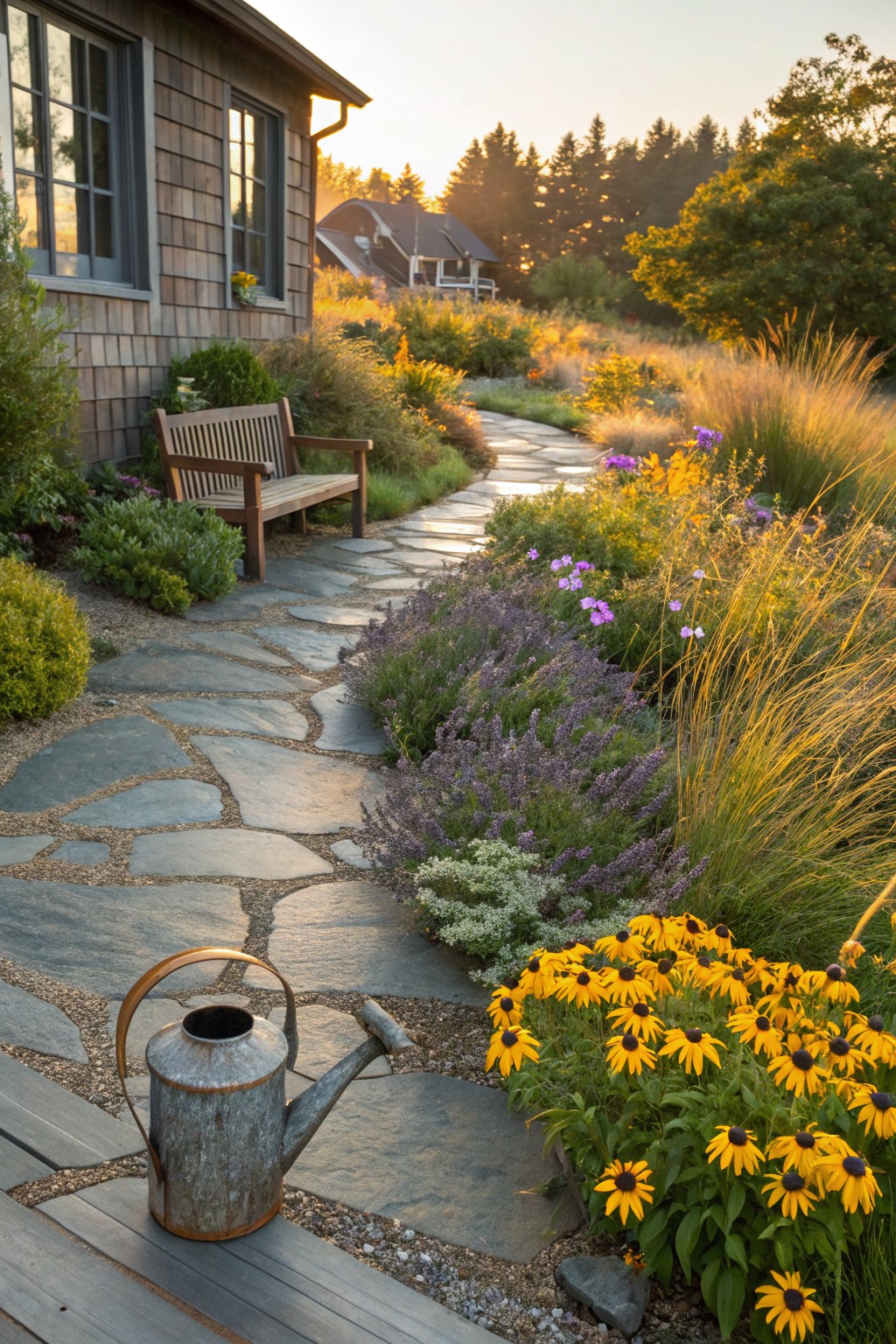
A curving path like this one uses irregular flagstones set in gravel to guide you gently through the garden. Black-eyed Susans massed at the end pull your eye forward, mixing with lavender and grasses for easy color all season. It’s a low-key way to make a yard feel deeper without much fuss.
Plant this in side yards or along house edges where you want movement. Keep the path two feet wide for strolling, edge it with low plants first, then add the Susans where sun hits. Skip straight lines. It suits sloped spots too… just step the stones as you go.
Entry Path Lined with Black-Eyed Susans
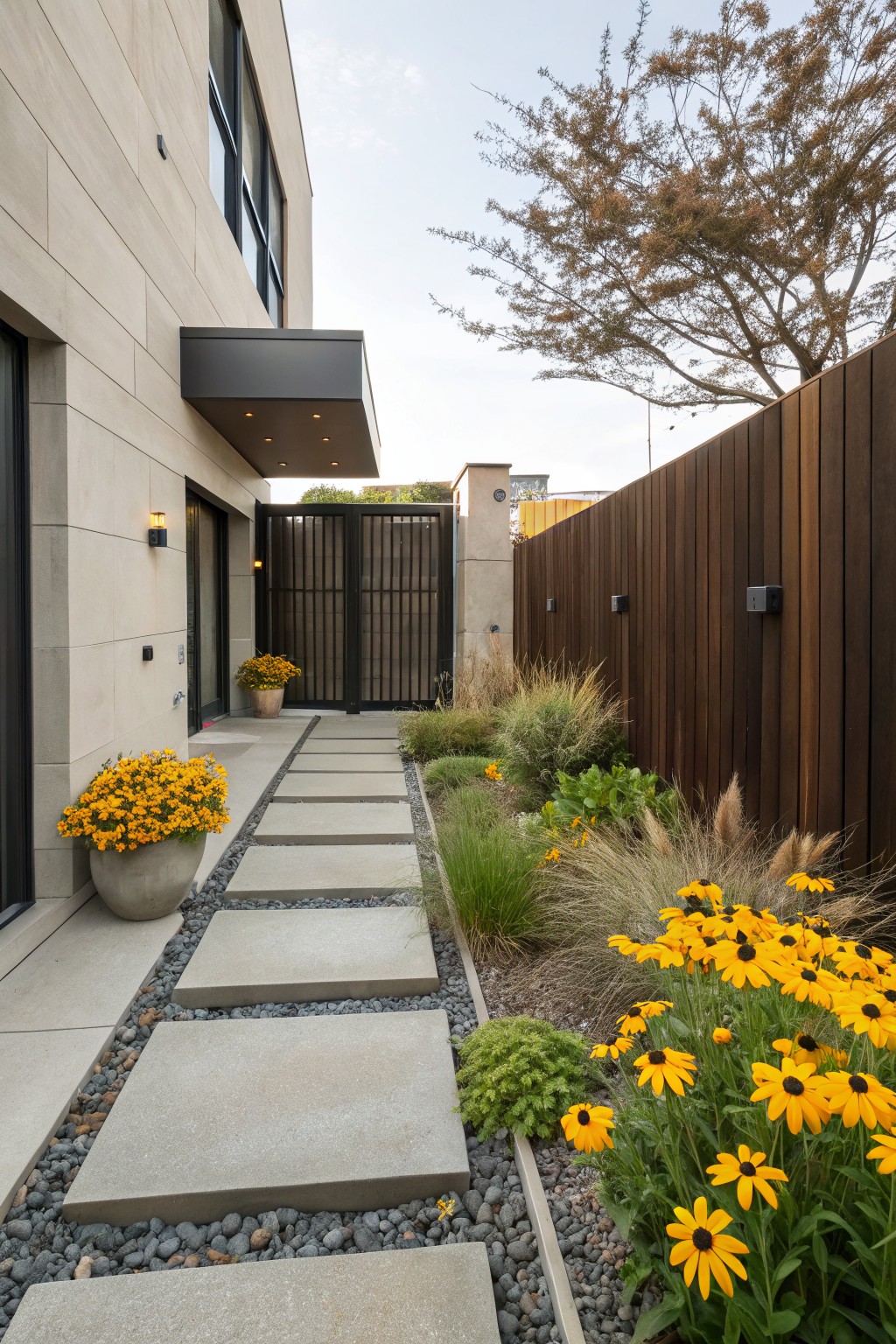
A simple stone pathway like this one runs straight from the gate to the door. Black-eyed Susans fill the beds on both sides, mixed with tall grasses. The yellow blooms stand out against the gravel edging and pale house walls. It makes the walk feel purposeful and cheerful without much fuss.
This works well in narrow side yards or along a fence line. Use big concrete slabs spaced out for the path, then gravel borders to keep weeds down. Plant the Susans in loose clumps for natural flow. They come back each year and handle sun fine. Just trim the grasses in late winter.
Black-Eyed Susans Along Stone Steps
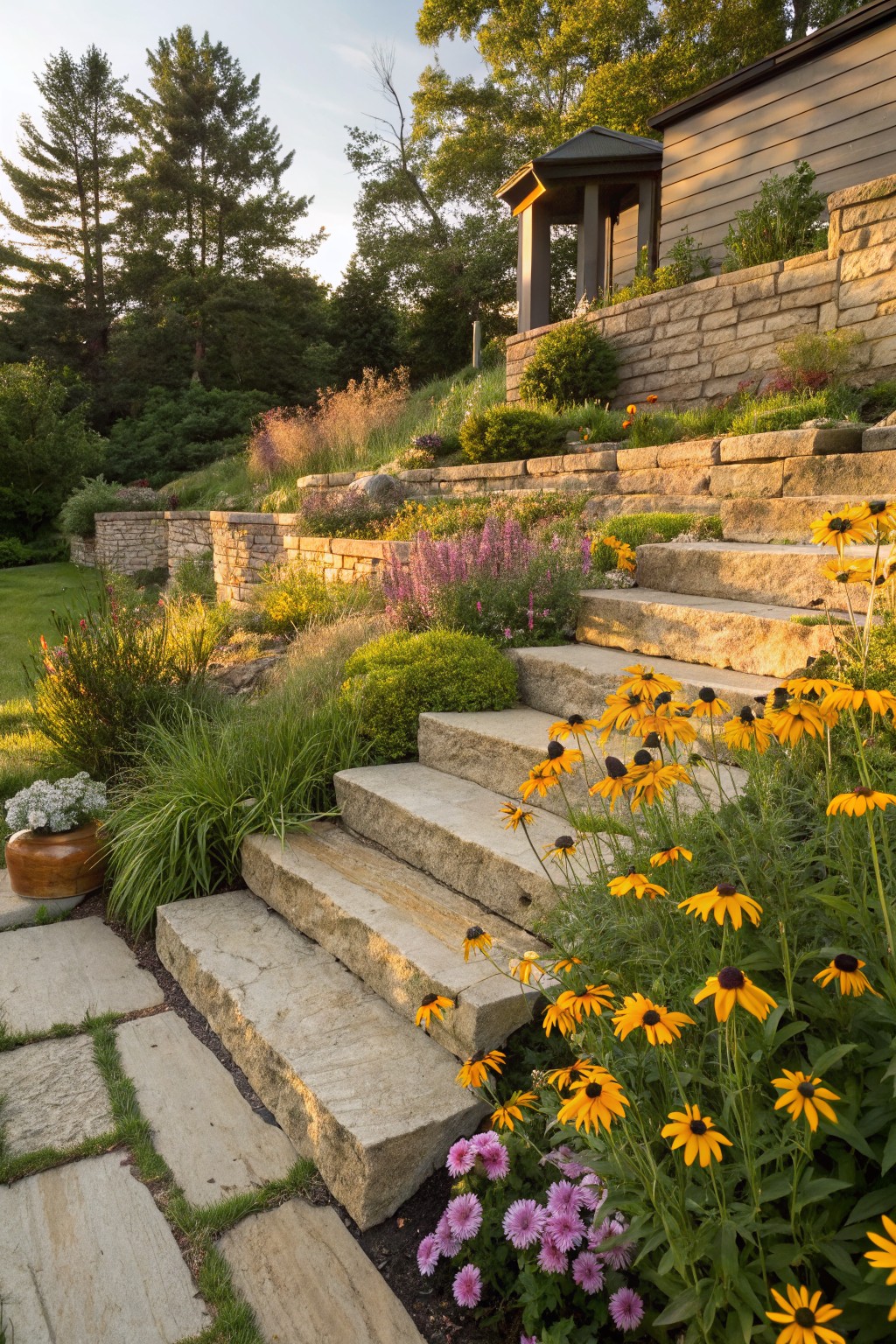
Stone steps like these work well on a slope, and planting Black-Eyed Susans right at the edges makes them stand out. The yellow blooms spill over the treads and mix with taller grasses, giving the path a lively, natural feel without much upkeep. It’s a simple way to brighten hardscaping that might otherwise look plain.
Try this on any hillside yard with good sun. Tuck the plants in along the lower sides so they climb and soften the stone. It suits casual homes backed by woods, but pick sturdy local stone to hold up the grade. Just shear back the flowers in fall.
Poolside Black-Eyed Susan Pots
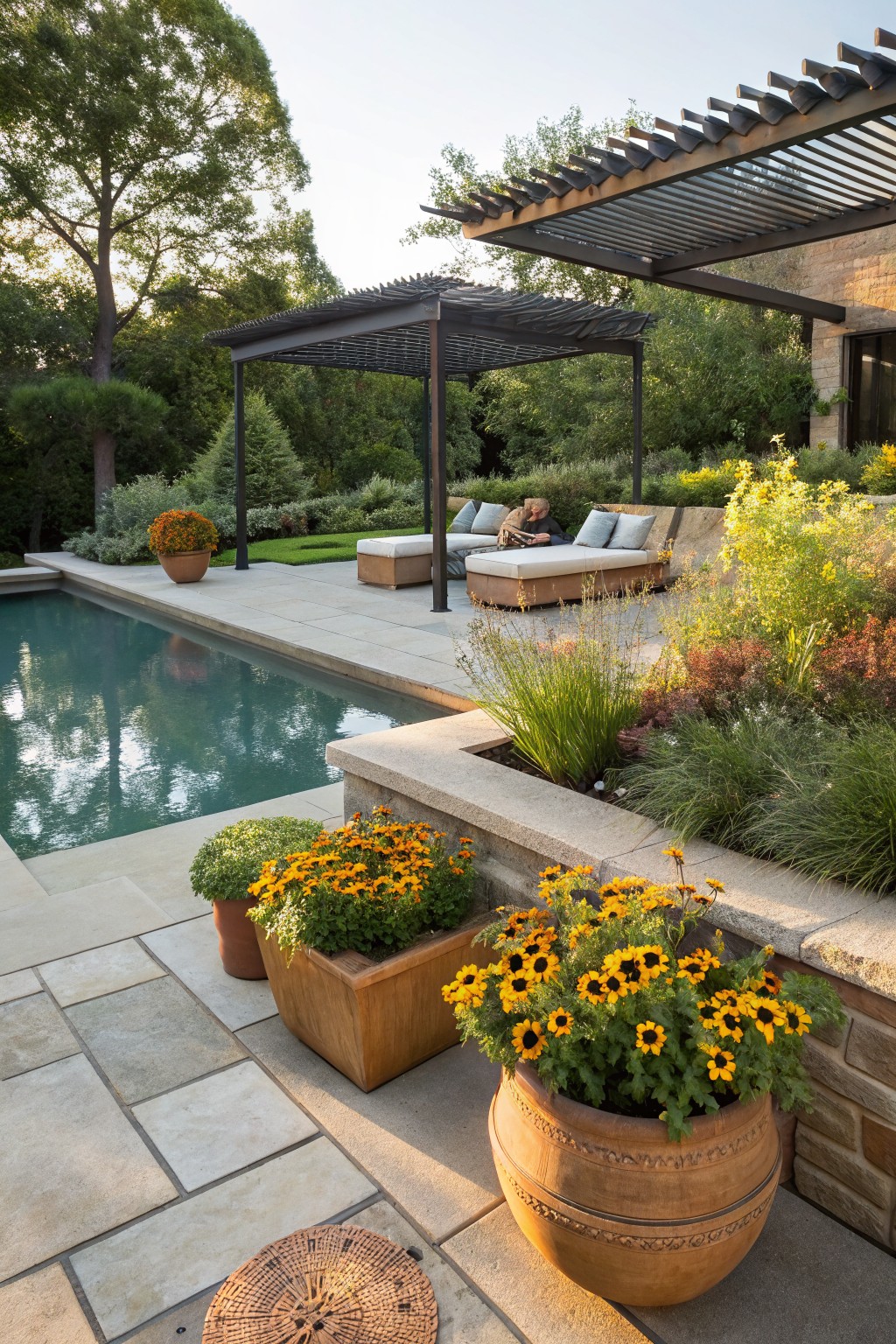
Big pots of black-eyed susans tucked along a pool edge bring instant cheer to a plain stone terrace. The sunny yellow flowers stand out against the water and hardscape. They fill in gaps nicely without needing garden beds everywhere.
Place them in oversized terracotta or wooden containers right on the coping. This works great for modern patios or any spot with clean lines. Keep the plants trimmed back from the pool. Easy color that lasts through summer.
Black-Eyed Susans in Entryway Planters
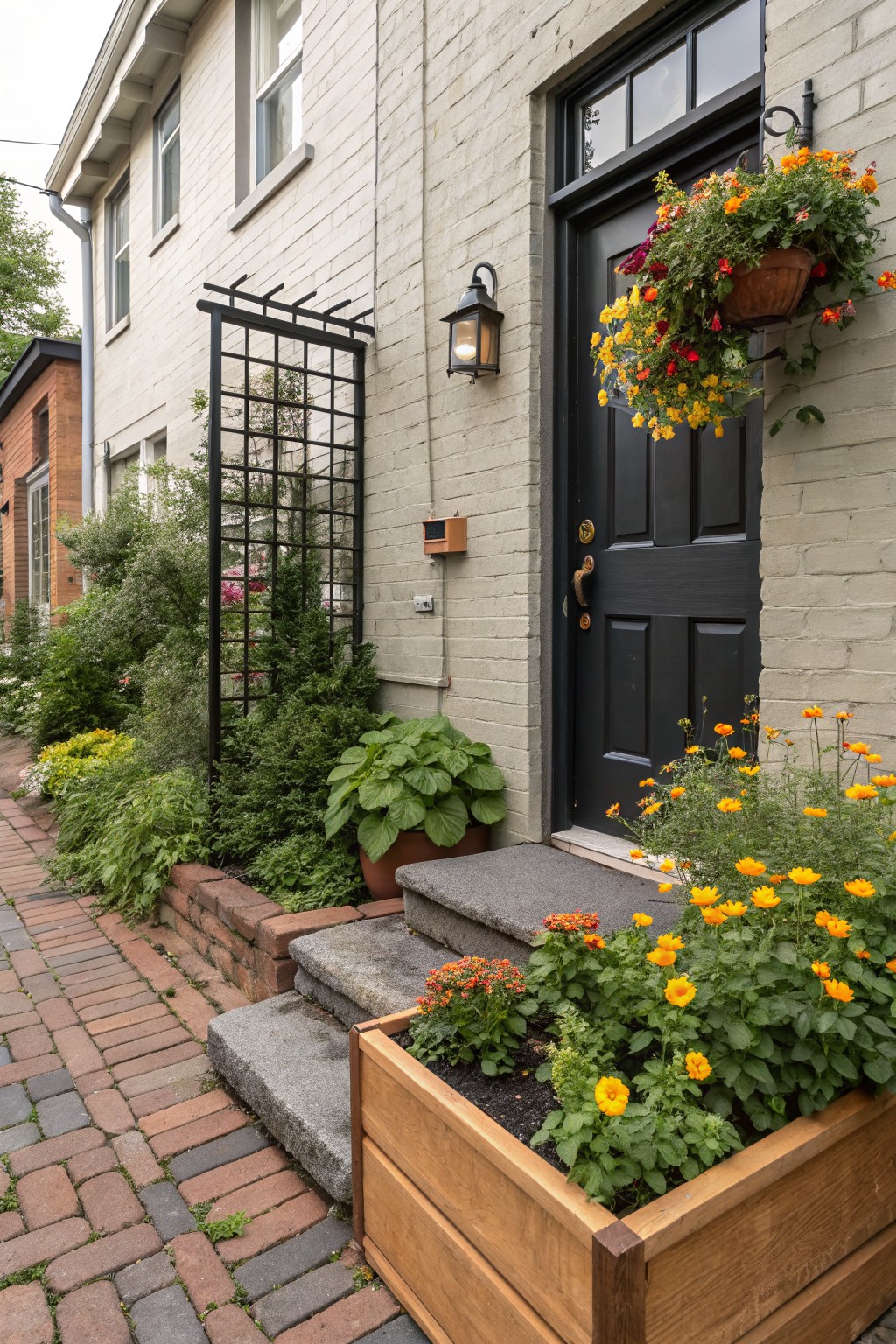
A simple wooden raised planter box packed with Black-Eyed Susans sits right next to the front steps in this setup. It pulls the eye straight to the door while softening that plain brick facade. The bright orange blooms spill over the edges just enough to feel lively without getting messy. Folks like how it adds color right where people walk up.
Put these planters where your path meets the steps or along a short walkway. They suit older homes with straight lines, like brick or stone ones. Go for sturdy wood boxes that match your siding, and plant in full sun spots. Keep the bed weeded so the Susans stay the stars… easy enough in summer.
Black-Eyed Susans Around the Dining Bench
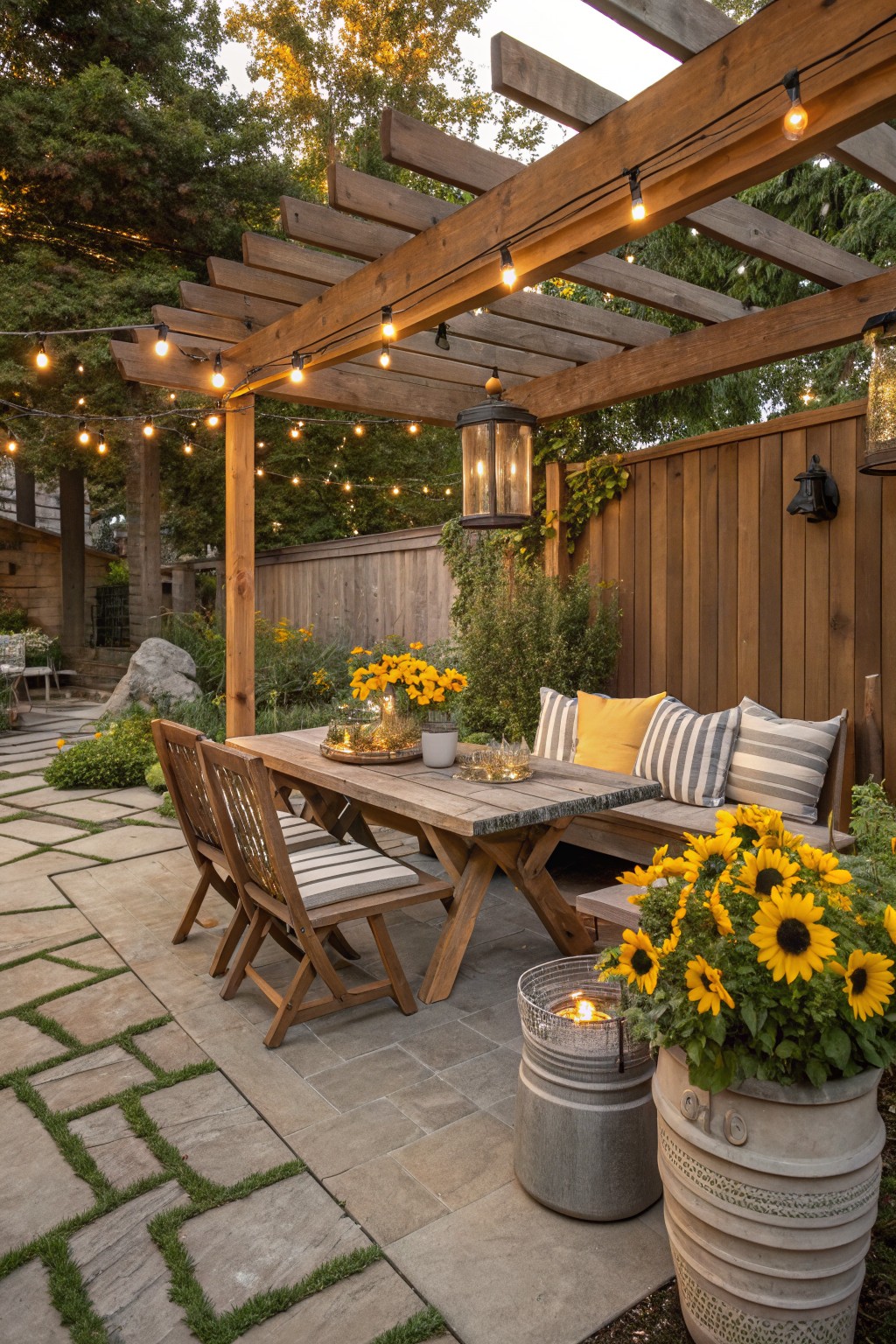
Black-eyed Susans work nicely tucked in pots right next to an outdoor bench like this one. They bring a burst of yellow that picks up the late afternoon light and plays off the weathered wood table and chairs. It’s a simple way to make a patio dinner spot feel more alive without much effort.
Try clustering a few pots along the bench edge or spilling into nearby beds. This fits backyards with pergolas or covered patios where you want color but not too much sun blockage. Just keep the soil moist and deadhead spent blooms to stretch the show into fall.
Poolside Gravel Beds with Black-Eyed Susans
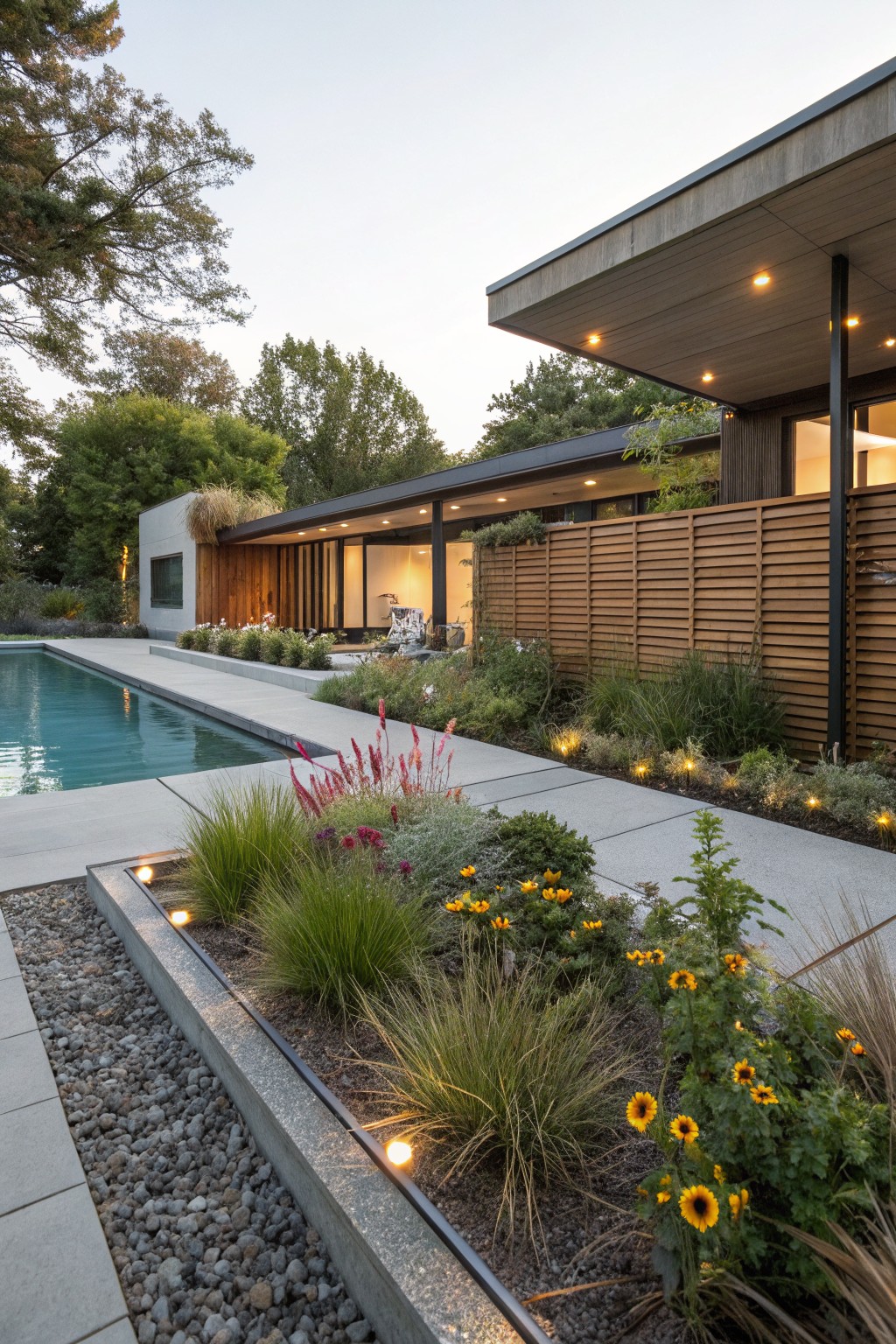
Gravel beds like these run right along the pool deck, packed with ornamental grasses and clusters of Black-Eyed Susans. The yellow flowers stand out in full sun, giving a bright spot without needing constant care. They mix well with the grasses for some texture, and the gravel keeps things tidy and drains fast.
This look fits sunny backyards around water features. Use it where you want low upkeep, maybe next to a modern house or deck. Stick to drought-tough plants, edge the beds with concrete or stone, and add path lights for evenings. Just keep the gravel topped up now and then.
Stone-Edged Gravel Path with Black-Eyed Susans
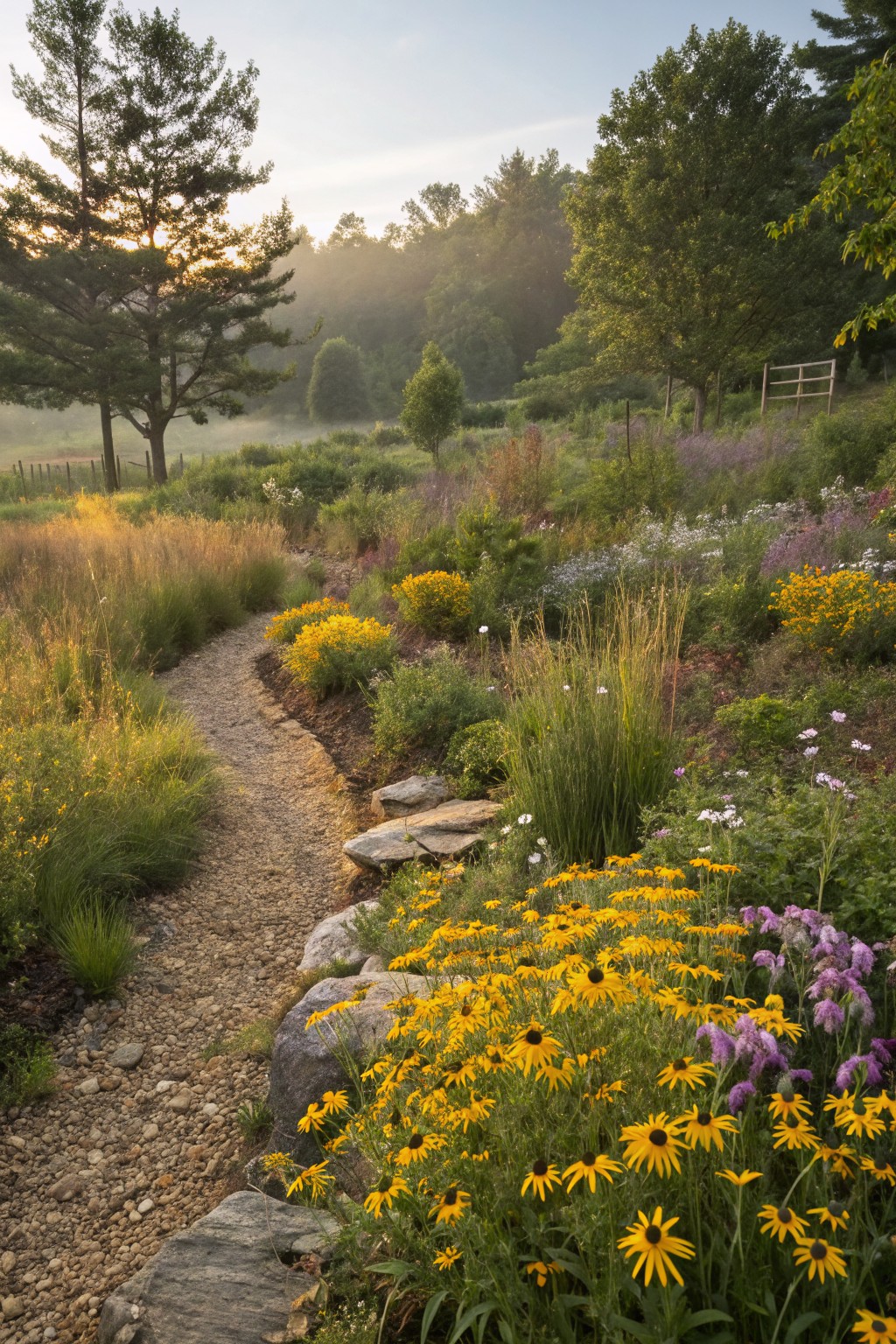
A simple gravel path like this one winds gently through the garden. Stone edging keeps it neat while masses of black-eyed Susans spill right over the edge. That yellow punch against the gravel draws the eye along without much fuss. It’s a low-key way to connect different yard spots and makes walking through feel easy and natural.
Put this in a sunny backyard or side garden where you want some structure but not too much. Mix in tall grasses for height and a few other perennials to keep it interesting year after year. It works best on flat or gently sloped ground… just make sure the gravel drains well so it stays firm underfoot.
Black-Eyed Susans Around a Path Water Feature
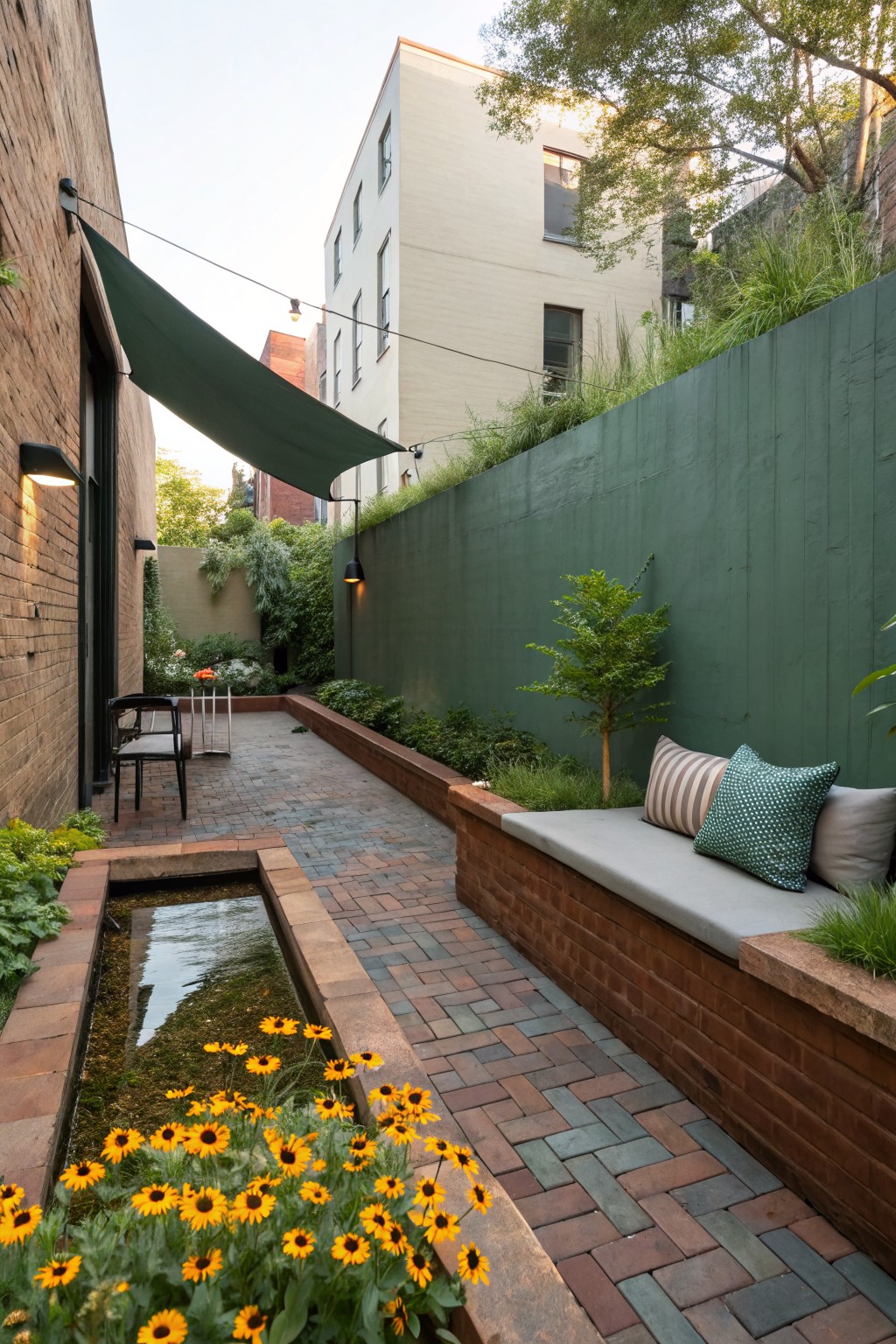
Black-eyed Susans work great tucked around a simple water trough running alongside a walkway. Those yellow blooms pop against brick pavers and reflect in the shallow water, making even a skinny urban yard feel alive and cheerful. It’s a straightforward way to add color without taking up much room.
Try this in tight side yards or alley spaces between houses. Plant them right at the edge of the trough so they spill over a bit. They handle sun well and come back each year, fitting older brick homes or rowhouses nicely. Just keep the water moving to avoid stagnation.
Black-Eyed Susans Along a Curved Stone Path
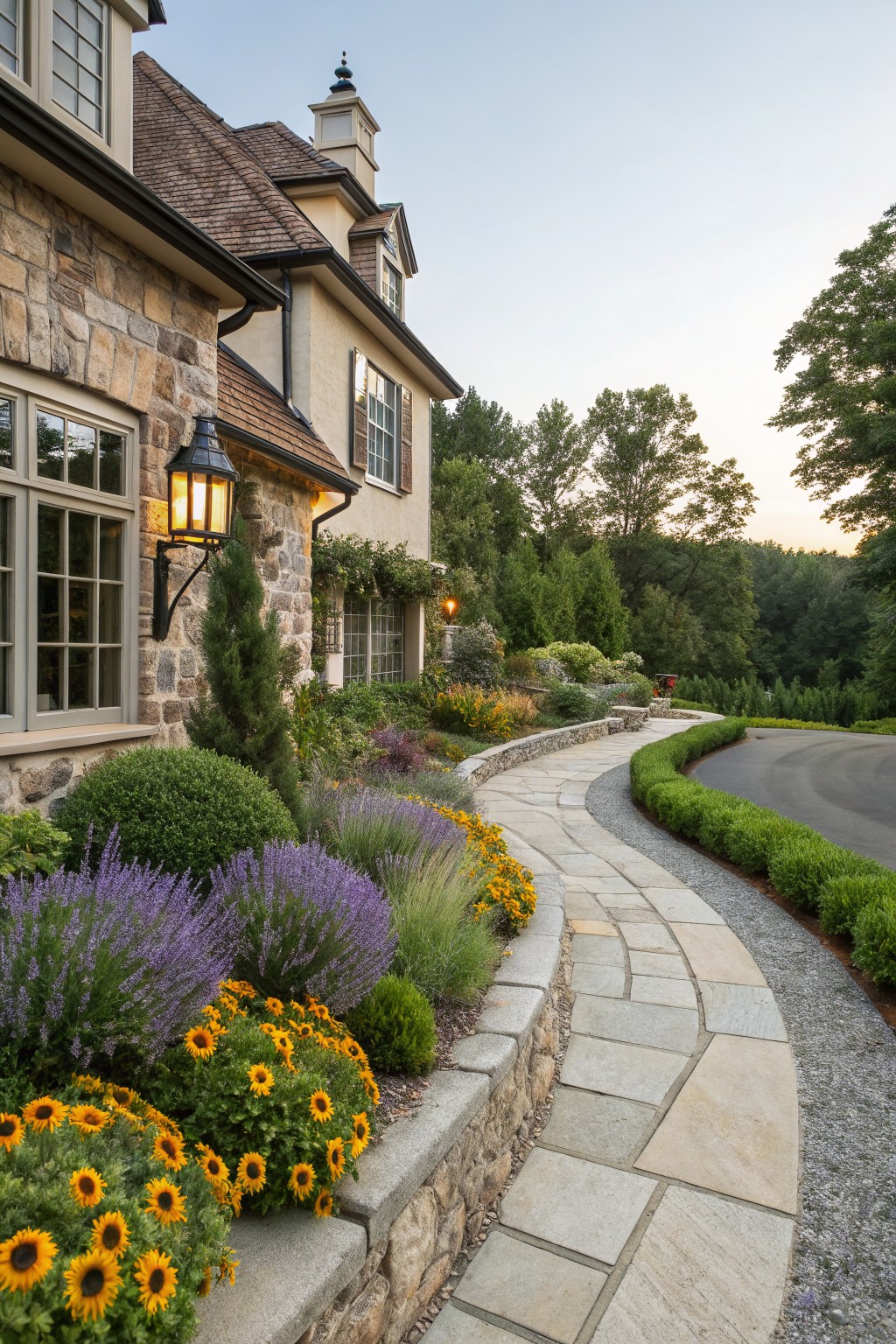
Black-eyed susans work well when planted in clusters along a curving stone walkway like this one. Here they tumble over a low retaining wall, mixed with lavender and some grasses for a natural flow. The yellow blooms catch the light and guide you right toward the house door. It’s a simple way to add color without much fuss.
Try this in full-sun spots near your front entry or driveway. It fits older homes with stone or brick details. Just keep the path clear of weeds, and the flowers will come back strong each year. Watch for rabbits though… they like the seeds.
Black-Eyed Susans Edge a City Balcony
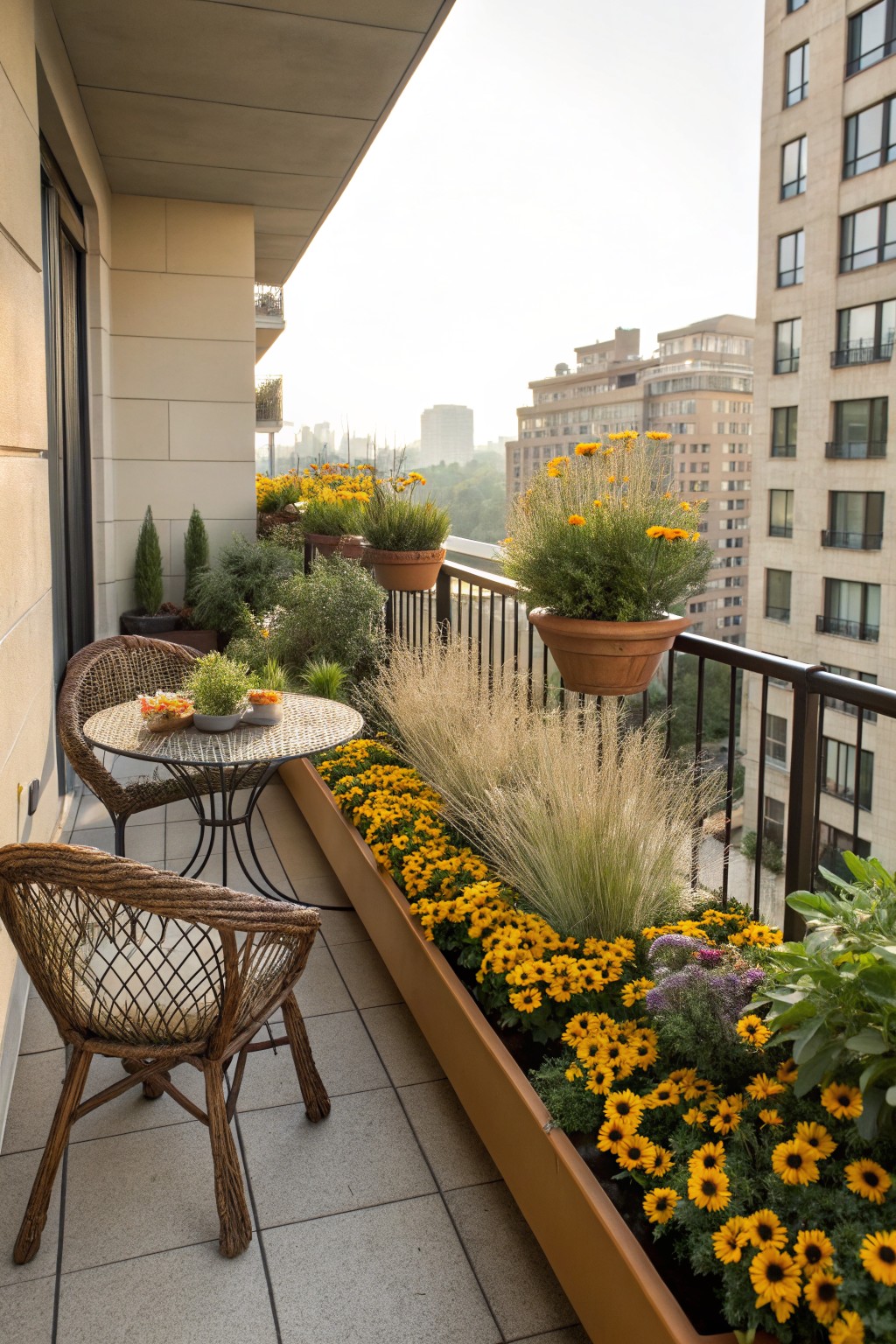
Black-Eyed Susans work great in a long planter right along the balcony rail like this. They fill the space with sunny yellow blooms that stand out against the hard edges of urban buildings. Paired with some taller grasses, they give the area height and movement without taking up floor space.
This setup suits apartments or condos with good sun exposure. Plant them close together in a sturdy box that hugs the railing, then tuck in a small table and chairs nearby. Keep soil moist but well-drained, and they’ll bloom all season. Just trim back as needed to stay neat.
Driveway Edging with Black-Eyed Susans
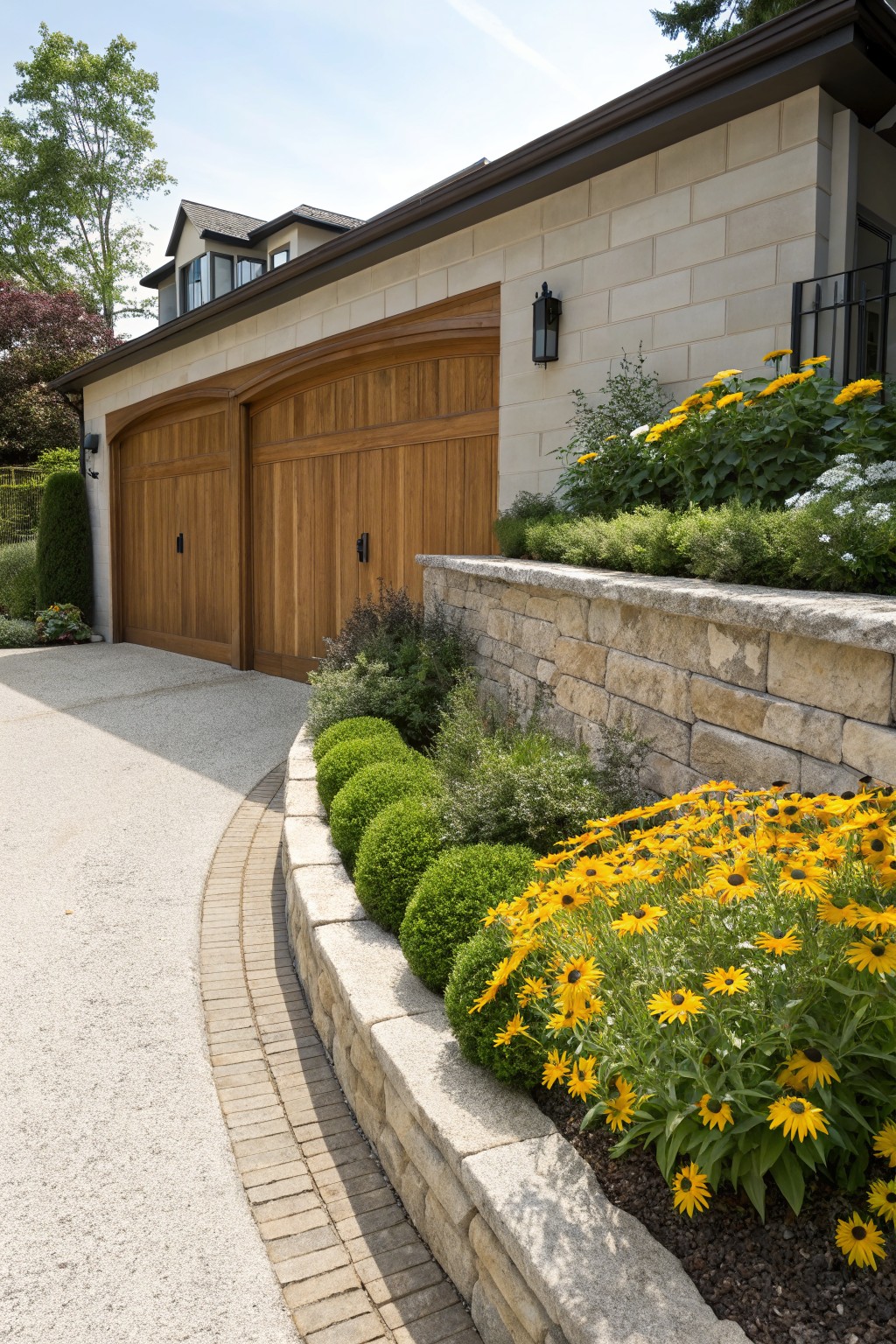
One simple way to brighten up the side of your driveway is planting black-eyed Susans right along a low stone retaining wall. These sunny yellow flowers pop against the neutral stone and mix well with round boxwood shrubs for some year-round green. It turns that often plain driveway approach into something cheerful without much fuss.
This setup works best where you have a slight slope or want to soften hard edges near the garage. Plant the Susans in clumps for impact, tuck in a few evergreens, and let them spill over the wall edge. It’s low-maintenance once established and fits most homes, from craftsman styles to newer builds. Just keep the bed weeded early on.
Black-Eyed Susans Edge Stone Patios
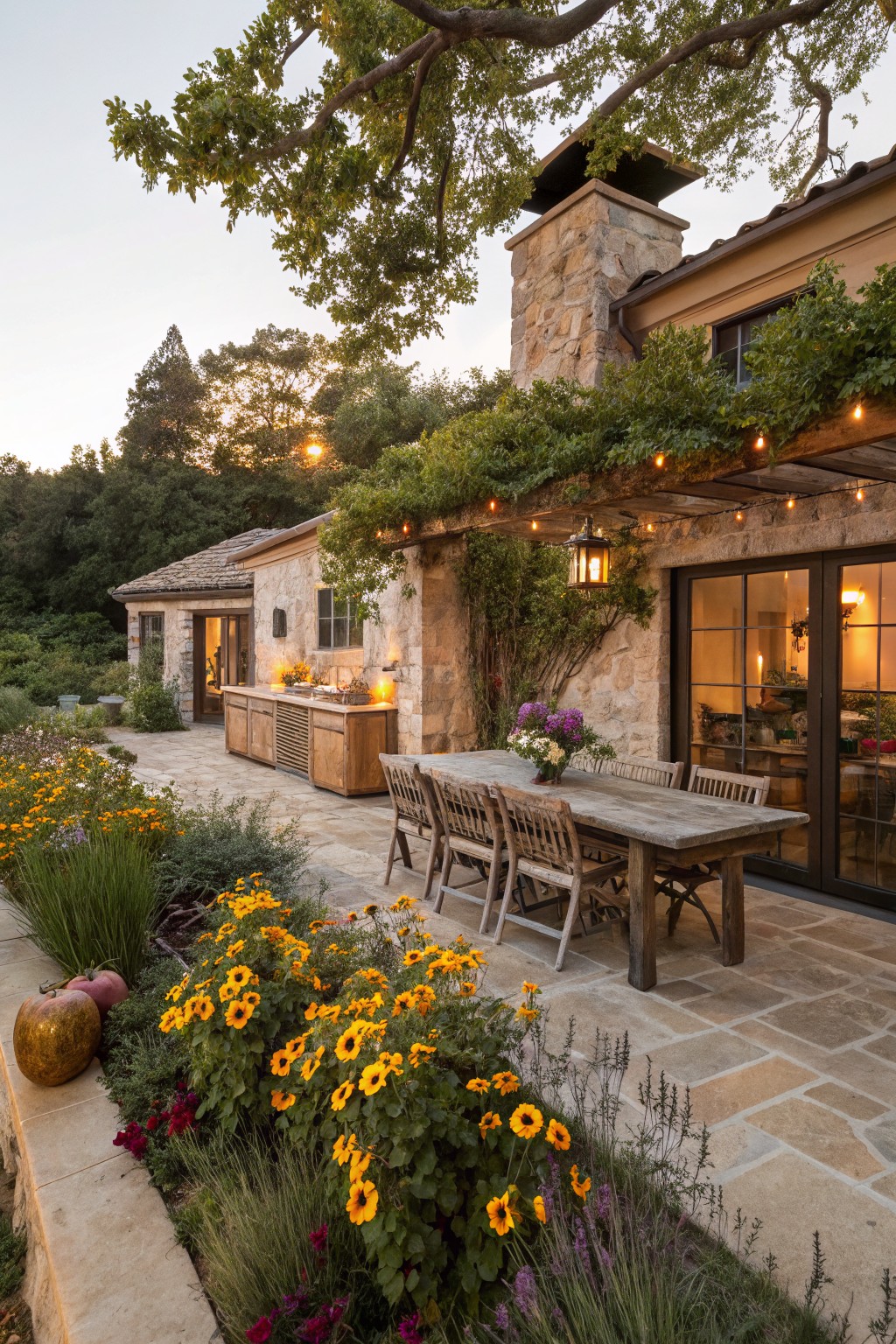
One easy landscaping move is planting Black-Eyed Susans in thick beds right along patio edges. They pop with their yellow petals and dark centers, framing a simple dining setup like this wooden table and chairs on stone pavers. The flowers tie the hard patio surface to the yard, adding cheer that lasts through summer without fuss.
This idea fits relaxed outdoor spots near a house, especially where you want color next to stone walls or wood elements. Go for full-sun areas and group them with grasses for some height. They spread well but stay neat if you divide every few years. Keeps the patio feeling open yet bordered.
Black-Eyed Susans Line a Simple Garden Path
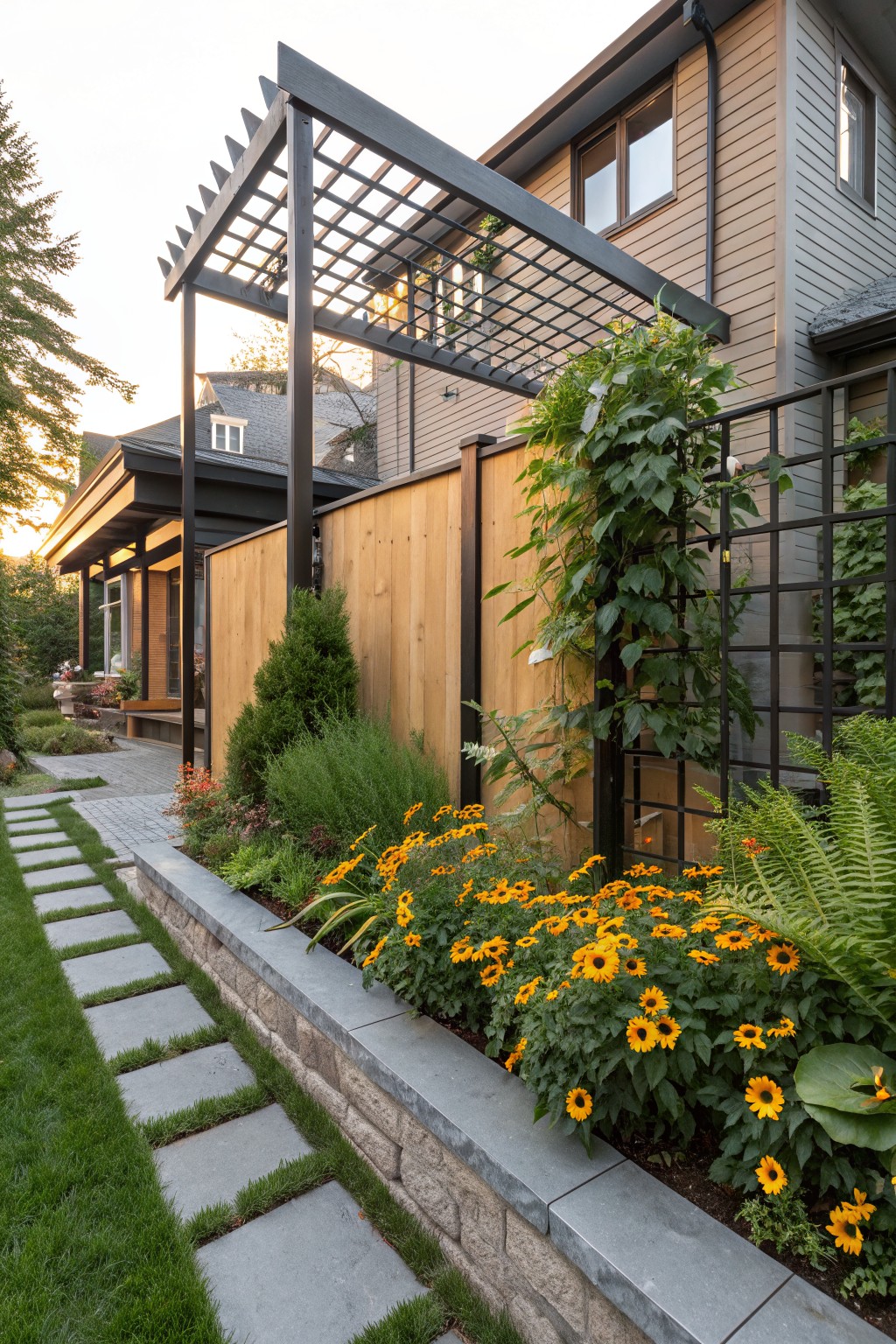
One easy way to brighten a side yard or walkway is planting Black-Eyed Susans right along the edge in a raised bed. These sunny yellow flowers pop against the green grass and stone path, making the whole area feel more alive without much work. They mix well with ferns and other low plants, filling out the bed nicely through summer.
This setup works best in full sun spots, like next to a fence or house side. Use concrete stepping stones set in grass for a casual look that fits most homes. Just keep the bed weeded, and the Susans will spread on their own… low fuss for steady color.
Poolside Raised Beds with Black-Eyed Susans
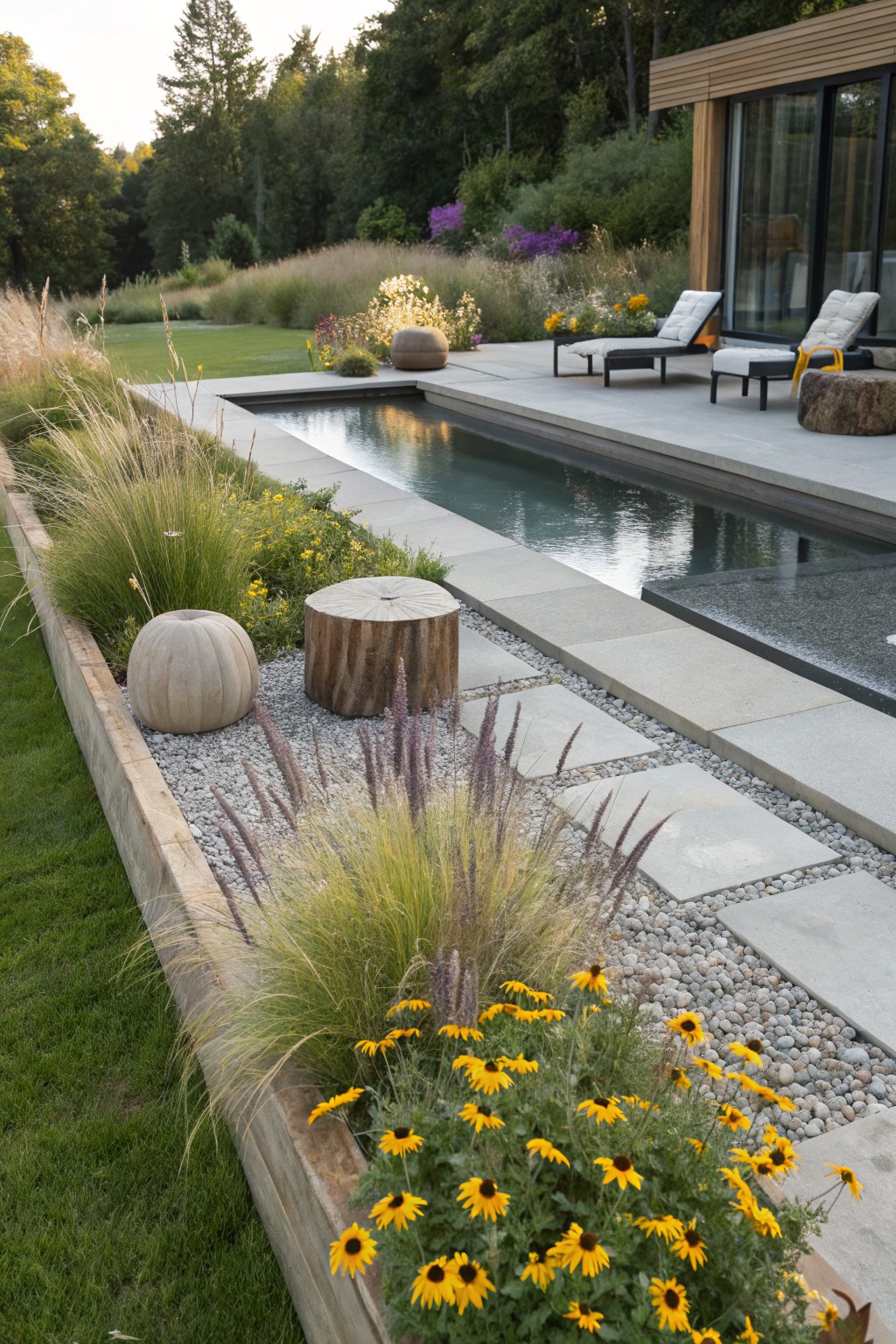
Raised wooden beds line this pool path, filled with clumps of black-eyed Susans and tall ornamental grasses. The yellow flowers hug the edge while the grasses sway higher up, softening the straight concrete lines around the water. Gravel mulch in between keeps weeds down and adds a clean look that ties into the natural wood tones.
You can pull this off in full sun where black-eyed Susans thrive. Build simple timber frames along patios or pools, plant the daisies low for color pops and grasses for height and movement. It’s low fuss once growing, suits modern yards with hard edges. Just make sure good drainage so roots don’t rot.
Black-Eyed Susans in Curved Driveway Beds

Black-Eyed Susans work great when you tuck them into curved beds right along the driveway. The yellow blooms pop against the stone retaining wall and mix well with pink and orange flowers nearby. That setup gives your front yard a welcoming feel, especially with the lantern light glowing at dusk. It keeps things simple but bright.
Plant them in raised beds like this for homes with a paved drive or walkway. They hold up in full sun and fill out the space without much fuss. Just edge with stone blocks to keep soil in place, and add low lights for evenings. Works best on suburban lots where you want color without crowding the path.
Black-Eyed Susans in Balcony Rail Planters
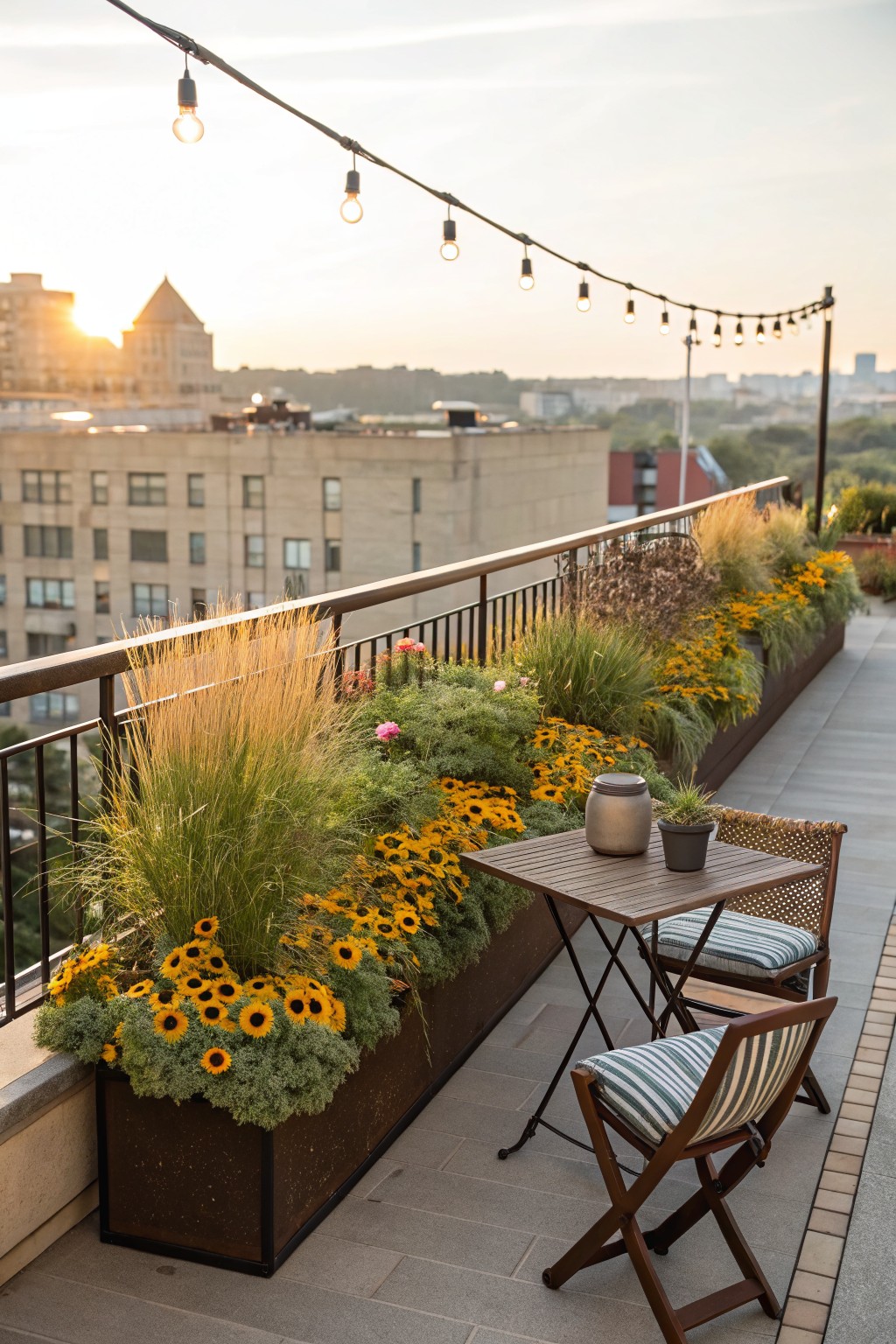
Black-Eyed Susans work great tucked into long planters right along a balcony railing. They spill yellow color over the edge and mix nicely with taller grasses, turning a plain terrace into something cheerful. That pop of brightness holds up through fall, and it frames a simple seating spot without taking up floor space.
Try this on urban balconies or rooftops where yard room is tight. Go for sturdy metal troughs that match a rustic look, plant densely with a few companion greens, and set out a bistro table nearby. Keep drainage good to avoid mess, and it stays low fuss.
Stepping Stones Across a Pond with Black-Eyed Susans
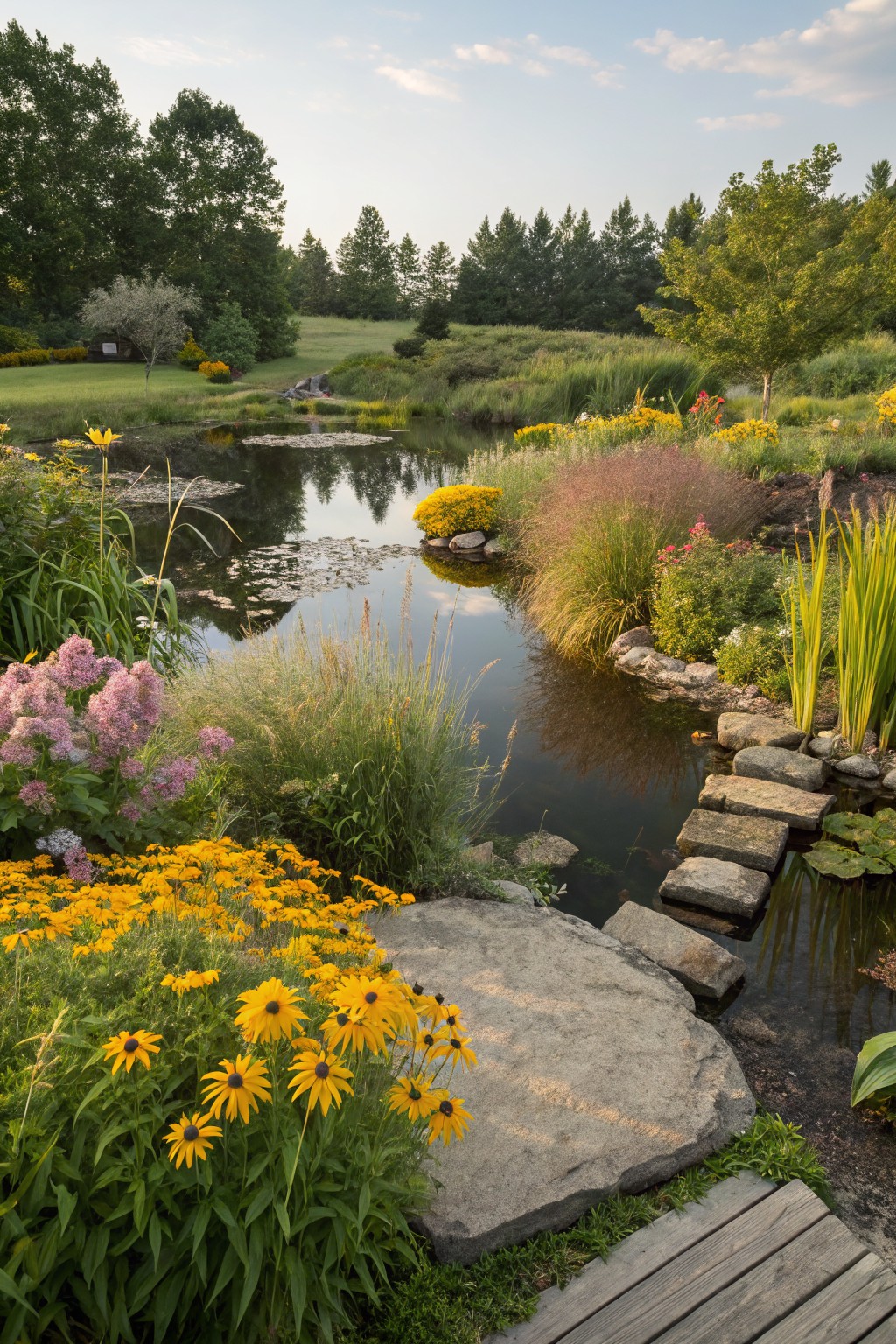
One nice way to handle a garden pond is with flat stepping stones that lead right across the water. Here, black-eyed Susans grow in thick clusters right along the path edges. Those yellow flowers stand out against the dark water and gray rocks. It turns a simple crossing into something pretty and easy to enjoy on a walk through the yard.
You can set this up in any sunny backyard spot with a small pond or stream. Just plant the Susans in groups where they get full sun, and keep the path stones wide enough to step on safely. Add a few water plants like lilies for reflection. It suits casual gardens… keeps things low fuss but bright all summer.
Frequently Asked Questions
Q: When’s the best time to plant Black-Eyed Susans in a sunny spot?
A: Spring or early summer gives roots time to settle before hot weather hits. Plant now if your soil warms up quick, and water them deeply the first few weeks.
Q: Do these flowers spread too much and take over the yard?
A: They do spread by rhizomes and self-seeding, but you control it easy. Dig up extras every couple years or deadhead before seeds drop. That keeps your sunny patches bright without the takeover.
Q: How do I keep Black-Eyed Susans blooming strong all summer?
A: Deadhead faded blooms right above a new leaf set. And skip heavy fertilizer, they prefer lean soil.
Q: What if my yard gets deer or rabbits munching on them?
A: Spray leaves with garlic or hot pepper mix early season. Plant them near strong-smelling herbs like lavender for extra protection.
