

Ever wondered what type of oil your lawn mower needs? You’re not alone! Many homeowners face this question, especially when it’s time for maintenance. Using the right oil can make all the difference in keeping your mower running smoothly and efficiently.
Key Takeaways
- Oil Selection Matters: Choose the correct type of oil (SAE 30, 10W-30, or synthetic) based on your mower’s model and local climate conditions for optimal performance.
- Manufacturer Guidelines: Always refer to your mower’s manual for specific oil recommendations to avoid engine issues and maintain warranty coverage.
- Regular Maintenance: Change your mower’s oil every 50 hours of operation or at least once per season to prevent engine wear and ensure smooth operation.
- Monitor Oil Levels: Regularly check oil levels using the dipstick and maintain them within the recommended range to ensure effective lubrication.
- Understanding Oil Types: Different oils serve distinct purposes; synthetic oils provide superior protection, while multi-viscosity oils offer flexibility in varying temperatures.
- Enhanced Engine Life: Proper oil maintenance and selection can significantly extend the lifespan of your lawn mower, leading to better efficiency and performance overall.
Understanding Lawn Mower Oil
Using the correct oil in your lawn mower is essential for maintaining optimal performance. Different types of oil serve specific purposes and directly affect the mower’s efficiency and longevity.
Importance of Oil in Lawn Mowers
Oil lubricates engine components, reducing friction and heat during operation. Proper lubrication minimizes wear and tear, leading to longer engine life. Regular oil changes also help prevent sludge build-up, ensuring cleaner operation. Inspecting oil levels regularly maintains adequate lubrication, which is vital for peak performance.
Types of Oil Used
Different mower types require specific oils. Here’s a breakdown:
- SAE 30 Oil: Ideal for warm weather conditions, this oil offers excellent protection for small engines.
- 10W-30 Oil: A versatile choice, suitable for varying temperature ranges. It provides good performance in both hot and cool conditions.
- Synthetic Oil: This oil type offers superior protection and performance, often recommended for newer mowers. It’s more resistant to breakdown and works well under extreme temperatures.
Always refer to your mower’s manual for manufacturer recommendations.
Types of Oil for Lawn Mowers
Different types of oil are vital for ensuring optimal performance and longevity of your lawn mower. Each type serves specific functions, catering to varying environmental conditions and mower designs.
Recommended Products
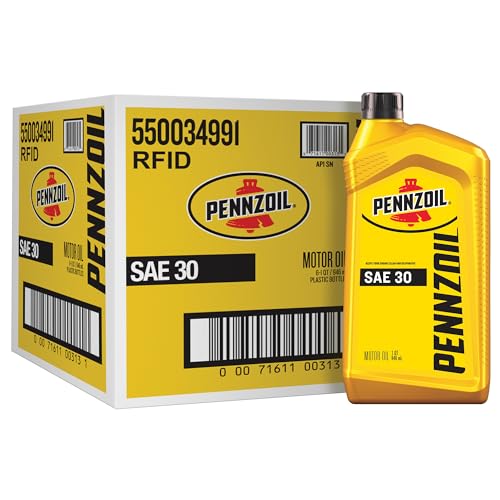
SAE 30 motor oil formulated to keep engines clean and responsive
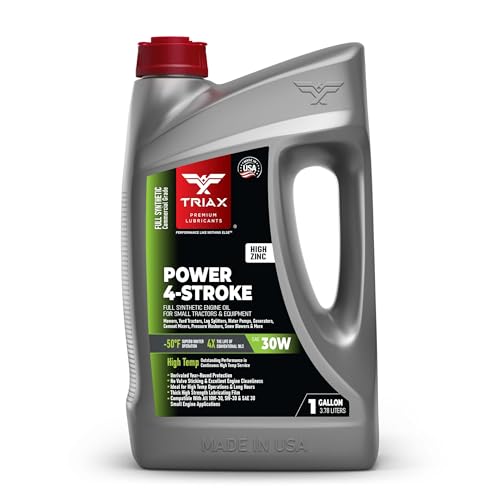
HIGH-ZINC FORMULA: Contains 2X the zinc of OEM and competitor oils, delivering unmatched wear protection for small engines

Genuine Briggs & Stratton replacement part.
Conventional Oil
Conventional oil, such as SAE 30, is commonly used for lawn mowers operating in warm climates. This oil provides adequate lubrication while reducing engine wear. Conventional oil works best at temperatures above 40°F. You can easily find this type of oil at stores, and it typically costs less than synthetic options. Always check your mower’s manual to ensure compatibility.
Synthetic Oil
Synthetic oil offers superior protection and performance compared to conventional oil. It withstands higher temperatures and provides better lubrication, especially in newer lawn mowers. Synthetic oil helps improve fuel efficiency and reduces engine deposits. It’s ideal for those who use their mowers frequently or in extreme conditions. While often pricier, synthetic oil can extend engine life significantly.
Multi-Viscosity Oil
Multi-viscosity oil, like 10W-30, performs well across a range of temperatures. It’s beneficial for areas with variable climates. This type of oil starts thin in cold weather for easier starts and thickens when hot, ensuring less wear during operation. Using multi-viscosity oil can simplify maintenance, making it a versatile choice for many users. Always consult your mower’s manual for manufacturer specifications before using this oil.
How to Choose the Right Oil
Selecting the right oil for your lawn mower is crucial for its performance and longevity. Consider the following factors to make an informed choice.
Recommended Products

Sold on Amazon


Manufacturer Recommendations
Always check your mower’s manual for the manufacturer’s oil recommendations. These guidelines specify the best oil type for your particular model, ensuring compatibility and optimal performance. Not following these guidelines can lead to engine issues or voiding warranties. Stick to the suggested viscosity and brand for the best results.
Climate Considerations
Evaluate your local climate when choosing oil.
- Warm Climates: Use SAE 30 oil in high-temperature areas. This oil maintains effective lubrication even in heat.
- Variable Temperatures: Opt for 10W-30 oil. This multi-viscosity option works well in fluctuating temperatures, providing flexibility as the seasons change.
- Cold Weather: Choose synthetic oil if you live in zones with cold winters. Synthetic oil flows better in low temperatures, ensuring adequate protection during startup.
Your oil selection impacts engine health, efficiency, and overall mower performance. Make thoughtful decisions based on these considerations.
Tips for Maintaining Lawn Mower Oil
Maintaining your lawn mower’s oil is crucial for ensuring optimal performance. Here are some tips to keep your mower running smoothly.
Recommended Products

SAE 10W-30 MOTOR OIL FOR SMALL ENGINES: One 32 fl oz bottle of STP Premium Synthetic Blend 4 Cycle Small Engine Oil SAE 10W-30, formulated for small engines in lawnmowers, generators, tractors, snow blowers, and other outdoor power equipment


Fits the following models: D130 - Serial number above -040001 and D140 - Serial number above -040001
Oil Change Frequency
Change the oil every 50 hours of operation or at least once a season, whichever comes first. It’s essential to check the oil level regularly, especially before each mowing session. If you notice the oil appears dark or gritty, that’s a sign it’s time for a change. Additionally, if you use your mower frequently or in harsh conditions, consider changing the oil more often.
Proper Oil Levels
Maintain the correct oil level to ensure that your mower runs efficiently. Check the oil dipstick before each use. If the level falls below the recommended mark, add oil as needed. Always use the type of oil specified in your owner’s manual. Overfilling can cause excessive pressure in the engine, while underfilling can lead to inadequate lubrication. Keep an eye on the oil color; fresh oil should be clear or pale yellow. If it looks black or sludgy, change it immediately.
Conclusion
Taking care of your lawn mower’s oil is key to keeping it running smoothly. Choosing the right type of oil based on your climate and mower specifications can make a big difference in performance and longevity. Regular oil checks and changes help prevent engine wear and ensure your mower stays in top shape.
Remember to always refer to your owner’s manual for the best recommendations. By staying on top of oil maintenance you’ll enjoy a healthier mower and a beautifully manicured lawn all season long. Happy mowing!
Frequently Asked Questions
What type of oil should I use for my lawn mower?
For most lawn mowers, SAE 30 oil is recommended for warm weather, while 10W-30 oil is best for varying temperatures. If you have a newer mower, synthetic oil may offer superior protection. Always check your mower’s manual for specific recommendations.
How often should I change my lawn mower oil?
You should change your lawn mower oil every 50 hours of operation or at least once per season. Regular changes help maintain engine efficiency and longevity.
What are the signs that my lawn mower oil needs changing?
If the oil appears dark or gritty, it’s time for a change. Fresh oil should be clear or pale yellow. Changing old, sludgy oil is crucial for keeping your engine healthy.
Can I mix different types of lawn mower oil?
It’s best to avoid mixing different types of oil as it can affect performance. Always use the same type of oil specified in your mower’s manual for optimal results.
How do I check my lawn mower oil level?
To check your oil level, locate the dipstick, remove it, wipe it clean, and then reinsert it without screwing it back in. Pull it out again to see the oil level. Add oil as needed, following the type specified in your manual.
