

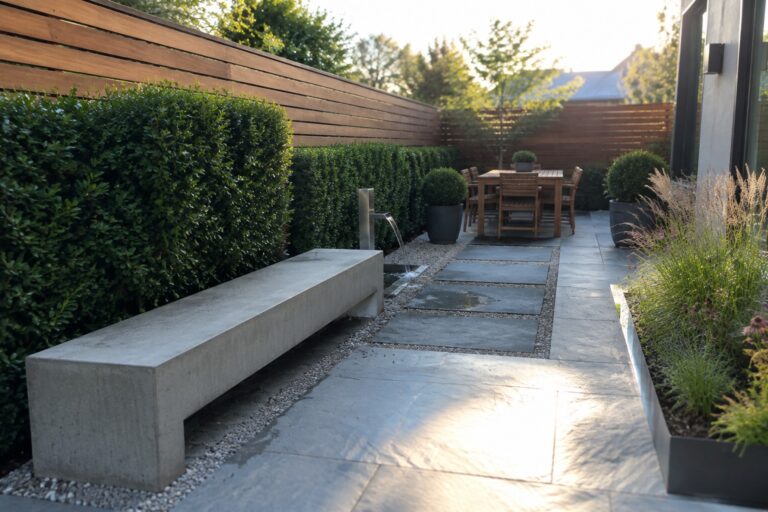
I have always noticed that an open backyard tends to feel less relaxing when neighbors can see right in.
Over the years I have tested a few simple hedge plantings and learned how much they shape the space without making it feel closed off.
Adding screens alongside the right shrubs often creates layers that block views while still letting in light and air.
That balance matters more than I expected.
Some of these approaches seem worth trying based on how my own yard grows over time.
Plant Tall Hedges Along Paths for Better Privacy
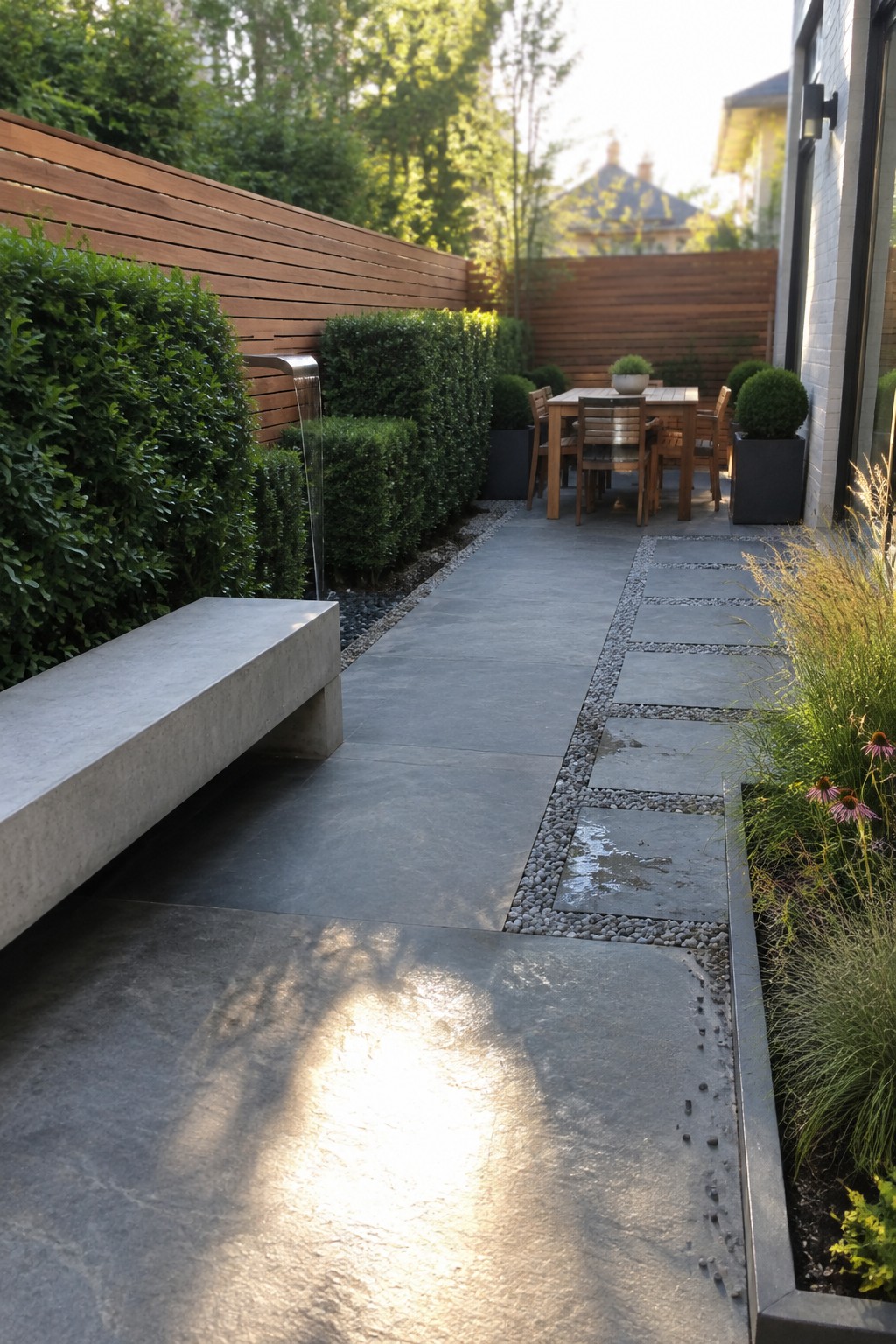
Tall hedges planted right next to a walkway create a living screen that feels more natural than a solid fence. They block views from outside while keeping the space open overhead, which helps smaller yards feel less boxed in.
This approach works best along side paths or narrow garden routes where you want separation without losing light. Keep the hedge at a steady height and add a simple border like gravel or stone to keep it looking tidy year round.
Combine Hedges With A Trellis Screen
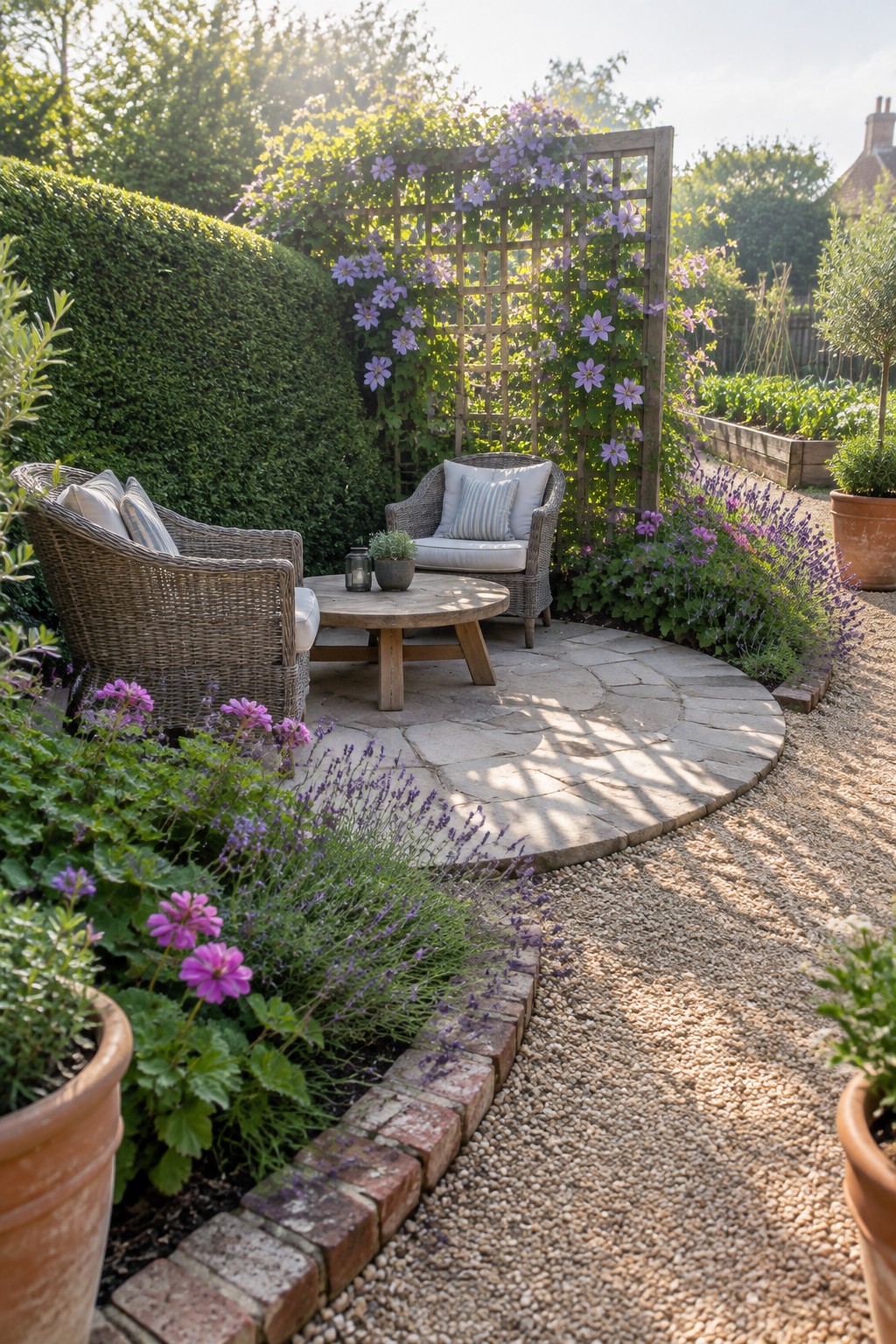
A tall hedge gives solid coverage at seating height while a trellis behind it adds extra height without looking heavy. The two together block views more effectively than either one alone and still let some air and light through.
This setup works best along the back or side of a small patio where you need privacy from neighbors but do not want a full fence. Keep the hedge trimmed to a clean line and choose a simple grid trellis so vines can fill in over time without much upkeep.
Pair Hedges With a Metal Screen for Outdoor Privacy

Tall hedges already do a lot to block sight lines, but they can leave thin spots or take years to fill in completely. A metal screen placed right behind or beside them adds a solid layer that feels more finished right away and gives the planting something to work against.
This setup works best along the edge of a patio or dining area where you want to sit without looking straight into a neighbor’s yard. It suits homes with limited space for wide planting beds, since the screen takes up little depth while the pots and trees soften the look over time.
Layer a Fence Behind Tall Bamboo for Privacy
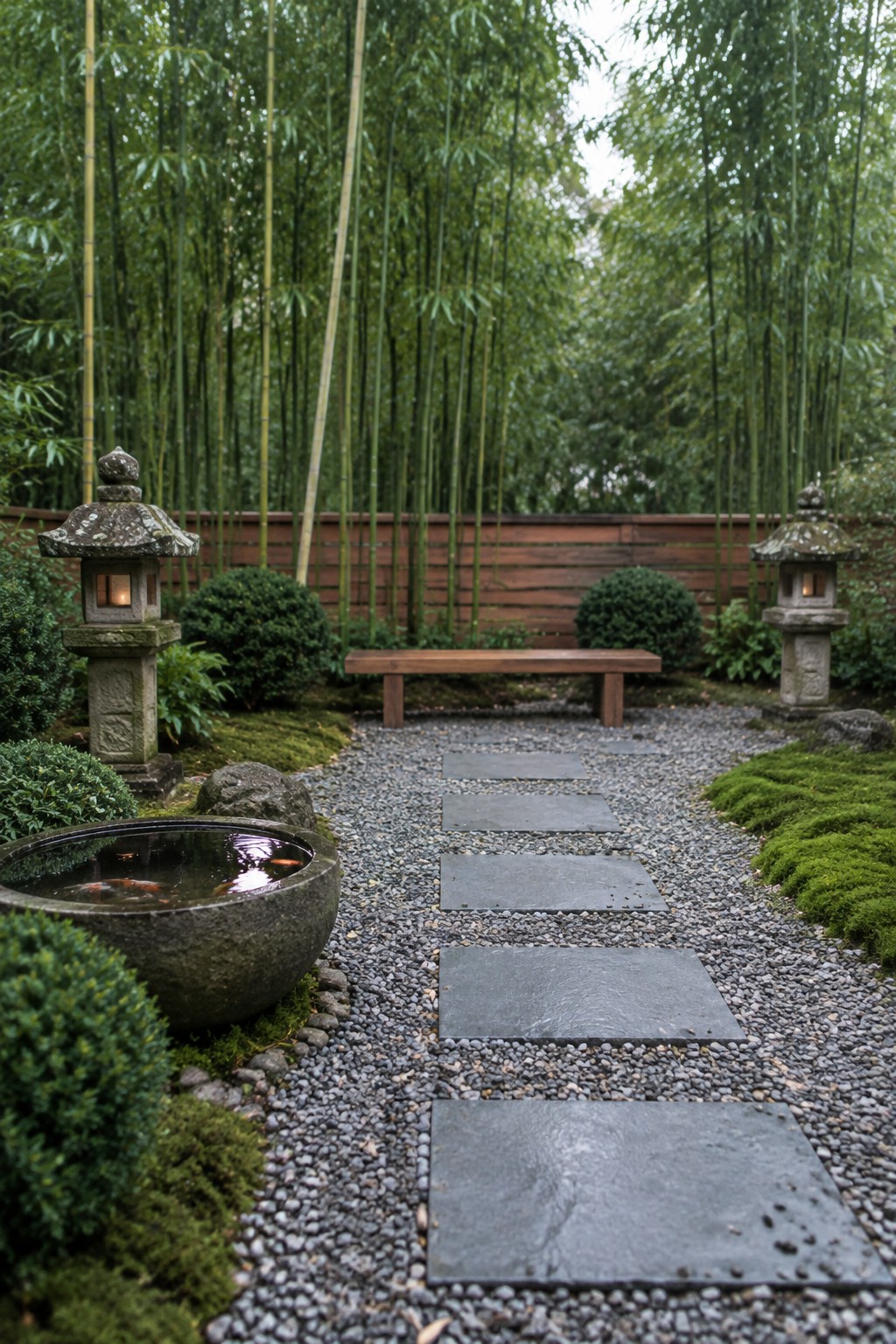
A wooden fence paired with tall bamboo gives solid privacy without making the space feel closed in. The fence blocks the view at eye level while the bamboo adds height and soft movement above it. This setup works especially well in smaller yards where you need quick seclusion.
It suits homes with narrow side yards or back gardens that sit close to neighbors. Keep the fence simple in color and let the bamboo do most of the screening work. Just make sure the bamboo variety stays contained so it does not spread into other beds.
Hedges That Enclose an Outdoor Patio
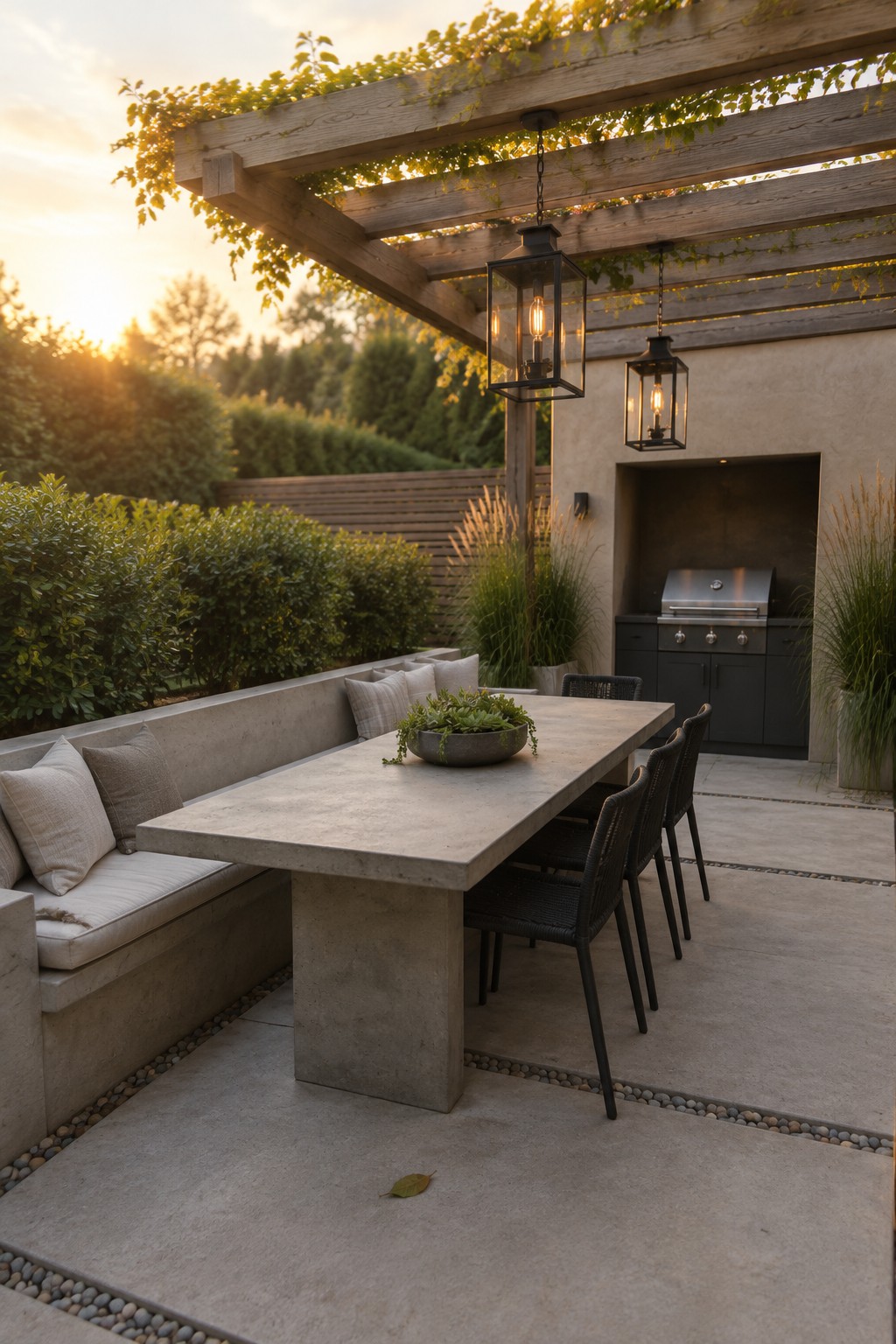
A row of dense hedges around a patio can turn an open space into something that feels more private and contained. The plants block sight lines from nearby houses or streets while still letting in plenty of light and air, which is why this approach shows up so often in backyard designs.
It works best in suburban yards where you want separation without a tall fence. Keep the hedge height consistent with your seating area and layer in a few taller grasses or shrubs along the back for extra depth and year-round coverage.
Trellises With Climbing Vines For Privacy
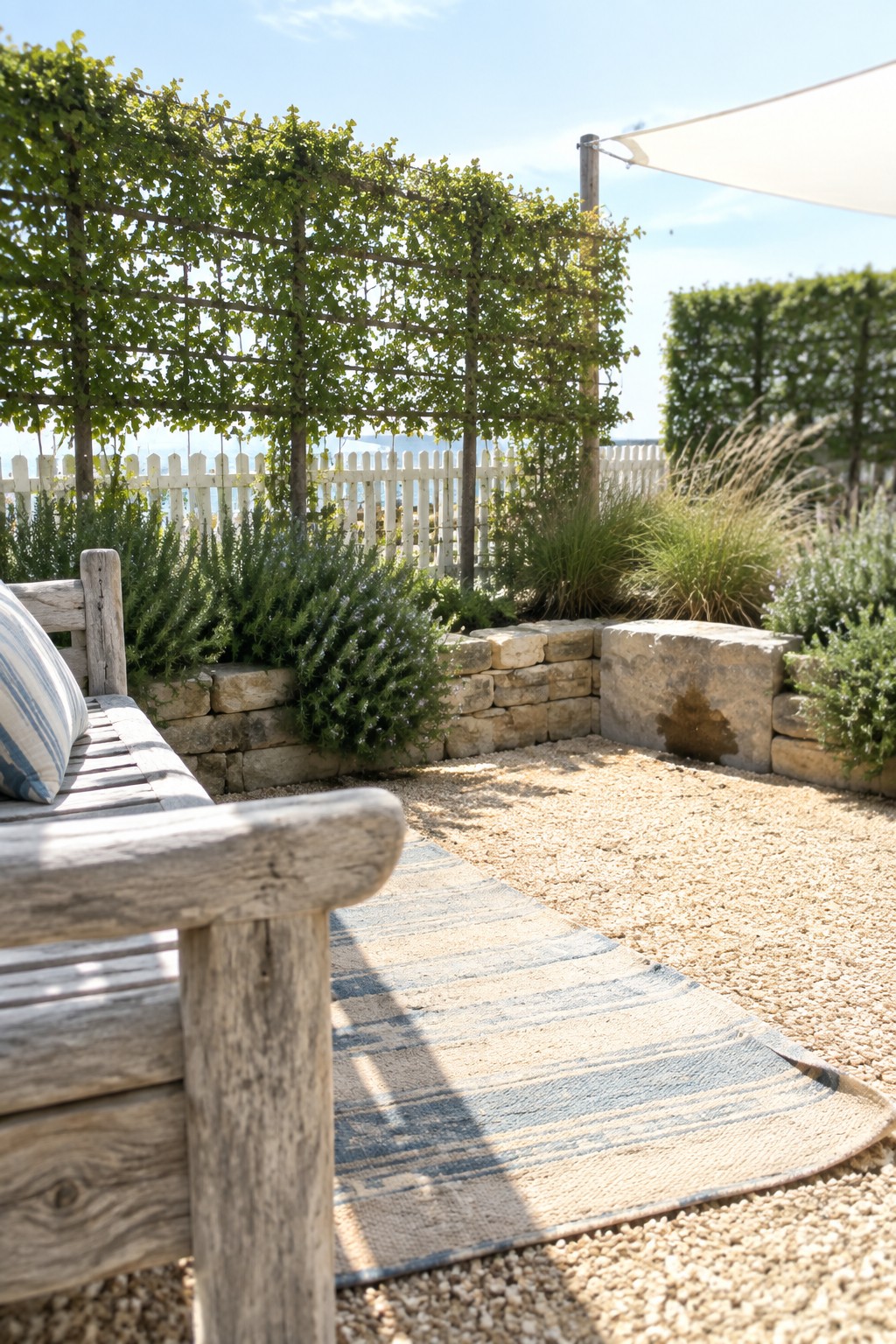
A simple trellis covered in vines can give you privacy without building a solid wall. The plants soften the look and let some light and air through while blocking the direct line of sight from neighbors or paths.
This approach works best along the edge of a seating area or garden bed where you want screening but still like an open feel. Place the trellis on a low stone wall or behind a row of shrubs so the greenery layers naturally and fills in over a season or two.
Grow Tall Plants To Form Natural Privacy Screens

Dense planting works well for privacy because it creates a living wall that feels softer than fencing. In this setup, tall bamboo and big leaf plants sit right behind the deck to block views while still letting in some light and air.
This approach suits smaller backyards where you want the space to feel enclosed without building solid barriers. Mix a few large pots with in-ground planting so you can adjust the height and density over time as the plants fill in.
Layer Hedges With a Perforated Screen

A row of low hedges in front of a taller screen gives you privacy without making the space feel closed in. The hedges soften the look while the screen adds height and a bit of structure that plants alone cannot provide.
This setup works best along the edge of a patio or yard where you want some separation but still need light and air to pass through. Keep the hedges trimmed low and let the screen carry the vertical plants if space is tight.
Layer Vine-Covered Trellises Along The Edges
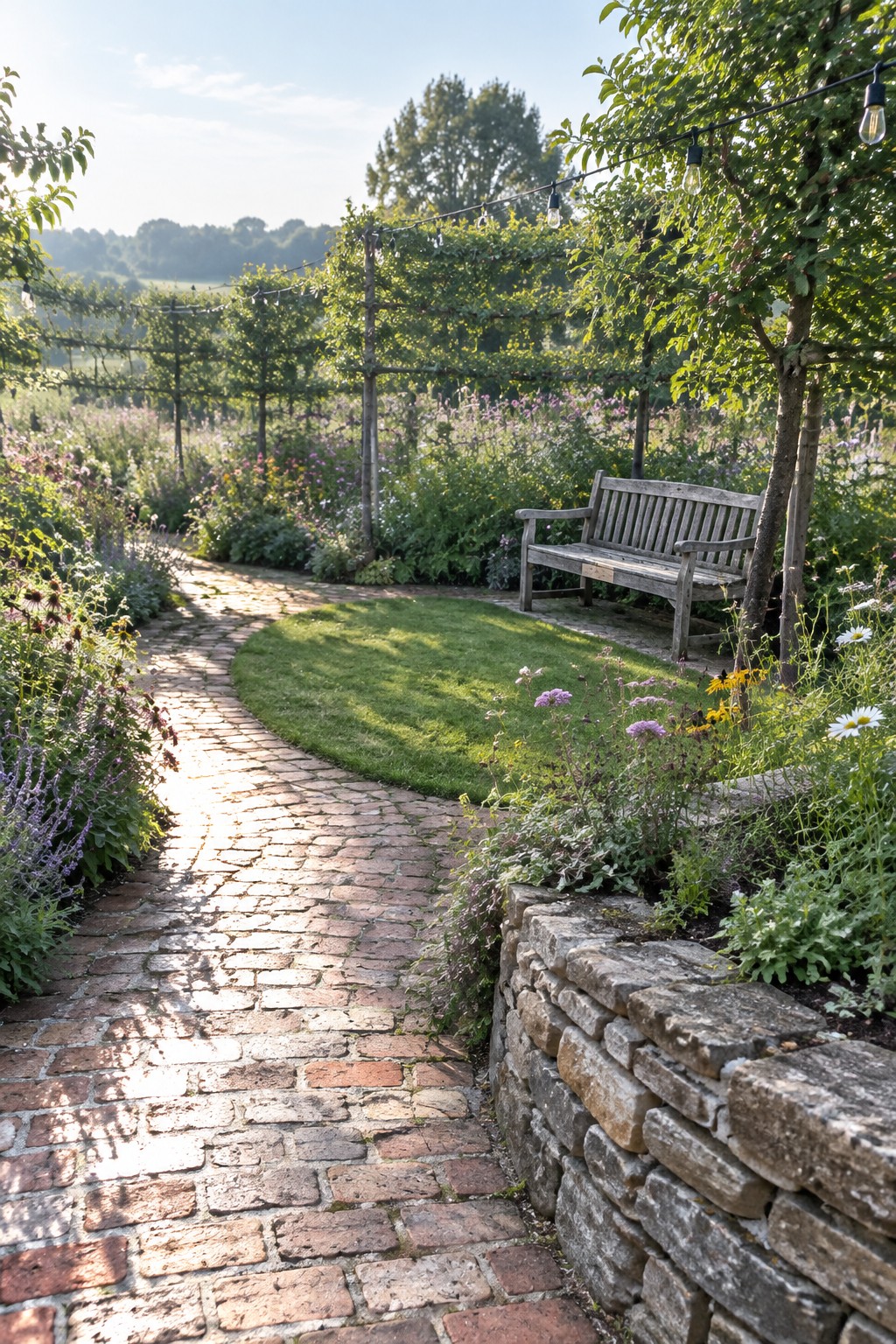
One simple way to add privacy without building a solid fence is to put up basic wooden frames and let vines grow over them. The tall green walls that form feel softer than a wall yet still block the view from outside the yard. They also give climbing plants a place to spread without taking over the flower beds below.
Place the frames where you want to create a boundary, such as along a path or behind a seating spot. This works best in yards that already have some depth so the vines have room to fill in. Keep the lower layer planted with shorter flowers so the whole screen stays full from top to bottom without looking bare at the base.
Tall Grasses Create Simple Privacy Screens
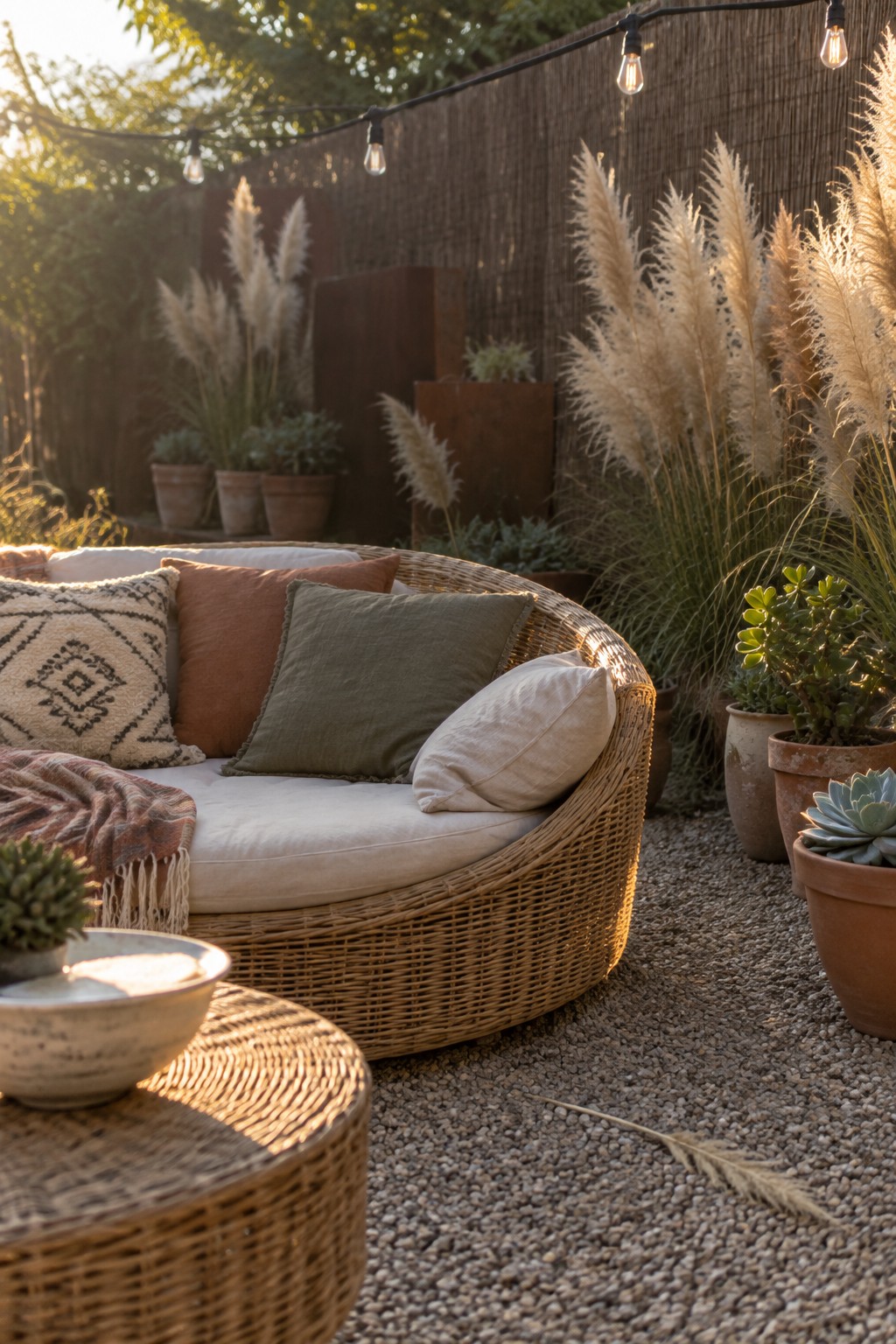
Tall ornamental grasses like pampas can block views from neighbors while still letting light through. They grow fast, move with the wind, and give a softer look than solid fencing. In this setup the grasses sit right behind the seating area and pair with a woven screen to close off the space without making it feel closed in.
This approach works best in smaller yards where you want privacy but still need airflow and some openness. Plant them in a row along the property line or behind a seating zone, and mix in a few potted plants at different heights so the screen feels layered rather than flat. Keep the grasses trimmed at the base so they do not overtake walkways or crowd the seating.
Hedges And Screens For Stronger Privacy
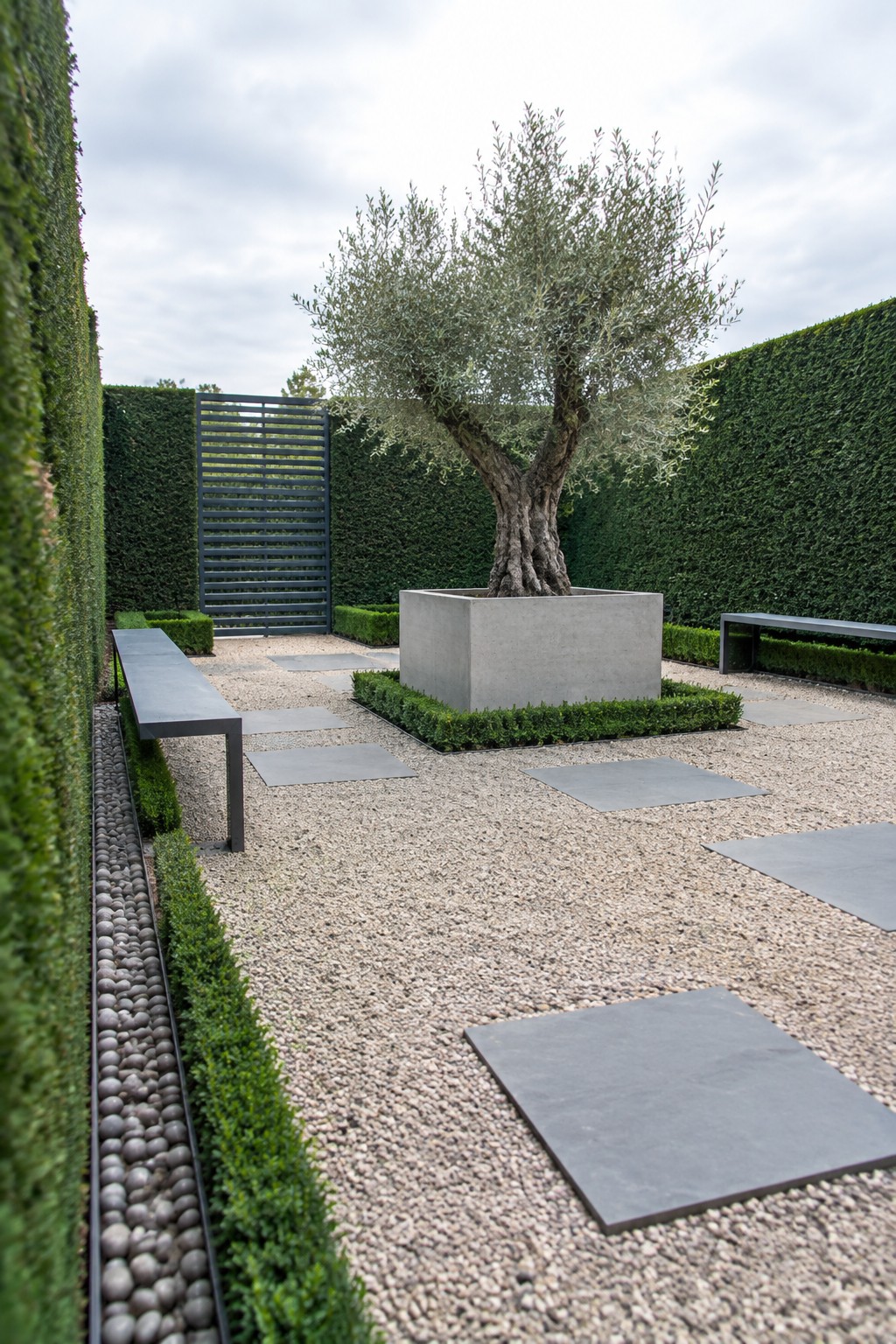
Tall hedges already do a good job of blocking views, but adding a screen behind them makes the privacy even better. The solid panel stops gaps that might open up over time and gives you an immediate sense of enclosure while the plants fill in.
This setup works well along side yards or at the back of a lot where you need to cut off sight lines from nearby homes. Place the screen first, then plant the hedge in front so the greenery softens the look and the two layers hold up through the seasons.
Layer Hedges Around Outdoor Seating
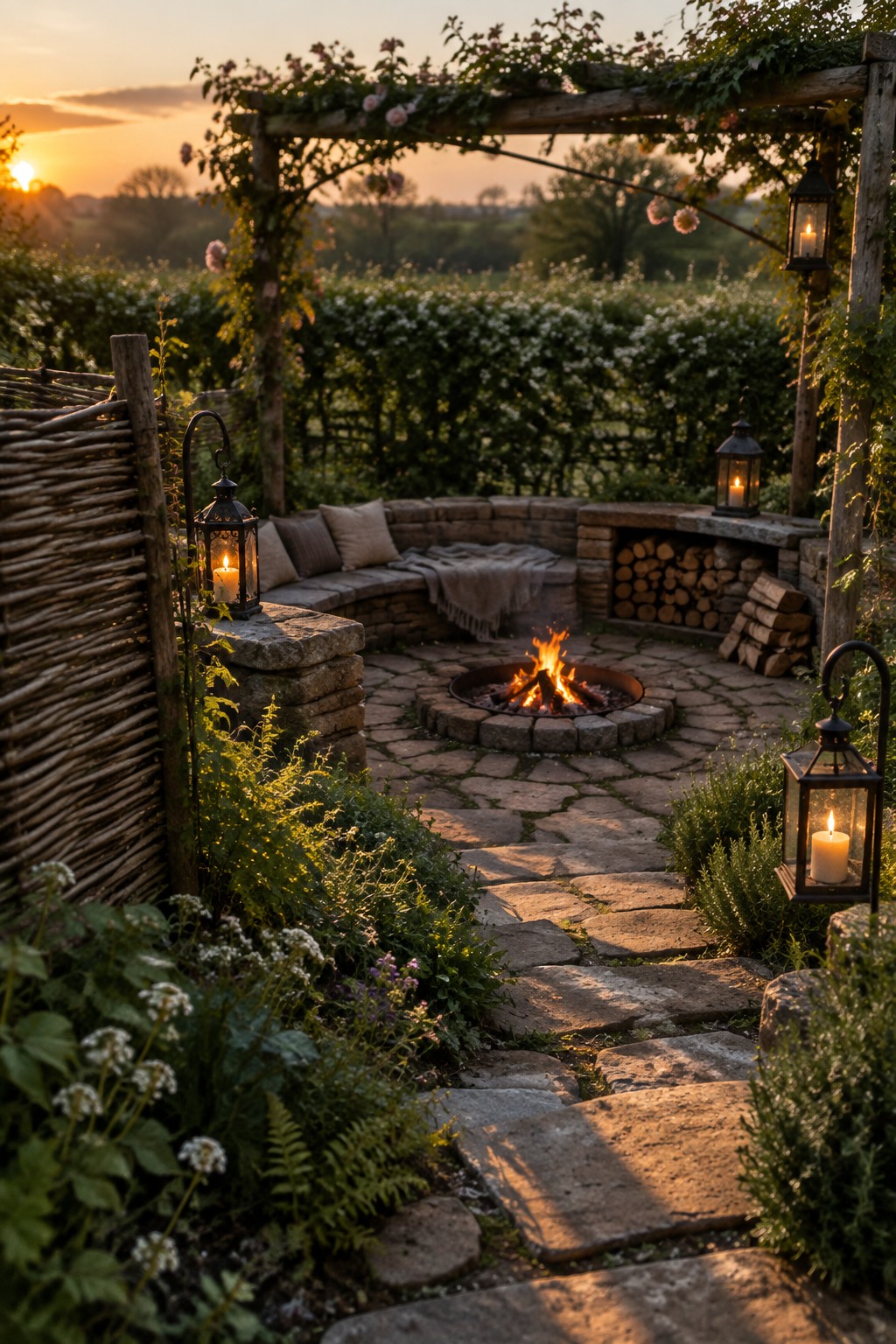
Hedges work well when you want a seating area that feels set apart without putting up solid walls. They block views from nearby houses while still letting in some air and light. In this setup the planting sits close to the stone bench and fire pit, turning an open patch of yard into a quieter spot.
Plant taller evergreens at the back and mix in a few flowering climbers on a simple wood frame. This approach suits most suburban yards where you need privacy but do not want the space to feel closed in. Keep the hedge line a little uneven so it looks natural rather than trimmed like a formal border.
Surround A Pool With Hedges And Screens
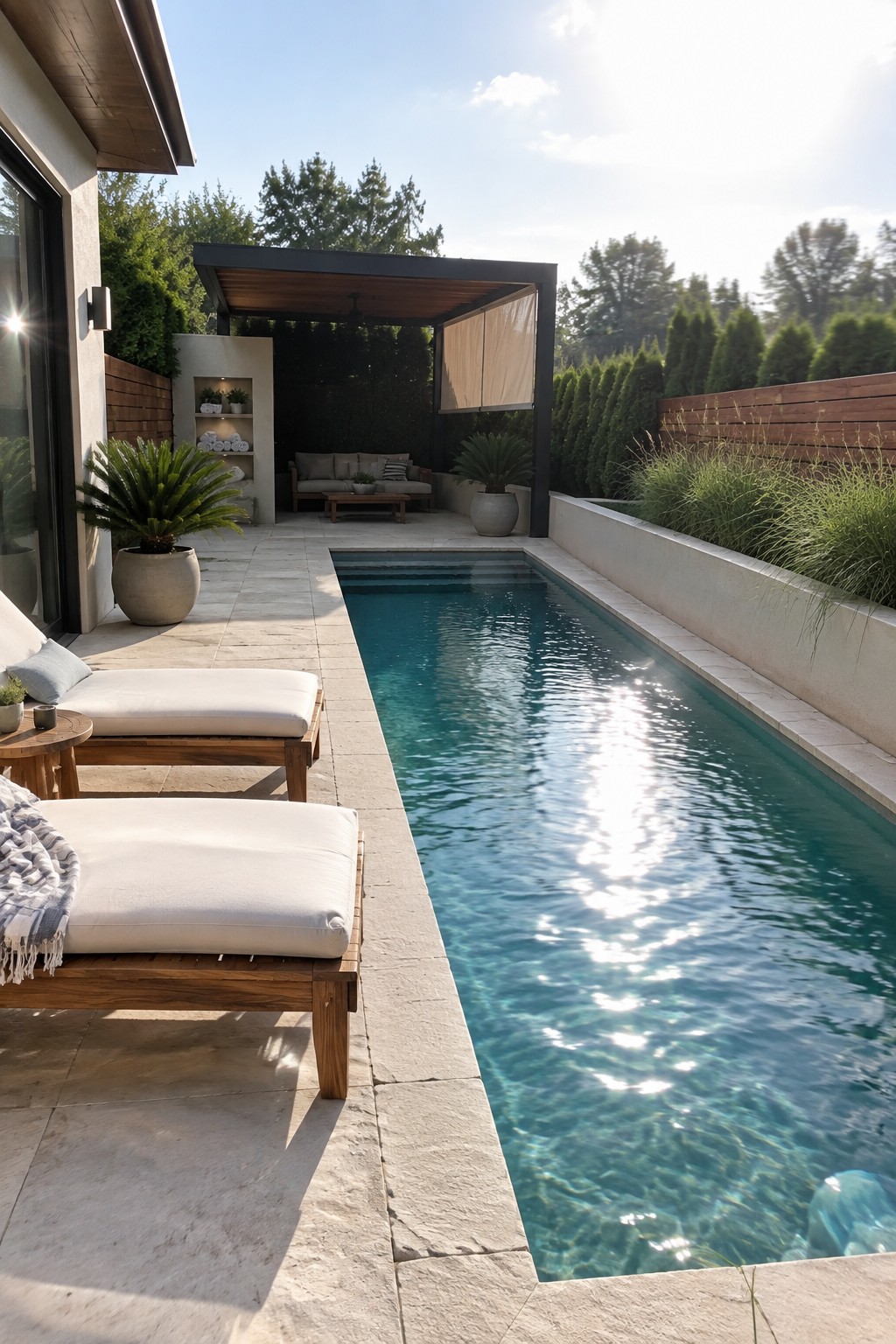
Tall hedges and a few fabric screens can turn an open pool area into a quiet spot that feels separate from the rest of the yard. The plants block side views while the screens add coverage overhead without needing a full roof or solid walls. This setup works especially well on narrower lots where neighbors sit close by.
Evergreen shrubs planted in a row along the edge give year round coverage and soften the look of the fence behind them. Add one or two potted plants near the seating to break up the straight line and keep the space from feeling too formal. This works best with a simple pool shape and light colored paving that reflects the greenery.
Layer Hedges And Trellis Screens For Privacy

A simple way to gain privacy is to combine a solid hedge layer with a trellis or screen that lets vines grow upward. The mix blocks sight lines at different heights without making the space feel closed in. It also softens the look of a fence or wall while still doing the job of screening.
This approach works well along property edges or on sloped yards where you need height without a tall solid wall. Choose evergreens for the lower layer and a fast climber for the trellis so coverage builds over a season or two. Keep the plants pruned so they stay full but do not overgrow the path or steps.
Layer Hedges Against a Wall for Solid Privacy
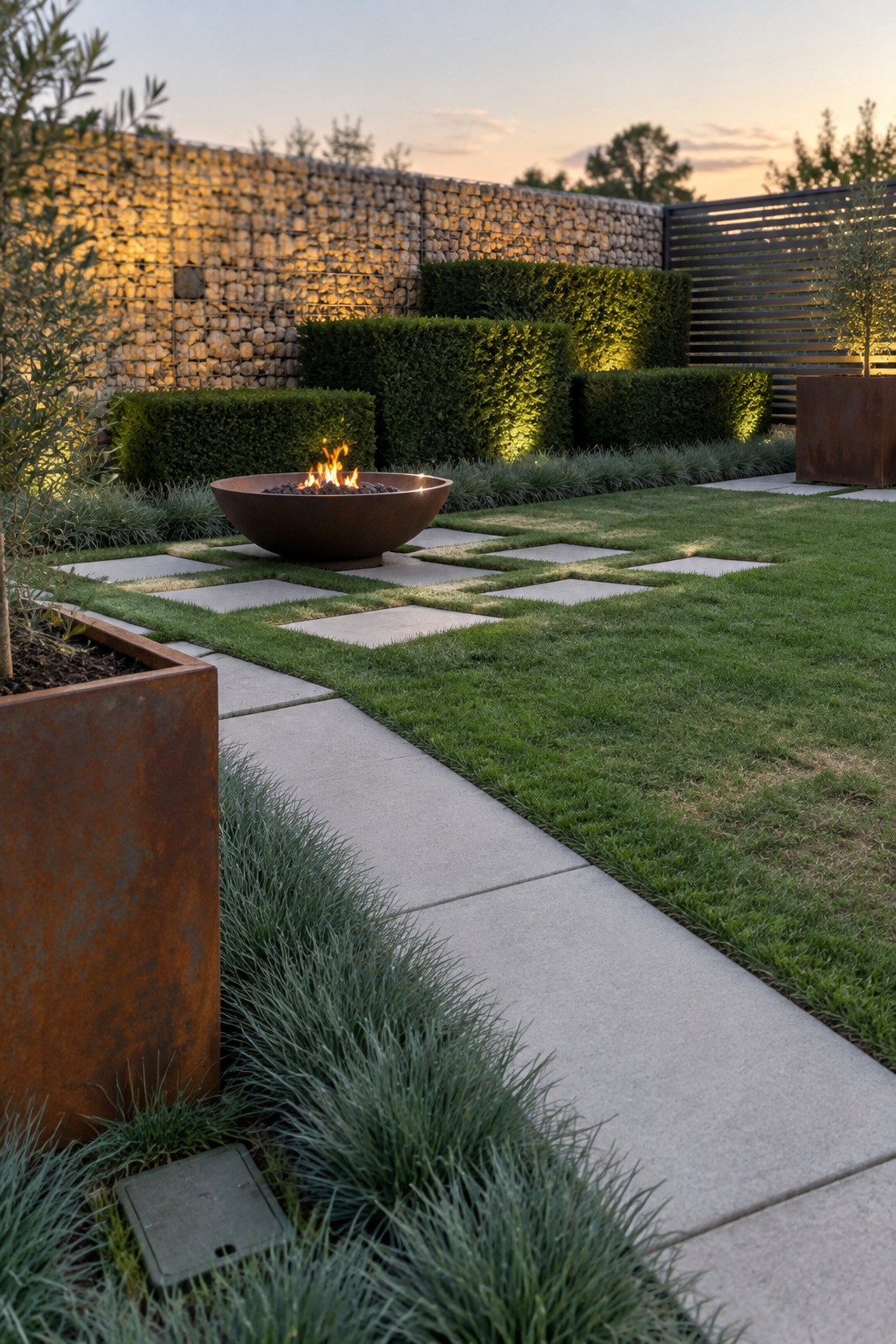
Layering hedges of different heights in front of a stone wall gives you privacy that feels natural instead of boxed in. The staggered shapes break up the hard surface and keep the space from looking flat while still blocking the view from outside.
This setup works best along the back or side of a yard where you need to cut off sight lines without a full fence. Keep the tallest hedges right against the wall and step the shorter ones forward so the lawn stays open and the whole area feels bigger.
Woven Screens Give Fast Privacy On A Deck
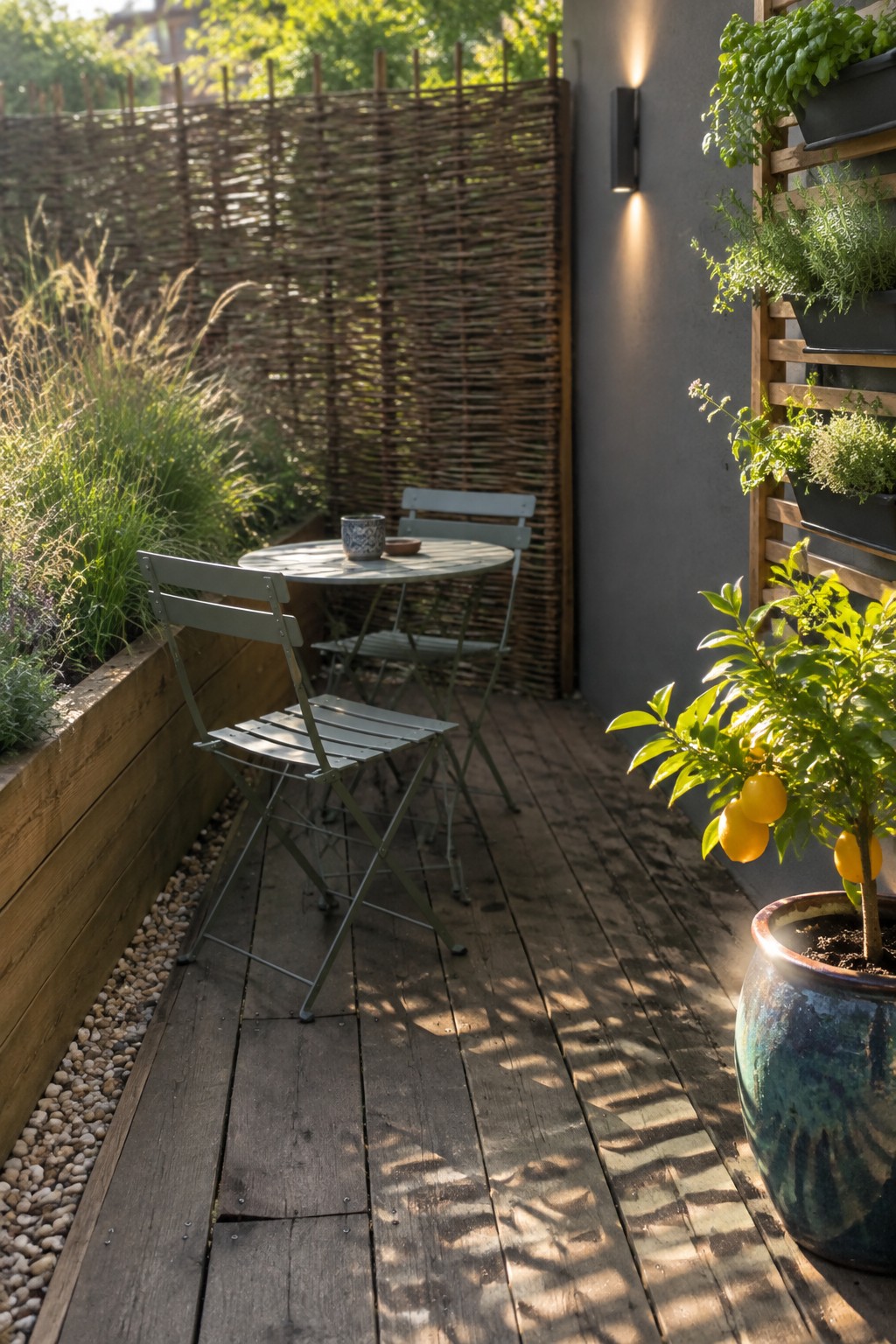
A woven screen like this one works well when you need privacy right away and do not want to wait for hedges to fill in. It blocks the view without making the space feel closed off, especially on a small deck where room is tight.
Set the screen along the back edge and add a raised bed or a few large pots in front of it. This works best in townhomes or narrow yards where neighbors sit close by. The plants soften the screen and help it blend with the rest of the garden over time.
Use A Screen With Hedges For Layered Privacy
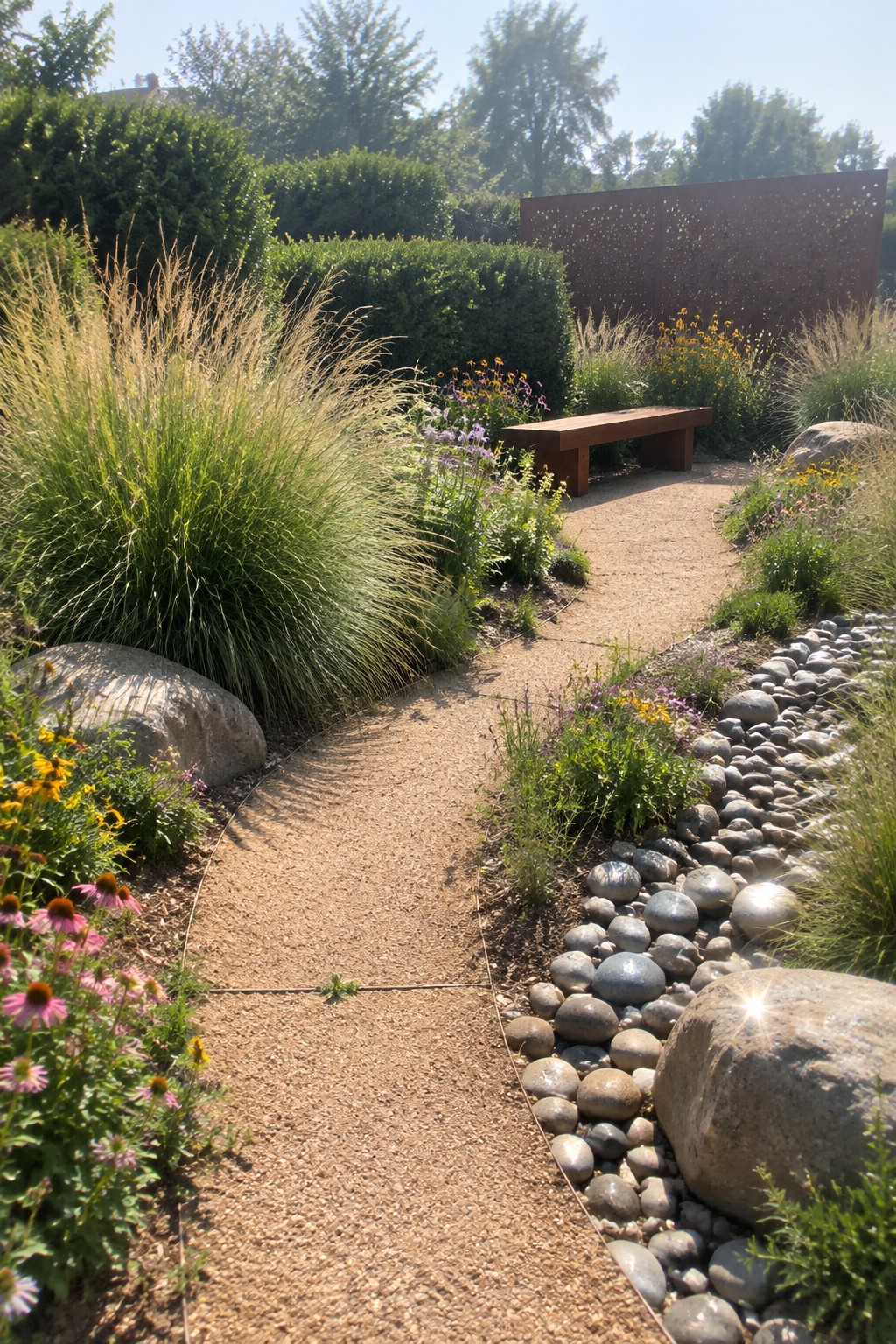
A metal screen set behind a row of tall hedges gives you privacy that stays solid even when the plants thin out in winter. The hedge softens the look of the screen while the screen fills in any gaps the plants leave behind.
This approach works best along the edge of a yard or beside a path where you want to block a view without building a full fence. It suits homes with open lots that still need a bit of separation from neighbors or the street.
Layer Hedges Behind Raised Beds

A hedge right behind raised beds adds privacy while still leaving room to work in the garden. The beds stay accessible and the hedge grows up to block the view without eating into open lawn space.
This setup suits smaller yards where you want both growing room and a screen. Pick evergreens that stay dense, and trim them regularly so they do not crowd the beds or cast too much shade.
Layer Hedges Behind Raised Planters

Raised wooden beds placed in front of taller hedging give you privacy without making the space feel closed in. The lower planting adds softness and lets you grow herbs or flowers right where you sit, while the hedge behind blocks the view from outside.
This setup works best along the edge of a patio or along a side boundary where you need screening but still want some garden space. Evergreens in the hedge keep it private all year, and the wood beds make it easy to refresh the soil or change plants later.
Plant Tall Hedges Against Wood Screening
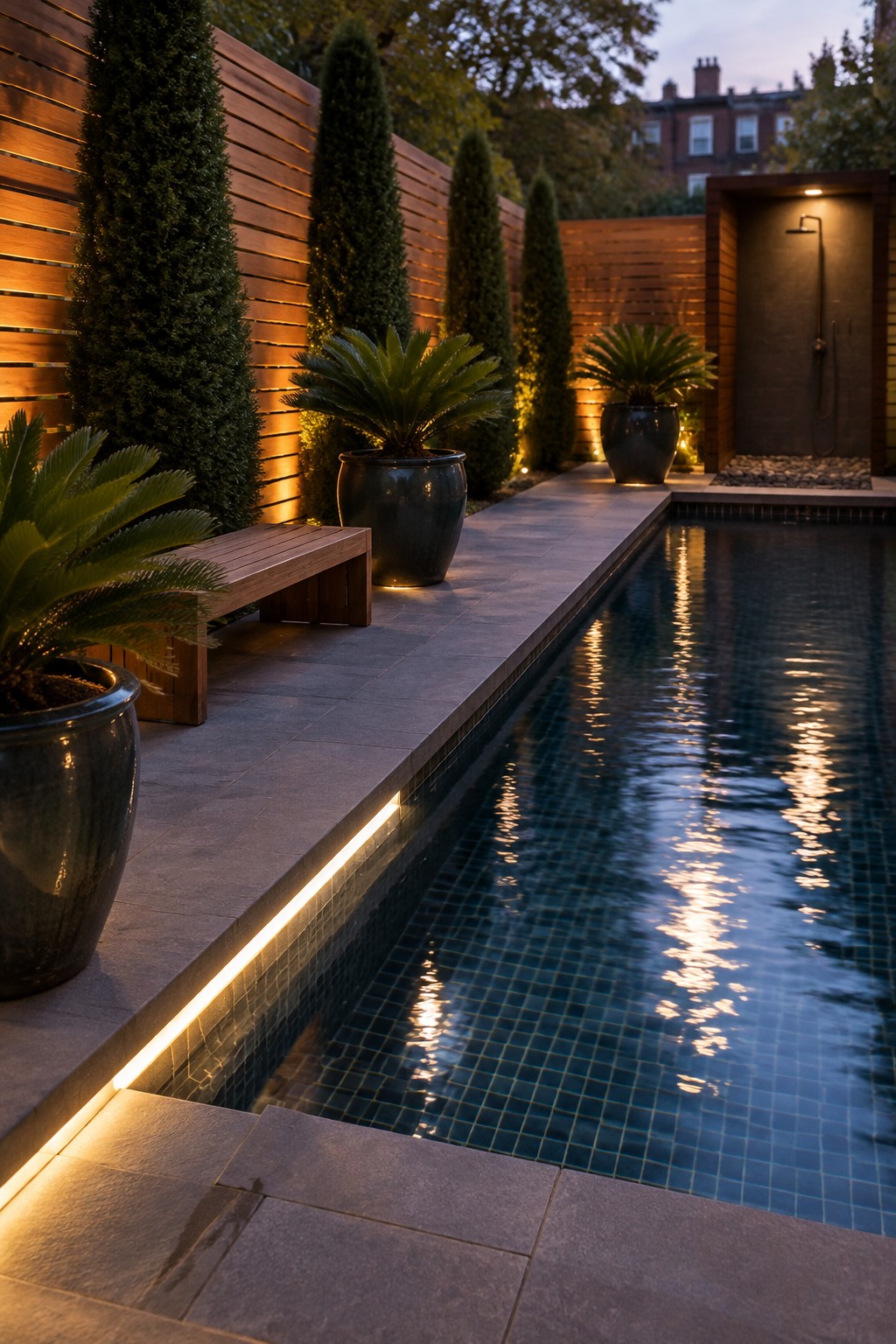
Tall hedges set right against a wood screen give you privacy without turning the yard into a solid wall. The plants soften the fence line and add height fast, which helps a lot when you want the pool area to feel separate from the rest of the yard.
This setup works best in narrow side yards or along the back edge of a pool where you need coverage but still want some light and air. Pick narrow evergreens so they stay clear of the deck, and make sure the wood has a warm tone so the whole screen feels like part of the garden instead of just a barrier.
Grow Climbing Vines Over Screens For Natural Privacy

Many backyard spaces feel more private when you let climbing plants cover part of a fence or screen. The vines add softness and fill in gaps over time, while the structure underneath still blocks the view from outside.
This approach works best along the edges of a seating area or path where you want some enclosure without a solid wall. Choose a fast growing vine and plant it in front of a woven screen or trellis so the two work together as the plants fill in.
Add a Metal Screen for Backyard Privacy
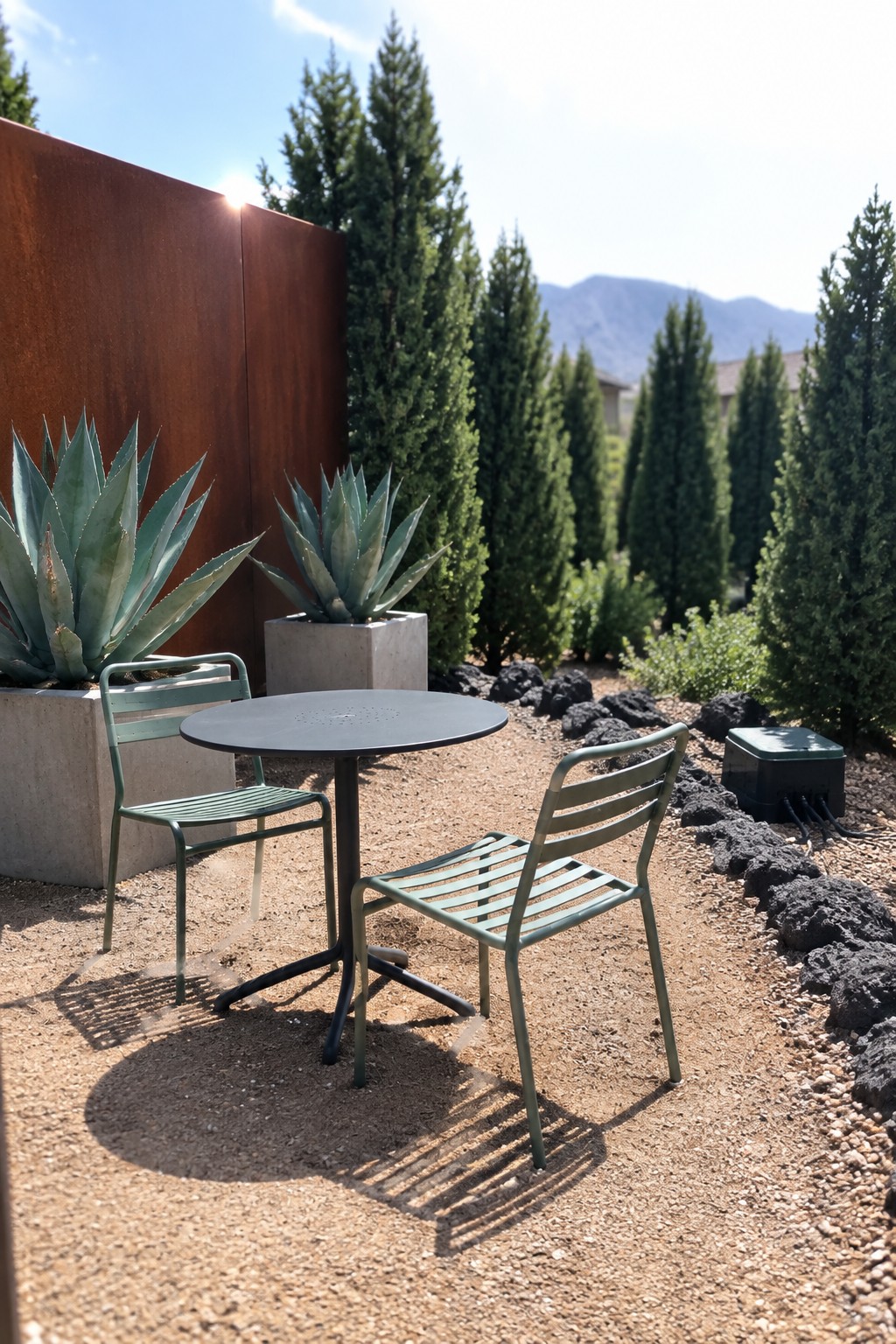
A metal screen gives you solid privacy right away without needing years for plants to grow in. It blocks the view from one side while leaving room for trees and big pots to soften the edges and keep the space from feeling closed off.
This approach works well along side yards or near patios where you want a quick barrier. Set the screen near seating and add a few large plants in front so the area feels tucked away but still open to the sky.
Layer Hedges With Climbing Roses For Secluded Seating
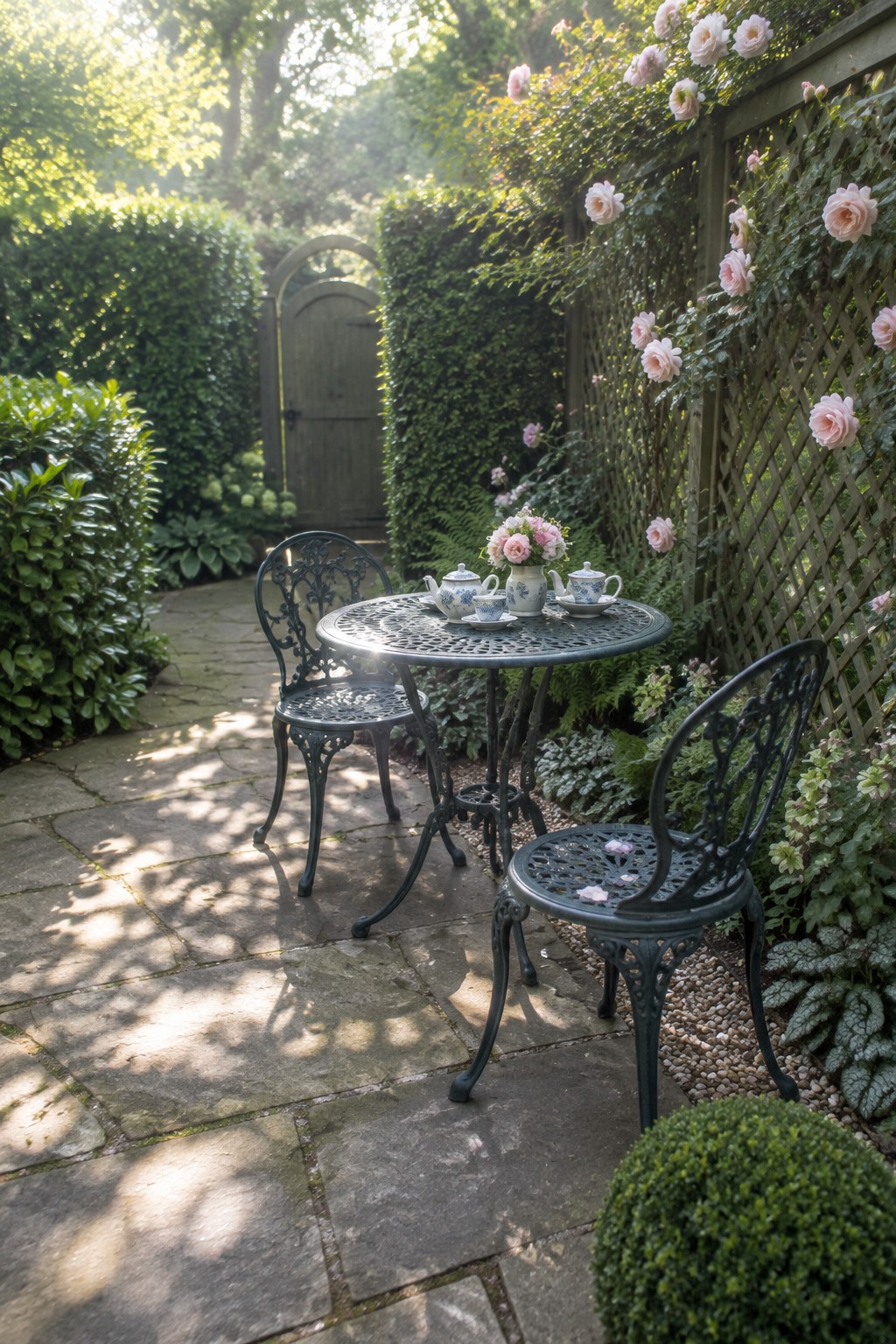
One simple way to get privacy in a backyard is to run a tall hedge behind a lattice screen and let climbing roses grow up it. The hedge gives solid coverage from below while the roses soften the top and add color without blocking all the light. This combination turns an open spot into a quiet place to sit without feeling boxed in by a fence.
It works best along the edge of a small garden where you already have some planting space. Keep the hedge trimmed to a height that matches your seating area and let the roses fill in the lattice over a season or two. The result feels natural and still leaves room for a path or a few pots nearby.
Mixing Walls And Plants For Better Privacy

A stone wall on one side combined with a woven screen and tall grasses on the other creates a quiet enclosed feel without shutting the space in completely. The plants soften the hard edges while the solid wall blocks views from outside, making the whole area feel more sheltered for cooking or sitting.
This setup works well in smaller yards where full hedges might take up too much room. Place the wall along the busiest side of the property and add a lighter screen or tall grasses where you still want some air flow. It suits homes that already have basic fencing but need extra screening around a patio or outdoor kitchen.
Frequently Asked Questions
Q: How long does it take for hedges to grow tall enough for privacy?
A: Most hedges reach good height in two or three years with regular water. Mulch helps them grow stronger from the start. You might set up a simple screen in the meantime.
Q: Which hedges need the least trimming?
A: Slow growing evergreens stay neat without much work. They keep their shape longer than fast growers.
Q: How can I combine hedges and screens in one yard?
A: Place screens where you need instant cover and let hedges grow behind them. This mix gives privacy right away while the plants mature. Space them so neither blocks the other’s light.
