

I’ve noticed that backyard spaces start to feel right once the basic layout lines up with how people actually move through them each day.
Planting groups and simple edging tend to hold the whole area together better than scattered features because they give everything a clear shape from the start.
One change at a time keeps things workable.
I usually try a short path or border section first in my own yard to check the scale before adding more.
These small steps show quickly which ideas will last once the plants fill in and the ground settles.
Lay a Stepping Stone Path
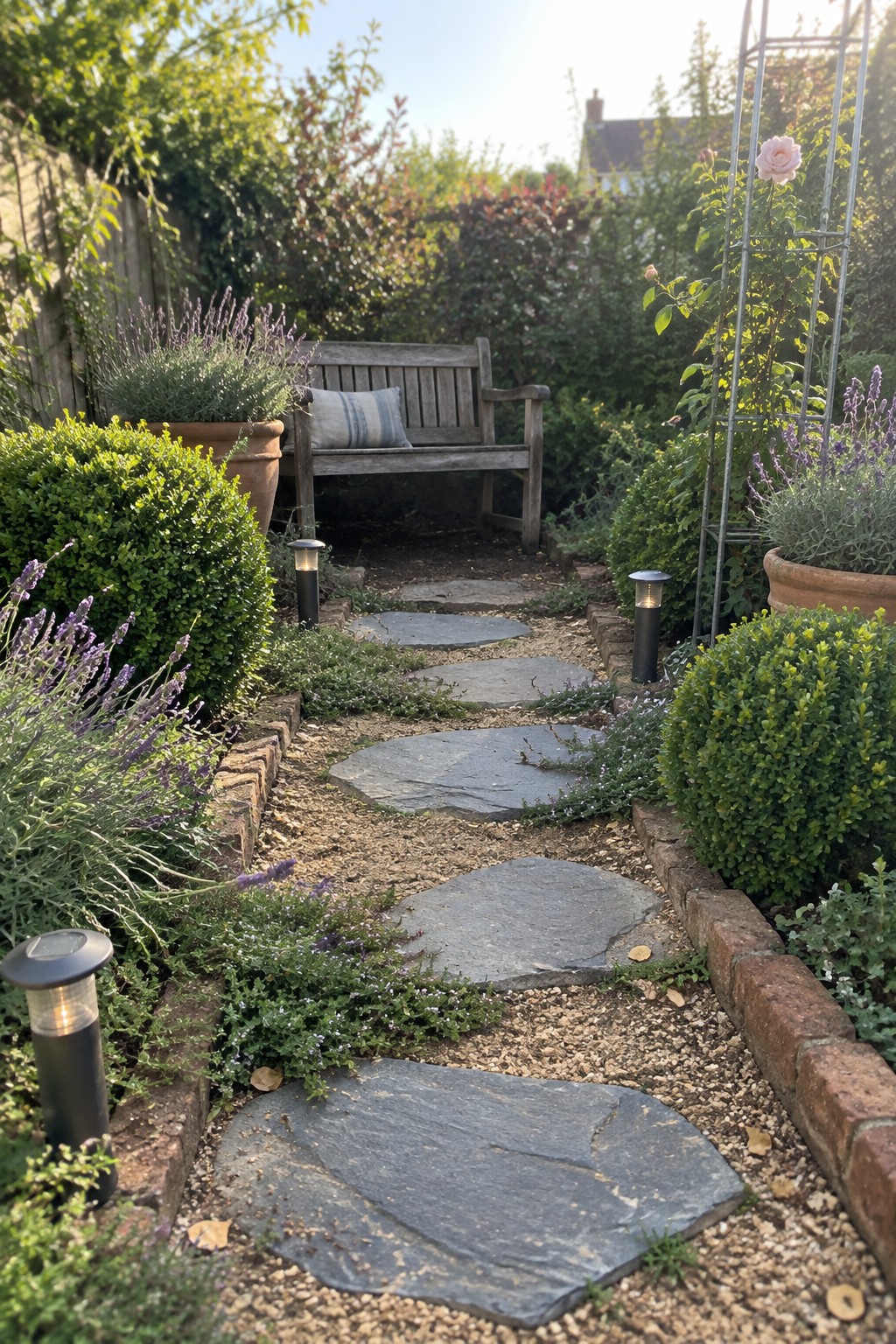
A stepping stone path keeps the garden practical without turning it into a solid paved surface. The stones let you walk through planted areas while leaving room for borders and low plants right along the edges.
Set the stones on a simple gravel or sand base over a weekend and keep the spacing comfortable for normal steps. This layout suits narrow side yards or any spot where you want access to beds without committing to a full walkway.
Create a Gravel Fire Pit Area
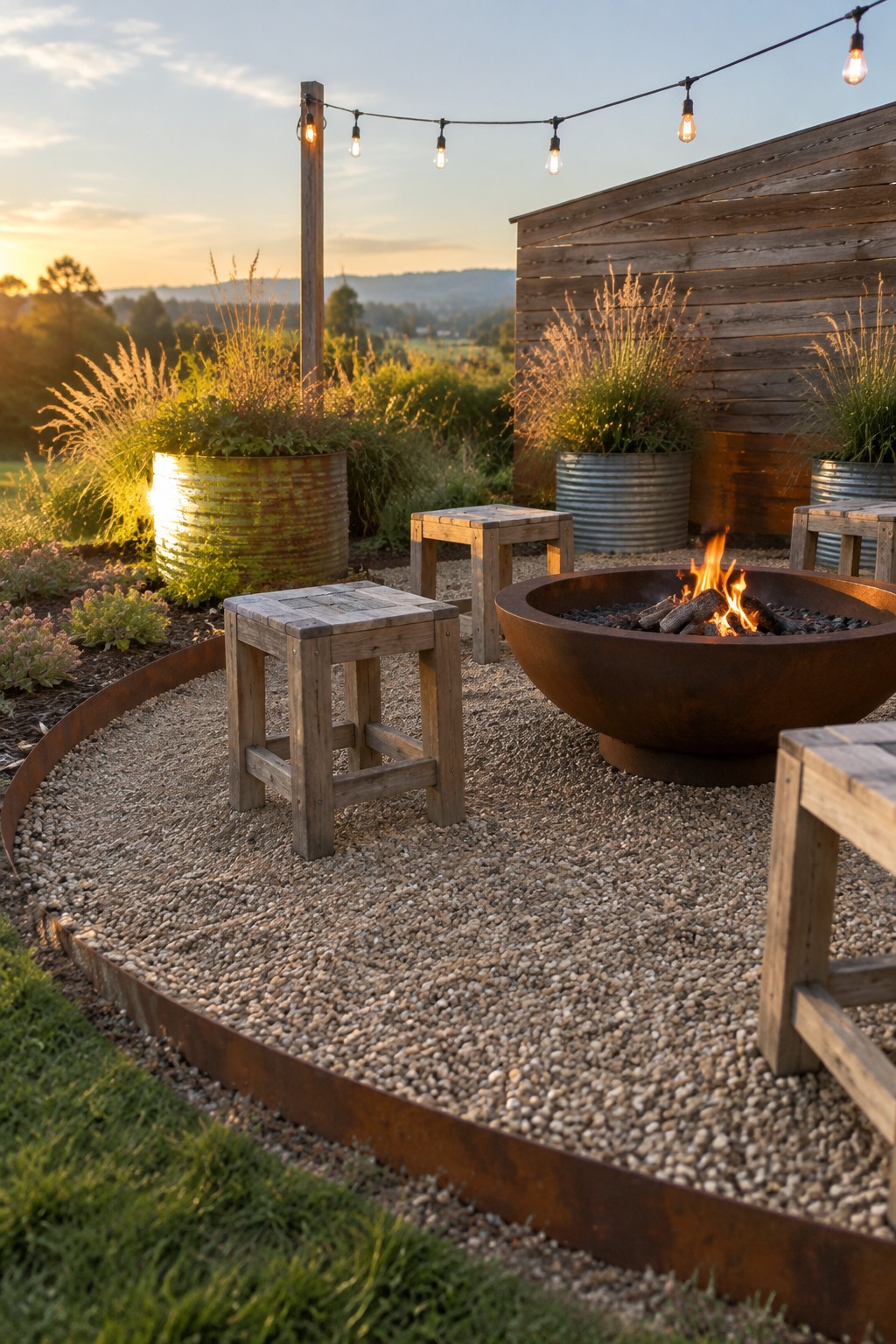
A gravel base gives you a fast way to define a fire pit spot without much digging or pouring. It drains well, looks neat, and pairs easily with simple wooden stools for seating.
This setup works in most backyards where you want a casual gathering area. Keep the circle modest in size, use metal edging to hold the gravel in place, and add a couple of low stools so people can sit close to the fire without needing a full patio.
Raised Beds With Trellises For Vertical Growing
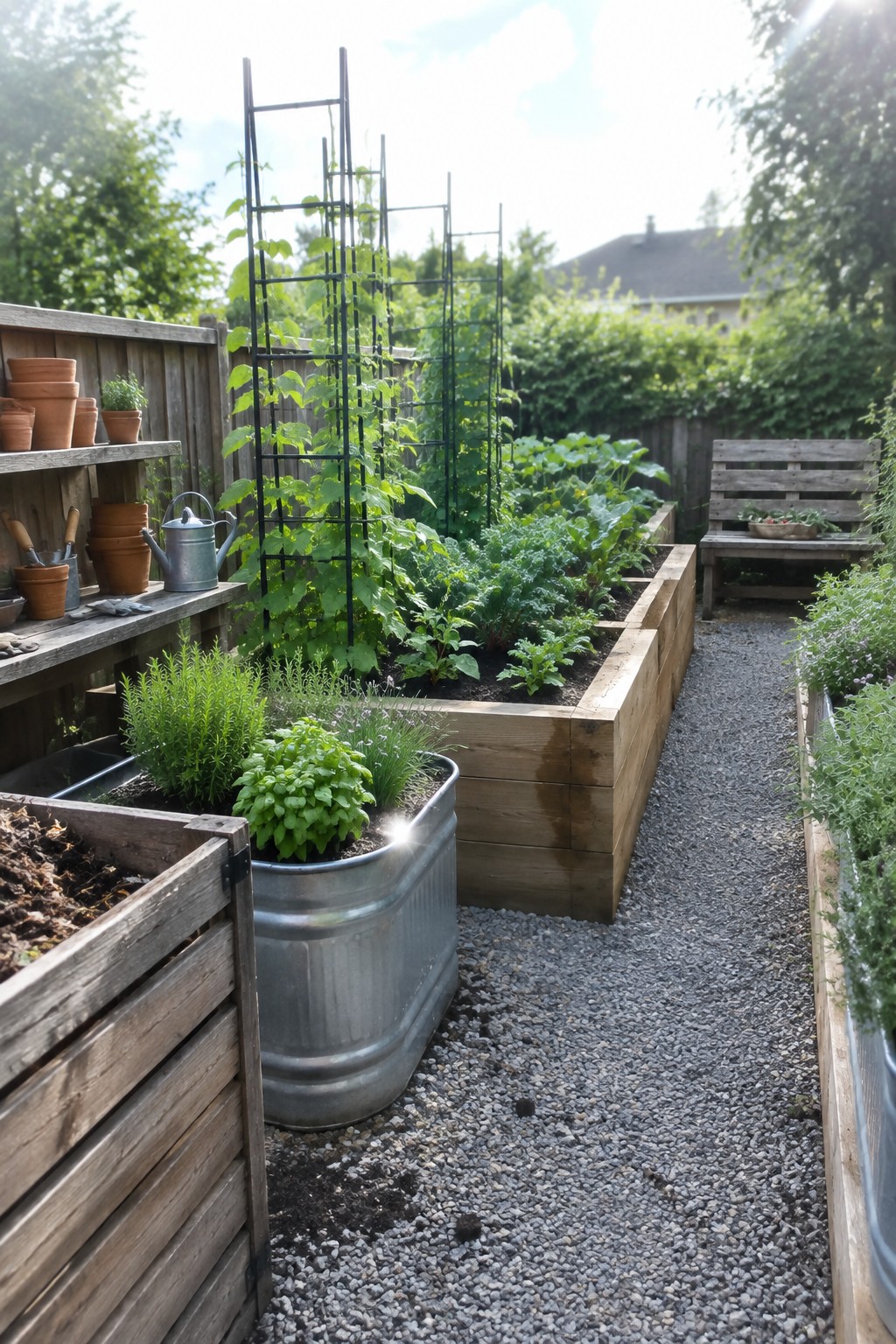
Raised beds paired with tall trellises give you a simple way to grow more in a small space. The wood frames keep the soil neat and contained while the metal supports let vines climb instead of sprawling across the ground.
This approach suits narrow yards or side gardens where you want a productive vegetable patch without a big footprint. You can build the basic structure in a weekend using standard lumber and wire panels, and it makes watering and harvesting easier since plants stay organized and off the path.
Add Gabion Edging For Simple Bed Borders
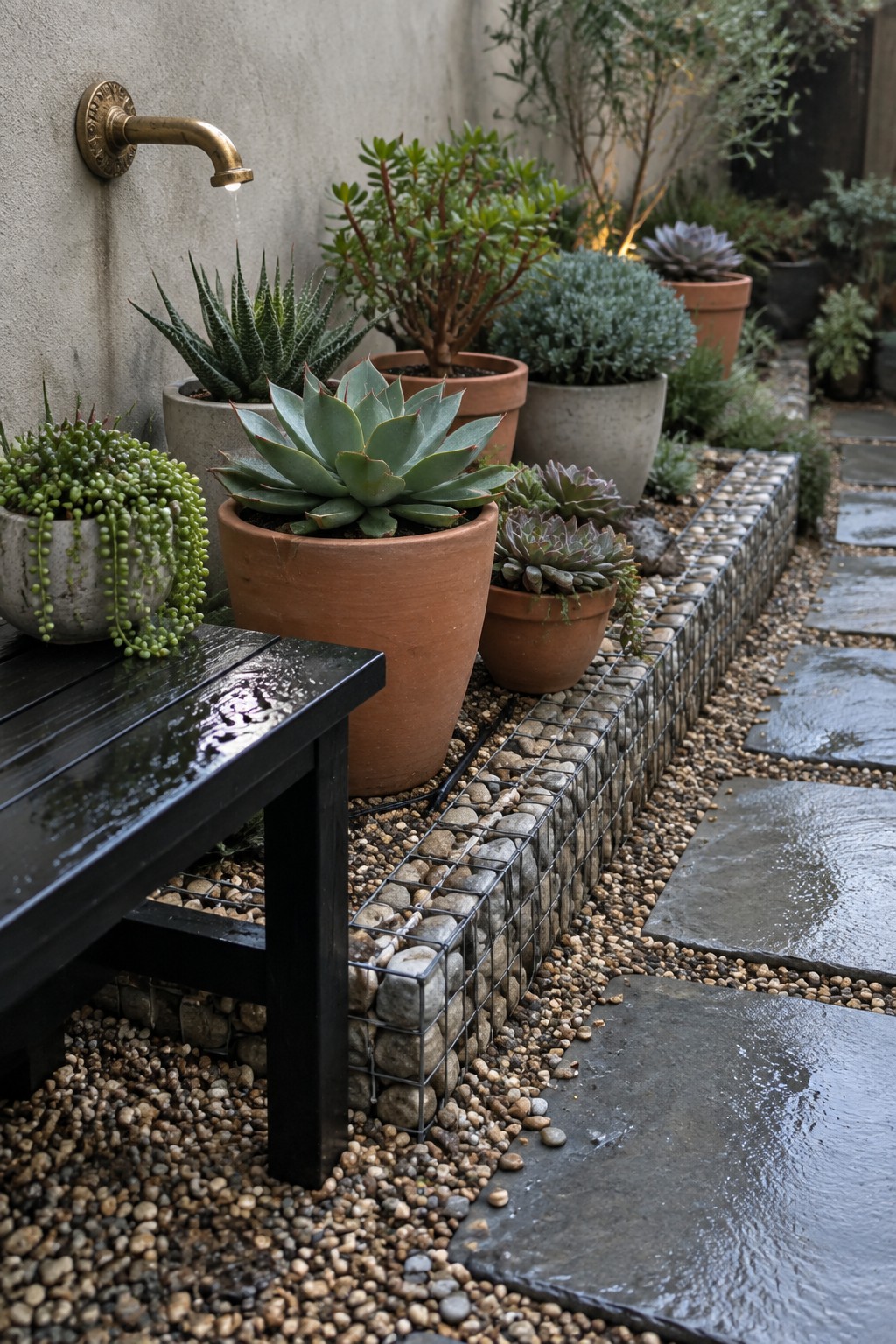
Gabion baskets filled with stones give garden beds a clean edge that holds gravel in place and keeps the whole area looking neat. They stand up to weather without much fuss and work especially well when you want structure without pouring concrete or laying brick.
This setup suits small yards or side gardens where you need something quick and lasting. Set the baskets along the bed line, fill them on site, and then add potted plants wherever you want color or height. Just make sure the ground is fairly level before you start so the cages sit straight.
Set Pavers Into Grass For A Quick Patio
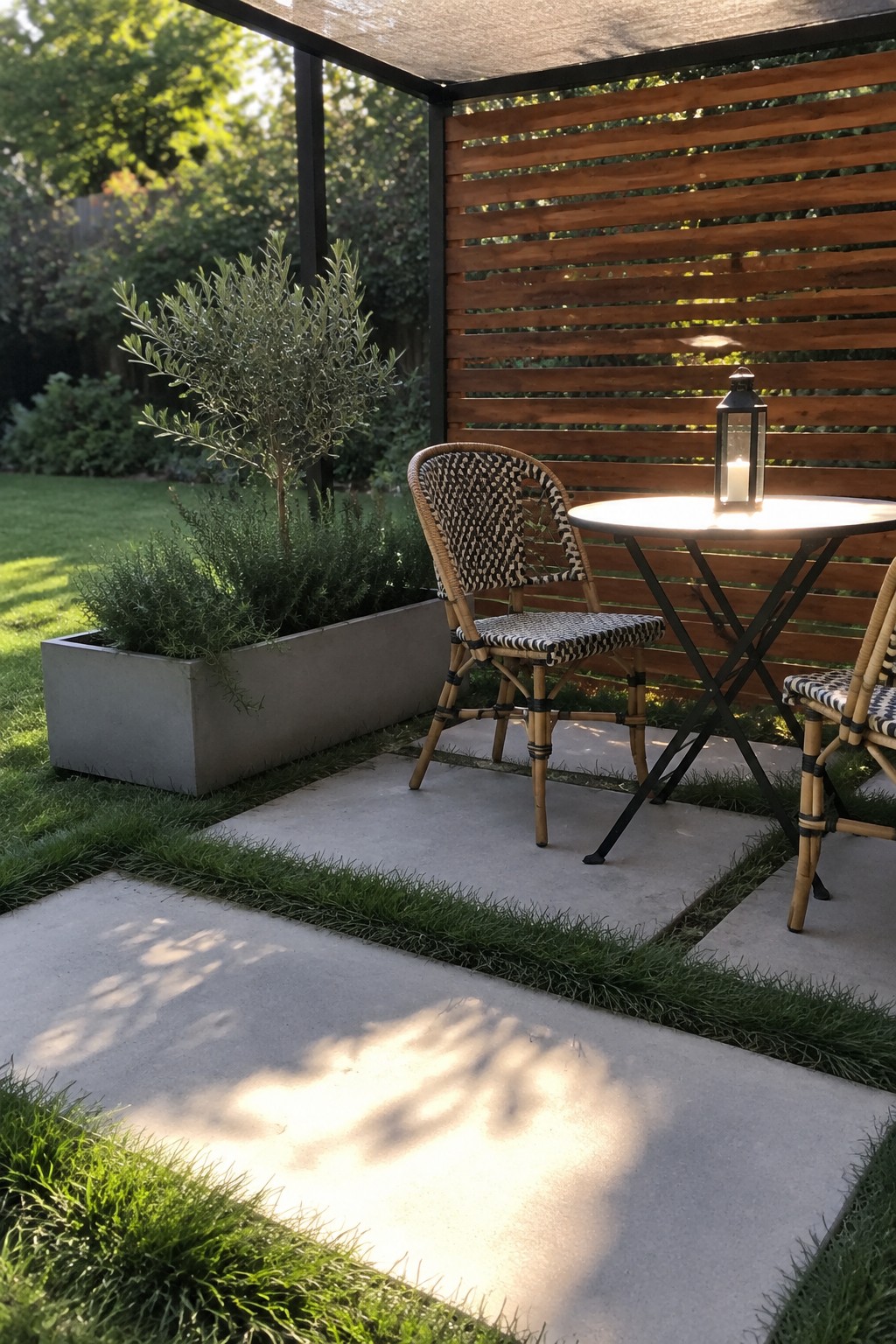
Laying concrete pavers straight into an existing lawn gives you a solid outdoor floor without removing large sections of grass. The pavers create flat space for seating while the surrounding lawn stays soft and green, which keeps the yard feeling open.
This approach suits small backyards or side areas where you want something simple and low maintenance. Level the ground first, then set the pavers with enough space between them for grass to fill in around the edges.
Define Your Beds With Metal Edging
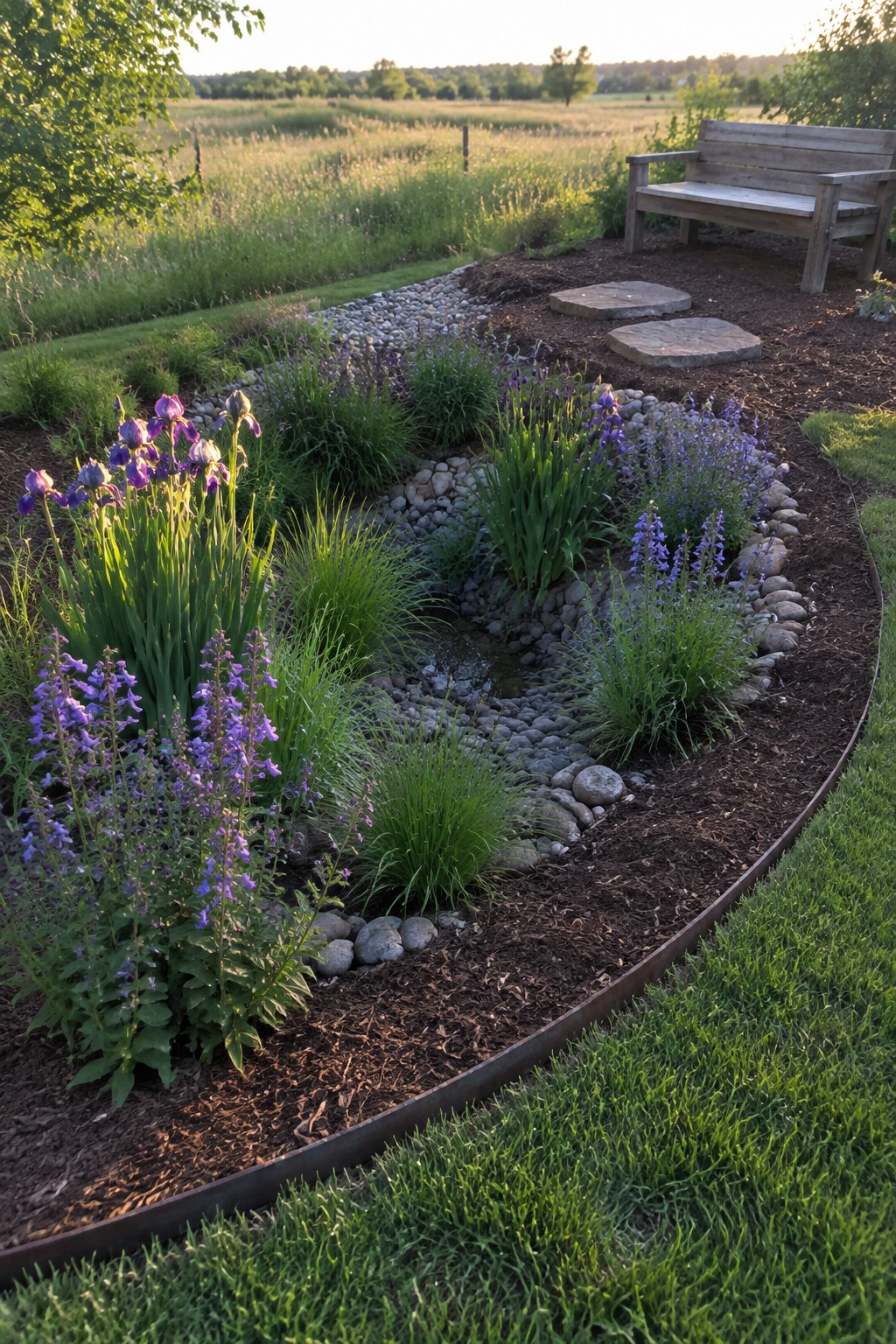
Metal edging gives a garden bed a clear shape that holds mulch in place and keeps grass from creeping in. It works especially well when the bed follows a gentle curve instead of straight lines, since the material bends easily and stays put once installed.
This style suits a weekend project in a smaller yard because it needs few tools and gives an instant finished look. Just sink the edging deep enough so it sits flush with the soil and mulch, then plant in layers behind it.
Lay Stepping Stones Through The Lawn
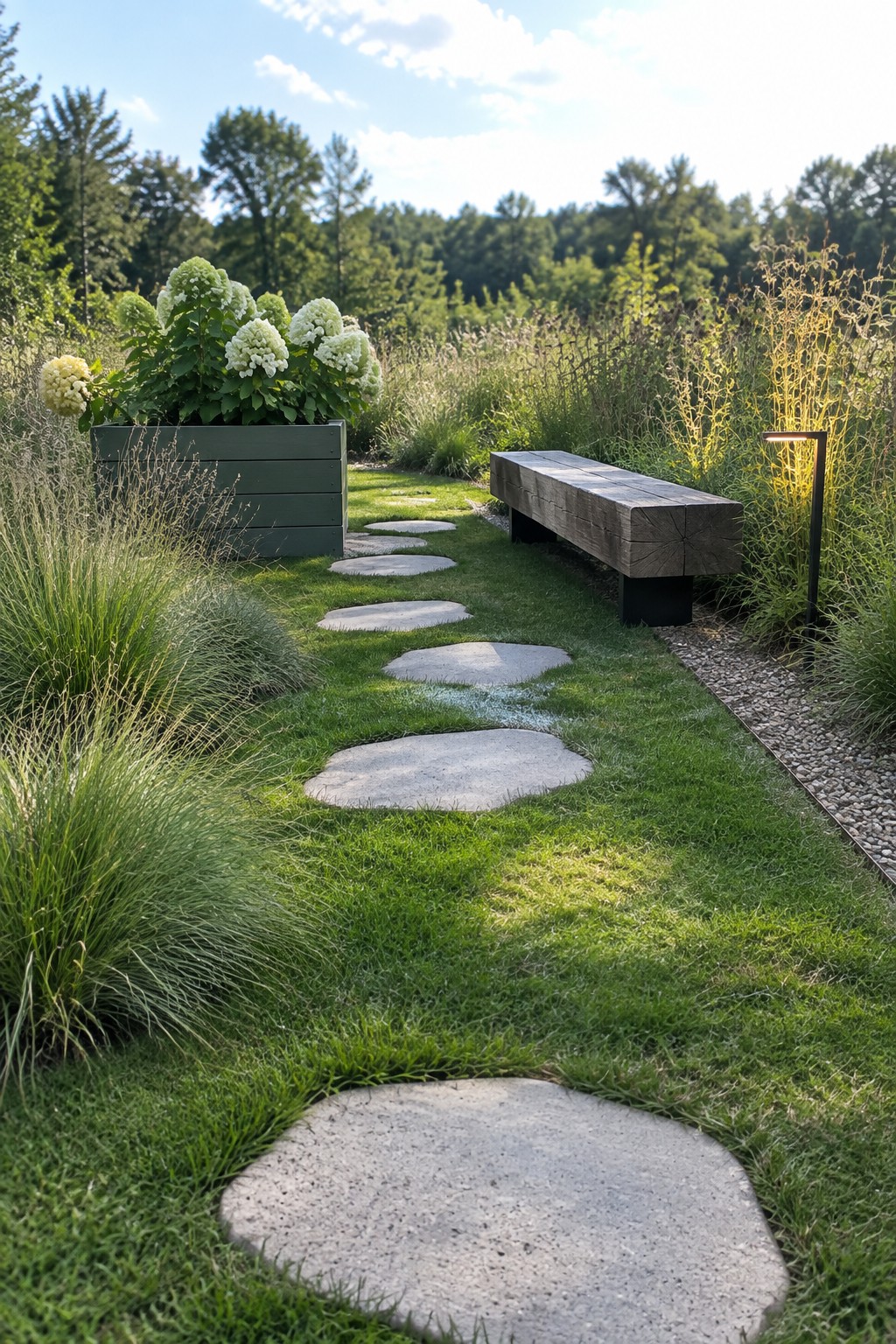
Stepping stones give you a clear path across the grass without turning the whole yard into a walkway. They keep feet dry and stop the lawn from getting worn down in the spots people cross most often.
This works well in a backyard where you want to reach a bench or a planted area without adding a full patio. Place the stones so they sit level with the grass, which makes mowing simpler and keeps the look casual.
Build a Raised Planter Along a Path
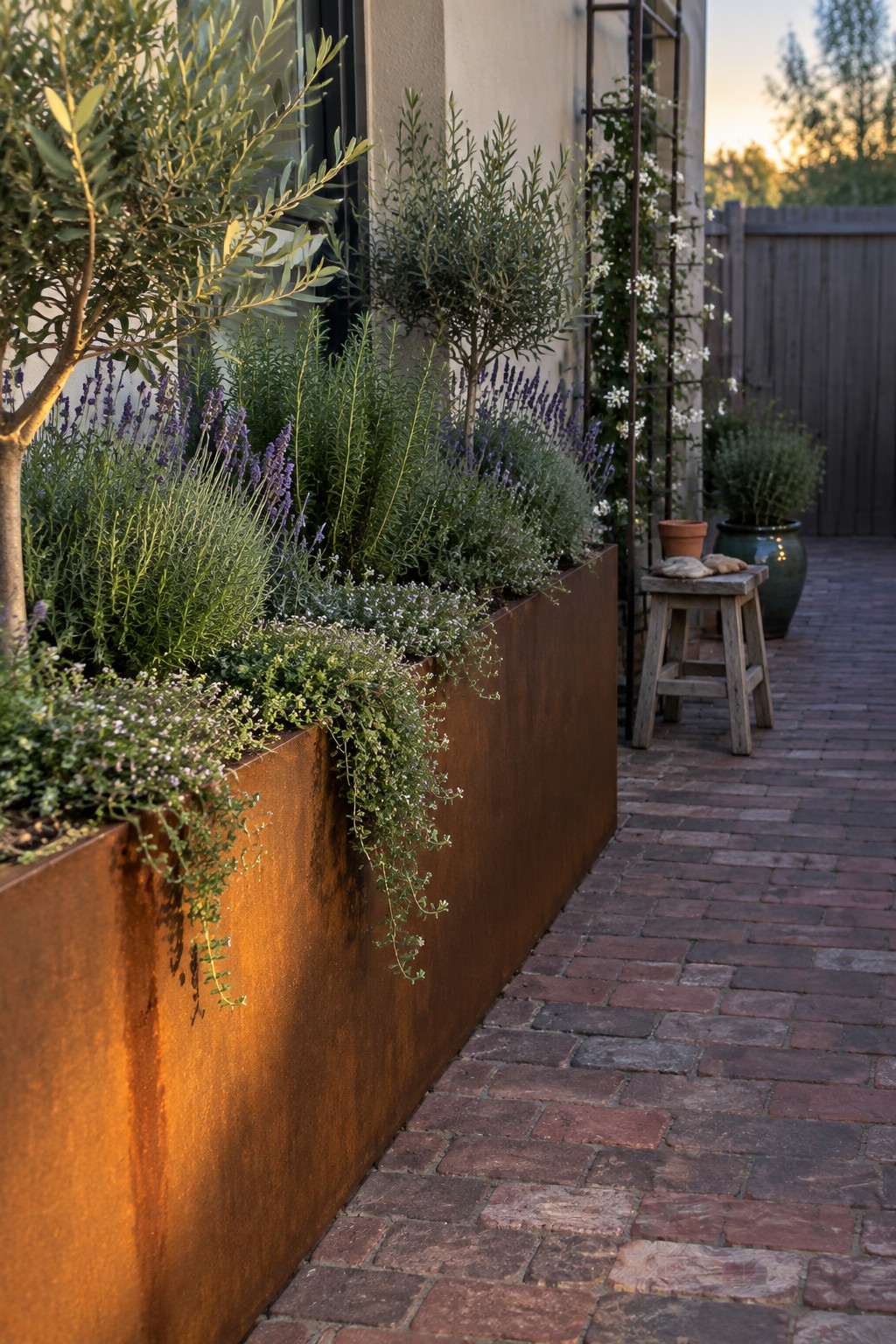
A long raised planter gives the edge of a walkway clear structure and keeps the planting contained without a lot of extra work. It stands out because the metal holds its shape over time and lets the plants spill over naturally while still looking tidy.
This approach works best in smaller side yards or along existing brick paths where you want low maintenance and a clean line. Use sheets of weathering steel cut to length, set them on a simple base, and fill with a mix of shrubs and trailing plants that do not need constant trimming.
Create a Stone Path Along a Pond Edge
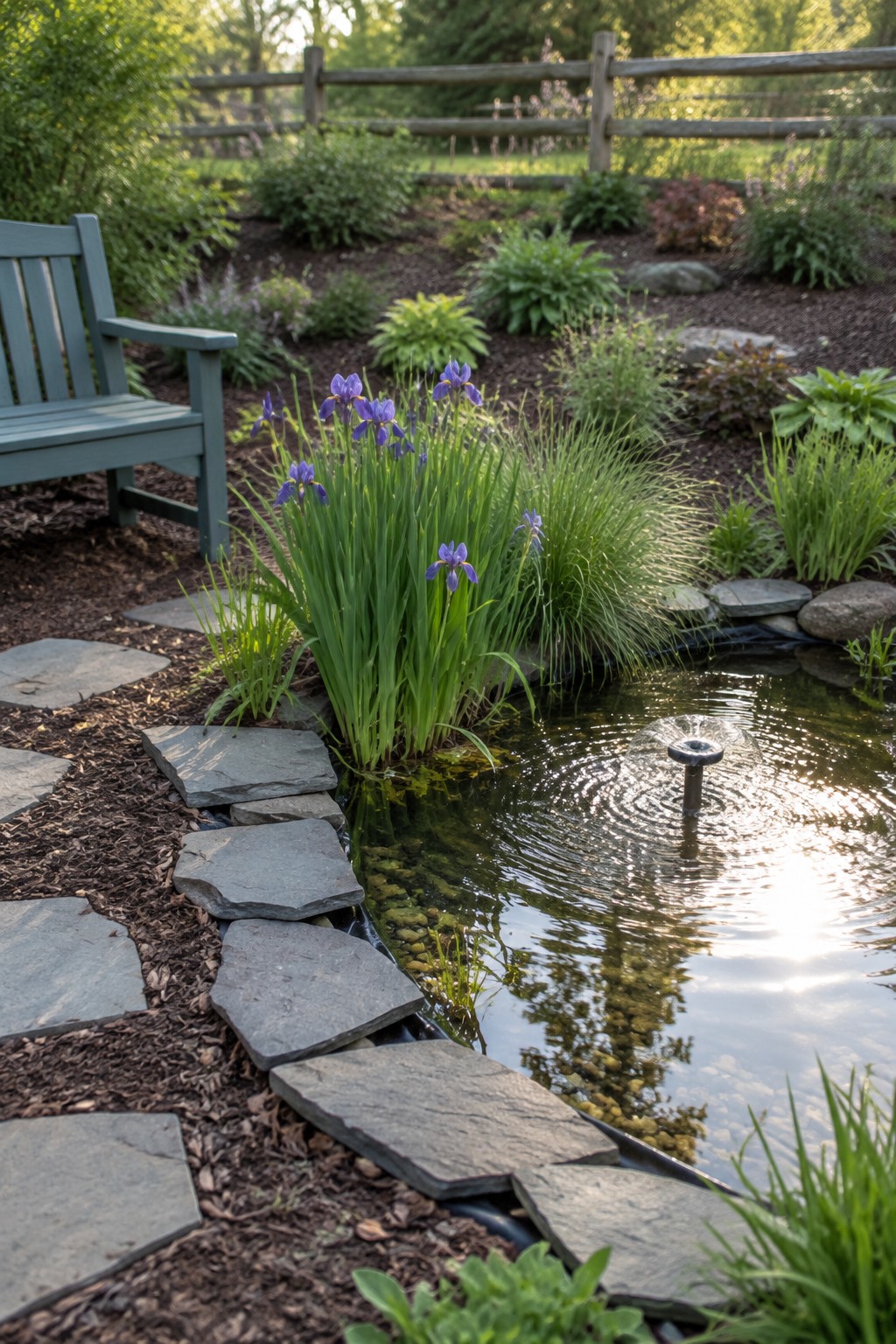
A flat stone path that follows the water makes it easy to walk right up to the plants without sinking into soft ground. It also gives the area a clean border that keeps mulch and soil from washing in.
This setup works best in smaller backyards where you want a finished look without much digging. Place the stones level with the soil and add a few clumps of tall iris or grass right at the edge for color and texture.
Brick Edging For Garden Paths
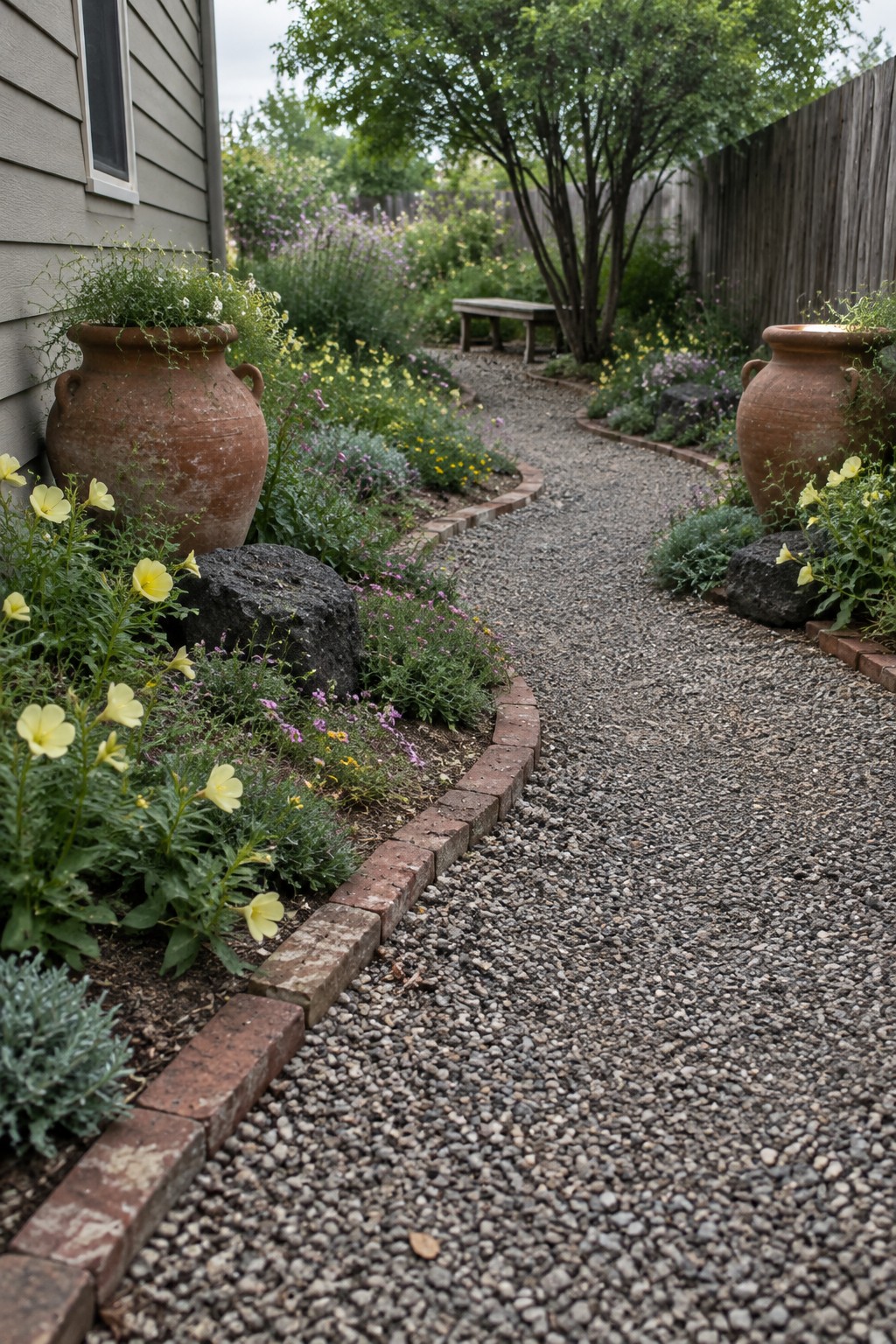
Brick edging gives a gravel path a finished look and keeps the beds from spilling over. It also makes mowing and weeding easier since the line stays clear.
You can set the bricks in a shallow trench over a weekend and follow the curve of the path as you go. This works best in smaller yards where you want a simple border that still feels intentional.
Build Tiered Raised Beds
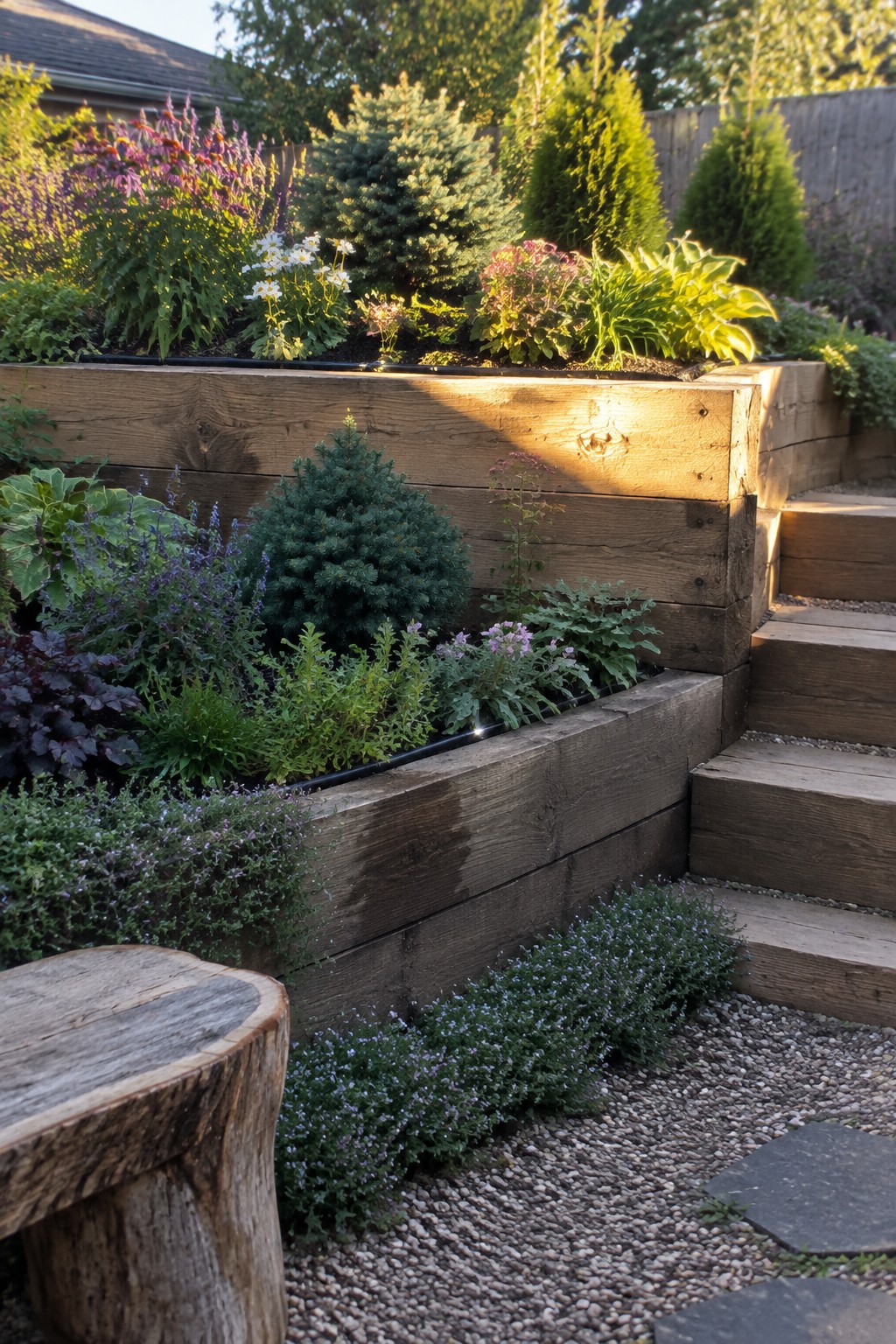
Tiered raised beds give you a simple way to handle a slope while keeping plants organized and easy to reach. The stacked wood creates clear layers that follow the ground, so you can mix taller shrubs higher up with lower ground cover down below without everything sliding or looking messy.
This setup works best on smaller backyards where the land drops a bit. Use pressure-treated lumber or old beams, and keep the tiers no more than two or three high so the whole thing stays weekend-friendly. Just make sure each level has room for soil and basic drainage before you plant.
Mount Planters Along A Fence
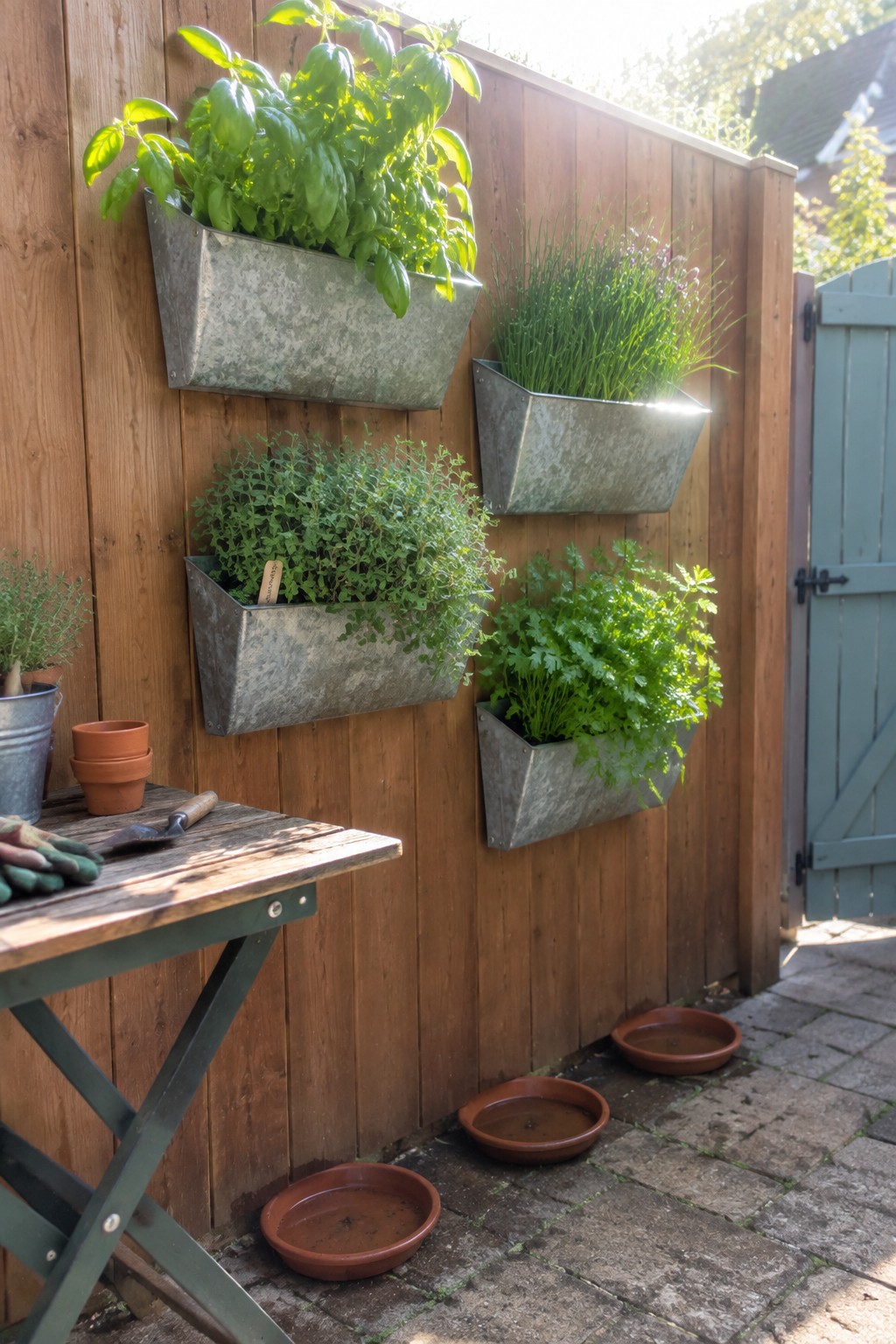
Hanging troughs on a fence gives you a simple way to grow herbs without using up ground space. It keeps the plants at a comfortable height and turns an empty fence into a working garden wall.
This idea suits any backyard with a solid fence that gets sun. Secure the planters well and check that they drain properly so the roots stay healthy.
Build a Bench Into Your Garden Wall
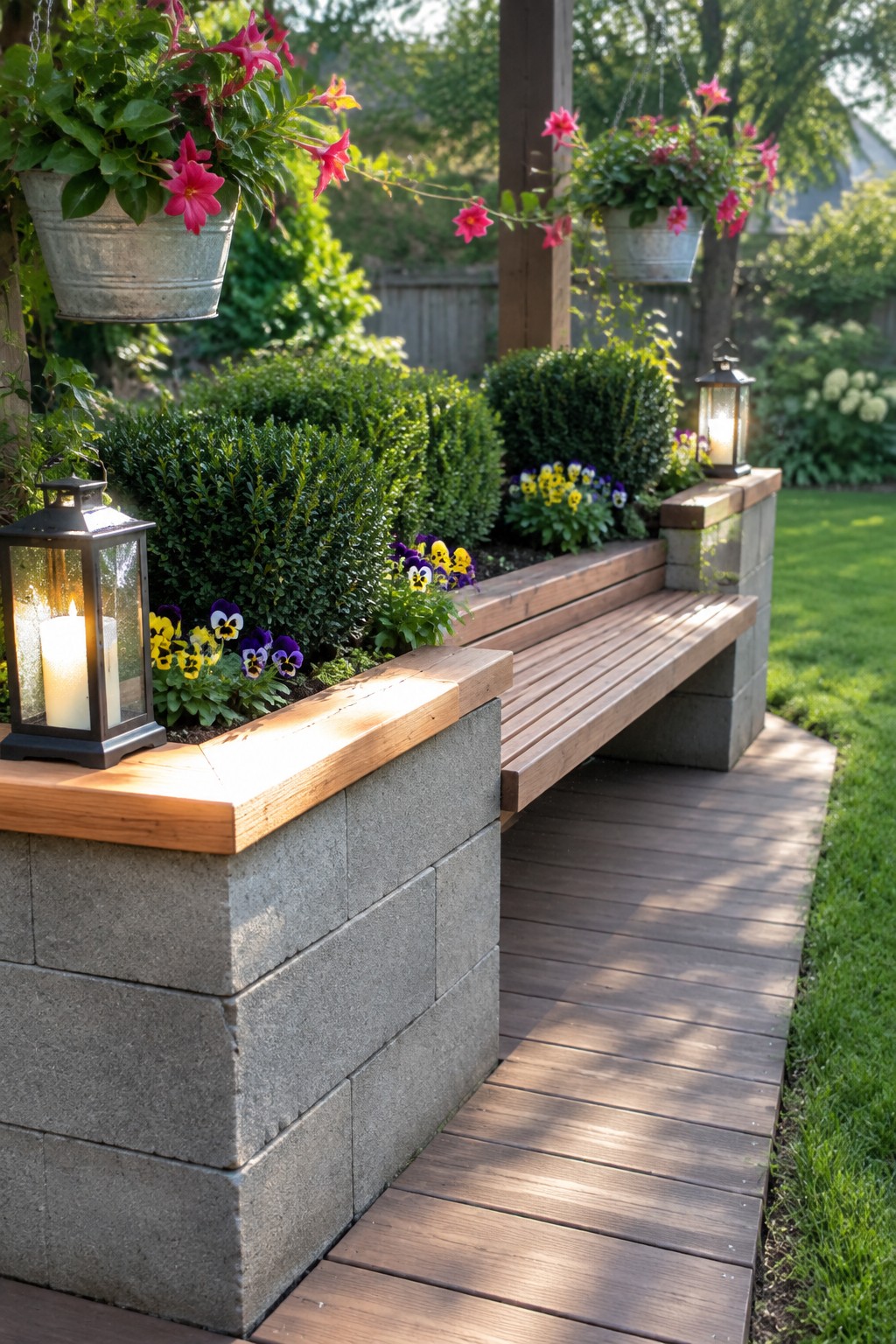
Many backyards could use more seating without adding another piece of furniture. Extending the top of a low retaining wall or raised bed gives you a solid place to sit while keeping the garden feeling open.
This works best along a deck edge or path where you already need some height change. Use concrete blocks for the base and top them with a simple wood cap. The plants stay right behind the seat so the whole thing feels like part of the garden instead of something added later.
Gravel Patios With Potted Plants

A gravel surface gives you an outdoor dining area fast without pouring concrete or laying heavy pavers. It drains well, feels casual, and pairs easily with large pots placed around the edges to soften the look and define the space.
This setup works best in sunny backyards where you want seating near the house or grill. Keep the pots planted with the same few varieties so the whole thing stays simple to maintain, and add a low stone border if you need to hold the gravel in place.
Lay A Stepping Stone Path In The Lawn
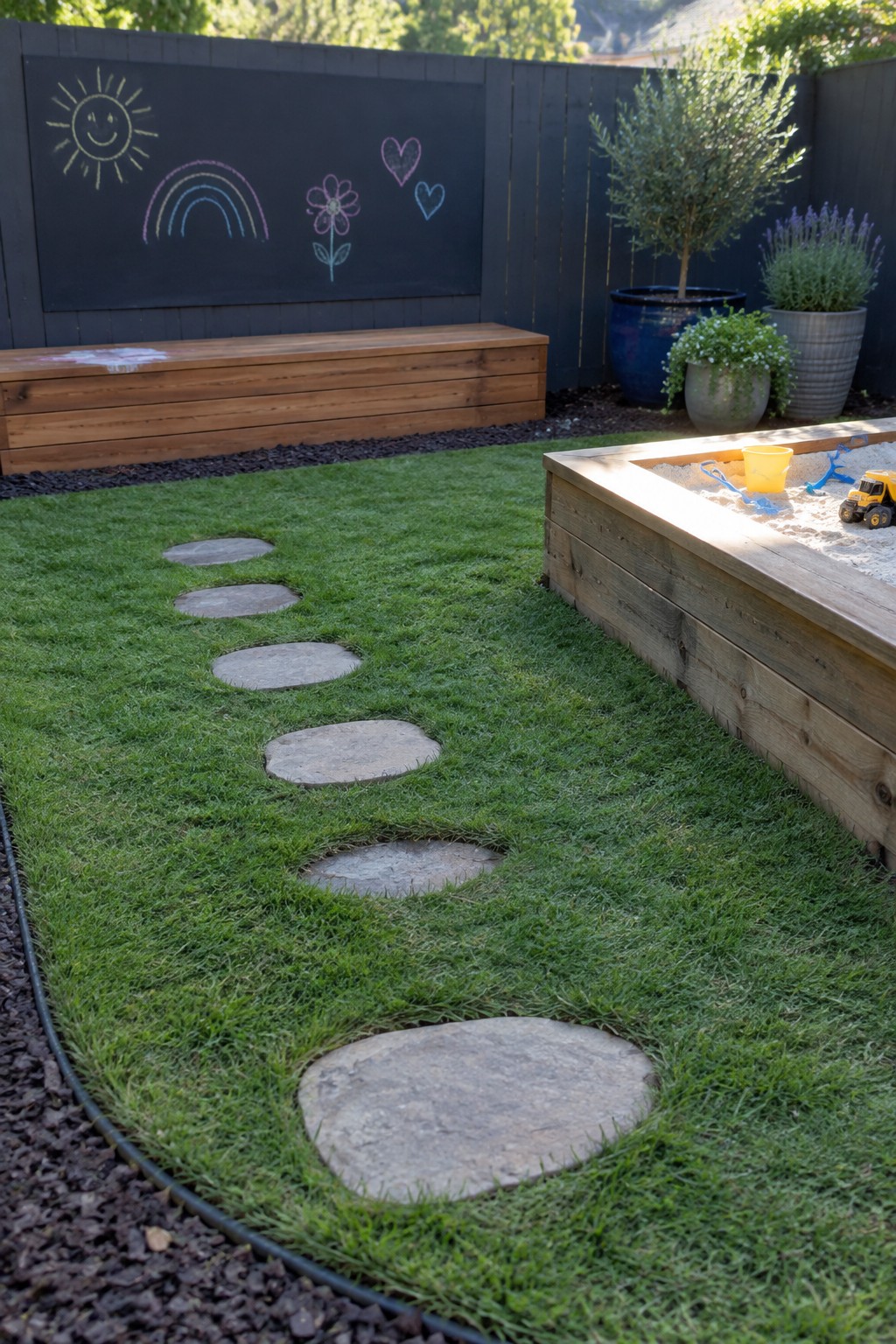
Stepping stones give you a simple way to cross the grass without leaving a worn trail behind. They keep the yard looking tidy and make it easy to reach play areas or garden spots without tracking mud everywhere.
This kind of path works well in family backyards where kids run around. Set the stones level with the grass so the mower can pass right over them, and space them at a natural walking stride.
Raised Planters With A Privacy Screen
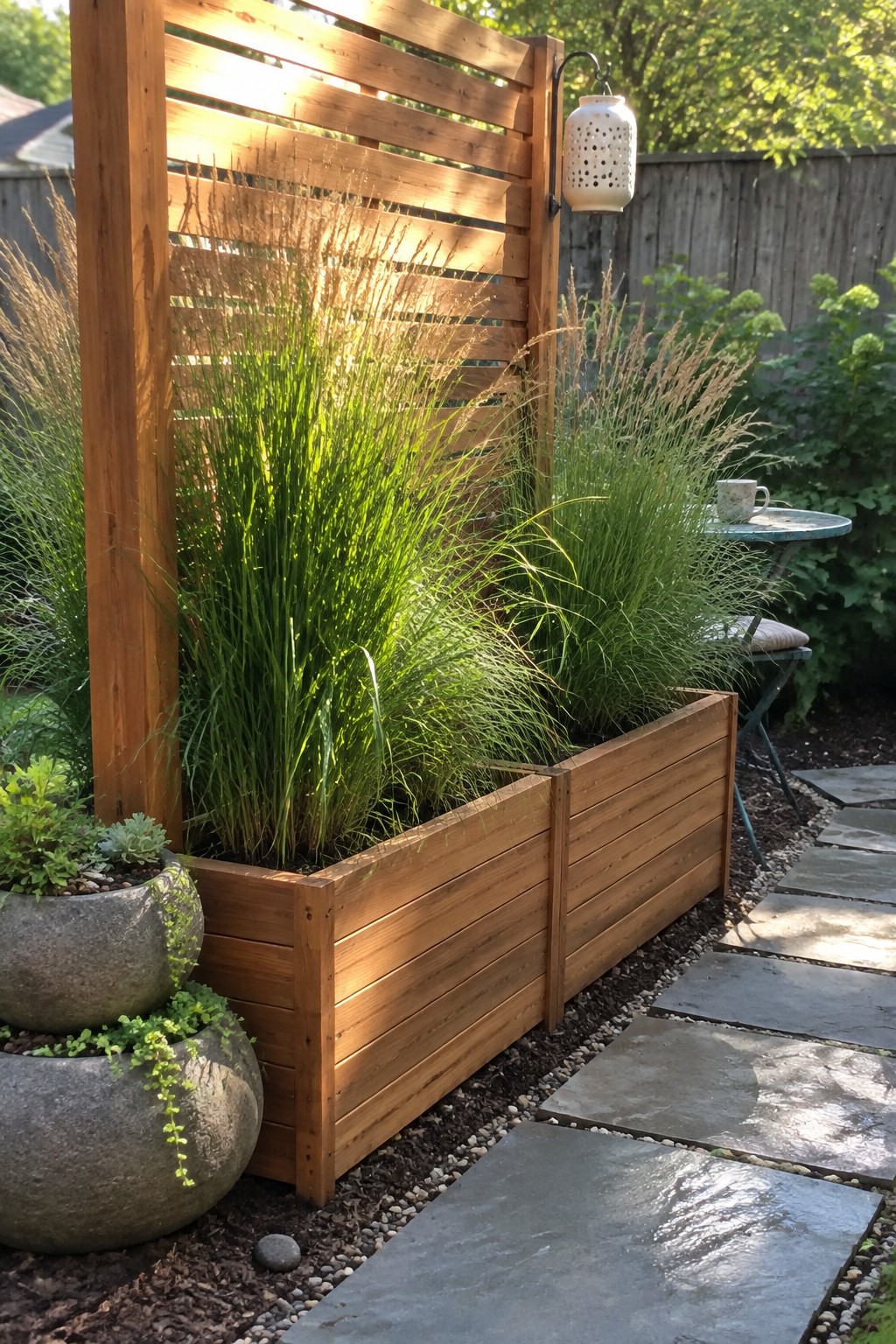
A long raised planter with a tall slatted panel on the back gives you both planting space and privacy in one simple build. The panel adds height right where you need it while the grasses in front soften the look and keep the whole thing from feeling too solid.
This setup works best along a side yard or property line where a full fence would feel too heavy. Use cedar or a similar weather resistant wood, keep the planter at least twelve inches deep, and choose tall grasses that will fill in quickly. It is an easy weekend project that adds structure without taking over the whole yard.
Add A Pergola To Create Shade On Your Patio
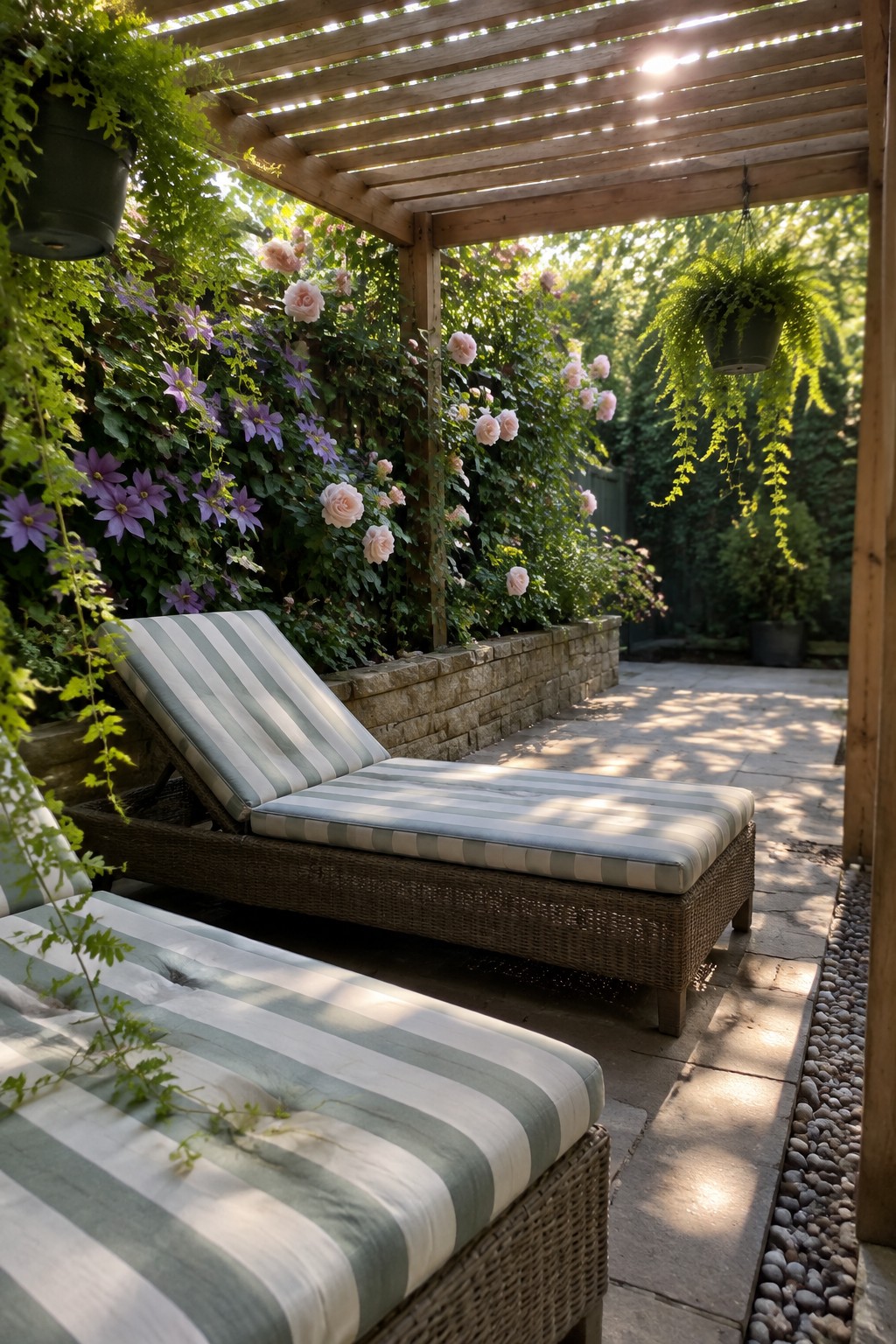
A pergola gives you an instant sense of structure in a backyard without needing a full build. It turns an open patch of patio into a spot that actually feels like a place to sit and stay awhile. The wood slats filter the light nicely and give climbing plants something to grab onto right away.
This works best in smaller yards where you want a defined lounge area without closing things in. Use it over a couple of chairs or a bench, and let vines or hanging pots fill in the sides over time. Just make sure the posts sit on solid footings so it stays steady through the seasons.
Tiered Stone Beds for Growing Herbs

Stacked stone beds like this give herbs their own layers so each type gets the right amount of space and drainage. The different heights make it simple to reach everything without crowding, and the stone holds heat that many herbs enjoy.
This layout works best in a sunny corner of the yard where you can step right out for cooking. Use whatever local stones you have on hand and keep the circles modest so the whole thing stays easy to finish in a weekend.
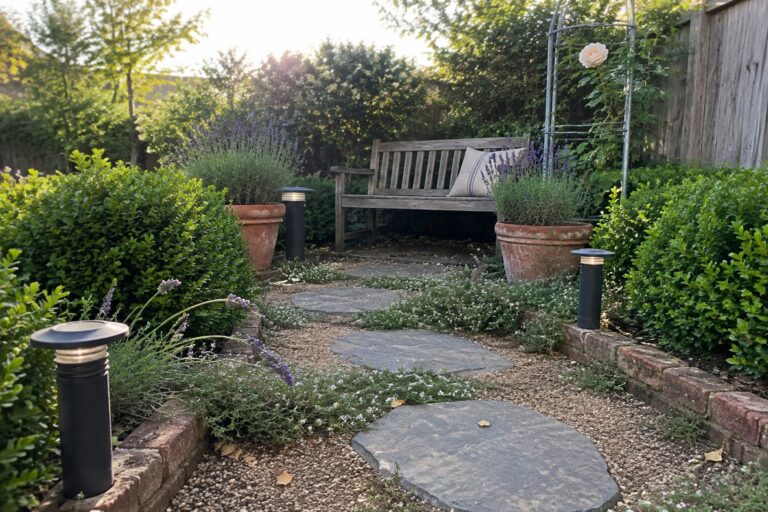
Lay a Stone Path With Path Lights
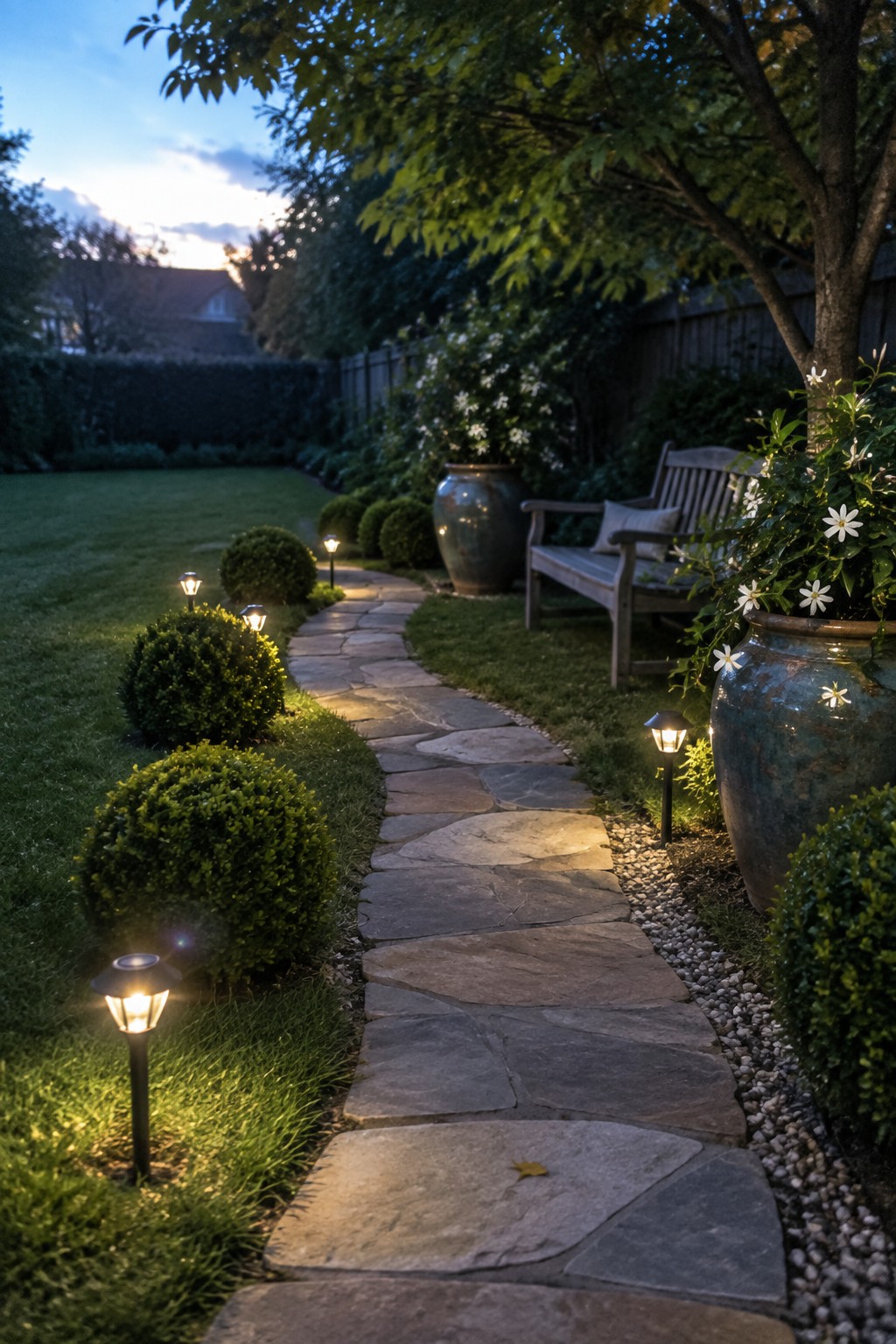
A stone path with low lights along the edges gives you a clear way to move through the yard after dark. It keeps the grass from getting worn down and makes the whole space feel more finished without a lot of work.
This idea works best in a medium to large backyard where you need a simple route between areas. Use flat stones that are easy to set in place and add solar lights so the project stays quick and low cost.
Frequently Asked Questions
Q: Do these projects need any special tools beyond what most people already have? A: Stick with basics like a shovel, tape measure, and circular saw for the majority of them. You might borrow a level or post digger from a neighbor for one or two builds. Match the project to your current gear instead of buying extras.
Q: How do I pick the right spot without messing up my whole yard layout? A: Walk the space at different times of day to see where sun and shade hit. Start near an existing fence or patio edge so the new build feels connected right away. Sketch a quick outline on the ground with spray paint before you dig.
Q: What if it rains the whole weekend I set aside for building? A: Shift any cutting or assembly work to a garage or covered porch if you have one. Many of these projects hold up fine if you wait another week. But grab tarps early to keep lumber and soil from getting soaked.
