

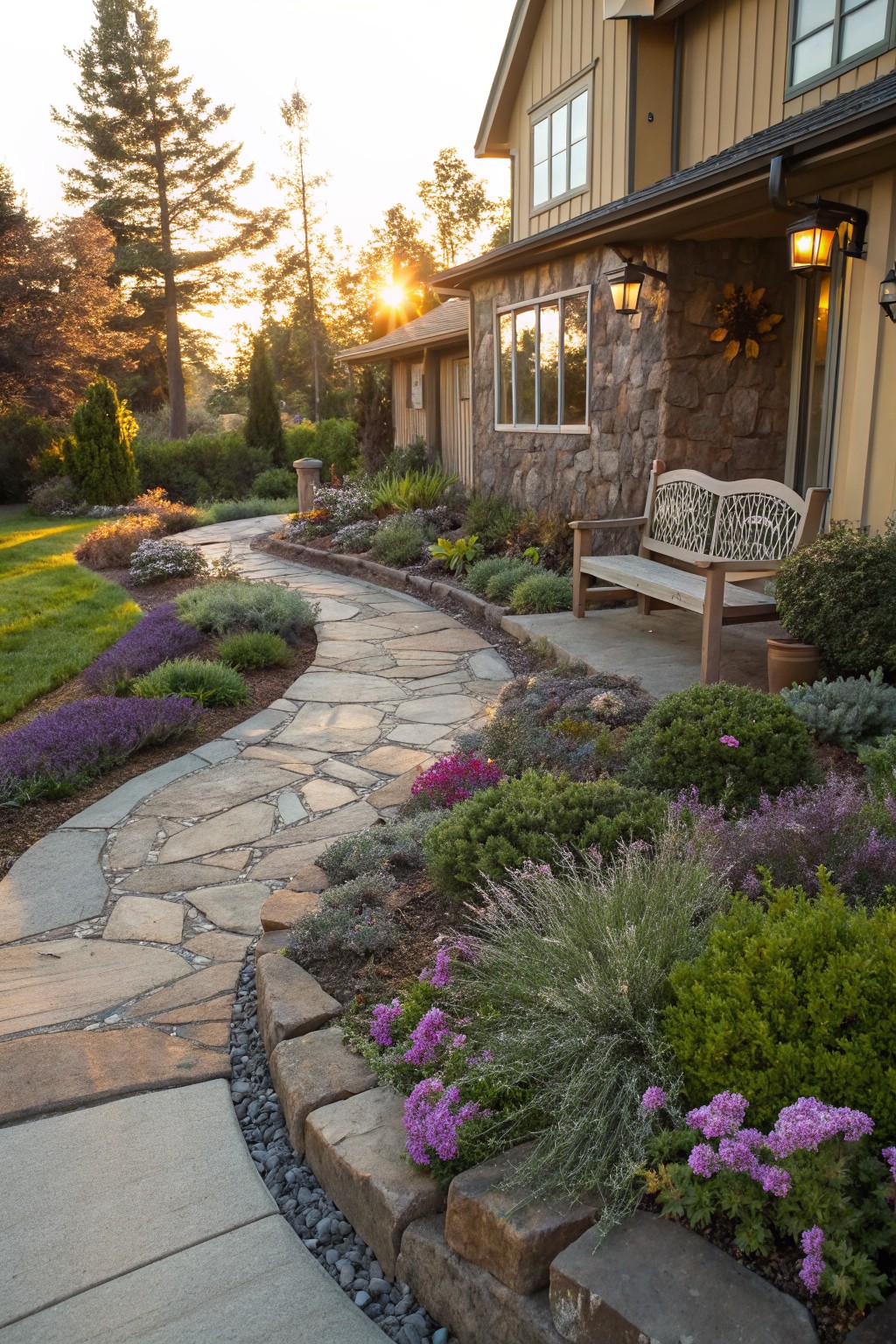
I’ve noticed kidney-shaped flower beds work best when they hug the natural contours of a yard, creating pathways that wander instead of marching straight ahead. Those gentle curves draw the eye right away, softening hard edges from driveways or fences that can make a garden feel boxed in. In my side yard, I edged one with low stones a couple years back, and now it anchors perennials that spill over just right as they mature. Straight beds fade fast. You’ll spot a handful of tweaks here worth sketching into your own layout for that lived-in flow.
Curvy Flower Beds Line a Winding Path
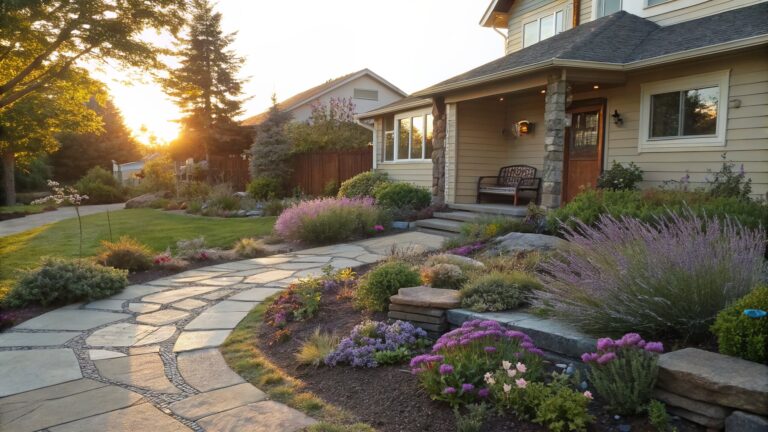
One simple way to add organic flow to your front yard is with curvy kidney-shaped flower beds hugging a meandering stone path. These beds filled with lavender and low shrubs create a soft edge that pulls the eye right to the door. The shapes repeat naturally without looking forced, and the gravel and stone borders keep everything neat.
This setup works great for homes with a bit of slope or uneven ground. Plant drought-tolerant stuff like lavender or sedum to cut down on watering. Just make sure the path stones are set firm so they don’t shift over time. It suits cottage-style houses or any place you want a welcoming garden feel without too much upkeep.
Corten Steel Edging Shapes Curvy Beds
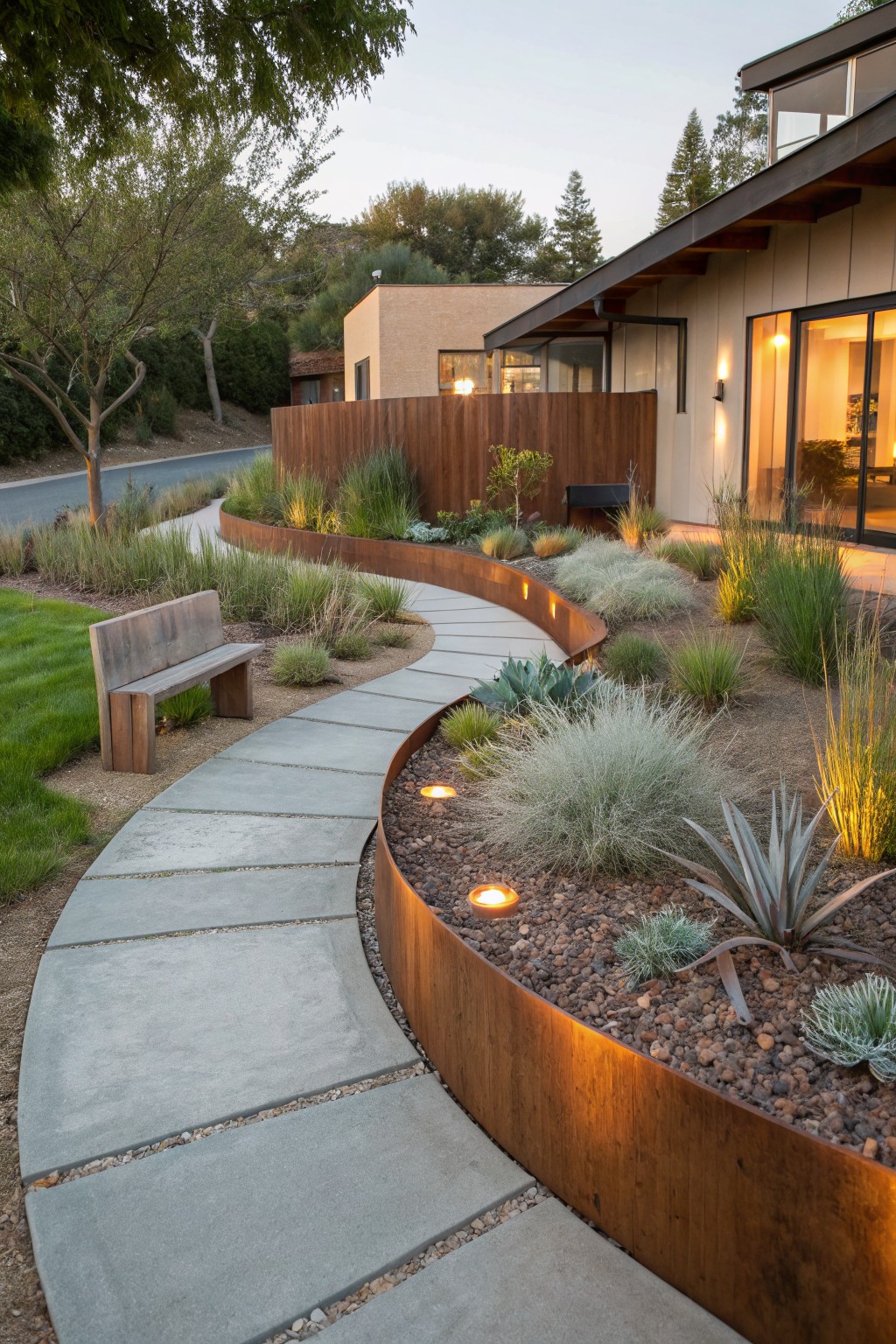
Corten steel edging works great for defining curvy flower beds like these. The rusted metal develops a patina over time that fits right in with drought-tolerant plants such as agaves and feather grasses. It holds back the soil cleanly while the curves soften the straight lines of the nearby concrete path. That organic shape pulls your eye along without feeling forced.
You can use this in front yards or side paths where you want low-maintenance planting. Pair it with gravel mulch to cut down on weeds. It suits modern homes best, but watch the drainage so the steel doesn’t rust through too fast in wet spots. Add low lights along the edge for evening walks.
Curvy Brick Path Through Kidney Beds
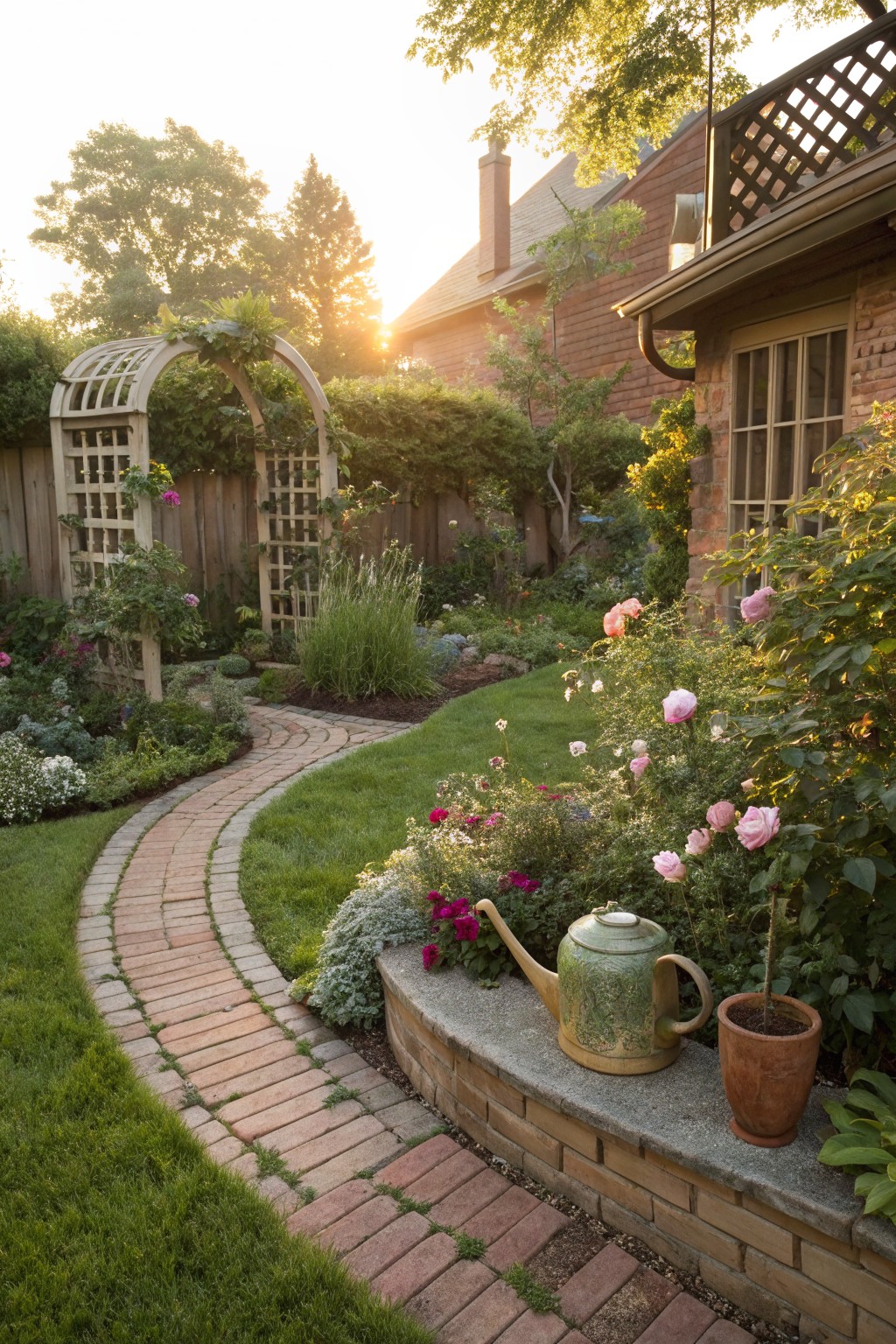
A simple winding brick path like this one makes kidney-shaped flower beds feel even more natural and welcoming. It curves gently along the edge of the beds, drawing your eye through the roses climbing trellises and the mix of perennials spilling over. That soft line keeps things from looking too rigid, and the bricks add a bit of structure without overpowering the plants.
You can pull this off in most any backyard garden, especially where you want to connect a patio to deeper planting areas. Lay the path with old bricks for that worn-in look, and edge it right up against mounded soil. Just make sure the curves aren’t too tight, or it’ll feel forced… keeps the flow easy for walking.
Curvy Gravel Beds Edge a Winding Path
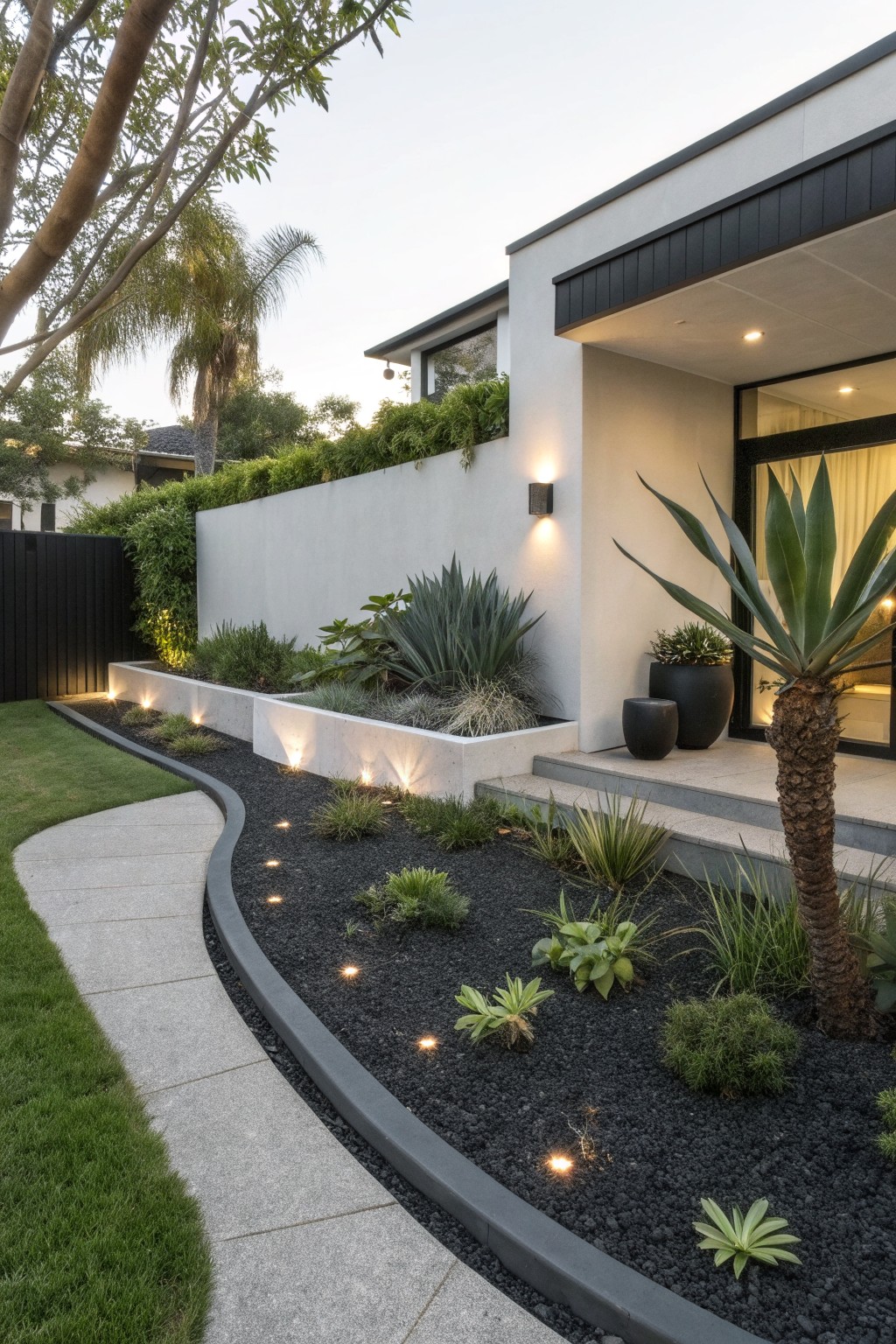
One simple way to add organic flow to your front yard is with kidney-shaped flower beds hugging a curving stone path. Here, black gravel mulch fills the beds, dotted with tough succulents like agaves and grasses. Low lights tucked along the edge make it glow at dusk. It pulls the eye right to the door without feeling too fussy.
This setup works great for modern homes or anywhere you want low-maintenance curb appeal. Use drought-tolerant plants so you aren’t weeding all summer. Line the path with beds on one side only, to keep the lawn open. Just watch the gravel doesn’t scatter onto the walkway… a gravel stabilizer helps.
Curvy Stone-Edged Beds by the Sidewalk
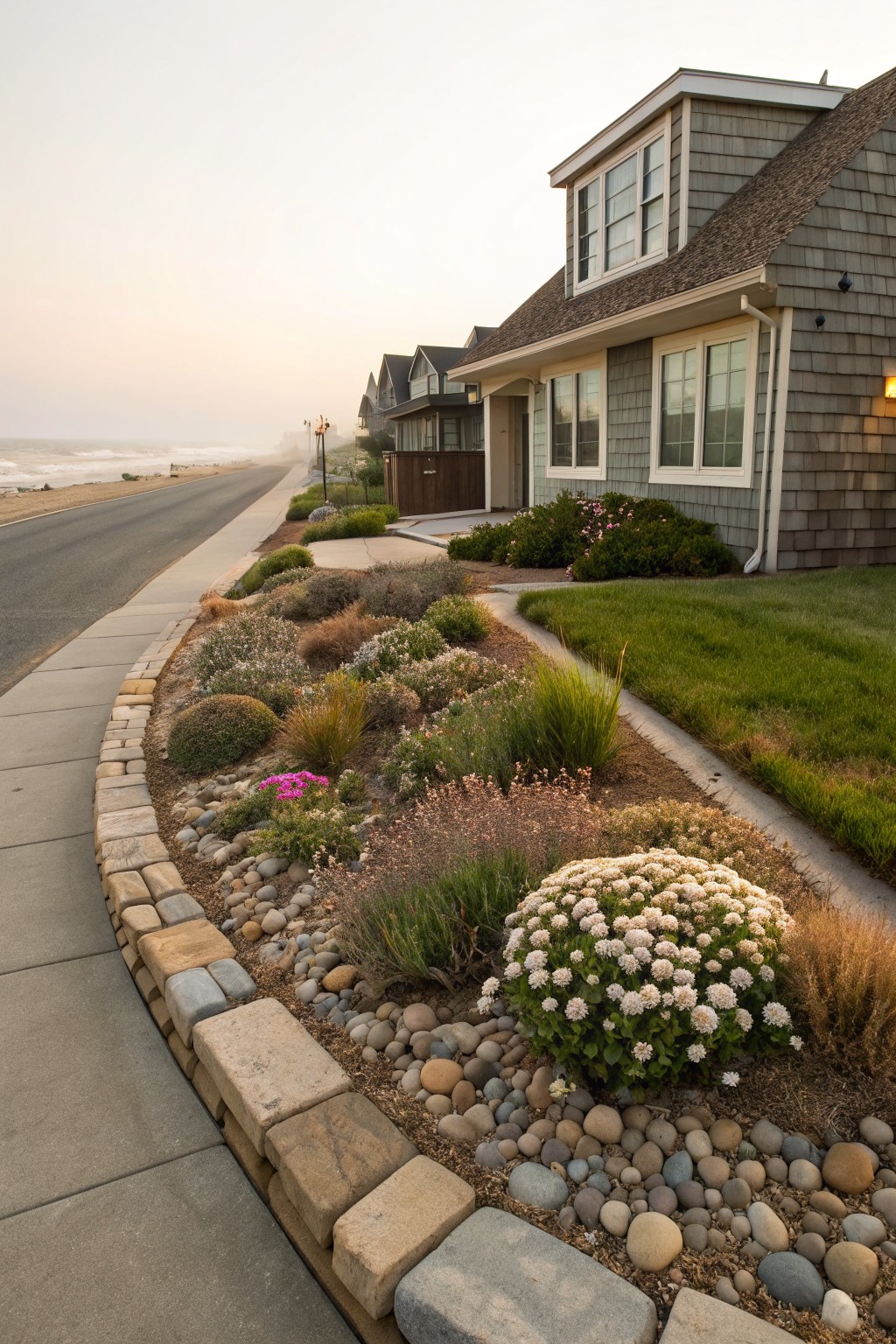
A simple curved flower bed like this one uses stacked stone blocks for edging. It hugs the sidewalk nicely and fills in with tough plants, grasses, and smooth river rocks. The shape feels organic. No hard lines. Just soft flow that pulls your eye along the path.
Try this in front yards where space is tight along the street. It suits coastal spots or dry areas since the plants and rocks handle low water well. Stack the blocks loosely for that natural look. Skip grass inside the bed to cut down on mowing.
Winding Path Lined with Curvy Moss Beds
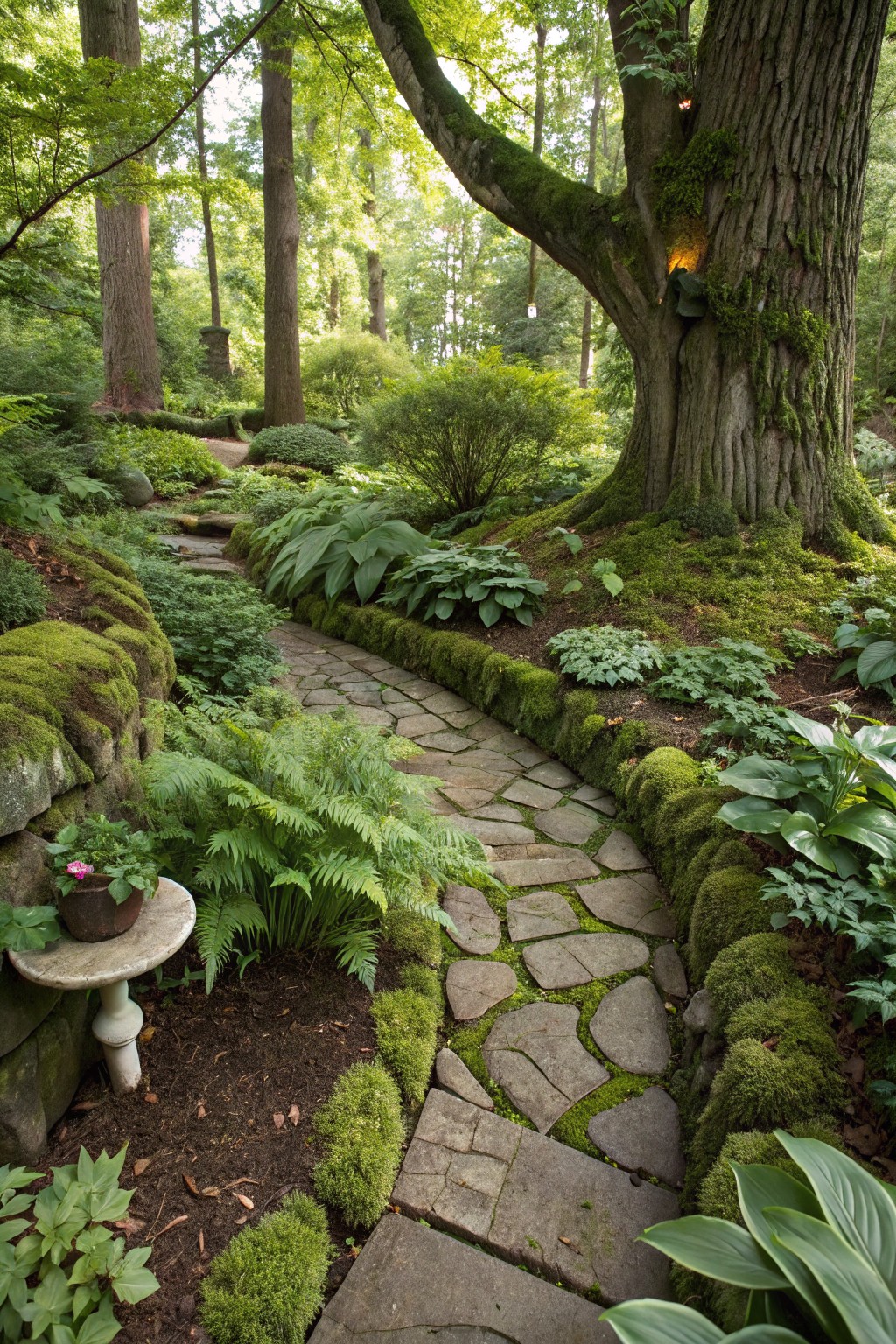
A simple stone path that curves gently through the garden gets its charm from the soft, rounded flower beds hugging both sides. Moss growing right on the low stone edges blends everything together naturally, with ferns and hostas filling in the curves. It pulls you along without feeling forced.
This works great in shaded woodland spots where straight lines would look out of place. Start with irregular flagstones for the path, then build up curved beds using rocks or bricks topped with moss. Plant shade lovers inside… it’s forgiving on maintenance and suits cottage-style yards.
Curvy Beds Along a Stone Path
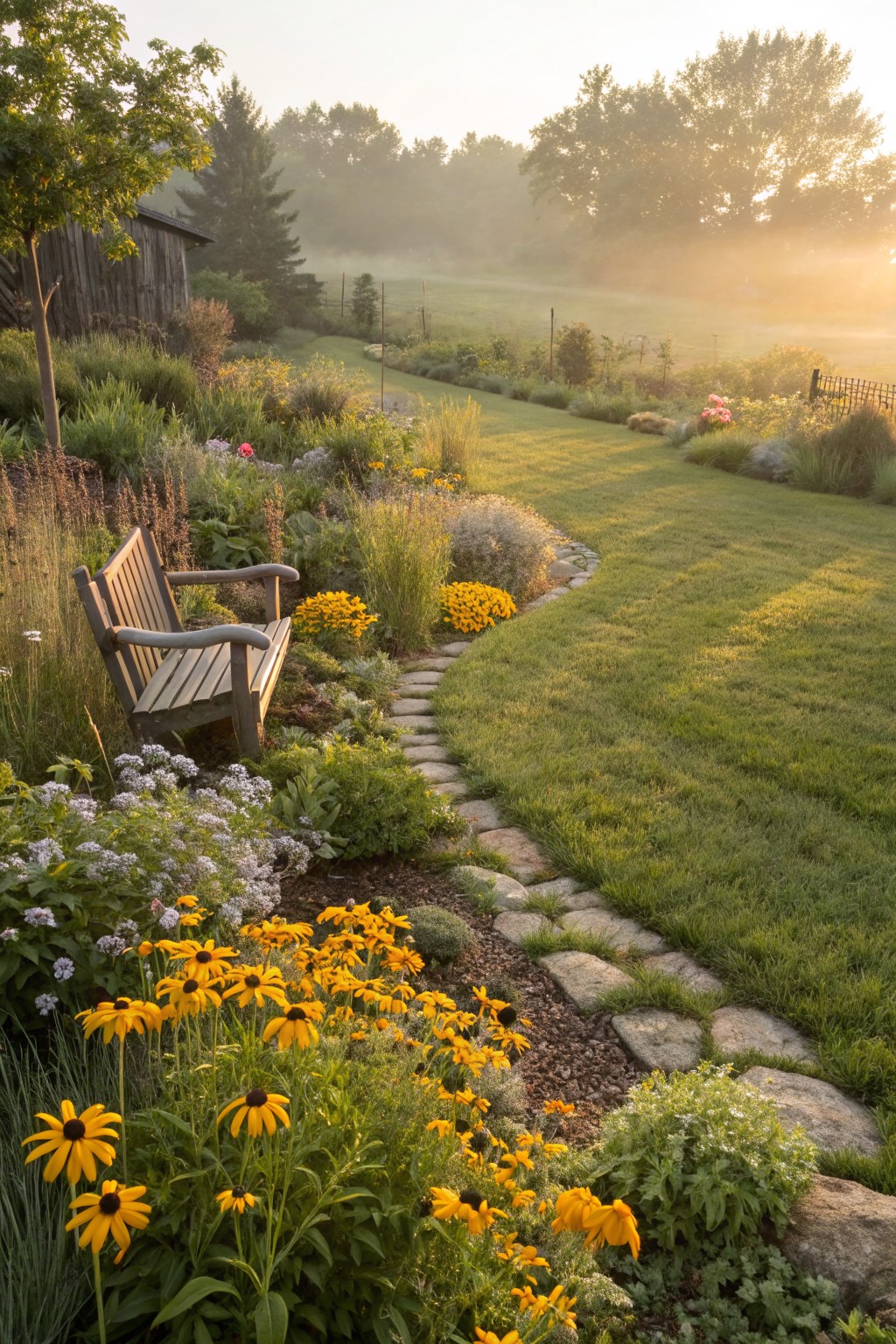
One nice way to shape flower beds is to curve them into soft kidney forms right next to a winding stone path. Like in this garden, the beds bulge out with black-eyed Susans and other perennials, making the walk feel easy and natural. Those organic edges pull your eye along without any harsh lines. It’s a simple trick that turns a plain lawn into something with real garden character.
You can pull this off in most yards with room for a path, especially if there’s a bit of a hill or meadow nearby. Pick flat stones for the edging so they settle in over time, and fill the beds with repeat bloomers that handle sun. Tuck a bench in for resting. Just keep the path wide enough to mow around… suits older farmhouses fine.
Curvy Flower Beds Line the Entry Path
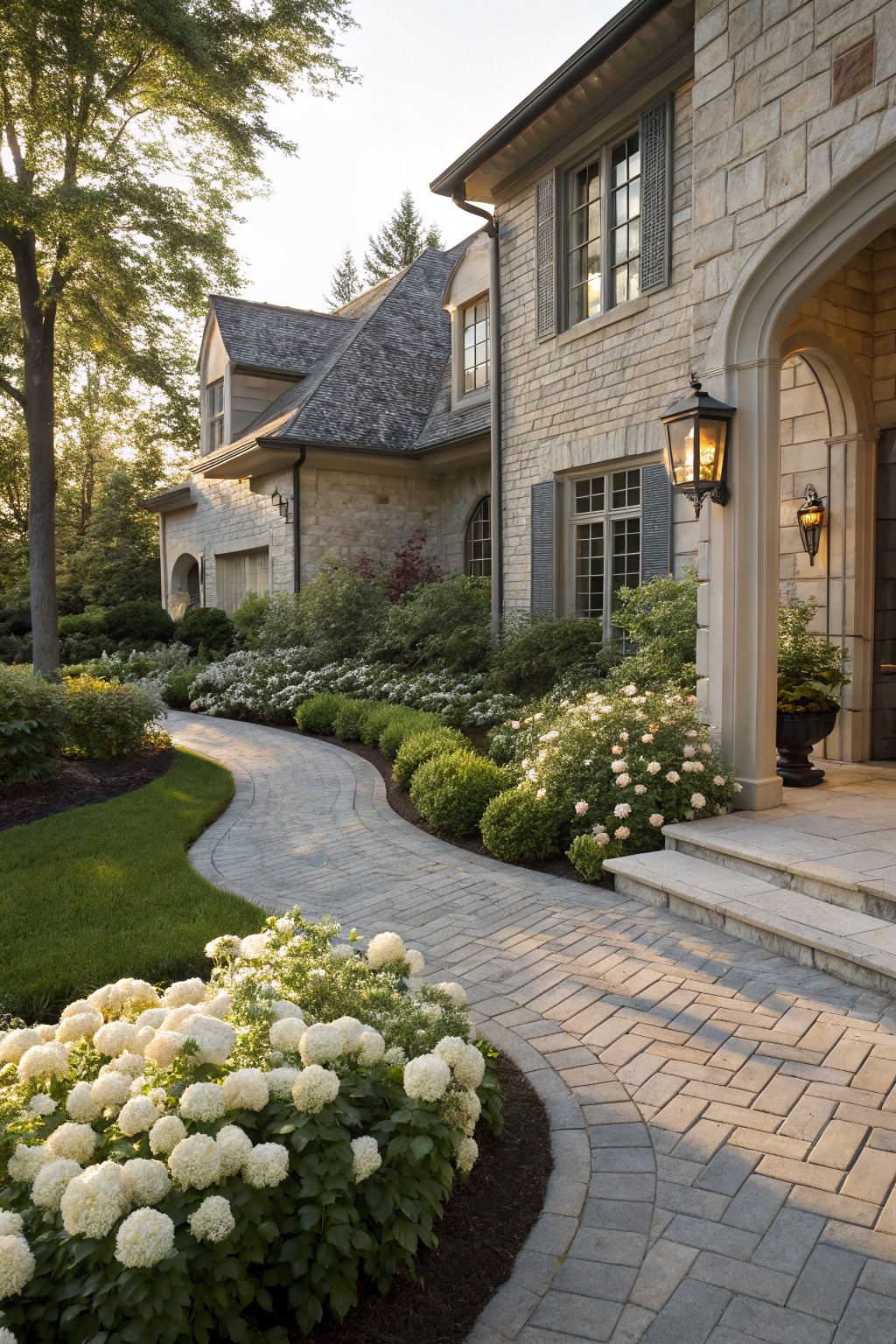
A winding stone path edged by soft kidney-shaped flower beds makes the walk to your front door feel easy and natural. Big white hydrangeas spill over the curves, mixed with tidy boxwood shrubs, for a full but not fussy look. It softens straight lines from the house and adds some gentle movement to the yard.
This works well around traditional stone homes or anywhere you want curb appeal without high upkeep. Plant the beds with repeat bloomers like hydrangeas for season-long color, and mulch heavy to keep weeds down. Scale the curves to your space… even a short path gets that organic lift.
Curved Raised Beds Line a Narrow Path
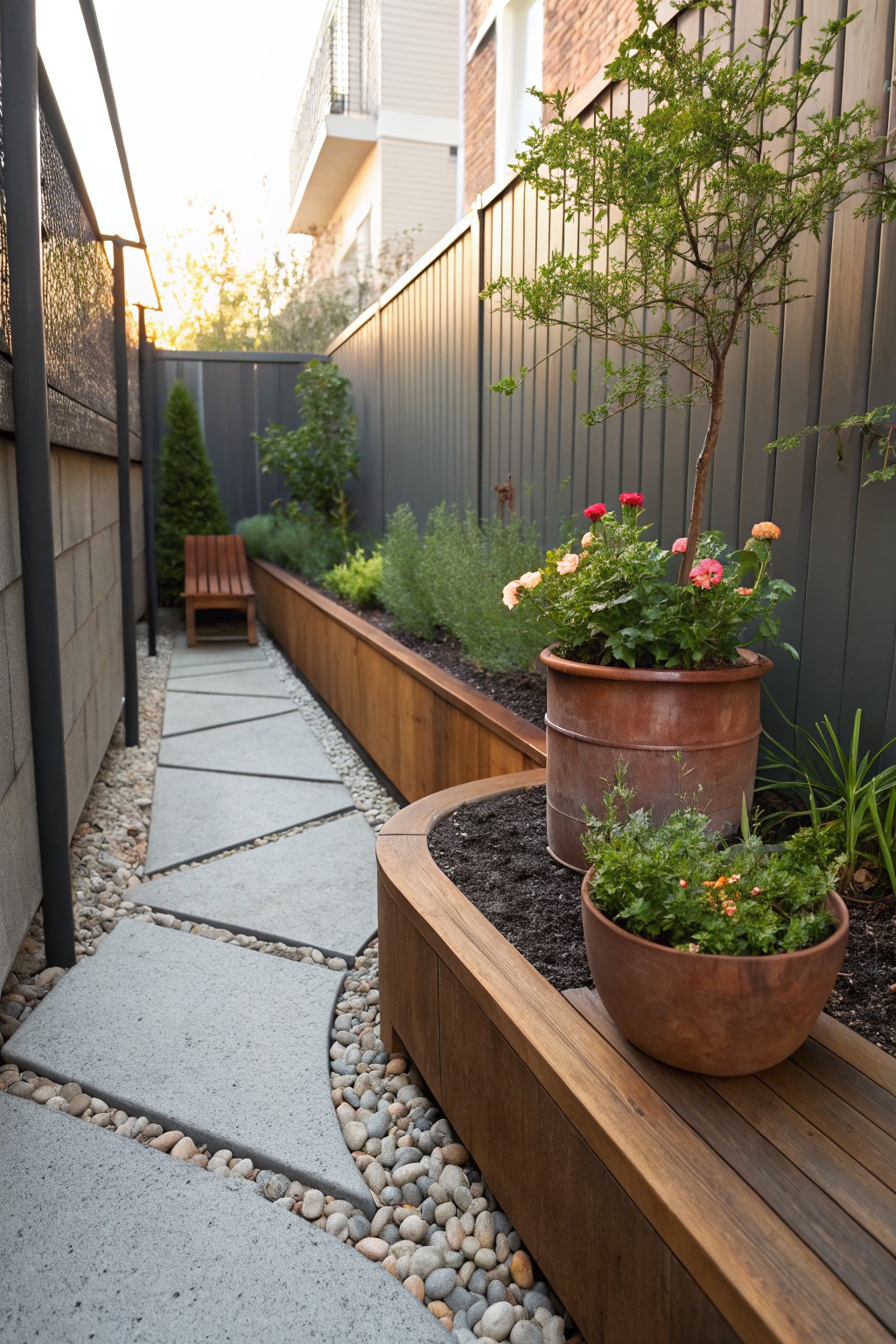
One nice way to shape a side yard or walkway is with curved wooden raised beds. They hug the path gently, making the space feel wider and more welcoming than straight edges would. Here, low herbs and colorful blooms like zinnias fill the beds, softening the look against dark fences.
These work best in tight spots between fences or walls, where you want flow without crowding. Build them from treated wood about 18 inches high, then add gravel and stepping stones for the path. Keep plants low in front so you see over them. Watch for wood rot in wet areas… seal it well.
Kidney-Shaped Pebble Beds Around Pools
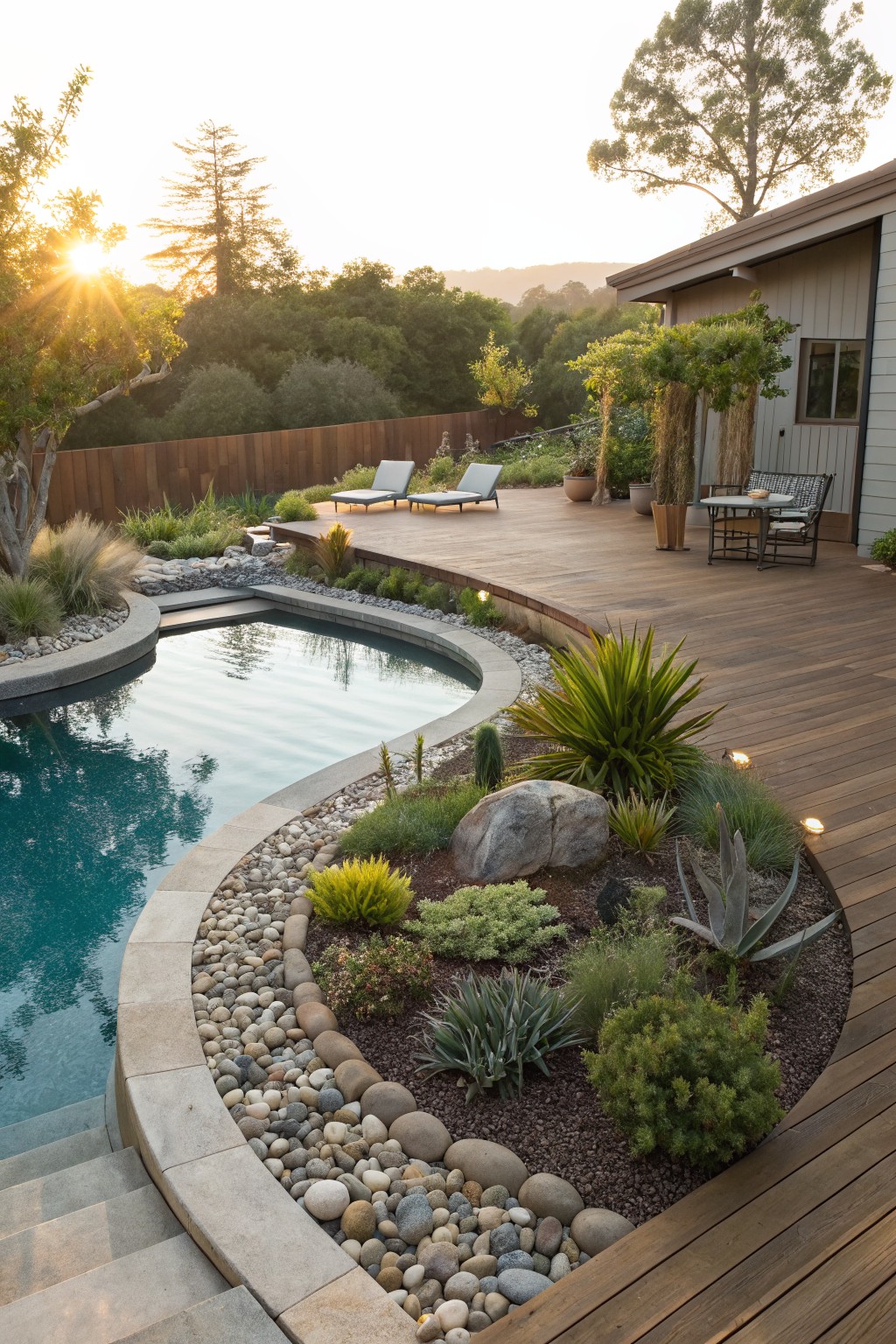
One nice way to tie landscaping to your pool is with these soft kidney-shaped flower beds that hug the water’s edge. Pebbles form the main border, mixed with a few big boulders and clumps of succulents or grasses. It keeps things organic and low fuss, letting the curves echo the pool shape without straight lines taking over.
This setup works best in sunny yards where you want drought-tolerant plants that won’t need much water. Lay down landscape fabric first under the pebbles to cut weeds, then add plants that spill over the edge a bit. Suits midcentury homes or any spot with a deck nearby… just scale the beds to match your pool size so it all feels balanced.
Curvy Flower Beds Along a Garden Path
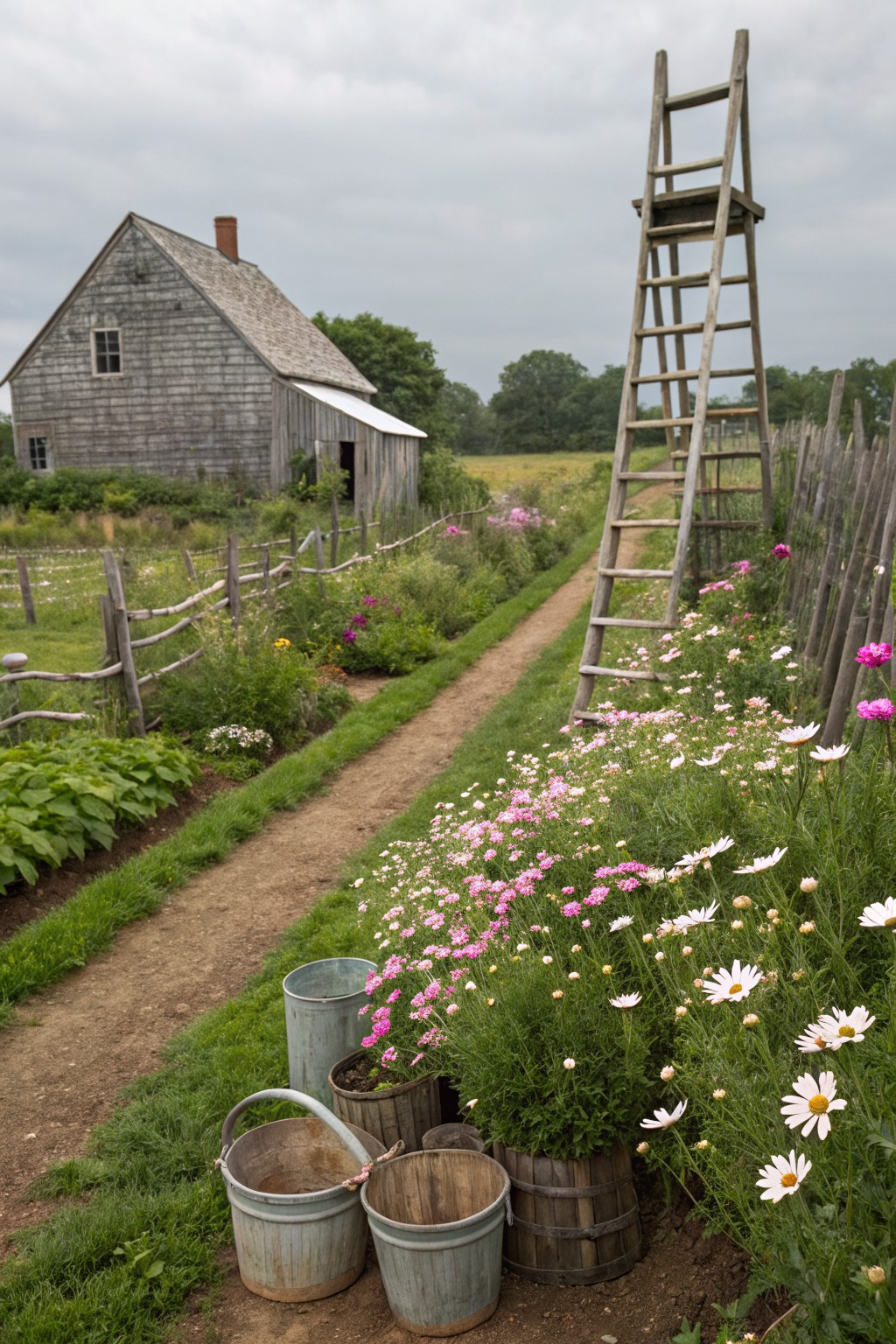
One nice way to shape flower beds is to let them curve softly along a path like this. The rounded forms hug the walkway without sharp edges. That gives the garden a natural flow. Flowers spill right to the edge. Daisies and pink blooms mix in for color that lasts into fall.
These kidney-style beds work best in cottage yards or near older homes. Keep the path dirt or gravel for a country feel. Plant shorter stuff up front. Taller plants go behind. Add buckets nearby to gather cuttings… practical touch. Avoid overplanting or it gets messy to walk. Suits sunny spots with good soil.
Curvy Flower Beds Edged in Brick
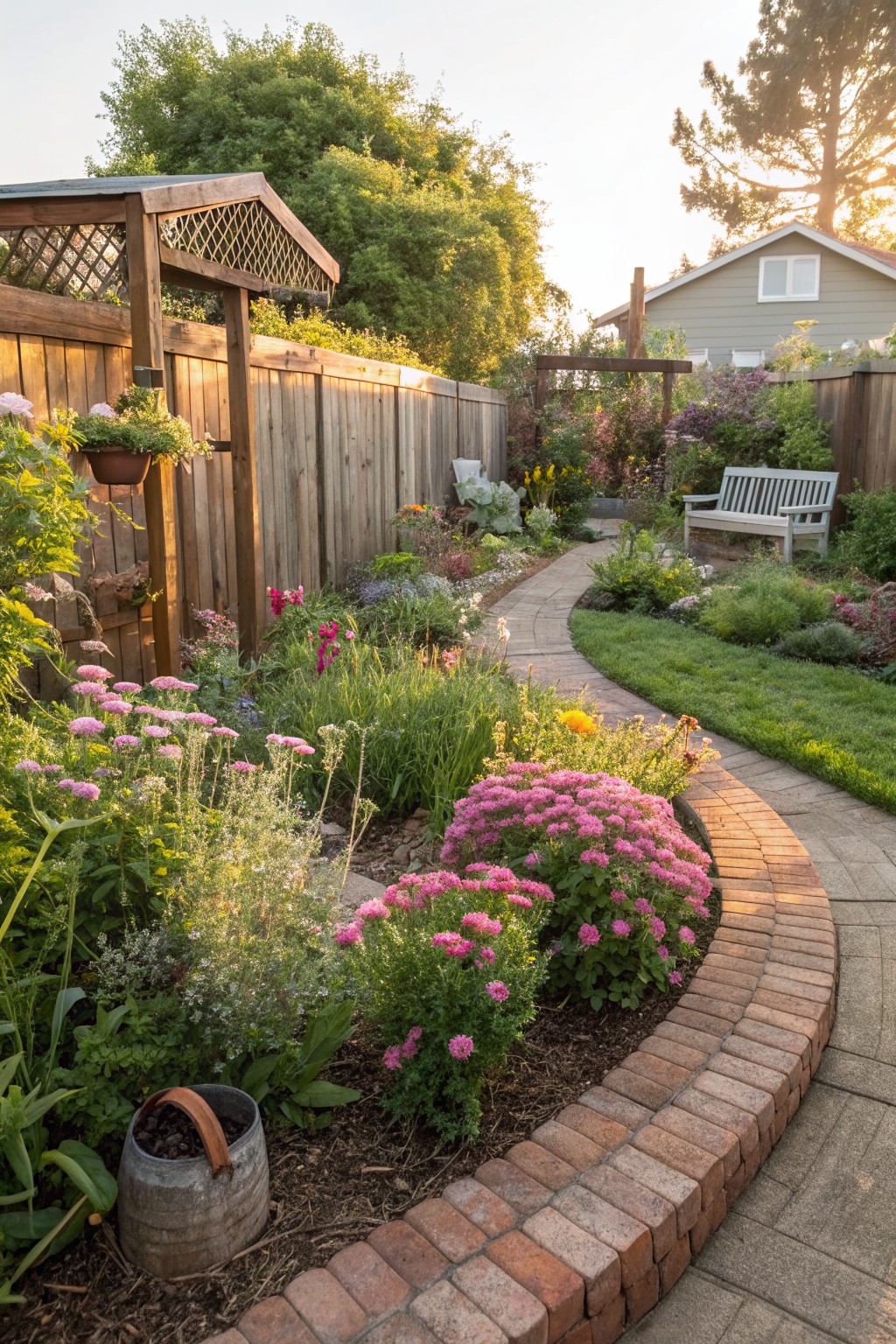
One nice way to shape flower beds is with gentle kidney curves edged in brick. It follows the flow of a winding path like this one, keeping everything soft and natural. Those pink blooms spilling over the border add a cozy touch without much fuss.
This works best in side yards or along fences where you want some structure but not straight lines. Line the bricks low, fill with sedums or yarrow, and mulch inside. Suits average suburban lots… just keep the path clear for walking.
Winding Path Through Curvy Flower Beds
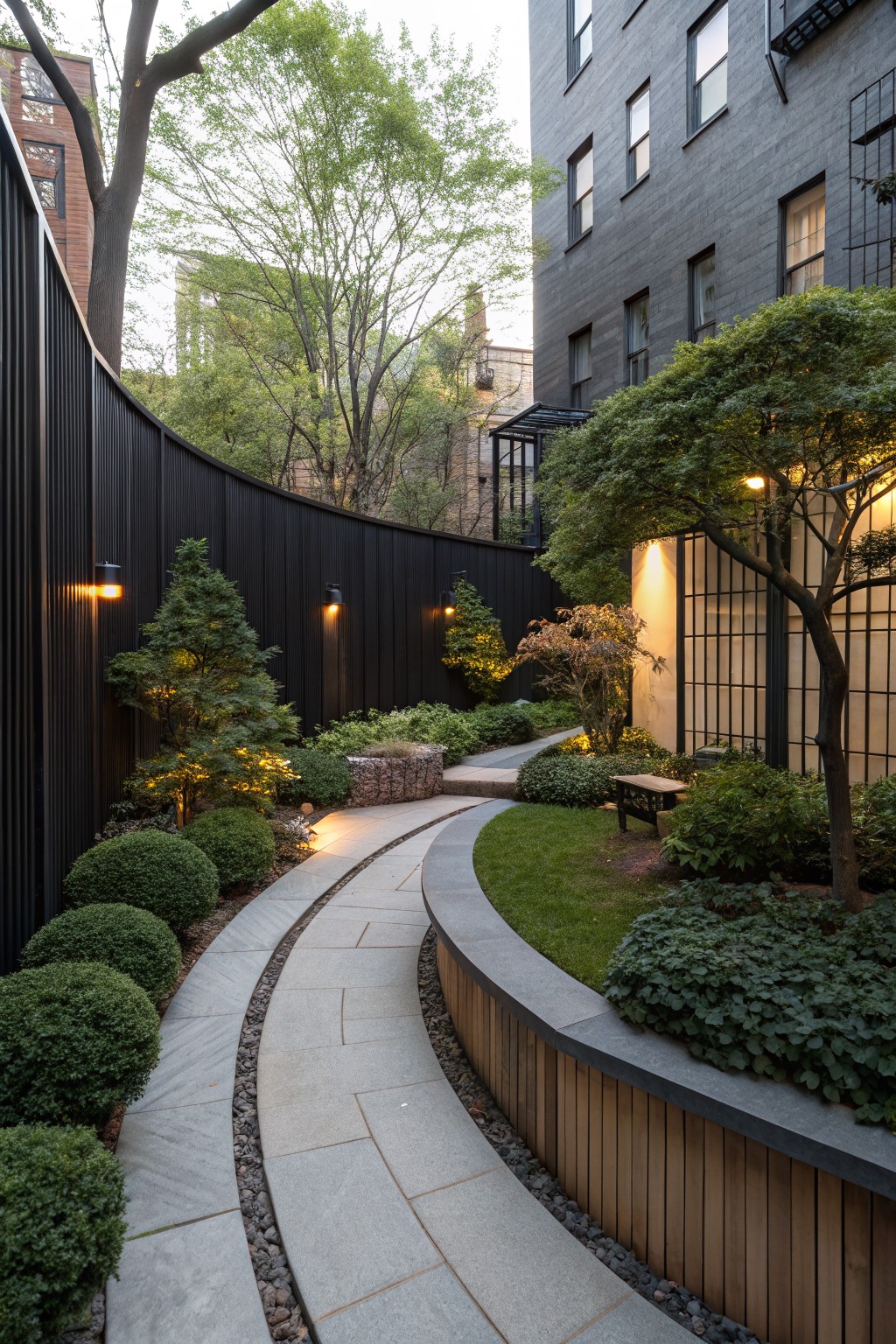
One nice way to shape a garden is with soft kidney curves around flower beds. A gray stone path winds right through them here, edged with round boxwoods and low grasses. It pulls your eye along without feeling stiff. Those curves make even a tight backyard spot look bigger and more natural.
You can try this in small urban yards or along a side path. Keep the beds low with evergreens and perennials that fill out. Use gravel strips beside the stones for easy drainage. Just scale the curves to your space so the path stays walkable.
Raised Wooden Beds for Border Planting
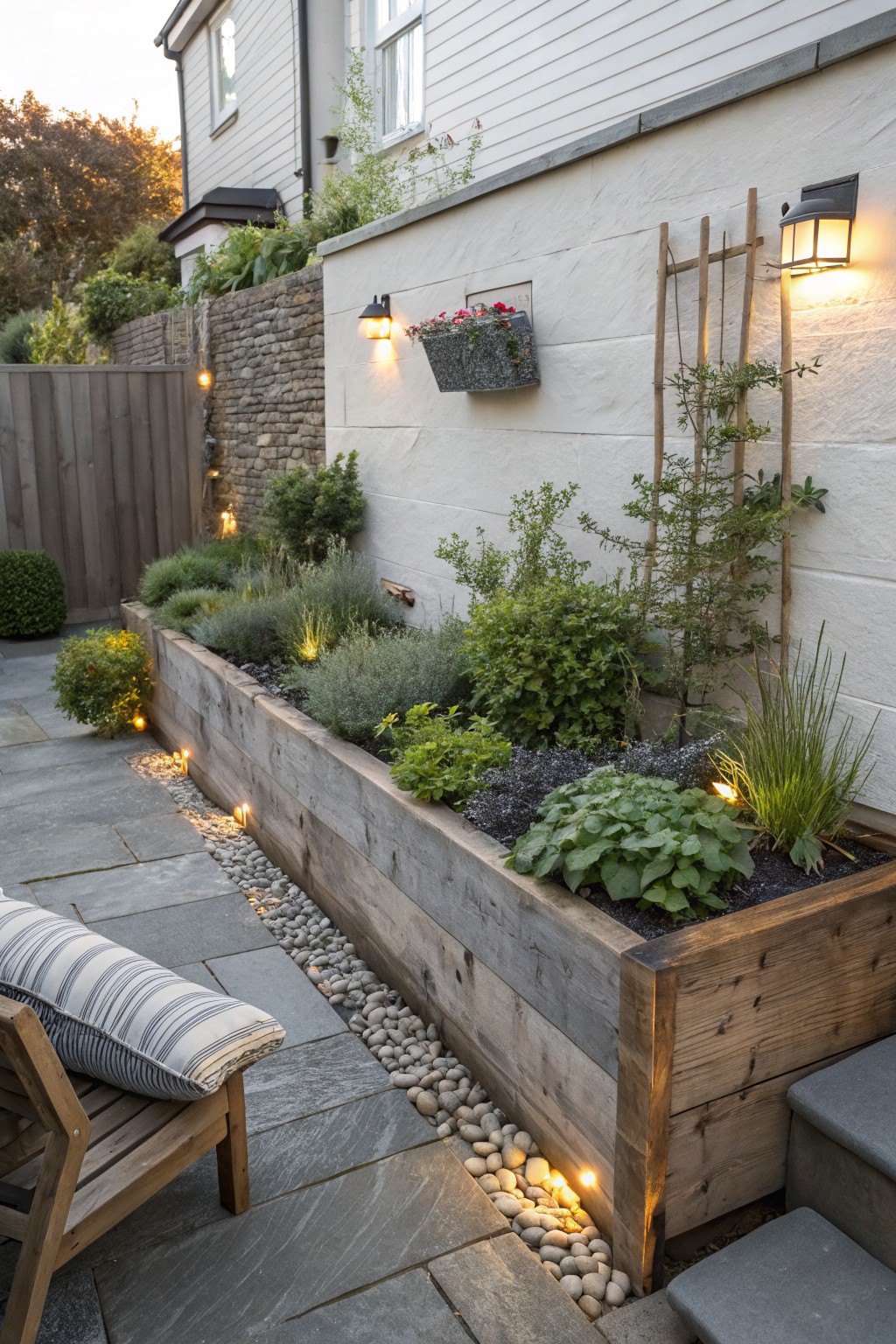
A simple raised bed made from weathered wood runs along the house wall here, packed full of herbs, grasses, and low shrubs. It turns a plain strip of yard into something lush and productive without needing much space. The wood gives it a natural, sturdy look that fits right in with the plants growing over the edges.
These beds work great in tight spots next to patios or side paths. Build them about two feet high to keep soil in and weeds out, then add small lights underneath for nighttime appeal. They’re low fuss for renters or busy folks, and suit modern or cottage homes equally well.
Curved Flower Beds Along the Driveway
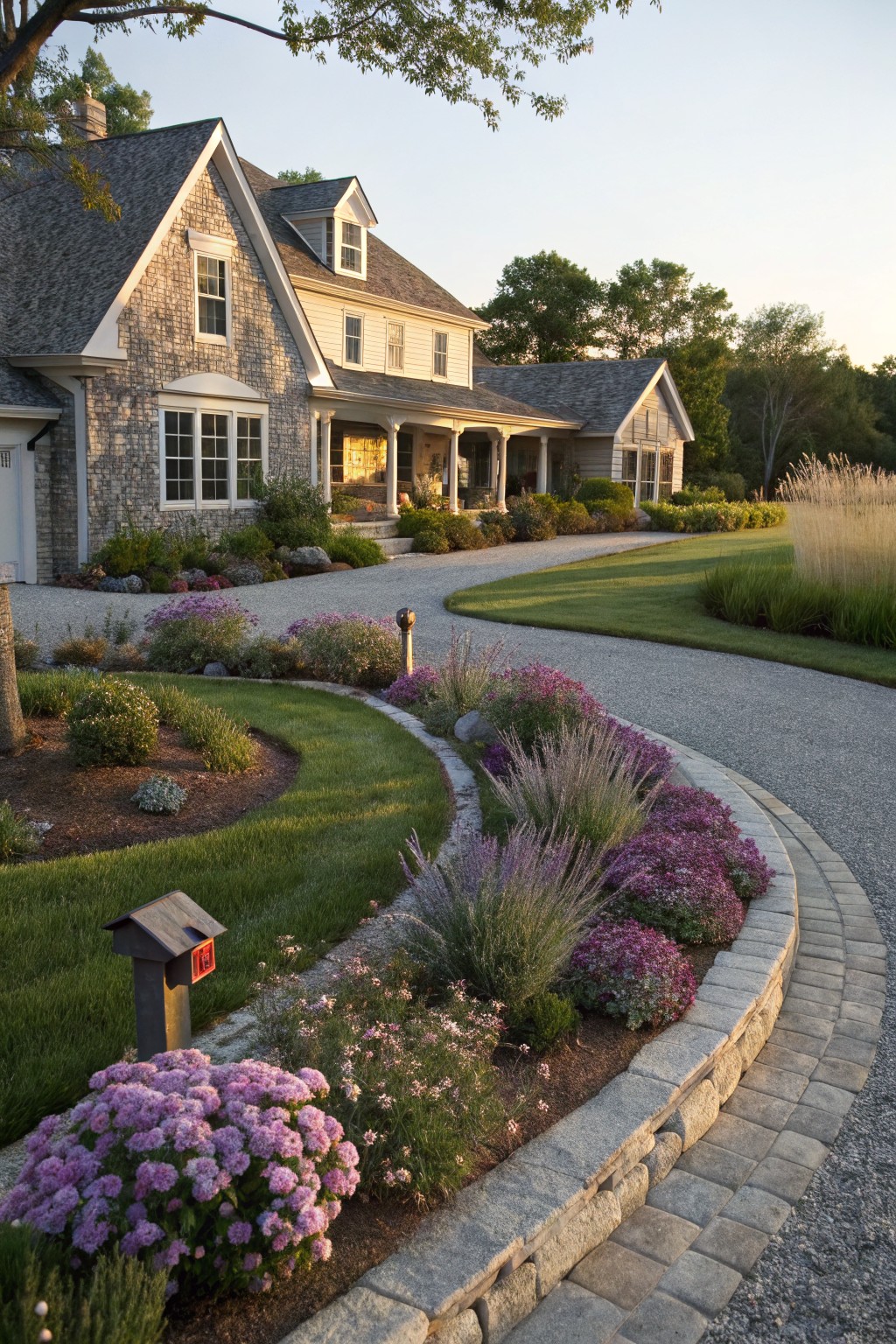
One simple way to add organic flow to your front yard is curving flower beds right along the driveway. These kidney shapes hug the path naturally, like in this setup with lavender, pink asters, and tall grasses spilling over stone edging. It softens the gravel drive and pulls your eye toward the house without feeling forced.
You can pull this off on most home frontages, especially where the driveway bends a bit already. Pick low-growing perennials that won’t flop onto cars, and use sturdy edging to keep mulch in place. Works great for cottage or farmhouse styles… just keep the beds narrow enough for easy mowing.
Winding Path Edged by Curvy Flower Beds
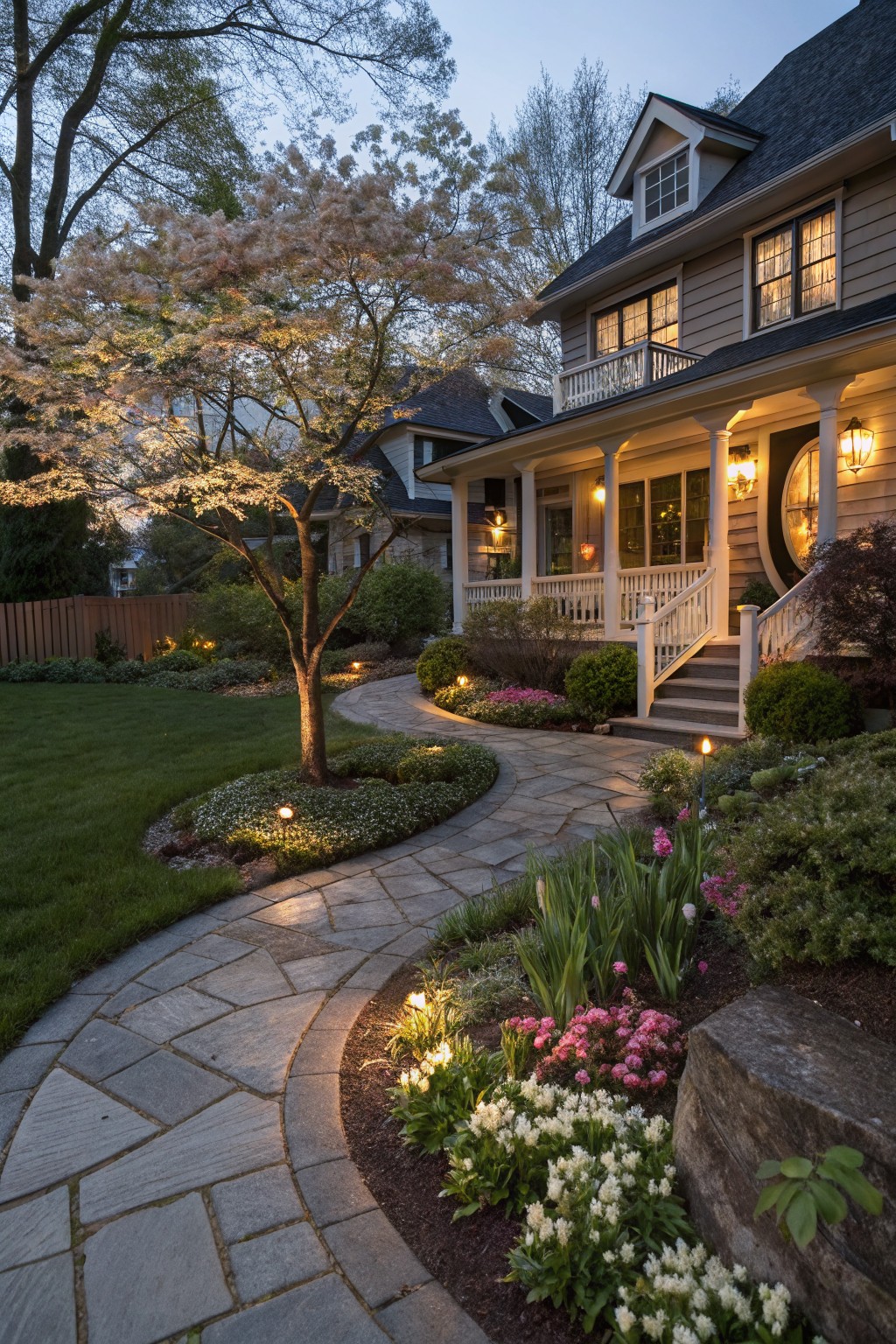
A simple winding stone path like this one gets a lot more charm when you edge it with curvy flower beds. The kidney shapes follow the path’s bends naturally, mixing tulips, white astilbe, and low shrubs for color without fuss. Uplights along the way make it glow at dusk, pulling your eye right to the front porch.
This works best in front yards where you want to slow folks down a bit on the way in. It suits homes with classic porches or craftsman vibes. Just keep the beds mulched and trimmed so they stay neat, and pick plants that handle your zone’s seasons.
Curved Stone Walls with Built-In Flower Beds
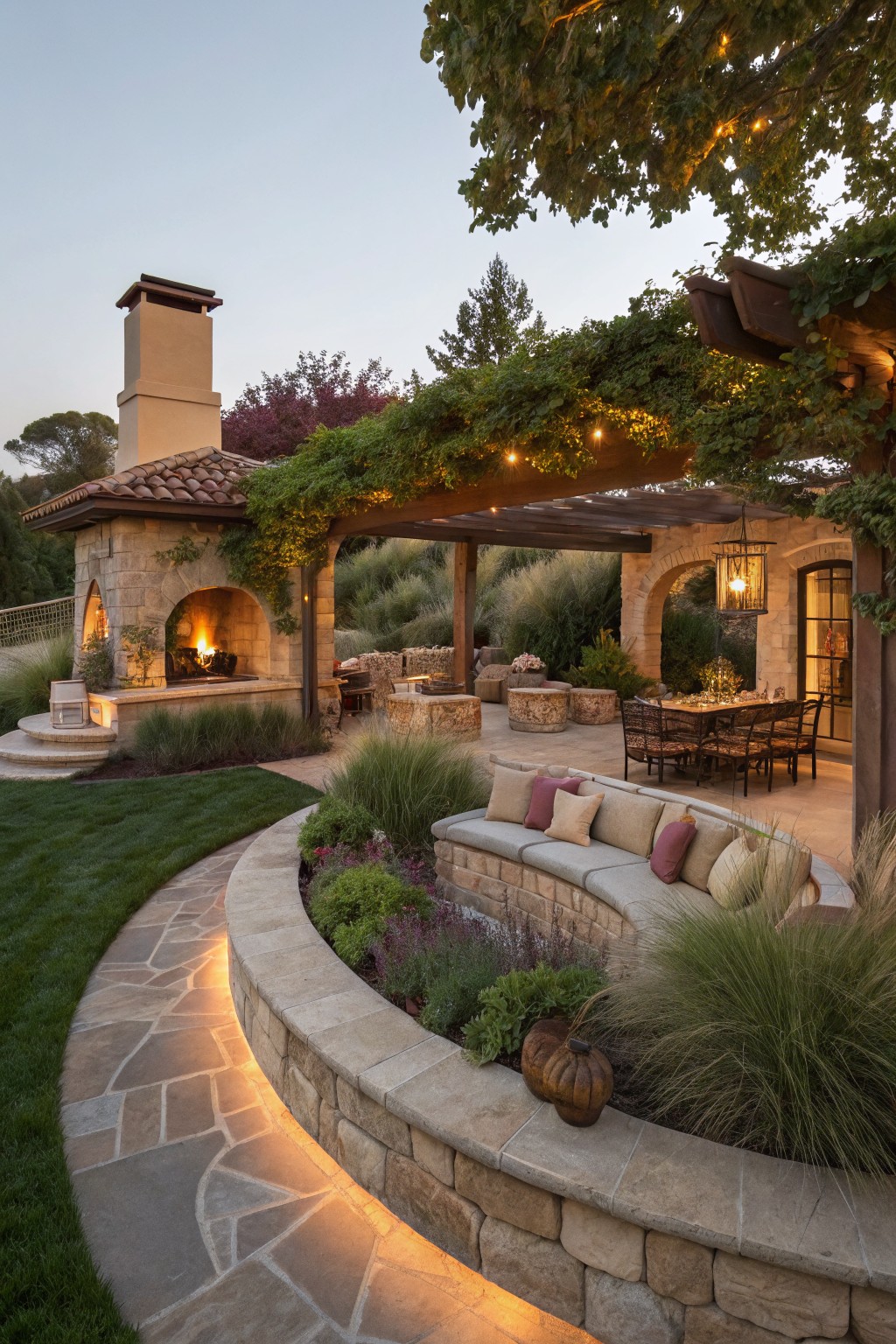
One nice landscaping touch here is curving a low stone wall right into a flower bed shape. It holds back the lawn while letting plants spill over the edge in that soft kidney curve. Grasses and low bushes tuck right into the top, following the bend of the path. This keeps things from looking too stiff, gives a spot to sit, and ties the yard together without extra fences.
You can pull this off in a backyard patio zone where you want to edge the grass but add some seating too. It suits gentle slopes or flat spaces next to hard patios. Pick tough plants like ornamental grasses that won’t flop over the wall. Just make sure the stone is sturdy enough for sitting, and keep the bed shallow so it’s easy to tend.
Raised Beds Line a Garden Path
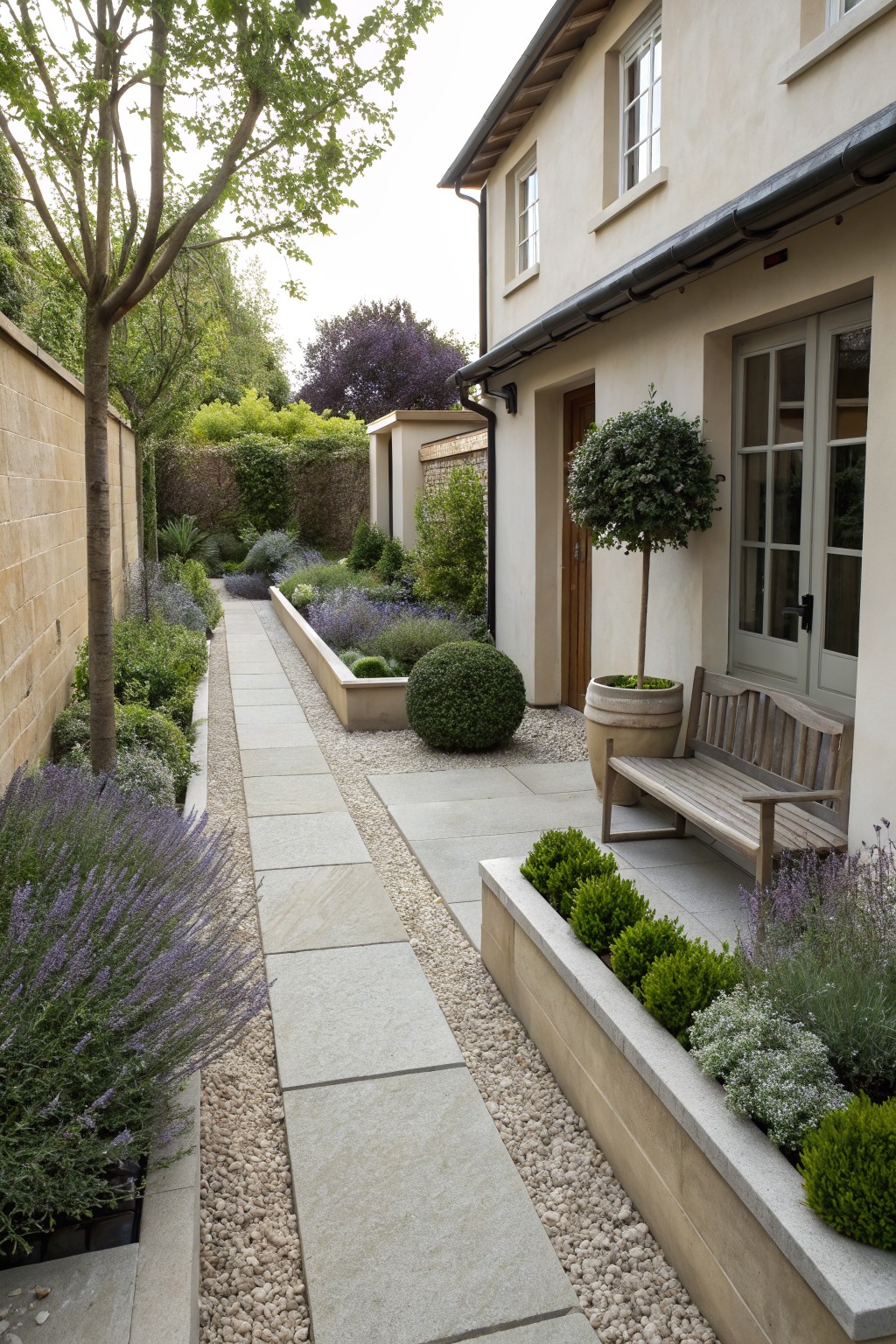
Raised beds running right along a stone walkway keep everything tidy and contained. You see lavender spilling over the edges here, mixed with boxwood balls for some shape. It makes a narrow space feel put-together, like the plants know their place without crowding the path.
This works great in side yards or entry paths where you want low fuss. Stone edges hold up well and match house materials easily. Just pick tough plants that don’t mind being elevated, and skip it if your soil drains poorly already.
Frequently Asked Questions
Q: How do I outline a kidney-shaped bed that actually looks smooth and natural?
A: Grab a garden hose and lay it out on the ground to mimic the curves you want. Step back to tweak it until the shape flows just right. Sprinkle flour or lime along the hose to mark your edges before you dig.
Q: What plants work great in these curvy beds for that organic vibe?
A: Go for billowy perennials like hostas, daylilies, and salvia that soften the edges. Layer shorter bloomers in front and taller ones toward the back to build depth. They spill over naturally and hide any minor edge imperfections.
Q: How do I keep weeds from taking over my new kidney bed?
A: Spread a thick layer of organic mulch right after planting. It smothers weeds before they sprout and keeps soil moist. Pull any stragglers by hand weekly at first.
Q: Can I build one of these on a gentle slope?
A: Sure, just terrace the bed slightly with low stones or logs along the lower curve. This holds soil in place and lets water drain evenly. Plants root deeper and thrive.
