

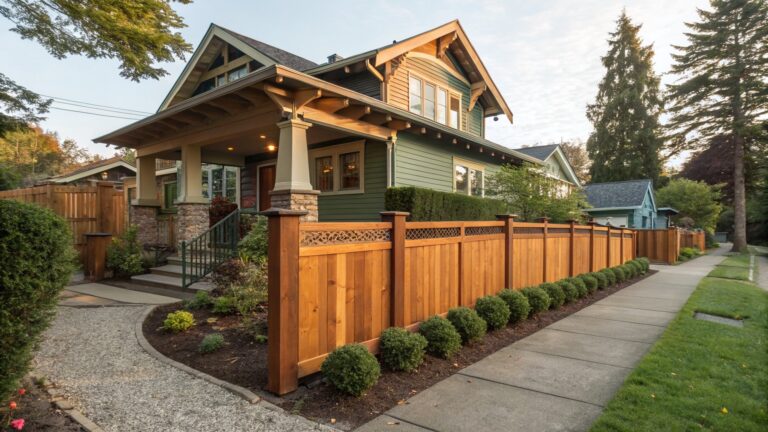
I’ve spent some time eyeing wooden fences in neighbor yards, appreciating how they ground a garden without stealing the show. They pull off natural charm best when the wood’s grain and knots match the rough edges of nearby shrubs and paths. Plain panels varnished to shine always strike me as trying too hard, clashing with the softer plant lines. I lean toward slatted designs that let air and light filter through while framing flower beds just right. A few variations stand out enough to try.
Craftsman Wooden Garden Fence
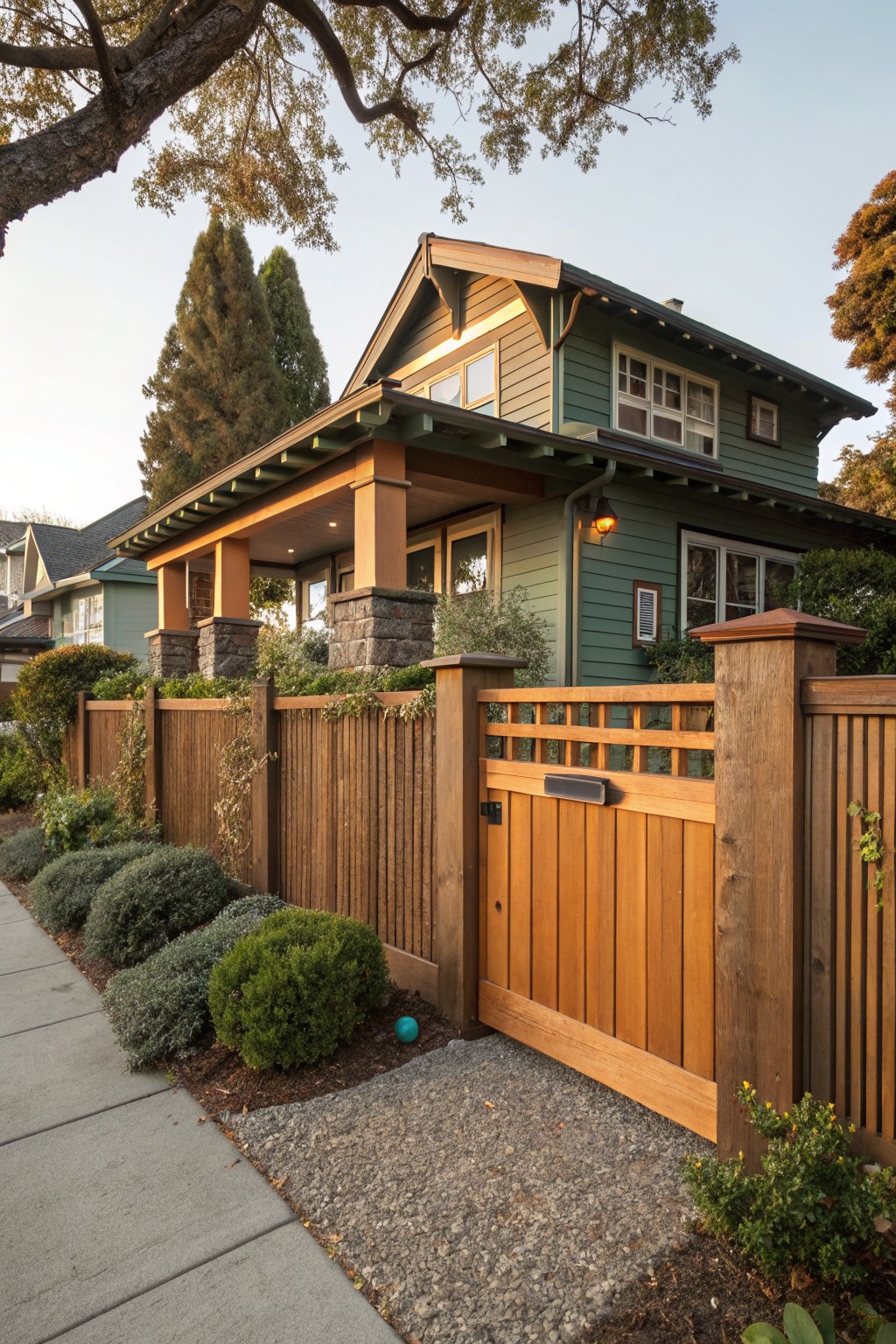
A wooden garden fence like this one fits right in with Craftsman homes. It uses simple vertical slats and a gate with that open lattice top echoing the porch brackets. The warm wood tones blend with the house trim, making the yard feel like part of the place. No big show, just solid charm that welcomes folks in.
Put this fence along the front yard where your sidewalk meets the street. It suits bungalows or any house with overhanging eaves and stone accents. Match the wood stain to your porch for easy flow. Skip painting it, let the grain show through. One thing… make sure posts sit deep for wind.
White Picket Fences with Beach Grasses
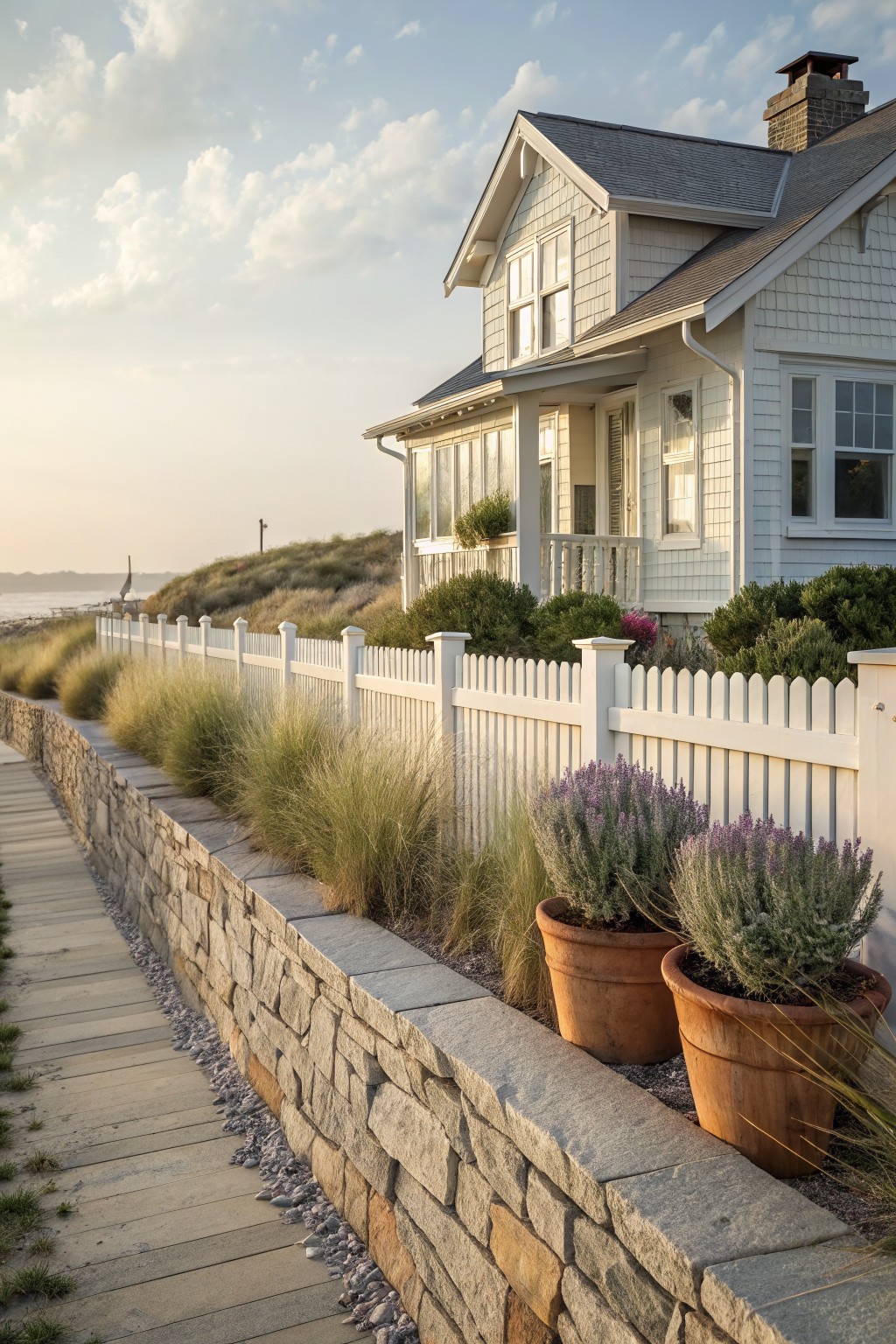
A white picket fence gets a fresh coastal twist when you plant tall beach grasses right along its base. That simple move keeps the fence looking crisp and classic, but the grasses add movement and a bit of privacy without blocking the view. It’s a natural fit for yards near water, where the plants sway in the breeze and feel right at home.
Put this idea to work on a walkway or garden edge where you want definition but not something too solid. Beach houses or casual seaside lots suit it best. Go with native grasses so they thrive with little care, and tuck in a stone wall underneath if your slope needs it. Watch the height though, nothing overwhelming the fence.
Tall Slatted Wood Fences for Privacy
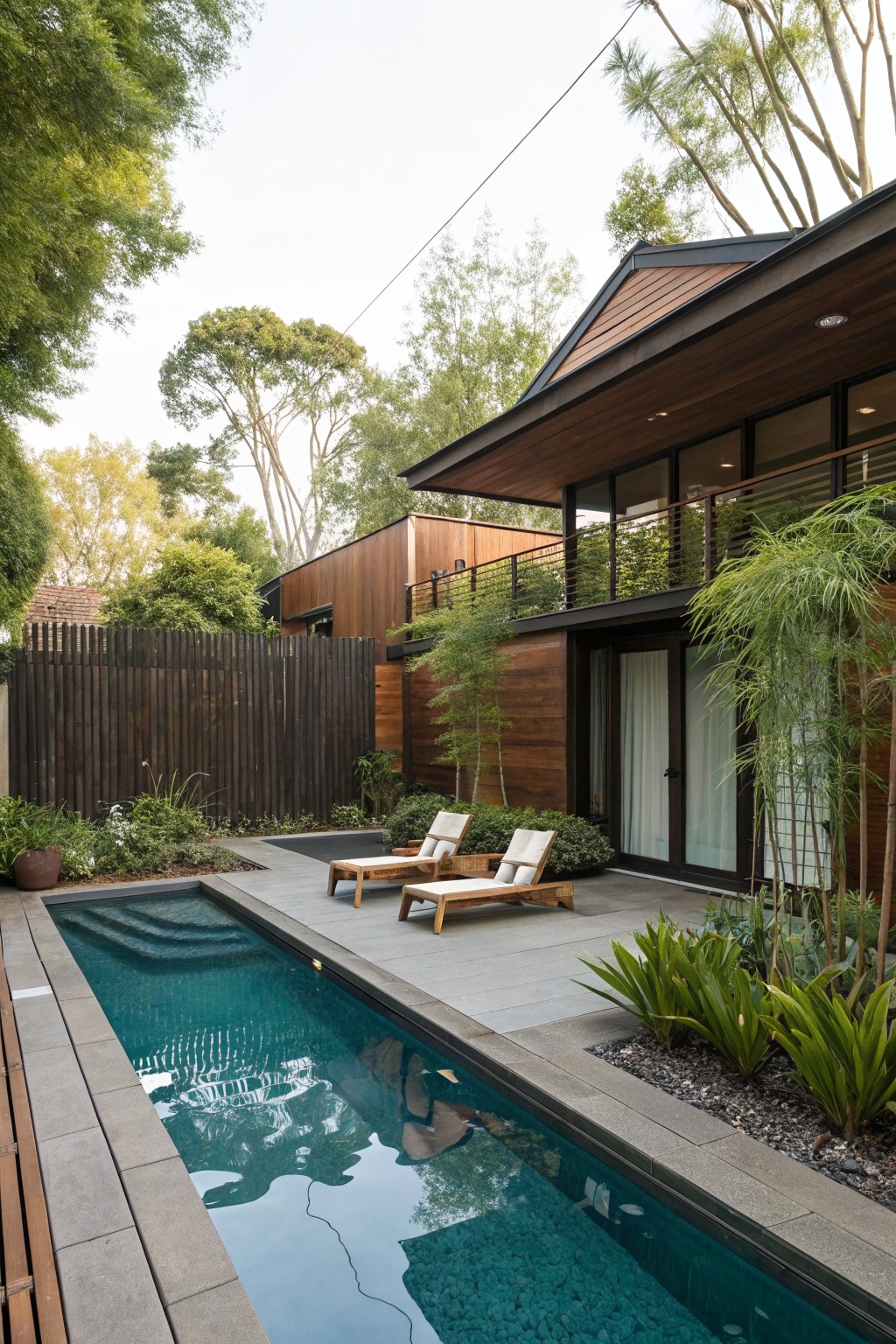
A tall fence like this made from vertical wood slats gives your backyard real privacy. The dark stain on the slats picks up the wood tones on the house nearby. It stands firm without feeling too solid. Plants like bamboo grow right up against it, which helps it blend into the garden.
Put one around a pool or patio where you want to hide the neighbors. It suits modern homes with clean lines, or yards tucked behind older houses. Keep the slats spaced just enough for air but not views. Stain it to match your siding, and add some tall greens along the base.
Split-Rail Fences for Garden Borders
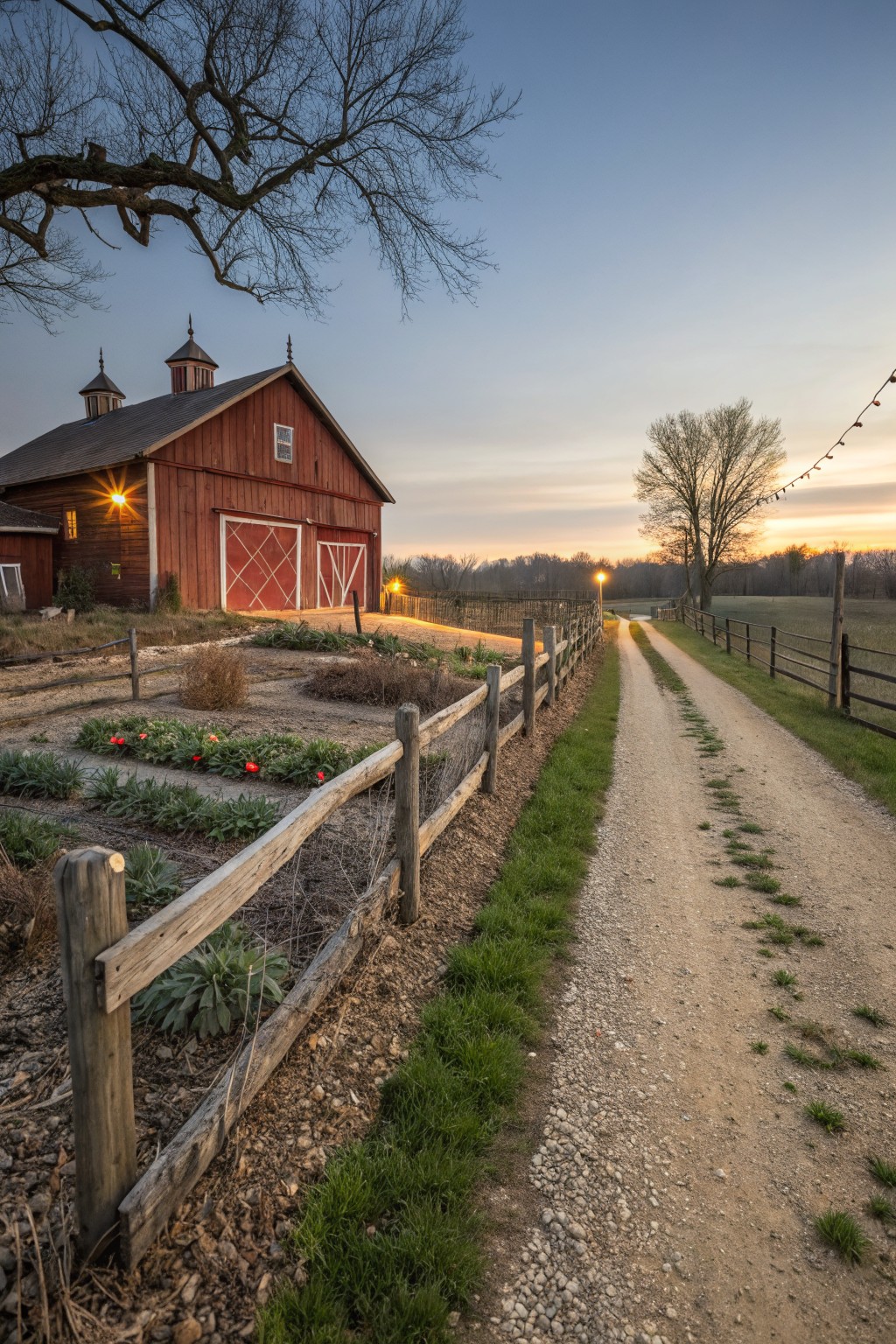
Split-rail fences work well as simple borders around garden beds. They give that easy farm-country feel, especially next to a barn or older wood building. The rough wood posts and rails blend right into the yard without much upkeep, and they keep plants contained while letting air and light through.
Put these fences along pathways or around raised veggie plots in bigger yards. They suit rural spots or homes with open land best. Watch for rot on the bottom rails, though. A good stain helps them last longer.
Slatted Wood Fences Along Garden Paths
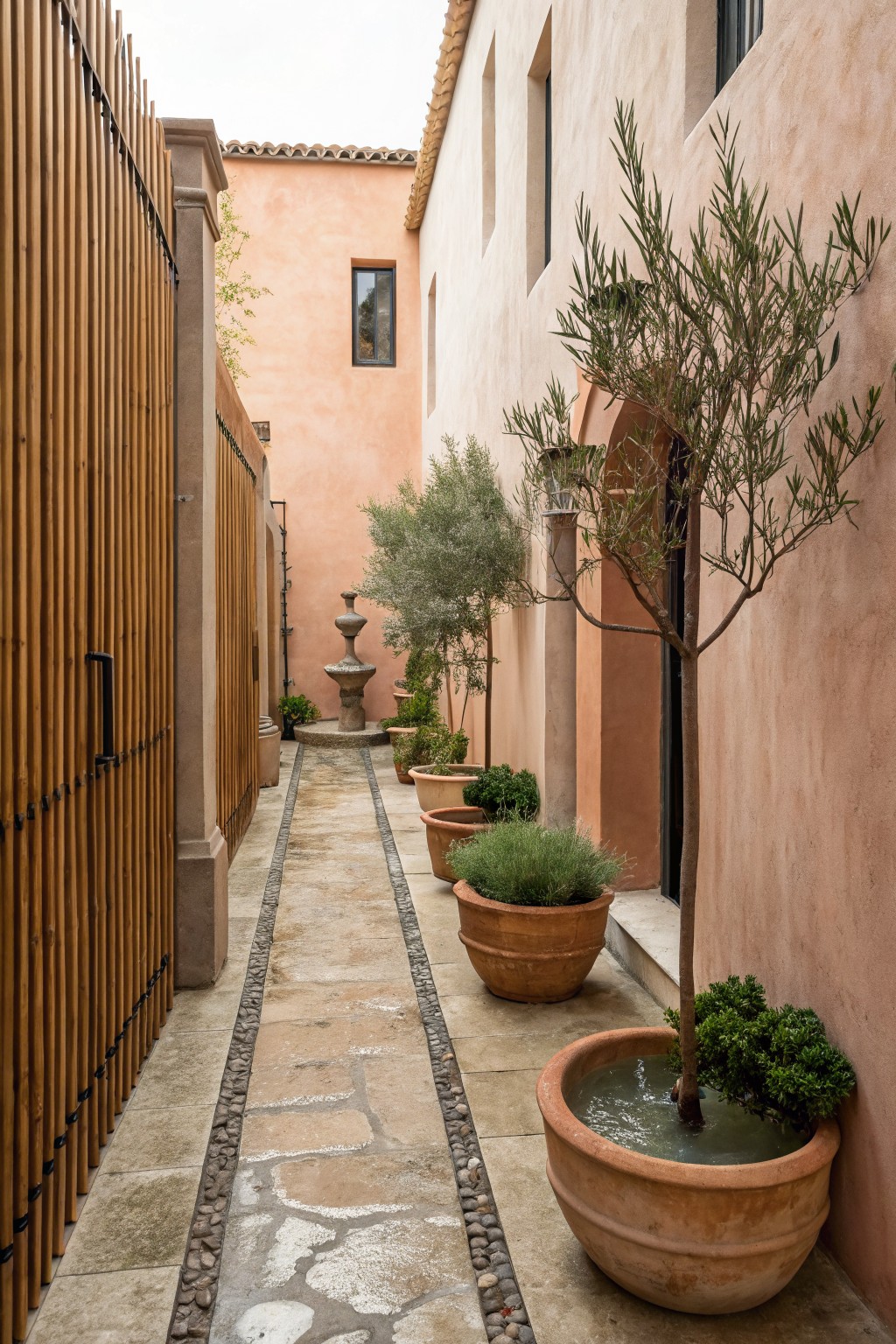
A simple tall fence of vertical wooden slats runs down one side of this stone path. It screens off the view without blocking all the light, and the warm wood tone fits right in with the plants and soft walls. Folks like how it adds that natural touch without much fuss.
Put one like this next to a walkway in a small yard or courtyard. It suits older homes with stucco or stone, especially in warmer spots. Go for durable wood like cedar, and keep the slats spaced for some air flow. Just watch the height so it does not overwhelm tight spaces.
Horizontal Plank Wooden Fences
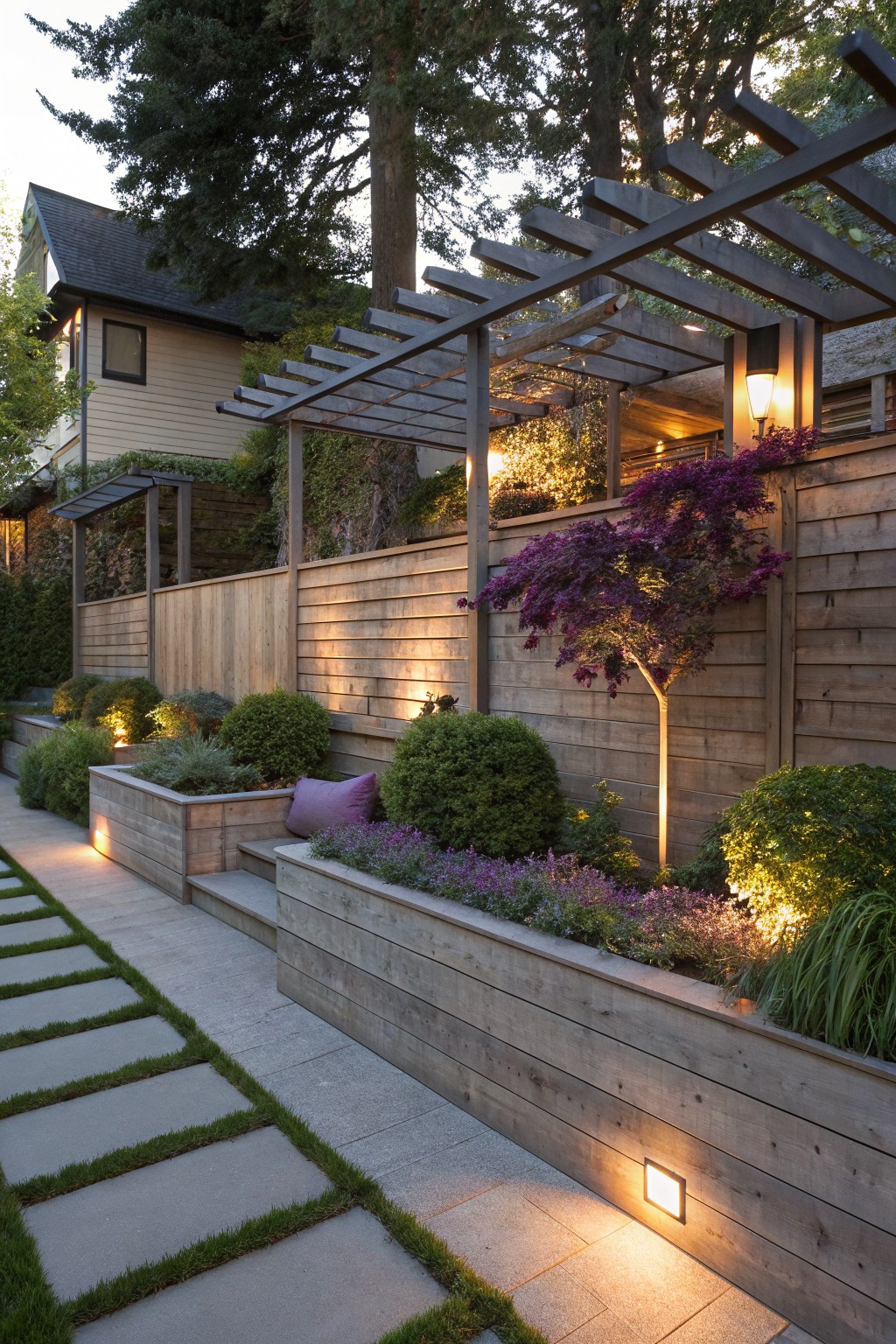
Horizontal plank fences like this one bring a straightforward warmth to backyard edges. The wide cedar boards stack up cleanly, letting the wood’s grain catch the light just right, especially at dusk with those simple uplights along the base. It feels less boxy than vertical pickets, more like part of the landscape when plants tuck in close.
Put this style along a side path or patio border where you want privacy without shutting out the yard completely. It suits sloped lots or homes with wood siding, like craftsman bungalows. Keep the planks spaced tight if neighbors are near, and treat the wood yearly so it ages nicely instead of rotting.
Picket Fence Lining a Garden Path
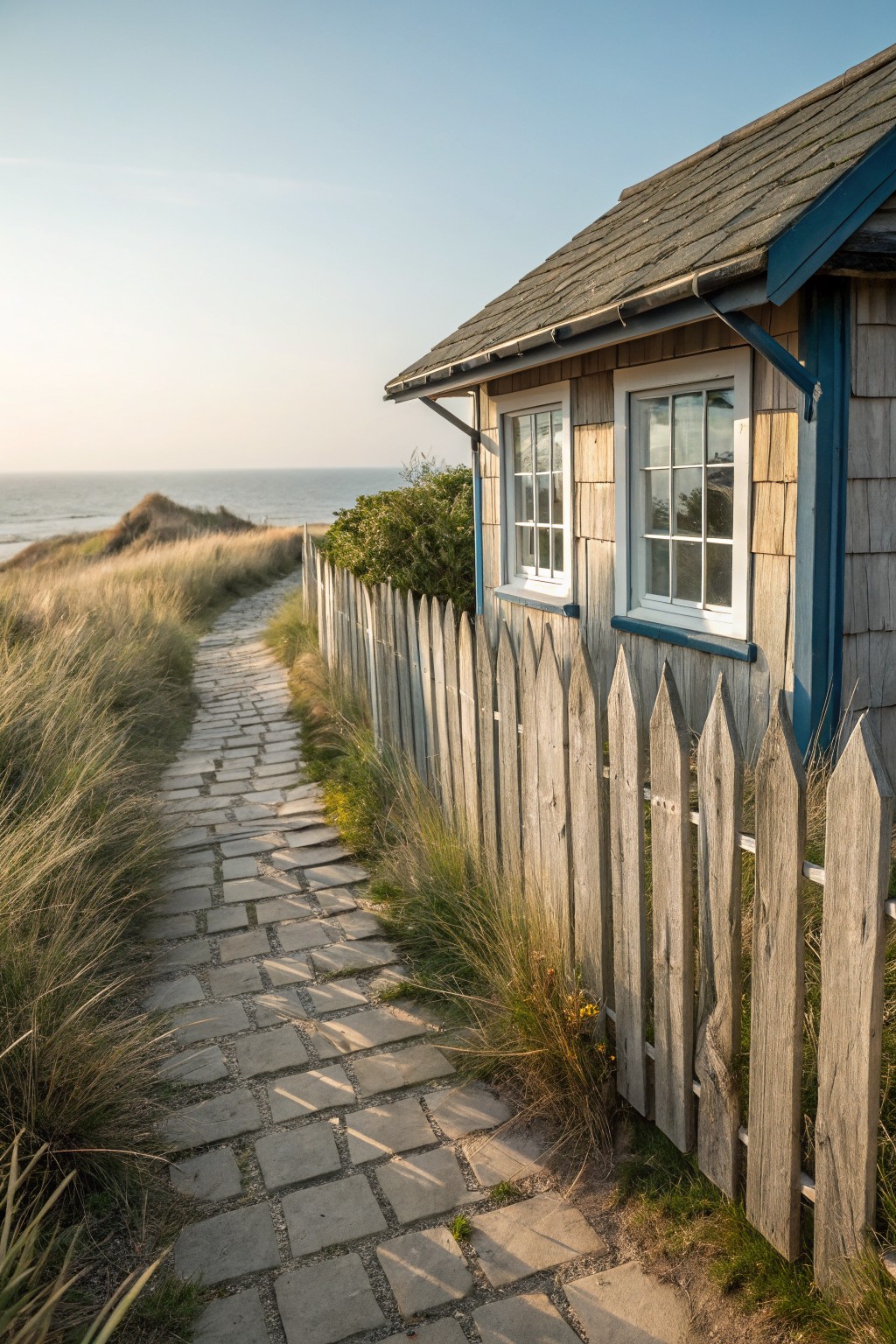
A wooden picket fence like this one runs right along a stone path through tall grass. The pointed tops on the pickets add a touch of style without overdoing it. And that weathered gray wood blends so well with the natural surroundings. It keeps things open yet defined. Folks like how it leads your eye straight to the house.
Put this fence in cottage yards or coastal spots where you have winding paths. It suits sloped ground fine. Go for cedar or pine that’s treated against moisture. Space the pickets close if you want more privacy from windblown plants. Just keep it low. About three feet tall works best.
Slatted Wood Fences for Small Yards
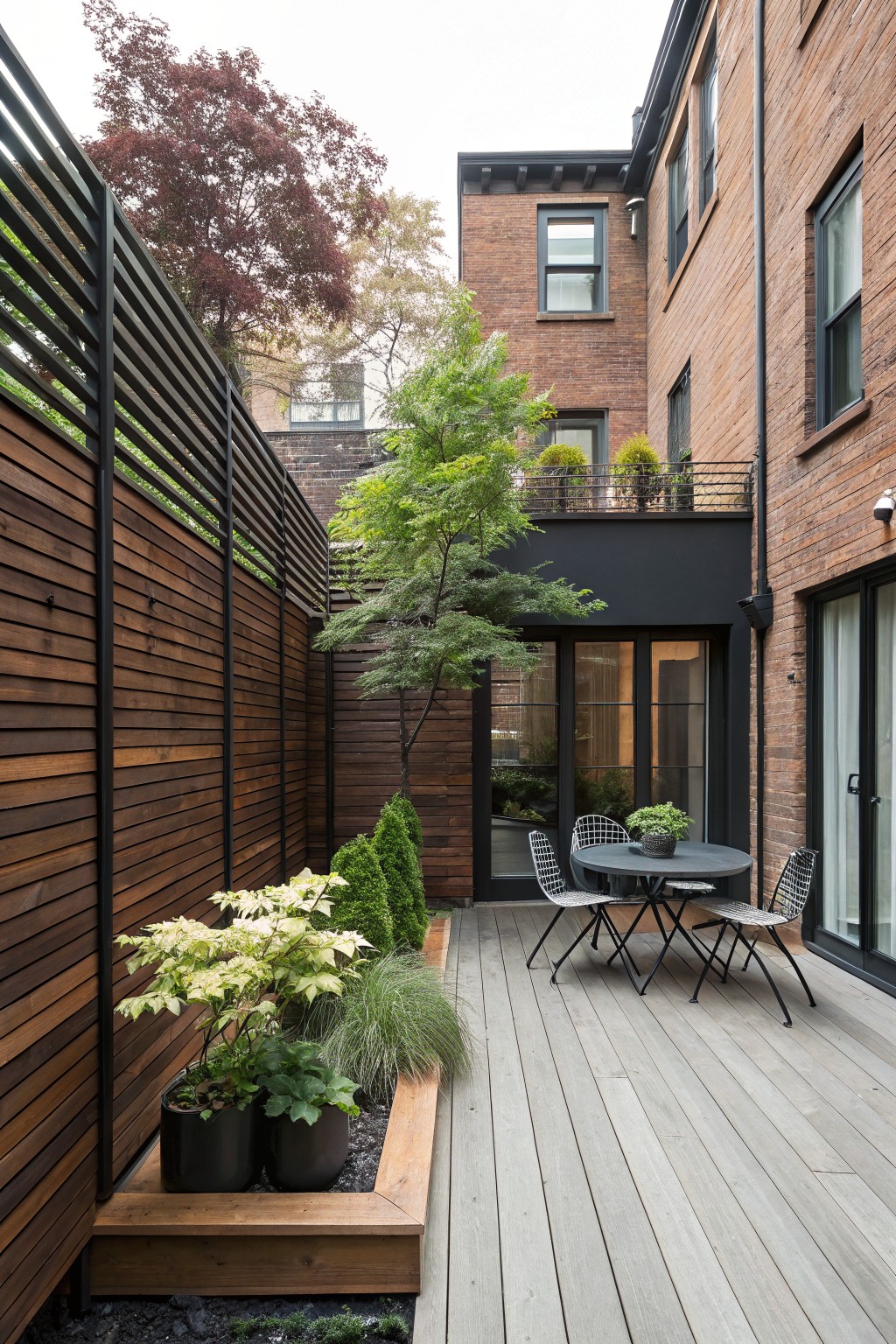
Tall slatted wood fences like this one make a narrow yard feel cozy and cut off from neighbors. The solid lower panels block most views, while the open metal slats higher up let in light and a bit of breeze. It keeps that natural wood charm without closing everything in too much.
This setup fits row houses or city lots where space is tight. Run the fences along both sides, add a wood deck for seating, and tuck plants along the base. Pick durable cedar or redwood, and stain it dark to match brick or stone walls. Watch the height though, too tall might need permits.
Lining Garden Paths with Picket Fences
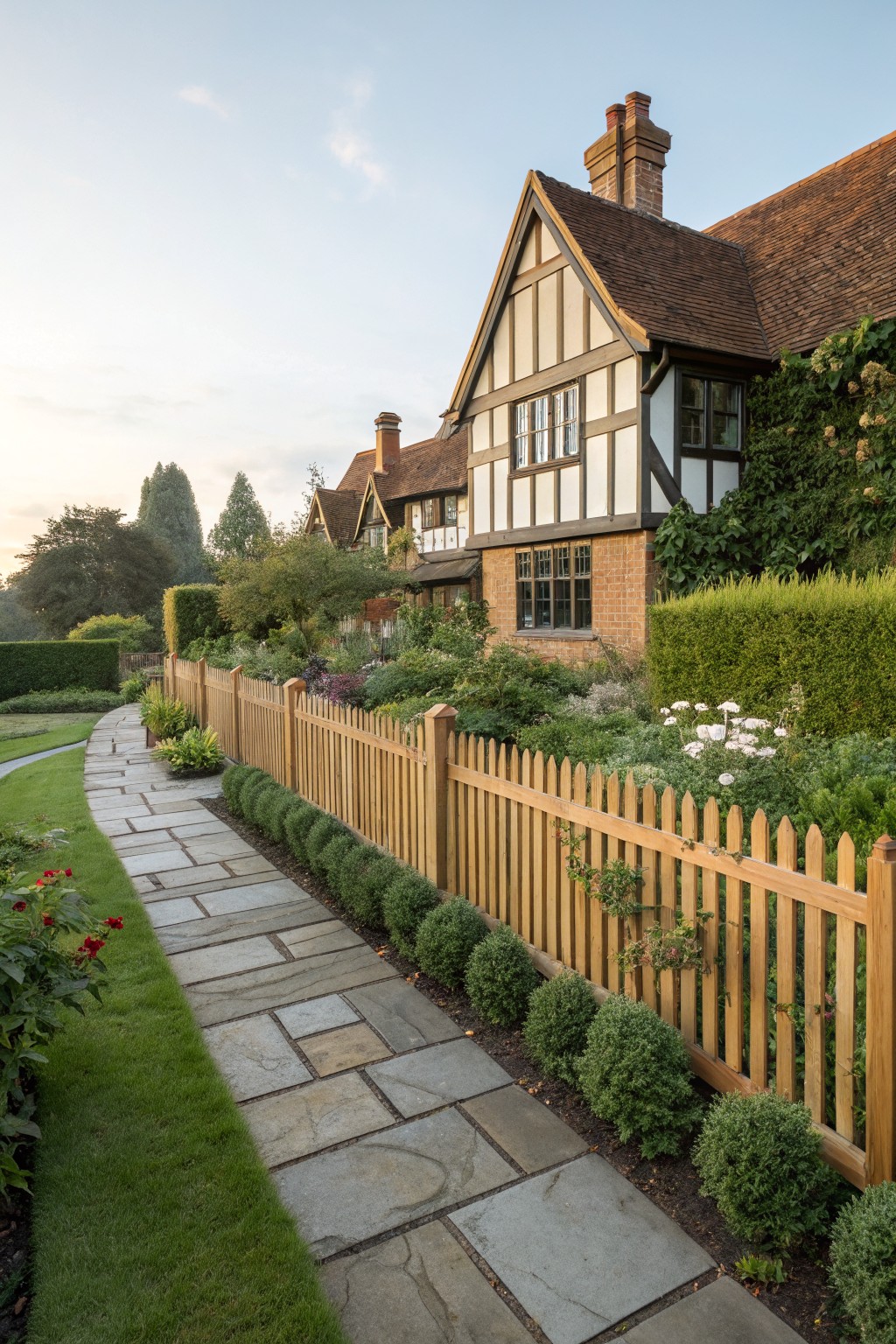
A wooden picket fence like this one along a stone path keeps things open and welcoming in the garden. The slim vertical slats let you see through to the plants and house beyond, while the warm wood color fits right with green hedges and flowers. It marks the way without feeling closed off.
This setup suits cottage gardens or yards around older homes with brick or timber details. Line one side of your path with the fence, then add low boxwoods or perennials along the base. Go for naturally rot-resistant wood, and it holds up year after year.
Vertical Slat Wooden Fencing
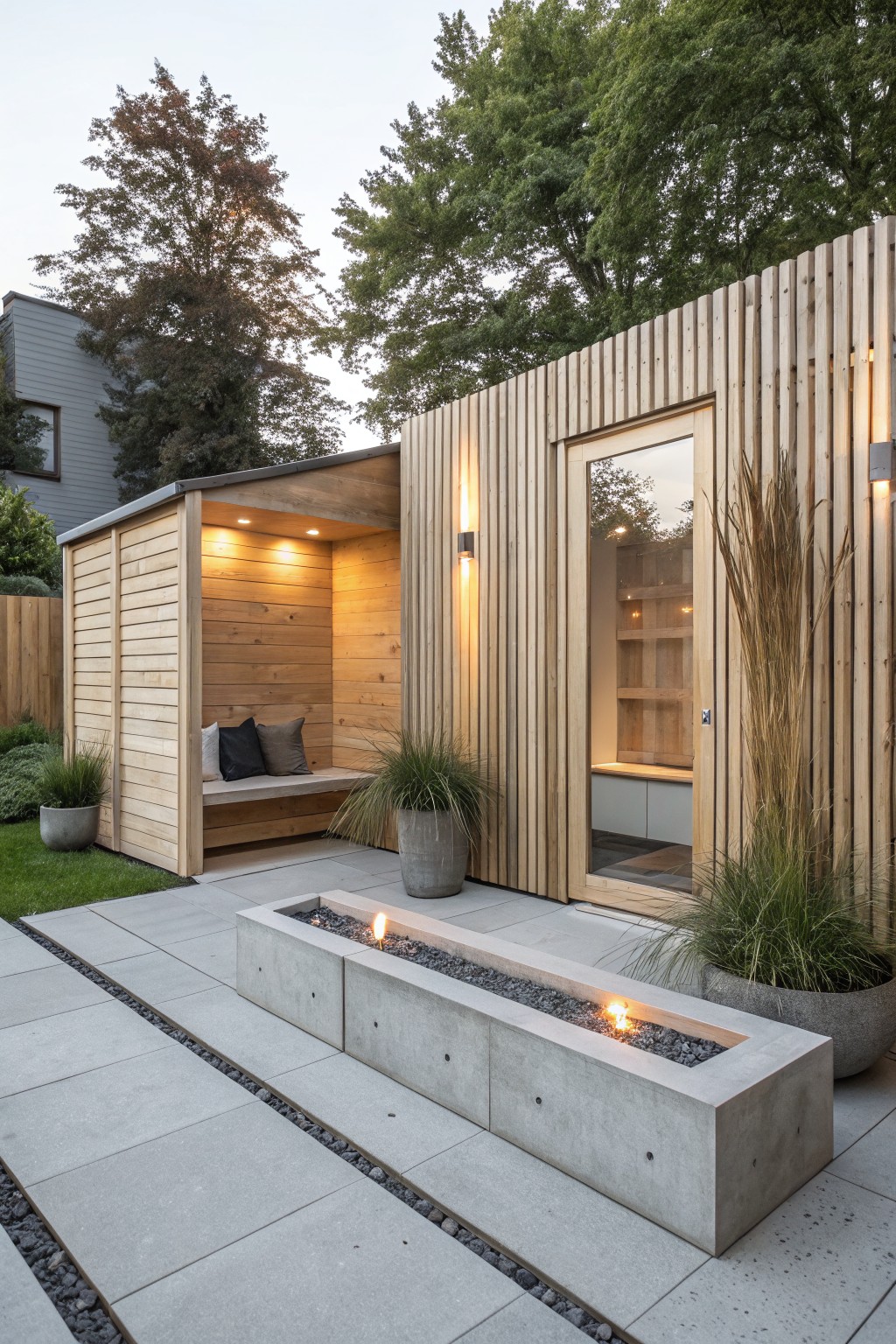
Vertical slat wooden fencing works well for backyard privacy without closing everything off. The narrow gaps between slats let in light and breeze. It blends right in when you match it to a garden structure like a cabin or shed.
Put this kind of fencing around play areas or outdoor rooms. It suits average yards with grass and a few plants. Pick cedar or similar for lasting outdoors. Keep slats even spaced… looks best that way.
Simple Picket Fence for Garden Paths
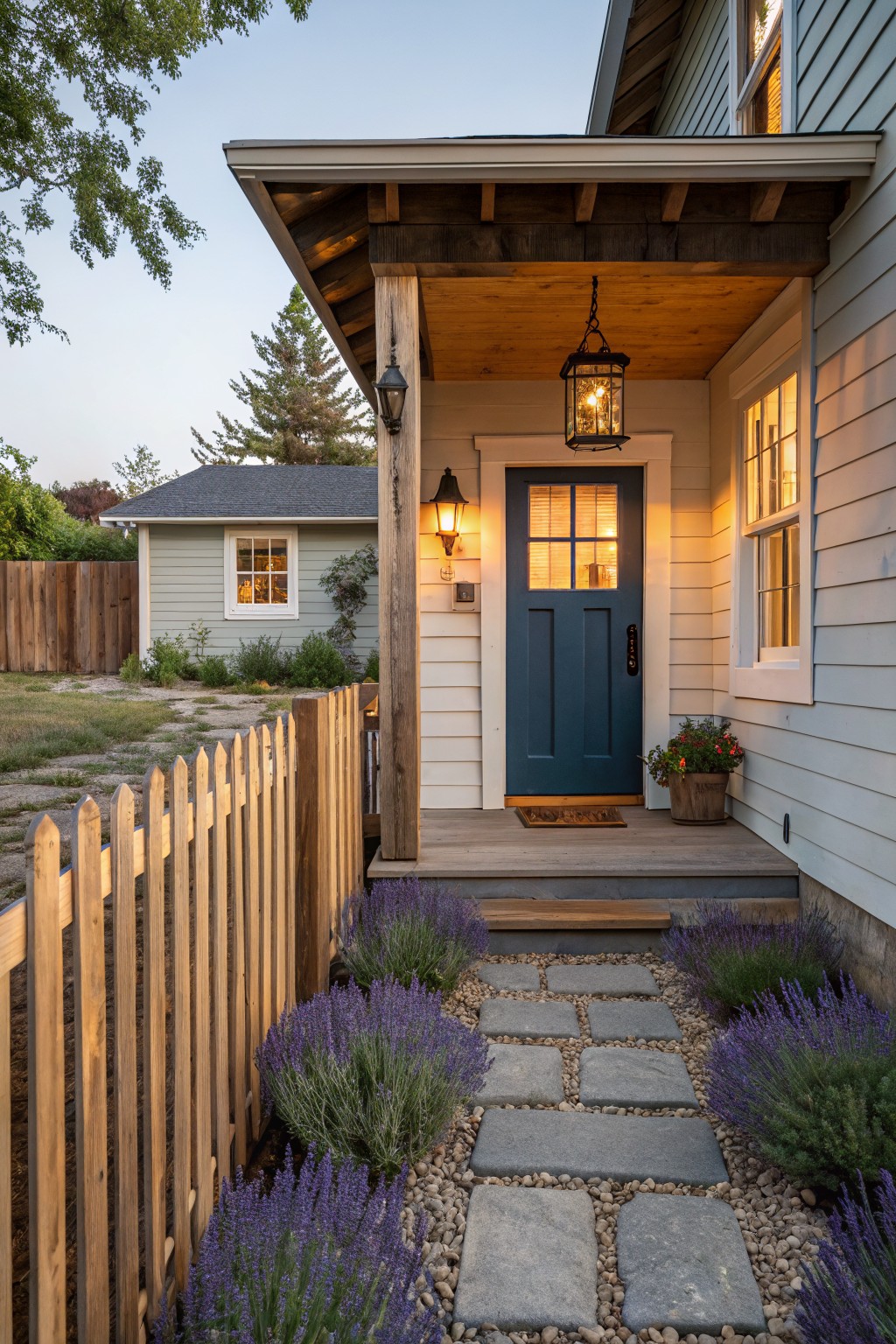
A wooden picket fence set along a stone path stands out for how it quietly shapes the yard. Here it runs next to flat stepping stones with lavender planted tight against it. That combo keeps the walk clear while the plants add color and scent right where people pass by.
Put this in smaller front yards or side entries leading to a porch. It suits craftsman or cottage style homes best. Build the fence low enough so plants show, about three feet high. Watch that the wood weathers naturally and doesn’t get painted too bright.
Gray Stained Wooden Privacy Fence
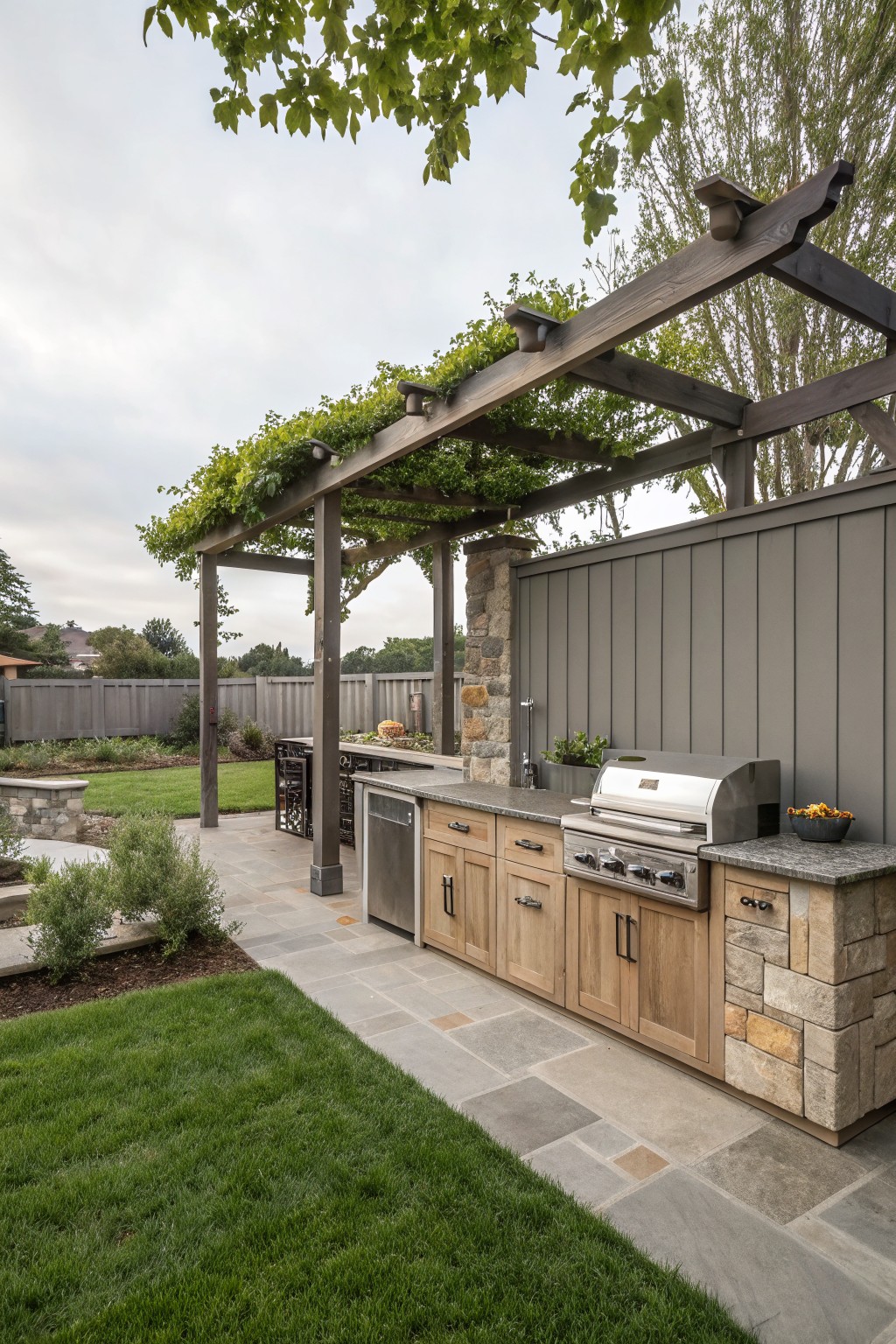
A tall wooden fence like this one, stained a soft gray, makes a solid backdrop for any backyard gathering spot. The board-on-board style keeps things private without feeling too closed in. Stone pillars at the ends add a bit of weight and tie into the patio stones nearby.
This setup works best in yards with an outdoor kitchen or seating area, where you want enclosure but not a walled-off feel. Stain cedar or pine boards in a weather-resistant gray to match siding or stonework. Skip bright colors. They fade fast outdoors. Plant vines on nearby structures to soften it up over time.
Wooden Trellises Along Garden Paths
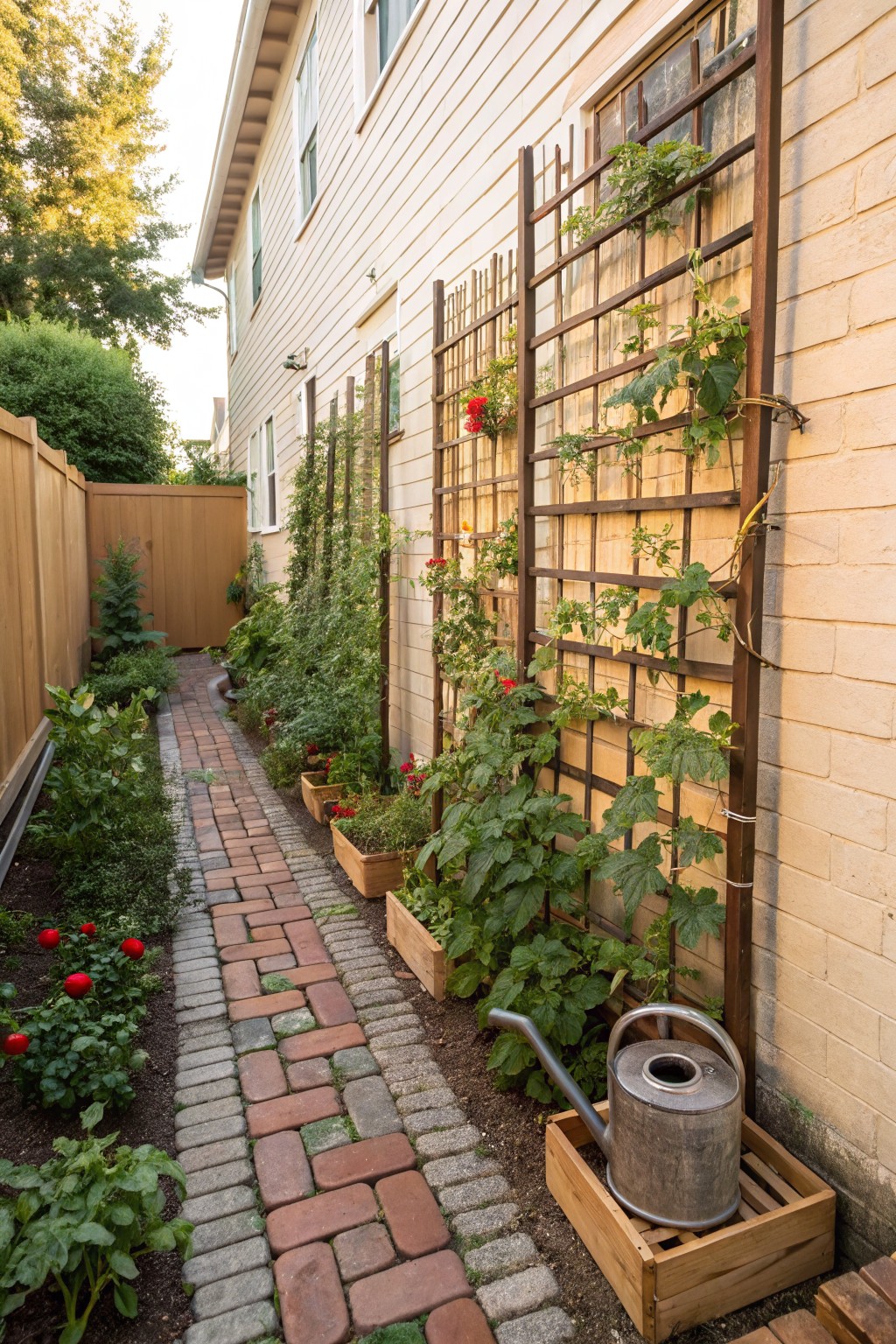
Tall wooden trellises running along a fence or house wall make a simple side yard path feel alive. Climbing plants like tomatoes and beans cover the frames, filling the space with green without taking up ground room. It’s a practical way to grow food right next to your home, and the wood blends right in with a natural fence.
This idea fits narrow lots or alley-like yards best. Set up the trellises close together on sturdy posts, then plant vining crops or flowers at the base. Train the stems as they grow. Wood like cedar holds up well outside. Watch for too much shade from thick vines… trim back if needed.
Curved Slatted Fences for Patio Privacy
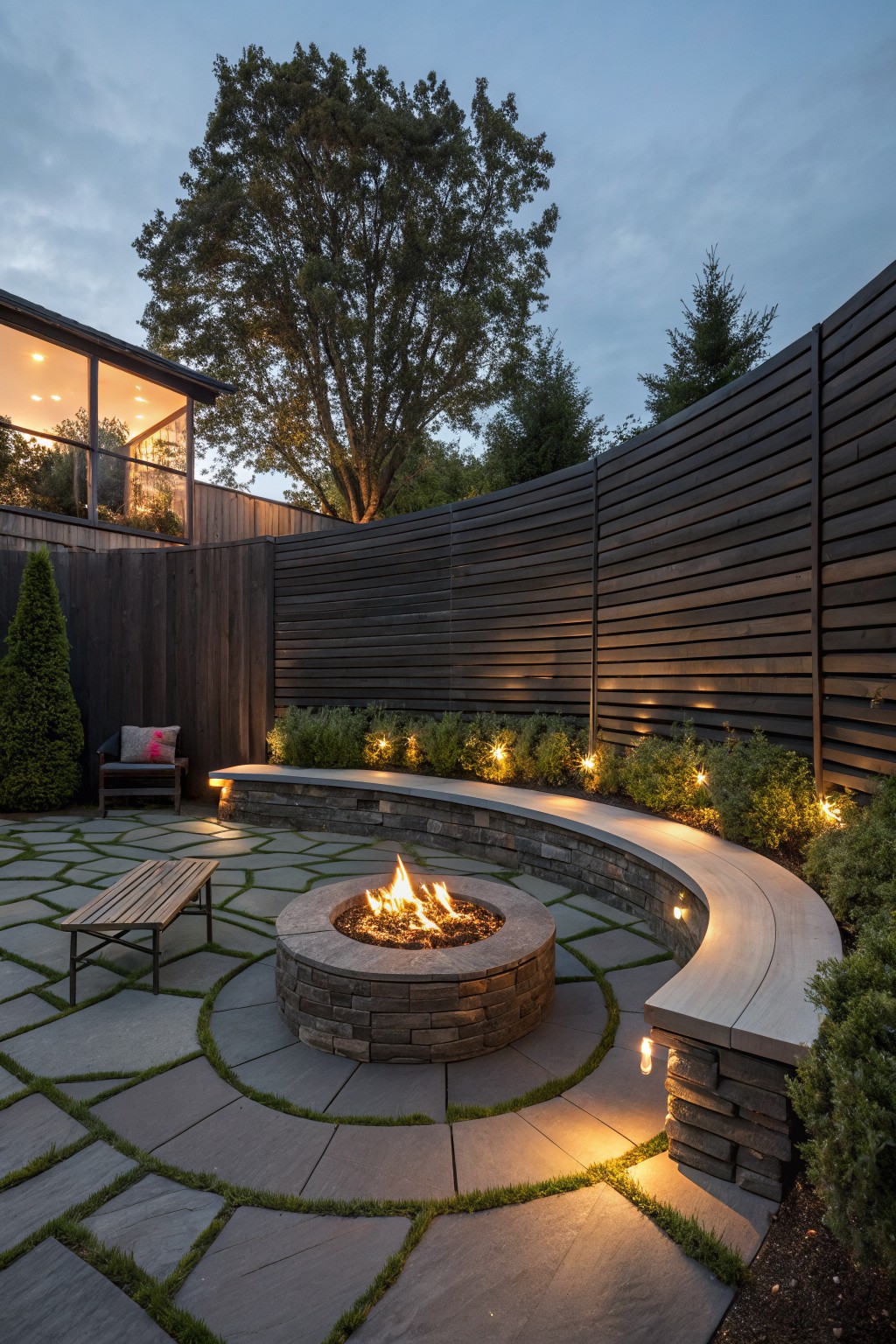
A curving slatted wooden fence like this one wraps around the patio to create a real sense of enclosure. The gaps between the slats let in light and air while blocking views from outside. It fits right with the fire pit and bench setup, making the whole area feel private and pulled together.
This kind of fence works best in smaller backyards where you want to carve out a usable spot. It suits modern homes or ones with clean lines. Go with durable wood like cedar, plant low shrubs along the base, and keep up with sealing to avoid weathering.
Wooden Slat Fences as Planters
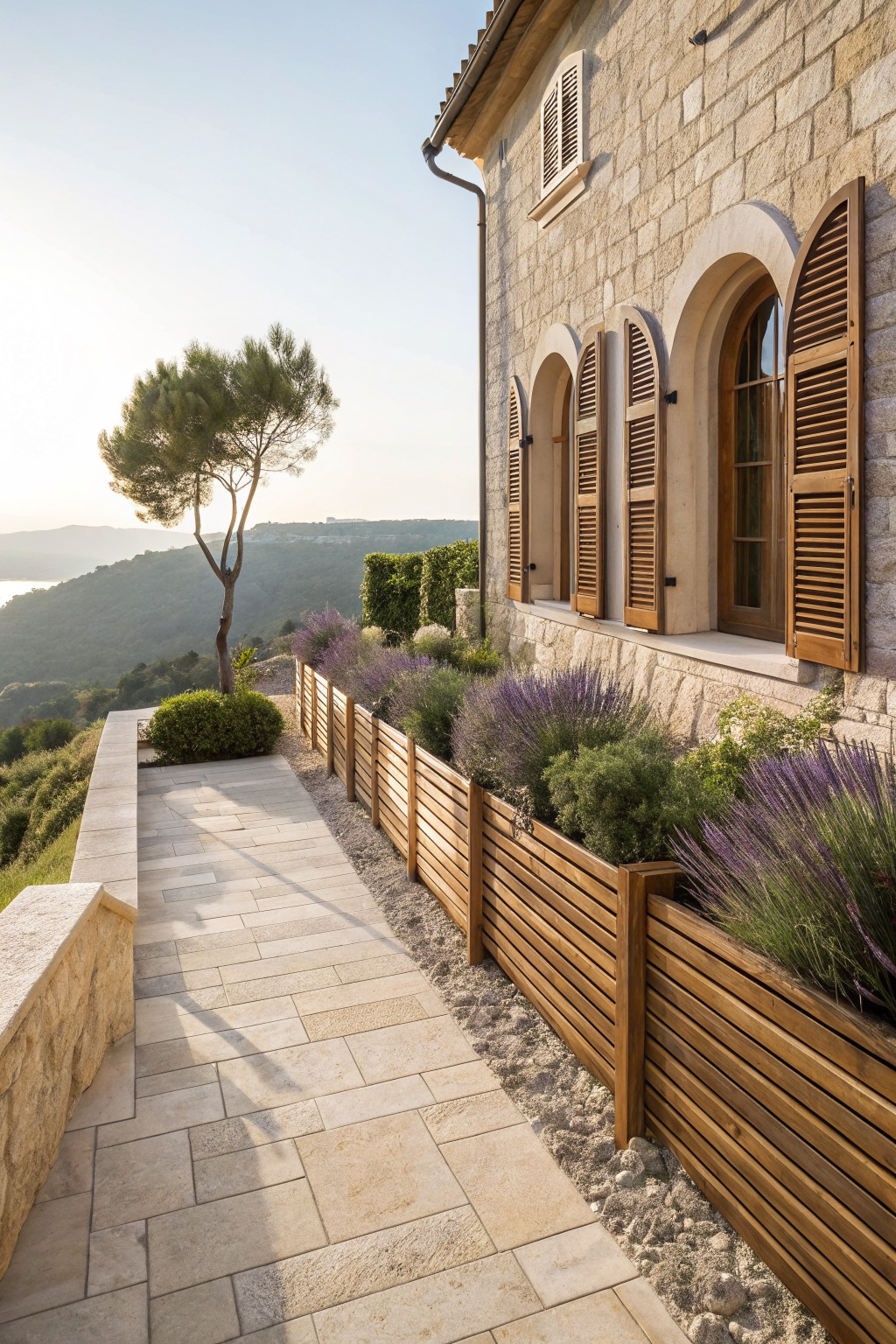
A simple wooden slat fence like this one runs right along the walkway and holds plants in place. Filled with lavender and low shrubs, it turns a plain border into something alive and useful. The wood picks up on the natural feel without overpowering the stone path or house wall nearby.
Put these planter fences to work along side paths or patio edges where space is tight. They suit sloped yards or homes with a rustic look, like stone or stucco ones. Go for rot-resistant wood and good drainage so the plants stay healthy year after year.
Rustic Wooden Garden Gate
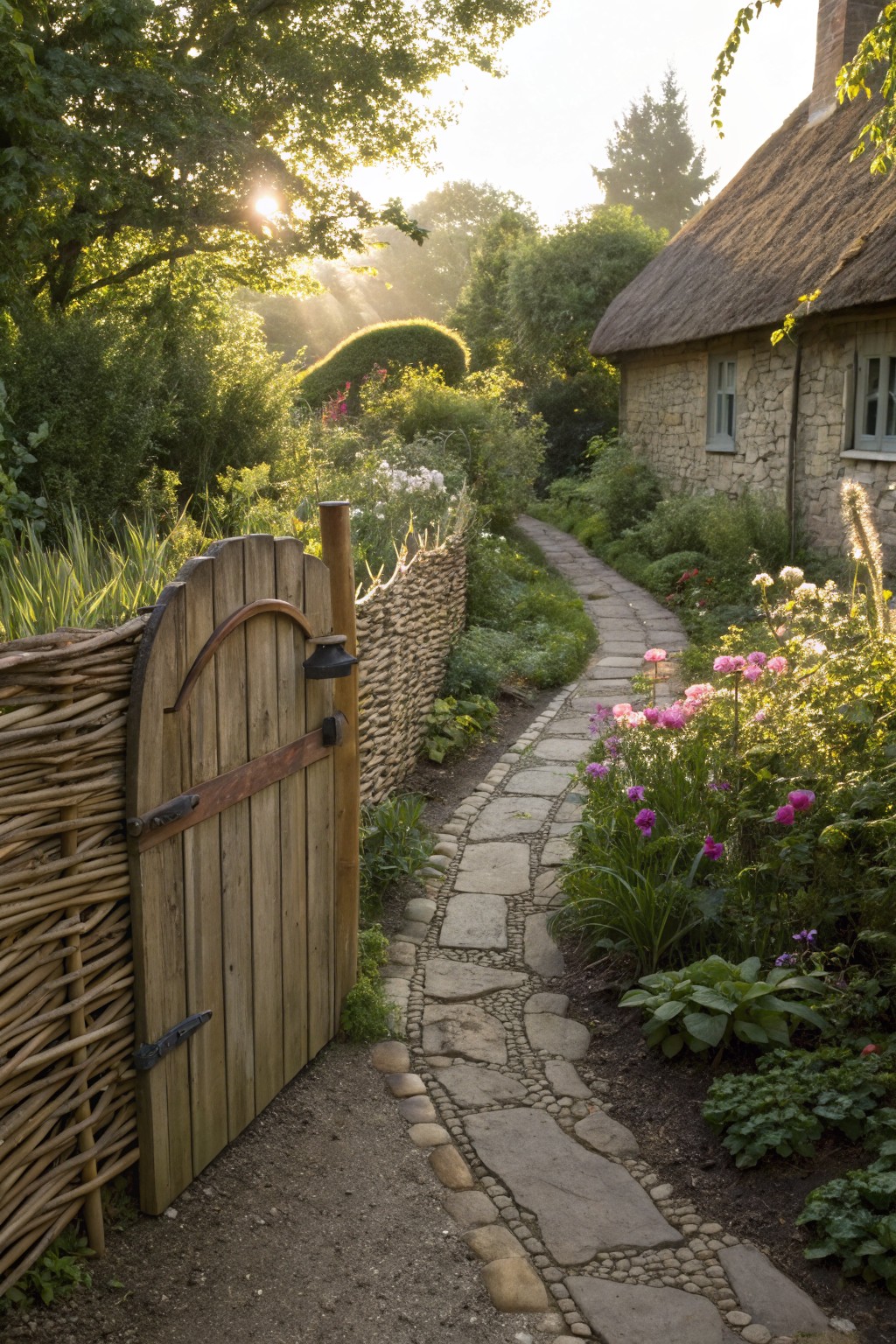
A rustic wooden garden gate like this one stands out for its simple arched top and sturdy build. It fits right in with the natural woven fence around it, making the whole entry feel welcoming and part of the yard. Folks love how it hints at what’s ahead without blocking the view.
Put one at the start of a winding path through flower beds, like toward a cottage or patio area. It suits older homes or any spot with soft landscaping. Use weathered wood for that charm, and keep the gate wide enough for wheelbarrows. Just check the hinges hold up in wet weather.
Tall Wooden Fences for Backyard Privacy
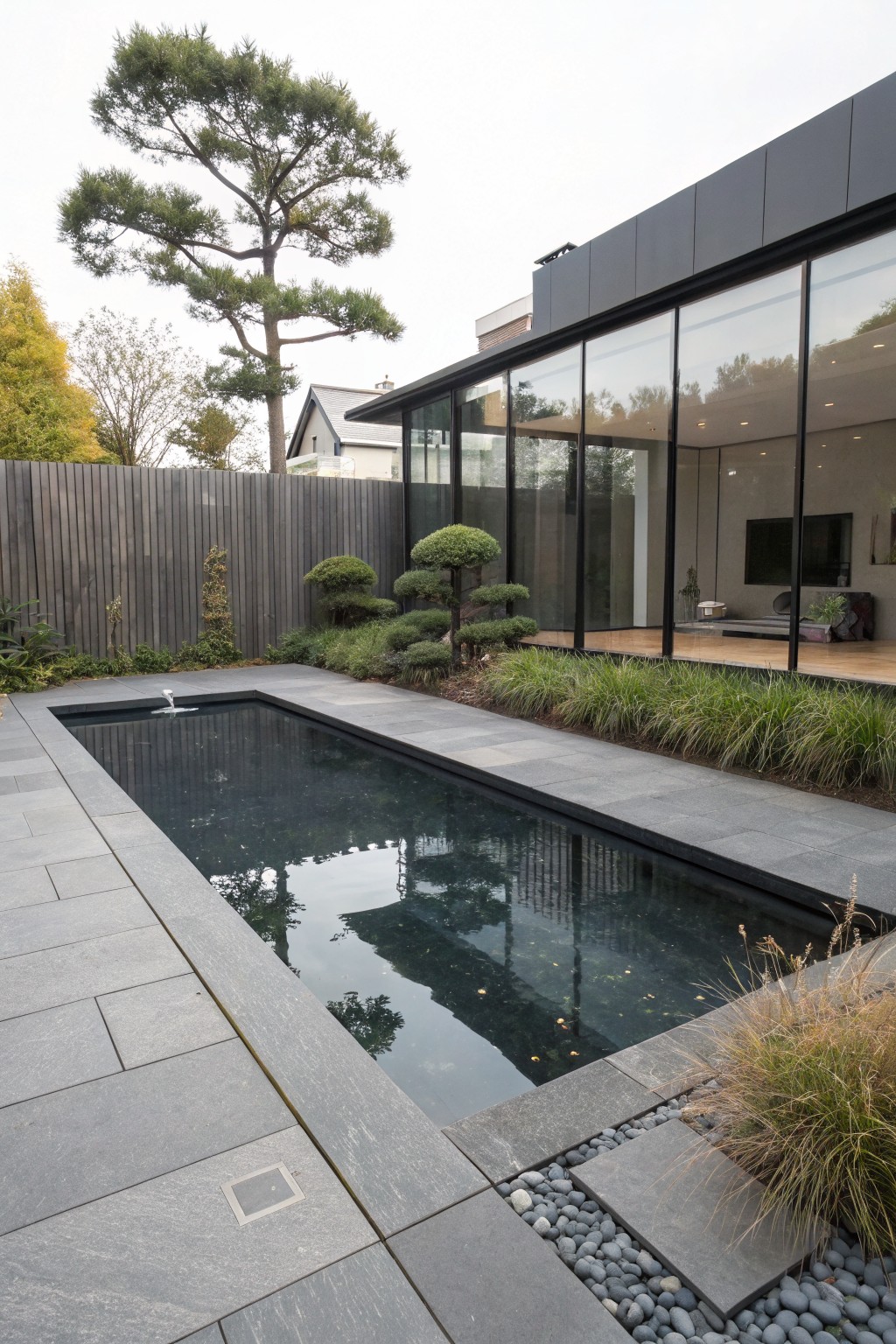
A tall wooden fence like this one runs along the edge of the yard, keeping neighbors out of sight while framing the space nicely. The vertical slats give it a clean look that fits right in with the pool and plantings. Folks like how it adds a bit of texture without overpowering the garden.
This kind of fence works best in city backyards or anywhere you need screening fast. Pair it with grasses or small trees out front to soften things up. It suits modern homes especially well… just pick a durable wood and treat it against moisture.
Bamboo Fencing for Garden Privacy
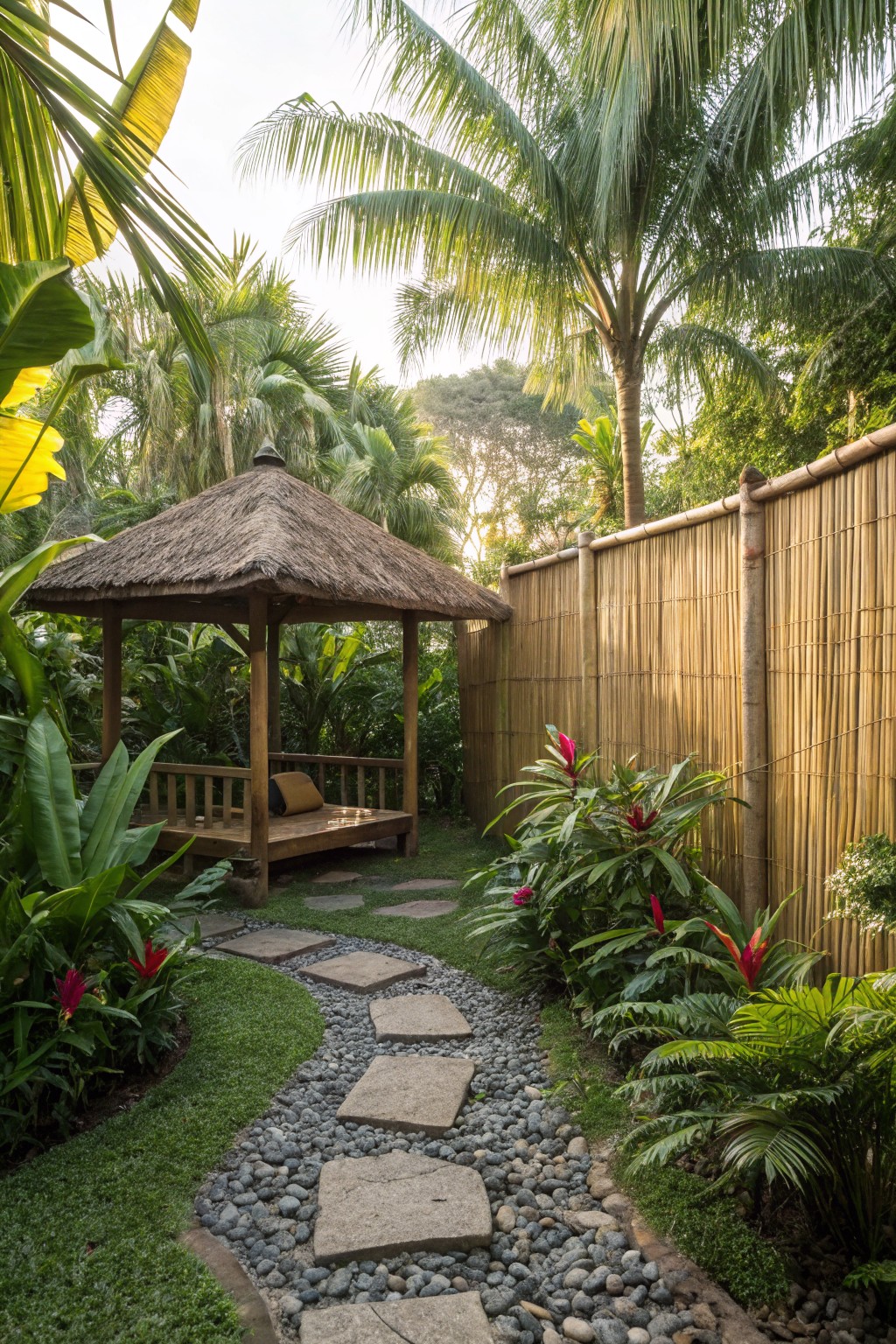
Bamboo fencing works well when you want a natural screen around a backyard spot. It fits right in with plants like palms and ferns. The tall panels block views without feeling heavy. They let some light through too. In this setup it guards a simple wooden pavilion nicely.
Put bamboo fences around patios or seating areas in warm yards. They suit homes with tropical landscaping or just lots of green. Use panels on posts for height. Watch the gaps so wind doesn’t push them around. Easy to find at garden stores.
Horizontal Slat Wood Fences
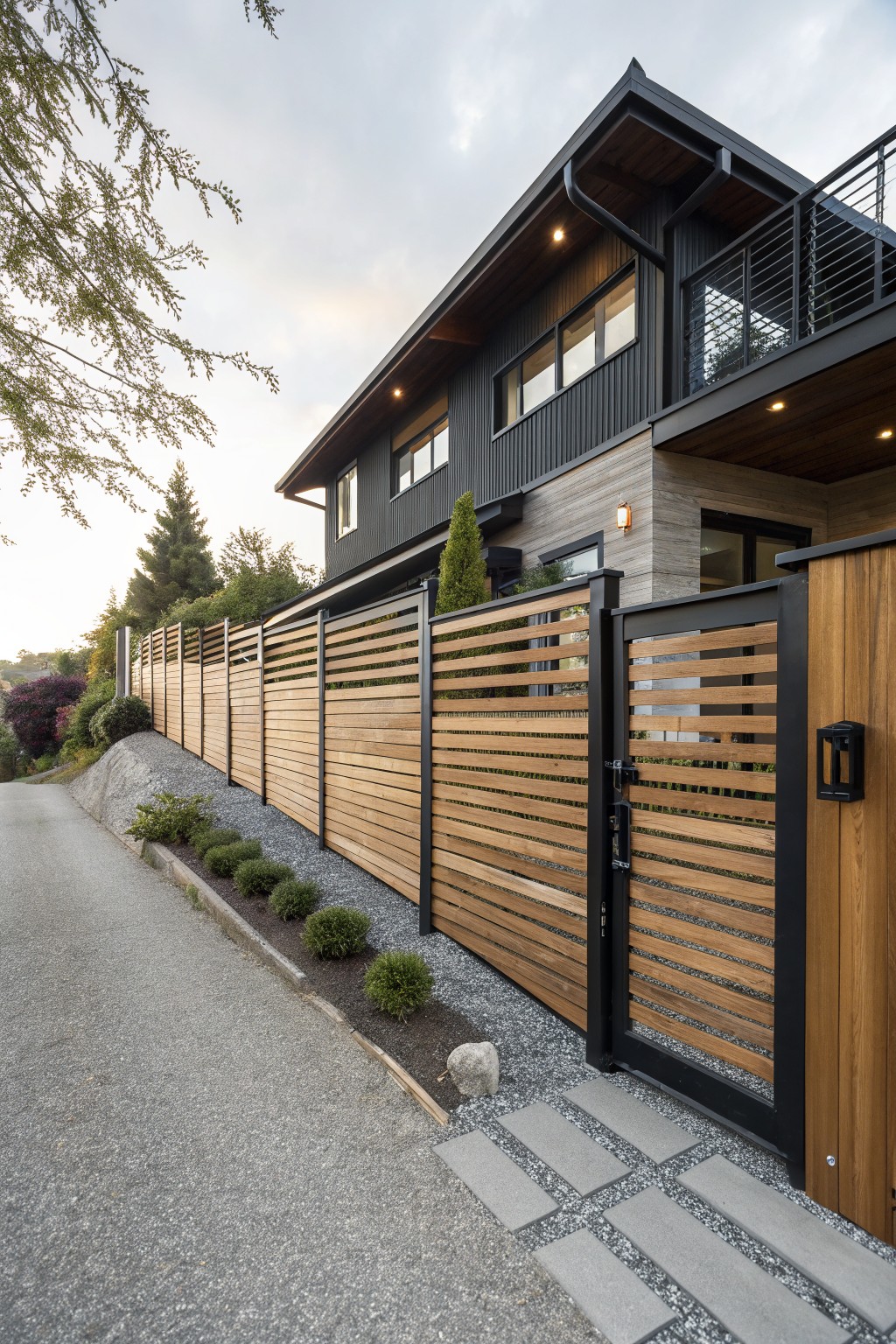
Horizontal slat wood fences stand out for their clean lines and natural feel. This one uses light wood slats set in black metal frames, which softens the look against a dark house while still blocking wind and views from the road. It keeps things open enough for light to filter through.
Put these along sloped yards or driveways where you need some screening. They work best with modern homes backed by trees. Just space the slats right so they don’t trap too much moisture… and seal the wood yearly.
Tall Wooden Fences for Backyard Privacy
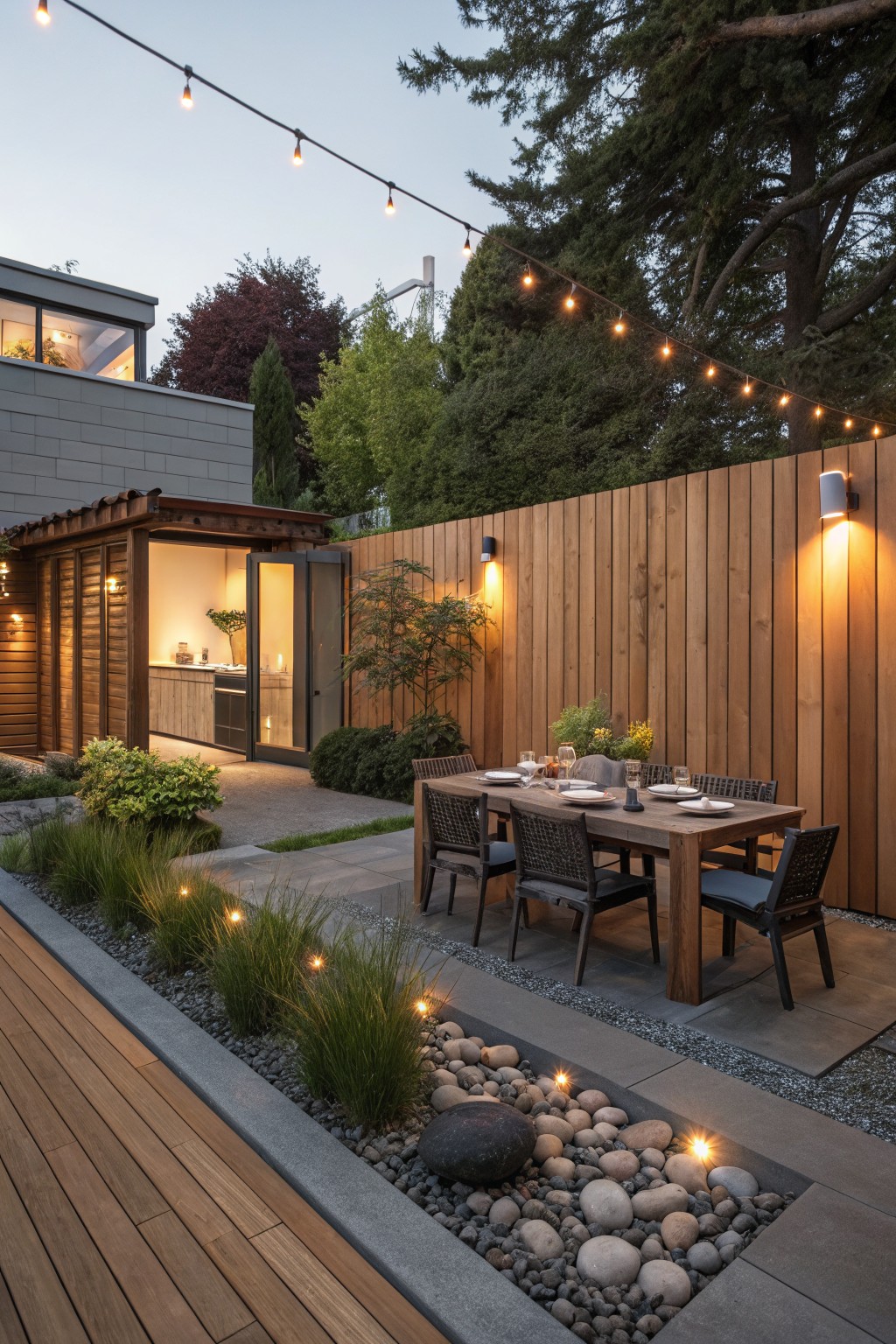
A tall wooden fence like this one makes a backyard feel like your own private spot. It runs along one side behind the dining table, blocking views from neighbors without making the space feel boxed in. The smooth vertical boards give it a clean look that fits right with the wood deck and pavilion nearby.
This setup works great in city yards or anywhere close to other homes. Pick cedar or redwood for that natural warmth, and plant low grasses at the bottom to ease the edges. Wall lights along the fence help for dinners after dark. Just keep the boards straight and even spaced for the best look.
Colorful Picket Garden Fences
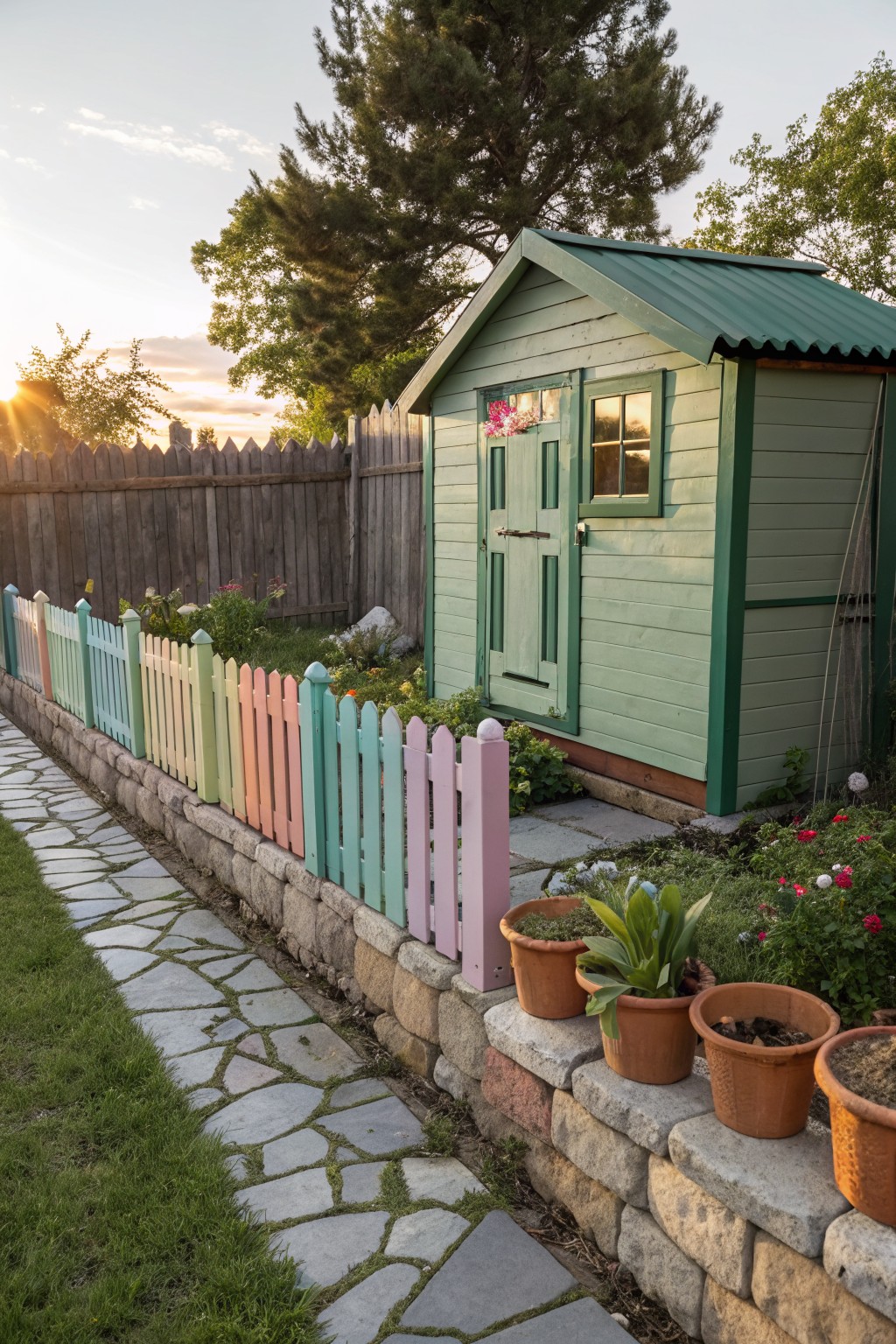
Nothing beats a simple wooden picket fence painted in bright colors for adding some fun to your garden border. Here, the rainbow of pinks, blues, greens, and yellows lines a low stone wall and leads right to a green shed. It stands out without trying too hard, and the colors play nice with nearby plants and flowers.
This works best in family yards or cottage-style gardens where you want a lighthearted touch. Use pressure-treated wood for the pickets, paint each one a different shade, and set them on top of an existing wall or low footing. Keep the height under three feet so it feels friendly, not fenced off. Just watch the paint doesn’t chip too fast in full sun.
Rustic Wooden Garden Gates
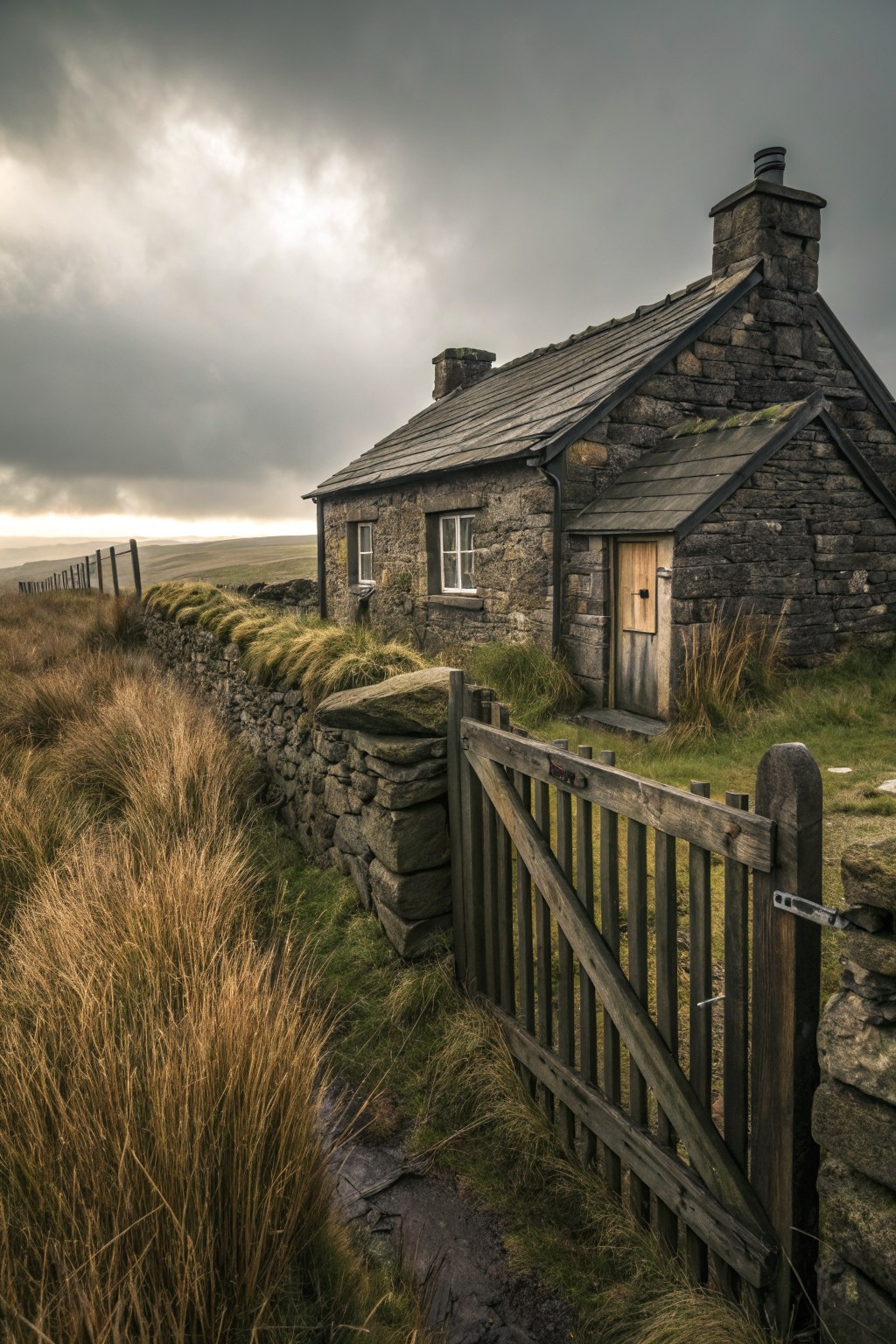
These simple wooden gates have a lot going for them in a country setting. The slatted design and latch on this one fit right in with the rough stone wall and wild grass around it. They stand out for keeping things natural and sturdy looking, without any fancy extras. Folks go for them because they feel honest and blend with older homes.
Put one at the end of a path or along a low wall to mark off a garden area. They suit cottages or farmhouses with open yards best, especially where you want that rural touch. Watch the weather though, treat the wood well so it holds up over time.
Wooden Terraced Retaining Walls
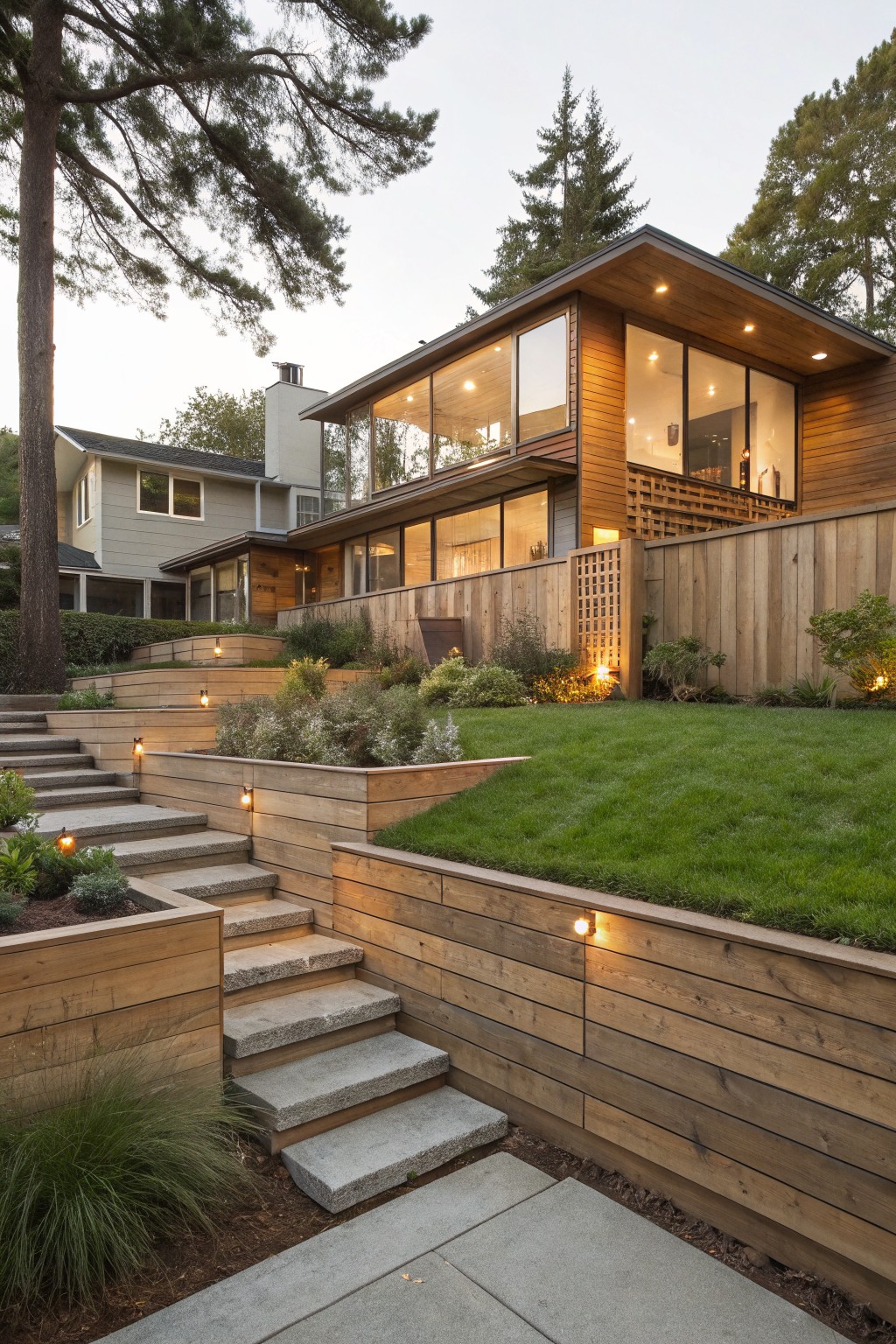
Wooden terraced retaining walls like these make sloped yards workable without looking forced. They stack up neatly to create flat planting beds and paths, using the same cedar planks as the house siding and fence. The warm wood tone ties everything together naturally, and those small built-in lights add a soft glow at night.
You can build them in backyards where the ground drops off fast. Go with pressure-treated or cedar boards for lasting outdoor use, and keep walls under four feet high unless you add supports. They fit homes with wood details best, especially on hillsides with some sun for grass and low plants between levels.
Patterned Wooden Fence Panels

Wooden fence panels cut with intricate patterns offer a simple way to add interest to garden edges. These designs draw the eye without overwhelming the space, and light passing through them creates shifting shadows by day or a soft glow at night.
Set them up along patios or yard boundaries where you need some privacy. They fit best with plain walls and hardscape like concrete, working on homes from midcentury to contemporary. Pick durable wood and seal it well to stand up to rain.
Picket Fences Beside Garden Paths
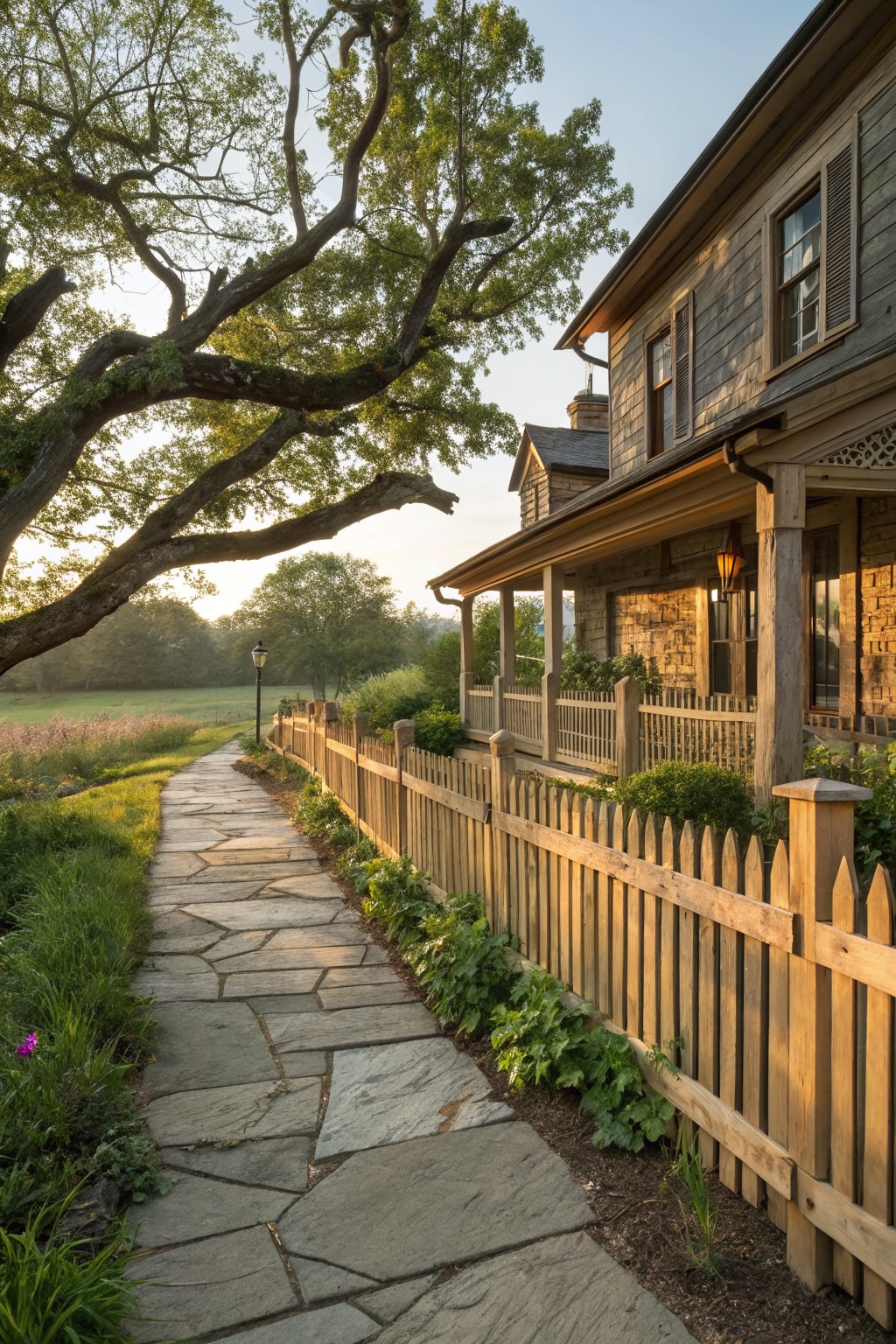
A wooden picket fence set right along a stone walkway gives your yard that old-time charm without feeling closed off. The gaps let you see through to the house and gardens beyond. Plants tuck in along the base, softening the edges and adding color where the wood meets the ground.
This setup fits front approaches on older homes or cottages with room to spare. Line a curving path to the porch or side door. Go for untreated pine that turns silver over time. Keep the fence low, around three feet, so it guides folks in without crowding the walk.
Frequently Asked Questions
Q: How do I protect a new wooden fence from weather right away?
A: Hit it with a good outdoor stain or sealant as soon as you finish building. Water beads right off treated wood, and it stops the sun from fading the color fast. Pick a natural oil-based one that soaks in deep.
Q: What’s the easiest wood to work with for a beginner?
A: Go for cedar. You cut and nail it without much fight, and it holds up outdoors longer than pine. Just grab kiln-dried boards to skip the warping headaches.
Q: Can I mix wooden fence styles in my yard?
A: Pick one main style and echo it with smaller touches elsewhere. That keeps things charming without looking busy. A picket border fence pairs great with a taller lattice backdrop.
Q: How often should I check my fence for fixes?
A: Walk it once a spring and fall. Tighten loose nails or replace cracked slats before rain makes trouble.
