

I’ve been eyeing garden fences on walks through old neighborhoods, struck by how they quietly define a yard’s character.
I settled on a cedar post-and-rail for my place because it lets wildflowers spill over without fighting for attention.
Fences pull off their job best when scale matches the plantings and texture invites vines to climb.
Rigid chain-link or mismatched heights often shrink the space instead of opening it up.
A woven willow one shifts the whole feel.
Slatted Wood Fences

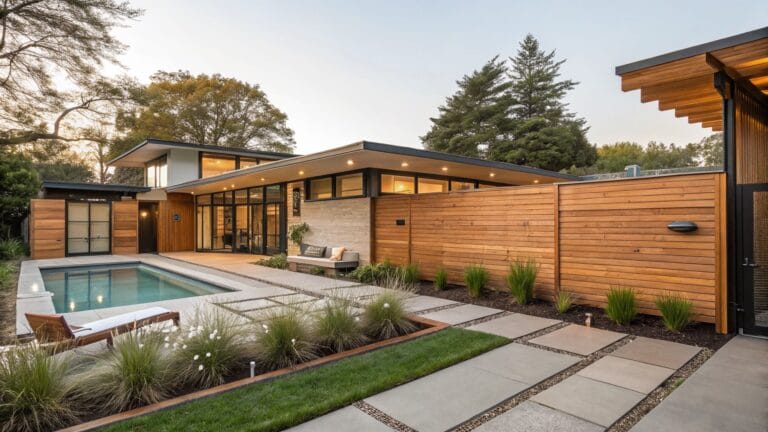
Slatted wood fences like this one give your yard a clean, modern look without blocking everything out. The horizontal boards let in light and air but still keep things private, especially around a pool or patio. You see grasses planted right along the base here, which ties it into the garden nicely.
These work best in backyards where you want some screening but not a solid wall feel. They suit midcentury homes or any casual setup with concrete paths and simple plantings. Just make sure the wood is treated for weather, and keep the slats even for that easy flow.
Classic White Picket Fence
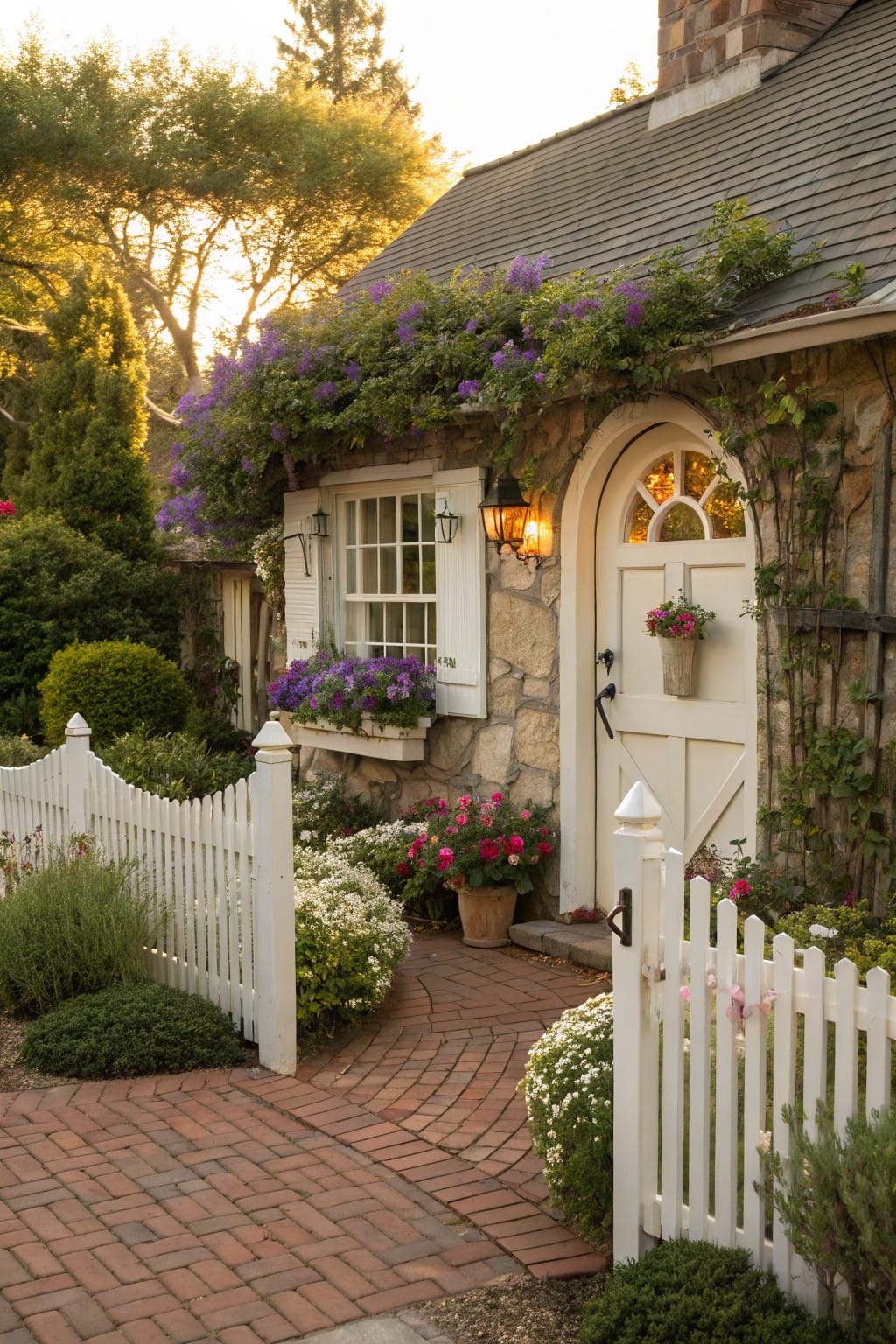
A white picket fence like this one gives any yard that old-time cottage feel. It’s simple and clean, with those scalloped tops that add just a bit of shape without fuss. Flowers along the base and spilling over make it part of the garden, not just a barrier.
Put one in your front yard to guide folks up a path to the door. It suits smaller homes or lots with some slope. Keep the paint fresh, and plant low growers like alyssum or lavender at the bottom so they soften the edges without hiding the fence.
Wrought Iron Garden Gates
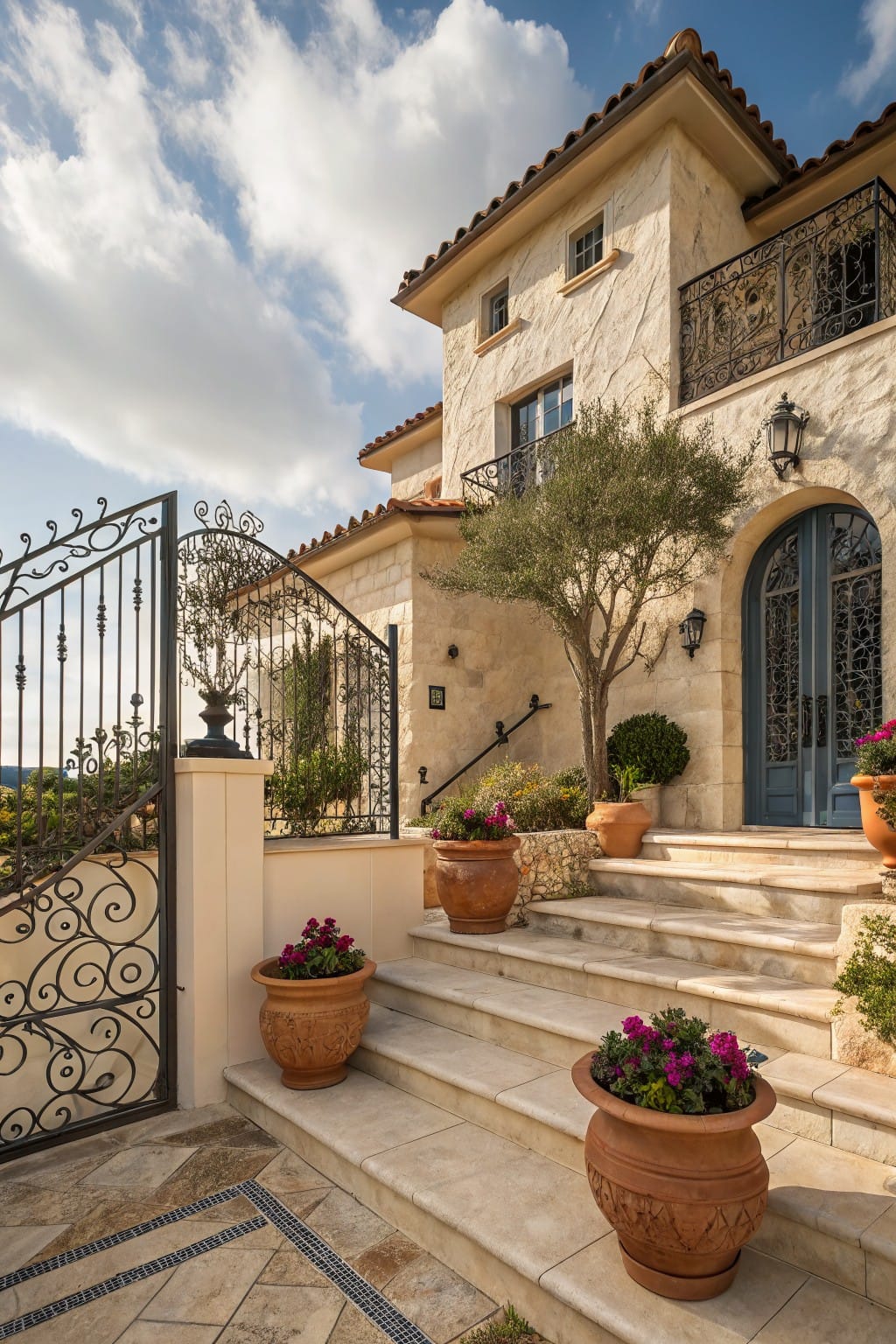
Wrought iron gates like this one bring a classic touch to any yard entrance. The scrollwork gives them style without overwhelming the space, and the open design lets plants peek through for a lived-in feel. They stand up well to weather too, which makes them practical for front yards.
Put one at the end of your driveway or around a side garden. They suit stucco homes or places with stone paths best, especially if you add climbing vines or pots nearby. Skip them if your yard is super modern, though. A good coat of rust-proof paint keeps them looking sharp for years.
Rustic Garden Arbors
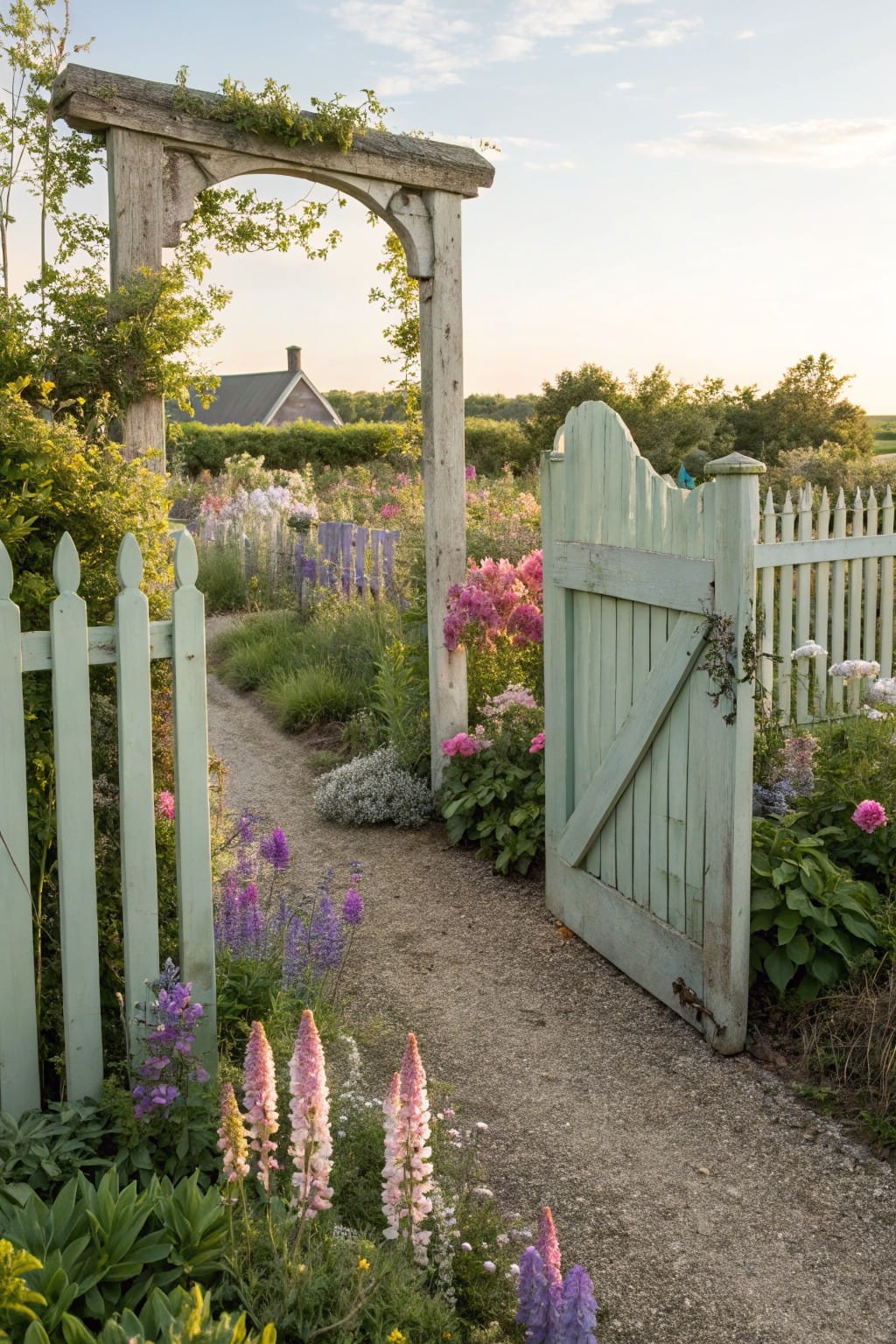
Garden arbors like this make a plain fence gate into something special. The simple wooden arch sits right over the opening, with vines climbing up and flowers spilling around the base. It marks the spot where your yard turns into a real garden, without shutting anything out.
Put one at the start of a path in a backyard flower bed, or along a side yard walk. They suit older homes with cottage charm, or any spot that’s not too formal. Use rough wood that weathers over time, and plant tough climbers like clematis or roses. Watch the scale, though. Too big, and it overwhelms a small space.
Rustic Rail Fences
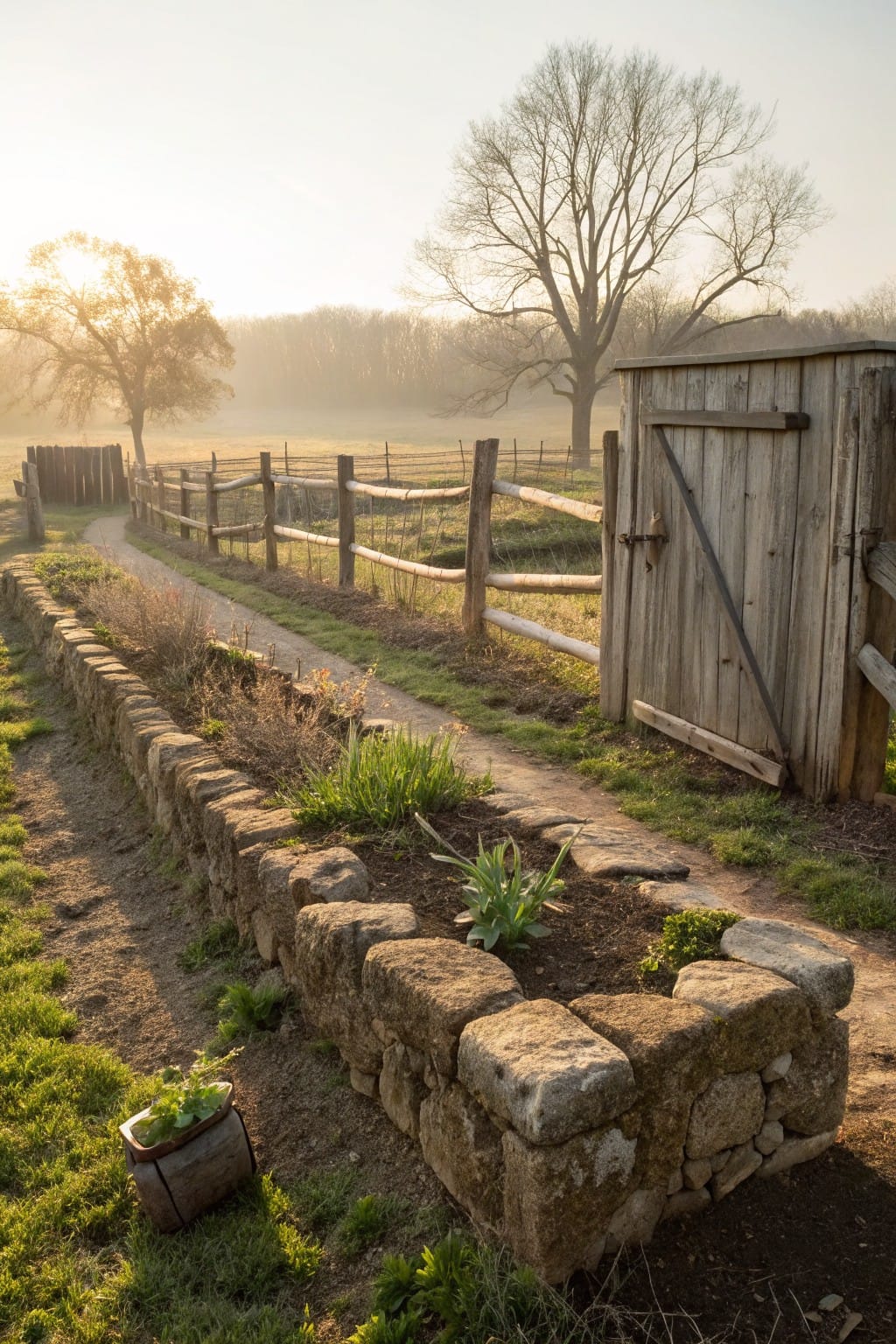
Rail fences like this one use simple wooden posts and rails to outline garden spaces. They have that old farm look that fits right into a yard with trees and open fields. The rough wood weathers over time and doesn’t fight the plants or stone nearby. Folks like them because they keep things open while marking boundaries.
Put these around vegetable patches or paths leading to sheds. They work best on larger lots where you want a casual country style. Keep the rails level and check for rot now and then. Pair with gravel walks or low stone walls to guide the eye.
Wrought Iron Garden Gates
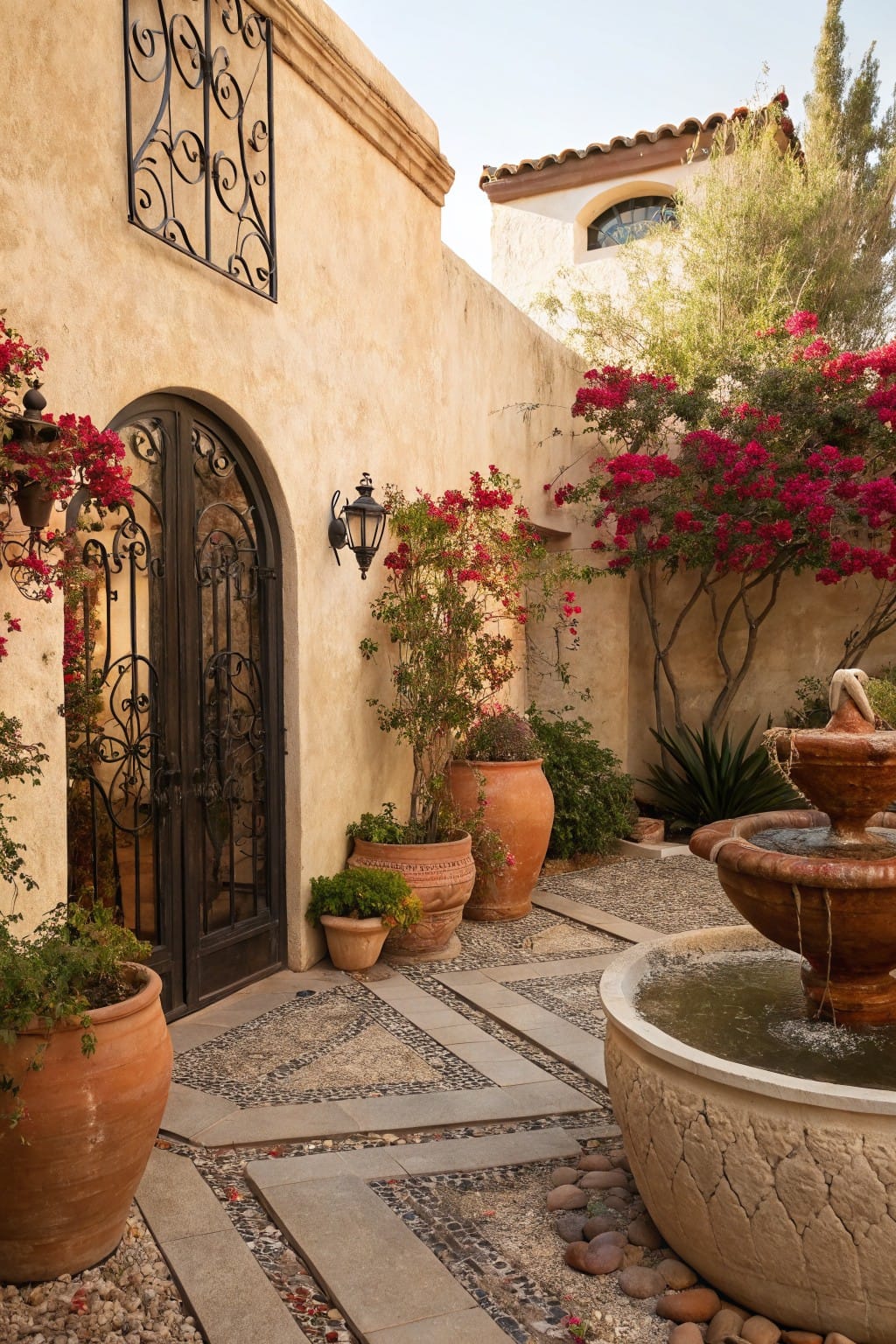
A wrought iron gate like this one makes a strong statement at the garden entry. The arched design with swirling patterns fits right into the stucco walls, and the bougainvillea spilling over adds that pop of color folks love. It turns a simple fence into something with real character… welcoming but secure.
These gates work best in courtyards or side yards where you want some privacy without closing off the space completely. Pair them with drought-tolerant plants like bougainvillea on warmer homes, say in the Southwest. Just keep the vines trimmed so they don’t overwhelm the ironwork.
Bamboo Fencing Along Pathways
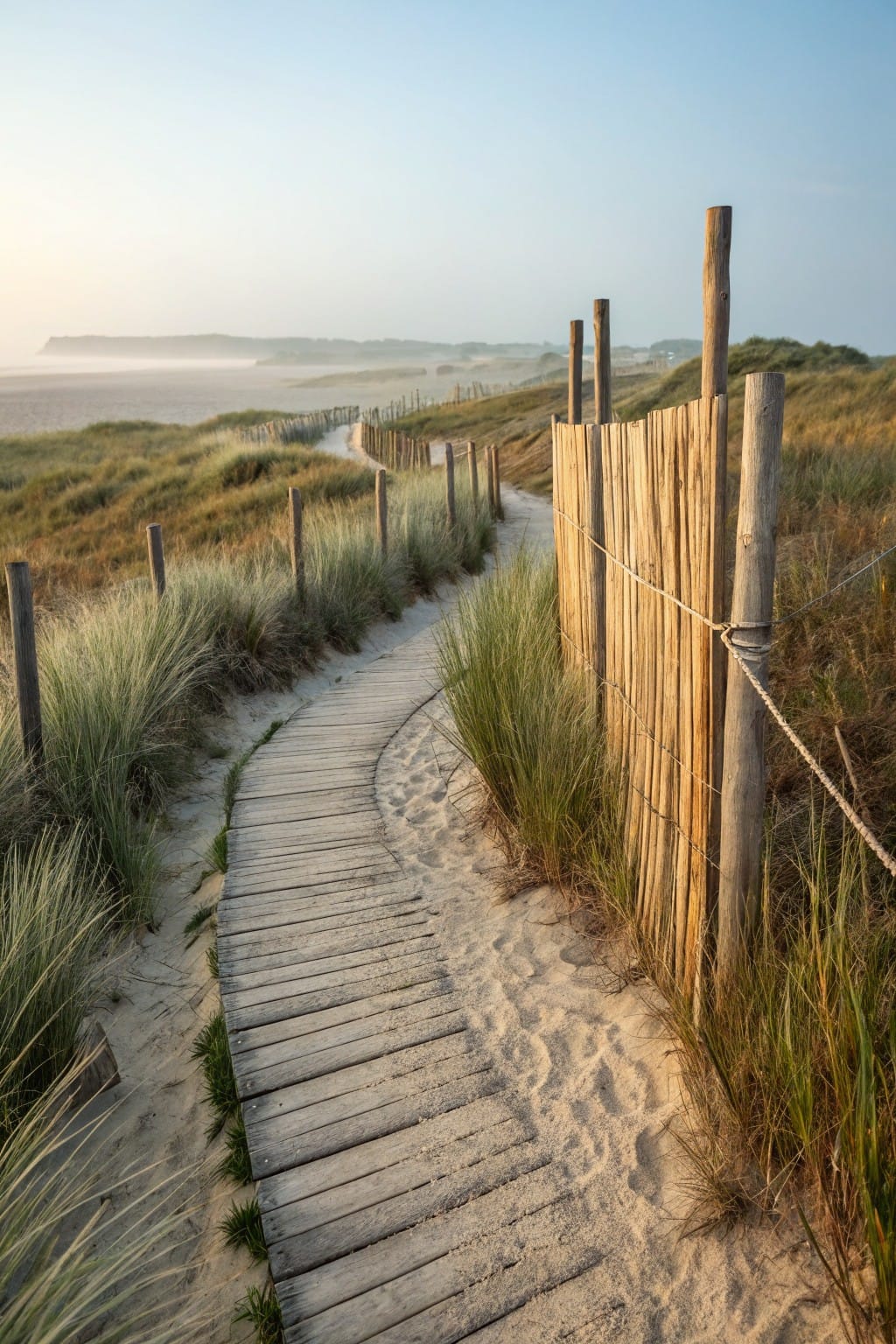
Bamboo fencing works great for edging paths in sandy yards. It has that loose, natural look that fits right in with tall grasses and dunes. The woven panels tied to posts keep sand from drifting onto the walkway without blocking the view.
Try it where you have loose soil or want a beachy feel. It suits coastal homes or any backyard path leading to a patio or garden. Just make sure the posts are sturdy enough to hold up in wind.
Black Iron Fences for Formal Gardens

Black iron fences give a garden that old-world polish without much effort. You see it here with the spear tops running along neat boxwood hedges. It draws a clean line between spaces and holds everything in place nicely.
Put this kind of fence around smaller backyards or city lots where you want structure. It suits traditional homes best. Keep the scale right so it frames the plants instead of hiding them.
Colorful Picket Fences

Nothing beats a picket fence for that classic garden look. But painting it in a range of bright colors like pink, teal, yellow, and purple takes it up a notch. It turns a simple boundary into something cheerful that fits right in with growing veggies and flowers. The gate here with its wooden panel adds a folksy touch too.
This works best in cozy backyards or coastal spots where you want playfulness without fuss. Go for exterior paint that holds up to weather. Pair it with raised beds or a winding path and it frames your garden nicely. Skip it if your yard is super formal.
Wood Slat Fences for Backyard Privacy
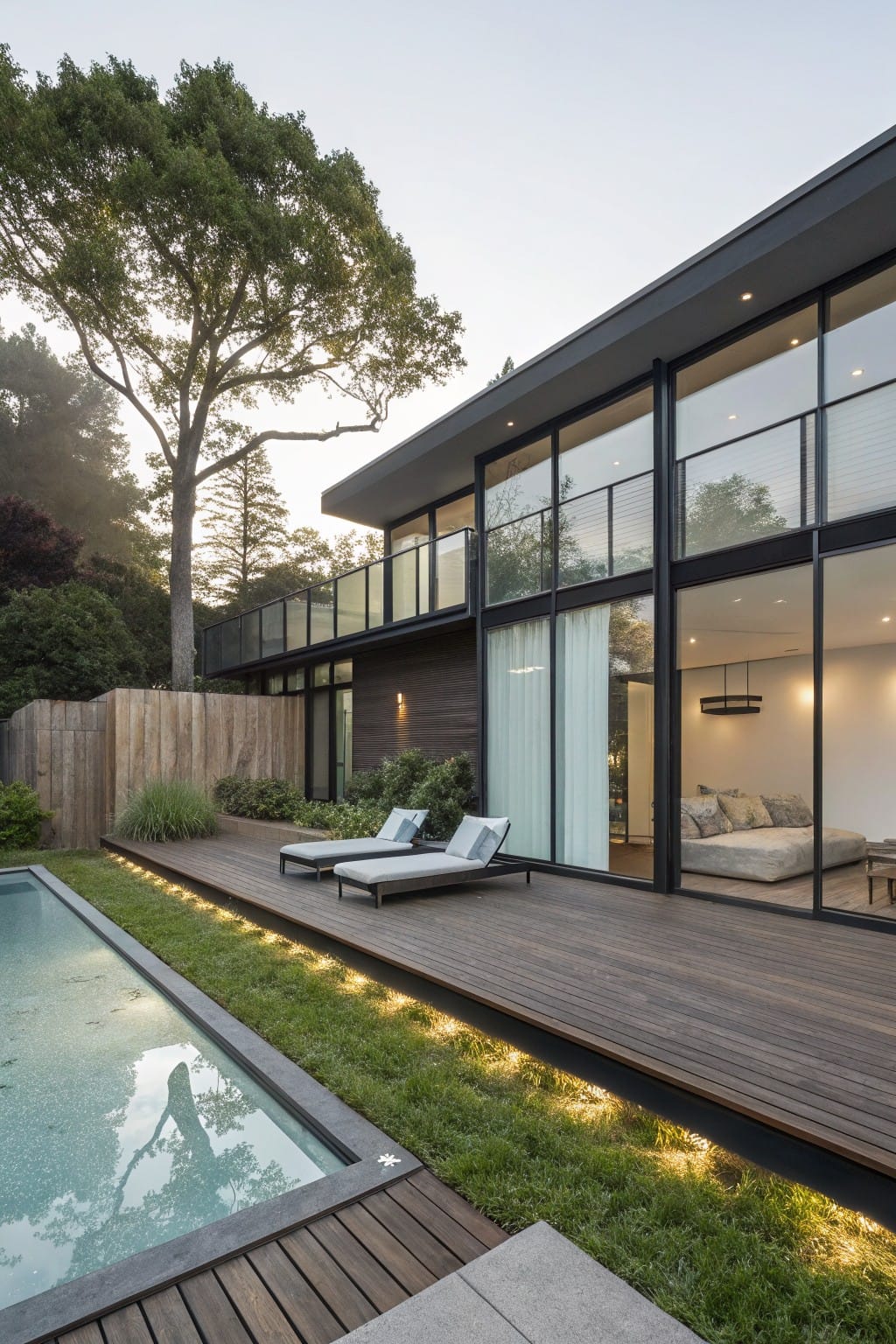
Horizontal wood slat fences like this one keep your yard private but still let some light and air through. The natural cedar tones match the deck boards perfectly, and it sits back a bit with grasses and shrubs out front. That setup makes the fence feel like part of the garden instead of a wall.
Put one around a pool or patio area where you want screening from neighbors. It suits modern homes with clean lines, especially if your yard has trees nearby. Just space the slats right so plants can peek through, and seal the wood now and then to hold up.
Rustic Woven Branch Fences
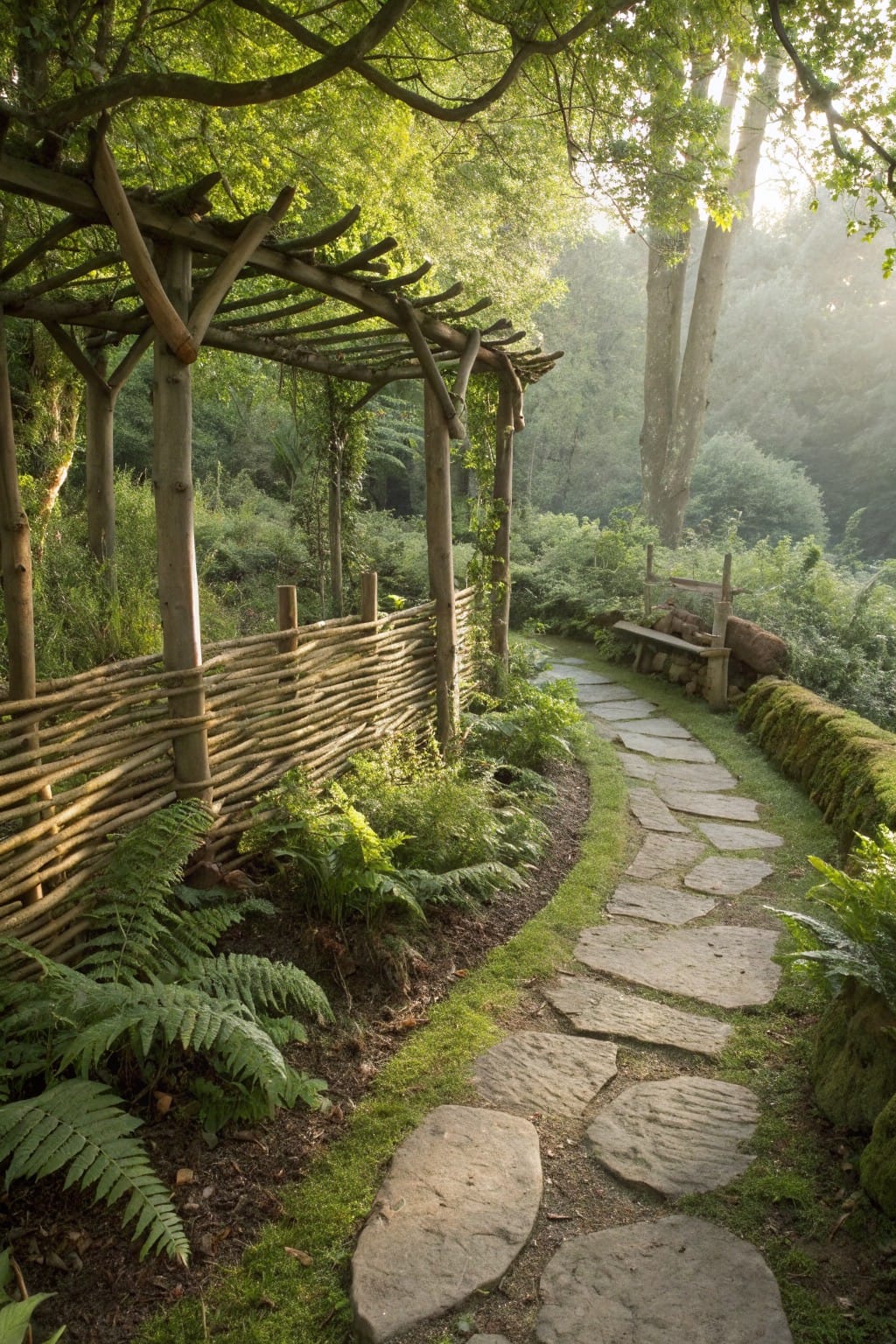
One simple way to edge a garden path is with a fence woven from fresh branches. It looks right at home in shady spots where ferns and moss grow thick. The thin willow or hazel twigs bend easy and last for years if you keep them off the ground a bit.
These fences work best around back gardens or woodland yards. Plant them next to stone steps like these, and they hold back the greenery without blocking the view. Just check for rot in wet areas… a quick coat of linseed oil helps.
Timber Fences on Sloped Yards

A timber fence like this one works great on sloped yards. It sits right along the edge, above a stone retaining wall, and gives you solid privacy without blocking the view completely. The vertical boards have that natural wood look that fits right in with grasses and low plants growing nearby. Folks like how it feels sturdy yet not too heavy.
You can put this kind of fence around the side or back of your yard where the ground drops off. It suits homes with a modern or coastal style, especially if you have native plants to tuck in along the base. Just make sure the posts are set deep enough for stability, and add gravel behind the wall for good drainage.
White Picket Gate in a Flower Garden
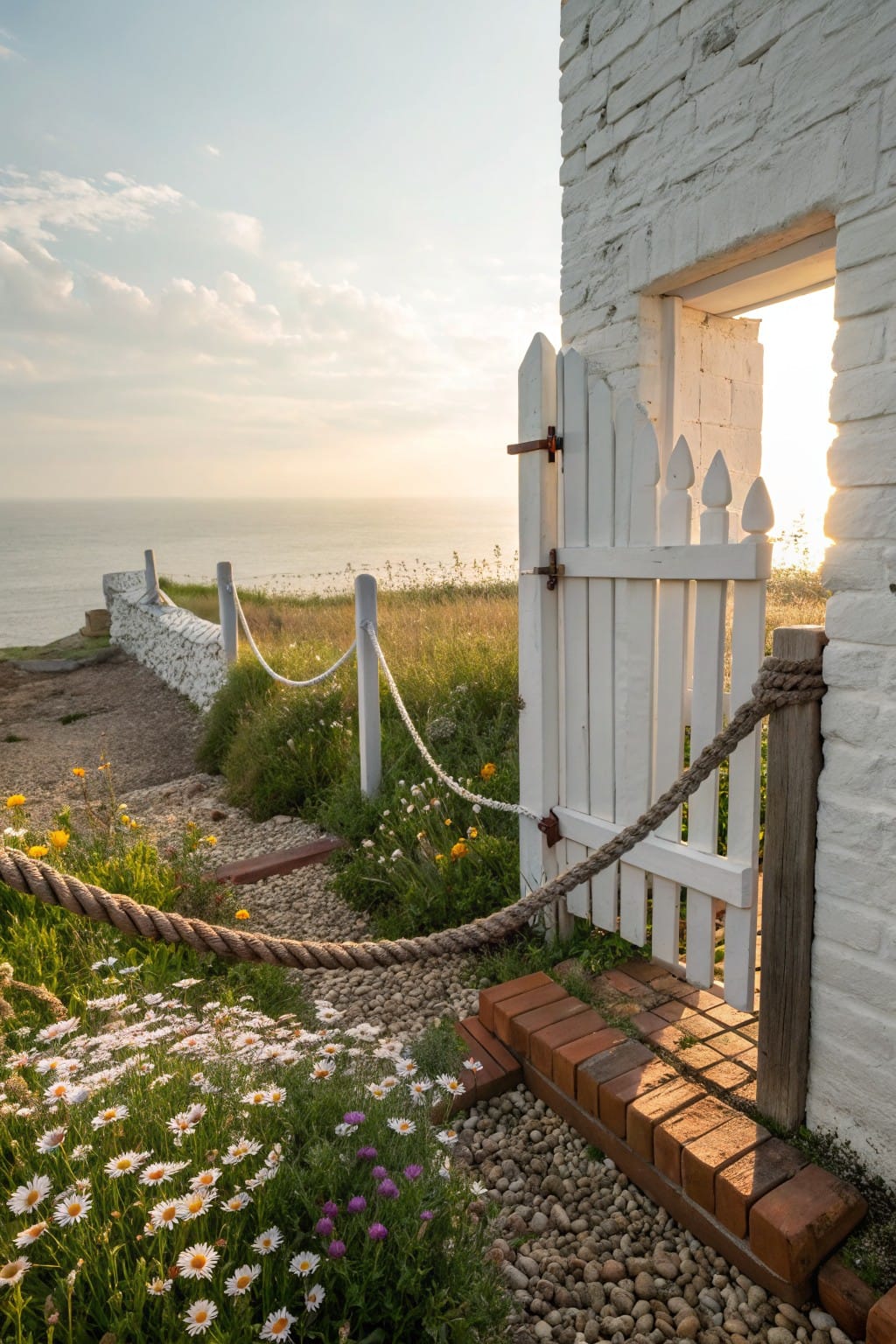
A white picket gate like this one makes a sweet entry to any garden path. Here it’s set against a plain white wall, with daisies and wildflowers spilling right up to the fence posts. That soft border keeps things looking natural and lived-in, without much fuss.
You can pull this off in a front yard or along a side path, especially if your house has a cottage style or sits near water. Plant low growers like daisies along the base so they frame the gate nicely. Just trim back once a year to keep the gate easy to open.
Potted Ferns Next to Porch Railings
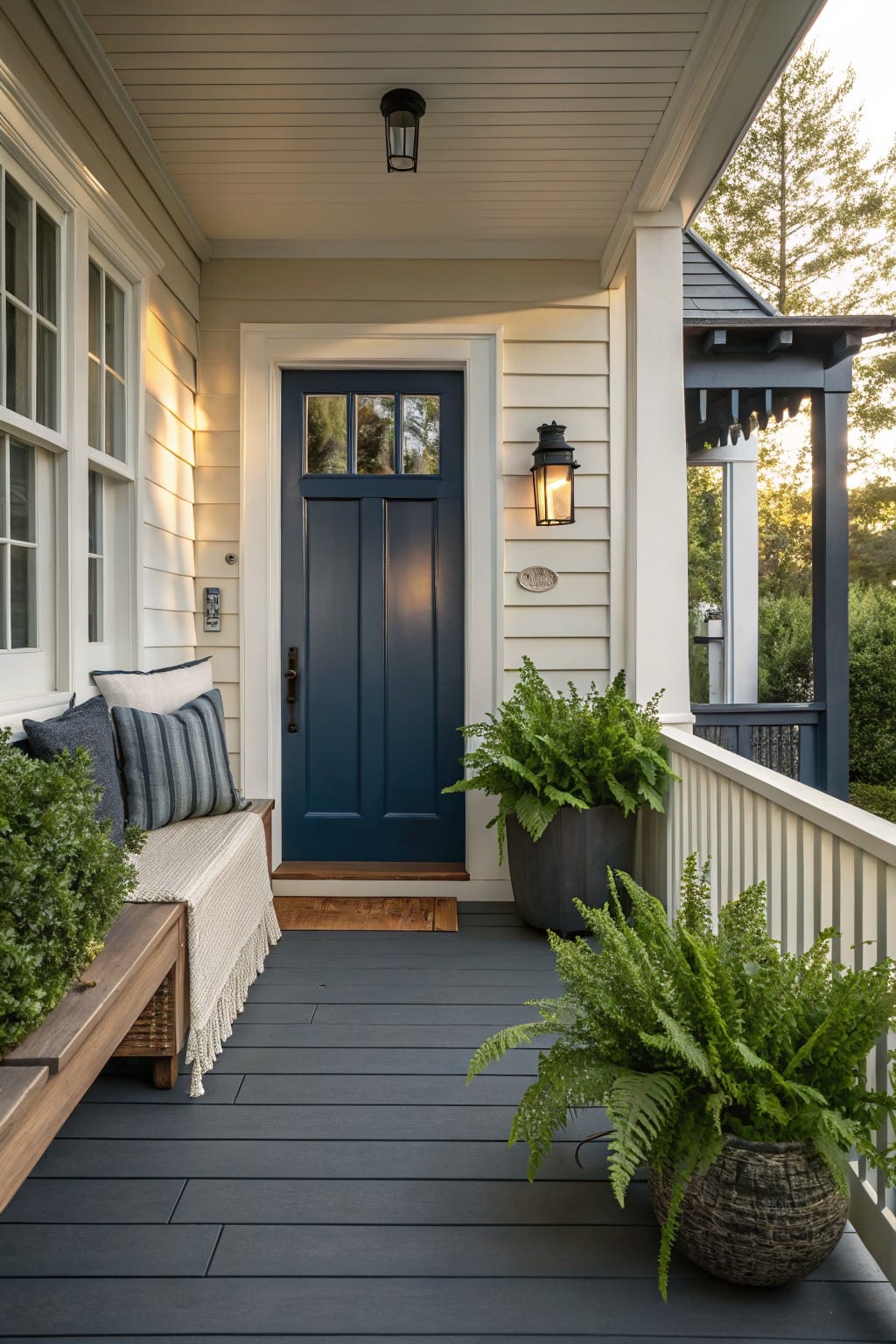
One simple way to dress up a porch railing is with big potted ferns placed right along the edge. In this setup, the tall ferns in woven baskets sit on the deck floor and spill a bit over the white railing. They add that soft green touch without much work, and they go well with the dark gray deck boards here.
This works best on shady porches where ferns stay happy. Try it on homes with simple wood siding or Craftsman details. Just pick large pots so the plants don’t tip over, and group two or three for the best look. It keeps the railing from feeling bare.
Bamboo Fences for Garden Privacy

Bamboo fences like this one work great in backyards full of tropical plants. They give you privacy without blocking all the light or air. The slats let you see a bit through to the plants behind, and it matches right in with palms and big leaves. Here it’s tall enough to screen things off but still feels open around the pavilion.
You can put this kind of fence along one side of the yard or all around for a real hideaway spot. It suits warm yards with lots of green growth best. Just make sure to treat the bamboo so it lasts through rain. Add a simple structure like that pavilion right on it for shade and a place to hang a hammock.
Tall Black Fences for Backyard Privacy
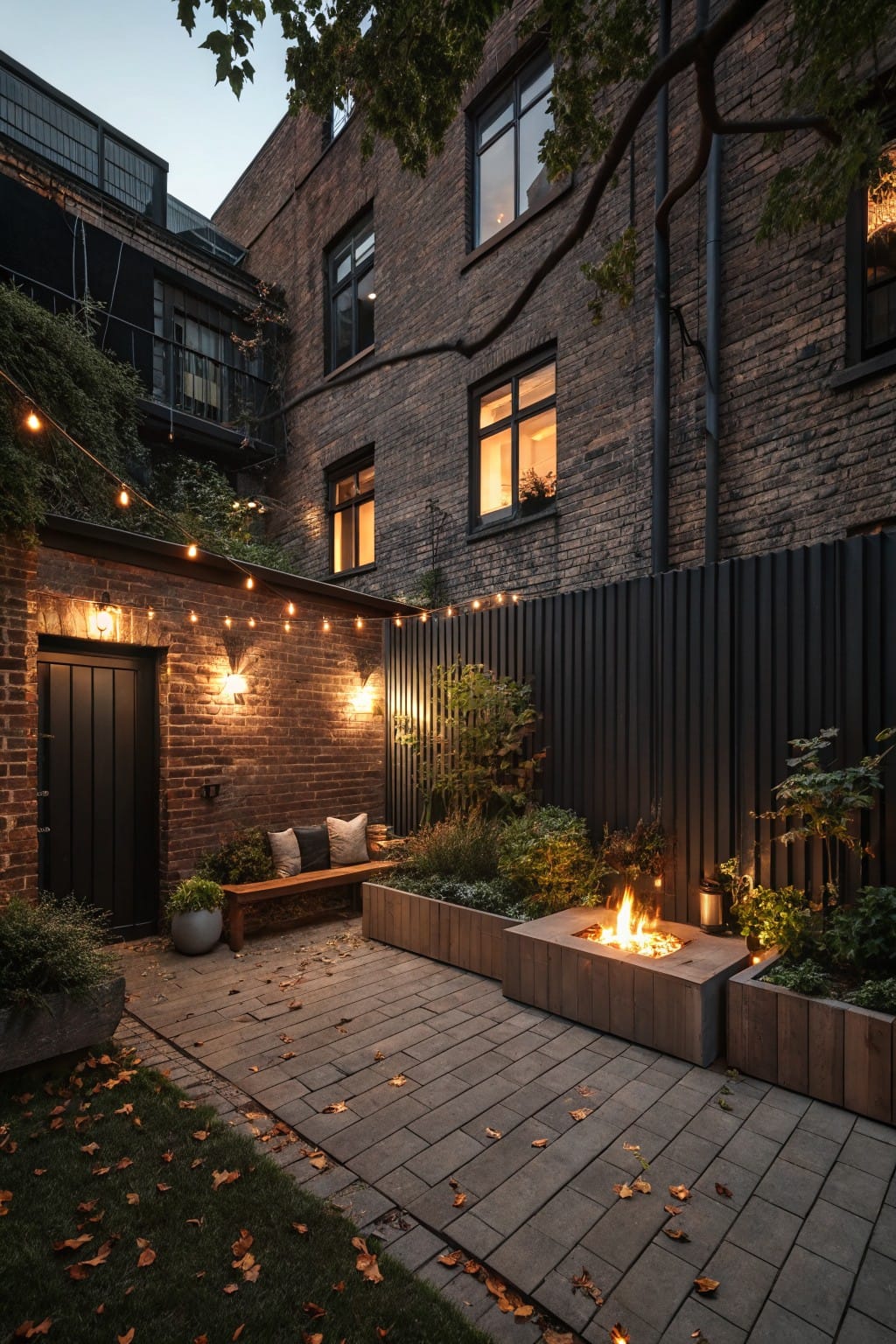
A tall black wooden fence like this one turns a narrow urban yard into a real hideaway. It runs along one side, blocking out neighbors without making the space feel closed in. The dark color pops against brick walls and keeps the look simple and current.
This works best in city backyards or any spot short on space. Run planting beds right along the base to soften it up a bit. Add string lights overhead for evenings around the fire pit. Just make sure it’s sturdy enough for wind.
Perforated Metal Screens on Garden Fences
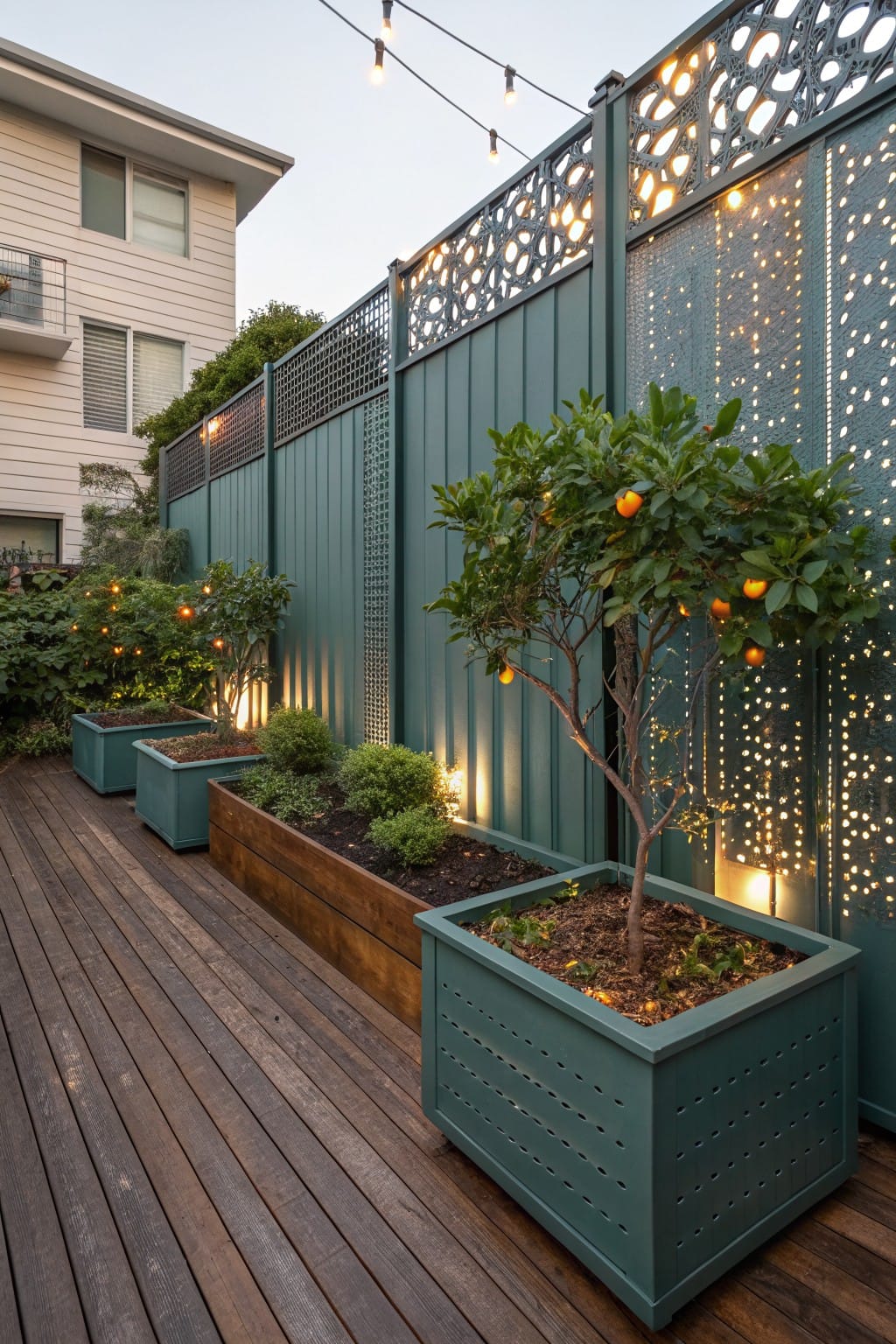
Perforated metal screens make a solid fence that still lets some light peek through. They give you privacy without shutting out the yard completely. At night they glow nicely, like with the string lights strung along the top here. It’s a simple way to add interest to a plain fence line.
Put these screens on side or back fences where you want to hide the neighbors but keep things open. They suit small urban yards or decks with potted citrus trees. Match the metal color to your planters, and watch for rust in wet climates… a good powder coat helps.
Rail Fences for Sloped Gardens
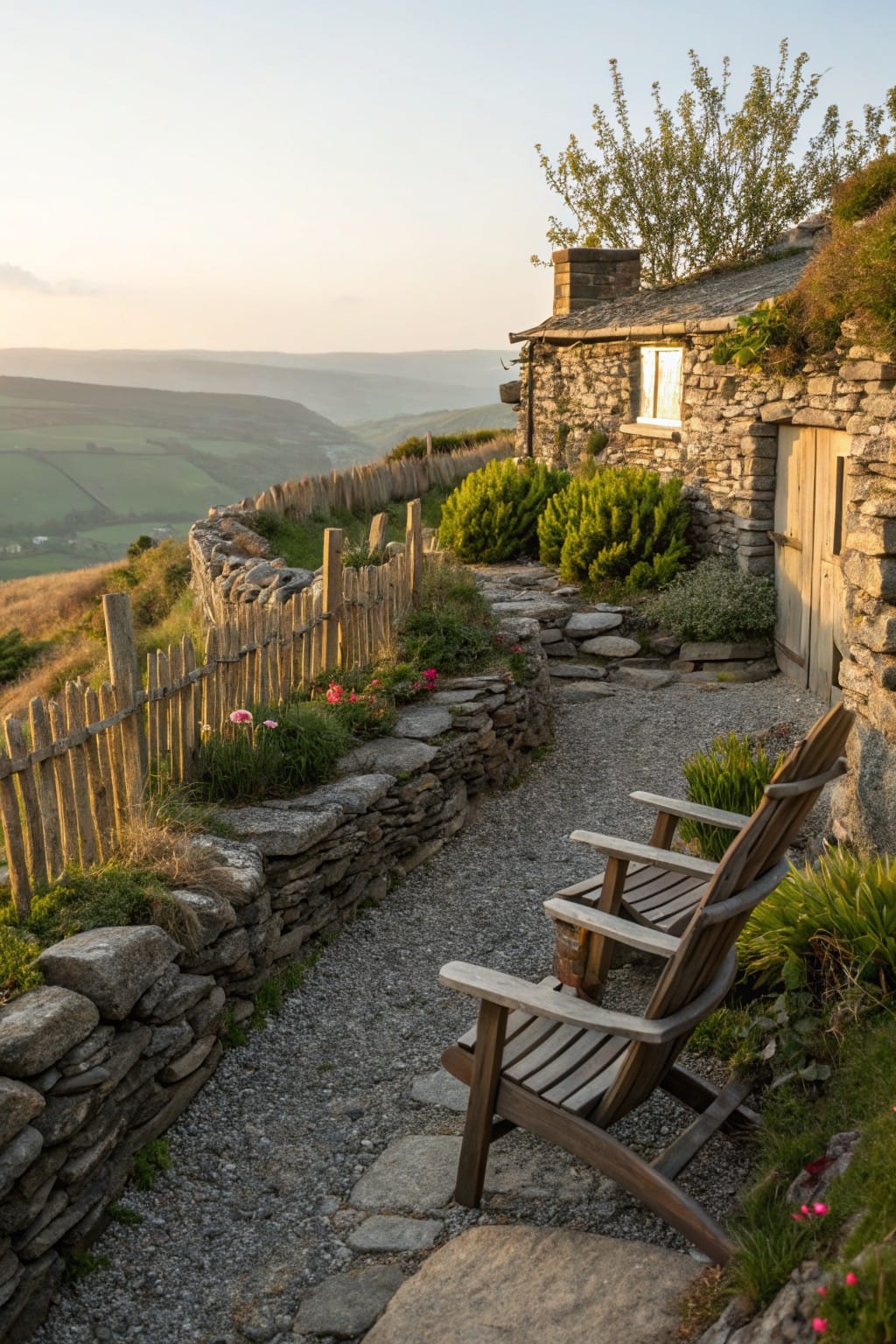
Rail fences fit right into sloped yards. They follow the hill’s contour instead of fighting it. Here a simple wooden rail fence runs along dry stone walls. The combo holds soil in place while letting flowers and grasses peek through. It gives a neat edge without much upkeep.
Put this in places with a drop-off, like hillside lots around older homes. The pale wood takes on a soft gray over time. It suits cottage gardens best. Just make sure posts are set deep so nothing shifts after rain.
Dark Wood Fences for Zen Gardens
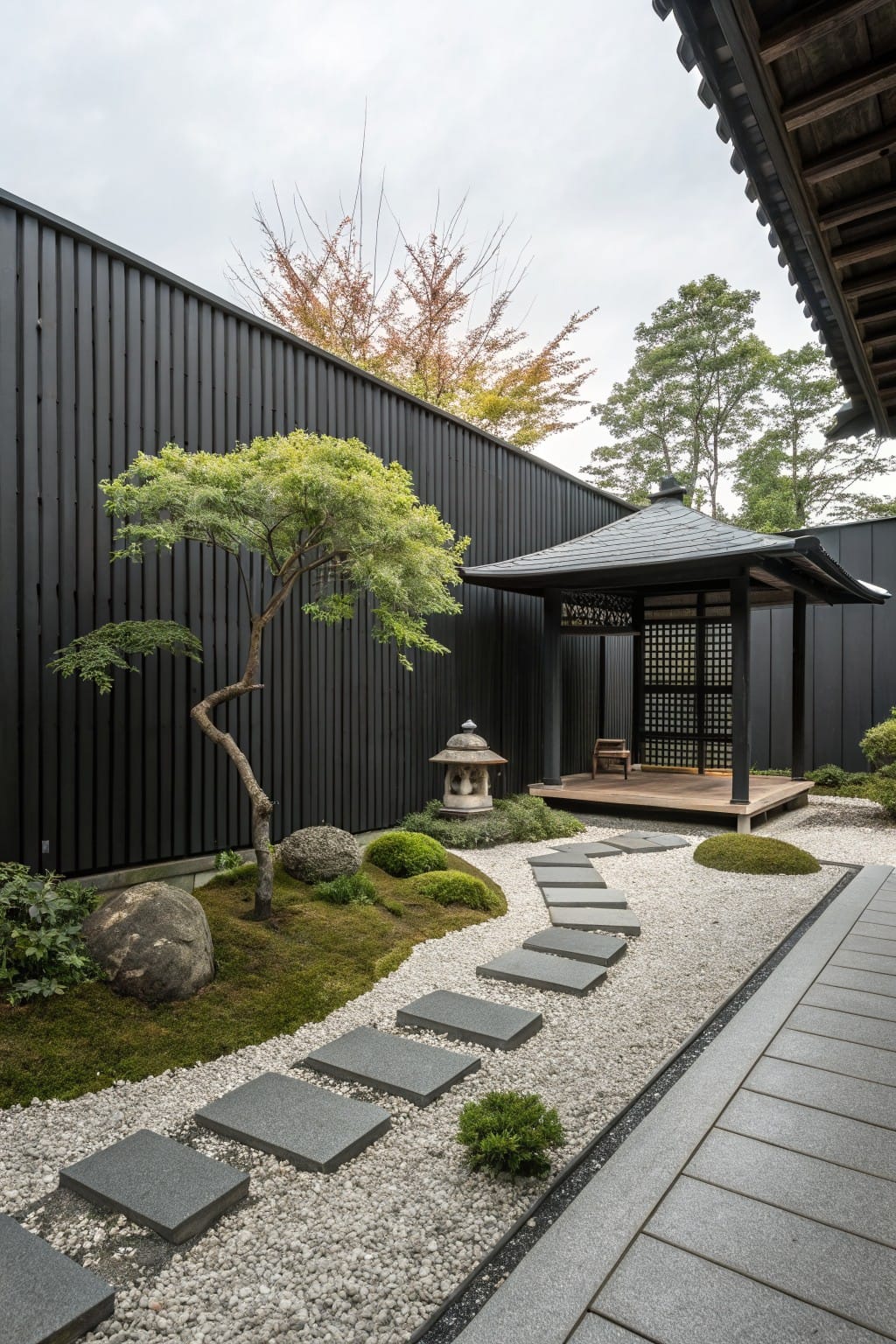
Tall fences like these, built from vertical black-stained planks, give your yard a quiet private feel. They fade into the background so rocks, moss patches, and simple paths get the attention. That dark tone pulls everything together without overwhelming the space.
Put them around a back corner or along one side of the yard, especially if you like Japanese garden looks. They suit smaller lots or modern houses best. Just keep plantings low and sparse nearby, and add a lantern or two for that finishing touch.
Slatted Wood Fences for Backyard Patios

Slatted wood fences work well around patios because they give you privacy without shutting out all the light. In this setup, the vertical slats run along one side of the dining area, letting air and views through while keeping things private from neighbors. They also tie in nicely with the wooden pergola overhead, so the whole space feels connected.
You can use these fences in yards where you want some screening but not a solid wall. They suit modern homes or simple gardens, especially if you add plants at the base like big potted greens. Just make sure the wood is treated for weather, and keep the slats spaced evenly for that clean look.
Rose Arch Over Garden Gate
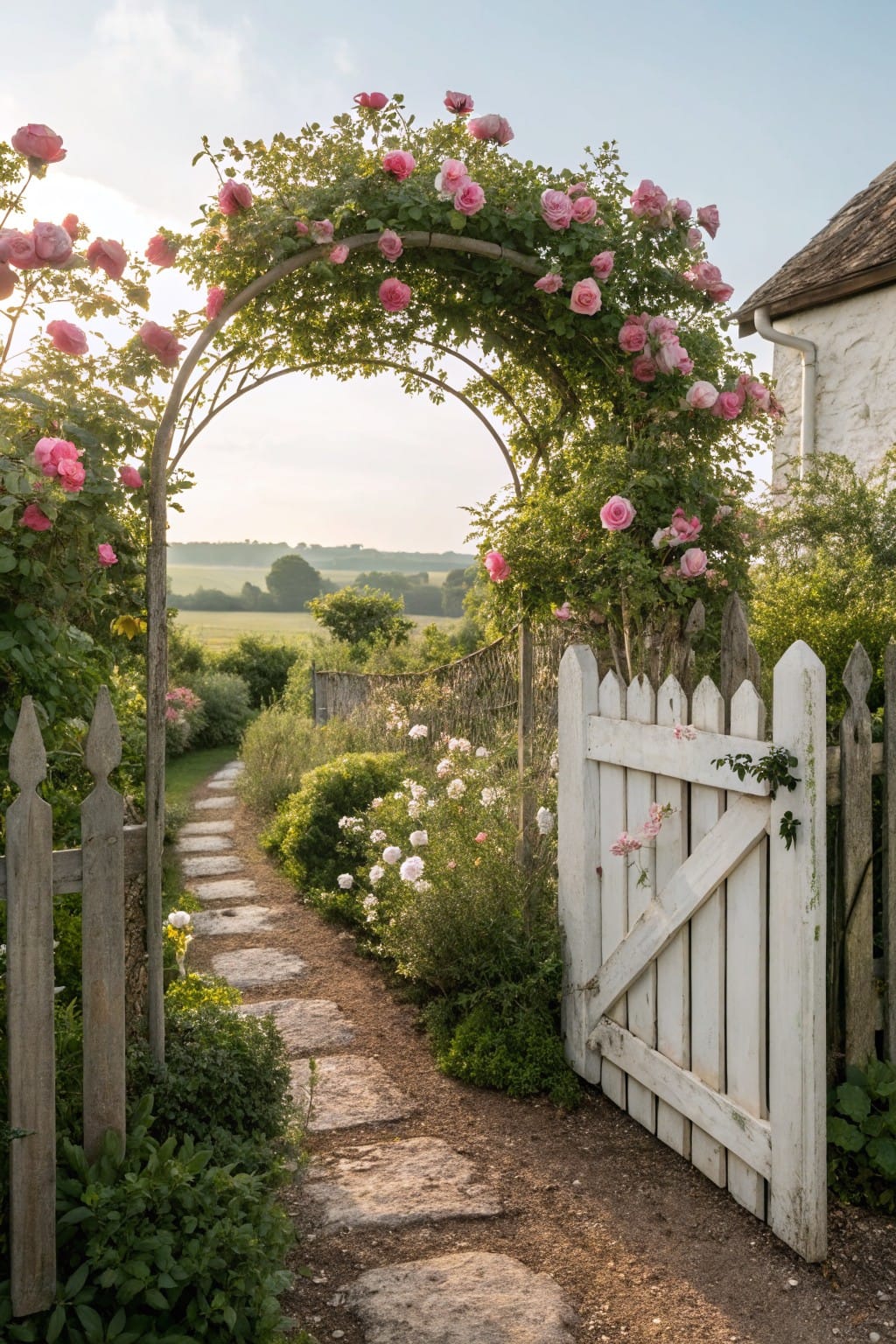
A curved metal arch loaded with climbing roses makes a plain white picket gate into something special. The pink flowers spill over and frame the entry just right. It’s that old-fashioned touch that fits a yard without trying too hard.
Set one up where your garden path meets the lawn. It suits cottage-style homes or any sunny spot with room for vines to grow. Train the roses up each year and trim back in spring. Keep the gate simple so the blooms stand out.
Raised Planters Along Garden Paths
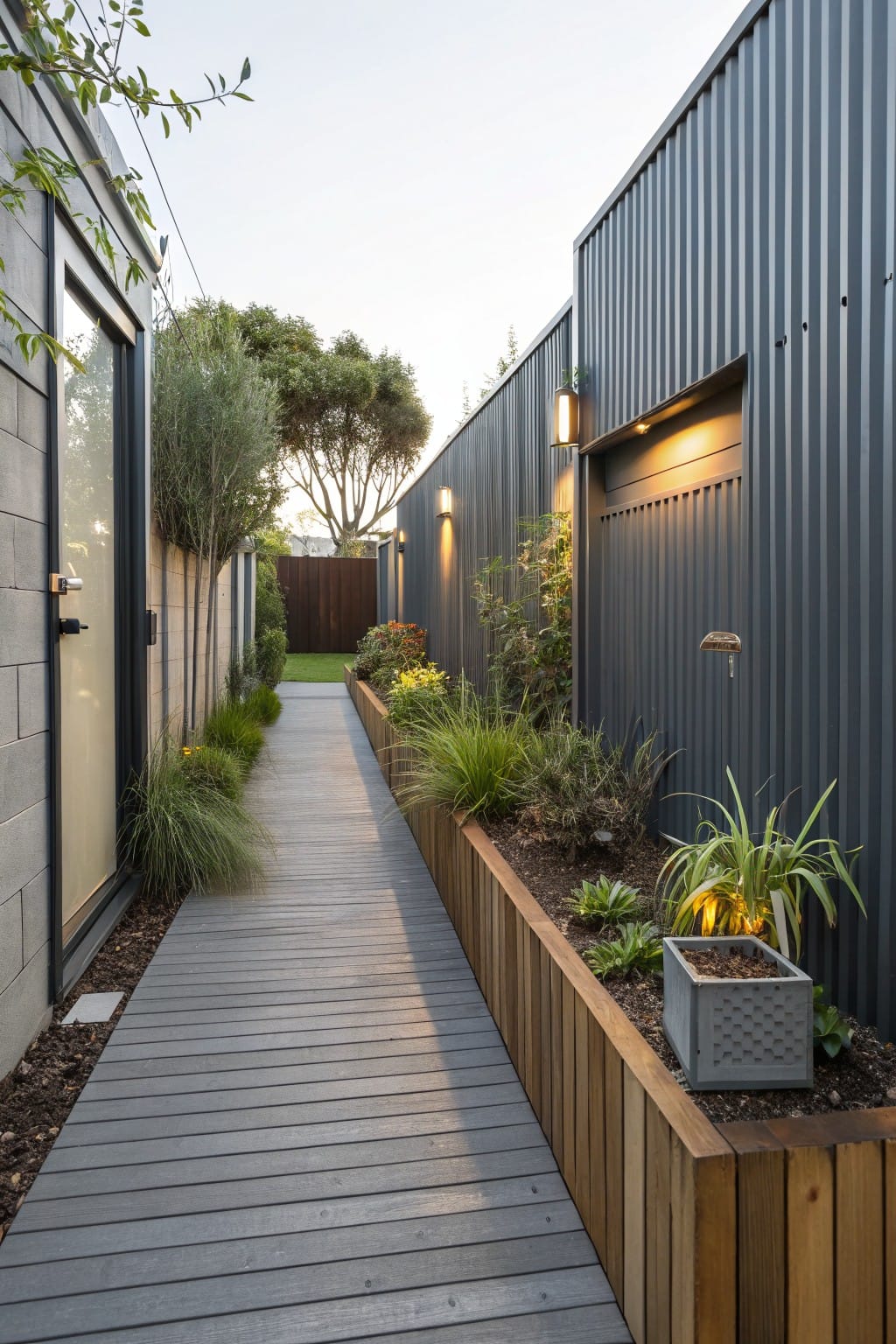
Raised wooden planters like these make a plain walkway into something special. They hug one side of the gray deck path here, packed with tall grasses and low plants that spill over a bit. It turns a narrow spot into a green tunnel without crowding the way. Homeowners go for this because the height adds layers fast, and wood warms up stark walls.
Try it on side yards or back access paths where space is tight. It fits modern homes with metal siding or block fences. Pick sturdy timber and easy grasses that don’t need much water. Just keep the beds low enough to walk by comfortably.
Frequently Asked Questions
Q: How do I pick a fence height that fits my yard without overwhelming it? A: Match the height to your needs, like 3 feet for a charming border or 5 feet for privacy. Shorter ones let you peek over while framing flower beds nicely. Test a sample post in place first to see how it plays with your plants.
Q: What’s the quickest way to jazz up a plain wood fence? A: Paint it a soft color that echoes your house trim, then screw on simple lattice panels at the top. Flowers peek through for that perfect yard glow. It takes a weekend and changes everything.
Q: Can renters add a garden fence without permanent damage? A: Grab no-dig post anchors that stake into the soil. They pull out clean when you move. Pick lightweight panels so setup stays simple.
Q: How often do I really need to treat a wooden fence? And here’s the good part. Slap on a weatherproof stain every two years to fend off rot. Skip it, and you’ll repaint sooner than you think.
