

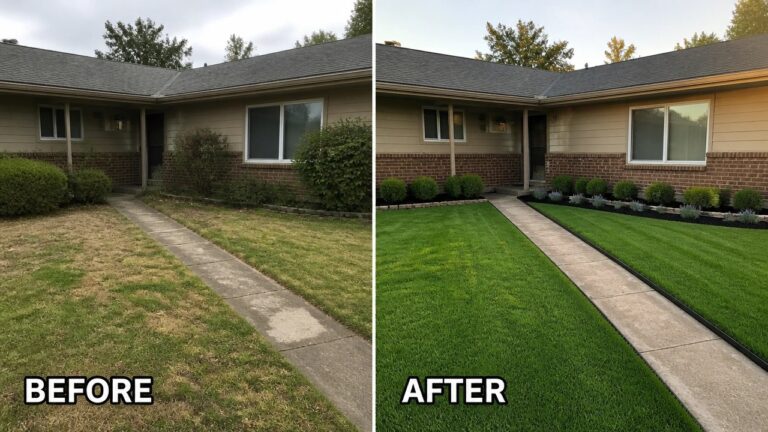
I have always found that older homes often end up with front yards that feel mismatched, where the original layout no longer lines up with how the house has aged.
Focusing on basic structure like reshaping the lawn edges or adding a few layered plantings tends to pull the whole space together more than I expect.
One thing I usually test first is clearing the area right by the walkway so it stops competing with the entry.
That single step often makes the front feel less forgotten even before any new plants go in.
The rest of the ideas build from there in small steps that fit real budgets and older properties.
Create Defined Garden Beds Along The Front
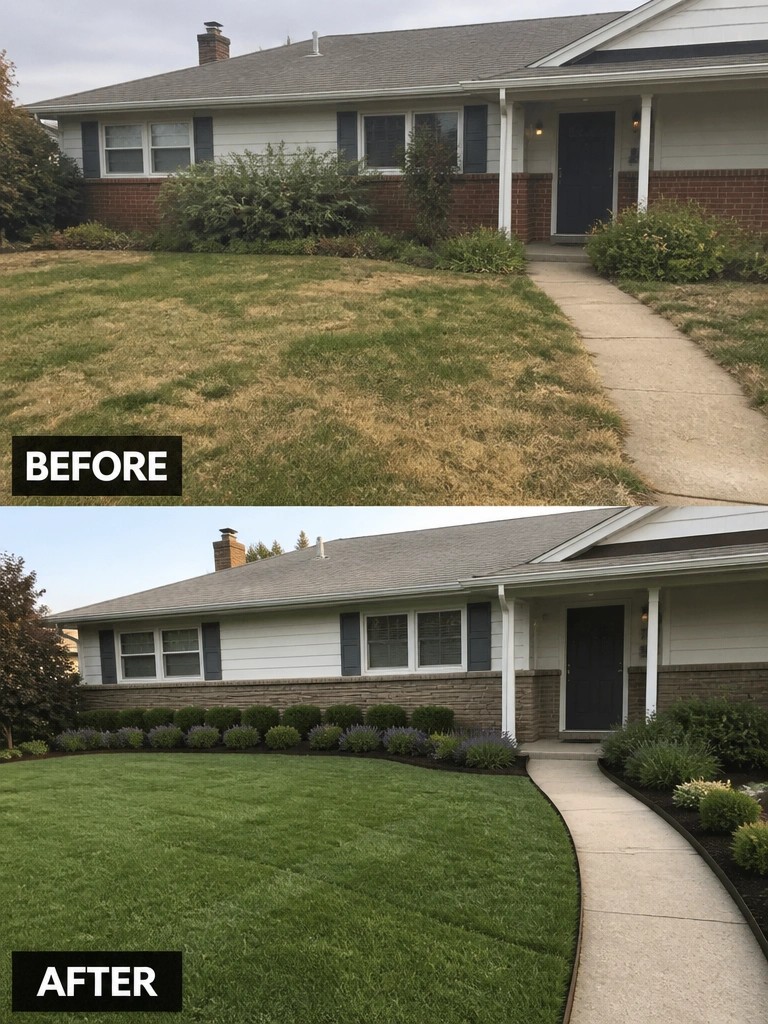
A patchy lawn that runs right up to the house often looks messy and unfinished. Adding a clear border with low shrubs and a simple edge gives the yard shape and makes the grass look thicker and more cared for, even without a full lawn replacement.
This idea works well on older homes where the foundation plantings have grown uneven over time. Start by cutting a clean line around the lawn, then fill the new beds with a repeating row of easy shrubs rather than a mix of everything. Keep the beds narrow so the yard still feels open.
Shape The Front Path With Pavers And Garden Beds

A straight concrete walk often looks flat and dated on an older home. Swapping it for a gently curved paver path and adding low garden beds on both sides gives the entry a softer, more finished look without any major construction.
This approach works well on narrow front yards where you want to keep the lawn but still create clear planting zones. Start with the path layout first, then fill the beds with a simple mix of gravel and low plants so the whole area feels planned rather than added on later.
Define Front Garden Beds With Raised Planters
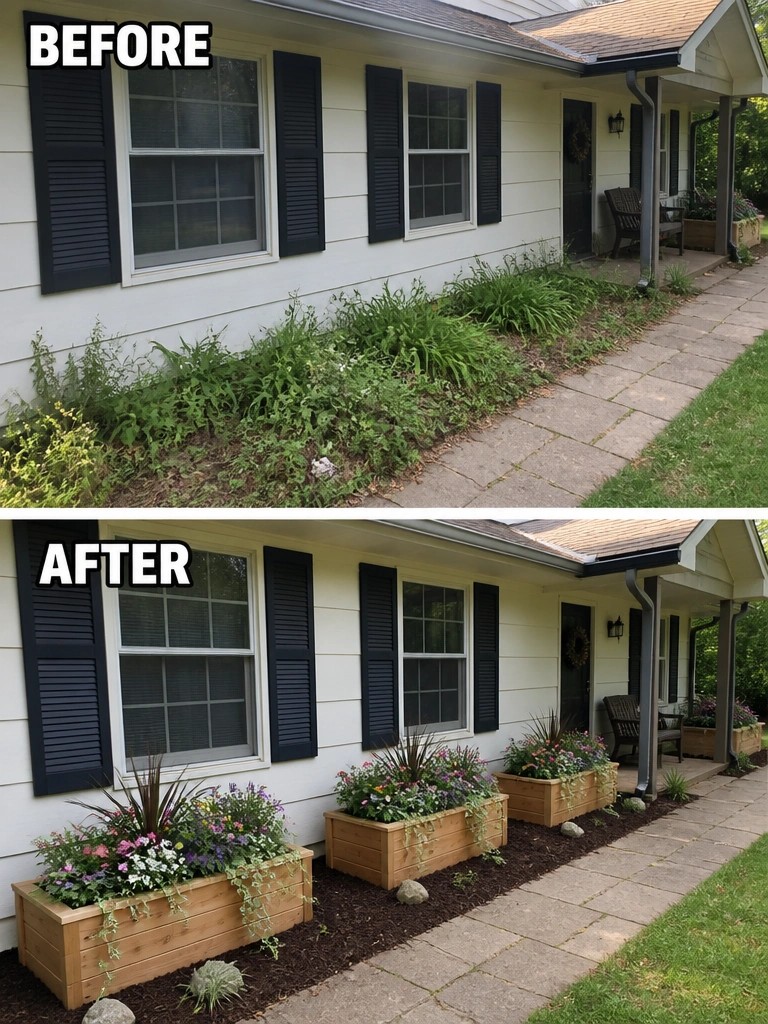
Replacing an overgrown strip along the foundation with raised wooden planters gives the front of an older home a much cleaner look. The messy mix of weeds and tall plants gets replaced by neat boxes that hold the soil in place and let you control what grows there.
This idea works especially well on homes where the original beds have filled in too much. Clear out the old growth first, add a layer of mulch around the new planters, and keep the plant choices simple so the boxes stay the main feature. It adds order without changing the house itself.
Refresh An Older Front Door With Fresh Paint
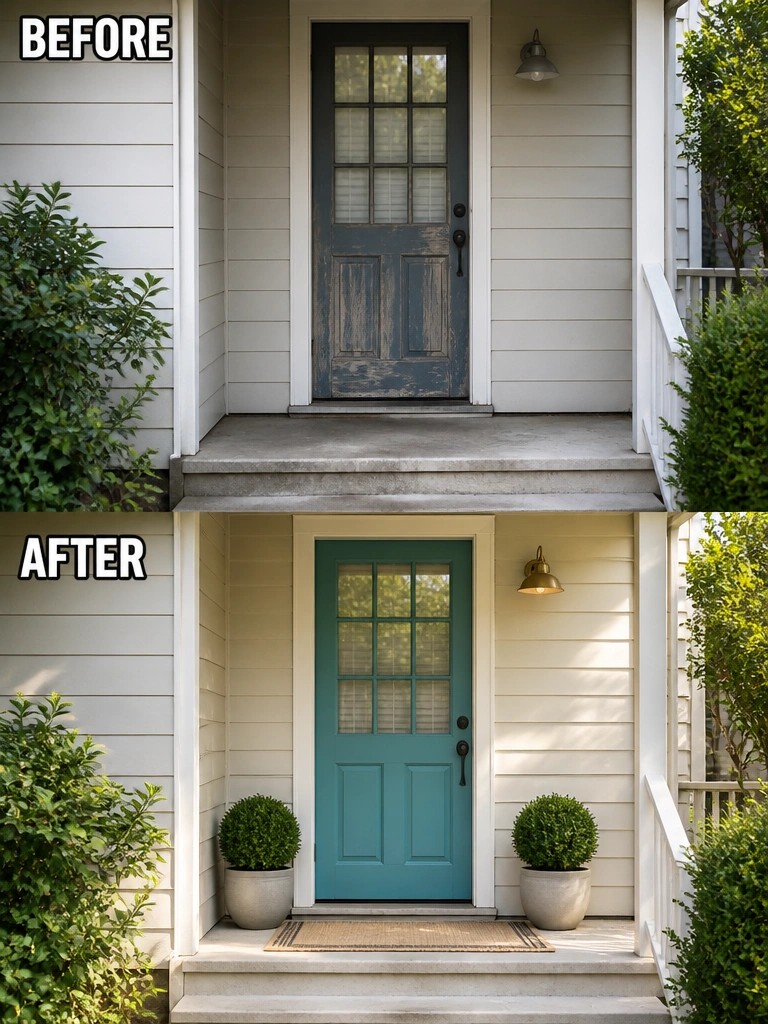
Many older homes have front doors that look tired after years of wear. Painting the door a brighter color instantly lifts the entry and makes the house feel more cared for, especially when the old finish is faded or peeling.
This idea works best on simple exteriors where the door can stand out. Pick a color that contrasts with the siding, then add two matching planters on the steps to frame the doorway. Keep the rest of the area uncluttered so the updated door remains the main focus.
Add A Low Retaining Wall To Define Foundation Beds

Many older homes end up with a bare strip of dirt right along the foundation. A low stone retaining wall gives that area clear shape and turns it into a proper planting bed instead of leaving it looking unfinished.
This idea works especially well on homes where the ground slopes slightly away from the house. Build the wall first to hold the soil, then fill the bed and add a simple mix of shrubs and flowers that stay below the windows. The result keeps the planting neat without needing constant trimming.
Replace A Chain Link Fence With A Picket Fence
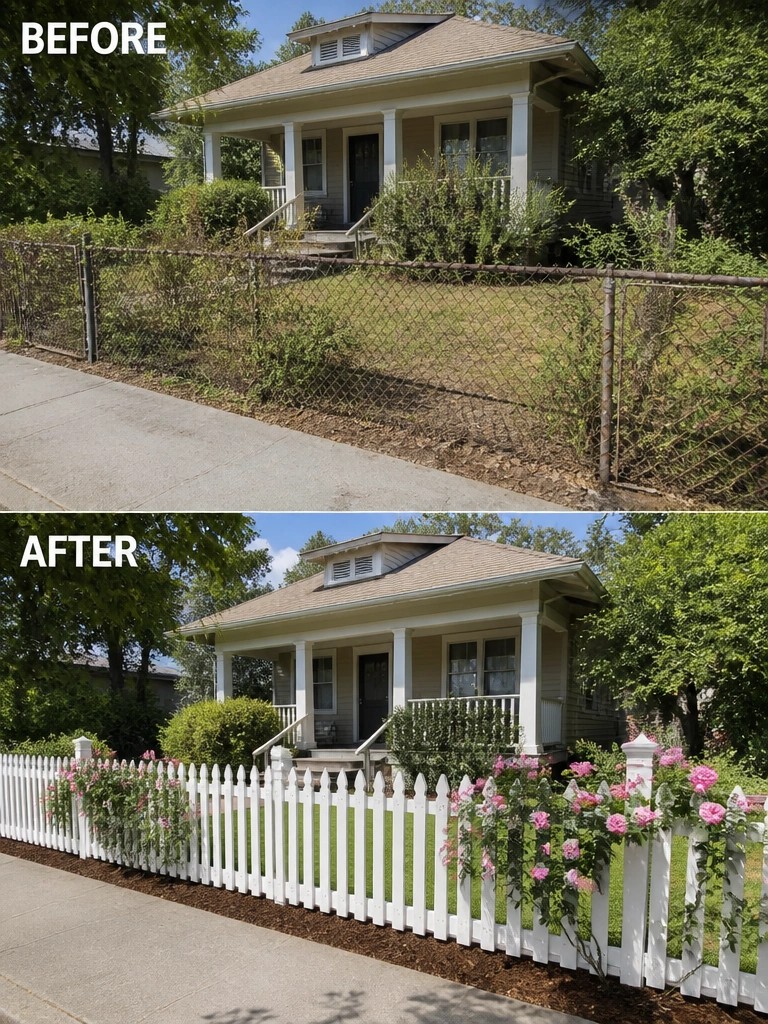
Many older homes still sit behind old chain link that makes the front yard feel closed off. Swapping it for a simple white picket fence with a planted border softens the look and gives the house a clearer, more welcoming edge.
This change works best on modest homes where you want quick curb appeal without major construction. Remove the old fence first, then set the new one with a narrow bed of mulch and flowers right in front so the plants can grow up and over the pickets.
Add A Simple Border Along The Driveway
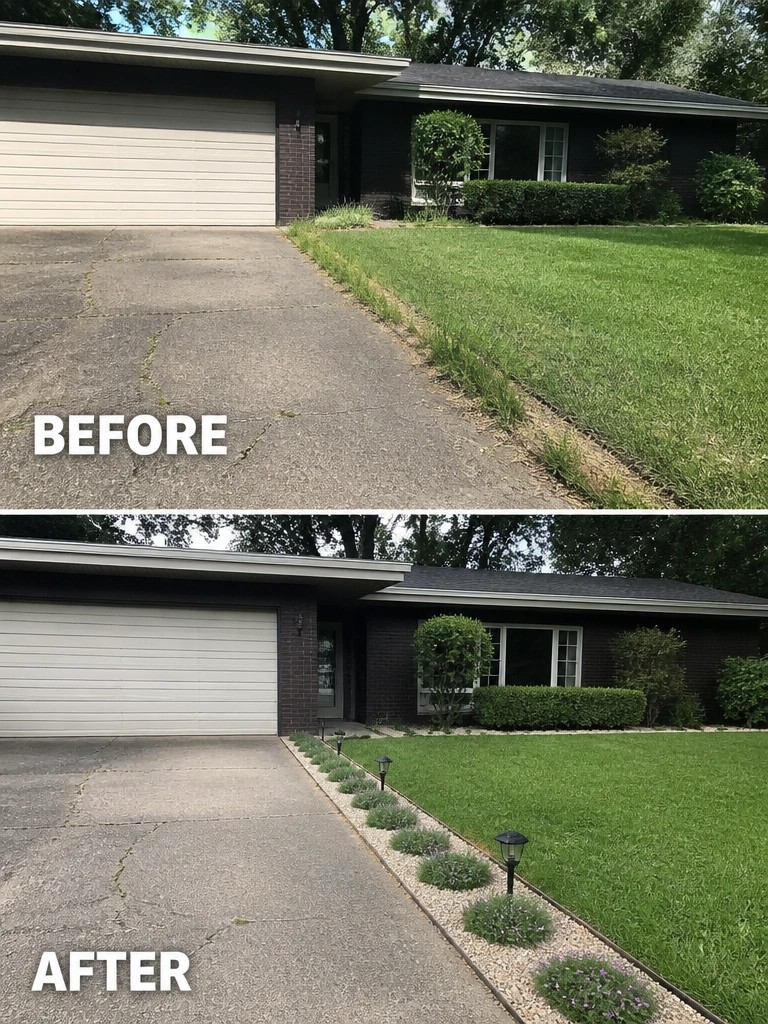
Many older homes end up with a driveway that just runs into the grass with no real separation. Adding a narrow gravel strip planted with low perennials gives the edge a clear line and makes the front yard feel more finished.
This idea works best on homes that already have a decent lawn and just need a bit of structure. Keep the bed narrow so it does not eat into the grass, and choose plants that stay low and need little watering. The lights are optional, but they help the border show up at night without adding much work.
Add Defined Garden Beds Along The Foundation
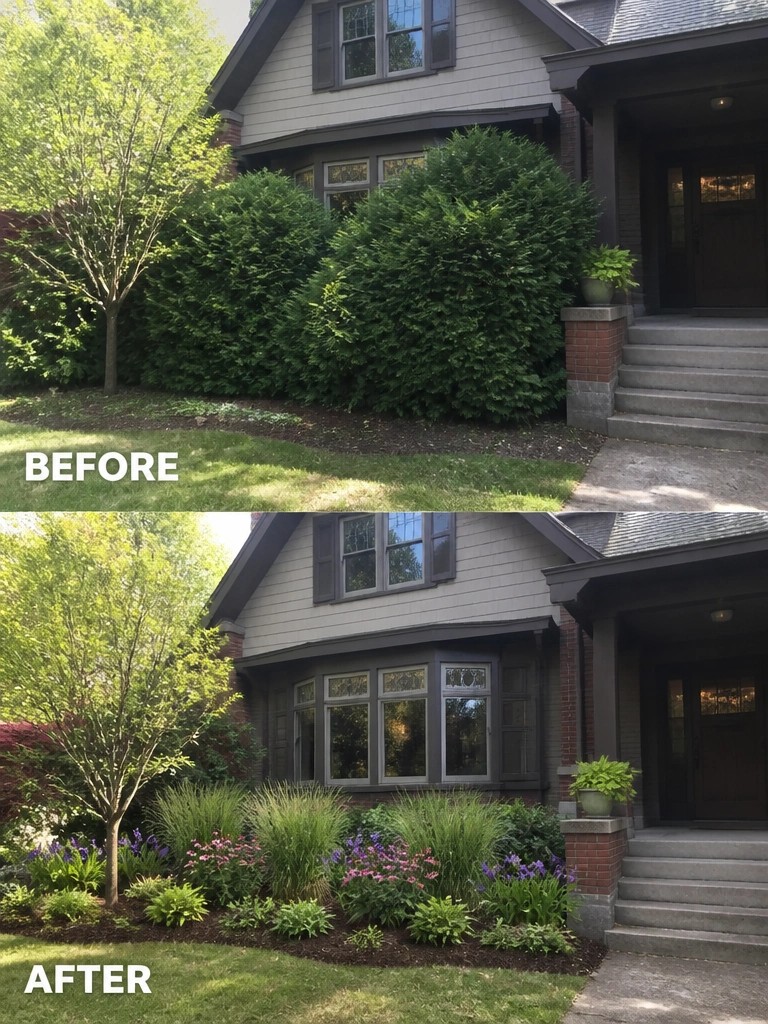
Many older homes end up with foundation shrubs that grow far too large and hide the windows. Clearing those out and replacing them with lower layered beds gives the house breathing room and makes the whole front feel intentional. The mulch and edging also keep the area looking neat without constant trimming.
This approach works well on homes with simple brick or siding where the planting can stay low enough to show off the architecture. Start by removing the biggest plants first, then build the beds with a mix of heights so nothing blocks the view. Keep the beds narrow enough to leave a clear path along the house.
Update Concrete Steps To Refresh The Front Entry

Many older homes have plain concrete steps that crack and look tired after years of use. Switching to stone steps with a clean edge and adding a railing gives the entry better structure and makes it feel more solid.
Placing matching planters on either side of the door adds balance without crowding the space. This idea suits homes where the entry feels unfinished but you want to keep changes simple and practical.
Create A Defined Garden Bed Along The Curb

Many older homes have that narrow strip of grass between the sidewalk and the street that ends up looking messy and forgotten. Adding a simple edged bed filled with gravel and a few sturdy plants gives the area clear shape and makes the whole front feel more cared for. The new mailbox post also helps tie the spot together instead of leaving an old pole standing alone.
This works best on homes where the rest of the yard already has some established shrubs or trees. Use metal edging to keep the gravel from spilling onto the sidewalk, and stick with low plants that will not block the view of the house. Start with cleanup and edging before worrying about the plants, since the structure does most of the work.
Add Outdoor Lighting To Highlight The Front Of The House

Many older homes look flat and dark at night because the only light comes from a single porch fixture. Adding a few well-placed lights along the walkway, under the tree, and at the base of the house instantly changes how the whole front reads. The path becomes easier to follow and the shape of the house stands out without needing major construction.
This approach works especially well on homes with simple facades and mature trees. Start with low path lights to guide visitors, then add one or two uplights on the tree and a couple of fixtures aimed at the siding. Keep the number of lights modest so the result feels calm rather than overdone.
Add Defined Garden Beds To Shape A Front Yard

A bare front lawn often looks unfinished next to an older home. Adding clear garden beds and a small gravel area gives the space structure and makes the entry feel more intentional. The change from open grass to bordered planting and a simple seating spot pulls the whole front together without any big construction.
This works best on homes where the yard is mostly flat and open. Outline the beds first along the foundation and walkway, then decide if a small gravel zone makes sense in the remaining space. Keep plants low near windows and choose materials that match the house age so the update feels natural rather than added on.
Terrace A Sloped Yard With Retaining Walls
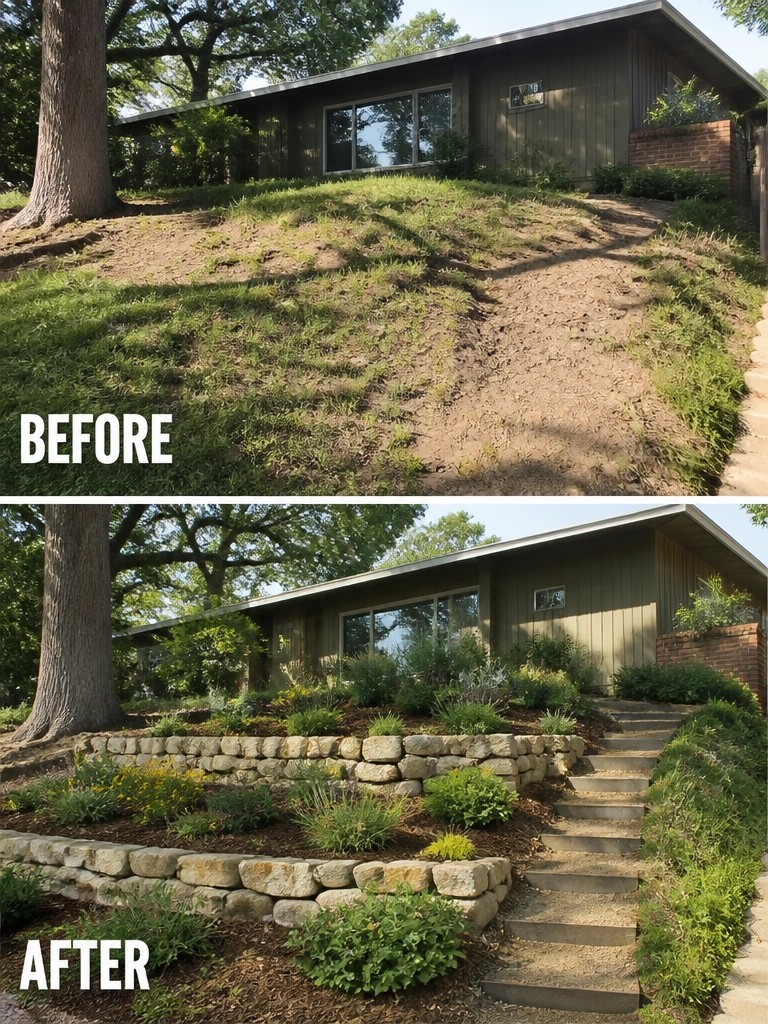
A bare dirt slope is difficult to mow and tends to erode over time. Low stone retaining walls break the hill into level beds that hold soil and give plants a place to grow.
This idea suits older homes where the front yard drops away from the street. Measure the slope first, then build walls no taller than needed so the beds stay easy to reach and water.
Add Defined Garden Beds To Clear Up An Overgrown Front Yard
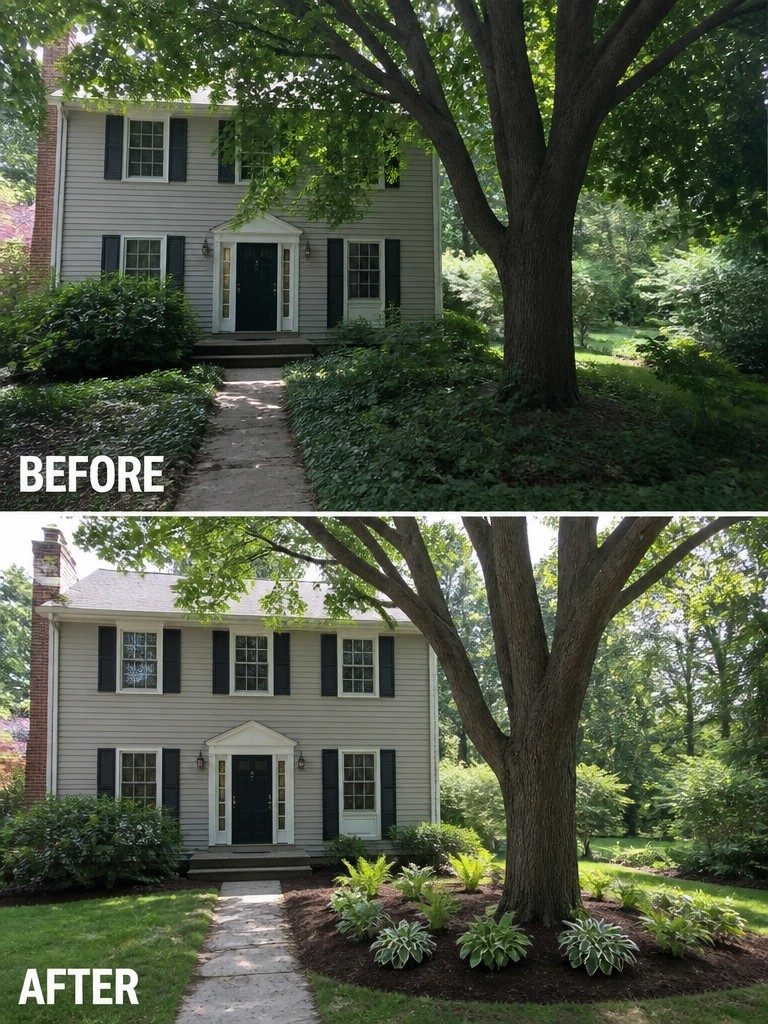
The before photo shows thick, messy shrubs crowding the path and the base of the big tree, which made the whole front look neglected. In the after photo, those shrubs are gone and replaced with a clean ring of mulch and a few simple shade plants. That single change instantly makes the house feel more cared for without touching the structure itself.
This idea works well on older homes where the original plantings have grown out of scale. Start by removing the worst of the overgrowth, then lay down a clear edge and mulch. Hostas and ferns do the job under trees because they handle shade and stay low. Keep the beds narrow enough that they do not crowd the walkway.
Add Structure To An Overgrown Front Yard
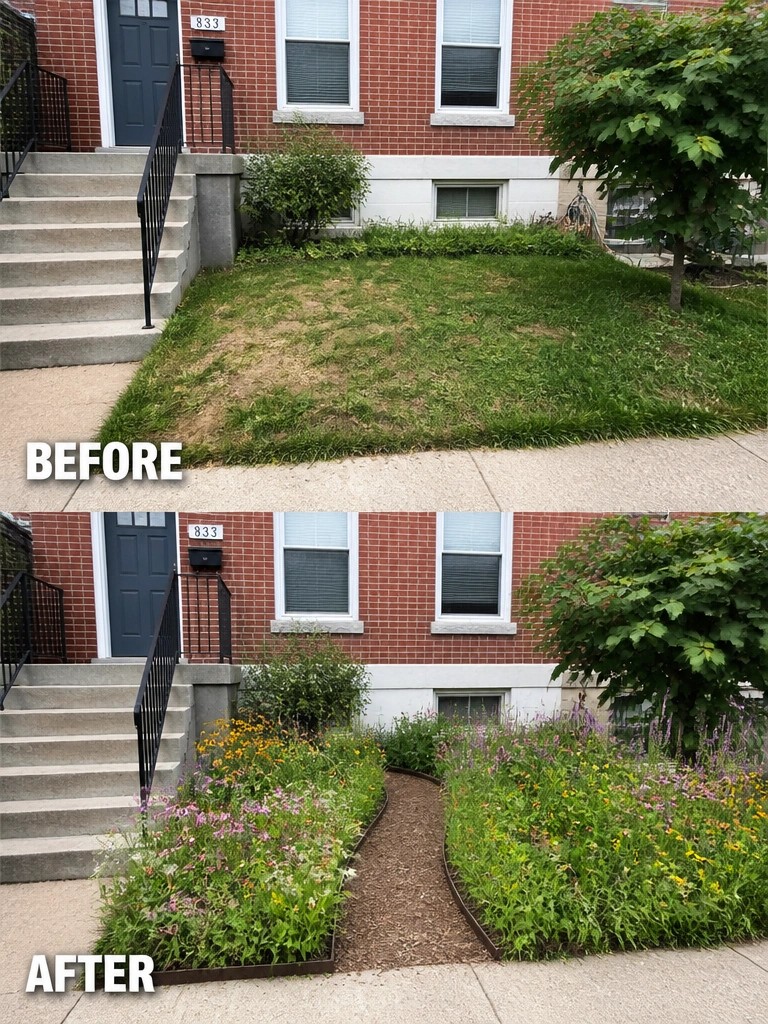
A patchy lawn often makes a front yard feel unfinished. Replacing part of the grass with edged garden beds filled with flowers and mulch gives the space clear shape and makes it look cared for.
This works especially well on older homes where the yard is small. Start by marking simple curved borders, add a basic edging, and keep the planting straightforward. The result feels planned without crowding the walkway or steps.
Add Shutters To Refresh A Plain House Exterior
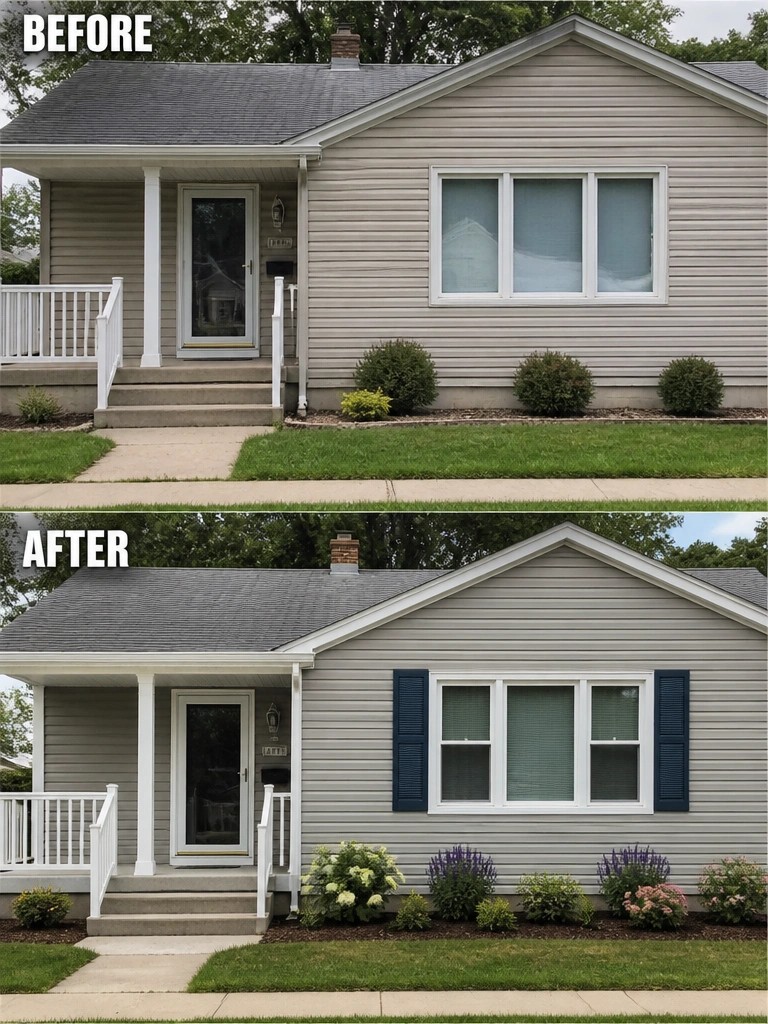
Adding shutters is one of the easiest ways to give an older home more presence without major construction. In this case the before photo shows a wide window that feels flat against the siding. Once the dark shutters were added the same window suddenly looks intentional and better scaled to the house.
This idea works well on homes that already have decent siding and just need a bit more definition. Keep the shutter color a few shades darker than the trim so it stands out without clashing. Focus first on the front windows that face the street, then add matching planting underneath so the whole facade feels pulled together.
Clear Overgrowth To Define The Front Path
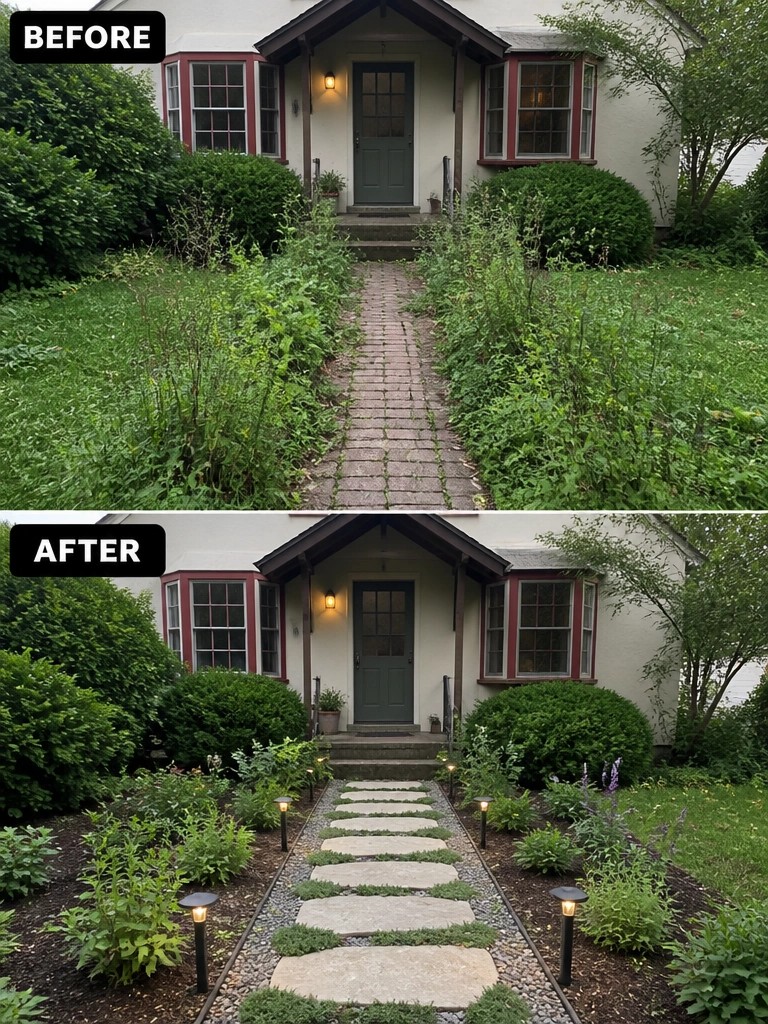
Overgrown weeds can make even a simple brick path feel lost and neglected. Clearing the mess and replacing it with a defined stone walkway edged in gravel immediately gives the front yard order and makes the house feel more welcoming.
This approach works well on older homes where the original path is still solid but the surrounding beds have gone wild. Start by removing the weeds completely, then lay a simple border material like gravel to keep the edges clean. Adding a few low lights along the path helps too, since it turns the walkway into a usable feature both day and night.
Create A Clean Foundation Border With Shrubs And Gravel
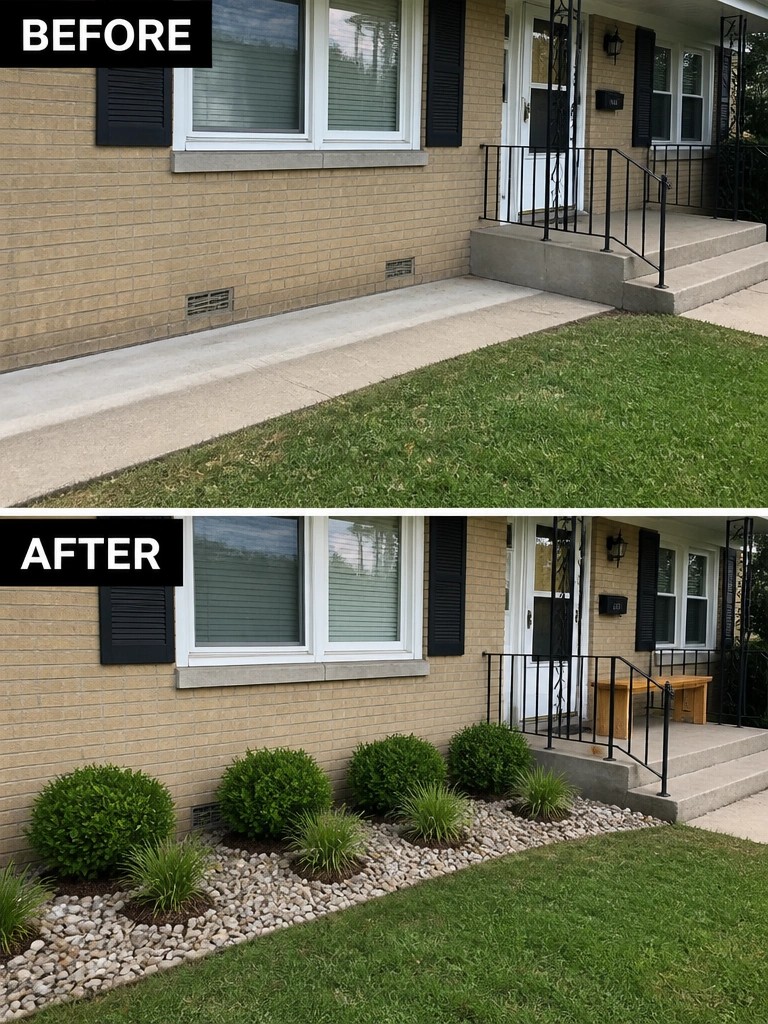
Many older homes have a plain strip of lawn running right up to the brick or siding. That setup often looks unfinished and makes mowing awkward. Adding a narrow bed of shrubs, grasses, and gravel gives the house a clear edge and makes the whole front feel more intentional.
This approach works well on modest facades where you want structure without spending much. Keep the plants low so they do not block windows, and use gravel or small stones to hold down weeds and give the bed a tidy look year-round. Start with a few repeated shrubs and a handful of ornamental grasses, then let the bed follow the natural line of the house.
Give A Dry Front Yard A Clean Lawn And Path

A patchy dirt yard with a worn trail to the door makes the whole front of an older home feel unfinished. Replacing that area with artificial turf and a straight paver walkway instantly creates a neat, usable space without requiring constant watering or mowing.
This approach works well on homes where the lawn has died out or the soil stays bare. Focus first on laying a solid base for the turf and keeping the path wide enough for comfortable walking. The result stays low maintenance while giving the house a tidier look from the street.
Frequently Asked Questions
Q: Will new plants and a fresh path make my 1920s bungalow look mismatched?
A: Go with older varieties like peonies or lilacs that match the era. They settle in fast and keep the whole front yard feeling original.
Q: Can I tackle a path and some edging without calling in a crew?
A: Yes, start with simple gravel or brick and dig by hand. Take it slow over a weekend and you will finish without extra hands.
Q: What happens if the new beds dry out after a week of sun?
A: Water deeply twice a week at first and add a layer of mulch right away. That locks in moisture so the plants root quicker.
