


I’ve noticed how bare fences and trellises can make a garden feel boxed in rather than open and flowing. Clematis vines fix that by climbing with purpose, softening those hard lines while adding seasons of color to shape the overall layout. In my yard, one trellis draped in white blooms first caught my eye from the street, pulling the whole planting structure together. They work best when you pair them thoughtfully with ground covers along pathways or sturdy edging that holds up as they mature. A handful of these setups stand out for how they’d adapt to different sun patterns and fence styles in real gardens.
Clematis Framing a Stone Cottage Door
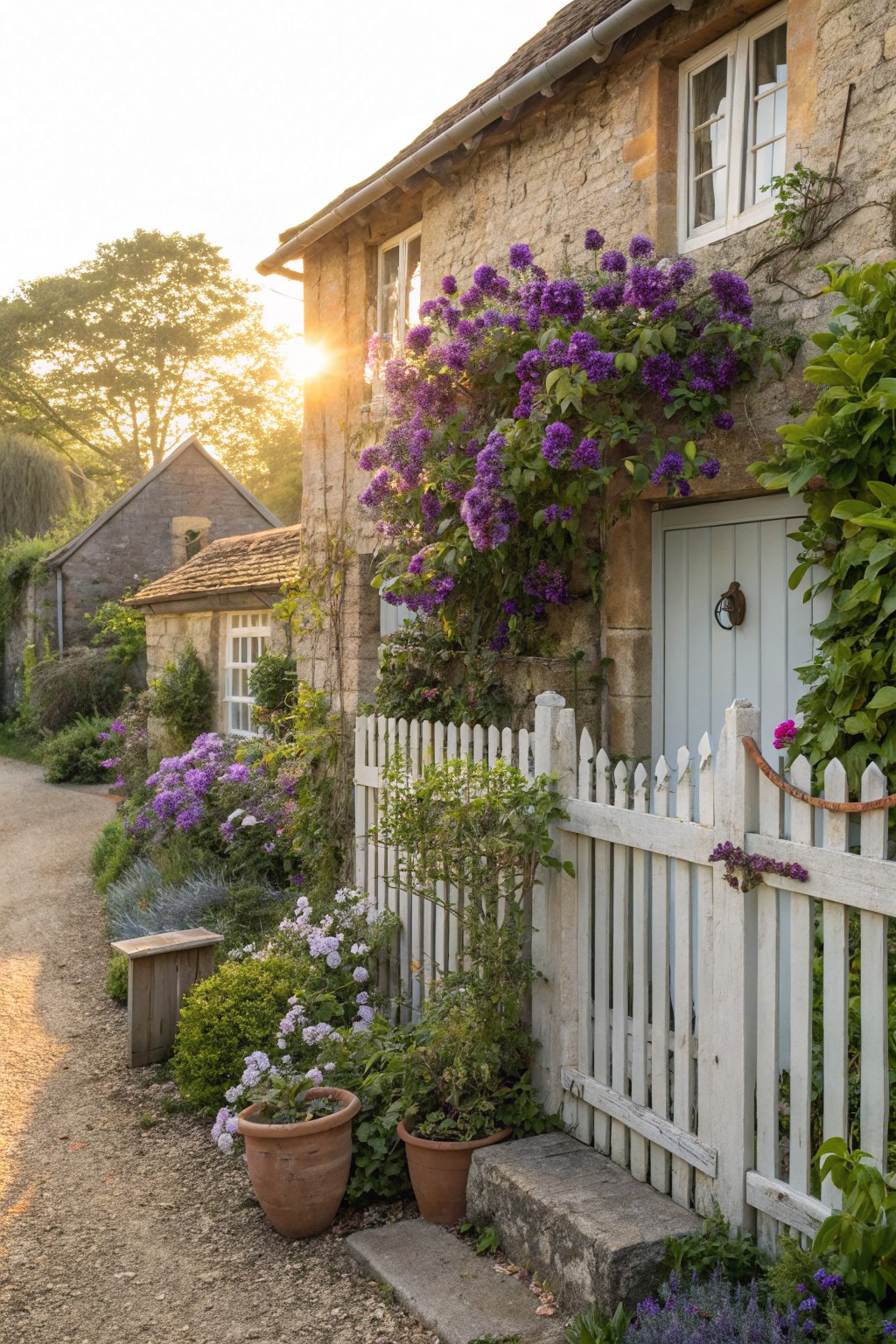
These purple clematis vines climb right up the rough stone wall next to the door. They soften the solid look of the cottage and spill over in a natural way. With the white picket fence just steps away… it makes the entry feel like part of the garden.
This works well on older stone or brick homes where you want more color and life. Plant at the base in good soil, give it something to grab onto like the mortar lines, and it will cover a doorway in a couple seasons. Suits mild climates best. Trim after blooming to keep the door clear.
Clematis Climbing Slatted Wood Fences
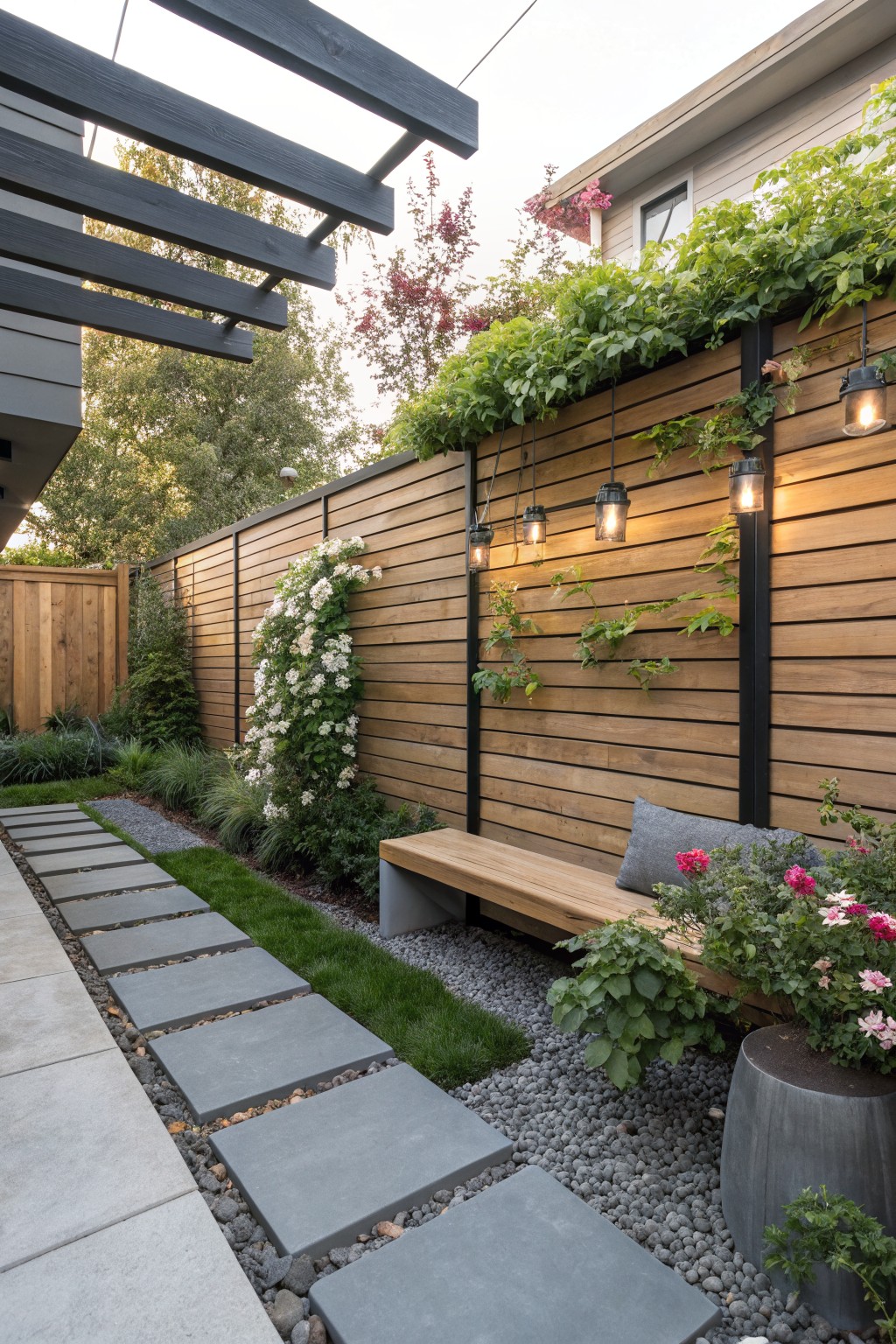
Nothing beats a simple wooden fence for backyard privacy. But when you let clematis climb those horizontal slats, it turns plain into pretty quick. The white flowers spilling over here soften the lines and pull your eye up, making the space feel taller and more alive without much fuss.
Try this in a skinny side yard or along a back fence where you need screening. Pick a tough clematis variety that likes sun, train the vines loosely on the slats, and tuck in a bench at the base. Gravel beds keep weeds down, and those lanterns add evening charm. Works best on fences around six feet tall.
Slatted Fences Pair Well with Clematis
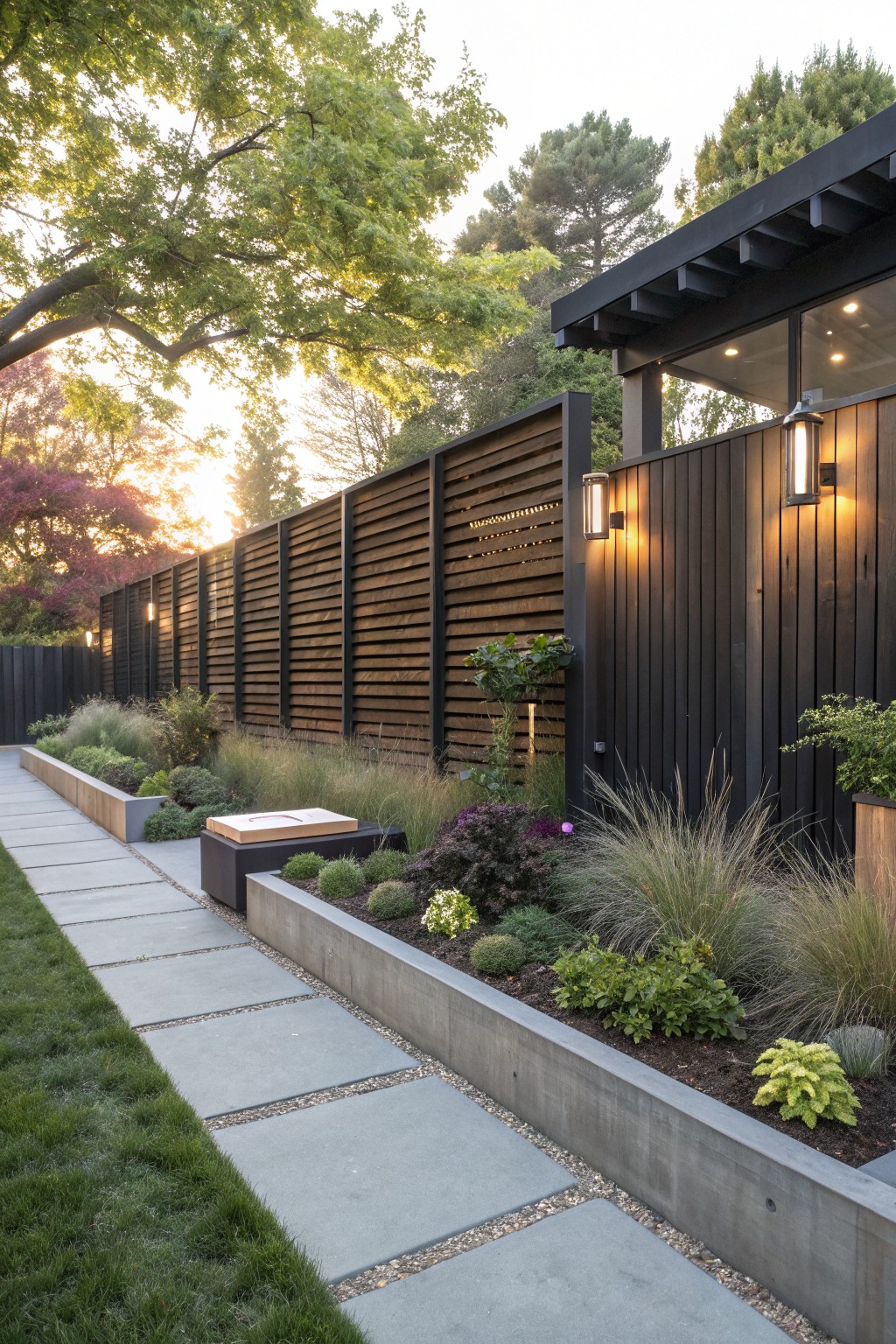
Slatted wood fences like this one offer good privacy without blocking all the light. The horizontal slats in dark wood create a modern look that fits right into a simple garden path setup. Grasses and low plants at the base keep it grounded, and you can easily train clematis vines up through the gaps for color and coverage as they grow.
These fences work best along side yards or back boundaries where you want some screening but not a solid wall. Plant clematis at the bottom in spring, and tie the stems loosely to the slats until they grab hold. Go for evergreen types if you need year-round interest, and pair with drought-tolerant grasses to keep maintenance easy.
Clematis Trellis Against a Plain Fence

A simple wooden trellis leans right against a white fence here, and lush purple clematis climbs all over it. The flowers spill down in big clusters, softening that plain fence line and turning it into something pretty and alive. It’s a straightforward way to add color and texture without much fuss.
Put this in a side yard or backyard corner where you want a little privacy. Lean the trellis on the fence, train the clematis up it each season, and tuck a bench nearby like this one. It fits cottage gardens best, especially with a winding path leading up to it. Just pick a spot with good sun.
Rustic Trellis with Climbing Clematis
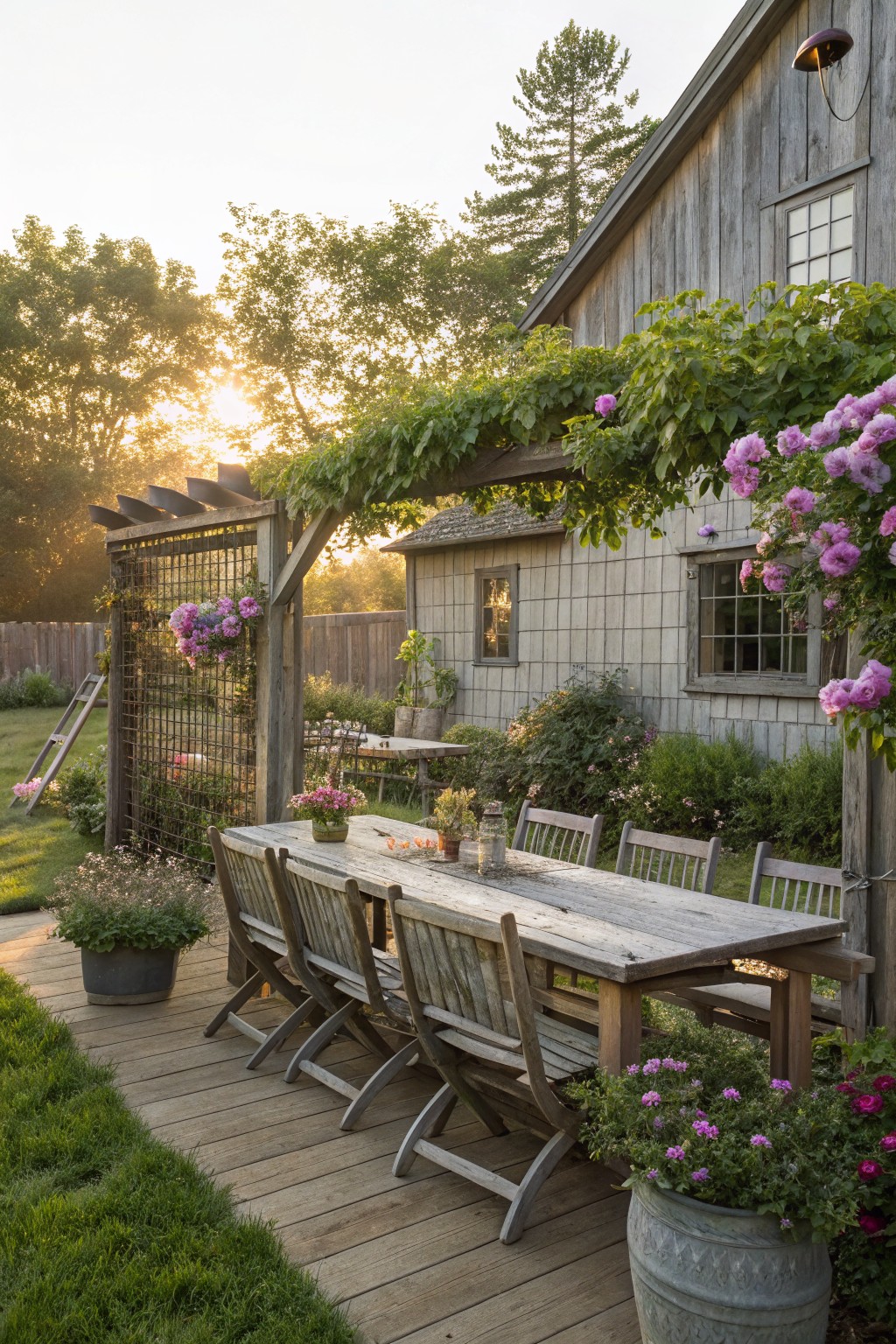
A simple metal grid trellis makes a great spot for clematis to climb and spill over. In this setup, pink blooms hang in loose clusters from the arched structure, softening the look of the nearby fence and deck. It pulls the garden right up to your outdoor seating without taking up much room.
Put one of these along a path or patio edge where vines can spread toward your dining table. The grid gives sturdy support for heavy flowers, and it suits older farmhouses or casual backyards. Pick a spot with sun, train the stems early, and trim back in winter to keep it tidy.
Clematis Archway Over Brick Garden Gate
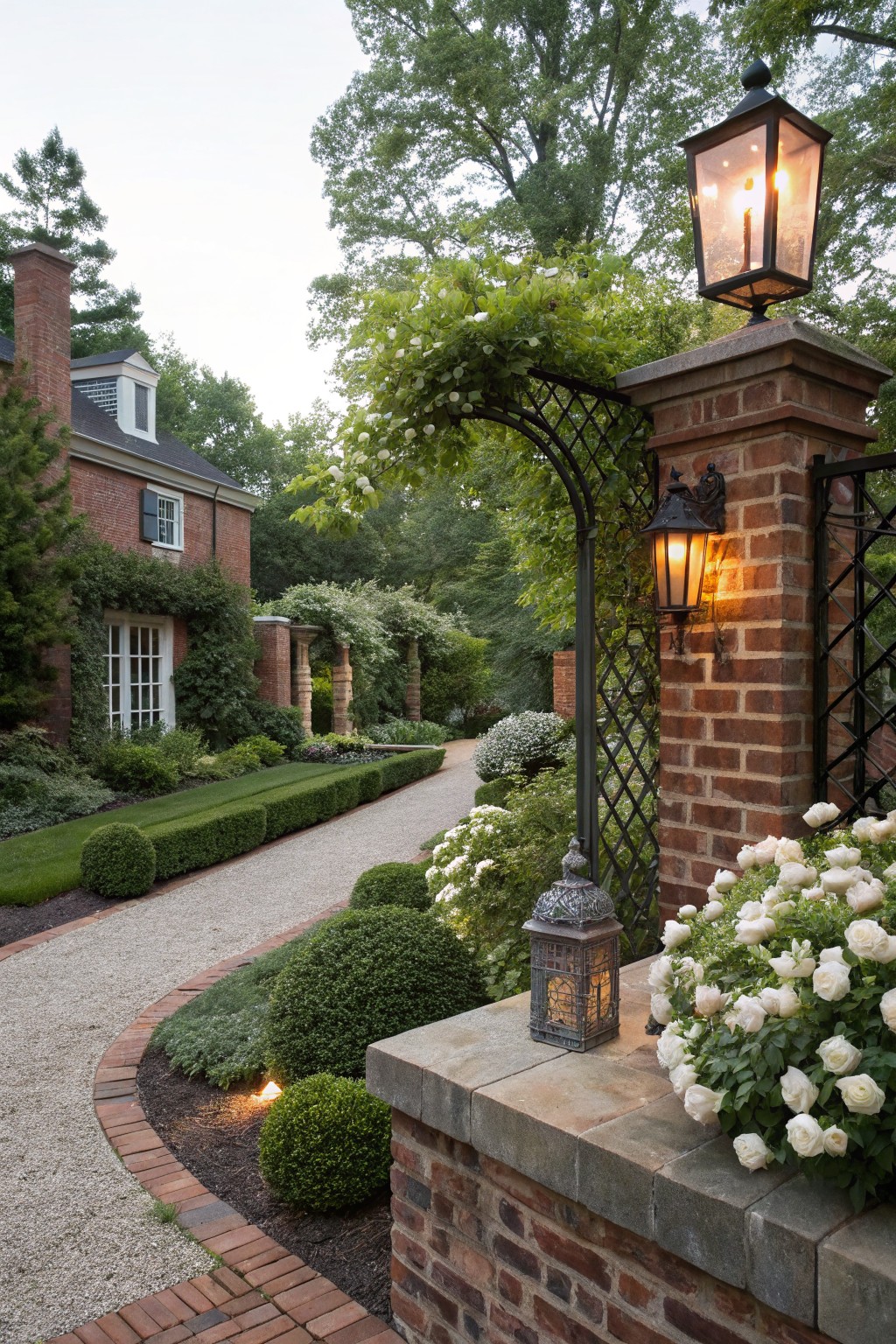
A simple metal archway draped in blooming clematis makes for a pretty garden entrance. Here it’s set into brick pillars with lanterns on each side. The white flowers spill over just right, giving that soft whimsical touch without much fuss. It pulls the path ahead into focus too.
This works best leading to a formal side yard or backyard door, especially with brick or stone nearby. Plant a vigorous clematis variety up the trellis, then add low boxwoods along the edges. Keep the path gravel for easy upkeep… it stays charming year after year.
Dune Fencing as a Natural Trellis for Clematis
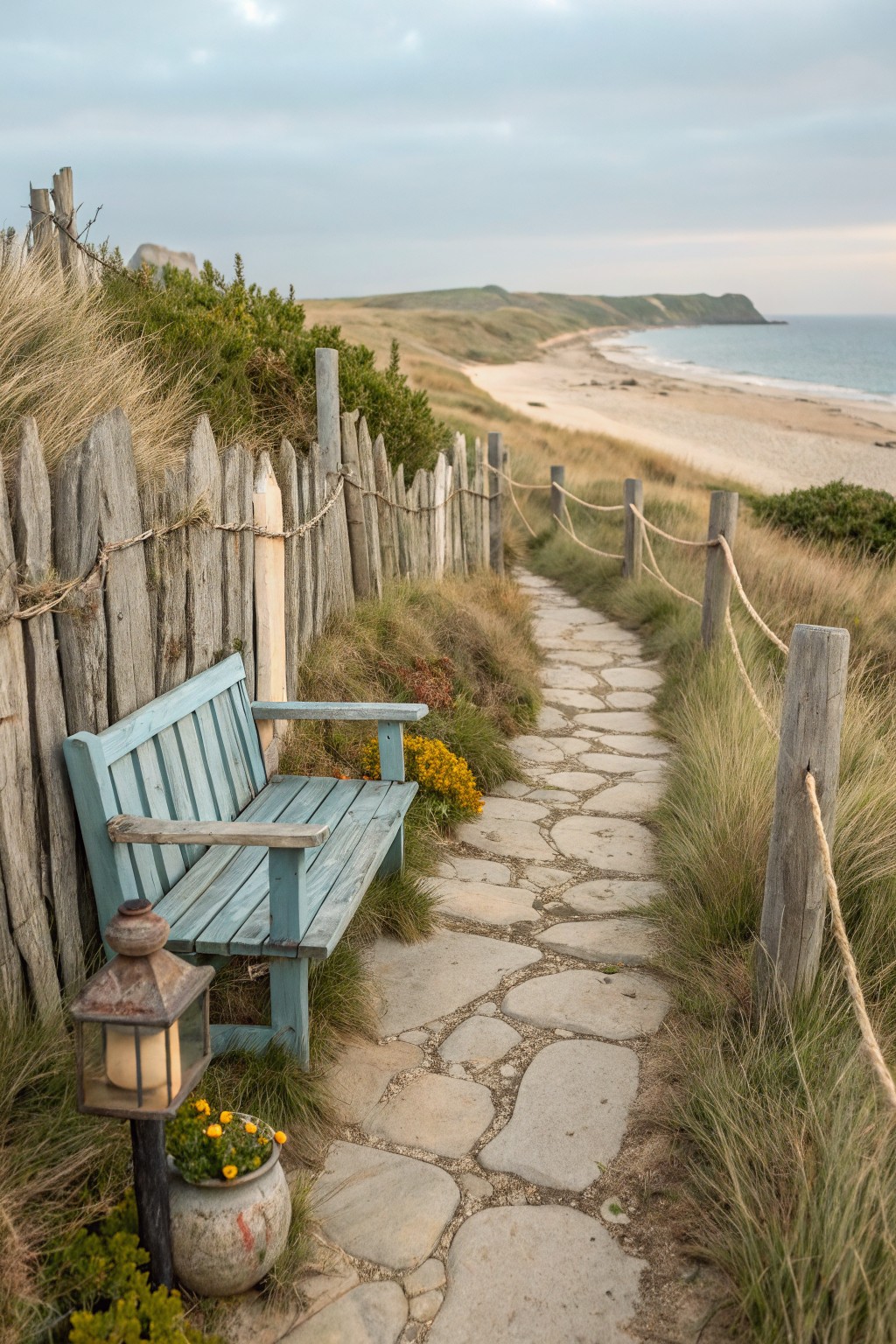
Wooden slat fences like the one along this stone path make great supports for Clematis. The spaced posts and ropes let vines weave through easily, creating that whimsical, flowing look without much upkeep. It fits right into grassy dune areas or seaside yards, keeping things casual and beachy.
Plant your Clematis at the fence base in spring, and train the shoots up the slats as they grow. Pair it with a simple bench or lantern nearby for spots to sit and watch the flowers take over come summer. This works best in mild coastal spots where the wood weathers nicely over time.
Clematis on Tall Metal Trellises

One simple way to dress up a plain brick fence is with tall black metal trellises that let clematis climb right up. The geometric frames give the vines something sturdy to grab onto, turning a solid wall into a soft green backdrop full of height and flow. It’s a natural privacy screen that still lets some light through.
This works best in narrow side yards or courtyards next to a house, where you need vertical interest without taking up ground space. Set the trellises a few inches from the wall for air flow, plant clematis varieties that match your sun exposure, and pair with low grasses along the base. Suits modern brick homes looking for a bit of whimsy.
Clematis on Trellis Fences by the Pool
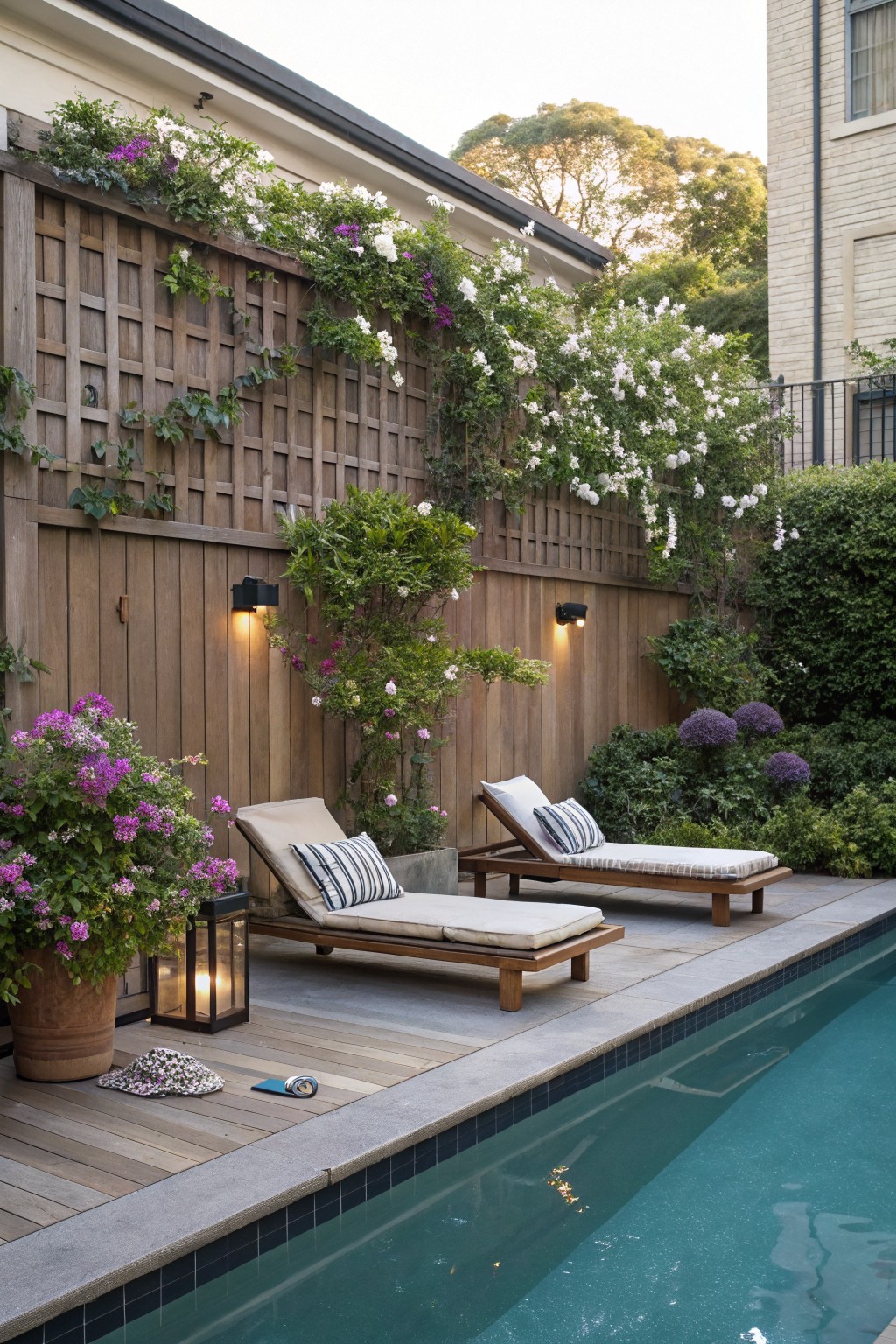
A wooden lattice fence draped in blooming clematis makes a soft privacy screen around this pool area. The purple and white flowers climb freely, adding color and a bit of whimsy without feeling heavy. It keeps the space open while hiding the neighbors, and those wall lights tucked into the fence help it work morning to night.
This works best in a narrow backyard pool setup where you want seclusion but not solid walls. Choose fast-growing clematis varieties for quick coverage on a simple trellis. Add loungers right along the deck like here, and toss in potted flowers nearby to fill gaps until the vines fill out.
Trellis Climbers Along a Black Fence

Climbing vines on a simple metal trellis can take a plain black fence from stark to lively. Here the green leaves spill over the slats just right, catching the light and pulling your eye along the path without overwhelming the space. It’s a natural way to add height and movement to a yard, especially when the house nearby has that clean modern look.
Try this on side yards or back fences where you want privacy but not a solid wall feel. Pick something like clematis for the flowers later on, and keep the trellis slim to match black or dark fencing. It works best in partial sun spots… just train the vines early so they don’t tangle the gate.
Climbing Clematis on Stone Walls

Purple clematis vines work so well tumbling over a sturdy stone wall like this. They cover the rough texture and add that soft, flowing look that makes a plain retaining wall feel more like part of a real garden. The blooms repeat along the fence too, tying everything together without much fuss.
You can do this in a side yard or along a slope where you need some height. Plant the clematis at the base in spring, give it a simple wire trellis or chain-link to grab onto, and let it spread. It holds up in partial sun… just keep the roots cool with some mulch. Pairs nice with a lantern post for evening walks.
Wooden Slat Screens as Clematis Trellis
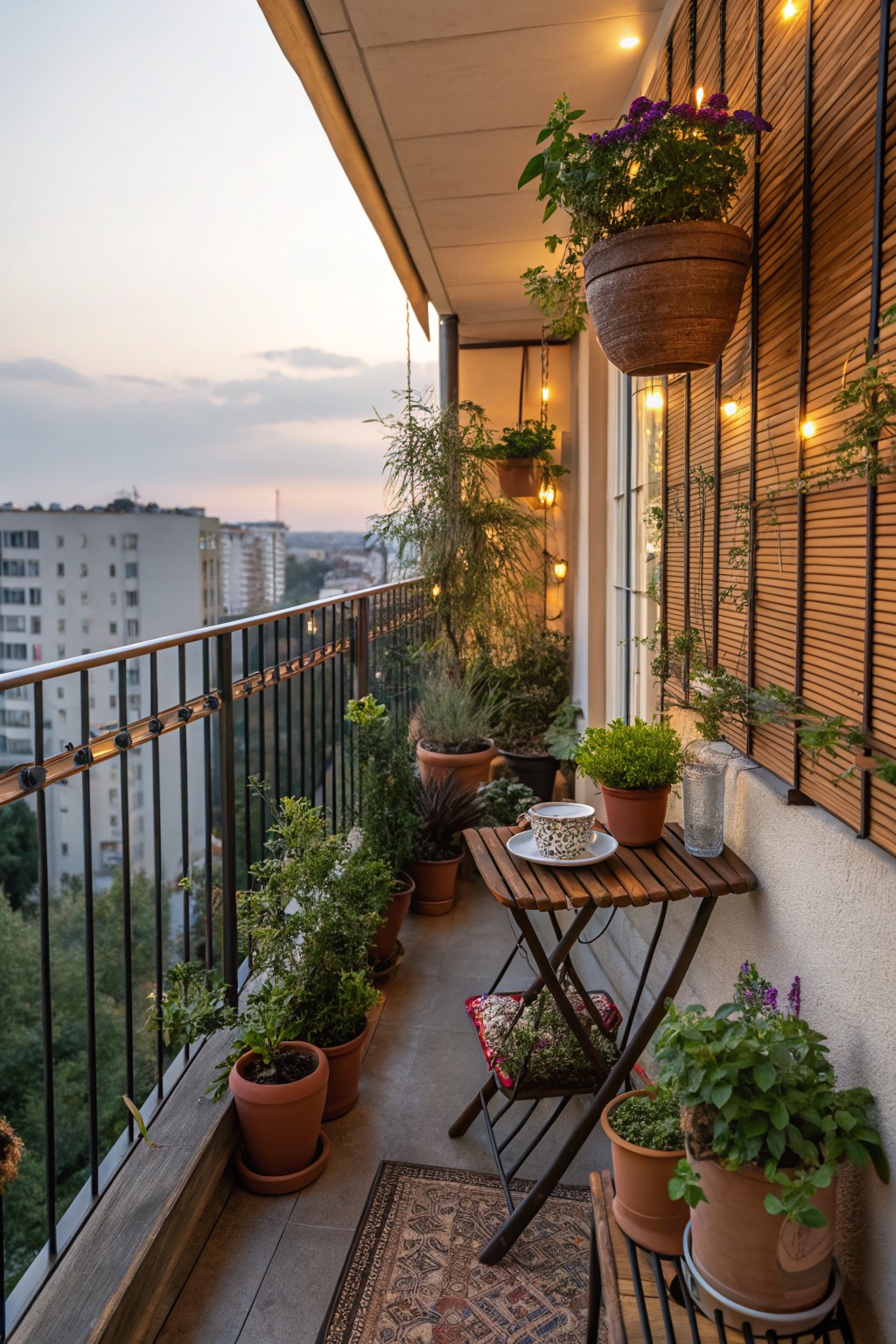
Balcony spaces like this one show how simple wooden slat screens can double as a trellis for climbing plants such as clematis. The vertical slats give vines plenty of places to grab hold, creating that whimsical cascade of blooms without needing a full fence build. Mixed with potted plants below and hanging ones overhead, it turns a plain balcony into a green pocket garden. The soft glow from string lights at dusk makes the flowers pop even more.
This setup works best on urban balconies or small terraces where you want privacy and color fast. Plant clematis at the base, train it up the slats, and fill in with herbs or low pots for density. Keep it to sunny spots since clematis loves light. Watch the weight on railings though… sturdy pots only.
Scalloped Picket Fence Trellis for Climbers
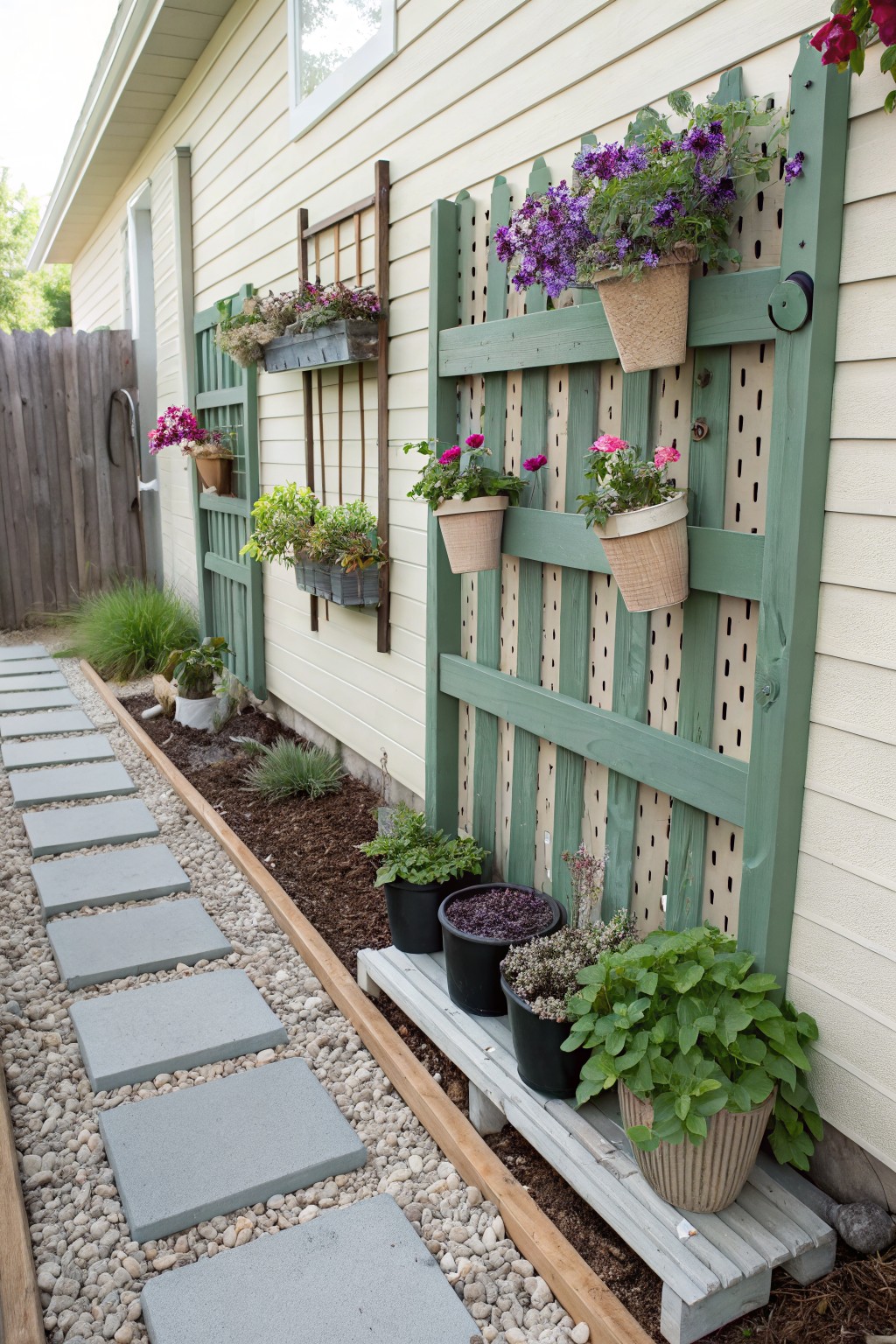
A simple picket fence painted green and cream makes a perfect backdrop for clematis and other climbers in this side yard setup. The scalloped top and gaps let vines weave through easily, while hanging pots in woven baskets add pockets of color right at eye level. It turns a plain wall into something playful without much effort.
This works best along narrow paths or beside a garage where space is tight. Plant clematis at the base in spring, then cluster pots with petunias or lobelia for extra fill. Keep the fence about four feet tall so it’s sturdy, and watch for too much shade from the house that might slow the vines.
Trellis Privacy Screens on Rooftop Terraces
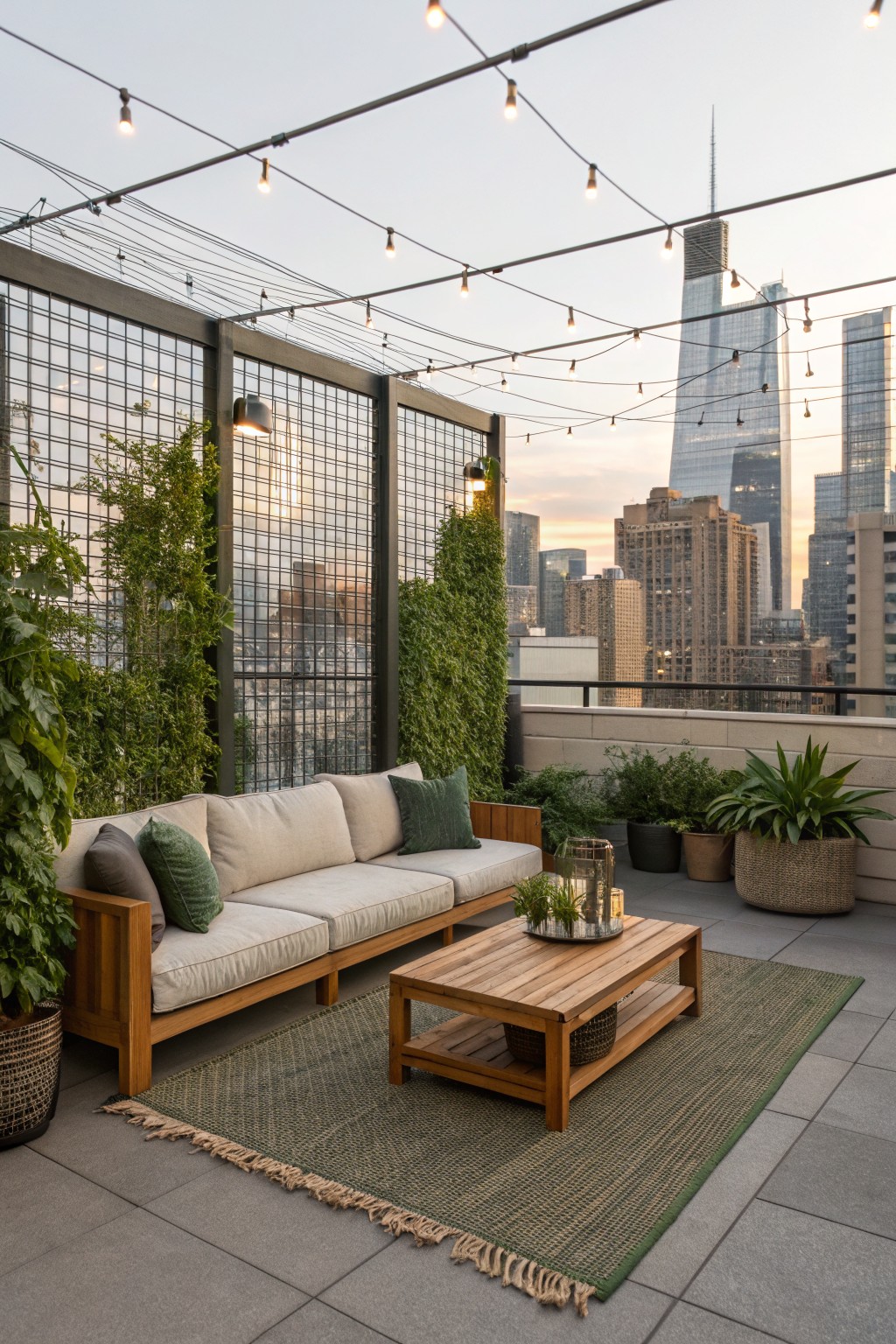
Tall metal grid panels like these make solid privacy screens when you let climbing plants take over. The open weave lets in light and air but keeps nosy neighbors at bay, especially up high in the city. It’s a smart way to turn a plain terrace into something more enclosed and usable. Clematis loves this setup. The vines twist right through the grid for that whimsical, full look.
Put these on any balcony or rooftop deck facing other buildings. Go for easy clematis types that bloom big and repeat. Plant at the base in good soil, and train them up early. It fits urban spots best. Watch the weight though. Strong panels handle it fine with vines, but skip heavy pots on the edges.
Climbing Clematis on Bamboo Fences
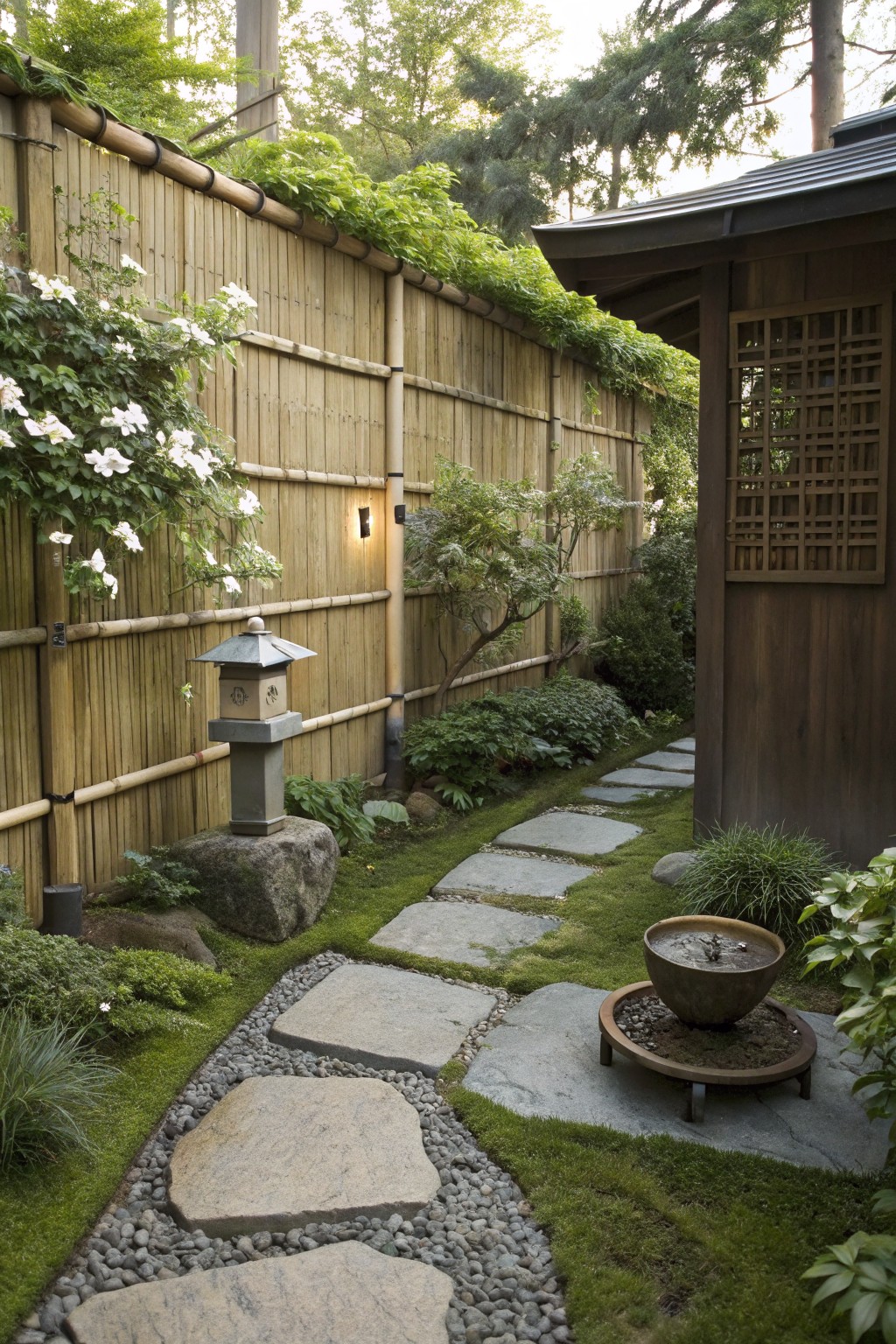
White clematis vines work really well climbing up simple bamboo fences like this. They soften the straight lines of the fence and add a light, airy feel without overwhelming the garden. The flowers hang down just enough to catch your eye as you walk by, and they pair nicely with the natural bamboo color.
Try this in a backyard corner or along a side yard where you want some privacy but not a solid wall. Pick a vigorous white variety that blooms for months, and train it up the fence with ties at first. It suits Asian-inspired spots or any low-key garden… just keep the fence sturdy since clematis can get heavy when loaded with blooms.
Slatted Fences as Clematis Supports
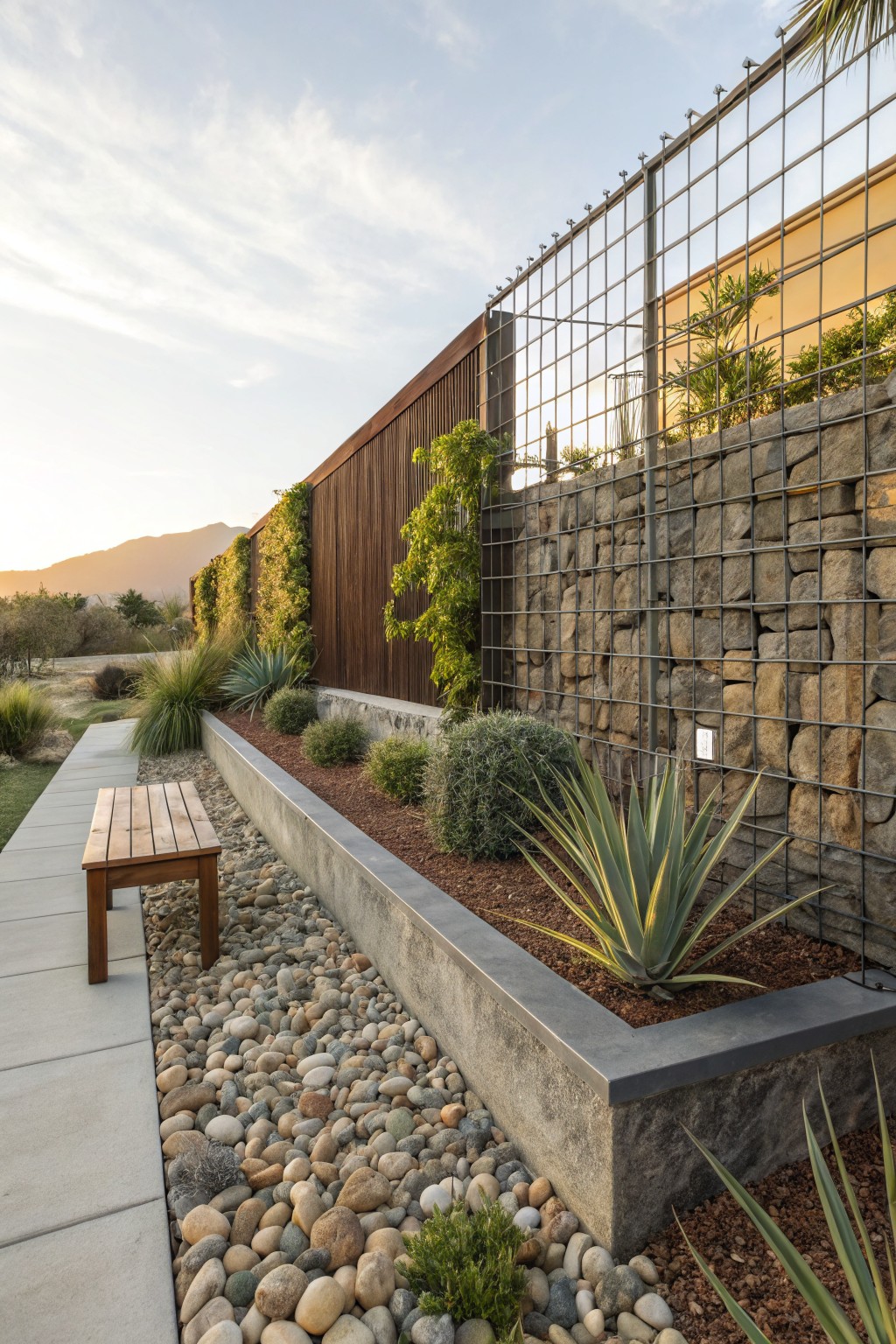
A slatted wooden fence like this one makes a simple backdrop for clematis vines. The vertical slats give the climbers plenty of places to grab hold and spread out. It softens the fence line without blocking the view too much. Pair it with drought-tolerant plants in raised beds nearby, and you get a clean look that fits dry climates.
This setup works best along side yards or back boundaries where you want some privacy but not a solid wall. Plant clematis at the base in spring, and train the vines up the slats as they grow. Keep the gravel mulch around to cut down on weeds. Skip it if your area gets heavy winds, since the open slats might let vines tangle.
Climbing Vines on Lattice Fences
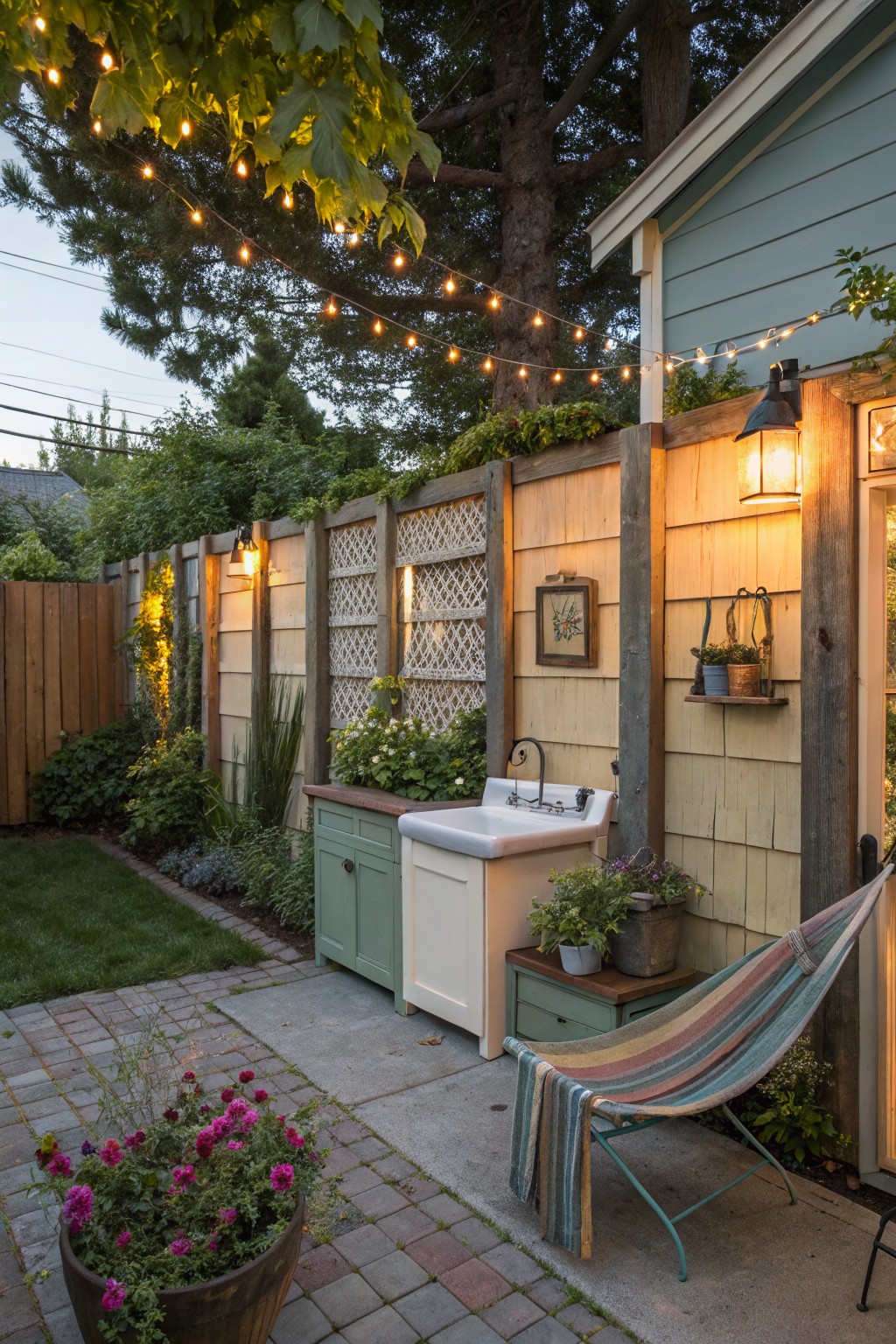
A simple lattice panel set into a wood fence lets climbing vines like clematis take over and create that whimsical backyard feel. In this setup, the vines weave through the open pattern, softening the fence line while still giving privacy. The mix of weathered cedar posts and the greenery keeps it from looking too stiff. String lights draped above just add to the cozy evening vibe without stealing the show.
This works best in side yards or along property lines where you want some screening but not a solid wall. Plant clematis at the base in spring, train it up the lattice, and trim back as needed to keep the shape. It suits older homes with Craftsman or cottage style, or even modern spots if you pick evergreen varieties for year-round cover. Just make sure the fence gets enough sun.
Dining Under a Clematis-Covered Pergola

A simple wooden pergola overhead, trained with blooming clematis, turns any terrace into a cozy spot for evening meals. The vines drape down and soften the structure, letting flowers catch the fading light while keeping direct sun off the table. It’s that easy mix of shade and whimsy that makes outdoor dinners feel special without much fuss.
Try this on a balcony or rooftop patio where space is tight. Pick vigorous clematis like ‘Jackmanii’ for quick coverage on the beams, then add a basic wood table, woven chairs, and a few lanterns. It works best in mild climates, and just prune back the vines each spring to keep things open.
Frequently Asked Questions
Q: When should I plant clematis to cover my fence fast?
A: Plant them in early spring after the last frost hits your area. They root quickly then and start climbing by summer. Give them a good soak right after planting.
Q: How do I train baby clematis up a trellis without frustration?
A: Gently weave the young shoots through the trellis openings as they grow. Use soft garden twine to tie loose ones in place every couple weeks. Skip tight knots, they hate that.
Q: What if my soil sucks for clematis?
A: Dig in some compost or well-rotted manure before planting. Water deeply once a week to help roots push through tough spots. They bounce back strong.
Q: Why isn’t my clematis blooming like the pictures?
A: Check your pruning, most types flower on old wood so trim lightly in late winter. Feed them a balanced fertilizer in spring… that sparks the show. And full sun mornings help too.
