


Patios often sit unused after dark unless the lighting works with the plants and the seating without taking over the space.
Fixtures tucked near planters or fixed to walls can shape the light in ways that feel more natural once you live with them for a while.
I usually test the height of a wall mount first because lower placements tend to create glare right at eye level when people sit down.
That small choice affects how comfortable the area feels during meals or conversations.
Small details like that add up fast.
Wall Lights With Hanging Planters
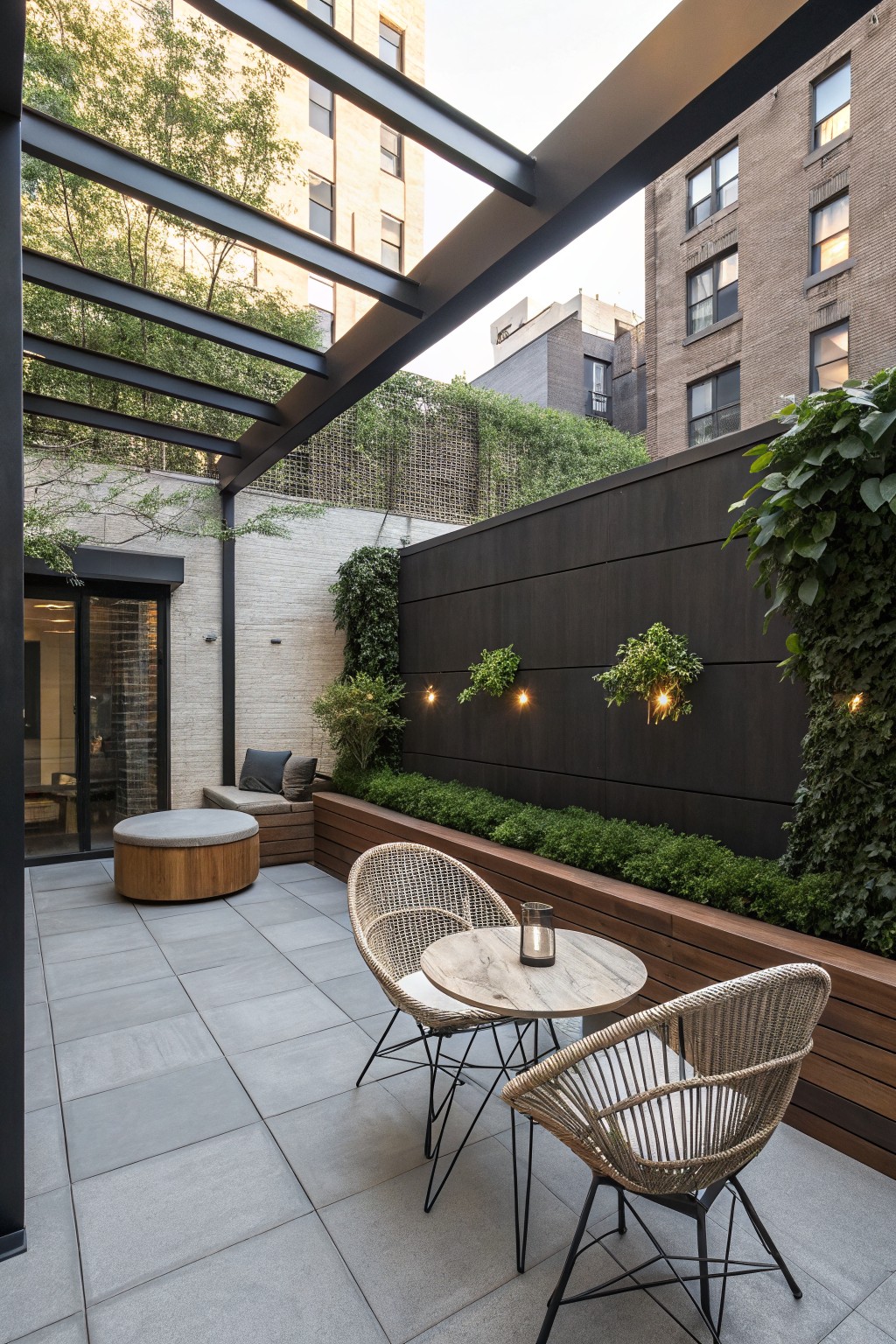
Placing small fixtures right on the wall next to hanging planters gives a patio steady light without adding floor lamps or big overhead fixtures. The plants soften the look of the lights and help the whole area feel more like a garden than just a paved spot.
This setup works best on smaller urban patios or decks where wall space is easy to reach. Keep the planters lightweight, use outdoor-rated bulbs, and space the lights so they do not glare straight into seating areas.
Wall Lanterns With Planters

Wall mounted lanterns can feel more useful when they sit right next to planters instead of standing alone. The light reaches the plants and the seating area at the same time, so you get both function and a simple evening look without adding extra poles or strings.
This works best on patios that already have a wall or column to mount the fixture. Keep the planters low and grouped so the light spreads across the leaves and the floor rather than shining straight down from above.
String Lights With Planters Along A Fence

String lights work well when they follow the line of a fence or wall and sit above a row of big planters. The lights stay out of the way while the plants catch some of the glow and help soften the look of the bulbs.
This approach suits small patios or side yards that need simple lighting without extra poles or fixtures. Keep the strings at a steady height and choose planters that can handle a bit of weight if you want to hang any small accents from the same fence.
Wall Lights Along Raised Planters
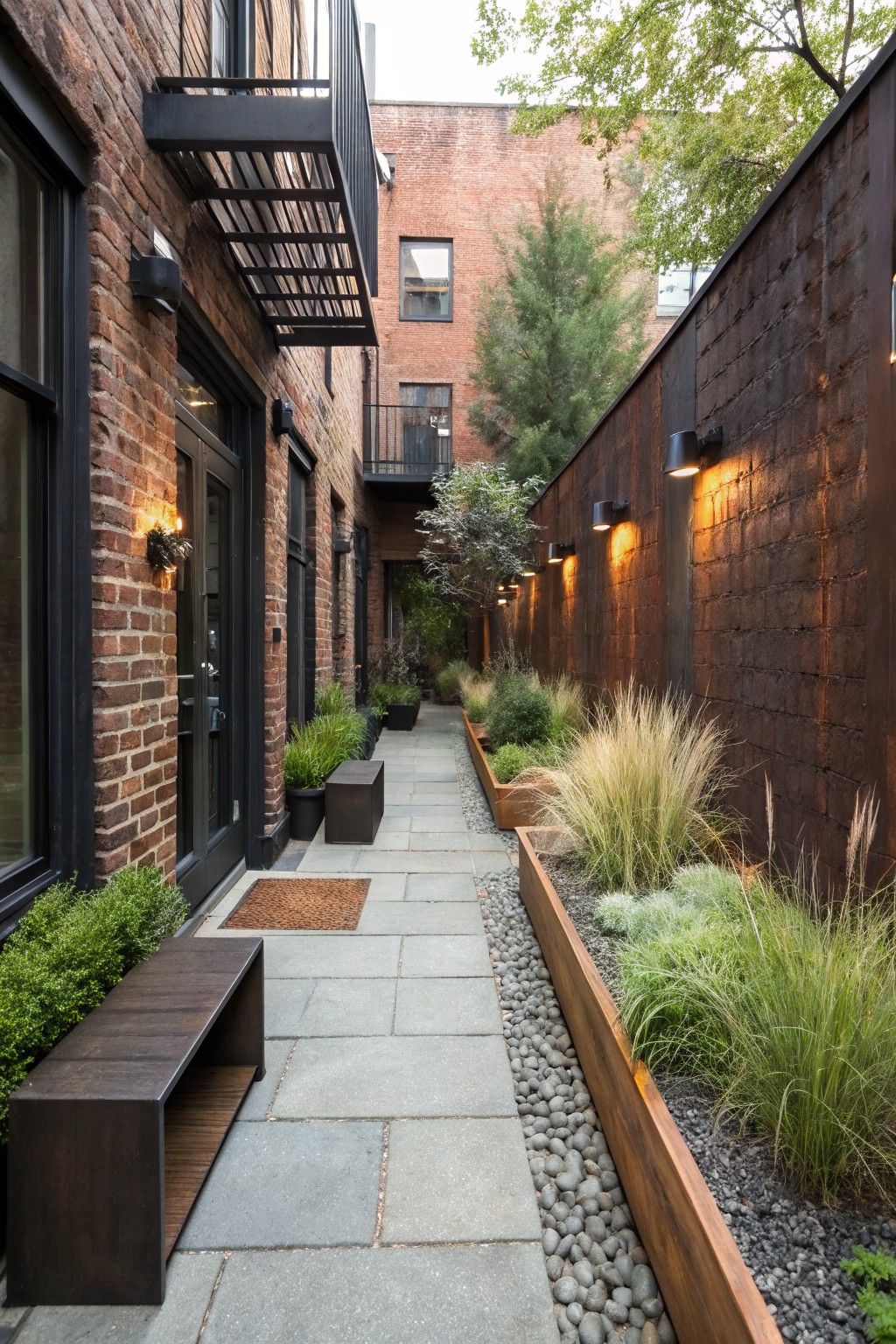
Running a row of wall-mounted lights right above a line of raised planters keeps the walkway open while giving steady light along the whole length. The fixtures sit low enough to catch the tops of the grasses and shrubs without needing extra poles or floor lamps that would crowd the space.
This setup works best in narrow side yards or passages between buildings where floor space is tight. Use weatherproof fixtures and aim them slightly downward so the light falls on the plants and path rather than straight into windows.
Wall Lights Next To Planters Give Gentle Evening Light

Many people like adding wall lights near their planters because it lights up the plants and the ground right around them without extra poles or bright overhead fixtures. The light stays low and focused, which makes the garden feel calm after dark.
This works well along the side of a house or beside a path where you already have raised beds or big pots. Aim the lights downward and keep the bulbs warm so they do not shine into windows or seating spots.
Overhead Lights Over Planters

Many patios feel more finished when you place recessed lights in the ceiling right above the planters. The light hits the greenery and spills onto the seating without adding floor lamps or extra fixtures that can get in the way.
This setup works best on decks or rooftops that already have an overhang or soffit. Keep the planters simple and let the lights do the evening work. Just make sure the bulbs are warm so the plants do not look washed out at night.
Wall Mounted Lights For A Patio Dining Area

Wall mounted fixtures work well when you want to keep a patio table clear and still have good light for evening meals. They sit on the wall or posts so they do not block views or take up floor space, and they spread light across the seating without needing tall floor lamps.
This approach suits homes with a covered patio or pergola where the wall is already close to the table. Place the fixtures at a height that lights the surface without shining straight into eyes, and keep the number of lights modest so the space stays calm at night.
Pairing Wall Lights With Vertical Planters

Wall lights work well when they sit right next to planters on a patio wall. The fixtures give steady light without taking up deck space, and the plants soften the look so the area feels more like part of the garden than just a paved spot. This setup keeps things simple on narrow outdoor areas where floor lamps would get in the way.
It suits small city patios or balconies best, especially where you already have a blank wall to work with. Place the lights at different heights and mix in a few hanging pots so the light spreads evenly across the seating area. Just make sure the bulbs are warm and not too bright.
Wall Lights With Built In Planters
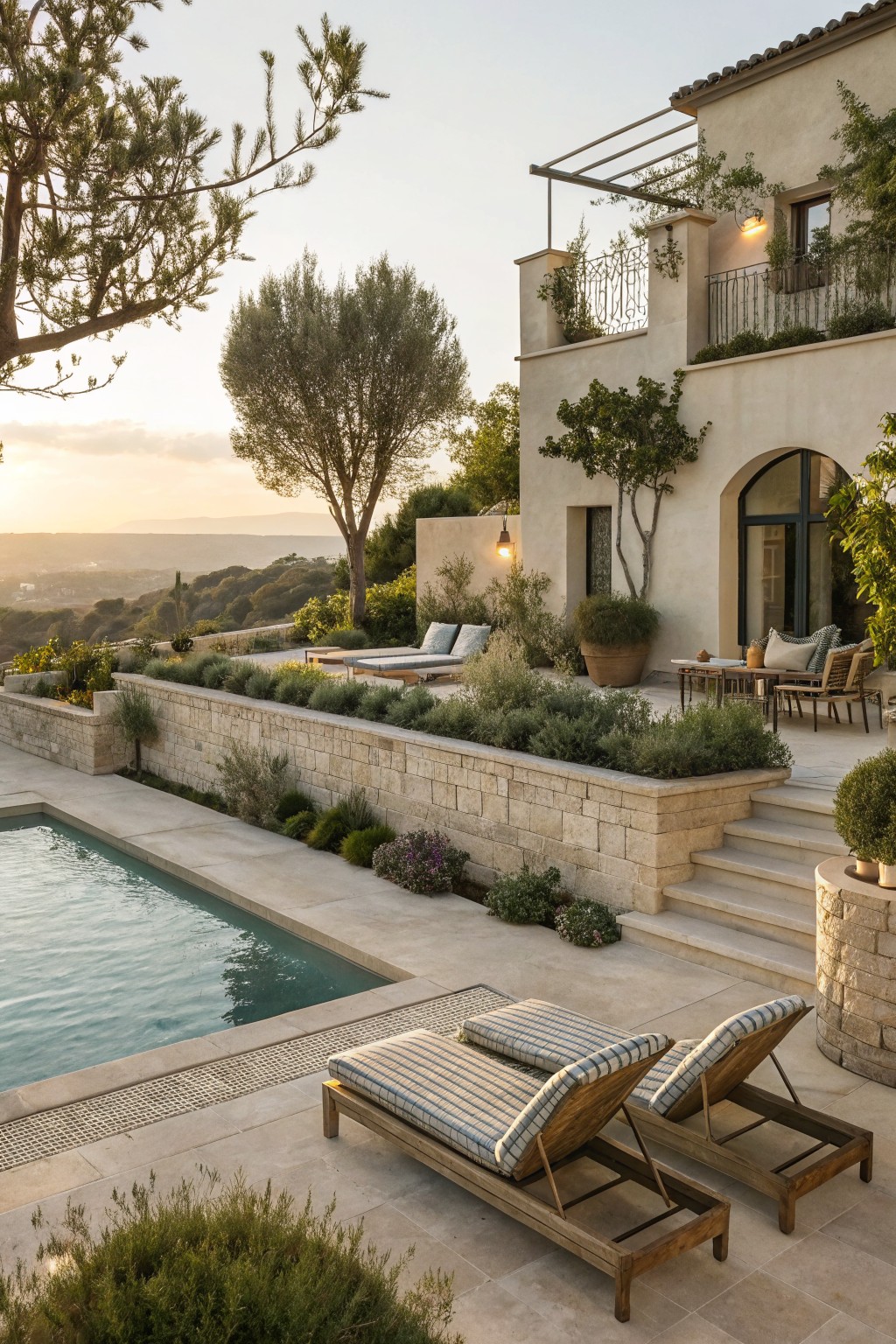
Wall mounted fixtures placed right beside or above planters give a patio steady light without taking up floor space. The glow lands on both the seating and the plants, which keeps the area usable after dark while still showing off the greenery.
This approach works best on homes with stone walls or raised beds already in place. Mount the lights at a height that shines down onto the foliage rather than straight out, and keep the fixtures simple so they blend with the planting. It suits any patio that needs soft evening light without adding clutter.
Layer Wall Lights With Planter Lighting

Wall-mounted fixtures paired with low lights tucked into planters give a narrow patio steady light without needing floor lamps or tall posts. The wall sconce on the right side keeps the path clear while the small glows from the planting bed add just enough warmth at ground level. This setup works especially well when space is tight and you still want the area to feel used after dark.
It suits side yards or slim back patios where you need light for walking and sitting but do not want clutter. Run a simple circuit along the house wall and add a couple of low-voltage spots in the beds so the plants help hide the fixtures. Keep the bulbs warm and avoid anything too bright so the space stays comfortable rather than harsh.
Lights Built Into Planters And Steps
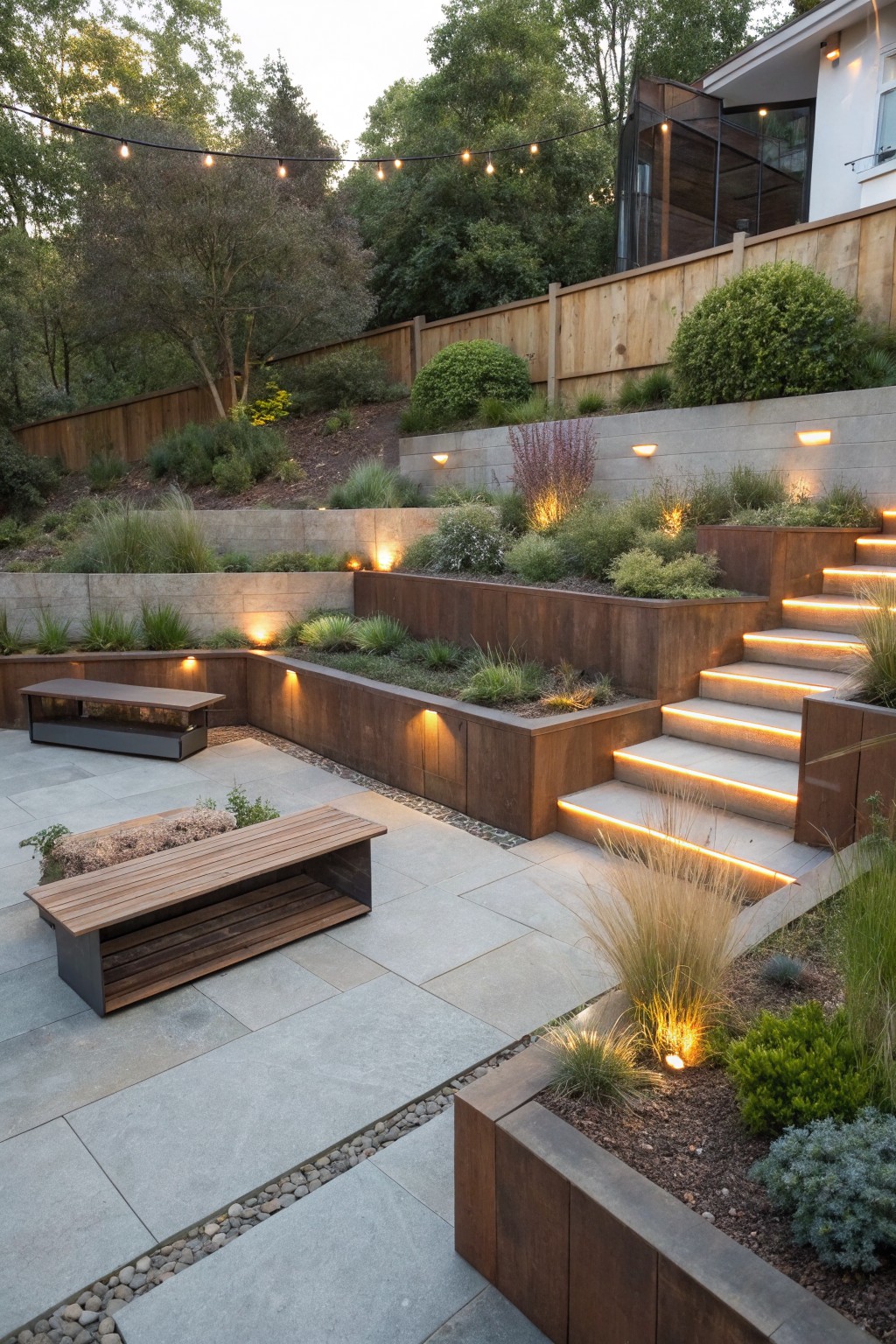
Embedding lights right into the sides of raised planters and along the edges of steps gives a patio a clean look while still providing useful light after dark. The glow stays low and focused on the plants and walking surfaces instead of flooding the whole area with bright fixtures. This setup feels practical because the lights become part of the structure rather than something added on later.
It works especially well on sloped lots where you already have retaining walls and multiple levels. Homeowners with modern hardscaping and metal or concrete planters tend to get the best results. Just make sure the fixtures are rated for outdoor use and positioned so they do not shine directly into seating areas.
Wall Lights With Planters

Many patios feel better at night when the lighting comes from the walls instead of the floor. Mounting fixtures right next to small planters keeps cords and stands out of the way while still giving a soft, useful light over the seating.
This works especially well on brick or solid fences where you can hang both the lights and the planters at a similar height. It suits smaller yards or decks that already have a wall to work with and keeps the setup simple without extra poles or stands.
Wall Lights Work Well With Planters On A Patio

Wall-mounted lights paired with planters keep the floor space open while still giving a patio enough light at night. The fixtures sit right where the plants are, so the glow falls on leaves and flowers instead of just lighting empty ground.
This setup suits homes with stucco walls or simple outdoor rooms that already have built-in beds. Place the lights at different heights near the planters so the light spreads evenly without adding floor lamps or extra poles.
Lighting at the Base of Planters

Placing small lights right at the edge of planters gives the plants a soft lift at night and keeps the whole patio from going dark. It feels practical because the light stays low and focused where people actually walk and sit.
This approach works best with larger planters set into gravel or paving. It suits homes that already use concrete or stone containers, and it avoids the need for extra poles or wall fixtures that might crowd the space.
Wall Lights And Planters Along A Patio Path

Many narrow patios get better light when fixtures go on the walls instead of crowding the ground. Hanging lanterns at different heights and setting pots right below them lets the glow spread through the leaves without blocking the walkway.
This setup suits small courtyards or side passages where floor space matters. Keep the pots simple and group a few together under each light so the plants help soften the beam and the whole area feels calm at night.
Wall Lights With Planters On The Patio

Mounting lights on the house wall next to large planters gives the patio a clean, usable glow at night. The fixtures stay out of the way while the plants add softness around the seating area. It keeps the floor clear and avoids the clutter of freestanding lamps.
This approach works best on covered patios or under pergolas where you eat outdoors often. Match the scale of the lights to the planters so the two feel balanced rather than competing.
Wall Lights Pair Naturally with Planters

Wall-mounted fixtures placed near groups of pots give a patio a gentle evening glow without needing tall poles or strings everywhere. The lights sit low on the wall and highlight the plants right below them, so the whole area feels usable after dark while still looking like a garden space.
This setup works best on patios that already have some hardscape edges or low walls. Keep the fixtures simple and aim them downward so they do not glare into seats. It suits homes with stone or brick surfaces where you can run wiring without much extra work.
Lighting Built Around Planters On The Patio

Placing lights inside or right next to planters gives a patio a steady, low glow without adding extra poles or fixtures on the walls. The plants help hide the hardware during the day and soften the light once it gets dark, so the whole edge of the space feels calm rather than lit up like a walkway.
This setup works best on longer, narrow patios that run beside a house or a water feature. Keep the fixtures low and warm so they do not compete with seating areas, and make sure the planters are deep enough to hold both soil and the light base.
Wall Planters That Hold String Lights

Running string lights through a row of wall-mounted planters gives you light and greenery in one move. The lights stay off the floor, the plants get decent exposure, and the whole setup feels more permanent than a few freestanding pots with a separate light strand.
This approach suits narrow side yards or small courtyards where you need vertical interest but lack room for big floor planters. Use deep boxes, secure the wiring properly, and choose plants that can handle the extra warmth from the bulbs.
Wall-Mounted Lights With Planters
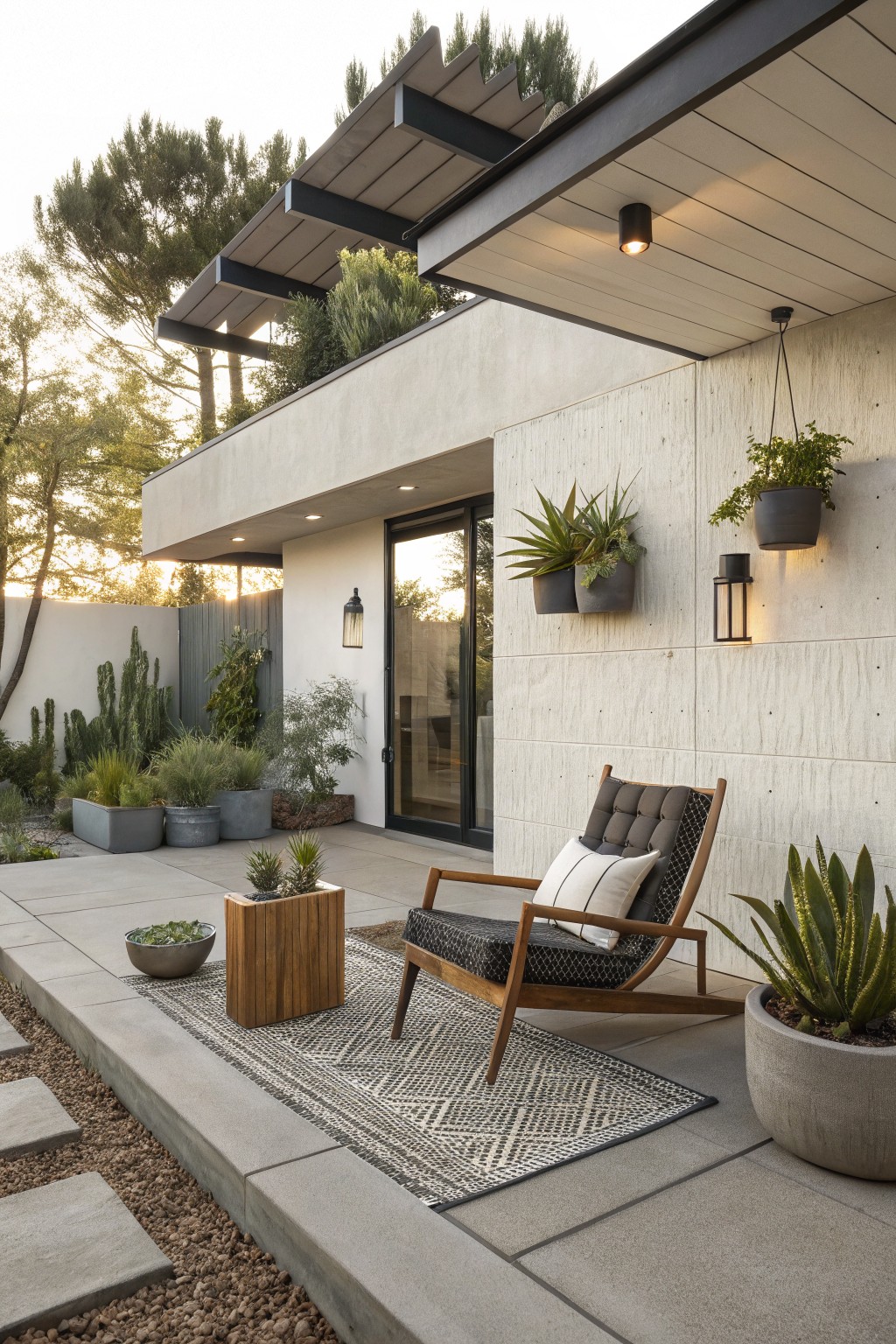
This setup keeps lighting practical and tied to the plants instead of adding separate poles or stands. Wall fixtures placed near hanging or potted greenery provide soft evening light right where it is needed without crowding the floor space.
It suits modern patios with concrete walls or simple overhangs. Position the lights at seated eye level near larger planters so the glow reaches the seating area without creating glare.
Wall Lights Work Nicely With Planters

Wall-mounted fixtures placed right next to planters give the patio a soft evening glow without extra poles or strings. The light catches the foliage and keeps the seating area usable after sunset while the plants stay visible instead of fading into the dark.
This setup works best on patios with low stone walls or raised beds where you can tuck a simple fixture into the same line as the greenery. Aim the light slightly downward so it does not shine straight into chairs, and choose warm bulbs that match the tone of the surrounding stone.
Frequently Asked Questions
Q: How high should wall fixtures go above my planters? A: Mount them about six feet up so the light spreads evenly across the plants. Lower placements create glare right at eye level. Walk around the patio after dark to confirm the height works.
Q: Can solar lights work in shaded planter areas? A: They need direct sun for several hours daily to charge well. Pick spots that get morning light if possible. Otherwise run a low voltage line instead.
Q: What if my wall fixtures are too bright next to the planters? A: Swap in lower wattage bulbs or add dimmers if your setup allows it. The goal is a gentle glow that matches the planter accents. Start dim and adjust up as needed.
Q: Do I need to waterproof the connections for outdoor planter lights? A: Cover all wiring with outdoor rated tape or boxes. Rain will find any gap over time. Check them once a season to catch issues early.
