


I have noticed over time that garden lighting shapes how paths and planting beds feel once the sun goes down, especially when it avoids creating odd shadows along the edges.
Low voltage options have held up better for me through wet winters and hot summers because they cut down on the constant fixes that higher power lights seem to need.
I usually start with one or two spots near the main walkway to check how the light sits on leaves and ground cover before adding more.
Weather changes everything out there.
Placing a light or two by the back seating spot made the whole yard feel like a space I could actually use after dark instead of just walking through.
Line Garden Paths With Low Voltage Lights

Low voltage lights work well along paths because they give enough light to walk safely without making the whole yard feel lit up. The small fixtures stay close to the ground and do not compete with the plants.
This approach suits homes with curved or longer walkways where you want steady guidance at night. Space the lights a few feet apart along the edge and match the bulb color to any existing porch lights so the whole area feels consistent.
Low Voltage Path Lighting For Everyday Use
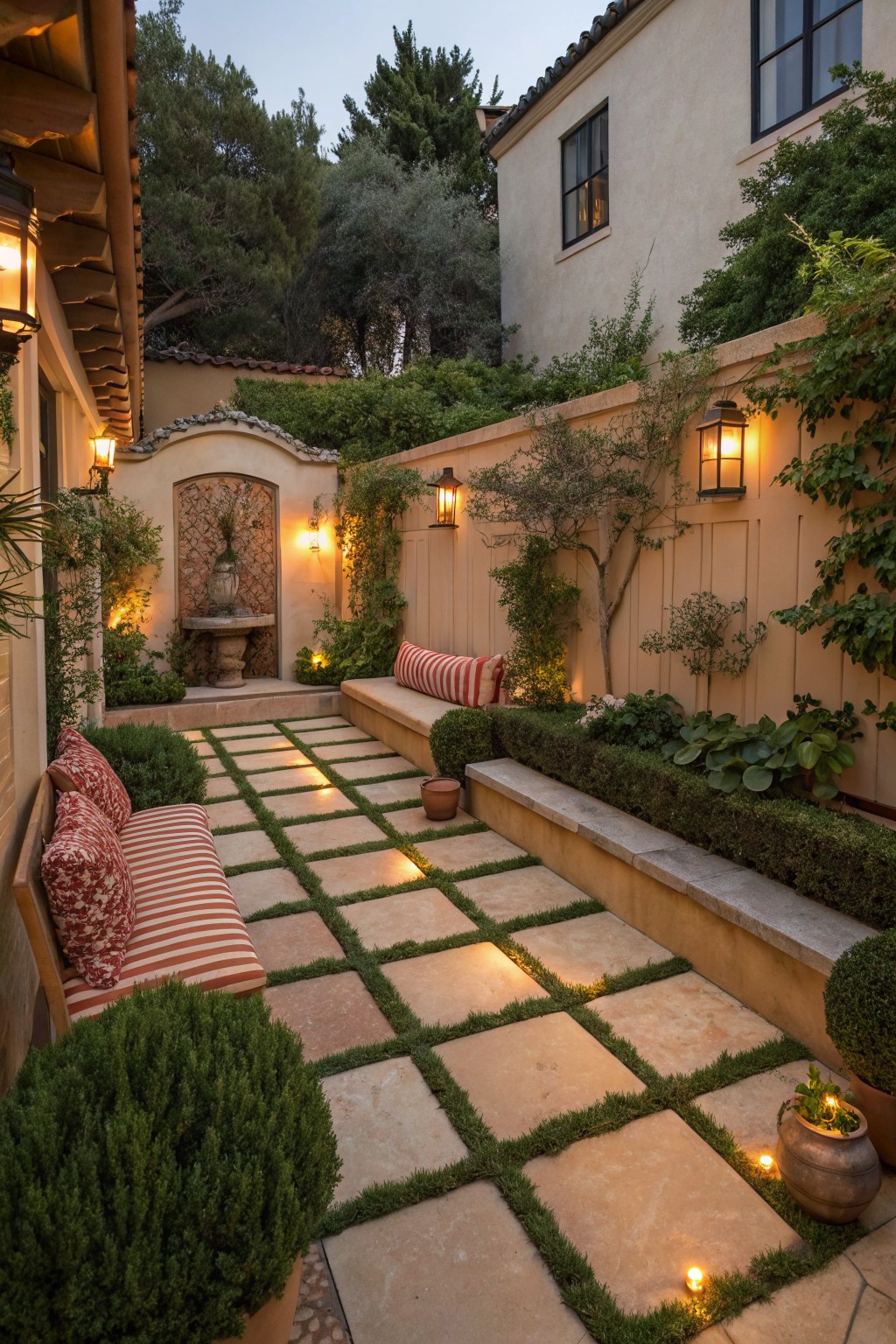
Many people add low voltage lights along garden paths because they make the space safer to walk through at night without needing complicated wiring. The lights stay low to the ground and follow the edges of the paving so they do not draw attention during the day.
This approach works best in smaller yards or side courtyards where you want steady guidance without bright overhead fixtures. Place the lights in the gaps between pavers and pair them with a few wall lanterns for even coverage that lasts through regular use.
Add Low Voltage Lights Along A Garden Path

Low voltage lights make a path feel safer and easier to follow once the sun goes down. Here the fixtures sit right in the gravel beside the stepping stones, giving just enough light to mark the route without flooding the whole garden.
This works best on straight or gently curving paths that connect the house to seating areas or water features. Space the lights evenly and keep the fixtures low so they highlight the edges rather than compete with the plants.
Integrated Lighting In Raised Planters

One simple way to add garden lighting without clutter is to run low-voltage strips inside the sides of a raised planter. The light stays tucked away, shines evenly along the base of the plants, and avoids the look of scattered fixtures on the ground.
This works best along front walks or entry paths where steady light helps with footing. It suits homes that already use clean lines and metal or wood edging, and it holds up better than spike lights that get moved or damaged over time.
Low Voltage Path Lights For Garden Walkways

Low voltage lights set into gravel paths give a simple way to mark routes after dark without needing heavy wiring or high power. They keep the ground visible on uneven ground or near steps, which helps when people move between the house and the seating area.
This approach works best on homes with sloped yards or layered outdoor spaces. Place the fixtures a few feet apart along the main route and use warm bulbs so the light stays easy on the eyes. Check that the fixtures sit low enough to avoid tripping and choose durable models that handle weather.
String Lights On A Pergola
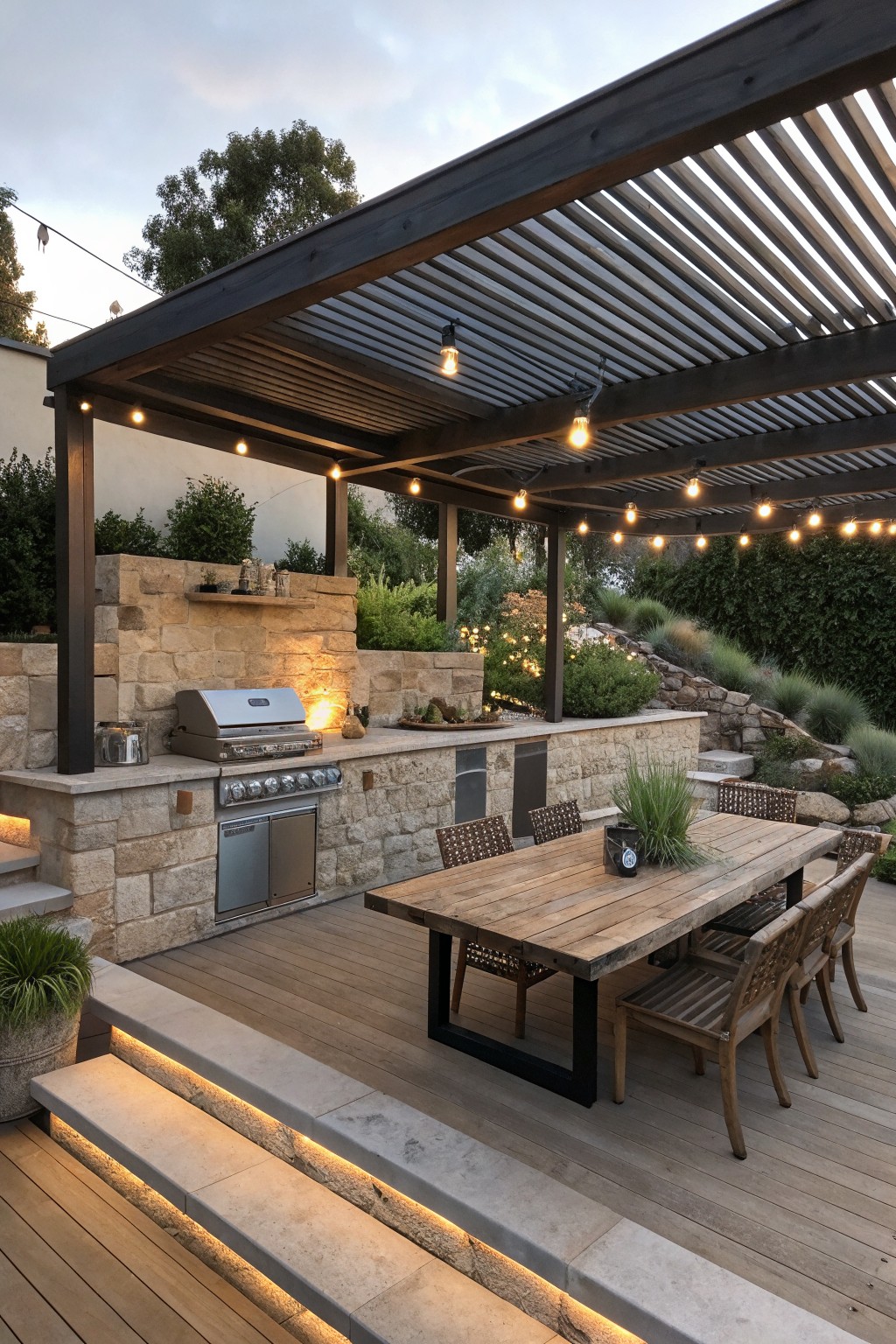
String lights along a pergola offer a straightforward way to keep an outdoor living area comfortable after sunset. They provide steady, low-level light for dining or sitting without extra wiring or high maintenance fixtures.
This setup works best on decks or patios that already have some overhead structure. Space the lights evenly along the beams and choose warm bulbs so the area stays inviting rather than overly bright. It fits most homes with a simple low-voltage system and holds up well for regular use.
Using Planter Lights Along a Path
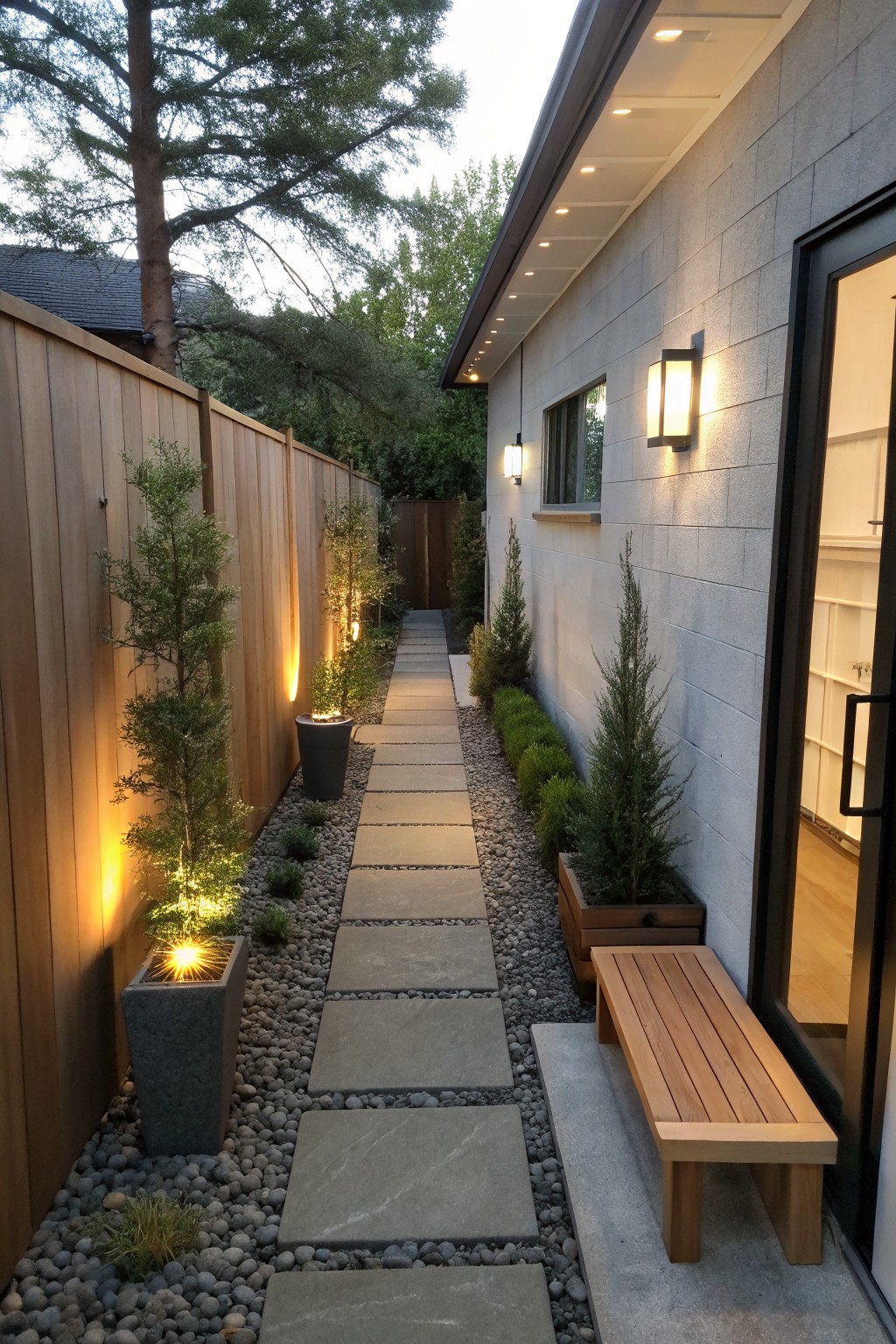
Placing low voltage lights inside a few large planters is a simple way to light a narrow side path without adding extra poles or fixtures along the ground. The light spreads softly from the plants and still shows the edges of the stones so people can walk safely at night.
This works well on homes with a long gravel or stone walkway between the house and a fence. Keep the planters spaced evenly and choose fixtures that aim downward so the light stays focused on the path. It stays neat and avoids the look of too many separate lights in a tight space.
Low-Voltage Lanterns Along Garden Paths
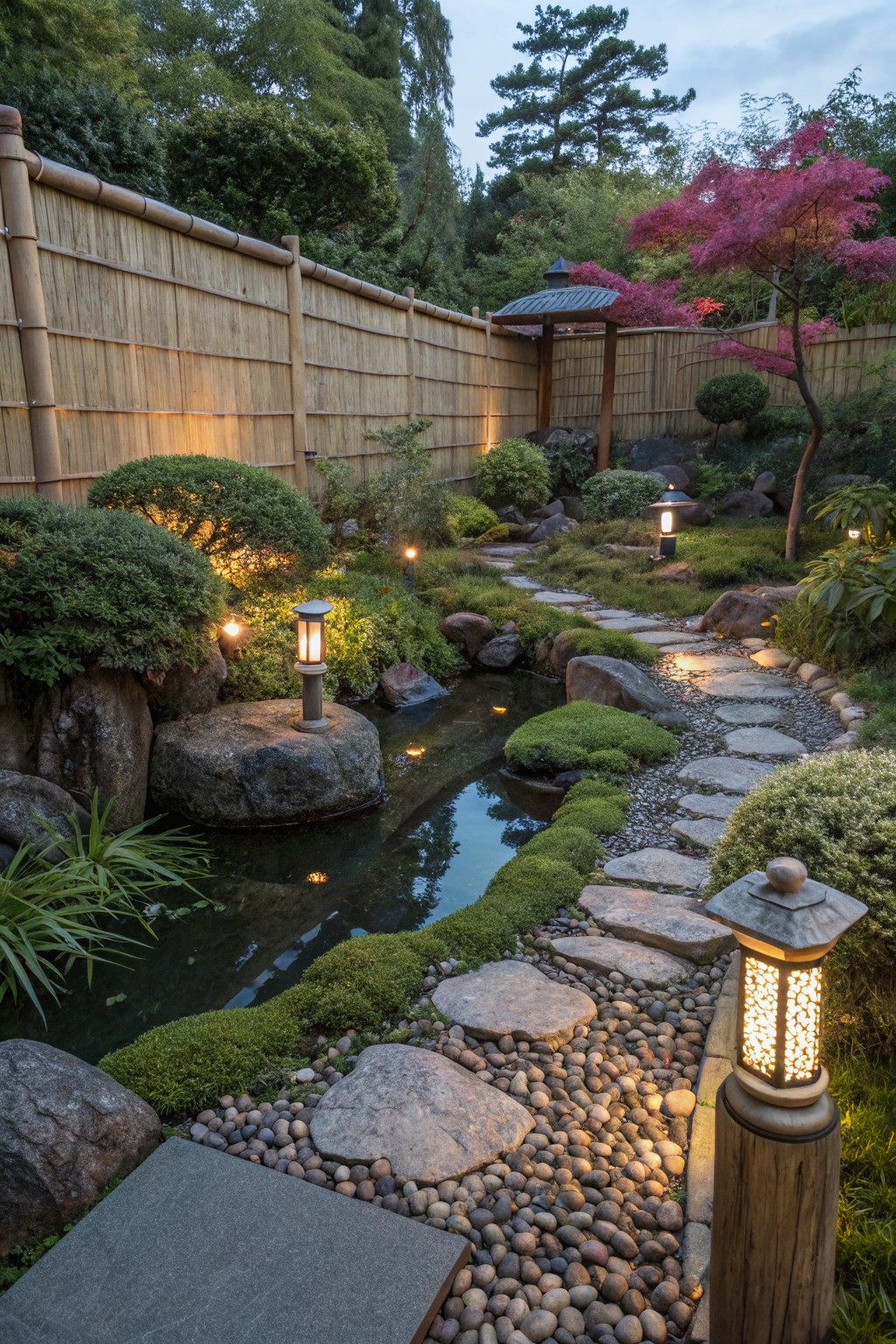
Placing low-voltage lanterns along a garden path gives steady light without much fuss. The fixtures sit low on posts or rocks so they mark the way clearly while leaving the plants and water looking natural at night.
This approach works best in smaller yards or side gardens where the path runs near a pond or bed of stones. Space the lights so each one covers the next stretch of walkway, and choose simple styles that blend with the surrounding plants and hardscape.
Low-Voltage Lights in Planter Boxes on Entry Steps
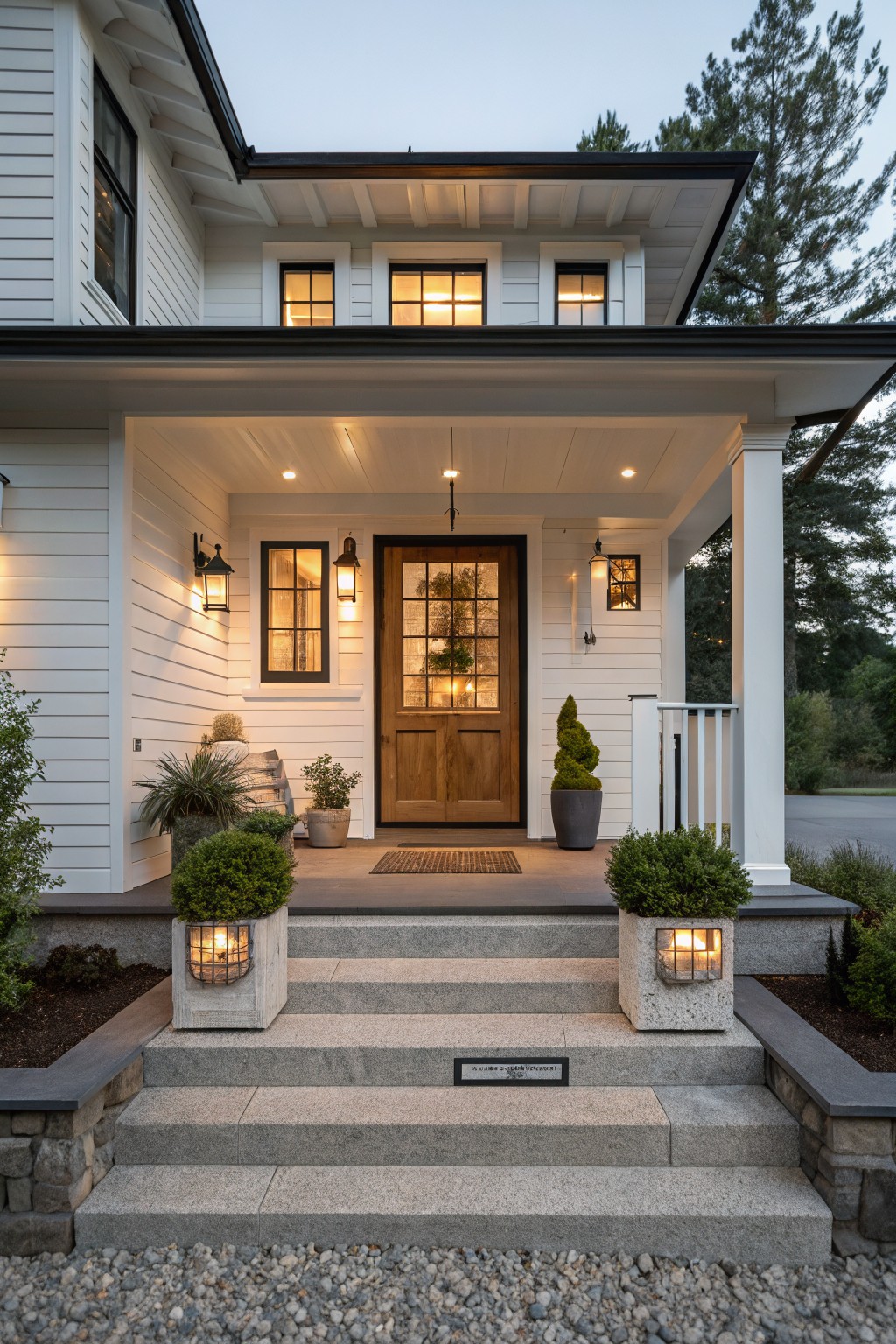
Tucking a low-voltage light inside a planter box gives you steady step lighting without adding separate fixtures along the walkway. The light stays contained, the cord stays short, and the glow marks the edge of each step at night.
This setup works well on homes with a short run of front steps and a few larger planters already in place. Keep the cord length under ten feet when possible, use a simple transformer nearby, and choose fixtures rated for wet locations so they hold up through the seasons.
Line Garden Paths With Low-Voltage Lights

Many people add low-voltage lights along garden paths because the setup stays simple and uses little power. The small fixtures sit close to the ground and mark the route clearly once the sun goes down.
This approach works best on curved paths or beds with soft edges. Space the lights a few feet apart and keep the bulbs warm so the glow feels steady instead of harsh.
String Lights For Simple Outdoor Lighting
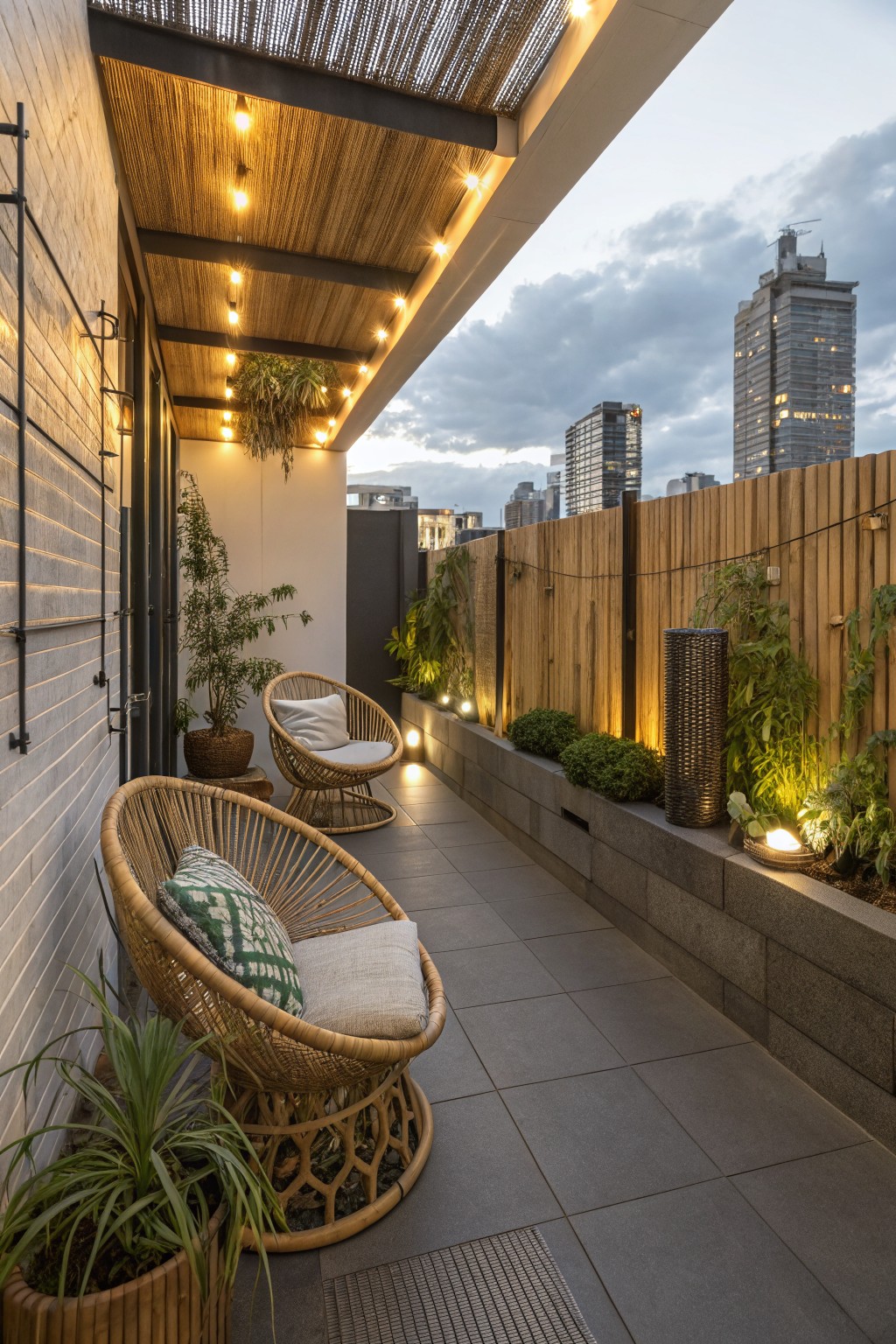
String lights work well on a covered balcony or terrace because they give steady light without much power use. They run easily along the ceiling and pair with a few low lights near the plants to keep the space usable after dark.
This approach suits apartments or homes where the outdoor area is narrow but still needs evening lighting. Keep the fixtures low voltage and use weatherproof bulbs so the setup stays reliable through the seasons.
Line Paths With Low-Voltage Lights
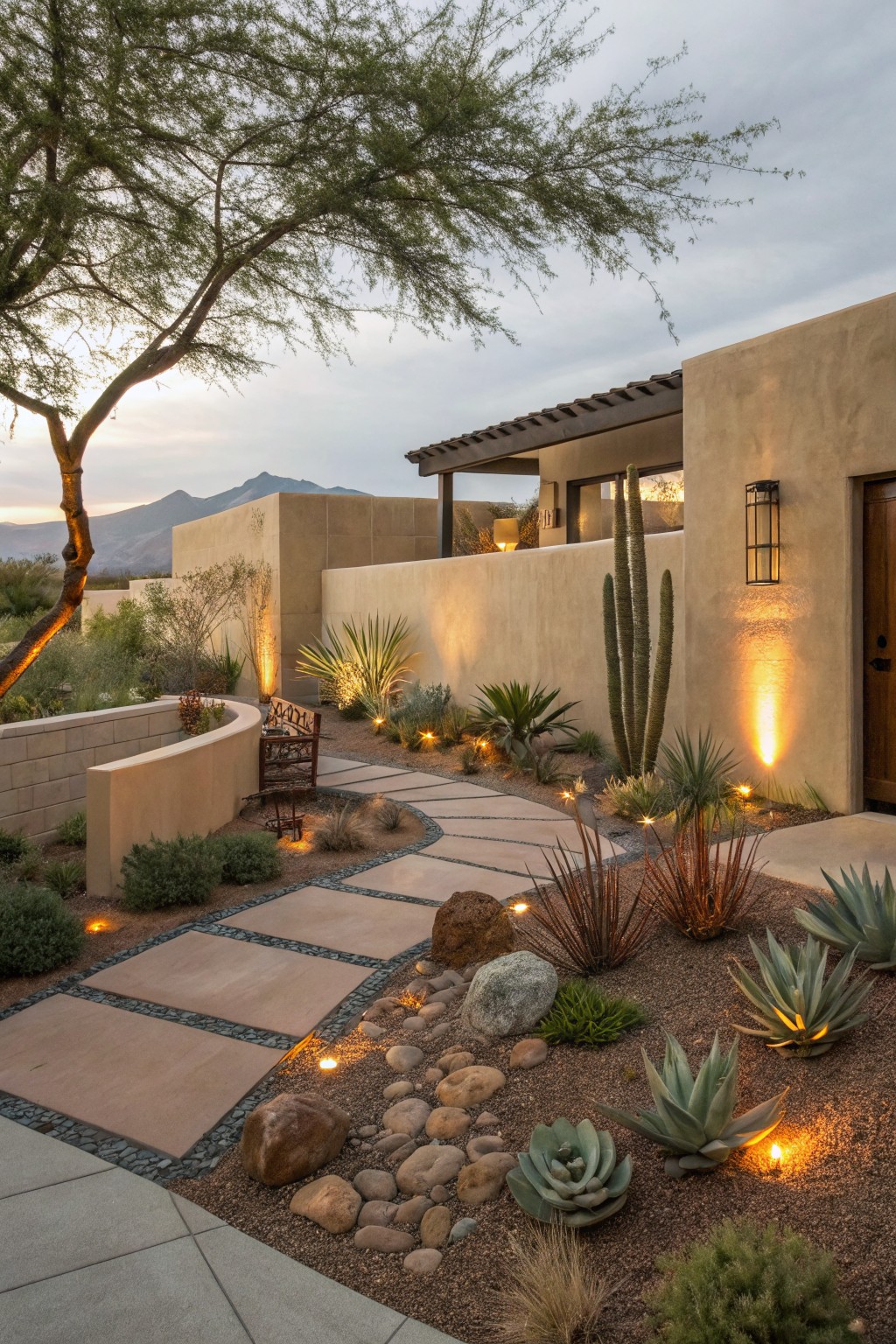
Many people like adding low-voltage lights along a garden path because it makes the space safer to use at night without a lot of extra work. The small fixtures stay low to the ground and give steady light exactly where feet need it.
This setup suits dry gardens or homes with gravel beds and stone paving. Keep the lights spaced evenly along the edges and choose warm bulbs so the path feels natural rather than harsh.
String Lights Over Outdoor Tables
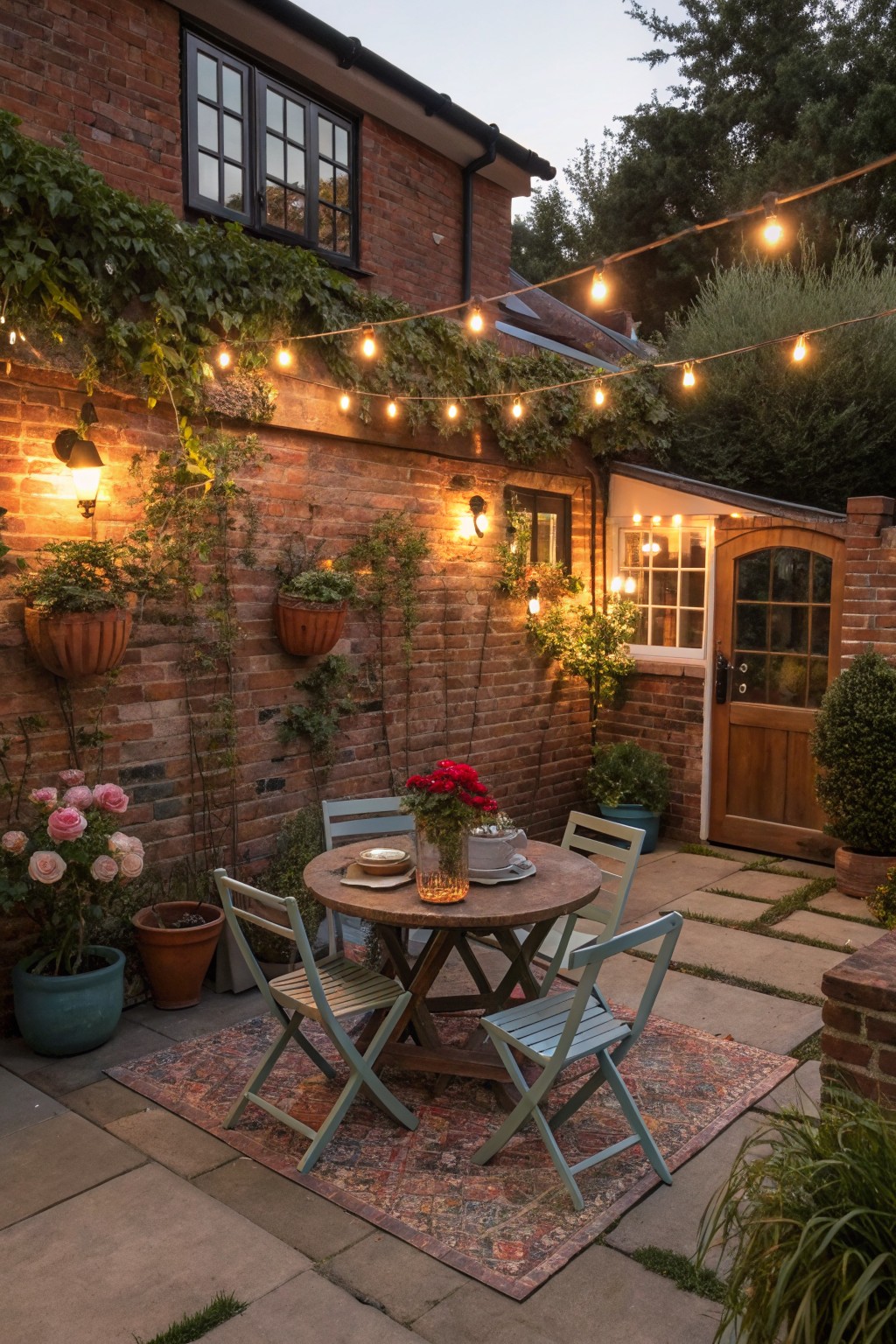
String lights work well when you want steady light for eating outside without a lot of fuss. Running them overhead across a small patio gives enough brightness for meals while keeping the setup simple and low voltage.
This approach suits homes with a brick wall or fence right beside the seating area. Hang the strings from the house or posts, add a couple of wall lights for extra coverage, and keep the bulbs replaceable so the whole thing stays reliable year after year.
Place Low-Voltage Posts Along Drive Edges

Low-voltage posts give steady light right where you need it most, along the side of a driveway or garden path. They mark the edge without taking over the view and stay simple to run on a basic transformer.
This approach works best on homes with gravel drives or open front beds where you want clear guidance after dark. Space the posts evenly and keep the fixtures dark so they disappear into the planting during the day.
Wall Lanterns For Courtyard Seating Areas

Wall lanterns work well when you want steady light right where people sit outside. They keep the glow low and focused on the table and chairs without flooding the whole yard or requiring tall poles that get in the way.
This setup suits small courtyards or side patios on homes with solid exterior walls. Place a pair at roughly eye level on either side of a door so the light lands evenly on the seating without glare.
Low Voltage Lights For A Water Feature
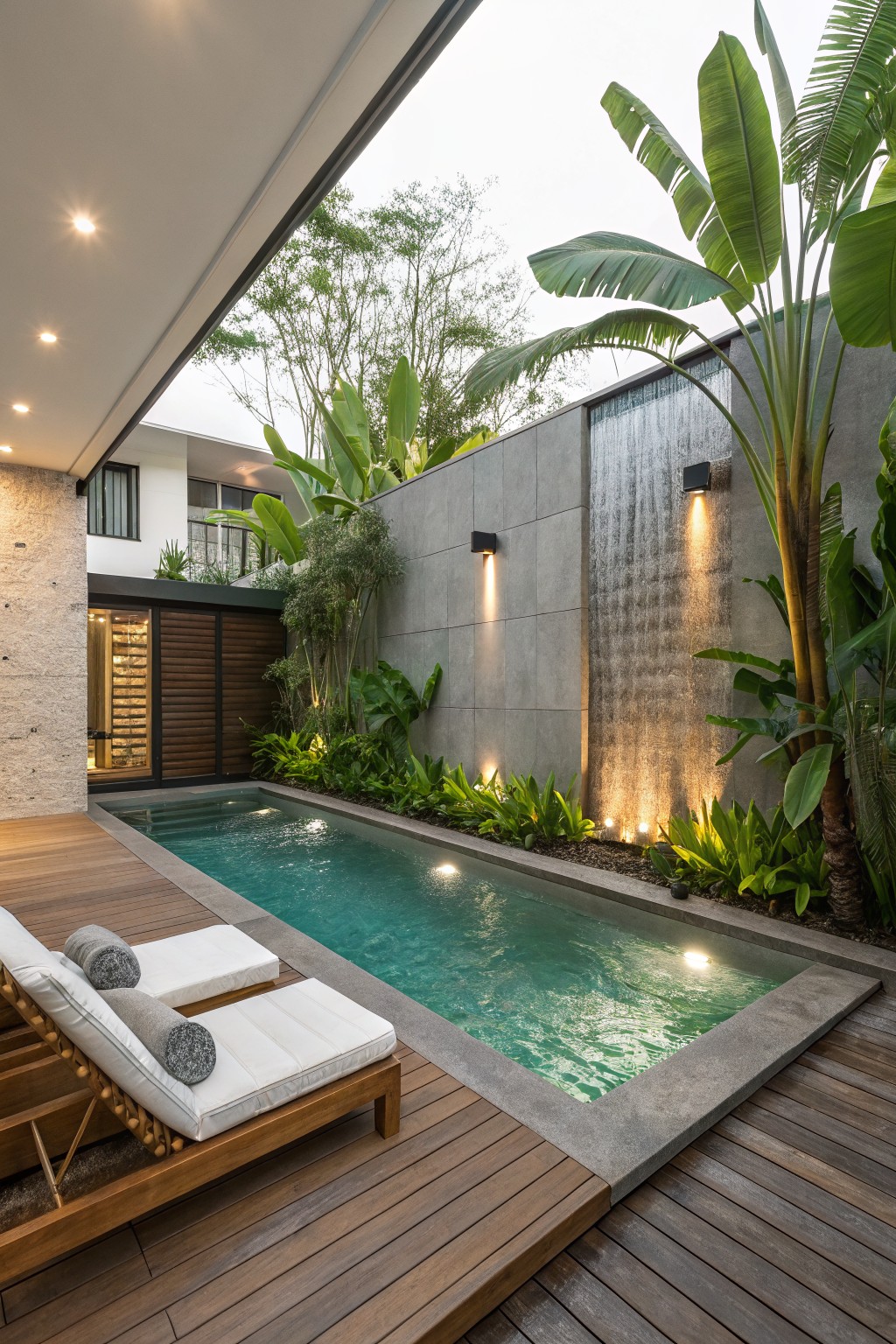
Placing low voltage wall lights on either side of a water wall gives the pool area a calm evening look without needing a lot of fixtures. The light reflects off the moving water and helps mark the edge of the pool so people can see where they are walking.
This setup works best in smaller backyards or modern homes where you want simple lighting that stays on for hours. Use fixtures rated for wet locations and aim them downward so the light stays focused on the water rather than spilling into neighboring yards.
Low Voltage Lighting Along Garden Paths
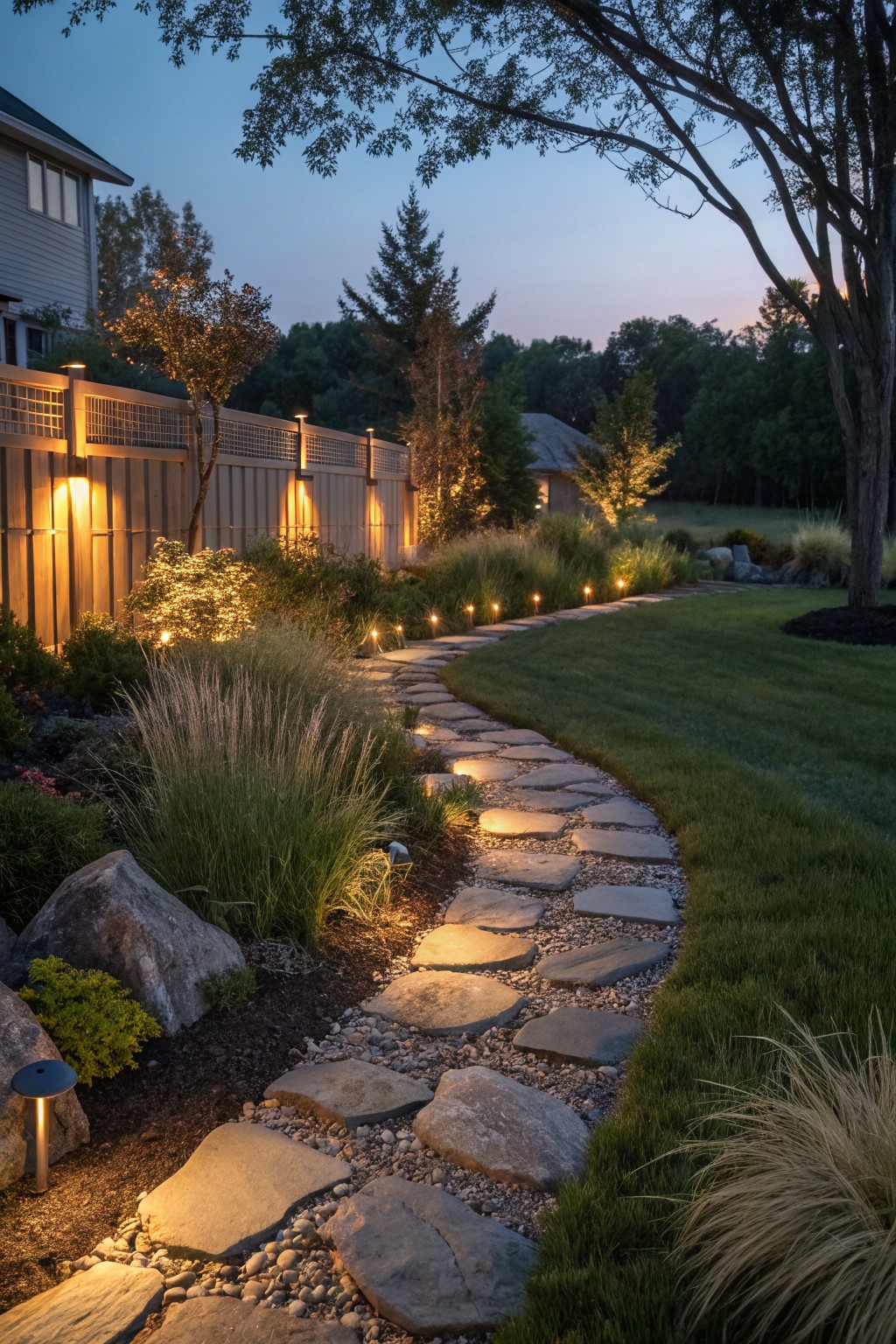
Low voltage lights placed along a stone path give just enough glow to walk safely at night without flooding the whole yard. The small fixtures stay low to the ground and follow the curve of the walkway, which keeps the light focused where it is needed most.
This approach works well in any yard that has a main path leading from the house to a gate or open lawn. Homeowners like it because the lights use little power and can be run on a simple timer. Just space them evenly and keep the path edge clear so the fixtures do not get buried by plants.
String Lights Along Narrow Garden Paths
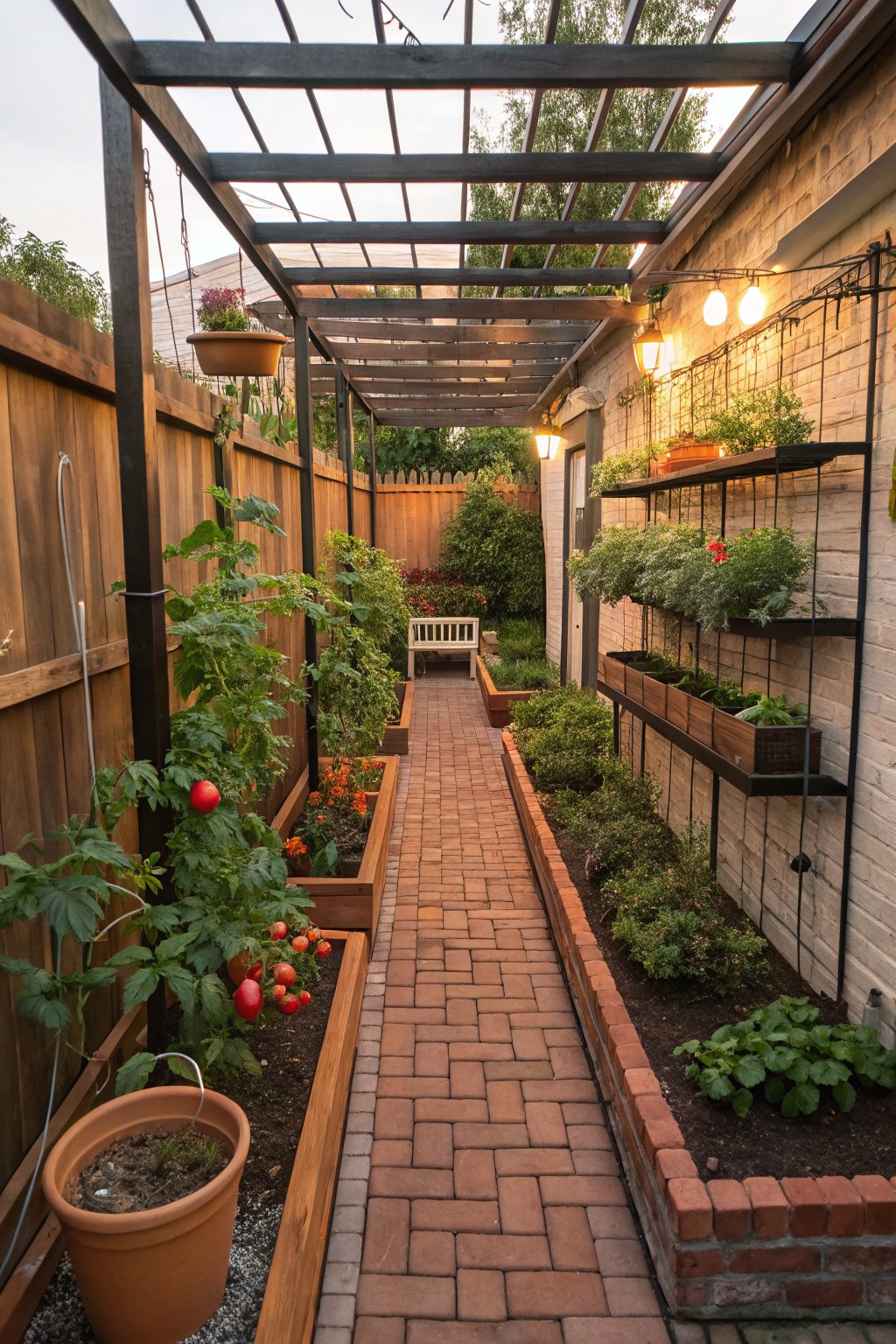
Low-voltage string lights give a simple way to light a long garden path without complicated wiring or high energy use. They work especially well when the path sits between raised beds or runs beside a fence, since the lights can follow the existing structure and stay out of the way.
This approach suits small yards or side gardens where you need steady, everyday light for walking safely. Space the bulbs evenly and choose warm white tones so the light stays gentle rather than harsh.
String Lights Along Pergola Beams
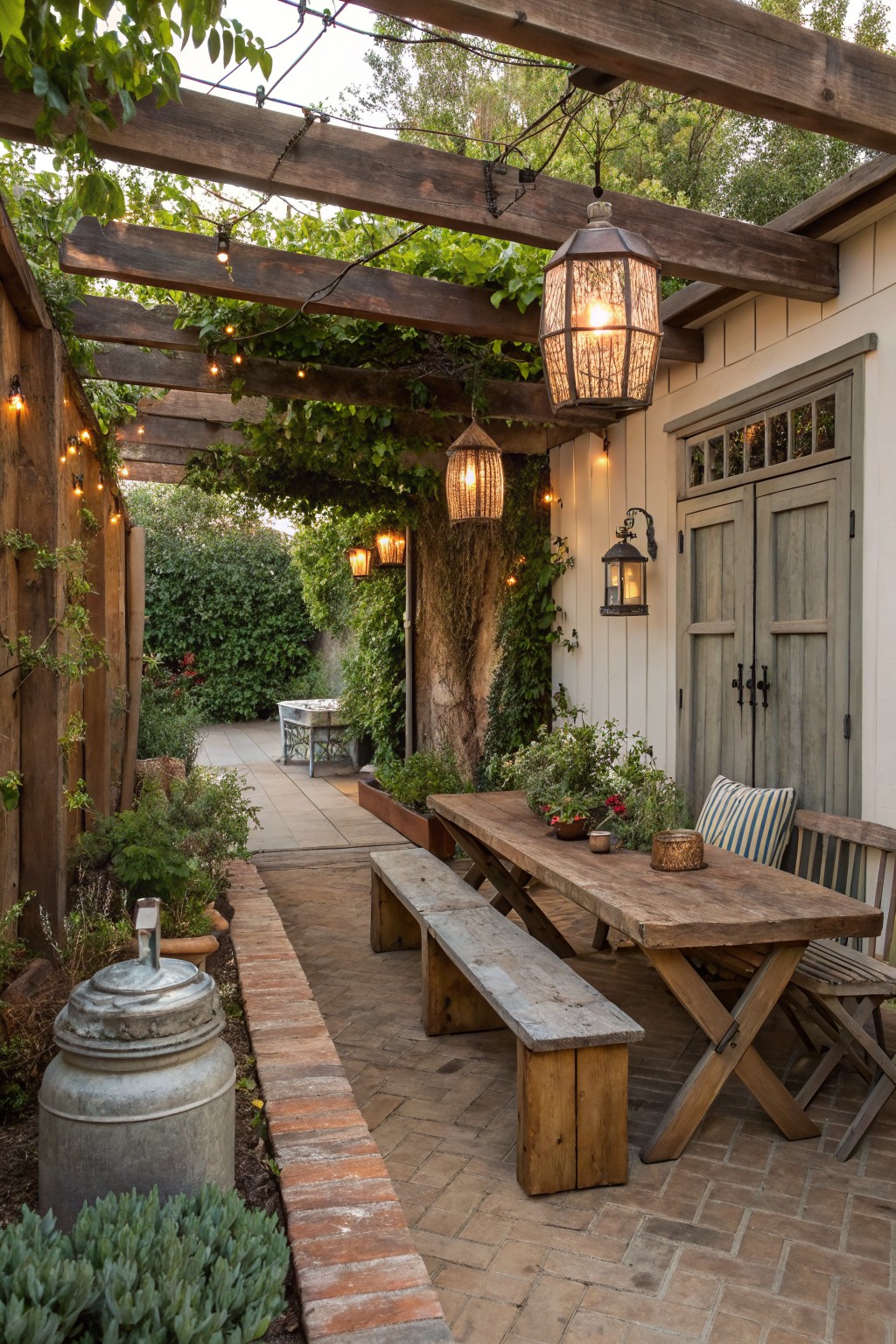
String lights work well when they follow the structure of a pergola instead of hanging loose. They provide steady low-voltage light for evening use without needing high power or complex wiring. The setup stays simple and holds up in most weather once the cords are secured along the beams.
This approach suits homes with a patio or outdoor dining area where people spend time after dark. Run the lights along the main beams and add one or two lanterns for a bit more focused light over the table. Keep the total number of strands modest so the space does not feel cluttered.
Low Voltage Lights Along Curved Garden Paths

Low voltage lights placed along paths help people move safely through the garden after dark. They follow the curves of the walkway and mark changes in level without needing tall fixtures or bright overhead lights.
This works best on sloped yards or larger gardens where paths connect different areas. Keep the lights low and spaced evenly so they show the route clearly while the surrounding plants stay the main focus.
Low-Voltage Path Lights Along the Front Walk
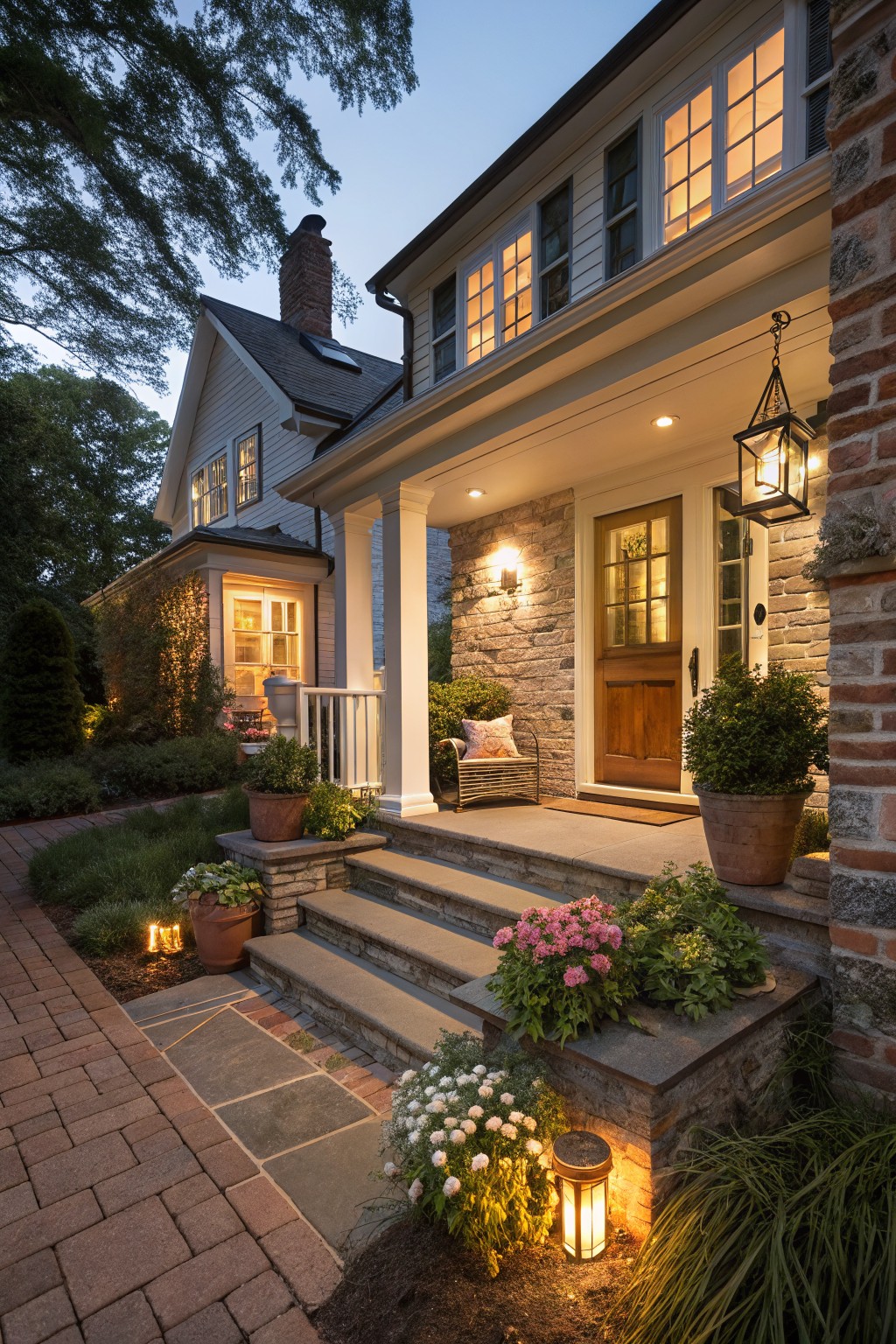
Running a line of low-voltage path lights along the walkway and up the steps gives people a clear, safe route to the door after dark. It avoids the need for one big bright fixture and instead spreads a gentle glow right where feet land.
This setup works best on houses with a short front path or a few steps up to the porch. Keep the fixtures close to the ground and aimed slightly downward so the light stays on the surface instead of shining into windows or the eyes of visitors.
Frequently Asked Questions
Q: How do I stop the cables from getting chewed up by the dog or the kids running around?
A: Tuck the wires into shallow trenches along flower beds and cover them with a layer of soil or gravel. Check the path once a season and push any loose spots back down before they become a trip hazard.
Q: What if one light stops working after a few months outside?
A: Unscrew the bulb first and test it in another fixture to see if it is the real problem. Most low voltage setups use simple push connectors so you can swap the whole fixture in minutes without touching the rest of the run.
Q: Can I start small and add lights later without buying a bigger transformer right away?
A: Pick a transformer with at least 20 percent extra wattage on day one. That extra room lets you plug in a couple more fixtures when you spot a dark corner you missed.
Q: How do I keep water from getting into the connections during heavy rain?
A: Twist the wires together and slide on a small waterproof boot or a dab of silicone sealant before you bury or hide the joint. The connection stays dry and the lights keep working through the wet months.
