

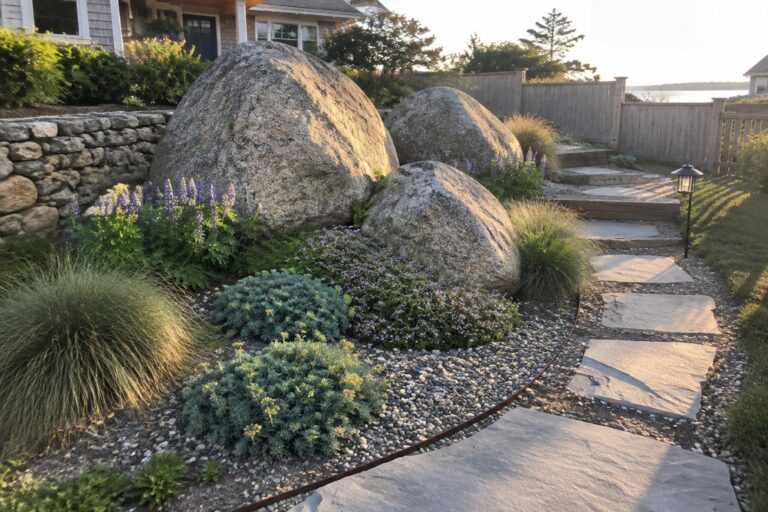
I have found that rock gardens hold their shape better when boulders are set to guide water flow and create sheltered spots for plants rather than placed for looks alone.
Gravel planting pockets need enough depth and edging to keep soil from washing away, which becomes clear after the first heavy rain.
Some placements work better than others in real conditions.
I tend to test boulder groupings first because they influence how the whole area settles and how much maintenance shows up later in the season.
Watching the layout through a full year has made me notice that simple changes in pocket size often matter more than adding extra stones.
Boulders as Anchors in Gravel Gardens
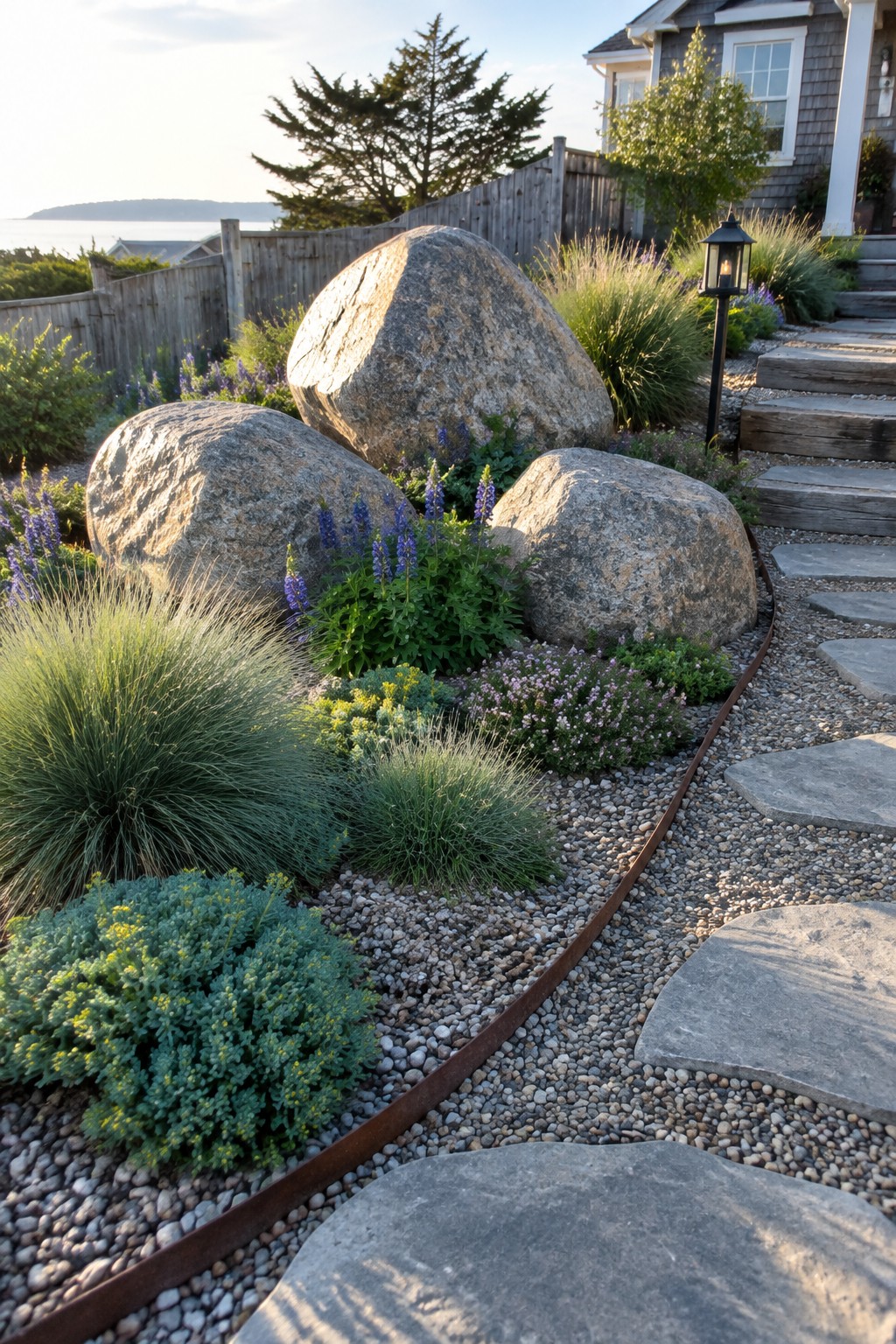
Large boulders give a gravel garden real presence without needing a lot of plants. They break up the flat surface and create natural pockets where smaller plants can settle in and look established right away.
This approach works especially well along pathways or near steps where you want something solid to guide the eye. Keep the gravel light so the rocks stand out, and use a simple metal edge to hold the gravel in place over time.
Boulders And Gravel Create Structure In Narrow Beds
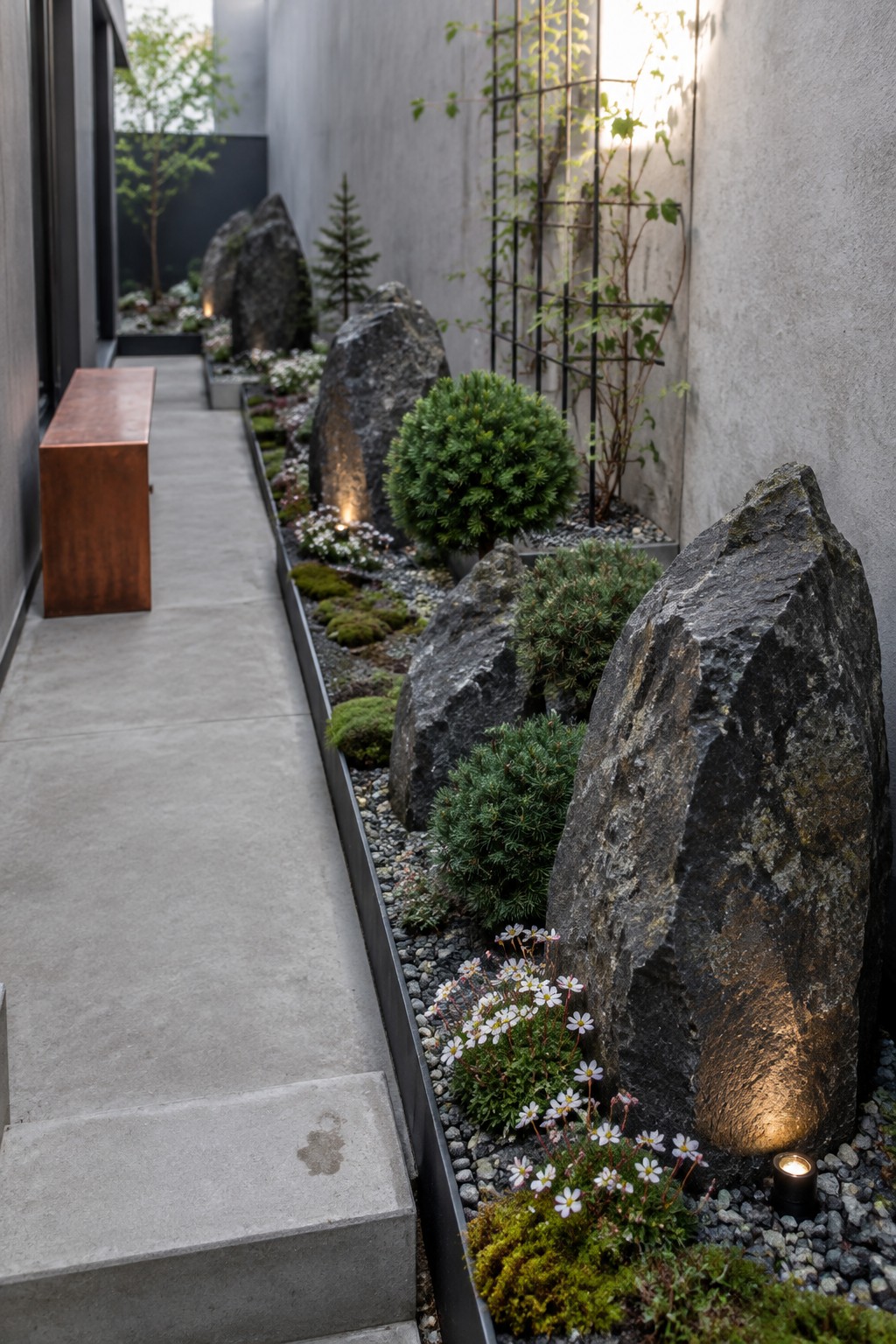
Boulders give real weight to a slim planting strip beside a path. The gravel base keeps the look clean while letting small plants settle into pockets around the rocks, which helps the whole bed feel intentional instead of scattered.
This works best along side yards or entry walks where space is tight. Group two or three larger stones, then fill the rest with gravel and low plants that can handle the dry conditions. Keep an eye on scale so the rocks do not crowd the walkway.
Boulders Give Gravel Gardens A Clear Center
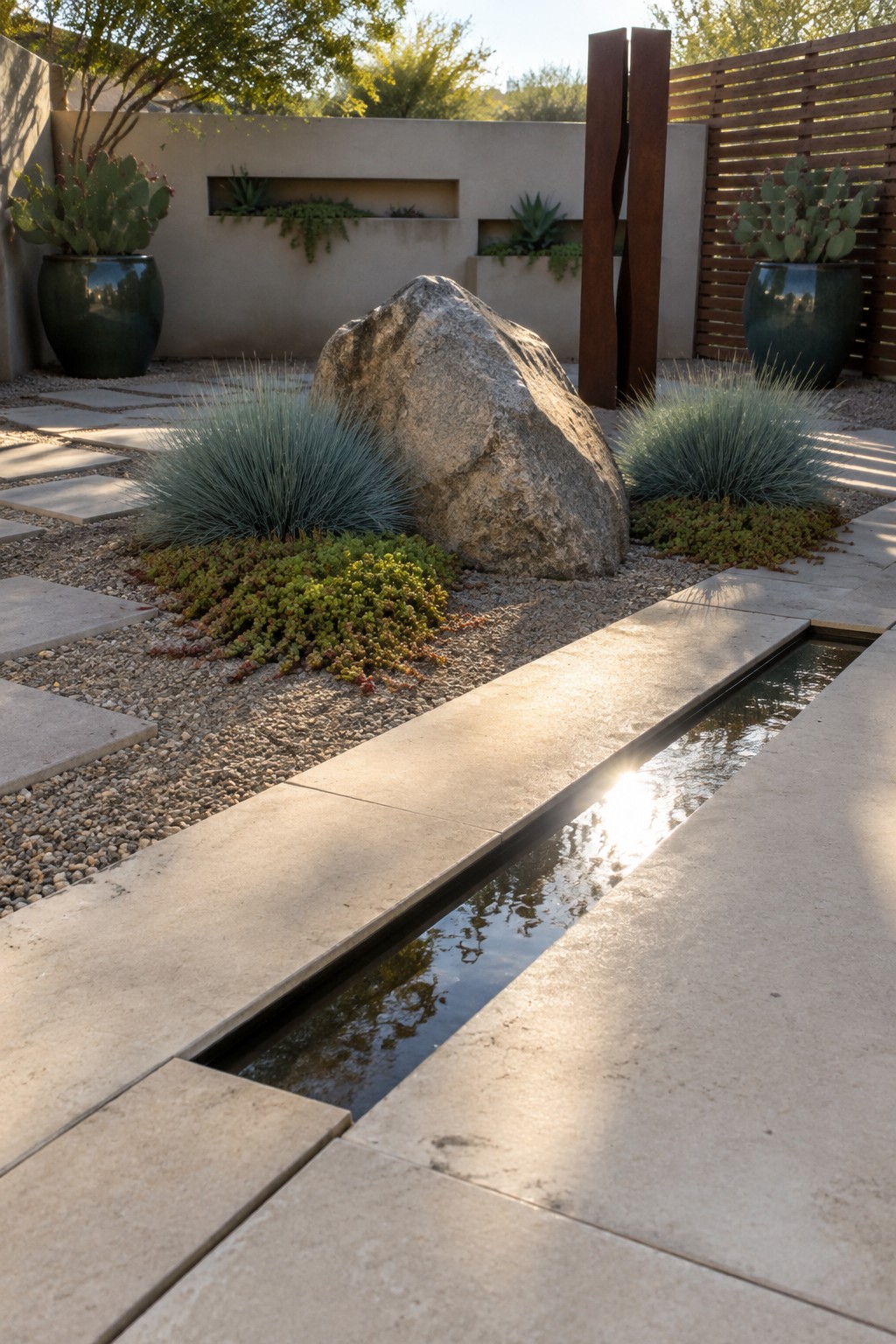
A large boulder like the one here sets the whole layout in place. It breaks up the flat gravel and gives the surrounding plants a reason to stay grouped instead of spreading out everywhere.
This works best in dry or low-water yards where you want low upkeep. Set the boulder first on a stable base, then add gravel around it and tuck smaller plants into the pockets that form naturally along the edges.
Boulders Along Gravel Paths
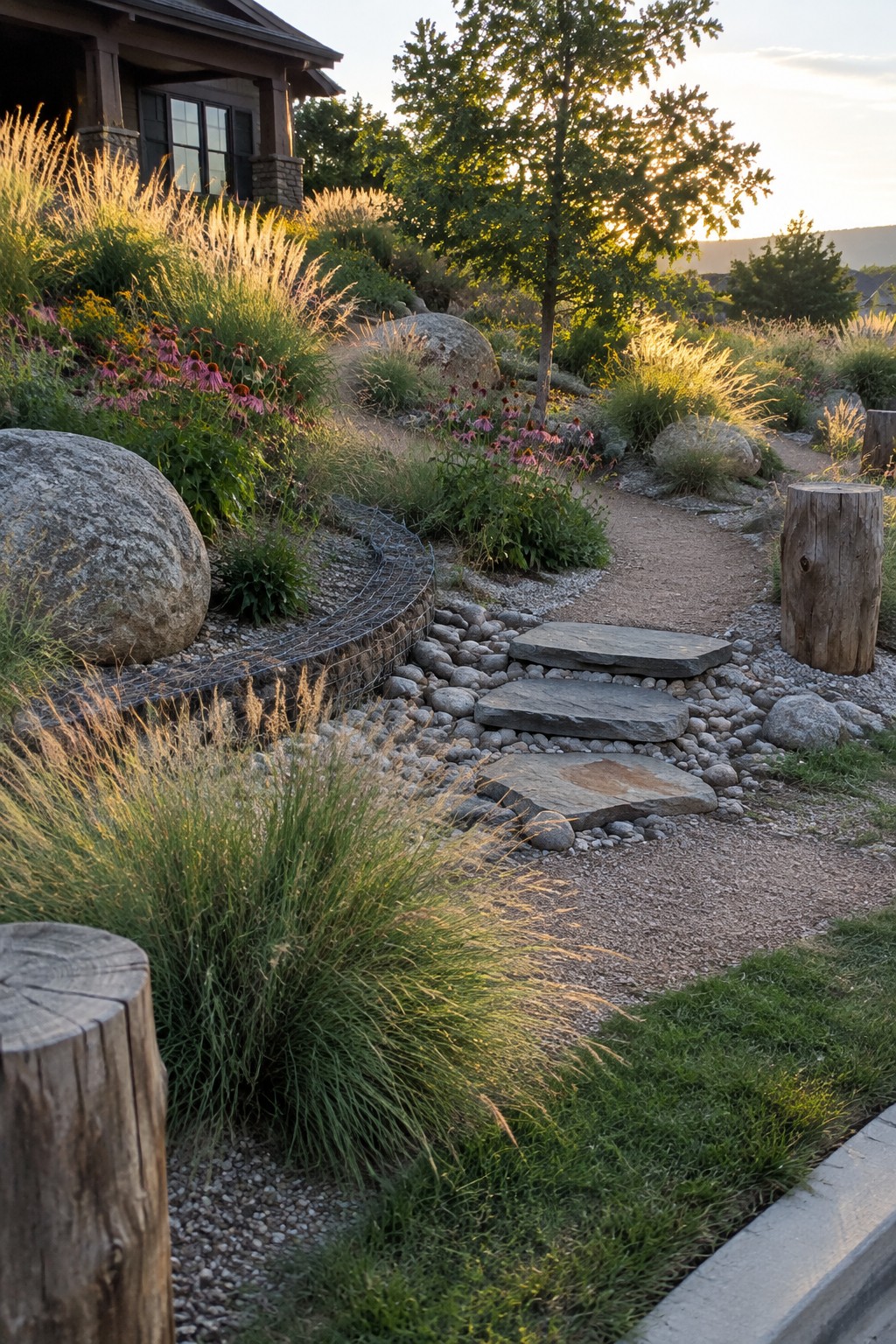
Boulders work well along gravel paths because they give the edge a solid, natural look without needing a lot of extra structure. They hold the gravel in place and create spots where grasses and flowers can settle in small pockets between the rocks.
This approach fits homes on slopes or larger yards where you want a path that feels part of the landscape rather than something added on top. Keep the boulders in a few sizes and let the gravel fill around them so the whole thing stays low maintenance.
Boulders And Gravel For Natural Pool Edges

Large boulders paired with gravel planting pockets give a pool edge some structure without making it feel too formal. The rocks break up the straight line of the coping and let the planting feel like it belongs there instead of being added on later.
This setup works best in sunny yards where you want low maintenance but still need clear separation between the water and the garden. Set the boulders first to create pockets, then fill with gravel and plants that can take some reflected heat from the pool deck.
Boulders Help Shape Gravel Planting Pockets
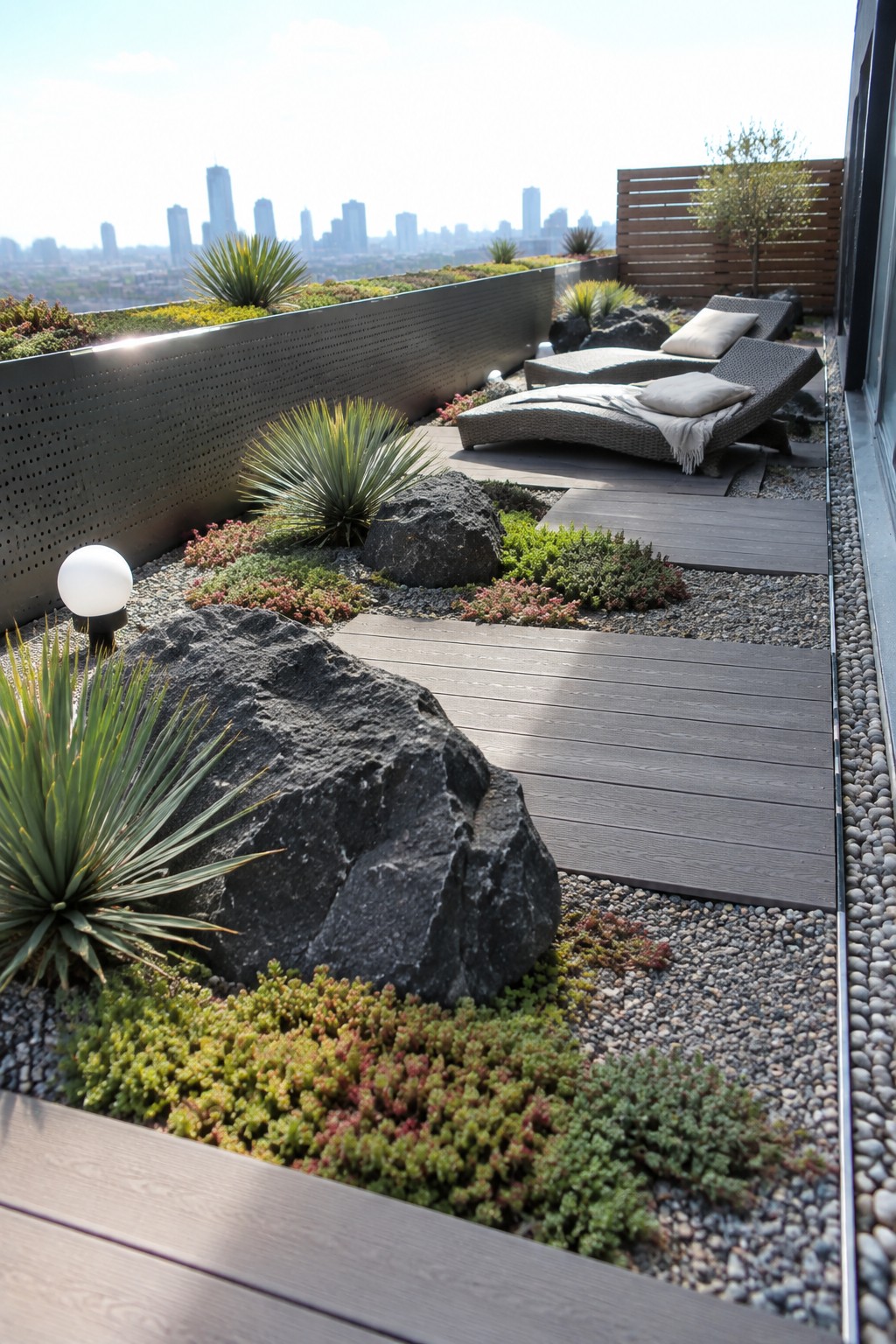
Large boulders placed right in the gravel give plants clear spots to grow without spreading everywhere. They break up the flat surface and create small pockets where soil can stay in place while still letting water drain through.
This works especially well on rooftops or paved terraces where you want some height and texture but need to keep the overall weight manageable. Stick with drought-tolerant plants like succulents and grasses that thrive in those tighter spots.
Boulders And Gravel Form Planting Pockets

Large boulders paired with gravel give you a simple way to hold plants in place without a lot of edging or soil work. The rocks create natural pockets that keep everything looking settled, and the gravel helps with drainage so the plants stay healthy even in exposed spots.
This setup works well along paths or near the coast where wind and salt are an issue. Use the boulders to anchor the beds, then fill around them with gravel so small plants can settle in without spreading too far.
Boulders Set In Gravel Beds

Large boulders placed straight into gravel planting pockets give a garden real weight and structure. They stand out against the smaller stones and let low plants grow right up around the edges without looking messy.
This works best along walkways or beside water features in modern yards. Use just a few boulders so the gravel stays open and easy to walk on, and choose dark stones if your house has similar tones.
Boulders And Gravel Form Natural Planting Pockets
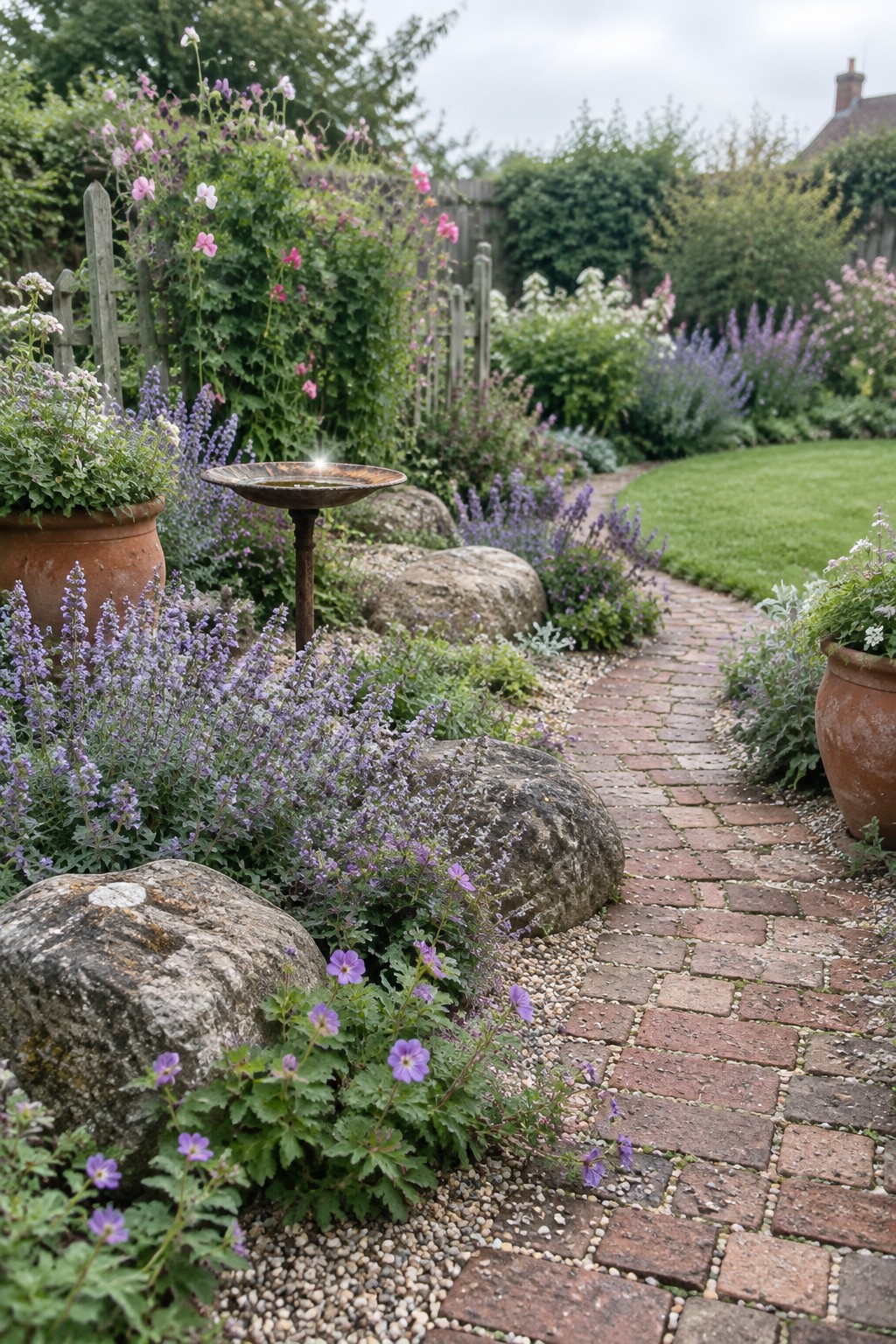
Large rocks placed in gravel beds give plants room to settle in without needing deep soil everywhere. The setup keeps the look casual and helps with drainage along paths or borders where regular beds would be too much work.
This approach works best in informal gardens or cottage style yards that already have some stone around. Keep the gravel layer thin enough for roots to reach soil underneath, and choose plants that spread easily between the rocks.
Boulders Give Gravel Gardens A Solid Foundation
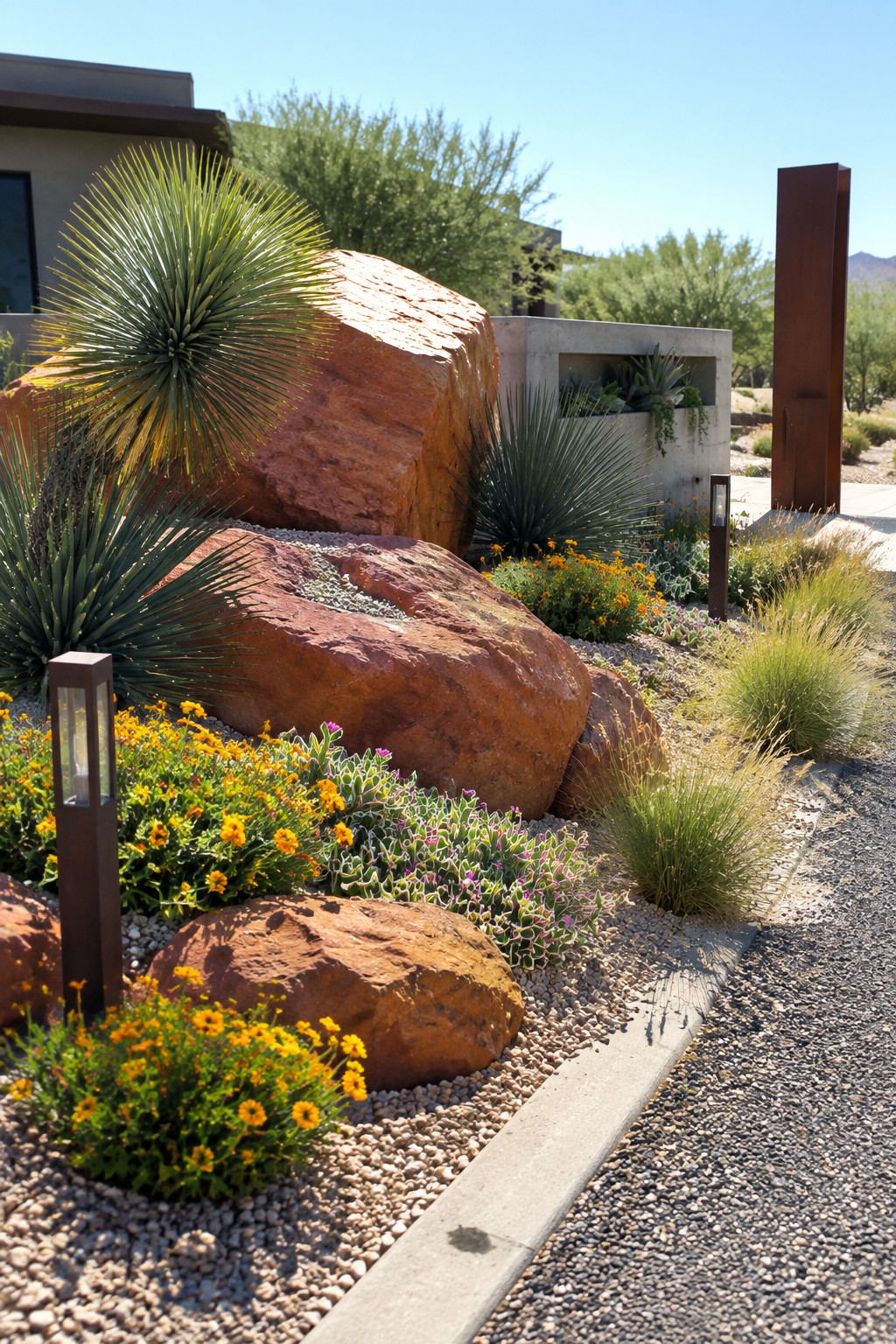
Many people like using large boulders in gravel gardens because they create lasting structure without a lot of extra work. The rocks break up flat stretches of gravel and give plants a place to cluster naturally while keeping the overall look simple and rugged.
This setup suits dry climates and homes with clean modern lines. Place a few boulders of different sizes first, then fill around them with gravel and tough plants that need little water.
Boulders Shape Gravel Planting Pockets

Large rocks give gravel beds a clear shape without making the garden feel stiff. They hold the soil in place and create small pockets where plants can settle in naturally while the gravel keeps everything looking simple and low maintenance.
This setup works well along paths or at the edge of a yard where you want drainage and color without constant upkeep. Start with the boulders in place, then add the gravel and tuck in tough perennials that like sun and dry roots.
Gravel Planting Pockets Around Boulders

One simple way to work large boulders into a garden is to set them in gravel and plant directly into the pockets that form around them. The gravel keeps the area tidy and helps with drainage while the plants soften the edges of the rocks.
This approach suits homes with dry or rocky yards where you want some greenery without constant watering. Keep the plant choices low and repeat a few types so the whole bed stays easy to care for over time.
Gravel Planting Pockets Along Patio Edges

Gravel planting pockets give a simple way to work a large boulder into a garden bed without a lot of fuss. The gravel keeps the area tidy, improves drainage, and lets you tuck smaller plants right up against the rock so everything feels connected.
This setup works best along the edge of a patio or near a house wall where you want low maintenance. Use it in drier climates or on sloped sites where water needs to move through quickly. Stick to compact perennials that can handle the reflected heat from the stone.
Boulders Give Gravel Gardens Their Shape

Large boulders set the structure in a gravel garden and keep the layout from feeling too flat. They create natural pockets where moss and small plants can take hold along the edges of a path.
This approach suits compact yards that need a low-maintenance route with some weight and presence. Set the biggest rocks first, then rake the gravel around them and fill the gaps with plants that stay small.
Boulders Shape Planting Pockets Along Gravel Paths
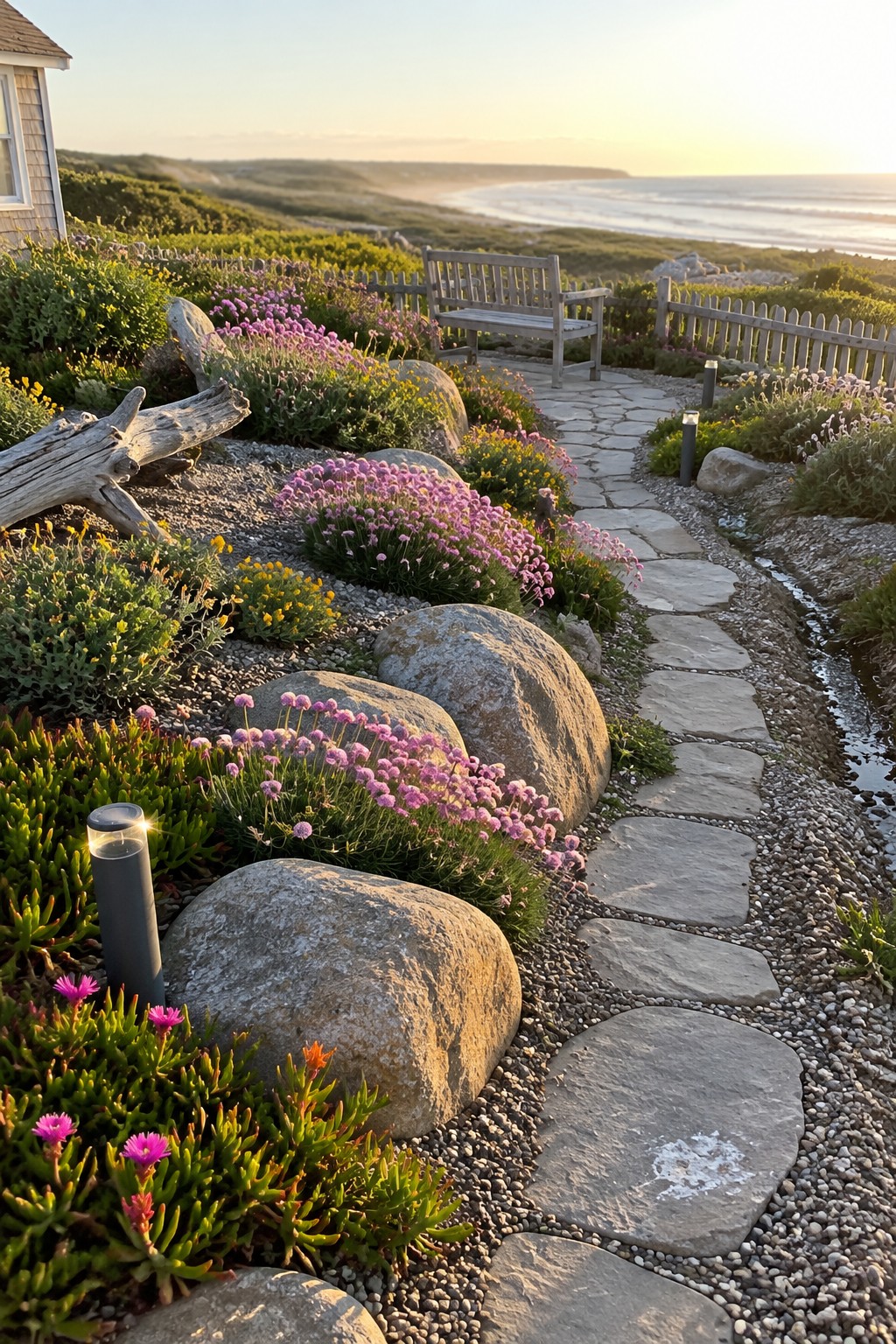
Boulders give weight and structure to a gravel garden without making the layout feel stiff. They hold the beds in place and create natural pockets where plants can root and spread on their own.
This works best in open, windy spots where good drainage matters. Set the largest rocks first to mark the beds, then fill around them with gravel and add tough perennials that can handle sun and salt air.
Boulders And Gravel Make Simple Planting Pockets

Large boulders set the edge of a garden bed and keep everything in place. They form pockets that hold gravel and let plants sit in their own spots without taking over the whole area.
This setup works best along pool decks or side paths where drainage matters. Succulents stay neat in the pockets, and the rocks cut down on weeding while still looking natural.
Frequently Asked Questions
Q: How do I keep the gravel from shifting around the boulders over time? A: Rake it back into place every few months. You can also edge the beds with larger stones to hold everything steady.
Q: What if my soil stays too wet for the pocket plants? A: Improve drainage by mixing gravel into the soil before planting. This helps prevent root rot in those small spaces.
Q: Can I add more boulders later without messing up the existing setup? A: Yes, just work around the plants carefully. And lift them gently before you add the new rocks.
