

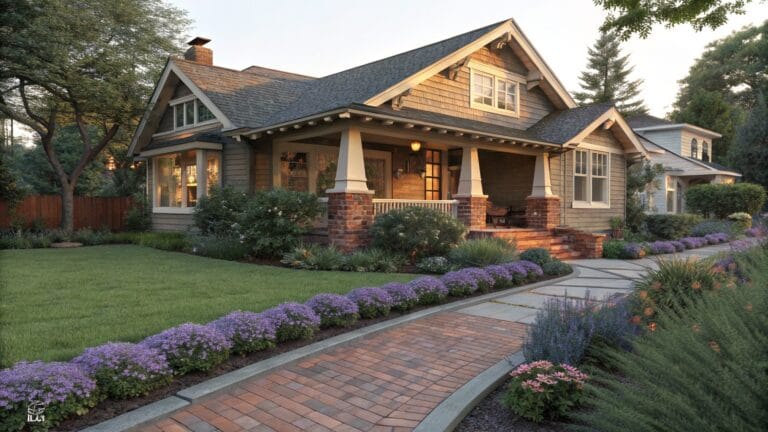
I’ve started noticing garden edging more after reshaping the beds around my backyard patio.
I tend to pick up old bricks from local sites for my own edges because they weather into the landscape without drawing extra attention.
The ones that pull through use everyday materials like stone or wood that match the yard’s scale and let plants take center stage.
Ones with bold colors or plastic strips often fade fast and pull focus from the greenery instead.
A couple in this set make real sense to adapt.
Low Brick Walls for Garden Edging
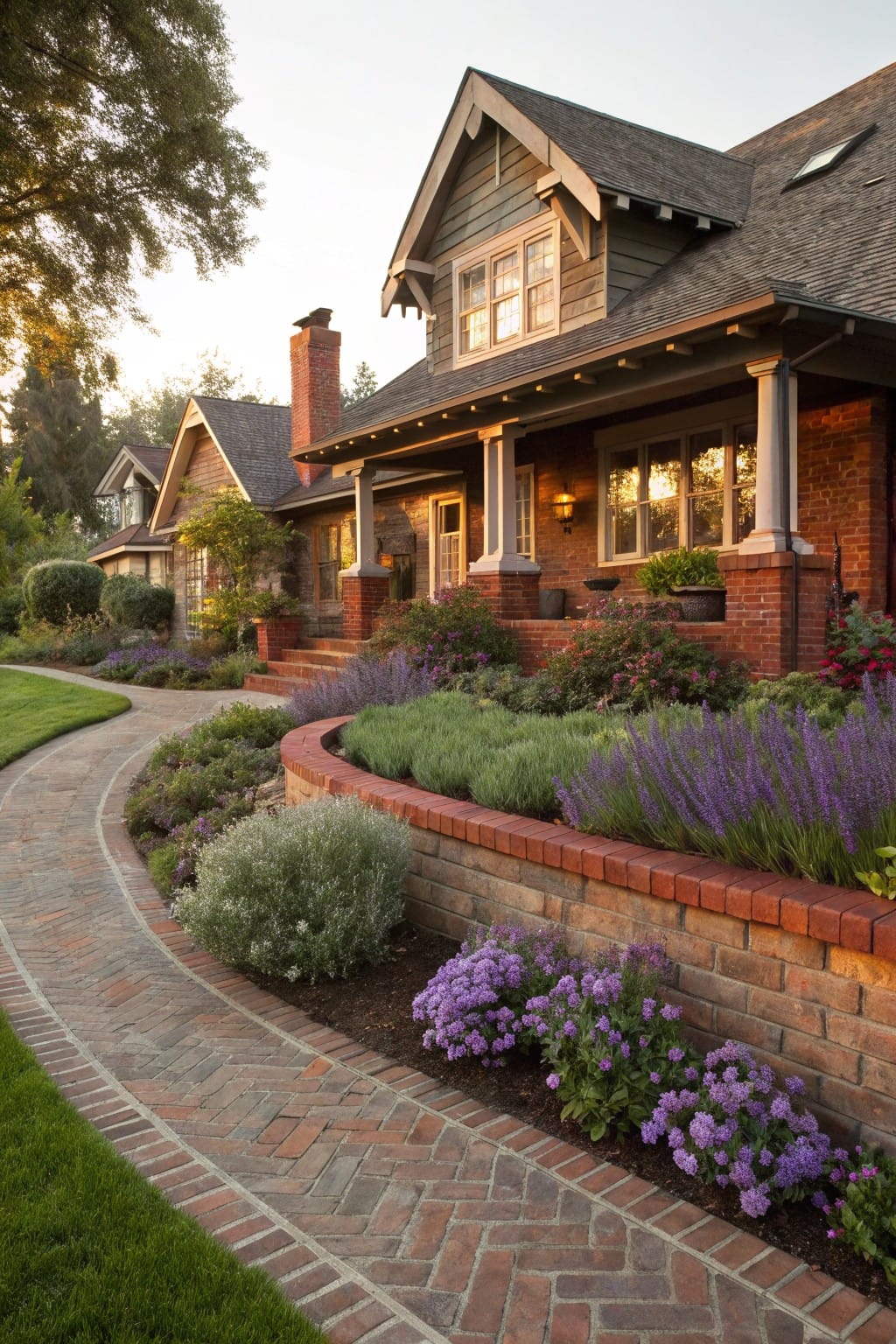
Low brick walls make solid garden edging that keeps beds tidy without looking stiff. They hold back soil and let plants tumble over the top in a natural way. Here the wall runs along a curving path, with salvia and lavender adding color right at the edge. It ties right into the brick house for a pulled-together front yard look.
You can add these walls anywhere you need to separate lawn from planting beds, especially along walkways. They suit older homes or any spot with a slight slope. Just match the brick color to your house if you can, and plant tough perennials that won’t mind a trim now and then.
Corten Steel Raised Beds for Garden Edges
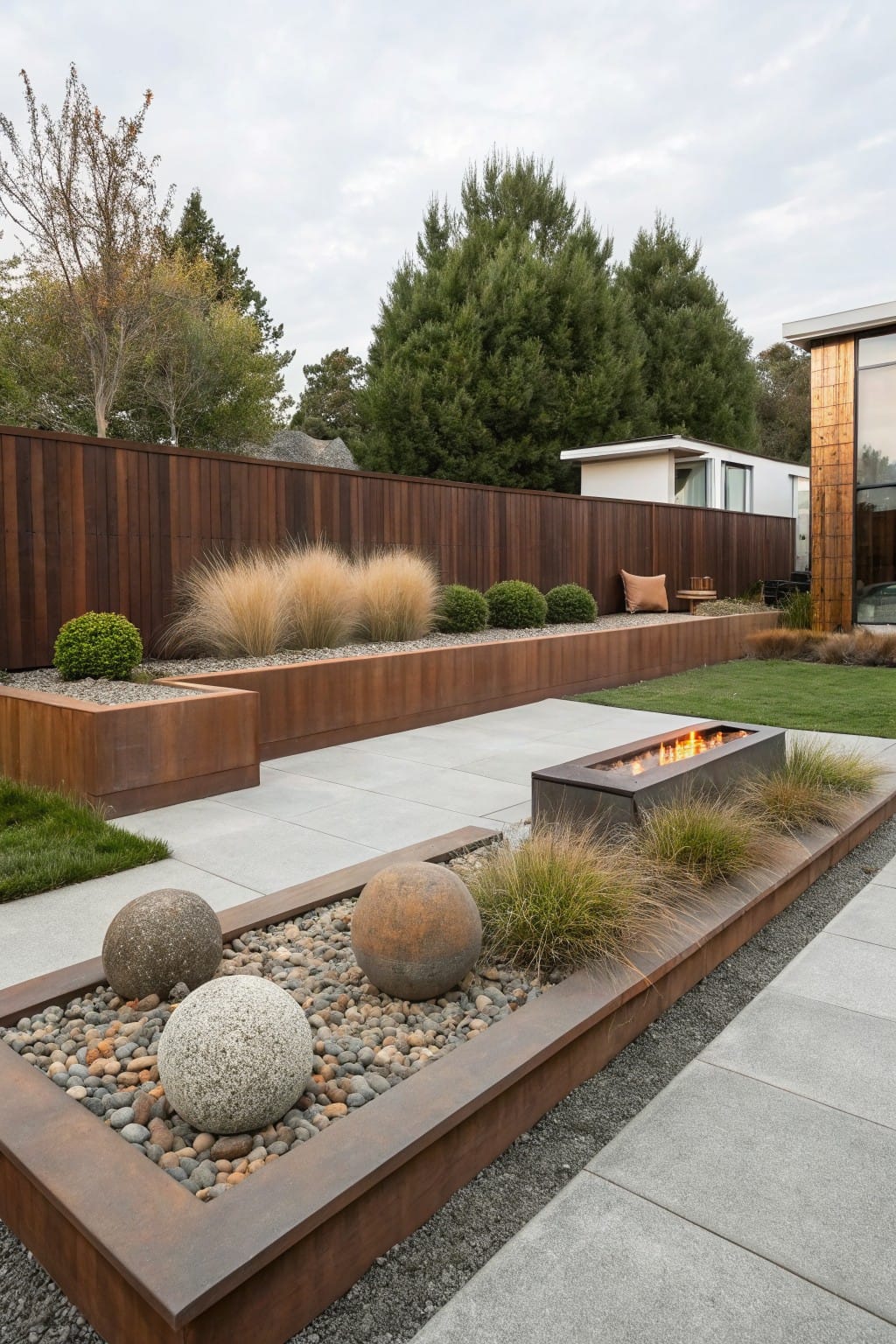
One simple way to define garden borders is with corten steel raised beds. These rusty metal boxes hold back soil or gravel while giving a tough, weathered look that fits right into a yard. In this setup, large boulders sit among pebbles and feathery grasses, keeping everything neat without much upkeep.
You can use them to edge a patio or lawn like this, especially in modern or midcentury homes. They work best where you want low plants or rocks instead of flowers. Just watch the rust runoff at first. Line them up straight or in angles for clean lines that last.
Weathered Timber Raised Beds
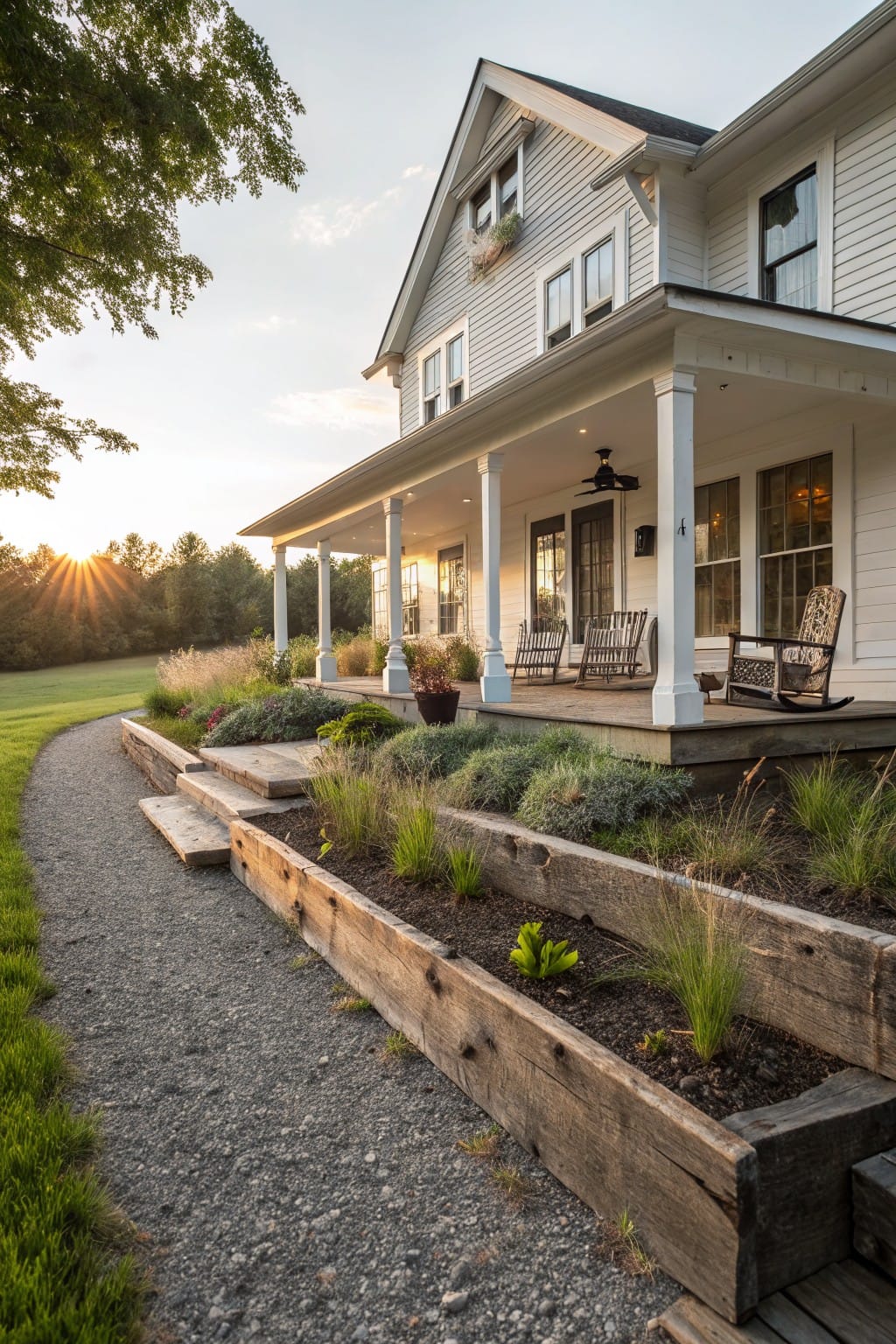
Raised beds made from old rough-cut timbers make solid garden edging, especially along paths like the gravel walkway here. They hold back soil and plants without looking fussy. The weathered look blends into yards with a country feel, and grasses poking out keep it simple and low-care.
Line them next to driveways or house entries where you need to define beds. They suit farmhouses or older homes on bigger lots. Source reclaimed railroad ties or beams for that patina. Keep drainage good underneath, or the wood might rot faster in wet spots.
Pebble Edging for Walkways
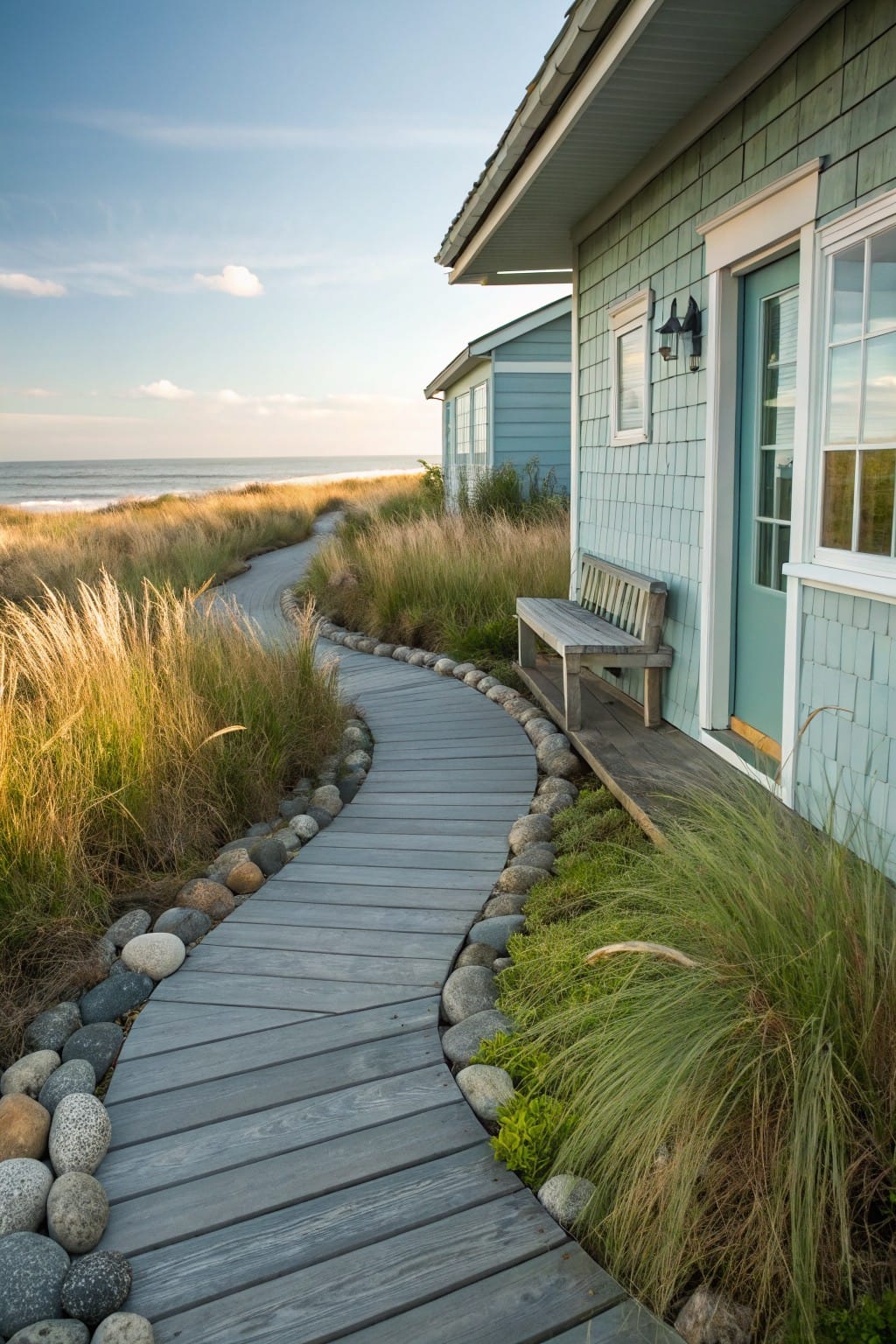
Smooth pebbles make a clean, low-key border for garden paths. Here they line a wooden boardwalk that winds through tall grasses toward a beach house. The rocks define the edge without overpowering the natural look. They catch the light too. Simple stuff that holds up outdoors.
This edging fits yards with a casual or coastal style. Think cottage gardens or spots near dunes. Grab rounded stones from a nursery or beach if allowed. Lay them along pressure-treated wood or gravel paths. One thing. Set them a few inches deep to stop shifting over time.
Boxwood Hedges for Walkway Edging
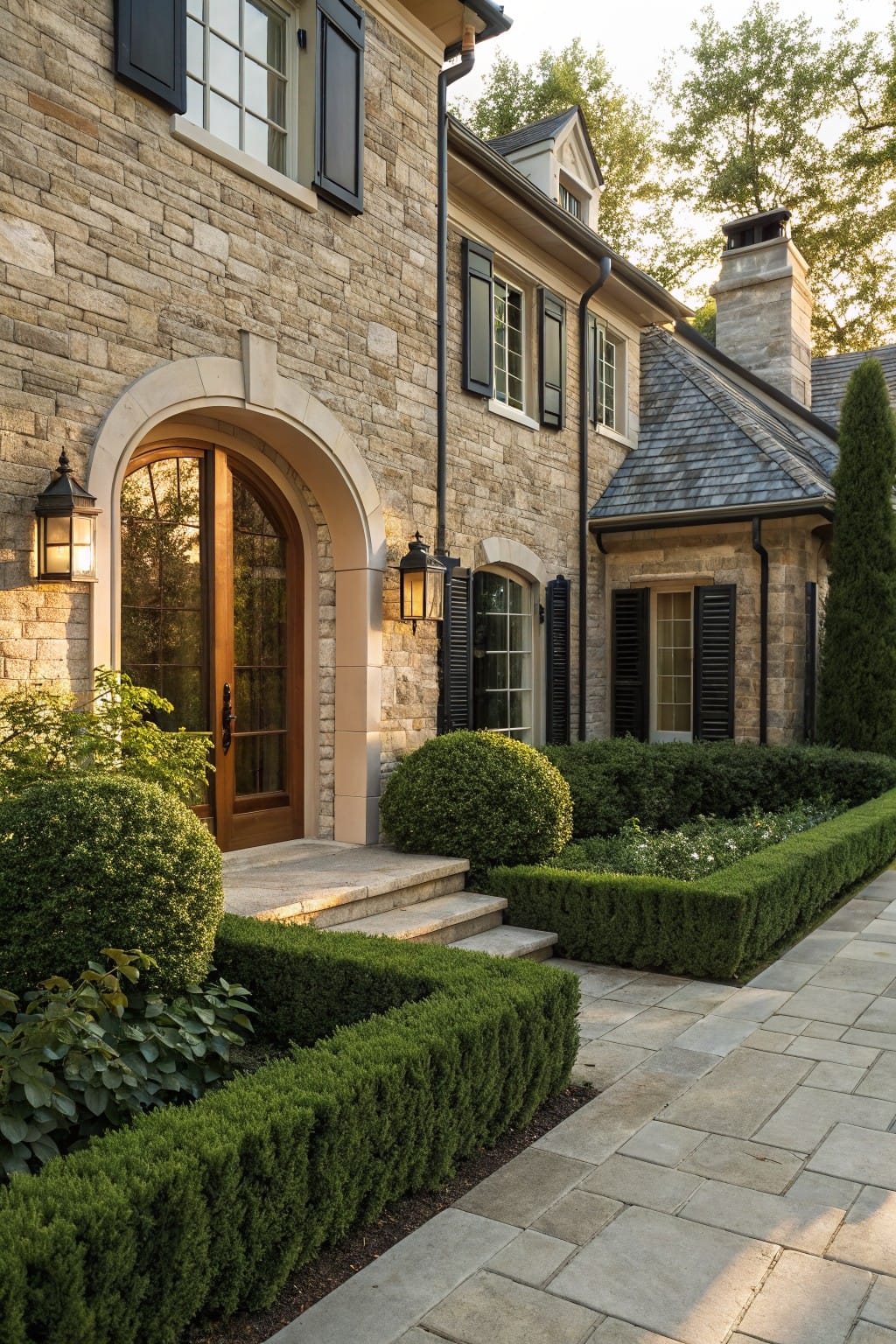
Boxwood hedges offer a simple way to edge garden paths and make any walkway stand out. These low, dense shrubs create a crisp border that keeps mulch or plantings in place and leads the eye straight to the entry. You see it here along a stone path, where the trimmed boxwoods stay neat year-round and add that classic formal touch without much fuss.
Plant boxwoods along both sides of paths in sunny spots with good drainage. They fit traditional homes or yards aiming for structure, like around a front door or driveway. Shear them a couple times a year to hold the shape. Watch for boxwood blight in damp areas, though. Easy upgrade.
Mosaic Tile Patio Rugs
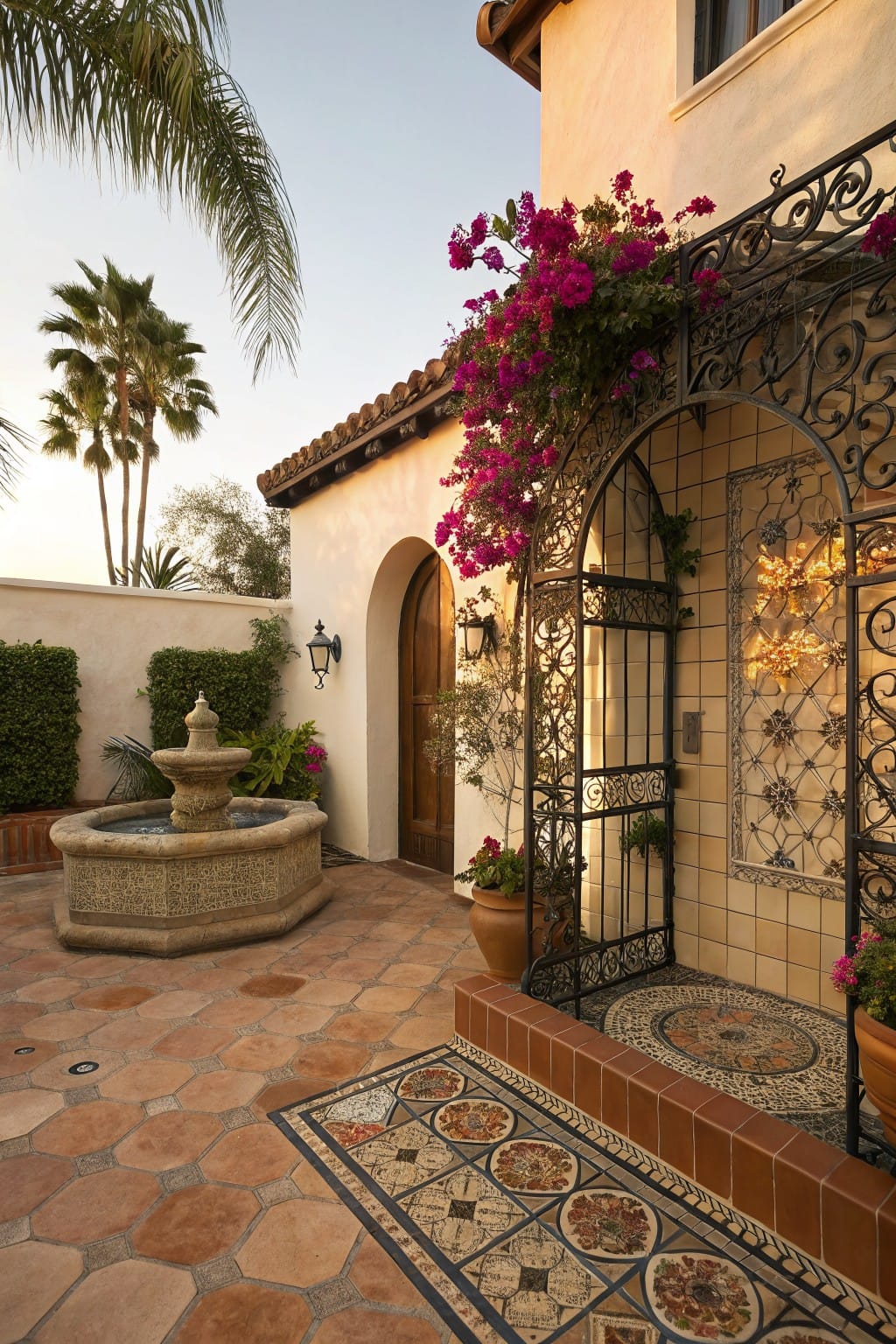
A mosaic tile rug sits right at the patio entry, like a handmade welcome mat made from colorful patterned tiles set into plain terracotta pavers. It breaks up the floor in a simple way and pulls focus toward the door without any fuss. Folks notice how it feels custom and lived-in, especially when it’s sized just right for foot traffic.
Put one down in a courtyard or along a garden path where you want a defined spot to step into the yard. It suits older homes with tile floors or sunny spots that get walked on a lot. Keep the design busy but not too big, and seal the tiles well so they hold up outdoors.
Raised Succulent Beds Along Patios

One simple way to edge a patio from the lawn is with raised concrete beds planted up with tough succulents like agave. Filled with white pebbles for drainage and that clean look, these beds keep grass in check without much upkeep. They fit right against the hard patio surface and add some green without crowding the space.
You can build them low, maybe a foot high, using concrete blocks or poured walls. They work best in sunny spots for the plants to thrive, and suit modern homes or any yard wanting low-water landscaping. Just make sure the bed drains well so roots don’t rot.
Brick Garden Edging
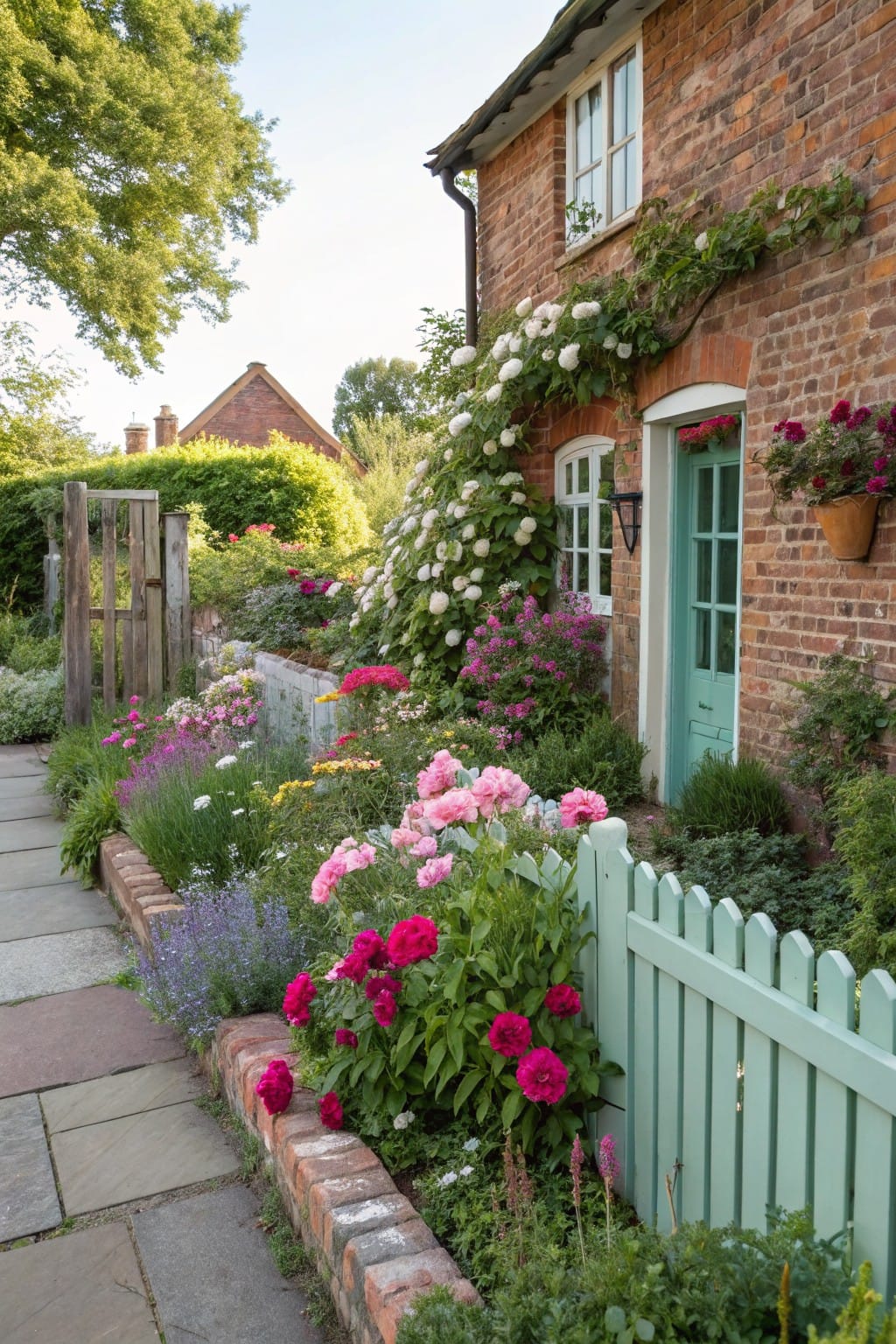
Low brick edging like this makes garden beds stand out without much fuss. It pulls right from the house bricks for a natural tie-in. Flowers tuck in close and hang over the edge a little. That keeps the path clear but lets plants do their thing.
Use it along walks to the door or around yard borders. Fits cottage homes or any place with brickwork already. Stack bricks one or two high, set them in sand or mortar. Good drainage matters, or roots stay too wet.
Gravel Paths Edged with Grasses
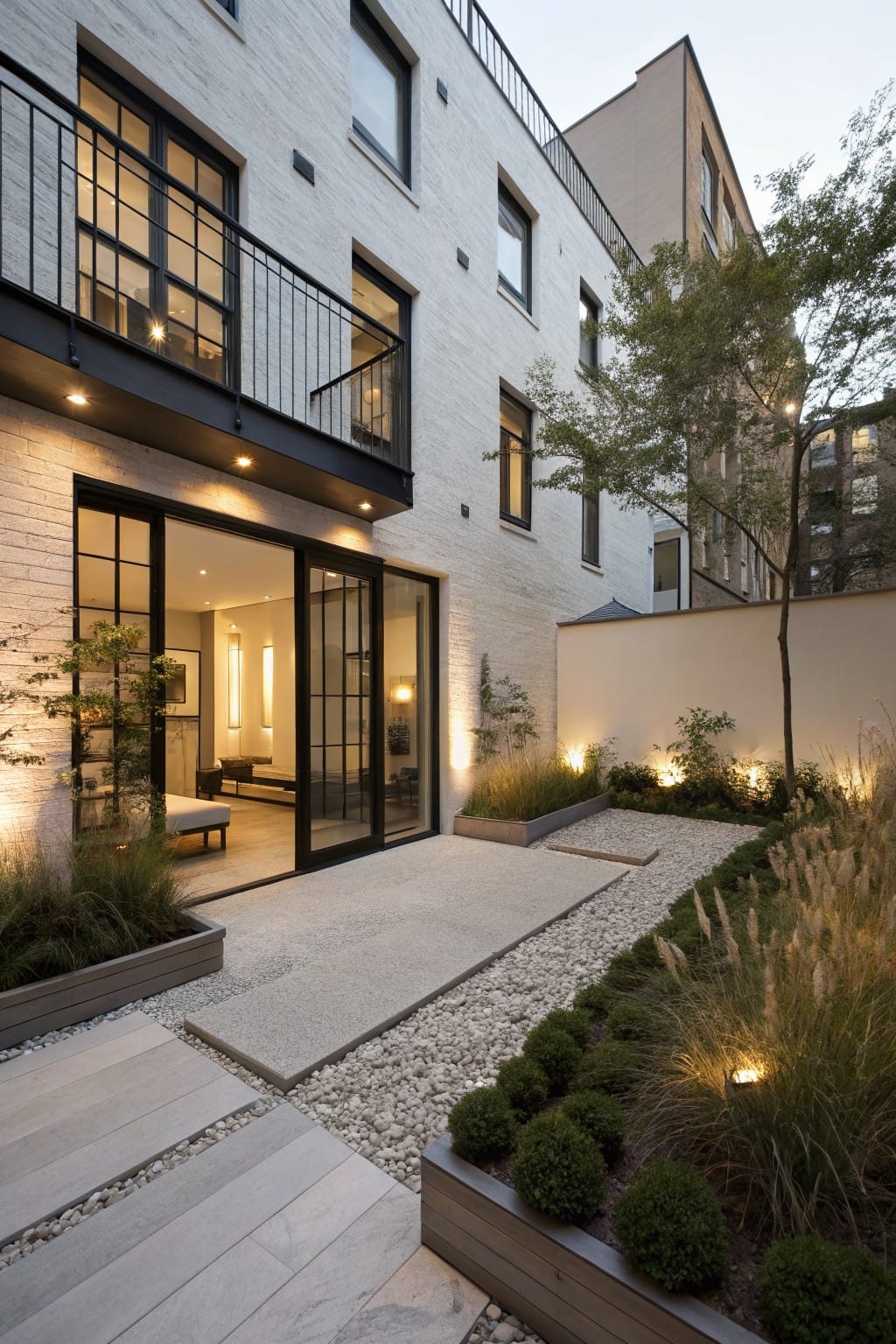
Gravel paths edged by tall grasses give a clean, easy look to any backyard. In this setup, the grasses stand along the edges, keeping the gravel in place while adding some height and texture. Low boxwood balls fill in spots for a bit more structure. It feels modern but not fussy, and the gravel drains well after rain.
This works best in small yards or side patios near a house entrance. Use it where you want low upkeep, like around a deck or seating area. Pick drought-tolerant grasses that match your zone, and keep the gravel loose enough for weeds not to take over. Suits townhouses or any spot blending house and garden.
Boxwood Hedges Between Stone Pavers
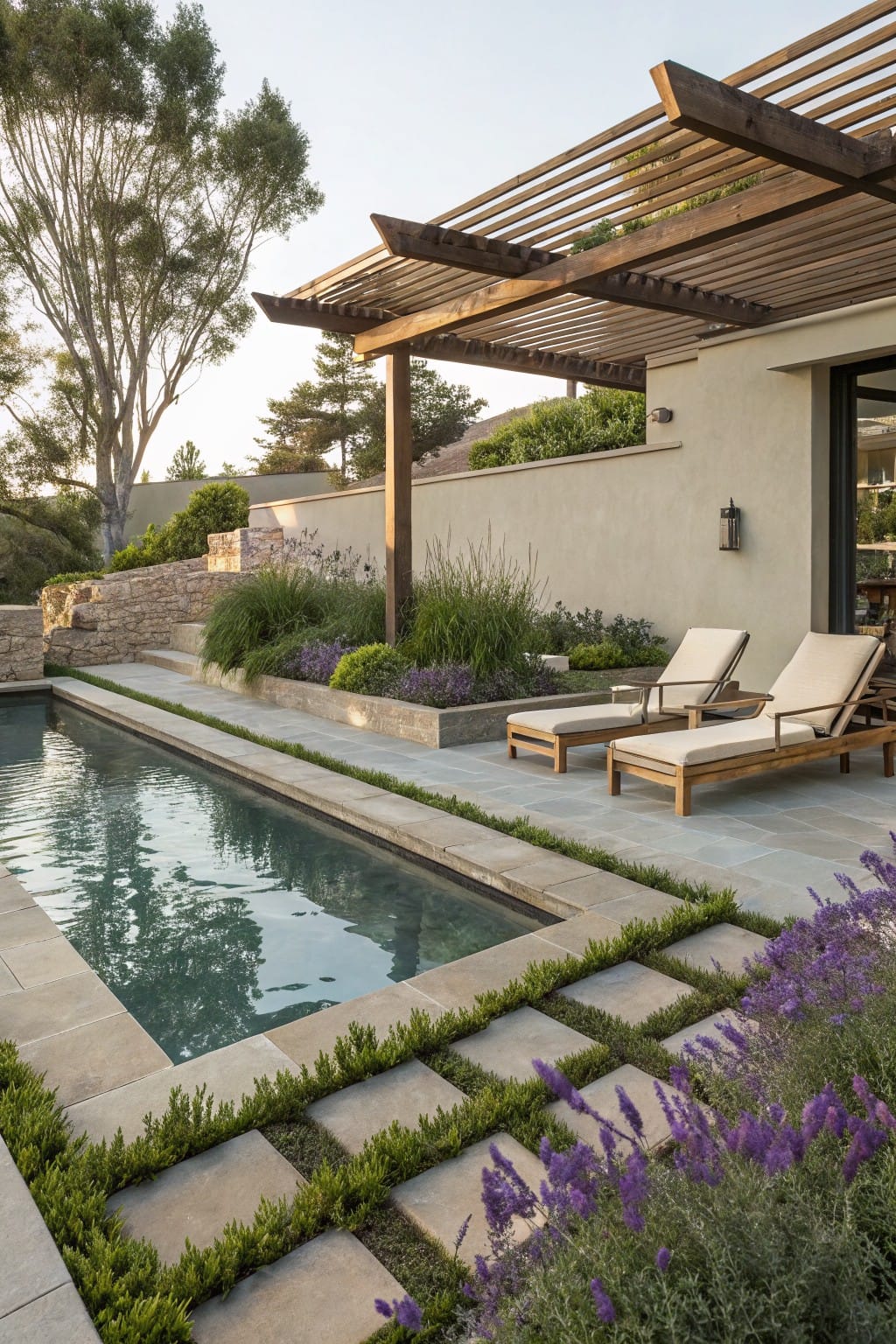
One simple way to edge a path or patio is to set large stone slabs with low boxwood hedges filling the gaps. It creates a tidy grid that looks sharp and holds up over time. In this setup, the green boxwood stays low and dense, while nearby lavender adds some purple color without overwhelming things.
This works best around pools or walkways in sunny yards, especially where you need a clean line between hardscape and planting. It suits modern homes with stucco or stone walls. Keep the boxwood trimmed once a year, and make sure the stones are set firm so they don’t shift.
Stone Retaining Walls for Slopes
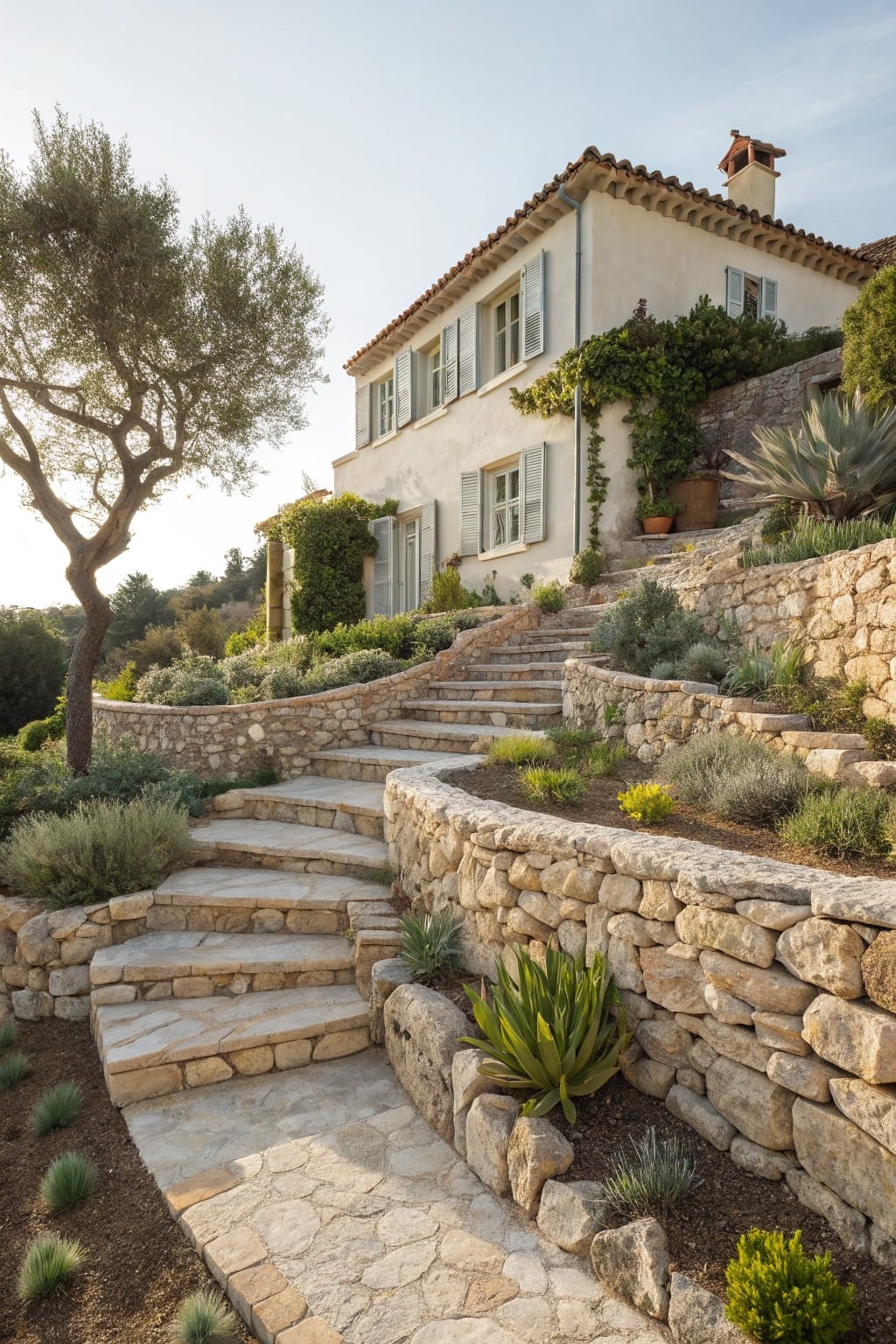
Stone retaining walls turn a tricky slope into usable garden space. They hold soil in place and let you build terraces for plants or paths. What stands out here is how the rough, stacked stones blend right into the hillside. Olive trees and tough succulents fill the pockets, making it feel like the wall grew there.
This idea suits hillside yards or any spot with poor drainage. Use local fieldstone for a natural look, stack it dry if the slope isn’t too steep. Watch the height, though. Keep walls under three feet or add steps to make it safe. It works on most home styles, especially ones with stone or stucco details.
Curved Metal Raised Beds as Garden Edges
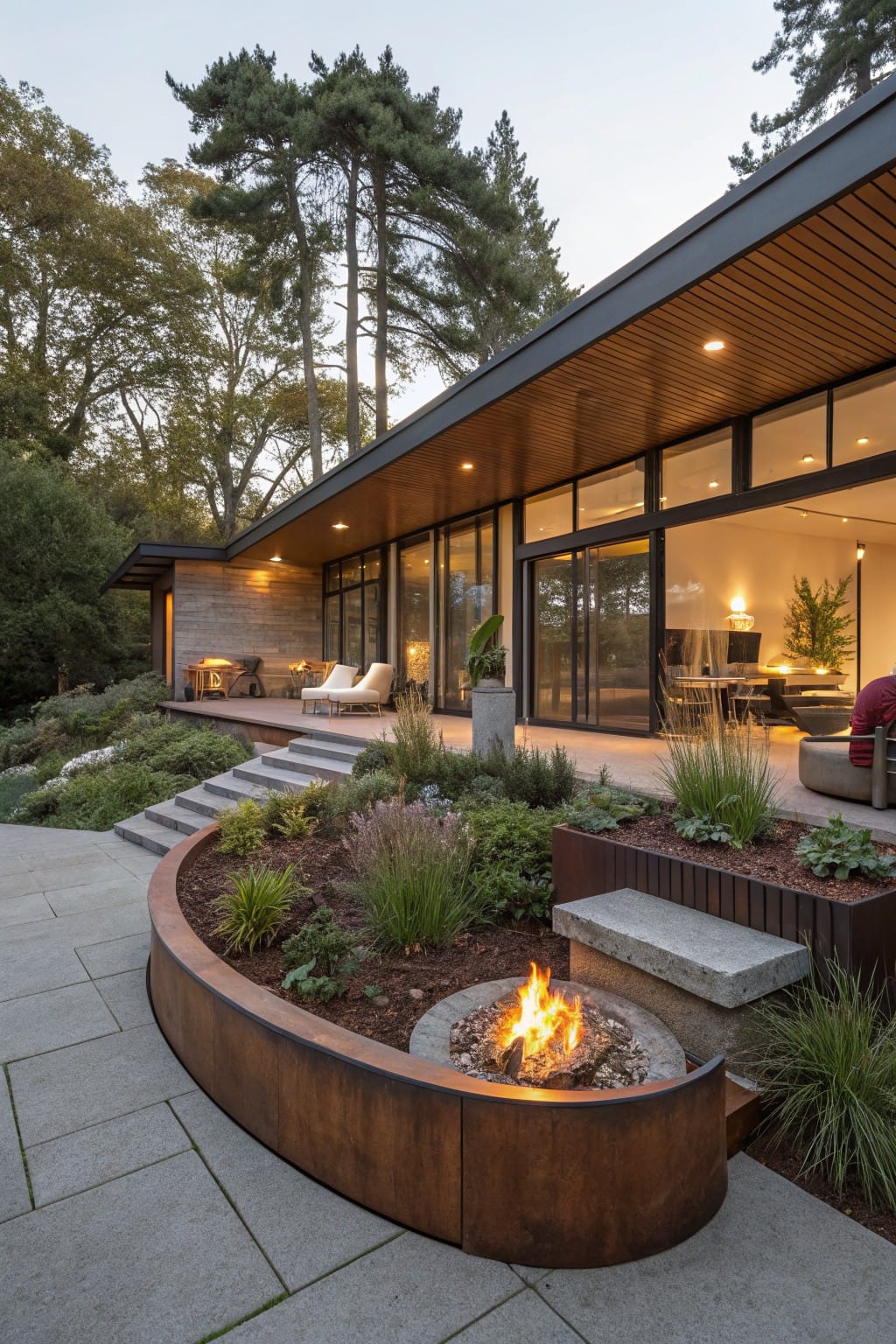
One simple way to edge a garden is with a curved raised bed made from corten steel. You see it here holding back soil and plants while doubling as a spot for a fire pit. The rusty patina gives it a natural look that fits right in with yard greenery. It stands out because it adds function without taking up extra space.
These beds work best along patios or pathways in modern yards. Build one low to define edges, or taller for more planting room. Pair it with steps or seating nearby. Watch the height so it doesn’t block views from the house.
Spiral Trellis for Climbing Plants
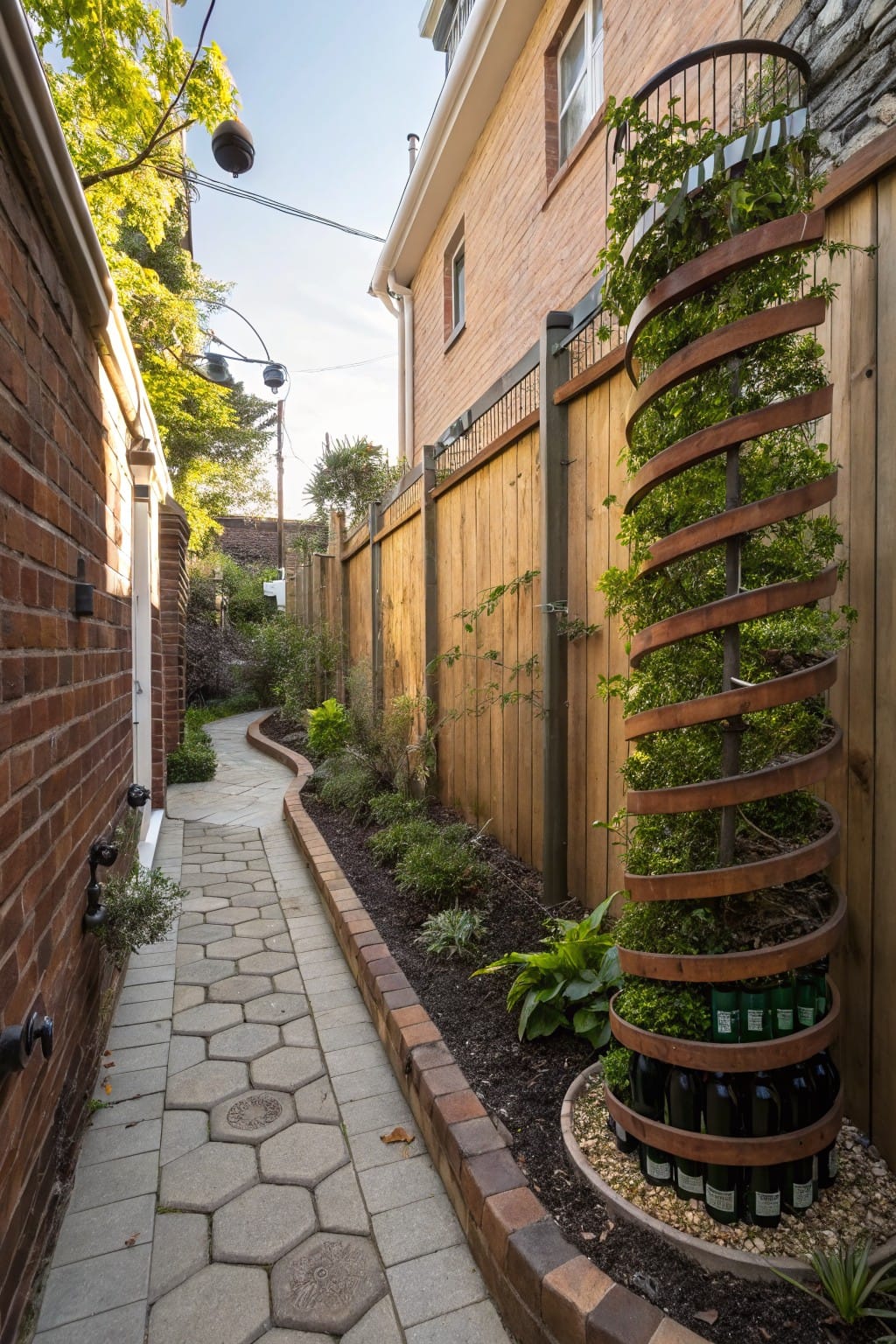
A spiral trellis like this one, built from stacked metal hoops, gives climbing plants a sturdy path to grow tall. It stands out in tight spots, turning a plain walkway into something with real character. The twist shape keeps it interesting without taking up much room.
Put one along a side path or fence line where space is short. It works well in urban yards or older homes with brick walls nearby. Just make sure the base is stable, maybe with gravel or bottles for drainage, and pick vines that won’t overrun the area.
Formal Boxwood Parterres
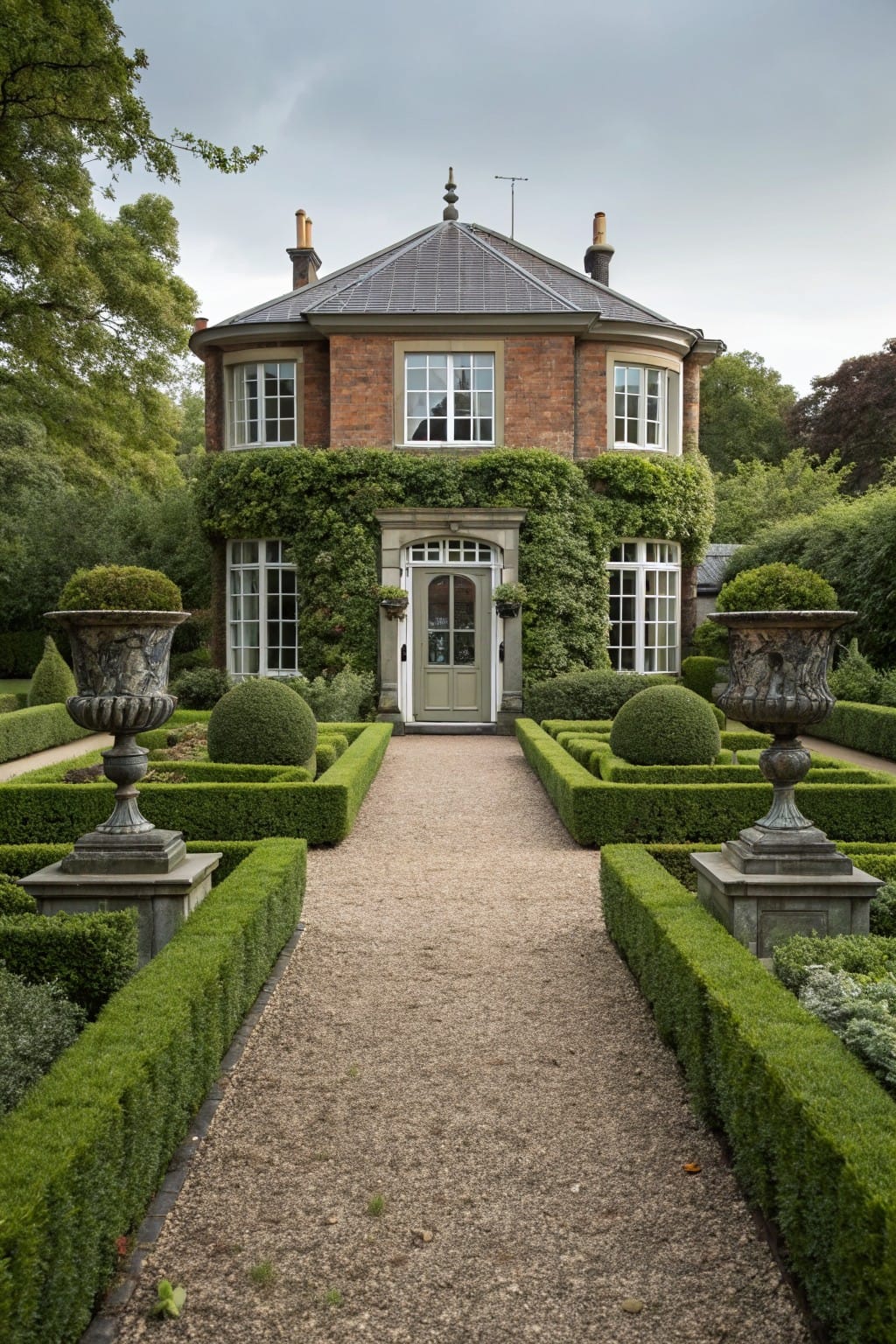
Boxwood parterres trimmed into tight geometric shapes offer a clean way to edge garden paths. In this setup, the low hedges form repeating squares and rounds that border a simple gravel walk right up to the door. They add structure without overwhelming the space, and pair well with the house’s ivy-covered brick.
These work best in front yards where you want a bit of formality. They’re right for traditional homes or any yard with enough sun for boxwoods to thrive. Plant them along straight paths, and trim a couple times a year to hold the lines.
Natural Rock and Pebble Edging

One simple way to edge a garden bed or pool is with large boulders and smooth pebbles. It gives a clean line without looking too fussy. The rocks hold back soil and plants while letting greenery spill over a bit. In this setup, dark boulders form the main border and pebbles fill in the base for that finished look.
You can use this edging around any curved path, pool, or planting area. It works best in yards with a natural feel, like tropical or woodland styles. Pick stones from a local supplier to keep costs down. Just make sure the ground slopes away a little for good drainage.
Raised Concrete Planters as Garden Edging
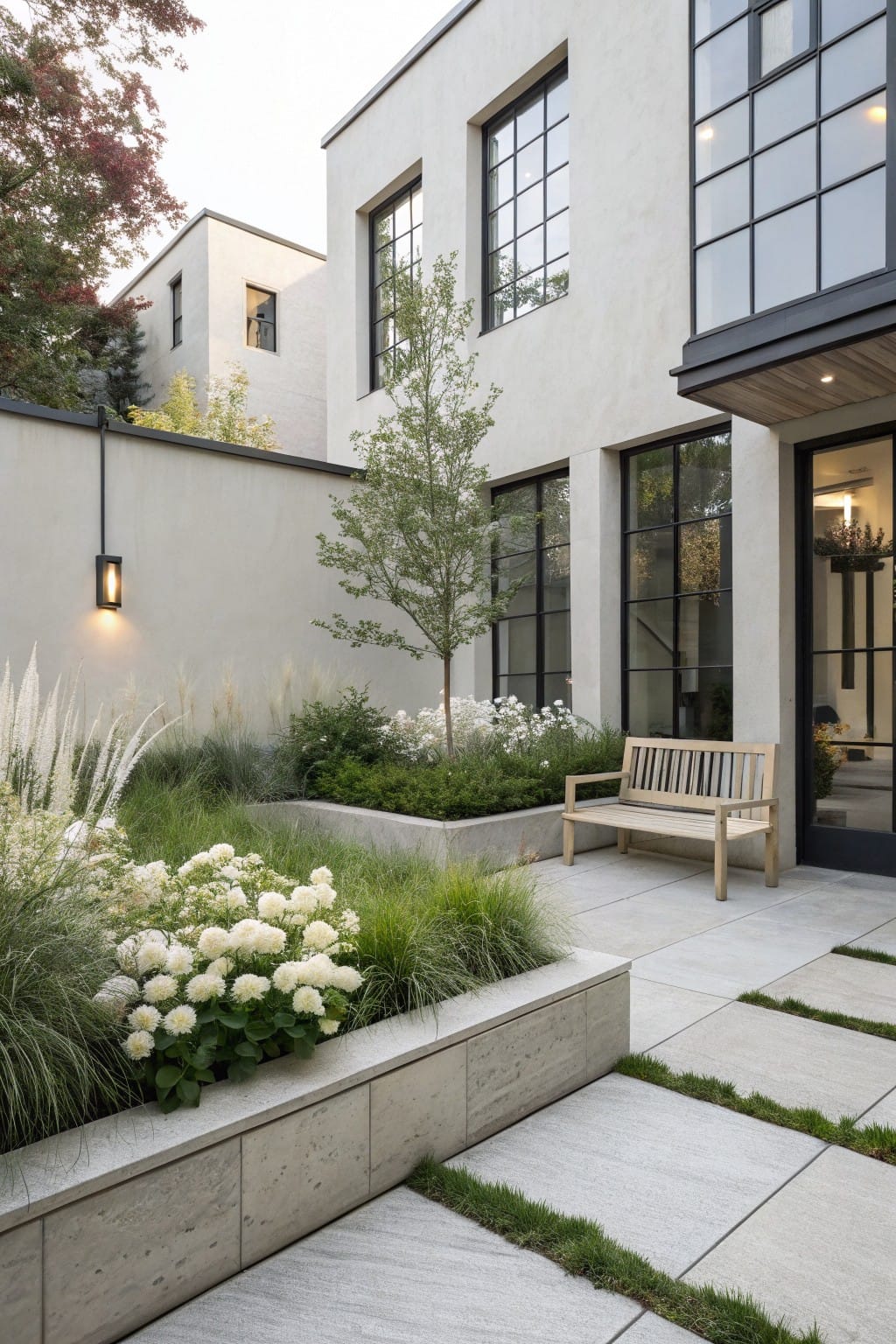
Raised concrete planters make a strong, clean line between your patio and plantings. They hold back tall grasses and white blooms without spilling over, keeping everything tidy. This setup feels modern but not fussy, and it ties right into the house walls.
Put these along patios or walkways where you want definition. They suit flat yards or spots next to a modern entry. Pick concrete that matches your pavers, and fill with easy grasses. Watch the height, though… too tall and they block the view.
Stone Retaining Walls for Garden Edging
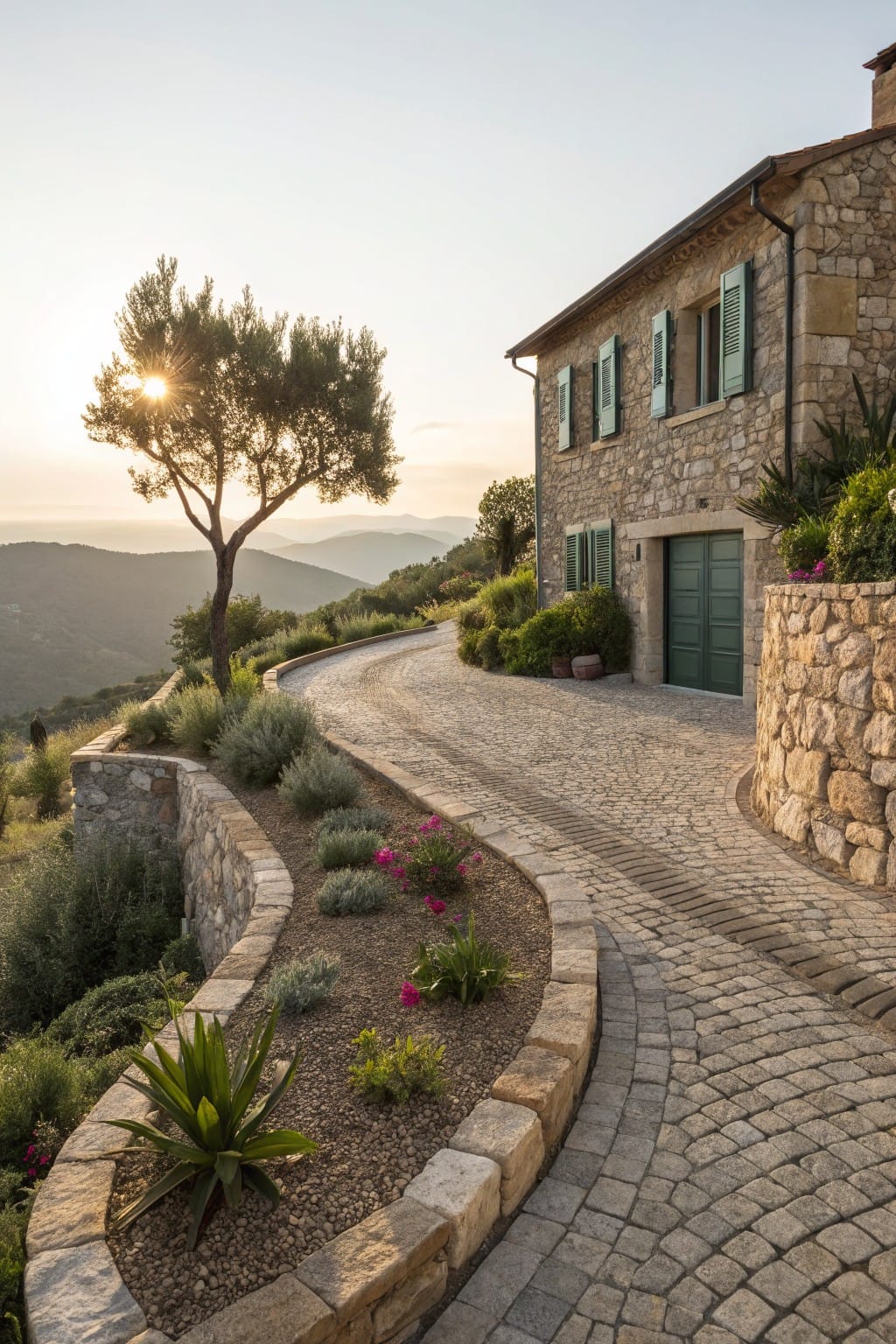
Stone retaining walls make solid garden edging, especially along driveways or paths on slopes. They keep soil in place while framing the space neatly. Tuck in tough plants like agave or lavender along the top, and the edge looks full without much upkeep. The walls here follow a curved driveway, blending right into the yard.
This edging suits hilly lots or terraced gardens where you need to handle grades anyway. Pick rough local stone to match a stone house or cottage style. It holds up to weather and foot traffic. Watch the base though. Loose stones can shift over time.
Sleek Black Planters Edge a Terrace

These black rectangular planters make a clean edge along a terrace walkway. Filled with tall grasses and a few small trees, they bring some green up high without taking much room. The dark metal fits right in with city buildings and glass railings.
You can use this setup on rooftops or big balconies where you want structure but not a full garden bed. Go for ornamental grasses that handle wind and sun. It suits modern apartments best… just make sure the planters are sturdy against the breeze.
Brick Garden Paths
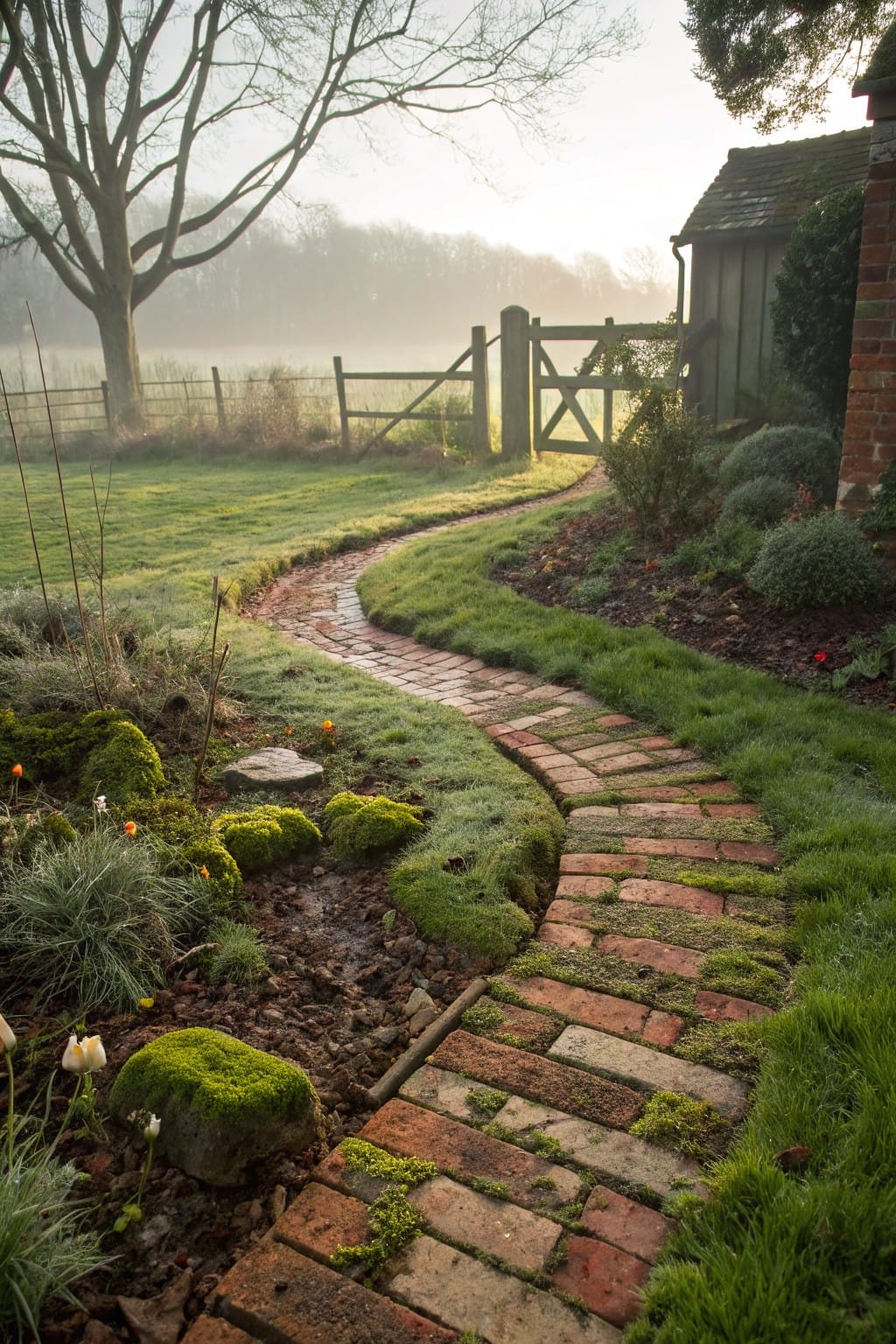
Old bricks make simple garden paths that look right at home in a yard. In this setup, the path winds gently through grass and plant beds, with moss starting to grow on the bricks. It stands out because it feels natural and settled, like it’s always been there, without needing fancy materials.
These paths work best in cottage gardens or older homes with some character. Lay them in curves to lead the eye toward a gate or shed, and edge them loosely with grass for a soft border. Grab reclaimed bricks from salvage yards to keep costs down, but make sure they’re level so no one trips.
Frequently Asked Questions
Q: Do I need to dig a trench for every edging idea?
A: Dig a shallow trench about four inches deep for most options. It anchors the edging so it stays put through seasons. Just backfill with soil and tamp it down firm.
Q: How do I handle curves with straight edging pieces?
A: Mark your curve with string or a hose first. Cut pieces slightly longer and bury them at angles to follow the shape. Practice on scrap to get the look smooth.
Q: What’s the trick to keeping weeds out after I install edging?
A: Tuck landscape fabric under the edging before you set it. Top with two inches of mulch right up against it. Pull any intruders by hand if they sneak through.
Q: Will these edgings hold up in rainy areas?
A: Go for stone, brick, or metal in wet spots. They drain fast and won’t rot. Wood works too if you seal it yearly.
