

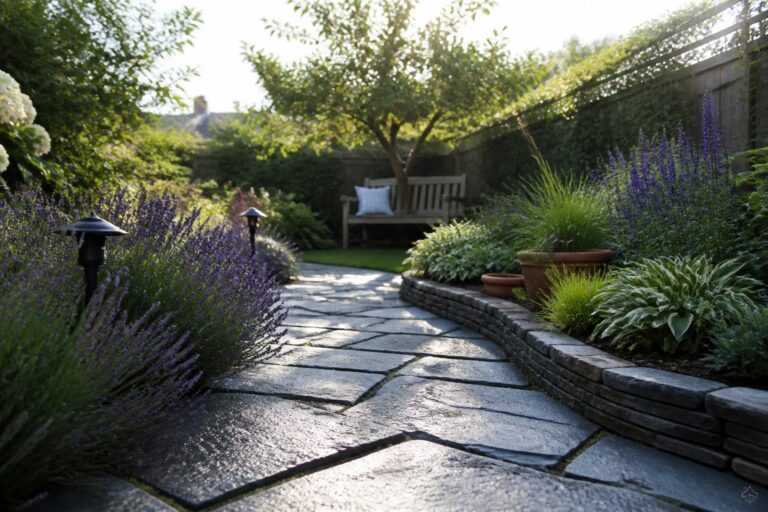
When I look at my own yard the beds that work best are the ones where the walkways actually follow the way I move between tasks like watering and weeding.
Poor layout shows up fast once plants start growing and paths start feeling cramped or indirect.
Flow matters more than it seems at first.
I keep coming back to simple adjustments like curving a walkway around a bed instead of cutting straight through because it keeps the soil in place and makes the whole area feel more settled.
A few of the ideas here line up with changes I’ve been meaning to make so they might be worth trying before the next growing season starts.
Curved Stone Paths That Improve Flow
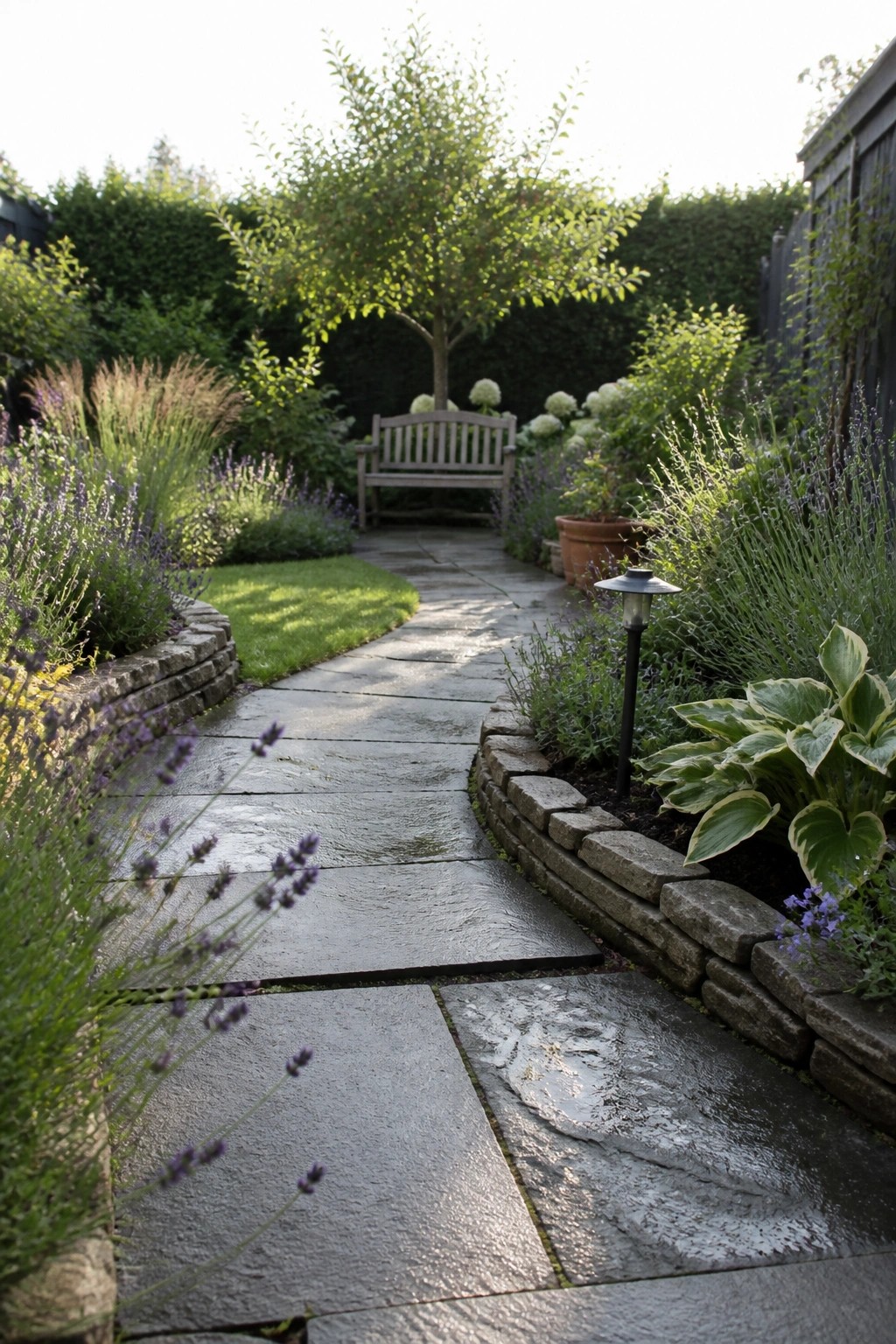
A gently curving path made of large stone slabs helps the garden feel more natural and easier to walk through. The low stone edging on both sides keeps the beds in place and stops the path from looking like it was just dropped in.
This layout works well in smaller backyards or side gardens where you want to connect different areas without a straight line cutting everything in half. Keep the curve soft rather than sharp, and make sure the stones sit level so the path stays comfortable to use year round.
Circular Hedge Layouts Around A Focal Point
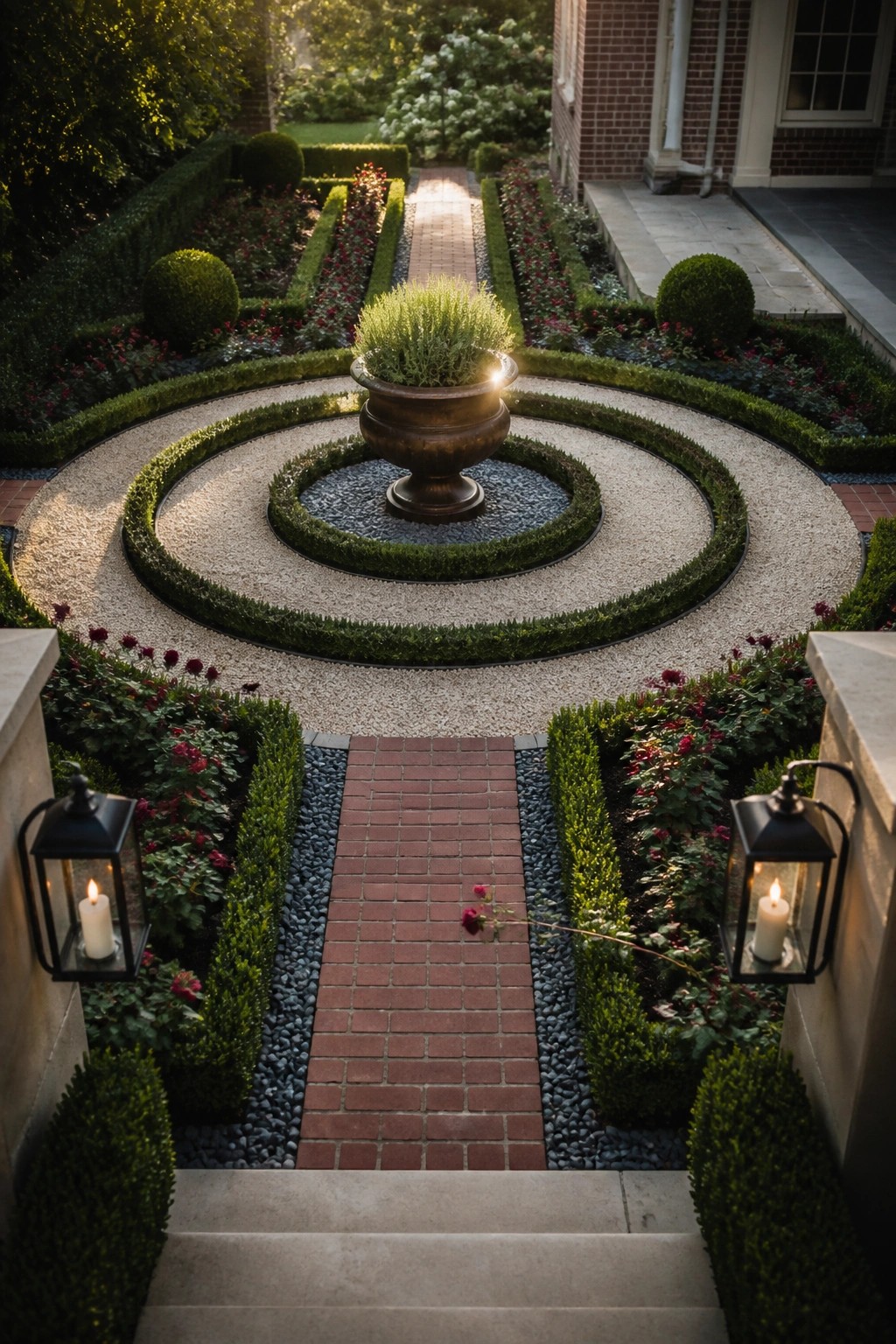
A circular hedge pattern like this gives the garden a clear center that still feels open. The rings of greenery frame the urn without crowding the space, and the straight brick paths keep everything easy to walk through.
This works best in a front or side yard where you want a bit of formality without losing flow. Keep the circles evenly spaced, match the path width to how people actually move through the area, and choose low hedges if you want the center to stay visible from the house.
Stepping Stones In Gravel Create Practical Garden Paths
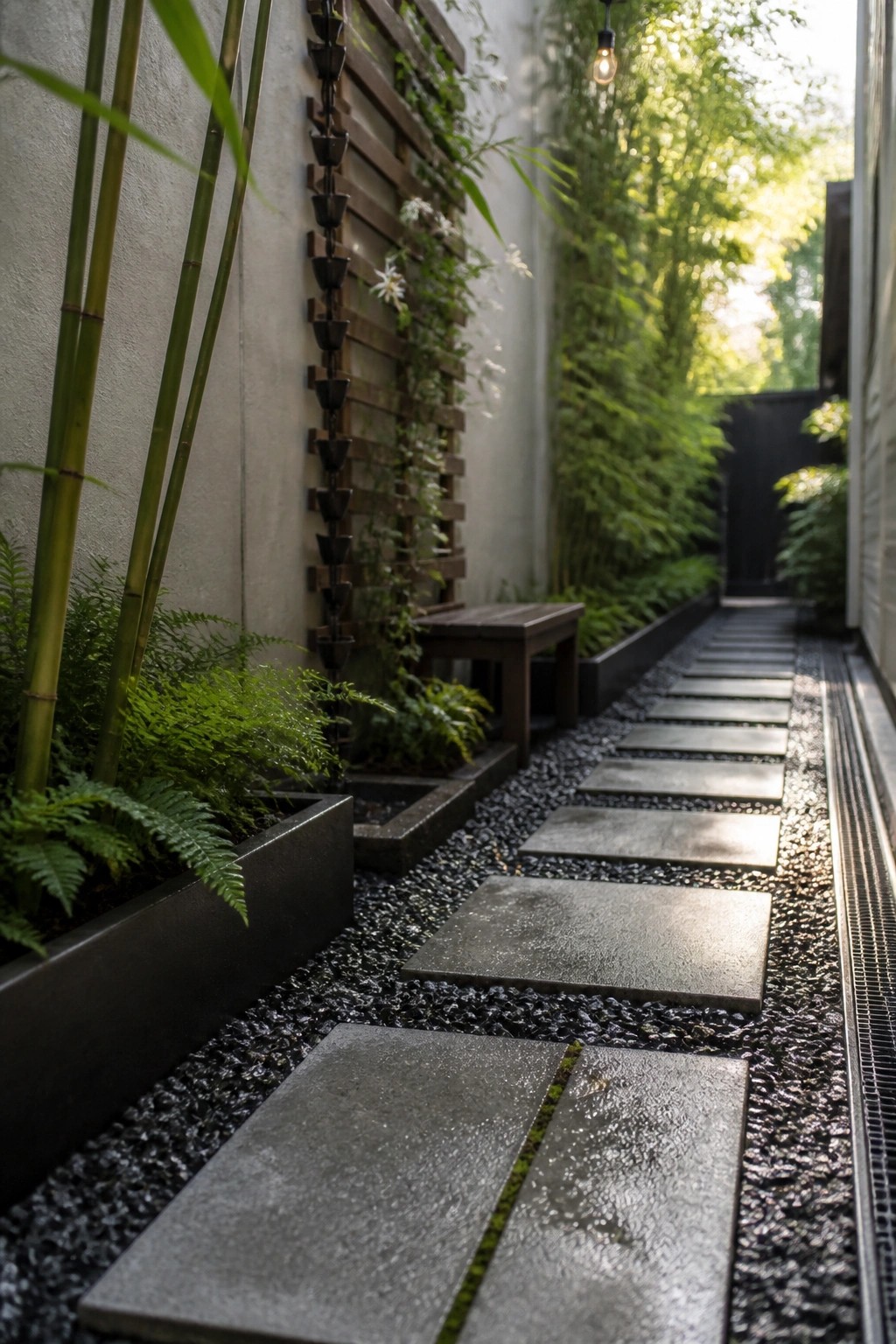
A path made from large rectangular stones set into dark gravel gives steady footing without turning the garden into a solid paved surface. The gravel drains well after rain and keeps the walkway looking simple rather than heavy. This layout works especially well in long narrow spaces where you need regular access to the back of the beds.
Place the stones at a comfortable stride length and keep the gravel layer thick enough to stay in place. The approach suits smaller urban gardens or side passages where full-width paving would feel too formal. Check the edges now and then so the gravel does not spill into the planting areas.
Raised Beds With Gravel Paths
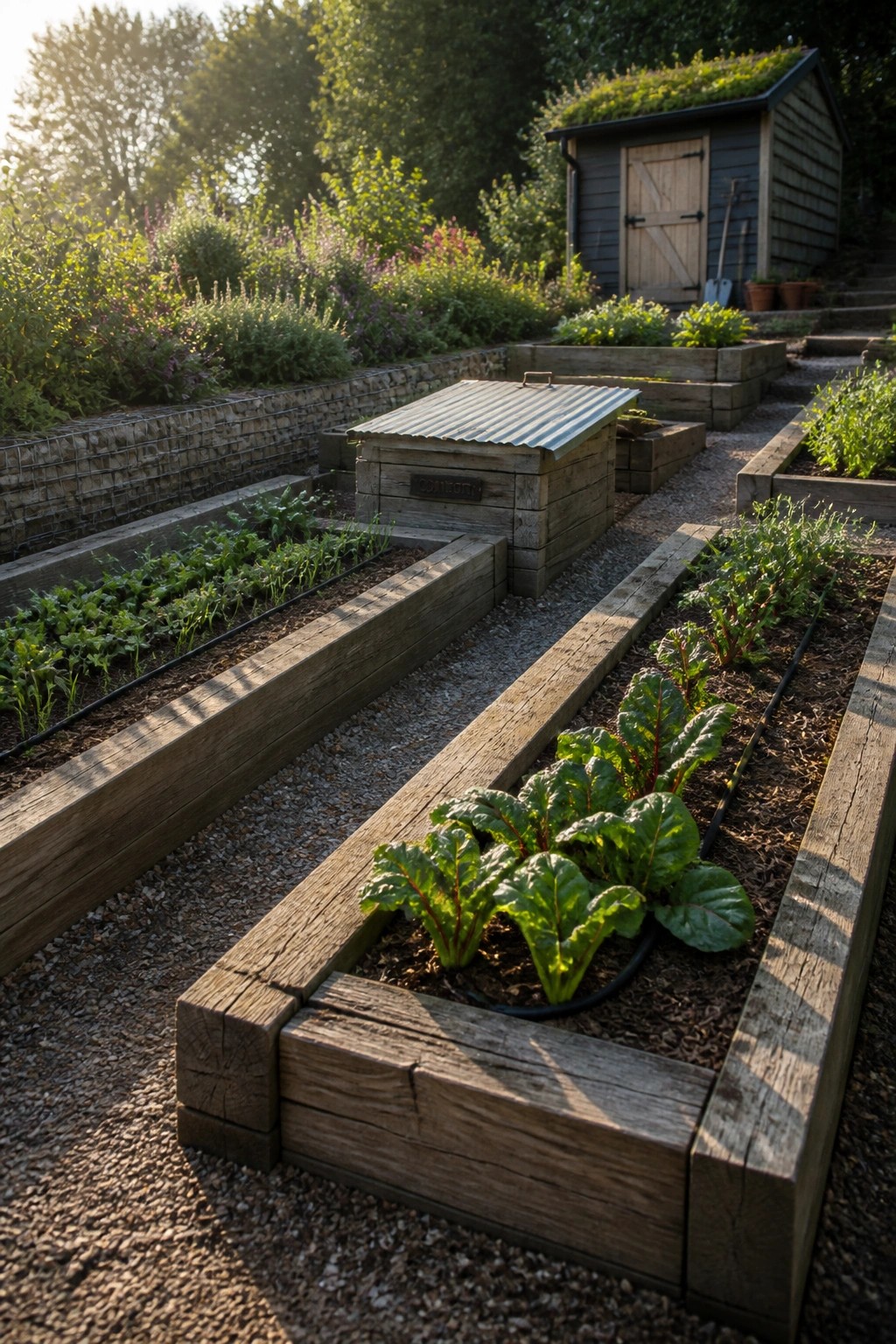
Raised beds paired with gravel paths give a garden clear structure and make it much easier to move around without compacting the soil. The wood edges keep everything tidy, while the gravel fills in the spaces between beds so you can walk through even after rain.
This layout suits smaller yards or sloped sites where drainage matters. Keep the paths at least two feet wide and use the same bed height throughout so the whole area feels organized and simple to maintain.
Stepping Stones With Gravel
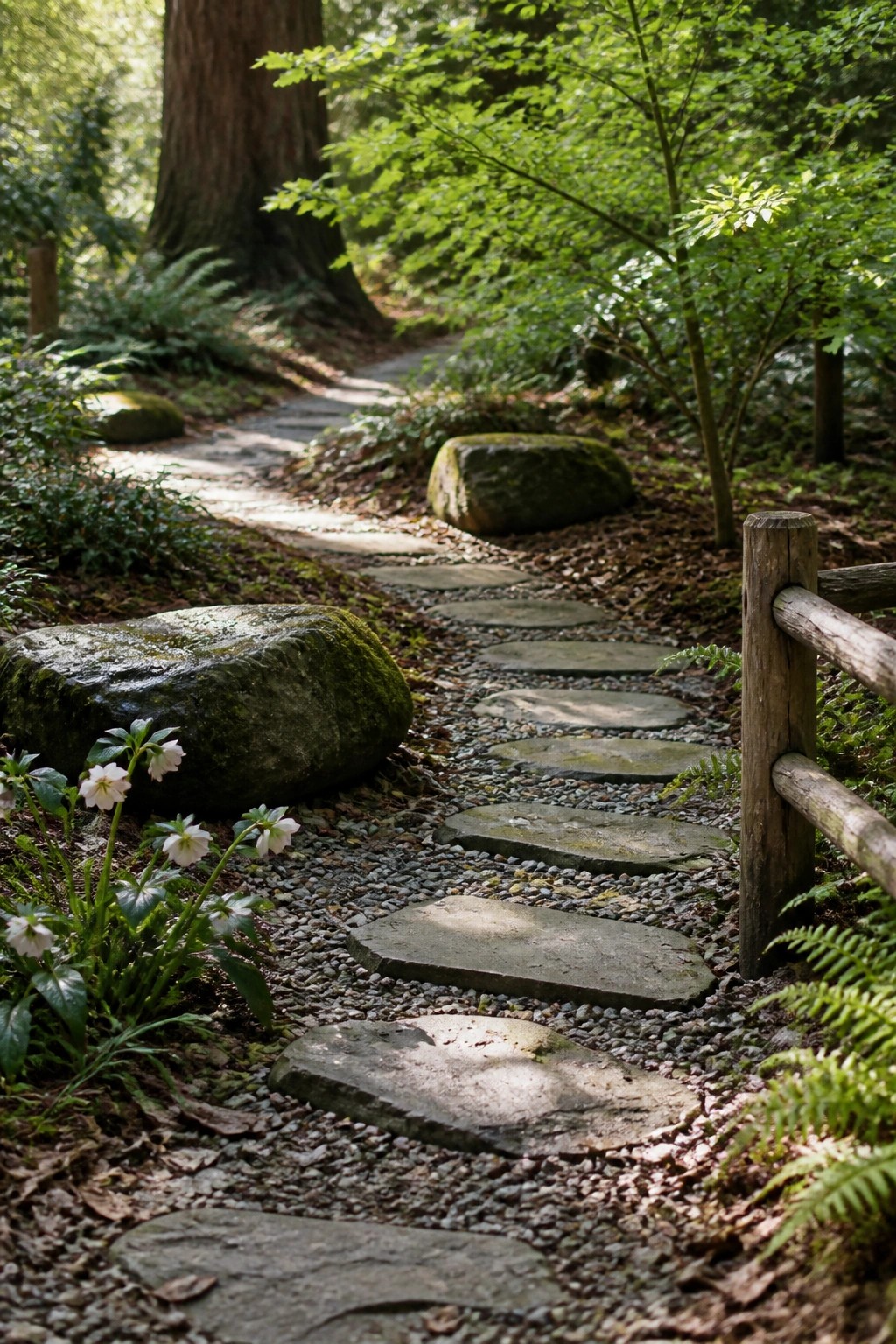
Stepping stones set into gravel create a path that moves easily through the garden without feeling too finished. The gravel helps with drainage and keeps the stones stable while letting the surrounding plants stay the main focus.
This layout works well in wooded or informal gardens where you need a clear route but want to keep things natural. Space the stones for a comfortable stride and use a simple gravel mix that blends with the soil and plants around it.
Paver Paths With Grass Strips Improve Garden Flow
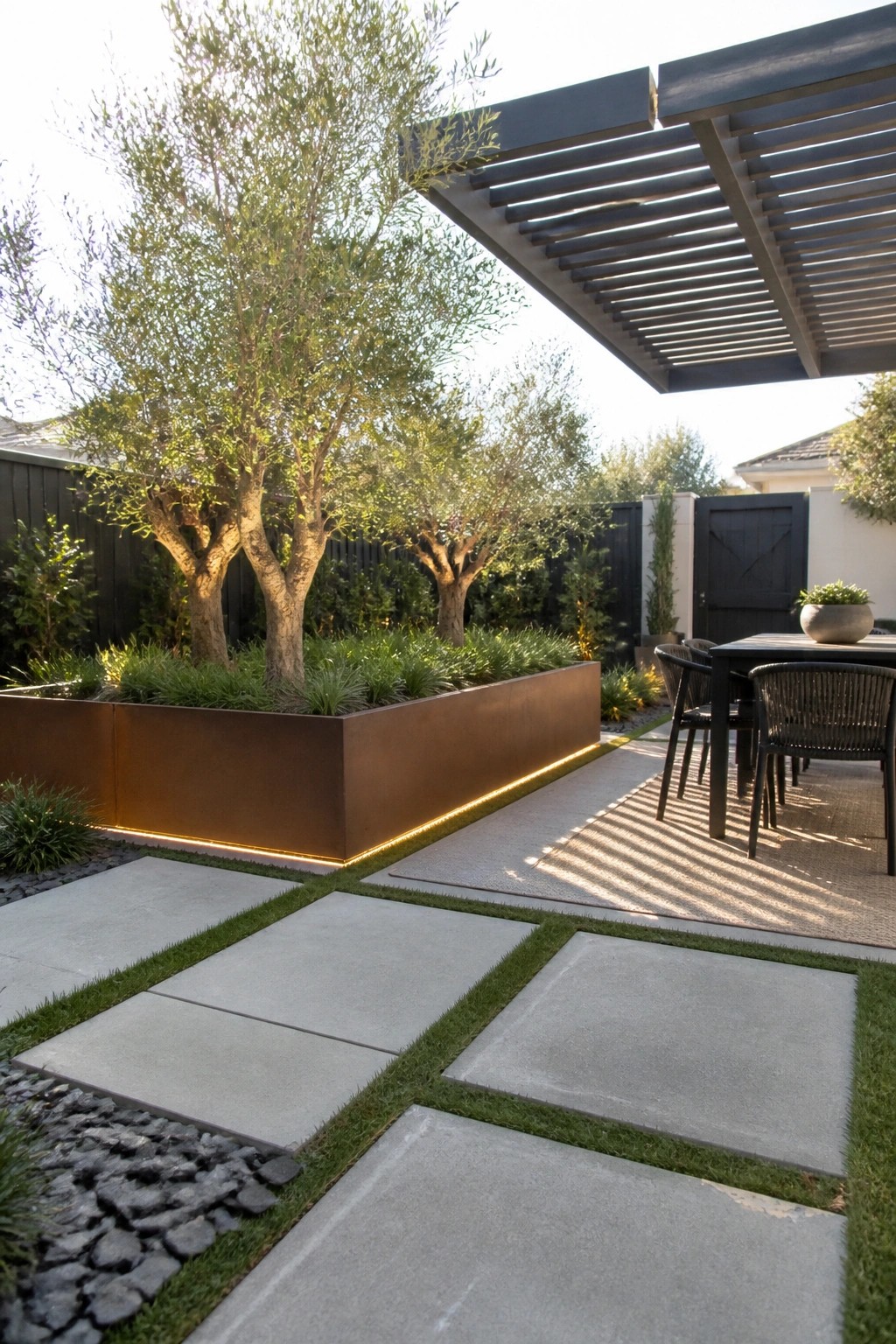
Large concrete pavers set with grass running between them give a garden a clear walking route without making everything feel too hard or rigid. The gaps let a bit of green break up the surface, so the path feels more natural while still being easy to walk on. This setup works especially well in smaller yards where you want to guide movement without adding too many separate features.
It suits most homes with a flat or gently sloping garden and pairs well with raised beds along the edges. Just keep the pavers big enough to step on comfortably and make sure the grass strips are narrow so they do not get too worn from foot traffic.
Curved Metal Edging For Better Path Flow
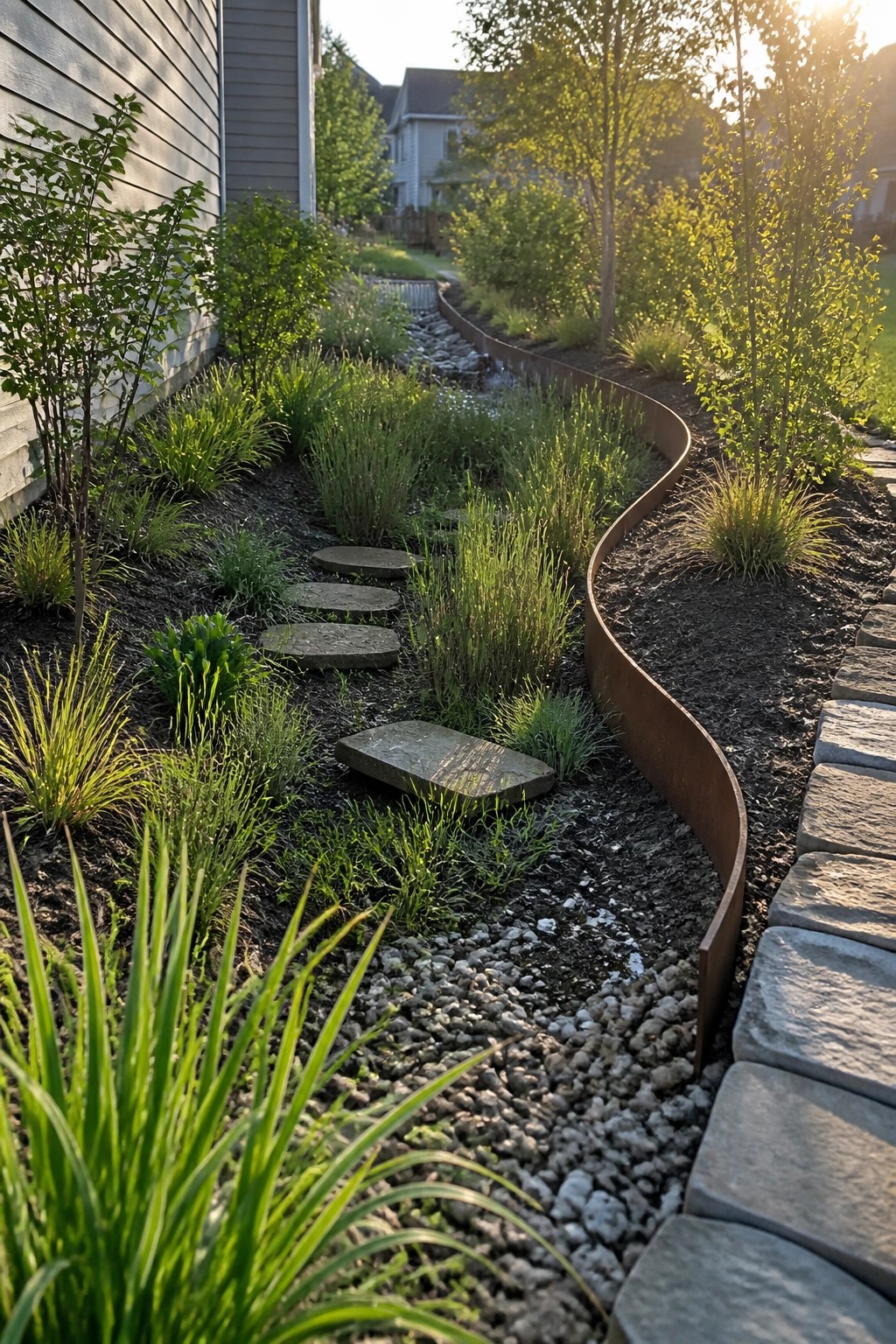
Curved metal edging helps a garden path feel more natural instead of running in rigid lines. It lets the beds follow the shape of the yard while keeping the walkway clear and easy to follow.
This approach works well in narrow side yards or along the edge of a house. The edging holds soil and mulch in place so the path stays defined even as plants fill in over time. Use a thicker gauge if the curve is tight.
Brick Paths That Improve Garden Flow
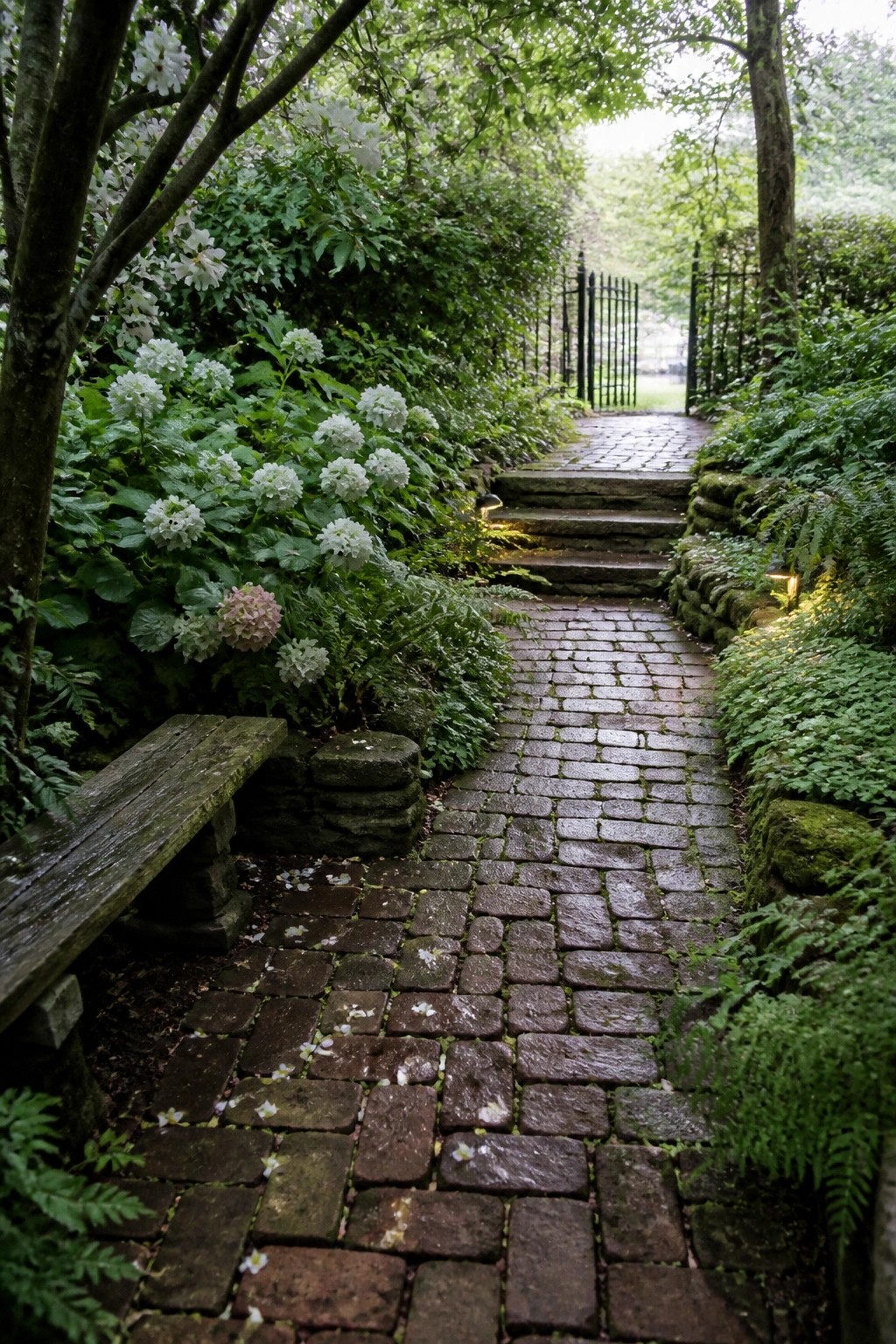
A brick walkway works well when it runs between dense plantings on both sides. The material feels natural underfoot and the narrow width keeps people moving at a comfortable pace without rushing through the space.
This approach suits smaller gardens or older properties where you want a clear route but still room for flowers and shrubs right up to the edge. Use the same brick for any steps so the path reads as one continuous line rather than separate parts.
Timber Planks For Garden Walkways
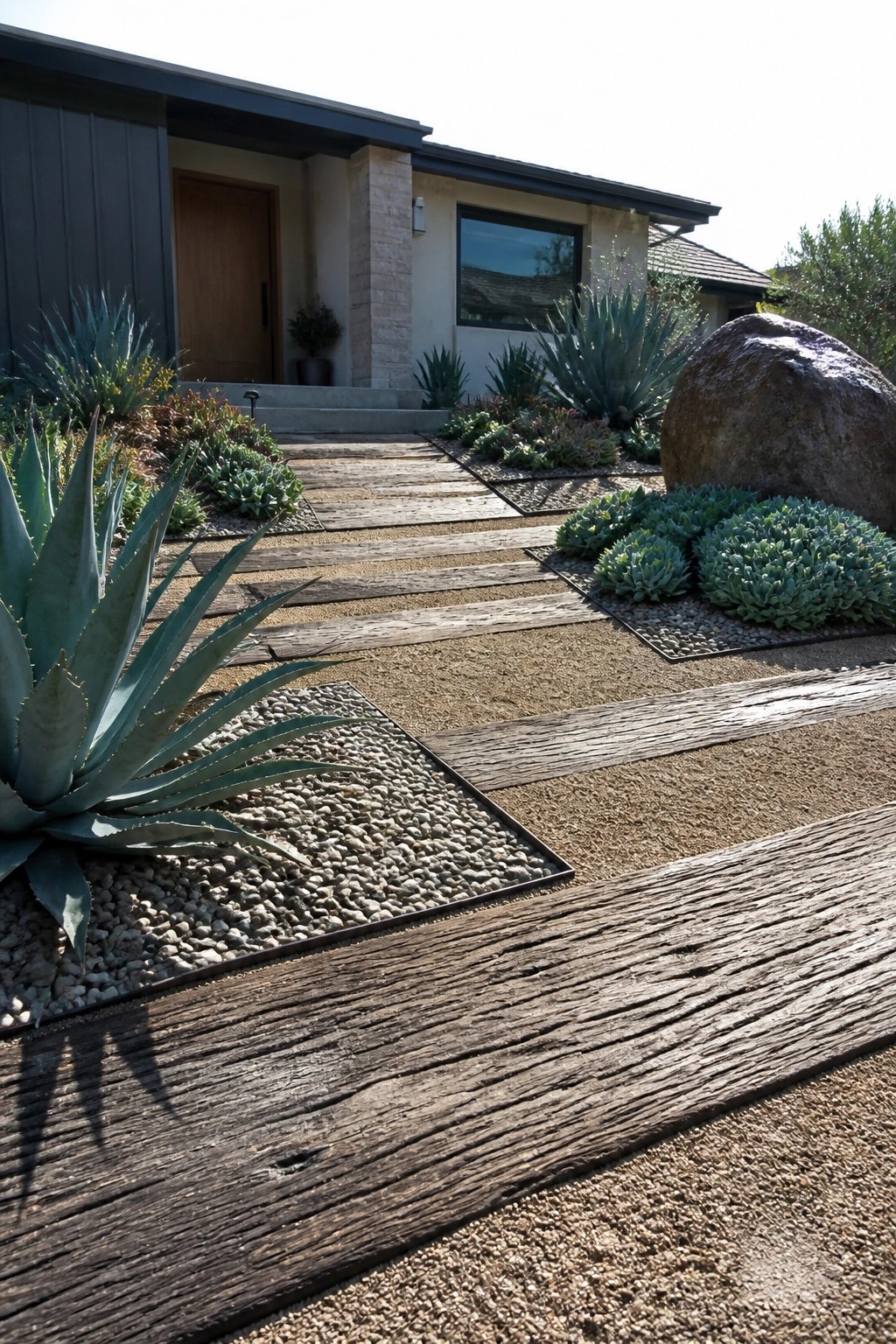
A path made from wide timber planks set into gravel gives the garden a clear route without making it feel too formal. The wood softens the look of the gravel while still handling foot traffic well, and the open spacing lets water drain easily.
This layout works best in front yards or side gardens where you want a low-maintenance walkway that still connects different areas. Keep the planks level, use a weed barrier underneath, and plant low succulents or grasses along the edges so the path feels like part of the beds rather than something separate.
Curved Paths Create Natural Flow
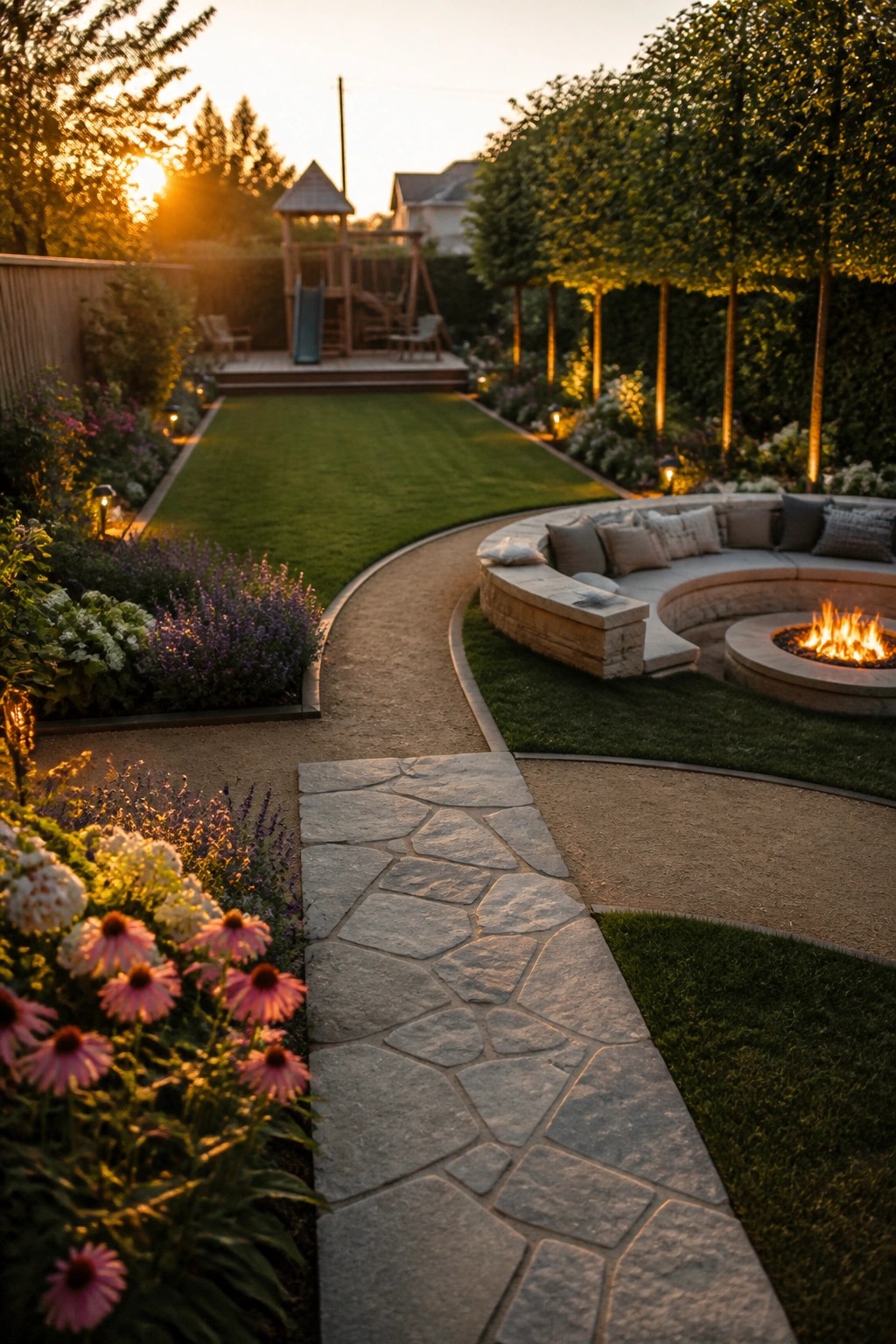
A curved path works better than a straight one in many gardens because it slows people down just enough to notice the beds and planting on either side. It also lets the walkway bend around trees, seating areas, or open lawn without cutting the space into awkward rectangles.
This approach suits medium to large yards where you want to link different zones, like a lawn, a fire pit circle, and side borders. Keep the curve gentle so the path still feels practical to walk on, and use a material like stone or gravel that matches the rest of your hardscaping.
Raised Beds With Gravel Paths Between Them
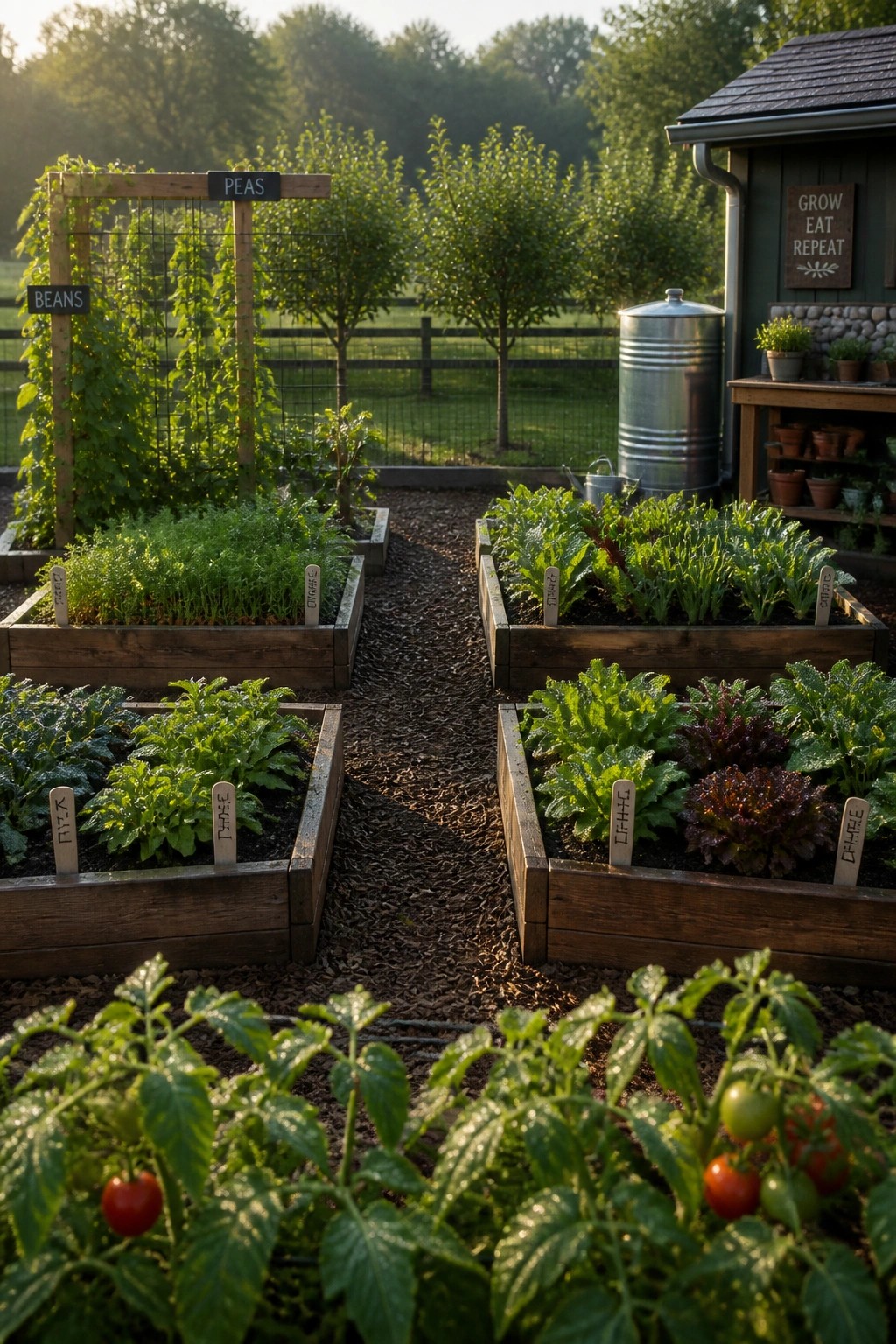
Raised beds keep soil contained and make it simple to reach every plant without compacting the ground. The gravel paths running between them create steady walkways that stay dry and easy to navigate even after rain.
This approach fits well in backyard vegetable gardens where space is limited but regular access matters. Keep the paths at least two feet wide so a wheelbarrow or kneeling pad fits comfortably, and use untreated wood or similar edging that holds up over time.
Tuck Seating Into Gravel Beds
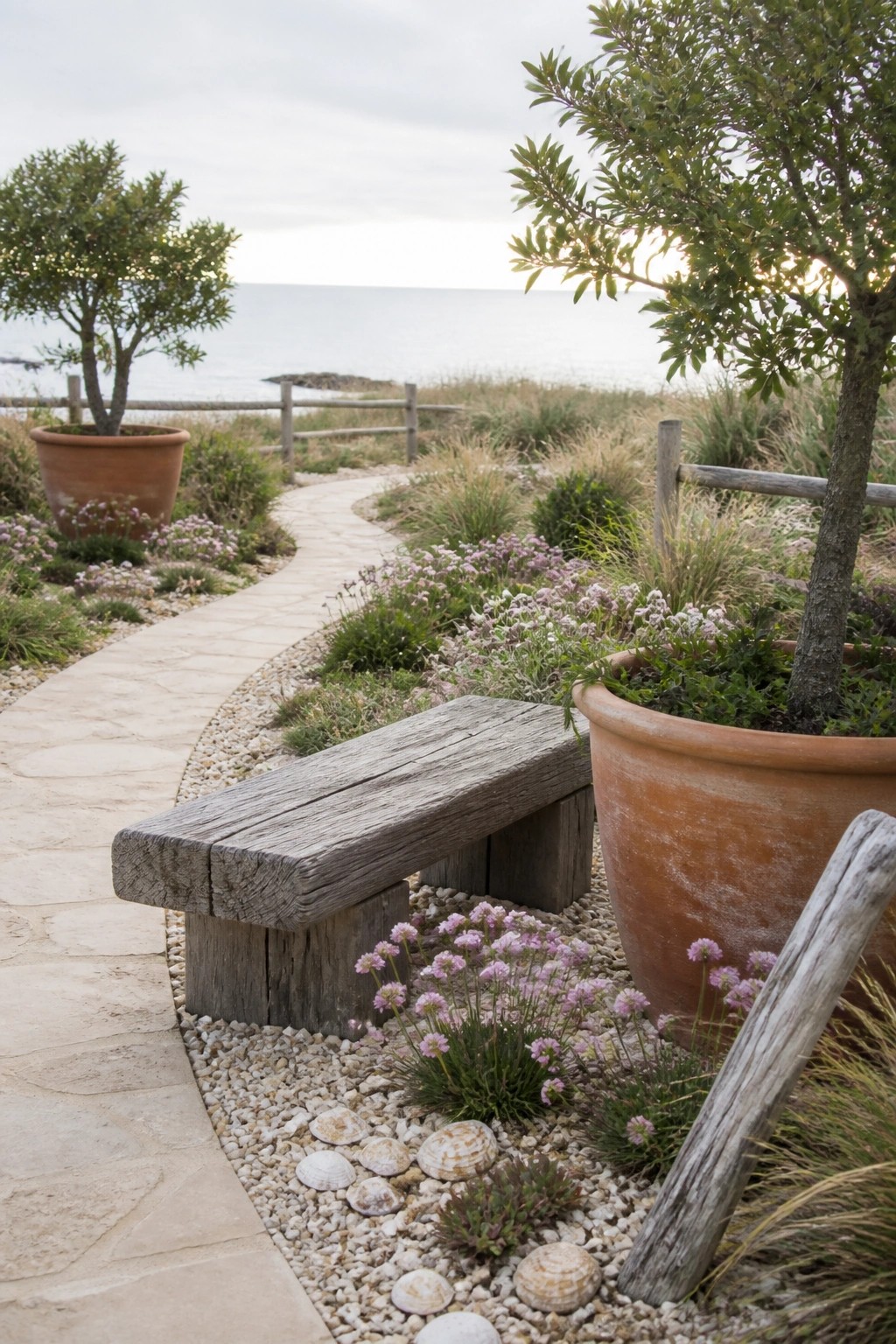
A bench set directly into a gravel bed next to a path gives people a reason to pause without crowding the walkway. The gravel keeps the area open and low maintenance while still letting plants spill around the edges.
This works best in informal gardens where you want the path to feel natural rather than formal. Use it along curves or near the start of a walk so the bench becomes part of the flow instead of an obstacle.
Grid Pavers With Grass Give Gardens Clear Flow
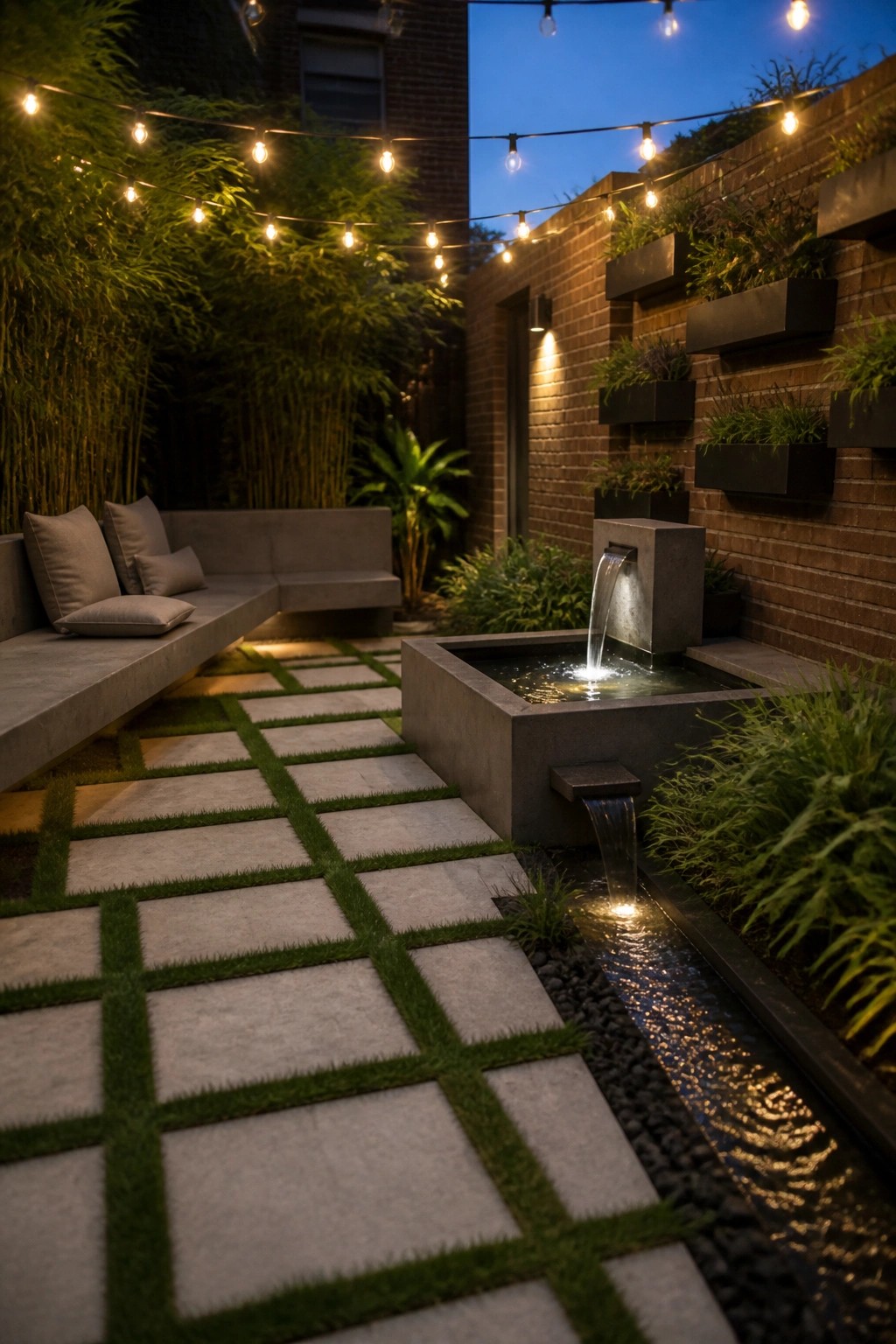
A grid of large pavers with grass between the joints makes it easy to walk through a garden without turning the whole space into solid pavement. The pattern keeps the path obvious while still letting some greenery show through, which helps the area feel open rather than blocked off.
This kind of path works best in narrow side yards or small courtyards where you need to connect seating areas to the rest of the garden. Keep the pavers fairly large so the grass strips stay narrow and do not get worn down too fast.
Stepping Stones in Gravel for Simple Garden Flow
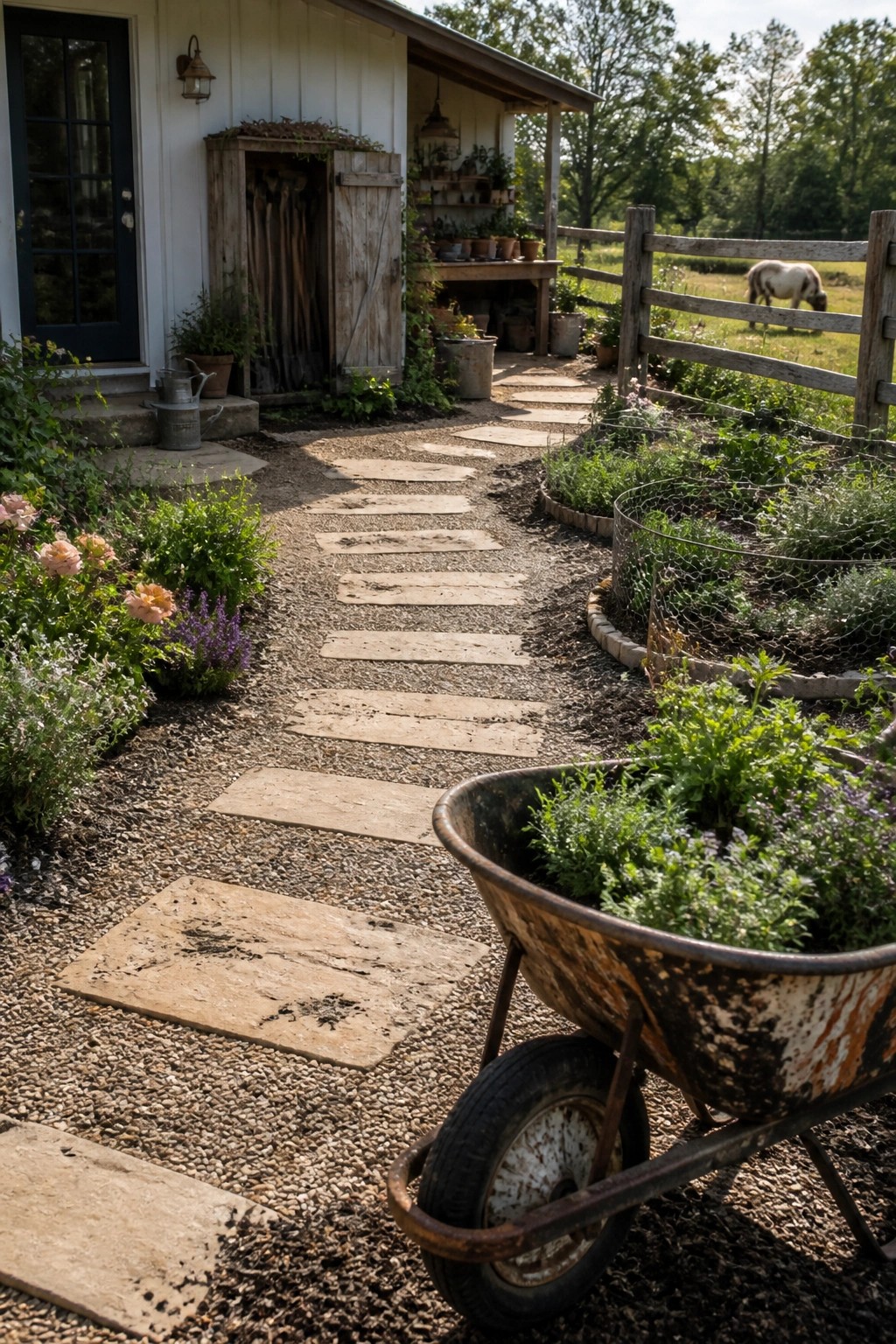
Laying stone slabs right into a gravel base gives you a path that drains well and feels easy underfoot. It keeps the garden looking open while still guiding people along a clear route past beds and work areas.
This layout suits homes with larger yards or side gardens where you need access to sheds, vegetable patches, or compost bins. Space the stones so they match a natural stride and leave enough room on the sides for planting without crowding the walkway.
Terracing Slopes with Stone Walls
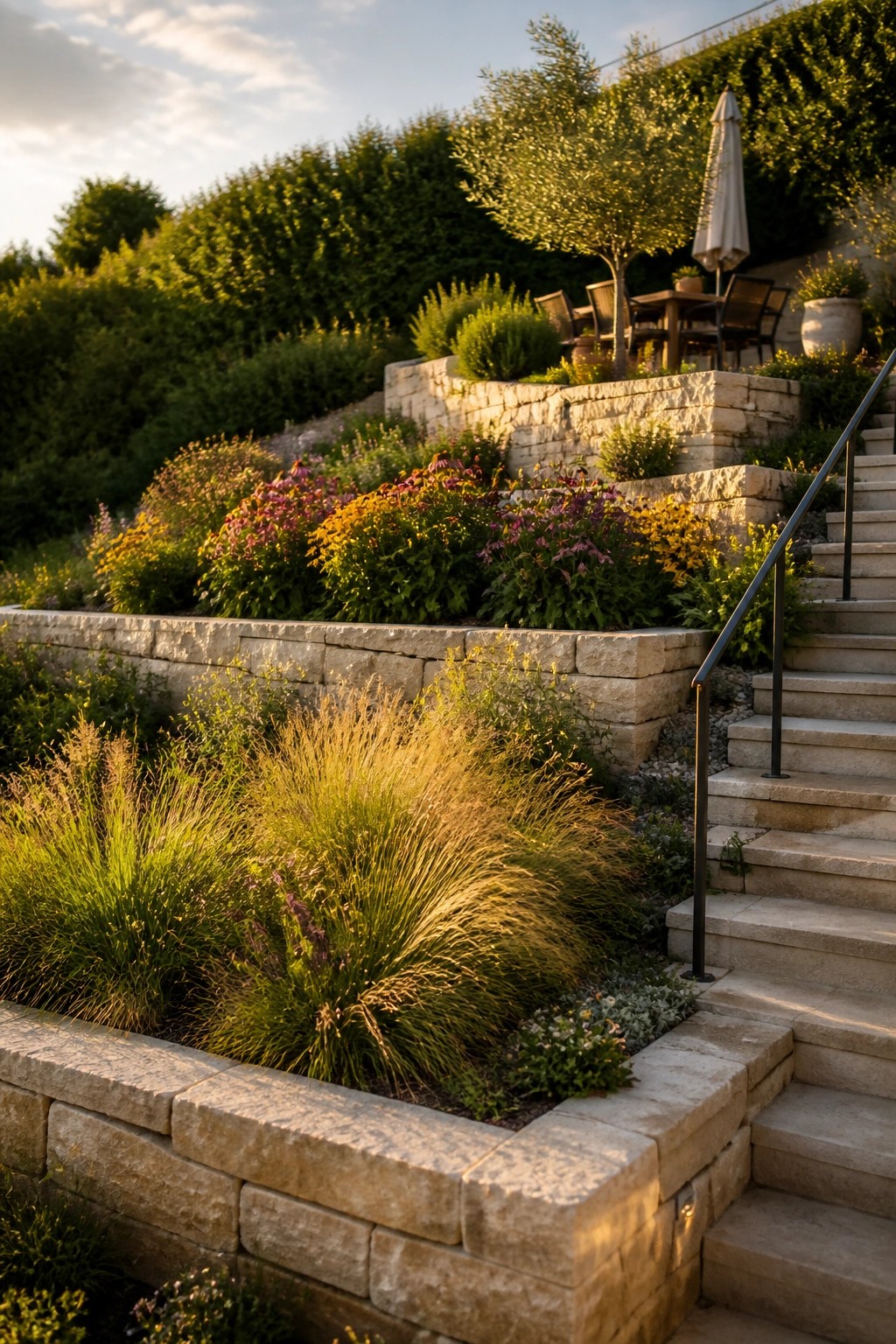
Sloped yards often end up with runoff and awkward planting spots. Terracing fixes that by turning the hill into a series of flat beds held by low stone walls. The result is easier maintenance and a garden that feels organized rather than scattered.
This approach works best on properties with noticeable grade changes. Keep the walls modest in height so they do not dominate, and add steps where people need to move between levels. Stone blends with most homes and lasts without much upkeep.
Central Water Features To Improve Garden Flow
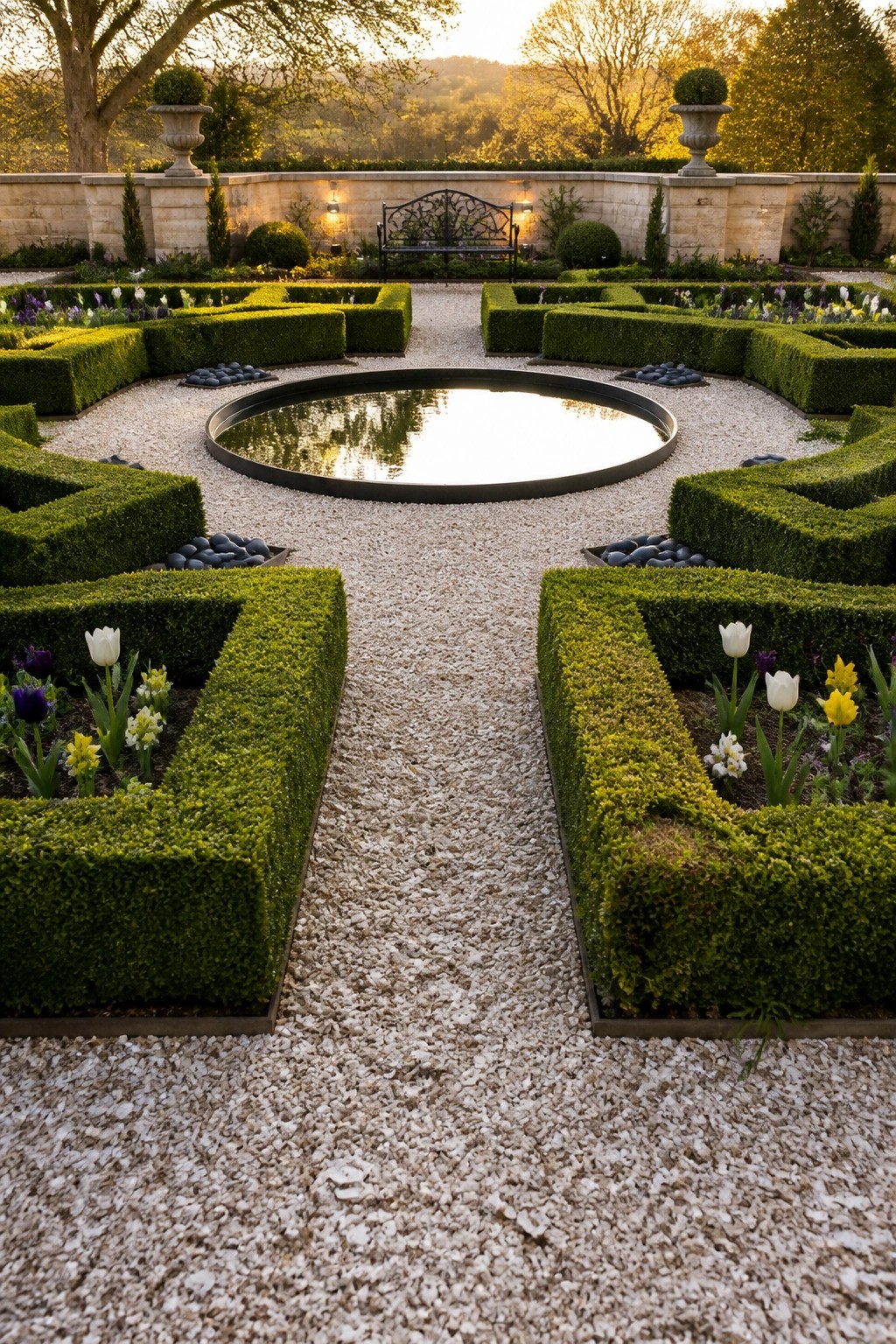
A round pond in the middle of the garden gives the whole layout a clear starting point. The paths can then move around it in a simple way, and the beds stay organized instead of spreading out in every direction.
This setup works best in medium to large spaces where you want structure without a lot of extra walls or fences. Keep the beds fairly low and let the gravel paths stay wide so walking feels natural.
Edge A Path With A Built-In Bench
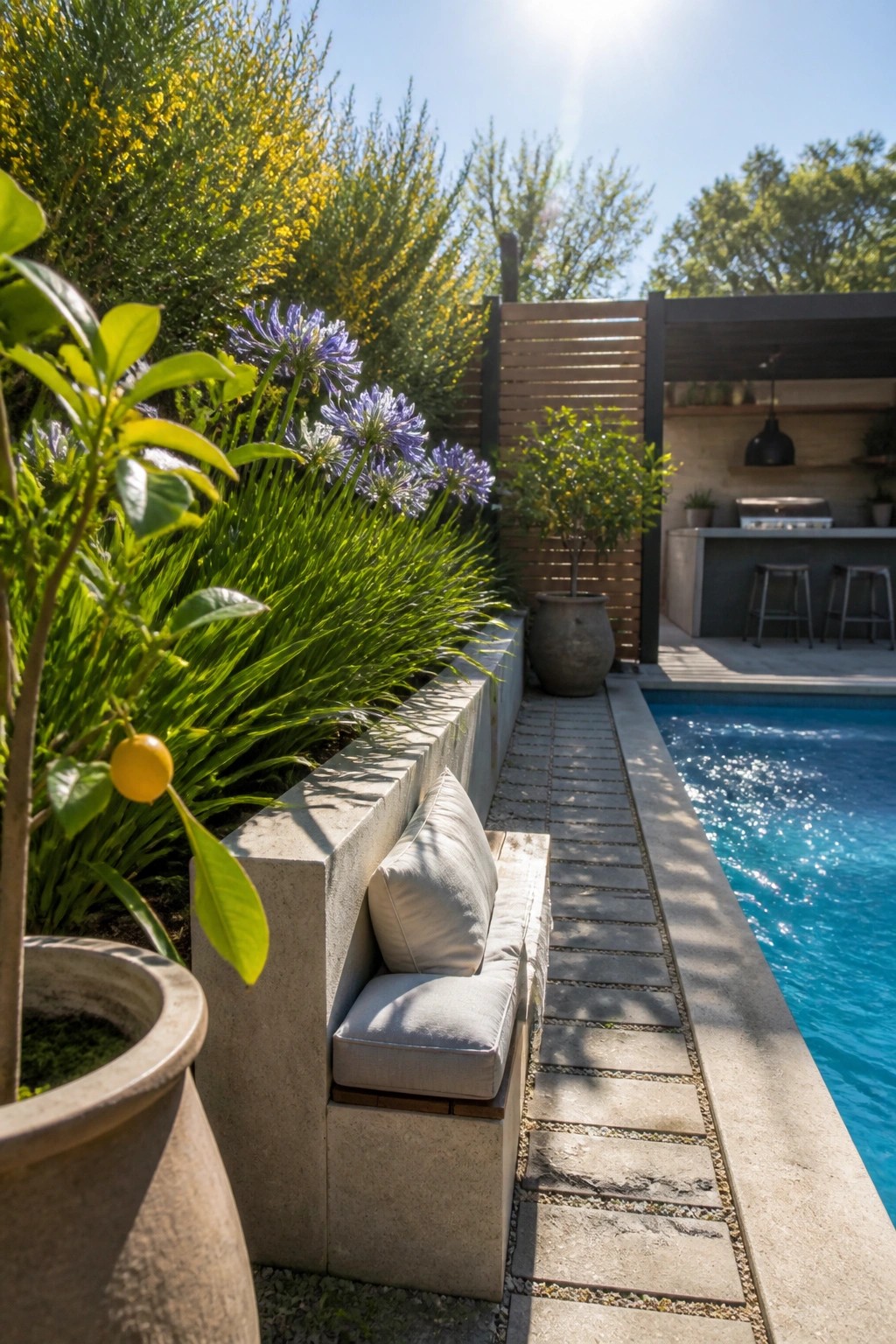
A built-in bench can do double duty as both seating and a clean edge for planting beds. It keeps the walkway clear while giving people a place to sit right where the garden meets the path. This setup works especially well in narrow side yards or poolside spaces where you want to keep things open but still usable.
It suits homes with straight or gently curving paths and works best in sunny spots where people might want to rest near the plants. Keep the bench height low so it does not block views into the beds, and choose a material that matches your hardscaping so it feels like part of the structure rather than an add-on.
Curved Paths for Smoother Garden Flow
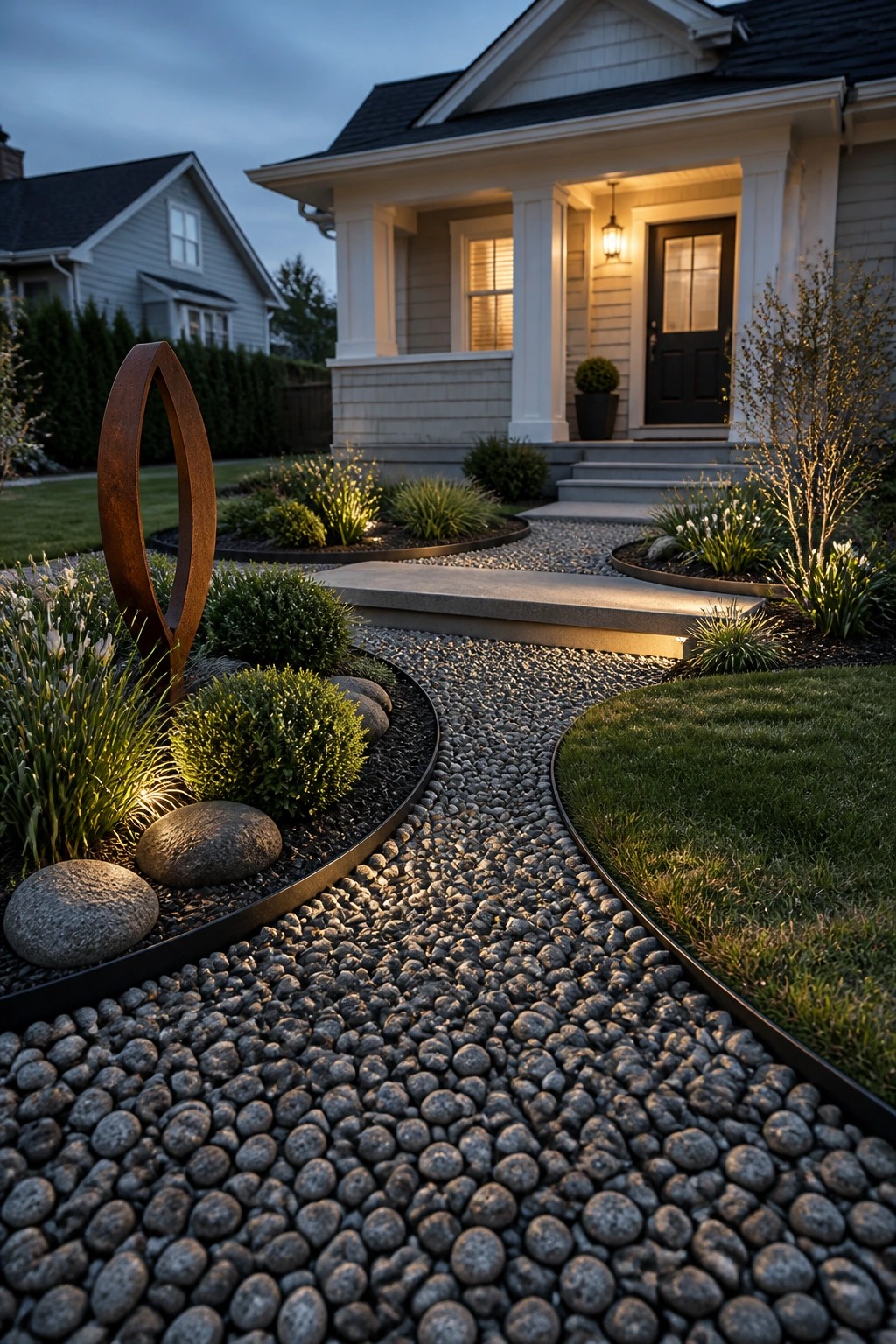
A curved gravel path helps a front yard feel less rigid by letting the walkway move naturally around the beds. The low edging keeps the gravel in place while giving the planted areas a clear shape that follows the path instead of fighting it.
This layout works best in modest yards where you want visitors to slow down a little on the way to the door. Use a simple metal border and keep the curves gentle so the path stays easy to mow around and does not create awkward corners that are hard to maintain.
Stepping Stones In Gravel For Easy Garden Flow
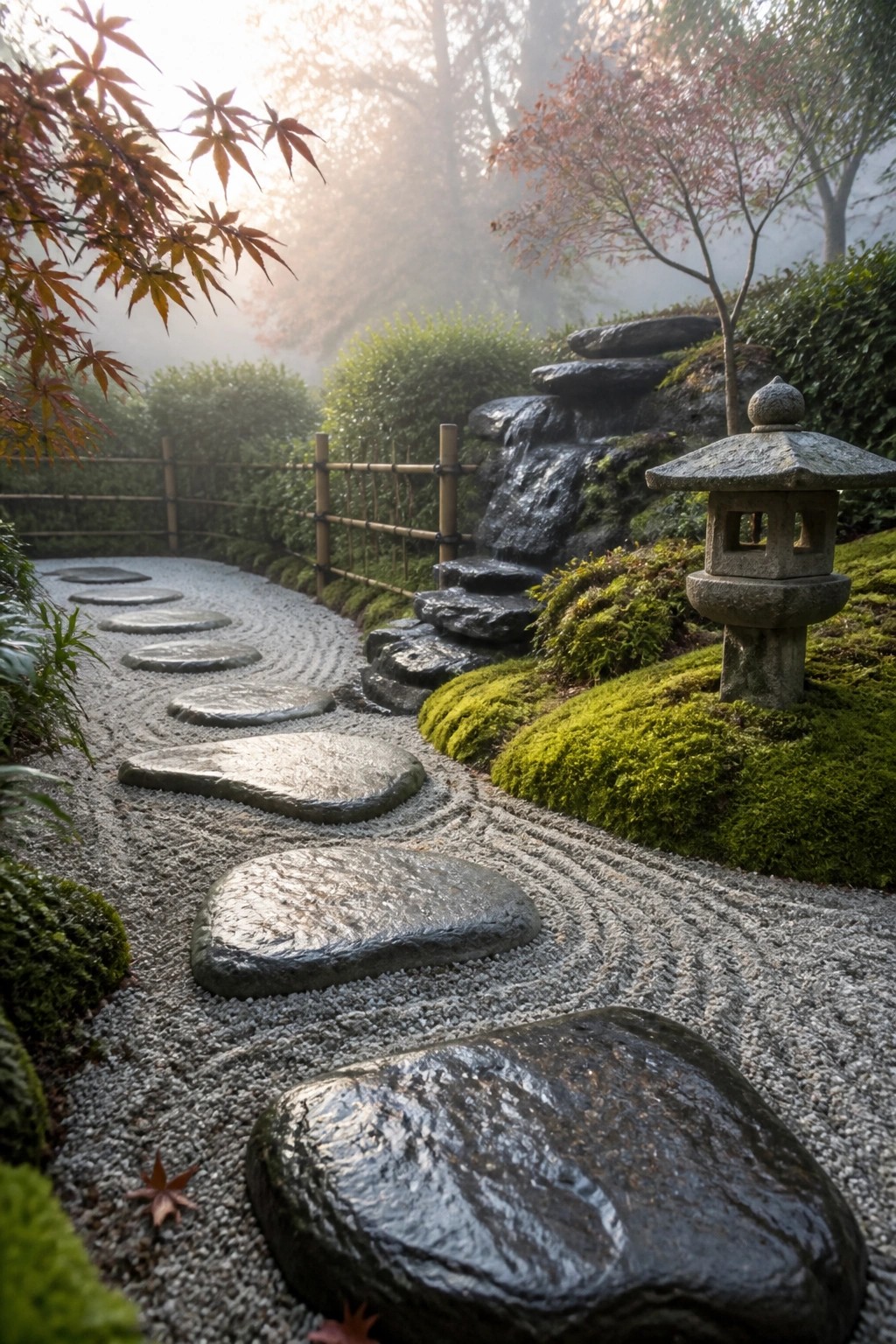
Stepping stones set into gravel give a garden path that feels relaxed and natural. The stones guide you along without creating a solid surface that can feel too formal or heavy in a smaller space.
This approach works best when the stones follow a gentle curve and sit slightly apart so the gravel can fill the gaps. It suits side yards or areas between planting beds where you want movement without adding a full walkway.
Curved Paths For Smoother Garden Flow
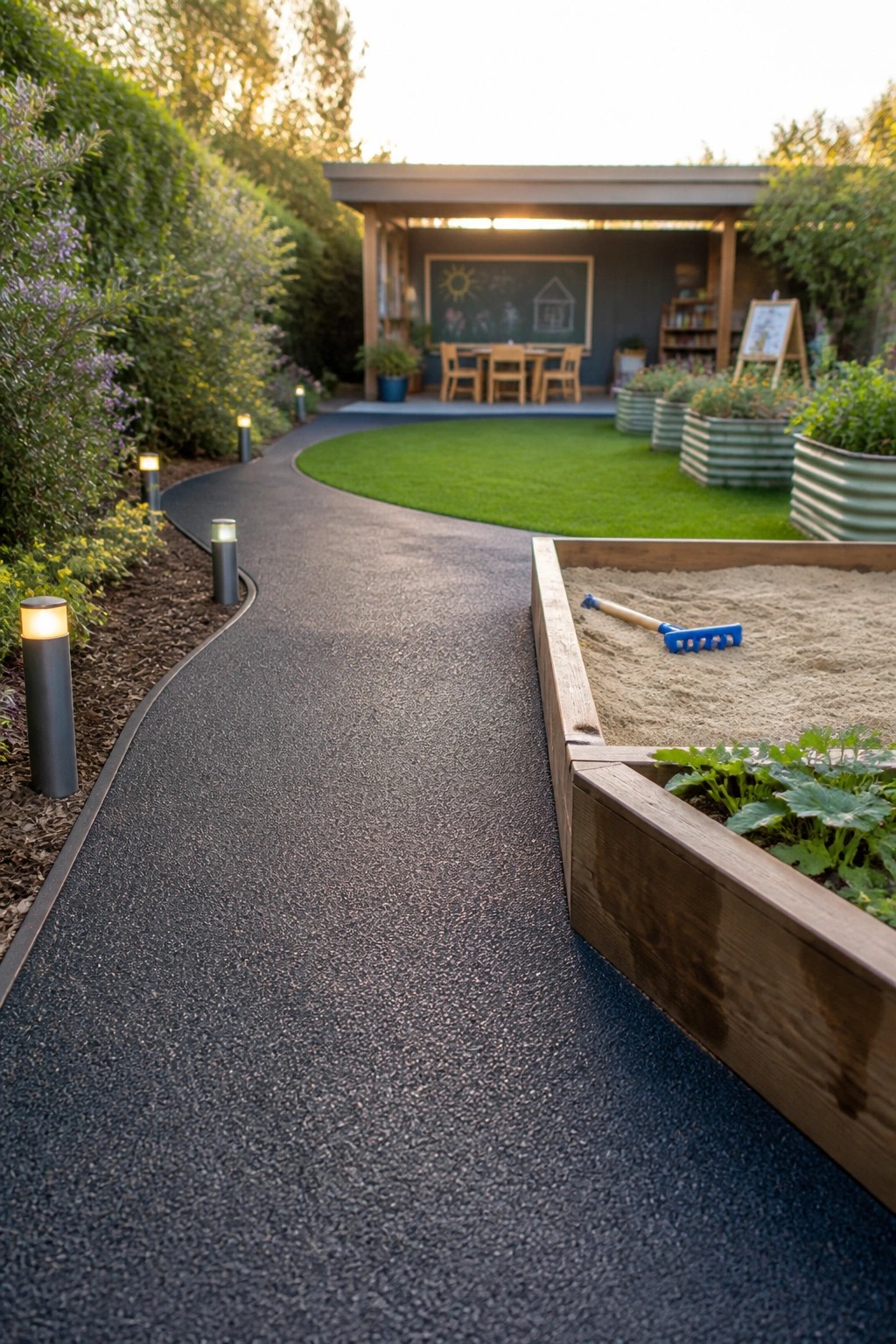
A curved path helps a garden feel more open and easy to move through. Instead of straight lines that cut space into rigid sections, the gentle bend here links the lawn, raised beds, and play area without forcing sharp turns.
This approach works best in medium backyards where you need to connect several zones. Lay out the curve with a hose first so you can walk it and adjust before you commit to the final surface.
Log Edging For Winding Garden Paths
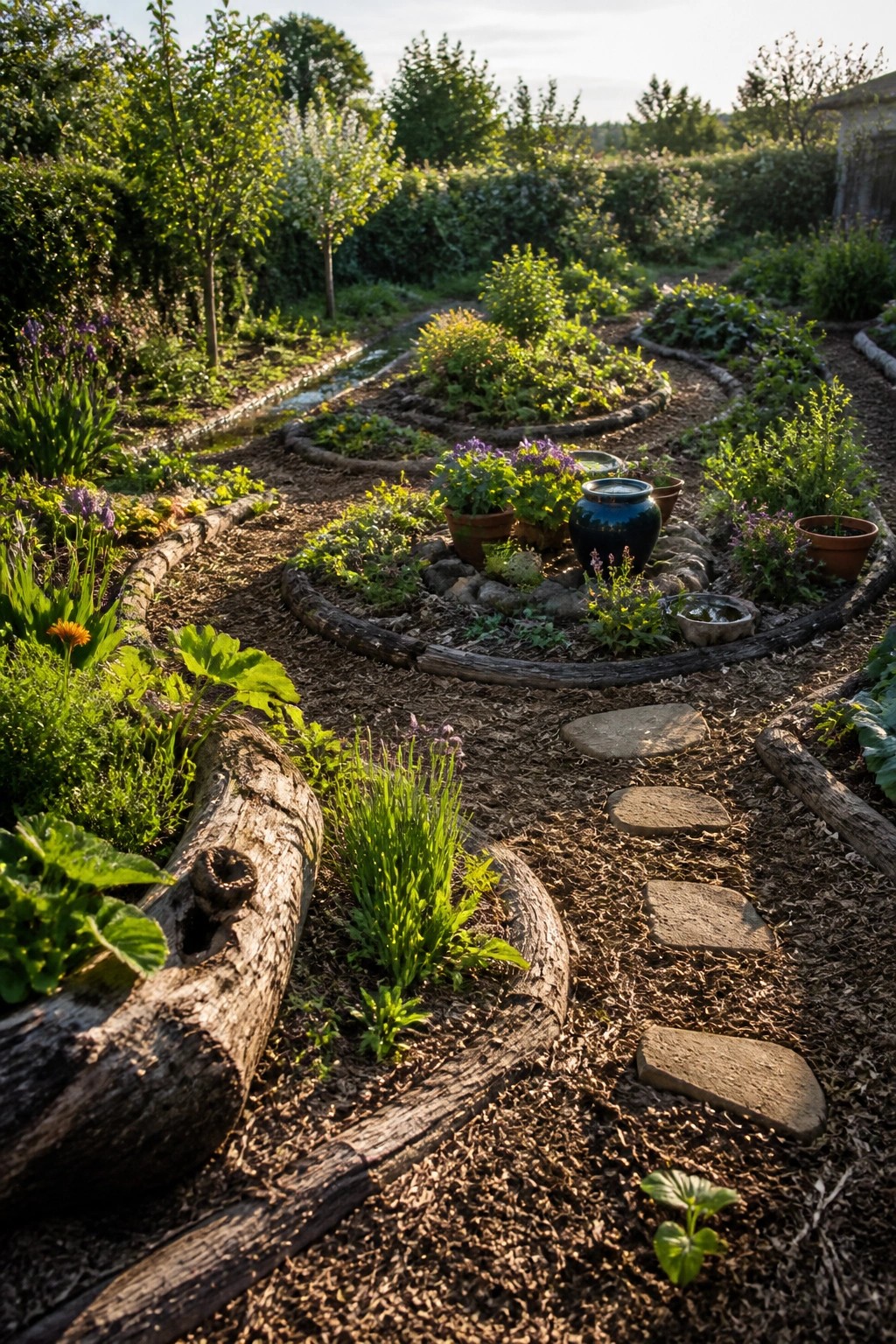
Many people turn to logs for edging because they create soft curves that let paths flow through the garden instead of running in stiff lines. The wood blends into the beds and helps keep mulch and soil where they belong while still letting the layout feel relaxed.
This idea works best in larger spaces where you have room for gentle bends. Use salvaged logs or fallen trees, and make sure the paths stay wide enough for a wheelbarrow or easy walking.
Frequently Asked Questions
Q: How wide do walkways need to be for easy wheelbarrow access without crowding the beds?
A: Make them at least three feet across so you can roll through without bumping plants or scraping your knuckles. That width also lets two people pass each other comfortably on a busy garden day.
Q: What if my new beds sit higher than the paths and dirt keeps spilling over after a heavy rain?
A: Sink a simple edging board or row of bricks along the inside edge so it rises an inch or two above the soil line. The barrier stops most washout while still letting water drain away from the walkway.
Q: Should I test the layout with string and stakes before I dig anything?
A: Lay out the paths and bed outlines with string for a few days and walk them at different times. You will quickly notice spots that feel tight or awkward and can shift things before committing to soil or gravel.
