


I have seen how lighting placed around trees can shift the whole feel of a yard once the sun drops and the structure of branches starts to matter more than the daytime layout. Placement low to the ground tends to highlight trunk lines and canopy edges without turning the space into a stage. Shadows do the rest. I usually test a single light first and walk the area after dark to check whether the pattern adds depth to the beds or just scatters across the lawn. A few of these approaches look like they could work with the trees I already have without needing a full overhaul.
Uplight a Mature Tree to Cast Shadows on the House

A large tree placed close to the front of a brick house gives you a simple way to add nighttime interest without extra fixtures on the building itself. Uplights tucked at the base throw light up through the branches and create soft patterns across the wall and windows. This works especially well on homes with textured brick because the shadows add movement that flat wall washing cannot.
Place the lights a few feet out from the trunk so the beams hit the lower limbs at an angle. The effect shows up best on houses with two or three stories where the canopy can reach part of the upper facade. Keep the fixtures low and aimed inward so the light stays focused on the tree and wall rather than spilling onto the street.
String Lights in the Tree Canopy
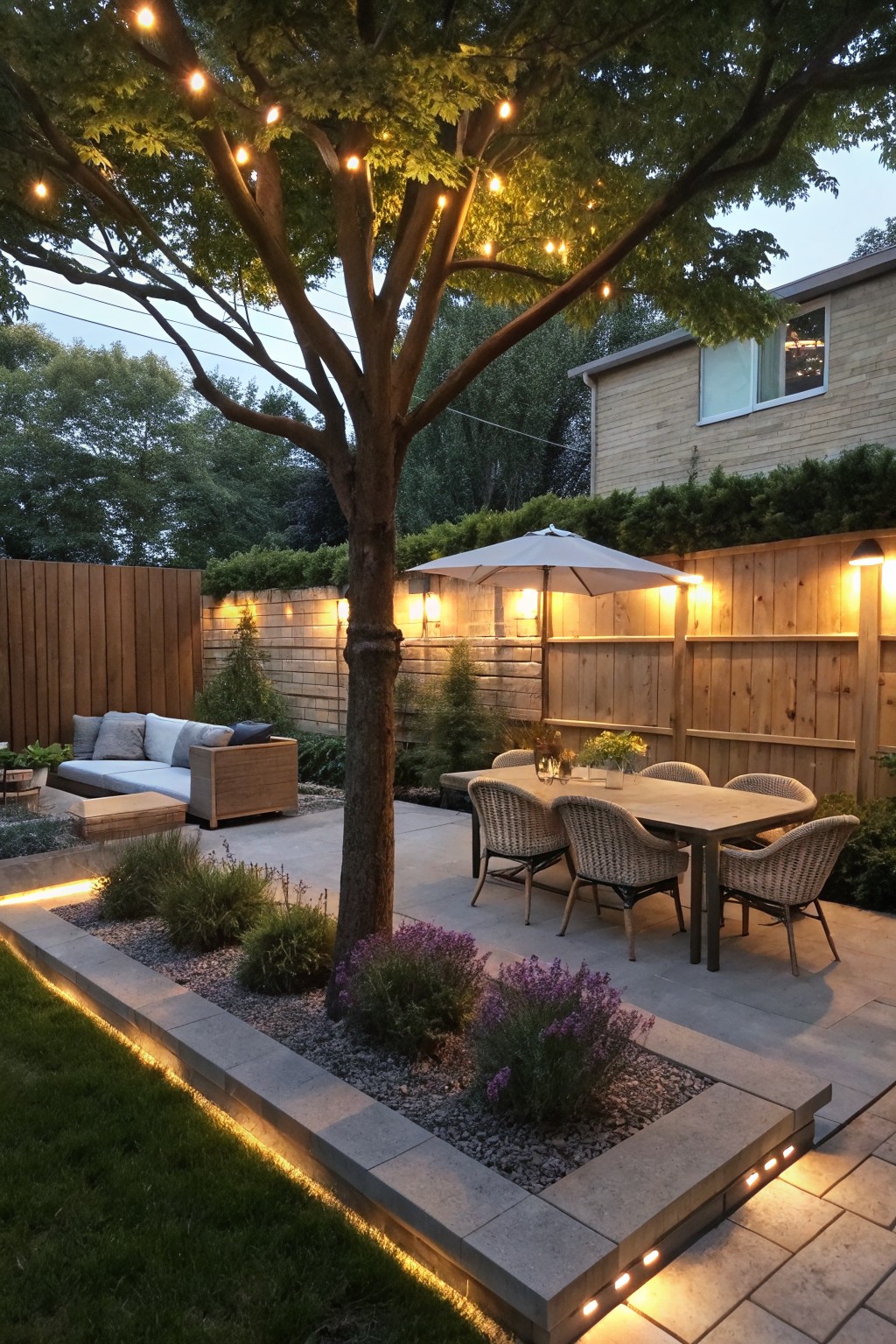
String lights work well when you run them through the branches of a tree that sits right over a patio. The light spreads out naturally from above and gives the whole seating area a soft glow without extra poles or fixtures.
This setup suits backyards where the tree already provides some shade during the day. Space the strands so they do not look too tight, and use warm bulbs to keep the light from feeling harsh on the dining table or lounge chairs below.
Uplighting Trees in Tight Spaces

One simple way to add height and interest to a narrow courtyard is to place an uplight at the base of a tree. The light travels up through the branches and leaves, which throws soft shadows onto the wall behind it. This approach keeps the focus on the planting instead of adding more fixtures along the ground.
It works best in urban gardens or small side yards where space is limited. Use a tree in a large pot if you cannot plant directly in the ground, and angle the light so it does not shine into nearby windows. Keep the fixture low and tucked among other plants so the effect stays subtle.
Uplight Trees To Create Canopy Shadows
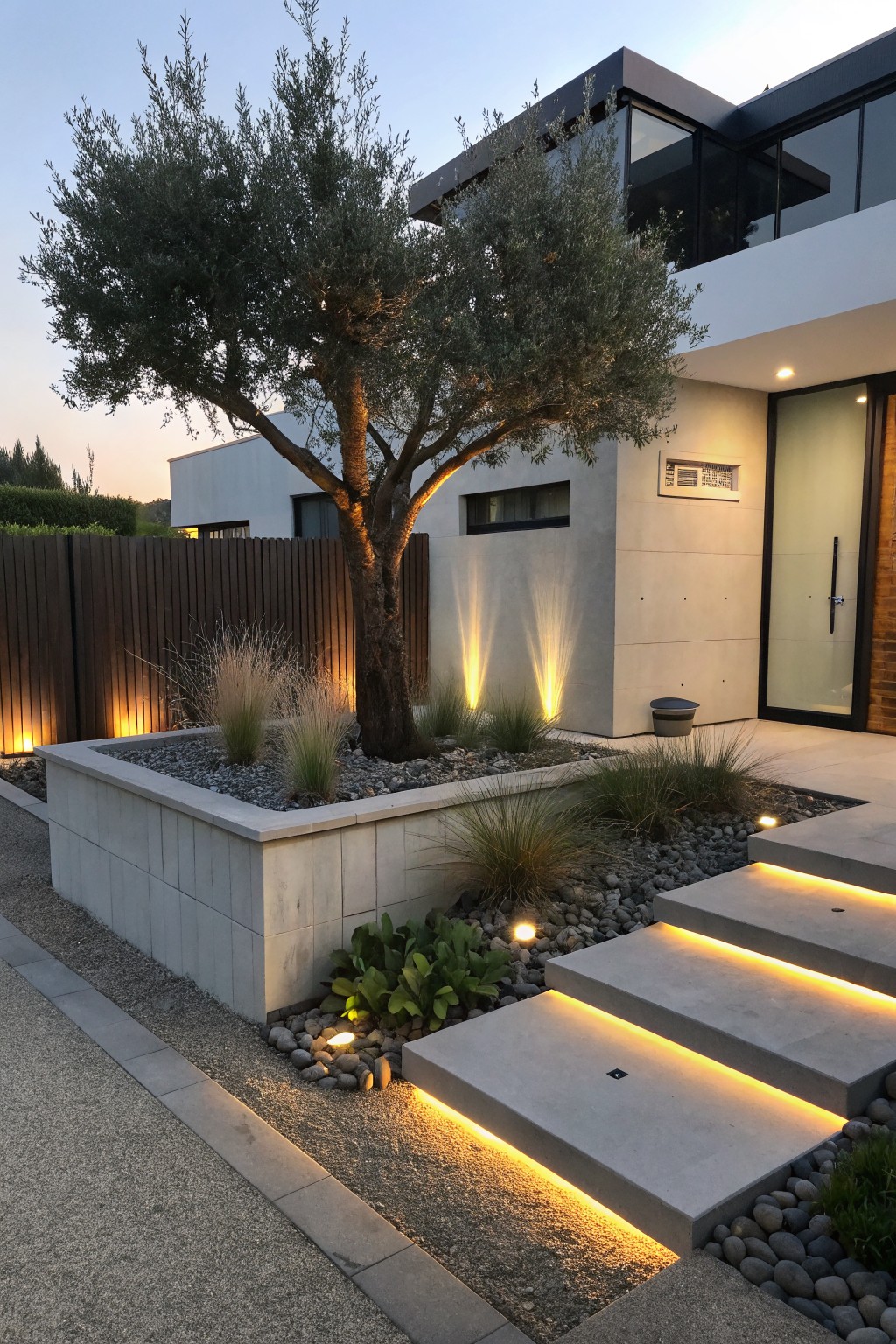
Uplighting a mature tree gives the garden a clear focal point once the sun goes down. The lights sit low in the planting bed and aim upward so the branches and leaves cast soft shadows on the wall and ground around them. It keeps the space from feeling flat after dark without needing lots of fixtures.
This works best on homes that already have one or two larger trees near the house. Tuck the lights into gravel or low grasses so they stay out of sight during the day, and angle them to catch the canopy rather than the trunk alone. Avoid placing them too close to paths where the glare might hit people walking by.
Uplighting a Tree to Create Canopy Shadows
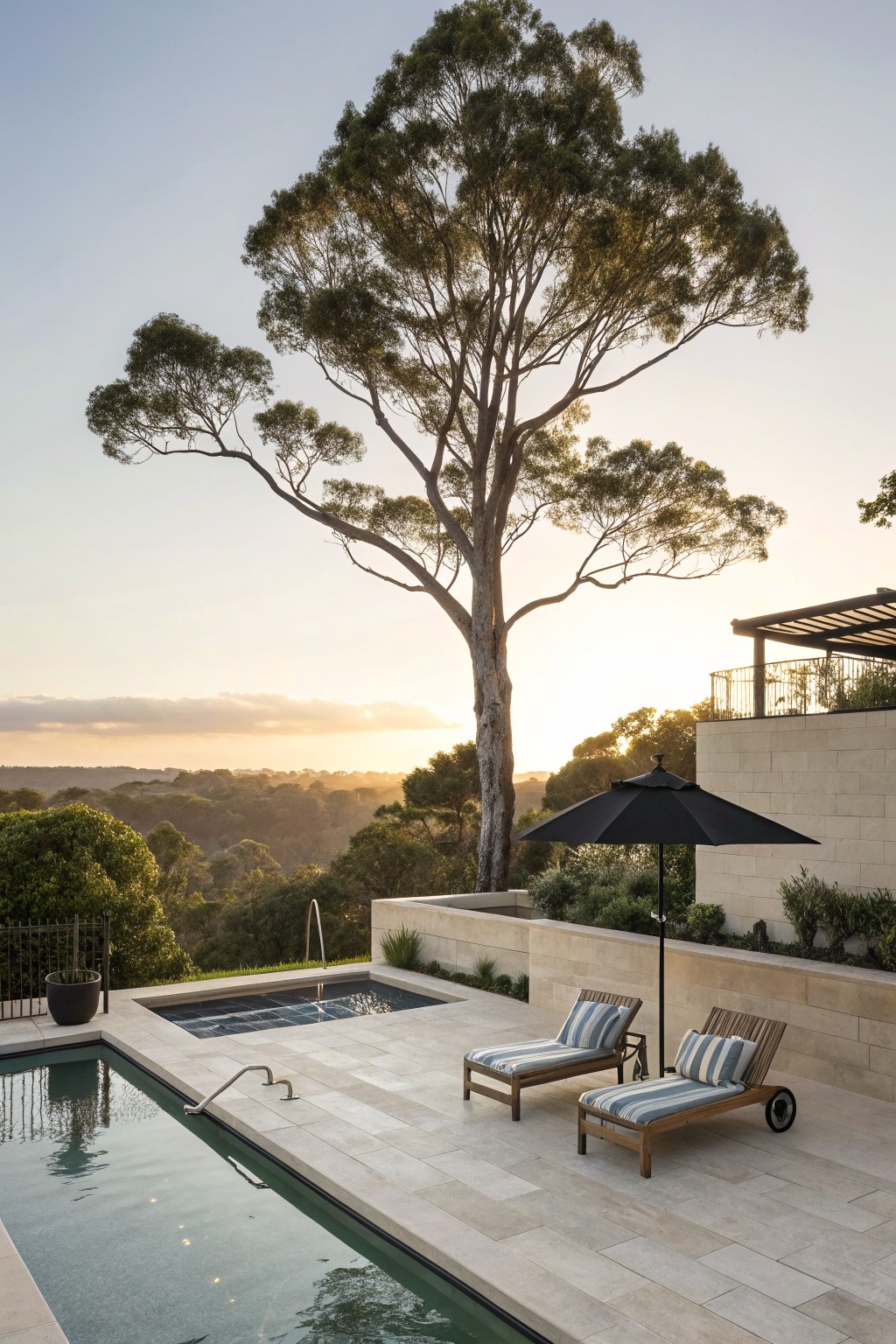
A large tree placed right beside an outdoor seating area gives you an easy way to add drama at night. Uplights at the base throw light up through the branches so the canopy casts soft, moving shadows across the deck or pool edge. This works especially well in open spaces where the tree can stand out without competing with other structures.
Put the lights on a timer so the effect shows up as soon as it gets dark. It suits homes with room for at least one mature tree near the patio and needs only basic low-voltage fixtures to get started. Keep the lights aimed slightly inward so the shadows fall where people actually sit or walk.
Uplighting Trees Along a Garden Path

Placing lights at the base of trees turns a simple walkway into something more interesting at night. The light travels up through the branches and leaves, casting soft shadows on the ground and giving the path a gentle glow without needing lights right along the edges.
This approach works best in narrow side yards or gardens where you want to keep the ground clear. It suits homes with existing trees and helps mark the way while keeping the lighting low and even.
Uplight a Mature Tree to Light the Garden Path

Placing a light at the base of a big tree near the entrance makes the whole path feel more welcoming after dark. The beam catches the lower branches and leaves, throwing soft shadows across the ground without needing extra fixtures along the way.
This works best on homes that already have a solid tree close to the walkway. Aim the light upward from the trunk side so it stays hidden during the day but gives a gentle wash of light at night. Keep the fixture low and angled to avoid glare on the house windows.
Uplight a Mature Tree Over the Patio

Placing uplights at the base of a big tree turns it into a natural canopy for an outdoor seating area. The light travels up through the branches and leaves, casting soft moving shadows on the ground and around the fire pit without any extra structures overhead.
This approach works best on patios that already sit under an established tree. It suits homes where the tree is the main feature rather than something added later. Aim the lights so they highlight the trunk and lower limbs but do not shine directly into the seating.
Uplighting Trees Along a Path
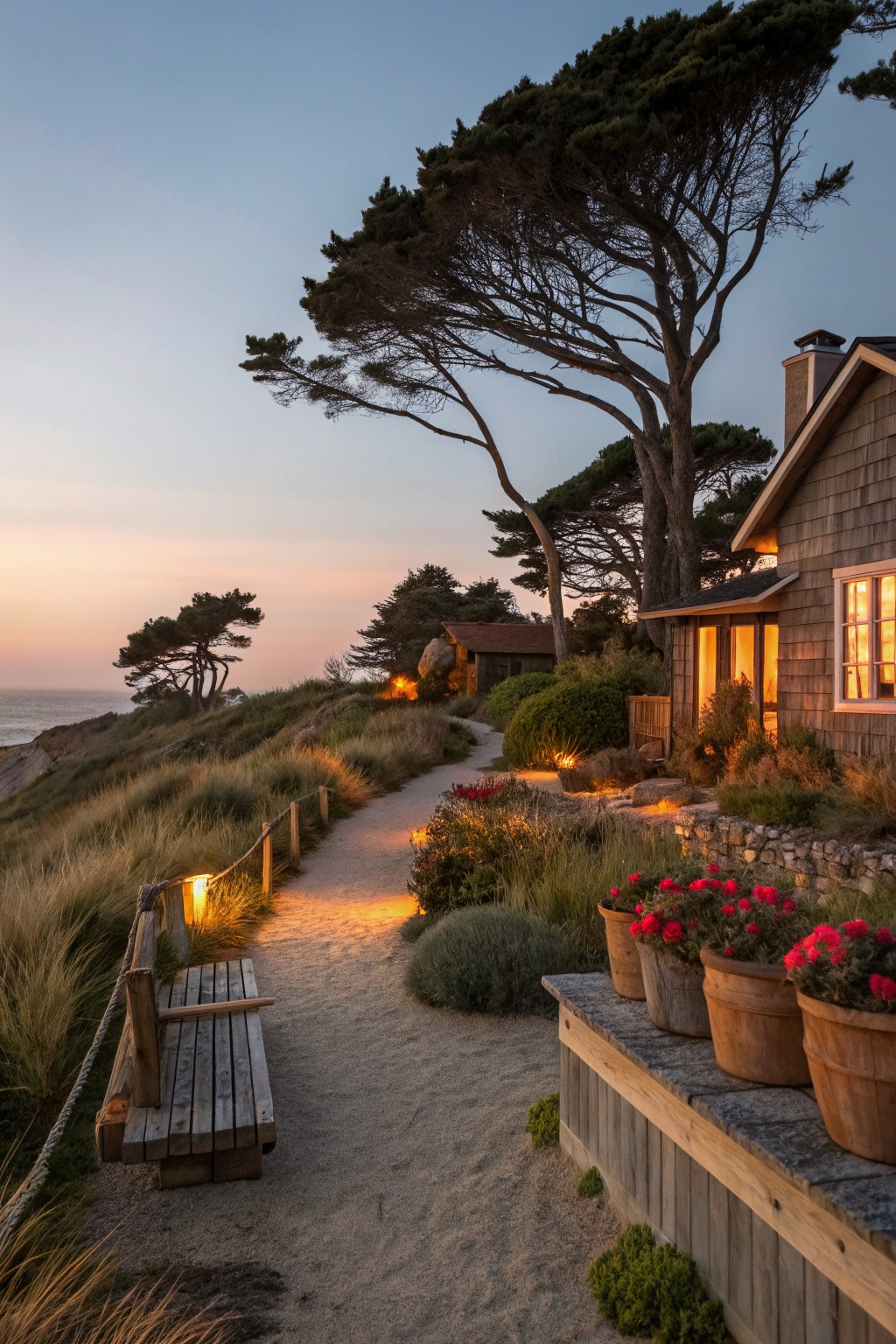
Placing small uplights at the base of trees turns a simple walkway into something that feels guided and calm after dark. The light travels up the trunks and catches the lower branches, casting soft shadows on the ground while keeping the path easy to follow without any harsh glare.
This approach works best on homes with natural surroundings where the trees already shape the route. Keep the fixtures low and angled so they stay hidden during the day, and test the spread so the light reaches the canopy without spilling too far into open areas.
Uplighting Trees Along a Path
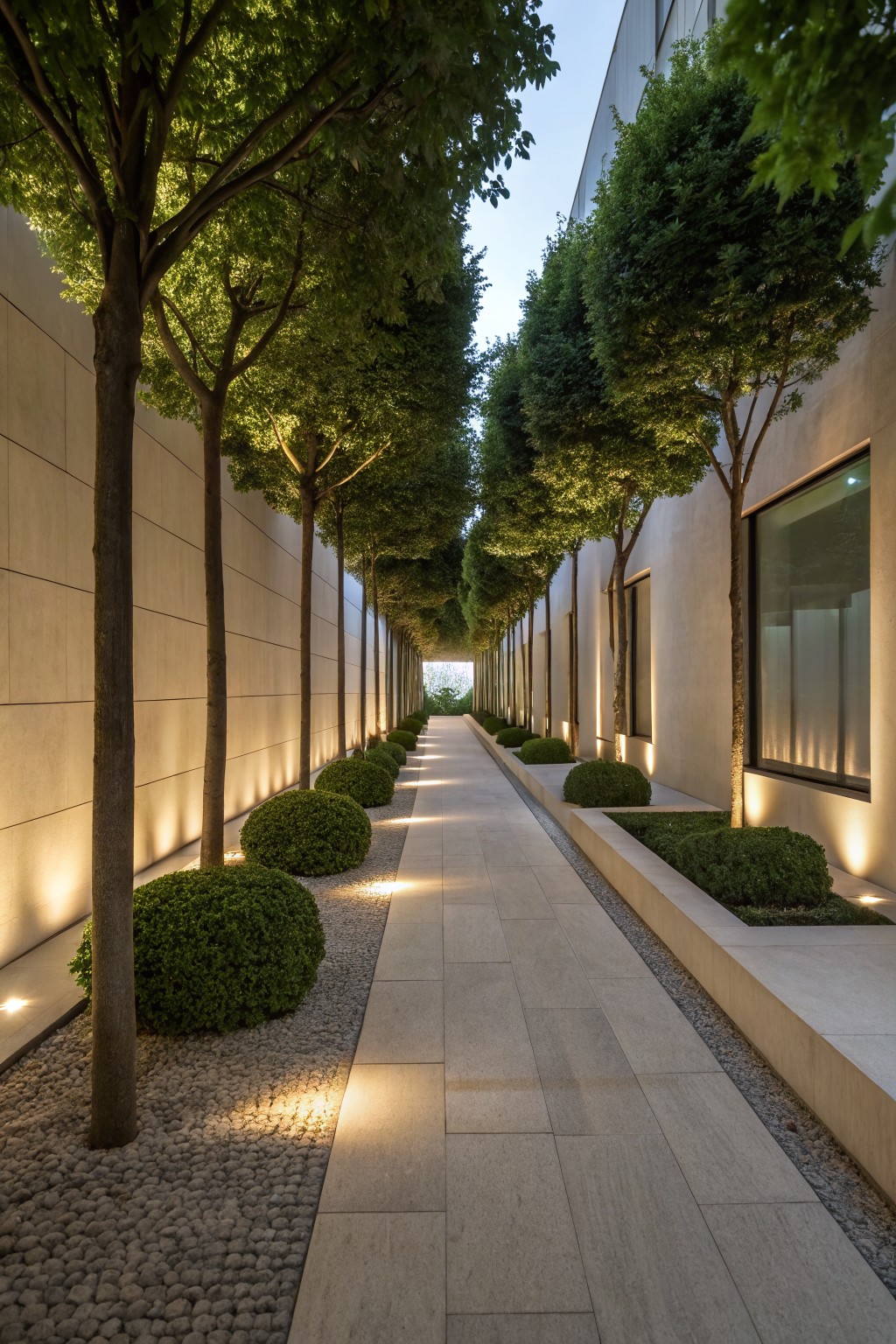
Placing small uplights at the base of trees that run along a walkway gives the whole stretch a clear sense of direction after dark. The light moves up the trunks and into the canopy, so the path feels framed without needing extra fixtures along the ground.
This setup works best in narrow side yards or between buildings where you want a simple, repeating rhythm. Angle the lights so they stay tucked close to the trunks and avoid shining into windows or creating hot spots on the paving.
Uplighting Palm Trees Near an Outdoor Bar
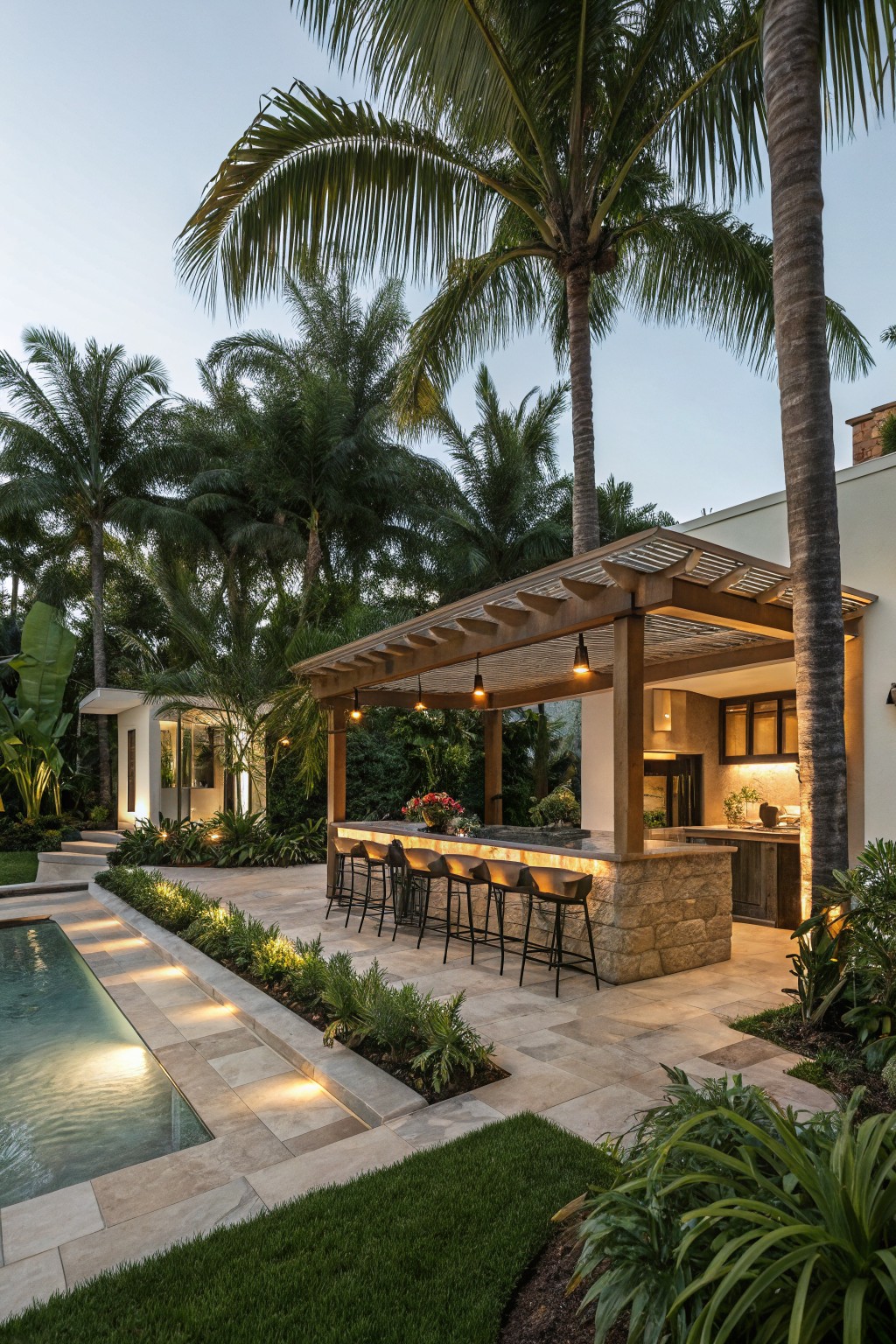
Placing uplights at the base of tall palms can turn an ordinary patio into a more interesting space after dark. The light moves up through the fronds and drops soft shadows across the seating and bar area, which adds depth without needing lots of extra fixtures.
This works best on homes that already have mature palms close to a covered patio or poolside bar. Aim the lights to graze the trunks and avoid direct glare on the seating, then keep any overhead lights simple so the tree shadows stay the main feature.
Uplight Trees Along Outdoor Seating

Uplighting trees turns an ordinary deck or terrace into something that feels alive after dark. The light catches the branches and leaves, casting soft shadows that move a little when the breeze picks up. It adds height and interest without needing a lot of fixtures.
This works best on spaces that already have a few established trees or larger shrubs near the seating area. Keep the lights low and aimed upward so the glow stays gentle. Avoid overdoing the brightness, or the shadows lose that quiet effect.
String Lights Through Tree Branches
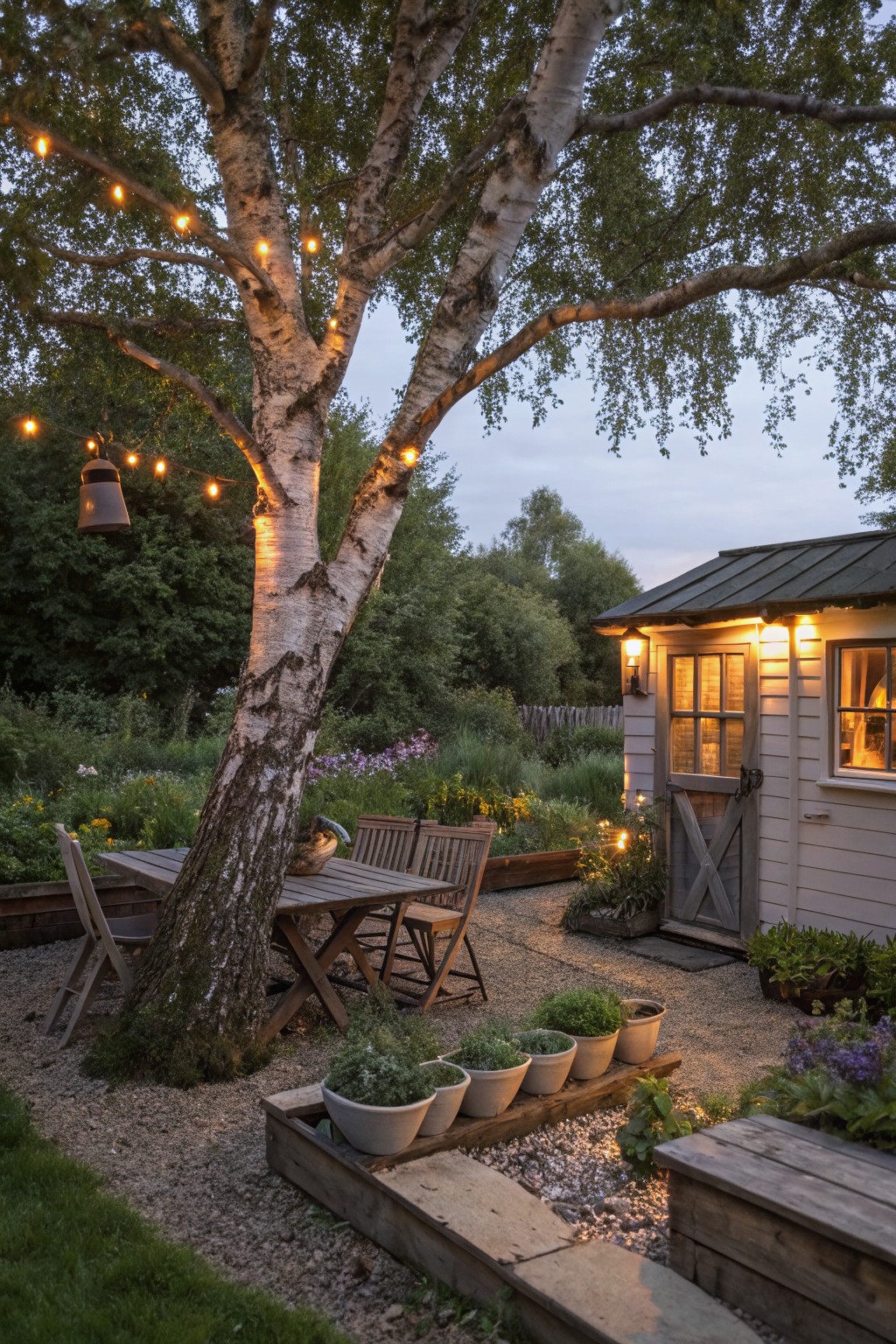
Running string lights through the branches of a mature tree creates a simple overhead glow for an outdoor seating area. The lights sit high enough to stay out of the way while the canopy helps soften the effect and spread the light across the space below.
This works best on properties with established trees near a patio or dining spot. Use outdoor-rated strands and attach them loosely so the tree can move naturally in the wind.
Uplight a Mature Tree to Cast Canopy Shadows

Lighting a big tree from below can turn a plain patio into something that feels more settled after dark. The light moves up through the branches and spreads soft shadows across the ground and any nearby walls, which adds depth without needing a lot of extra fixtures.
This approach works best when the tree already sits close to the seating area, like in yards with established plantings next to a concrete patio. Keep the fixtures low and aimed carefully so the glow stays gentle and does not create harsh spots on the ground.
Uplight a Tree for Soft Evening Shadows
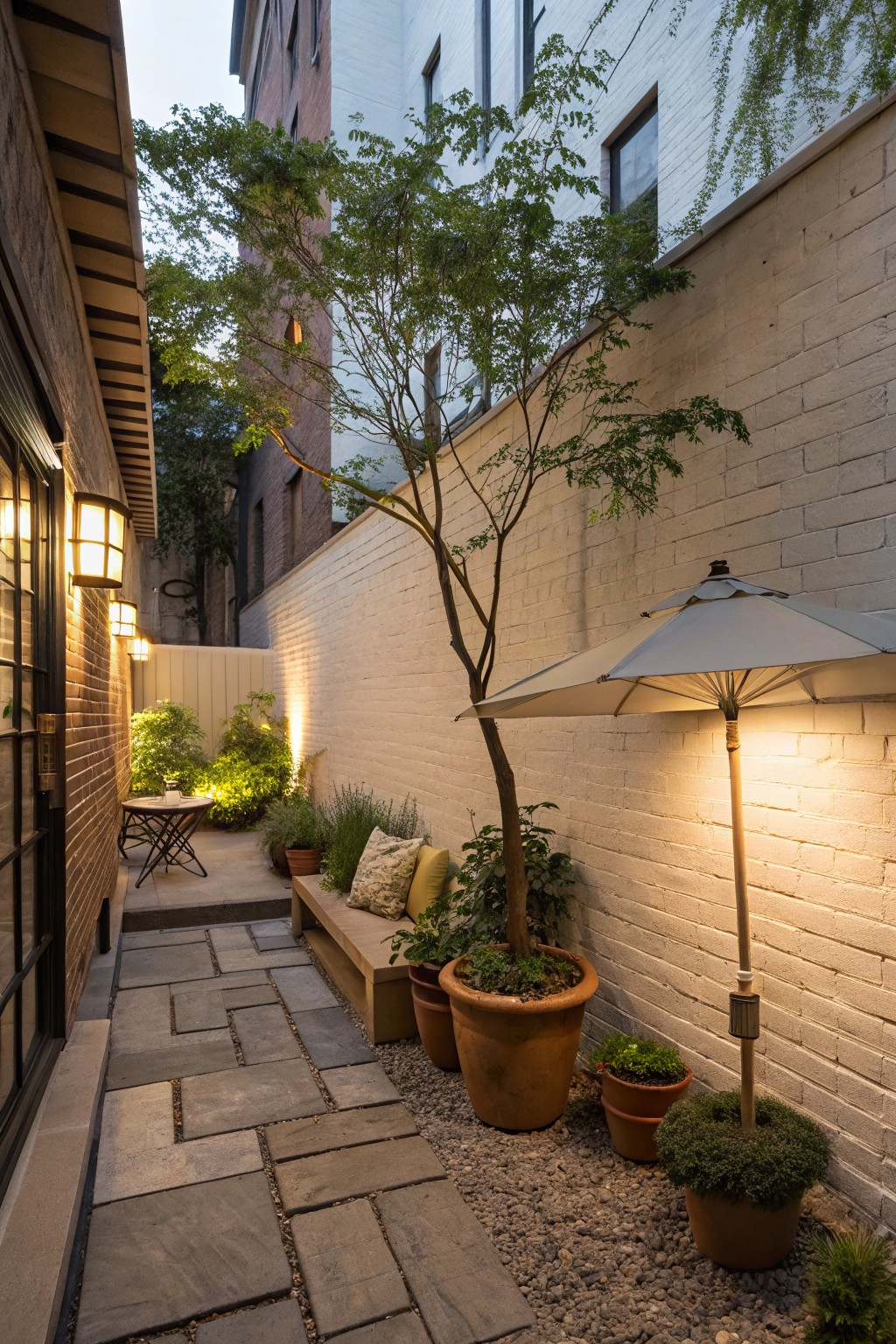
Placing an uplight at the base of a tree is one of the simplest ways to make a small courtyard feel finished after dark. The light travels up through the branches and leaves, then spreads across the wall behind it. This creates gentle patterns without needing much extra lighting.
It works well in tight spaces where you already have a tree or large shrub in a pot. Keep the fixture low and angled so the beam stays narrow. Test it at night before you fix anything in place, since the angle makes a big difference in how the shadows fall.
Uplight Trees Along the Driveway
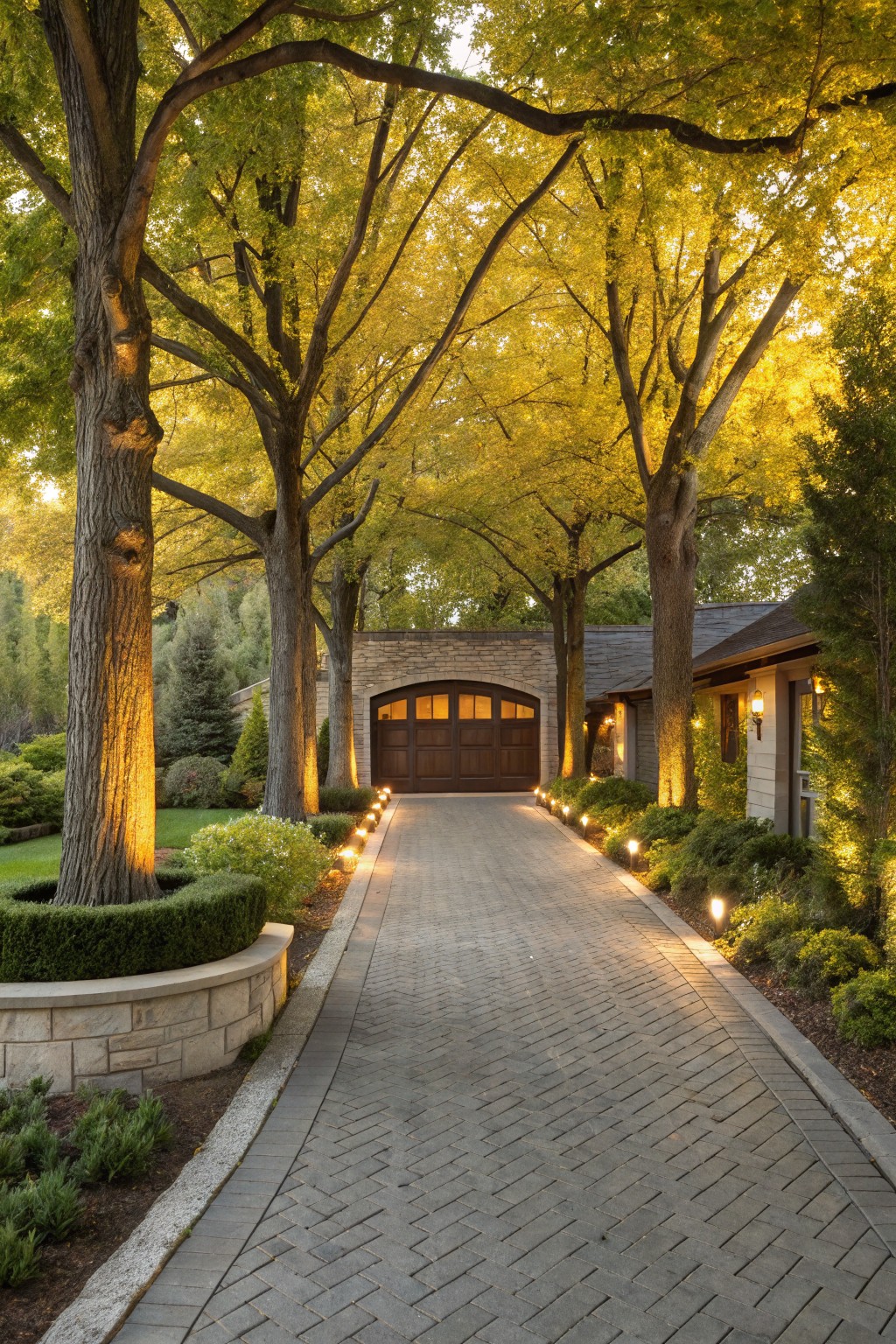
Placing uplights at the base of trees that line a driveway gives the whole entrance a quiet sense of direction at night. The light travels up the trunks and spreads through the leaves, casting soft shadows that move with any breeze.
This approach works best on properties that already have mature trees spaced along the path. Aim the fixtures low and slightly inward so the light stays focused on the trees rather than spilling across the pavement or into windows.
Hang Lights From Tree Branches Over An Outdoor Table

Many people run string lights along sturdy limbs and hang one larger lantern right above the table. It gives the space a gentle overhead glow and lets the leaves cast soft shadows below without adding poles or extra structures.
This setup works best on patios that already have a mature tree nearby. Use outdoor-rated bulbs and fixtures, and check that the branches can handle the weight and any wind.
String Lights On A Front Tree
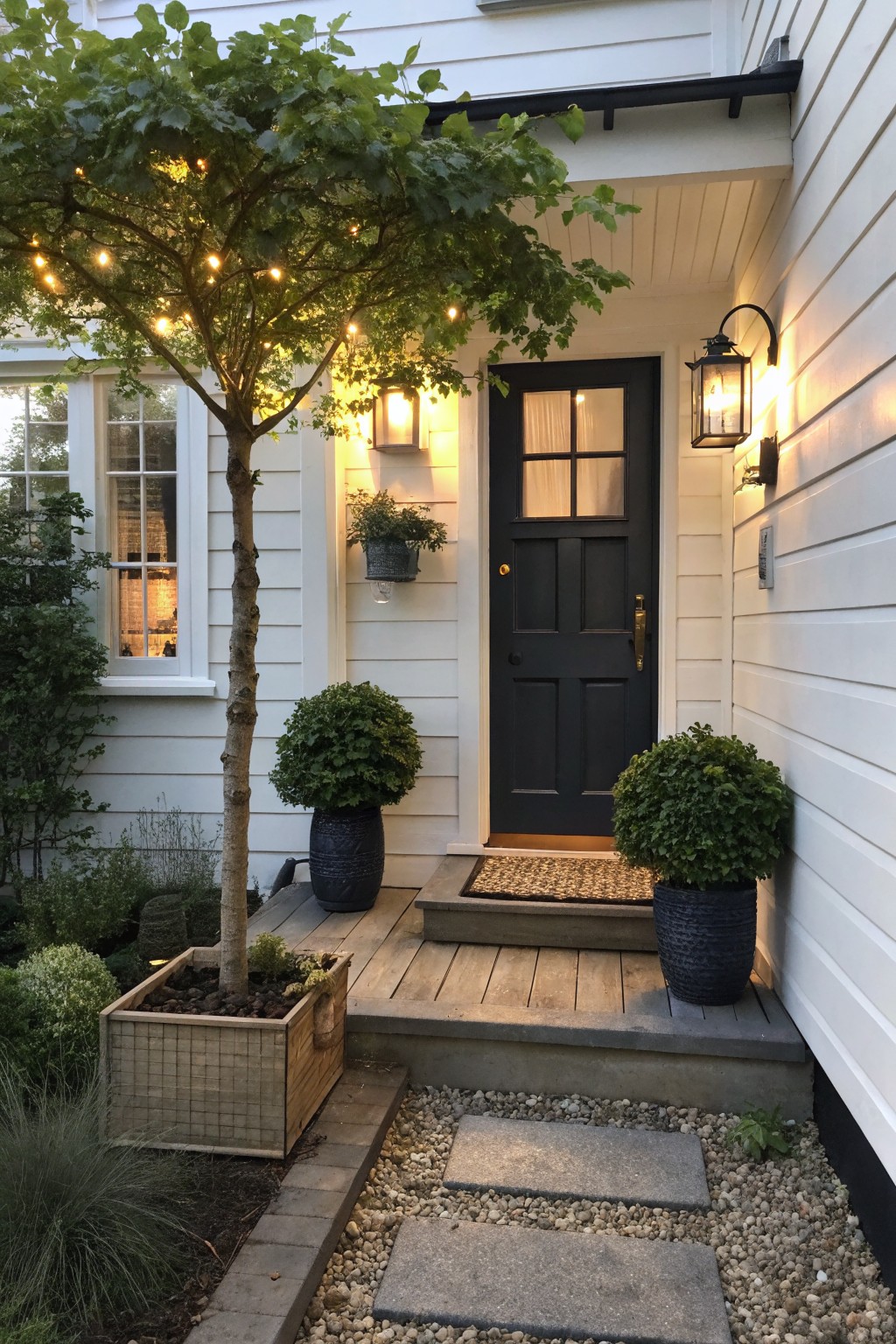
String lights threaded through the branches of a tree near the front door give a soft overhead glow that feels welcoming without much effort. The lights sit high enough to cast gentle patterns on the ground and wall while keeping the focus on the entry itself.
This approach works best on smaller trees planted close to the house. It suits simple facades where you want a bit of evening light without adding wall fixtures or big lanterns.
Frequently Asked Questions
Q: How do I choose the best trees for casting those canopy shadows?
A: Go for trees with a clear trunk and spread-out branches. This lets the light travel up and create interesting patterns without getting blocked right away.
Q: Where exactly do I place the uplights to get good results?
A: Set them right at the base pointing straight up. Move them slightly outward if the shadows look too short or bunched together.
Q: Do I need special lights or can regular ones work?
A: Regular uplights do the job fine as long as they are bright enough. Test a couple spots after dark to see how the shadows fall on your trees.
