

Over the years I have found that gardens often lose their shape once the sun goes down unless there is some thoughtful lighting in place.
Adding solar lights lets me mark out paths and draw attention to certain plantings without running new wires or dealing with timers.
Placement matters more than I expected.
Some lights work better tucked near low shrubs while others suit the edges of a walkway where they guide people safely through the space.
I usually start by testing a few spots in the evening to see how the light actually falls before committing to a full setup.
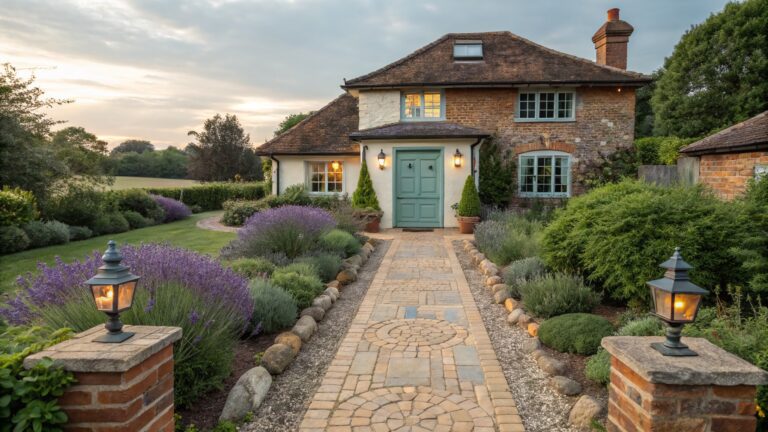
Place Solar Lanterns by the Front Door

A pair of solar lanterns set right beside the entry gives enough light to see the path and the step without running any wires. It is a simple move that works on most houses because the lights charge during the day and come on automatically at dusk.
This setup suits homes with a short walk from the garden to the door. Keep the lanterns in a spot that gets direct sun for several hours and choose a size that matches the scale of the door so the light feels balanced rather than overpowering.
Overhead String Lights For Easy Glow

String lights hung overhead give a patio area a soft, usable light once the sun goes down. They work especially well when run along the beams of a pergola that already sits above a seating zone with a fire pit, since the lights stay out of the way while still reaching the chairs and table below.
This setup works best on decks or patios that already have a solid structure to attach to. Solar versions keep the whole thing simple, since there is no wiring and the lights recharge on their own during the day. Just check that the panels get enough sun and that the strings are rated for outdoor use.
Line Garden Paths With Solar Bollard Lights

Solar bollards make a simple way to light a garden path at night. They sit low enough to mark the way without flooding the space, and they need no wiring or daily attention once they are in place.
They suit homes with gravel beds and straight stone paths. Place them where they get full sun during the day, and they will keep working through most seasons with little more than an occasional wipe down.
Wall Lanterns Along Garden Paths

Wall lanterns give a simple way to light up narrow paths and seating spots without adding floor lamps or string lights that get in the way. In this courtyard the lights sit right on the house wall, casting a steady glow across the brick path and making the space feel usable after dark.
Solar versions work well here because they need no wiring and turn on automatically. They suit homes with stucco walls or covered walkways where you want light at eye level rather than underfoot. Just make sure the panels face enough sun during the day.
Solar Lanterns Along a Garden Path

A gravel path with stepping stones looks even better once the sun goes down if you add a few solar lanterns. They cast just enough light to show the route and highlight the edges without overpowering the plants.
Place them every few feet along the path, especially near turns or changes in level. This approach fits most backyard gardens and needs almost no upkeep beyond occasional cleaning.
Add Solar Lights Along Garden Steps

Placing small solar lights right along the edges of outdoor steps gives you a soft, steady glow that makes the area easy to use after dark. It avoids tall poles or glaring fixtures that can feel out of place in a garden setting and instead keeps the focus on the plants and hardscape.
This approach works especially well on sloped yards or around pools where people move up and down often. Stone or concrete steps hold the lights neatly, and the solar panels stay hidden during the day so the whole space looks simple and uncluttered.
Mount Solar Lanterns Along Fences
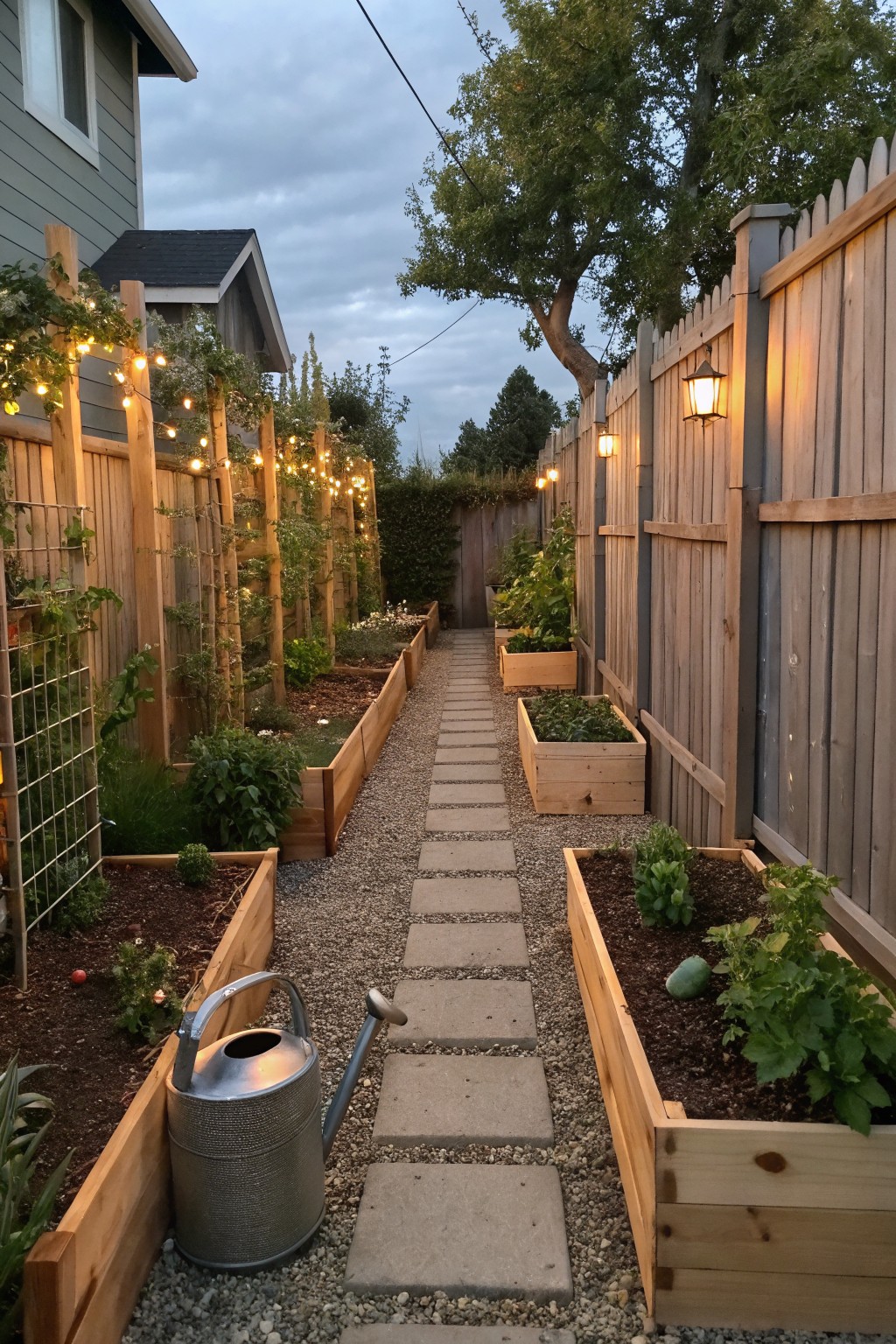
Solar lanterns placed on fence posts give a narrow garden path steady evening light without any wiring. They cast a soft glow across the gravel and beds while keeping the space feeling open instead of crowded. This setup works especially well in side yards or between houses where running electricity would be difficult.
Set the lanterns at the same height on both sides of the path so the light stays even. They suit most homes with wooden fences and raised beds, and they need almost no upkeep beyond an occasional wipe. Just make sure the panels face enough sun during the day.
Line Paths With Low Bollard Lights
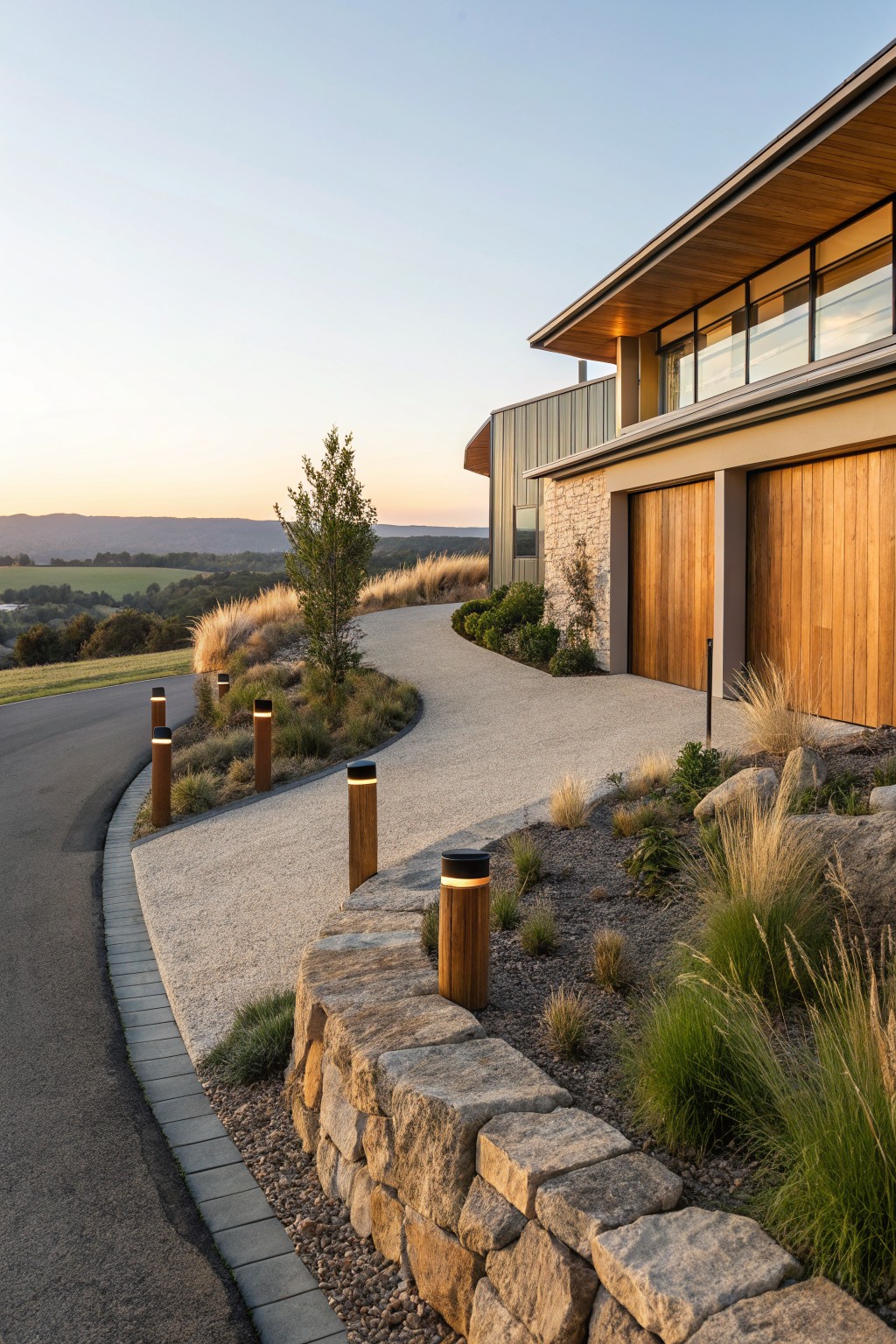
Low bollard lights work well along paths because they stay close to the ground and give just enough light to guide people without brightening the whole yard. They keep the evening look calm while still making it easy to walk safely after dark.
These lights suit homes with gravel or paved driveways that curve around the house. Space them a few feet apart along the edge so the glow stays even, and let nearby grasses or low plantings soften the look. Solar versions keep things simple since there is no wiring needed.
String Lights Over a Pergola
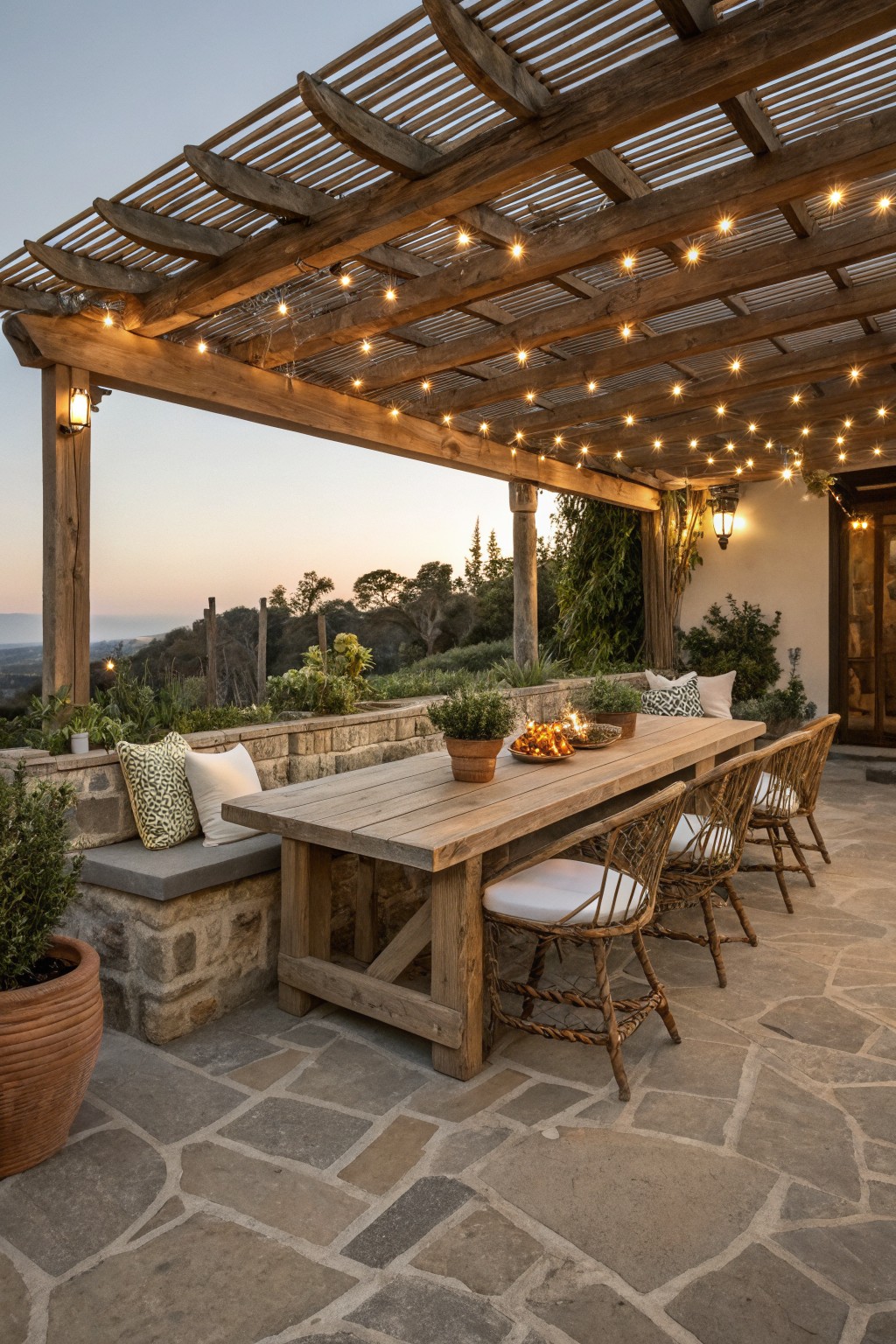
String lights work well over a pergola because they spread a gentle evening glow across the whole seating area without needing extra fixtures or wiring. Solar versions keep things simple since they charge during the day and turn on automatically.
This setup suits patios or decks where you want to use the space after sunset. Keep the strands evenly spaced and choose warm bulbs so the light stays comfortable rather than harsh.
Line a Garden Path with Solar Lanterns

Solar lanterns work well along a winding stone path because they provide just enough light to mark the way without needing any wiring or outlets. The fixtures charge during the day and turn on by themselves, which keeps the whole setup simple to maintain over time.
This approach suits larger yards or side gardens where you want a gentle glow that leads visitors forward. Place the lanterns low and space them evenly so the path stays visible while the surrounding plants remain the main focus.
String Lights With Wall Planters On A Balcony
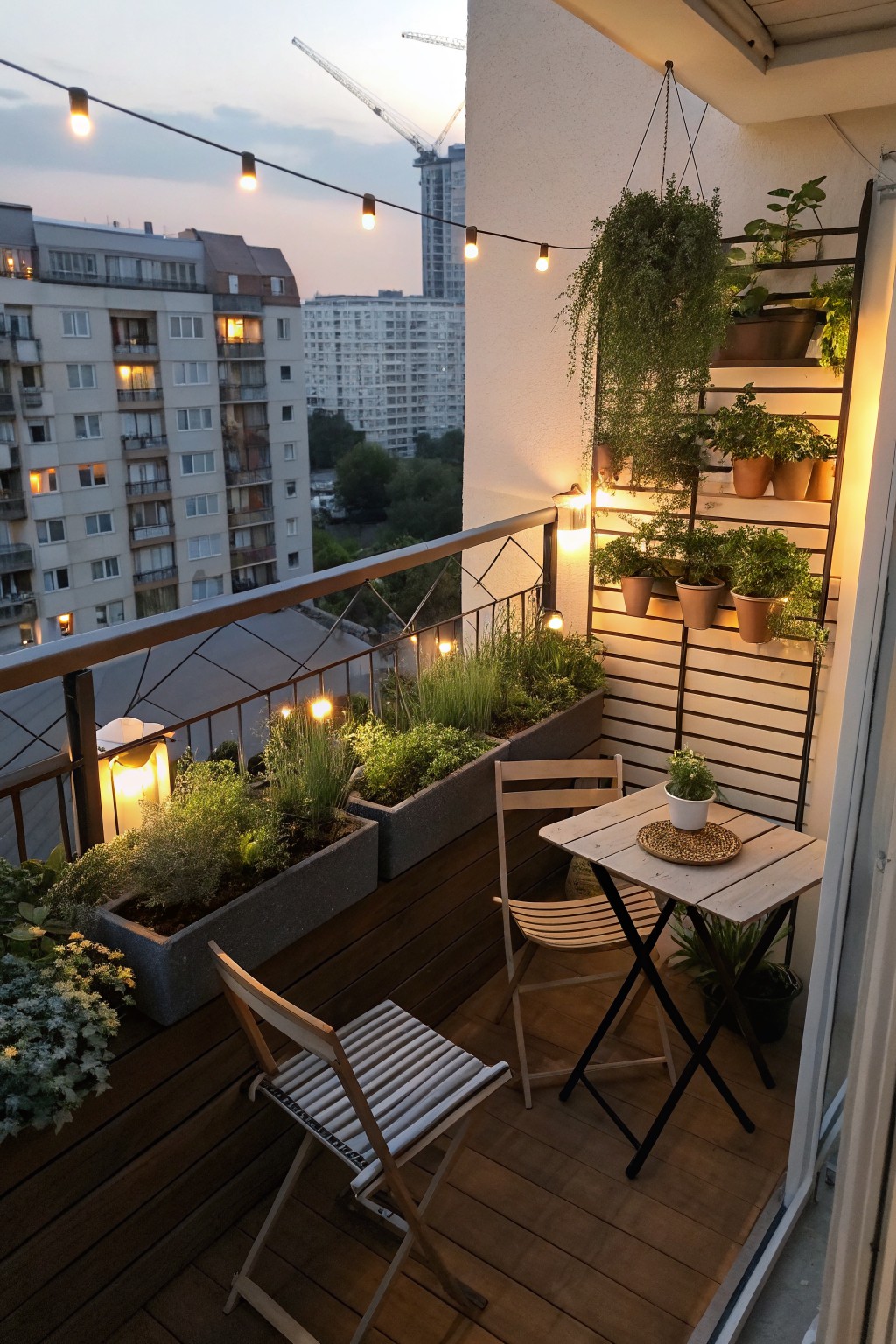
String lights work well on small balconies because they add soft evening light without taking up floor space. Pairing them with a wall-mounted planter system keeps plants off the deck and creates a simple green backdrop that stays neat.
This setup suits apartment balconies or narrow outdoor areas where you want some privacy and glow without much upkeep. Use solar string lights so they charge during the day and come on automatically at night. Keep the planters at different heights to avoid a flat look.
Add Lanterns Beside the Front Door

Mounting a pair of lanterns on the wall next to the door creates a simple, even light that brightens the entry without cluttering the porch floor. This approach works because the lights stay out of the way while still covering the steps and walkway.
It fits homes with a small front porch or stoop, especially when the lanterns run on solar power. Place them at eye level or slightly higher so the glow reaches the ground without shining straight into the windows.
Solar Path Lights Along Gravel Walks

Solar lights work well along gravel paths because they need no wiring and turn on by themselves each evening. They keep the route visible without adding clutter or maintenance.
This setup suits homes with sloped or winding gardens where running cables would be hard. Tuck the lights low among rocks and plants so they mark the edges without overpowering the natural look.
Solar Lights Along Gravel Garden Paths

A gravel path running between raised beds gives you a straightforward place to add solar lighting. The open layout means lights can sit right along the edges without competing with plants or getting buried in foliage.
This works especially well in vegetable or herb gardens where you might need to walk through at dusk. Place small stake lights every few feet so the path stays easy to follow, and choose models that cast a soft downward glow rather than bright spots.
Solar Lanterns on Stones Along Paths
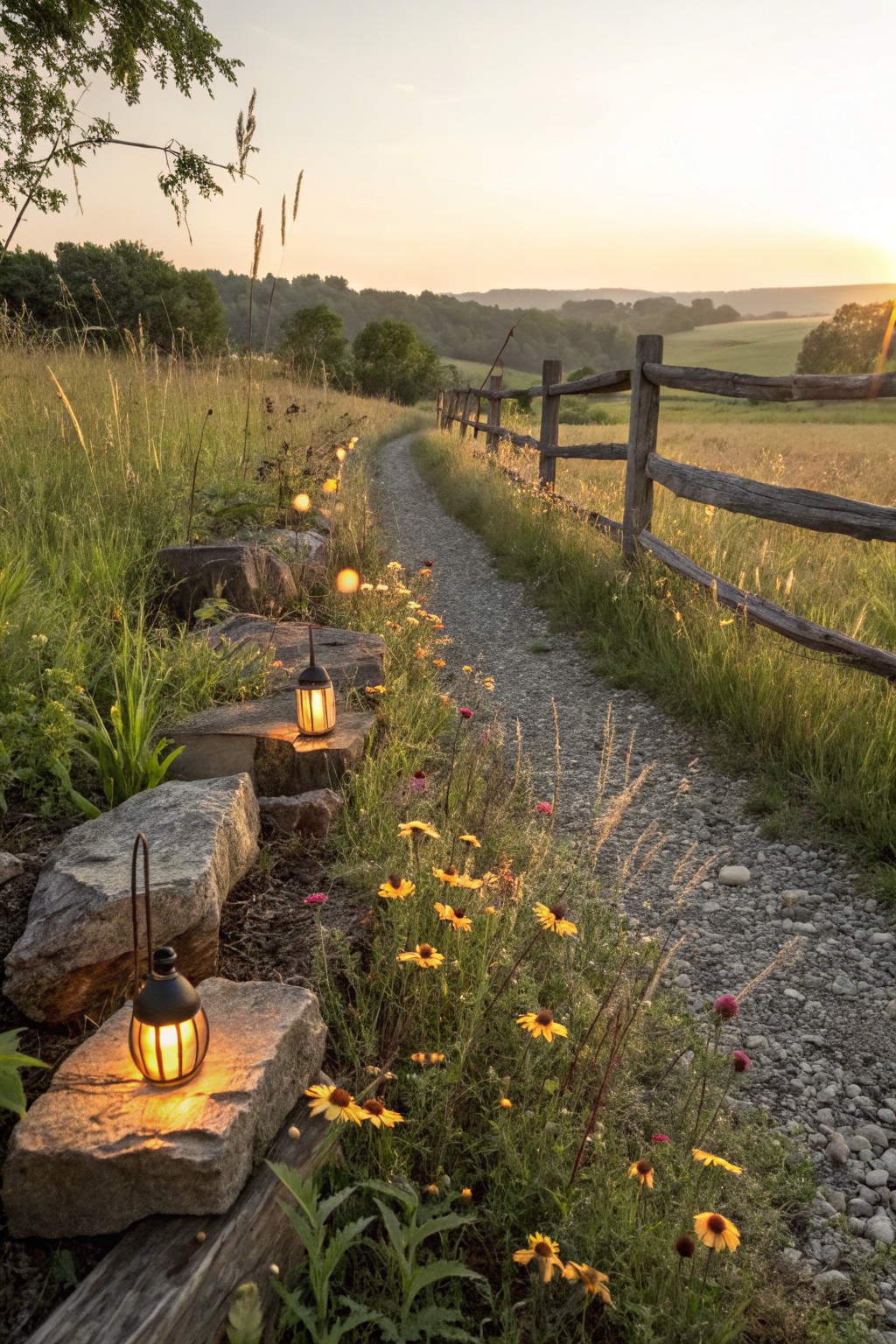
Placing solar lanterns directly on flat stones gives a path a soft evening glow without any wiring or complicated setup. The stones keep the lights stable and at the right height so they illuminate the ground evenly instead of shining straight into your eyes.
This works especially well on gravel or dirt paths that wind through grass and flowers. Choose lanterns with warm bulbs and set them where the stones already sit naturally so the look stays simple and the lights charge easily during the day.
Floating Solar Lights In A Pond

Many gardens already have a small pond or water basin, and floating a few solar lights on it adds a quiet glow after dark. The lights sit right on the surface and pick up reflections without needing any cords or outlets nearby.
This setup works best in a paved courtyard or along a side garden where the water is still. Keep the lights spaced out so they do not cluster, and choose models that can handle a bit of wind or rain.
Hang Solar Lanterns from Pergola Beams

Solar lanterns make it easy to light an outdoor seating spot without running any wires. They charge during the day and turn on automatically at night, giving a steady, soft light that feels natural under a covered structure.
Hang two or three from the overhead beams and add a short run of string lights along the edge if you want a bit more brightness. This works best on patios or decks that already have some shade, since the lanterns stay protected and keep working with very little upkeep.
Solar String Lights Over Outdoor Seating

Solar string lights are one of the simplest ways to add soft evening light to a patio or garden seating area. They need no wiring, just a sunny spot to charge during the day, and they create a gentle overhead glow that feels welcoming without being harsh.
This approach works especially well in yards that already have trees or sturdy branches nearby. Hang the strands so they drape naturally across the space, and combine them with a few low solar path lights if you want extra visibility along the edges. It suits most homes with an outdoor living zone and keeps maintenance to almost nothing.
Frequently Asked Questions
Q: Will my lights still glow if it is cloudy for a few days?
A: They store up power from sunny days so a couple cloudy ones usually won’t stop them. Just make sure nothing blocks the panels.
Q: How do I stop the lights from tipping over in wind?
A: Use the stakes that come with them and press them firmly into the soil. Add a bit of gravel around the base if your ground is loose.
Q: Do I need to bring the lights inside during winter?
A: Most solar garden lights handle cold weather fine since they have no cords to freeze. Leave them out and they will keep working when spring returns.
