


Gardens tend to look different once evening arrives, and the right lights can highlight the paths and beds without needing any wiring.
I have walked through plenty of backyards where the layout only made sense after dark because of how the lighting guided the eye along the edges.
That is why affordable solar stakes caught my attention early on.
They sit right into the soil and can mark borders or light up low plantings without any extra cost for electricity.
Wireless pieces give even more flexibility when you want to adjust things as the garden changes from one year to the next.
String Lights Over Outdoor Dining Tables

String lights work really well when you want to light an outdoor dining spot without running wires or spending much. They stretch easily from the house to a post or tree and give off a soft glow that makes the table feel usable after dark. Wireless wall lights add a bit more directed light near the seating without any extra hassle.
This setup suits small patios or side yards where you already have a table and chairs. Hang the string lights fairly low over the table for the best effect, then place one or two solar or battery fixtures on the wall to fill in shadows. Just keep the bulbs warm white so the space stays relaxed instead of too bright.
Light Entry Steps with Wireless Fixtures

Placing a few wireless lights along the front steps makes the entrance safer and easier to use at night. Homeowners often find this simple step helps avoid trips and gives the house a more finished look without any complicated installation.
This approach works well on homes with stone or concrete stairs that lead up from a path. Keep the fixtures small and low so the light stays focused on the steps and does not overpower the rest of the yard.
String Lights for Balcony Lighting
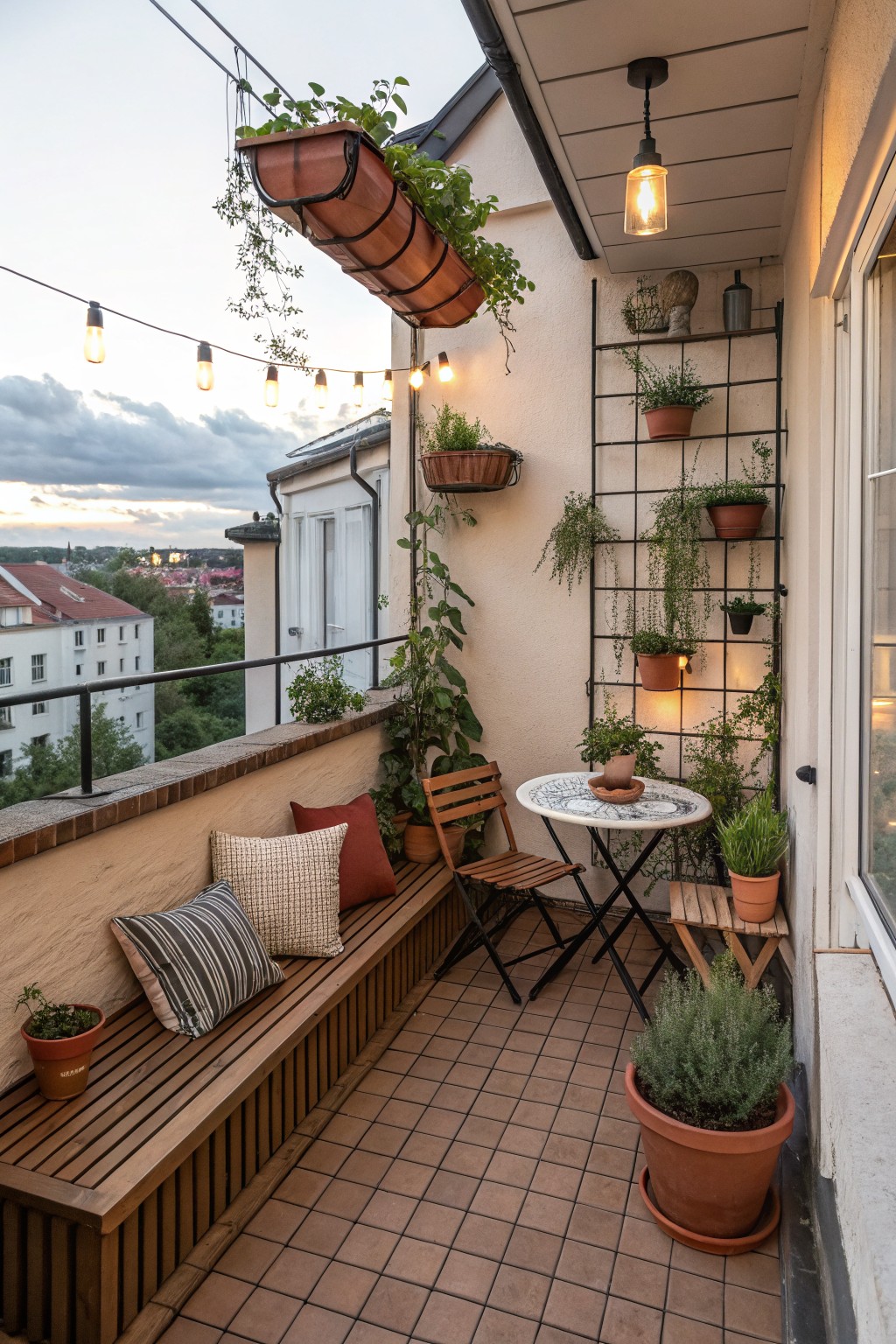
String lights make a small balcony feel usable after dark without any wiring. They run along the edge and cast a soft glow over the seating area while a single pendant hangs from the ceiling to light the table. This setup stays simple and cheap.
It works best on balconies or patios where you want light without drilling or running cables. Clip the lights to the railing or a thin wire and add one wireless fixture overhead. The whole thing comes down easily if you need to move or store it for winter.
Wireless Lanterns Around a Fire Pit
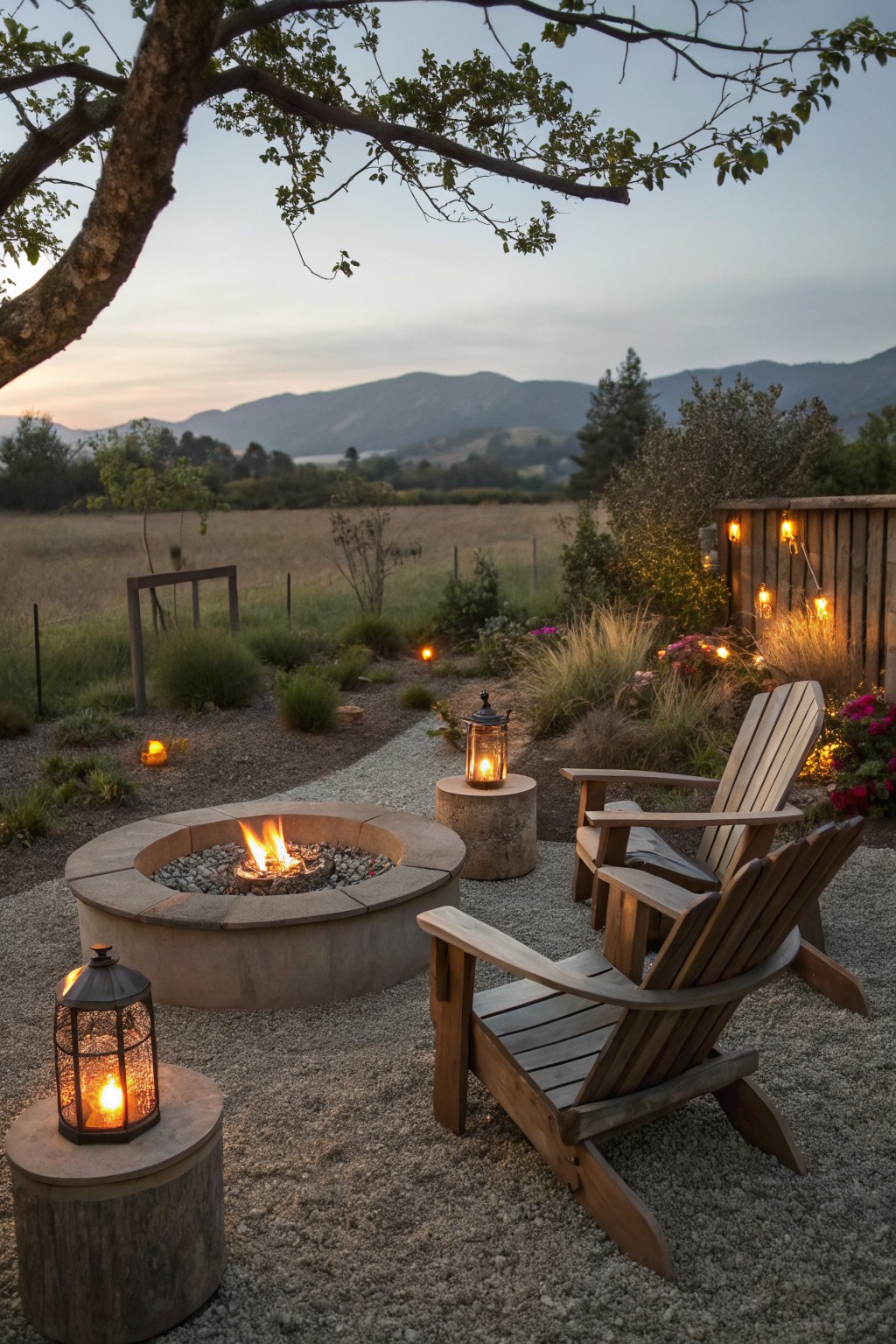
Wireless lanterns work well next to a fire pit because they add steady light without needing outlets or extension cords. People often place them on simple side tables or stumps so the seating area stays usable after dark.
This setup suits a gravel patio or backyard corner where you already have chairs pulled up around the pit. Keep the lanterns low and steady, then run a short string of solar lights along a fence or railing for a bit more fill light.
Hang a Lantern Over the Table

A single hanging light above an outdoor dining table makes the space feel finished without much effort. It gives soft light for evening meals and keeps the focus on the table itself rather than lighting the whole patio at once.
This setup works best under a pergola or covered area where the fixture can hang at the right height. Wireless or solar versions are easy to install and move if the table layout changes later.
Overhead Lights Extend Patio Use

Overhead lighting under a covered patio makes the whole area feel ready for evening use without needing a big electrical project. Small fixtures tucked into the ceiling keep the seating zone bright enough for reading or talking while the pool reflects a softer glow nearby.
Wireless options work well here because they avoid running wires through stone or decking. Place them where they highlight the main lounge spots first, then add one or two accents along the edge if the space feels too dark after sunset. This setup suits homes with existing hardscape but limited outlets.
Solar Stakes Along Garden Paths
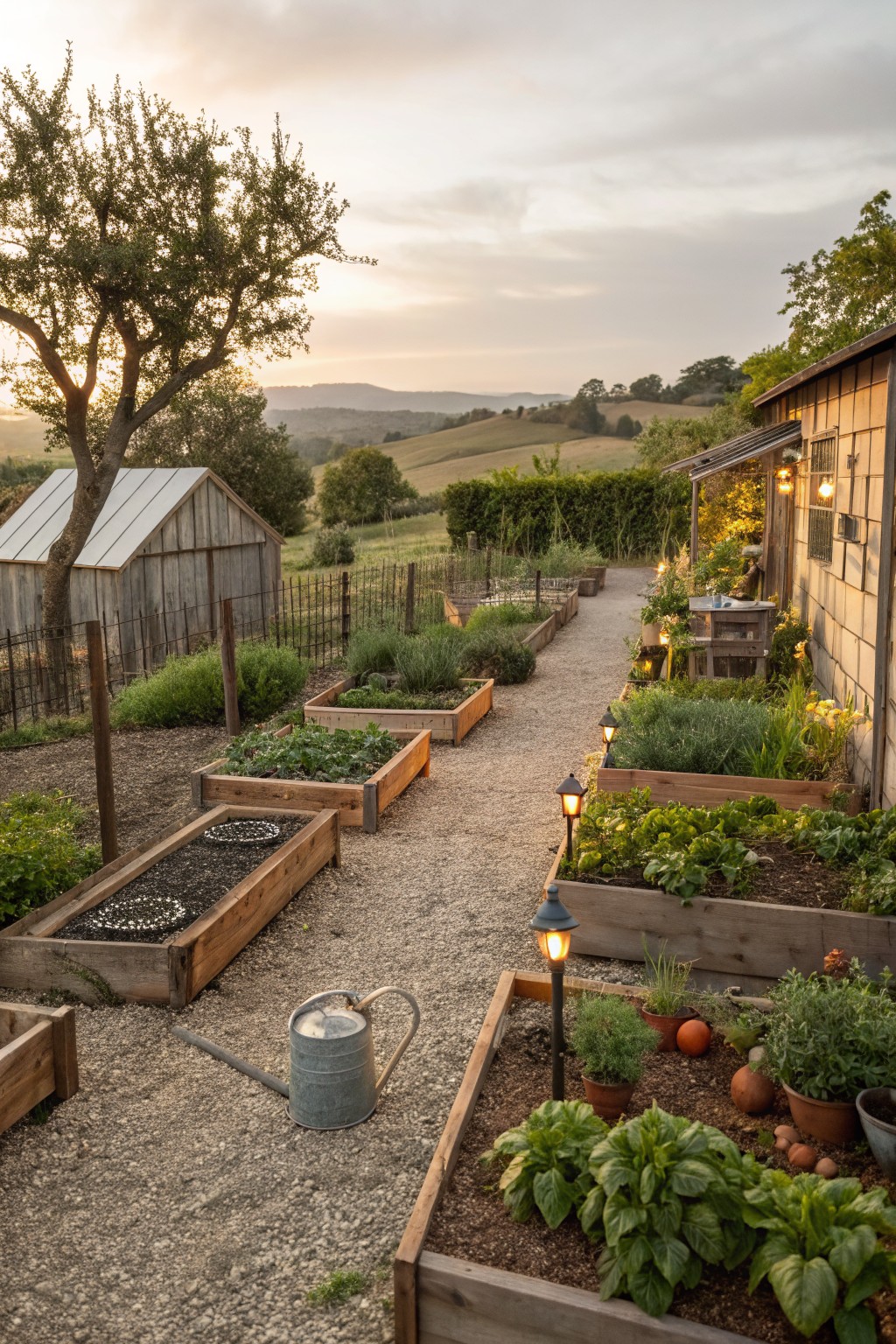
Solar stake lights give an easy way to light up garden paths without running wires or hiring help. They sit right in the soil or gravel and come on at dusk, which makes evening walks through the beds feel safer and more pleasant. Many people like how simple they are to move around when plants grow or beds get rearranged.
Try spacing them along the edges of a gravel path or near the corners of raised beds so the light stays low and even. This works best in backyards with straight or gently curving walkways and a mix of vegetables and flowers. Just check that the stakes get enough sun during the day and keep the path clear so they do not get knocked over.
String Lights Along Pergola Beams

String lights make an outdoor seating area feel finished and usable once the sun goes down. They add just enough light to sit comfortably without overpowering the space or requiring any hard wiring.
Solar string lights work especially well on a pergola like this because you can clip them right to the beams and move them if needed. They suit most decks and patios where you want soft overhead light on a budget.
String Lights for Small Outdoor Patios

String lights give you an easy way to light a compact patio without running wires or spending much. They work especially well in tight spaces like this courtyard because they stretch along walls and create a soft glow over the seating area. The gravel underfoot and simple table setup keep the focus on the light rather than fancy furniture.
These lights suit homes with limited yard space or brick exteriors where you want a usable spot after dark. Solar versions let you place them wherever they catch enough sun during the day and avoid any electrical work. Just keep the strands a little loose so they do not pull tight against the wall.
String Lights Over Pergolas

String lights make a simple way to light an outdoor dining area once the sun goes down. They give off a soft glow that feels comfortable for meals or sitting with friends without needing any wiring.
Run them along the beams of a pergola to cover the whole table area evenly. This approach works best on patios that already have some overhead structure and pairs well with solar versions for low cost and easy setup.
Solar Stakes Along a Garden Path
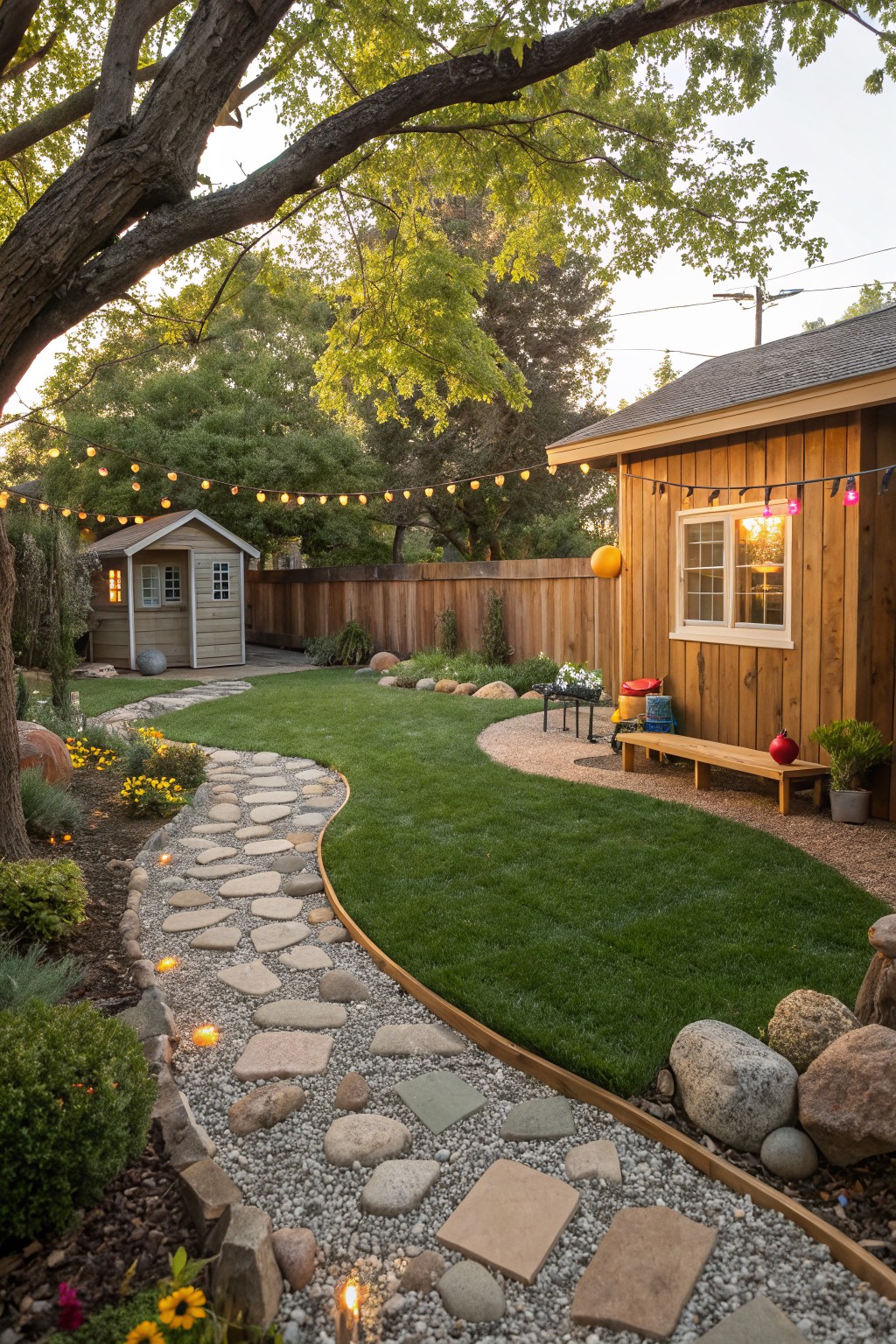
Solar stakes work well along garden paths because they need no wiring and turn on automatically once the sun goes down. They give just enough light to see the way without overpowering the space or running up electric bills.
This approach fits homes with winding walkways or gravel paths that already have some edging in place. Place the stakes a few feet apart on both sides and add a simple string of lights overhead if you want a bit more brightness. It works best in sunny spots where the panels can charge during the day.
String Lights Across a Courtyard Path

String lights make a narrow outdoor space feel more open at night without needing much wiring or expense. They stretch from wall to wall and cast a steady glow over the path, which helps when the area is used for walking or sitting after dark.
This setup works best in small courtyards or side yards where you want light that moves with the seasons. Hang them on simple hooks or poles, and add a few battery lanterns on a low wall if you need extra light near seating.
Stepping Stone Paths Through Gravel

A stepping stone path set in gravel gives a garden a clear route without needing a full paved walkway. It keeps the space looking natural while making it easy to walk through planted areas or along the side of a house. The stones sit low so water drains right through the gravel and weeds stay easier to manage.
This layout works well in narrow side yards or between garden beds. Place solar stake lights along the edges every few feet to light the way at night without running wires. Keep the stones spaced for a comfortable stride and use a simple border like bamboo or low rocks to hold the gravel in place.
Add Stake Lights To Planter Boxes

Tucking a few solar stakes or wireless fixtures into built-in planters is an easy way to get soft evening light on a deck without running wires or adding bulky lamps. The lights stay low and out of the way, so the space still feels open while the glow highlights the edges and plants.
This setup works best on patios or terraces that already have raised beds or boxes along the seating area. Place the stakes near the front corners and let them light both the wood and the greenery. Just check that the fixtures get enough sun during the day to stay useful at night.
Add Lights Directly To Garden Steps
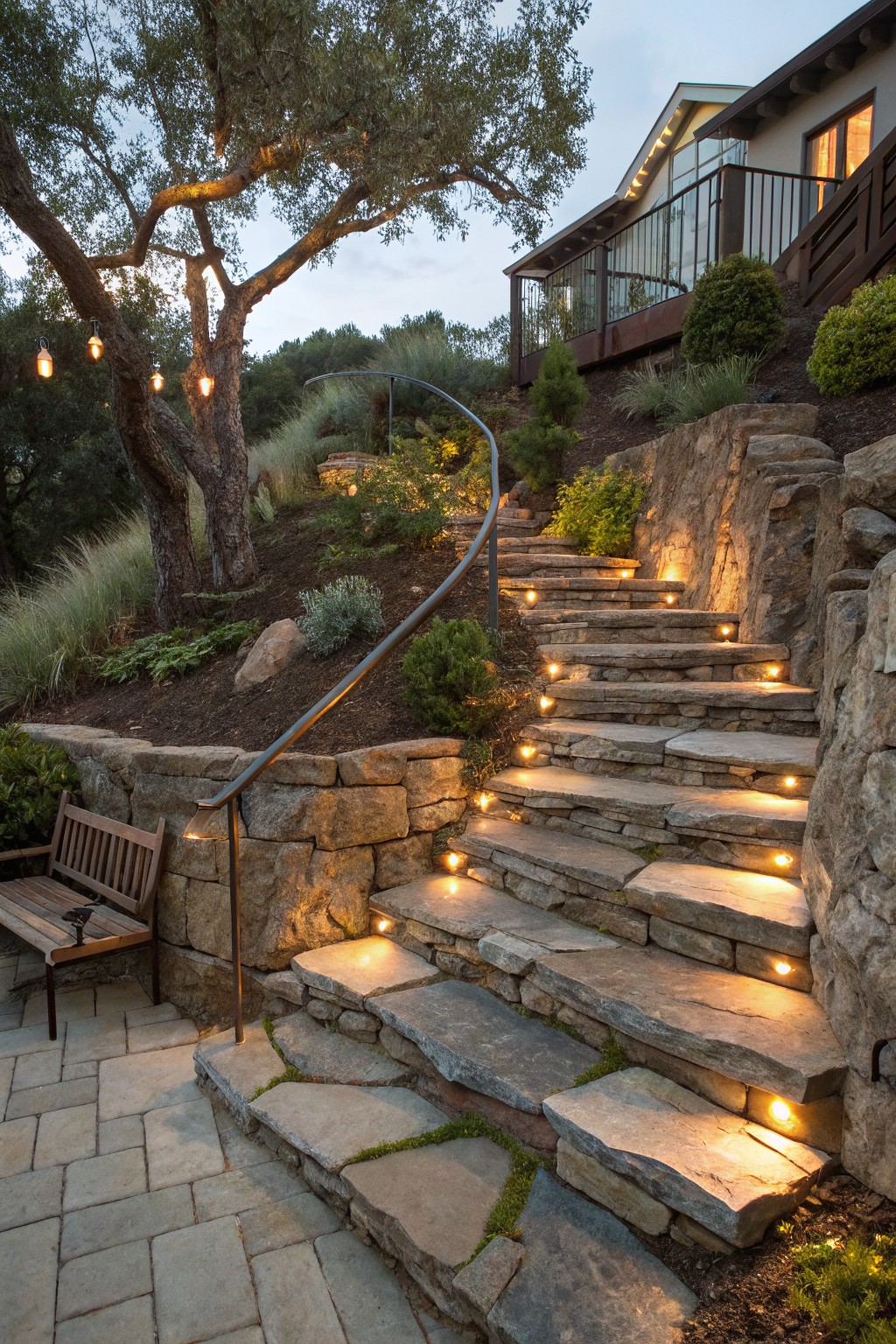
Small fixtures tucked into the edge of each step make sloped garden paths safer to use at night. They mark the tread height without bright overhead lights that can feel harsh in a landscape.
This approach works best on stone or concrete stairs in yards with changes in level. Solar or wireless versions are easy to add later and suit homes where digging trenches for wiring would be difficult.
Wireless Lanterns Light Up Outdoor Tables

Many people enjoy meals outside once the sun starts to go down. Setting a row of wireless lanterns along the center of the table gives soft light right where it is needed without running any wires.
This setup works well on patios or gravel dining areas because the lanterns can be moved around as needed. Choose ones that sit low so they do not block conversation, and check that they stay steady if the evening gets breezy.
Lanterns For Flexible Outdoor Lighting

Many people like placing a few wireless lanterns on patio tables because they add light exactly where it is needed without any wiring. This approach works especially well in small outdoor spaces that get used mostly in the evening.
You can move the lanterns around as the season changes or when you rearrange the seating. It suits homes with simple patios or side courtyards and pairs easily with string lights along the walls.
Solar Stakes Along Garden Paths

Solar stakes give you a simple way to light garden paths without running wires or hiring help. They tuck right into the soil along the edges and come on automatically at dusk, which keeps the walkway visible while still feeling natural in a wooded setting.
Place them every four to six feet so the light overlaps just enough to guide feet without flooding the whole area. This approach works especially well on stone or gravel paths where you want low, steady light rather than bright overhead fixtures.
Solar Lights Work Well in Gravel Gardens

Solar stakes and wireless fixtures fit easily into gravel gardens because they need no wiring and can sit right among rocks and plants. They turn paths and features into something usable after dark without changing the daytime look of the space.
Place them along stepping stones or near larger rocks so the light stays low and practical. This approach works best in dry climates or modern yards where you want simple upkeep and a clean layout that still feels welcoming at night.
Hang Pendant Lights Under a Pergola

Hanging a few pendant lights from the beams of a pergola gives an outdoor bar or seating area a warm, usable glow after dark. The lights stay out of the way while still brightening the counter and stools below, which makes the space feel more like an extension of the house instead of a dark corner.
This works best on a covered patio where you already have overhead structure. Wireless or solar versions keep the install simple and let you adjust the spacing until the light feels right. Just make sure the cords are rated for outdoor use and hang them at a height that clears heads but still casts light downward.
Ring a Fountain With Solar Stake Lights

Placing a ring of small solar lights right at the base of a fountain gives the whole patio a gentle glow after dark. It draws attention to the water without needing tall poles or heavy wiring, and the effect feels calm rather than bright.
This works best in a courtyard or small backyard where the fountain already sits in the middle of the seating area. Use wireless stakes so you can adjust the spacing if plants grow or furniture shifts, and keep the number of lights modest so the circle stays even.
Frequently Asked Questions
Q: How far apart should I space the solar stakes along a path? A: Space them about three to four feet apart so the light overlaps nicely. This creates a steady glow without dark spots in between. Test the spacing at dusk to adjust as needed.
Q: What happens if the wireless fixtures get covered in leaves or dirt? A: Brush off the solar panels every couple of weeks to keep them charging well. Leaves block the sun and cut down on runtime at night. A soft cloth works fine for this quick job.
Q: Can I move the lights around once I set them up? A: Wireless fixtures let you shift things easily when your garden layout changes. Test new spots at dusk to see how the light works.
