


The way a flower bed meets the grass often determines whether the whole garden feels finished or still in progress.
Natural stone gives weight and permanence to those lines while dense planting adds the layers that keep everything looking full through the seasons.
I always start with the stone.
From there I choose plants that will knit together without hiding the edge completely so the structure stays clear even as growth takes over.
Trying a few of these setups in my own yard showed me how small changes in edging and spacing affect how the space feels over time.
Natural Stone Borders For Flower Beds
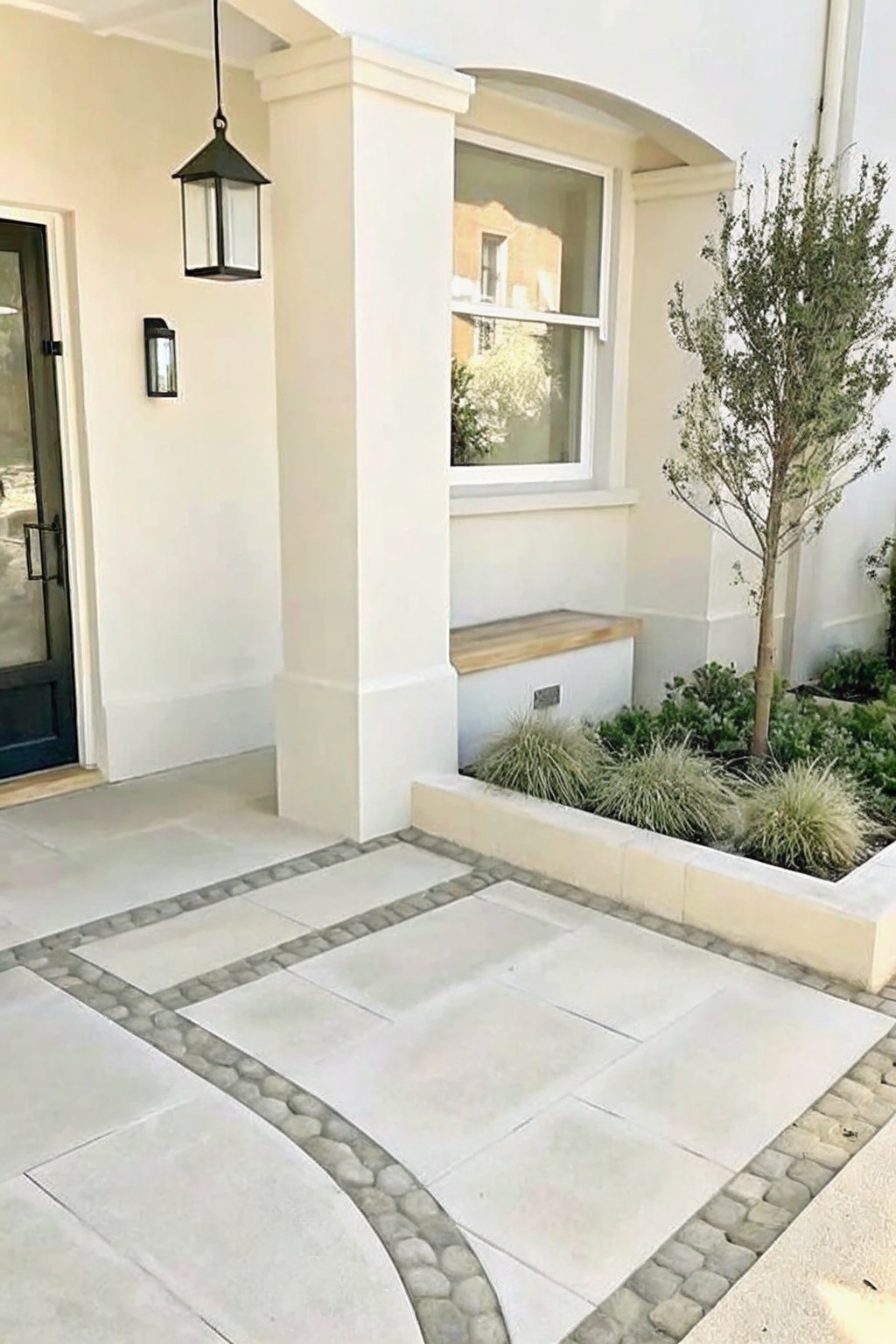
Natural stone edging gives flower beds a finished look without much fuss. The cobblestones create a clear line that holds soil and mulch in place while letting the plants stand out. It pairs especially well with dense low grasses and shrubs that fill the bed without spilling over.
This approach works best in front yards or side entries where the bed runs along a path or house wall. Keep the stone low so it does not compete with the planting, and choose a simple shape for the bed so the border stays easy to maintain over time.
Pebble Mulch Frames A Narrow Path

A layer of pebbles next to concrete stepping stones gives a narrow side passage a finished edge without crowding the space. The gravel holds the path in place visually and lets a few small plants sit naturally along the side.
This works best on homes with long, tight side yards where full planting beds would feel too busy. Keep the plants spaced and low so the walkway stays open and simple to maintain over time.
Stone Edging For Neat Flower Beds
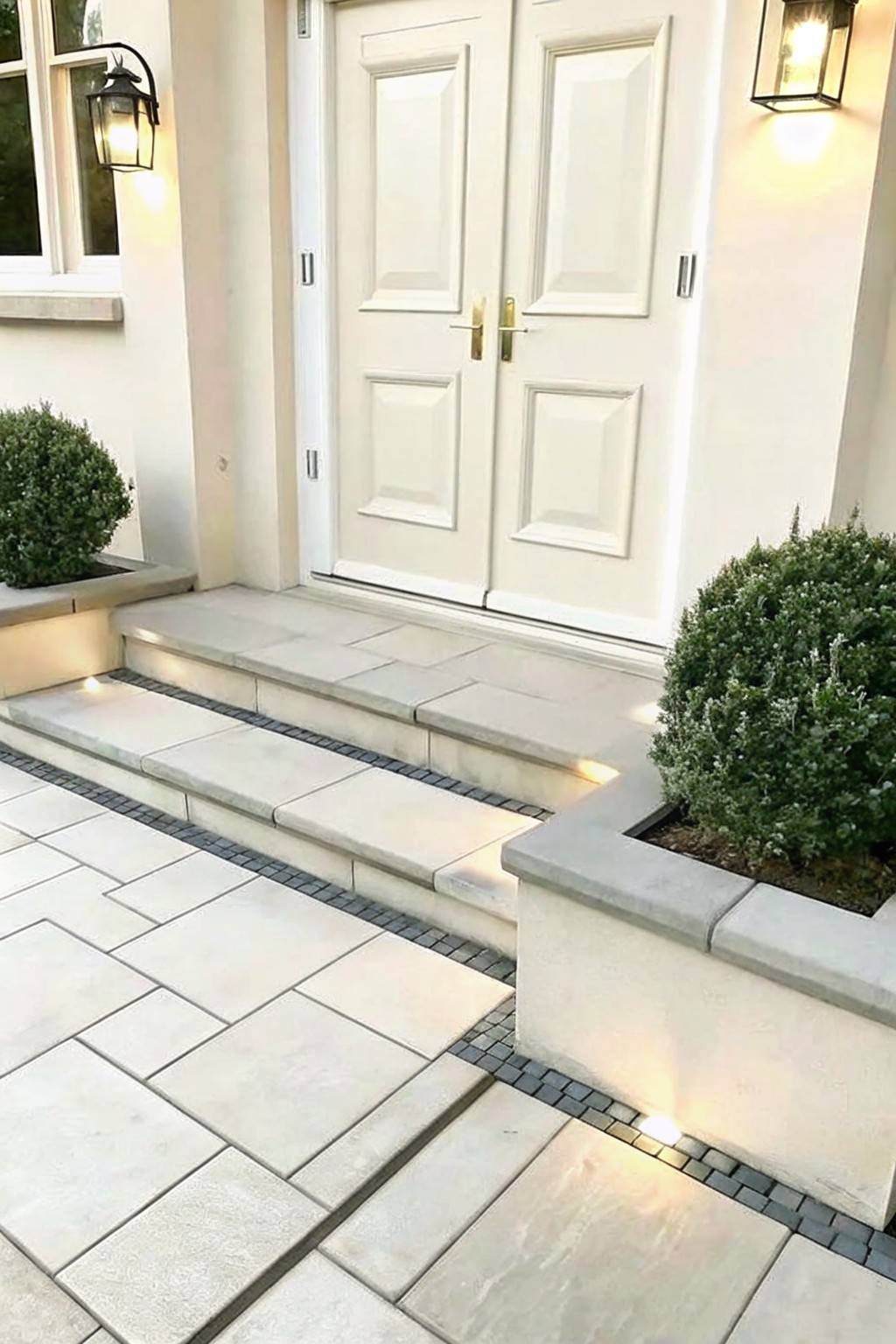
Stone borders give planting beds a finished look that holds up over time. They keep soil and mulch in place while creating a clear line between the garden and the surrounding hardscape. In this setup the stone also ties the steps and raised planters together without adding extra color or pattern.
This approach works best along front entries or side paths where you want low maintenance but still some structure. Use the same stone for both the border and any nearby paving so the whole area feels connected. Dense shrubs inside the beds help soften the lines without needing constant trimming.
Gravel Strips With Grasses Make Simple Path Borders
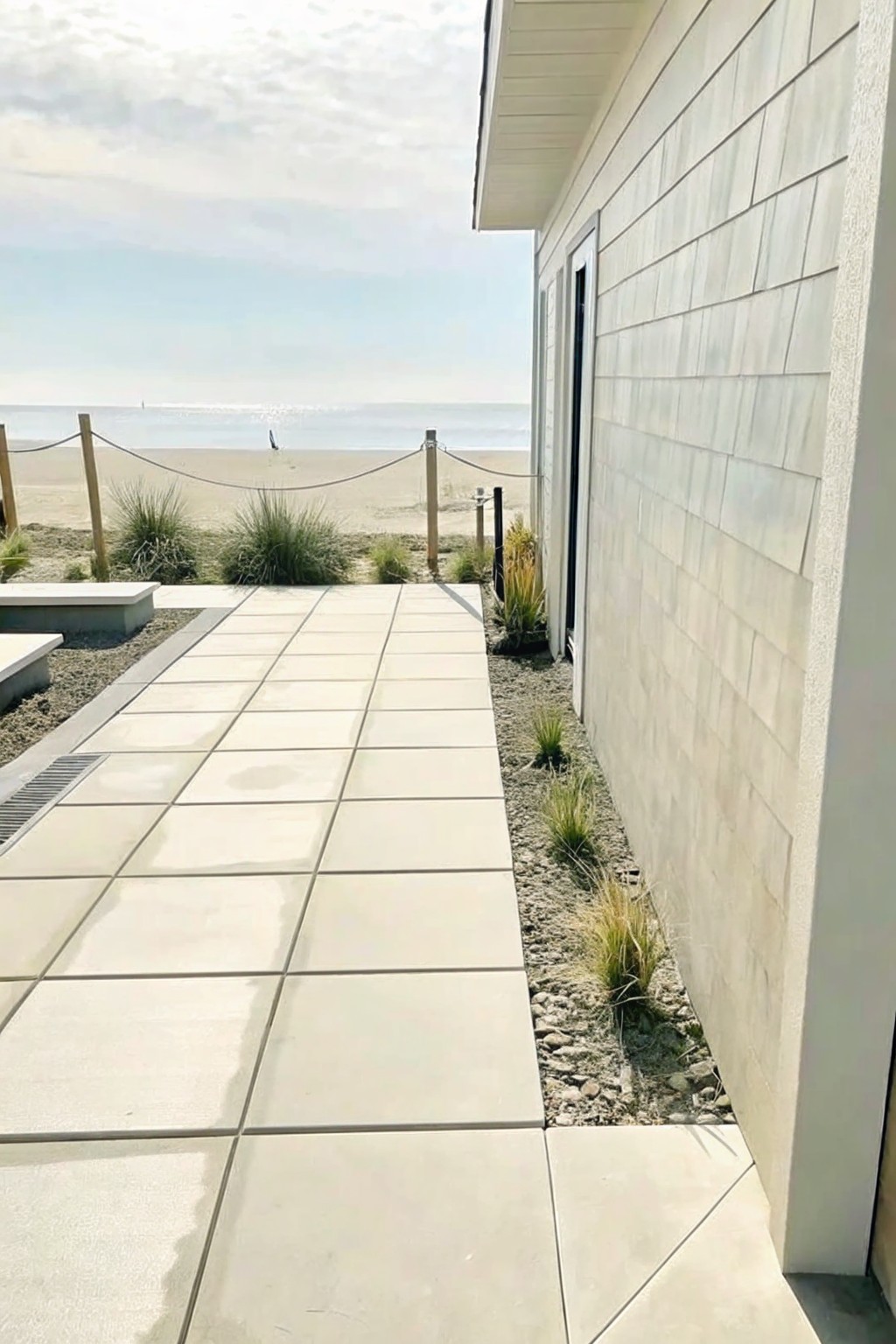
A narrow gravel strip planted with clumps of grass gives a path a clean edge without looking too formal. The gravel keeps the paving from meeting the wall directly, while the grasses add some softness and movement along the side.
This works best on homes where you want low water use and easy care. Place the grasses in small groups so they fill the strip over a season or two, and keep the gravel layer thin enough that it still drains well.
Low Concrete Borders Keep Planting Beds Neat
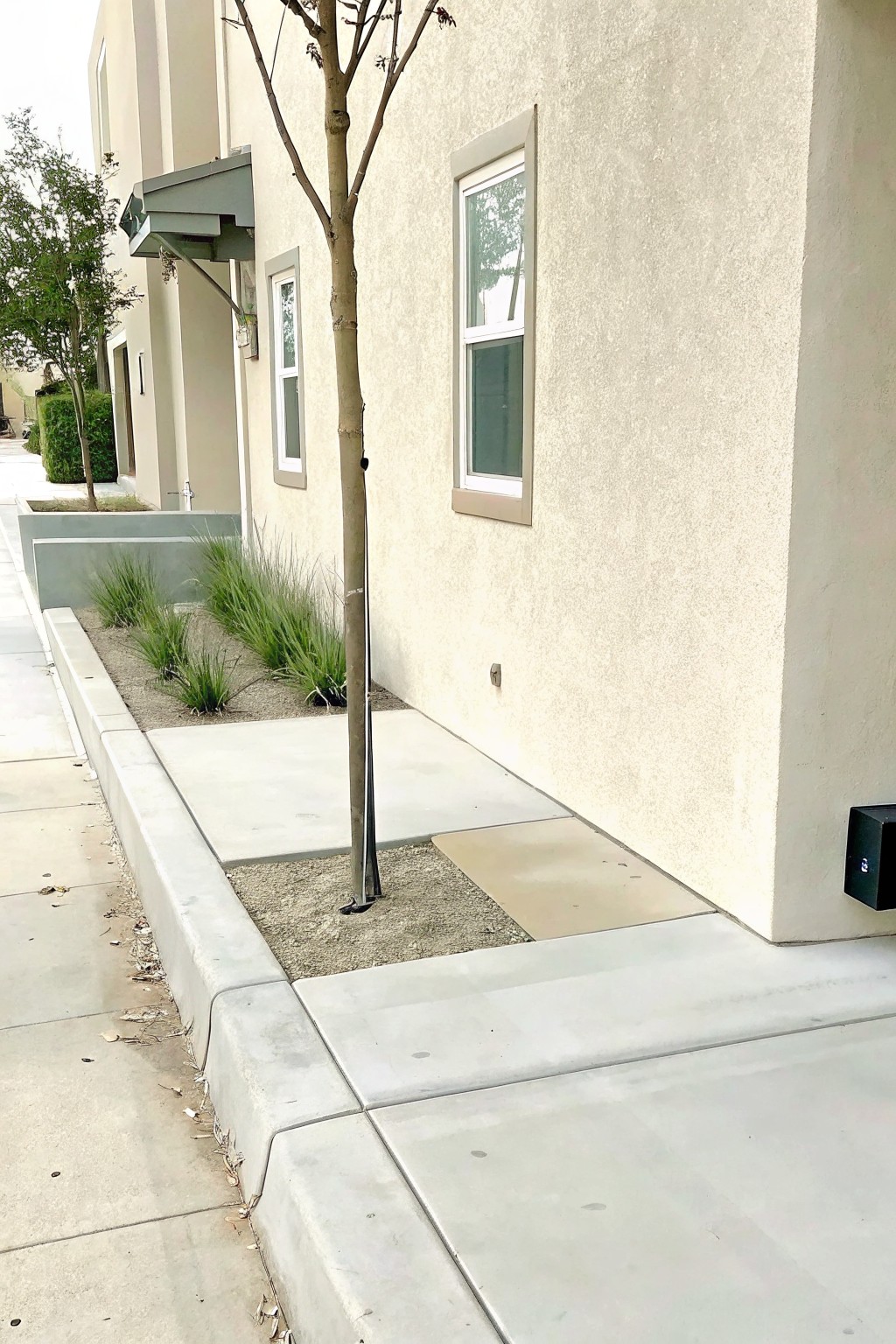
A low concrete edge gives a planting bed a finished look right away. It stops the gravel and plants from spilling onto the walkway and makes the whole front feel more put together.
This works well on narrow beds beside sidewalks or driveways. It suits homes with simple stucco exteriors and pairs nicely with grasses or low shrubs that stay contained.
Stone Paths With Potted Plants
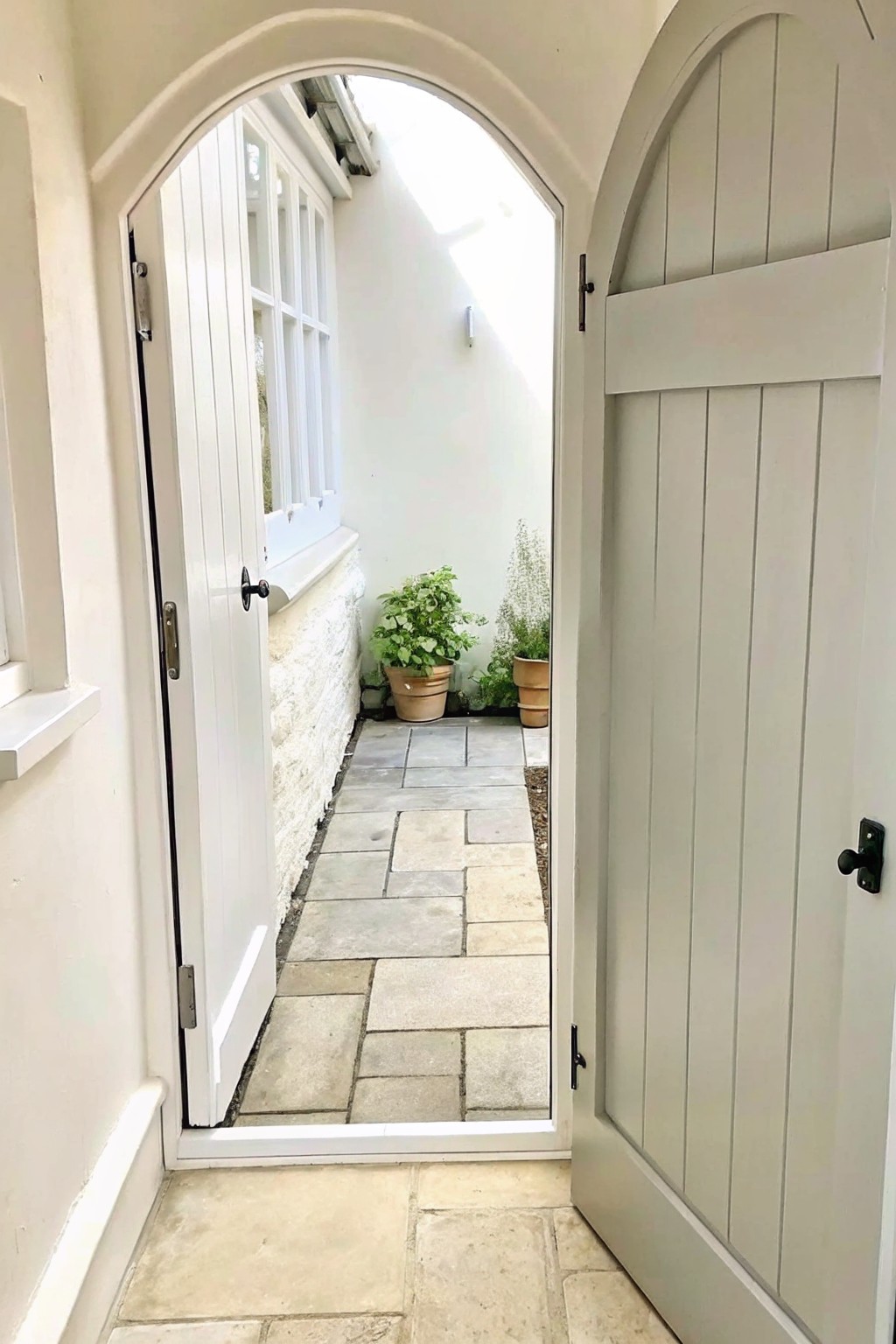
A simple stone path works well in narrow spaces when you keep the edges soft with a few well-placed pots. The pavers create a clean walking surface that holds up over time, while the containers let you add planting without digging beds or crowding the walkway.
This approach suits older homes or tight side passages where a full border would feel too wide. Use large pots in one material and repeat a few plants that stay dense. Leave enough room in the middle so the path remains easy to use every day.
Raised Beds Along A Narrow Path
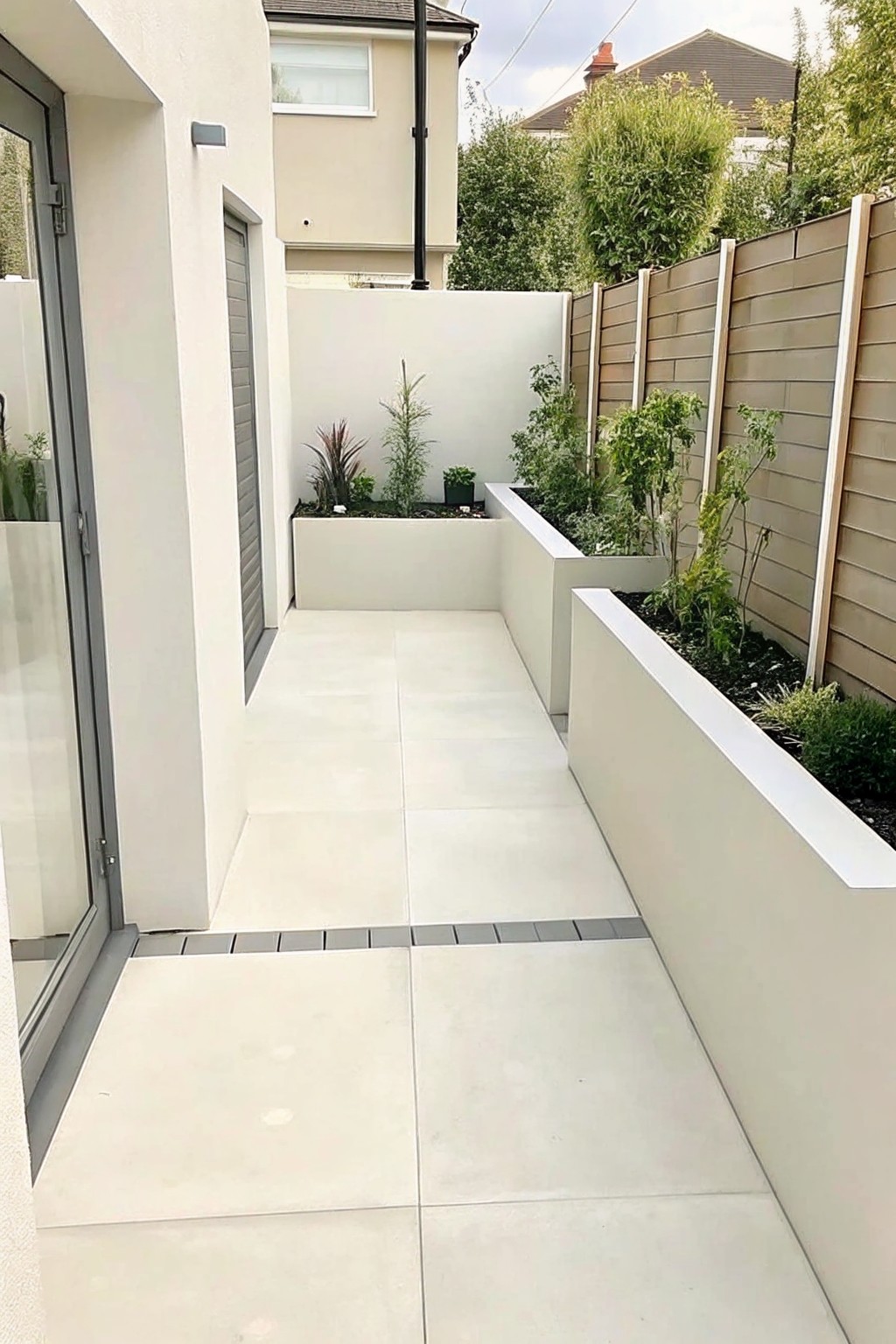
Raised beds built right into the edges of a narrow walkway give planting a clear structure without crowding the space. The borders keep soil and roots contained while letting you pack in more plants than you could with ground-level beds alone.
This setup works best on homes where the side yard serves mainly as a passage. Match the bed material to nearby walls or paving so the whole area feels tied together, and stick to compact shrubs and perennials that stay neat with minimal trimming.
Dining Rooms That Open Straight To The Garden

Large sliding doors next to a dining table make the whole space feel bigger and more relaxed. The light colors and simple woven chairs keep things calm, so the view outside becomes the main feature instead of competing with heavy furniture or dark tones.
This setup works best in homes where the patio or garden sits right beside the eating area. Keep the doors clean and the flooring consistent on both sides so the eye moves easily from inside to the planting beyond. Just watch that the chairs stay light enough not to block the view when people are seated.
Natural Stone Edging For Flower Beds
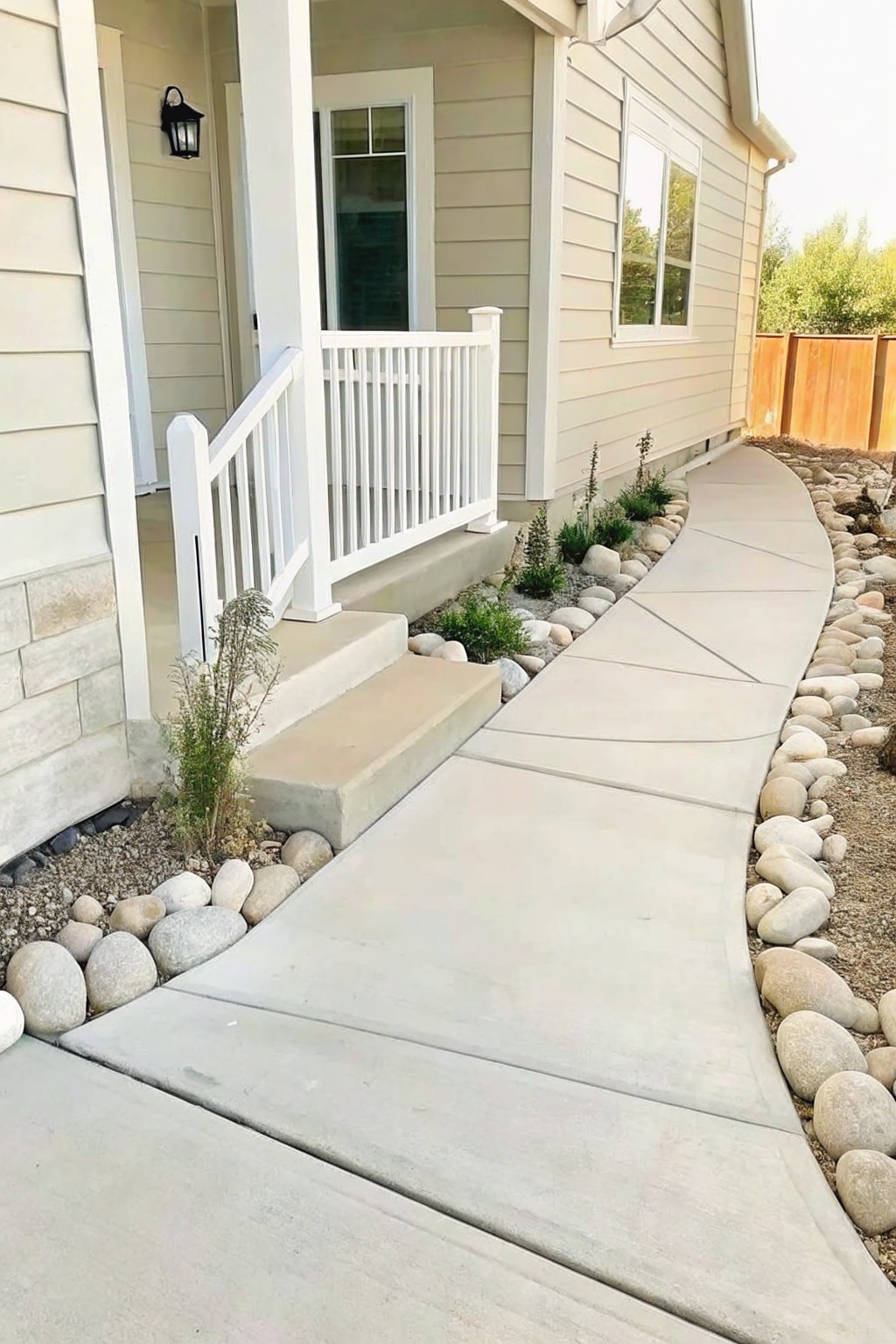
Lining flower beds with smooth river rocks gives them a clean edge that holds up over time. The stones separate the planting area from the walkway without looking overly formal, and they help keep soil and mulch in place during rain.
This approach works best along paths or house foundations where you want low maintenance and good drainage. Use rocks of similar size and set them slightly into the ground so they stay put. Dense low shrubs or perennials planted right behind the stones fill in the bed and soften the line.
Raised Stone Borders for Planting Beds

Raised stone borders give planting beds a solid frame that keeps everything looking neat even when the plants grow in thick. The clean edge also helps separate the path from the soil so the walkway stays clear and easy to walk on.
This setup works best in narrow side yards or small courtyards where space is tight. It suits homes that already have stone or concrete paving because the materials match and the beds stay low maintenance.
Stone Steps With Gravel For Simple Path Borders
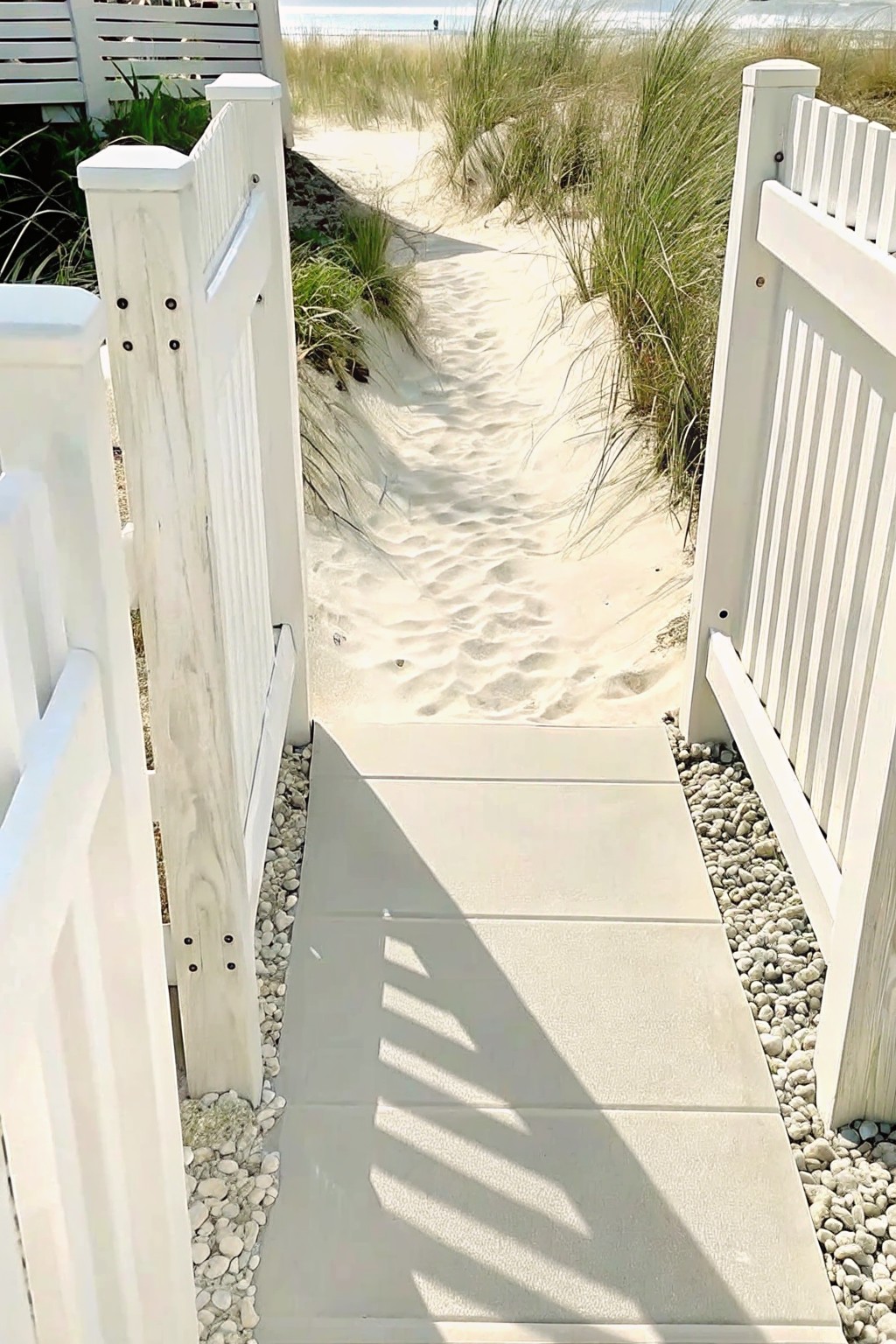
Stone steps paired with gravel edges give a path a finished look while keeping things practical. The hard surface handles foot traffic cleanly, and the gravel fills gaps without needing constant weeding or mowing. Dense grasses on either side add softness and help hold the sand or soil in place.
This setup works best along side paths or entries where you want low maintenance and a natural feel. It suits coastal homes or any yard with loose ground, since the stone and gravel stay put while the planting softens the lines over time. Keep the gravel layer thin so it does not shift underfoot.
Low Stone Curbs For Flower Bed Borders
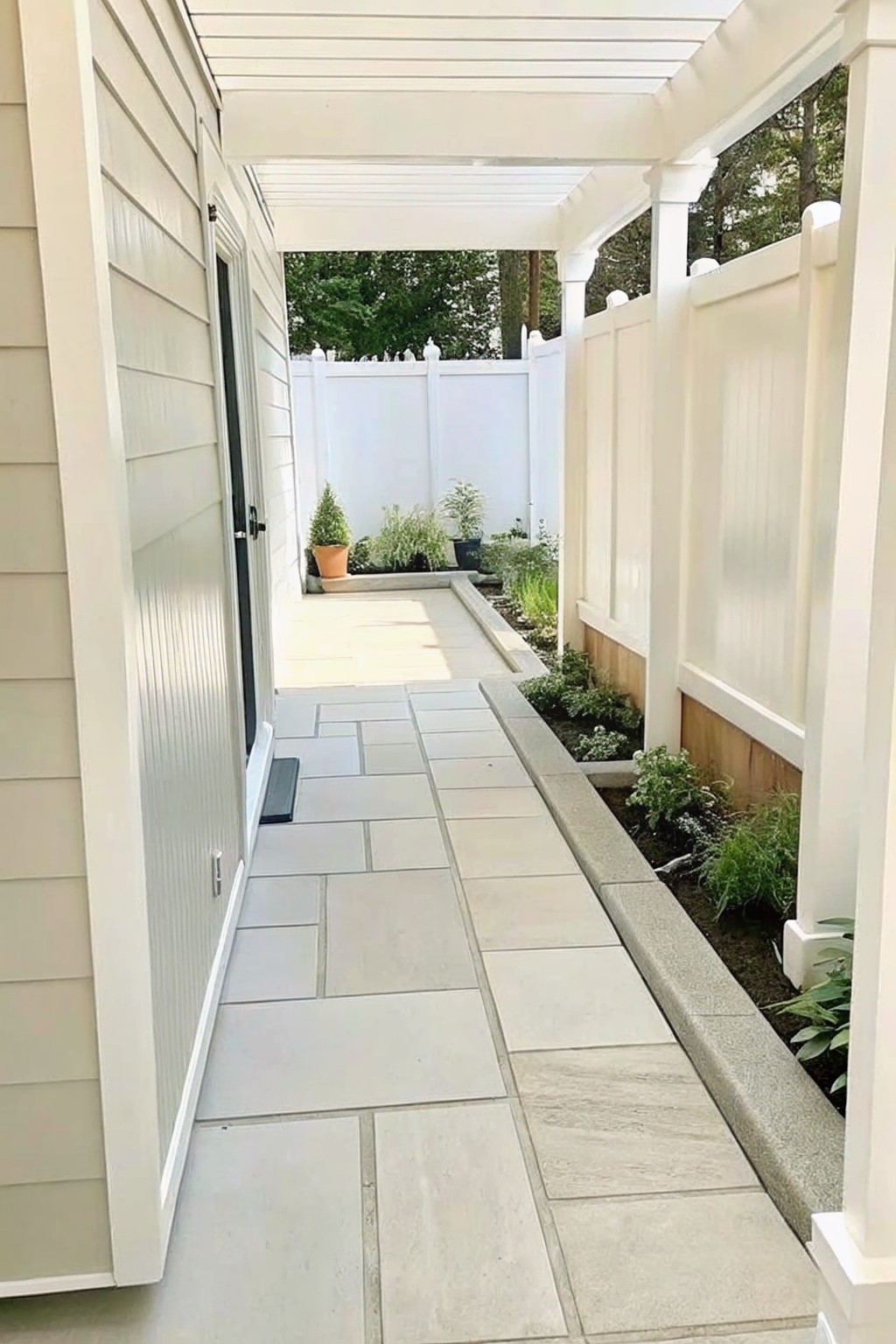
A low stone curb gives a flower bed a clean edge without making the whole thing feel too rigid. It holds the soil in place and keeps the planting from spilling onto the path, which helps the bed look intentional even in a narrow space.
This works best along side yards or back passages where the path runs close to the house. Keep the curb height modest so water drains properly and the plants can grow right up to the edge for a fuller look.
Narrow Gravel Strips With Dense Planting
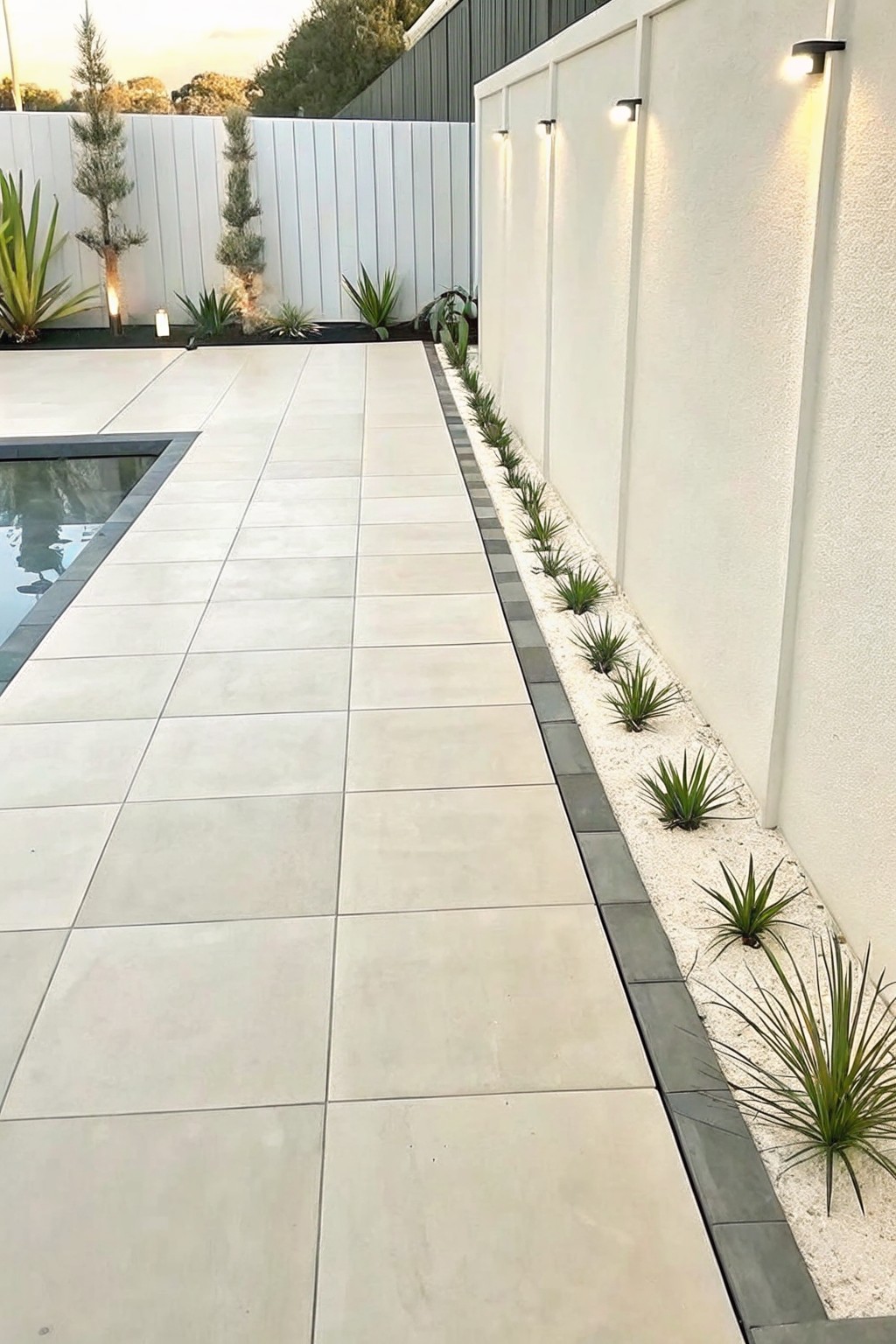
A narrow gravel strip planted with compact plants creates a tidy border that runs along walls or paths without taking up much space. It adds a bit of greenery in tight spots while keeping the overall look clean and simple to maintain.
This works best in modern yards or along long fences where a full garden bed would feel too wide. The dark stone edging helps contain the gravel and makes it easier to keep the paved areas swept.
Raised Planters For Clean Borders

Raised planters give you a simple way to add borders without cutting into the existing surface. They keep the planting contained, create straight edges, and let you bring in dense greenery even on a paved terrace or rooftop.
This approach works best on hardscaped areas where traditional beds are not an option. Place the planters along the perimeter, fill them with a mix of taller grasses and lower shrubs, and keep the layout even so the planting feels structured rather than scattered.
Stone Borders Around Doorways
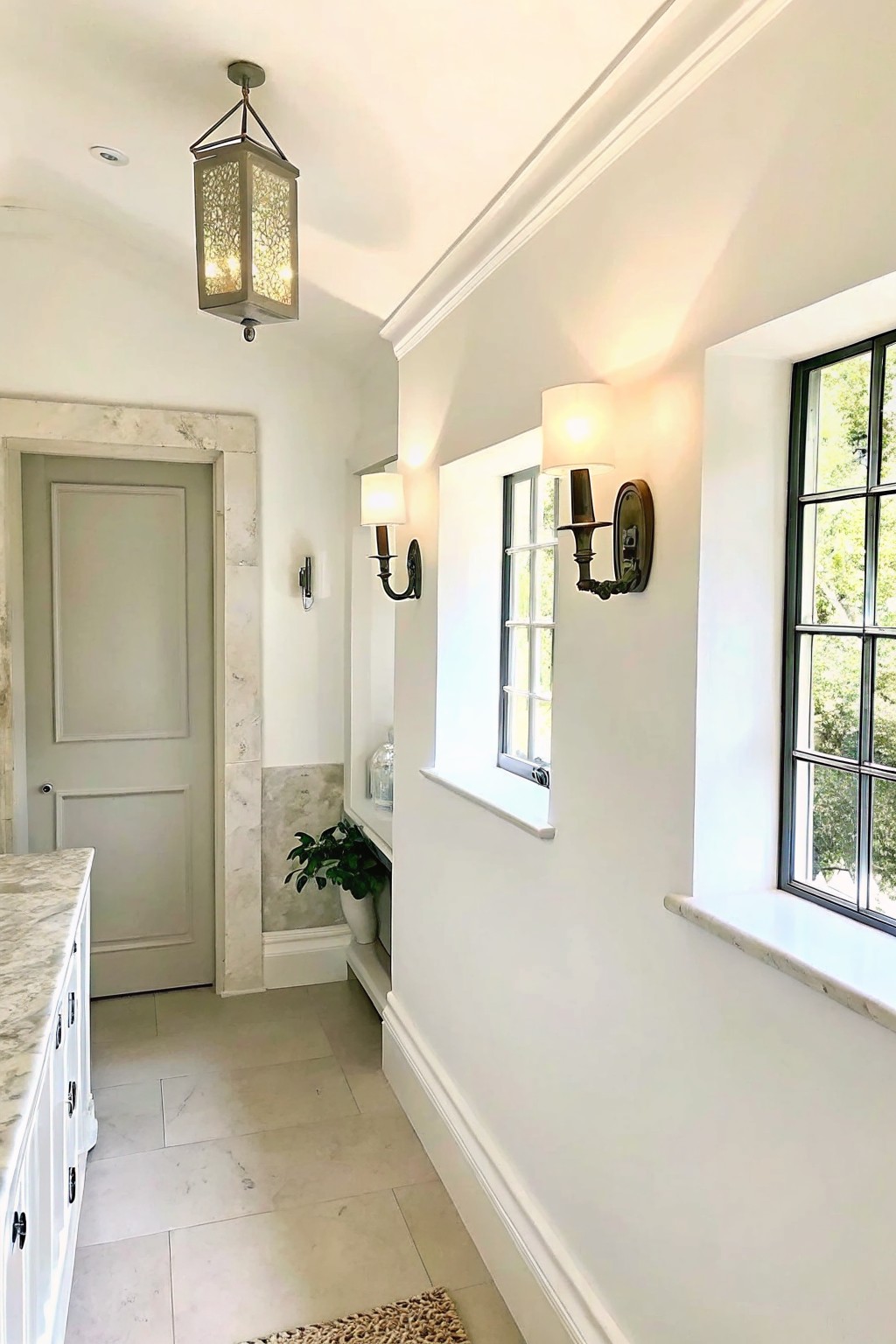
Natural stone makes a strong border around door frames and window openings. It gives the wall a finished edge that feels deliberate and holds up well in busy spots like hallways.
This approach works best in homes that already use stone on floors or counters. Keep the stone width consistent and choose a color that contrasts softly with the wall paint so the border reads as architecture rather than decoration.
Pebble Strips Along Concrete Driveways
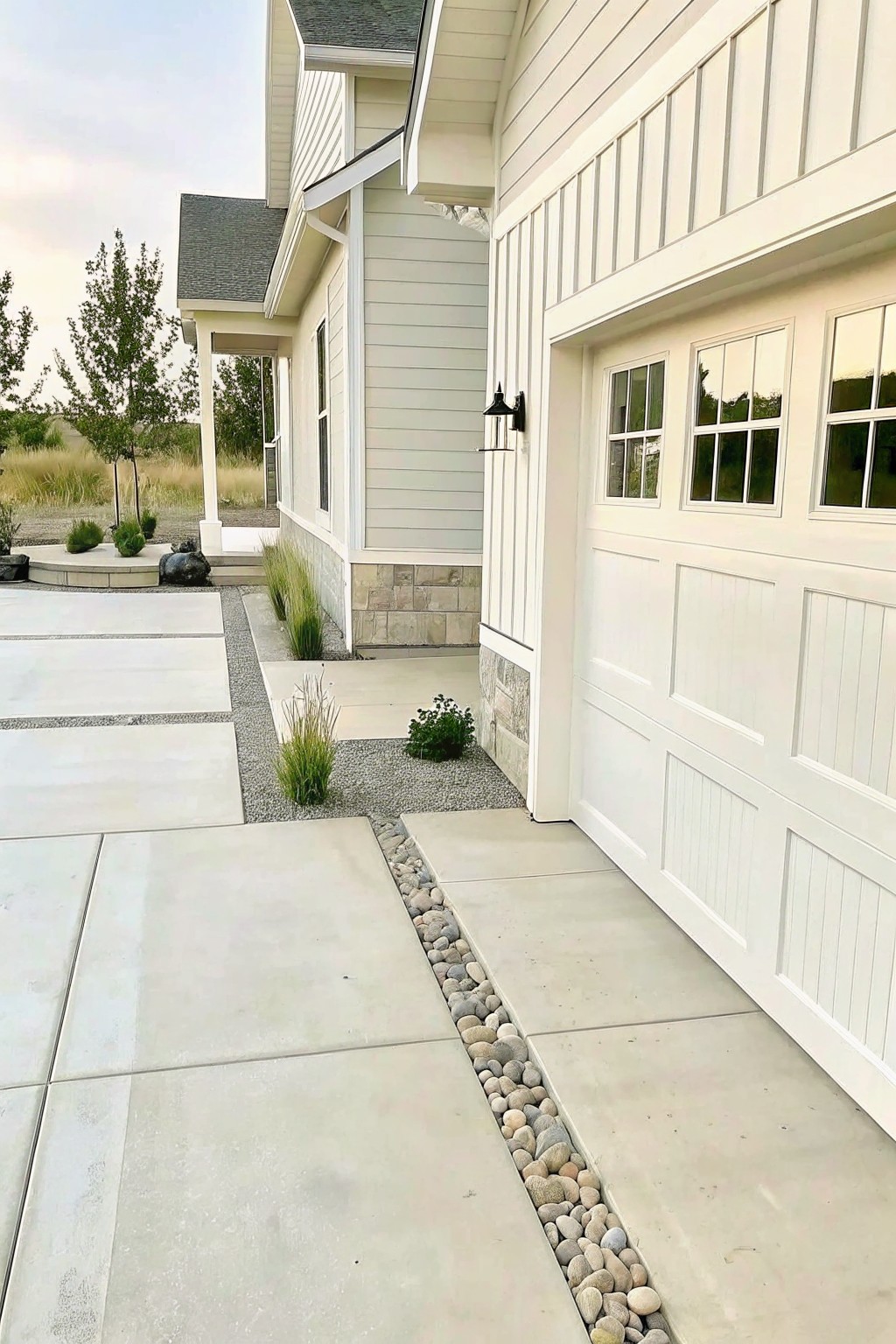
A narrow band of river rocks between concrete sections gives the driveway a finished edge without needing a lot of extra planting. It breaks up the large paved area and keeps things looking neat even when the rest of the yard stays fairly open.
This works best on newer homes with wide driveways or long side paths where you want some texture but still need to drive and walk on the surface. Keep the rock strip about a foot wide and choose smooth stones that sit low so they do not catch on tires or mowers.
Adding a Pebble Border Along Indoor Floors
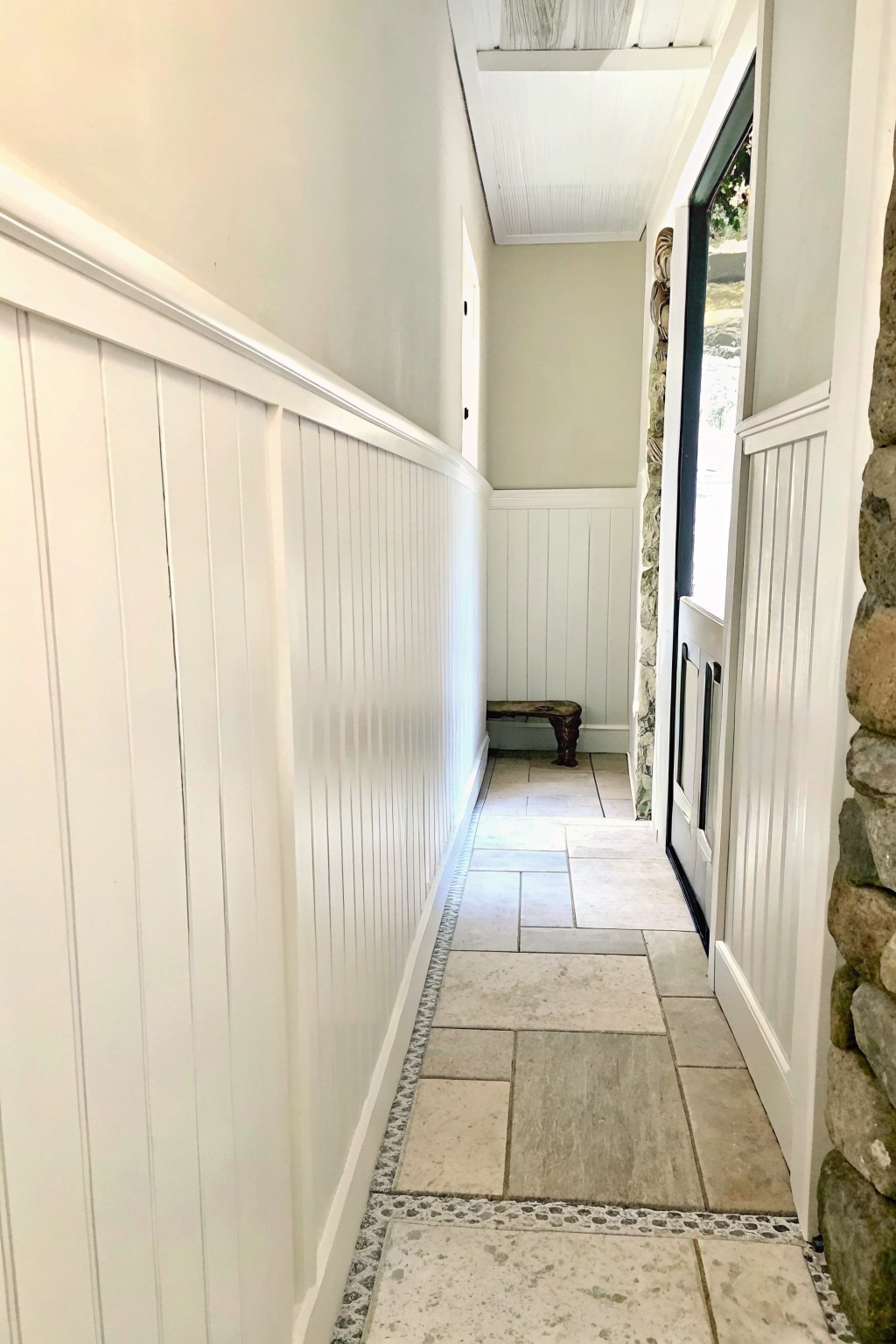
A pebble border set into the floor gives a hallway a finished edge that feels connected to the outdoors. It adds texture at the base without crowding the walls or making the space feel narrower.
This works best in homes that already use stone in the garden or entry. Keep the border narrow and set the stones level so the floor stays easy to walk on and simple to clean.
Natural Stone Edging for Flower Beds
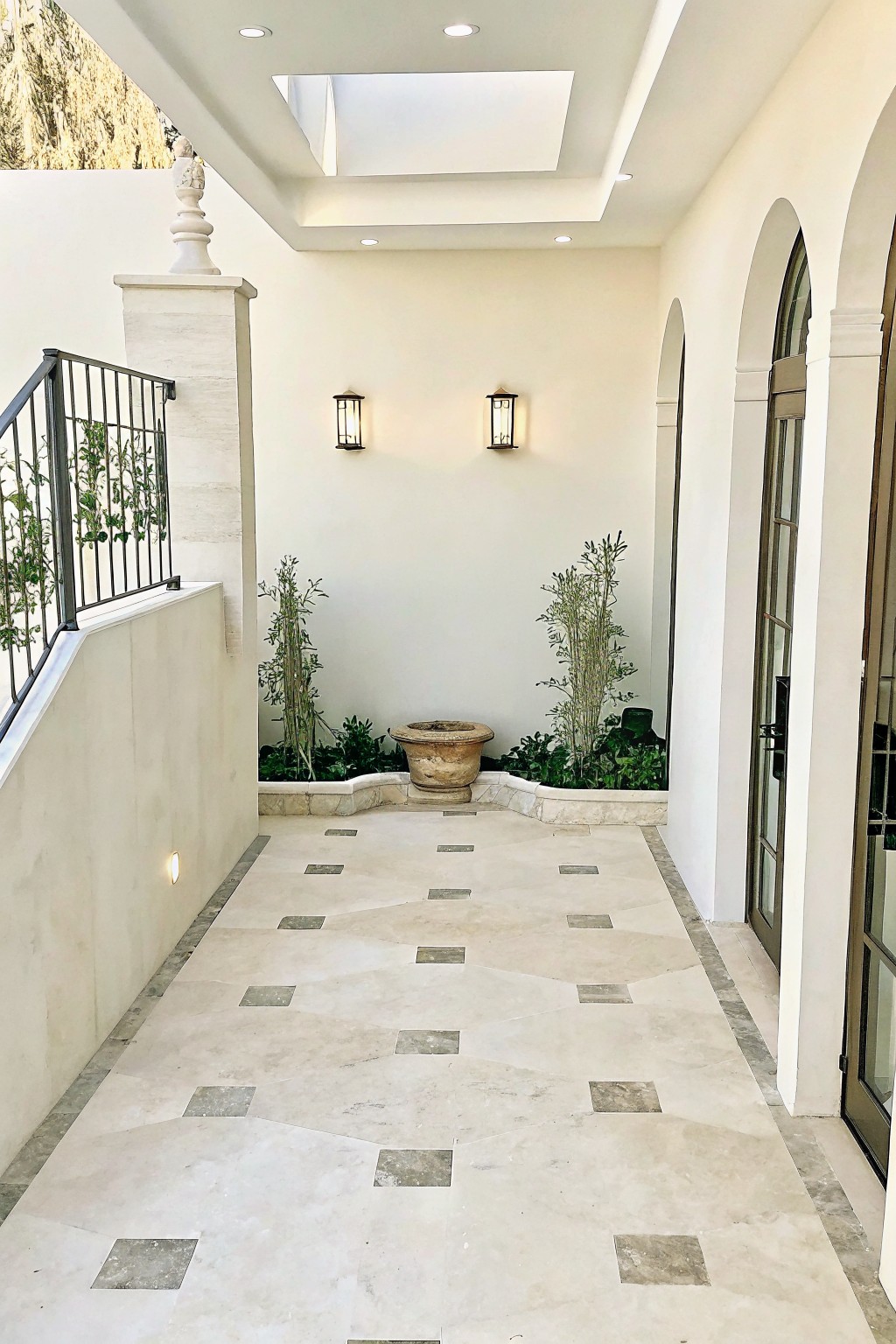
A low border of natural stone gives flower beds a clean, finished edge that holds everything in place. It works especially well when the planting is kept dense, because the stone keeps the soil from spilling onto paths while still letting the greenery take center stage.
This kind of edging suits homes with stucco walls or simple architecture, since the stone adds texture without competing with the building. Keep the border height modest so it frames the plants rather than hiding them, and choose a stone color that blends with your paving.
Raised Borders For Narrow Planting Beds
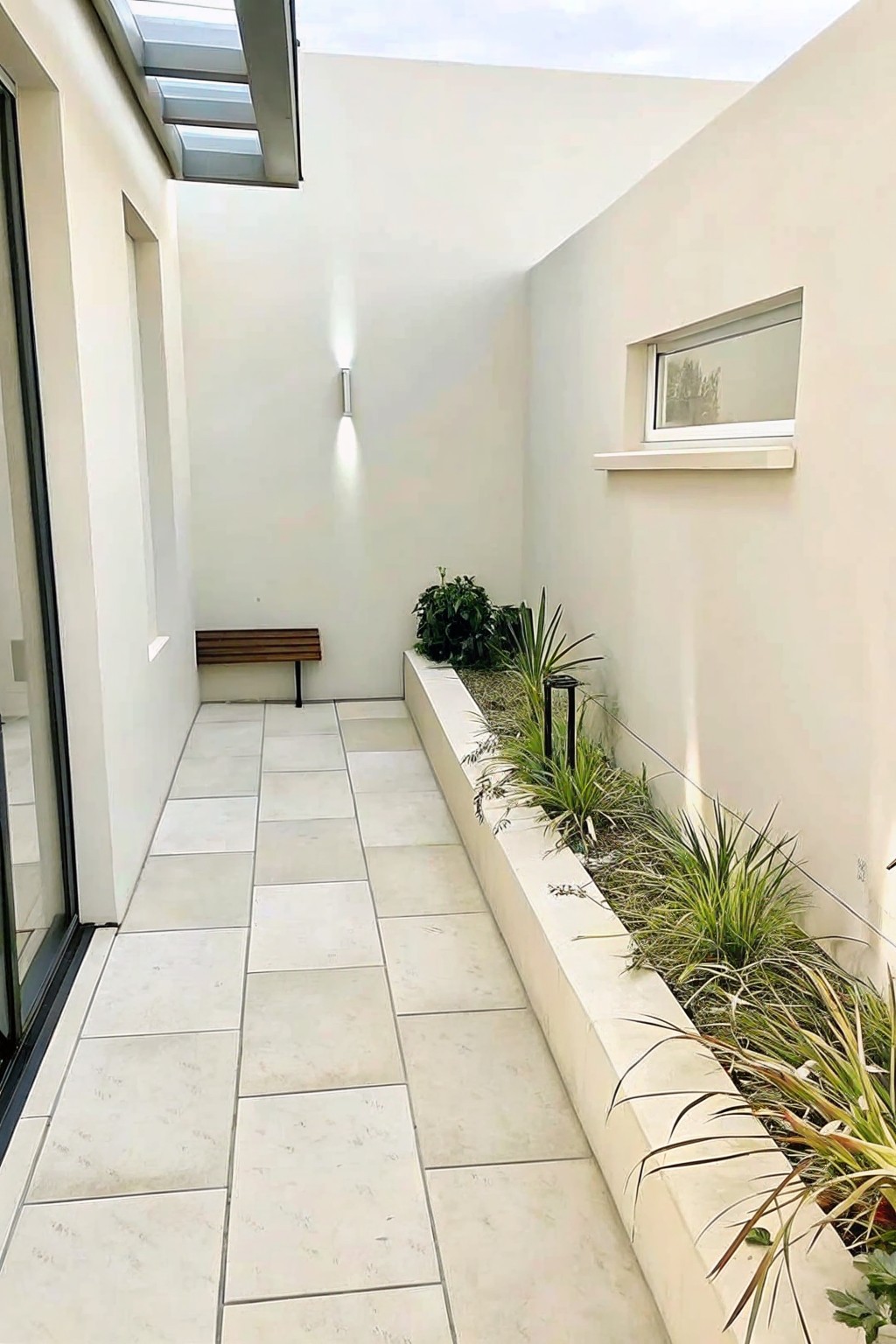
A raised concrete edge turns a skinny strip of ground into a proper planting bed without taking up extra space. It keeps the soil contained and gives the plants a clean line to grow against, which makes the whole area feel more organized right away.
This approach works especially well in side yards or tight courtyards where you want greenery but need to preserve walking room. Use a simple, light-colored material for the border so it blends with the paving, then pack the bed with a mix of grasses and low shrubs that fill in densely over time.
Gravel Borders With Low Planting
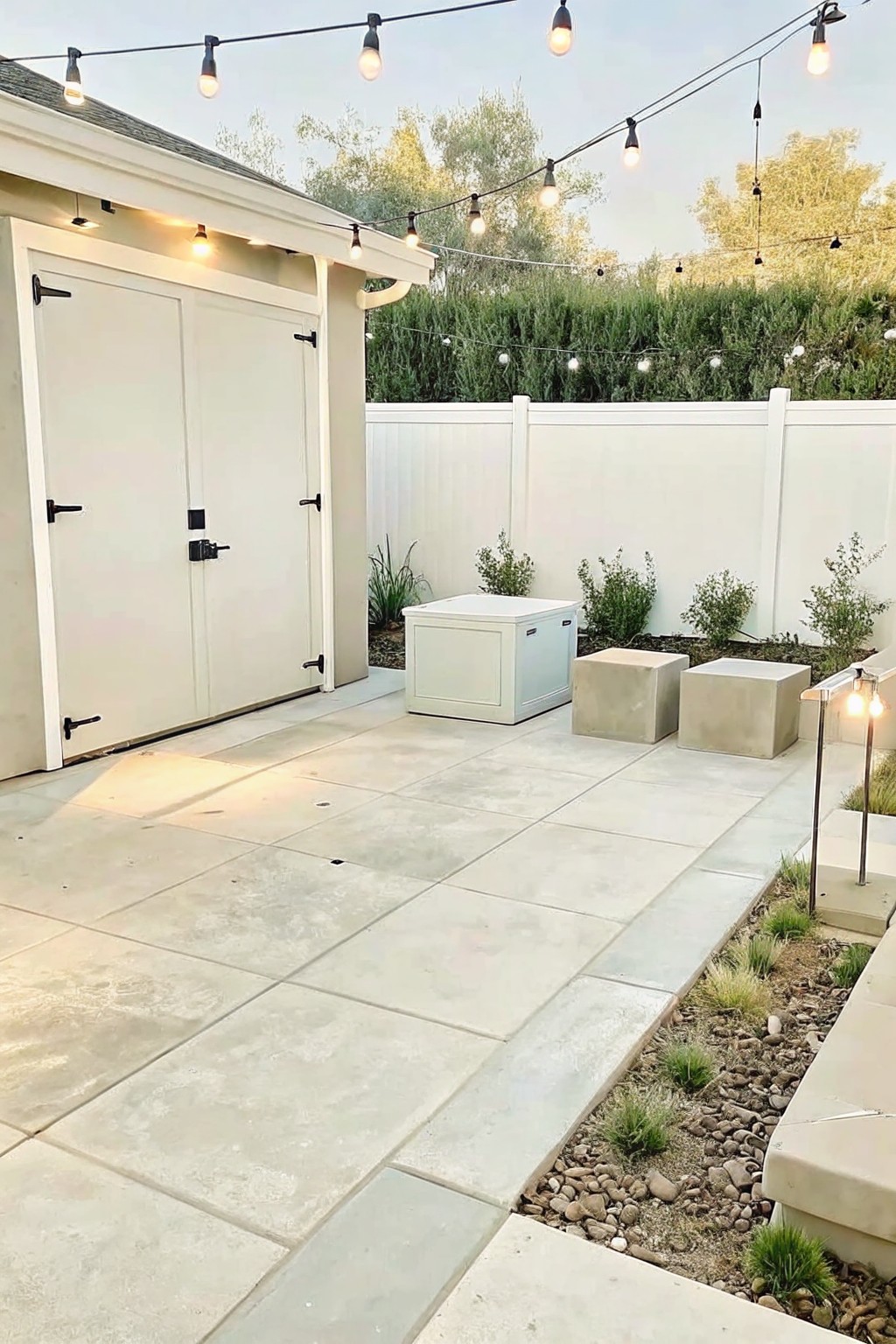
A gravel strip planted with small grasses and ground cover gives a patio a finished edge without looking too formal. It separates the concrete pavers from the fence line while still letting the larger shrubs behind it show through.
This approach works well on homes where the backyard is mostly hardscape and you want a low-maintenance way to soften the transition to planting beds. Keep the gravel layer thin and choose compact plants that will not spill onto the walking surface.
Frequently Asked Questions
Q: Should I level the ground before placing the stones?
A: Rake the soil flat first so each stone sits steady without rocking. Add a bit of sand underneath if the dirt feels loose or uneven. This step keeps the whole border from shifting after the first rain.
Q: How close should the plants go to the stones?
A: Set them six inches back from the edge at first. They will spread and fill the space naturally while the stones stay visible. Dense planting right up against the border also cuts down on weeds.
Q: What if a stone cracks after a year or two?
A: Pull the damaged one out and drop in a replacement that fits the same spot. The rest of the border stays solid because the stones are not locked together. Check the edges each spring to spot cracks before they spread.
