


I have found that the way a garden meets the lawn often sets the tone for the whole yard, especially when the planting needs to feel connected rather than divided by a sharp edge.
Over the years the borders I like best are the ones that use grasses to create a gentle transition instead of a hard line against the grass.
What usually surprises me is how much difference the right edging plants make once they fill in during the second season.
Some need tweaking for my yard.
I would start by looking at the areas near my paths because those spots get the most attention from both me and visitors.
Gravel and Grass Make a Simple Foundation Border

A narrow strip of river rock along the base of the house gives the grasses a clean place to grow while keeping soil and mulch from touching the wall. The grasses stay contained and the whole edge stays looking tidy with almost no extra work.
This setup works best on homes with straight walkways and simple planting beds. Keep the rock band about eight to ten inches wide so the grasses have room without crowding the path.
Paver Walkways With Grass In The Joints

Large square pavers set with gravel between them and a little grass growing in the gaps create a path that feels less rigid. The grass softens the edges and ties the hard surface to the planting along the house without needing a full lawn.
This layout suits homes with straight modern lines where you want something low care but still green. Keep the grass narrow so it does not spread too much, and use gravel that drains well if the area gets rain or irrigation runoff.
Raised Planters Along Patios

A raised planter built right against the edge of a patio gives a simple way to add planting without taking up floor space. It creates a clean border that separates the paved area from the wall while letting grasses and shrubs soften the look.
This setup works best on smaller yards or terraces where you want some greenery but still need an open walking area. Keep the bed narrow enough for easy reach and mix a few taller stems with lower plants so the border feels full without looking crowded.
Pebble Edging for Curved Paths
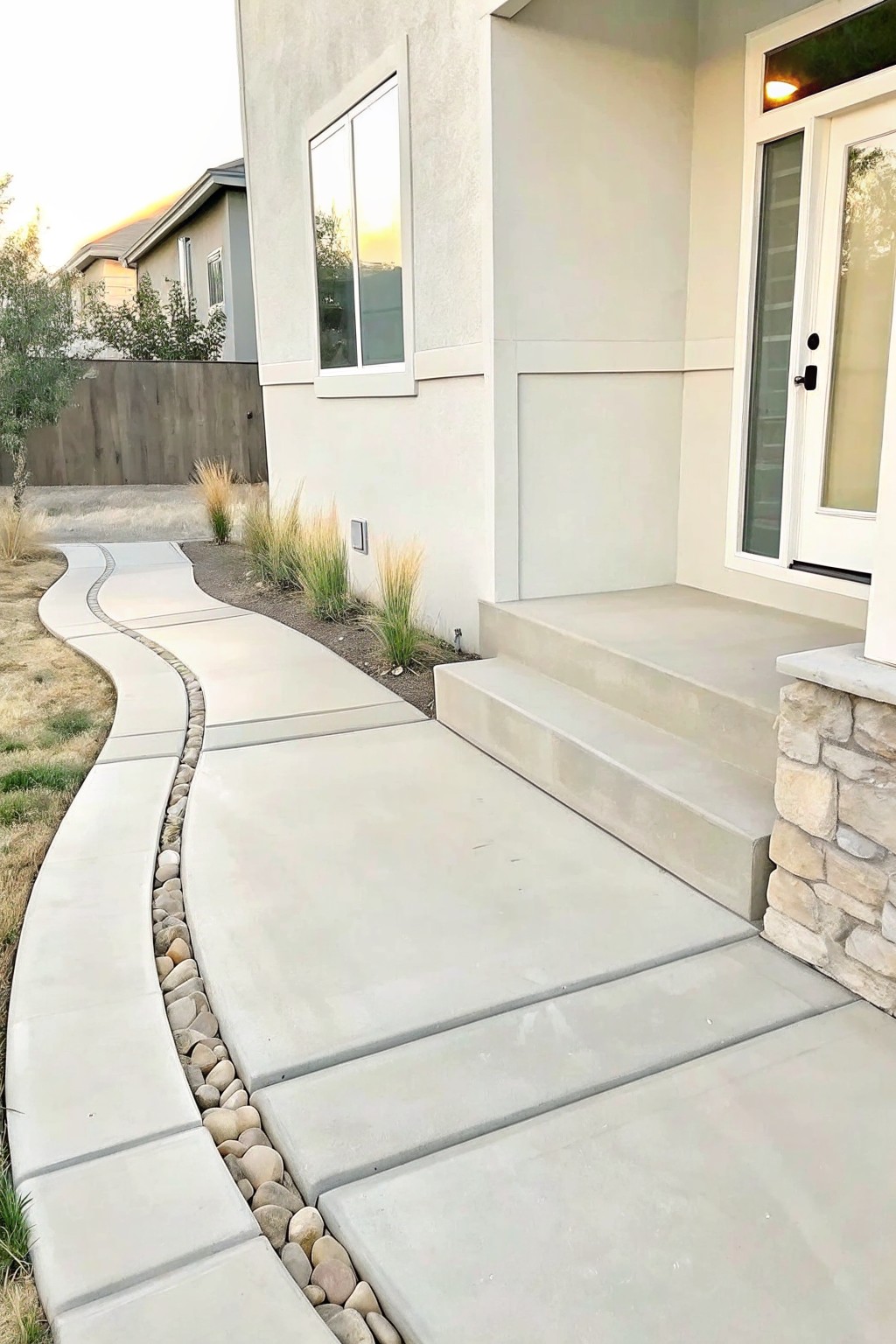
A narrow band of river rocks gives a concrete path a softer edge without adding much work. The stones sit right against the slab and let the grasses spill over naturally, so the walkway feels like part of the garden instead of a separate surface.
This edging suits homes with simple front yards and gentle curves in the walk. It drains well, keeps mulch or soil from washing onto the concrete, and works with low-water grasses that need little trimming. Just keep the pebble strip about six to eight inches wide so it stays neat over time.
Raised Planters for Grass Borders
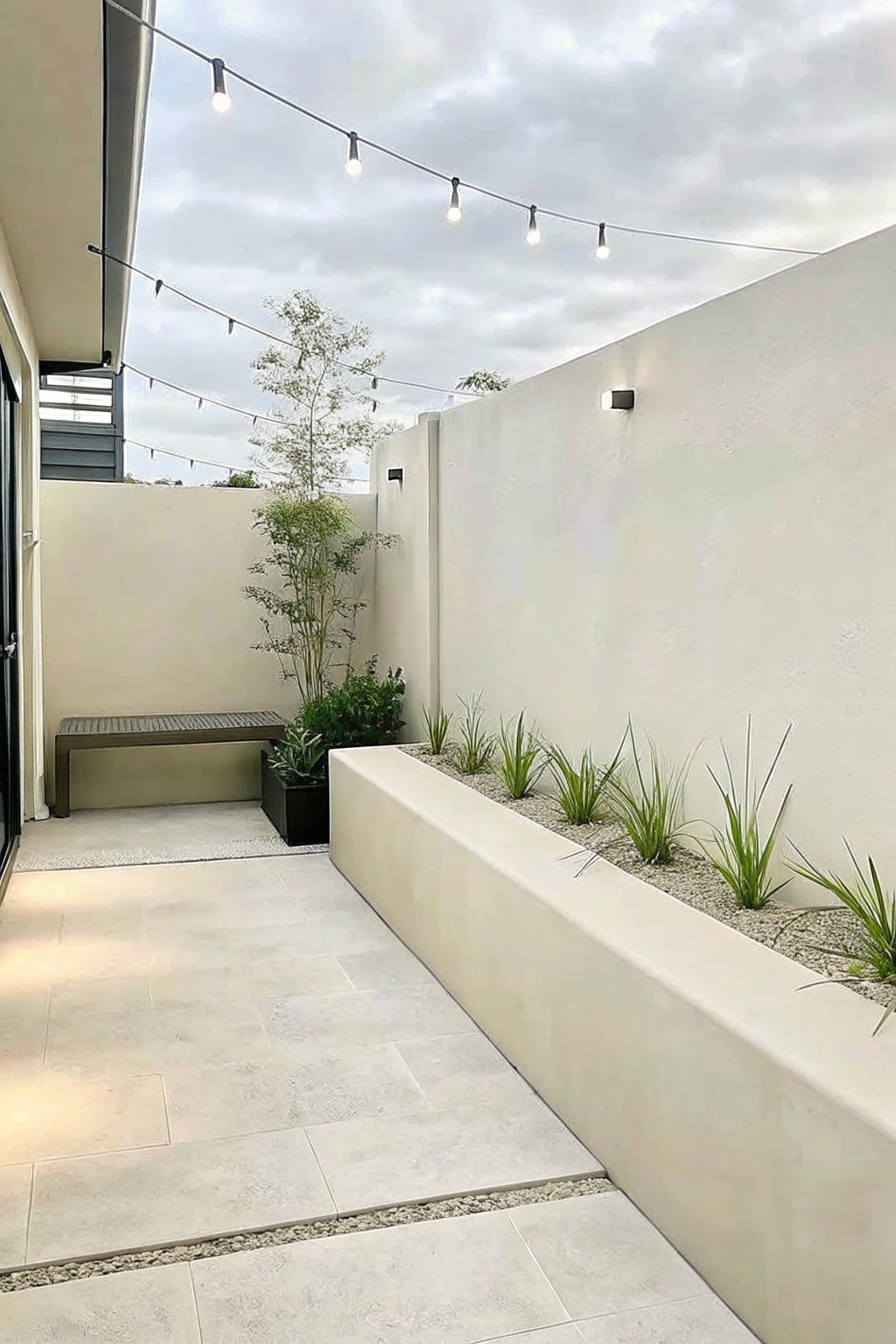
A raised concrete planter gives grasses a clear spot to grow while keeping them from spilling onto the paving. It turns a plain wall line into a soft border without needing extra soil work or constant trimming.
This setup suits narrow side yards or modern homes where space is tight and you want something low maintenance. Fill the planter with gravel for drainage and pick upright grasses that stay neat through the seasons.
Stone Borders For Defined Garden Beds

A low stone border gives planting beds a clean edge that still feels natural. It works especially well along a narrow path where you want greenery without soil or mulch spilling onto the paving.
This style suits side yards and passages where space is tight. Keep the border height low so plants can soften the line, and choose stone that matches any nearby walls for a simple, cohesive look.
Add Soft Grass Borders to Paved Areas
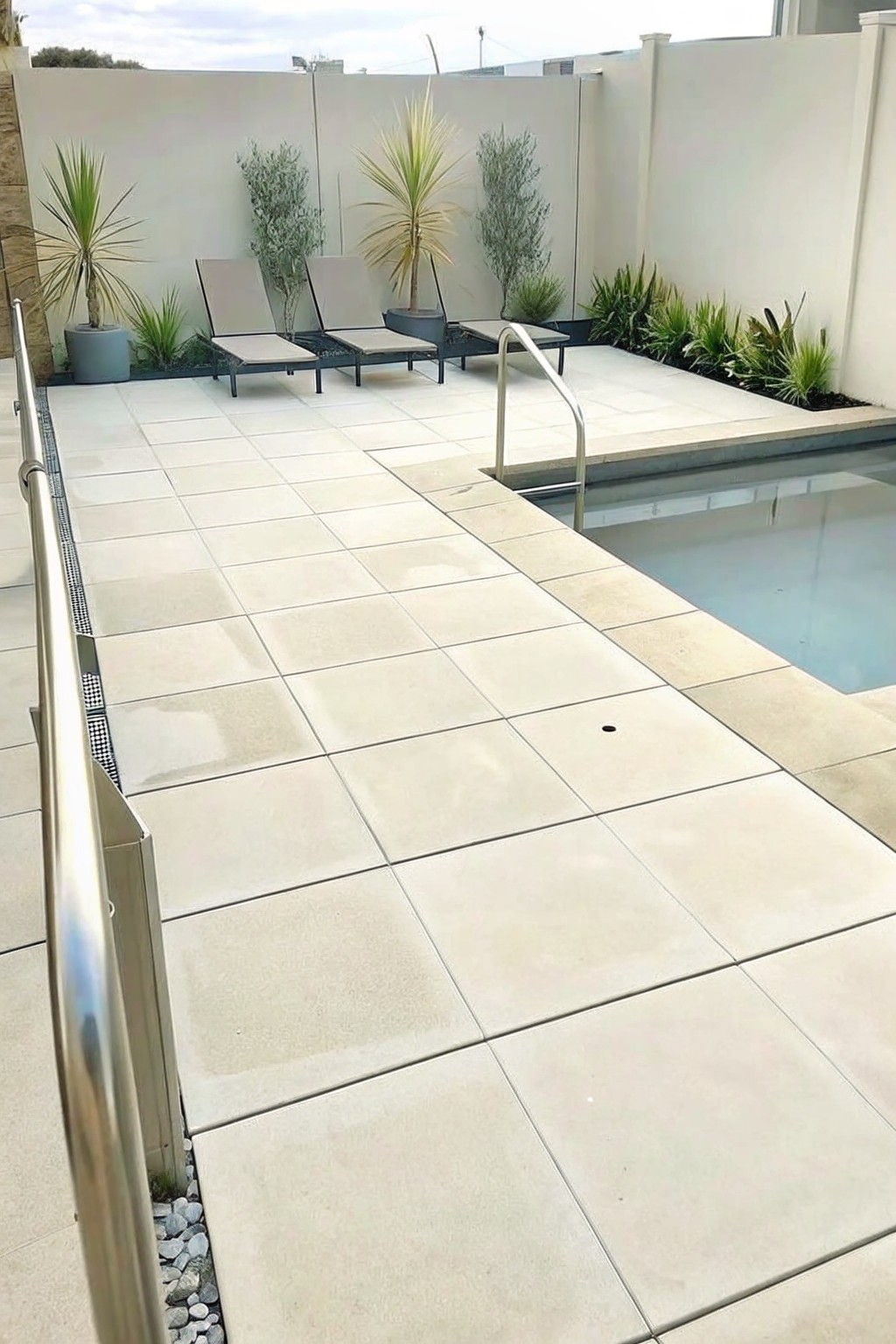
One simple way to keep a paved pool deck from feeling too stark is to run a strip of grasses and low shrubs right along the edge. The plants break up the hard line where the tiles meet the wall and give the whole space a softer frame without taking up much room.
This works best on smaller yards or modern homes where you want some greenery but still need clean walking surfaces. Keep the planting low enough not to block views or drop leaves into the water, and choose varieties that stay neat with little trimming.
Pebble Edging for Stone Paths

A simple line of pebbles along each side of a stone path gives the walkway a finished look while keeping the planting beds separate. It avoids the need for a hard border material and lets the path feel more connected to the surrounding garden.
This works best on straight or gently curving paths where the grasses can soften the edge over time. It suits homes with natural stone paving and pairs well with low-care grasses that do not require constant trimming.
Raised Planters For Defined Borders

Raised planters give you a simple way to mark the edge between a paved surface and the garden without needing a lot of extra work. The concrete boxes keep the plants contained, so the greenery stays neat while still adding height and softness along the side of the space.
This approach works well on patios or side yards where you want a clean line but still need room for roots and soil. Use a mix of taller stems and lower shrubs inside the same box so the border feels full without spreading out onto the walking area.
Border Paths With Gravel And Grasses

A wide paver path gains a softer edge when you run a narrow strip of gravel beside it and tuck grasses right along the border. The contrast keeps the walkway clear and easy to walk on while the planting breaks up the hard lines without making the whole area feel busy.
This setup works best in side yards or back garden routes where you want a simple layout that still blends into the landscape. Keep the gravel band thin and choose grasses that stay fairly low so they frame the path instead of crowding it.
Edge Concrete Paths With Gravel And Grasses

A wide concrete walk stays practical for daily use, but it can feel a bit stark on its own. Adding a narrow strip of gravel along one side with a few stepping stones and clumps of tall grasses softens the edge without making the path harder to walk on.
This works best in newer homes or clean-lined yards where you want the main route to stay simple. Keep the grasses in small groups so they add height and movement but do not crowd the walkway or require constant trimming.
Gravel Strips Between Pavers

One simple way to add softness to a patio is to leave narrow strips of gravel between the pavers. This creates planting pockets where grasses can grow without crowding the walking area or looking messy.
The approach suits homes with modern hardscaping that still want a bit of movement from plants. Keep the strips narrow and use low-maintenance grasses so the border stays neat over time.
Trench Drains With Pebble Fill Keep Foundation Edges Clean

A linear drain set into the ground beside a walkway gives you a simple way to move water away from the house without a big gap or messy trench. The metal grate sits level with the path, and the pebbles around it help the whole thing blend into the surrounding gravel. This setup works especially well where rain tends to collect along the side of the house.
It suits homes with concrete or paver paths that run close to the siding. The drain handles runoff while the stones keep the look low and natural. Just make sure the grate is rated for foot traffic and the slope directs water properly so it does not back up during heavy storms.
Line the Edge with Grasses in Long Planters

Long rectangular planters filled with grasses give a balcony or terrace a softer edge without needing a full garden bed. The grasses break up the hard lines of tile and railing while staying neat and contained in their boxes. This setup keeps the space open but adds some movement and texture along the border.
It works best on paved outdoor areas where in-ground planting is not an option. Pick grasses that stay upright and do not spread too much so the look stays tidy over time. Metal or concrete troughs hold up well in exposed spots and give the border a simple finished shape.
Raised Borders Give Grasses A Clean Edge
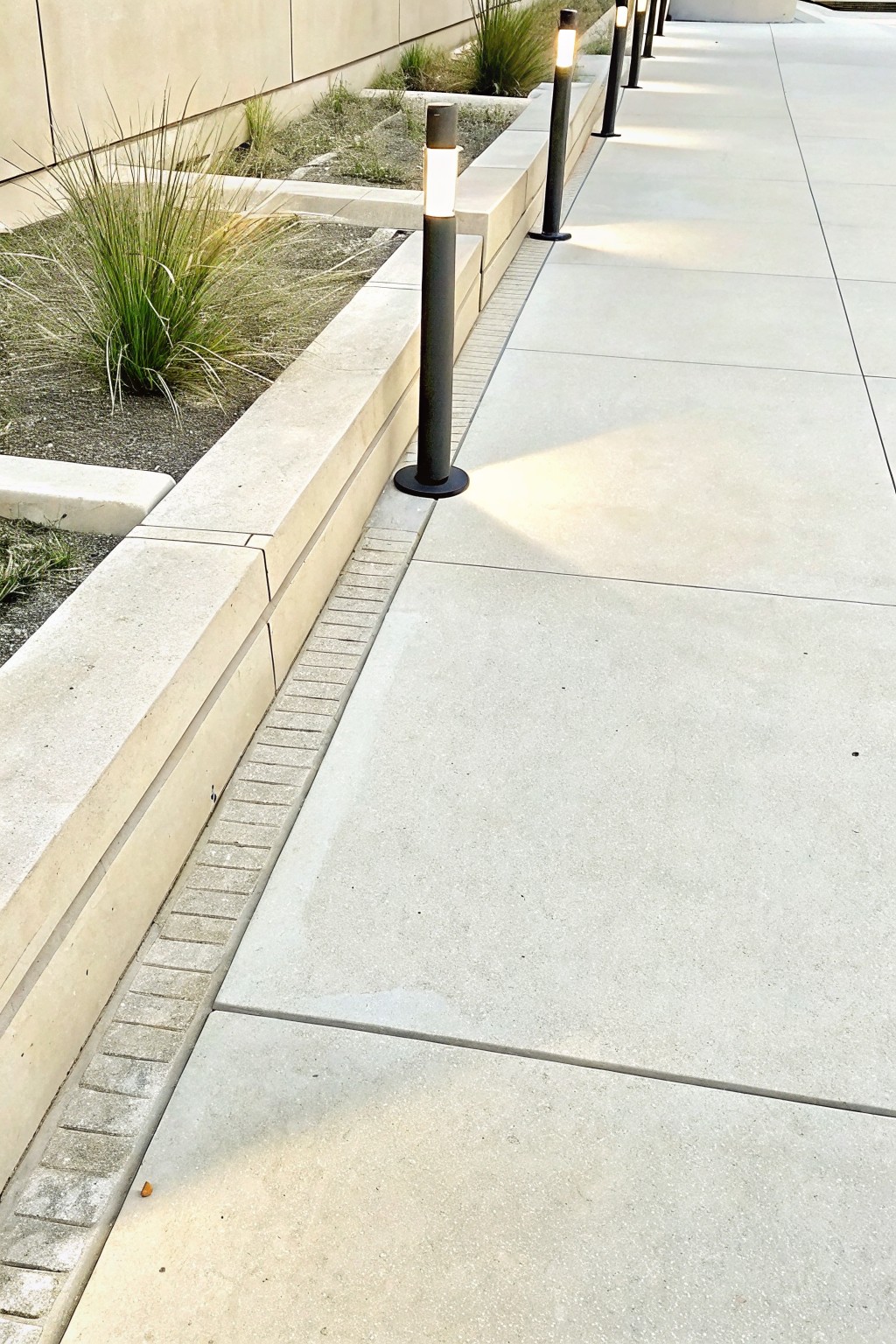
A low concrete border like this one works well because it gives soft grasses a firm line without making the planting feel stiff. The grasses can still move and spread a little behind the wall, but the path stays clear and the bed looks intentional instead of overgrown.
This setup works best along walkways or driveways where you want some planting but need to control how far it reaches. It suits newer homes or modern landscapes where the hardscape is already simple and you want the grasses to add movement without taking over the edges.
Frequently Asked Questions
Q: How often do I need to trim these border grasses? A: Cut them back once a year in late winter before new growth starts. That keeps the clumps neat without much effort. Leave the old stems standing through fall if you like the winter texture.
Q: Will the grasses spread into my lawn or paths? A: Pick clump-forming types instead of running ones. Dig a shallow trench around the edge and refill it with soil to slow any stray shoots. Check the patch every spring and pull what wanders.
Q: Can I add these grasses to a shady spot that only gets morning light? A: Some varieties handle light shade fine and still soften the border. Test one or two plants first to see how they do before filling the whole area. Move them if they look thin after a season.
