


I have found that the edges where a garden meets the lawn often decide whether the whole yard feels settled or scattered once you live with it for a season.
When the planting allows stems to shift with light wind and changing light the border starts to look like it belongs rather than like something added on.
The real test comes in how the line holds against foot traffic and mower blades over time.
I usually watch how rain collects along my own edges before I decide how deep or narrow to make a new stretch.
A few of these ideas seem worth marking down so I can adapt the spacing to the slope and soil I already have.
Raised Planters Along Fences

Raised concrete planters give a simple way to add planting strips along a fence without digging into the ground. They keep the beds tidy, hold soil in place, and let you grow a mix of small plants and grasses in a narrow space where regular garden beds would not fit well.
This setup works best in side yards or along walkways where you want some greenery but need to keep the path clear. Use a light gravel top layer to help with drainage and cut down on weeds. The clean lines of the concrete also make the fence feel more finished.
Gravel Edges Keep Planting Beds Feeling Relaxed
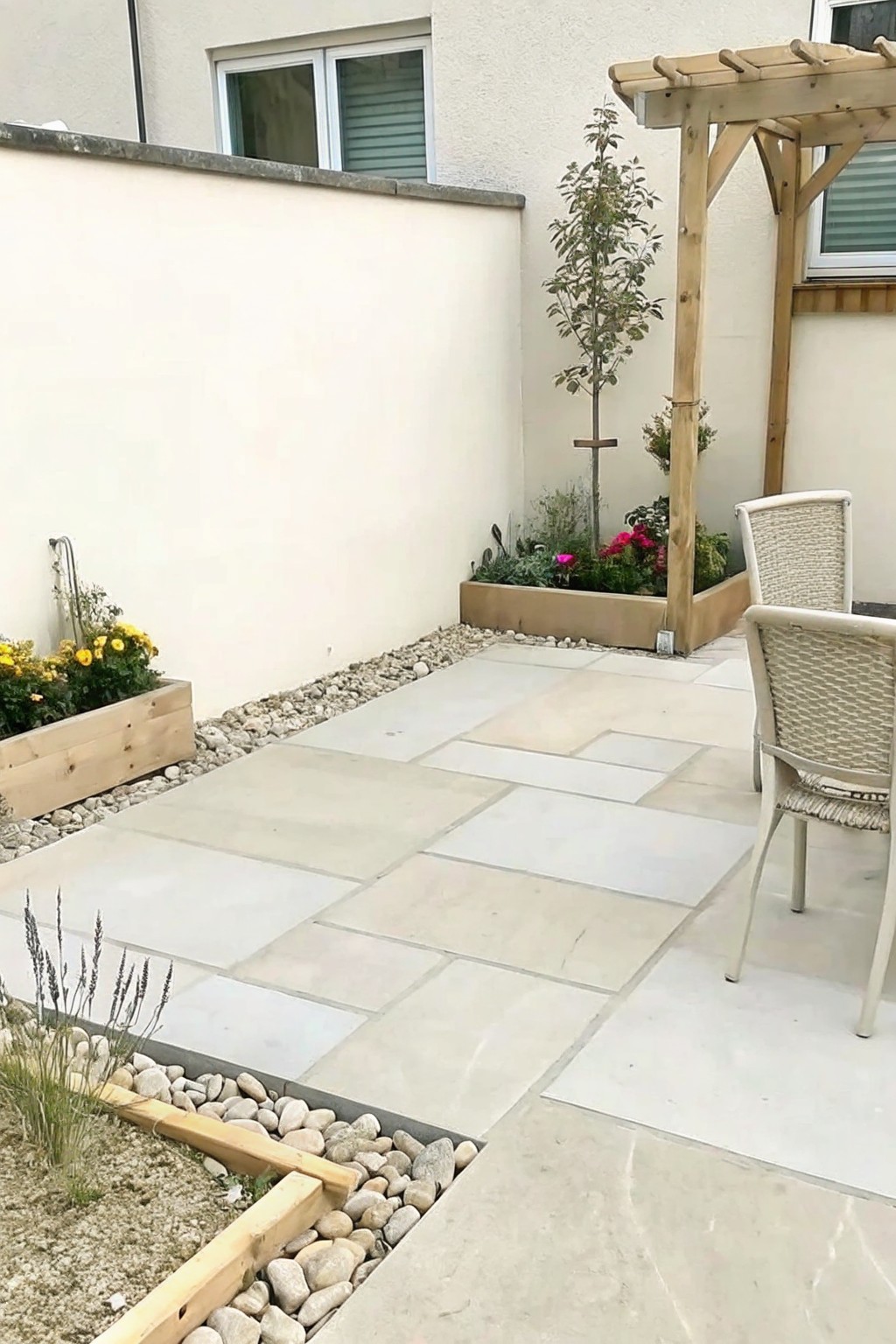
Gravel strips between the paving and the raised beds let the plants spill over without looking boxed in. The loose material softens the hard lines of the stone and gives the flowers room to move in the wind.
This works best in smaller yards where you want a simple separation that still feels natural. Keep the gravel layer thick enough to stay put and choose edging that sits low so the border stays easy to step over.
Gravel Beds Soften Narrow Walkways

A gravel strip next to a path keeps things from feeling too rigid. The loose surface and mix of plants add some give to the layout and let the eye move along without hitting a solid edge.
This setup works well in tight side yards or between buildings where you need planting but cannot spare much width. Stick with low grasses and one taller accent so the bed stays simple and does not crowd the walkway.
Stone Borders That Hold Soft Plantings
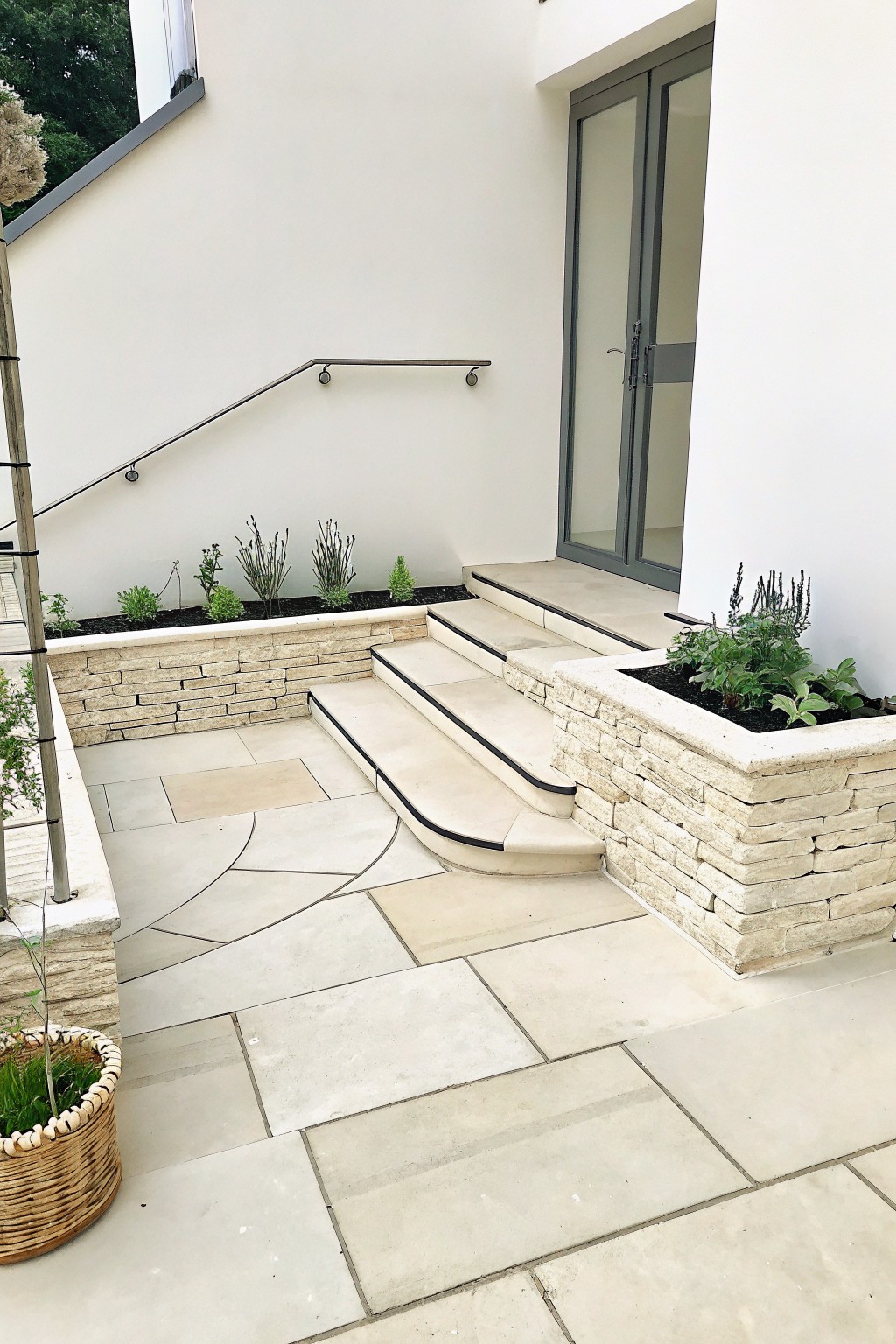
Raised stone planters give wildflowers and grasses a firm edge while still letting them move freely on top. The stone keeps the soil contained and the beds looking neat even when the plants grow tall and loose.
This setup works best along steps or paths where you need some order but do not want the planting to feel boxed in. It suits homes with clean architecture that still want a relaxed garden layer, and it makes maintenance easier since the borders stay defined year after year.
Curved Raised Beds For Softer Borders

A curved raised bed like this one gives the planting area a relaxed shape that feels less formal than straight lines. The low stone blocks let the greenery spill forward naturally and create that gentle movement across the space.
This approach works best on small patios or side yards where you want the garden to feel connected to the paved area. Keep the wall height modest and choose plants that can drape over the edge without needing constant trimming.
Gravel Edging Along Paved Paths

A gravel strip next to large stone pavers gives the path a finished look without making it feel too rigid. It also creates a simple buffer that keeps the paving from looking too heavy against the house wall and any nearby plants.
This works well on narrow side yards or along the back of a house where you want easy walking but still room for a few low plants to soften the edge. Just keep the gravel narrow so it does not compete with the main paving or the border planting you add later.
Raised Planters For Natural Border Movement

A raised planter set along a walkway gives you a simple way to bring soft movement into a narrow space. The long straight shape keeps the planting contained while still letting grasses and flowers shift with the breeze.
This setup works best on side paths or tight side yards where a full garden bed would feel too wide. Stick with a mix of taller and shorter plants so the border stays relaxed instead of looking too trimmed.
Wildflower Planting Along Patio Edges
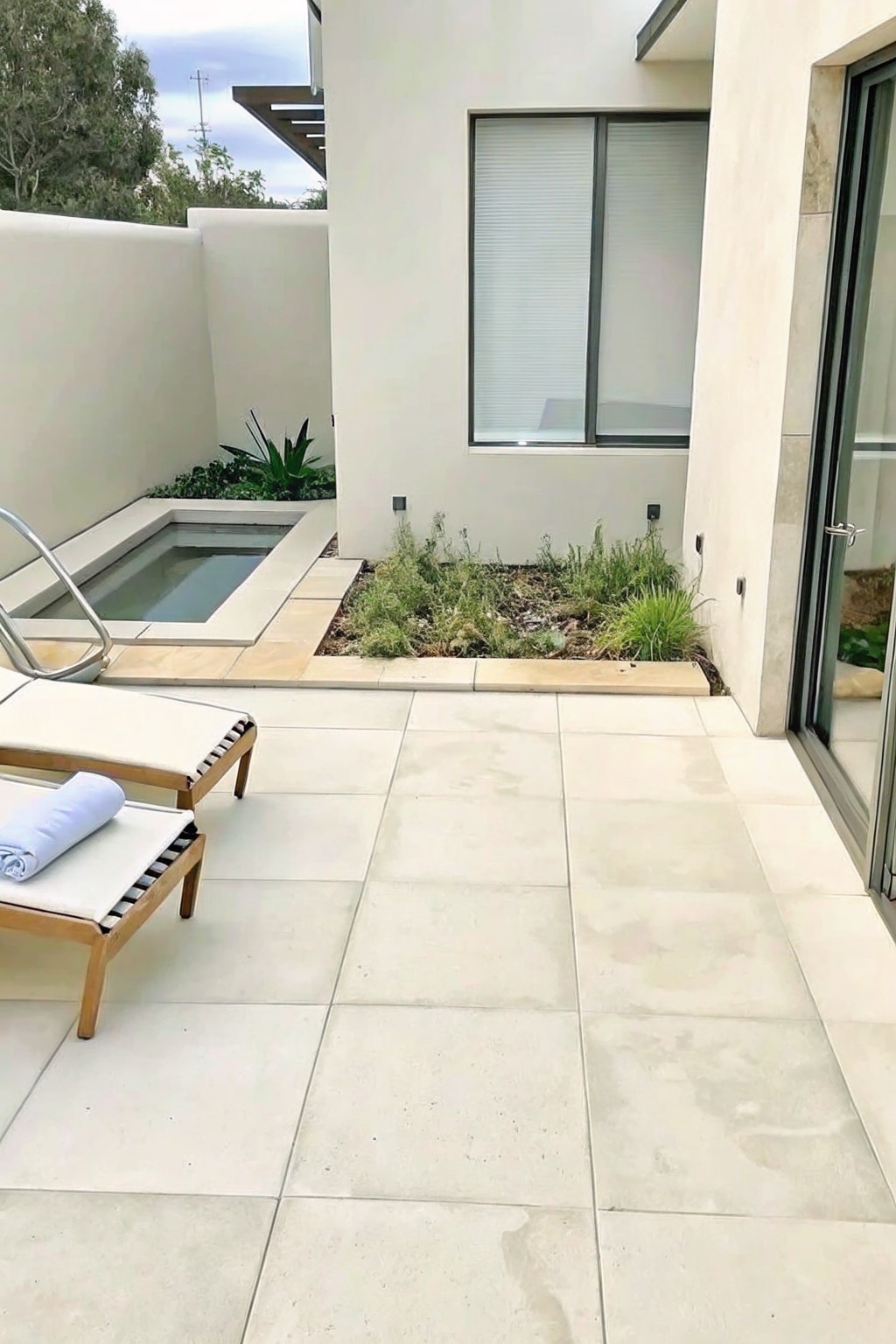
A narrow strip of mixed grasses and wildflowers can soften the hard edge where a paved patio meets the house. The loose growth adds movement without taking up much space or needing constant trimming.
This works best on homes with simple outdoor living areas where you want a bit of garden feel right next to the seating or pool zone. Keep the bed shallow and choose plants that stay low so they do not block views or paths.
Raised Beds For Controlled Wildflower Borders
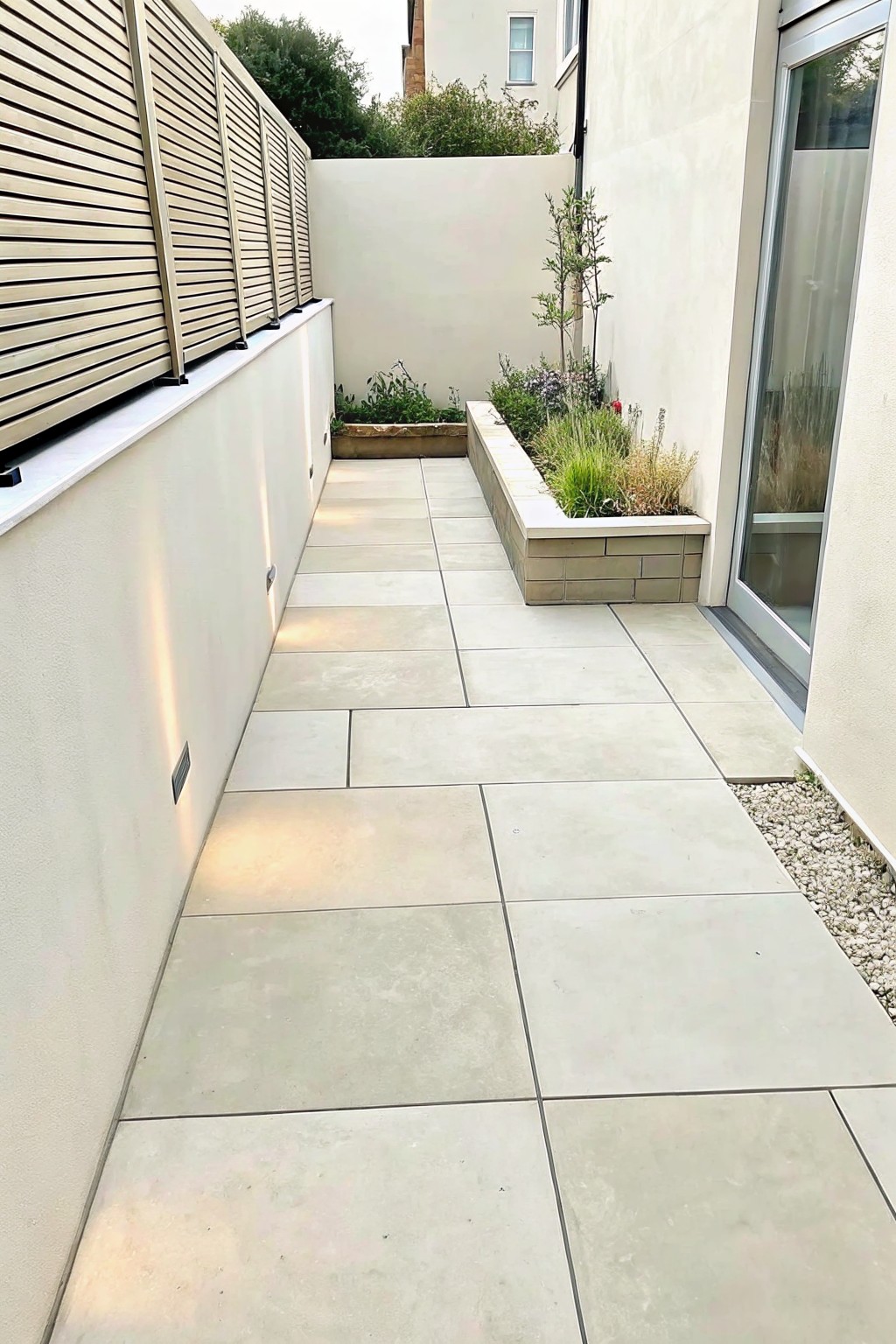
A raised bed gives you a firm edge that keeps everything in place while the plants inside still get to move. The mix of grasses and flowers creates that gentle sway people like in wilder borders, but it stays neat along a walkway where feet pass often.
This setup works best in narrow side spaces or newer homes that need some softness without looking messy. Build the bed low and use a simple mix so it feels relaxed rather than styled.
Pebble Borders Along Paved Paths

Pebble strips placed between stone slabs and planting beds give a simple way to soften a hard path. The small stones break up the straight edges and let the border feel less rigid without adding much work.
This approach works well on homes with straight walkways where you want a bit of natural flow. Keep the pebbles low and consistent so they do not compete with the plants, and use them mainly where the path runs beside beds rather than in high-traffic areas.
Concrete Edging For Narrow Planting Beds
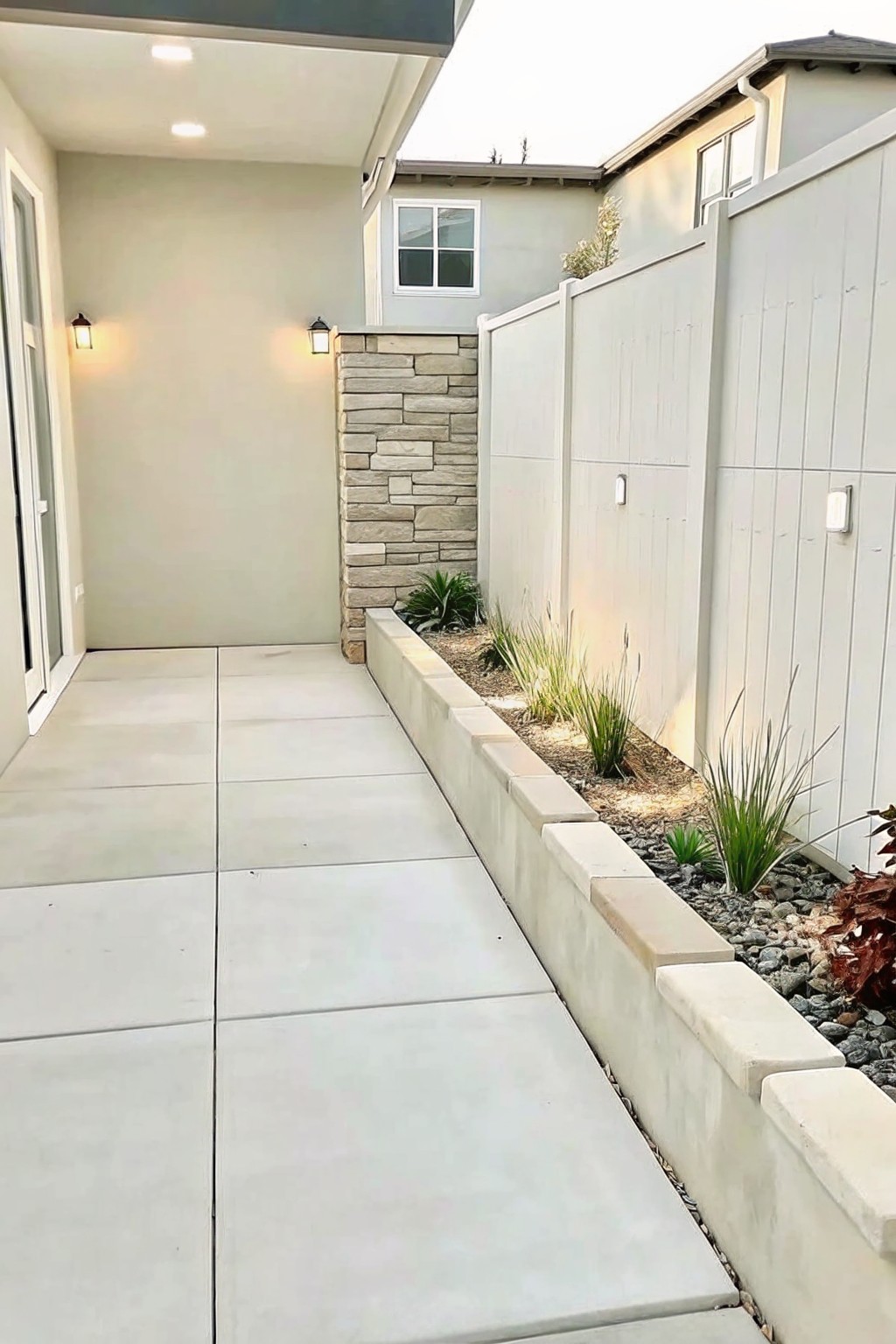
A low concrete border gives a planting strip a clean edge without making it feel stiff. It holds the gravel in place and stops the bed from spilling onto the walkway while still leaving room for grasses to grow and move.
This approach works best on narrow side yards or along fences where you want some planting but not a big garden to maintain. Keep the border height low so the grasses stay the main feature.
Frequently Asked Questions
Q: How do I pick flowers that catch the breeze without getting tangled?
A: Mix tall stems like grasses with lighter blooms such as poppies. They move together and create that soft sway you want. Plant them in loose groups rather than straight rows.
Q: Do I need to water these borders a lot once they are growing?
A: Most wildflowers settle in after the first year and need less water. Focus on deep but infrequent watering to encourage strong roots. Check the soil with your finger before adding more.
Q: What if weeds start popping up between the wildflowers?
A: Pull weeds by hand when they are small. Mulch lightly around the base of your plants to slow new growth.
