


When I first tried shaping a backyard bed on my own, the biggest surprise was how much the placement of plants affected the daily view from the kitchen window.
Planning the layout ahead of time kept me from creating spots that were hard to reach with a mower or hose.
Edging makes the difference.
I usually test one new idea each spring to see how it settles in with the rest of the yard.
Over the years those small additions have added up to a space that feels more put together without needing constant work.
Brick Edging For Curved Flower Beds
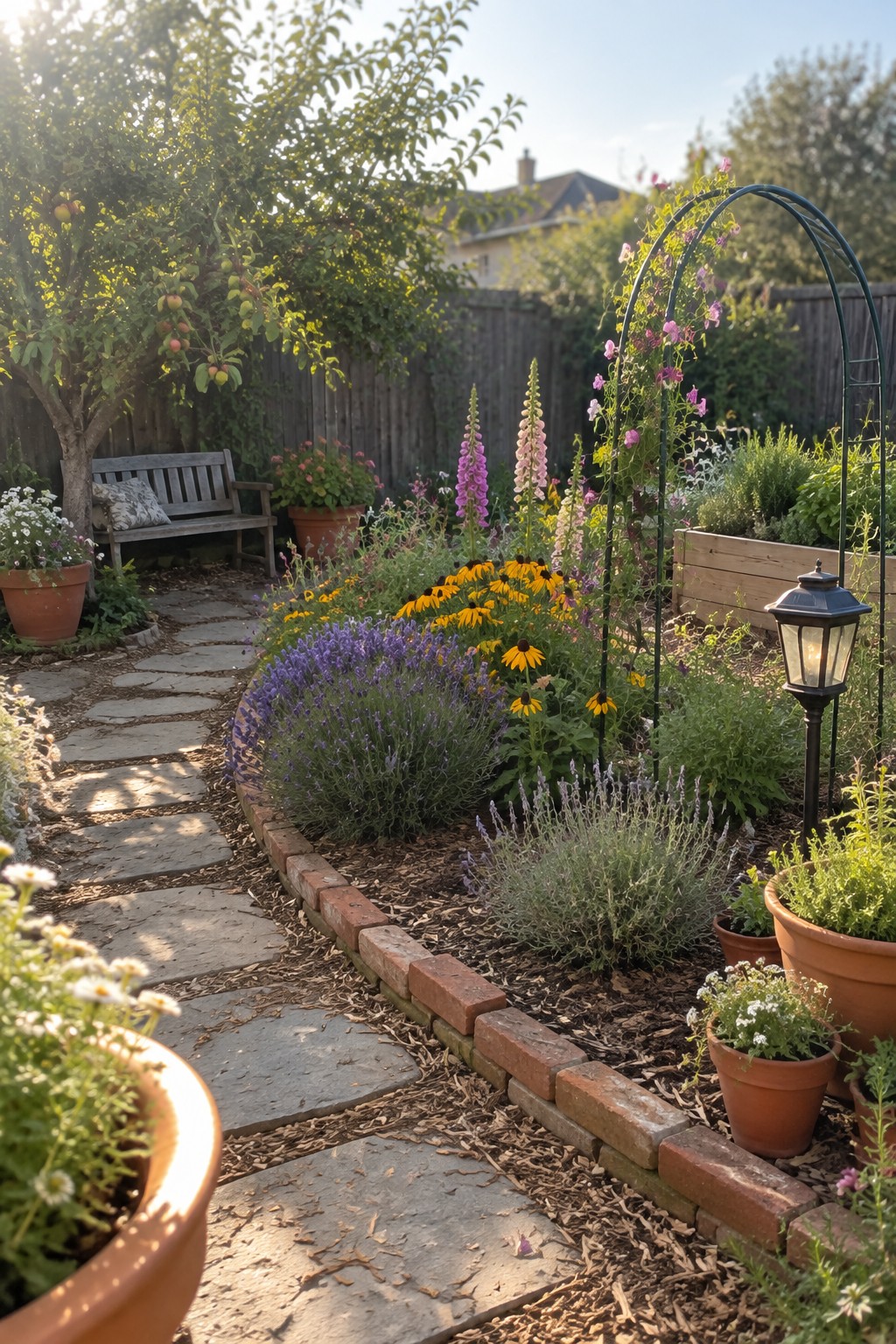
Brick edging gives flower beds a tidy outline and helps hold mulch in place without much cost. It works especially well when the beds follow a gentle curve along a path, since the material bends easily and keeps the shape looking intentional.
Lay the bricks flat or on their sides depending on how tall you want the border. This approach suits most backyard layouts and lets you adjust the curve if the beds need to change later.
Try A Vertical Pallet Garden
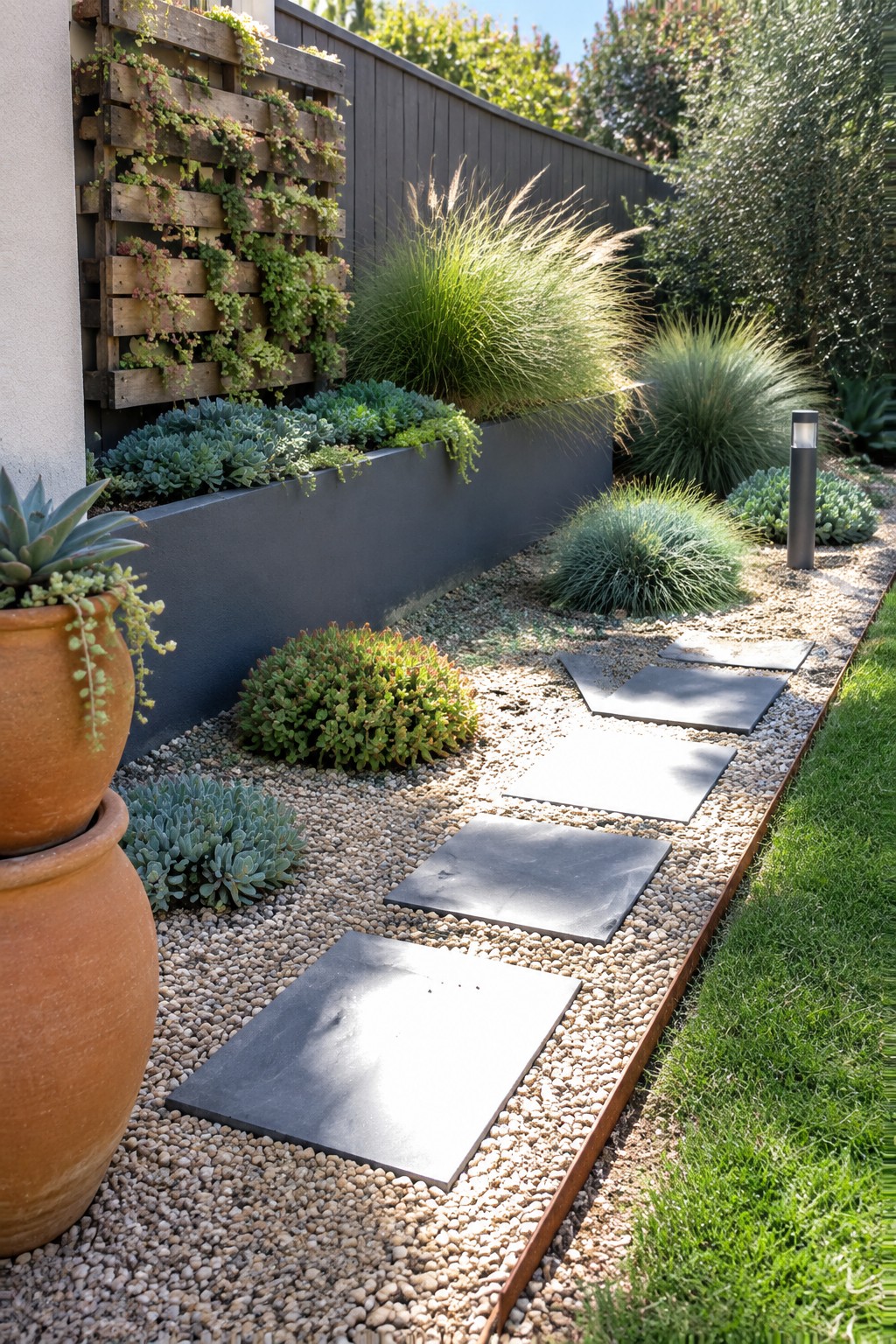
A vertical pallet garden works well when you need more planting room but do not have much ground space. It turns an empty wall into a spot for flowers or succulents, and the wood gives the plants a simple, natural background that fits right in with gravel paths and low beds.
This idea suits narrow side yards or fence lines where regular beds would feel cramped. You can start with one pallet, line the back with landscape fabric, add soil, and slip plants into the gaps. Keep the wall sturdy and water the plants often until they settle in.
Raised Beds With Stacked Stone Borders
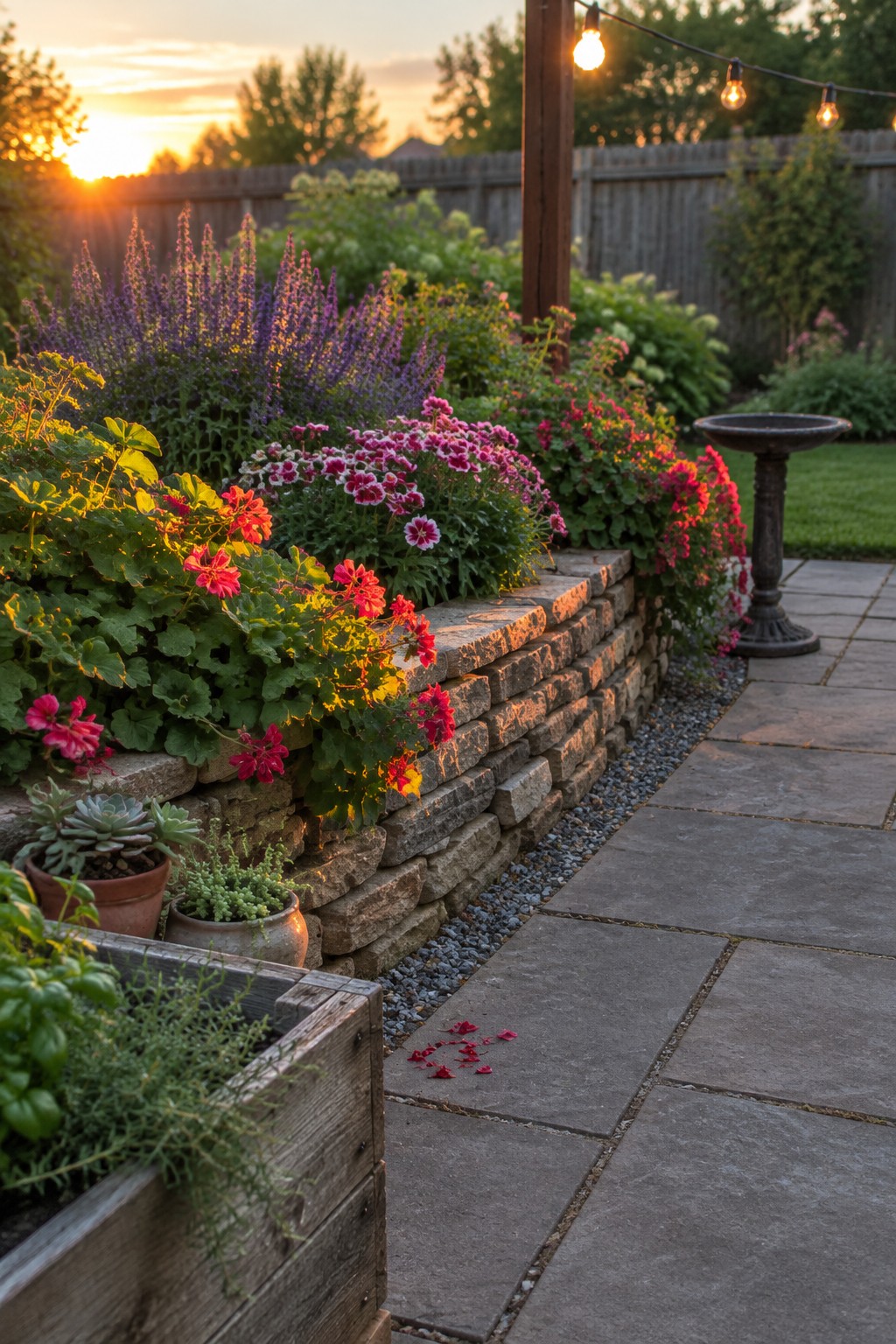
Stacked stone makes a simple raised bed that holds soil in place and gives you room to layer plants at different heights. The edge stays tidy along a path or patio and the extra height helps drainage so flowers do not sit in wet ground.
This style works best in smaller yards where you want clear borders without a big budget. You can build the wall in stages and fill it with whatever plants you find on sale. Just make sure the base sits level so the stones stay put over time.
Raised Beds Along A Gravel Path
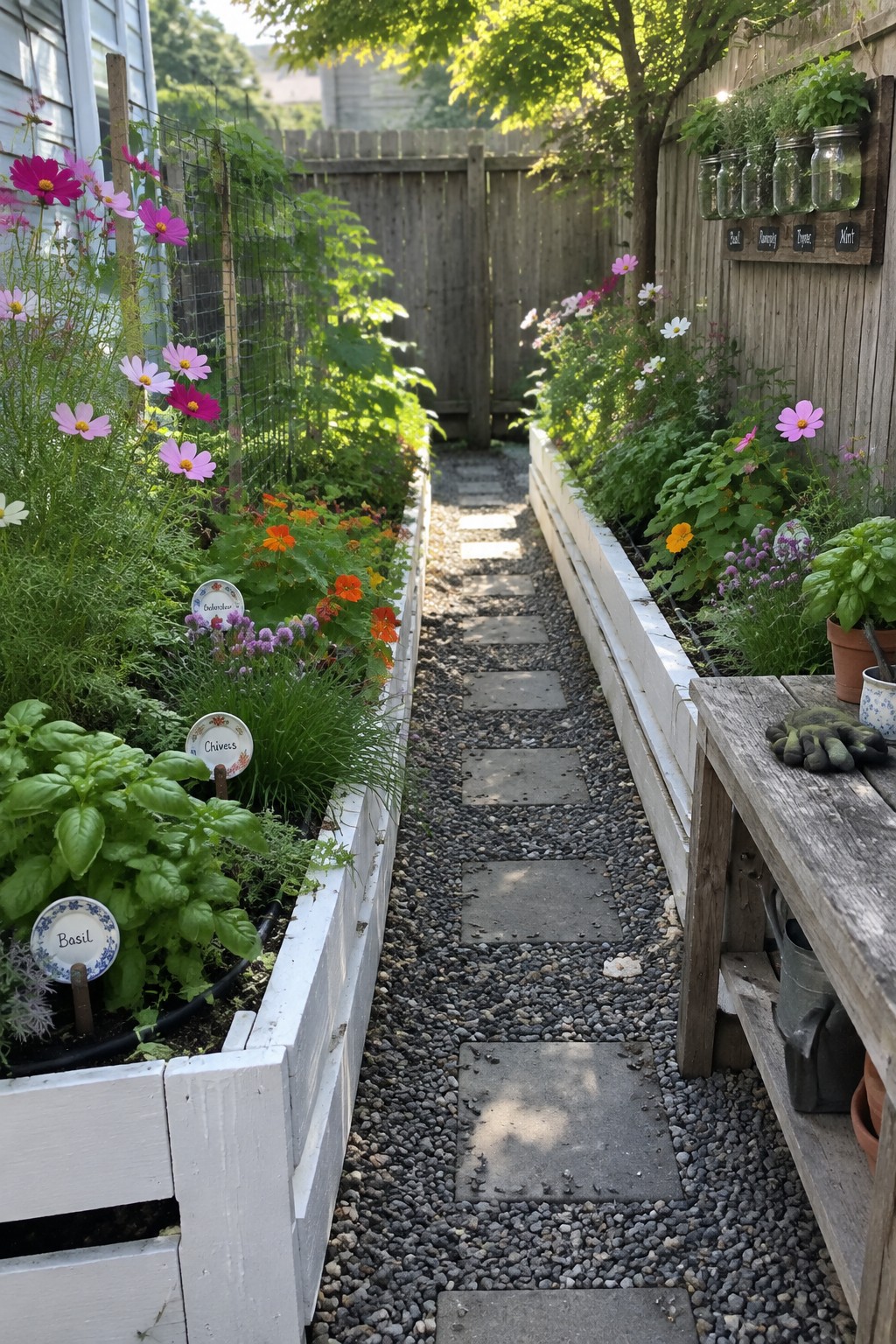
Raised beds on either side of a gravel path give a backyard a clean layout that stays easy to manage. The wood frames keep the soil contained, the path stays dry underfoot, and the whole setup fits well in a narrow space between fences.
This works best in smaller yards where you want to grow both flowers and herbs without a big lawn. Keep the path wide enough for a wheelbarrow and use simple stepping stones so you can reach everything without compacting the gravel.
Brick Edging Along Narrow Walkways
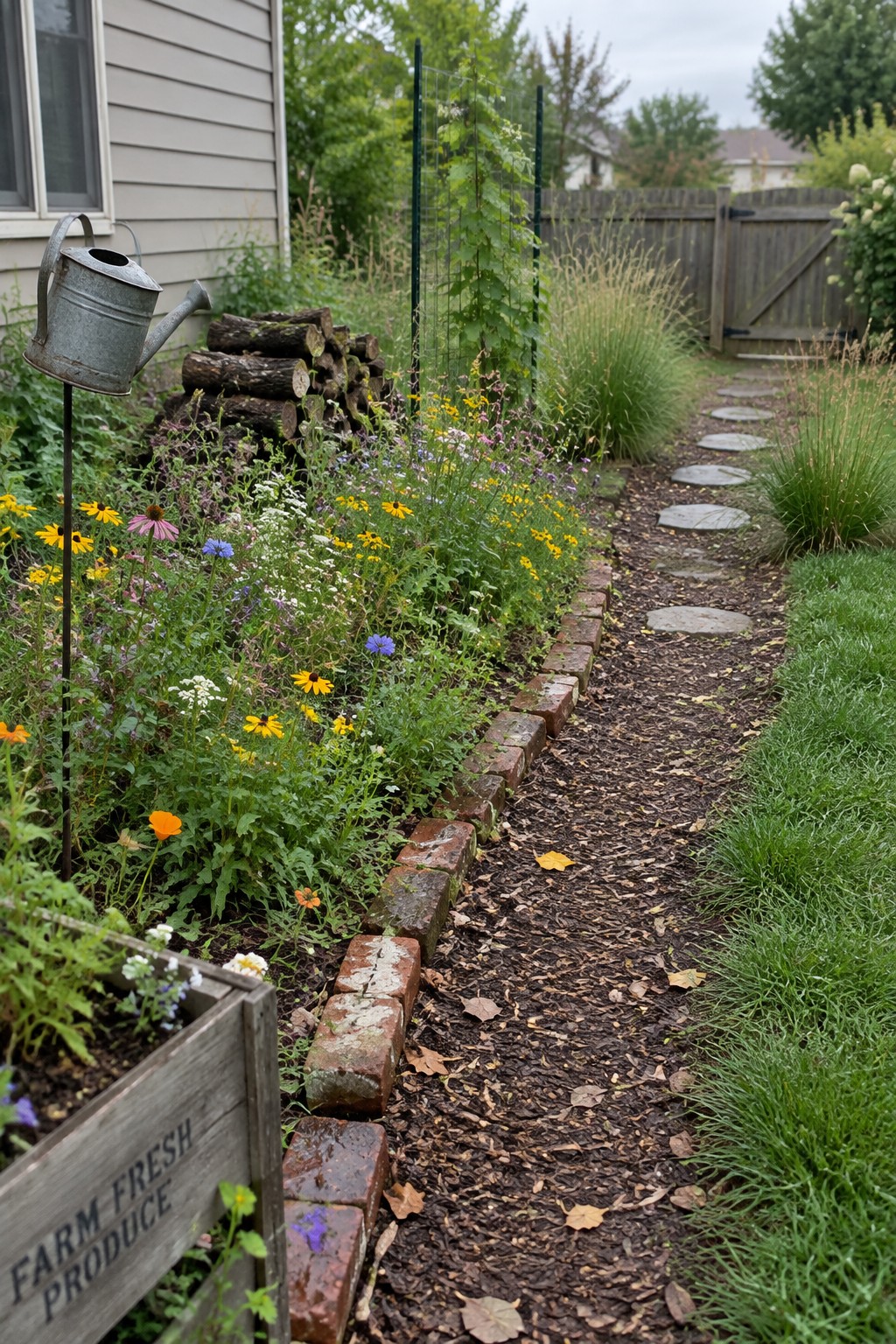
A row of bricks makes a simple border that keeps mulch and soil from spilling onto the path. It gives the bed a clear shape and makes weeding easier since the edge stays put. This works well along a narrow strip like the one shown here next to a stepping stone walkway.
Used bricks are cheap or sometimes free, and they need almost no maintenance once set in place. They suit most backyard styles and can be laid flat or upright depending on how tall you want the edge to sit.
Raised Beds For Layered Planting
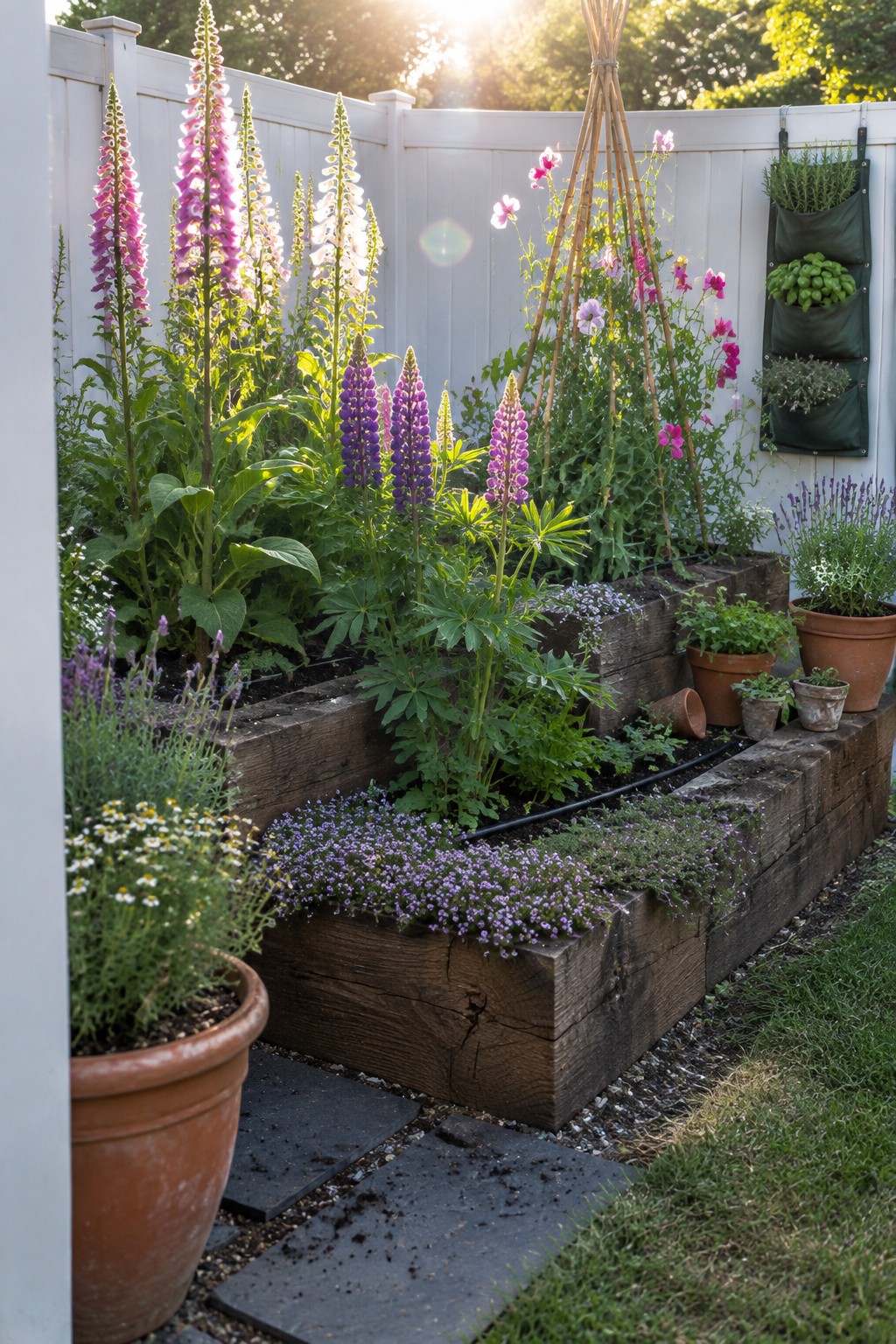
Raised beds give you clean edges and better control over soil and drainage. This setup makes it easy to combine tall spiky flowers with lower spreading plants in the same space without everything looking messy.
They suit small yards or spots along a fence where you want structure without major digging. Use untreated or properly sealed wood and keep the beds narrow enough to reach across when watering or weeding.
Gravel Paths With Stepping Stones
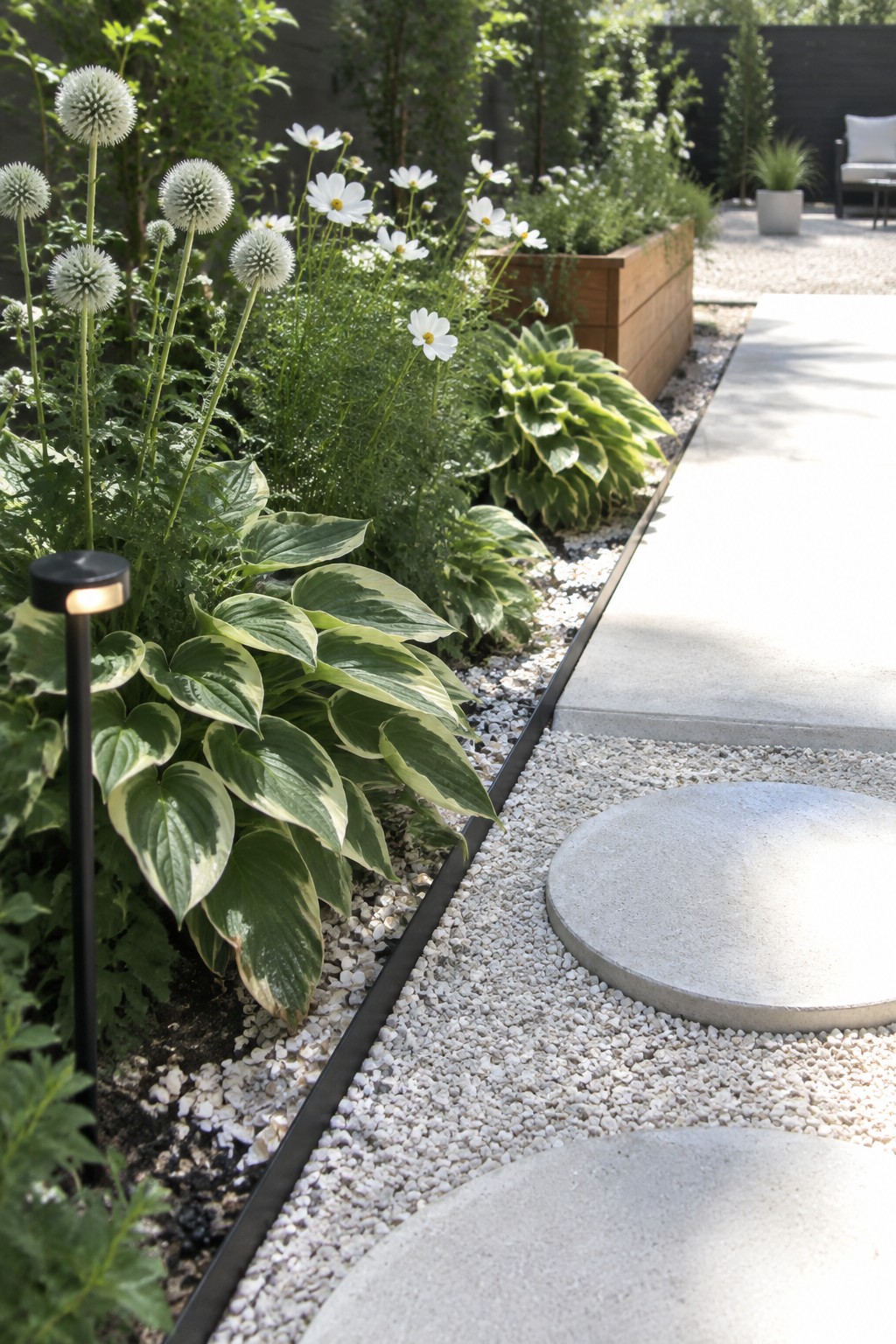
Gravel next to flower beds keeps things tidy and helps with drainage at the same time. The round concrete pavers turn the gravel into a simple walkway that feels finished without much effort.
This works best along the side of a house or in a narrow strip where you need access but do not want to pack the soil down. Lay fabric first, spread the gravel, and set the pavers where you need them most.
Layer Plants By Height For Fuller Beds
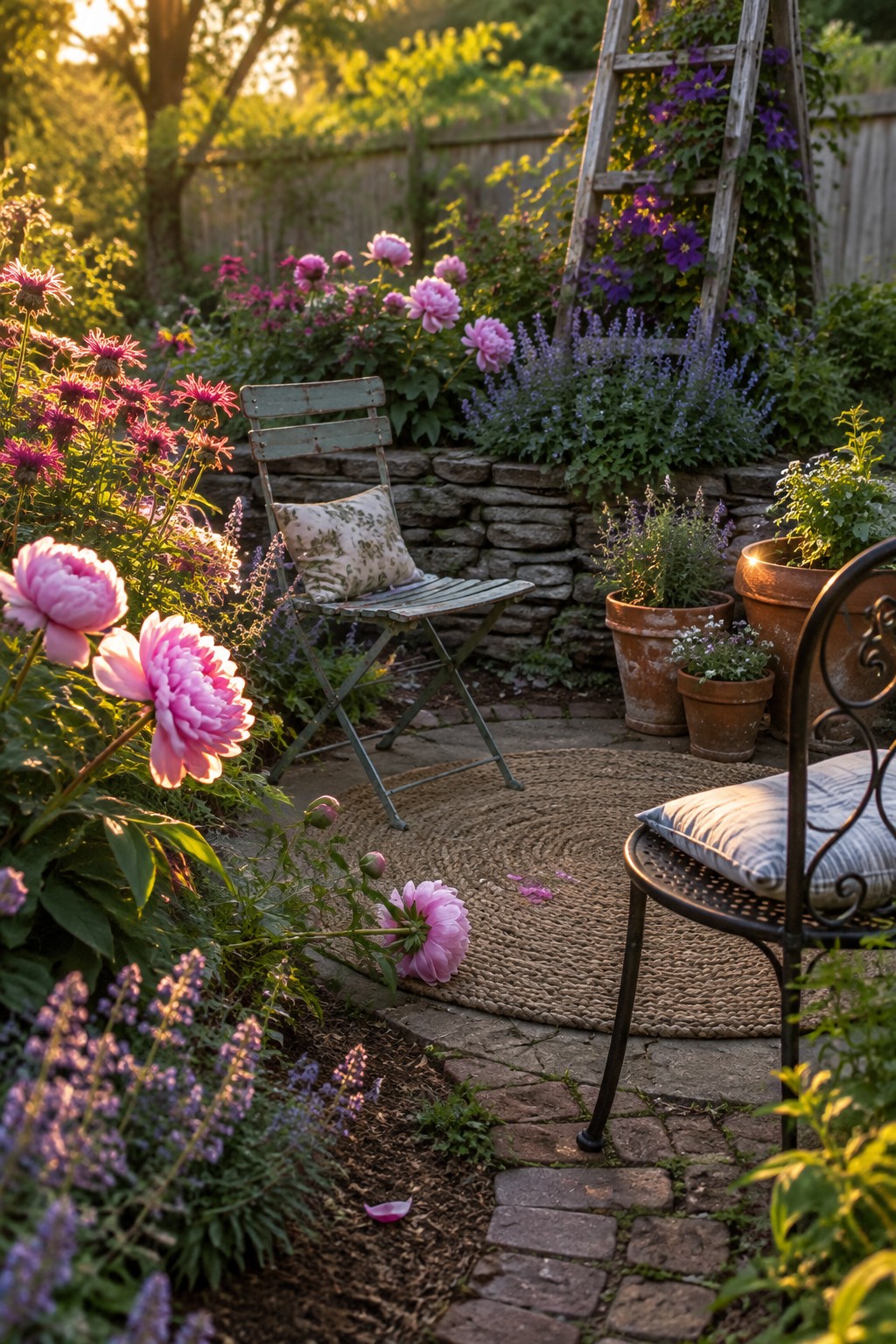
Many backyard gardens look better when plants are grouped by height instead of scattered at random. Shorter blooms sit near the path while taller ones rise toward the back or wall, giving the bed a finished shape that still feels relaxed.
This approach works in small spaces and keeps costs down because you can start with a few reliable perennials and let them spread. Place the lowest flowers along the edge and step up from there so everything stays visible and easy to reach for watering or cutting.
Edge Flower Beds With Recycled Bottles
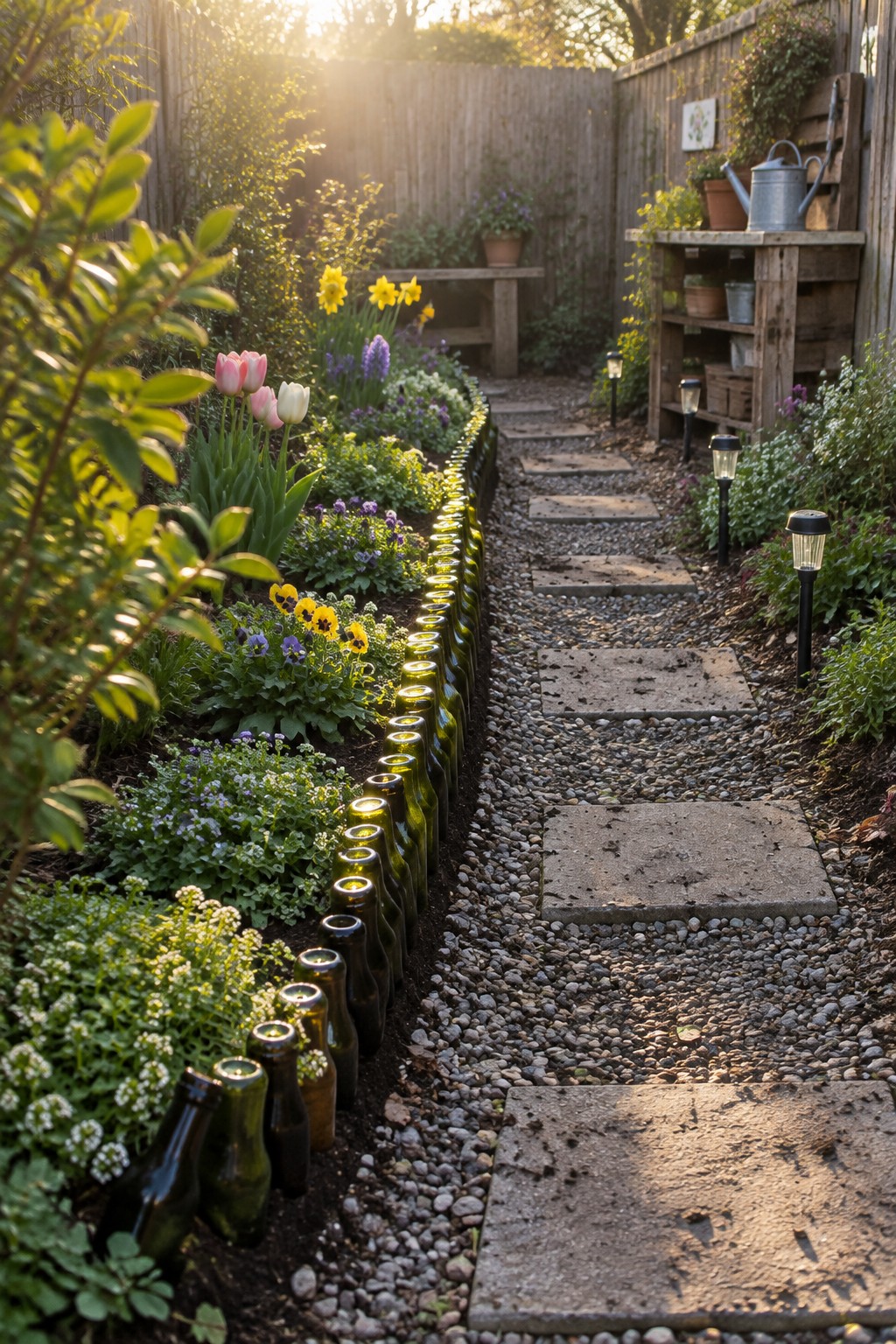
Bottle edging gives a flower bed a clean line without costing much. It works especially well along a gravel path because the upright bottles keep soil and mulch from spilling over while still letting water drain.
This idea suits small or narrow beds where you want a simple border that stays in place. Push the bottles into the soil at a slight angle so they stay steady, and use matching sizes if you want a neater look.
Use Stepping Stones To Shape Flower Beds
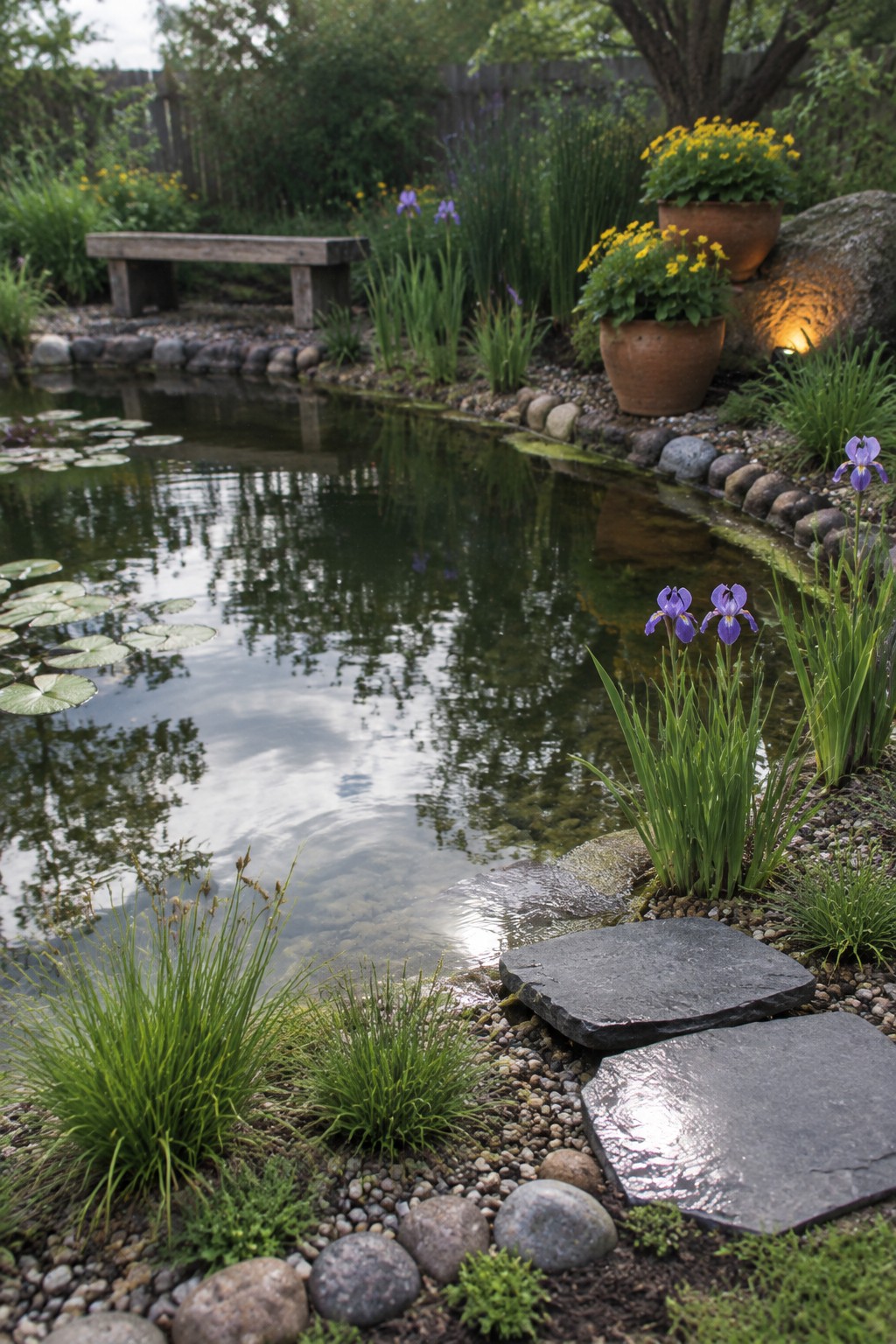
Stepping stones work well when you want flower beds that feel connected to the rest of the yard without a hard border. They let you walk close to the plants for watering or weeding and keep the soil from washing into paths or water features. Many people like this look because it feels relaxed and still keeps things tidy.
Place the stones on a simple gravel base so they stay level and do not sink over time. This approach works best in smaller backyards or along the edge of a pond or low spot where you already have some moisture-loving plants. Just keep the stones spaced for easy steps and let the flowers grow right up to them.
Stone Edging Defines Your Flower Beds
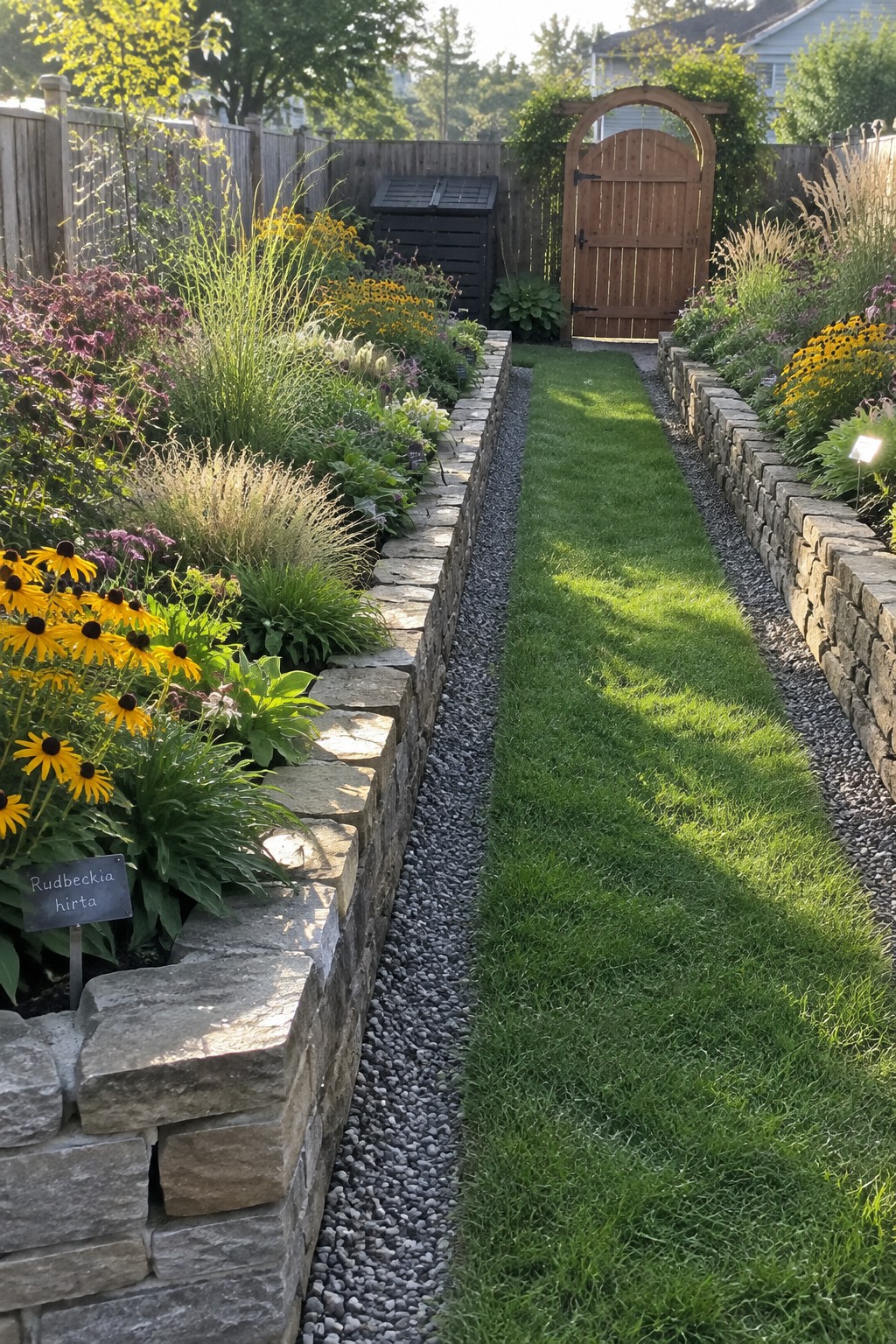
Stone edging gives flower beds a clean shape that stays put over time. It lifts the plants a bit off the ground and keeps the soil from spilling onto paths or grass. Many people like how it makes even a simple planting look more finished without much extra work.
This approach works well in a long narrow yard where you want several beds in a row. Stack the stones two or three high and set them on a gravel base so they stay level. It suits most backyard layouts and pairs easily with a grass or gravel walkway down the middle.
Brick Borders for Shady Flower Beds
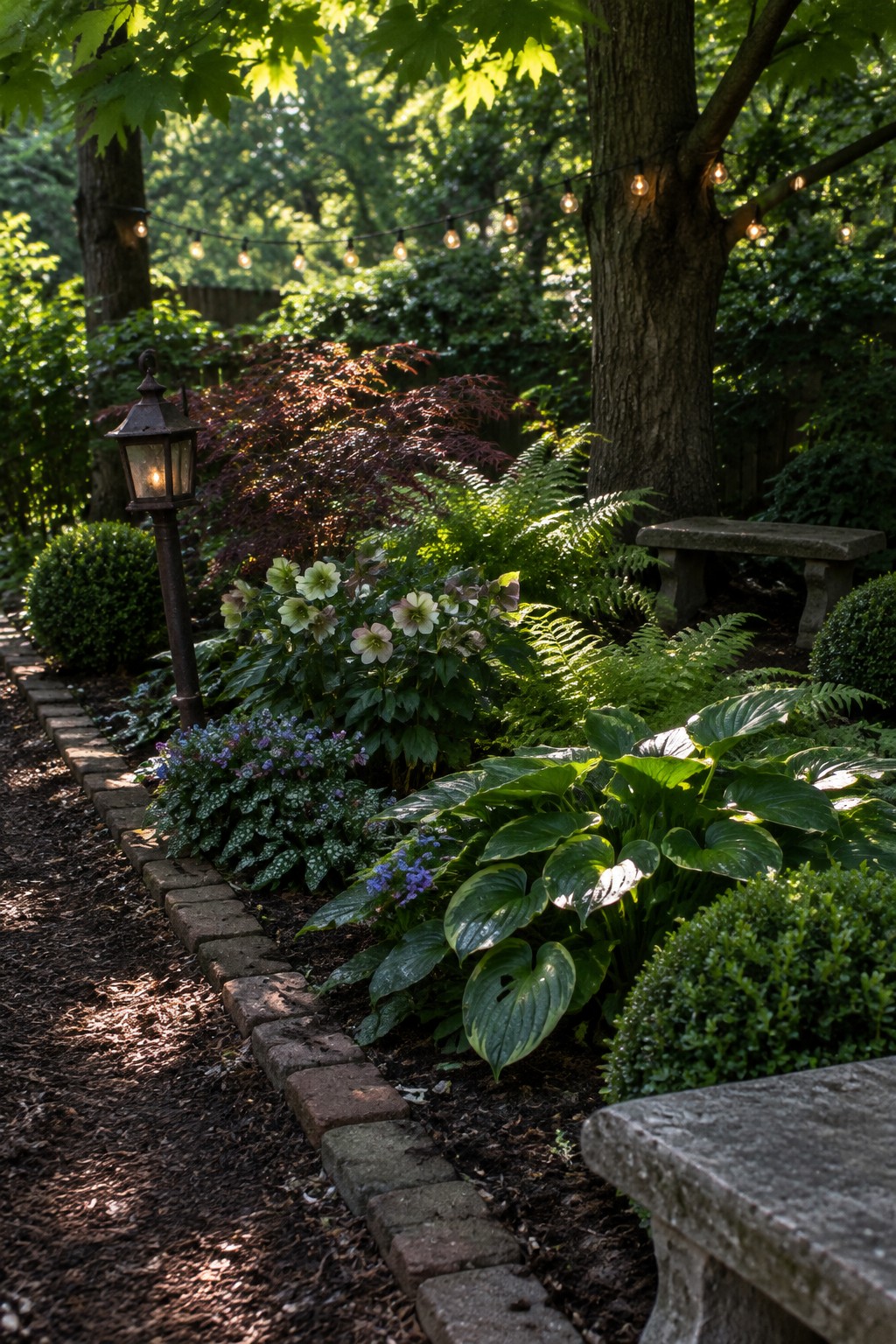
Brick edging gives a flower bed a clear shape and keeps the whole area looking intentional. It works especially well when you want to separate the planting from a path or lawn without using anything fancy. The low border also helps hold mulch in place so it does not spill onto the walkway.
This approach suits shady backyards where you mix ferns, hostas, and smaller flowering plants. Lay the bricks in a simple line along the edge, then fill the bed with layers of different heights. It stays affordable and holds up over time with very little upkeep.
Mix White Flowers With Silver Foliage
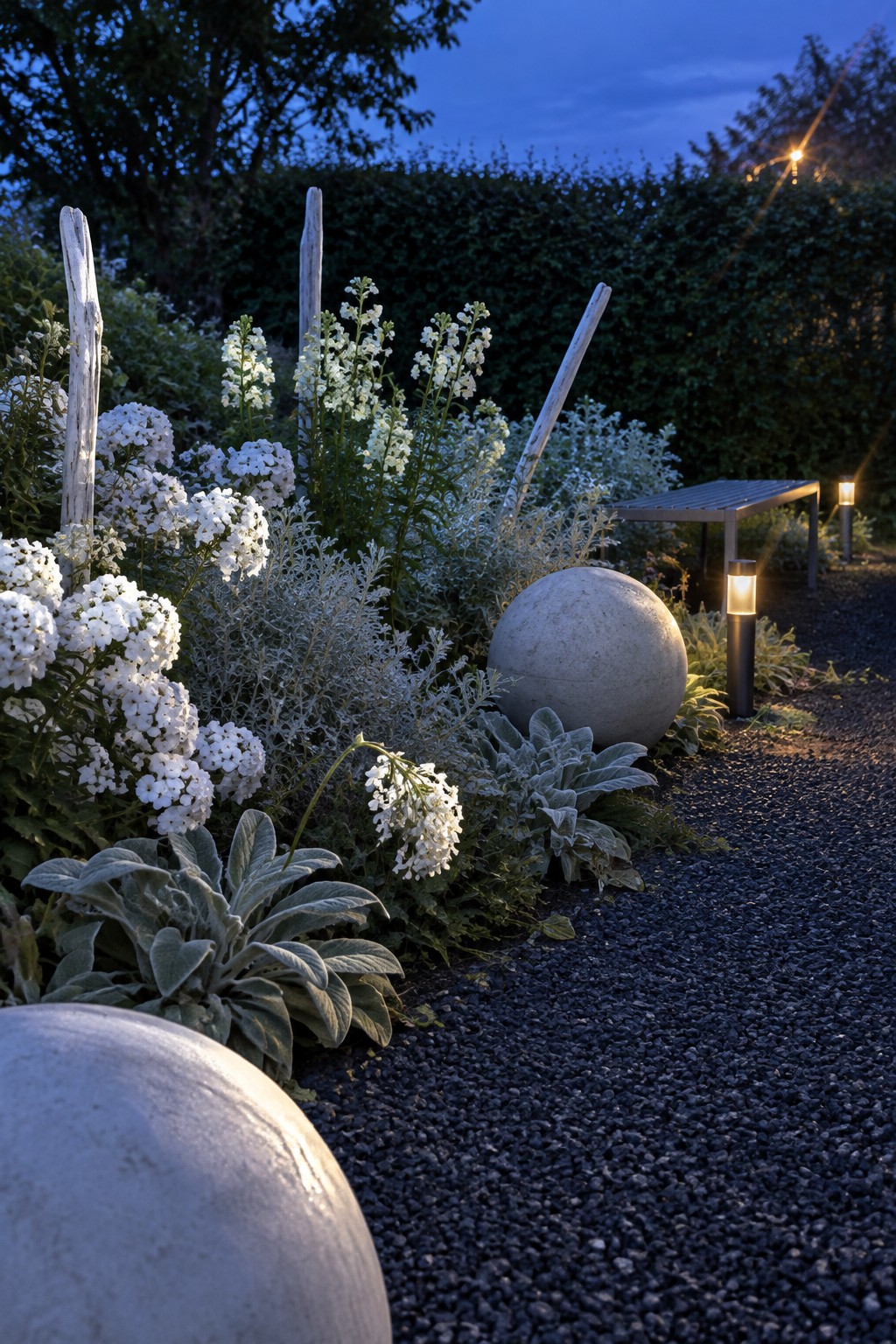
White blooms paired with silver or gray leaves give a flower bed a soft, bright look that holds up well even as light fades. The plants reflect what little light is around, so the bed stays visible without needing extra color or constant upkeep. This mix also tends to hide gaps as the season goes on.
It works best along paths or at the front of a border where you want something simple and low maintenance. Use taller white flowers toward the back, silver foliage in the middle, and lower gray leaves at the edge. Gravel or dark mulch underneath keeps the focus on the plants and cuts down on weeding.
Repurpose Containers For Flower Beds
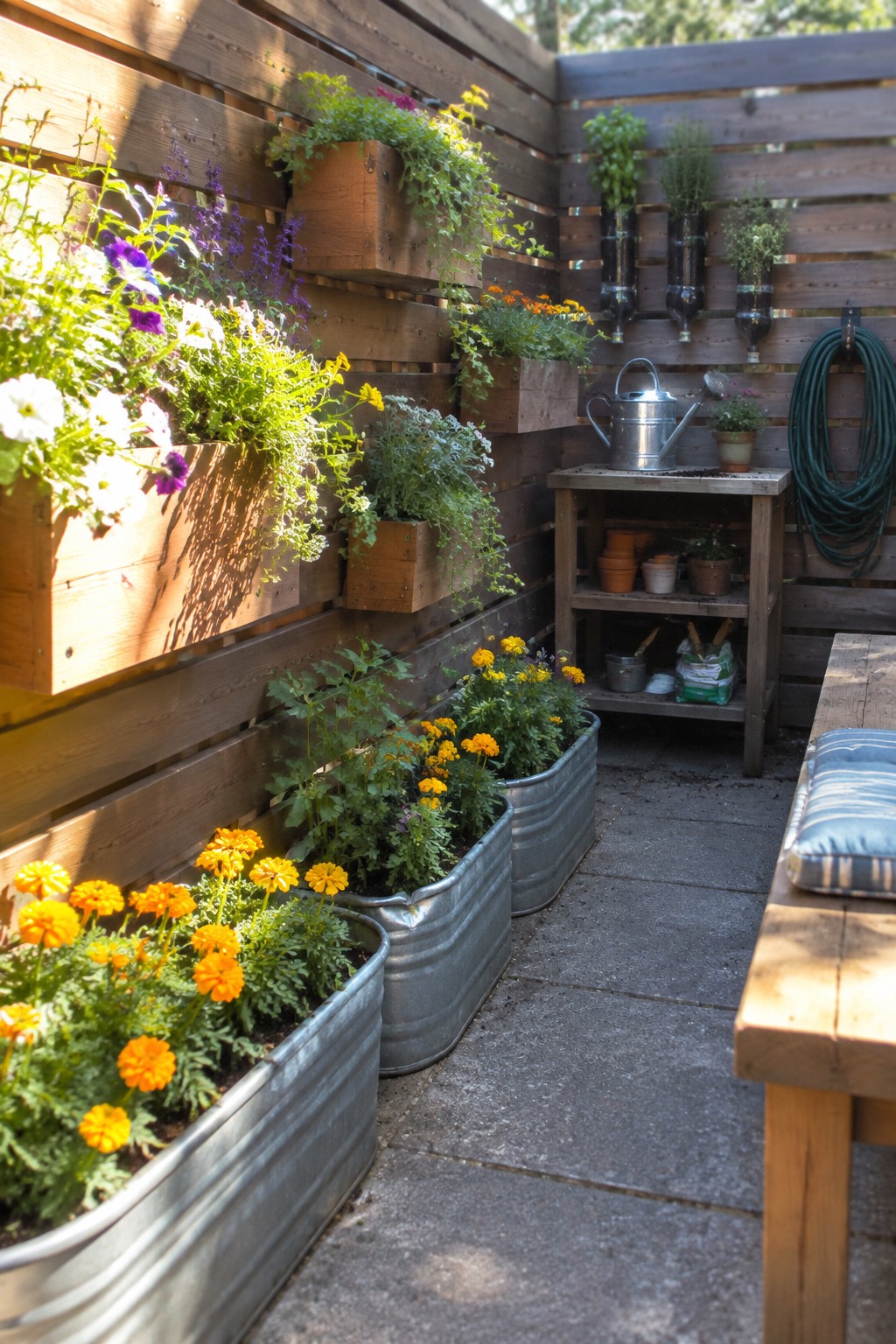
Many people like using old containers because they skip the need for building beds from scratch. Wooden boxes and metal troughs already hold soil well and can sit right on the ground or hang on a wall.
This works best in small yards or along fences where space is tight. Start with a few sturdy containers, drill some holes for drainage, and set them in a row to create a simple planting area without much cost.
Placing a Large Pot in Your Flower Bed
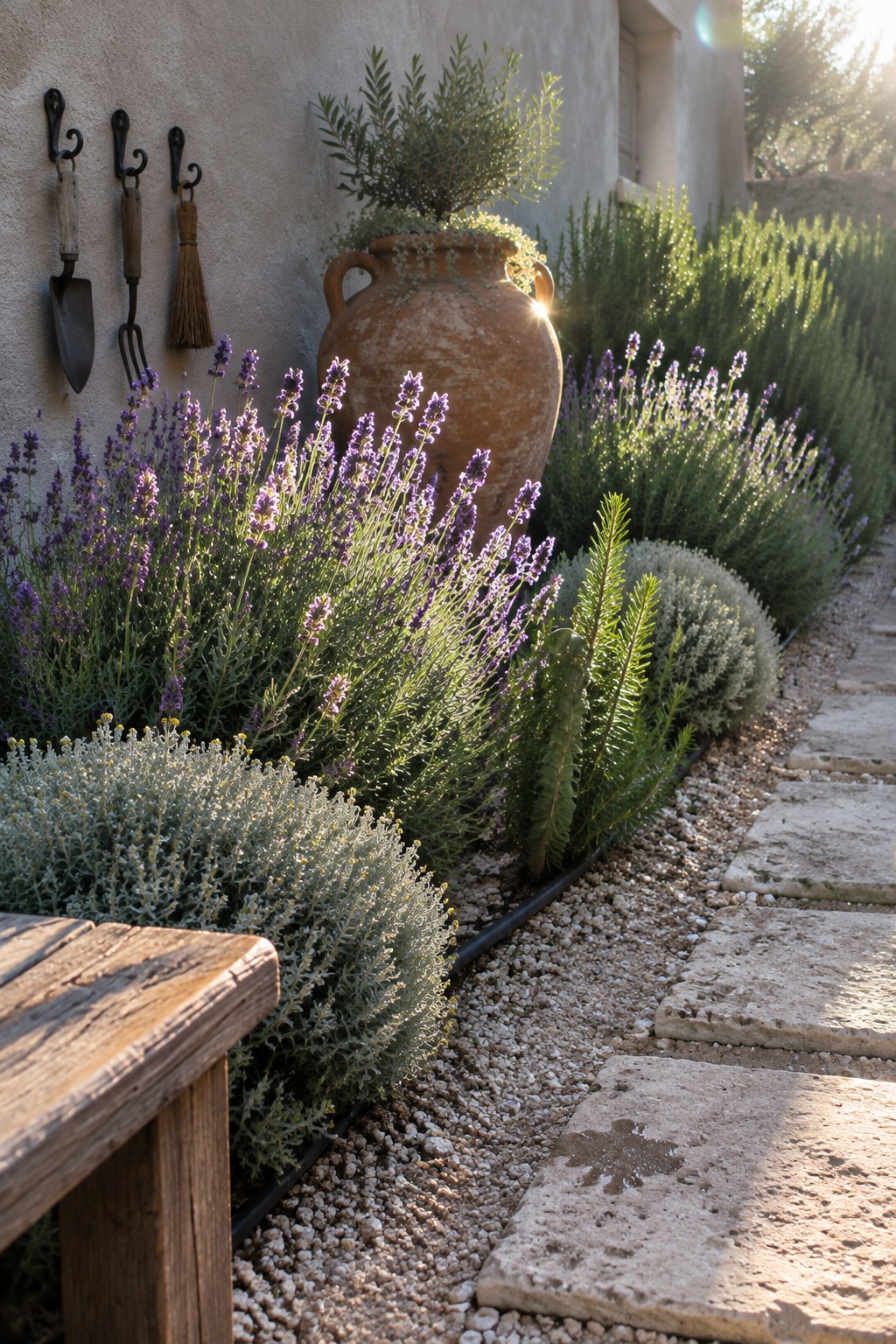
A big pot gives a flower bed a clear center without much extra work. It adds height right away and helps keep the planting from looking flat or scattered, especially when you fill the bed with lower plants around the base.
This setup works best in sunny areas with gravel mulch and plants that do not need constant water. Set the pot on a level spot so it stays steady, and choose one big enough to stand out once the surrounding plants grow in.
Define Flower Beds with Simple Edging
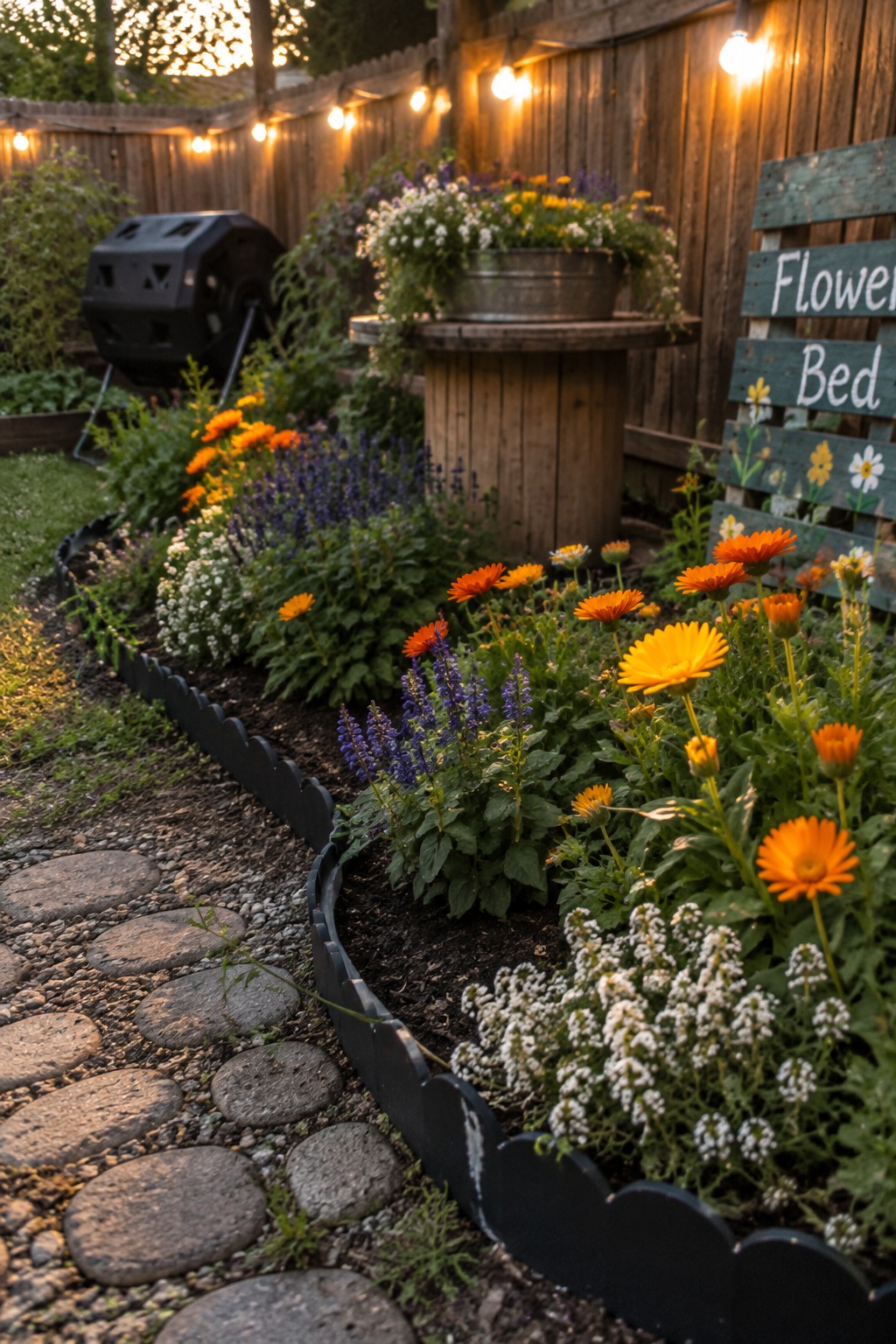
Adding a border around flower beds is one of the easiest ways to make them look intentional and neat. The black scalloped edging here keeps the soil in place and creates a clear line between the plants and the stepping stone path.
This approach works best in smaller yards where you want structure without a big budget. You can buy the edging by the roll and cut it to fit any shape, which makes it useful for both straight and curved beds. Just make sure the top sits slightly above the soil so it stays visible over time.
Plant Native Flowers for Pollinators
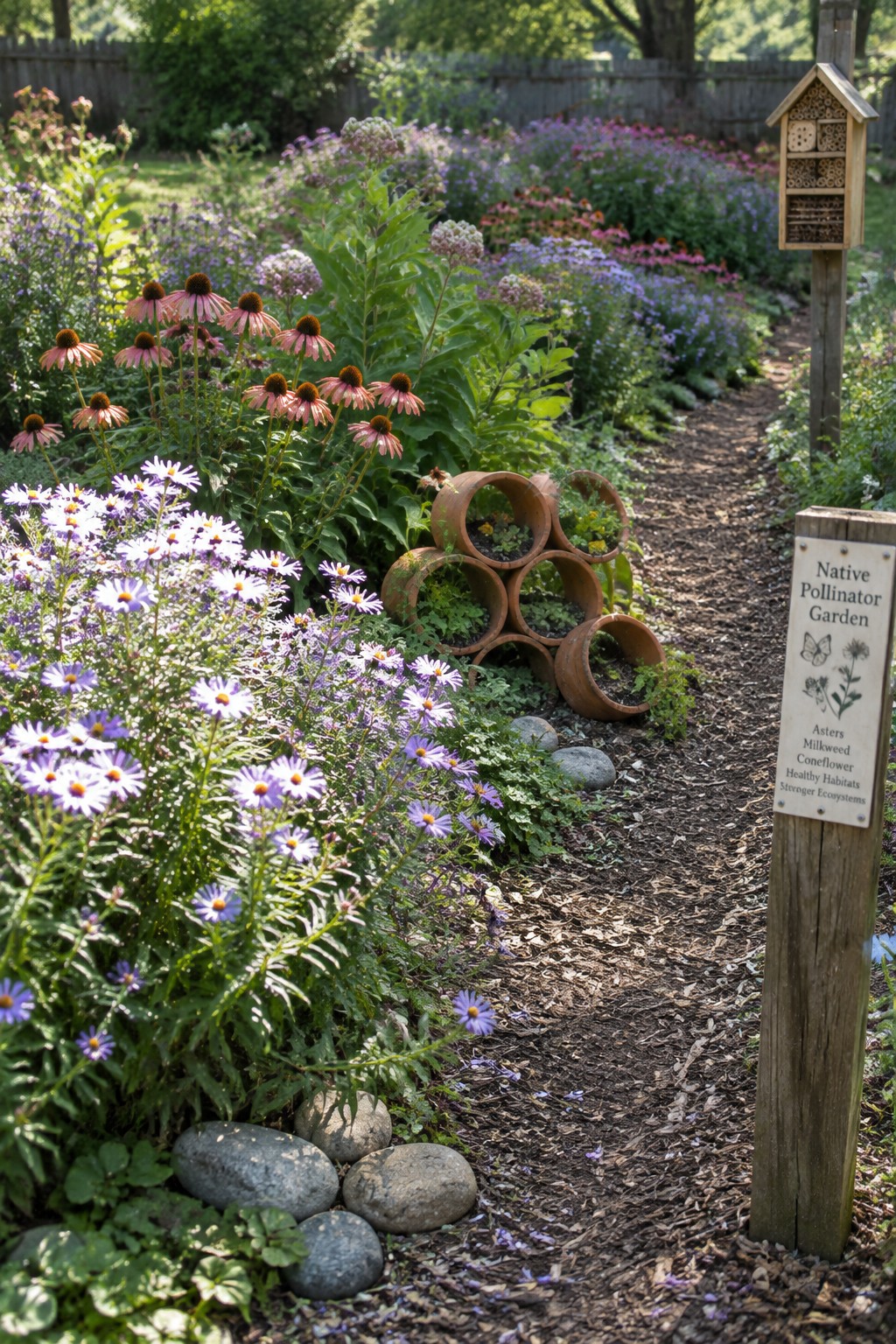
Native plants like coneflowers and asters make a flower bed feel full and lively with very little upkeep. They draw in bees and butterflies, bloom over a long stretch, and tend to handle local weather better than fussy annuals.
Start with a few reliable varieties such as milkweed and asters, then tuck them into a simple bed edged with rocks or old pipes. This approach works well along paths or in side yards where you want color without high costs or daily care.
Stepping Stones In Gravel Beds
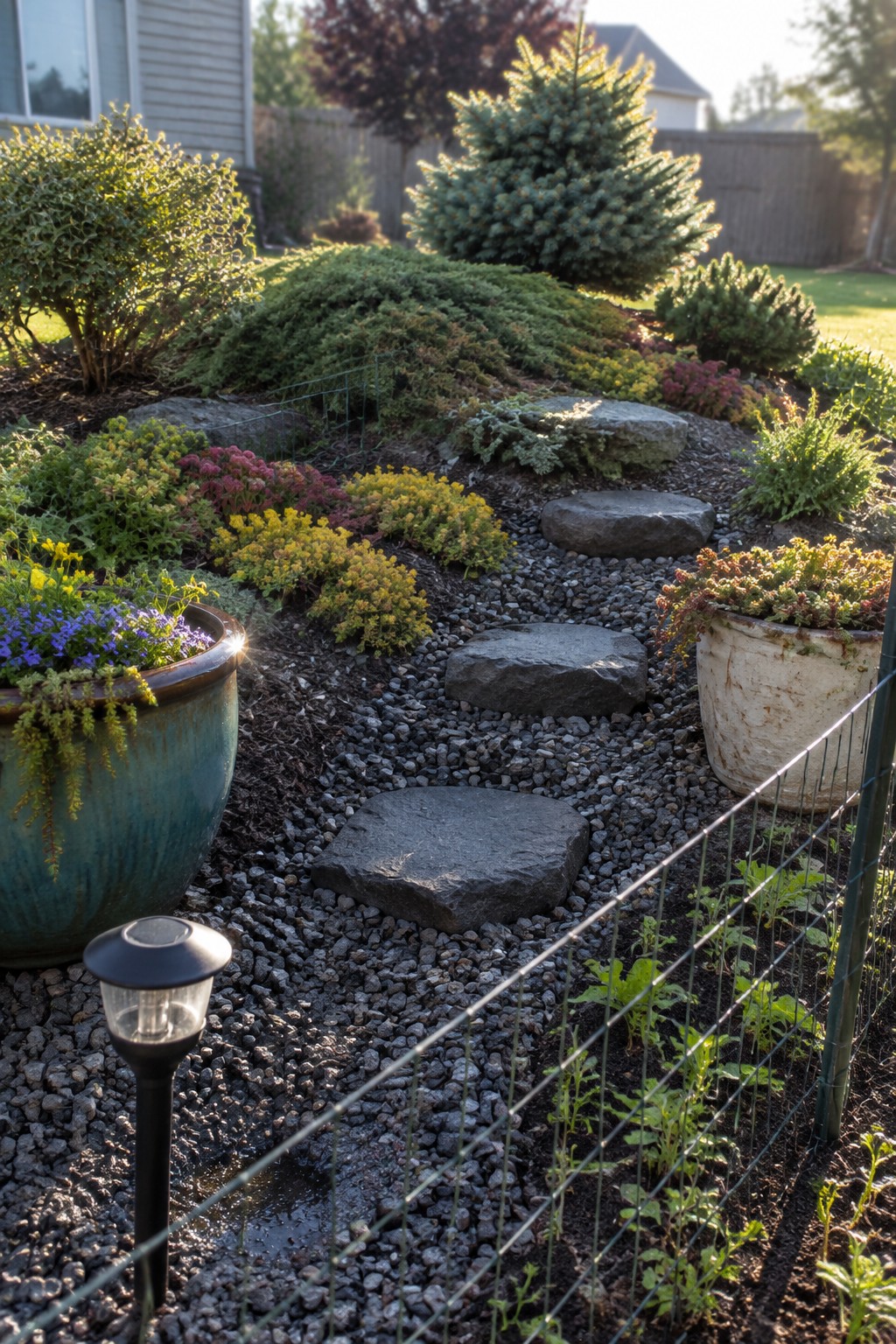
Stepping stones set into gravel make a simple path that lets you move through flower beds without trampling plants or creating mud. The flat stones give solid footing while the gravel fills in around them and helps with drainage.
This setup works best along a house border or in a long backyard strip where you need occasional access. Keep the stones spaced for a natural stride and use whatever gravel is cheapest in your area.
Build a Simple Stone Path Beside Your Flower Beds
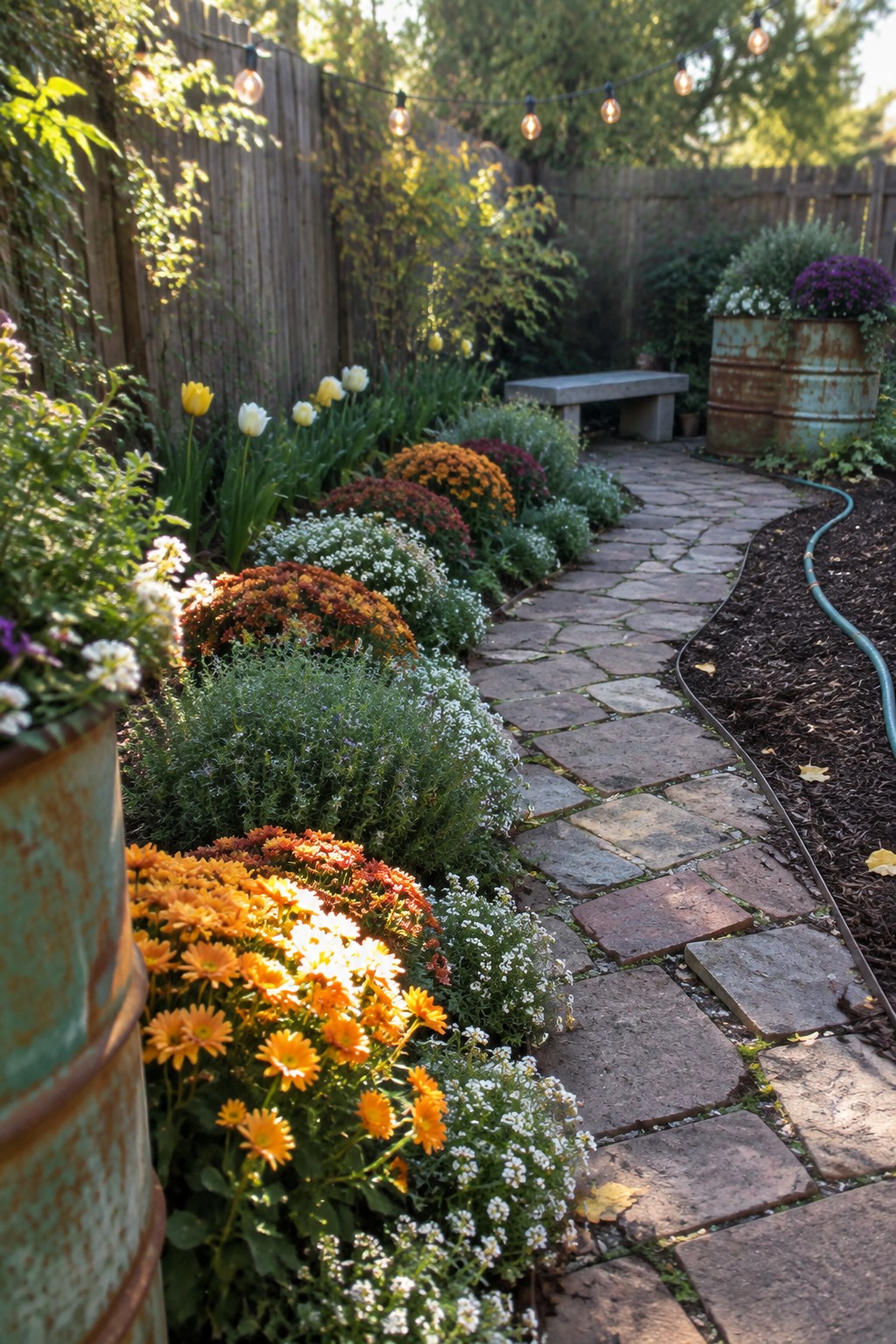
A stone path next to layered flower beds gives the garden clear structure and makes it easier to walk through without trampling plants. The hard surface also keeps the beds looking neat even when the flowers are still growing in.
You can lay flat stones or pavers yourself over a weekend using basic gravel base and sand. This approach works best in long narrow spaces or along a fence where you want an affordable way to separate planting areas and create a steady walking route.
Frequently Asked Questions
Q: How do I stop weeds from taking over my flower beds? A: Lay down a thick layer of newspaper or cardboard before adding mulch. This blocks light so weeds can’t sprout easily. Check the edges every few weeks and pull any that sneak through.
Q: How do I fix clay soil so flowers actually grow? A: Dig in plenty of compost or aged manure to loosen it up. This improves drainage and adds nutrients plants need. Test a small spot first before doing the whole bed.
Q: Do I need to replace the soil every year in these beds? A: No just top it off with fresh compost each spring. The existing soil builds up over time with your additions.
