

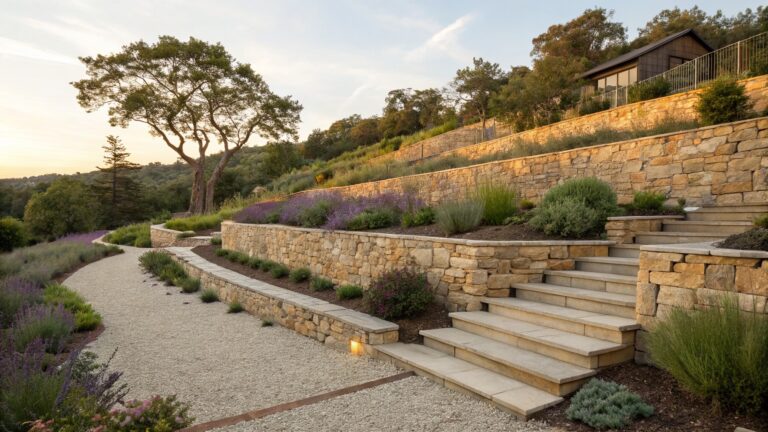
I’ve noticed how a sturdy retaining wall can transform a sloped yard from a muddy hassle into a series of neat terraces that support paths and plantings just right.
Those rock ones especially stand out because they let water drain naturally and settle into the landscape over the years without much upkeep.
In one yard I worked on, adding a low rock wall along the edge made the whole planting structure feel more deliberate and stopped erosion before it started.
They grab attention first for their solid presence that frames everything else.
A couple of these designs make me want to measure my own hill and adapt them, since they balance holding power with a look that actually improves with age.
Stone Retaining Walls with Integrated Steps
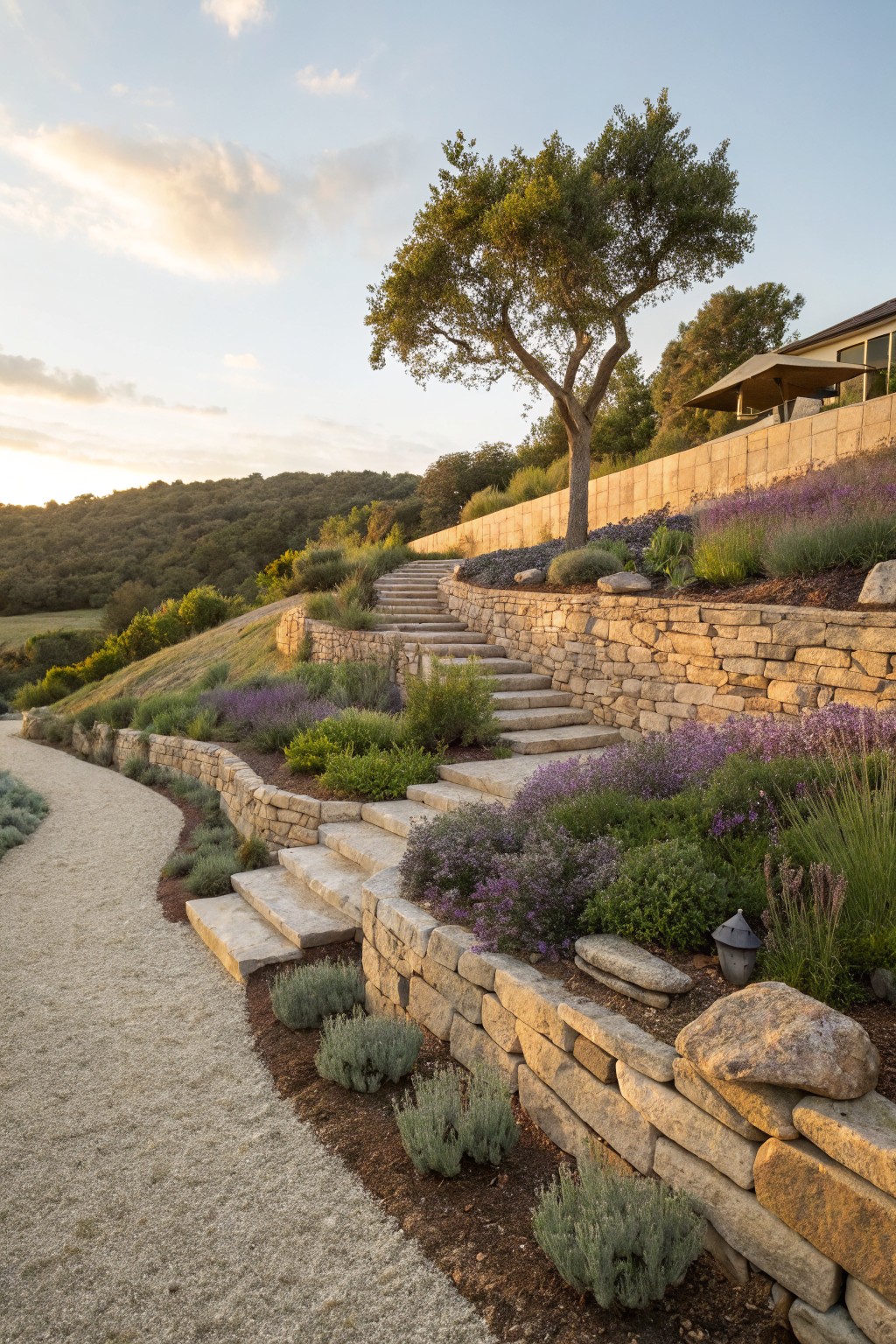
One solid way to handle a sloped yard is building retaining walls from natural stone blocks that also form the steps. You see the walls curving gently, stacked dry without mortar, and the steps just tuck right in between levels. Lavender bushes and grasses fill the pockets along the edges, keeping soil in place while adding some color and texture that doesn’t fight the stone.
This setup works best on hillsides where you need both support and access to upper areas. Pick stone from nearby quarries so it blends with the land and holds up over time. It’s low fuss once planted with tough drought lovers… suits most any home with a drop in grade, but check local codes for taller walls.
Curved Stone Retaining Walls for Sloped Yards
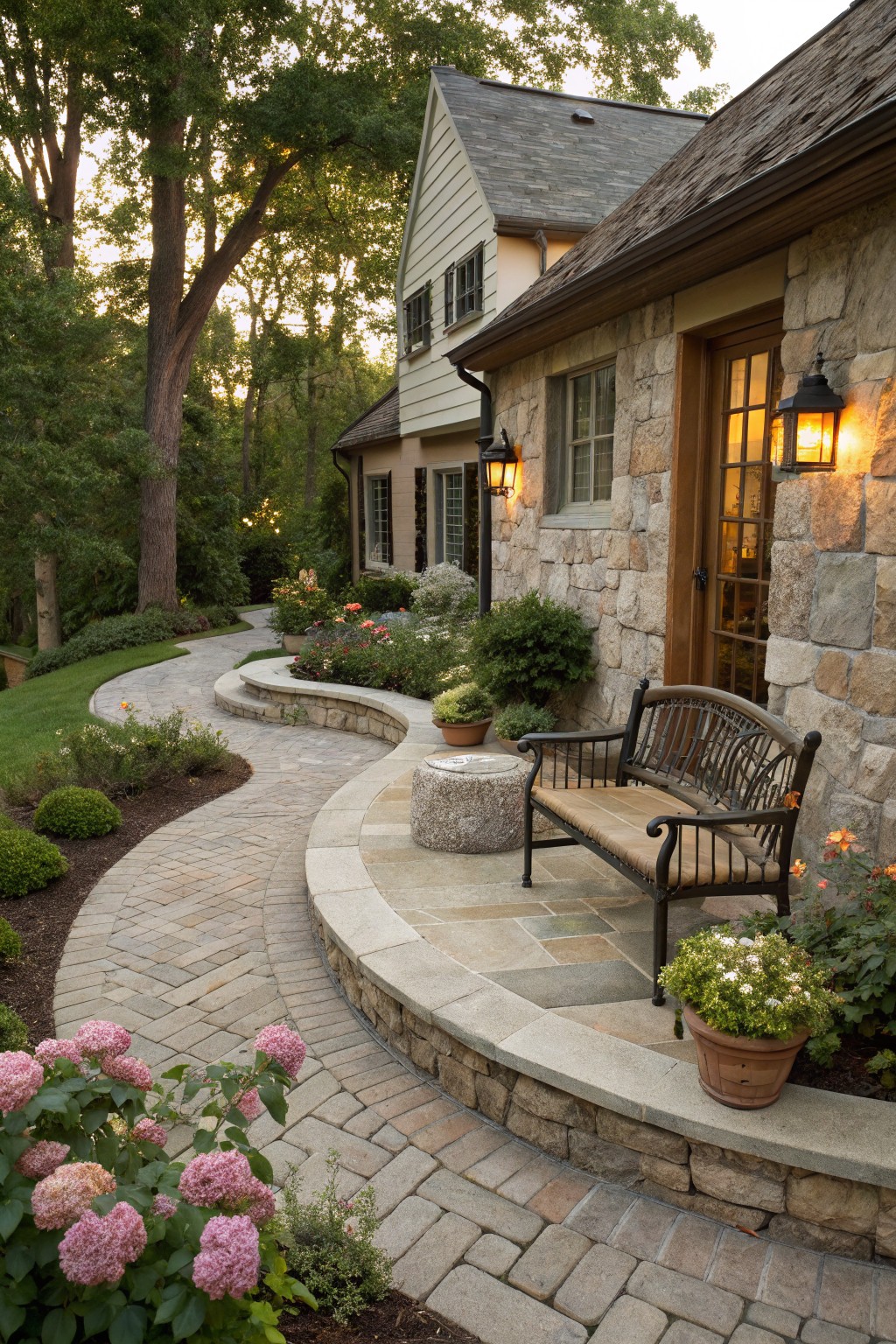
A good retaining wall like this one uses rugged natural stone blocks stacked into a gentle curve. It holds the slope steady while carving out flat spots for plants and steps. That shape softens the whole look. No sharp edges here. Just follows the land naturally.
Build one where your yard drops off. Line the base with gravel for drainage. Top it with pavers that match the wall color. Add a simple bench at the landing spot. Fits older homes with wooded lots. Watch the height though. Taller needs engineer checks.
Tiered Stone Retaining Walls for Sloped Yards
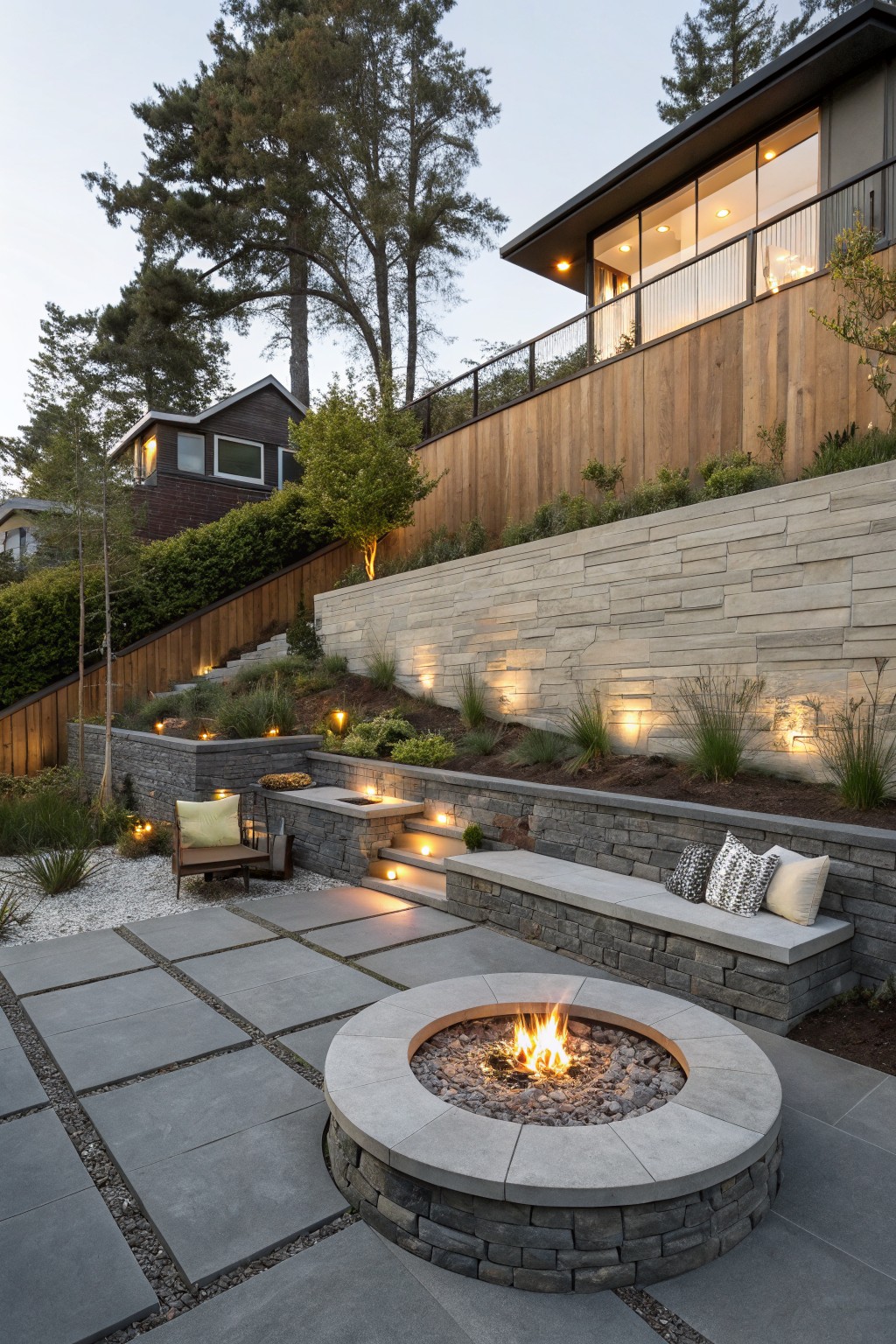
Sloped backyards can feel tricky to use. These tiered stone retaining walls fix that by carving out flat levels right into the hill. Built from rugged gray rock, they hold back soil without looking bulky. Small plants and grasses tuck into the pockets, and simple steps connect each terrace. It turns a steep drop into spots for seating or a fire pit patio.
This setup works best where you have a good-size slope and want low-maintenance hardscaping. Pair the walls with pavers below for easy walking. It suits modern homes or wooded lots. Just make sure the stones are set deep for stability, especially if you’re adding weight like benches.
Natural Boulder Retaining Walls for Slopes

Large boulders stacked into a retaining wall like this one hold back soil on a steep coastal slope without looking forced. The rounded rocks fit together naturally, and with stone steps running alongside, it creates a path that’s sturdy and easy to climb. Plants tucked into the gaps add some green without much upkeep.
This works best in hilly yards or anywhere the ground drops off sharply. Use local stones for that seamless look, and keep plantings low like succulents or grasses so they don’t push against the rocks. It’s practical for erosion control too… just make sure the base is wide enough for stability.
Natural Stone Retaining Walls on Slopes
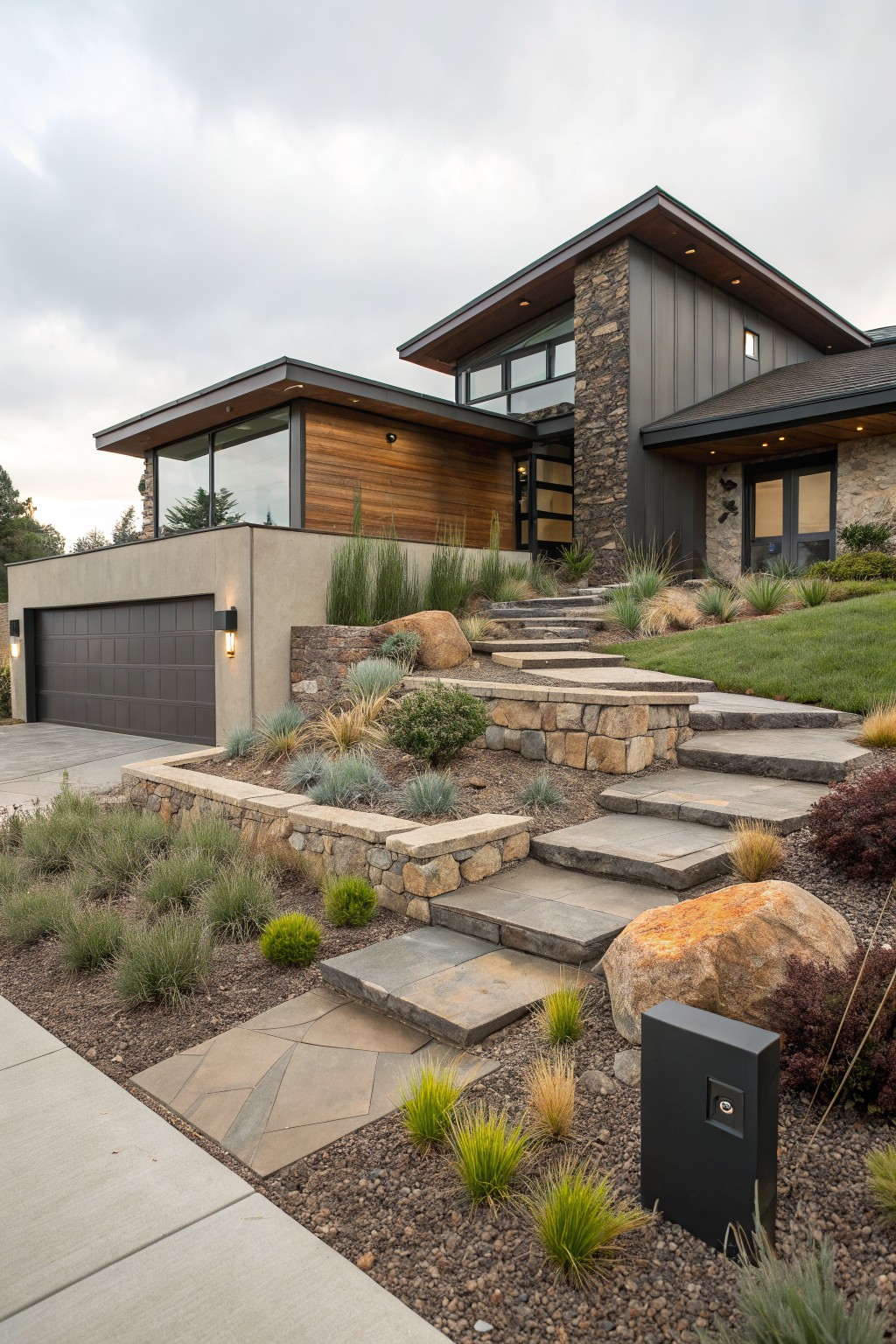
When you’re dealing with a sloped yard like this, natural stone retaining walls do a solid job of holding everything in place. Stacked without mortar, they let soil and plants tuck right into the gaps for that seamless, rugged feel. Big boulders placed just right add weight and interest without trying too hard.
These work best around modern homes built into hills, where you need steps up to the entry anyway. Match the stone to your house siding or accents for better flow. Just make sure you plan for drainage behind the walls, or they’ll shift over time with rain.
Natural Stone Retaining Walls for Sloped Yards
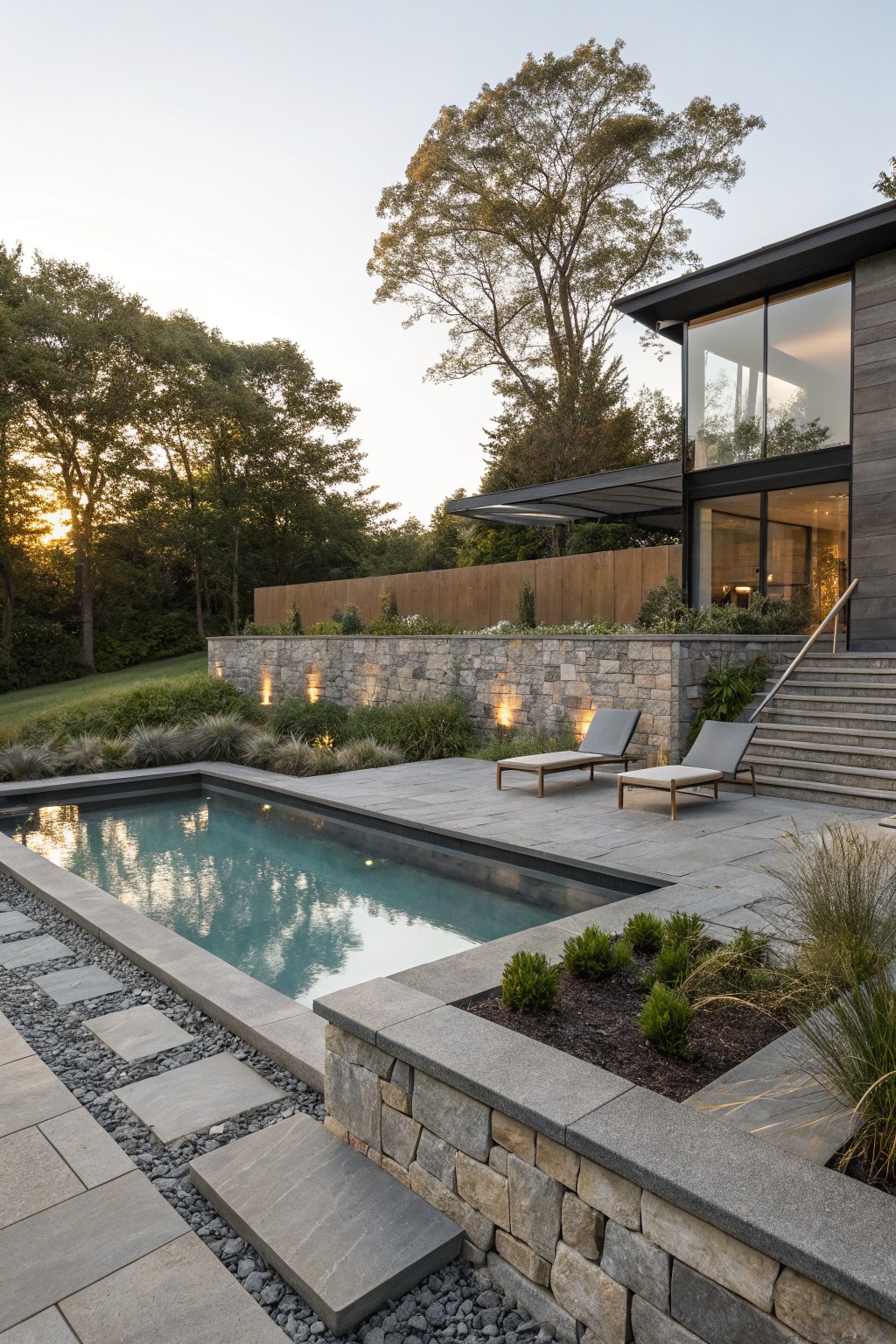
These sturdy stone walls do a great job holding back a hillside while making room for a flat pool terrace. You see them here supporting the pool edge and steps, with slate pavers stepping down neatly. They mix right in with the modern house lines, keeping everything from looking too steep or messy. The rough texture of the rocks adds some natural feel without taking over.
Try this setup on any backyard with a slope where you want a pool or patio level spot. It works best for mid-sized homes that need practical yard space. Stack local fieldstone or similar for low upkeep, and add low-voltage lights along the base like these for evening use. Just make sure the engineer checks the height and drainage to avoid shifts over time.
Stone Retaining Walls with Built-In Steps

On sloped yards like this one, stone retaining walls can turn a tricky hill into useful space. They hold back the earth while forming steps that lead straight to the deck above. Rough fieldstone fits right in with the woods, and planting ferns along the edges keeps soil in place without much fuss.
This idea suits homes tucked into hilly or forested spots. Stack the stones dry or with minimal mortar for drainage, then curve the walls to follow the land’s shape. Add a flagstone path between steps for footing, and lanterns at key spots light the way at dusk. It stays solid for years.
Low Stone Retaining Walls with Steps

These low walls built from rough beige stone handle small level shifts in a courtyard without looking heavy. They hold gravel beds steady and let you tuck in potted plants along the top. Steps carved right into the walls make everything flow easy, and it keeps soil from washing away in rain.
Put them to work on gentle slopes around patios or entries where you want structure but not bulk. They suit homes with a bit of rustic style, like Mediterranean or Southwestern looks. Skip tall versions unless the drop needs it, and add gravel below to cut down on weeds.
Rock Retaining Walls Around Entry Steps
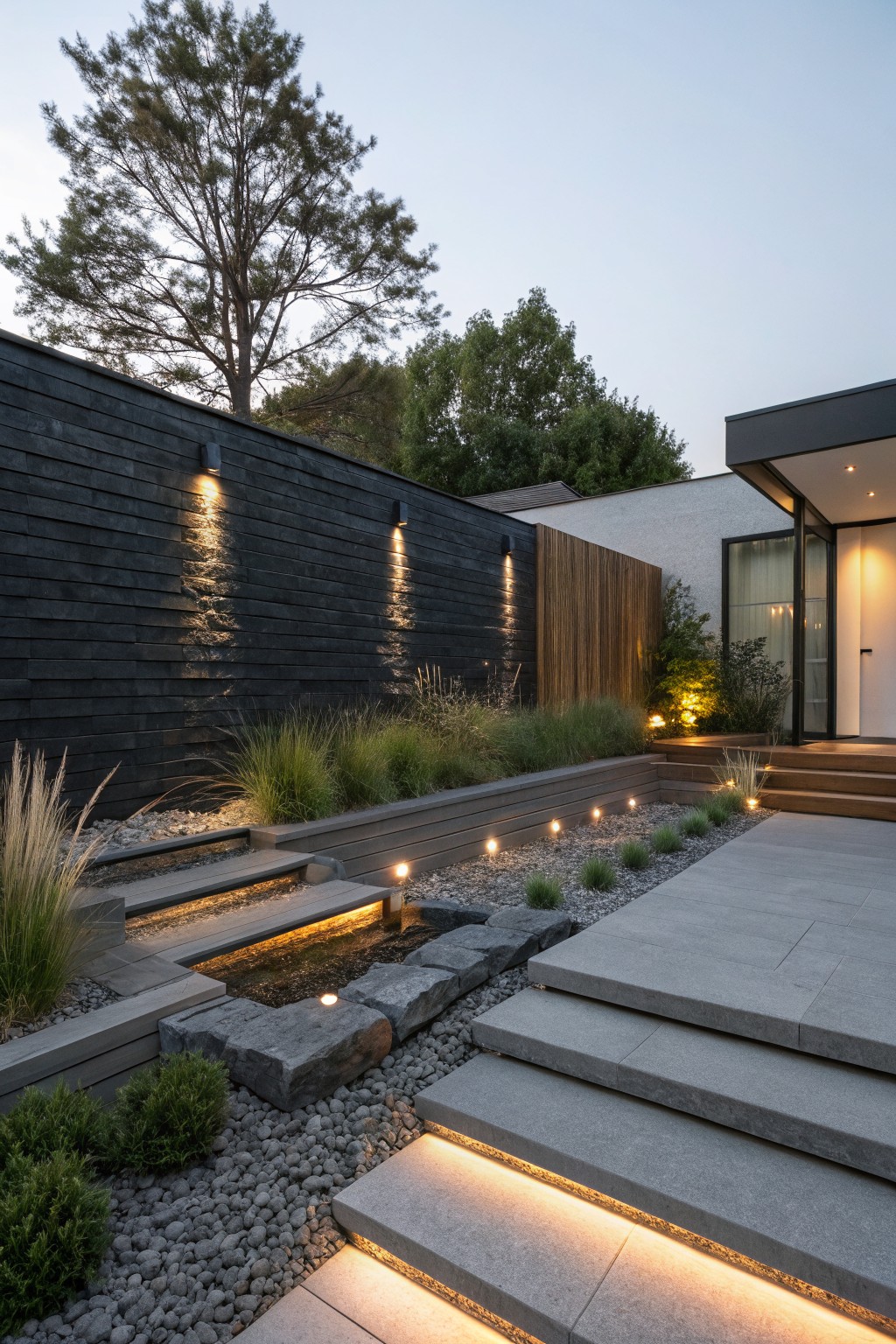
These rock retaining walls use stacked, rough-cut stones to hold back soil and gravel beds right at the edge of the house entry. They give the sloped yard some solid structure without looking too formal. The stones fit right in with the modern lines of the house, and small lights tucked into the rocks make the path safe and pretty at night.
You can pull this off on any moderate slope leading to a patio or door. Pick stones that match your local area for real durability, then fill the beds with tough grasses and gravel to cut down on weeding. It suits homes with clean architecture that need a bit of rugged yard definition. Just make sure the base is level so the wall stays put over time.
Terraced Stone Retaining Walls for Slopes
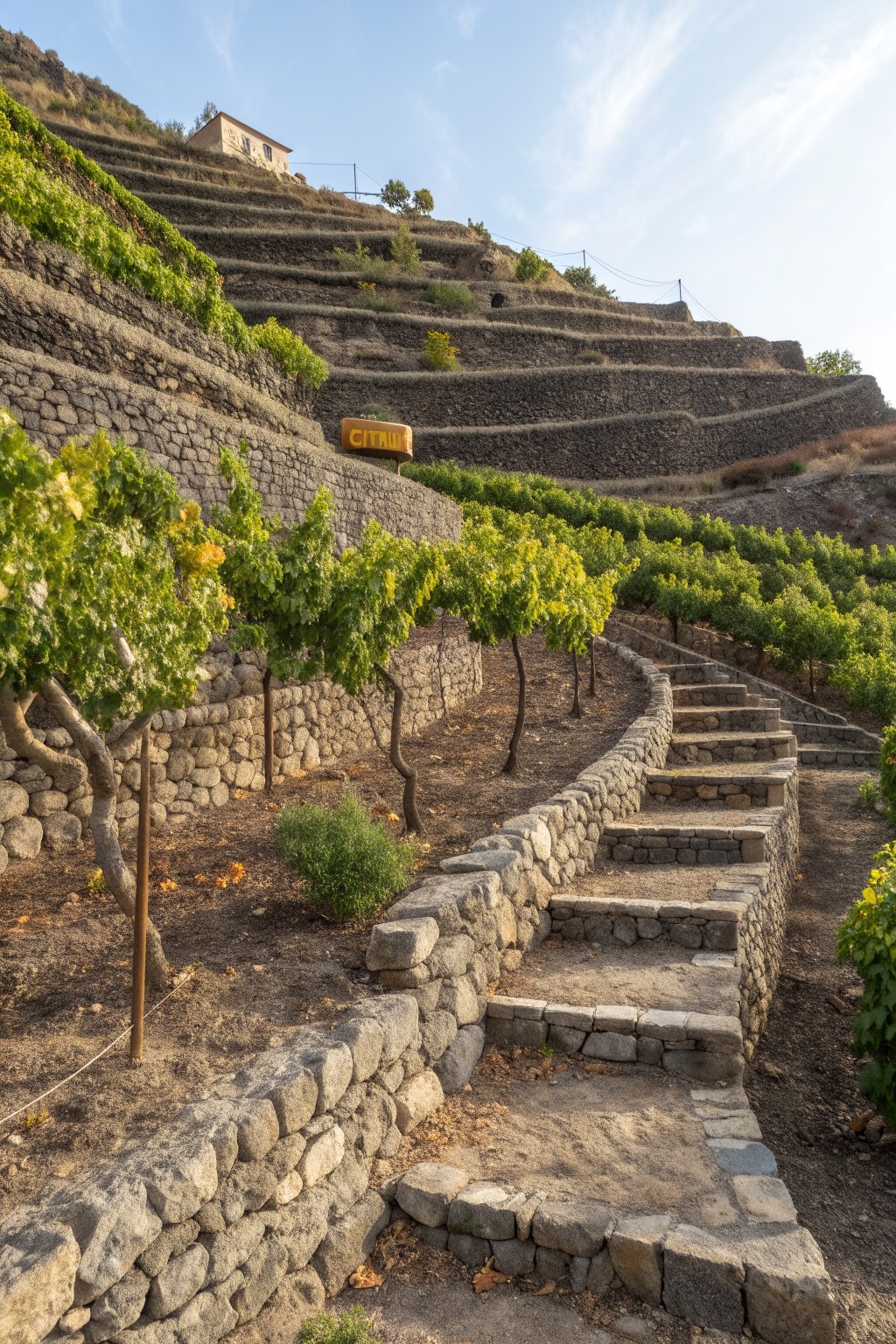
One solid way to handle a steep hillside is with terraced retaining walls built from rough local stone. These walls create flat planting beds that hold soil in place year after year, like you see here with the grapevines tucked right into the terraces. The dry-stacked look blends right into the landscape, sturdy without looking forced.
Use this setup on any sloped yard where you want more usable space for gardens or paths. It works best on smaller hills, not huge drops, and pairs well with drought-tolerant plants. Just build wide enough bases and check for good drainage to keep things stable over time.
Stone Retaining Wall Builds Out a Kitchen Terrace

A solid stone retaining wall like this one takes a sloped backyard and turns it into a flat spot for an outdoor kitchen. The rough rock texture holds back the hill while giving a spot for the grill, cabinets, and counter. It feels sturdy and fits right with the natural surroundings, no fussy maintenance needed.
This works best on lots with some drop-off where you want cooking space without losing yard. Tuck the kitchen units against the wall to save room, and plant low stuff along the base for a softer edge. Skip it if your slope is super steep, unless you bring in an engineer first.
Terraced Rock Walls Hold Slopes in Garden Paths
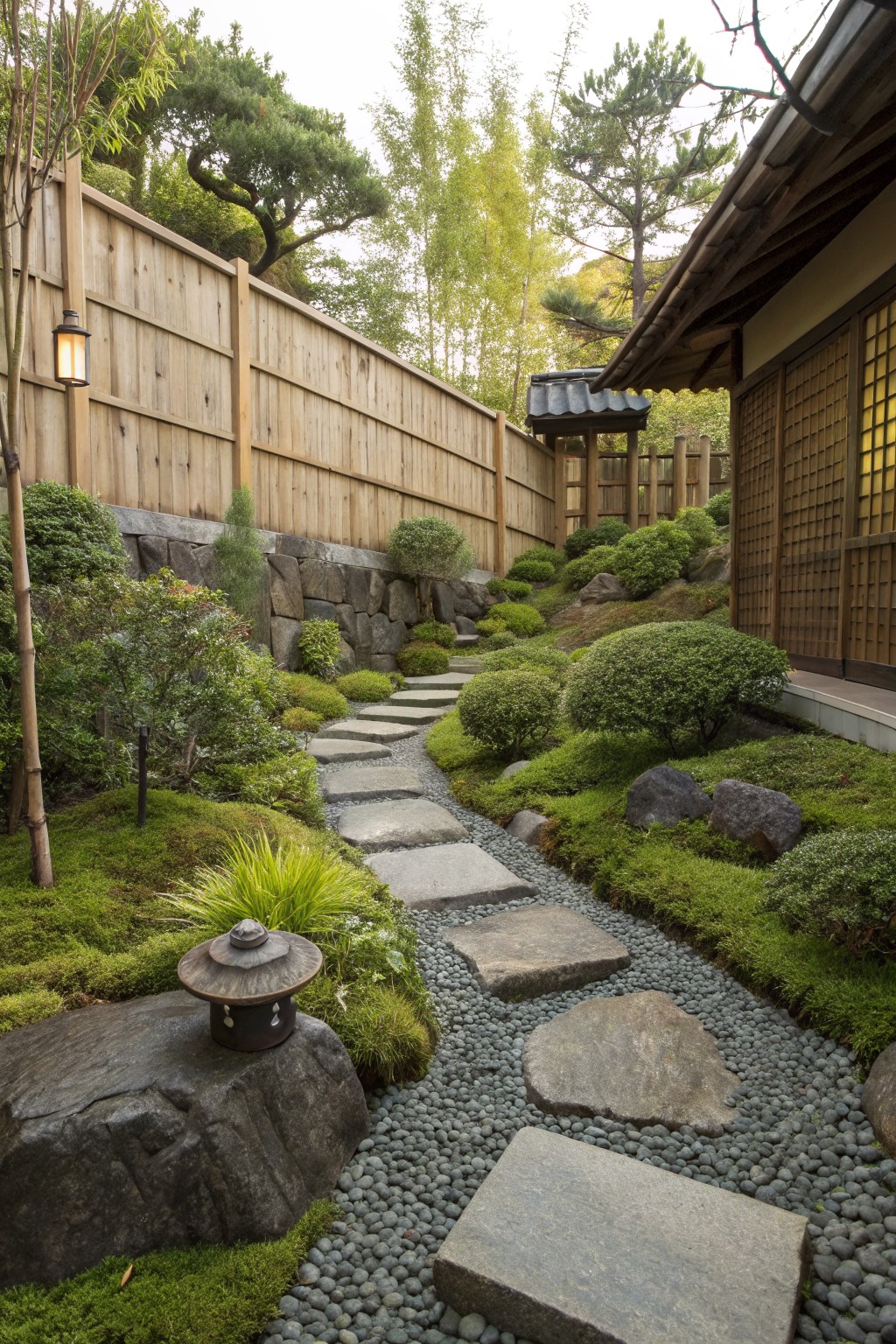
These rock retaining walls do a solid job of terracing a sloped yard. Built from rugged, irregular stones stacked right into the hill, they keep soil in place while letting plants tuck in around the edges. Moss creeps over them naturally, and the whole thing supports a simple stepping stone path without looking forced. It’s practical for uneven ground, and the texture adds real interest up close.
You can pull this off in any backyard with a drop, especially if you want low upkeep. Pick stones that match your area’s rock types for longevity, stack them dry or with minimal mortar, and plant ground covers to soften. Suits Japanese gardens or just casual natural yards. One thing, make sure water drains well behind to avoid shifts over time.
Terraced Sandstone Retaining Walls
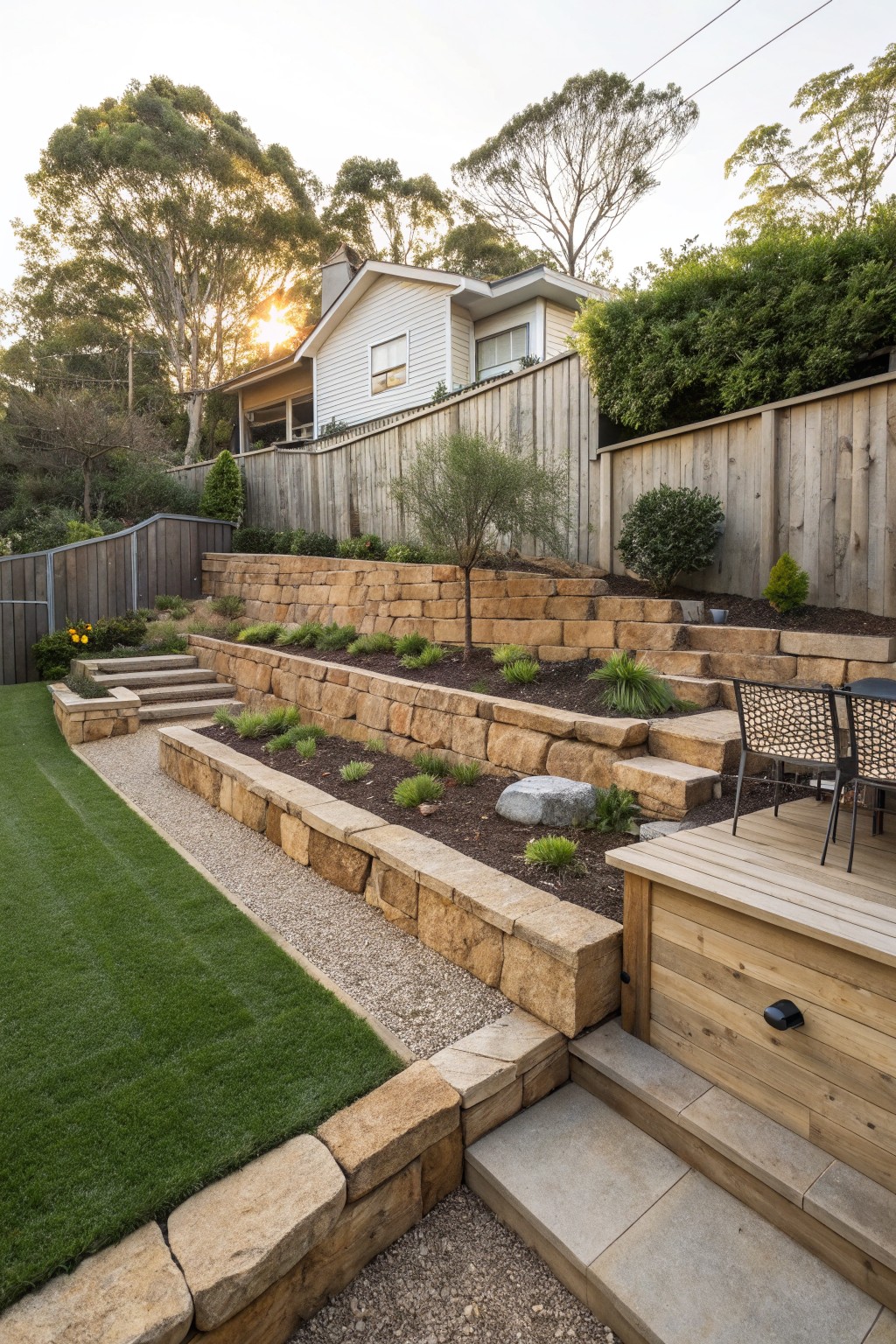
Sloped backyards can be tricky. These sandstone walls fix that by stacking into terraces that hold soil steady and make flat spots for plants or paths. The rough blocks fit right into a natural look, with grass edging one side and a few trees up top for scale.
You see them here stepping down to a deck area. They suit homes on hills where you want low upkeep. Tuck in tough plants that fill the pockets, keep steps wide for easy walking. Just make sure the base is solid to handle rain runoff.
Terraced Stone Retaining Walls with Waterfalls
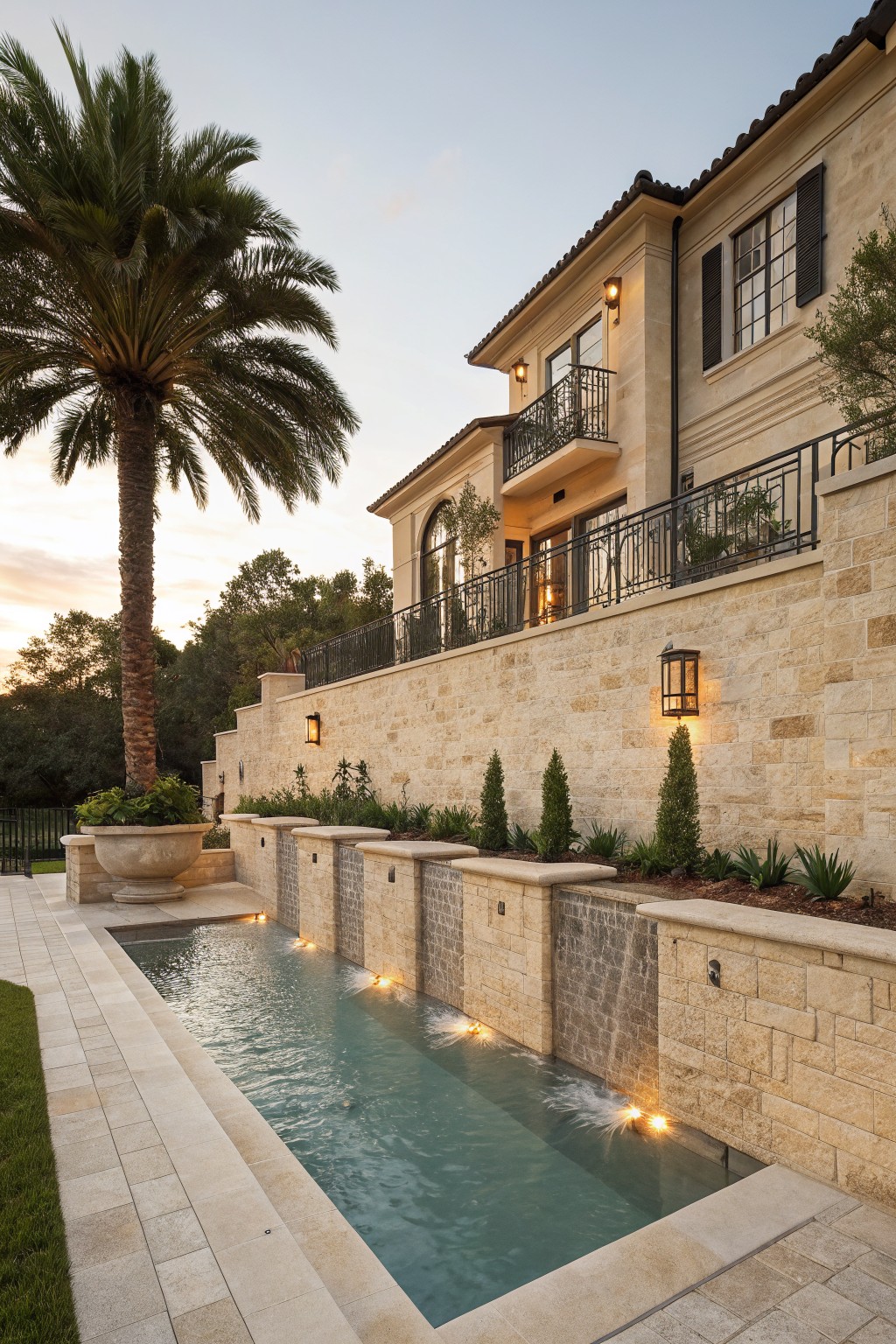
These retaining walls step down a slope using hefty limestone blocks that look right at home in a warmer climate. Waterfalls cascade from niches in the walls right into a long pool below, giving the yard some gentle motion and sound. The setup holds soil back solid while making the space feel put-together and alive.
You see this kind of wall on lots with a good drop, maybe 10 feet or so, where flat ground isn’t an option. Pair it with simple plants along the edges and low lights in the stone for evenings. It suits bigger homes that blend into the landscape… just make sure the water system’s easy to maintain so it doesn’t turn into a headache.
Boulder Retaining Walls for Sloped Paths
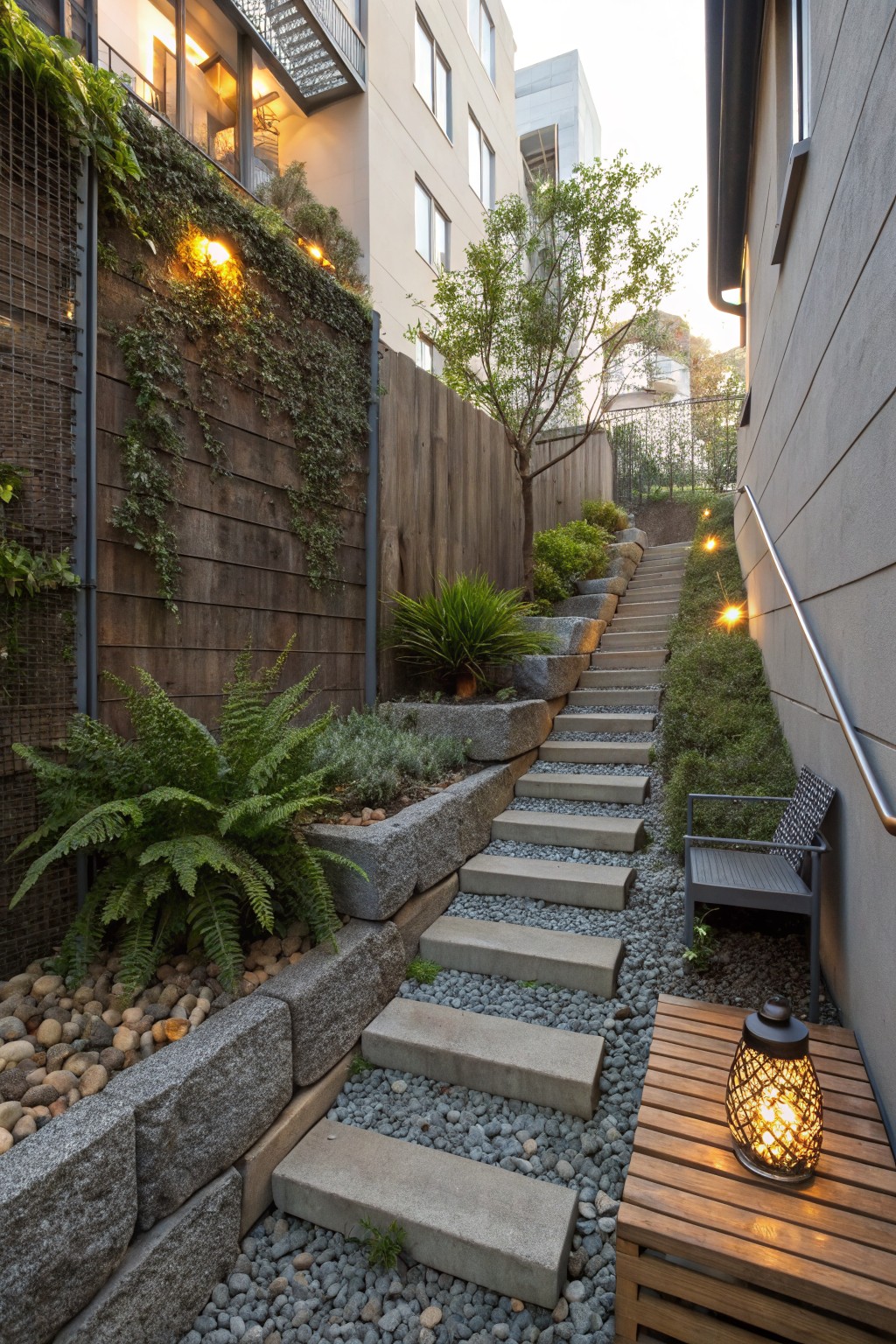
Big granite boulders stacked into retaining walls like this make a solid base for any steep walkway. They hold back the soil without looking forced, and the rough texture fits right in with plants tucked into the gaps. It’s a practical pick that lasts through weather and roots pushing around.
Use them in narrow side yards or up to a backyard deck where space is tight. Pair the steps with gravel fill and low ferns for easy upkeep. Slopes under 10 feet work best, and add weep holes if your area’s rainy.
Stone Retaining Walls for Sloped Gardens
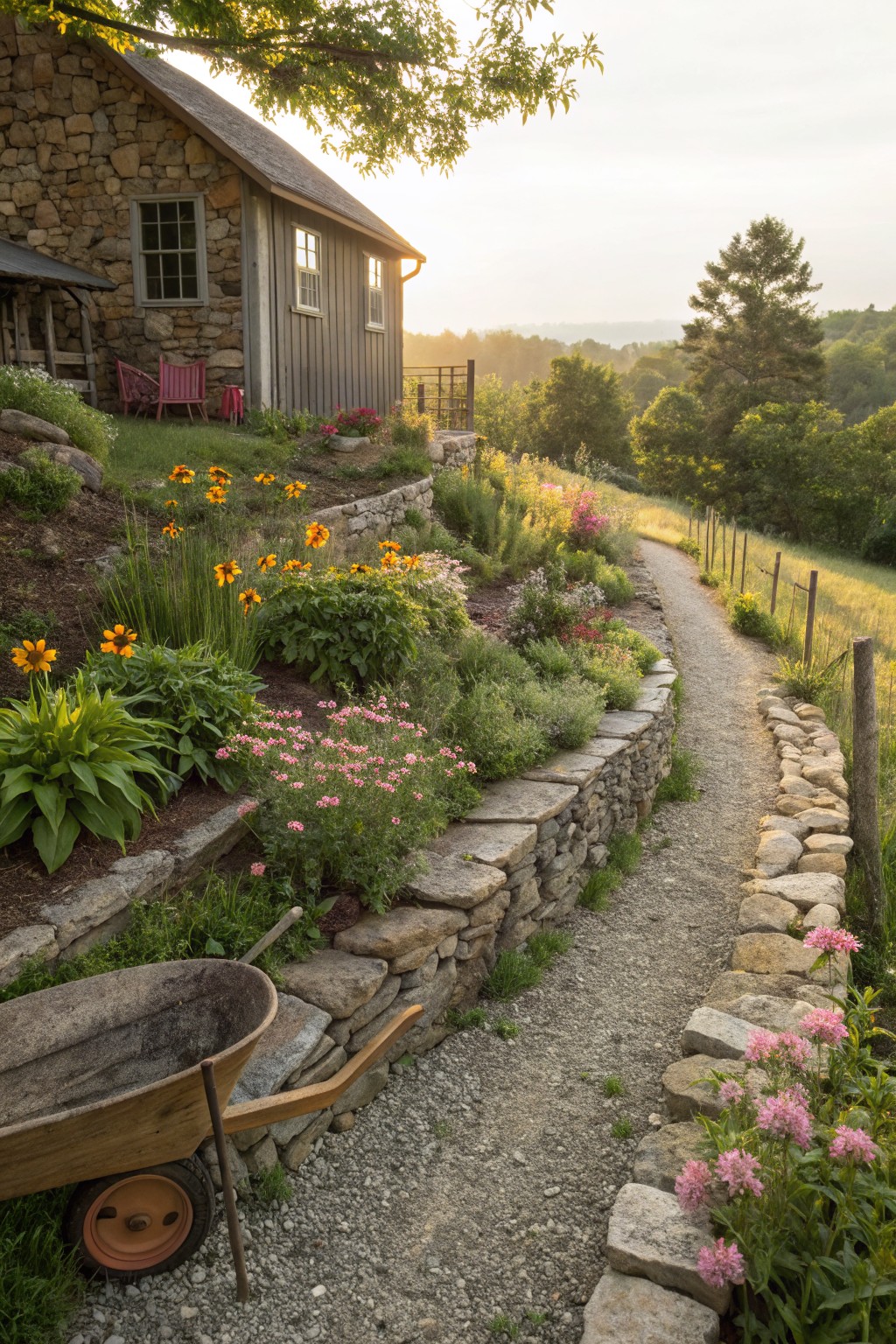
These walls do a solid job of turning a hillside into usable garden space. Stacked from rough fieldstones, they hold back the soil while letting plants like black-eyed Susans and pink astilbe tumble over the top. That mix keeps things sturdy but not stiff. The gravel path winding alongside pulls it all together for easy walking.
You can use this setup on any moderate slope near a house or cabin yard. Source local rocks to match your site, stack them dry for drainage, and plant perennials that root in well. It suits country homes best… watch for steeper drops that might need engineering help.
Low Stone Retaining Walls Stabilize Entry Slopes
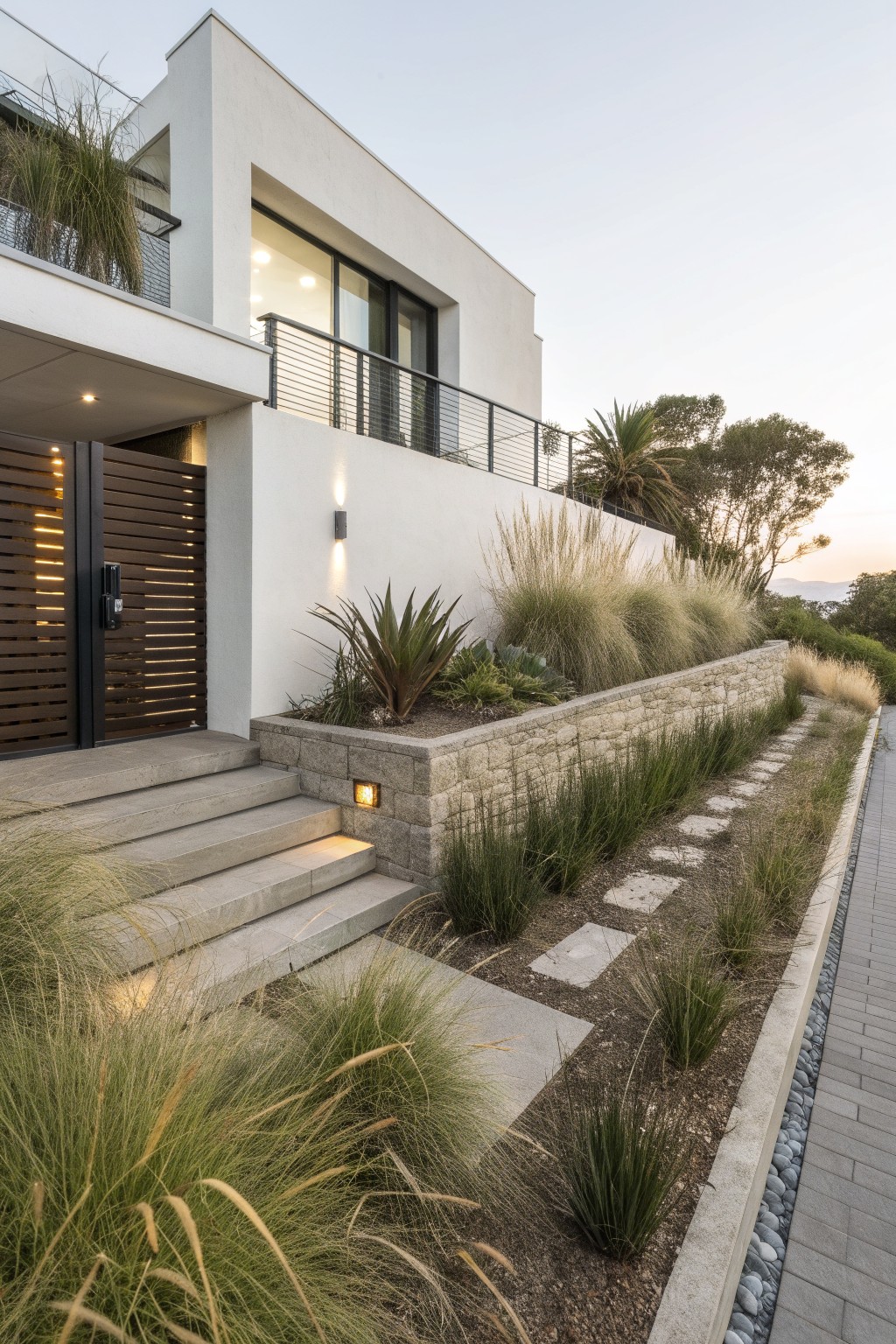
A simple low stone wall like this one holds back a gentle slope right next to the driveway and entry steps. Built from rugged beige rock, it creates flat planting beds where tall ornamental grasses can take root. That combo gives a natural, sturdy base that softens the modern white house without overpowering it.
These walls work best on mild hillsides around homes, keeping soil in place while adding quiet texture. Pick stones that match your local area for long life, and plant low-water grasses on top to cut down on upkeep. They’re ideal for coastal yards or dry climates… practical and easy on the eyes.
Stone Retaining Wall with Built-In Seating
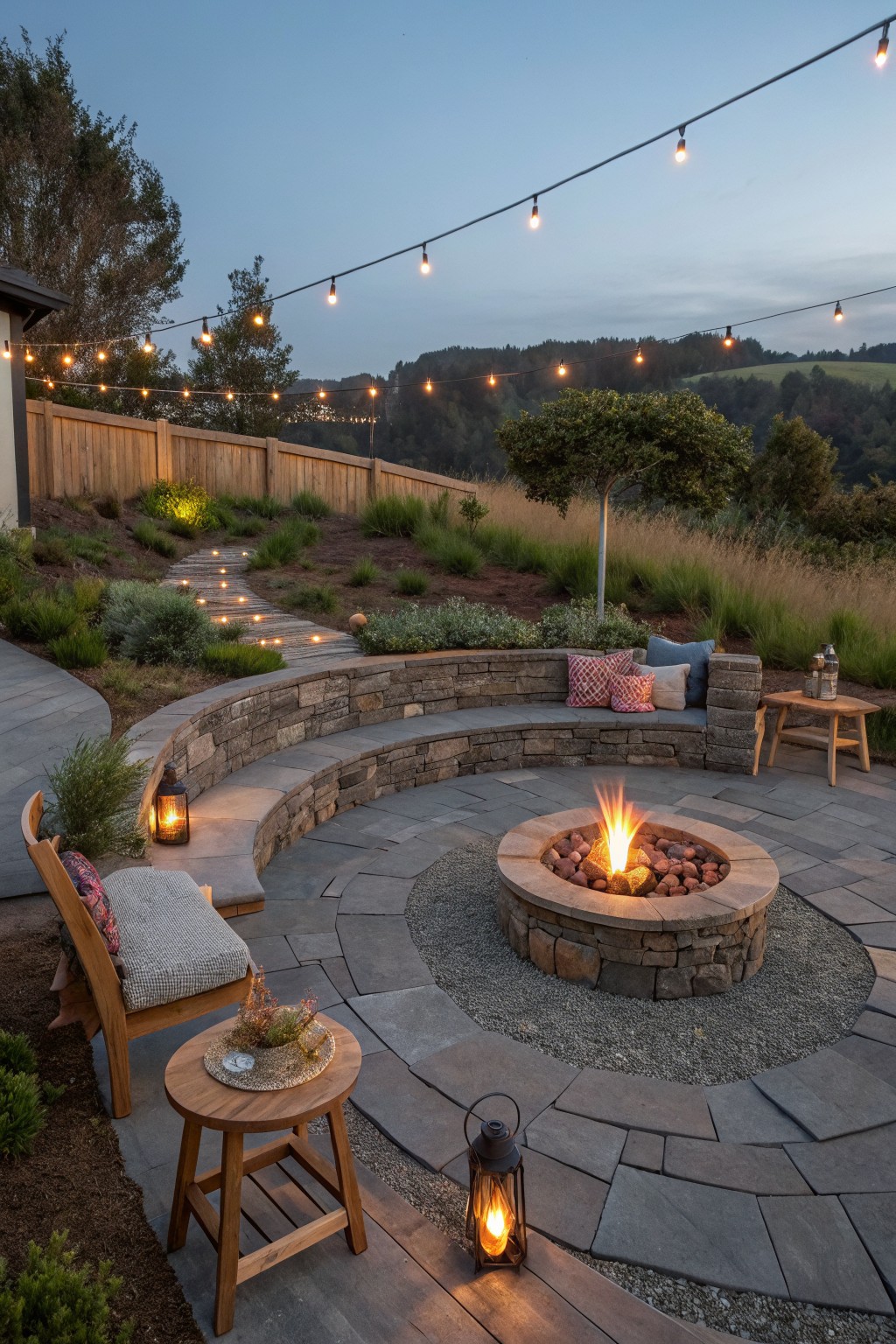
A simple way to handle a sloped yard is to build the retaining wall as bench seating. Here the natural stone wall curves around a fire pit, holding back the hill while giving spots to sit right by the flames. It turns a practical need into an outdoor hangout area that feels sturdy and lived-in.
This works well in backyards with some grade, where flat space is tight. Use local stone for a seamless look with the landscape, and add cushions for comfort. Keep the wall low enough for easy sitting, around 18 to 24 inches high. It’s low-maintenance once set, but make sure the base has good drainage to avoid shifts over time.
Natural Stone Retaining Walls for Slopes
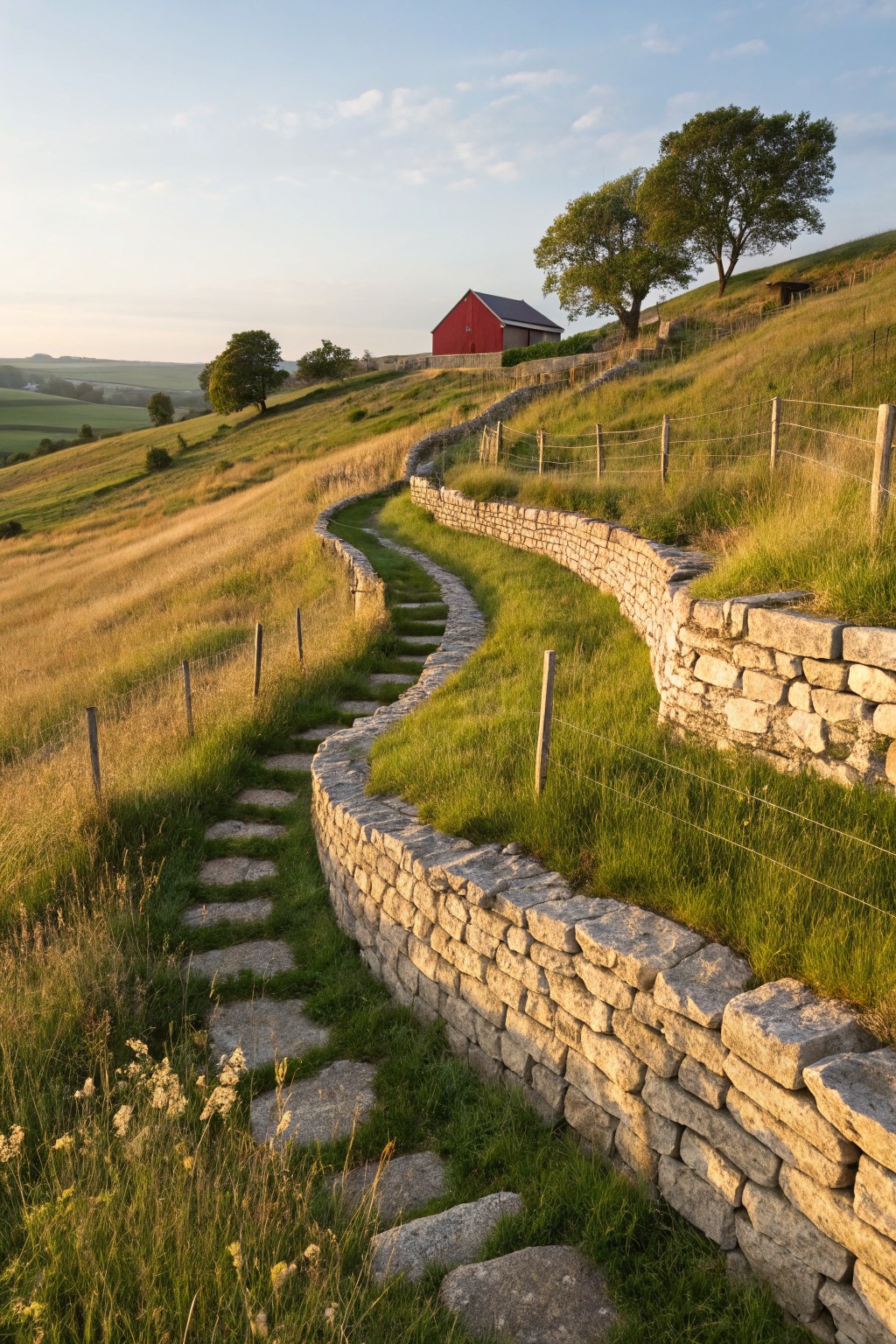
One simple way to handle a hillside is with dry-stacked stone retaining walls. They hold back the earth while making room for a winding path of flat stones. In this setup, the rough limestone blocks fit together without mortar, so they age right along with the grass and wildflowers. It’s sturdy work that doesn’t fight the land.
These walls suit rural spots or any yard with a drop-off. Stack local rock for the best match, keep them low enough to step over if you want. Watch the drainage so water doesn’t pool behind. A path like this makes walking up the hill feel easy.
Tiered Stone Retaining Walls on a Slope
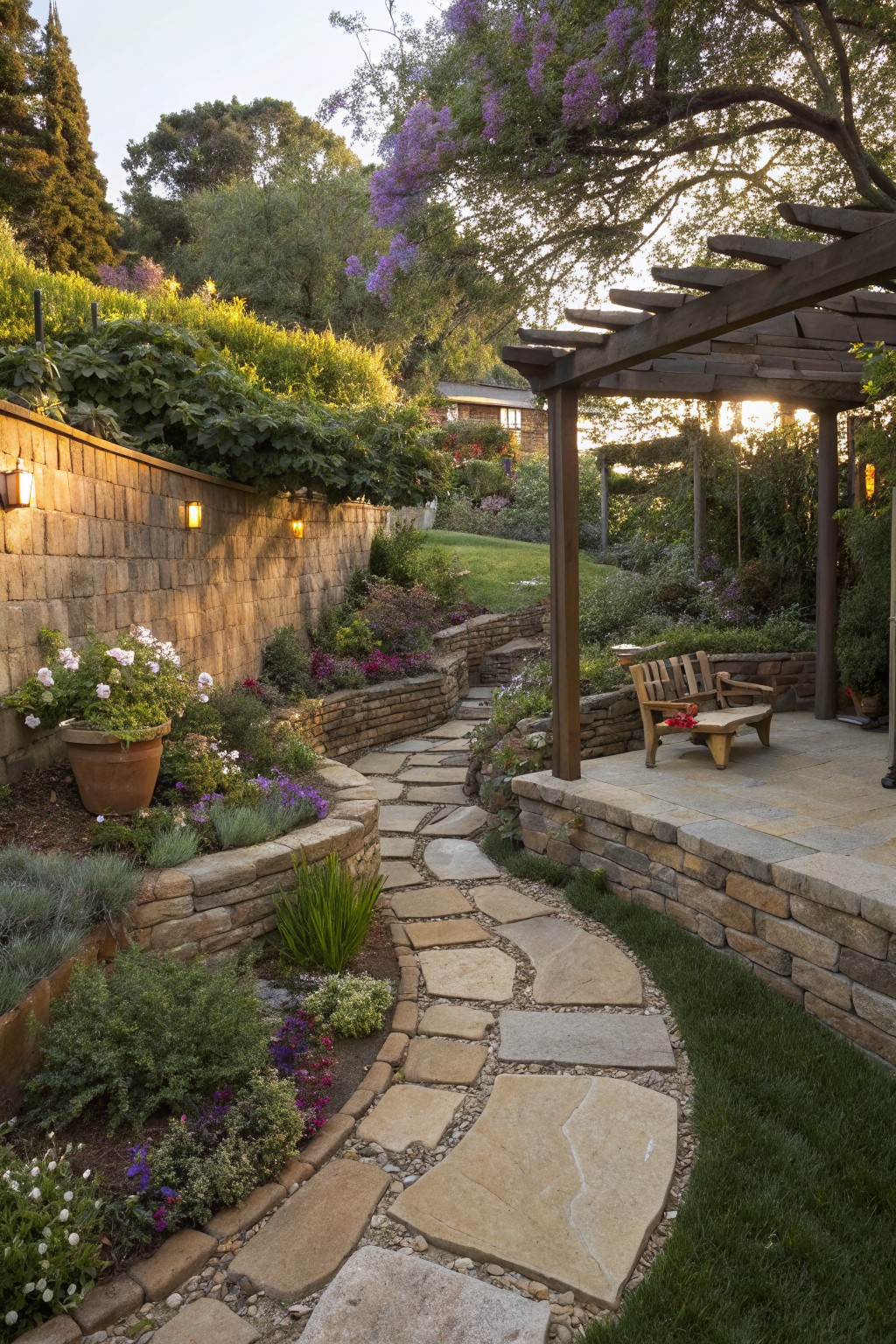
These tiered stone retaining walls turn a tricky hillside into usable garden space. Built from rugged, irregular natural rock, they stack up neatly to hold soil in place and form little ledges for plants. A winding path of matching stone slabs runs alongside, making the whole setup feel organic and easy to walk.
Sloped yards are where this idea shines best. Pick stones from a local quarry to match your area’s look and stand up to weather. Keep plantings low in front so the walls stay visible. Watch the drainage though. Poor runoff can undermine even sturdy rockwork over time.
Frequently Asked Questions
Q: Can I build one of these rock walls myself if I’ve never done it before?
A: Pick a simple dry-stack design under three feet high. Dig a trench deep enough for gravel drainage at the base. Stack bigger rocks low and check level often, and you’ll nail it.
Q: How do I stop water from pushing my wall over?
A: Layer gravel behind every course of rocks. Top it with landscape fabric to keep soil out. Pitch the ground slightly away from the wall up top.
Q: Where should I hunt for affordable rocks that fit my style?
A: Check local quarries or construction sites for leftovers. Grab native stone, it weathers perfectly in your climate. Mix sizes for that natural, rugged vibe.
Q: My yard slopes a ton. How high can I go safely?
A: Stay under four feet for DIY confidence. Add geogrid reinforcement every foot or so on steeper spots. Hire a pro beyond that, saves headaches.
