

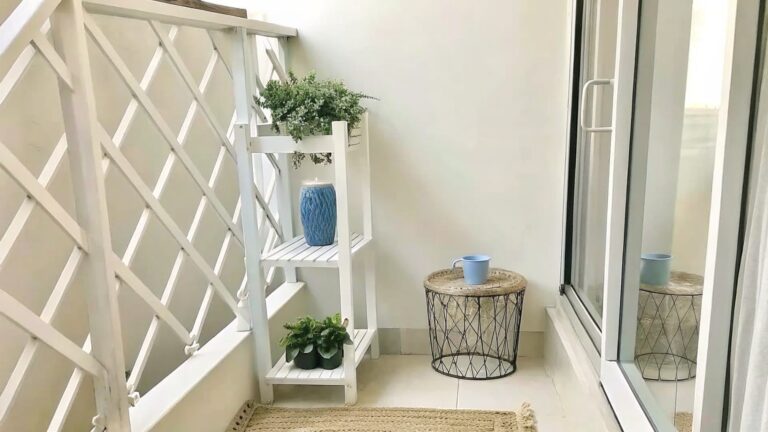
I have noticed over the years that container arrangements on a patio often succeed or fail based on how the heights interact with the surrounding furniture.
When the pots are all the same size it can feel flat no matter how many plants you add.
Layering changes that.
I like to try grouping taller pots at the back of a corner spot first and then step down with medium sizes so the path stays clear for walking through.
In my own yard this approach has helped keep the space looking balanced while still leaving room for chairs and a small table without everything feeling cramped.
Layer Plants on a Ladder Shelf
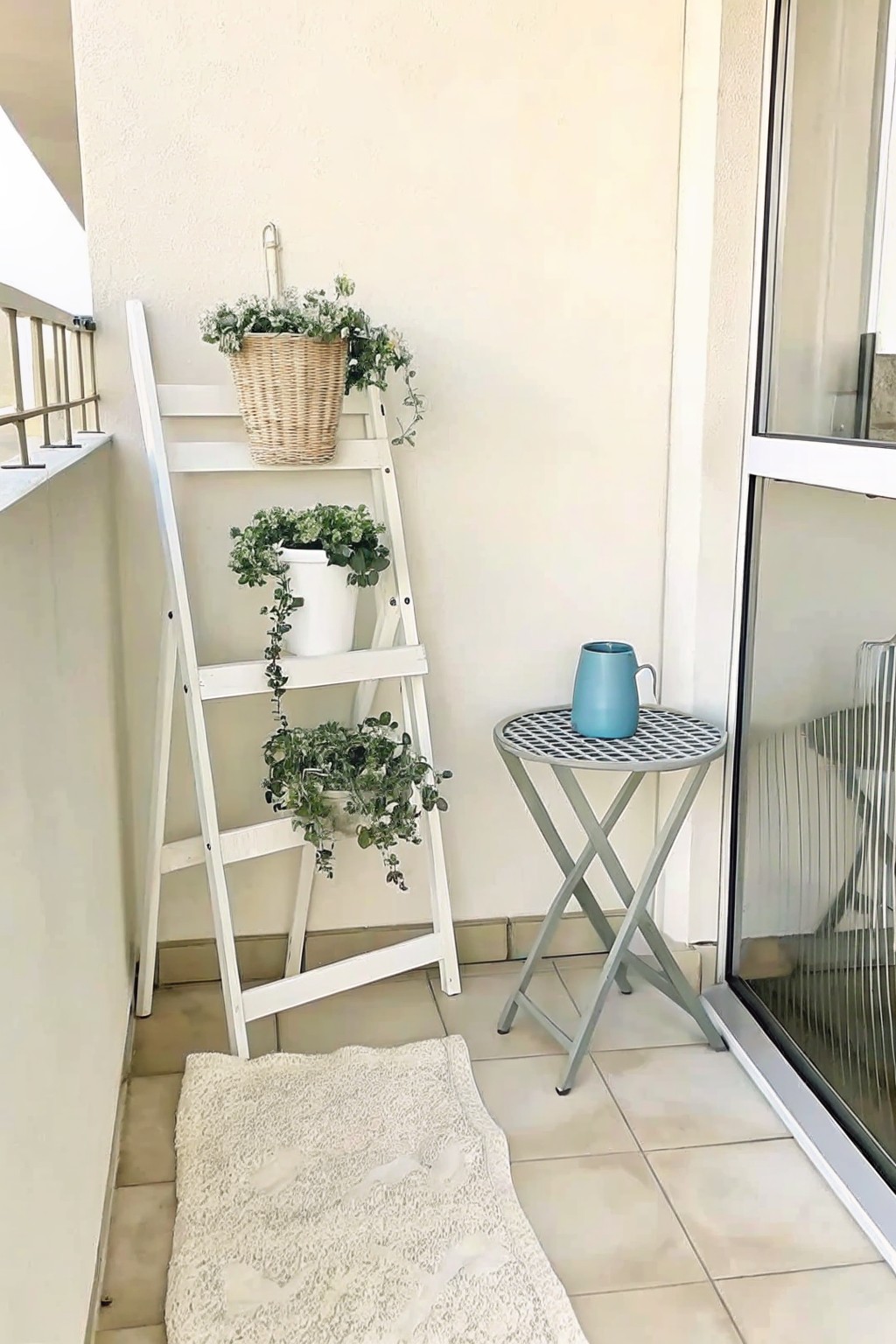
A ladder shelf gives you an easy way to stack several pots without taking up much floor space. The different heights let each plant show off its shape and foliage, and the whole thing becomes a single focal point on a small balcony or patio.
This works best in tight outdoor spots where you want more plants than flat surfaces allow. Use it against a wall or railing, and choose pots in a similar color so the focus stays on the greenery rather than the containers themselves.
Repeat Tall Planters Along a Path
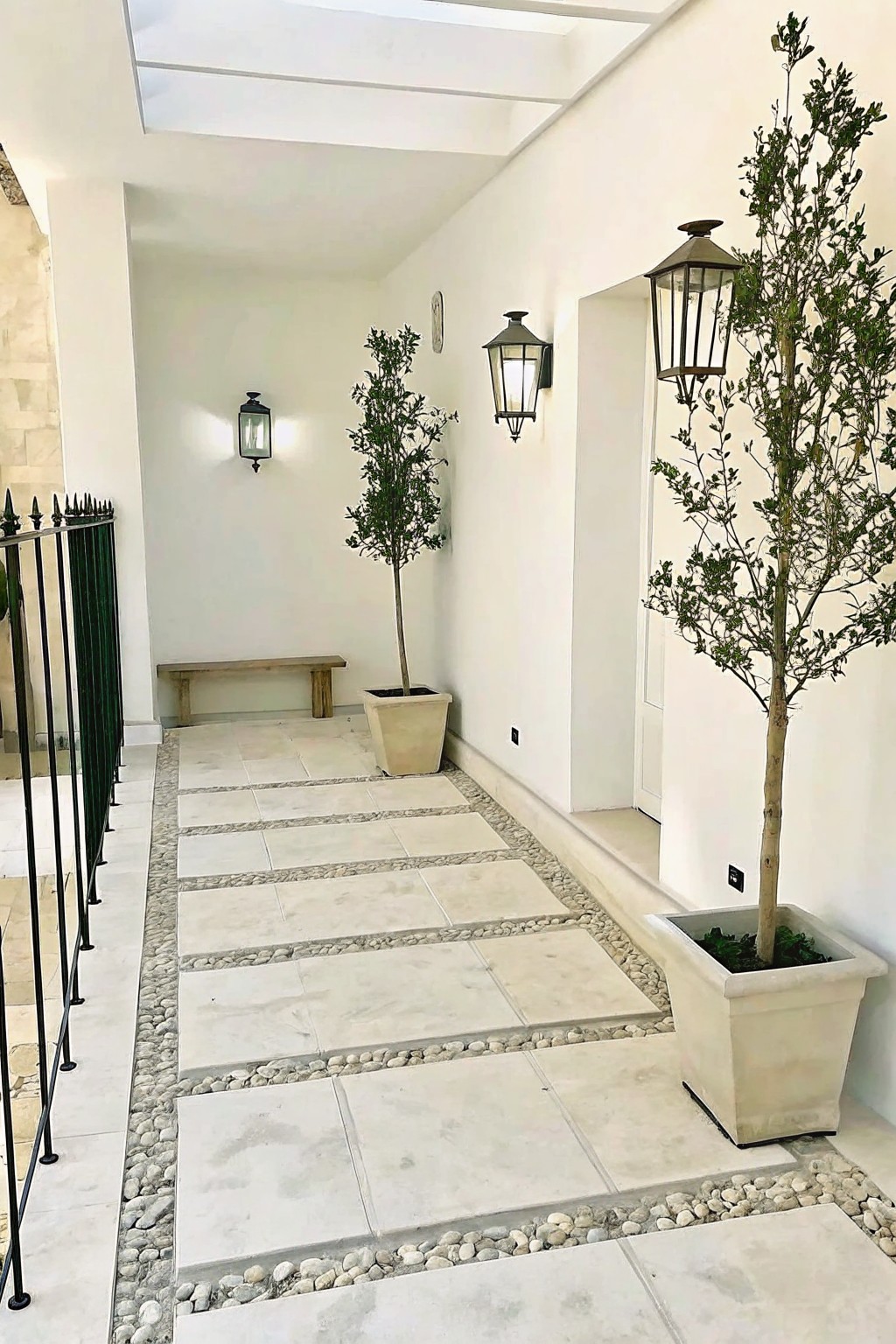
Large containers with tall plants can turn a simple walkway into something more structured. The repetition of the same size and shape gives the space a clear rhythm while the height of the trees adds presence without crowding the floor.
This approach suits covered entries or narrow side paths where you want greenery but still need to keep the route open. Match the pots to the paving color and keep the spacing even so the plants read as a deliberate line rather than scattered accents.
Tall Potted Trees Anchor Porch Seating Areas
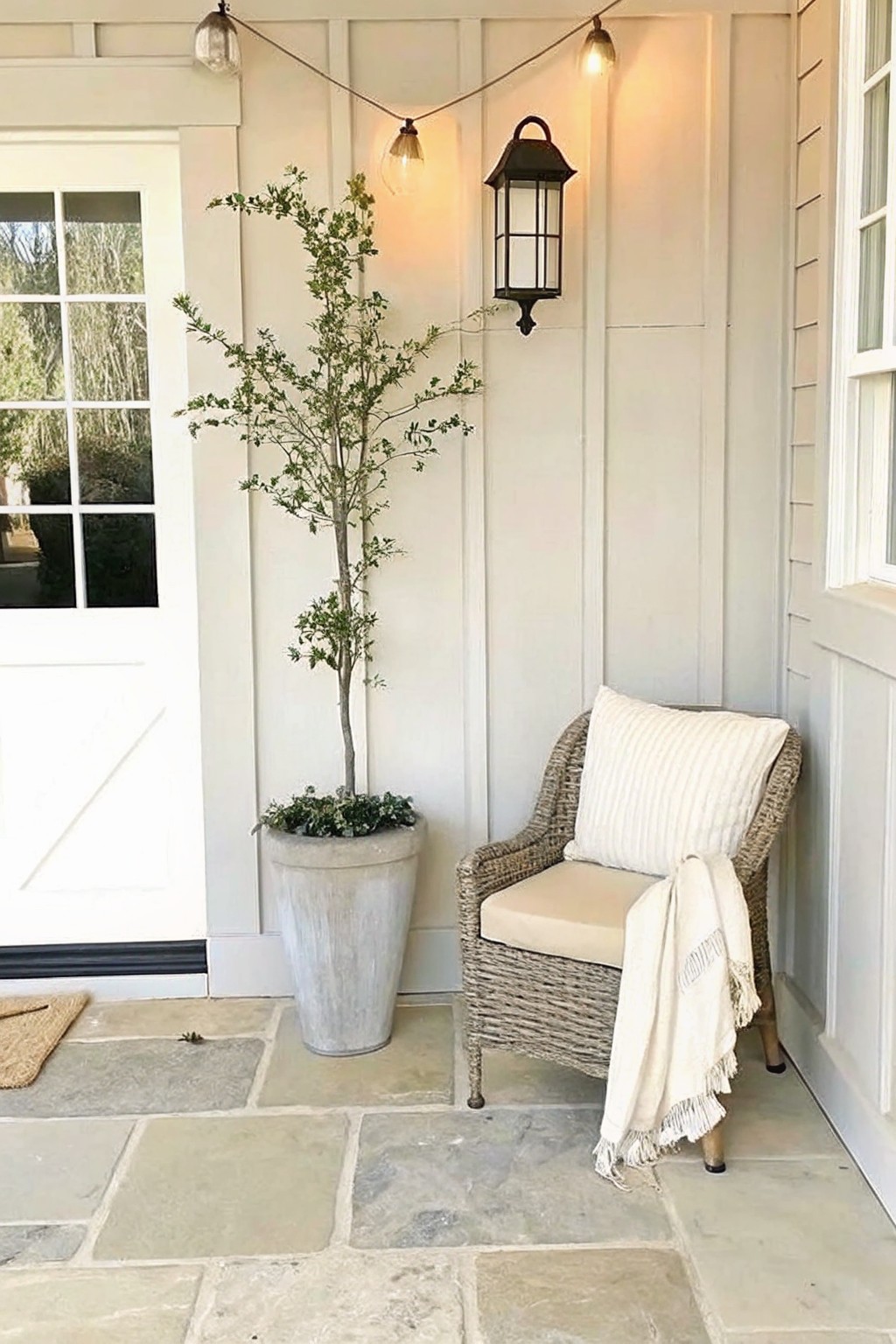
A tall tree in a big pot gives a porch corner more presence without crowding the space. It adds height next to low seating and helps the area feel more settled rather than empty.
This works well on covered porches where the pot can stay put year round. Pick a simple container that fits the furniture style and choose a plant suited to the light levels on that side of the house.
Wall Planters For Narrow Side Yards
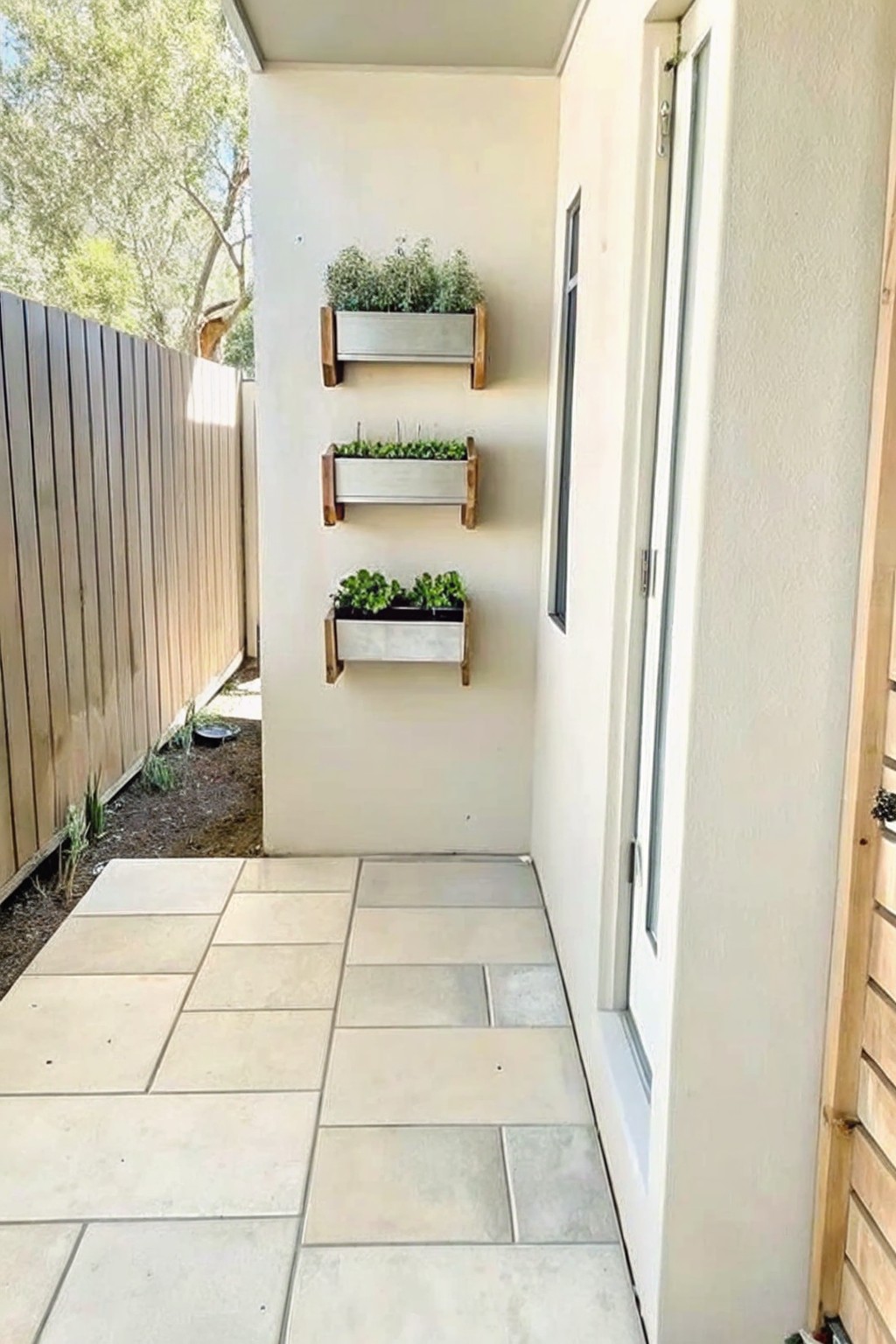
Narrow side yards often end up as wasted strips of concrete or dirt because there is no room for regular garden beds. Mounting planters on the wall uses that vertical space instead and keeps the walkway clear for walking through.
This setup works best on homes with long blank walls or fences along a path. Pick boxes that sit flat against the surface and space them evenly so the plants create a simple repeating pattern without blocking light or access.
One Large Pot Creates A Focal Point
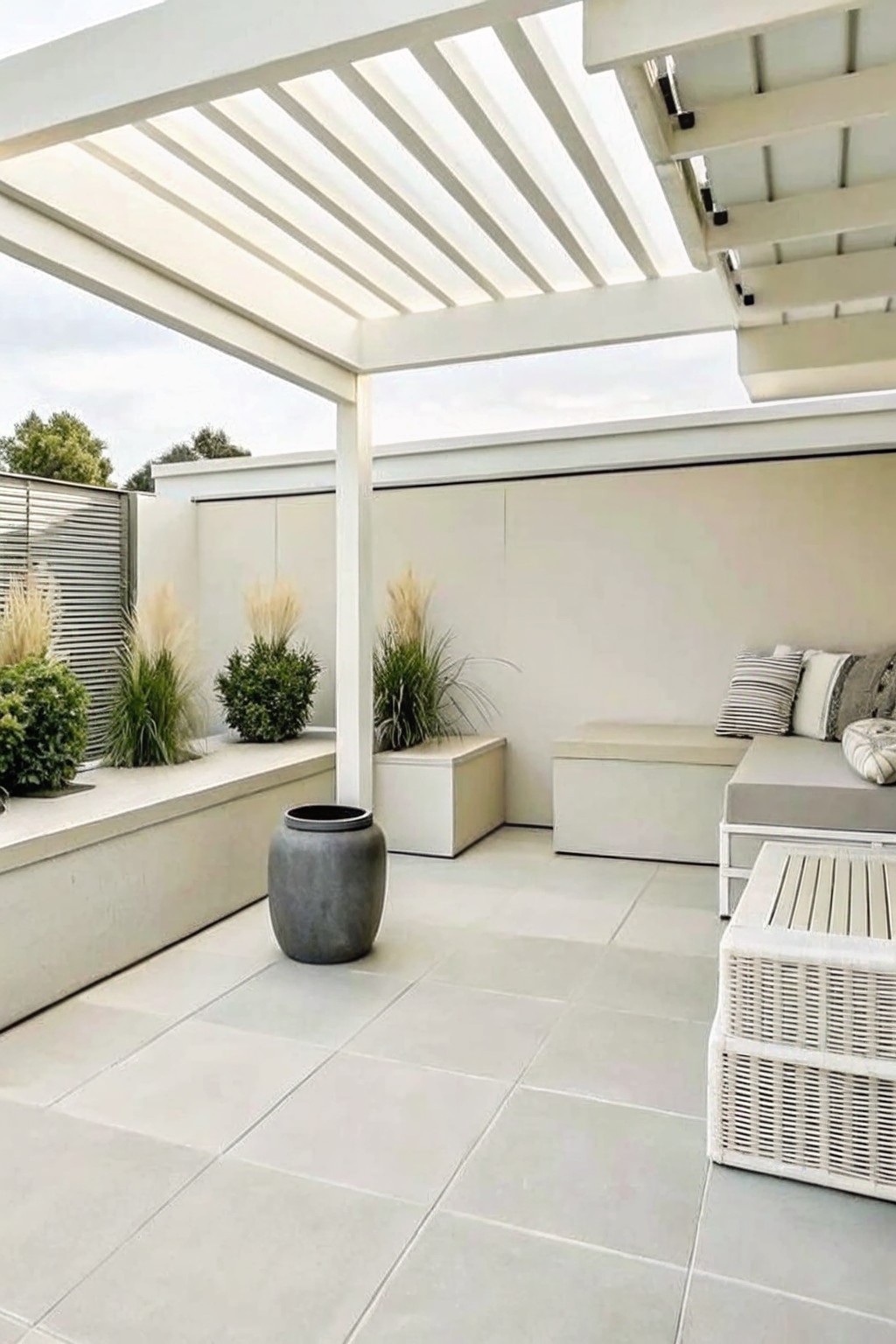
A single oversized pot placed out on the open floor can pull a patio together without adding clutter. It stands out more when the rest of the space stays fairly simple, like a clean floor and low built-in planters along the edges.
This works best on patios or terraces that already have some planting in place. Keep the pot in scale with the open area and give it breathing room so it reads as a deliberate choice rather than an afterthought.
Layer Pots Along the Entry Steps
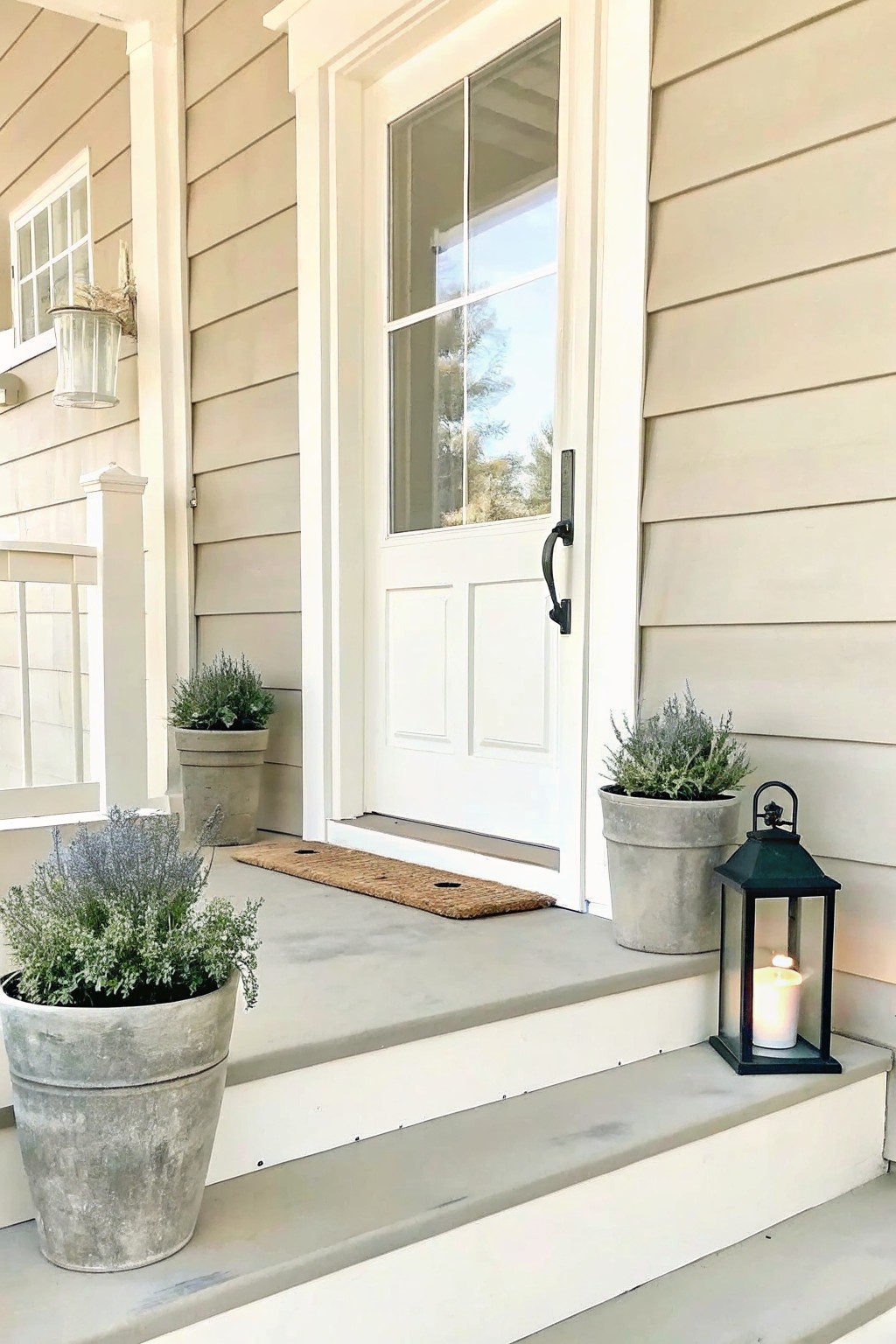
Grouping several pots together near the front door gives the entry a fuller look without needing a big garden. The different sizes and heights create layers that make the space feel more finished.
This approach works on homes with simple steps or small porches. Use pots in the same material but vary the sizes, and keep the largest ones toward the back so the path stays open. It suits most house styles as long as the plants are easy to maintain.
Layer Container Plants For Patio Focal Points
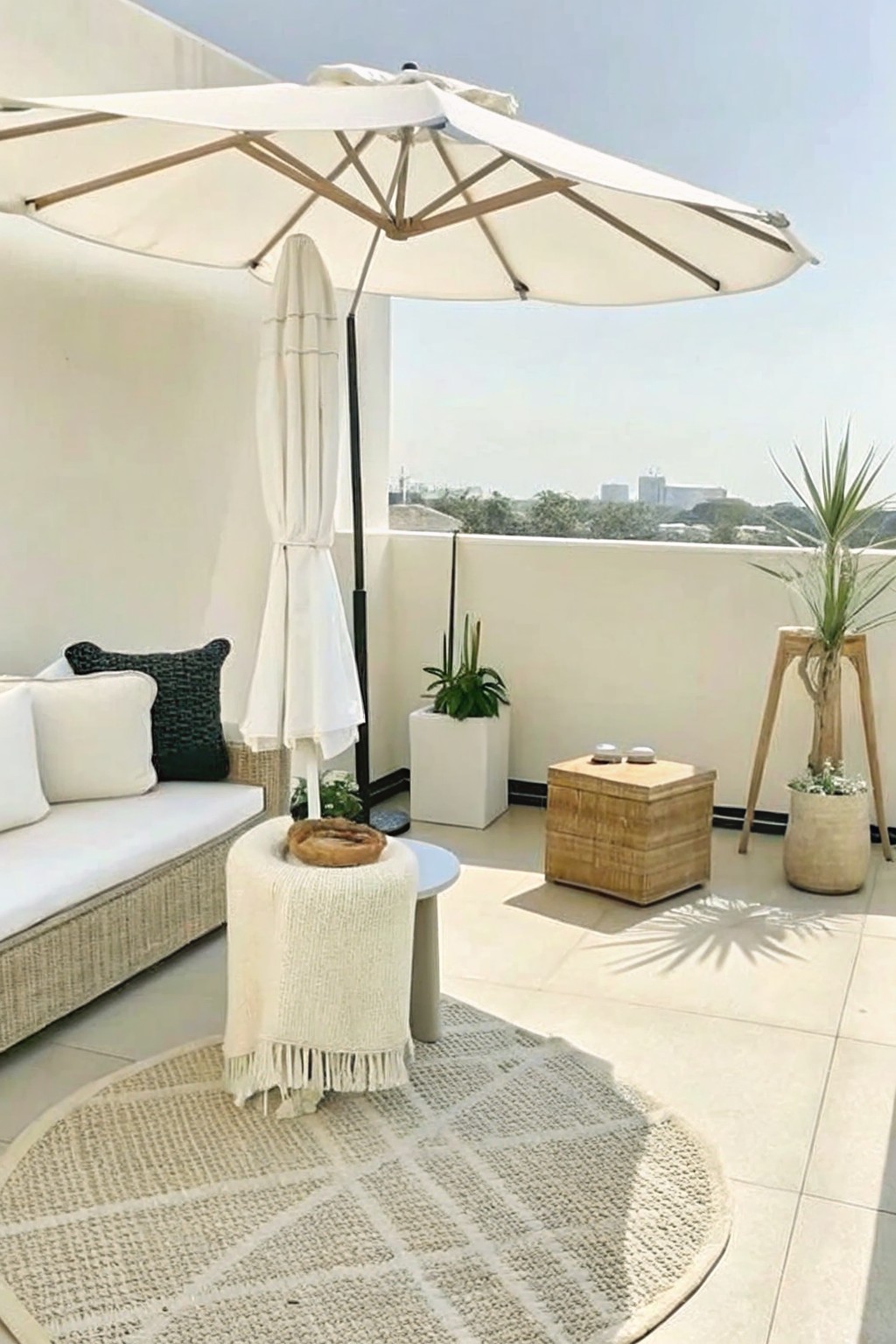
Placing garden pots at different heights gives a balcony or small terrace more depth without taking up much floor space. The mix of low and raised containers keeps the area feeling open while still adding plenty of greenery around the seating.
Put taller pots toward the edges or corners and smaller ones nearer the chairs or tables. This setup suits most paved outdoor spots and works especially well when you want simple layers that do not block views or walkways.
Elevate One Container on a Pedestal
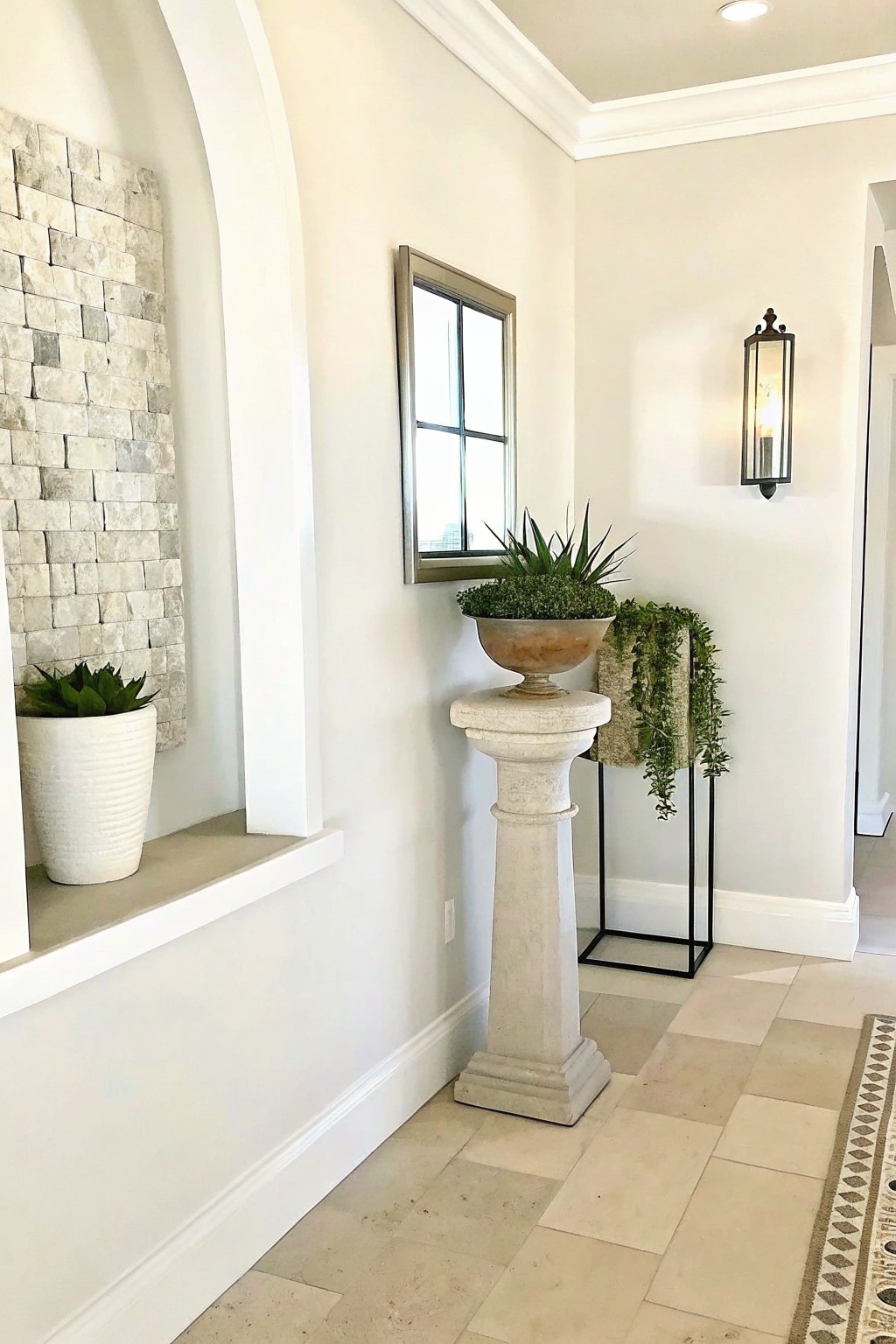
Placing a single large pot up high draws the eye and adds structure without crowding the space. A pedestal gives the container real presence and lets the planting sit at a different level from anything else nearby.
This works well in hallways, entries, or any spot that needs a quiet focal point. Keep the pedestal simple and let the pot and planting do the rest. Try it with one substantial container rather than several small ones.
Layer Pots of Different Heights Along Patios
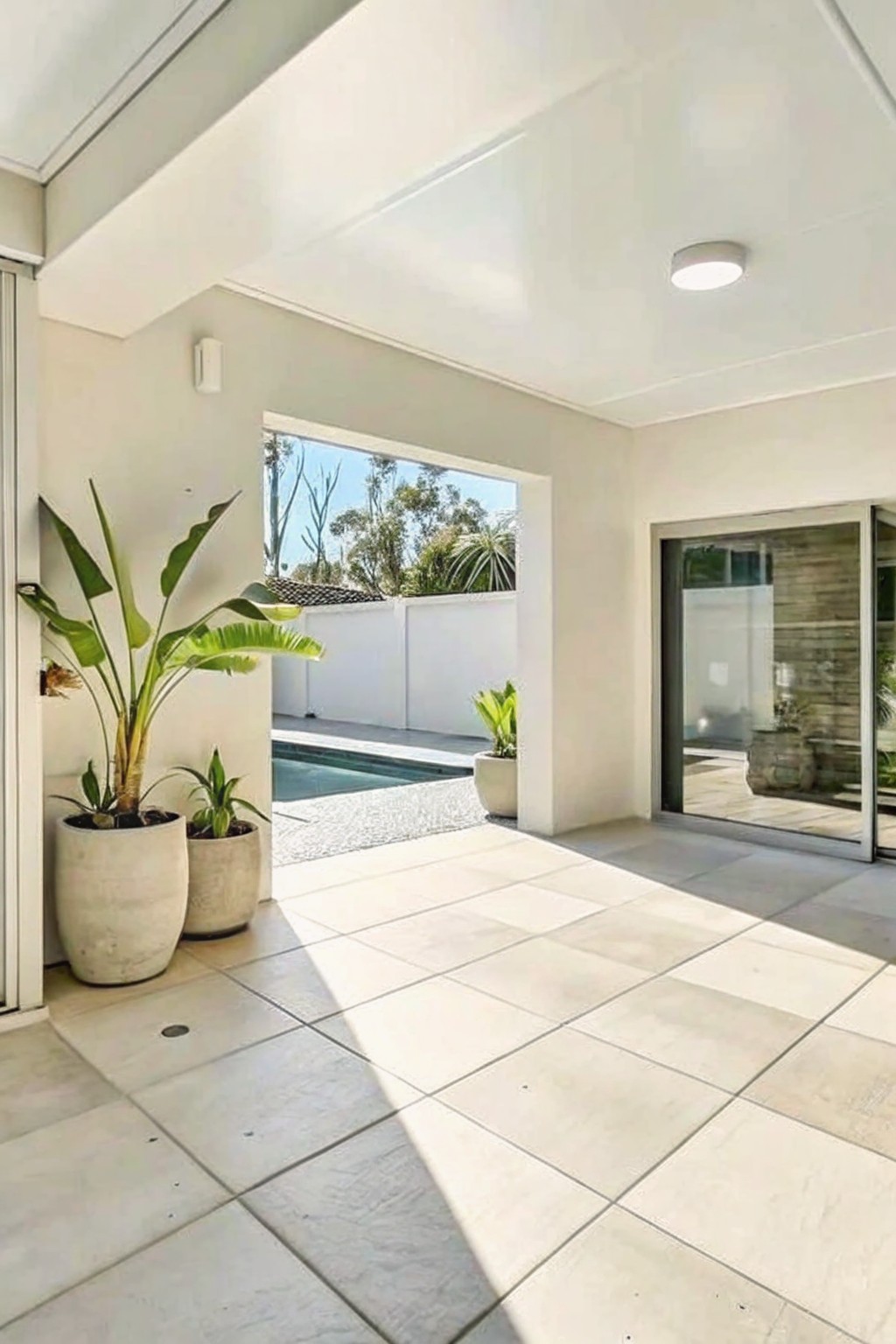
Grouping a few pots together near an opening helps mark the edge of a covered space without blocking the view. The mix of heights lets the plants overlap slightly and gives the area a fuller look while keeping the floor clear for walking.
This approach works best on simple patios that connect to a pool or garden. Use one tall plant in a large pot as the main piece and add two smaller ones beside it. It suits homes with clean lines where you want some greenery but not a lot of extra clutter.
Large Pots For Layered Entry Plantings

A big container lets you group several plants at different heights without spreading soil or pots across the floor. This approach works especially well in a narrow hallway or at the base of stairs where space is tight but you still want a green focal point that feels intentional.
Try a tall pot with one upright plant in the center and trailing or bushier ones around the edges. It suits homes with simple white walls and stone or tile floors where the greenery stands out without competing with other details. Keep the pot size in proportion to the stair width so the walkway stays clear.
Layer Different Sized Pots Around Outdoor Tables
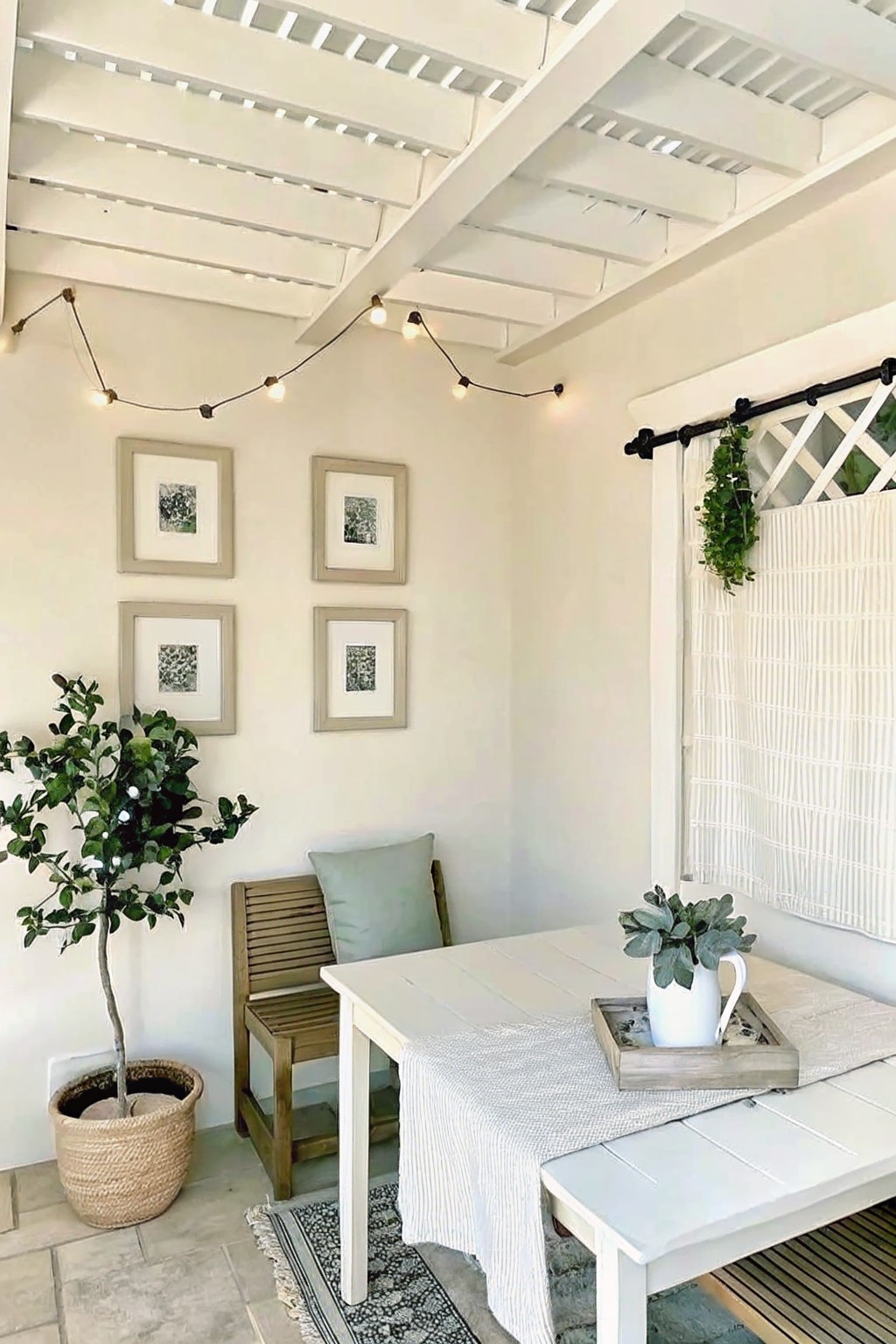
Placing pots of varying heights and widths around a patio table helps build a simple layered look without much effort. The larger pot on the floor draws the eye first, while a smaller one on the table adds a second level of greenery right where people sit. This approach keeps the space feeling full but not crowded.
It works best on patios or decks that already have seating and a surface for dining. Try one tall plant in a woven basket on the ground and one smaller container on the table itself. Avoid lining everything up in a straight row, since the uneven heights are what create the focal point.
Matching Planters Frame the Entry
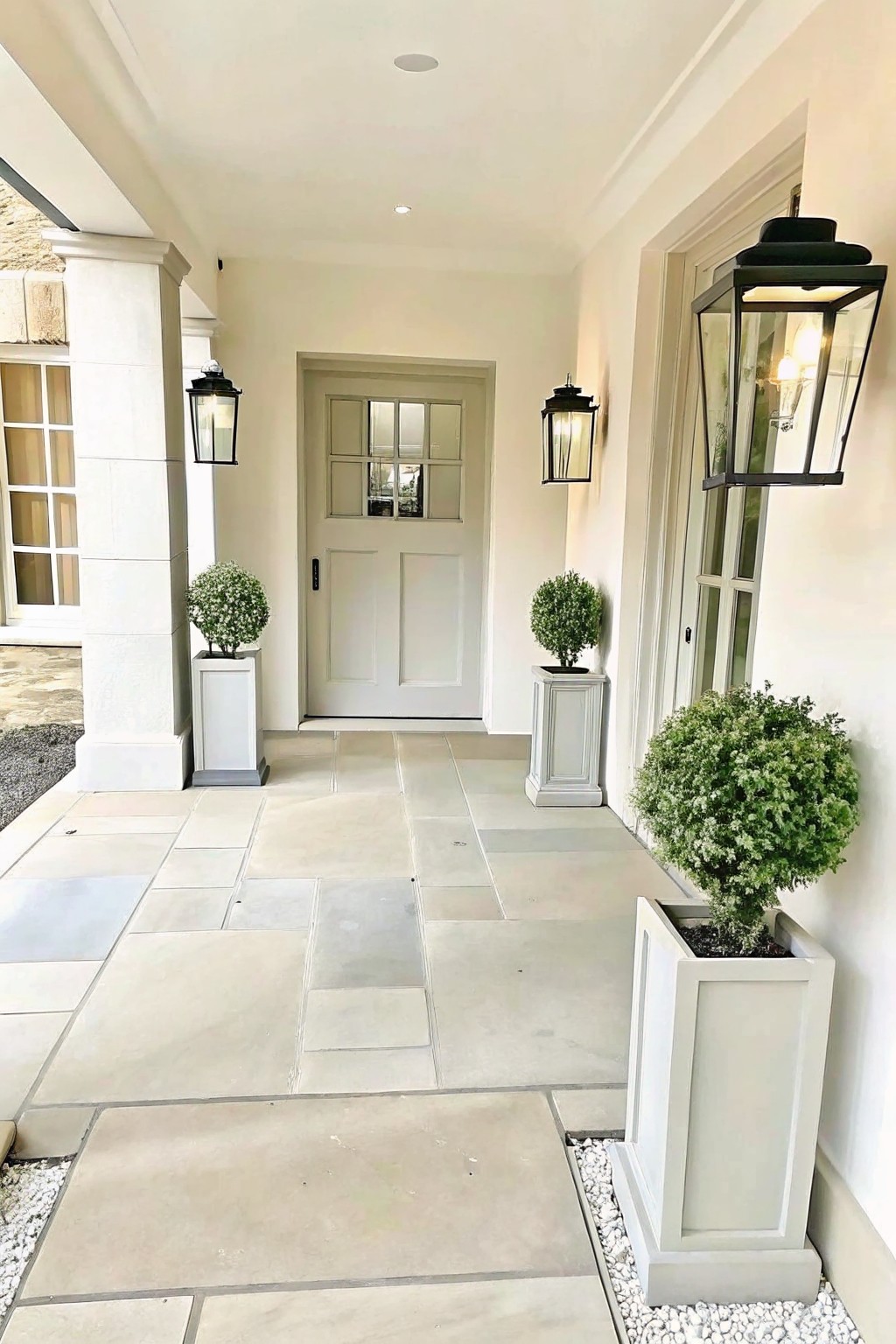
Placing a pair of matching planters on either side of the front door gives the entrance a simple, balanced look. The same style and size of pot repeated this way keeps things orderly and helps the door stand out as the main focal point.
This approach works best on homes with a straight path leading to the door. Use the same plants in both containers and keep the color of the pots close to the trim or siding so the whole setup feels connected rather than busy.
Ladder Shelving For Layered Pots
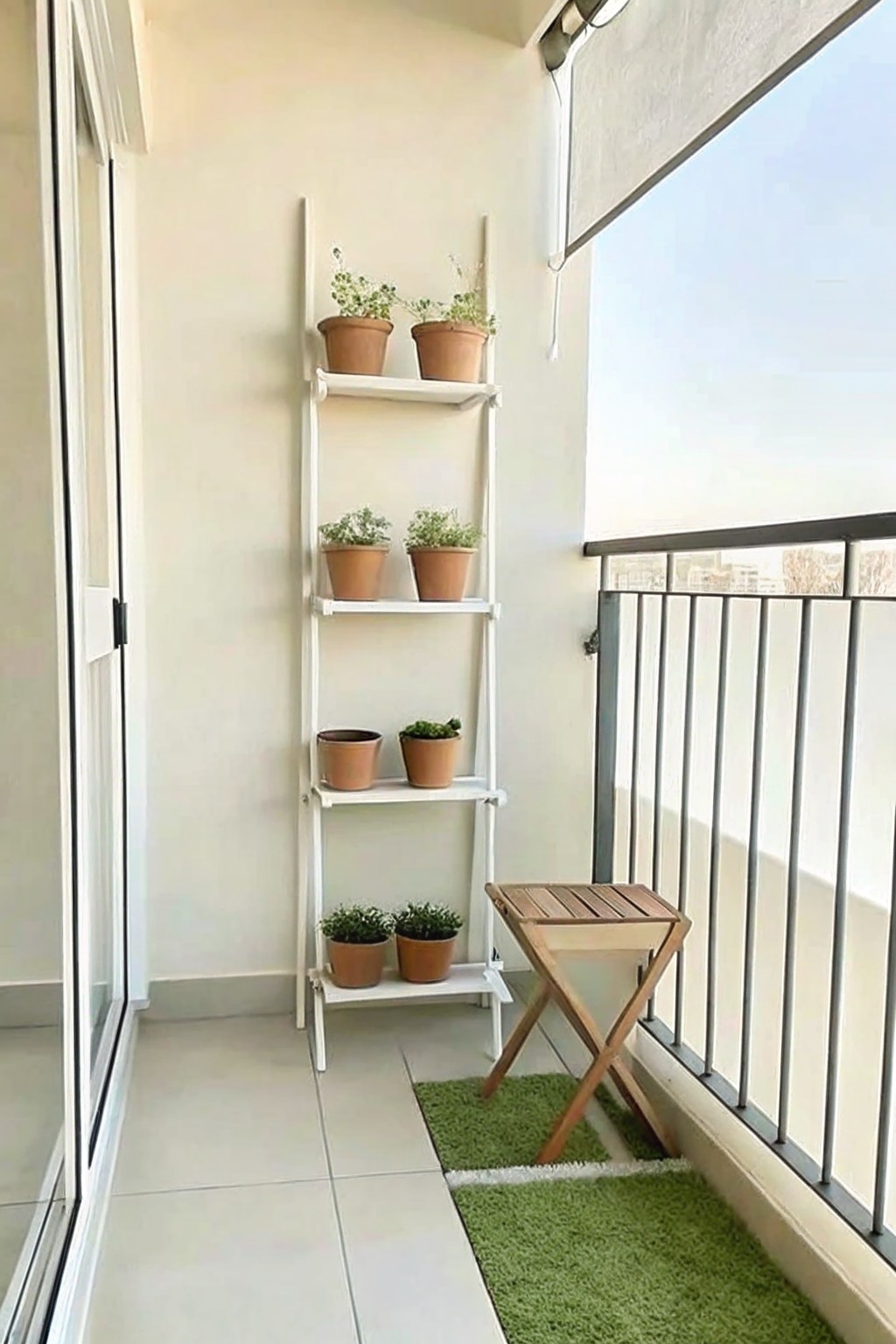
A simple ladder-style shelf makes it easy to stack several pots at different heights without crowding the floor. The open frame keeps the display light and lets each level of plants stand out on its own.
This setup works best on small balconies or patios where space is tight. Place it against a wall, use pots in similar tones, and leave a little breathing room between plants so the arrangement stays easy to water and rearrange.
Layer Containers on a Ledge
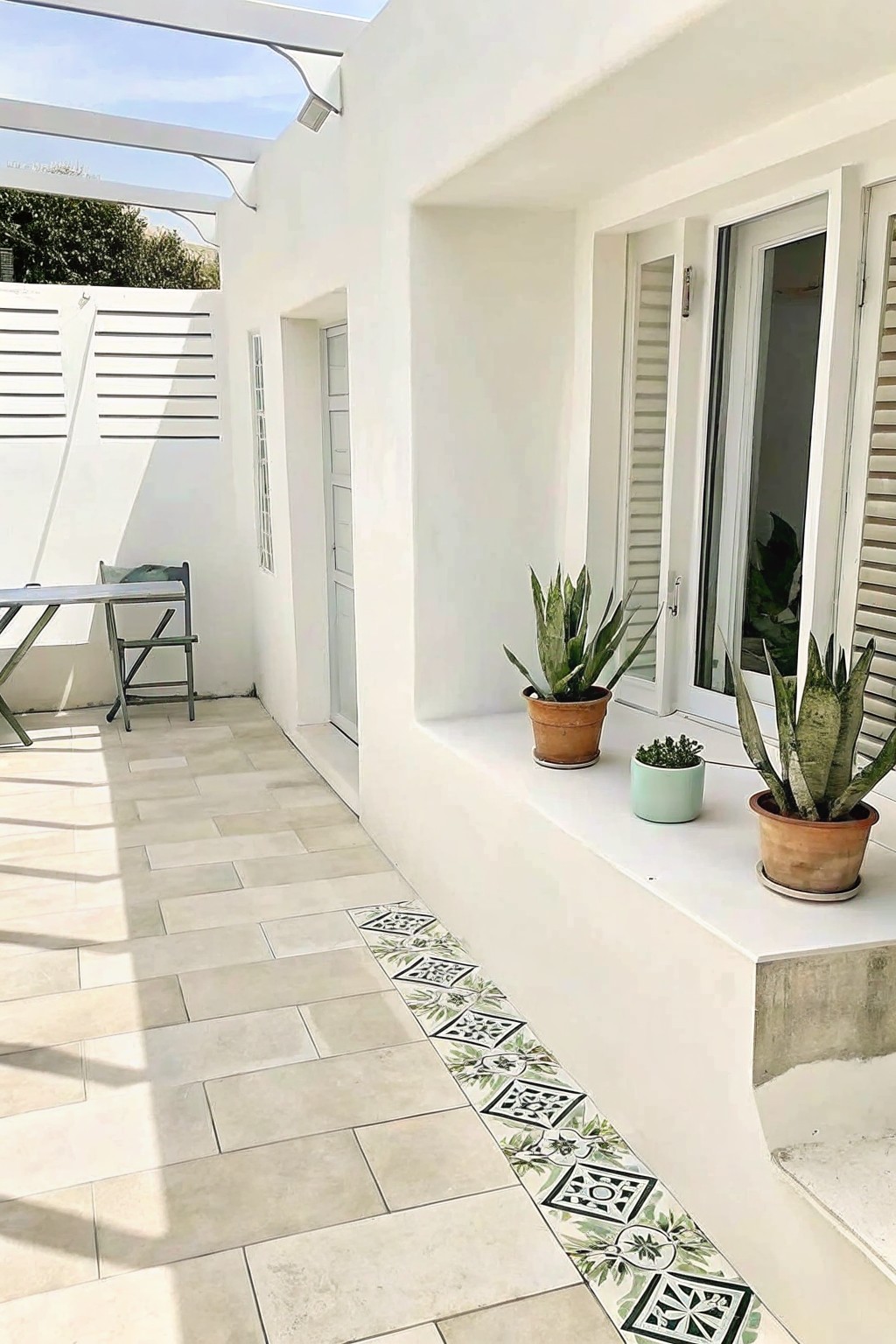
A ledge gives you a simple way to group pots at different heights without crowding the floor. The plants catch the light and stand out more clearly against the wall, which turns a plain stretch into a focal point.
This approach suits patios or terraces that already have some built-in structure. Choose pots in two or three sizes, let the plants vary in height, and keep the group to three or four containers so it stays balanced.
Vary Pot Heights Along a Path
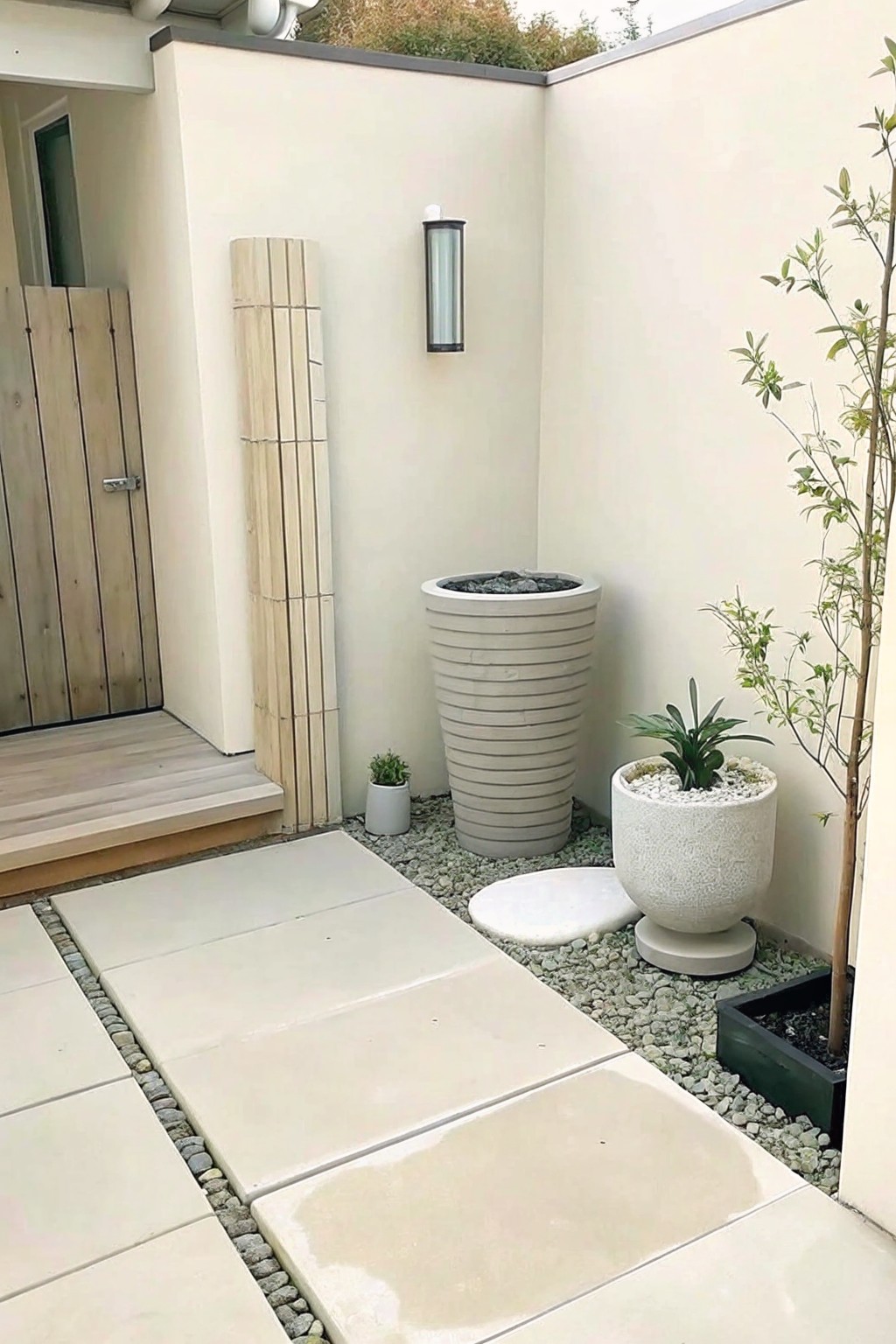
One simple way to make containers stand out is to mix their heights in the same spot. A tall pot next to shorter ones creates a clear focal point and keeps the eye moving without extra decoration.
This approach works best in narrow garden areas or along stepping stone paths where space is limited. Place the tallest pot toward the back or wall and step the others down in front so each one stays visible. It suits modern homes with clean walls and gravel or stone ground cover.
Anchor Corners With Tall Plants In Woven Baskets

A tall plant in a simple woven basket can turn an empty corner into the main point of interest in a room. The texture of the basket adds warmth while the height of the plant draws the eye upward and keeps the space from feeling flat.
This approach works best in living rooms or sunrooms with decent natural light. Keep the basket neutral so it blends with the floor and let the plant do most of the work. Pair it with lower woven storage pieces nearby if you want a cohesive look without extra clutter.
Layer Pots Along Entry Steps
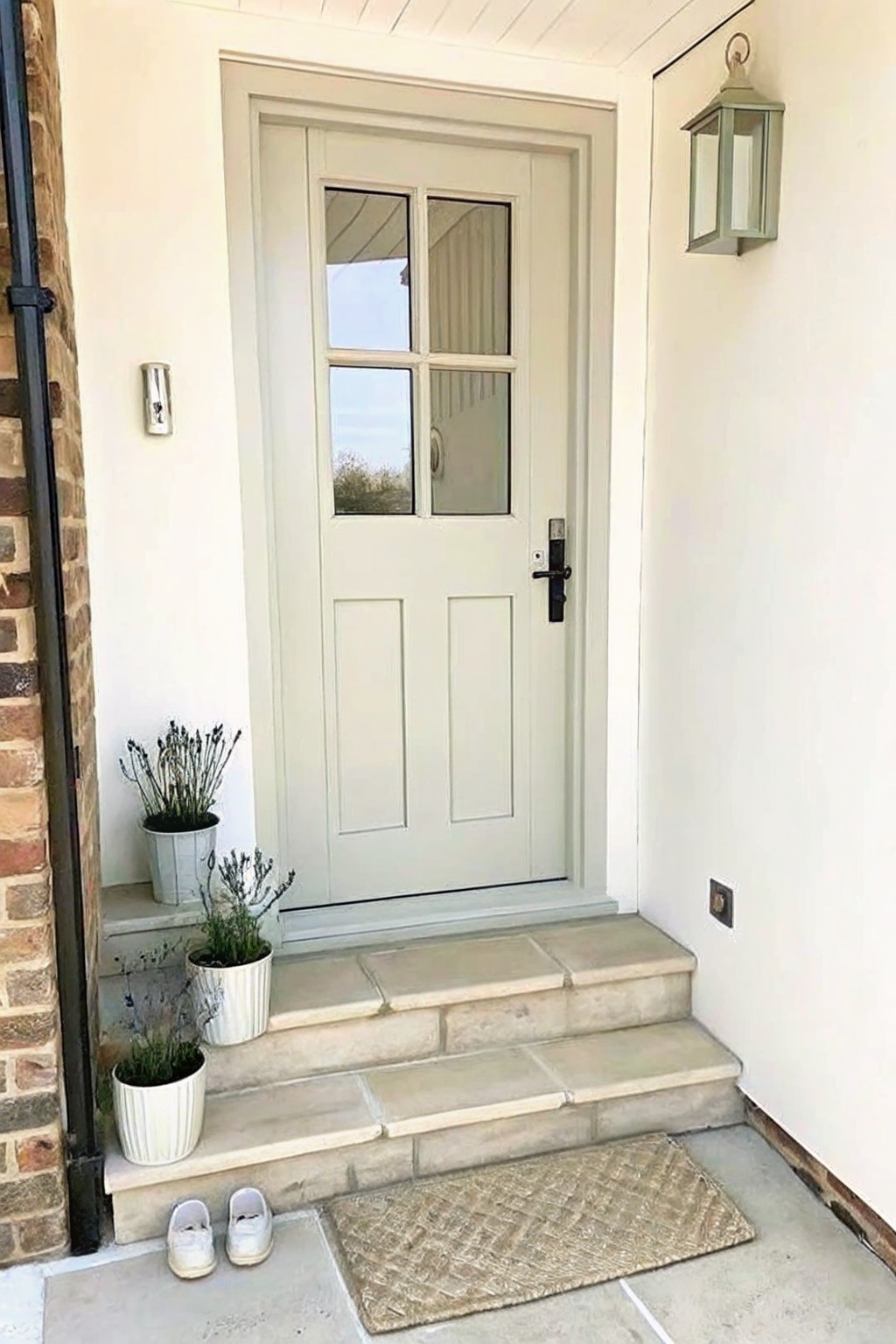
Placing a few pots at different heights along your front steps creates a simple layered effect. It adds interest right where people walk in and makes the entrance feel more complete without needing a big garden bed.
This approach works best on homes with a short flight of steps or a small stoop. Stick to pots in matching colors or materials and mix taller plants with shorter ones so the arrangement stays balanced and easy to water.
Mix Container Sizes For Layered Patio Interest
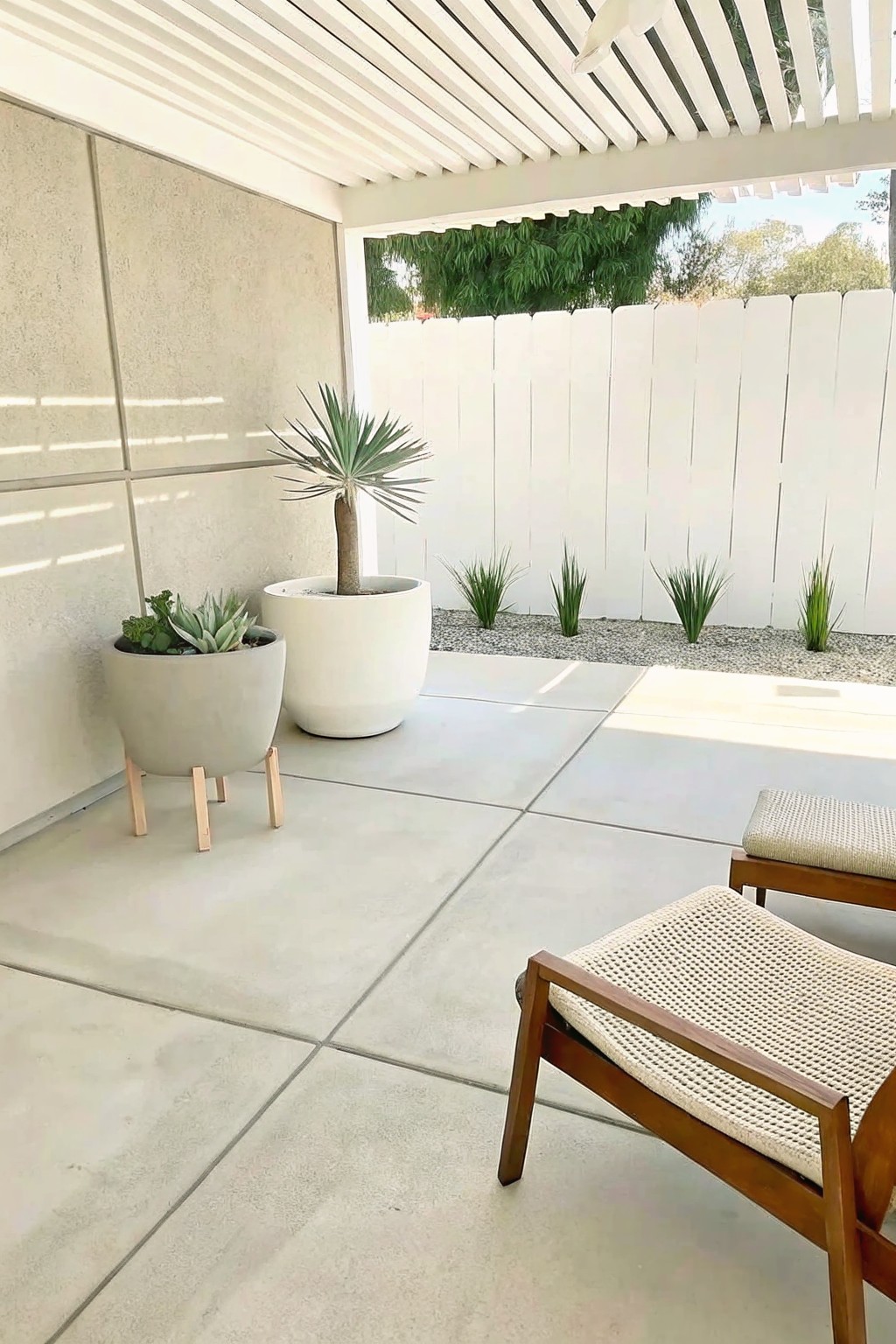
Using pots in a few different sizes helps create depth along a patio without crowding the space. A couple of larger containers can anchor the area while smaller ones add detail around them.
This approach works best on simple concrete or stone surfaces where the plants can stand out clearly. Keep the total number of pots low so the seating area stays open and easy to walk through.
Layer Pots of Different Heights
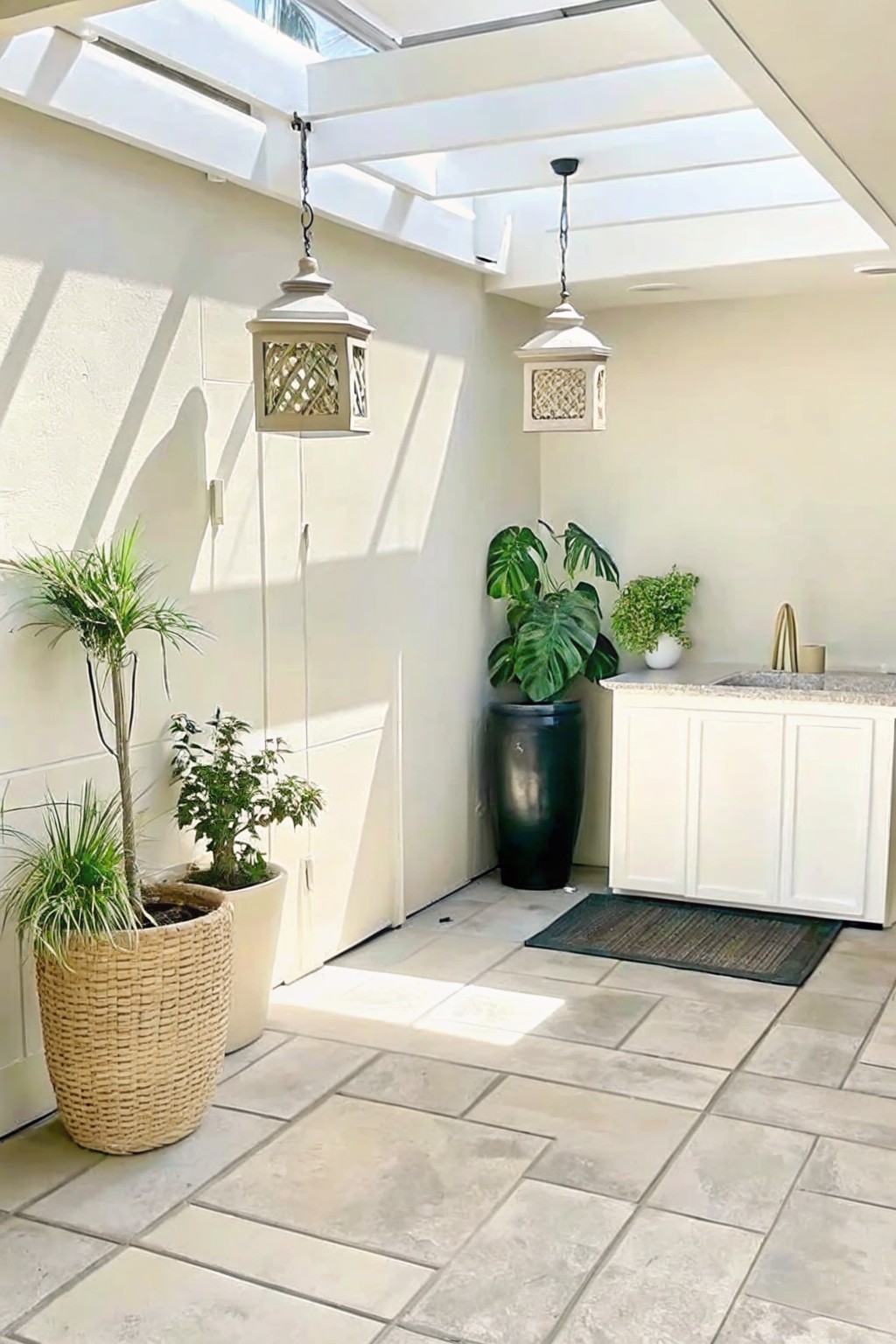
Mixing container sizes is one of the easiest ways to add interest to a patio without planting beds. A tall pot next to a shorter wide one creates a simple layered look that feels natural rather than flat. It also lets you move things around as seasons change or when plants need more room.
This works well on covered patios or along walls where you want greenery but cannot dig in the ground. Stick with two or three main sizes and keep the tallest pieces toward the back so smaller pots stay visible. Avoid overcrowding so each container still has space to stand out on its own.
Hang Pots at Staggered Heights

Hanging planters at different heights lets you build layers in a small space without crowding the floor. The varying lengths keep the display from looking flat and give each plant its own spot in the light.
This works well near a window or in a corner that gets steady sun. Use chains or ropes of different lengths and mix pot sizes so the arrangement feels natural rather than lined up. It suits apartments or smaller homes where floor space needs to stay open.
Frequently Asked Questions
Q: How do I stop taller plants from shading out the ones below them? A: Place the shortest pots in front where they catch the light first. Use plants with similar heights in each layer so nothing blocks another. Rotate the arrangement every month to even out the sun.
Q: Do the pots need to match in color or material? A: Mix them up for more interest. Just stick to two or three colors total so the focus stays on the plants instead.
Q: How often should I fertilize a layered setup like this? A: Feed the whole group once a month during growing season. Use a liquid fertilizer that reaches all the soil levels when you water. Skip it in winter when growth slows down.
