


I have learned that garden lighting works best when it follows the existing lines of paths and plantings instead of trying to create new ones after dark.
What stands out first in the evening is usually whether the light makes the beds and edges readable or leaves them flat and hard to navigate.
Small adjustments matter.
I tried moving a couple of low path lights around my own yard last summer and saw right away how much the whole layout changed once the fixtures stopped competing with the plants.
That kind of trial helps show which spots need steady light for walking and which areas can stay softer so the garden still feels like itself at night.
String Lights Across a Pergola

String lights work well when hung across a pergola because they spread a soft overhead glow that feels even and comfortable. They also blend easily with the light coming from a fire pit in the center of the seating area.
This approach suits homes that already have a covered outdoor structure and works best in spaces used for evening gatherings. Space the bulbs evenly and choose warm tones so the light stays gentle rather than bright.
Hang Lanterns Under A Pergola For Layered Light
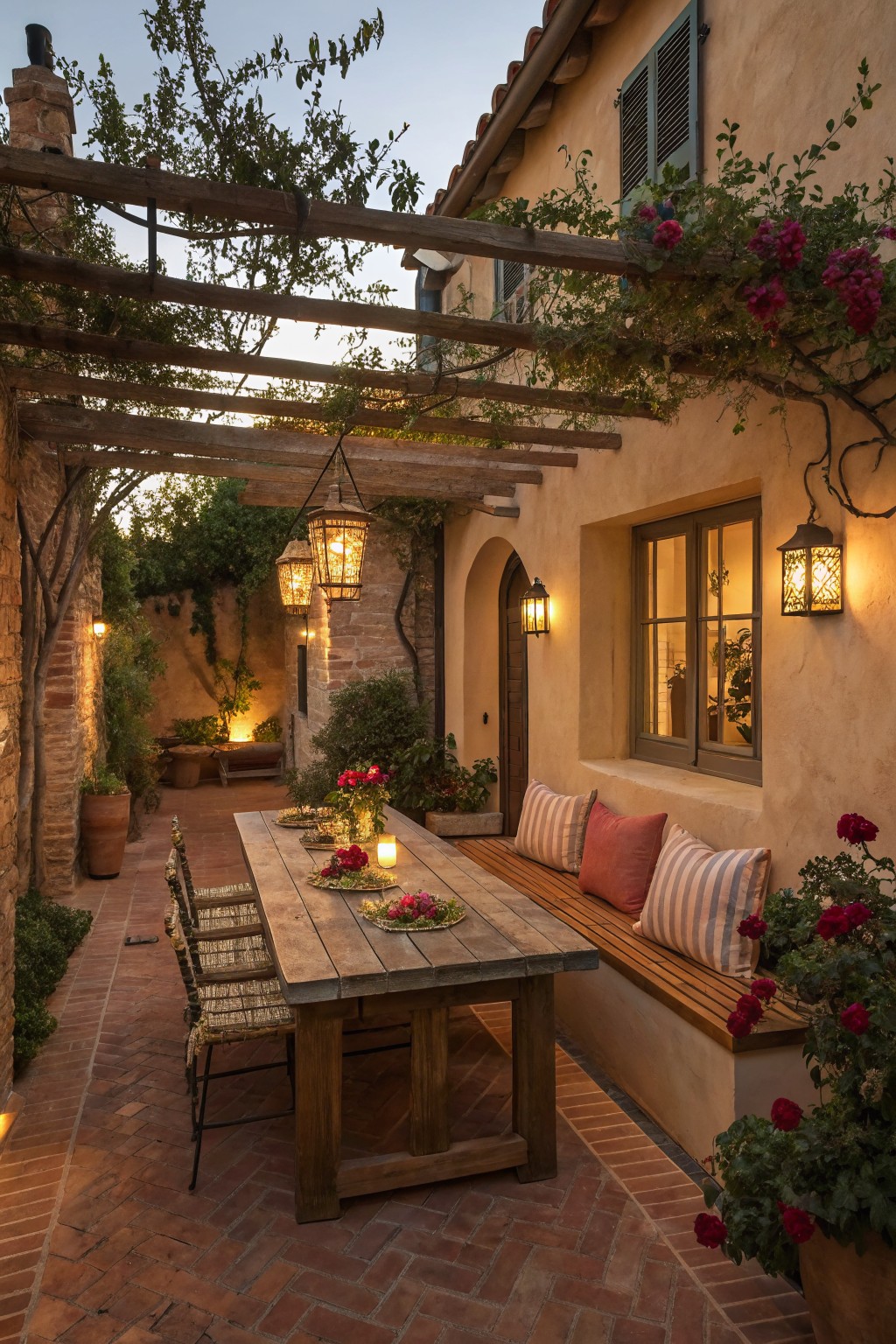
Many outdoor dining spots feel flat at night when all the light comes from one direction. Hanging a couple of lanterns from the pergola beams adds a soft overhead layer that mixes nicely with wall sconces already in place.
This setup suits homes with existing patios or covered seating areas where you want to keep things simple. Space the lanterns along the center beam and let the lower wall lights handle the edges so the whole table stays evenly lit without glare.
Line Pools with Low-Level Lights

Small lights placed right along the water’s edge give a pool a calm, usable feel once the sun goes down. The glow stays low and even, so it does not create harsh spots or wash out the surrounding plants and deck.
This approach suits long, straight pools best because the line stays clean and the reflection stays steady. Space the lights evenly, keep them modest in brightness, and add one or two higher sources under the roof overhang so the whole seating area feels connected.
Layer Outdoor Lights For Evening Ambience

Mixing a few different light sources makes an outdoor seating spot feel more comfortable once the sun goes down. String lights along branches or beams give a soft overhead glow, while lanterns on the ground and one or two hanging fixtures add lower points of light that keep the area from feeling too dark or flat.
This works best on a patio or garden bench area where you spend time relaxing at night. Start with the largest light first, then add smaller ones until the seating feels evenly lit without any harsh bright spots.
Recessed Lights Along Garden Steps

Recessed lights built into steps and low retaining walls give a garden path just enough light to feel safe at night. They sit low and out of view so the glow stays soft instead of flooding the whole area with bright overhead light. This approach works especially well on sloped sites where you need to mark changes in level without adding extra fixtures.
The same idea suits modern homes with clean hardscaping because the lights stay hidden during the day and only appear once the sun goes down. Keep the spacing even and choose warm bulbs so the light blends with any nearby tree or bed accents. Avoid placing them too close together or the effect can start to feel like runway markers.
Pair String Lights With Pendant Lights Overhead

String lights along the beams give a soft base layer of light that feels even and welcoming. Adding a couple of larger pendant fixtures over the table brings the light down where people actually sit and eat, which makes the whole area feel more finished without needing much else.
This works best on a covered patio or pergola where you can run wiring easily. Keep the pendants simple and the string lights spaced evenly so nothing looks too busy once the sun goes down.
Use Low Lanterns Along Garden Paths

Low lanterns placed right at the edge of a path give just enough light to follow it safely after dark. They keep the glow close to the ground so the garden stays calm instead of feeling overly bright.
Space them along curves where the path turns and add a few strands of small bulbs higher up if you need a little extra reach. This works best in cottage gardens or older yards where the lighting should feel like part of the planting rather than a separate feature.
Layer String Lights With Lanterns Along Paths

Mixing string lights overhead with lanterns set at ground level gives garden paths a gentle layered glow. The strings catch the eye at a higher level while the lanterns mark the route and add pools of warmer light closer to the ground. This approach keeps the lighting soft and inviting without flooding the whole space.
It suits larger wooded gardens or yards with winding stone paths where people want to stroll after dark. Place the strings between trees at a comfortable height and set lanterns on stones or low walls near turns and seating spots. Keep the total number of lights modest so the effect stays calm rather than busy.
Wall Lanterns For Evening Patio Light

Wall lanterns give an outdoor seating area a steady, gentle light that feels built into the space rather than added on later. They sit flat against the house and spread a warm glow across the table and chairs without taking up floor space or needing tall poles.
This setup works best on patios that sit close to the house, especially where you already have a pergola or roof overhang. Place them at eye level or slightly higher so the light reaches the seating without shining straight into people’s faces.
String Lights Over Seating Areas

String lights work well when strung overhead on a balcony or small deck because they spread a soft layer of light without needing many fixtures. This approach feels especially useful in tighter outdoor spaces where you want evening light that stays gentle rather than harsh.
Hang them from one side to the other above the table so the glow reaches the seating and nearby plants at the same time. It suits city balconies or compact patios where simple additions matter more than complex setups.
Combine Path Lights With Lantern Accents
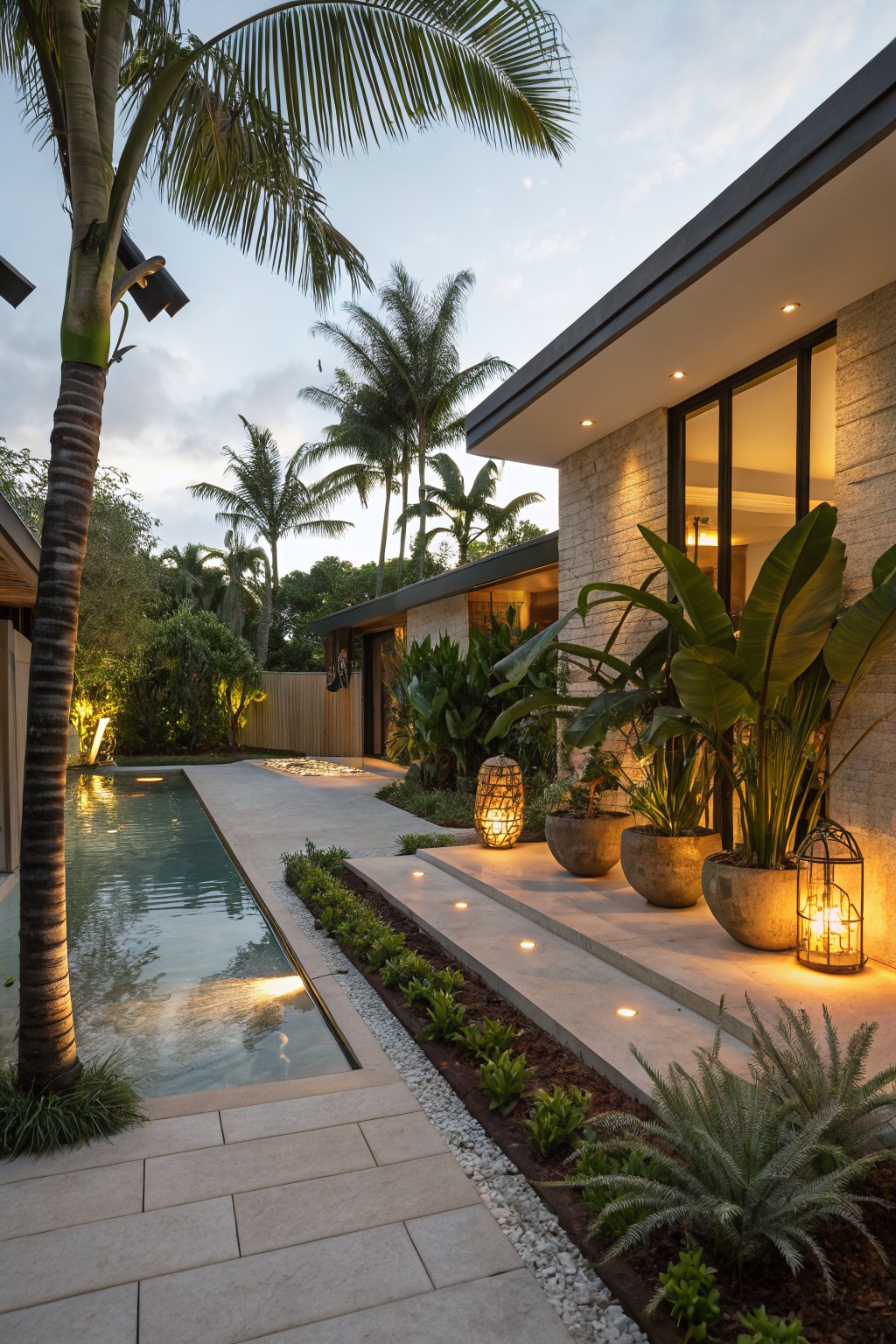
Mixing low path lights with taller lanterns gives garden edges a softer, more natural look at night. The low lights mark the way without glare, while the lanterns add a gentle glow higher up among the plants. This approach feels especially useful along pool decks or house borders where you want light without making the space feel too bright.
It suits homes with simple modern lines and plenty of greenery. Place the lanterns in large pots so they blend with the planting, and keep the path lights small and evenly spaced. Avoid crowding too many fixtures in one spot or the layers start to compete.
Line a Garden Path With Low Lights
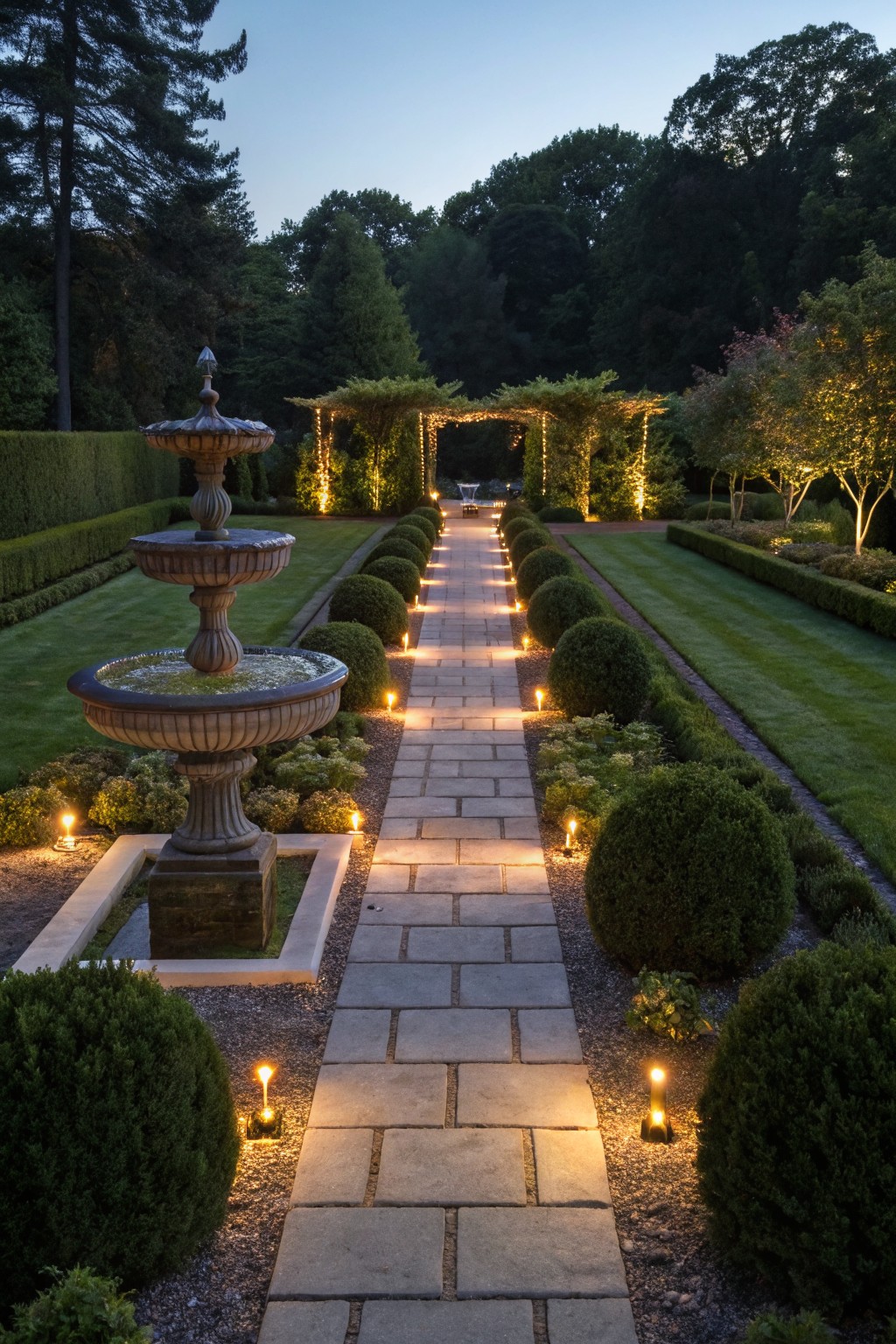
Placing small lights along both sides of a garden path gives the whole layout a clear shape after dark. It turns a simple walkway into something you can actually use in the evening without needing bright overhead lights that wash everything out.
This works best on straight or gently curving paths where the lights can run in a steady line. Stone or gravel paths take to it easily, and the low glow keeps the focus on the planting rather than the fixtures themselves. Just space the lights evenly and keep them low enough that they do not glare into your eyes as you walk.
Layer String Lights With Lower Accent Lights

Many people rely on one main light source outside, but adding layers changes how the space feels once the sun goes down. String lights overhead give a soft general glow while smaller lights placed closer to the seating keep things warm and easy to use.
This approach works best on decks or patios that see evening use. Keep the lower lights small and tucked near the furniture so they add comfort without creating glare.
Layer String Lights With Pendant Lights

Mixing string lights with a few larger pendants gives an outdoor kitchen both useful task light and a softer evening feel. The string lights run along the beams for general glow while the pendants hang lower to light the counter and seating area.
This setup works best on a covered patio or pergola where you cook or gather after dark. Keep the pendants simple in shape and finish so the whole lighting layer stays balanced rather than busy.
Lighting The Garden Path

A stone path gains a lot more presence once you run small lights along its edges. The lights trace the curve so the walkway stays easy to follow after dark while the surrounding plants still look soft and natural.
This works best on homes where the garden sits on a slight slope or has several levels. Keep the fixtures low and spaced evenly so they mark the route without overpowering the beds on either side.
Light Garden Paths With Lanterns

One simple way to make a garden feel inviting after dark is to place a few lanterns right along the edges of paths and water. The light stays low and warm, picking out the stones and plants without turning the whole yard into a bright spot.
This approach suits smaller gardens or those with natural features like ponds. Set the lanterns on flat rocks or low bases so they blend into the landscape, and use just enough of them to guide the way without overwhelming the plants.
Built-In Lighting In Outdoor Planters
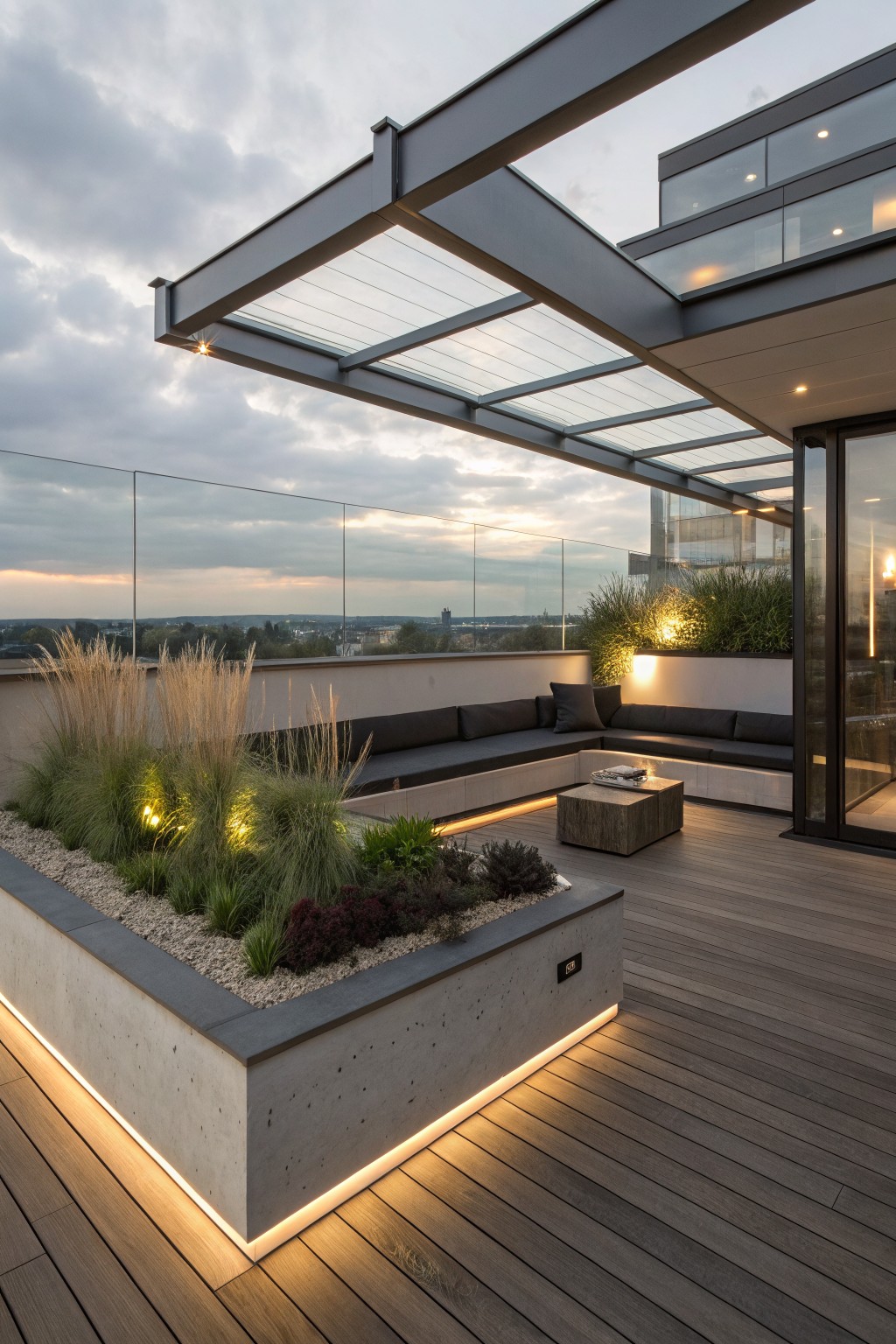
Tucking small lights into raised planters gives a soft base layer of light that feels natural on decks and terraces. It highlights the plants without adding tall fixtures that can clutter the space or block views.
This approach works best on rooftops or patios where seating sits right next to the beds. Use low-wattage warm LEDs that are rated for outdoor use and aim them upward into the foliage so the light stays gentle.
String Lights Over Garden Paths
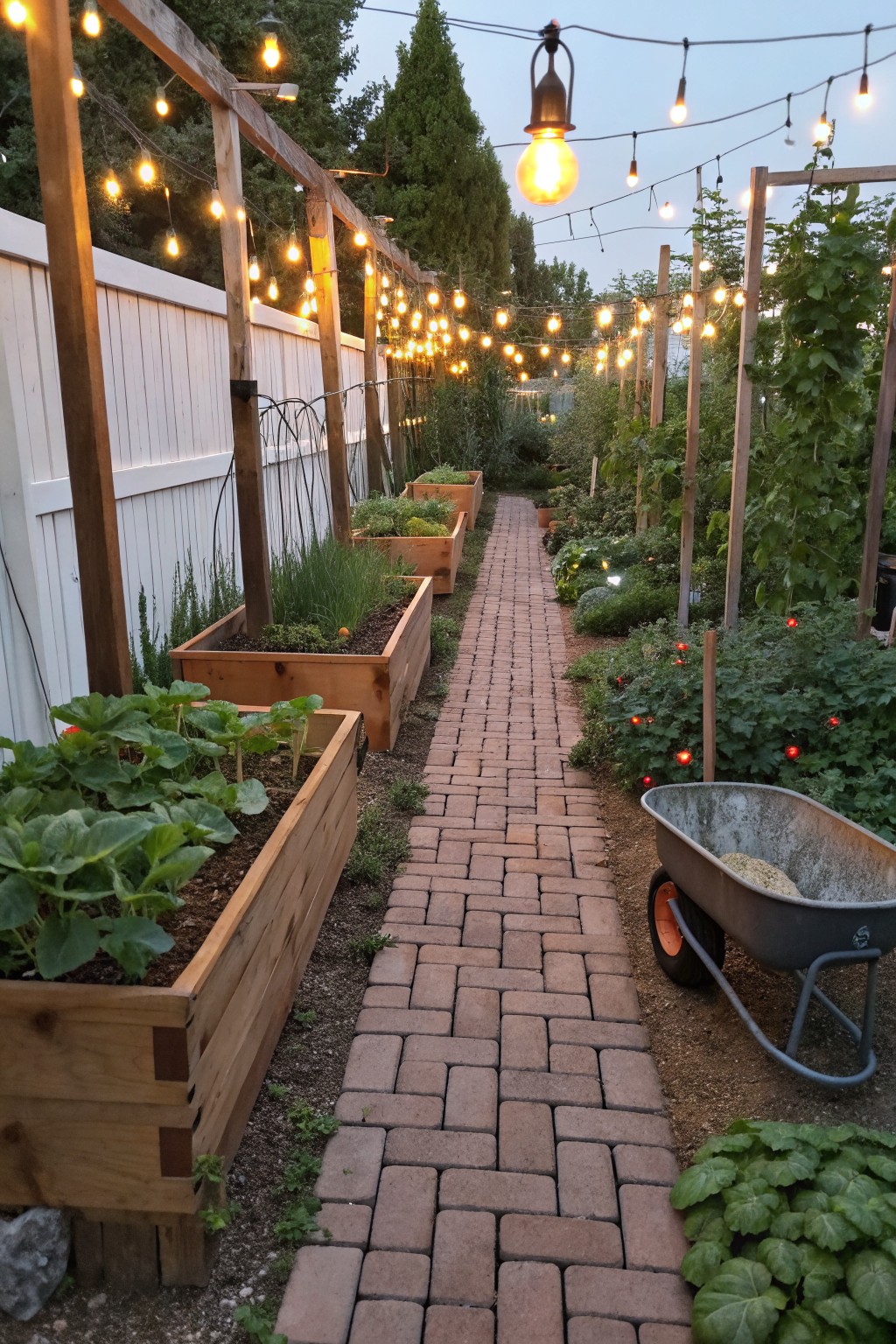
String lights hung overhead give a garden path a soft layer of light that feels useful once the sun goes down. They keep the walkway visible without adding extra lamps along the ground or breaking up the planting beds on either side.
This setup works best in longer gardens where the path already runs between raised beds or borders. Space the posts to match the bed lengths and choose warm bulbs so the light stays even rather than spotty.
Mount Wall Lanterns Around Patio Seating

Wall lanterns placed along the house bring steady, low light right where people sit outside. They keep the focus on the table and chairs without flooding the whole yard with brightness.
This setup suits homes that already have a solid wall beside the patio. Place the lanterns at different heights and pair them with a few smaller lights on the ground so the seating area stays usable well into the evening.
String Lights Over a Fire Pit

String lights add a simple layer of light that pairs well with a fire pit. The gentle overhead glow keeps the space usable after dark while the fire provides the main warmth and focus. This combination feels practical for evenings when you want to stay outside longer without relying on one bright source.
It works best on patios or decks that already have seating arranged around a fire pit. Run the lights between posts or nearby trees so they sit above the area without blocking the view. Keep the bulbs warm white and space them evenly to avoid dark spots.
Light Steps And Built-In Edges For Evening Use

Lighting the edges of an outdoor deck or patio makes the space feel usable long after sunset. In this setup the steps glow from below while a long counter has lights tucked underneath, creating a gentle path and work surface without any harsh overhead glare. It keeps the area safe to walk and gives a soft background glow that works with other lights higher up.
This approach suits homes with wooden decks or paved terraces that connect to the garden. Keep the fixtures low and warm so they blend with the wood tones, and test the spacing so no single spot feels too bright. It works best on spaces you actually use at night rather than just for show.
Lighting Stone Retaining Walls in Tiered Gardens

Placing lights right into stone retaining walls helps a sloped garden feel safer and more inviting after dark. The lights sit low and steady, outlining each terrace without needing tall poles or bright overhead fixtures that can feel harsh.
This approach works well on any hillside or multi-level yard where steps and paths need clear guidance. Warm bulbs keep the stone looking natural while still showing the way along gravel walks and plantings. Just make sure the fixtures are rated for outdoor use and angled to avoid glare on seating areas.
Hang Lanterns Along a Pergola Path

Hanging lanterns from a pergola gives a garden path steady, low light that feels natural after dark. The lights sit above eye level and spread a soft glow along the walkway without flooding the whole space.
This works best in gardens that already have some structure overhead, like wood beams or climbing plants. Place the lanterns a few feet apart and let them vary slightly in height so the light builds in layers rather than sitting in one flat line. It suits older gardens with established beds more than brand new yards.
Frequently Asked Questions
Q: Can I mix solar lights with plug-in ones without the glow looking uneven at night?
A: Start by placing the solar ones in spots that get full sun during the day. Plug-in fixtures can fill in the shadier corners where solar might fade early. Test the mix at dusk and adjust heights so the light levels blend together.
Q: How do I keep string lights from looking messy when I add path lights too?
A: Run the strings high overhead first to create the main layer. Then tuck path lights low and close to the ground along the edges. This keeps the two types from competing for attention.
Q: What if my garden gets heavy rain and I worry about the fixtures?
A: Pick lights rated for outdoor use and check the seals around any connections. Wipe them down now and then to clear off dirt or leaves that hold moisture. Most good ones handle storms fine once they are up.
