

I have found that garden paths tend to work best when they create a clear route from the planting beds straight to a bench or chair without forcing awkward steps across soil.
Over time the way those paths are laid out decides whether the garden feels like one usable space or a collection of separate patches that never quite connect.
A good path changes everything.
When I think about updates to my own yard the first thing I check is how easily I can reach the seating from each bed without trampling edges or squeezing past plants.
Simple routes with steady materials usually last longer once the beds grow in and start to shift the original sight lines.
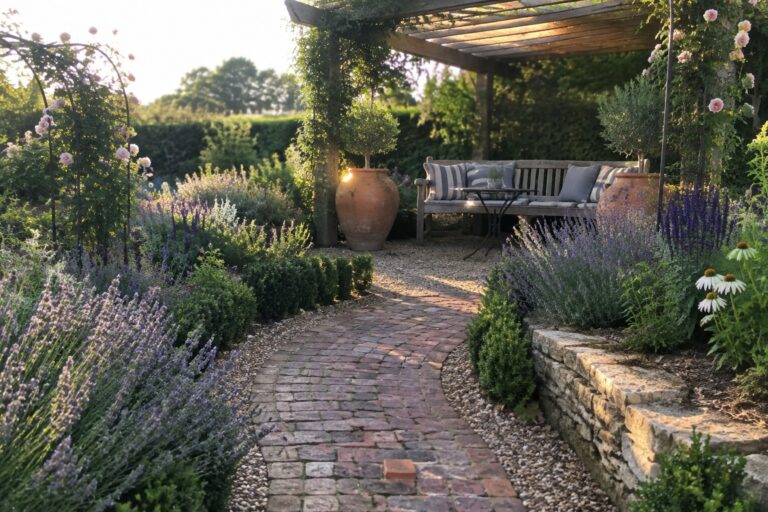
Brick Paths That Connect Beds To Seating

A brick path gives you a simple way to move from the flower beds straight to a bench or table without trampling plants. The material feels sturdy underfoot and blends with most garden styles, especially when the beds are planted right up to the edges.
This layout works best in smaller yards or cottage gardens where you want easy access to a seating spot. Keep the path at least three feet wide so two people can pass, and make sure the bricks sit level for comfortable walking.
Paver Paths Through Gravel Beds
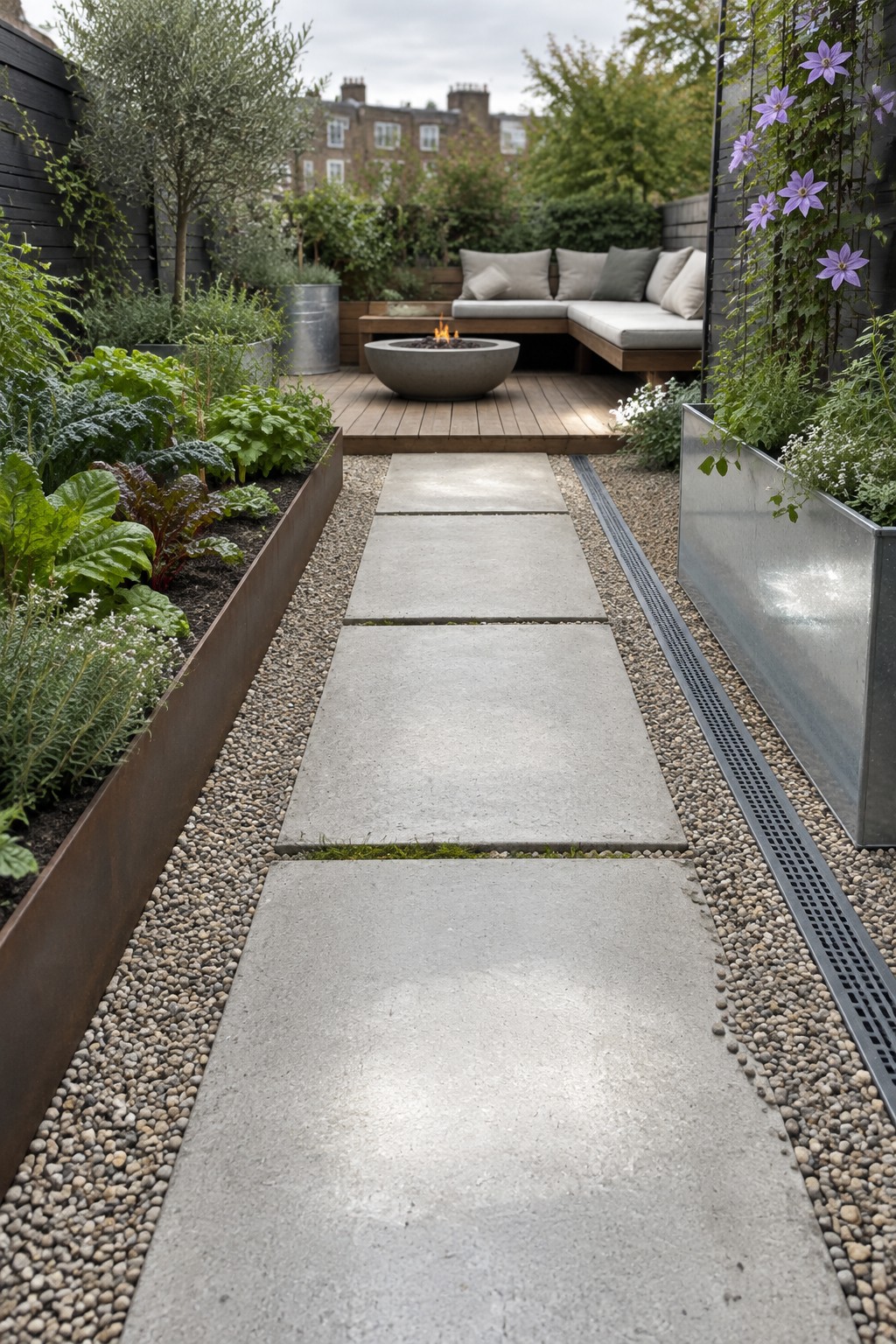
A straight run of large concrete pavers set into gravel makes a simple path that moves between raised beds and leads straight to seating. It keeps the garden looking open while giving a solid place to walk without turning the whole space into a full patio.
This layout works especially well in narrow side gardens or small backyards where you want planting on both sides but still need easy access to a bench or fire pit area. Keep the pavers level with the gravel so water drains properly and mowing or weeding stays easy.
Stone Paths With Gravel Borders

A simple stone path edged in gravel works well when you want to connect planting beds directly to a seating area without making it feel too formal. The flat slabs give a steady surface to walk on while the small stones along the sides let water drain and keep the edges looking soft next to ferns and hostas.
This layout suits shaded or wooded yards where you already have established beds and want a path that feels like part of the garden rather than something laid on top of it. Use irregular slabs so the line stays relaxed, and keep the gravel light in color so it contrasts just enough with the surrounding plants.
Gravel Paths With Log Edging

Gravel paths edged with logs give a simple way to link garden beds straight to a seating area. The logs hold the stones in place and keep the path looking soft instead of too finished, which works especially well in relaxed outdoor spaces.
This kind of path suits homes with coastal or informal gardens where you want the planting to feel connected to where people sit. Use it on level ground and choose logs that have been treated for weather so they hold up over time.
Wood Plank Paths That Lead Straight To Seating
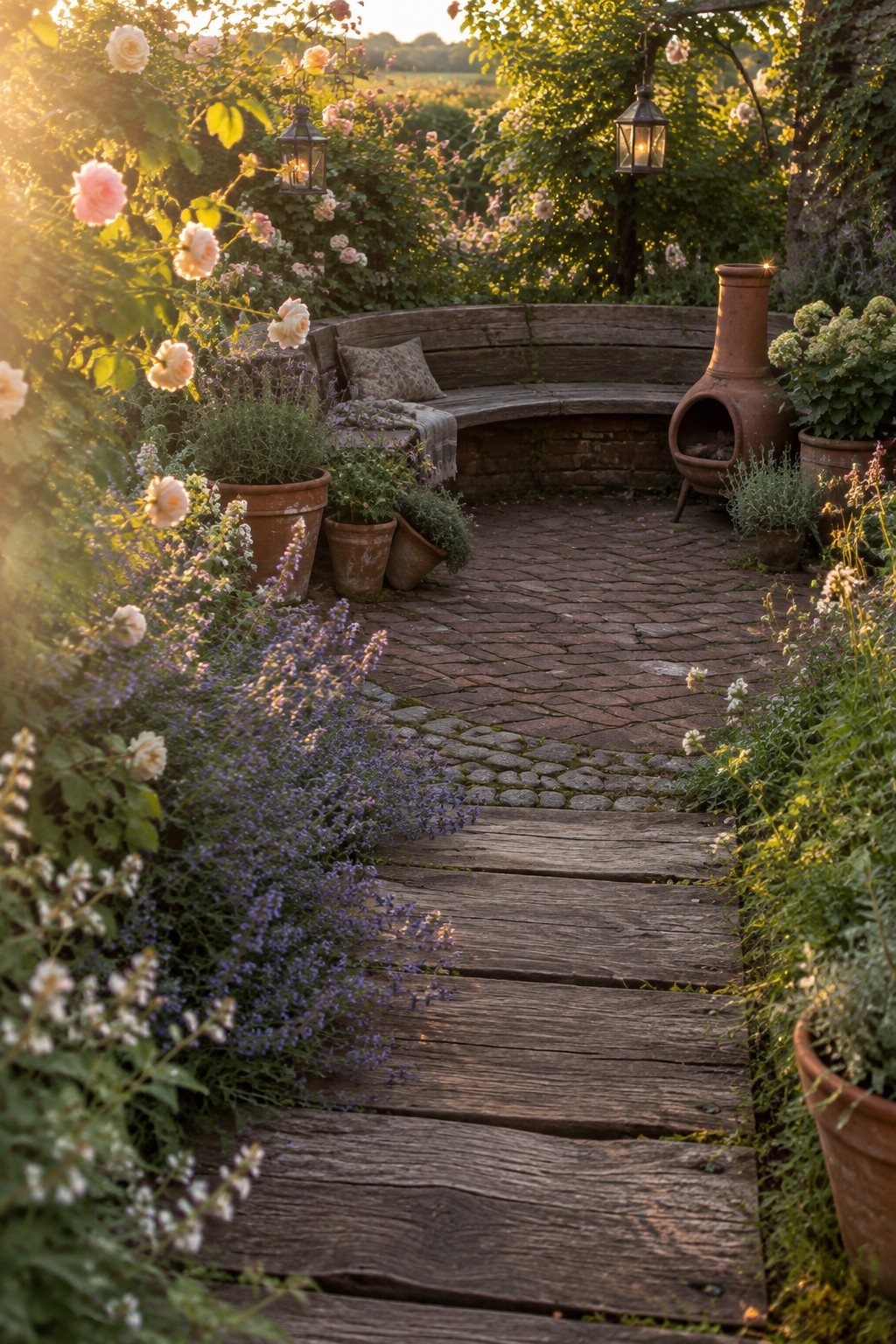
A wood plank path gives the garden a softer look than stone or gravel and lets the planting come right up to the edges. It works especially well when the goal is to move people from the beds into a quiet spot without creating a hard break in the landscape.
This approach suits cottage gardens or smaller yards where you already have plenty of flowers and want the path to feel like part of the planting rather than a separate feature. Use reclaimed boards that have already weathered and set them on a simple base so they stay level and dry out between rains.
Curved Paths That Connect Beds To Seating

A curved path made from terracotta tiles gives a garden a relaxed flow. It moves people naturally from the planted beds straight toward a seating spot without making the space feel stiff or overly planned.
This approach works best in warm climates where you can use similar clay tiles and gravel edges. Keep the curves gentle and let low plants spill over the sides a bit so the path feels like part of the garden rather than a separate walkway.
Pavers Set In Gravel
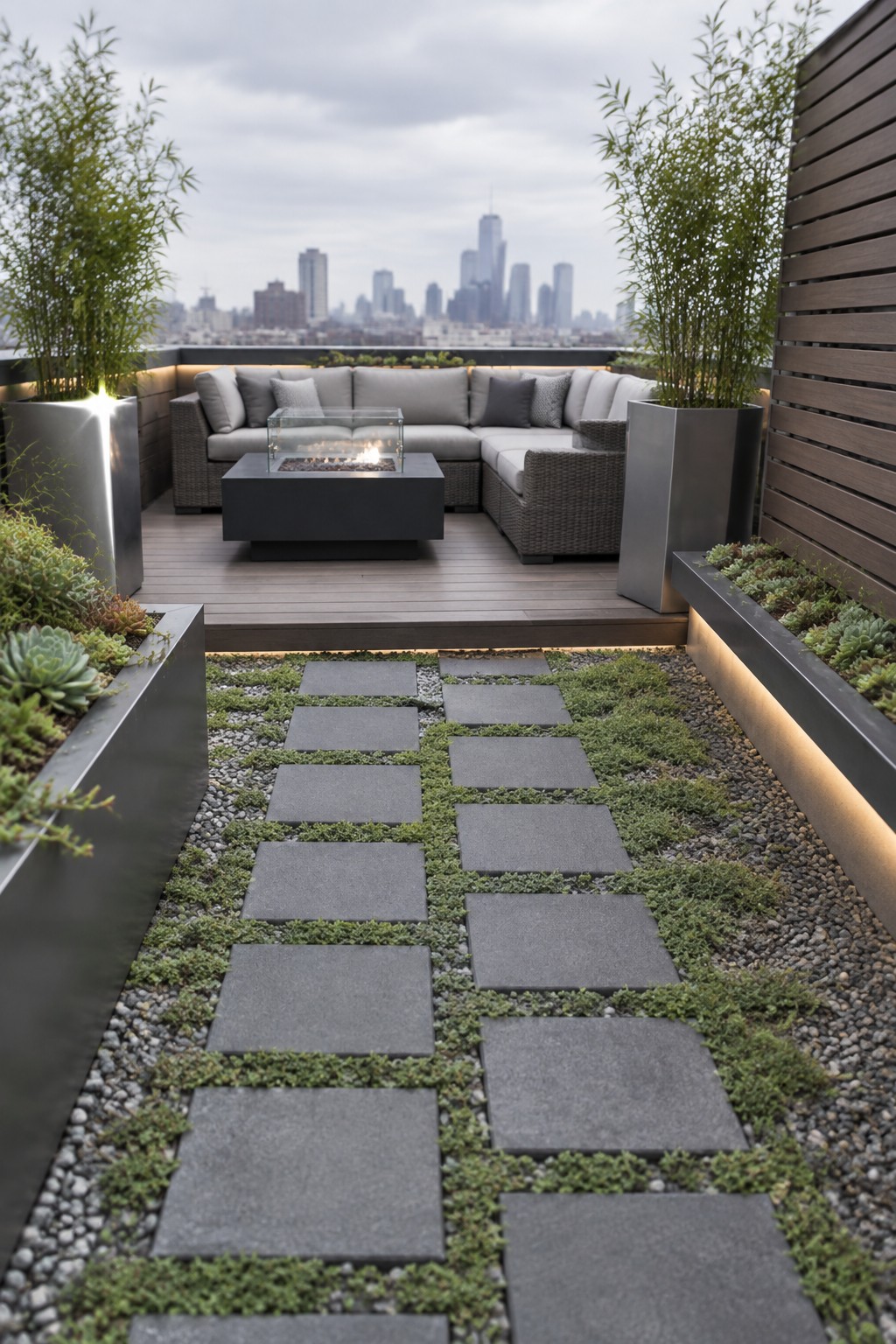
Large square pavers placed into a gravel base give a garden path a clean look while still letting plants grow around the edges. The spacing keeps the surface easy to walk on and helps with drainage at the same time.
This layout works well when you want to connect planting beds directly to a seating area without adding a solid walkway. It suits smaller yards and modern homes where you need something simple that still feels tied to the garden.
Stepping Stones Set In Gravel
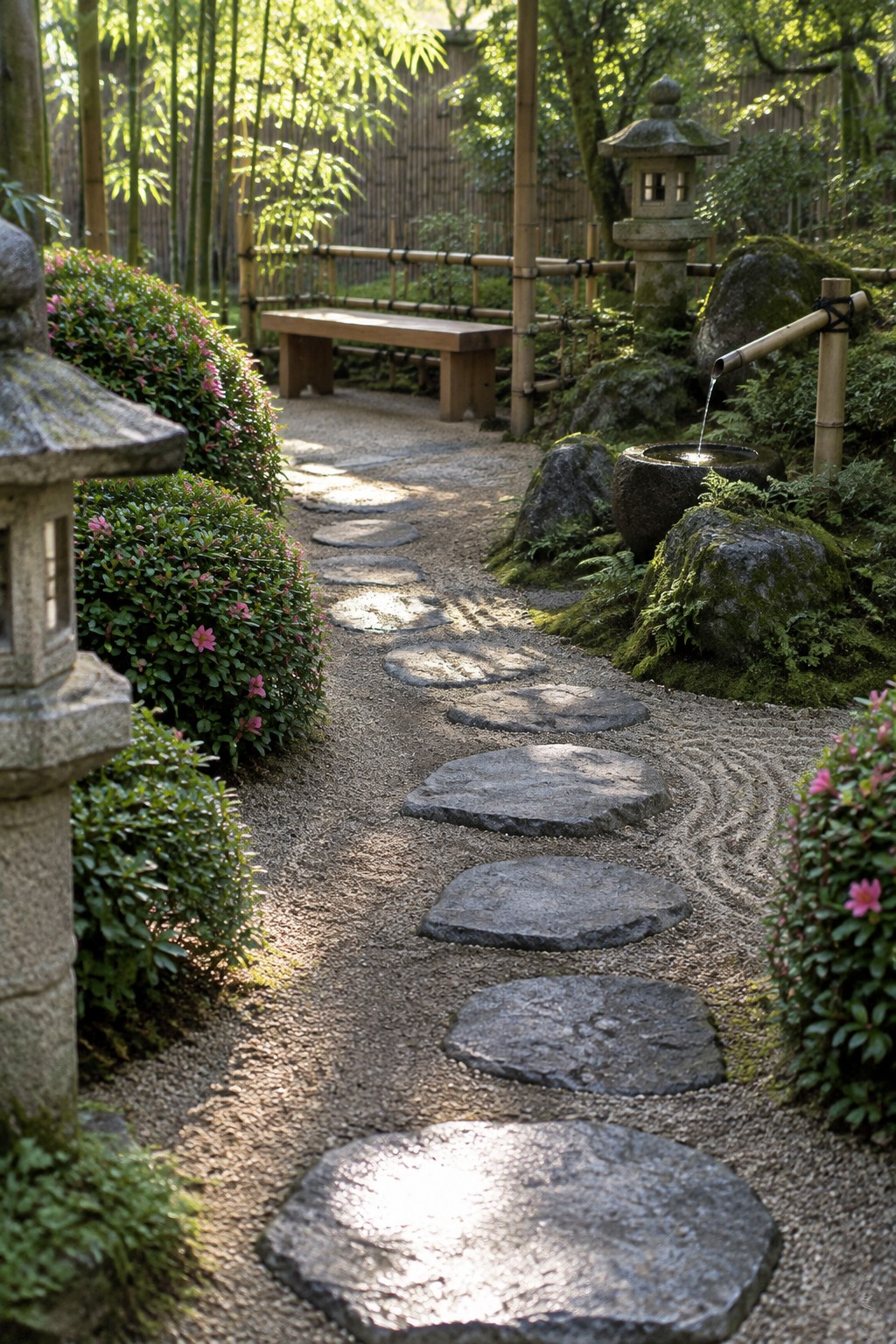
Many gardens feel more inviting when paths use large stepping stones set into gravel rather than solid paving. The loose material lets the stones sit at different heights and angles, which keeps the walk feeling relaxed and connected to the surrounding beds.
This layout suits smaller gardens or side areas where you want a clear route from planting to a bench without adding a heavy structure. Keep the stones spaced for comfortable steps and let low plants creep along the edges so the path blends in over time.
Gravel Paths That Connect Beds To Seating
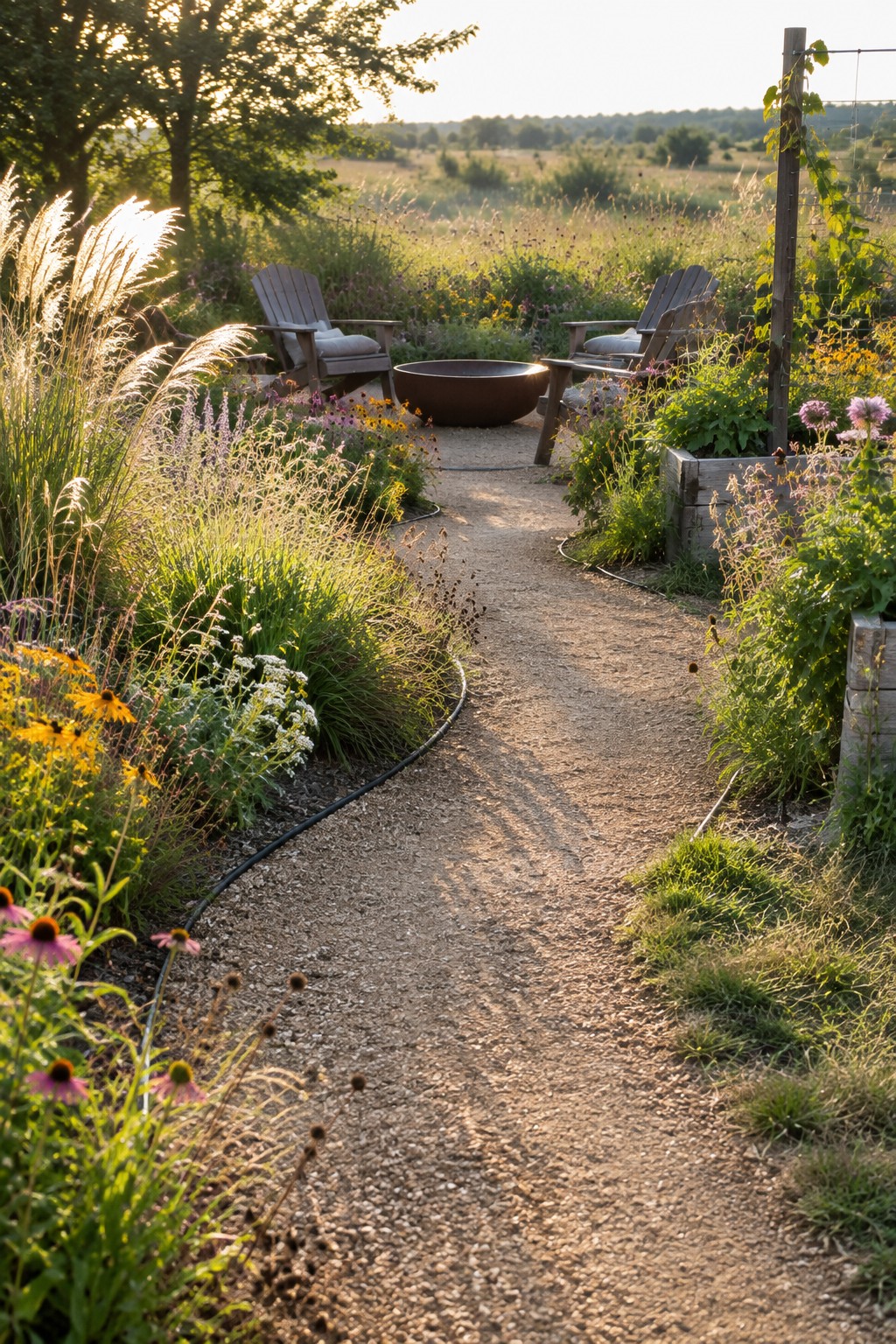
A gravel path gives you a simple way to link planting beds with a seating spot without making the garden feel too structured. It lets the flowers and grasses take center stage while still showing people where to walk.
This approach works best in yards that already have loose, informal beds on either side. Keep the path narrow enough to feel intimate and let it curve gently so the seating area comes into view only as you get closer.
Stepping Stones Through the Beds
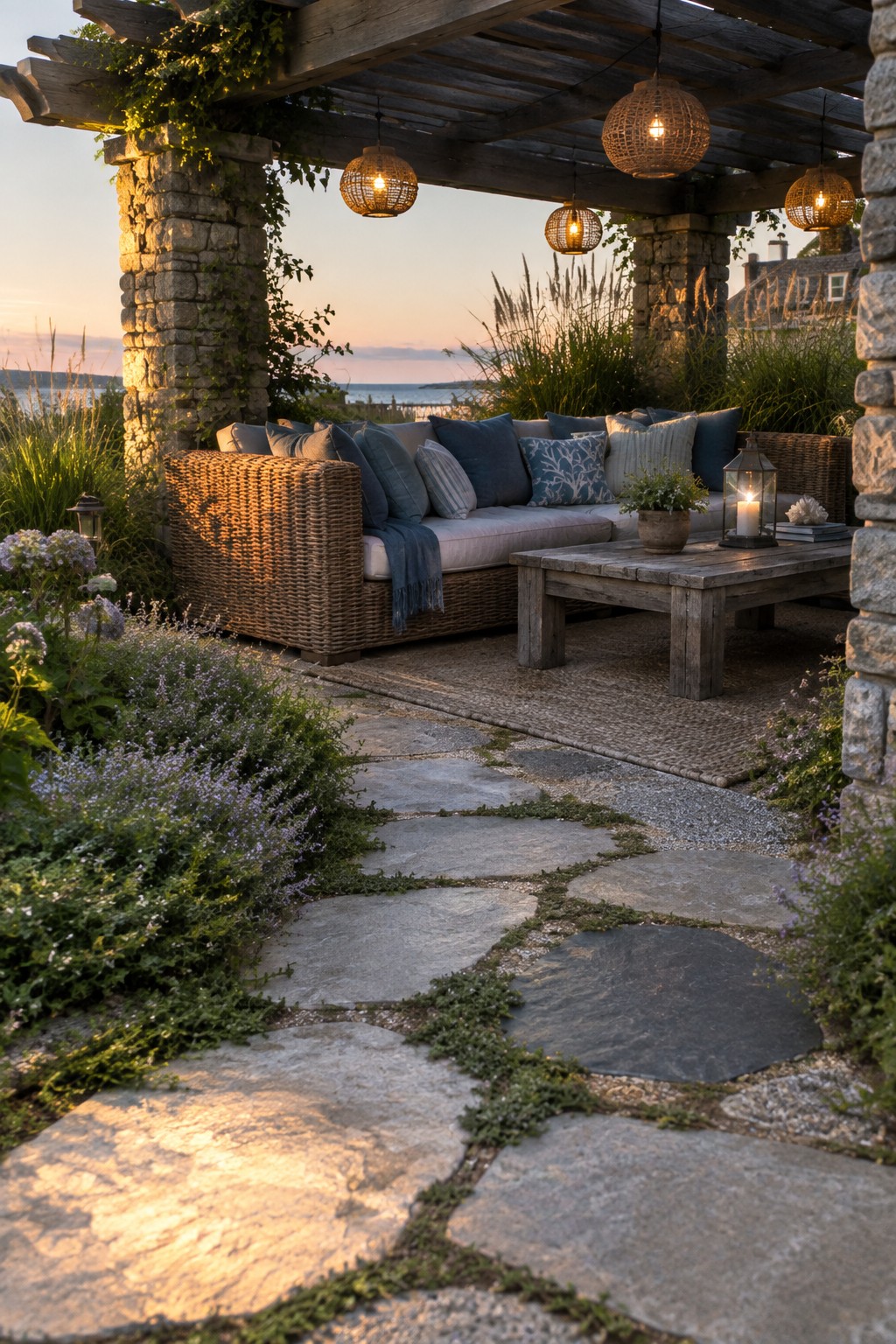
Stepping stones work well when they cut through garden beds instead of skirting around them. They turn the path into part of the planting rather than a separate walkway, so the walk to the seating feels more direct and relaxed.
This approach suits homes where beds sit between the house and the main seating spot. Use larger, uneven stones set in gravel or ground cover so the path stays easy to follow and does not compete with the plants around it.
Pavers With Grass Between Them Make Simple Garden Paths
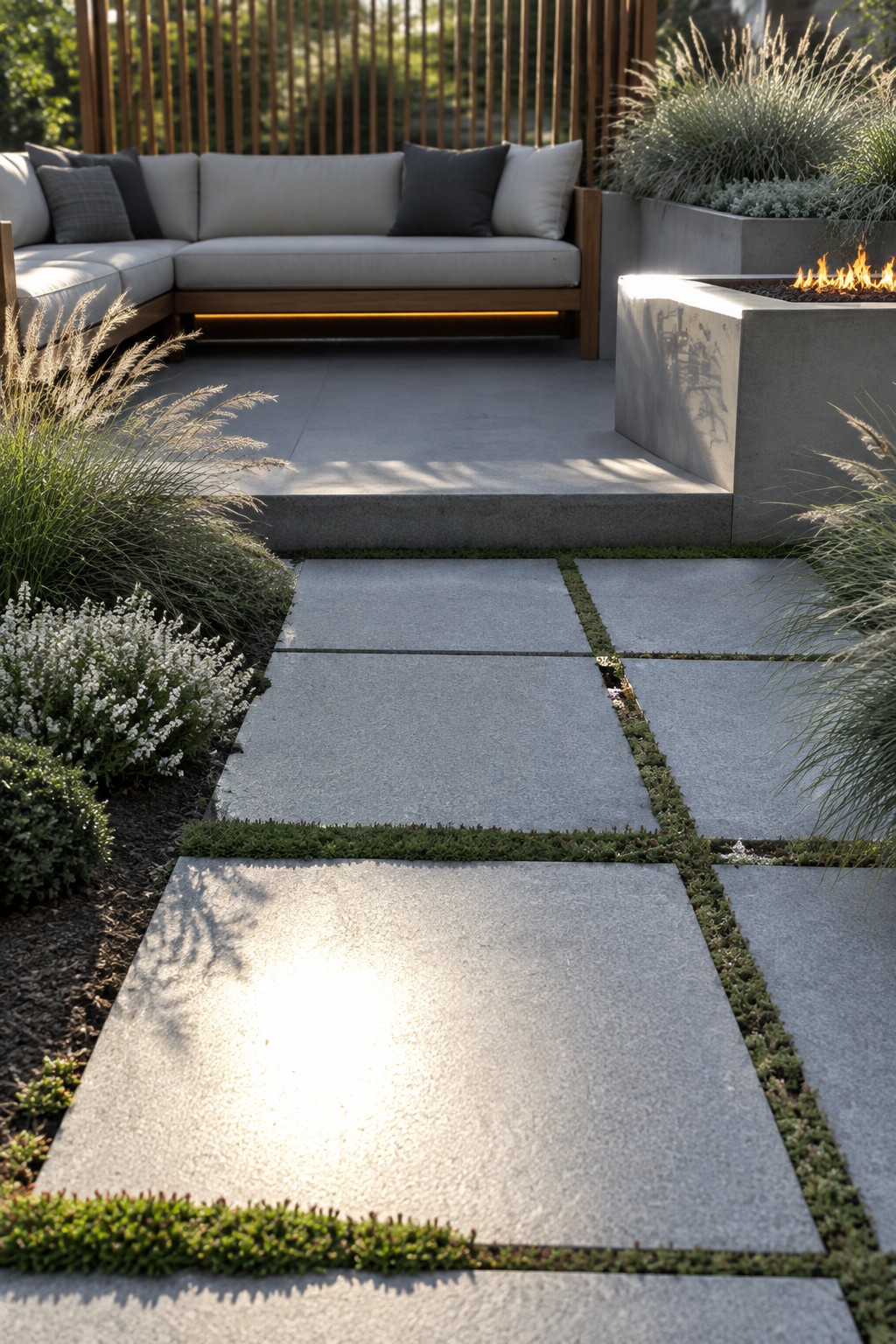
Large pavers set with narrow strips of grass or ground cover between them give a path that feels connected to the garden beds rather than laid over them. The gaps let plants creep in just enough to soften the edges while still keeping the walkway clear and easy to walk on. This setup works especially well when the path needs to lead straight from planted areas to a seating spot without creating a hard barrier.
It suits yards where you want a low-maintenance route that still looks like part of the landscape. Keep the pavers wide enough for comfortable steps and choose a ground cover that stays low so it does not trip anyone up. Avoid filling every joint with the same plant if you want a bit more variation along the way.
Stepping Stones Keep A Lawn Looking Open

Stepping stones set into grass give you a clear route from flower beds straight to a seating area. They avoid the need for a wide paved path and let the lawn stay as the main surface.
This layout works best in smaller gardens where you want to keep movement casual. Space the stones at a comfortable stride and set them low enough that a mower can pass right over them without trouble.
Stone Paths Set in Gravel
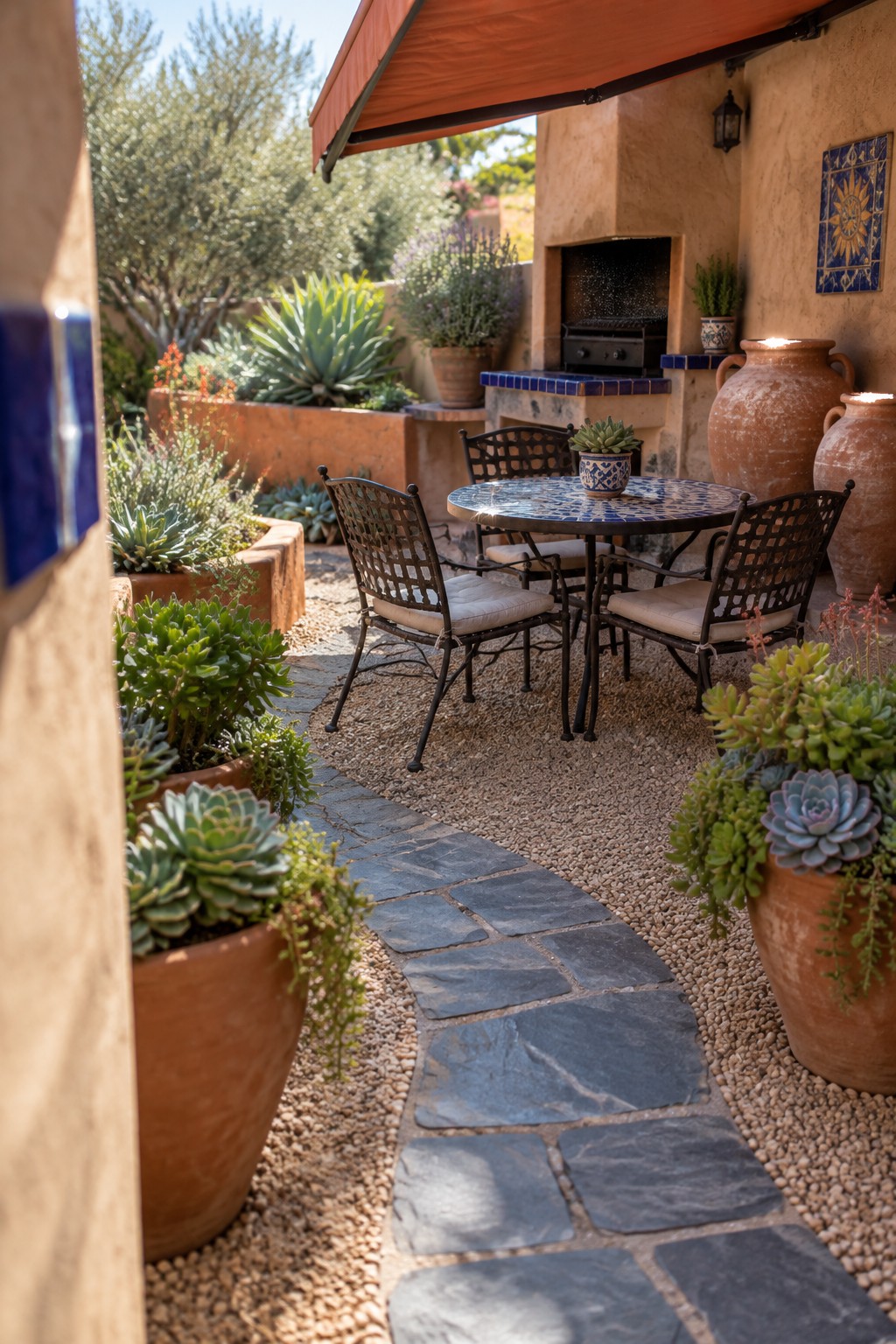
A gravel path edged with flat stone slabs gives an easy way to move between planted beds and a seating area without making the whole garden feel stiff. The loose gravel keeps the surface simple while the stones create a clear line that guides you toward the table and chairs.
This layout works best in sunny side yards or smaller gardens where you want low maintenance but still need a firm walking surface. Keep the stones slightly irregular and let the curve lead naturally to the seating so the path feels like part of the planting rather than a separate walkway.
Stepping Stones Create a Casual Garden Path
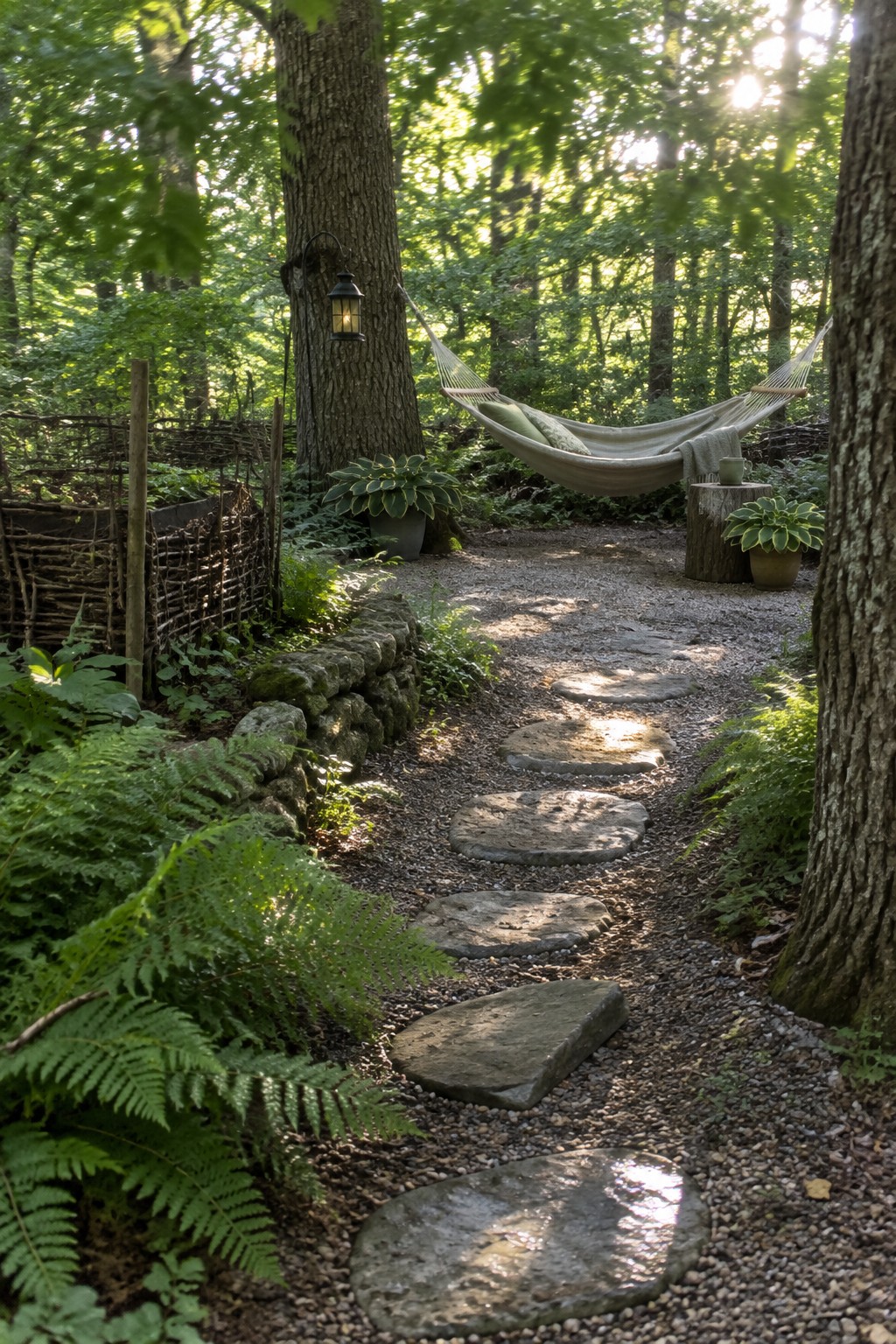
Stepping stones work well when you want a path that feels relaxed instead of too planned out. They sit on gravel and let the beds and ferns come right up to the edges without creating hard lines.
This approach suits a wooded spot or a garden with uneven ground. It leads straight to a seating area like a hammock between trees and stays simple to walk on while keeping the planting looking natural.
Wood Planks Set Into Gravel

A straight run of timber planks laid into gravel gives a garden path a simple, workable surface. It keeps feet dry while letting plants spill over the edges without looking messy.
This kind of path suits smaller gardens or cottage layouts where you want a direct route from the beds to a seating spot. Use pressure-treated wood and compact the gravel well so the planks stay level after a few seasons.
Wood Planks Set in Gravel Make Practical Garden Paths
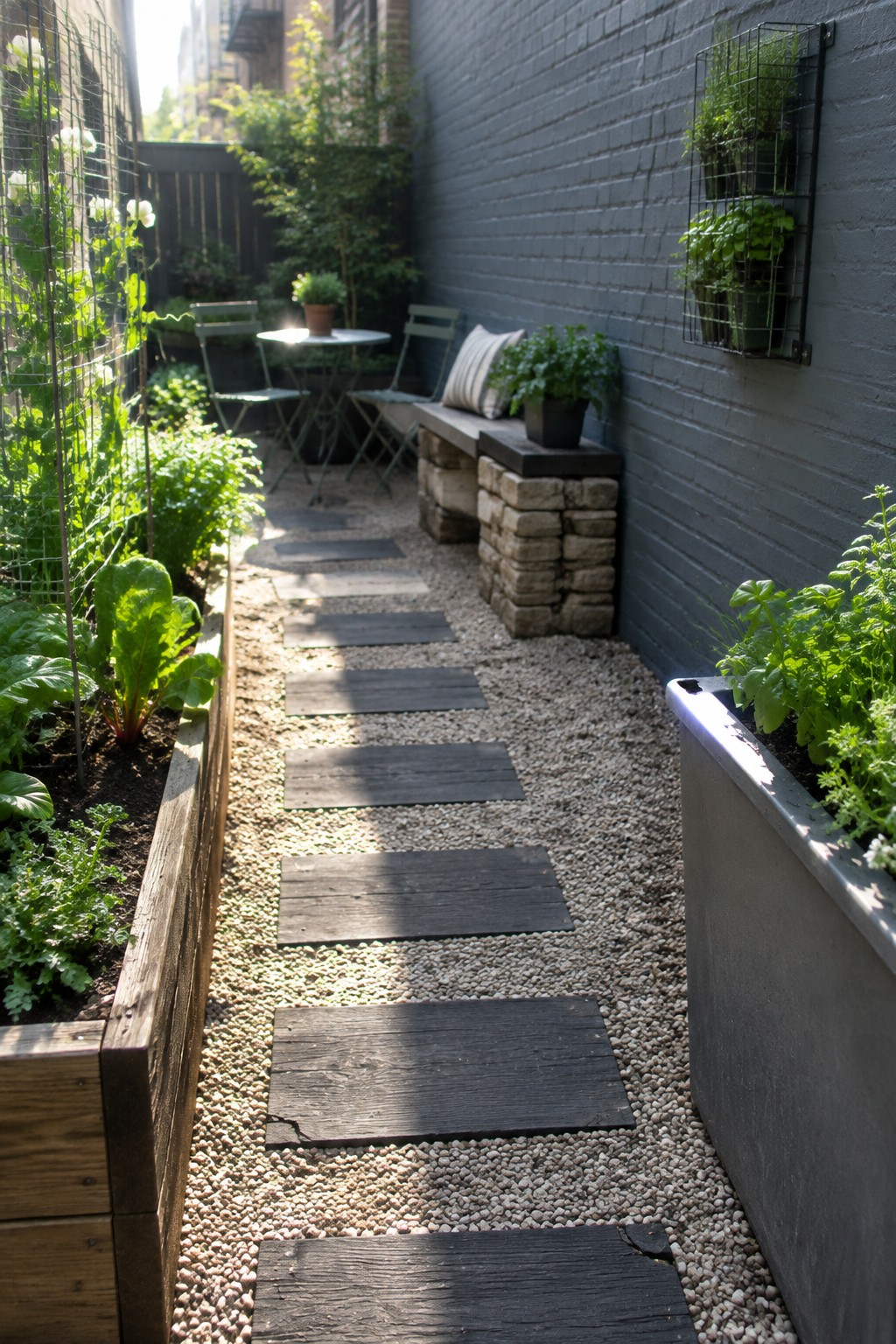
Many people like this approach because it keeps the path feeling casual while still giving a clear way to walk between the beds and the seating. The planks sit right on the gravel, so the whole thing stays simple and does not compete with the plants.
This works especially well in narrow side yards or small urban gardens where you need to connect raised beds to a bench without adding a big paved surface. It is easy to install, simple to adjust later, and looks at home with both wood and stone edging.
Gravel Paths That Connect Planting Beds To Seating Areas
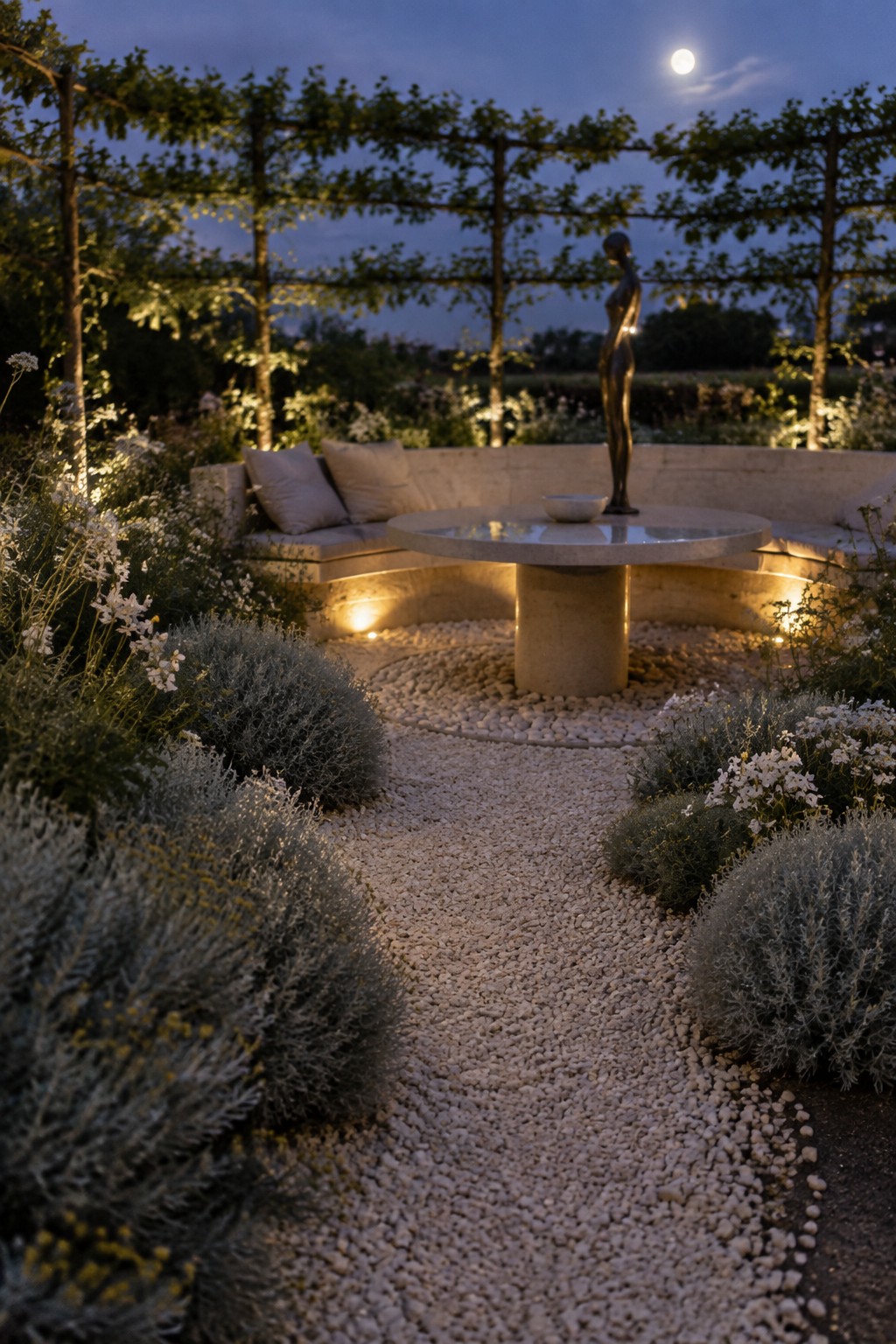
Gravel paths give you an easy way to move between garden beds and a seating spot without making the whole area feel too structured. The loose material blends right into the planting and lets the beds flow naturally around the path edges.
This works especially well in smaller gardens or cottage style spaces where you want the seating to feel tucked into the garden rather than set apart. Keep the path width comfortable for walking and add a simple border so the gravel stays put over time.
Stone Paths That Run Through The Beds

A stone path cut through the planting beds makes the whole garden feel more usable. Instead of treating the beds as something to walk around, the path brings you right into the middle of them and straight to the seating.
This setup works best in smaller yards where you want quick access between growing space and an outdoor table or bar. Keep the stones irregular and let the plants soften the edges so the path feels like part of the garden rather than a separate walkway.
Natural Stone Paths Connecting Beds to Seating
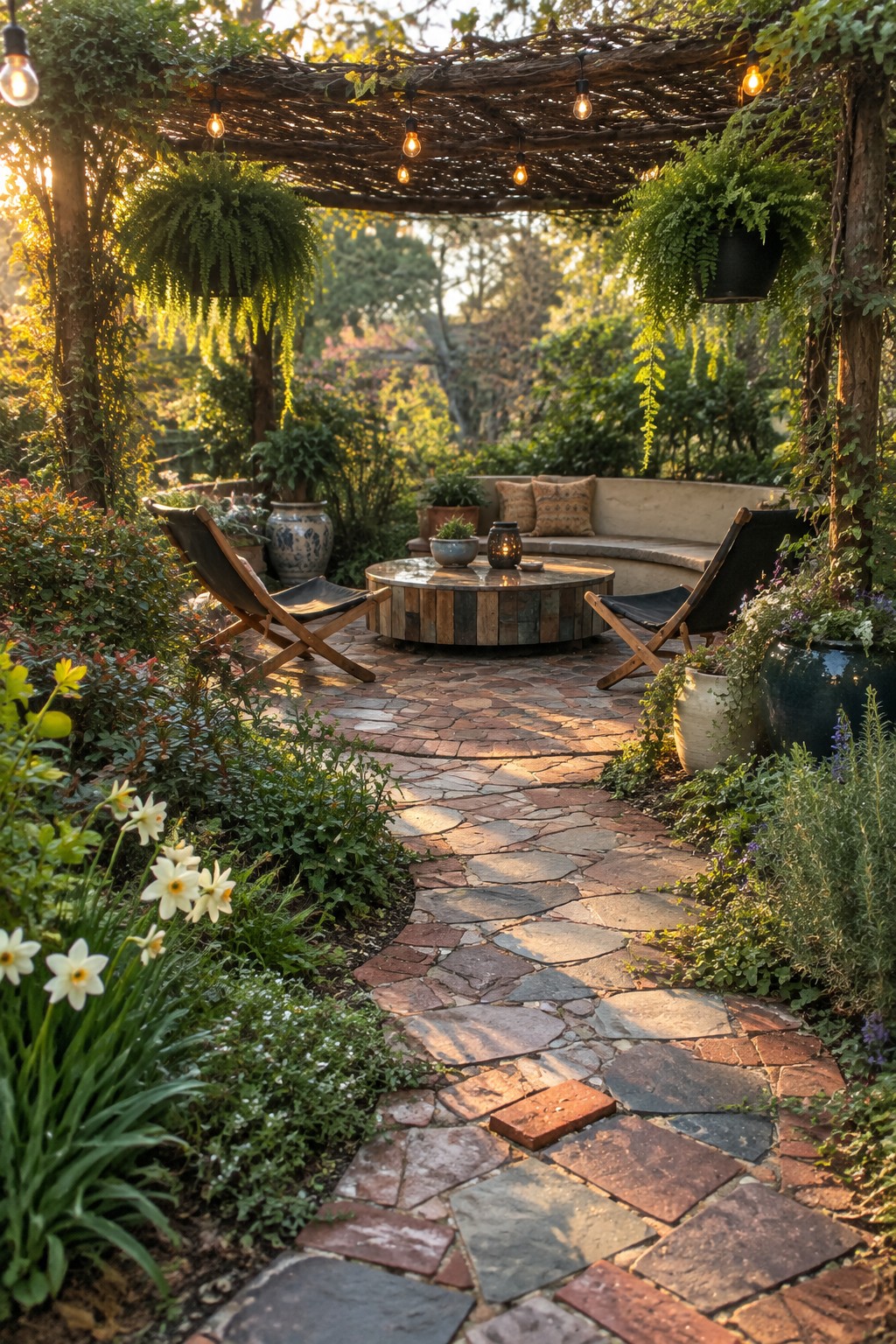
A stone path made from irregular pieces gives a garden an easy, settled look. It lets you move through the beds without stepping on plants and creates a clear route straight to the seating area at the end.
This approach works best in smaller gardens or side yards where space feels tight. Keep the path wide enough for two people and let the plants soften the edges so the whole thing feels natural rather than rigid.
Perforated Metal Plates For Garden Paths
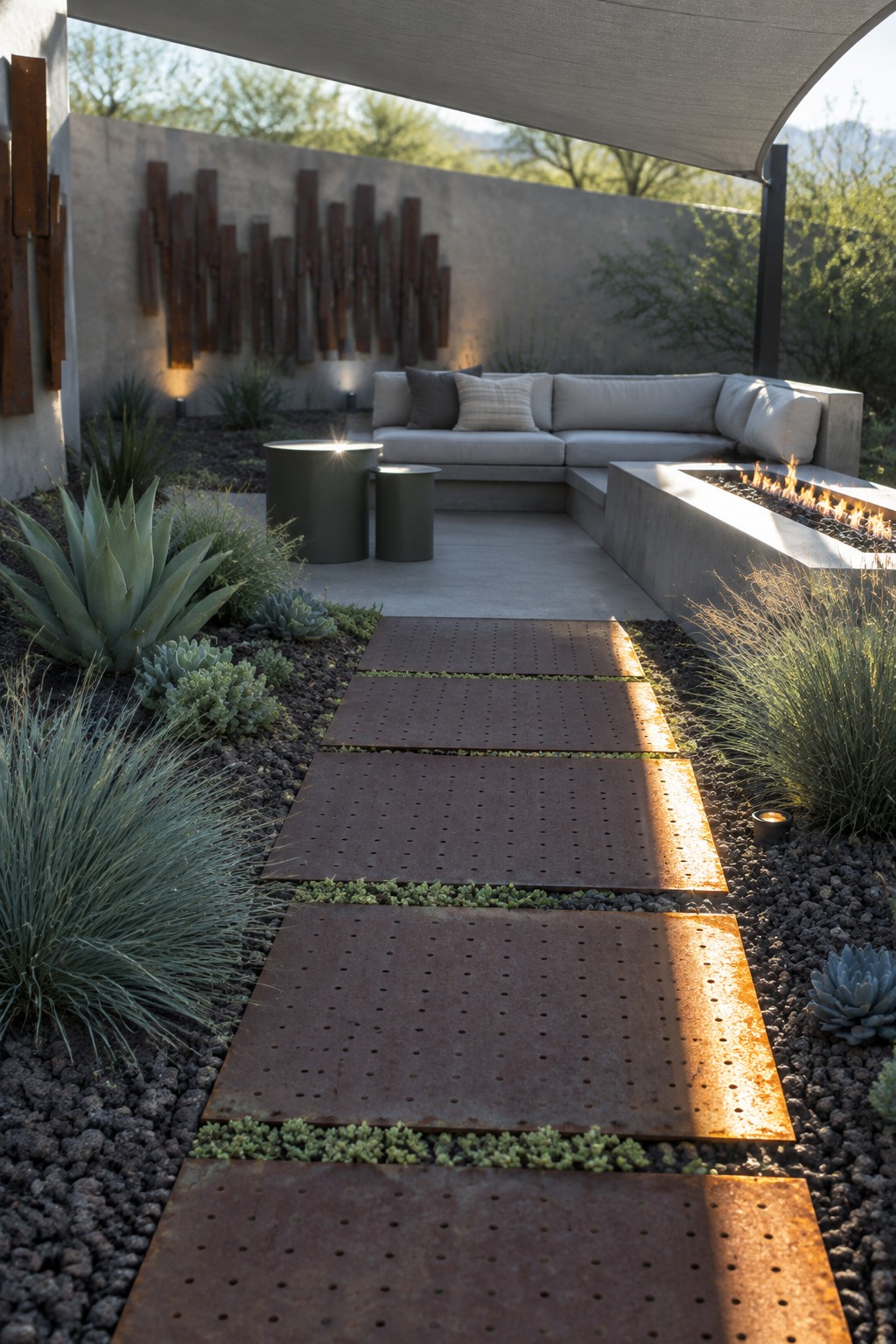
Perforated metal plates make a solid choice when you want a path that connects planting beds straight to a seating area. The holes let small plants grow through without taking over, and the metal holds up well against weather and foot traffic.
This setup works best in drier gardens or modern yards where gravel fills the gaps. Keep the plates level and give the beds a clear edge so the look stays clean over time.
Frequently Asked Questions
Q: How wide should these paths be if I want to roll a wheelbarrow out to the seating spot? A: Aim for at least three feet across so the wheel stays level and you have room to walk beside it. That width also keeps you from stepping on the edges of the beds while you move through.
Q: What works best for stopping grass from creeping into a gravel path? A: Put landscape fabric under the gravel when you build it. Walk the edges every couple of months and tug out any shoots that push through so the path stays neat.
Q: Can I make the path curve instead of running straight to the chairs? A: Curves slow you down and let you see more of the plants along the way. Lay a hose on the ground first to test the bend and make sure it still feels easy to follow.
