


A fence can make a garden feel neatly framed, but the planting along it needs enough shape and spacing to keep the border from looking crowded.
Zinnias bring color and a loose, cheerful feel, and I find they work best when their height and spacing help guide the eye along the fence rather than hide it completely.
The right arrangement can soften a plain stretch of wood or add a lively edge beside a path.
Some ideas use zinnias in simple rows, while others mix them with different heights and textures for a fuller border.
I’d look for layouts that suit the fence, the amount of sun, and how much room you want to leave for walking and tending the plants.
Create a Zinnia Border Along the Fence

A long flower bed beside a fence gives zinnias room to grow while making the boundary feel like part of the garden. Planting flowers in a loose, layered row keeps the bed full without making it look too formal.
For a similar effect, use zinnias in several colors and leave enough space for air to move between plants. A raised metal bed can help define the edge, but make sure it has good drainage.
Grow Zinnias Along a Fence

Zinnias can bring a long fence bed to life without making the planting feel complicated. Their bright blooms stand out against the wood, and taller plants behind them add a bit of structure.
Plant zinnias in a sunny stretch of fence, leaving enough room for air to move between them. A narrow bed works well, but keep the flowers where they are easy to water and deadhead.
Layer Zinnias Through a Cottage Garden
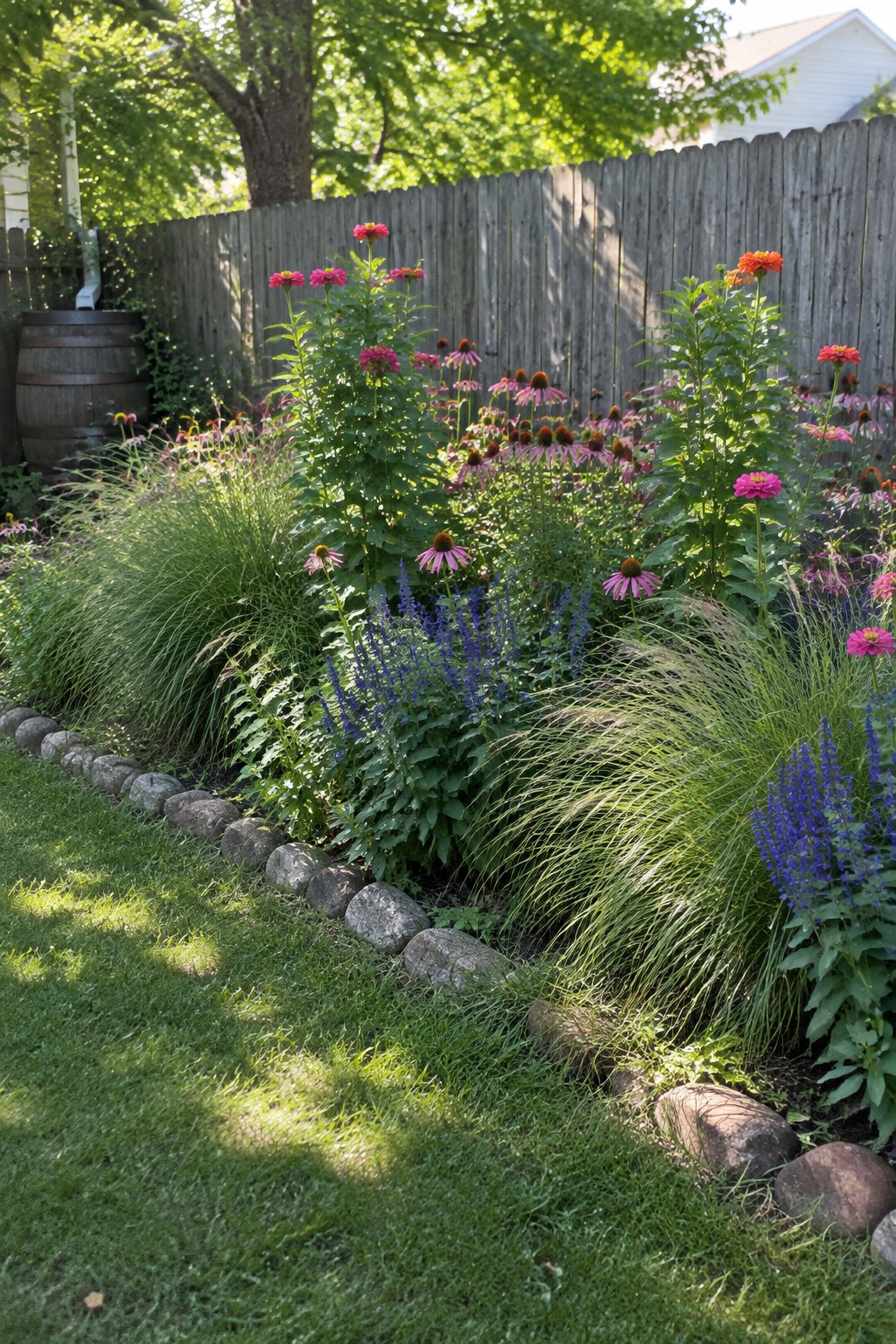
A mixed planting bed lets zinnias stand out without making the fence line feel like a row of single flowers. Tall zinnias rise above lower blooms and airy grasses, giving the border a relaxed, layered look.
For a similar bed, plant zinnias in small groups toward the back and leave space for shorter flowers at the front. This approach suits a sunny fence line, but keep enough room between plants for airflow and easy deadheading.
Plant Zinnias Along a Fence

A long flower bed can turn a plain fence into a colorful part of the garden. Planting zinnias in a loose row gives the border a steady rhythm, while their bright blooms stand out against a dark fence.
Leave enough room between the plants for airflow and easy watering. This approach works well along a narrow path or side yard, where a defined bed keeps flowers out of the walkway. Pair zinnias with a few compact shrubs for shape, but keep the bed wide enough to reach in and tend.
Layer Flowers Along a Garden Fence

Layering flowers at different heights makes a fence-side bed feel full without hiding the fence completely. Tall foxgloves rise behind the zinnias, giving the planting more shape and letting the shorter blooms stay easy to see.
Use taller flowers toward the back and keep zinnias near the front, where they are simple to cut and deadhead. Leave enough room between plants for airflow, especially in a narrow bed along a fence.
Use Repeating Flower Clusters Along the Fence

Repeating small groups of flowers along a fence gives a long border a steady rhythm without making it look too formal. Here, rounded pink zinnias sit among blue globe-shaped blooms, creating a simple pattern that carries the planting bed into the distance.
Try this approach in a narrow bed where you want color to feel organized. Repeat a few plants at intervals, and leave enough room between clumps for foliage to fill out. Varying flower heights can keep the pattern from looking stiff.
Use a Narrow Flower Bed Along the Fence

A narrow bed can turn the edge of a gravel path into a colorful garden without taking up much walking space. Zinnias fit well in this kind of border, where their blooms can brighten the fence line and sit in front of taller grasses.
Leave enough room for plants to spread, but keep the bed contained so it does not spill into the path. This layout works well beside a fence or walkway, especially where a broad garden bed would be hard to maintain.
Use Wall Planters to Grow Zinnias Along a Fence

Wall-mounted planters let you add flowers along a fence without taking up much ground space. A row of zinnias can bring color to a narrow garden path, while keeping the planting easy to reach.
Use sturdy containers with drainage holes, and make sure the fence can support their weight once they are filled with soil. Zinnias need plenty of sun, so this works best on a bright fence that gets several hours of direct light.
Use Gravel Paths to Define Garden Beds
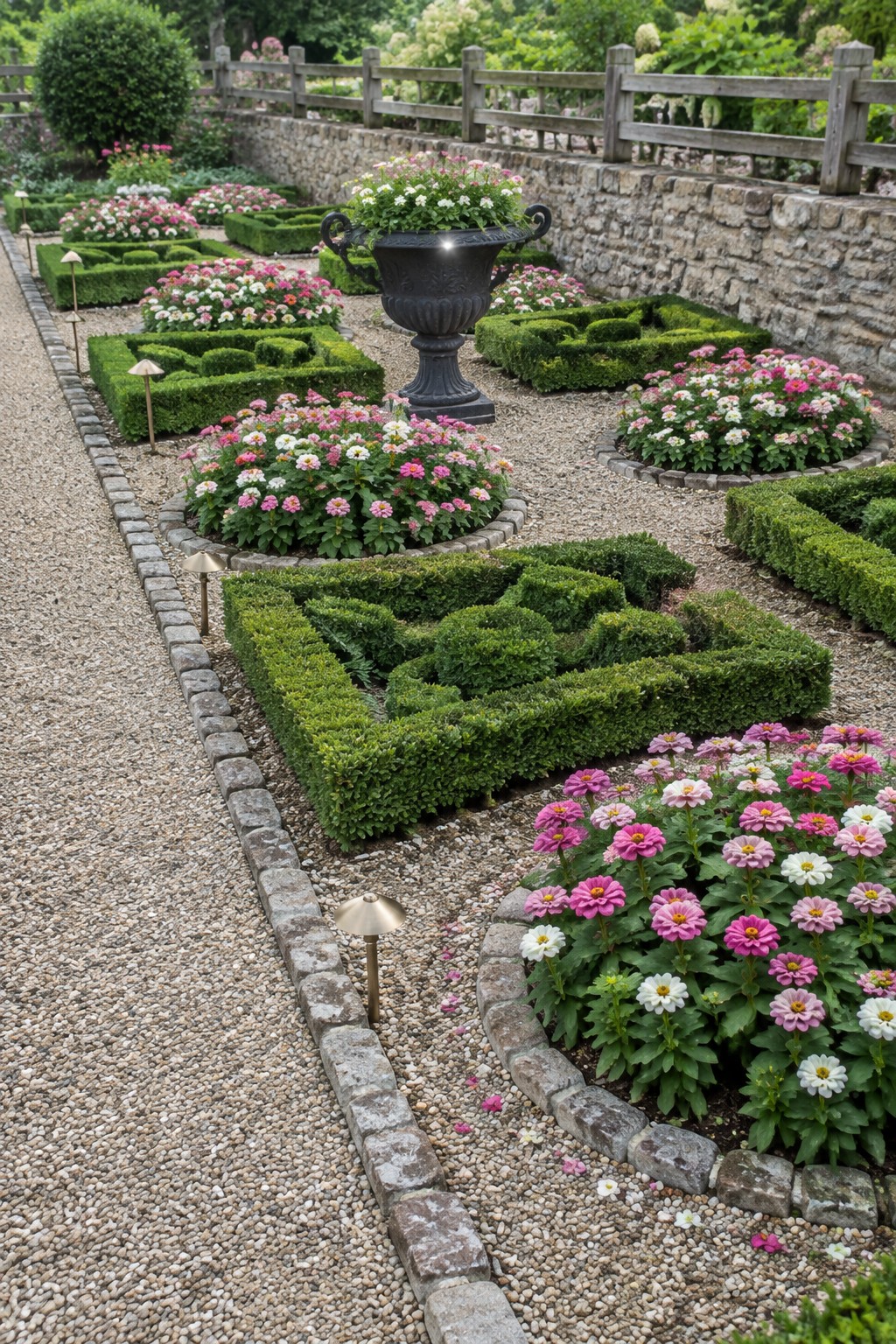
Gravel paths give a formal garden a clear layout without needing a paved surface. Stone edging keeps the paths distinct from the planting beds, while clipped shrubs make the pattern easy to see.
This approach works well in a larger yard where you want separate beds and room to walk between them. Keep the path wide enough for comfortable access, and use sturdy edging to stop gravel from spilling into the plants.
Use Zinnias to Fill the Front of a Fence Bed

A row of zinnias can bring color to the front of a fence planting without hiding the larger plants behind it. Their rounded blooms make a cheerful border, while taller, spiky plants add a different shape farther back.
Plant zinnias in groups along the bed’s edge, leaving enough room for air to move between them. They suit sunny fence lines well, but avoid crowding them against the fence so the flowers are easier to reach and maintain.
Use Stone Edging Along a Fence Garden

A low stone edge gives a flower bed a clear boundary while keeping the planting from feeling too formal. It works especially well beside a path, where the stones help separate the flowers from the walking area.
For a similar look, use stones of varied sizes and leave enough room behind them for zinnias to grow in loose groups. This approach suits a cottage-style garden, but keep the edge low so it does not block the flowers or make the path feel narrow.
Use a Mosaic Path Beside the Flower Bed

A narrow mosaic path gives a fence-side flower bed a clear edge and makes it easier to reach the plants. The colorful paving adds interest without taking attention away from the zinnias.
This approach works well where a garden bed runs along a fence and there is room for a slim walkway beside it. Choose paving that can handle outdoor use, and leave enough width to walk through comfortably.
Add Zinnias to a Shady Fence Garden

Zinnias can bring bright color to a fence garden, even when the planting bed includes plenty of leafy shade plants. Here, red blooms stand out among broad hosta leaves and pale fern fronds, giving the border a loose, layered look.
Plant zinnias where they’ll get enough sun to flower well, and let lower-growing foliage fill the spaces around them. If the fence casts deep shade for most of the day, keep zinnias in the sunnier stretches of the bed rather than expecting them to bloom evenly along the whole fence.
Paint a Garden Backdrop Behind Zinnias

A painted garden scene can give a fence bed a clear focal point without taking space away from the plants. Here, simple flower shapes and a rainbow make the wall feel like part of the garden, while the real zinnias bring the foreground to life.
This idea works best on a plain fence or wall that needs a little character. Keep the painted design simple, and choose colors that relate to the flowers so the planting still stands out.
Add a Water Channel Beside the Fence Bed

A narrow water channel can give a fence-side flower bed a clear edge without taking up much room. Here, the pink zinnias grow in a long strip beside the water, making the planting feel orderly and easy to follow.
This idea suits a formal garden or a straight walkway where there’s enough space for a slim basin. Keep the channel shallow and plan for regular cleaning, since leaves and flower debris can collect in the water.
Add a Gravel Path Beside the Fence Bed

A gravel path gives a fence-side flower bed a clear edge and makes it easier to reach the plants for watering and weeding. Zinnias can fill the bed without crowding the walkway, so the garden stays practical as well as colorful.
Use a compacted gravel base and a simple border to keep stones from spreading into the soil. This works well in a narrow side yard, but leave enough room to walk comfortably once the flowers grow.
Use a Rustic Fence as a Garden Backdrop

A weathered wood fence gives a zinnia bed a simple structure and helps the flowers stand out. The mix of bright blooms and old timber feels relaxed, without needing a formal garden design.
Plant zinnias in a loose strip along the fence, leaving enough room to reach the boards for repairs or trimming. This approach suits cottage-style gardens and country yards. Keep taller flowers toward the back so they do not hide the fence completely.
Add a Bench Along the Fence Garden
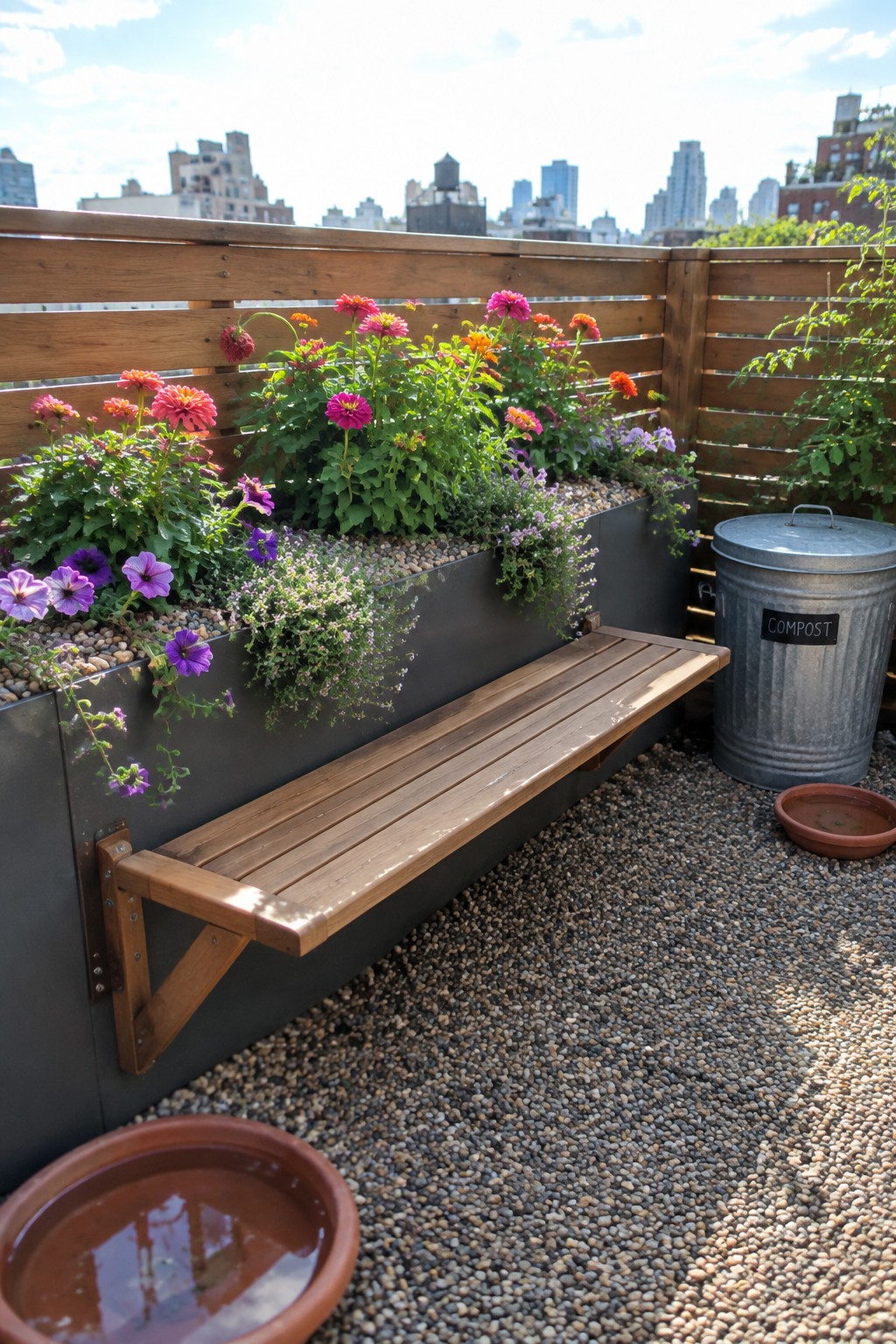
A built-in bench can make a narrow fence garden more useful without taking space away from the planting bed. Here, the wood seat runs along the raised planter, giving the flowers a place to be enjoyed up close.
This setup works well on a rooftop, patio, or side yard where space is limited. Leave enough room in front of the bench to walk comfortably, and choose weather-resistant wood or a finish you can maintain.
Frequently Asked Questions
Q: How much space should I leave between zinnias and the fence?
A: Leave enough room for air to move around the plants, especially if the fence blocks a breeze. Check the spacing on your seed packet, and keep taller varieties toward the back so they don’t shade shorter flowers.
Q: Will zinnias grow along a fence that gets only part-day sun?
A: They can, but they’ll usually bloom more in a spot with several hours of direct sun. If that fence stays shady most of the day, try a small patch first before planting the whole border.
Q: How do I keep zinnias from flopping over beside the fence?
A: Choose a compact variety, or add simple stakes while the plants are still young. Water at the base and avoid overly rich soil, which can encourage tall, floppy growth.
Q: Can I plant zinnias right next to the fence?
A: Give them a little breathing room rather than tucking them against the boards. That makes watering and deadheading easier, and helps leaves dry after rain.
