

Backyard garden beds tend to work better when the layout takes the slope and sunlight into account from the start.
I have watched beds that looked fine on paper end up feeling cramped once the plants filled in.
Pathways and simple edging play a bigger role than most people expect in keeping everything looking intentional.
A few budget moves can reshape the space without much cost.
I usually start by trying one new edging idea near the patio to see how it changes the flow before doing more.
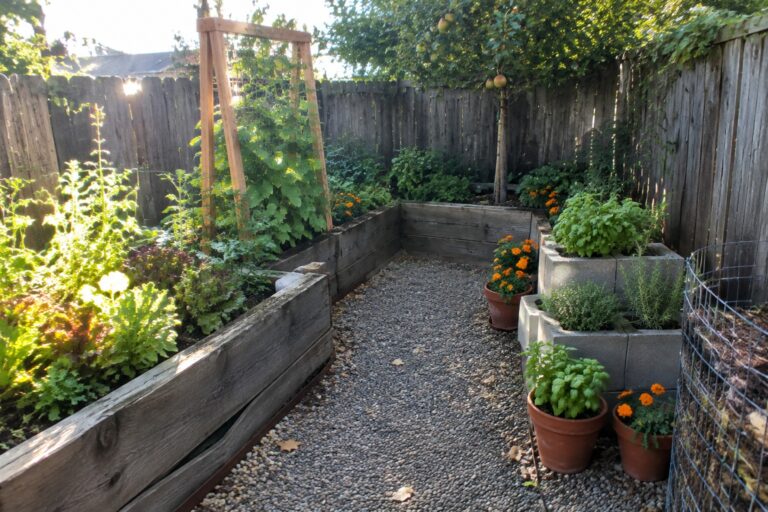
Raised Beds With Gravel Paths

Raised beds made from wood give you clear structure in a garden while keeping the soil contained and easy to work. The gravel path between them drains well, cuts down on mud, and makes it simple to walk through without stepping on plants.
This approach works best in smaller yards where you want vegetables or flowers without a big lawn to mow. Reclaimed lumber and basic gravel keep the cost low, and the beds can be built in any length that fits your space.
Brick Edging Defines Garden Beds

Brick edging gives garden beds a clean edge without spending much. It separates the planted areas from the path and mulch, which keeps everything looking organized even in a narrow side yard. The low border also helps hold the soil in place when you add new plants or refresh the mulch each season.
This works well along a straight path or around curved beds in most backyard layouts. Lay the bricks flat or on their side depending on the height you want, and use whatever you can find at a salvage yard or big box store. It suits homes with simple wood fences and basic plantings since the bricks add structure without needing fancy materials.
Build Paths With Pavers Set In Gravel
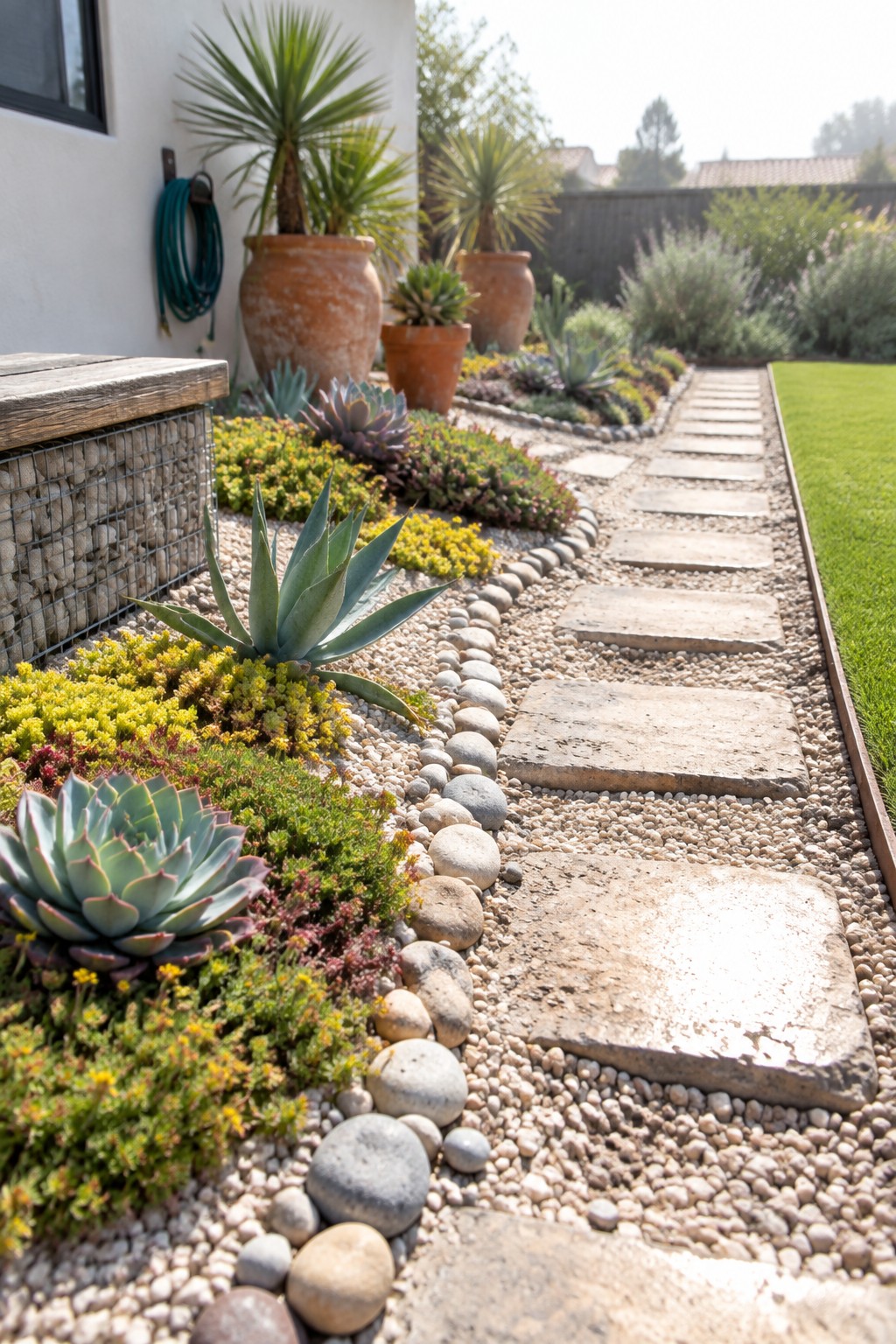
A gravel path lined with flat pavers gives garden beds a clear shape without costing much. It keeps the planting areas separate and makes it easy to walk through the yard without stepping on the plants.
This layout works best along the side of a house or in narrow spaces where you need access. Gravel stays in place with a simple border of stones, and low-water plants like succulents can fill in the edges with little extra work.
Mix Plant Heights in Your Beds
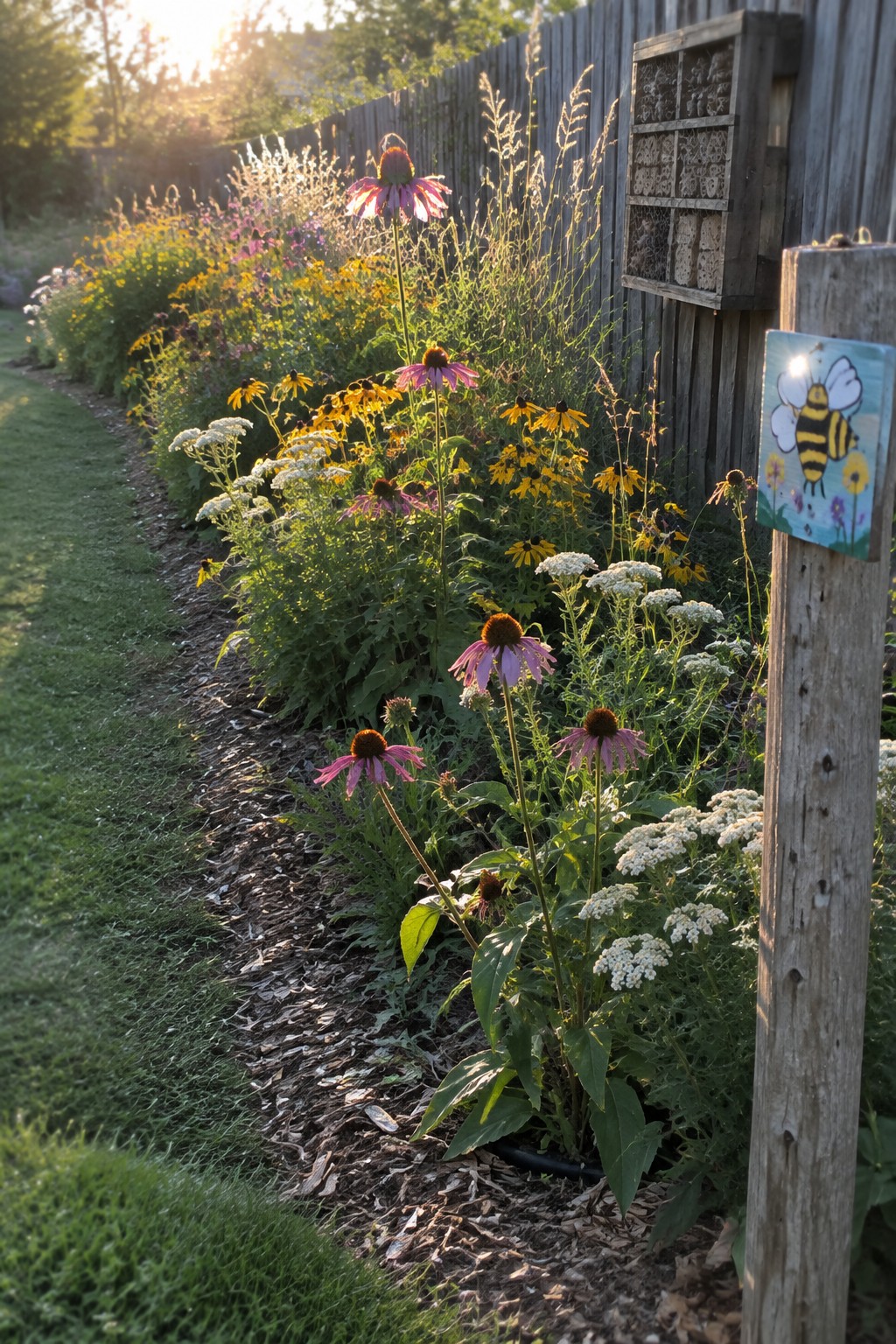
One simple way to stretch a small plant budget is to combine taller flowers at the back of the bed with shorter ones toward the front. This creates a full, natural look without needing to fill every inch right away.
It works especially well in long narrow beds along a fence or path. Pick a few tough perennials that return each year and let the layers build over time.
Raised Beds With Concrete Block Borders
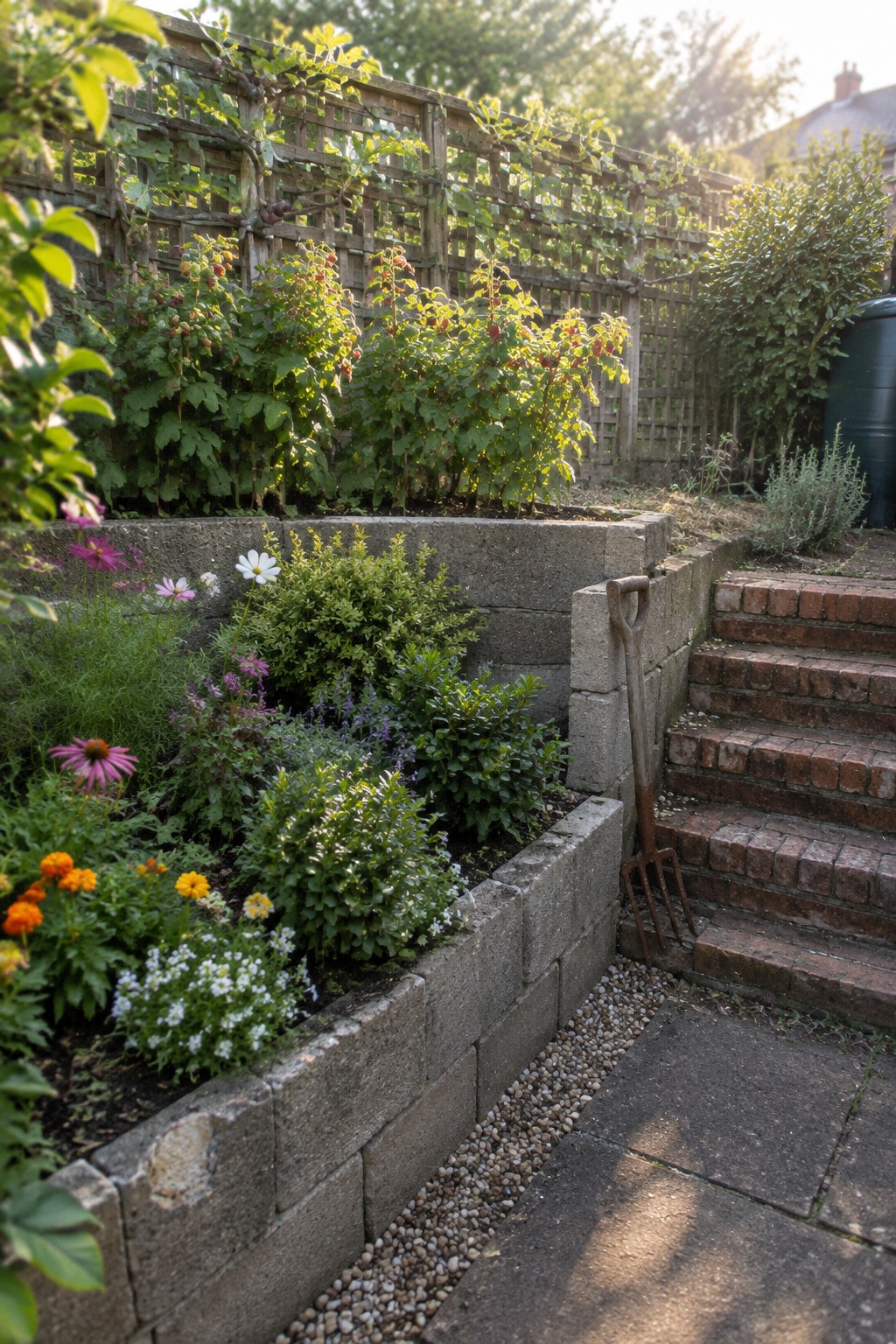
Concrete blocks give you a simple way to frame raised garden beds that stay neat over time. They hold the soil, create clear edges, and work well even on slightly uneven ground.
This setup suits small or sloped backyards where you want to keep planting areas contained without big expense. Lay the blocks in a single or double row, then add a narrow gravel strip along the front to help with drainage and foot traffic.
Vertical Pallet Gardens
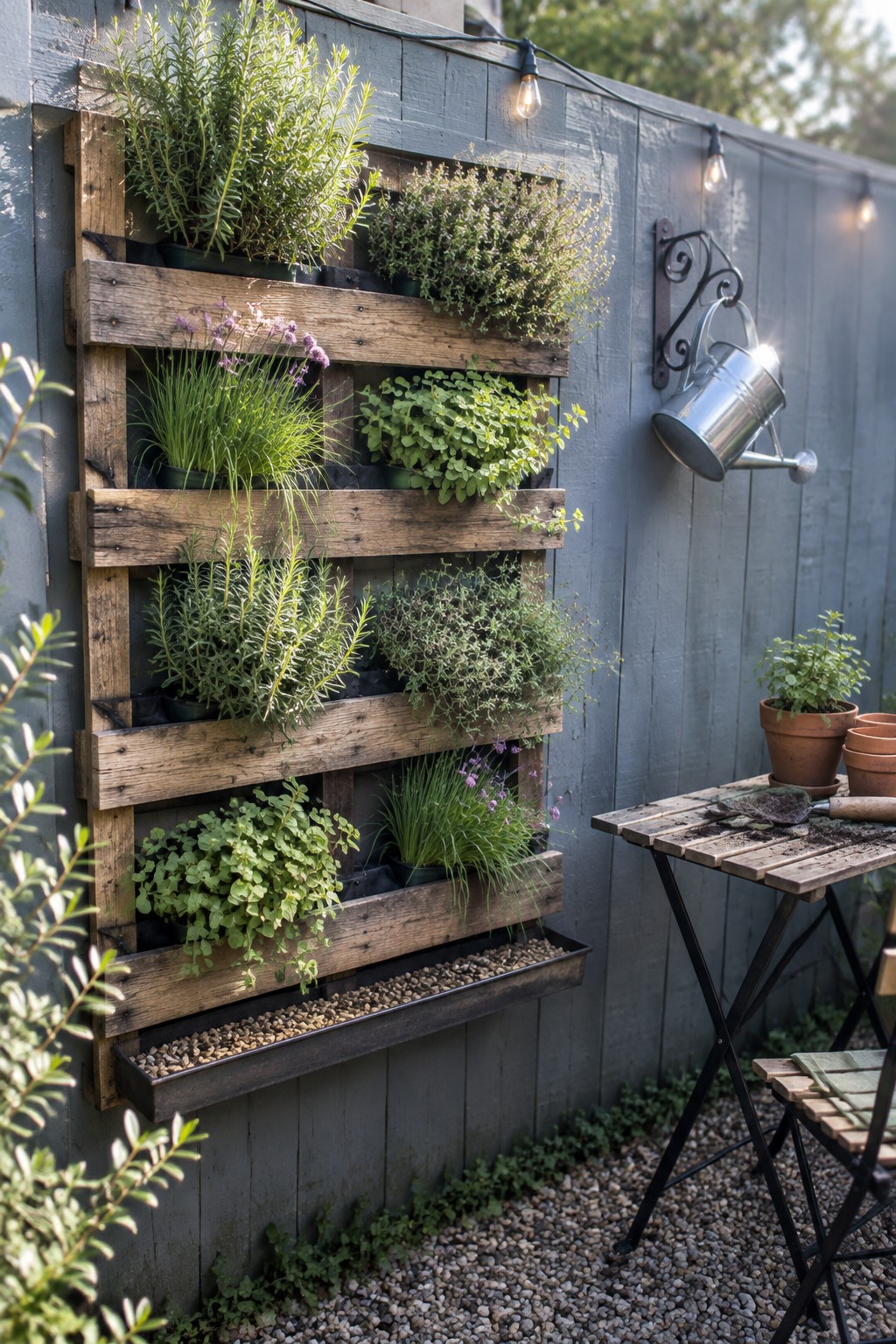
A vertical pallet garden turns an unused wall into planting space without taking up much ground. It works well for herbs, small greens, and trailing plants, and the wood gives it a simple, lived-in look that fits most backyards.
Start with one or two clean pallets, line the backs, and add small pots or soil pockets in the slats. This setup suits homes with limited yard room or hard surfaces where digging beds is not practical. Just make sure the wall can handle the weight once the soil and plants are added.
Brick Edging Gives Beds a Finished Look
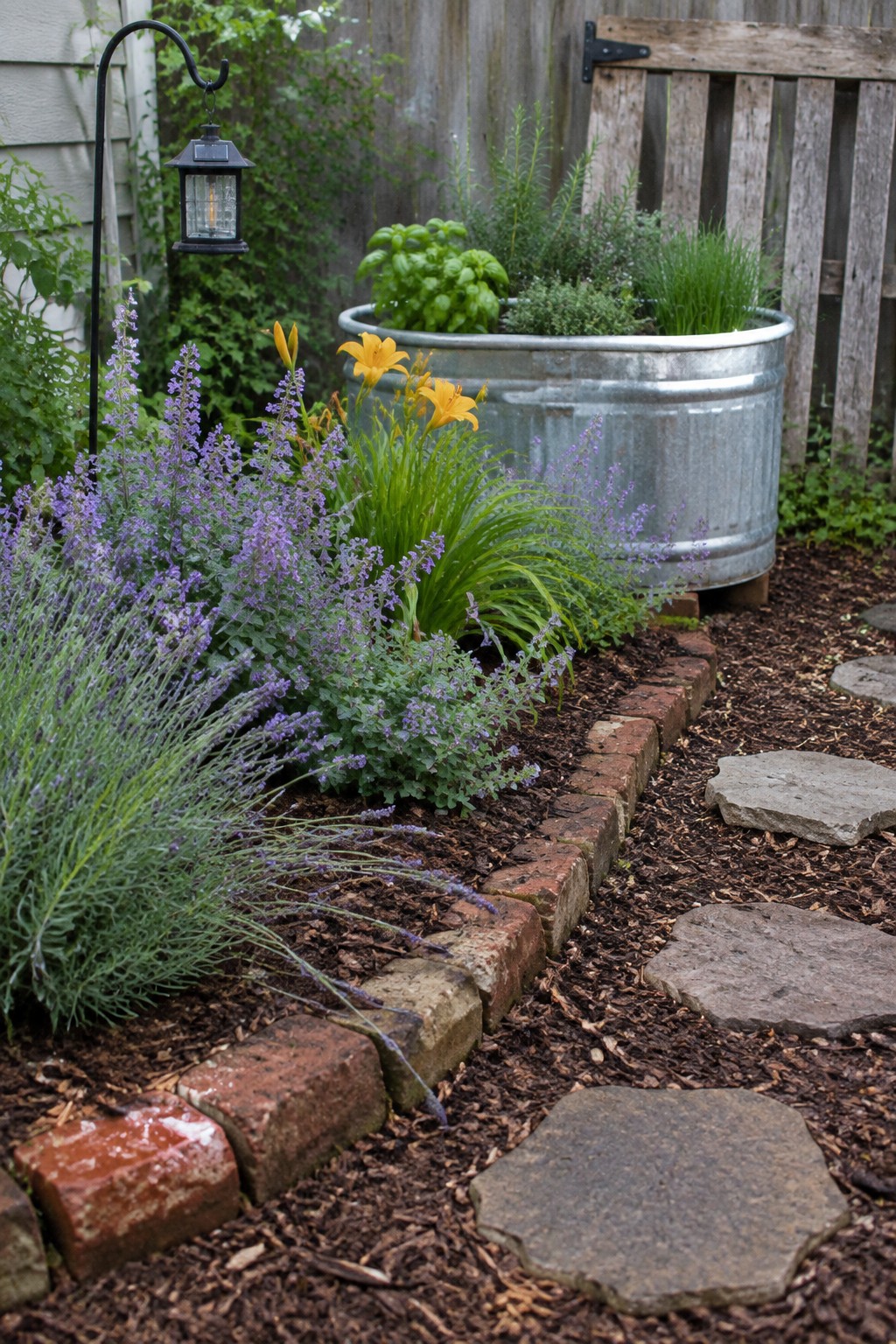
Brick edging is one of the easiest ways to make garden beds look intentional without spending much. The straight border keeps mulch in place and stops grass or path material from creeping into the soil.
It works well along walkways or in narrow side yards where you need something low and durable. Lay the bricks flat or on their sides depending on the height you want, and they will stay put for years with very little upkeep.
Try Metal Edging for Clean Garden Beds
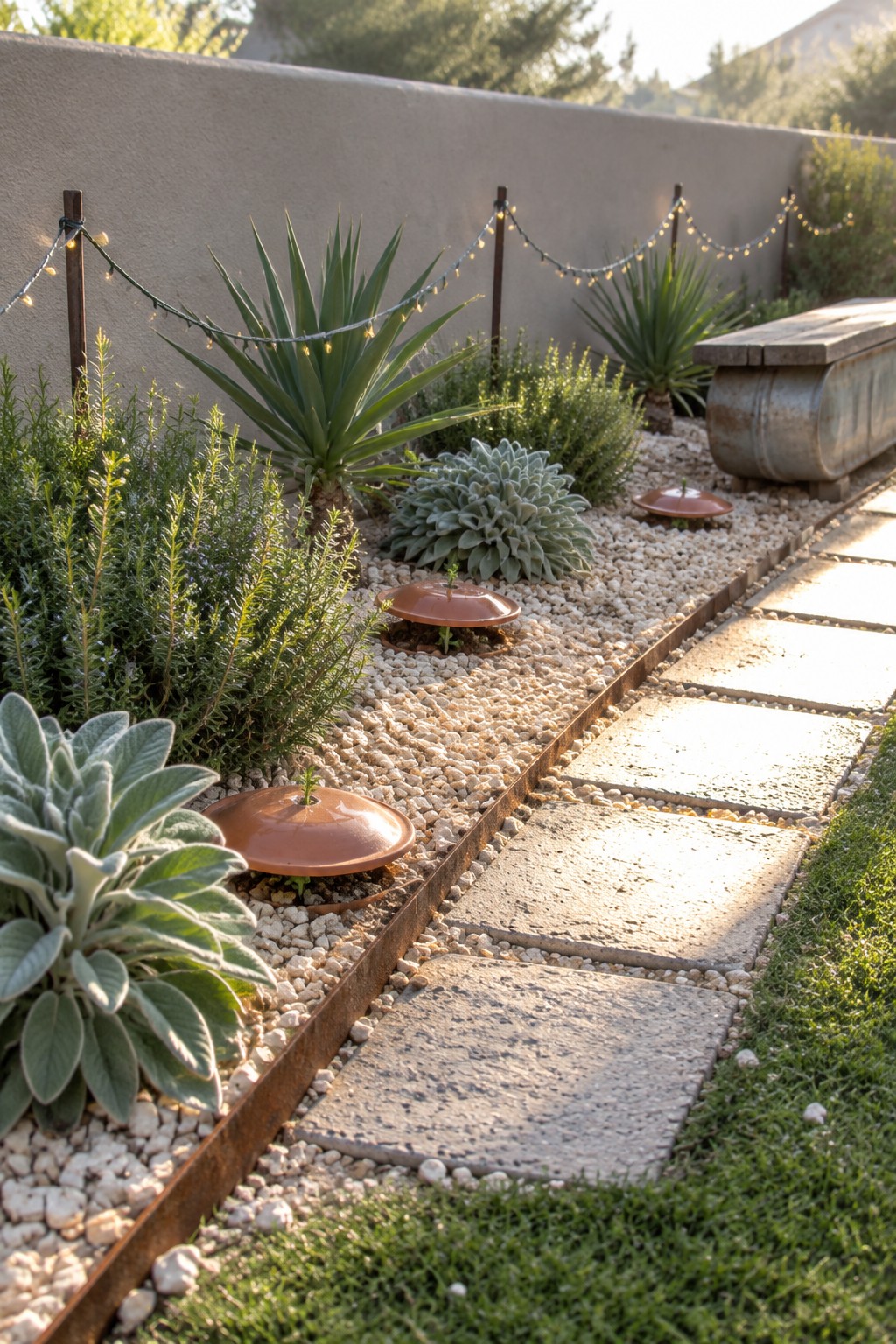
Metal edging gives garden beds a tidy border that gravel or mulch stays inside of. It is inexpensive, holds up well over time, and creates a clear line between planting areas and paths without needing fancy materials.
This approach works best in narrow side yards or along walkways where you want low upkeep. Sink the strips a few inches into the soil, then add gravel and a handful of tough plants to keep the look simple and practical.
Woven Twig Edging For Garden Beds
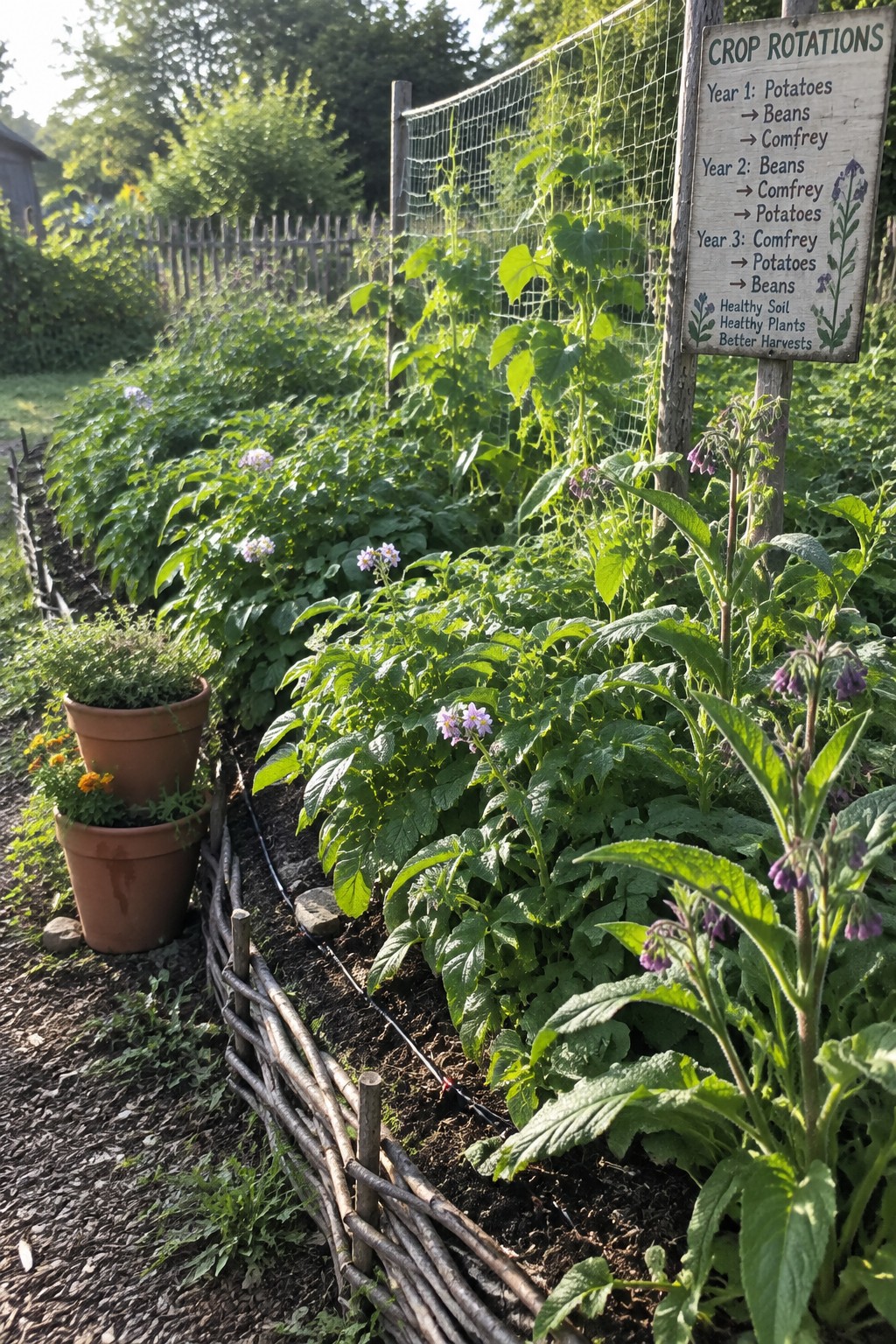
Woven branches make a simple, low-cost way to mark off garden beds without buying fancy materials. The natural look blends into the yard and helps hold soil in place while keeping paths clear.
Gather fallen sticks or buy inexpensive bundles to weave between a few upright posts. This approach suits vegetable gardens best and lets you change the layout each year if needed.
Gravel Paths Keep Costs Down
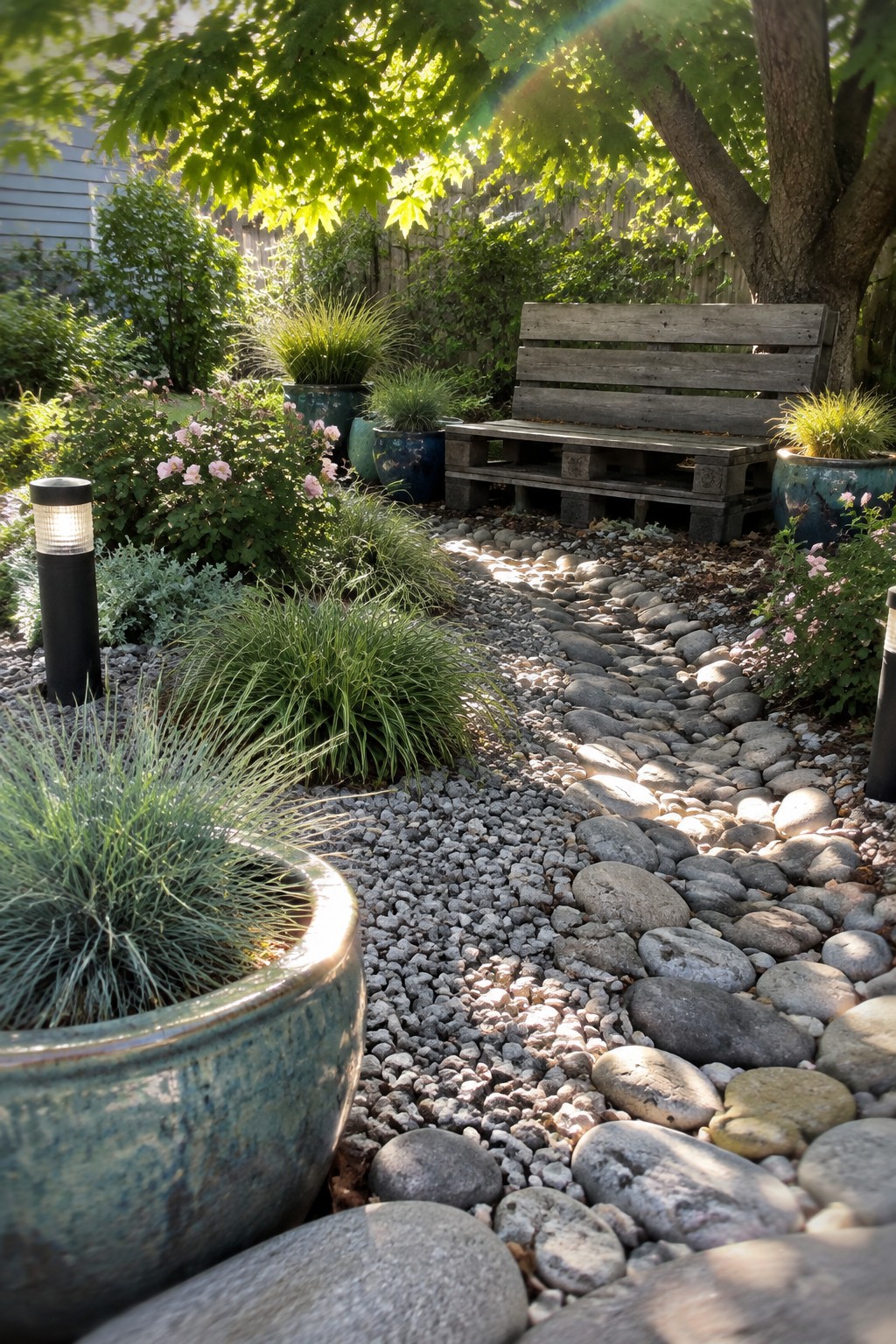
A gravel path is one of the simplest ways to move through garden beds without spending a lot. The mix of small stones and larger rocks creates a firm surface that still feels natural and blends with the plants on either side.
This approach works especially well in smaller backyards where you want to divide planting areas or reach a bench or seating spot. Lay down landscape fabric first, then add the gravel and border it with bigger stones to hold everything in place. Potted plants along the edges add color without permanent planting.
Create Garden Paths With Stepping Stones
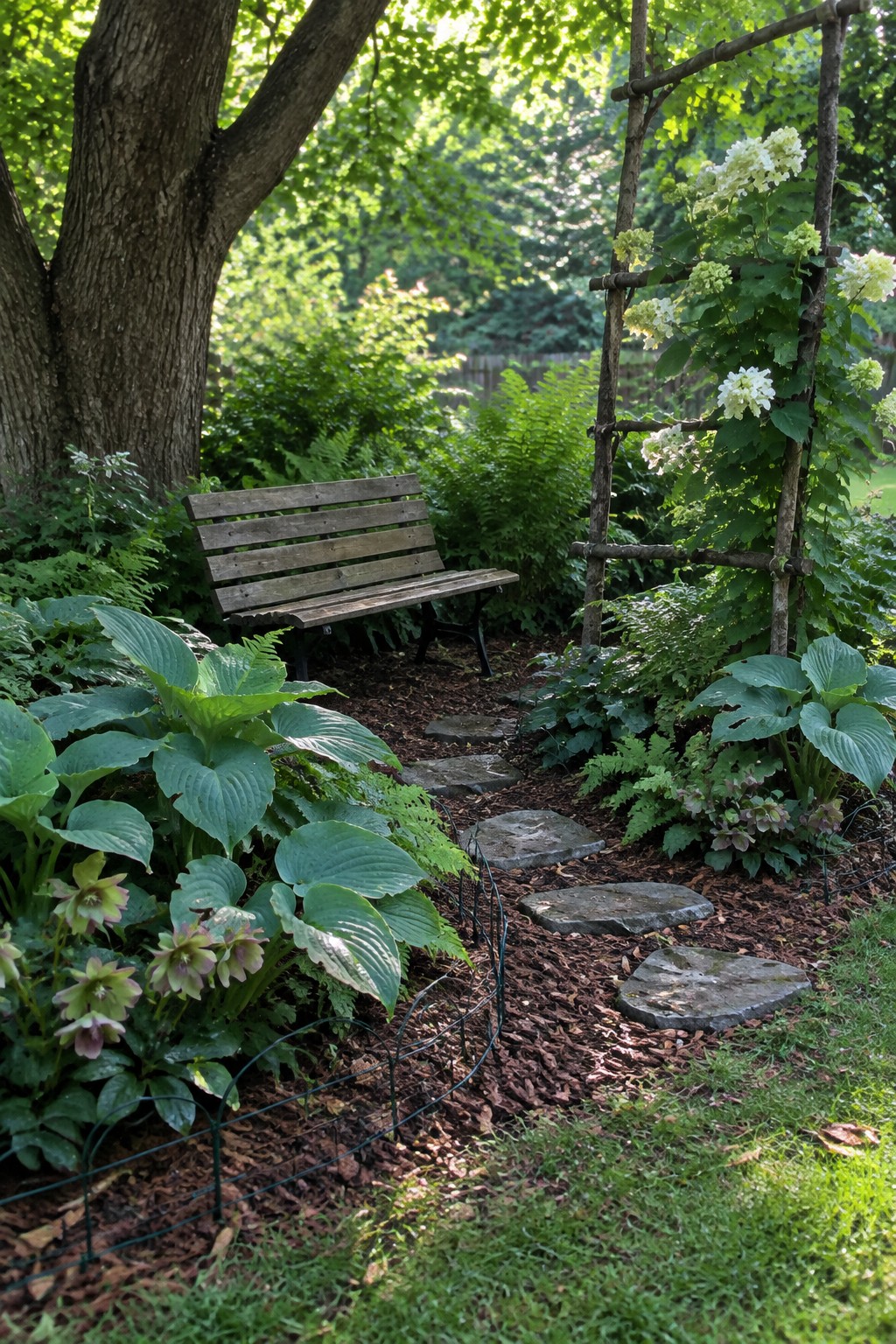
Stepping stones give you a simple way to move through garden beds without packing down the soil or spending much money. They sit right in the mulch and let the plants grow around them, which keeps the whole area looking natural instead of too finished.
Lay the stones in a loose line where you need to reach certain spots or just want to wander through the beds. This works best in smaller yards with lots of hostas and ferns, since the stones keep the mulch contained and give you solid footing without a big paving job.
Raised Garden Beds Built With Concrete Blocks

Concrete blocks make a simple and low-cost way to create raised beds that hold up over time. They stack quickly without much skill, keep the soil contained, and work well along fences or narrow side yards where wood might rot.
Place the blocks directly on level ground and fill them with soil. Add a soaker hose along the base like the one shown here so watering stays easy. This setup suits small backyards or anyone who wants beds that stay put without a big budget.
Repurpose Old Crates And Buckets For Garden Beds
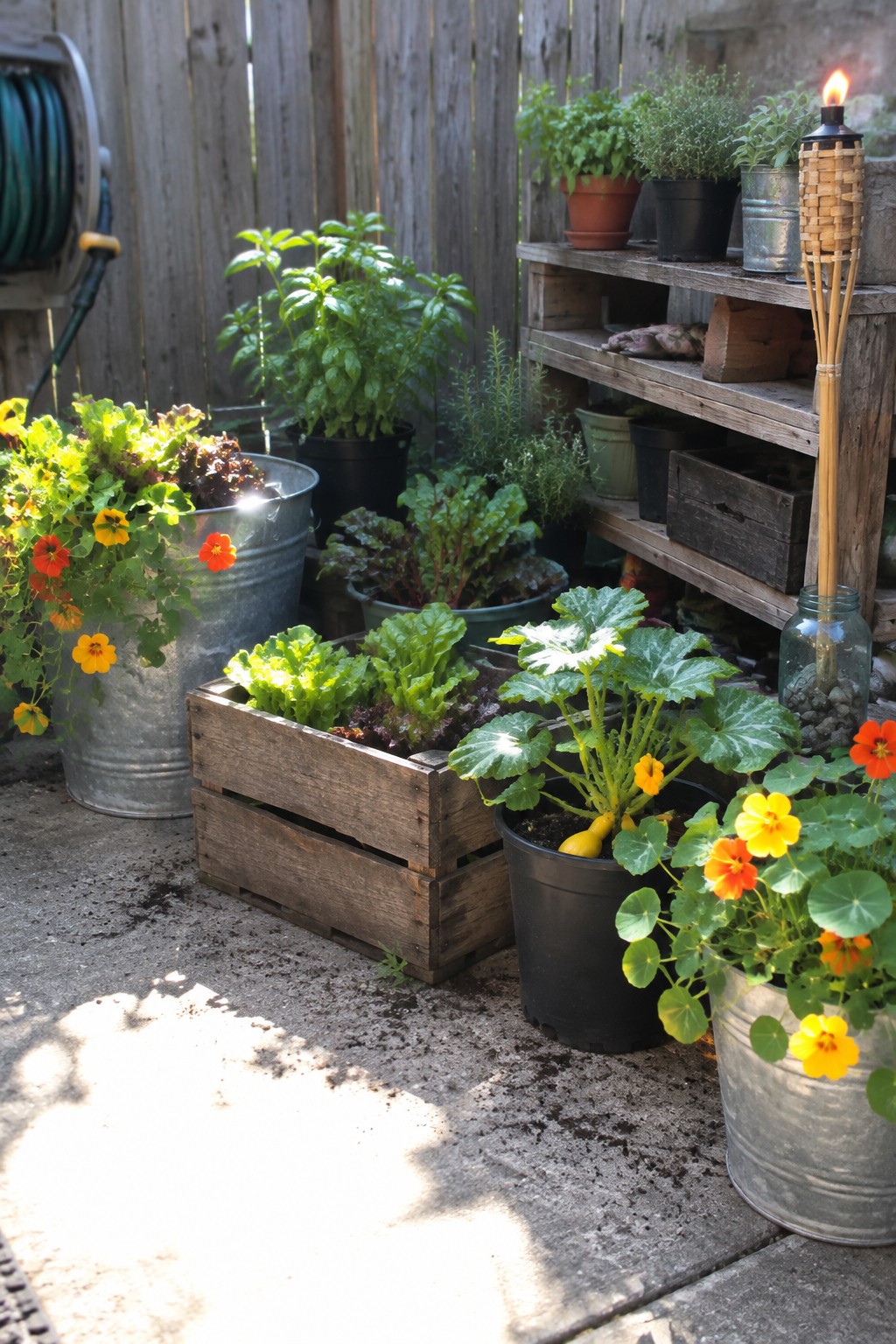
Using whatever containers you already have keeps garden beds cheap and flexible. Wooden crates and metal buckets hold soil fine and let you move things around as plants grow or seasons change.
This works best in small yards or on hard surfaces where digging is not an option. Check that each container drains well and sits level so the soil stays put.
Brick Edging for Defined Garden Beds
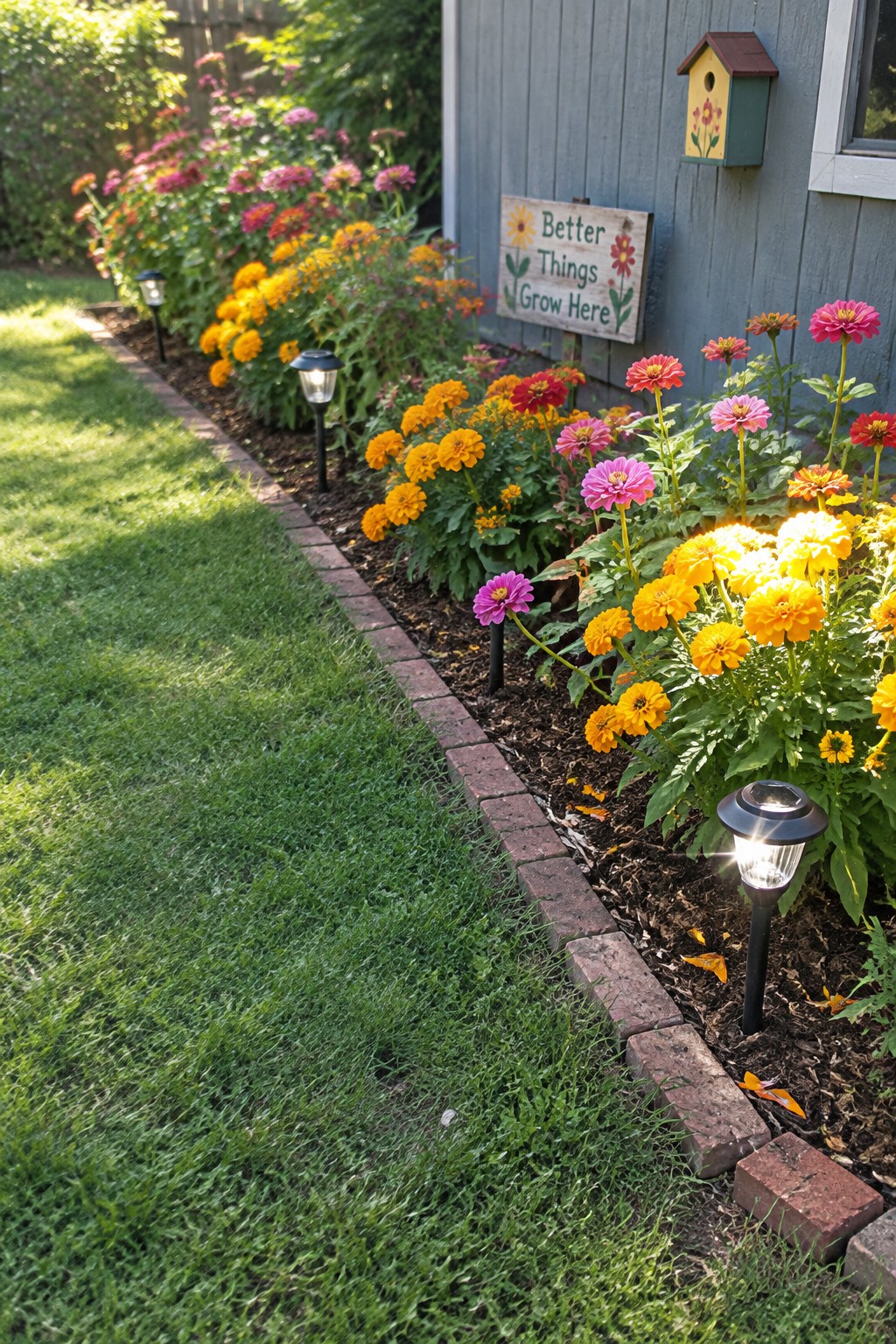
Brick edging gives garden beds a clear shape without costing much. It holds the soil in place and keeps the lawn from creeping into the flowers, which makes the whole bed easier to maintain over time.
Lay the bricks flat along the edge of the bed or set them at a slight angle for a bit more height. This approach works well along straight runs or gentle curves and suits most homes with a basic lawn and planting area.
Rock and Wood Edging for Sloped Beds
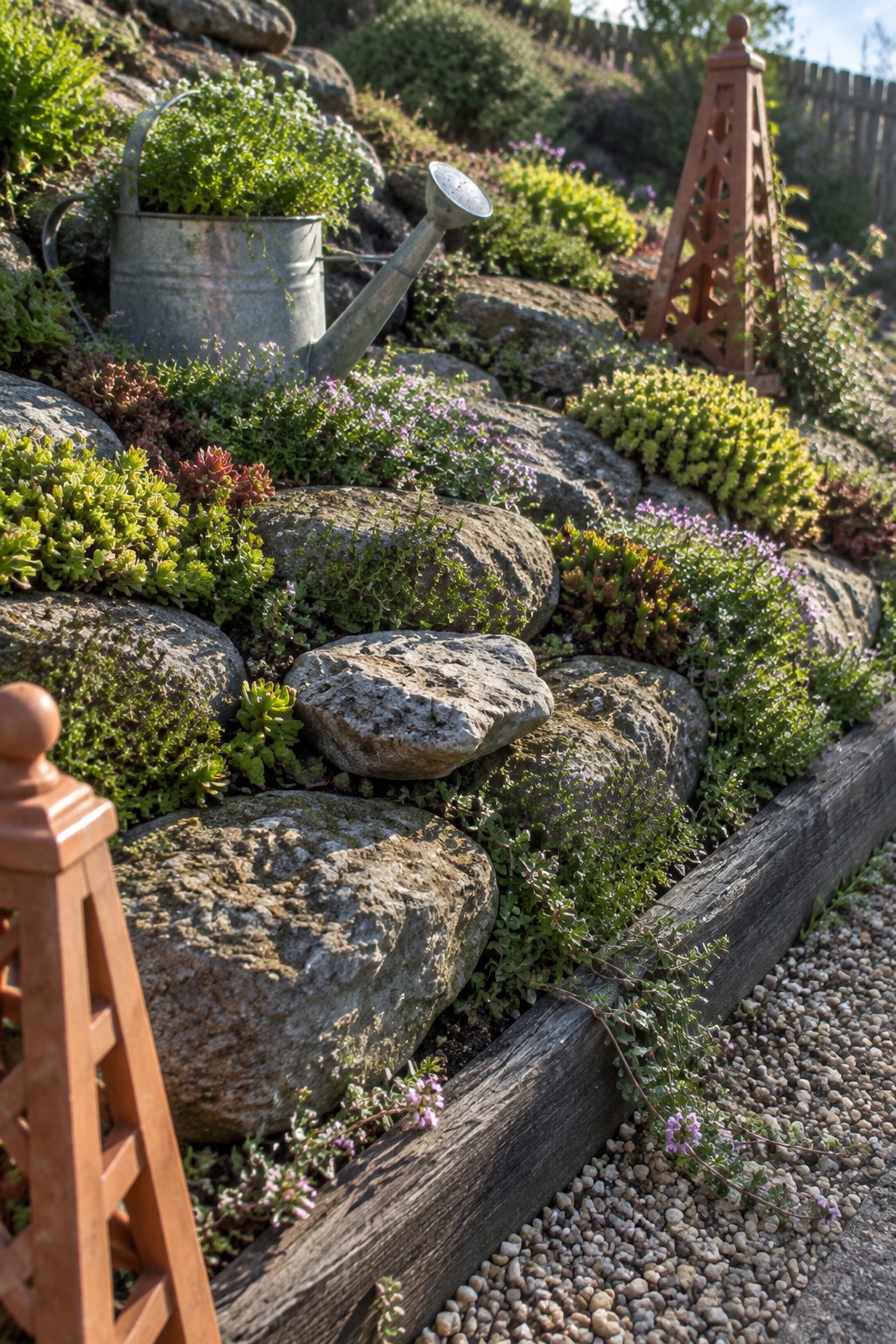
Stacking rocks along a slope gives garden beds structure without much cost. The stones hold the soil in place while letting plants spill over naturally, and a simple timber edge at the base keeps everything contained and neat. This approach works especially well on uneven ground where flat beds would need more digging or fill.
It suits smaller yards or side slopes that get some sun. Start with larger rocks at the bottom for stability, then layer smaller ones as you work up. Watch that the wood you choose can handle moisture so it lasts more than a season or two.
Raise Pots on Wooden Pallets
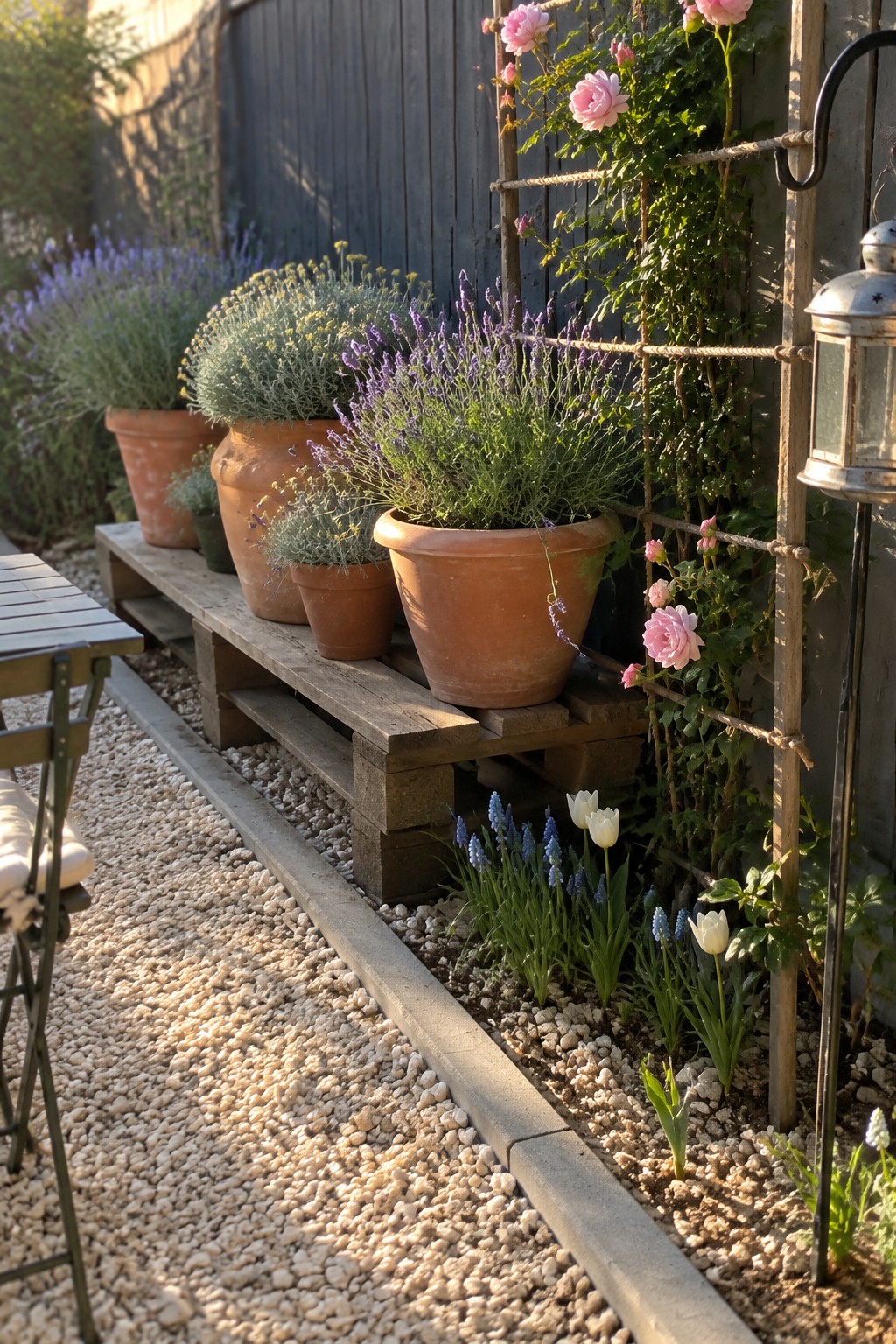
One simple way to give a garden bed more structure is to set larger pots on wooden pallets. The lift creates a clear line along the edge, keeps plants from looking scattered, and adds height without any fancy building.
This works best in narrow spaces or along a fence where you want easy access and a tidy look. Place the biggest pots toward the back of the pallet, then tuck smaller ones in front. Check that the wood sits level and stays dry underneath so it lasts longer.
Brick Edging For Neat Garden Beds

Brick edging gives garden beds a clean outline that holds mulch in place and keeps the path looking tidy. It adds structure without costing much, especially if you reuse old bricks or buy them in small batches.
This approach works best along narrow side paths or in shaded corners where plants already do most of the visual work. Just lay the bricks in a single row flush with the soil so they stay put and do not create a tripping hazard.
Add A Rain Garden Swale For Better Drainage
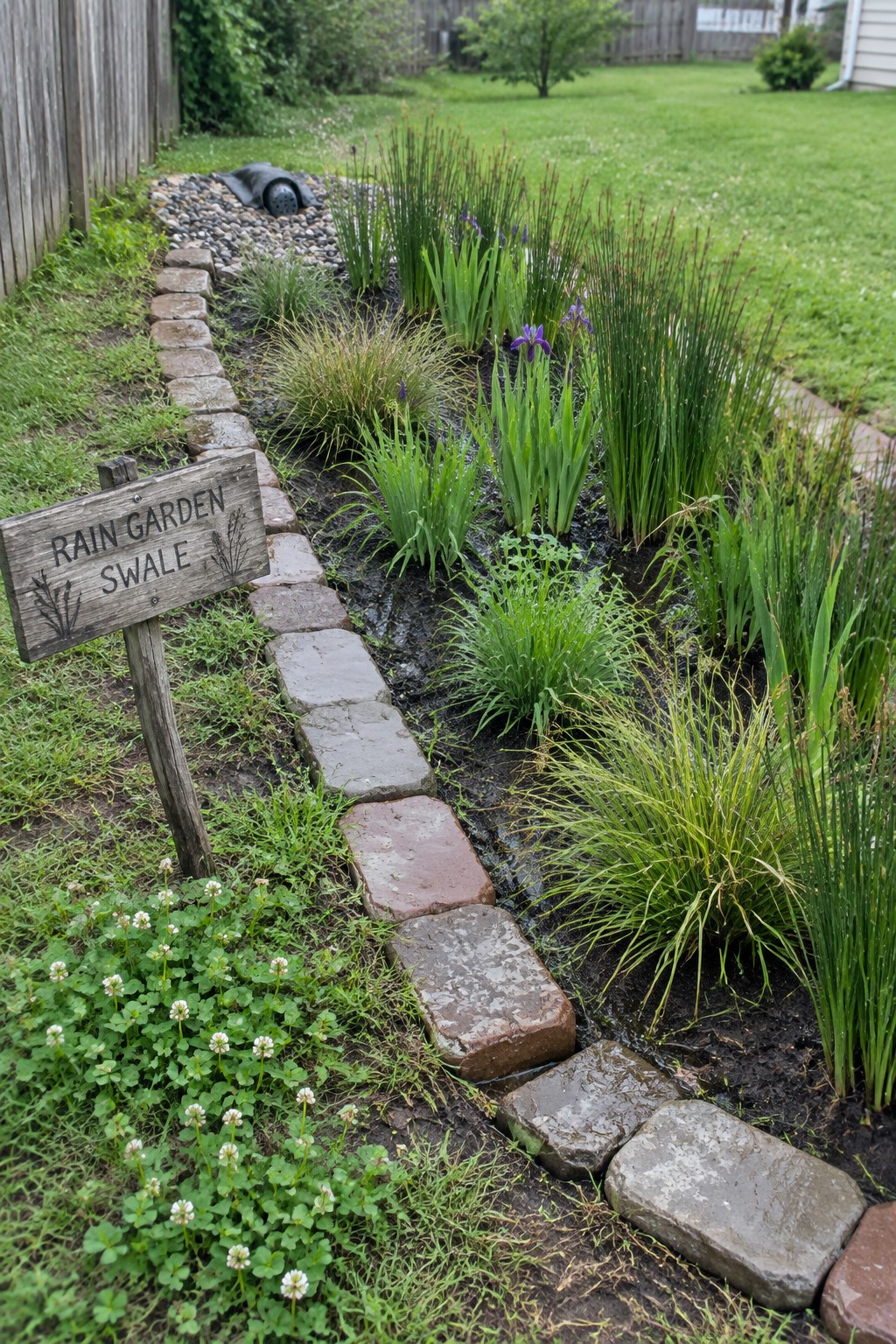
A rain garden swale gives you a simple way to handle water that collects in low spots. It turns a drainage problem into a planted strip that soaks up runoff instead of letting it sit or wash soil away.
This setup works best along a fence line or the edge of a lawn where water tends to flow. Keep the edging low and use sturdy plants that tolerate both wet and dry periods. The result stays useful even on a tight budget.
Define Garden Beds With Basic Edging
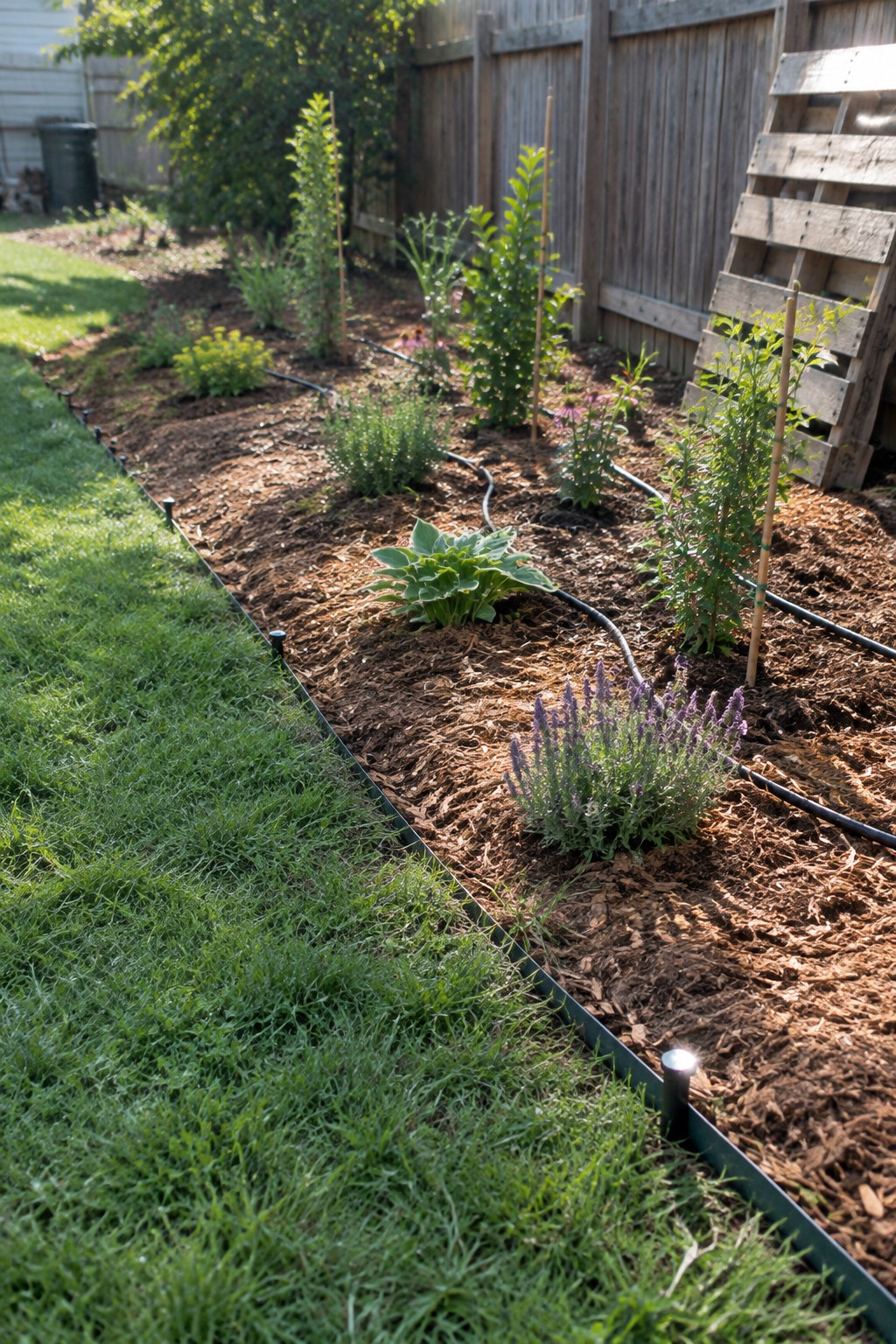
Edging helps keep the lawn from spilling into the beds and gives the whole garden a more organized feel without much cost. A simple border like this one makes the planted area stand out while keeping the grass in its place.
This approach works best in smaller yards or on a tight budget because the materials are inexpensive and easy to install. Mulch on top of the soil cuts down on weeds and helps hold moisture, so the beds stay looking decent with less ongoing work.
Use Wooden Crates to Group Potted Plants
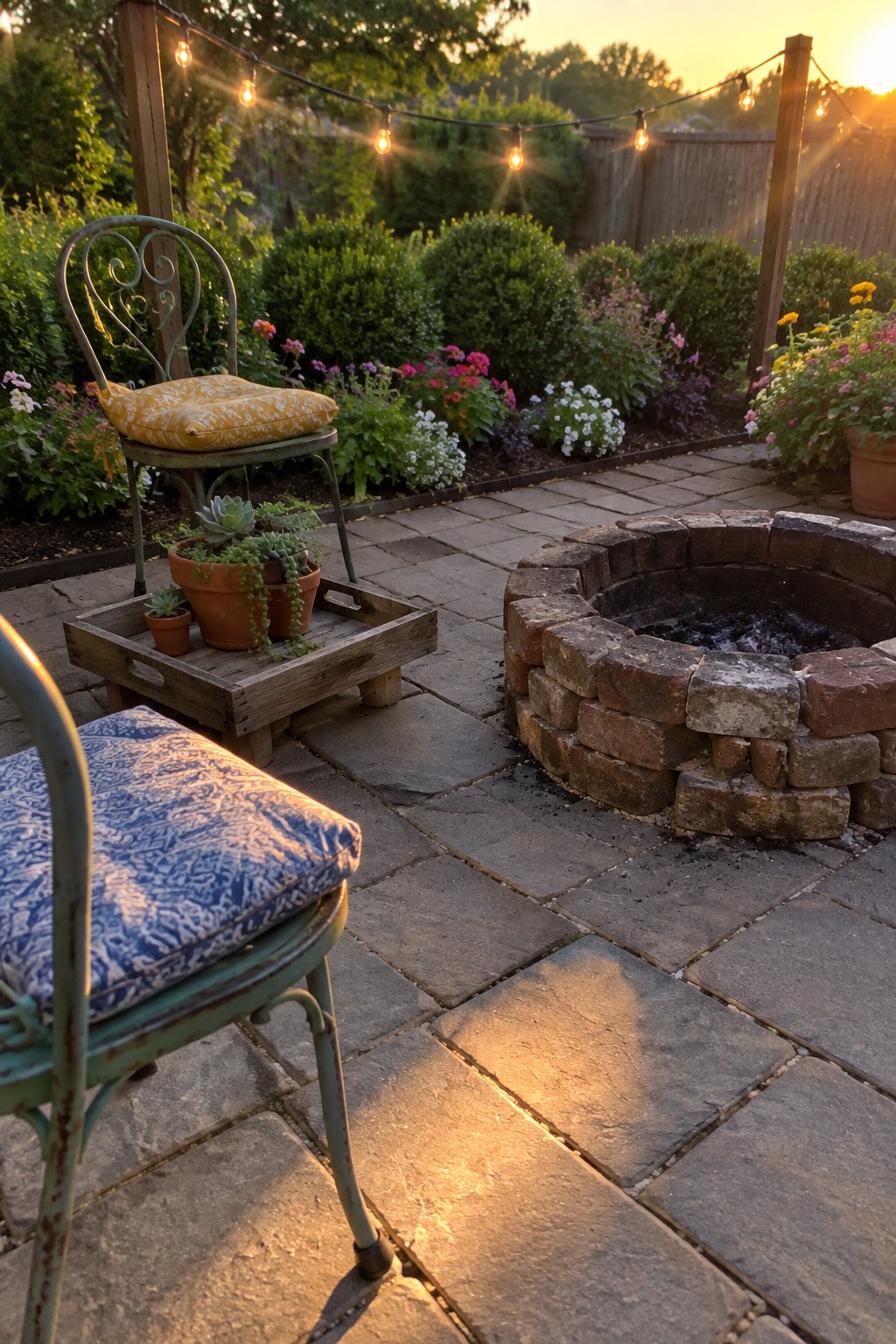
Grouping a few pots together in an old wooden crate gives you an easy way to add plants without digging new beds. It works well along the edge of a patio or near existing garden beds, where you can move things around as seasons change.
This approach suits smaller yards or rental spaces where permanent changes are limited. Stick with simple terracotta pots and hardy plants like succulents so the setup stays low cost and low maintenance over time.
Barrels Make Affordable Raised Beds
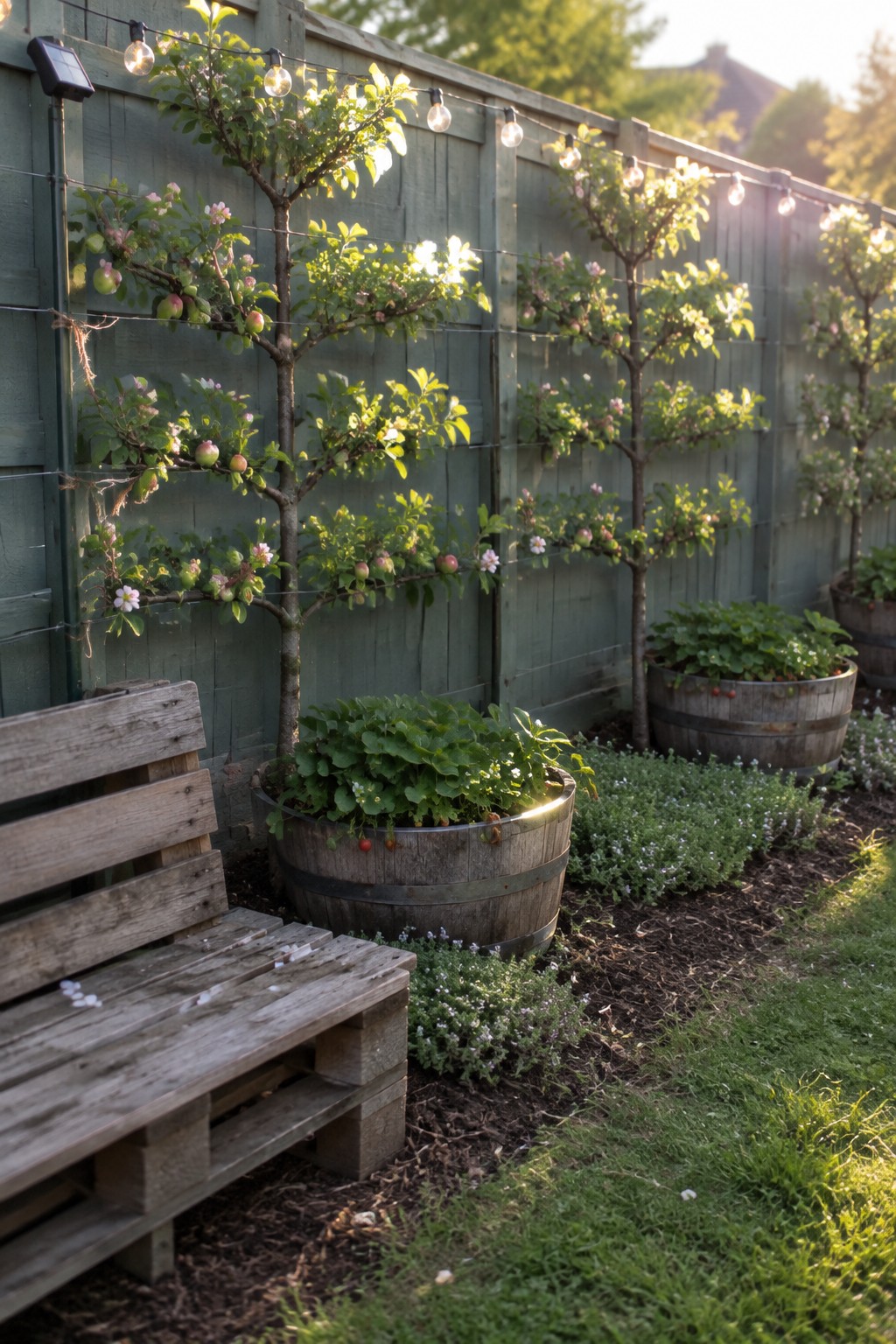
Barrels give you instant raised beds without cutting lumber or pouring concrete. They hold soil well, drain if you add holes in the bottom, and suit small yards where space is tight. Fruit trees and strawberries both do fine in them because the barrels keep roots contained and warm.
Set the barrels in a row against a fence or wall so the plants get good sun and you can train branches along wires if you like. They work best in full sun spots and need fresh soil each spring to keep producing.
Frequently Asked Questions
Q: What if my yard has mostly clay soil that drains poorly? A: Mix in some cheap compost or sand right in the bed before planting. This helps roots breathe and stops water from pooling around them.
Q: How do I keep costs down when I need edging for the beds? A: Grab free or low-cost options like old bricks or logs from neighbors. Lay them flat along the edges to hold everything in place without buying new materials.
Q: Do these beds need constant weeding once they are set up? A: Lay cardboard or newspaper under the soil layer at the start. It blocks most weeds from sprouting while the beds settle in over the first season.
