

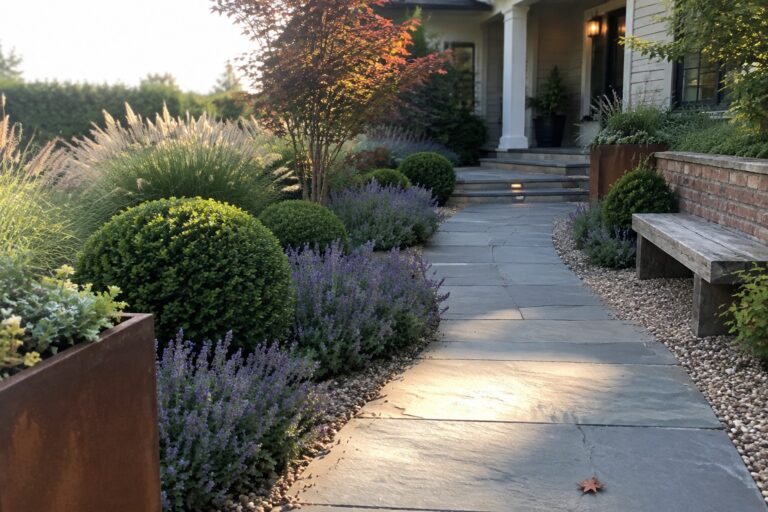
Over the years I have noticed that the yards with the cleanest look usually rely on careful layering rather than just filling space with whatever plants are available.
Building those layers means choosing plants that complement each other in height and spread so nothing overpowers the design too quickly.
I always check how a new bed will look after a couple of growing seasons because that changes everything.
It rarely matches the first sketch.
The approaches that keep edges sharp and repeat a few key plants tend to hold up better in real conditions than more scattered layouts.
Layer Plants By Height For Clean Beds
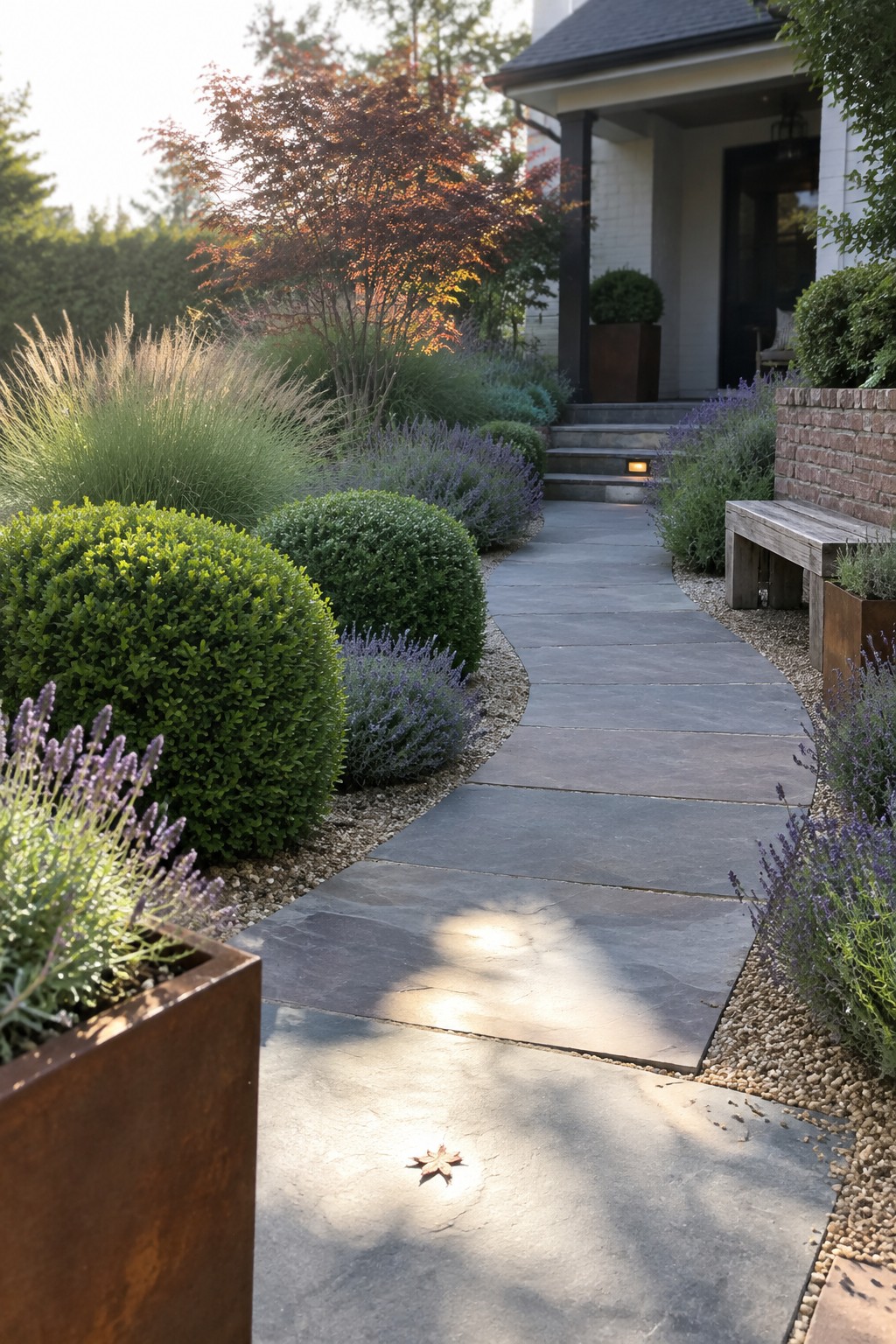
Layering plants by height gives garden beds a tidy, modern shape that stays simple year after year. Rounded shrubs sit low in the front, mid-size flowering plants fill the middle, and taller grasses or small trees rise behind them. This approach keeps the beds from looking messy while still adding texture and color.
It works best along paths or near house entrances where the layers can be seen from the side. Stick with a few repeating plant shapes and let gravel or stone edges hold the lines in place. Avoid crowding too many different heights into one spot or the clean effect gets lost.
Frame Planting Layers With A Linear Pond
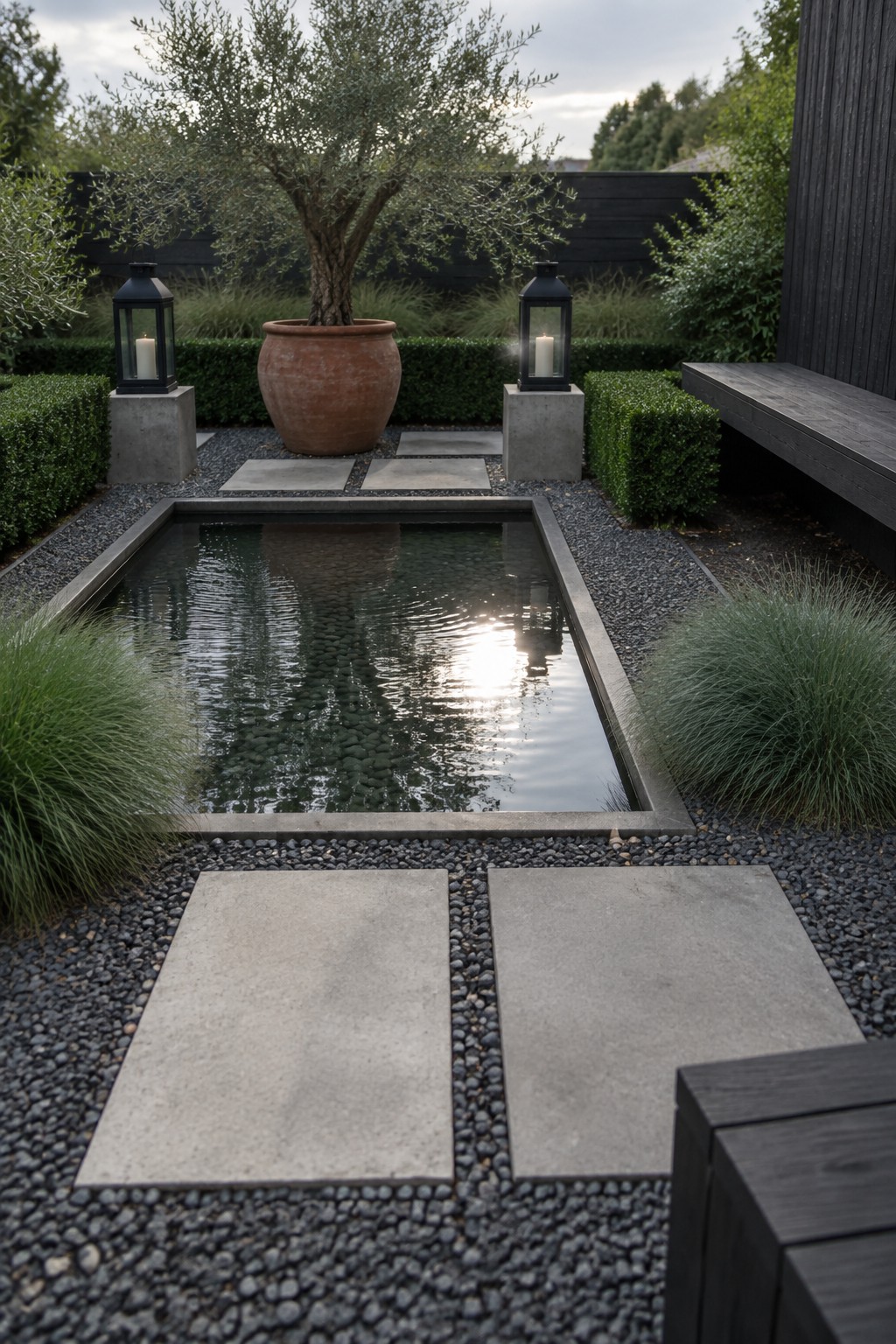
A long rectangular pond gives planting layers a clear structure without needing lots of different plants. The water acts as a quiet center, so the greenery on either side can stay simple and still feel organized. Gravel around the edges keeps everything looking neat and stops the beds from blurring together.
This works best in smaller yards or side gardens where you want a calm focal point. Keep the surrounding plants in two or three heights, like low hedges and taller grasses, and use large pavers to lead the eye straight to the water. Avoid crowding the edges so the layers stay easy to read.
Gabion Walls Create Clean Planting Layers

Gabion walls give a simple way to terrace a slope while keeping each planting level neat and separate. The wire cages filled with stone hold the soil firmly so the beds stay defined even after rain or heavy growth.
This approach works best on yards that drop away from the house. Keep the walls low enough to step over or sit on, then fill each level with a mix of shrubs and ground cover that softens the hard edges over time.
Layer Plants By Height For A Clean Look
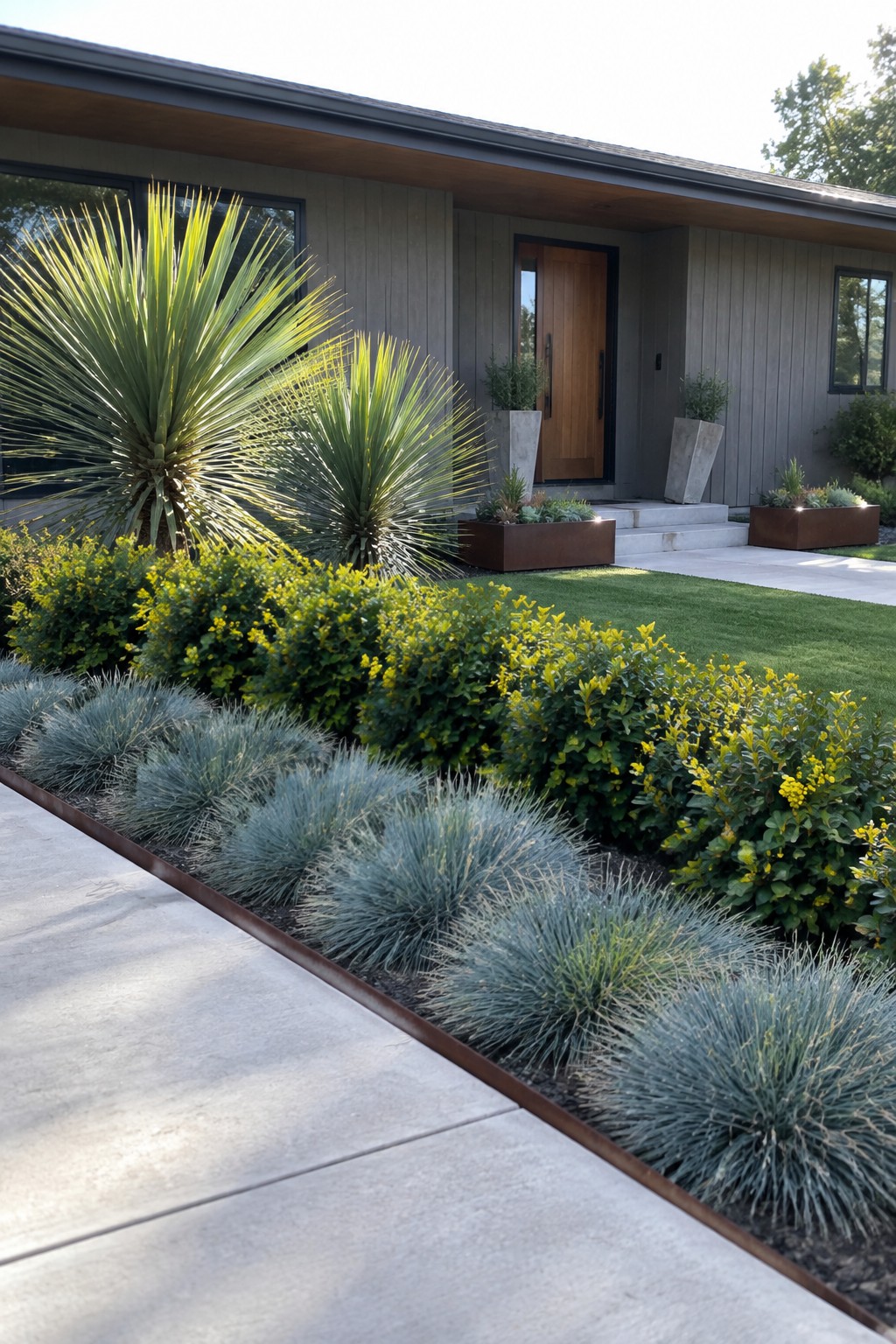
Layering plants by height gives beds a tidy structure that still feels relaxed. Low mounds in front stay out of the way while mid height shrubs add color and volume behind them. This keeps the planting from looking scattered or overgrown.
The approach works well along front paths or house walls on simpler homes. Use one low grass or groundcover at the edge, a row of medium shrubs next, and only a few taller accents in the back. Metal edging helps hold the shape over time.
Create Planting Layers With Mixed Heights
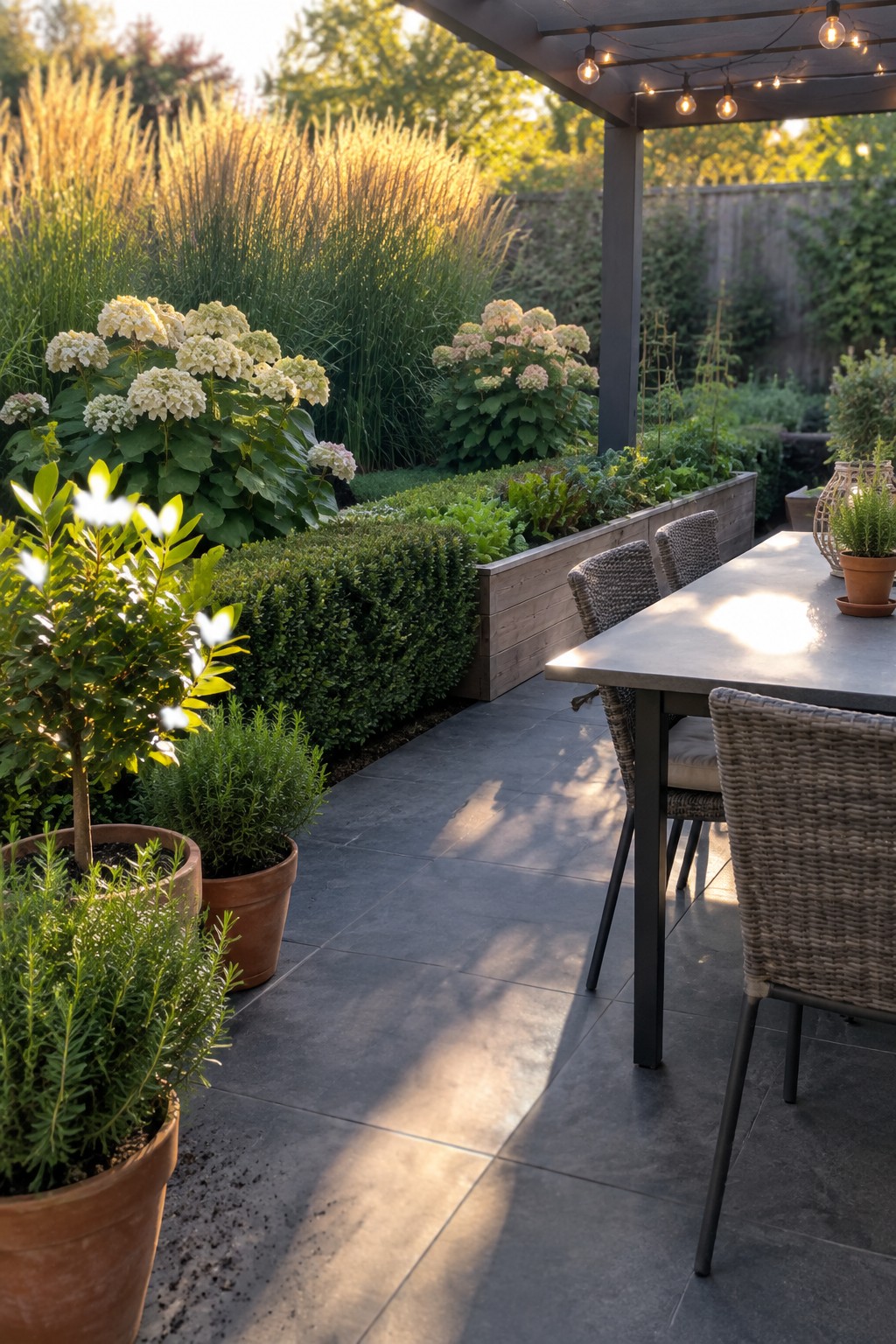
Layering plants by height gives a garden that clean, organized look without a lot of extra work. Raised beds hold taller or bushier plants in the back while lower shrubs and pots fill the front, so each layer stays visible and nothing gets lost.
This approach works well in smaller yards or modern spaces where you want structure but still room to move. Stick with a few repeated materials like wood and clay for the containers so the layers read as one simple idea rather than a mix of everything.
Layer Plants by Height for Clean Edges
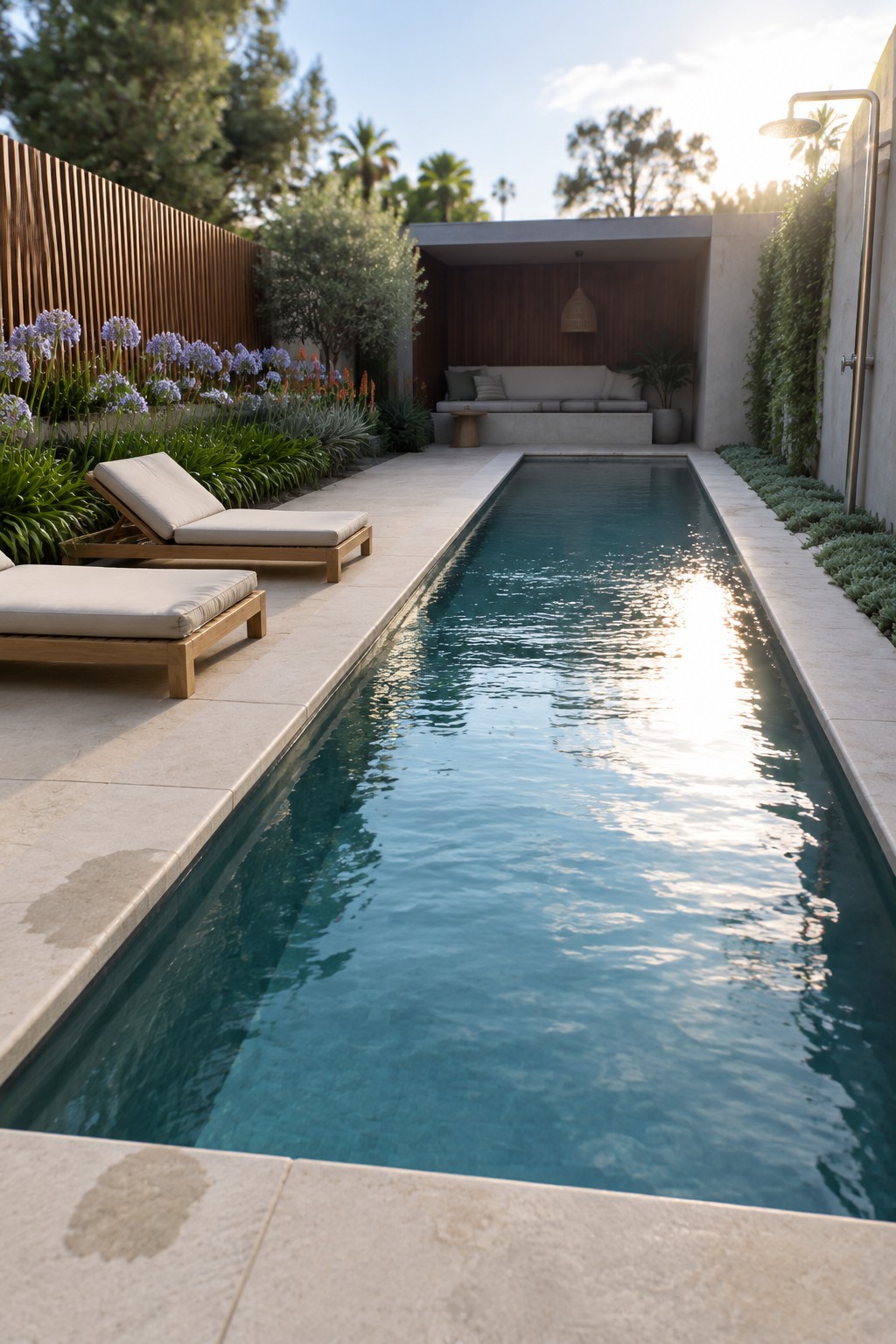
One simple way to keep a pool garden looking neat is to group plants in clear height layers. Tall flowering stems at the back, medium shrubs in the middle, and low spreading plants along the front create a tidy border that stays structured without extra work.
This method works best in modern yards with straight lines and open space. It suits homes where you want the planting to feel calm and ordered rather than busy, and it keeps maintenance low as long as the plants are chosen to stay in their lanes.
Clipped Shrubs Keep Planting Layers Looking Clean
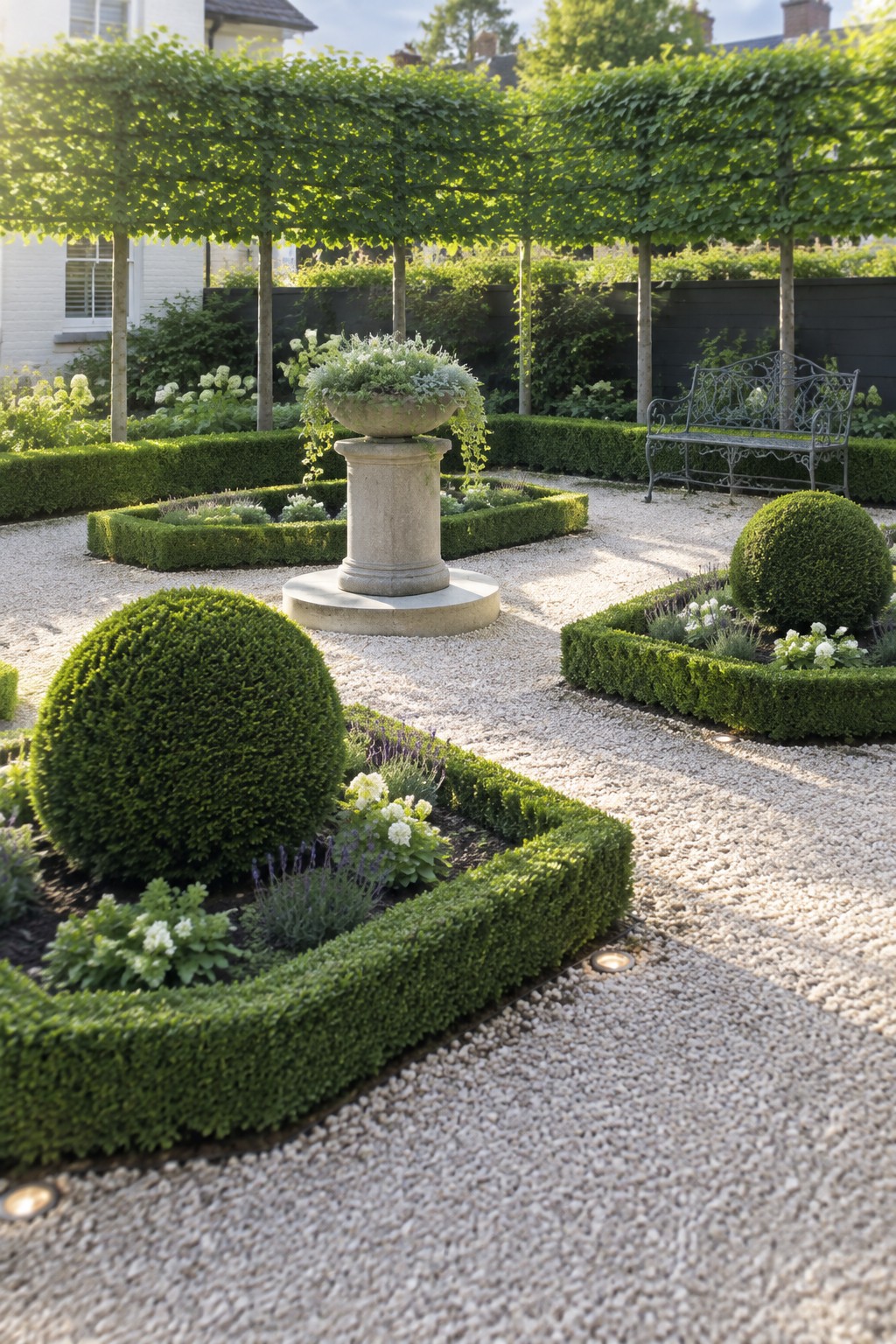
Clipped evergreens give a garden that ordered look without needing constant fuss. The round shapes and low borders hold the beds together and make the layers stand out even when flowers are not in bloom.
This approach works best in smaller spaces or along gravel paths where you want clear structure. Keep the shapes simple, repeat a few plant types, and let the lower perennials soften the edges over time.
Layer Plants by Height for Natural Structure
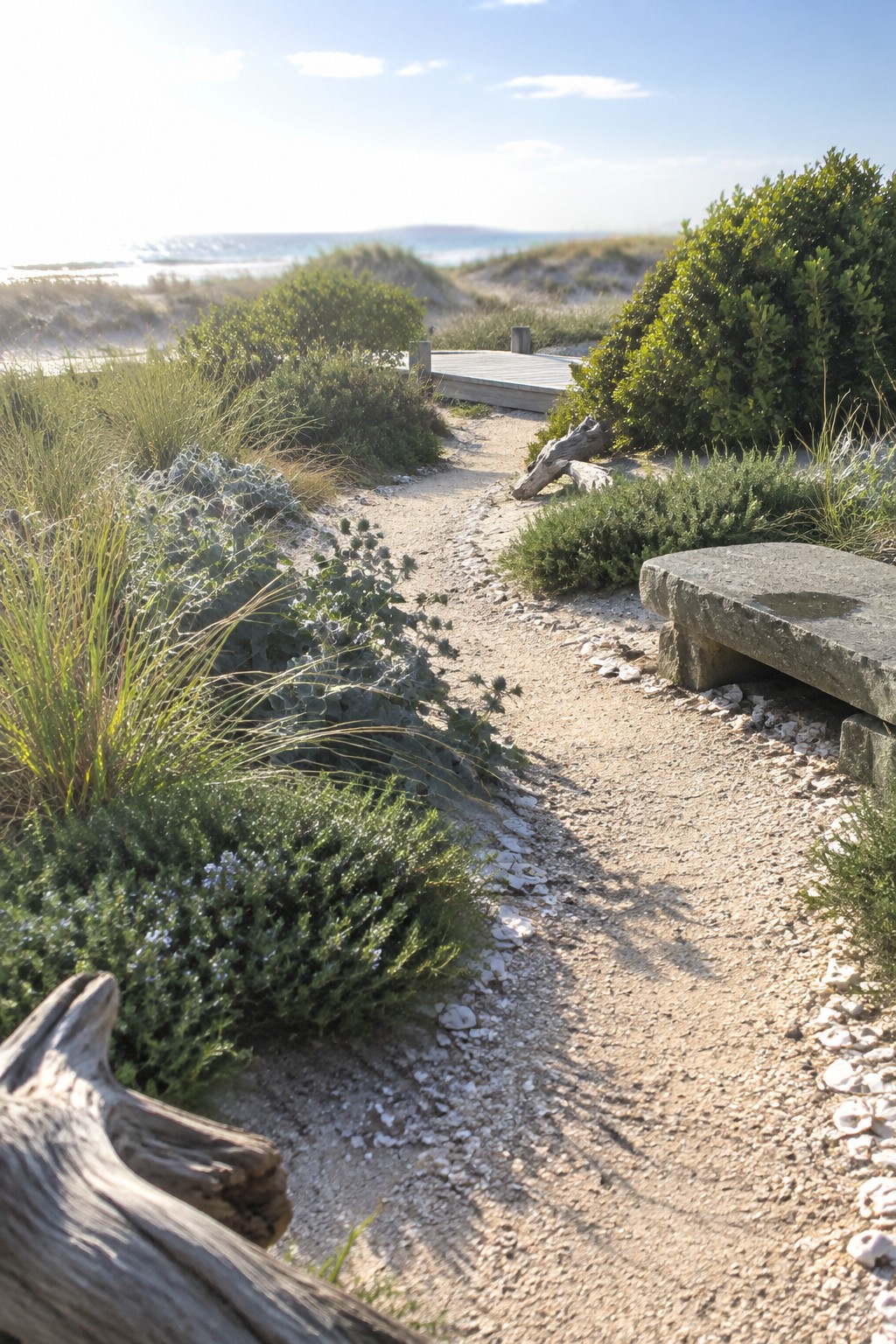
Mixing plants of different heights creates a clean look that still feels full and settled. Tall grasses next to lower shrubs and ground covers let each layer show without crowding, and the path stays open and easy to follow. This approach works especially well on sandy or loose soil where roots need room to spread.
It suits homes near the coast or in open yards that get steady sun. Keep the tallest plants toward the back or sides of the bed, step down to mid-size shrubs, and finish with lower ground cover right along the edge. The result stays simple to maintain once the plants fill in.
Layer Plants In Black Planters
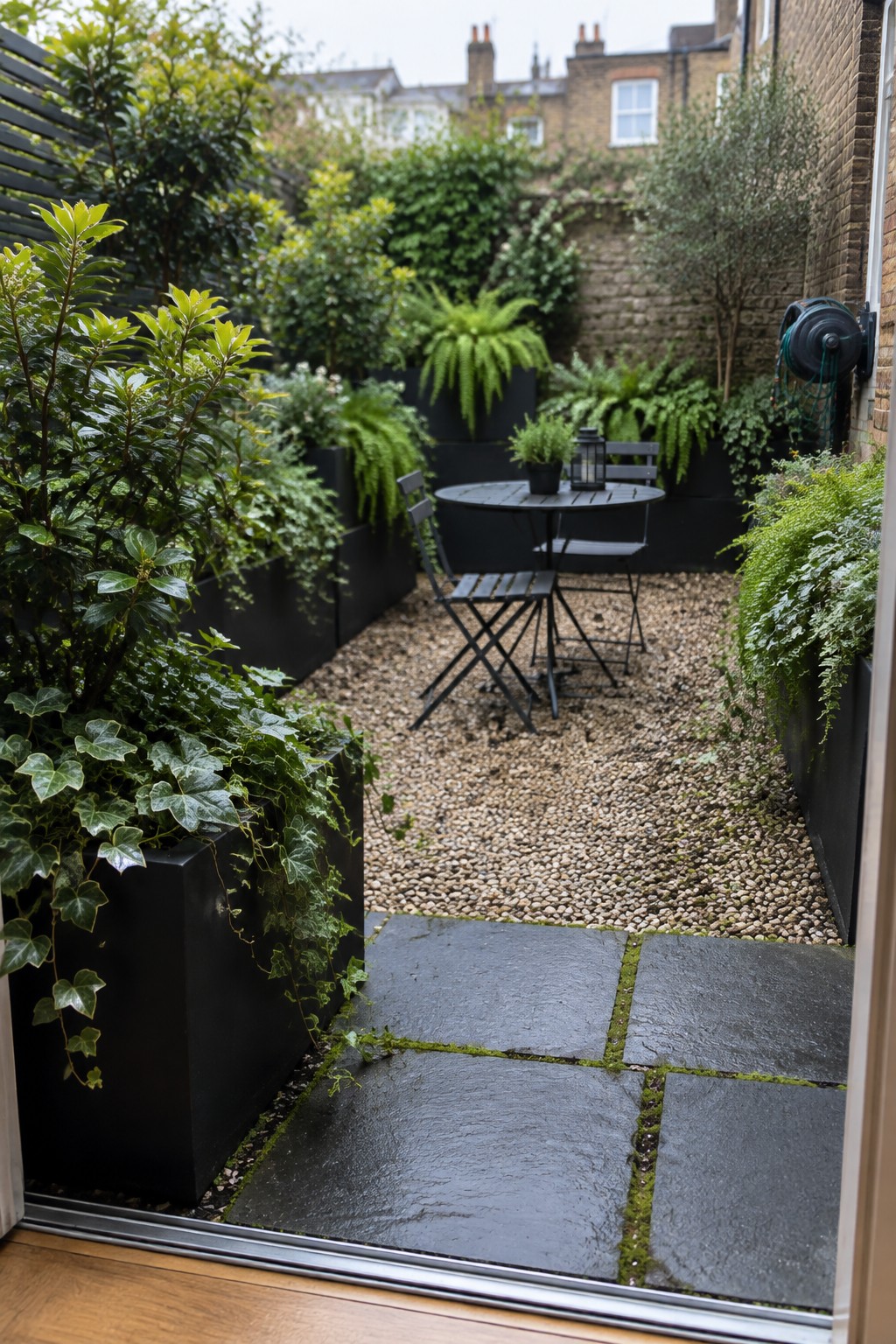
Black planters give you a simple way to build clean layers without digging up the whole yard. They hold different heights of plants together in one spot, so the mix of vines, ferns, and shrubs stays organized instead of spreading out.
This setup works best in small spaces or along narrow paths where you need structure. Stick to the same dark color and a few repeated sizes to keep the look calm and easy to maintain.
Raised Beds And Gravel Keep Planting Layers Clean
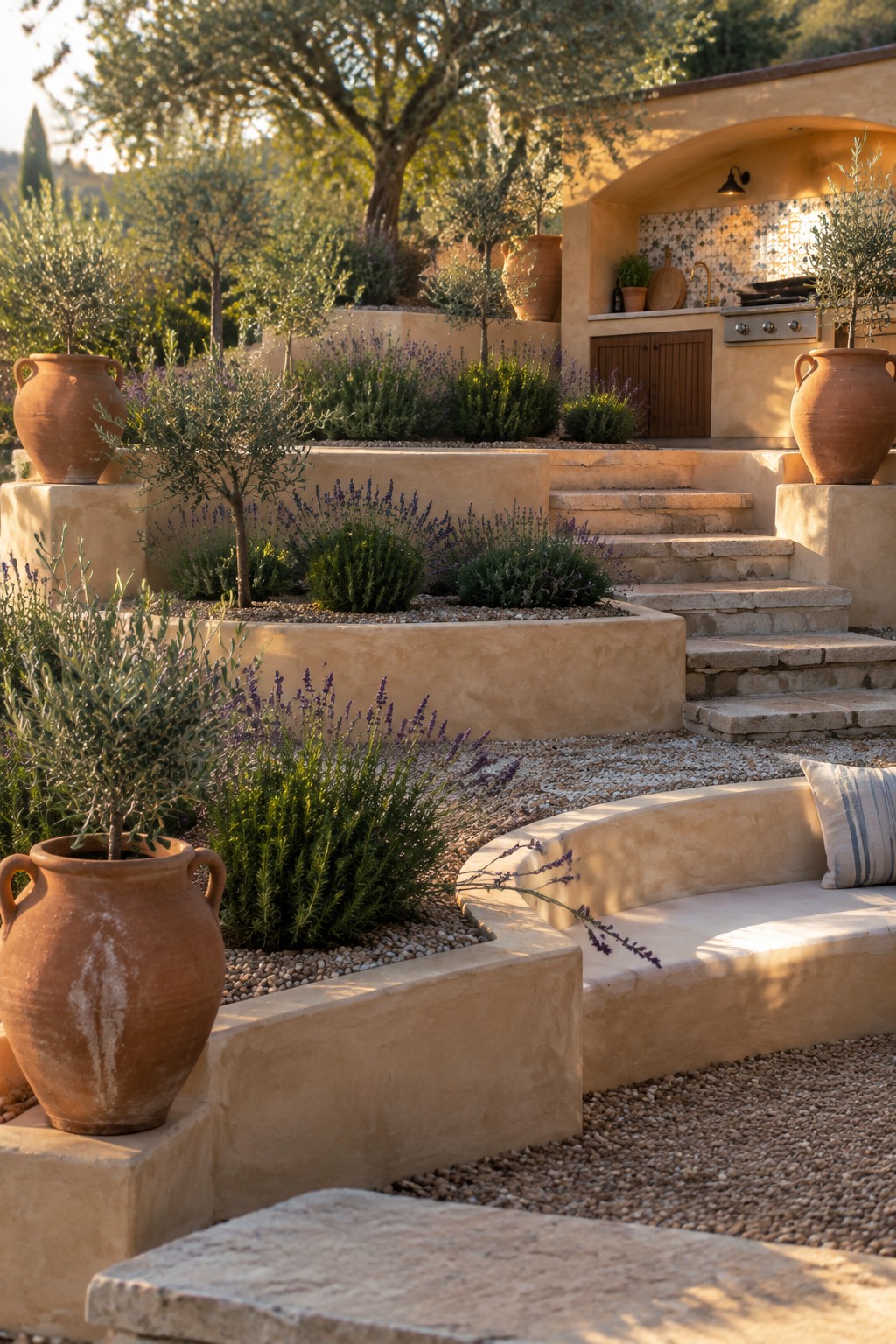
Raised beds filled with gravel give planting layers a tidy structure that stays simple over time. The gravel holds everything in place, cuts down on weeds, and lets the low shrubs and small trees stand out without extra edging or mulch.
This setup works well on slopes or in dry climates where you want low maintenance. It suits homes that already lean toward Mediterranean plants and need clear separation between garden zones and walking areas.
Brick Edging Defines Clean Planting Layers
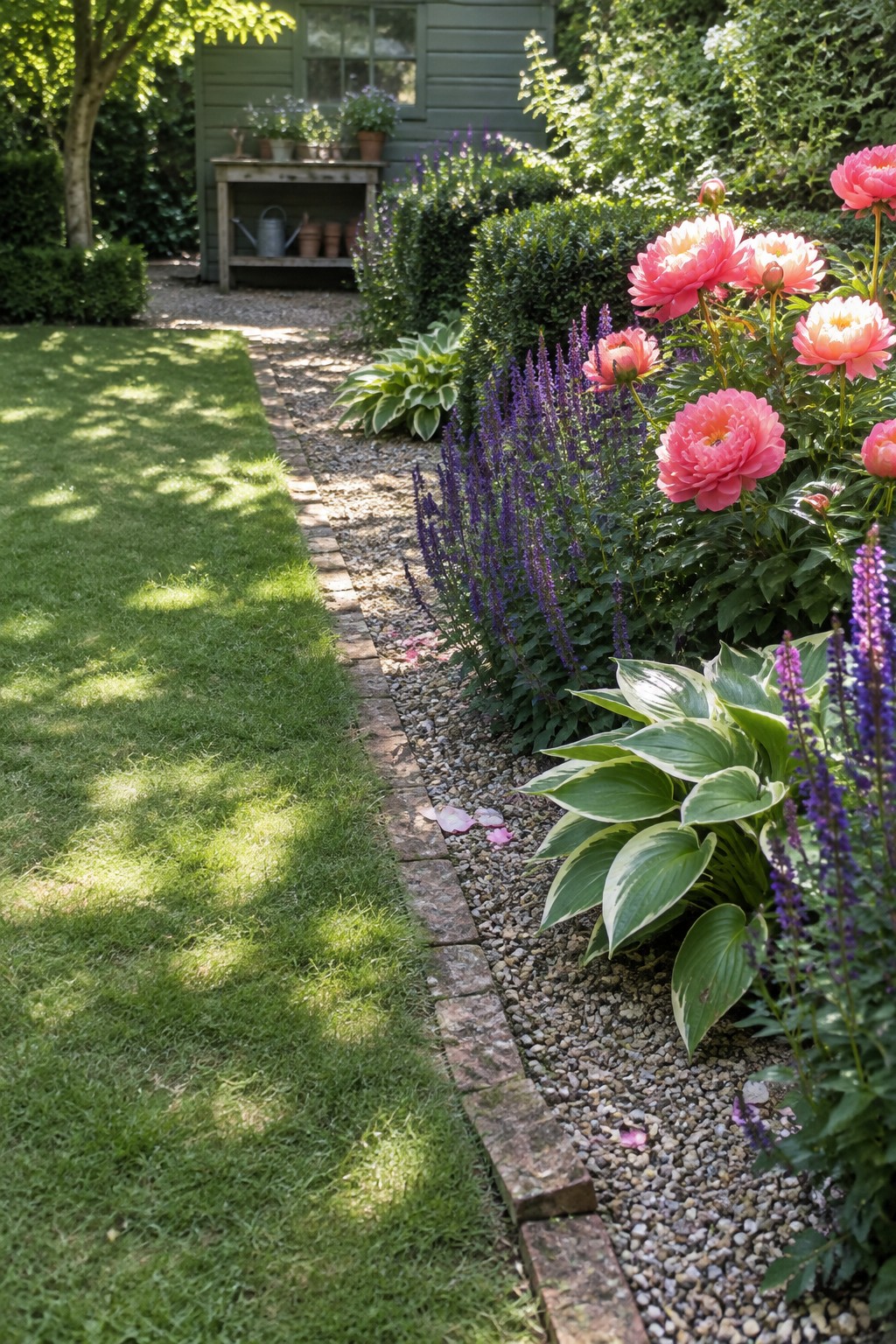
Brick edging gives planting beds a sharp, finished look that keeps everything in place. It separates the lawn from the gravel path and lets the flowers and shrubs sit in clear rows without spilling over. The result feels organized even when the plants grow full and loose.
This approach works well along narrow paths or side yards where you want structure without a lot of hardscaping. Lay the bricks level with the grass so mowing stays simple, and keep the beds a consistent depth so the layers of taller flowers and lower foliage stay easy to read.
Layer Plants By Height For Clean Lines
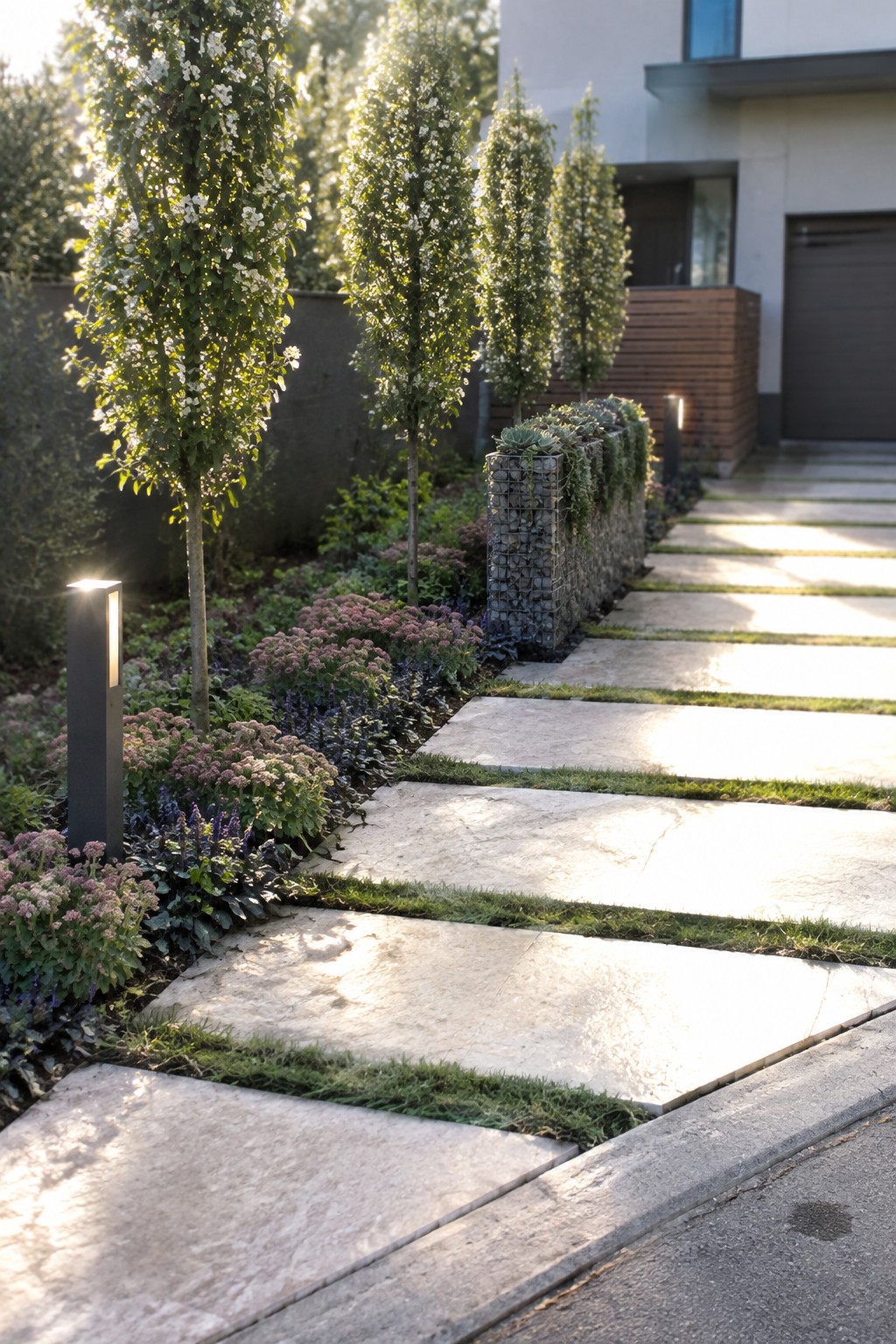
Layering plants by height keeps a garden looking organized even when it grows in over time. Tall trees or narrow shrubs at the back give structure, while mid and low plants fill in the front without crowding the path. This setup works especially well along walkways because it guides the eye forward without needing constant trimming.
It suits modern homes with straight edges and simple paving. Place the tallest plants toward the house or fence, then step down to lower shrubs and ground cover right next to the path. The result stays neat with less work once the plants settle in.
Layer Plants By Height Along Paths
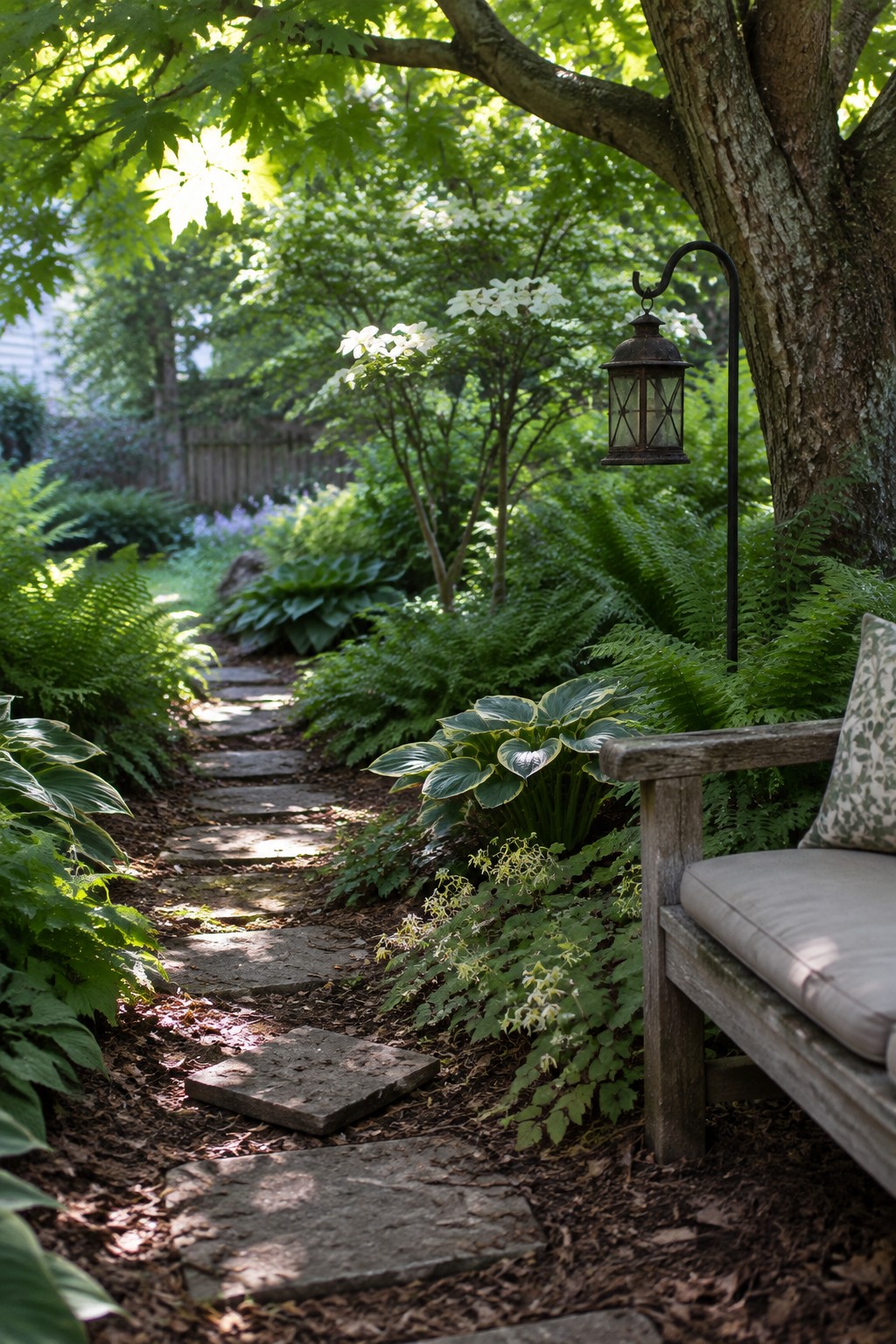
One simple way to keep a garden looking neat is to stack plants by height. Place taller trees or large shrubs toward the back, medium ferns and bushes in the middle, and lower leafy plants right along the edge. This creates depth without crowding and lets each layer get its share of light.
This approach works especially well beside a stone path, where the layers guide the eye forward and keep the edges soft. It suits wooded yards or smaller gardens that need structure but still want a natural feel. Just watch the spacing so lower plants do not get lost under the taller ones.
Large Planters For Clean Planting Layers
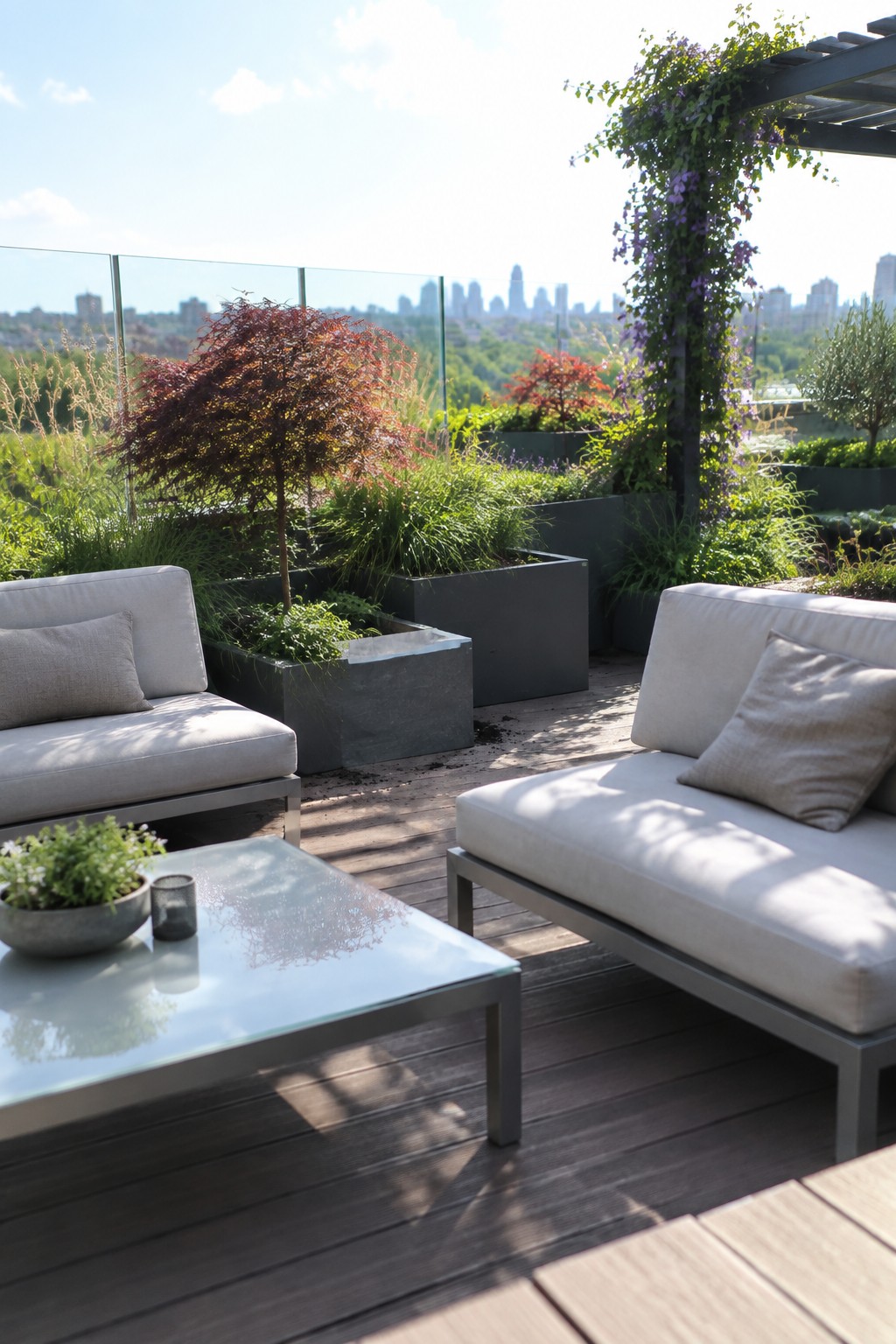
Large rectangular planters give you a simple way to build planting layers without needing actual garden beds. They hold trees, grasses, and lower plants together in one spot, which keeps the overall look neat and organized on a deck or rooftop.
This setup works best in tight outdoor spaces where you want height and separation but still need to keep things movable. Stick to matching sizes and dark finishes so the focus stays on the plants rather than the containers themselves.
Layer Plants by Height for Natural Depth
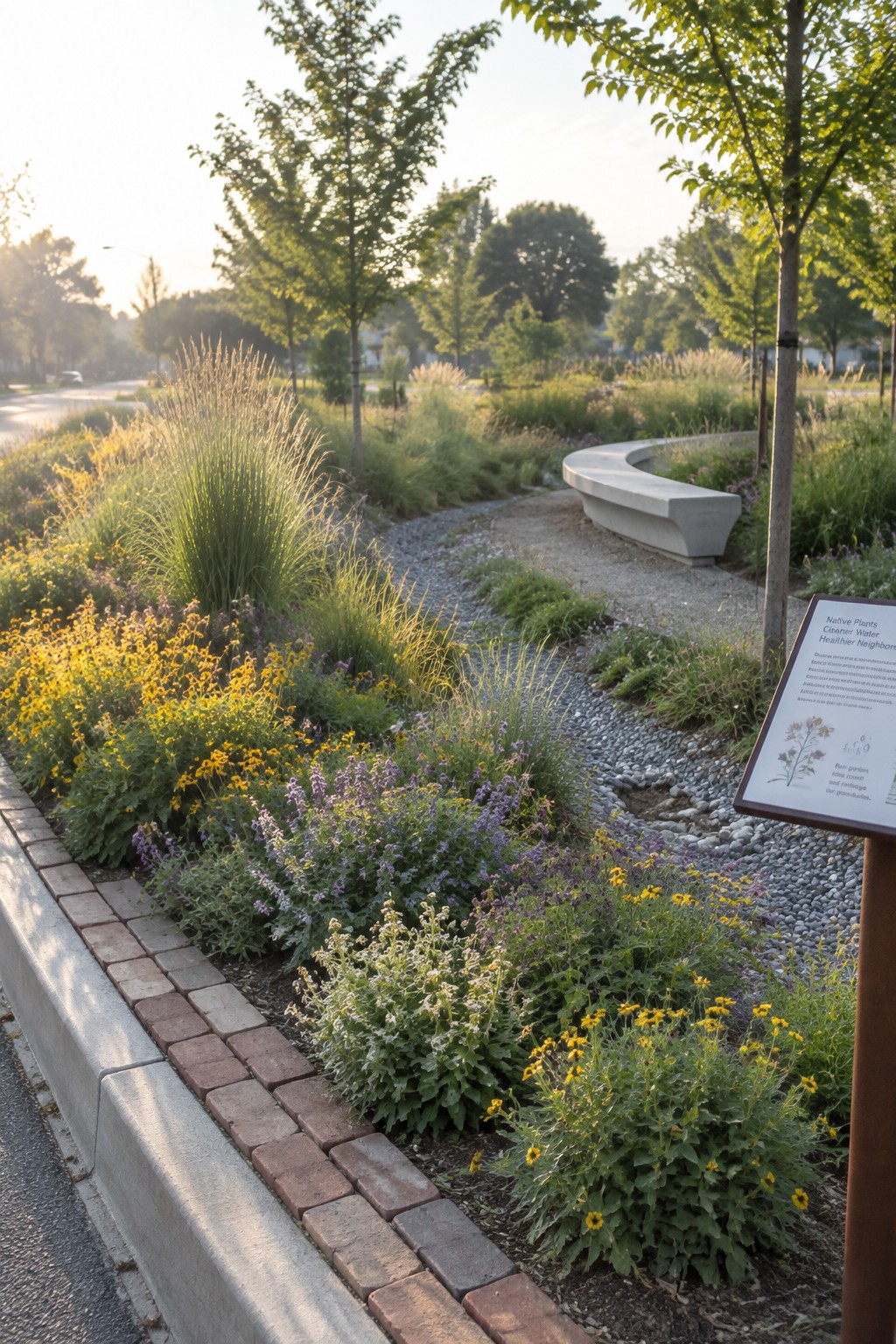
Planting in staggered heights gives beds a full look without feeling crowded. Taller grasses and shrubs sit toward the back while shorter flowers and ground covers fill the front edges. This creates clear visual layers that stay tidy even as the plants grow.
The approach works well along paths or curbs where you want structure without heavy maintenance. Choose native mixes that bloom at different times so the layers stay interesting through the seasons. Keep the edging simple so the plants remain the main focus.
Layer Plants by Height for Clean Edges
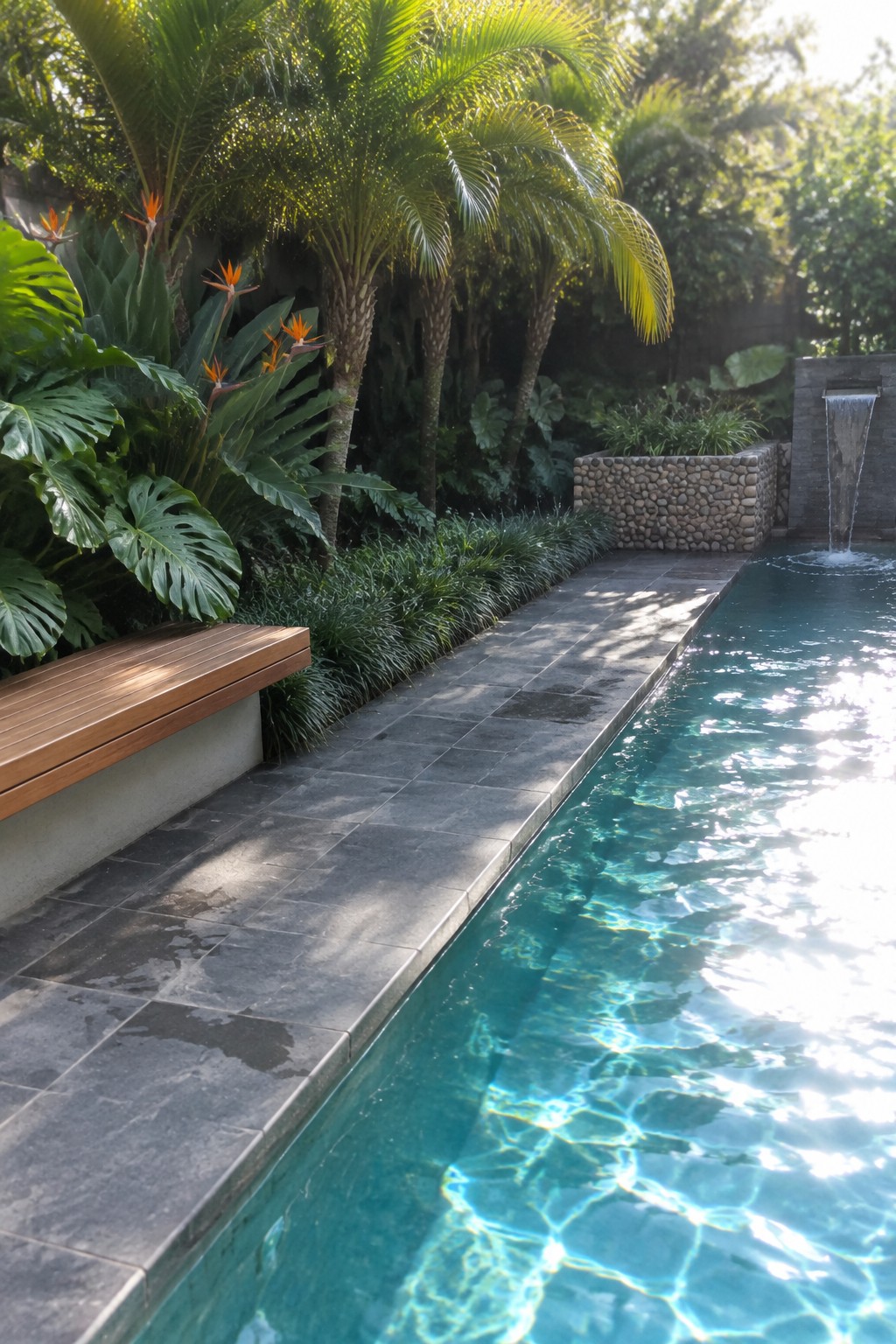
Layering plants by height gives a pool area a tidy, structured feel without looking overly manicured. Tall palms stand at the back, mid-level broad leaves fill the middle, and low grasses hug the stone edge right next to the water. This simple stacking keeps the planting looking full but still open.
The approach works best in warm climates where palms and tropical foliage grow well. Keep the front layer low so it does not block the view of the water, and space the taller plants so they do not crowd each other as they mature.
Stone Edging Keeps Planting Layers Tidy
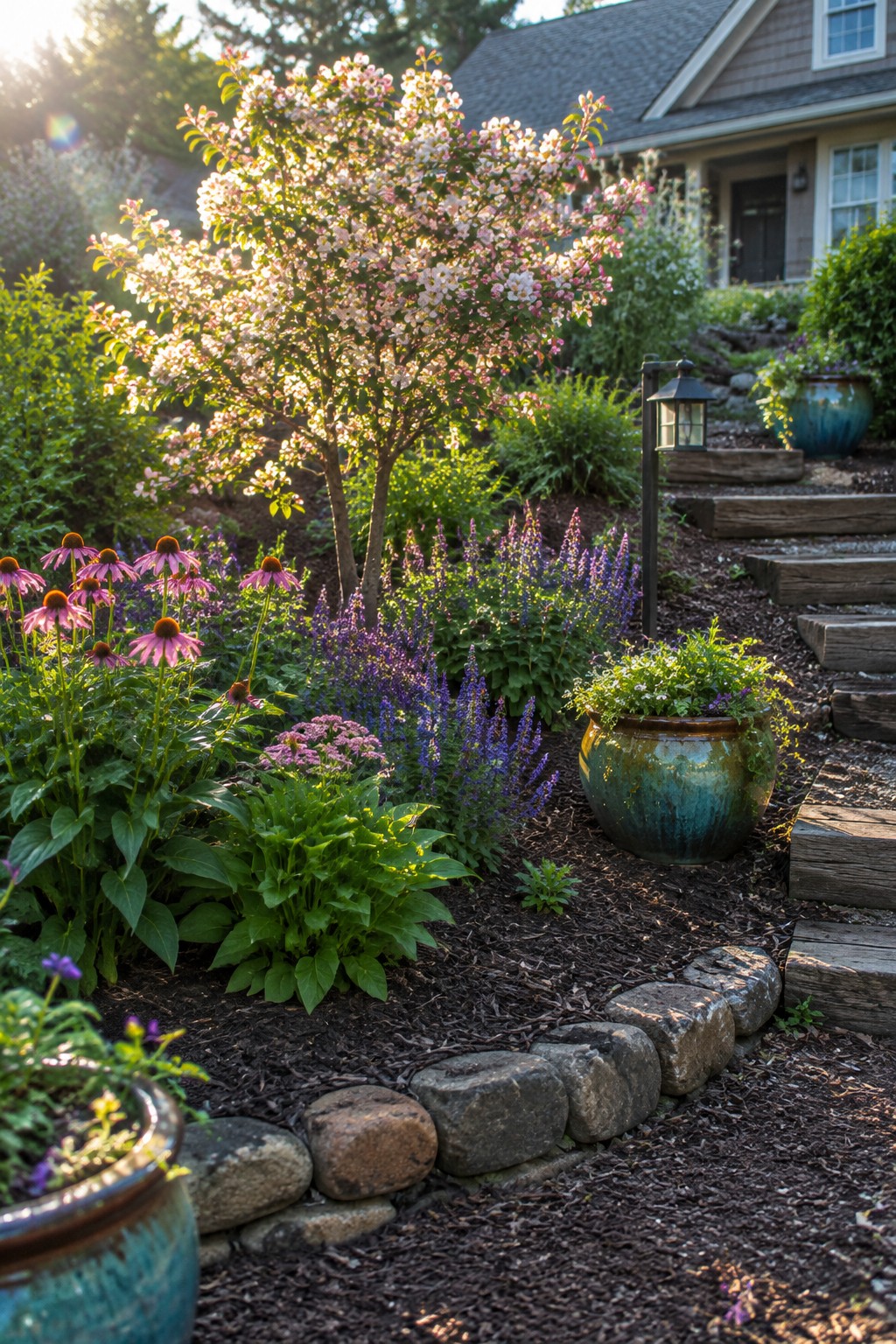
Stone edging gives garden beds a sharp, finished look that helps keep layers of plants looking intentional. It separates the mulch from the path and stops low growers from creeping where they do not belong.
This approach works best along walkways or near steps on homes with gentle slopes. Lay the stones in a soft curve to follow the bed shape, then fill in with taller shrubs behind mid-height flowers so each layer stays clear.
Raised Planters Keep Planting Layers Clean
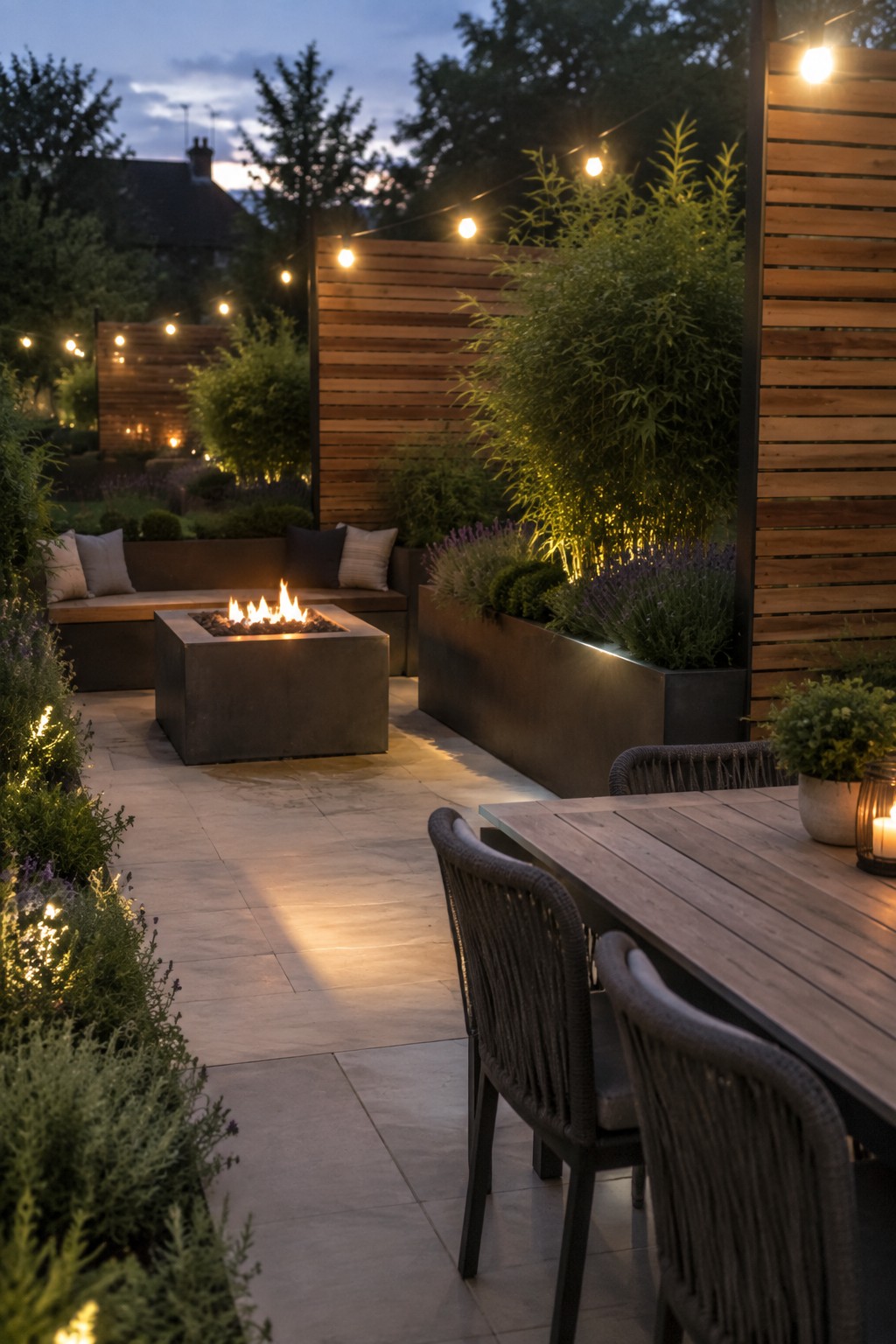
Raised planters let you build simple layers of greenery right next to a seating area without spreading beds across the whole patio. The metal boxes hold different heights of plants in one tidy spot, so the space stays open while still feeling full.
This works best on paved yards or decks where digging beds is not practical. Keep the plant mix to two or three heights and repeat the same containers for a calm, uncluttered look.
Raised Beds Keep Planting Layers Clean
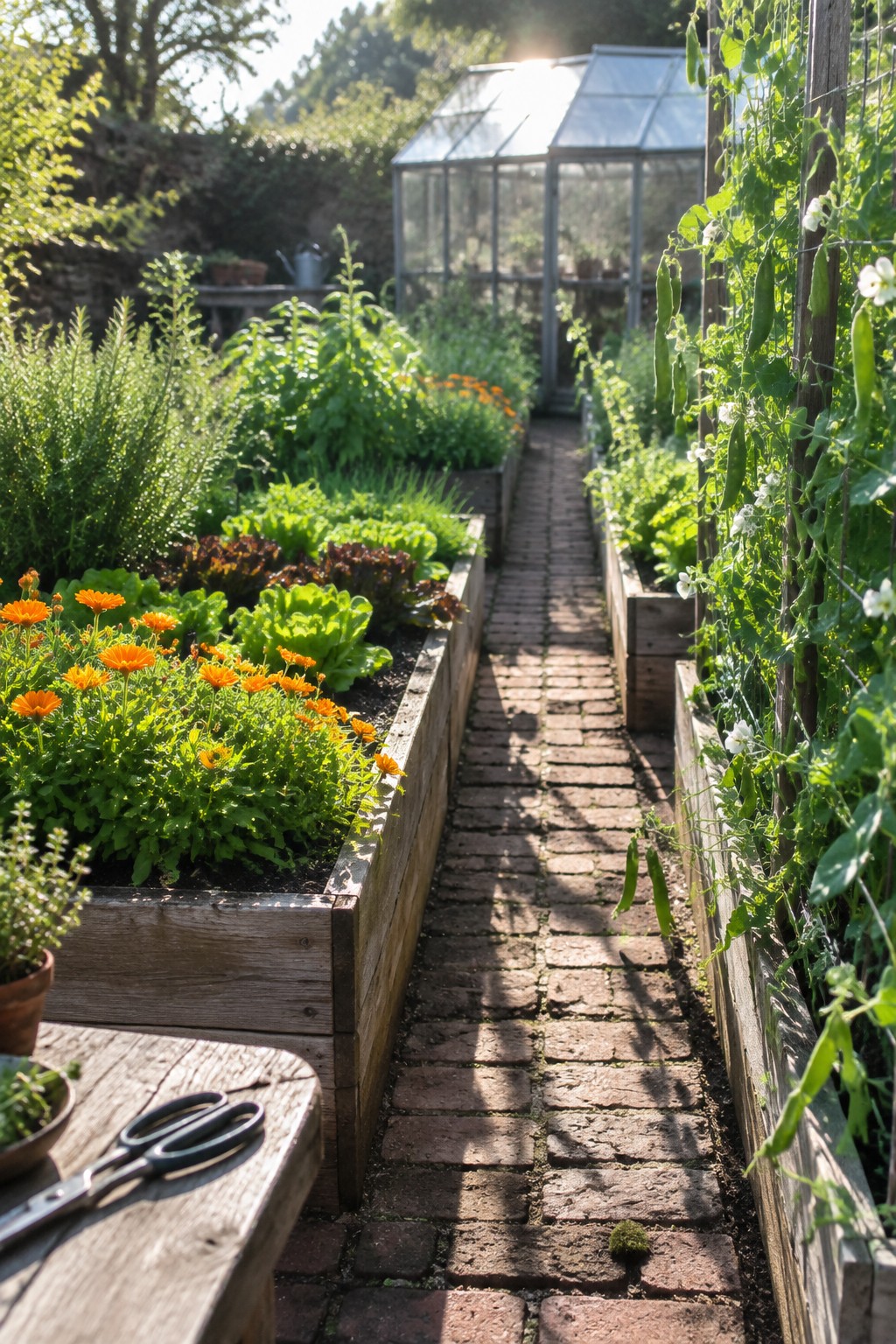
Raised beds give you a straightforward way to separate plants by height and type so the layers stay easy to see and manage. They stop everything from mixing together and make weeding and watering simpler over time.
This setup works well in narrow side yards or along paths where you want structure without a big footprint. Use untreated or naturally weathered wood and keep the beds at least eight inches deep so roots have room to grow.
Layer Plants by Height Along Paths
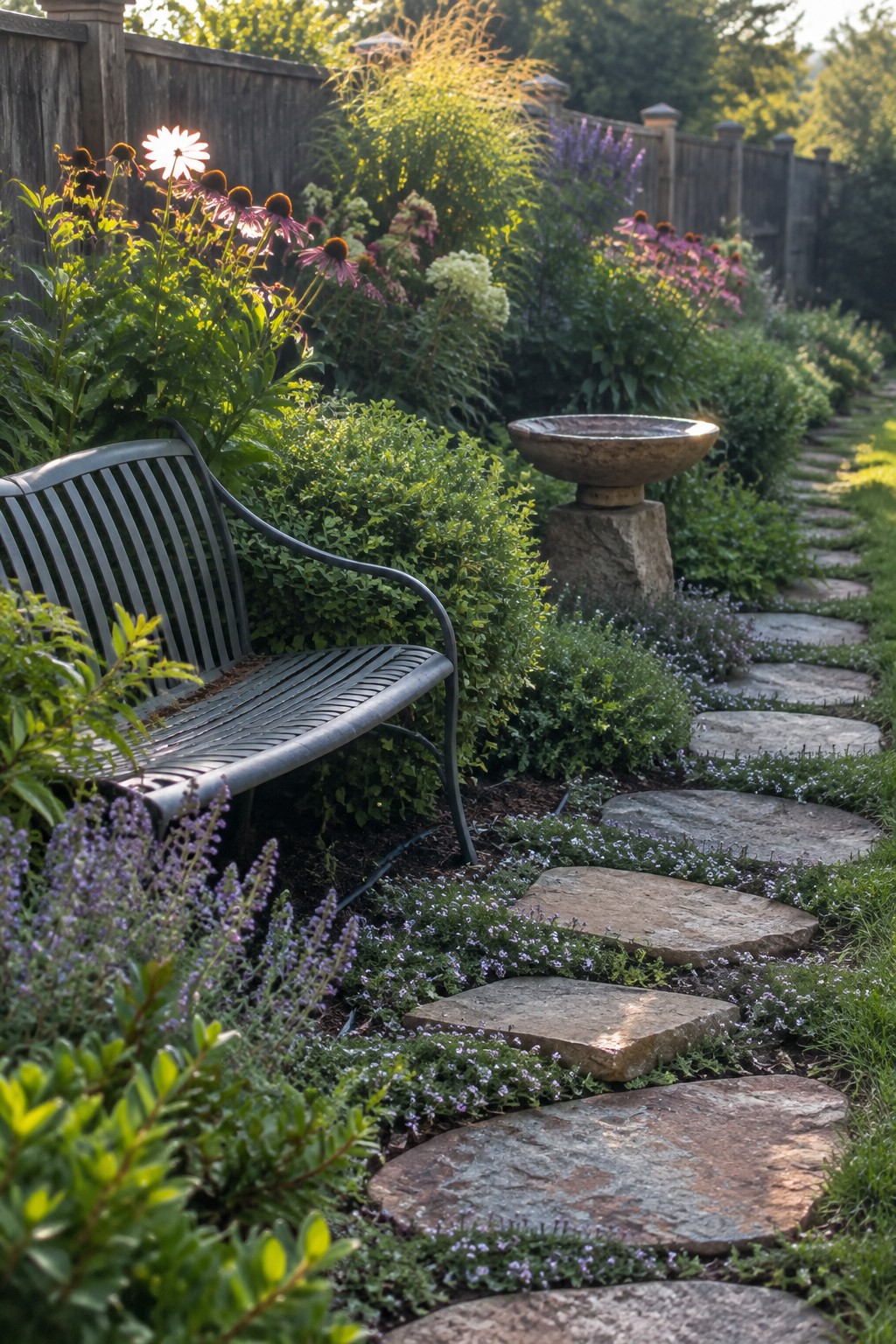
One simple way to get a clean look is to plant in layers right beside a stepping stone path. Keep the lowest plants along the edge so they spill gently over the stones, then step up to medium shrubs and taller flowers behind them.
This approach works especially well in narrow beds or along the side of a house because it adds depth without crowding the walkway. Stick with easy perennials that stay in their lanes and trim the front layer once or twice a season to keep the lines tidy.
Stone Edging Creates Clean Planting Layers
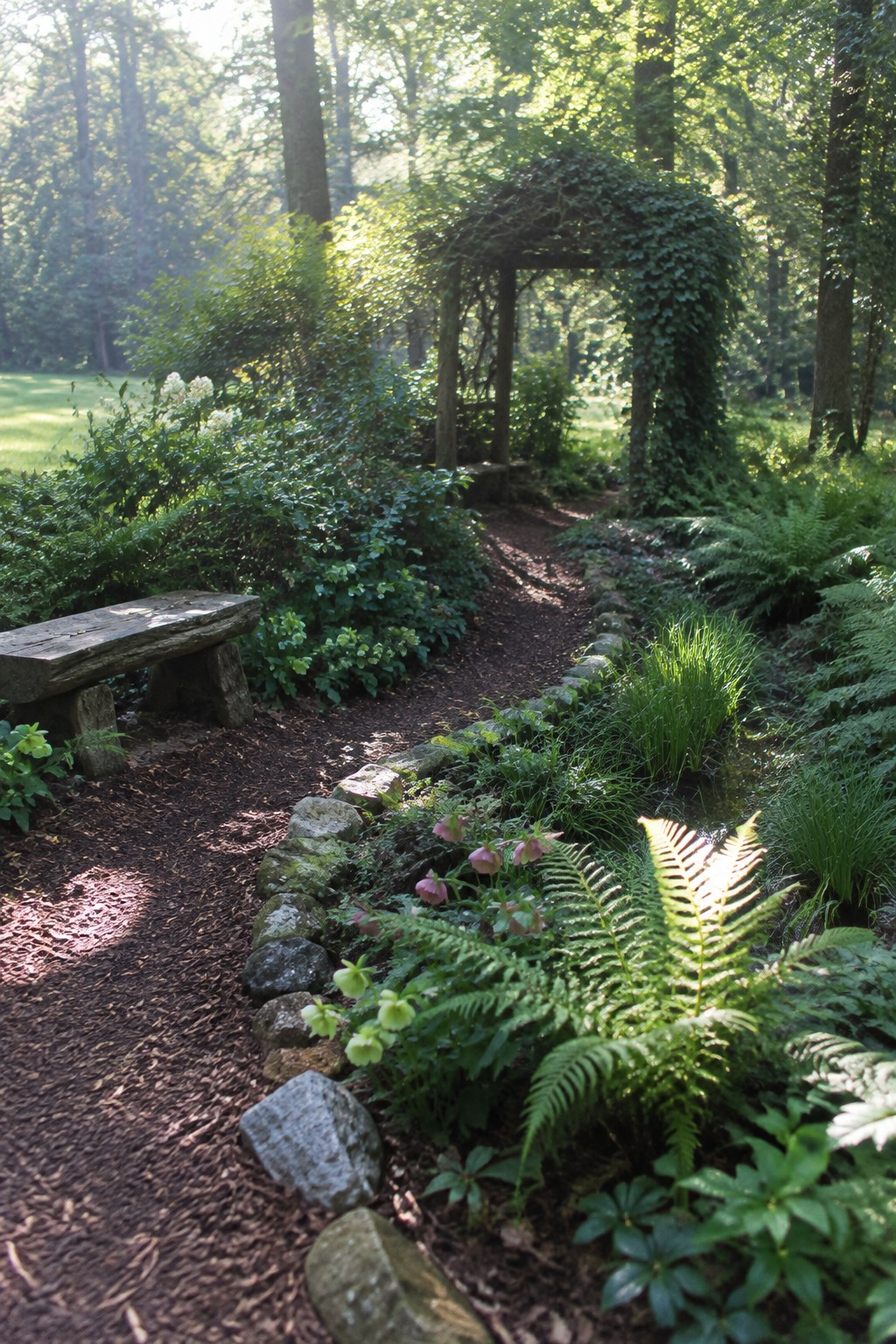
Stone edging works well when you want planting beds to feel organized without looking too formal. It gives the garden a clear shape while letting the plants do the rest of the work.
This approach suits shady or woodland style gardens best. Keep the plants in layers with taller ferns behind lower flowers and let the stone hold everything in place along the path.
Layer Plants by Height for Clean Structure
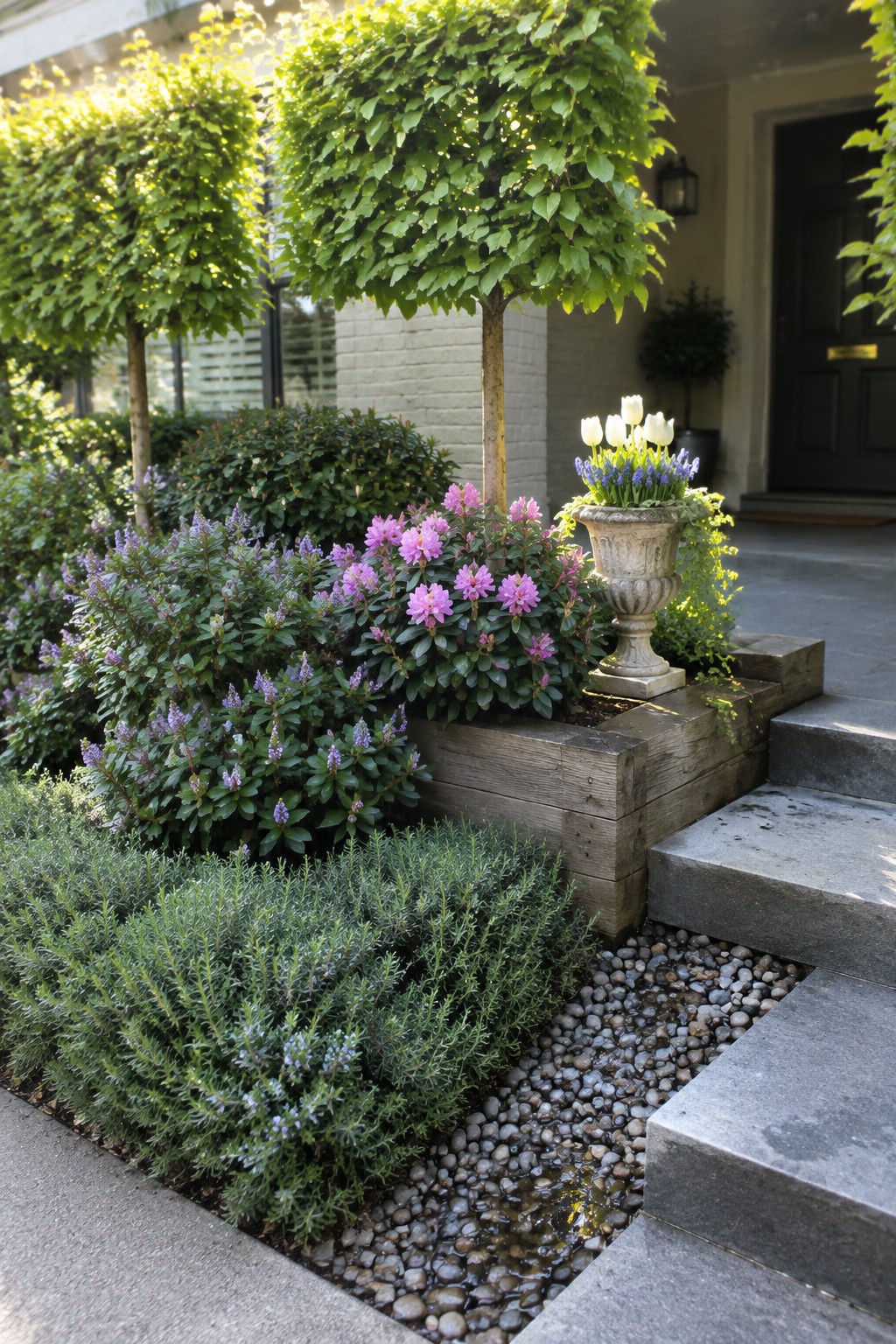
Stacking plants in clear height layers keeps a garden bed looking neat without a lot of extra work. Low ground covers sit in front, mid-size flowering shrubs fill the middle, and taller trees or clipped forms stand at the back. This simple order stops the planting from looking messy and makes each layer easy to see.
The approach works well along paths, near steps, or around a raised bed where you want the eye to move smoothly from one level to the next. Keep the lowest layer evergreen so it stays full in winter, and choose shrubs that bloom at different times so color lasts longer. Avoid crowding the layers too tightly or the clean lines will disappear.
Raised Beds Along a Brick Path
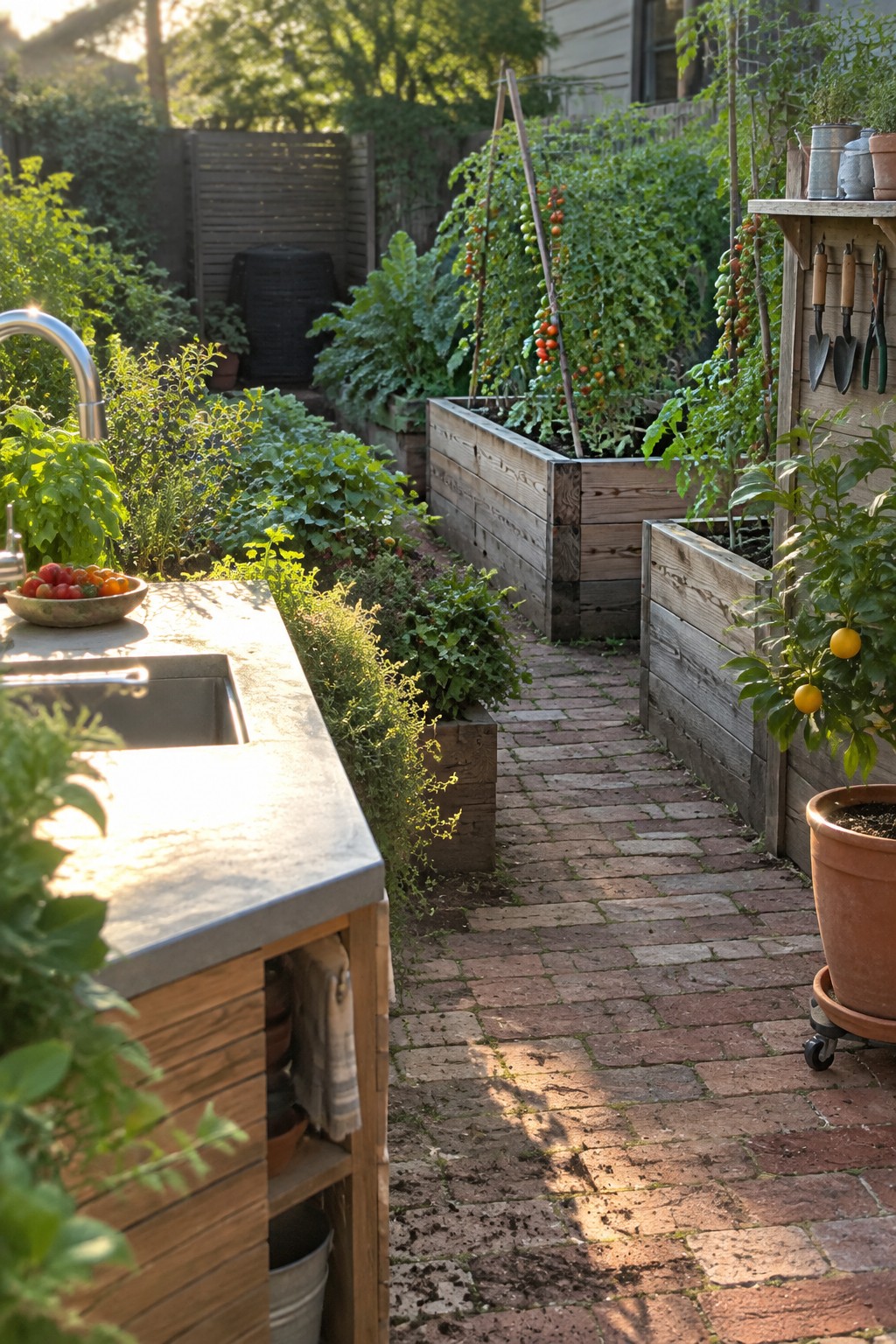
Raised beds give a garden clear structure without a lot of fuss. They keep plants contained, make watering and harvesting simpler, and let you stack different heights and textures in one spot. The wooden boxes here sit right next to the path, so nothing spills over and the rows stay tidy.
This setup works best in narrow side yards or small back gardens where you need both growing space and room to walk through. Keep the beds at a comfortable height for reaching, and choose a simple path material like brick that drains well and stays level. Avoid crowding the edges so the layers stay visible.
Frequently Asked Questions
Q: How do I keep the front layer from getting lost once the taller plants fill in? A: Place the shortest plants at least a foot ahead of the middle layer so they catch light. Trim the middle ones back lightly each spring to prevent them from leaning forward and shading everything below.
Q: What if the soil in my yard stays wet most of the year? A: Swap in grasses and sedges that handle moisture without extra drainage work. Set the back layer slightly higher on small mounds so water does not pool around the roots of the lower plants.
Q: How do I stop weeds from popping up between the clean rows? A: Lay down a thin mulch layer right after planting and keep it a couple inches away from stems. Pull anything that shows up by hand while it is still small instead of waiting for it to spread.
Q: Can these layers work along a fence that gets full afternoon sun? A: Yes, but choose sun-loving shrubs for the back and tuck shade-tolerant ground cover in front where the fence casts shadow. Water the whole setup more often the first season until the roots reach deeper soil.
