

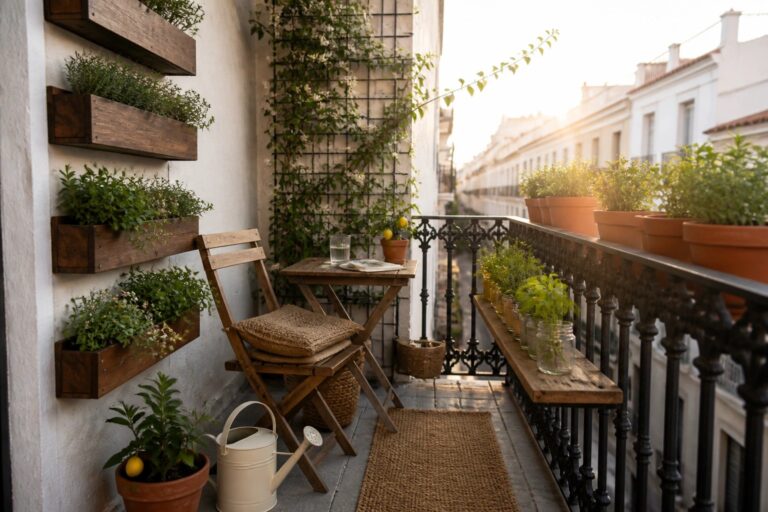
When I step out onto my small patio the first thing I notice is how quickly the floor fills up once I add even a couple of chairs or a table.
Vertical gardens let me bring in more plants without losing the space I need to actually use the area.
Some setups look clever on paper but end up blocking light or making the spot feel closed in.
I keep coming back to options that stay narrow at the base and build upward so the ground stays clear for walking or sitting.
Testing one or two of these in a corner first seems like the practical way to see what works over time.
Wall Planters and a Trellis Free Up Floor Space
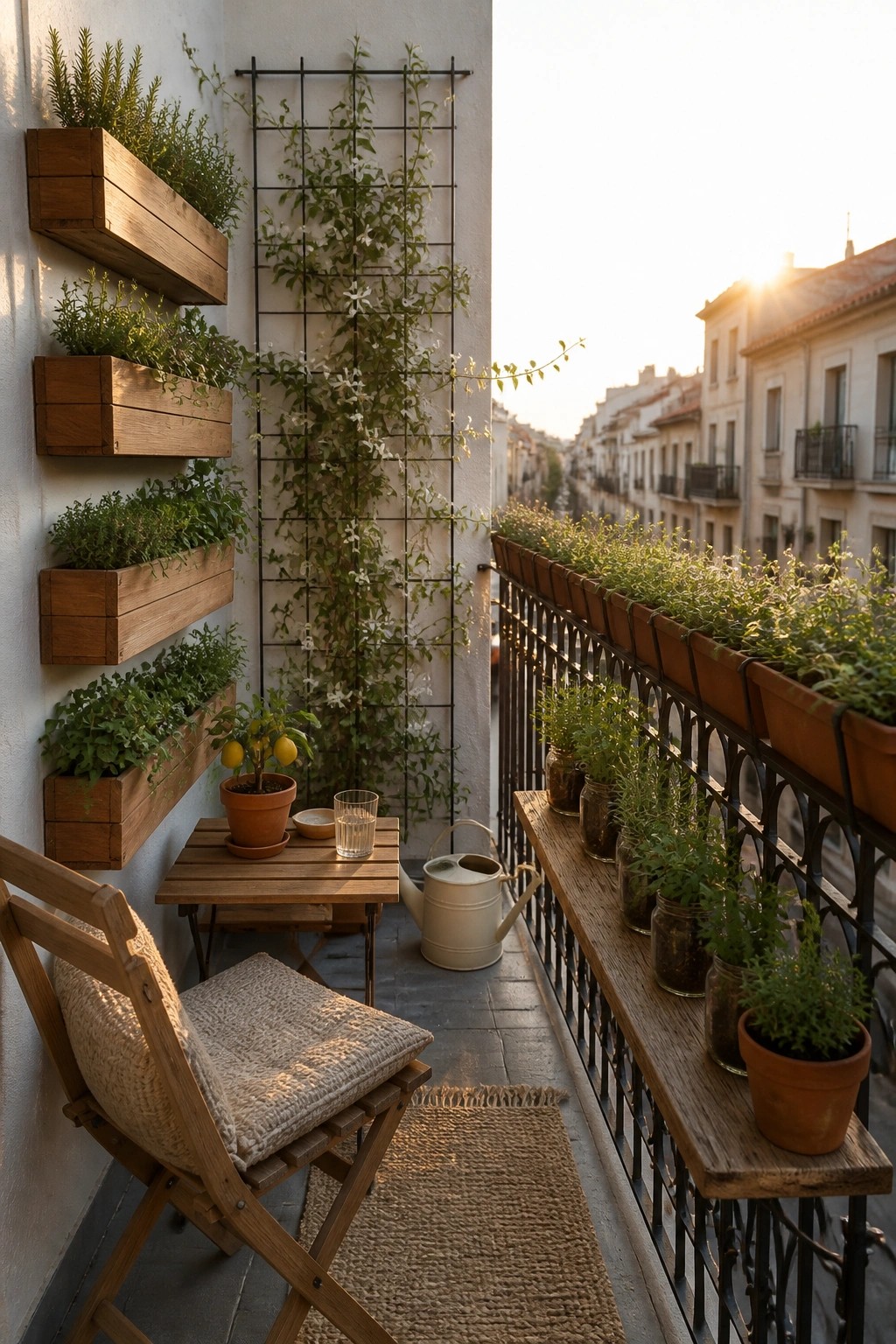
Mounting planters directly on the wall gives you room to grow without crowding the floor of a small balcony. The wooden boxes hold herbs and smaller plants at different heights, while a trellis behind them supports vines that climb upward instead of spreading out.
This approach suits narrow urban balconies where every square foot matters. Keep the lower area clear for a chair or table, and check that the wall can handle the weight of filled boxes over time.
Mount Metal Troughs on Walls for Vertical Gardens
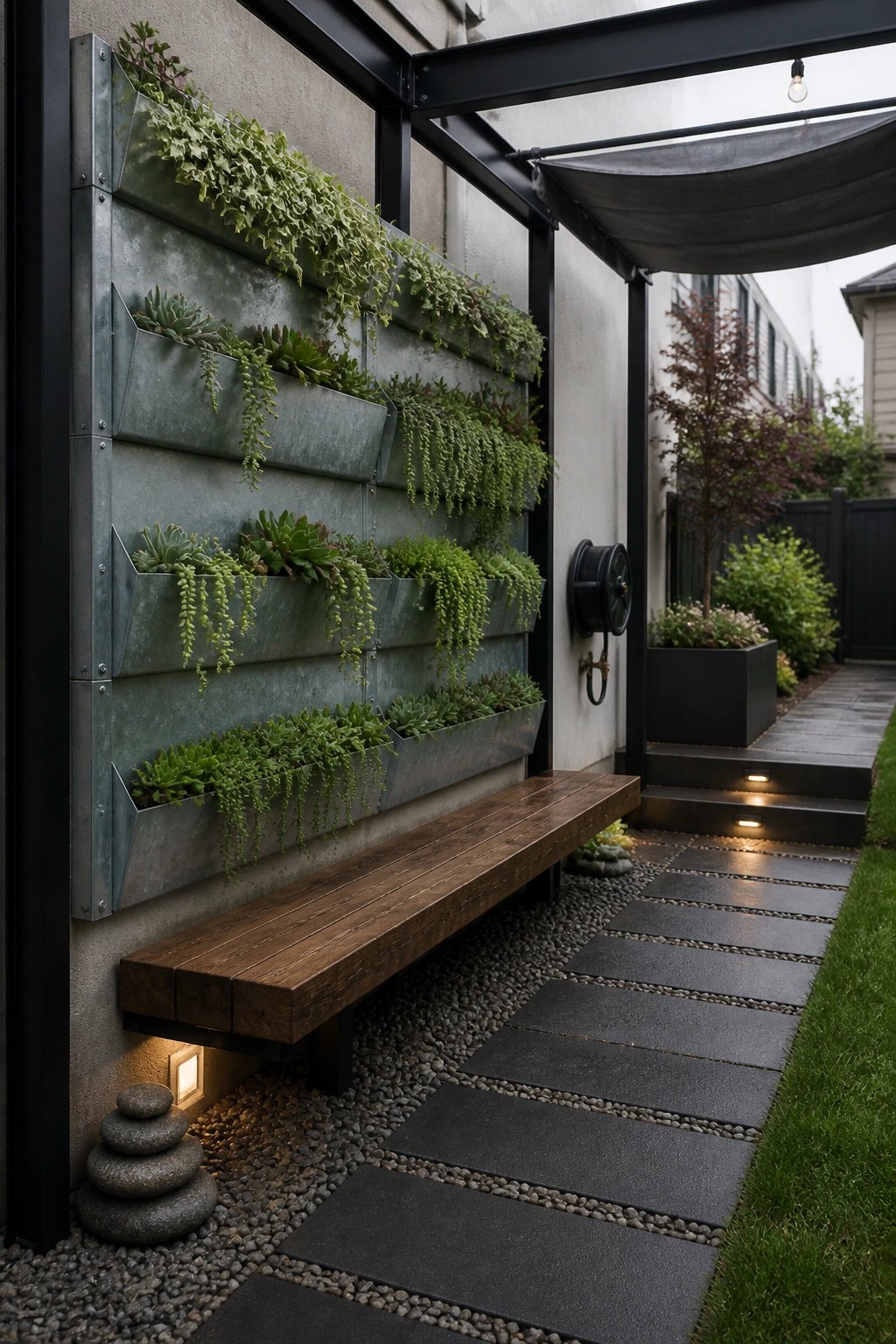
Wall-mounted metal troughs give you a simple way to add lots of plants without using up ground space. They work well along a fence or house wall where floor room is tight, and the staggered rows let plants spill down naturally while keeping everything off the path.
This setup suits small yards or side passages where you still want greenery at eye level. Just make sure the wall can handle the weight once the troughs are filled, and choose plants that match the light in that spot.
Mount Plants On A Wall To Free Up Floor Space
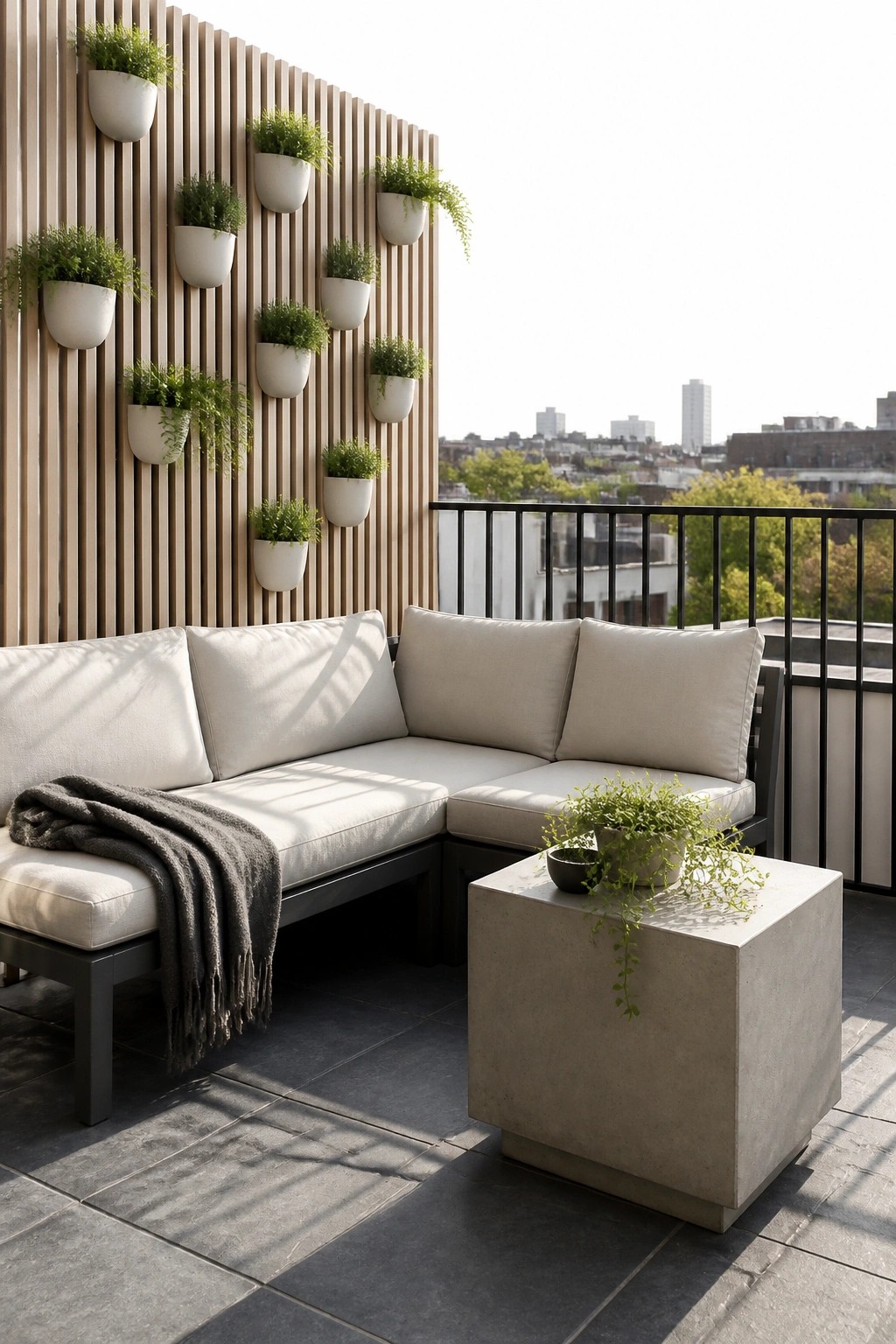
Small balconies and patios often run out of room once you add seating. Putting plants on the wall instead keeps the floor open and still gives you plenty of greenery without crowding the area.
This approach works best on spaces with a solid back wall that can take a few simple mounts. Use lightweight pots and arrange them in a loose pattern so the plants get light and stay easy to water.
Use an Old Ladder as a Plant Stand
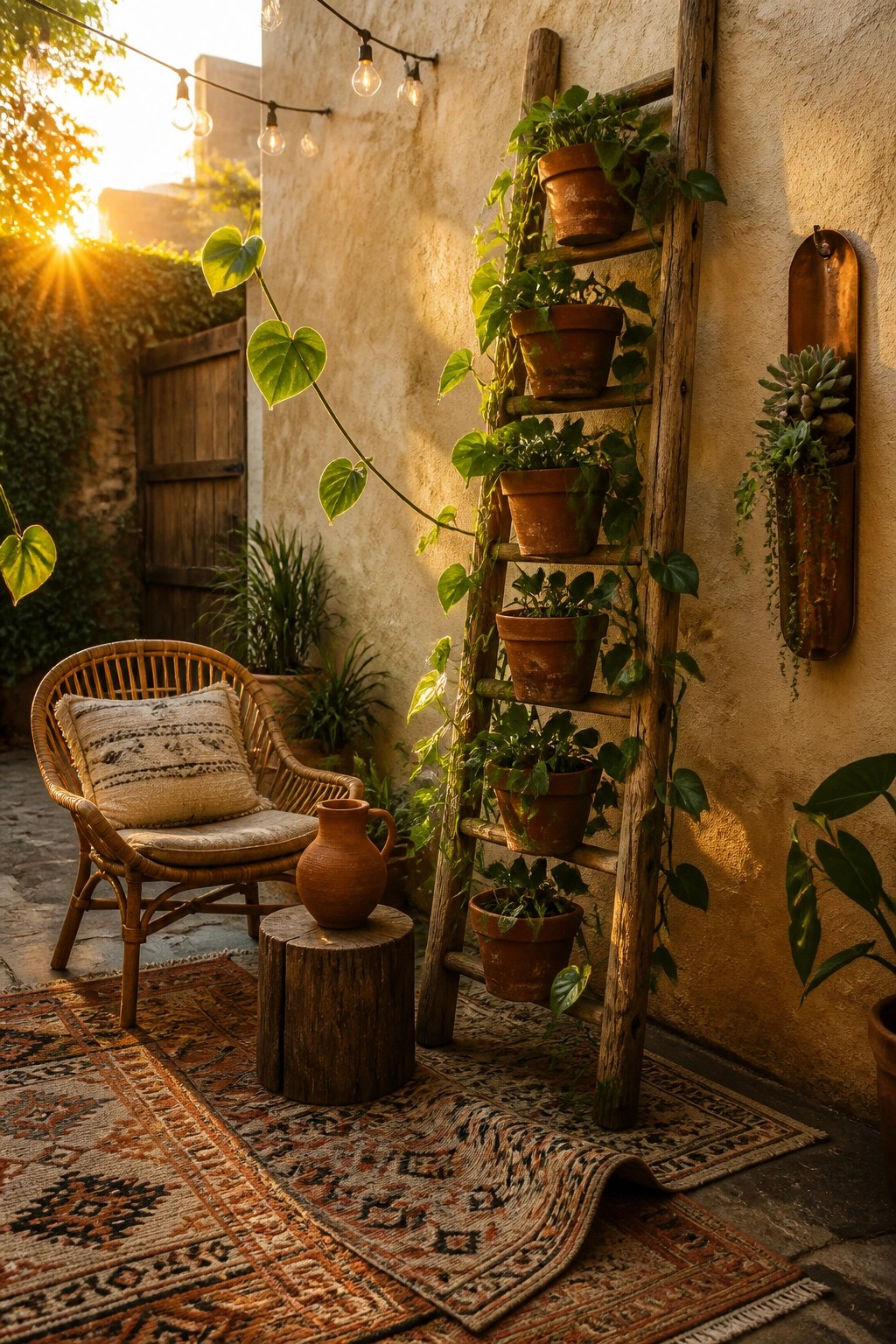
A wooden ladder leaned against a wall gives you a quick way to add height and more plants without needing extra floor space. It works especially well in small patios or courtyards where ground room is limited, and the open rungs let vines trail down naturally while pots sit securely on each step.
Place it in a sunny corner where the plants will get good light, and choose pots that fit the width of the rungs so they stay stable. This setup suits older homes or simple outdoor areas that already have a relaxed feel, and it keeps the display easy to rearrange when you want to swap plants or move things around.
Use a Tall Vertical Planter on Small Balconies
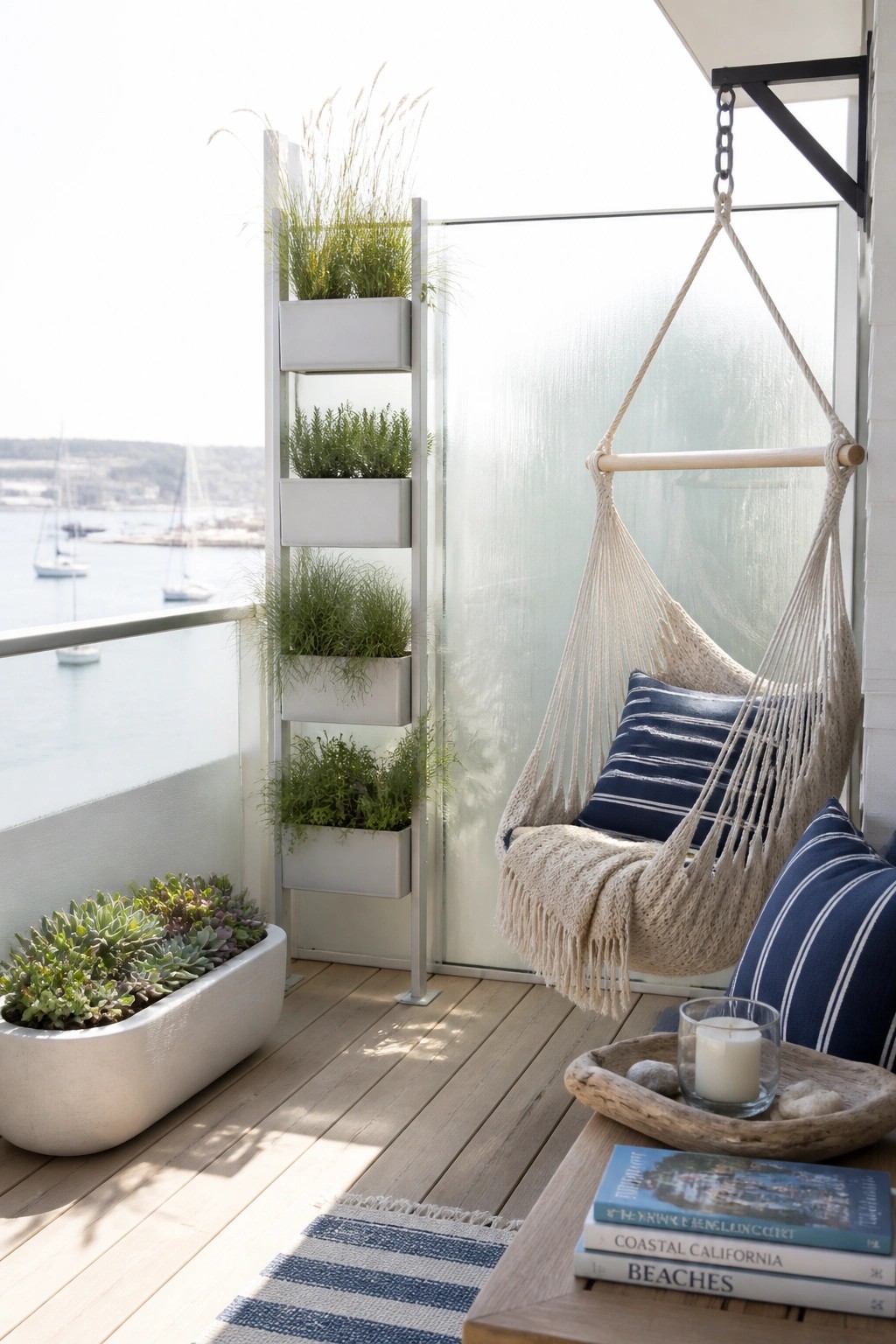
A vertical planter on a narrow stand gives you several levels of plants without eating into floor space. On a balcony this setup keeps the deck open for seating while still bringing in plenty of greenery.
It works best in tight outdoor spots where a wide bed or row of pots would feel cramped. Set it against a railing or wall, pick plants that match the available sun, and water from the top so everything drains down through the tiers.
Use a Pallet Wall for Vertical Planting
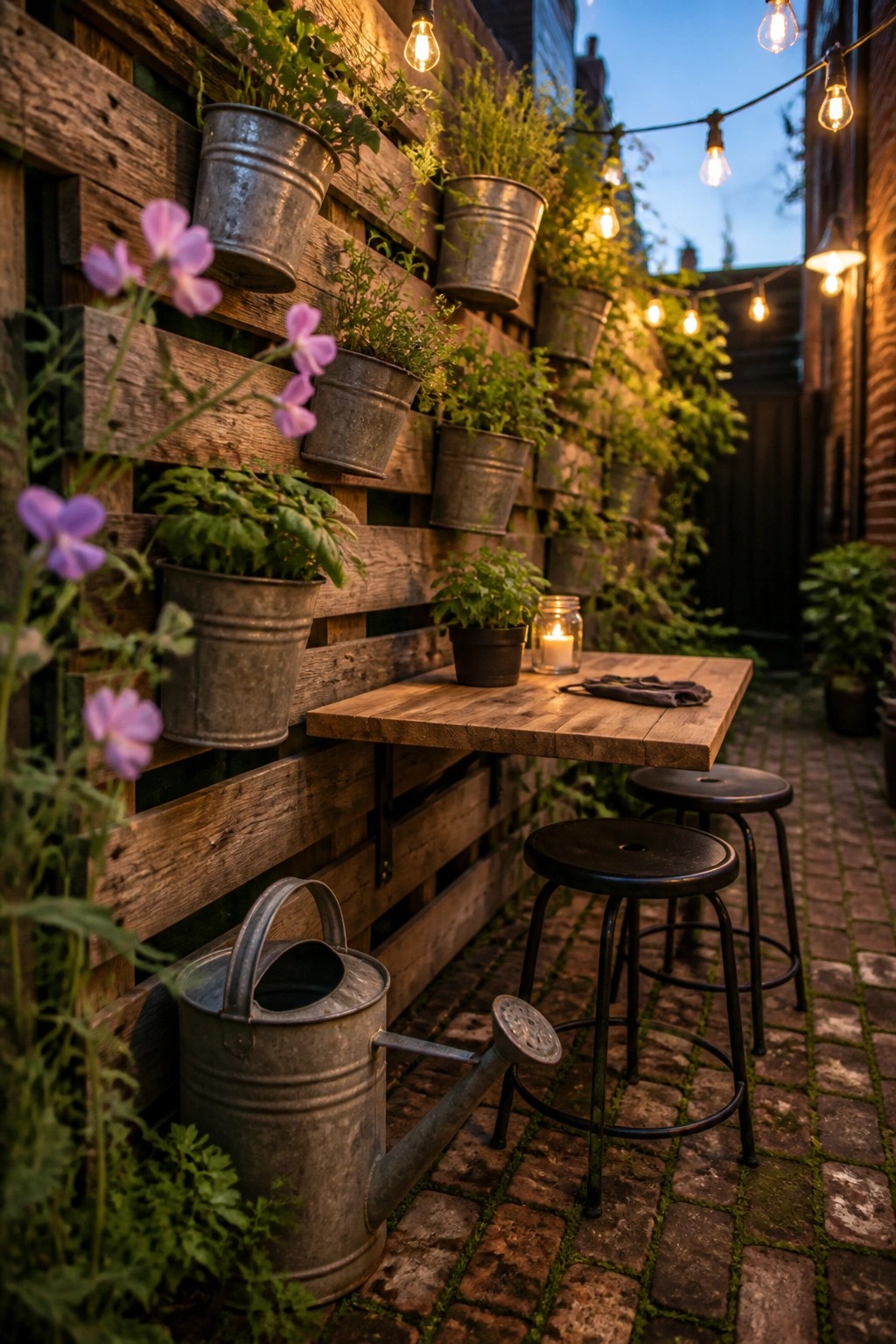
Mounting a wood pallet on an outdoor wall and adding metal buckets gives you several planting spots without using floor space. It works especially well in narrow patios or side yards where every inch counts.
The setup suits homes with limited ground room but a blank wall available. Secure the pallet firmly, use lightweight pots, and pick plants that handle container growing.
Mount Wall Planters to Add Height in Narrow Spaces
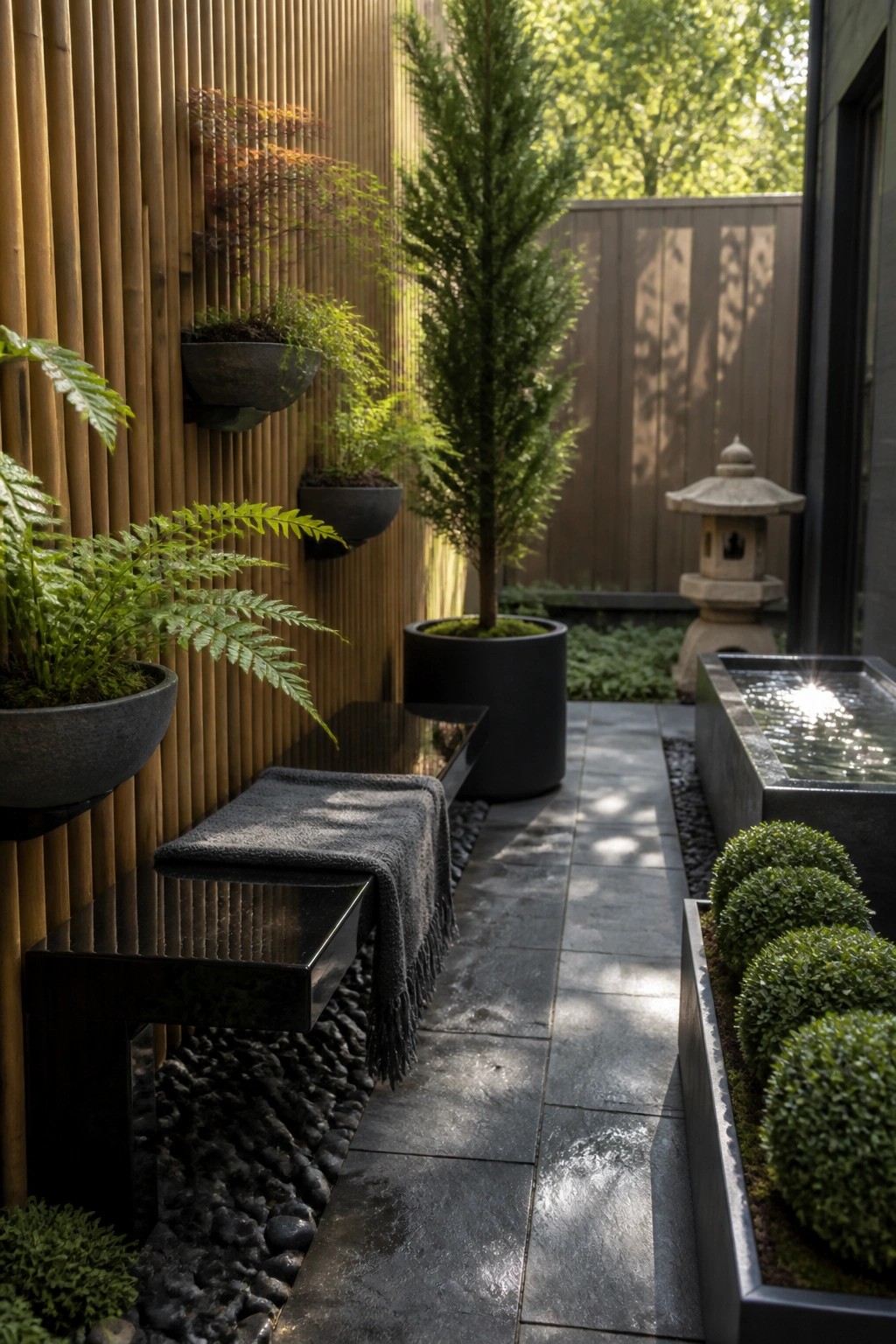
Mounting planters straight onto a wall gives you room for more plants when the ground feels too tight. It keeps the floor clear for walking or seating while still building layers of green that draw the eye upward.
This works best along side yards, small courtyards, or tight passages where every inch counts. Use sturdy brackets, pick plants suited to the light, and pair the wall mounts with a few taller pots on the ground so the planting feels balanced rather than flat.
Wall Brackets Keep Pots Off the Floor
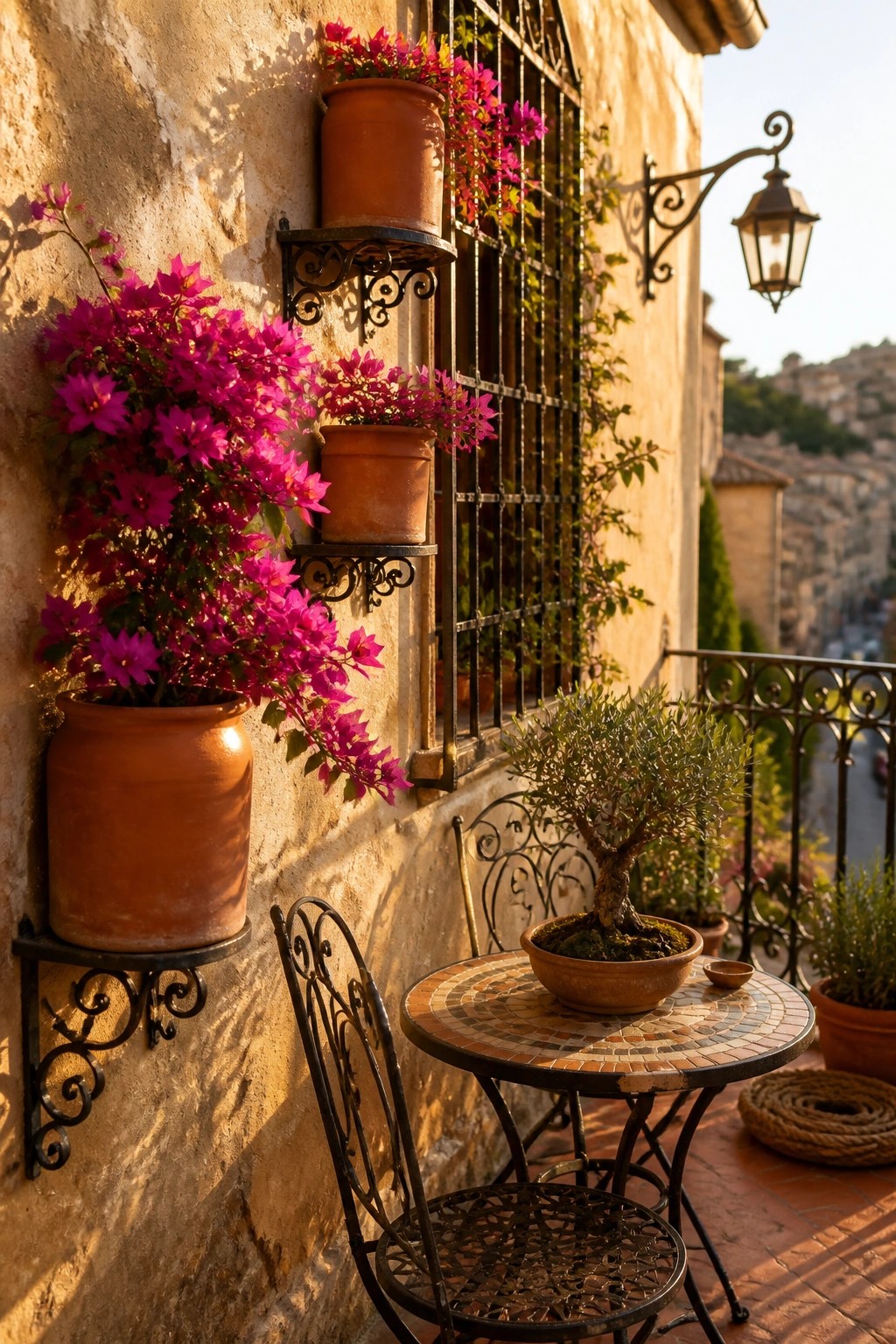
Wall brackets make it easy to stack plants along a blank wall without losing floor space. They turn an unused vertical surface into a simple garden that stays out of the way of chairs or foot traffic.
This setup works best on balconies or small patios where every inch counts. Use sturdy metal brackets rated for the weight of the pots and check that the wall can handle the load, especially after watering.
Mount Planters On Fences For Extra Height
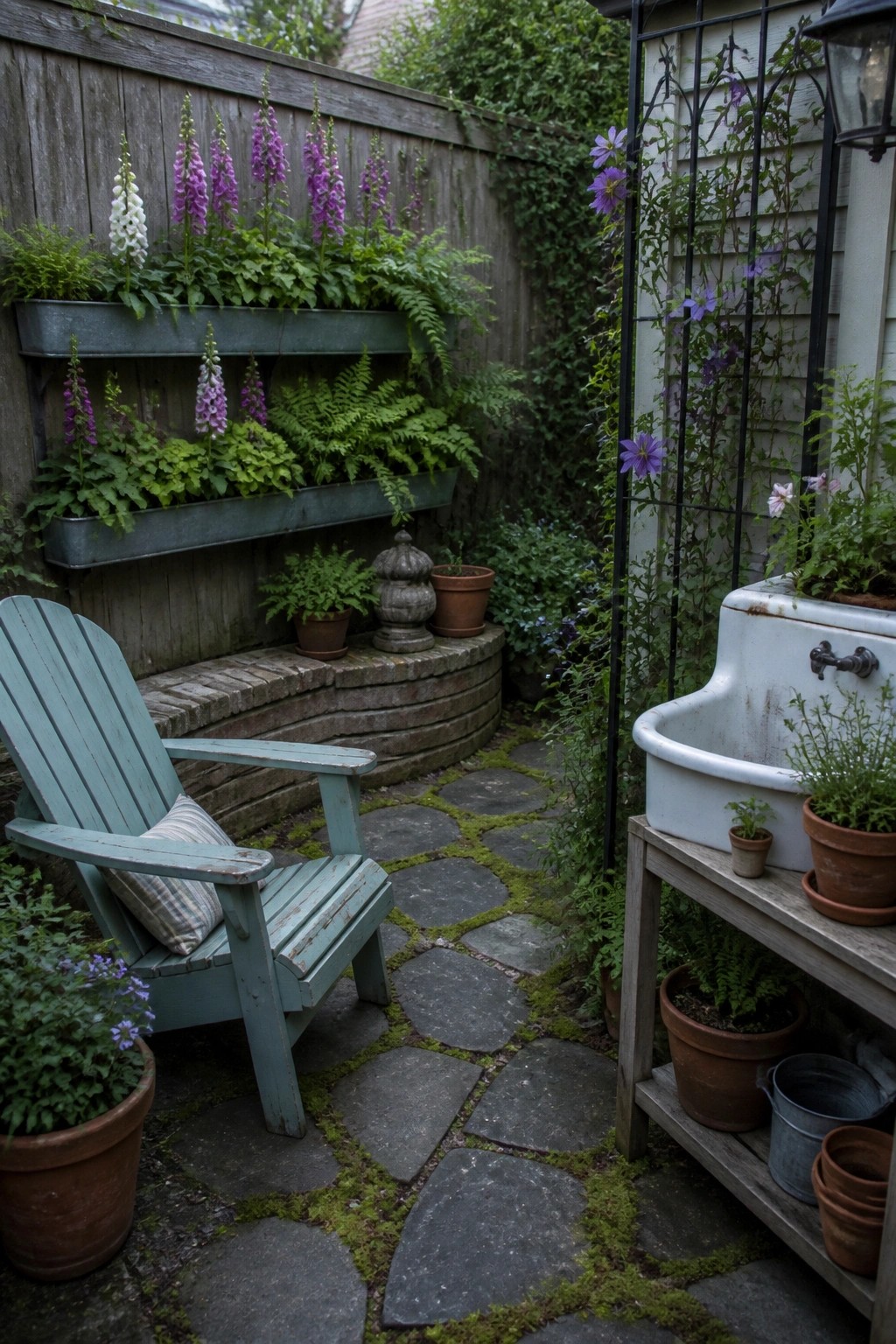
Wall mounted planters give you a simple way to add plants without losing floor space. In a narrow yard or along a side path, they turn an empty fence into useful growing room and bring the eye upward so the area feels less cramped.
This works best on solid wood or masonry fences that can hold the weight. Metal troughs or shallow boxes work well for ferns and flowers, and you can stagger the heights to keep things from looking flat. Just check that the wall gets enough light and leave room to water without soaking the ground below.
Hang Macrame Planters Along a Frame
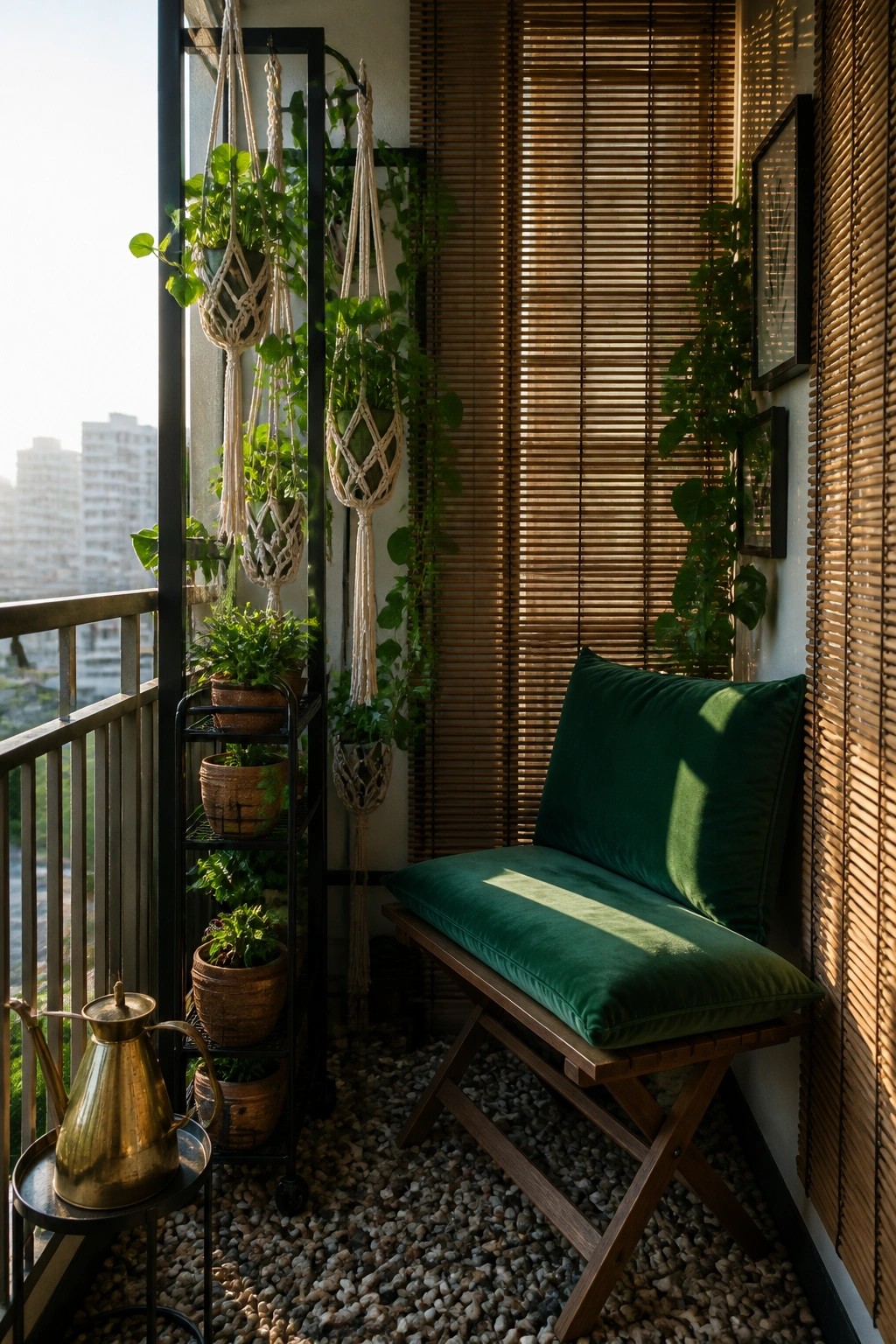
Hanging planters from a tall frame or rod works well when floor space is tight. It lifts the plants up and out of the way while still letting you fit quite a few in a small area. The look feels full without crowding the actual seating or walking space.
This approach suits balconies and narrow patios best. Keep the frame simple and sturdy, and vary the lengths so the plants layer naturally. A rolling cart underneath can hold a few more pots if you need extra room later.
Stacked Planters For Added Height
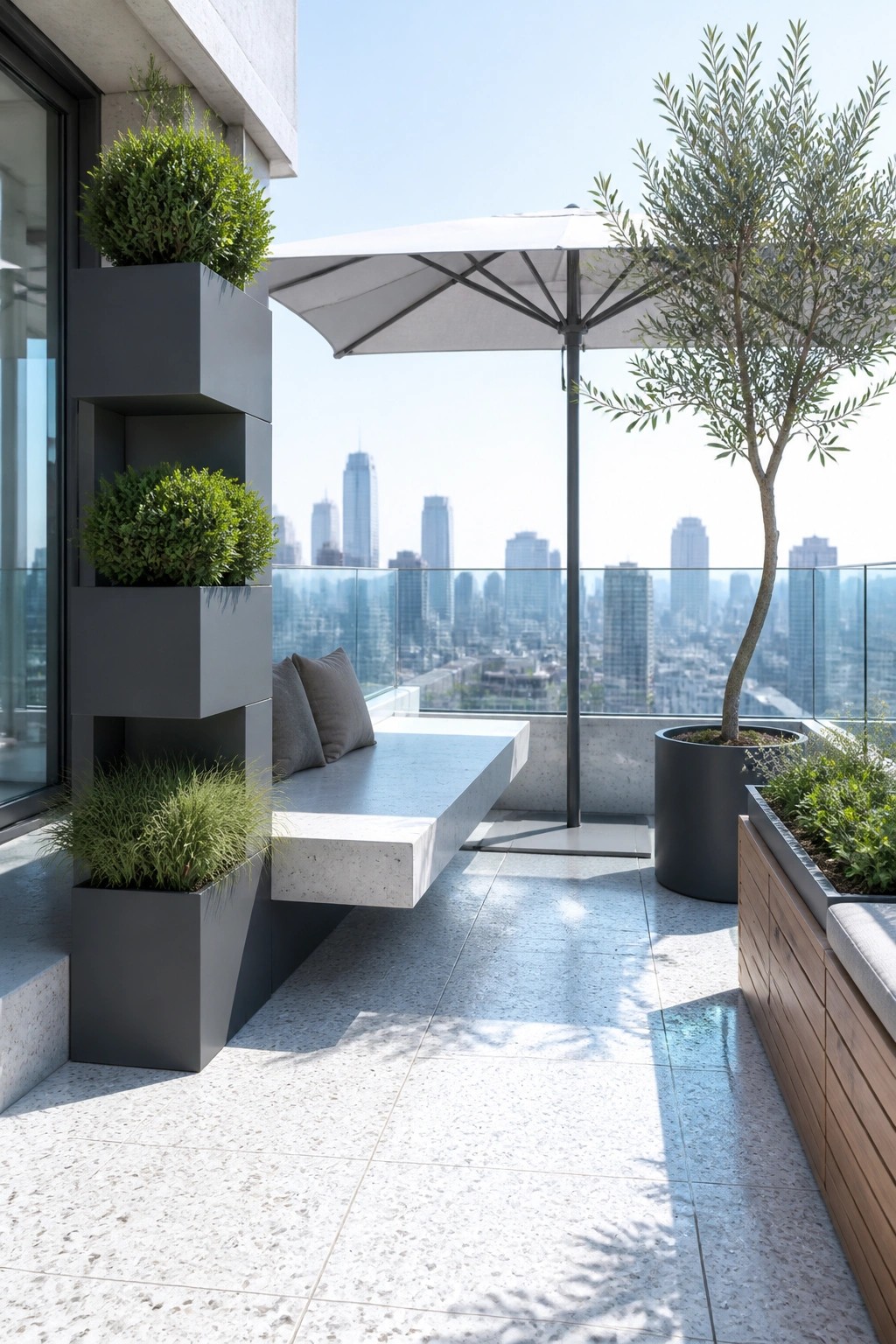
One simple way to add more plants without losing floor space is to stack planters vertically along a wall or railing. This setup uses height that already exists and keeps the main area open for seating or walking through.
It works best on balconies and small terraces where every square foot counts. Modular boxes like the ones in the photo let you mix different plants at different levels so the greenery feels layered but never crowded.
Stack Planters Along a Wall

Stacking planters on a wall gives you a full garden display without using up any floor space. It turns a blank vertical surface into something useful and green, which is especially helpful in small patios or poolside spots where room is tight.
This setup works best on solid walls that can hold the weight. Use brackets or built-in shelves, choose lightweight pots, and pick plants that handle the sun or shade in that spot. Keep the tiers evenly spaced so everything stays easy to water and reach.
Build Vertical Gardens with Stacked Crates
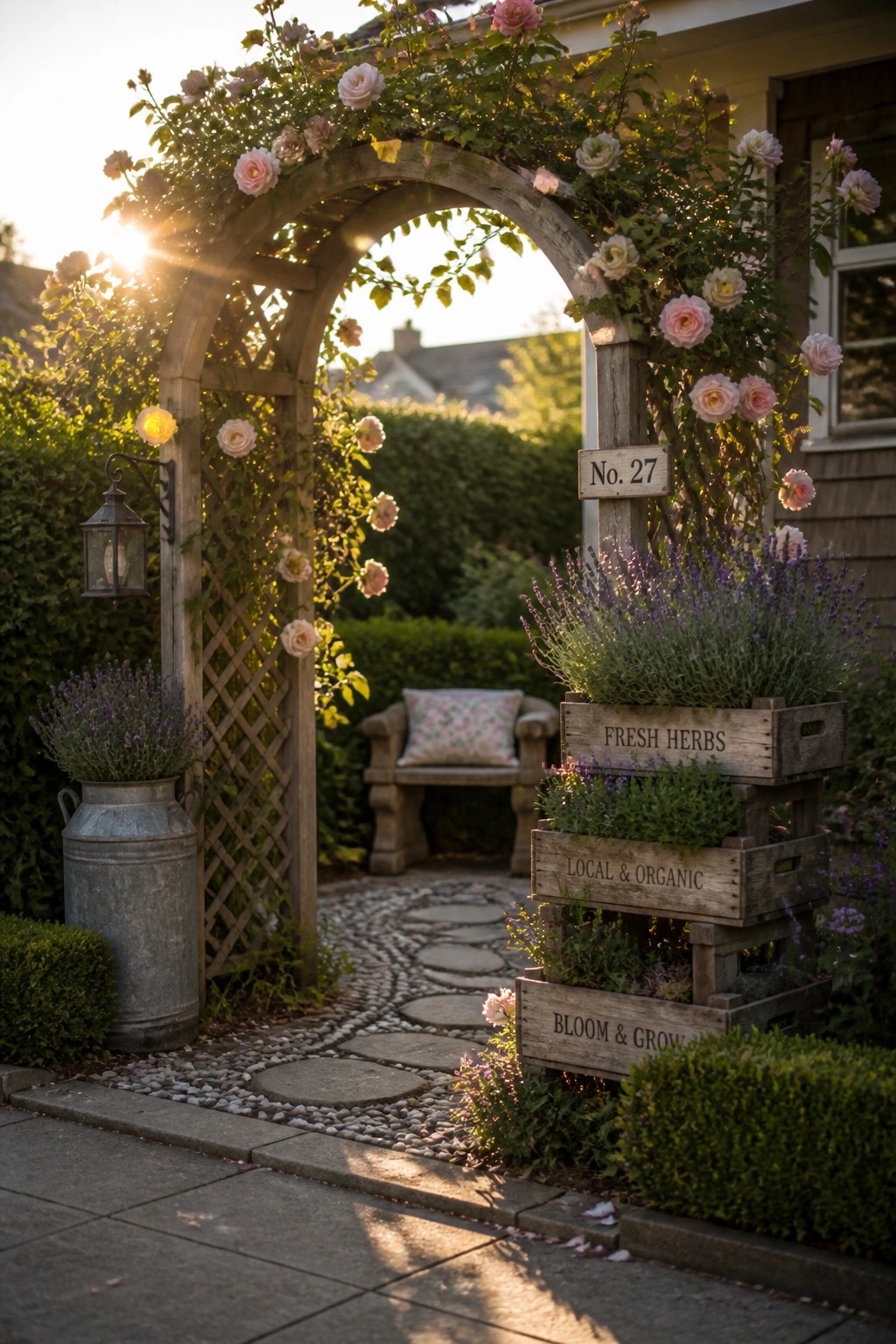
Stacking wooden crates gives you an easy way to layer plants upward instead of spreading them out across the ground. This approach works especially well when you need more growing room but have limited floor space along a path or near a doorway.
Place the crates in a stable column and fill each level with herbs or compact flowers. It suits small yards or tight side gardens where a full raised bed would feel too wide.
Mount Wall Planters to Add Height
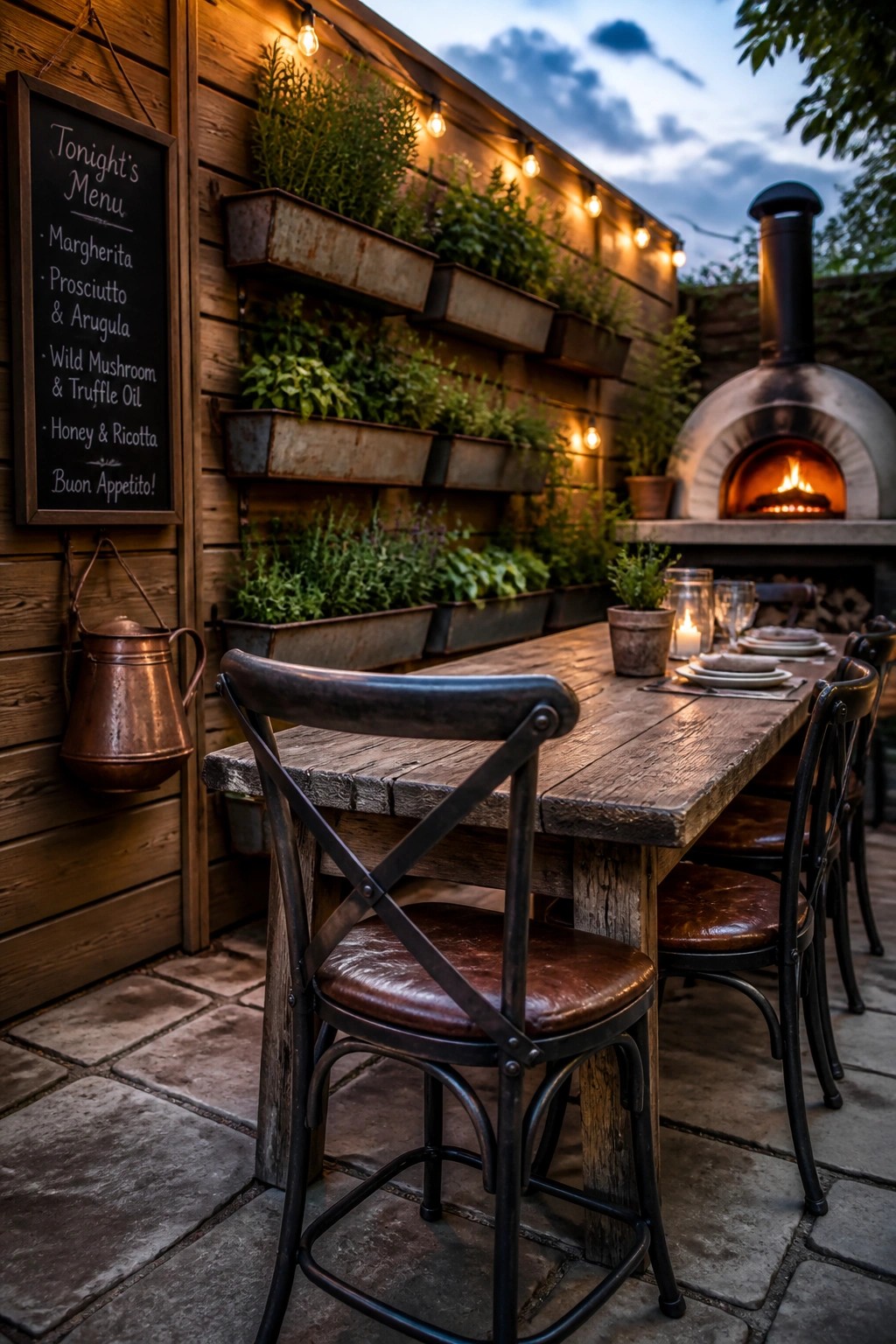
Wall-mounted planters let you bring in plenty of greenery even when floor space is tight. They turn an otherwise blank wall into a productive growing area and keep the ground clear for seating or walking through. In small outdoor spots this approach adds layers without crowding the layout.
This setup works well along a fence, side of a shed, or the back wall of a patio. Use sturdy brackets and containers that suit your climate, and group plants by water needs so they stay healthy. It suits homes with limited yard room or anyone who wants fresh herbs close to an outdoor table.
Hang Pots On A Wall Grid To Save Floor Space
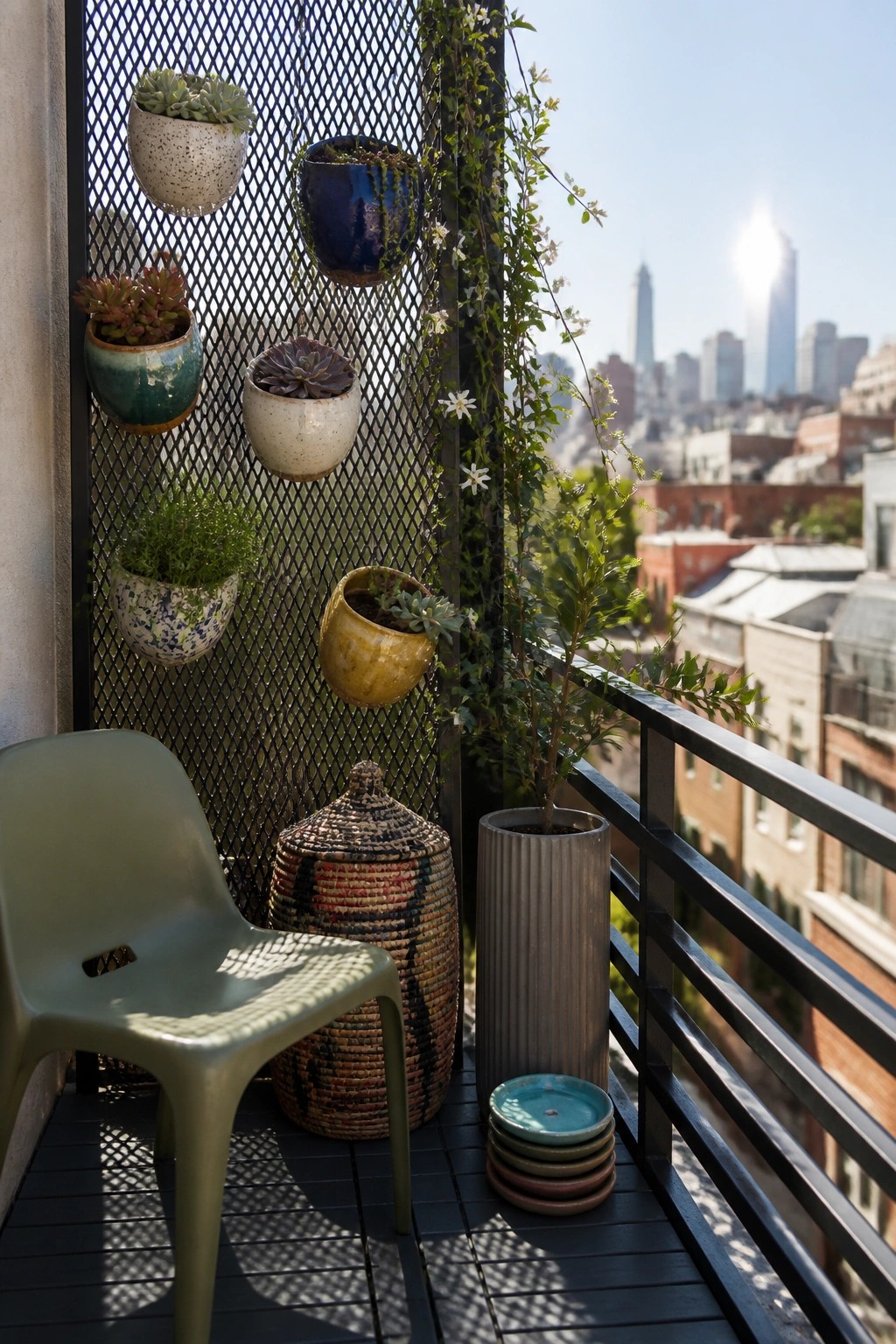
One simple way to add more plants to a small balcony is to mount a grid or mesh panel on the wall. Pots can hang at different heights without taking up floor space or crowding the seating area.
This approach works best on balconies and small patios where every inch counts. Make sure the grid is firmly attached and can handle the weight once the pots are watered.
Hang Plants on Walls and Shutters
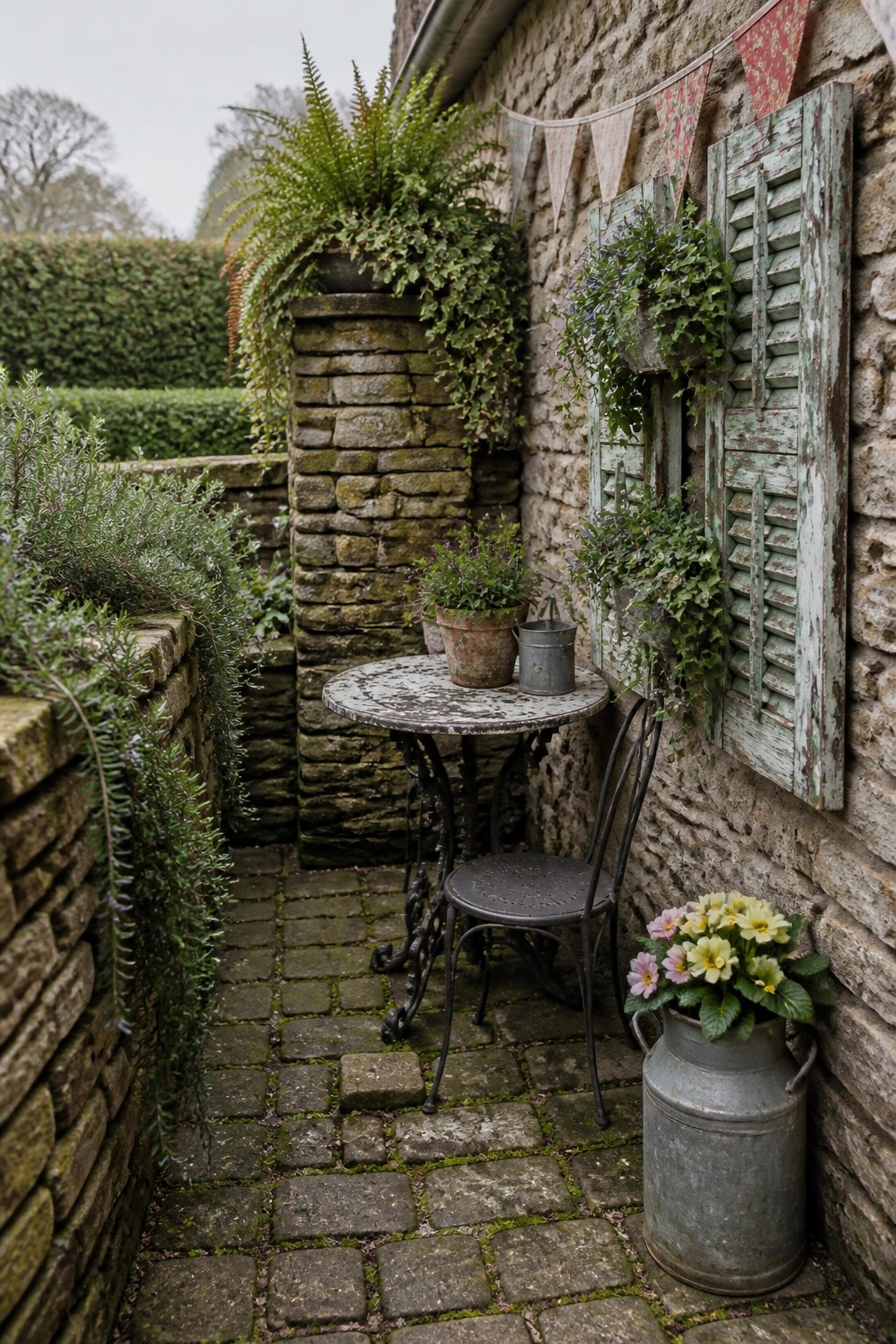
One easy way to add height without crowding the ground is to mount plants directly on walls and shutters. This approach turns blank vertical surfaces into growing space and works well in narrow spots where floor room is tight.
It suits stone or brick walls best, since you can screw in simple brackets or lean old shutters against the surface for extra planting spots. Just keep the pots lightweight and check that the fixings can handle the weight over time.
Add Height With Wall Pocket Planters
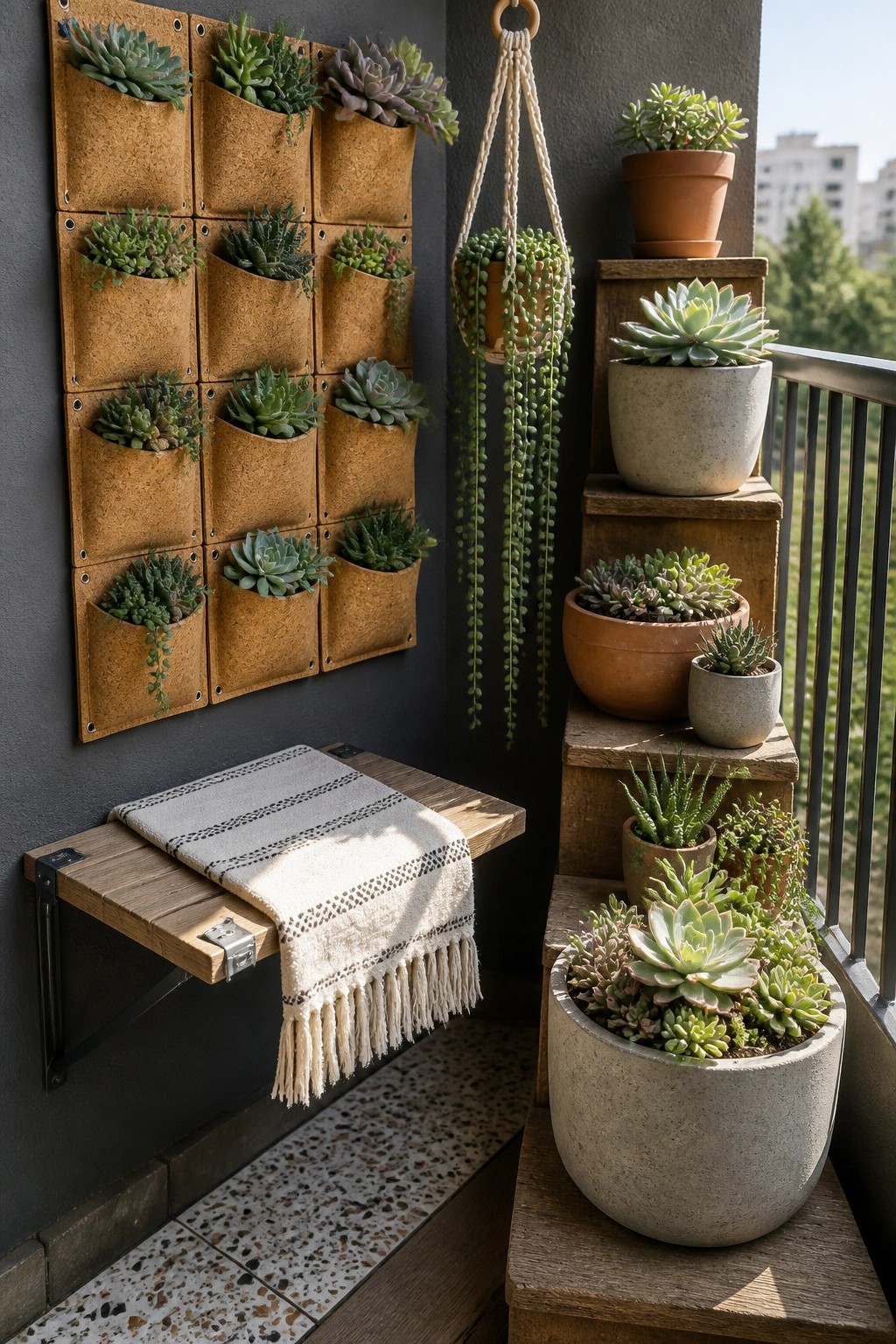
Wall pocket planters give you a simple way to bring in more plants when floor space is limited. They turn an unused wall into growing room and keep the area below open for seating or walking through.
These work best on balconies or small patios where you need vertical options. Mount them at eye level or slightly higher, and choose plants that match the light you have.
Spiral Wall Planters Free Up Floor Space
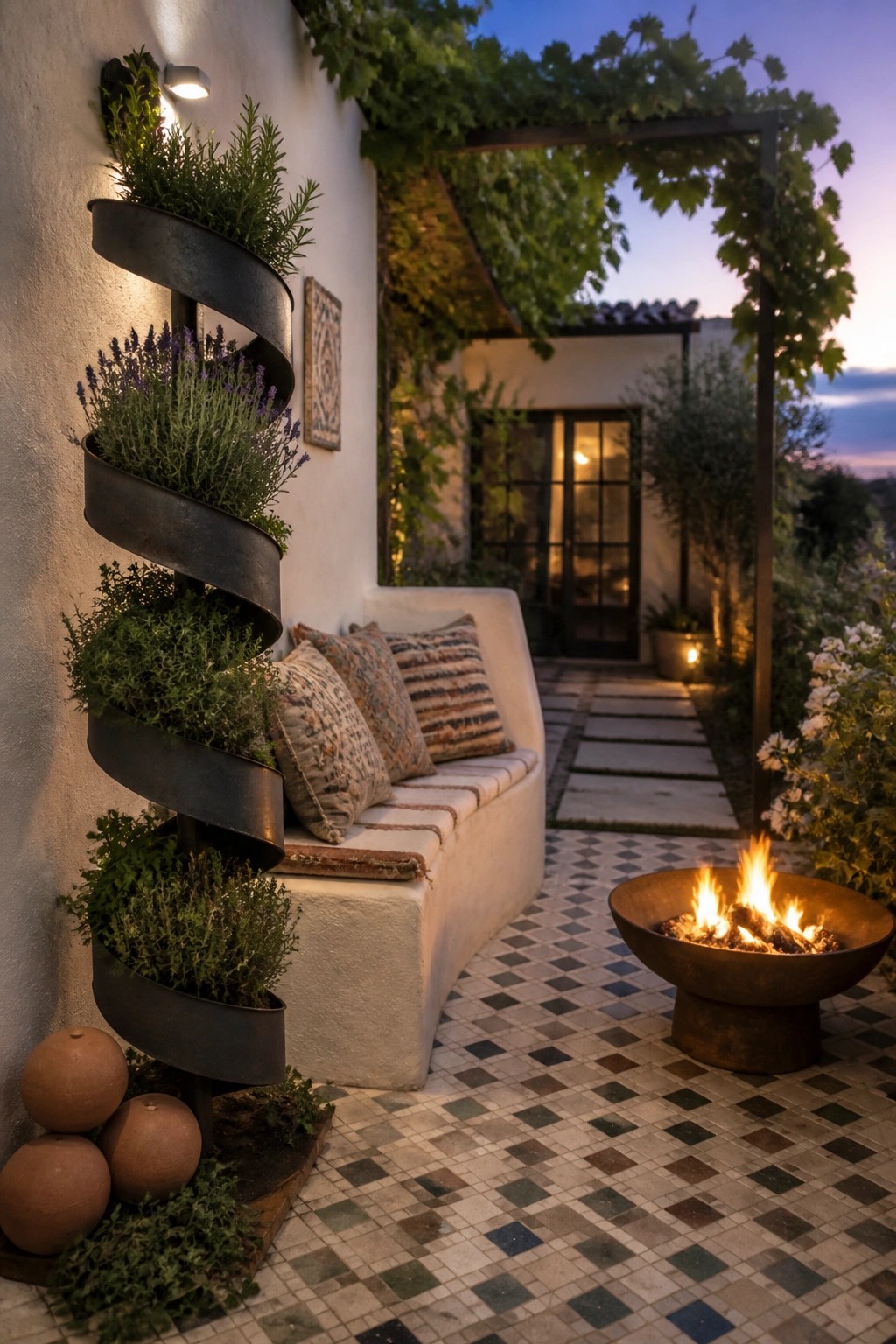
A spiral planter mounted on the wall gives you several layers of plants without spreading out across the ground. It works especially well in small patios or courtyards where floor space is limited and you still want height and greenery.
Place it near a seating area so the herbs stay easy to reach. It fits homes with tight outdoor zones best, and it needs a sturdy wall or post to hold the weight once the plants fill in.
Frequently Asked Questions
Q: I only have shade on my deck. Can I still try a vertical garden?
A: Go for plants that love low light such as ivy or begonias. Hang them on a simple trellis against the wall. They will fill in nicely without needing direct sun.
Q: How do I stop a vertical garden from leaking water onto my patio below?
A: Line the back of your planter with plastic sheeting before adding soil. Water slowly so it soaks in rather than runs off. Place a tray underneath if drips still happen.
Q: Are these setups sturdy enough for winter winds?
A: Anchor everything to a wall or fence with strong brackets. Choose heavier containers over lightweight ones for exposed spots. Bring tender plants inside when freezes hit.
