


Over time I have learned that privacy along a fence line depends more on how the plants are arranged than on how tall they grow right away.
A single line of tall shrubs often leaves gaps at the bottom and fails to block views from upper windows.
Mixing heights and textures gives the screen more staying power through the year without constant trimming.
That approach has worked best for me.
I usually start by checking the soil and sun before deciding which combination to try along my own fence.
Use Tall Bamboo For Quick Fence Privacy

Tall bamboo makes a strong choice when you need privacy along a fence line fast. It grows upright and dense, so it blocks views without spreading wide into the yard. Many people like how it softens the look of a plain fence while still letting some light through the leaves.
This works best in narrow side yards or along back fences where you want height without a solid wall. Plant it in a row close to the fence and give it room to spread a little at the base. Just check how fast the type you choose grows in your area, since some can get out of hand if left unchecked.
Layer Shrubs For Privacy Along Fences

A row of dense shrubs mixed with a few flowering plants can form a solid screen that blocks views without needing a tall fence. The different heights and textures create a fuller border that feels softer than plain panels while still giving real privacy.
This works best along side or back property lines where space is limited. Choose evergreens for year-round cover and keep the front layer lower so the path or yard does not feel closed in.
Raised Planters Along the Fence
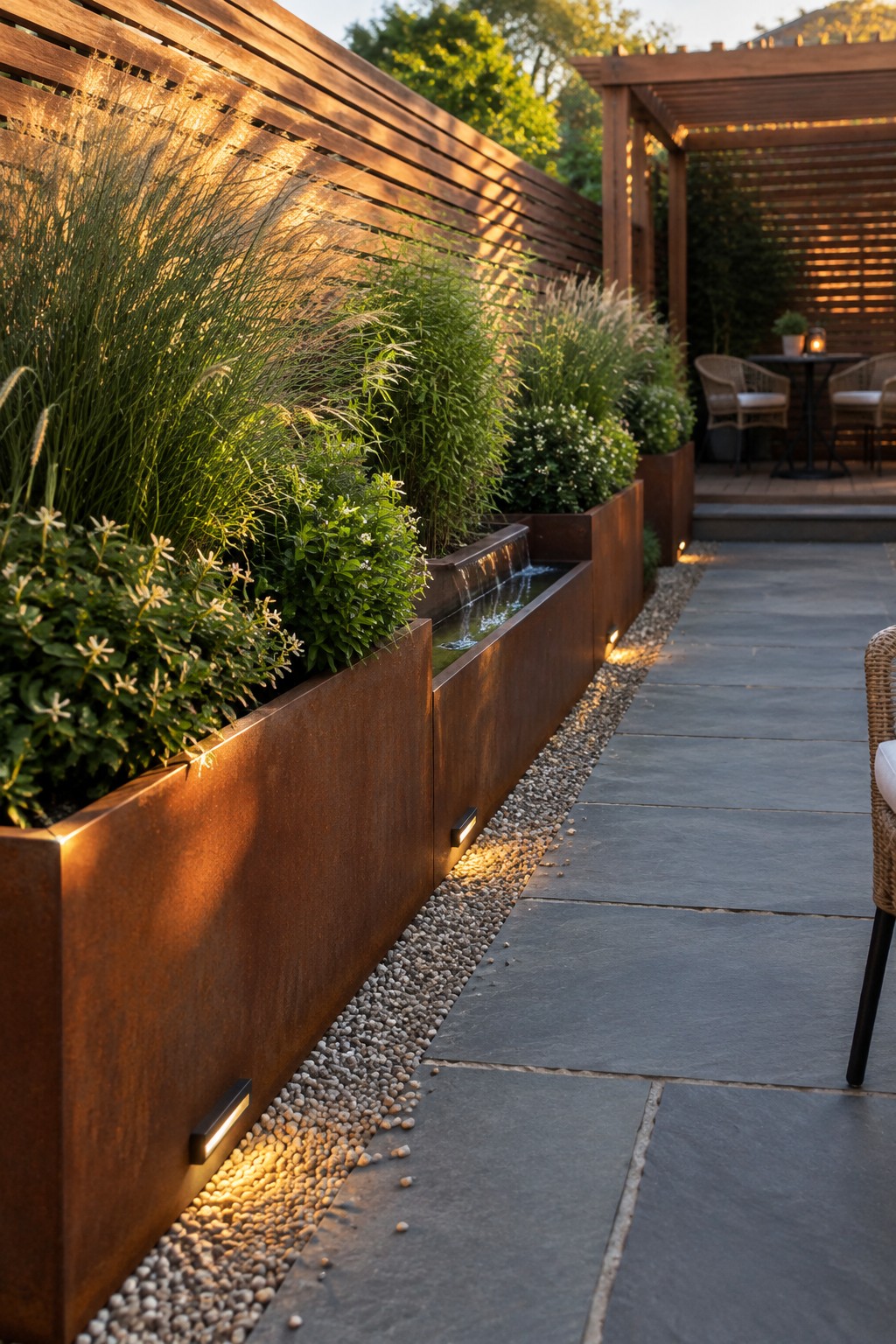
Raised planters give you a simple way to add height and privacy right where you need it most. The long metal boxes sit flush against the fence and let you pack in tall grasses mixed with lower shrubs, so the screen builds up quickly without taking over the whole yard.
This setup works best in smaller yards or along narrow side paths where digging big beds is not practical. Choose a durable metal like corten steel, keep the soil mix light for drainage, and add a low light along the base so the line stays visible at night.
Gabion Walls Add Lasting Privacy With Built-In Planting Space

A gabion wall gives you a solid privacy screen that holds up over time without needing constant trimming or replacing. The wire cages filled with stone create a firm base that plants can grow against or over, so the barrier feels less harsh as the greenery fills in.
This setup works best along straight fence lines on smaller lots where you want something more permanent than a hedge alone. Use local stone in the cages and add climbing vines or layered shrubs along the top edge so the plants soften the look without taking over the structure.
Train Vines on a Trellis for Fence Privacy
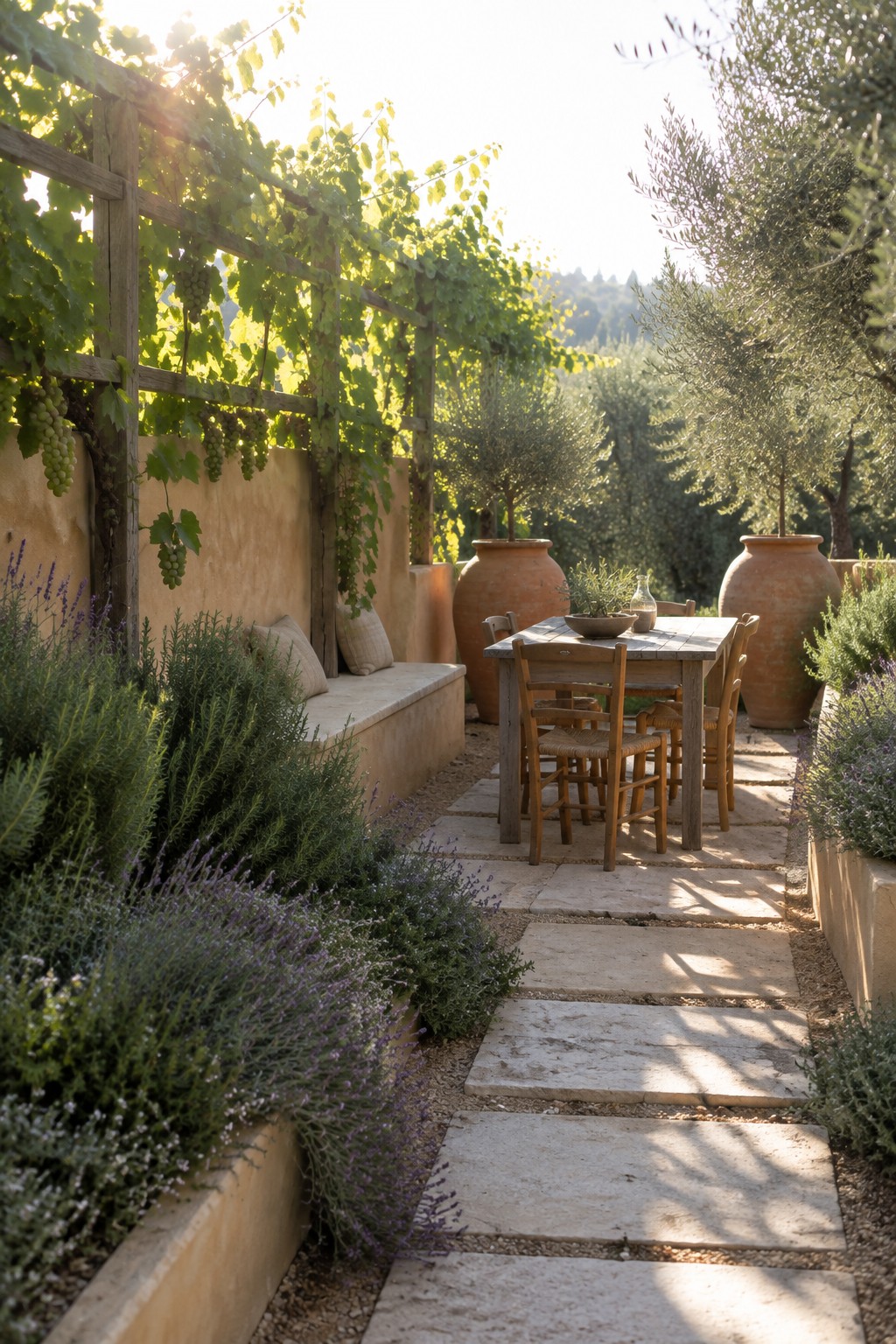
A simple trellis attached right to the fence line gives climbing plants something to hold onto and turns a plain boundary into a living screen. Vines fill in quickly, soften the hard edge, and block views without needing a solid wall or tall hedge. The structure also keeps the planting neat so it does not sprawl into the rest of the yard.
This works best on a sunny fence where grapes, jasmine, or similar vines can get good light. Keep the bed in front narrow and plant lower shrubs or lavender along the base so the whole line stays layered and low maintenance. Just make sure the trellis is sturdy and set a few inches out from the fence for air flow.
Layer Shrubs and Vines Along the Fence
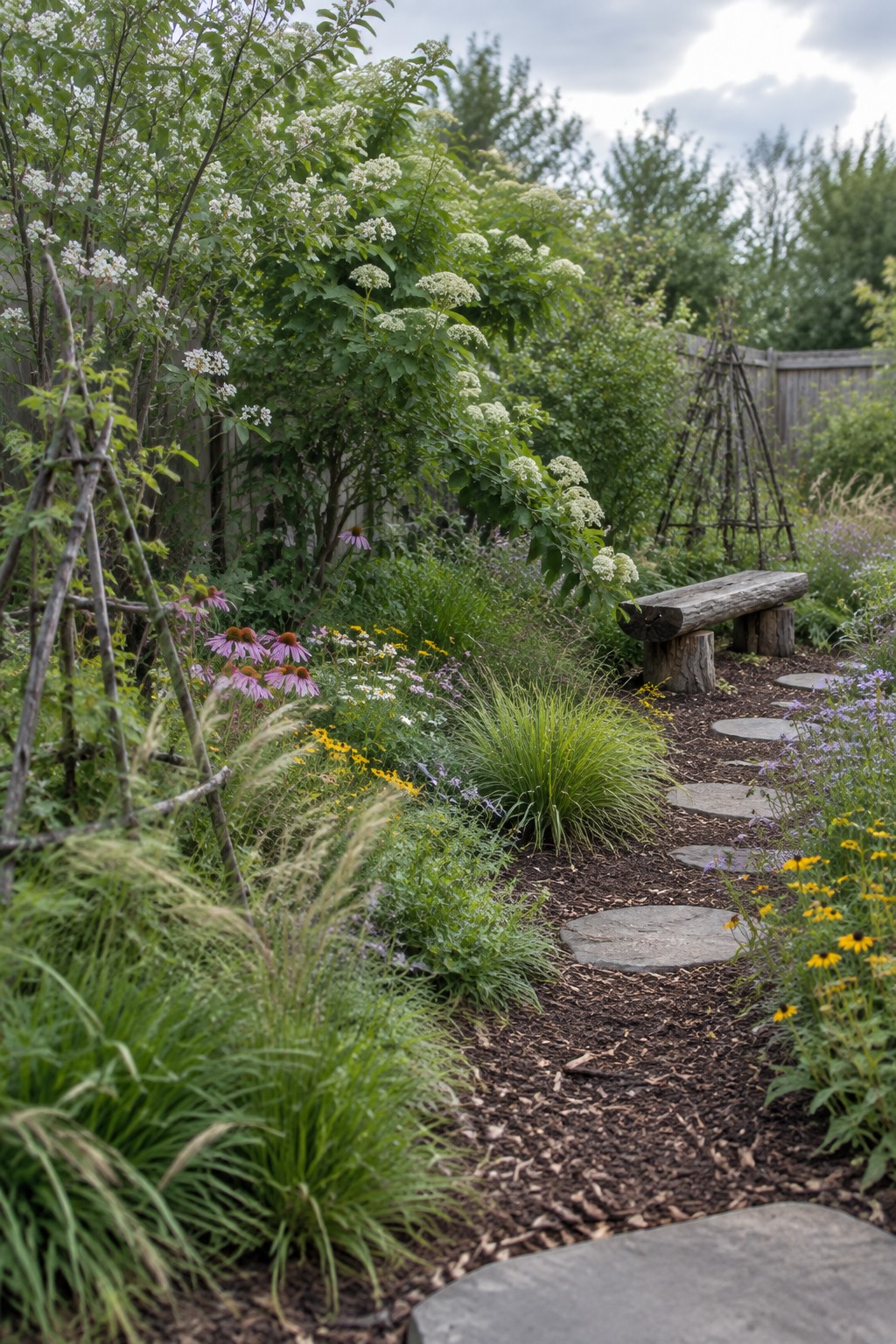
One simple way to gain privacy along a fence is to layer shrubs in front of it and let vines climb simple supports. The combination fills the space vertically and horizontally so the fence line feels less exposed.
This works best in side yards or along property edges where you still want light and air flow. Pick shrubs that grow dense on their own and add a basic trellis for climbers so the planting thickens over a season or two without much extra work.
Grow Tall Plants Along the Fence Line
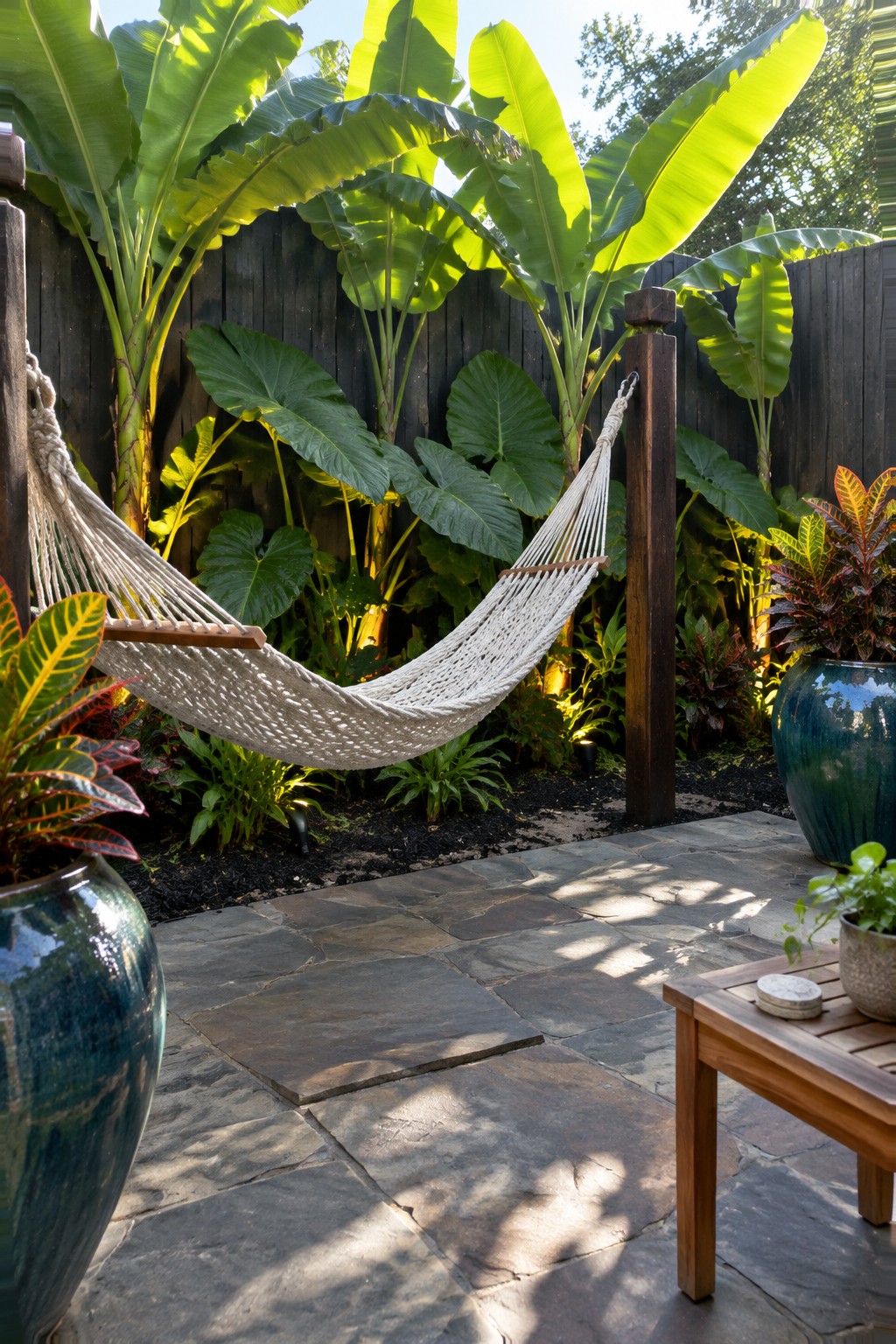
Tall plants with big leaves can block the view over a fence faster than most people expect. They turn a plain boundary into a green wall that feels private without adding height or structures.
This approach works well in smaller yards where space is tight. Pick fast-growing varieties that suit your climate, plant them close, and let them fill in over a season or two.
Living Walls Along the Fence
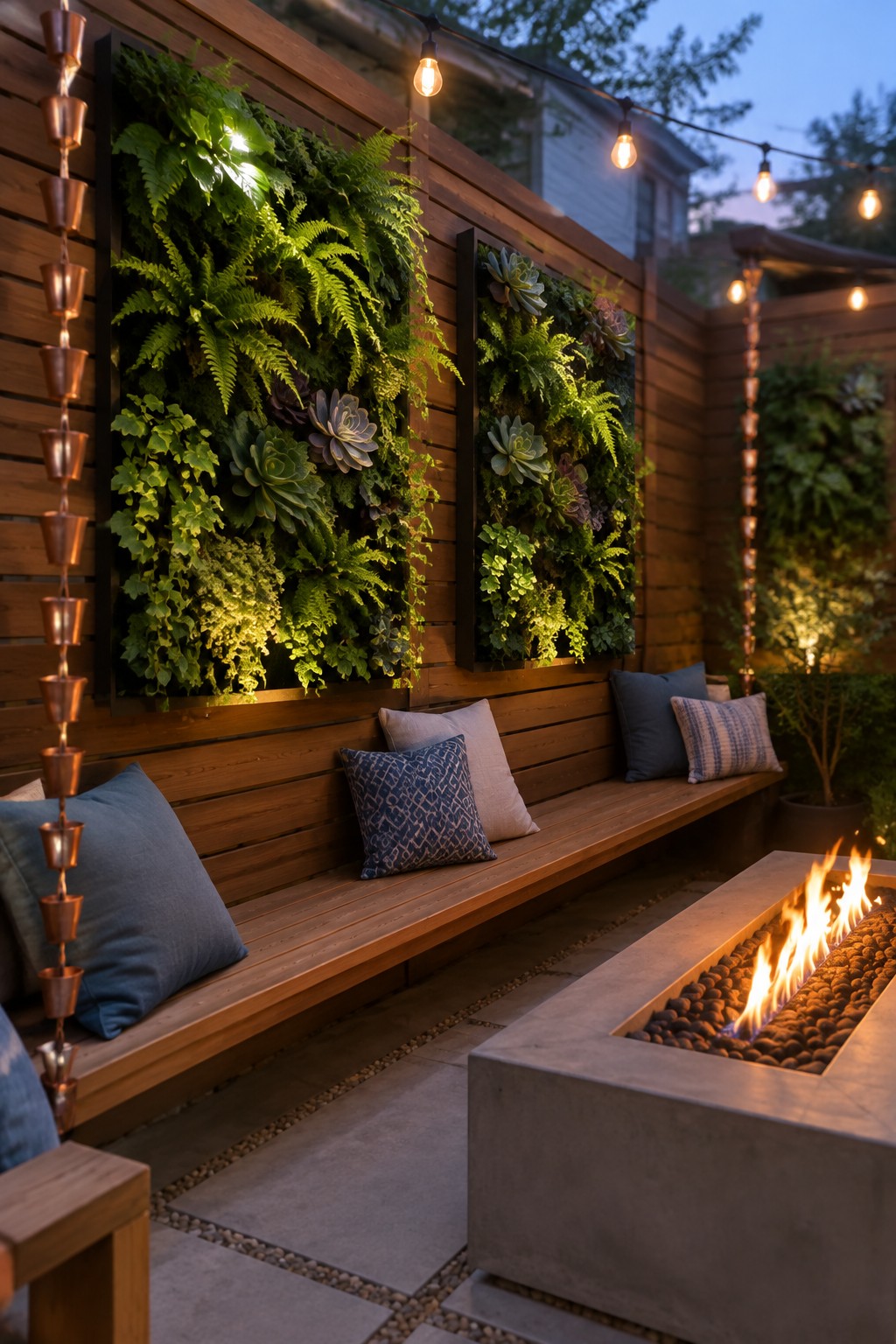
Mounting living walls on a fence gives you privacy without losing yard space or building a solid barrier. The planted panels add thickness and texture that soften the look while blocking sight lines from next door.
This approach works well on wood fences in smaller yards where you want greenery close at hand. Use a mix of ferns and succulents in framed sections so the plants stay contained and easier to maintain over time.
Plant Tall Narrow Evergreens Along the Fence
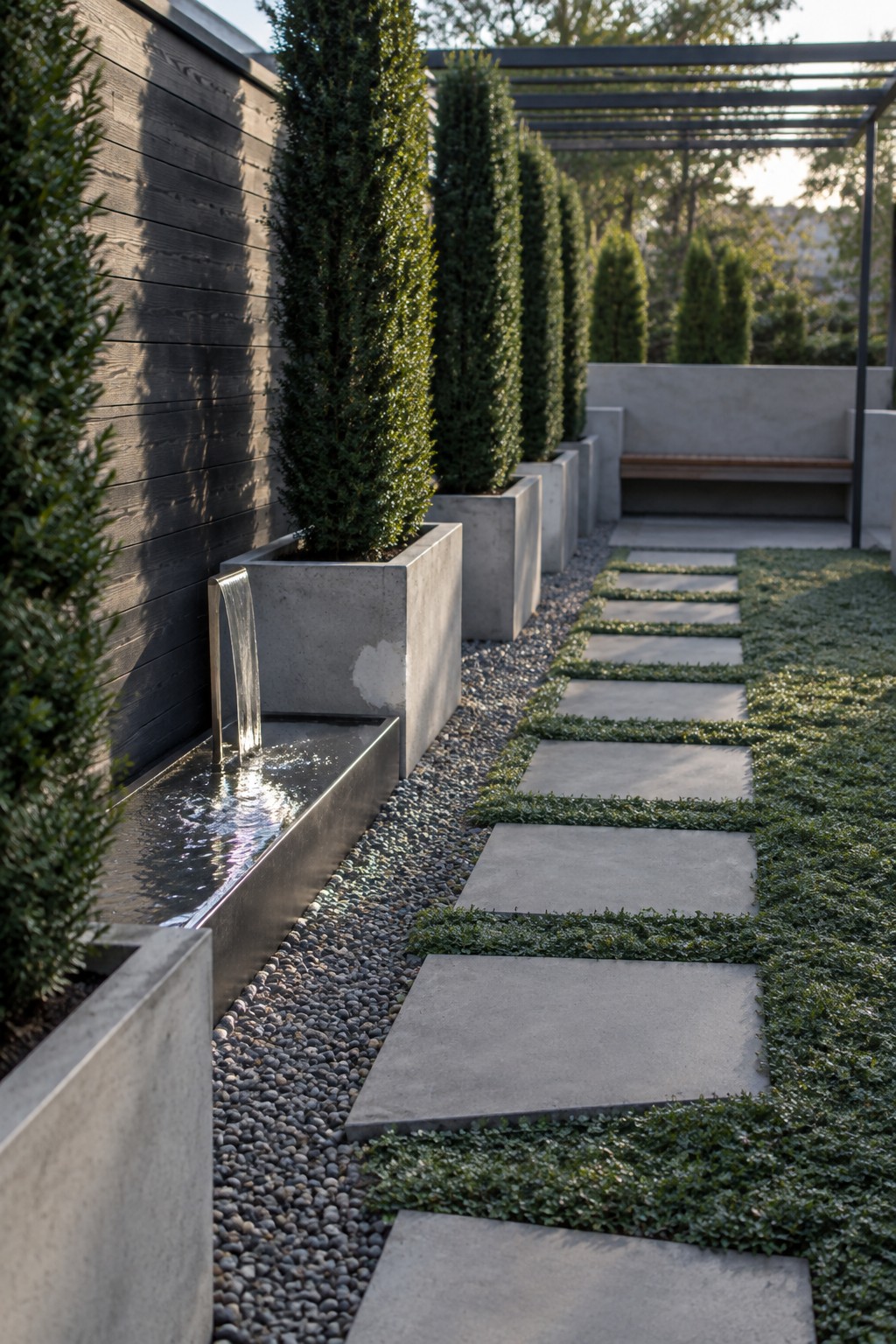
A row of tall, narrow evergreens gives you privacy without eating up much ground space. They block the view from the side quickly and keep a clean shape that does not sprawl. Many people like them because they stay green all year and need little trimming once they are established.
This works best along a straight fence line where you want a simple screen. Use large containers if the soil is poor or you want the option to move them later. Just leave enough room between the trees for air flow so they stay healthy.
Layer Plants for Natural Privacy Along Fences
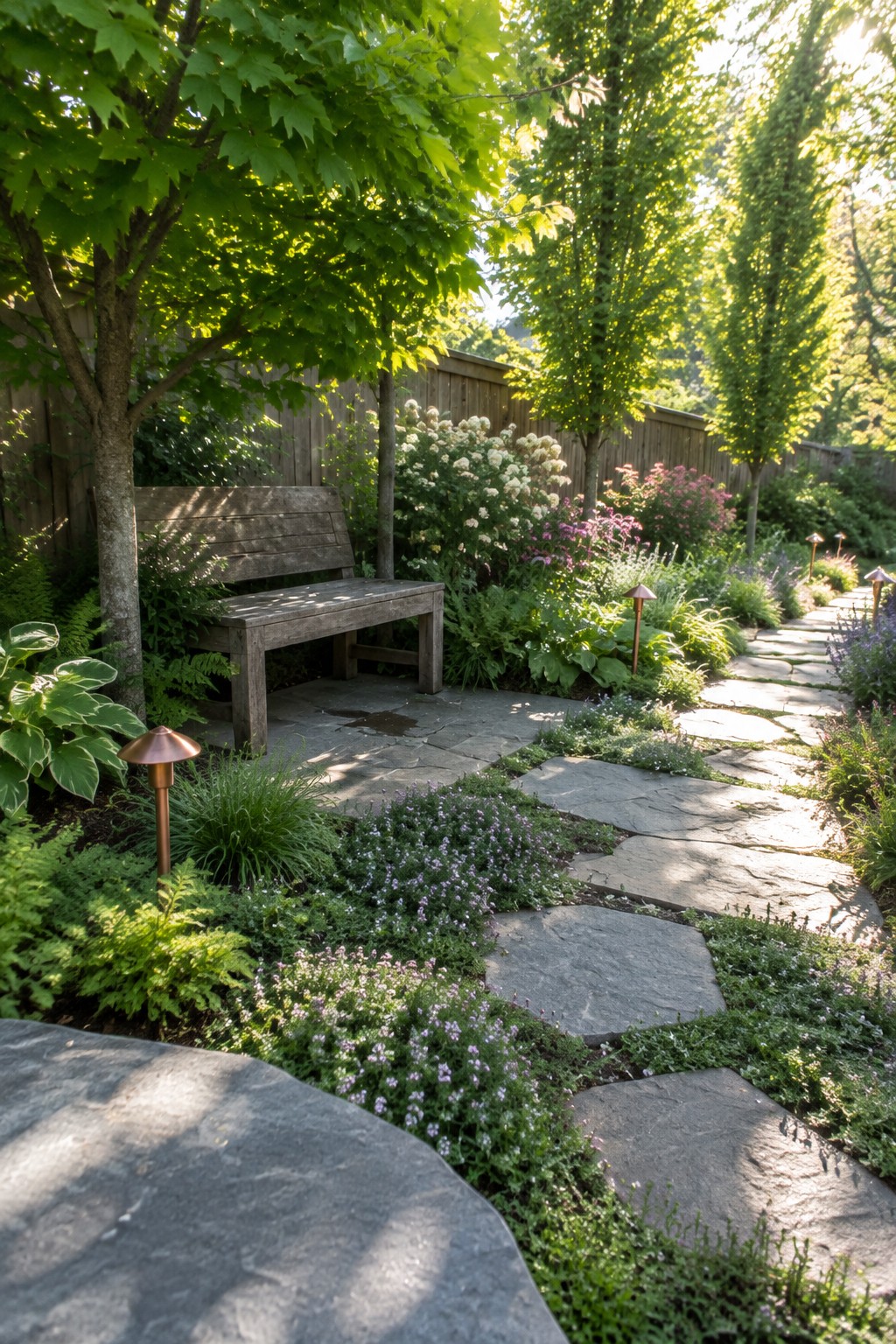
A single row of shrubs rarely gives enough cover once plants settle in. Layering different heights right along the fence creates a thicker screen that blocks views without making the yard feel closed off.
Place taller trees or large shrubs closest to the fence, then fill in with medium bushes and lower perennials toward the front. This approach works well in narrow yards where you still want space for a path or seating area.
Layer Plants By Height Along Fences

Layering plants by height gives you solid privacy without making the fence line feel like a wall. Tall evergreens in the back block the view from outside while mid-size shrubs fill the middle and grasses soften the front edge. The mix keeps the space looking full year-round instead of bare in winter.
This works best in narrow beds between a fence and a path where you need coverage but still want some air and movement. Place the tallest plants closest to the fence, step down to rounded shrubs, and finish with flowing grasses along the border. It suits most suburban yards and needs little extra maintenance once the plants fill in.
Grow Climbing Vines Along Fences for Privacy
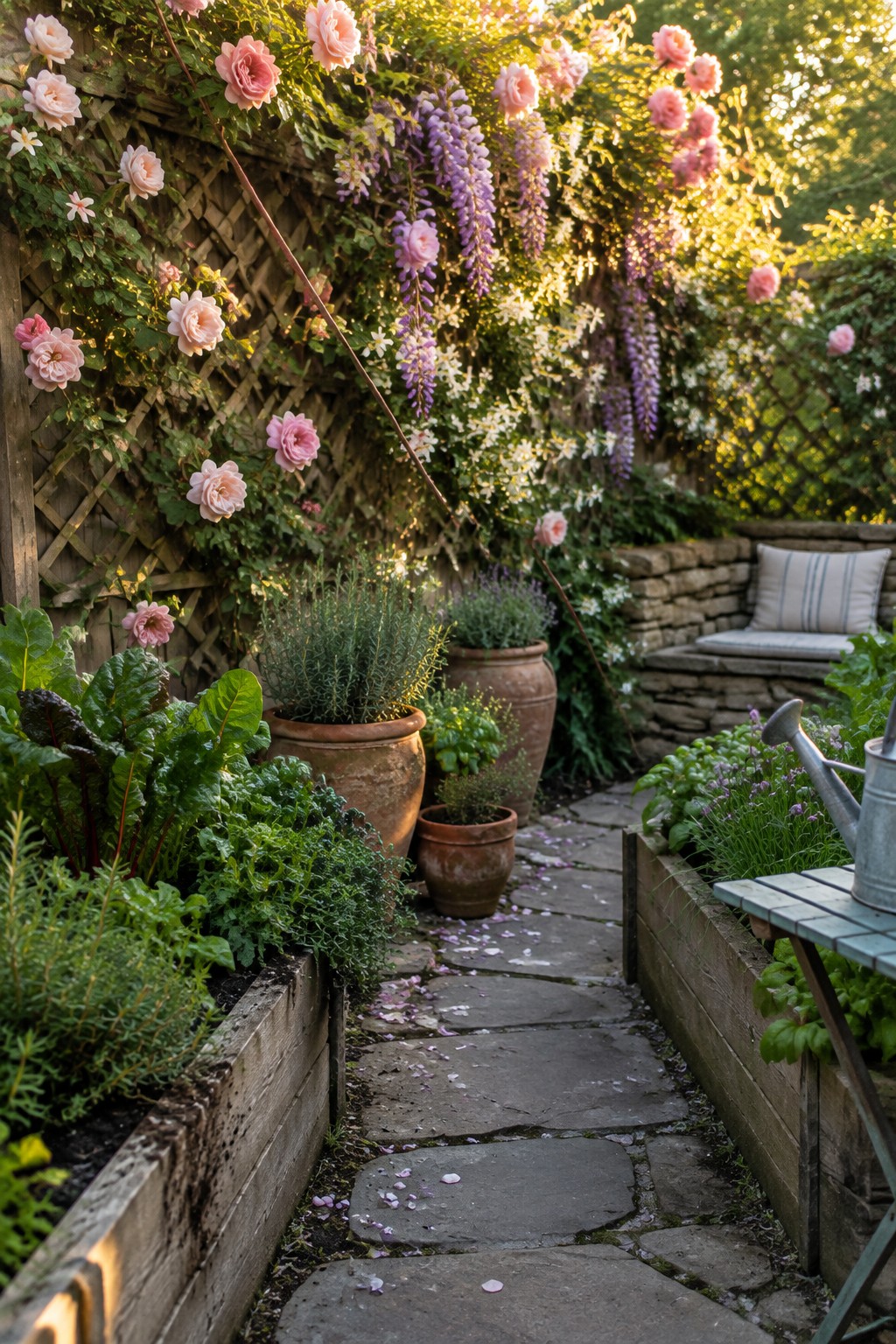
Climbing plants make a simple and effective screen along a fence line. They add height and coverage without needing extra ground space, and the mix of flowers and foliage softens the look of the wood while still blocking the view from outside.
This works best in narrow side yards or along property edges where you want coverage fast. Pick strong climbers that match your growing conditions, and give them a basic trellis or wire to hold onto so the growth stays even and manageable over time.
Plant Tall Evergreens Along the Fence
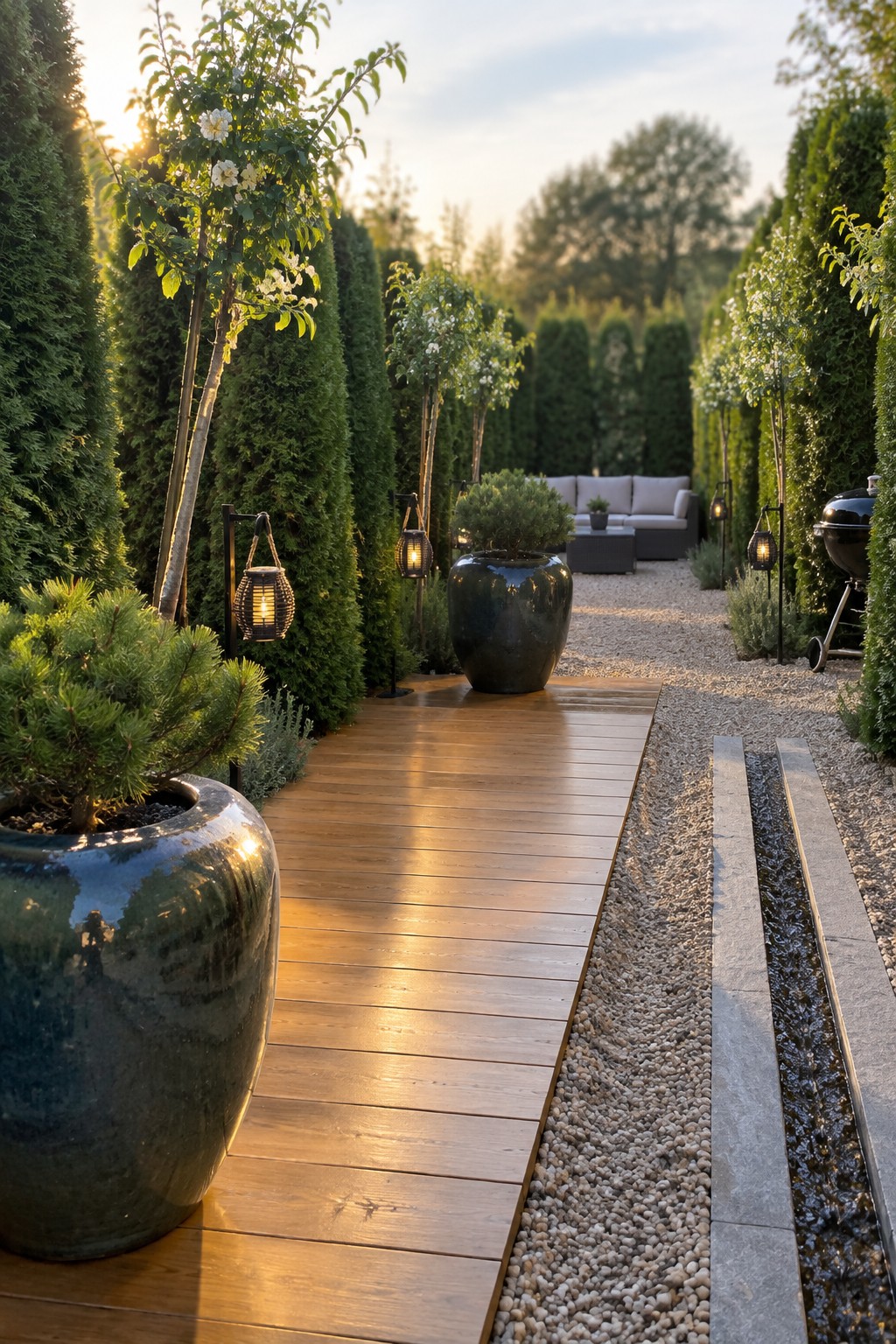
Tall evergreens give you solid privacy without needing a tall fence or wall. They grow thick over time and keep their cover through every season, which makes the whole backyard feel more enclosed and quiet.
Set them in a row along the property line and space them so the branches fill in as they mature. They suit long narrow yards best, but they also work along one side if you only need to block a single neighbor.
Mount Vertical Planters on the Fence

Vertical planters mounted right on the fence give you a quick way to add depth and coverage without eating into ground space. They work especially well when the fence runs close to the house or path and you need more green without widening the beds.
Place them at staggered heights and fill with dense foliage or herbs so they start screening early. Combine them with lower shrubs and perennials in front to build a layered look that feels full rather than flat.
Tall Grasses Along the Fence

Tall ornamental grasses give you a fast way to block sight lines without putting up another solid wall. They grow upright, catch the light, and move with any breeze, so the fence line feels softer while still doing its job.
Set them in long, narrow planters right against the fence and add a slim water channel in front if you want the extra sound buffer. This setup works best in smaller yards where you need height without taking up much floor space.
Raised Planters Along Fence Lines
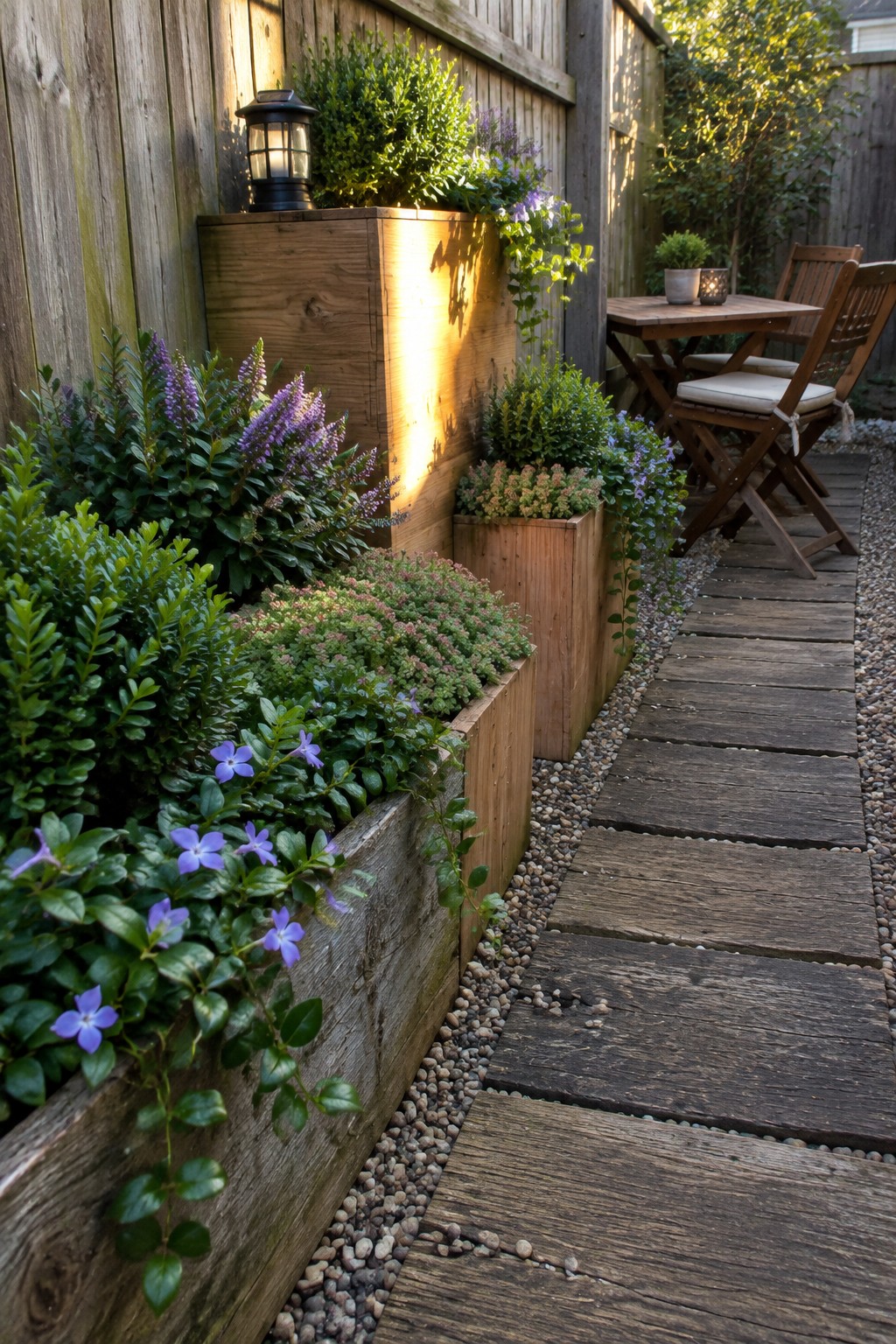
Raised planters give you a simple way to add height and privacy right along the fence without crowding the ground. The wooden boxes hold layers of shrubs and flowers that block views while keeping the area neat and contained.
They work especially well in long narrow yards where space is tight. Match the wood to your fence and mix taller plants in the back with lower ones up front so the screen fills in evenly over time.
Bamboo Fences With Layered Planting
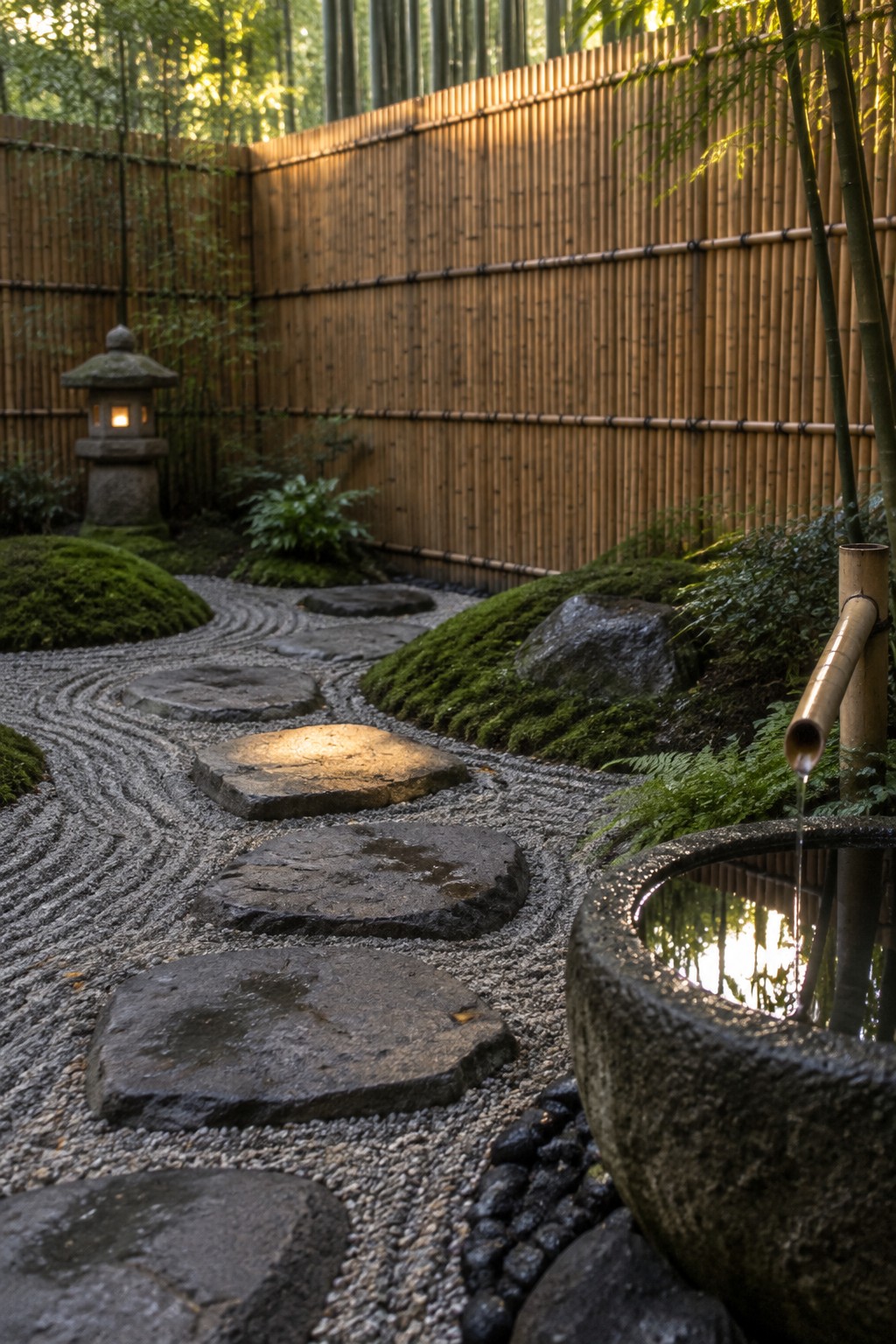
A tall bamboo fence works well for privacy because it blocks the view without feeling heavy or closed in. Pairing it with low mounds of moss and shrubs in front softens the line and adds depth, so the fence feels more like part of the garden than a barrier. This setup keeps the space calm while still giving solid screening along the property edge.
It suits smaller backyards or side yards where you want a natural look without a lot of upkeep. Plant in loose layers rather than straight rows so the greenery fills in over time and hides the base of the fence. Keep the path simple with gravel or stepping stones to lead the eye through the space instead of stopping at the fence.
Layer Tall Trees Behind Shrubs For Privacy

Planting a row of tall evergreens right along the fence gives solid height fast. Adding shorter shrubs and perennials in front softens the look and fills gaps so the whole line feels thicker without needing a taller fence.
This works best on longer side or back yards where you want screening but still like some greenery. Keep the beds narrow enough to leave room for the lawn and path, and choose evergreens that stay narrow so they do not crowd the fence over time.
Grow Climbing Vines on Lattice Fencing
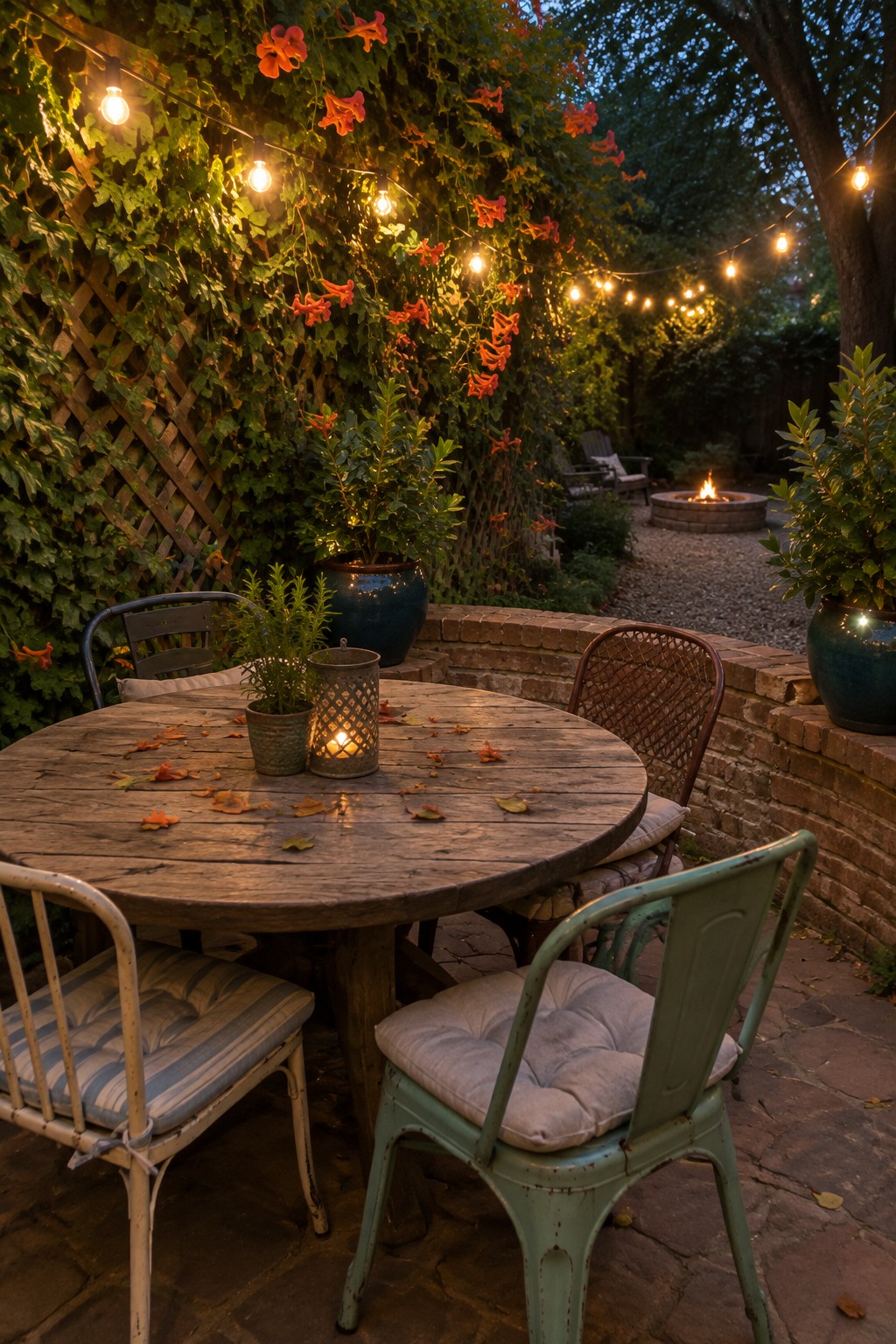
A lattice panel along the fence gives climbing plants something to hold onto and turns a plain boundary into a living screen. The vines fill in quickly and block the view without making the space feel closed off.
This approach works best in smaller backyards where you want privacy but still need light and air to move through. Pick vines that match your growing conditions and keep the lattice a foot or two off the ground so the base stays neat.
Frequently Asked Questions
Q: How tall should the plants get to block the neighbor’s view right away?
A: Start with shrubs or small trees that already sit at six feet or more. They give instant coverage while the roots take hold. Water them steadily the first season so they grow in without stress.
Q: Can I plant right next to the fence or should I leave some room?
A: Give each plant a foot or two of space from the fence boards. This lets air flow and stops rot from building up on the wood. The roots spread easier too.
Q: Do these privacy plants need much trimming each year?
A: Cut them back lightly twice a year to keep the shape tight. One pass in spring and another before winter keeps growth under control.
