

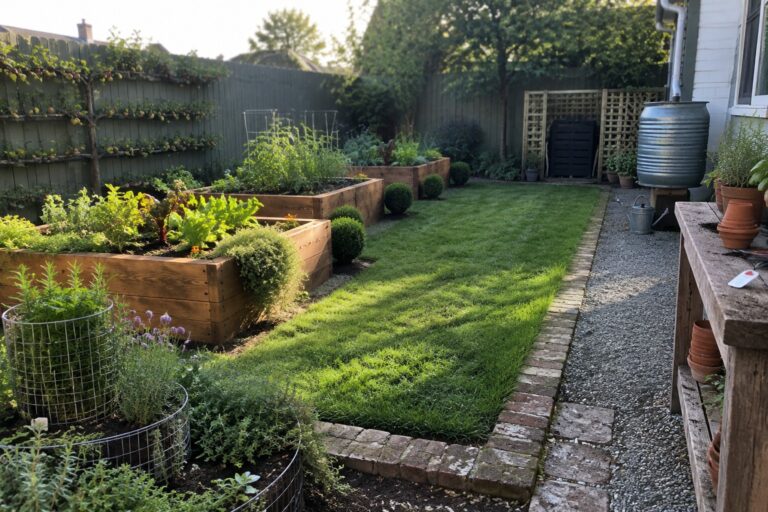
I have noticed that backyards tend to feel more settled when the garden areas are planned as distinct zones instead of scattered afterthoughts.
Over time I have learned that paths and edging do more than look neat because they guide how the whole space gets used day to day.
Some plans work better on paper than they do once the plants start to fill in.
I would try a couple of these layouts in my own yard first to see how the beds sit with the existing trees and sun patterns.
The ones that last seem to leave enough open ground for walking and sitting without crowding the growing spaces.
Raised Beds For Dedicated Garden Areas
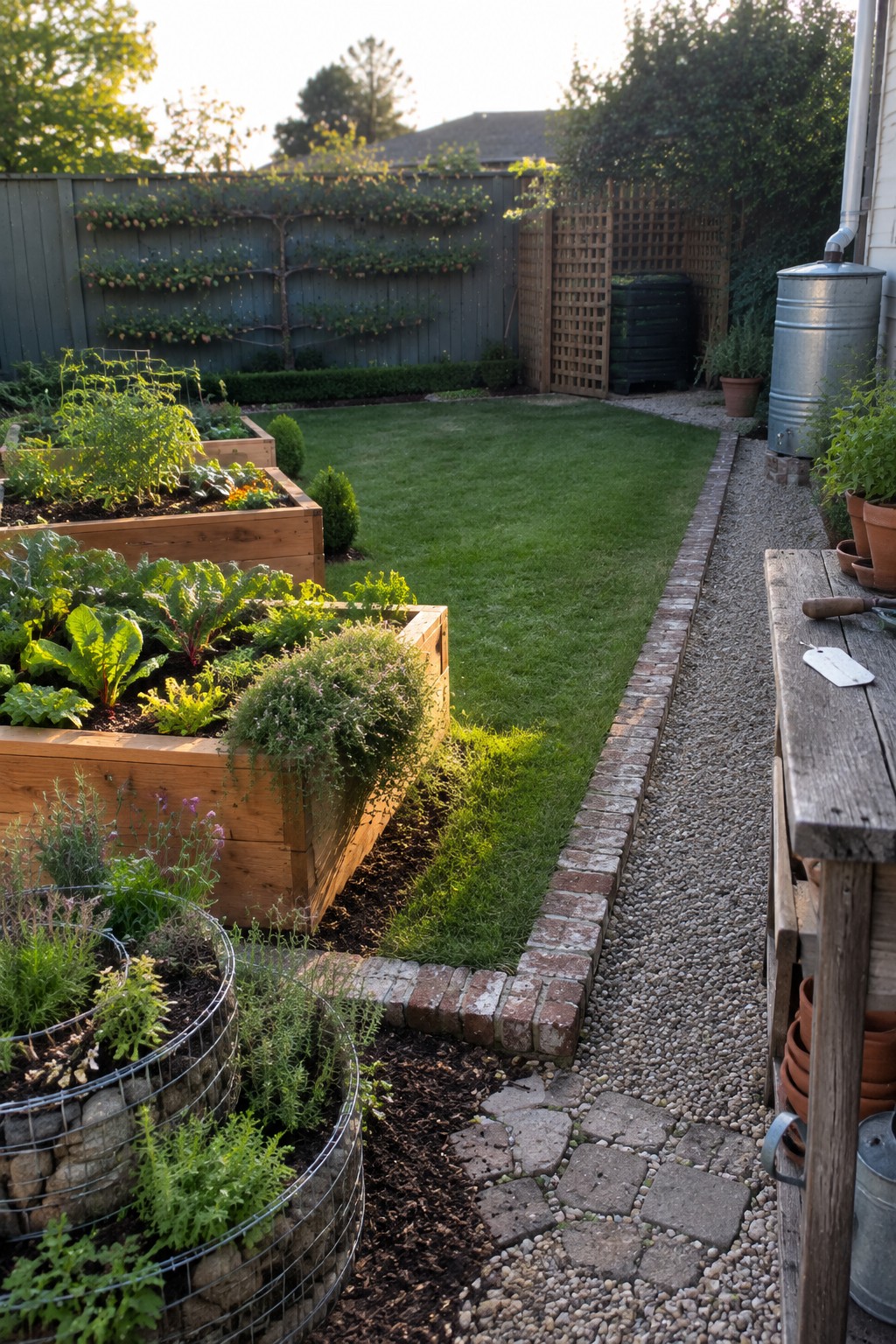
Raised beds let you set aside clear spots for vegetables and herbs while keeping the rest of the yard open for grass or play. They also help control soil, drainage, and weeds in one contained space.
Place them along the lawn edge with a simple path in between, as shown here. This works best in medium yards where you want both growing space and room to walk or mow without stepping on plants.
Raised Beds Keep Garden Zones Separate
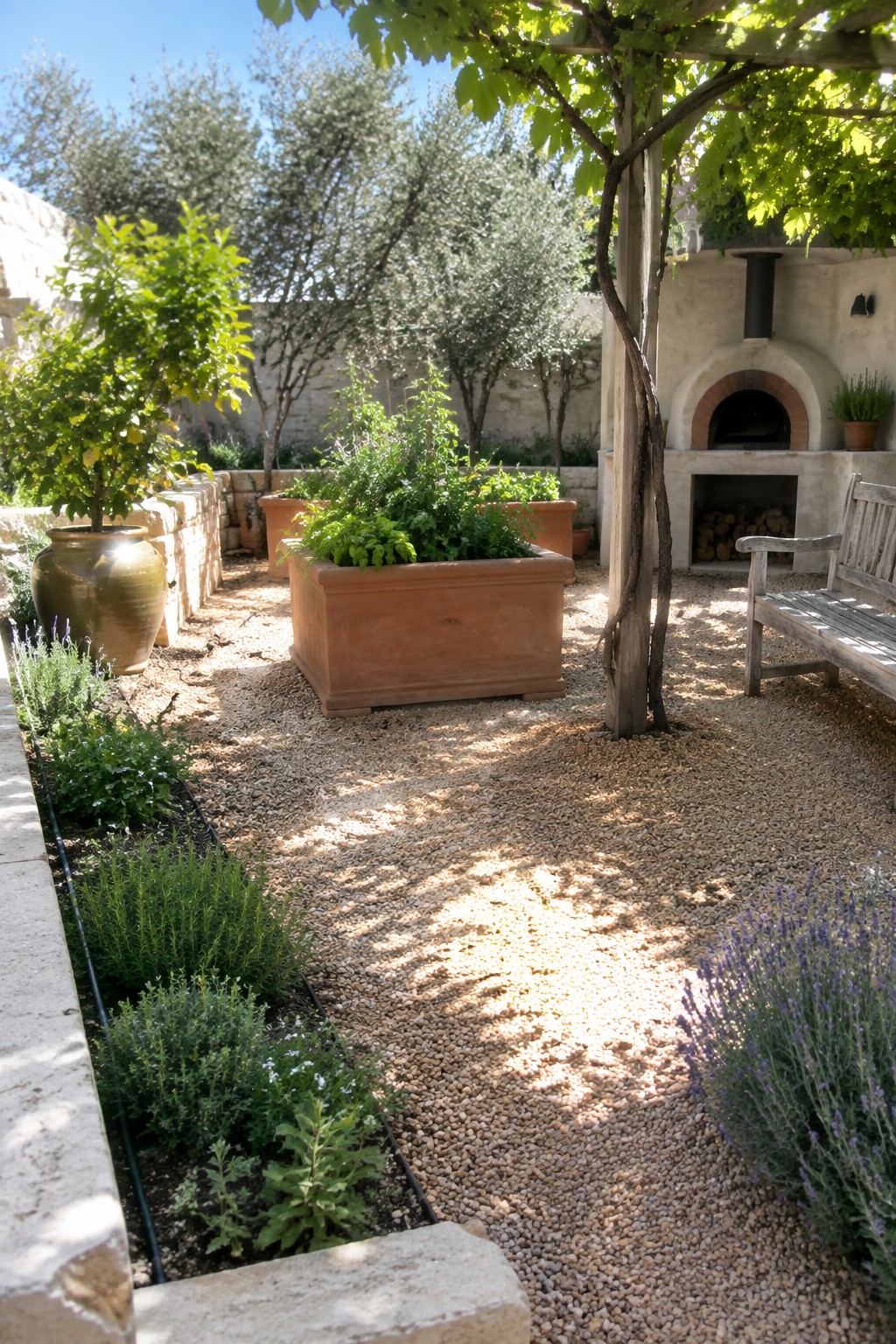
Raised beds give you a simple way to mark off planting areas without turning the whole yard into one big garden. They contain the soil, make watering easier, and keep pathways clear for walking or sitting. In a gravel yard like this one, the beds stand out cleanly and keep everything looking organized even when plants grow full.
They work best in backyards where you want both growing space and open ground for other uses. Try a mix of large planters and built beds along the edges, then fill them with herbs or vegetables you reach for often. This setup stays low maintenance and leaves the rest of the yard open for gravel or seating.
Label Garden Beds To Keep Plantings Organized
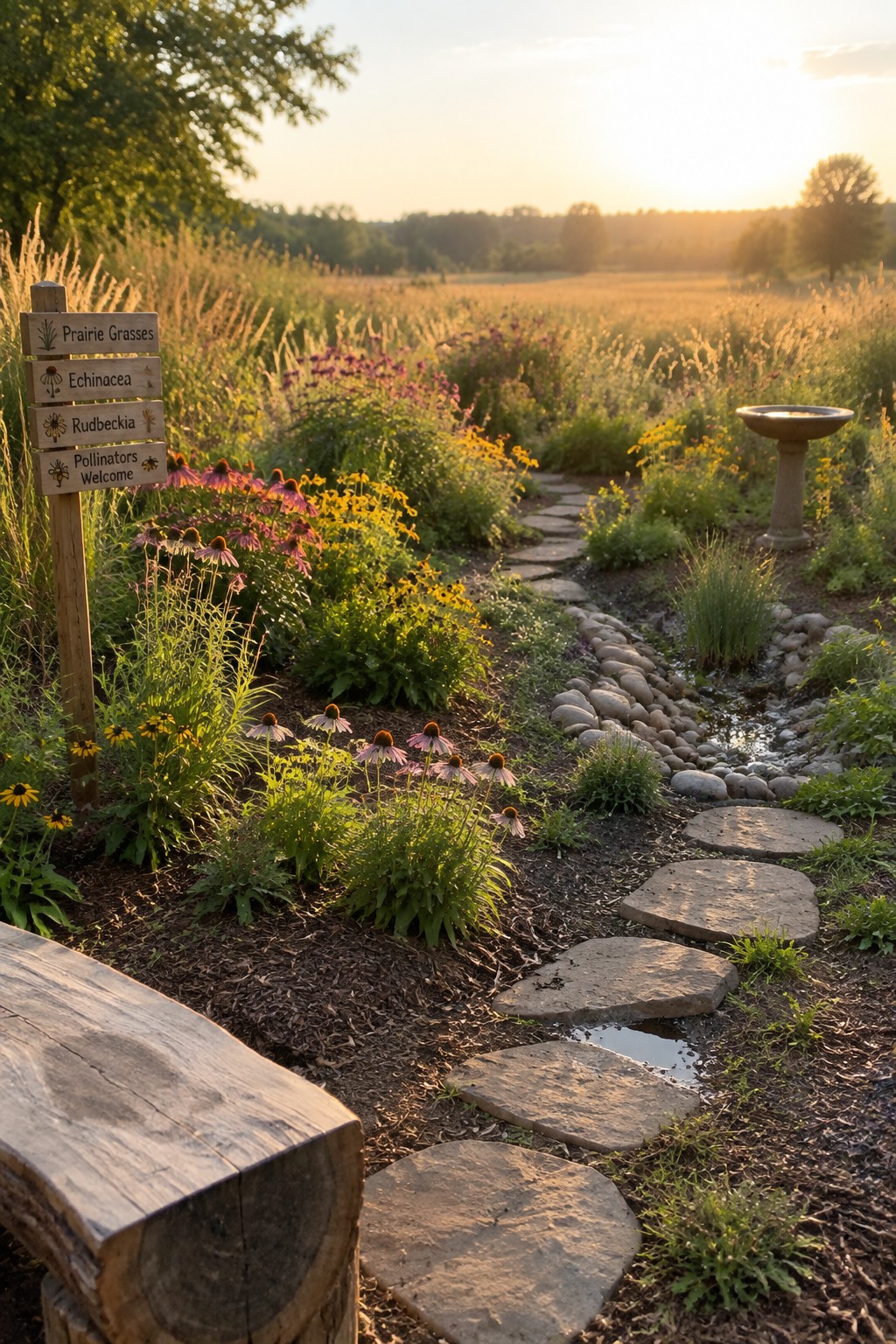
Putting up small signs for different planting areas makes it easier to track what is growing and how to care for each section. The signs also help visitors understand the layout without guessing.
This works best in yards that have room for several types of plants along a path. Keep the beds narrow enough to reach across and use simple labels so the garden stays low maintenance over time.
Raised Beds For Organized Garden Areas
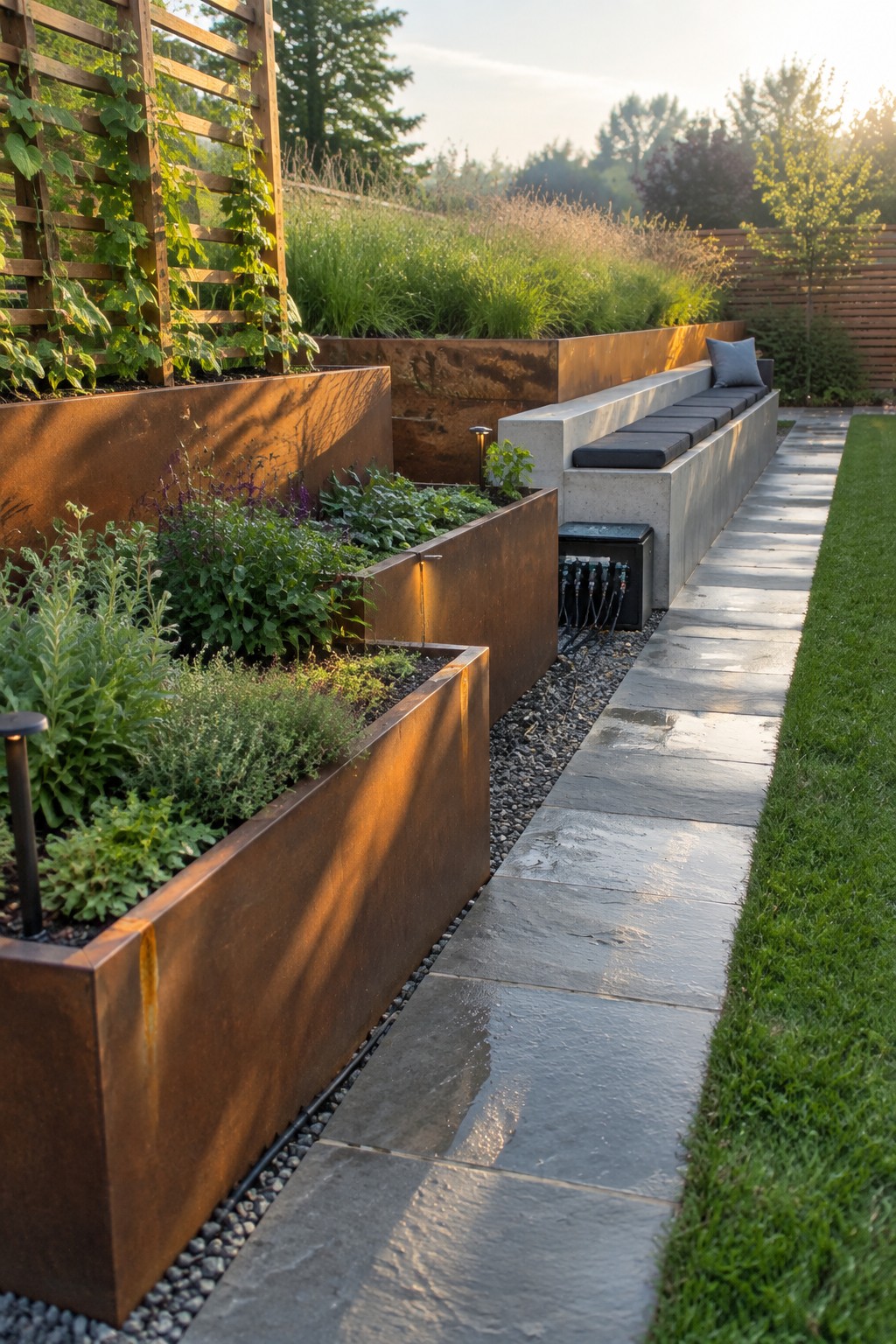
Raised metal beds give a backyard garden clear structure without a lot of extra work. They keep planting areas defined, make weeding easier, and let you group plants by type or watering needs. The metal edges also hold up well over time and create a clean line against paths or grass.
This setup works best in smaller yards or along side yards where you want to fit multiple beds without them running together. Use a simple gravel or stone path between the beds so the whole area stays accessible and low maintenance.
Divide Your Backyard Into Garden Areas With Low Hedges
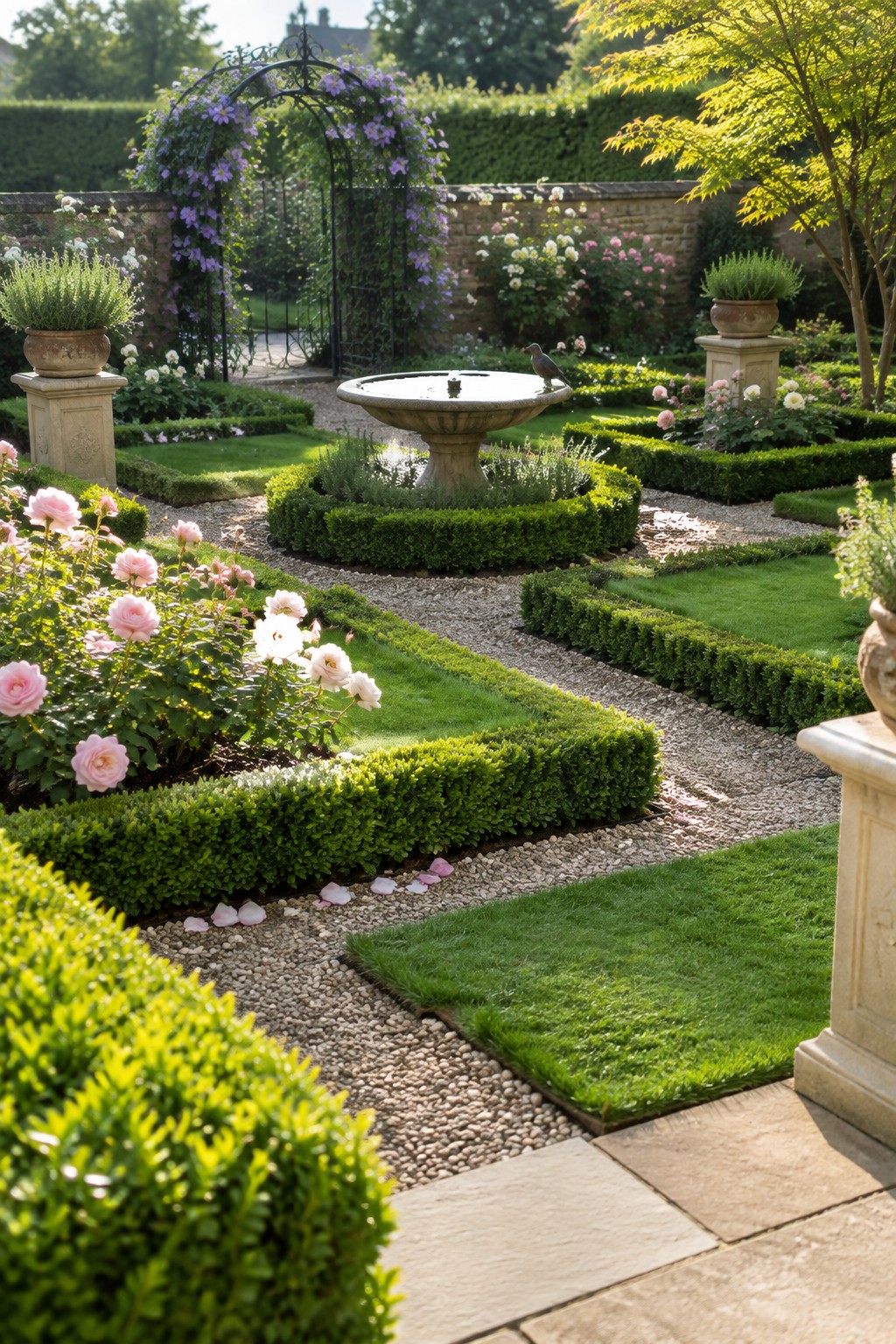
Low hedges give a backyard clear structure without making it feel closed in. They mark off separate planting zones while still letting the whole space feel connected and easy to walk through.
This works best in yards that have enough room for paths between the beds. Gravel keeps the surface practical and helps contain the soil, though the hedges need regular trimming to hold their shape over time.
Separate Your Lawn From Garden Beds With a Path
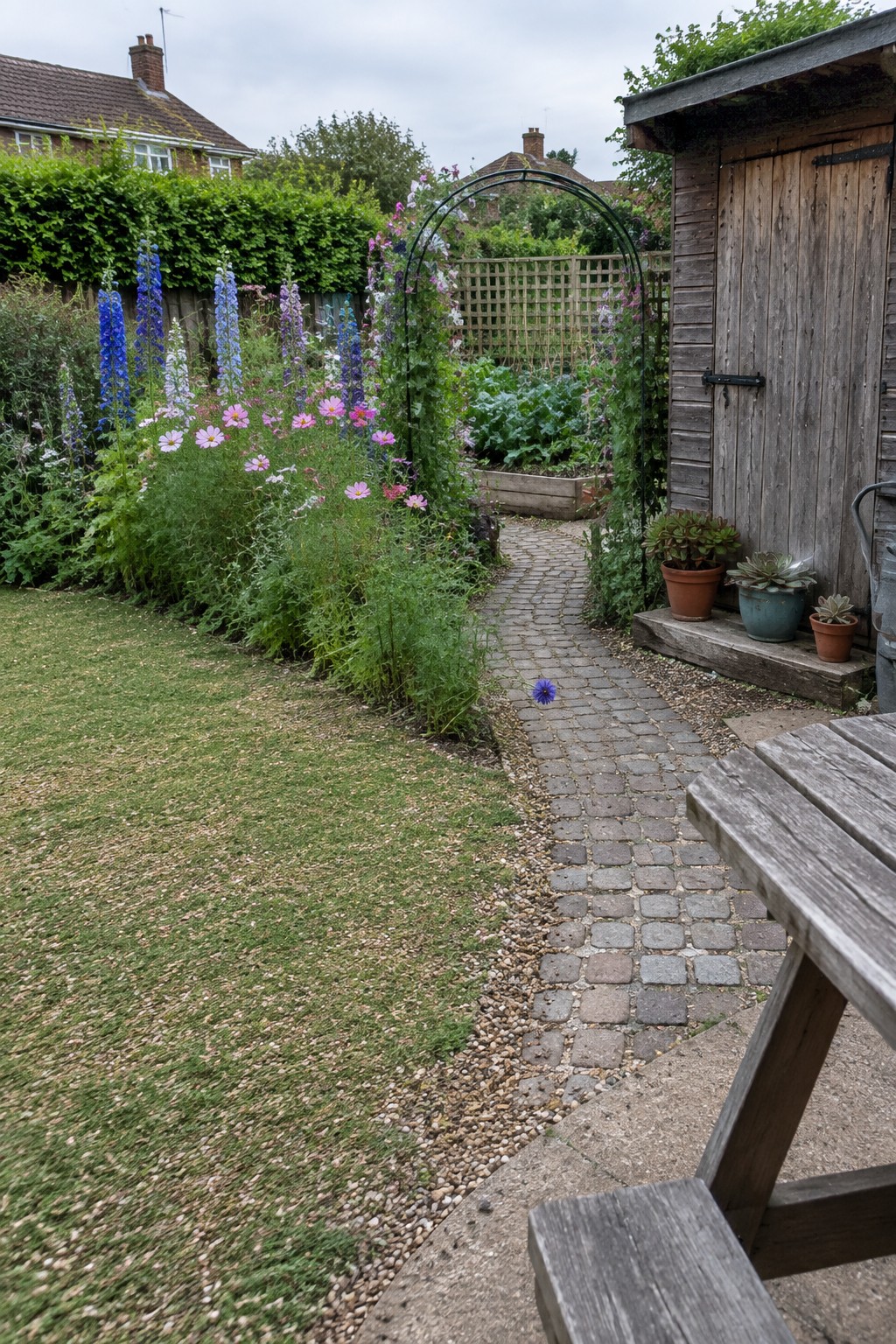
A path makes it easy to move through the backyard without walking on the grass or plants. It also gives the garden a clear edge so the lawn stays open and the beds feel like their own space.
This setup works best in medium backyards where you want both areas to feel useful. Keep the path fairly narrow and line it with flowers or taller plants so the beds stay full but still easy to reach.
Boardwalk Paths Keep Garden Areas Accessible
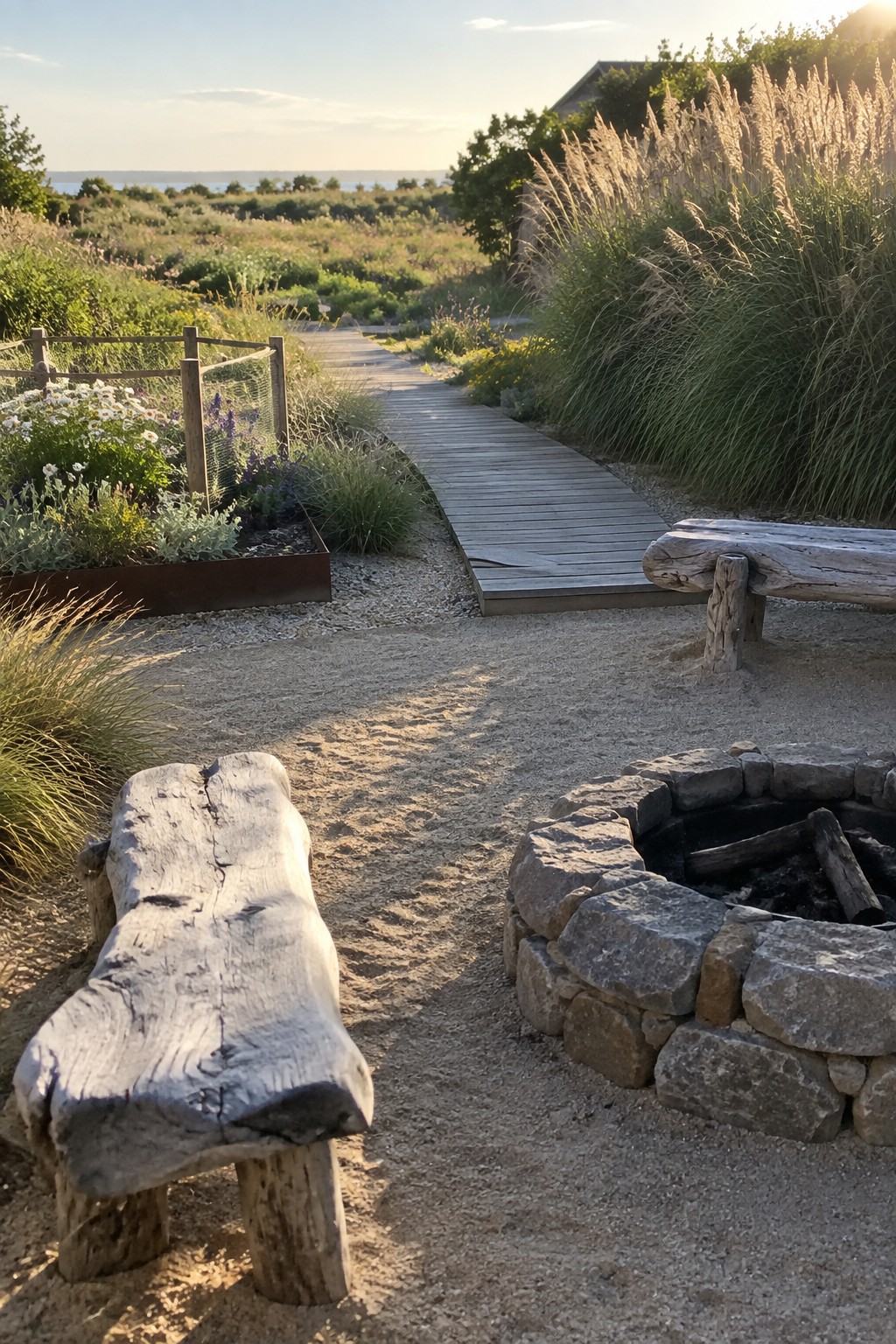
A boardwalk path makes it easier to move between different garden zones without compacting the soil or trampling plants. It creates a clear route that feels intentional and keeps the beds looking neat even after heavy use.
This layout works well in open backyards where you want several planting areas plus a spot to sit. Run the path past raised beds so they stay defined, then let it lead to a simple fire pit or bench area for evenings outside. Choose pressure-treated wood that can handle weather and foot traffic.
Terraced Walls For Sloped Garden Beds
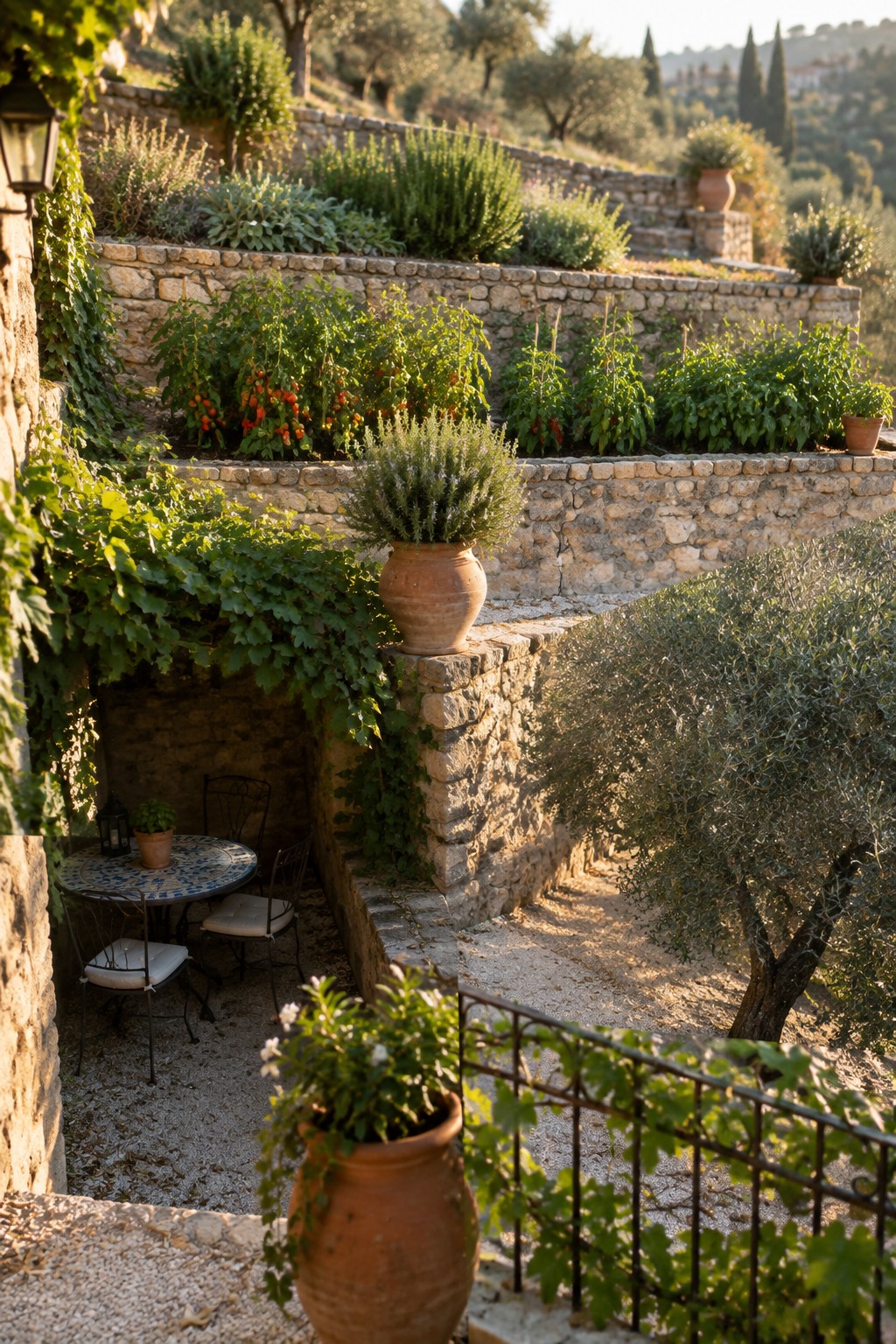
Terraced stone walls turn a steep backyard into usable garden space by creating flat beds at different heights. This approach keeps soil in place and gives each planting level its own room without crowding the rest of the yard.
The setup works best on hillsides where a single flat garden would not fit. Keep the walls low enough to reach across and choose plants that match the sun exposure at each level.
Vertical Fence Gardens Add Growing Space in Tight Yards
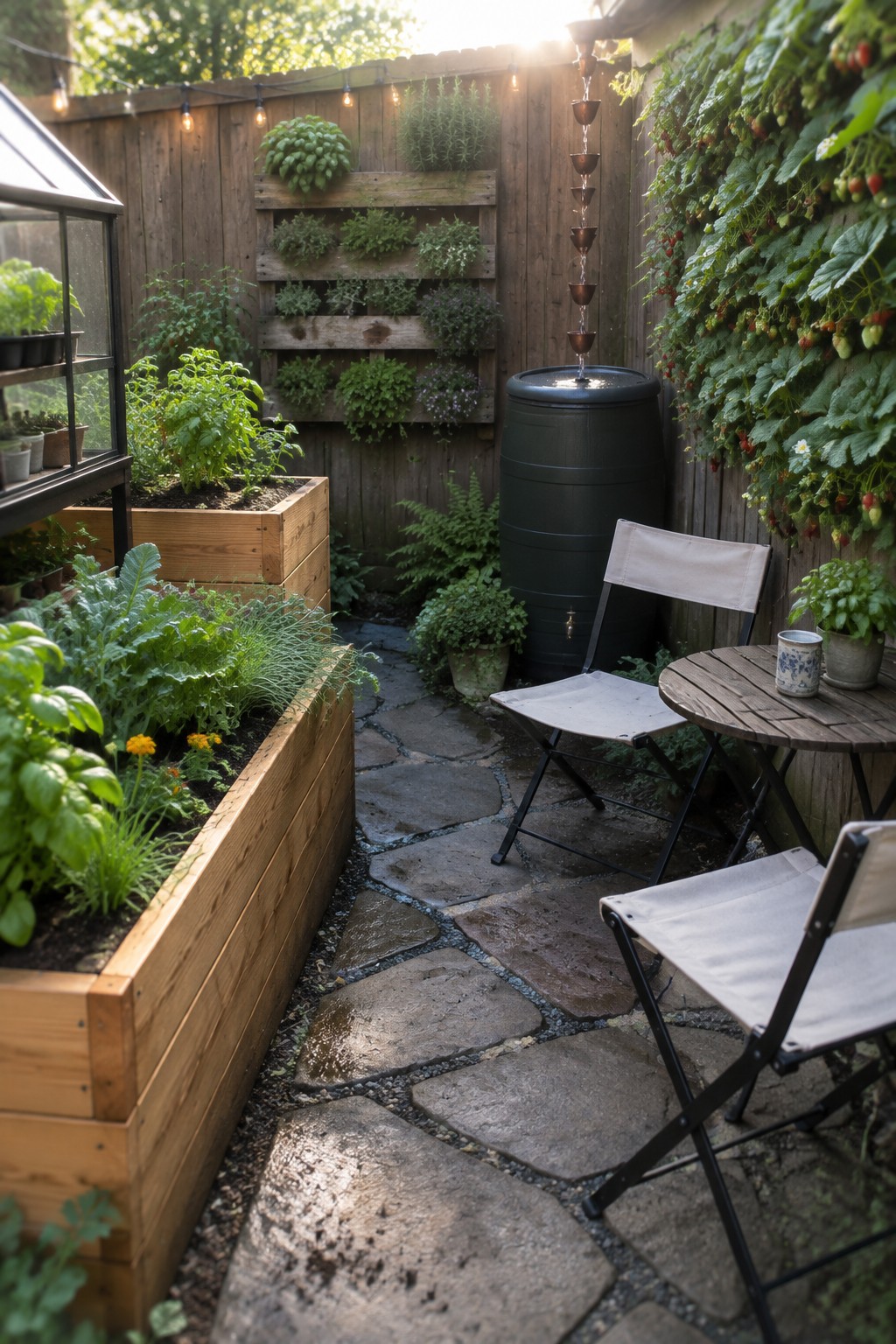
Many small backyards run out of ground room quickly, so mounting planters directly on the fence makes good sense. It keeps the path open while still giving herbs and vegetables a place to grow without spreading into seating areas.
A basic wood pallet or shelf unit screwed to the fence works for most setups. Make sure it gets solid sun and has a simple watering plan, since these spots dry out faster than ground beds. This approach fits homes where the yard is long and narrow but the fence line is underused.
Give Each Flower Its Own Dedicated Bed

Putting different flowers into their own beds makes the garden easier to manage over time. You can adjust watering, soil, and sunlight for each type without worrying about one plant crowding out another.
This setup works best along a simple path so everything stays reachable for regular care. A small sign helps keep track of what is planted where, especially when you grow several varieties in one area.
Raised Beds For Defined Planting Areas
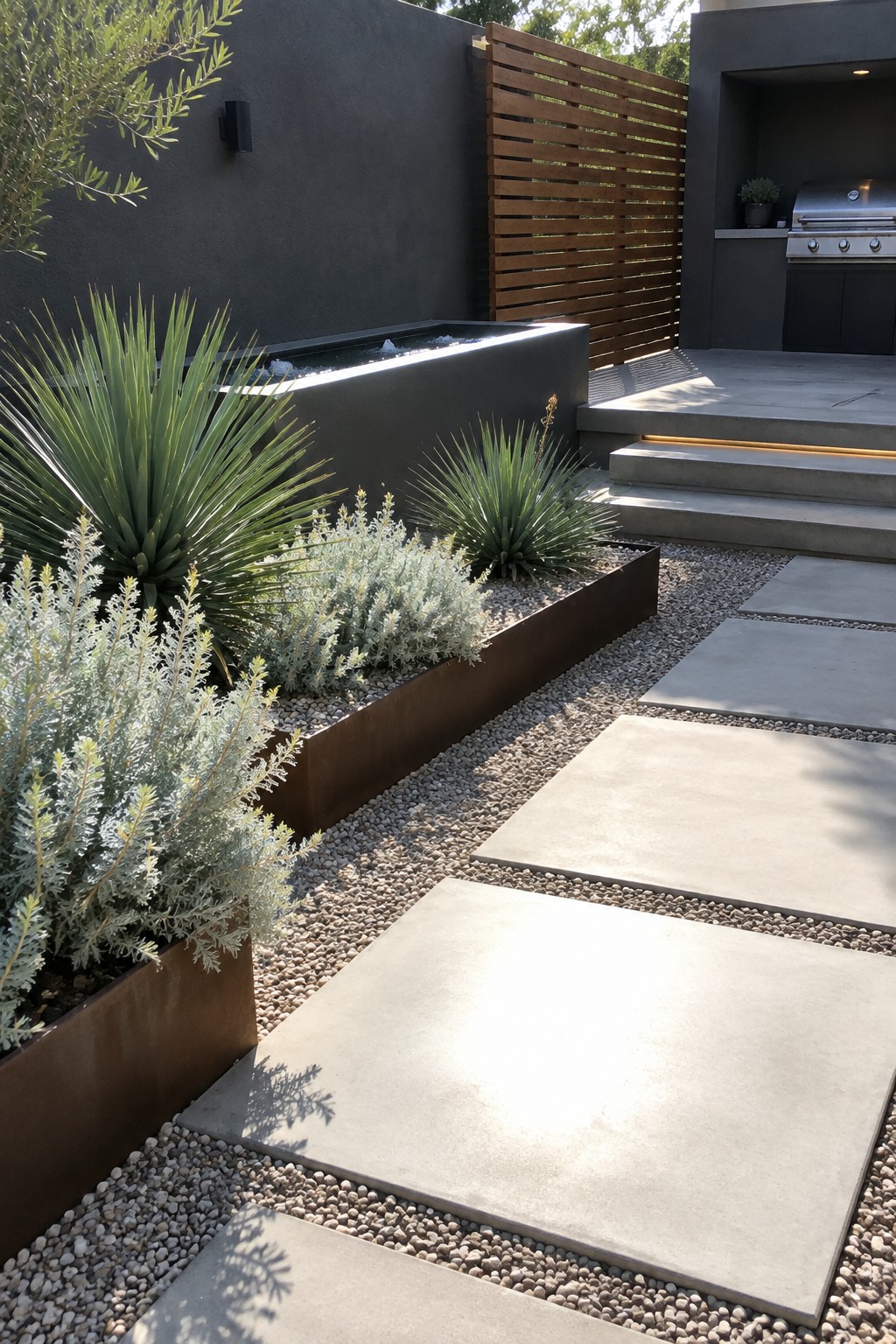
Raised beds give a backyard a clear structure without making it feel too formal. They turn open gravel space into separate garden zones that stay neat and easy to care for over time.
This setup works well in smaller yards or modern homes where you want planting without a lot of lawn care. Metal beds like the ones shown hold soil in place and let you mix taller plants with lower ground cover while the surrounding gravel handles drainage and foot traffic.
Stepping Stone Paths Keep Garden Beds Within Reach
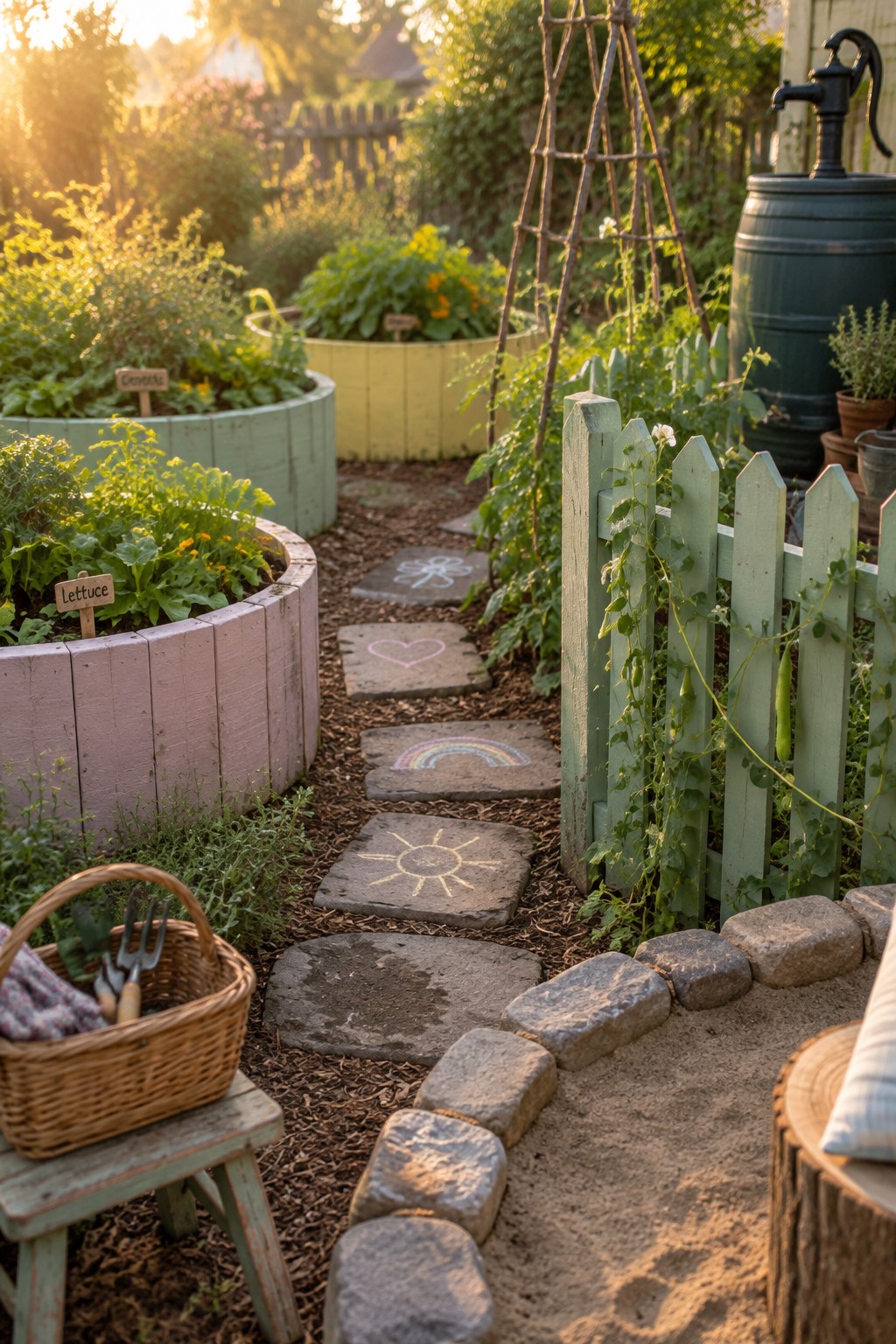
A simple line of stepping stones makes it much easier to move through a backyard garden without compacting the soil around the plants. The stones create clear routes between beds so you can reach everything for watering, weeding, and picking without turning the ground into mud.
This layout works especially well in smaller yards where you want several growing areas close together. Space the stones far enough apart for a natural stride, and keep them level so the path stays comfortable to walk on year after year.
Use Paths To Create Dedicated Garden Zones
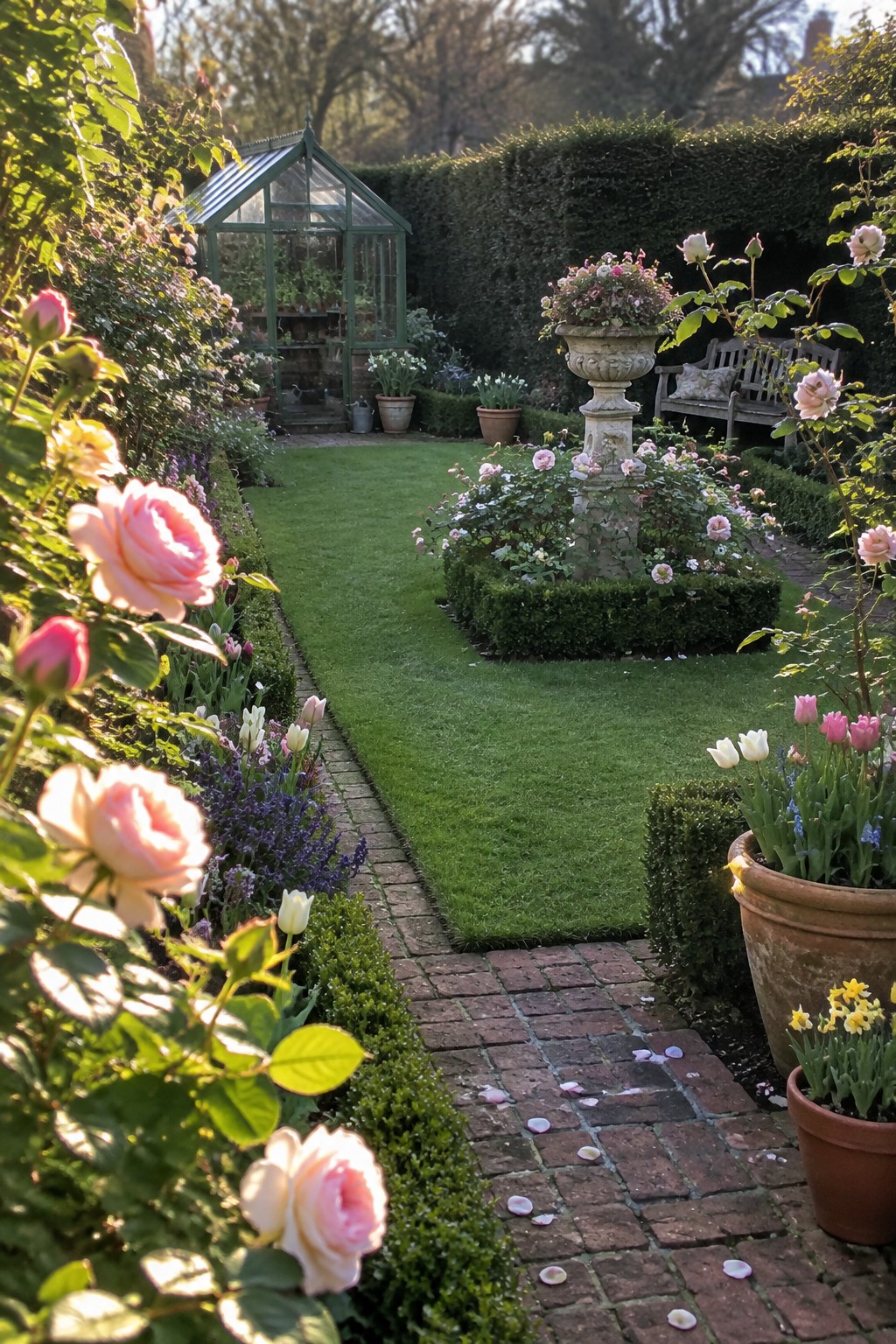
Paths make it easier to keep different parts of a backyard working on their own. A simple walkway between lawn and planting beds stops the whole space from feeling like one big mix of grass and flowers.
This approach suits yards that have enough room for both open lawn and several planting areas. Brick or similar paving holds up well to foot traffic and helps keep soil and mulch where they belong.
Build A Wooden Path Between Raised Garden Beds

A straight wooden path keeps the garden easy to walk through even after rain or watering. It gives you solid footing while protecting the soil in the beds from getting packed down.
This layout works best in a long narrow space where you want access to both sides without crowding the plants. Keep the boards simple and untreated if you prefer a natural look that blends in over time.
Add A Small Stream To Your Garden Beds
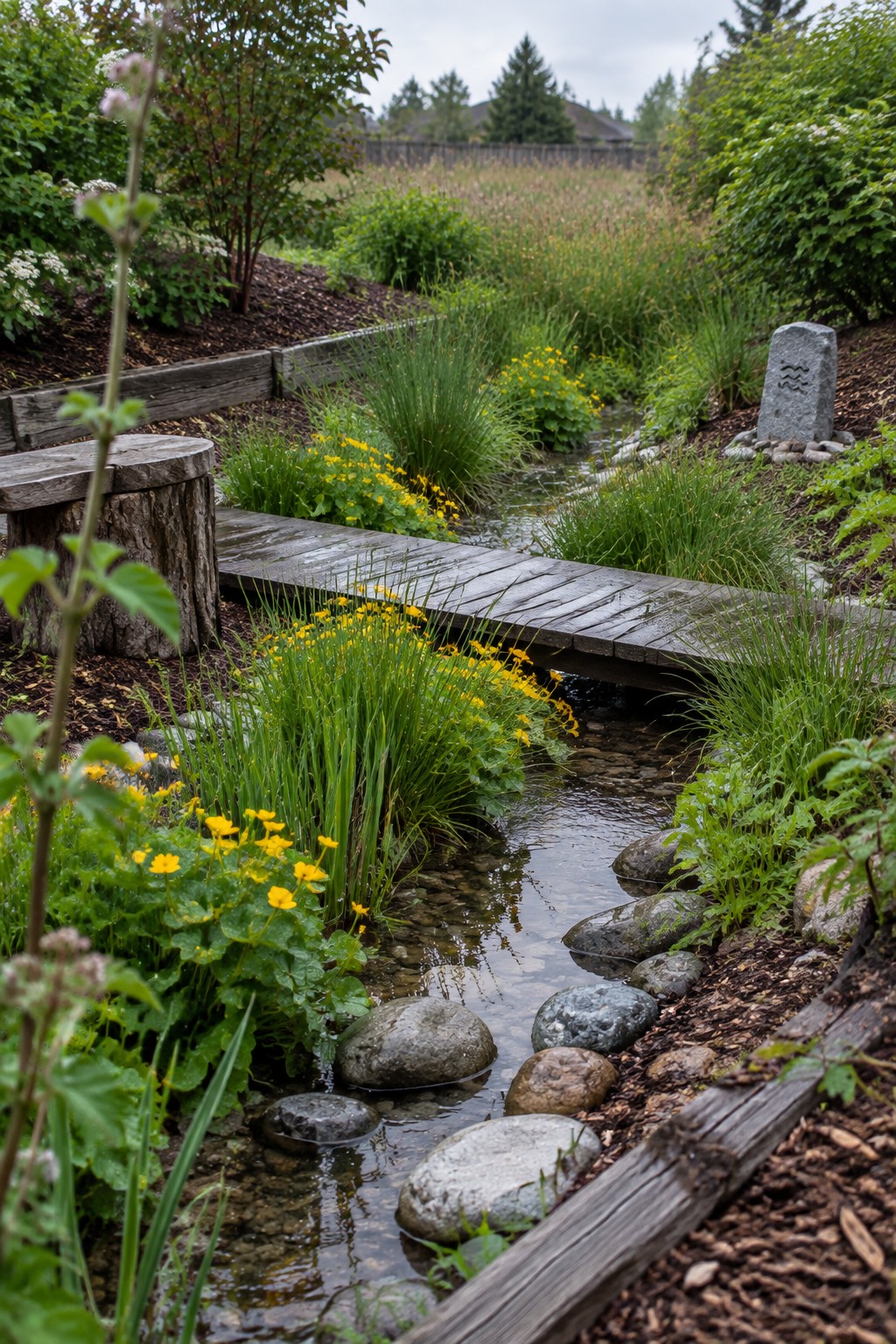
A narrow stream gives backyard gardens a clear sense of movement and helps separate different planting zones without adding walls or fences. The water also brings in sound and reflection that makes the space feel more alive even on quiet days.
This idea works best on lots that already have a gentle slope or a low spot where water can be directed. Keep the stream narrow, line it with rocks for stability, and add a simple bridge so the garden stays easy to walk through.
Stone Paths That Wind Through Garden Beds
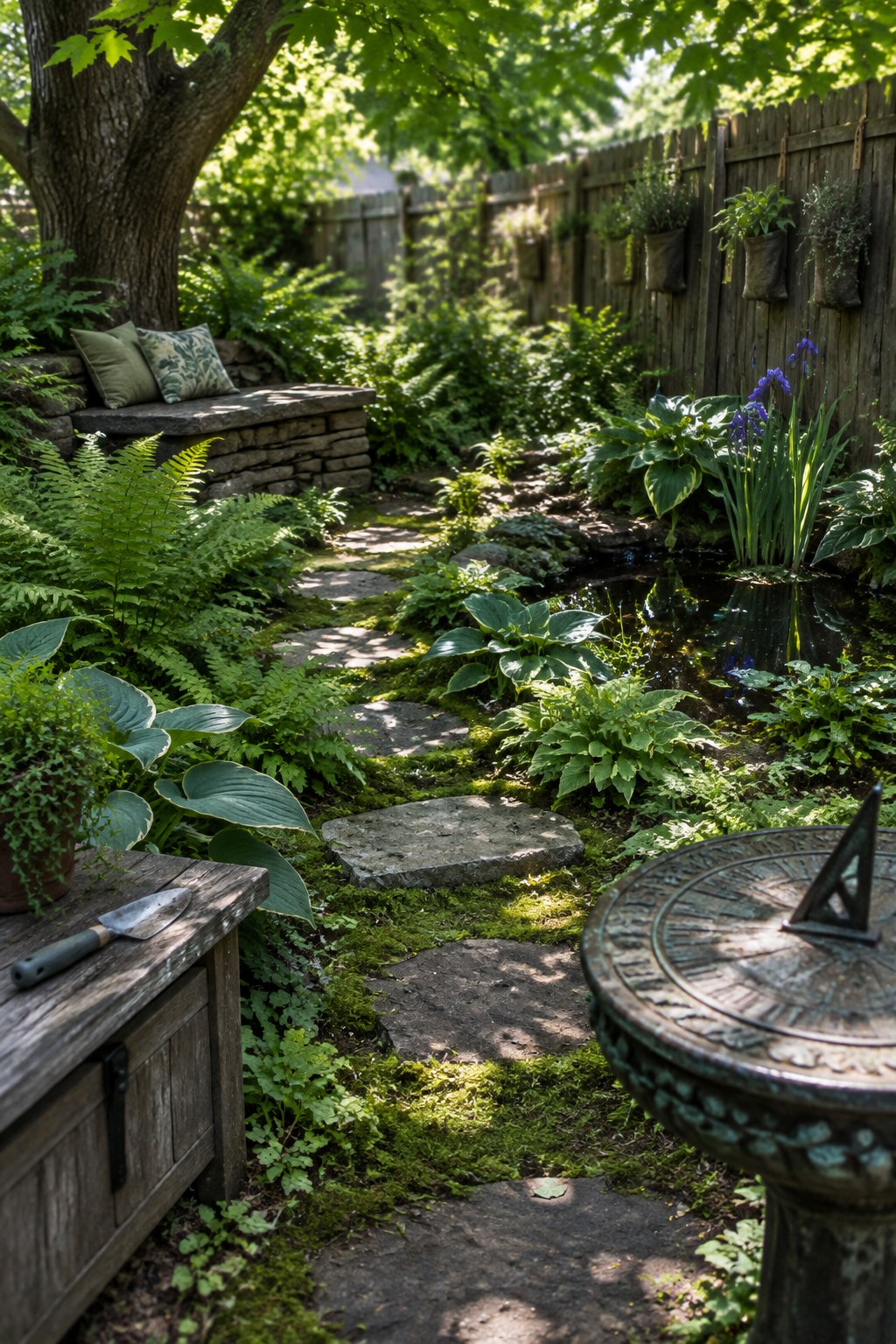
A simple stone path makes it much easier to move around a backyard garden without trampling plants or compacting the soil. The flat stepping stones create a clear route that still feels relaxed because they sit low among the greenery.
This approach works well in smaller yards where you want to connect a seating spot, a pond, and different plant groupings without adding a wide walkway. Keep the stones irregular in shape and let the plants grow right up to the edges so the path blends into the rest of the garden.
Raised Garden Beds With Built-In Seating

Building raised beds with a wide, flat cap turns the edge into a natural place to sit. The concrete ledge gives you room to rest without crowding the plants or adding separate chairs, and it keeps the garden zone clearly separated from the rest of the yard.
This setup works best in narrower side yards or patios where every inch counts. It pairs well with gravel paths and simple plantings, and it stays practical even when the beds are full.
Low Stone Walls To Create Separate Garden Zones
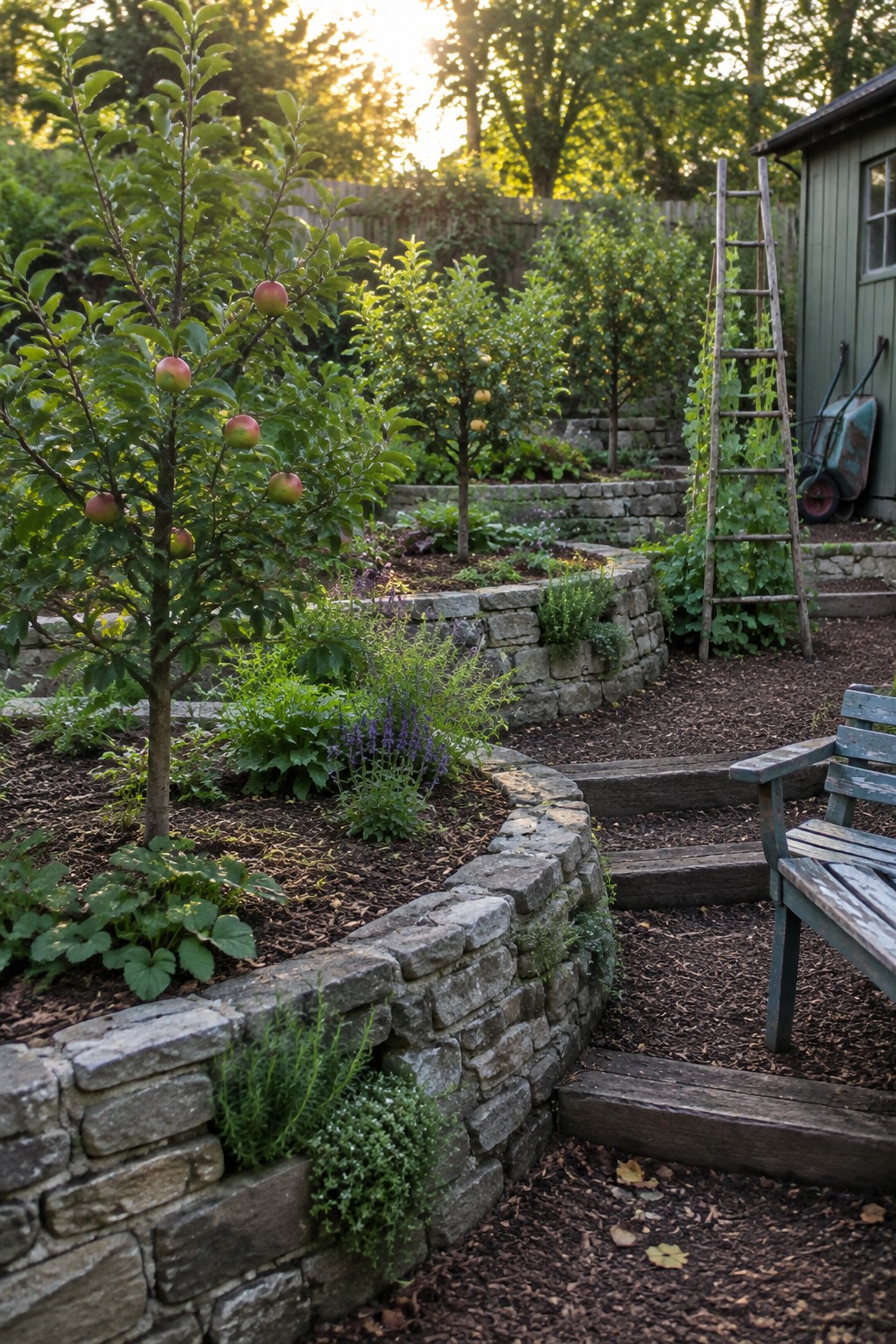
Low stone walls help break a backyard into clear planting zones without adding fences or heavy structures. They keep different types of plants organized and make it easier to tend each area on its own.
This works best on flat or gently sloped yards where you want fruit trees in one section and lower herbs or flowers in another. Match the stone to any existing paths or walls so the whole garden feels connected rather than built in pieces.
Raised Beds Help Define Separate Garden Areas
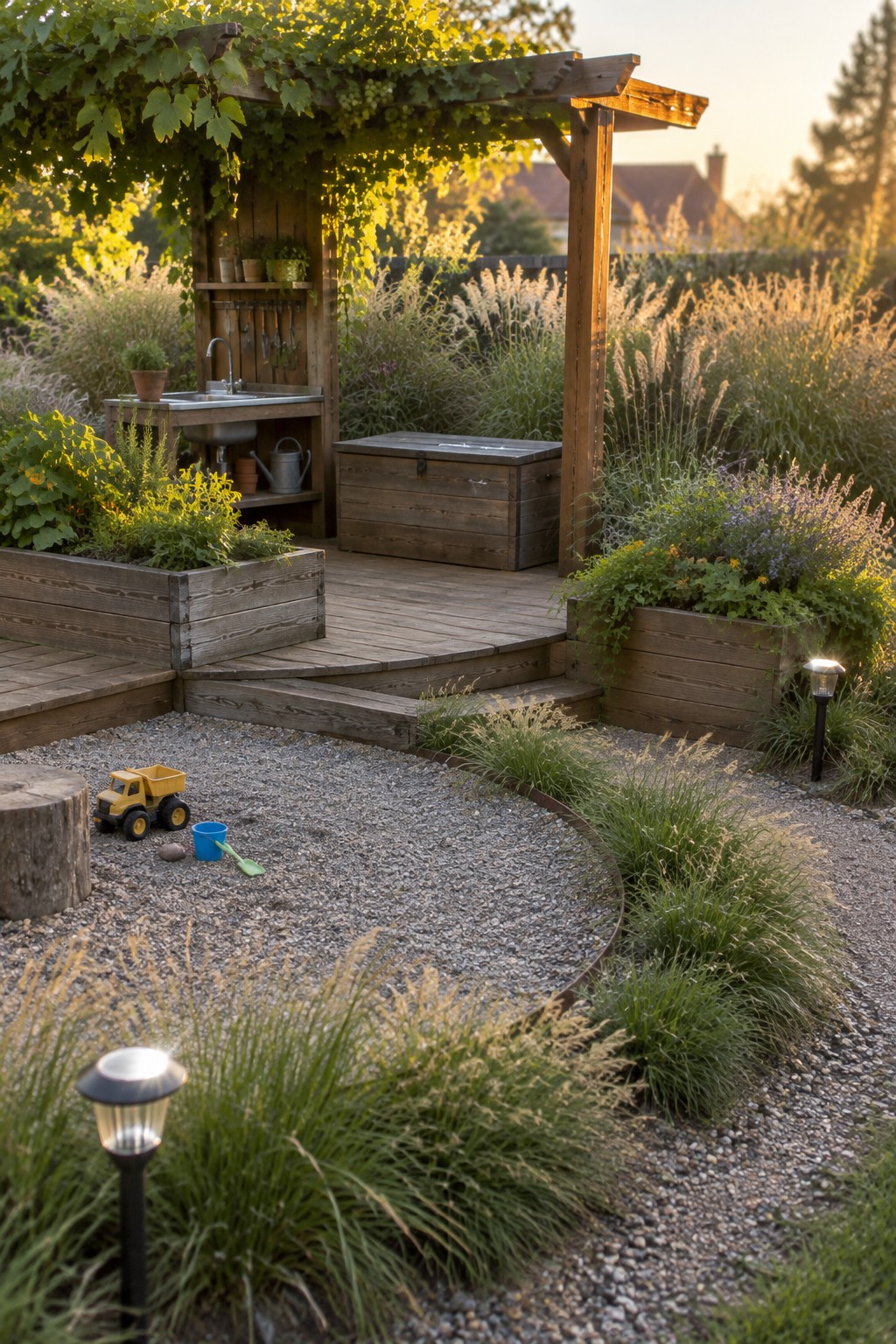
Raised beds give structure to a backyard garden without making the space feel too formal. They keep soil and plants contained while creating clear edges that separate growing zones from paths or play areas.
This approach suits smaller yards where you need both planting space and open ground. Wood beds hold up well over time and pair easily with gravel or decking, though it helps to plan the layout so beds do not block access to other parts of the yard.
Frequently Asked Questions
Q: How do I keep garden areas from eating up all the open yard space? A: Pick one or two corners and set simple borders with stones or low fencing. This leaves the middle open for play or seating while the gardens stay contained. Start with small plots and add more only after the first ones feel settled.
Q: What plants actually survive with kids and pets running around nearby? A: Choose hardy perennials like daylilies or hostas that bounce back from a little trampling. They need less daily care and still give you color without constant replanting. Place them away from the main paths so traffic stays light.
Q: My soil looks rocky and dry. How do I fix that before planting? A: Dig in compost or aged manure across the bed to loosen things up. Water the area well after mixing so the new soil settles in place. Test a tiny section first to watch how plants respond before doing the whole spot.
