

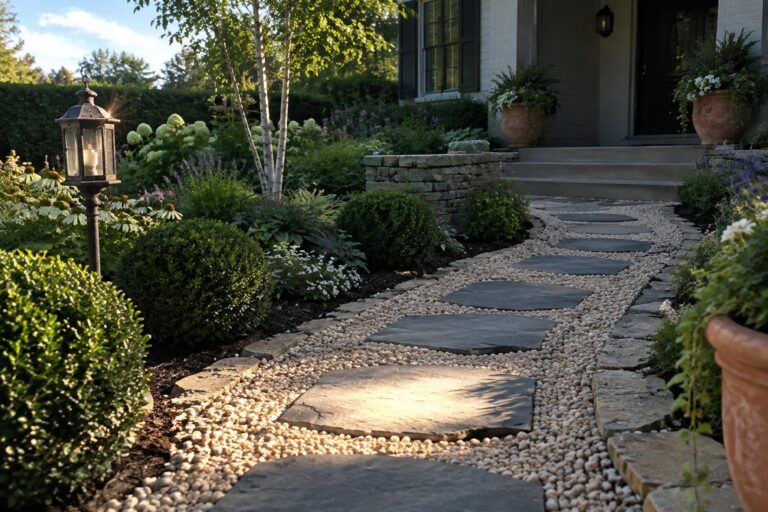
I often find that the paths running through a yard end up shaping how the whole space gets used from one season to the next.
Gravel and stone seem to settle in ways that either support the plants around them or end up needing constant raking after heavy rain.
I would probably start by testing a narrow gravel strip along my back fence to see if it actually cuts down on the mud that tracks inside.
Stone edges tend to give a clearer line that makes the beds feel more intentional without adding a lot of extra work later on.
The ideas that hold up best are usually the ones that match how the yard already slopes and drains rather than fighting against it.
Stepping Stones In Gravel
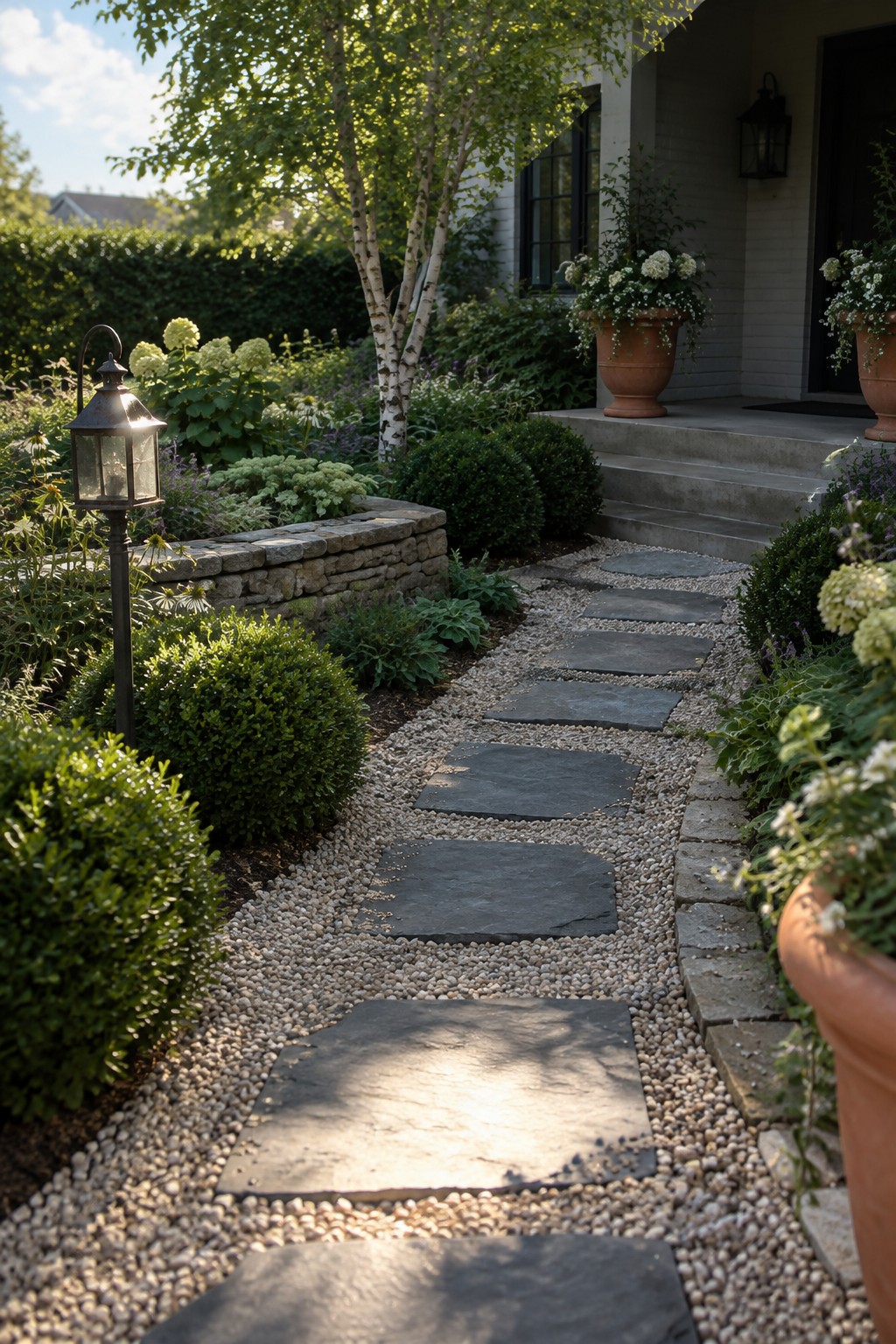
Many people like this style because the flat stones give you a solid place to step while the gravel fills in around them and keeps the whole path looking soft. It drains well after rain and needs very little upkeep once it is down.
This layout works best in side yards or front gardens where you want a clear walkway without covering the whole area in hard paving. Use stones that are big enough for a normal step and keep the gravel layer even so it stays comfortable underfoot.
Stone Paths Set In Gravel
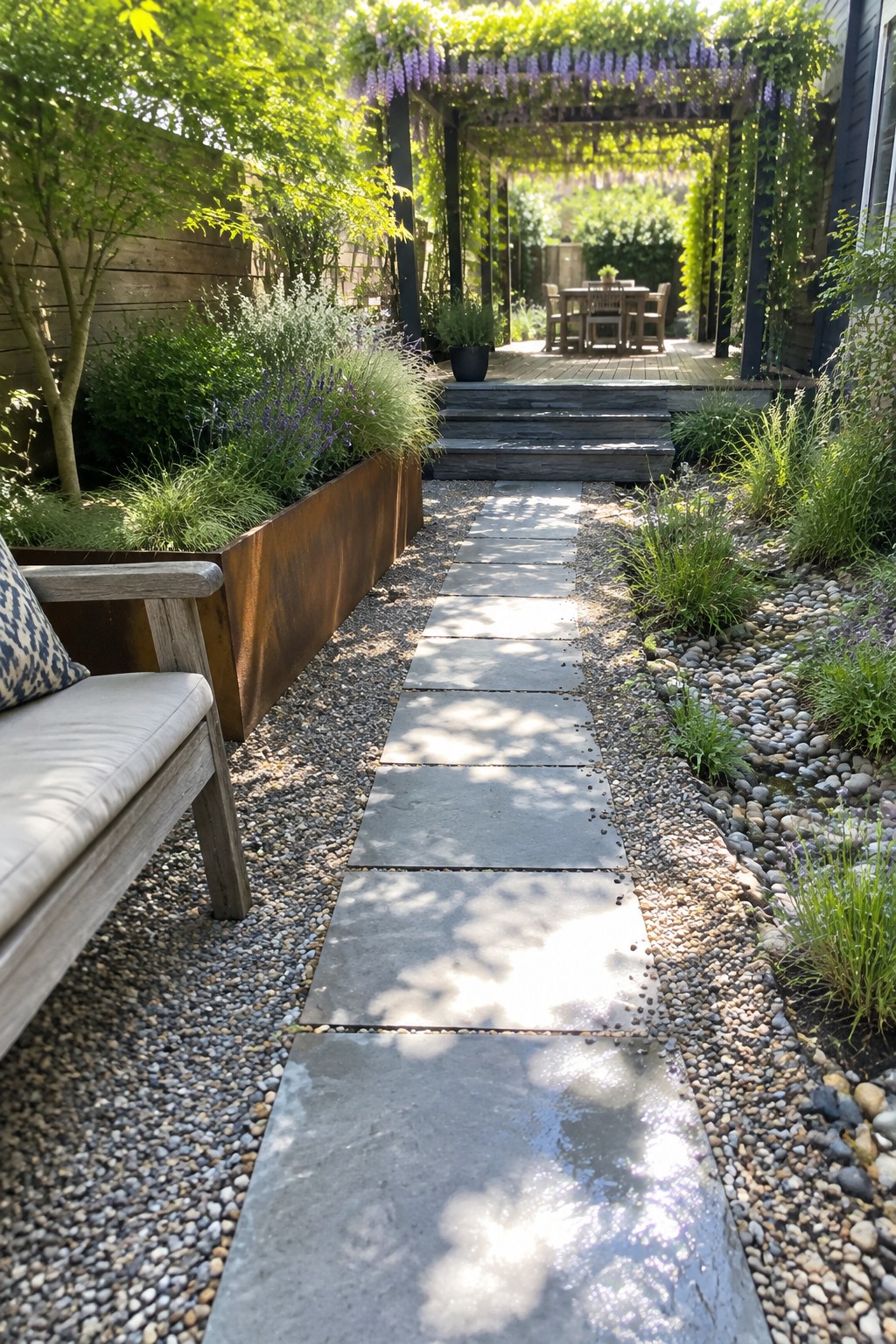
Laying flat stone slabs into a gravel base gives a garden path that feels settled without looking too formal. The gravel fills the gaps, handles drainage, and keeps the look simple while the stones give you a solid place to walk.
This works best along the side of a house or between planting beds where you want a clear route but do not need a full paved surface. Keep the stones level and leave enough gravel on each side so the path stays easy to follow and simple to maintain over time.
Stepping Stones In Gravel Paths
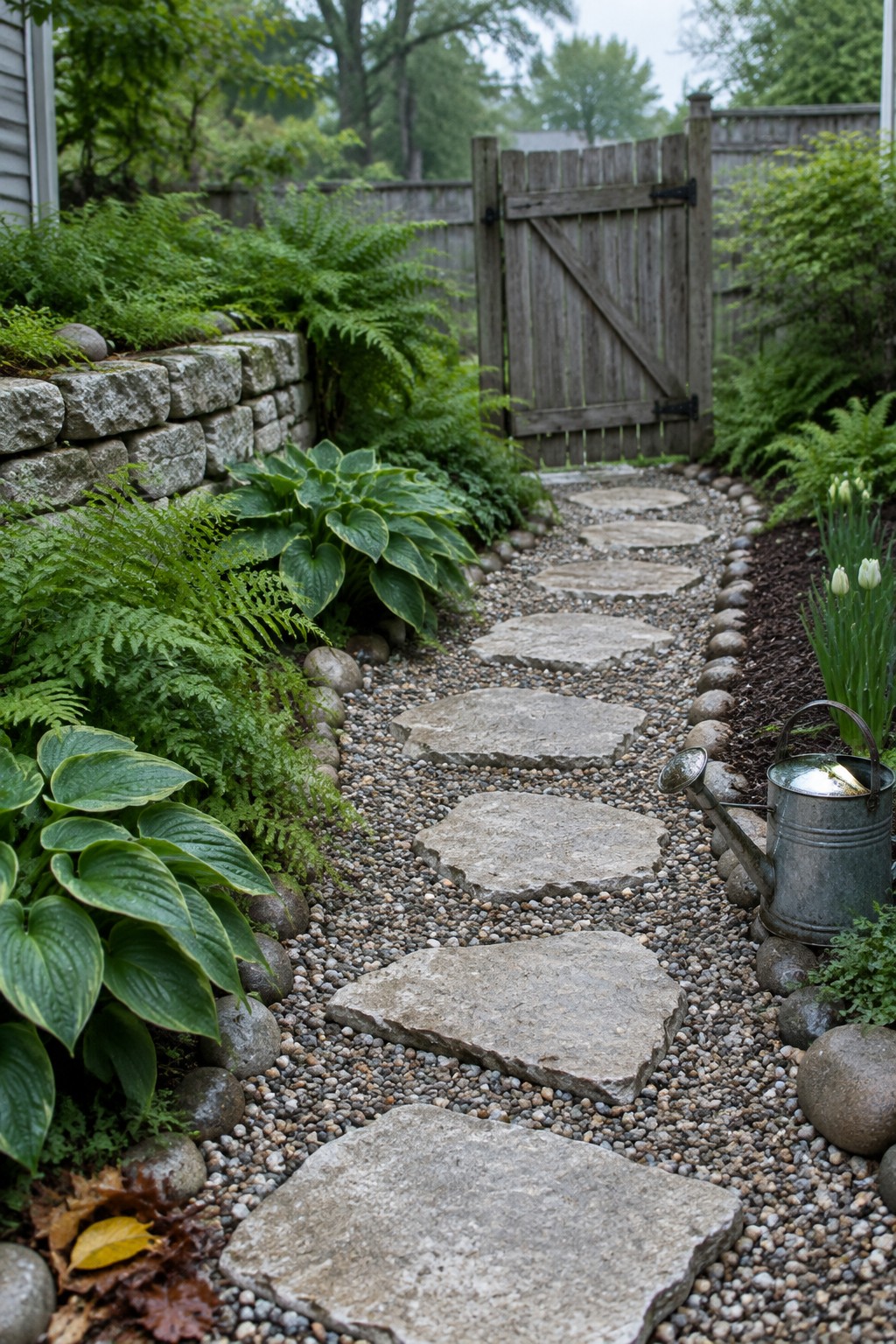
This layout keeps a garden path looking natural while staying practical underfoot. The large flat stones give solid places to step, and the gravel fills in around them for easy drainage and a softer look overall.
It works especially well in established gardens where you want a path that feels like it belongs among the plants. Space the stones so they match your stride, and use ferns or hostas along the edges to help hold the gravel in place over time.
Gravel Pathways Around Stone Features
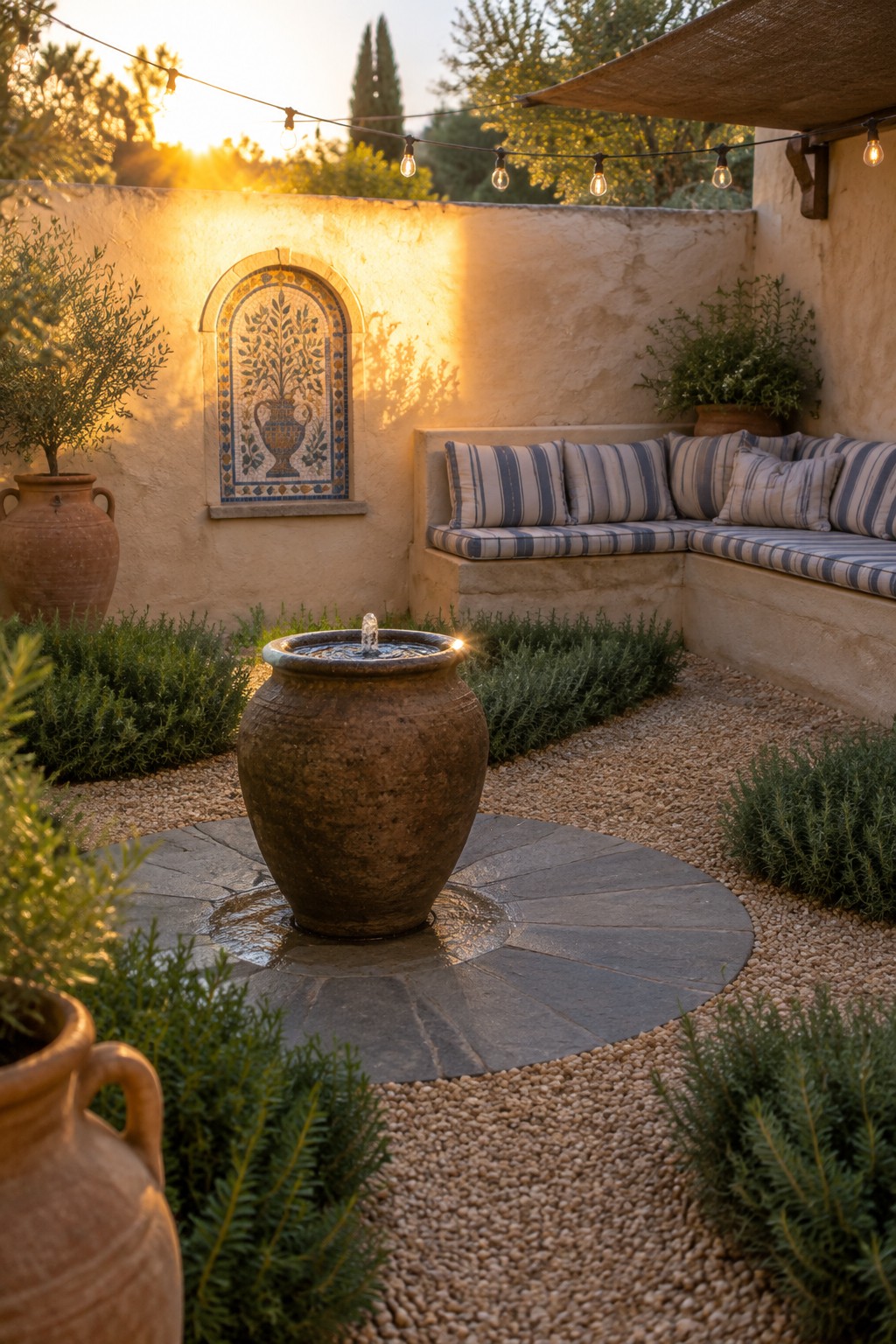
Gravel makes a good choice when you want a soft surface that leads right up to a paved stone area. It drains well, stays cooler underfoot, and gives the whole space a relaxed look without much upkeep. The contrast between the loose gravel and the solid stone circle keeps things from feeling too heavy or formal.
This layout works best in smaller courtyards or side gardens where you need an easy path that still leaves room for plants along the edges. Just add some low edging to hold the gravel in place so it does not creep into the beds over time.
Stone Pavers With Gravel For A Simple Path
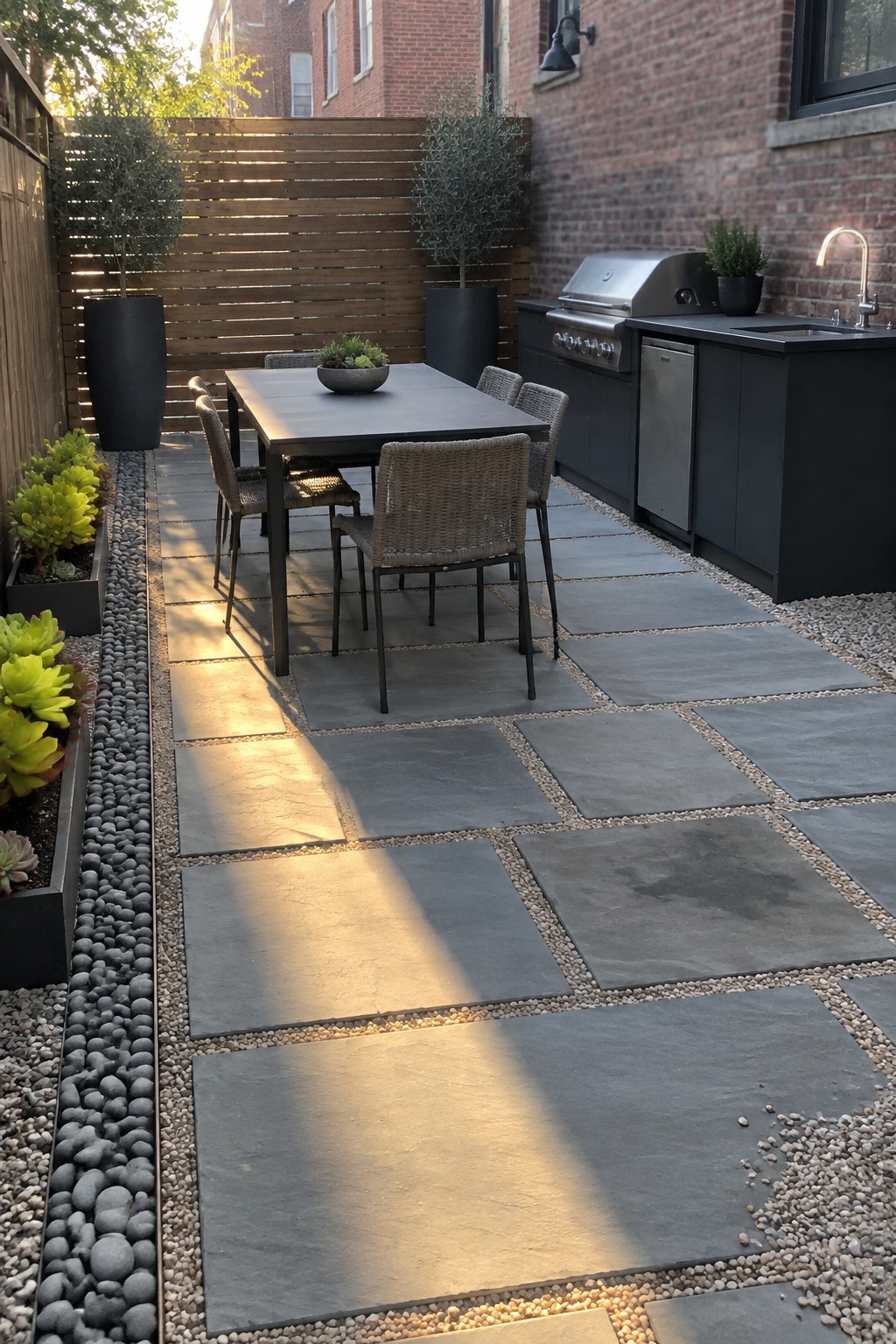
Large stone slabs set into gravel give a solid surface to walk on while still letting water drain through. This setup stands out because it keeps the path looking clean without needing constant weeding or sealing.
It works best in narrow side yards or small back gardens where you want to link seating areas to the rest of the yard. Keep the gravel layer thin so the stones stay level, and add a few low plants along the edges to soften the hard lines.
Stone Slabs Set In Gravel Make Practical Paths
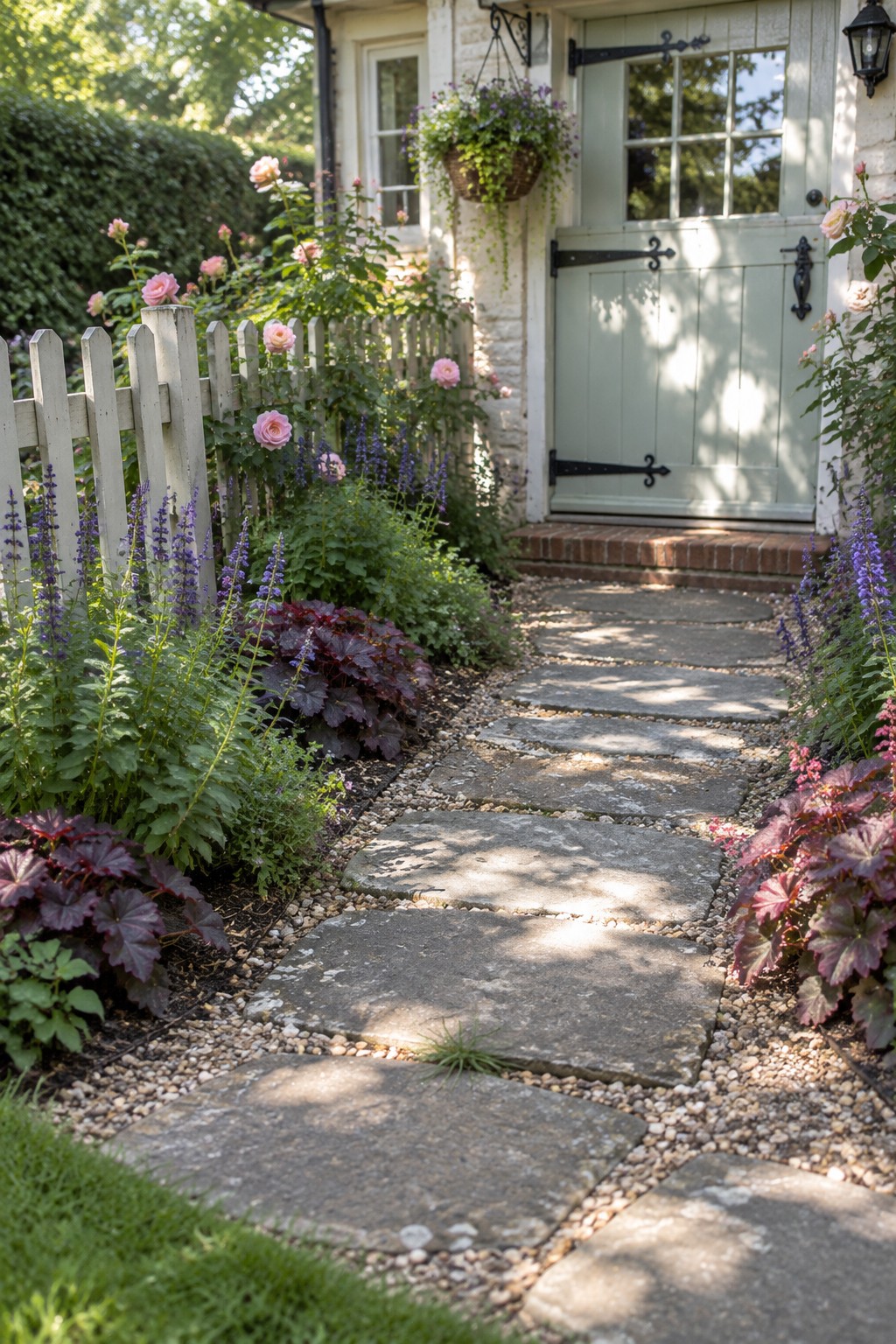
Large stone pieces laid in a loose pattern with gravel between them create a path that feels sturdy underfoot while staying simple to build. The gravel fills gaps, improves drainage, and gives the whole thing an informal look that suits most garden styles.
This works best along the side of a house or through flower beds where you want the walkway to feel like part of the planting rather than a separate feature. Keep the stones fairly large and level so the gravel does not shift too much with regular use.
Mixing Stone Steps And Gravel For Sloped Paths
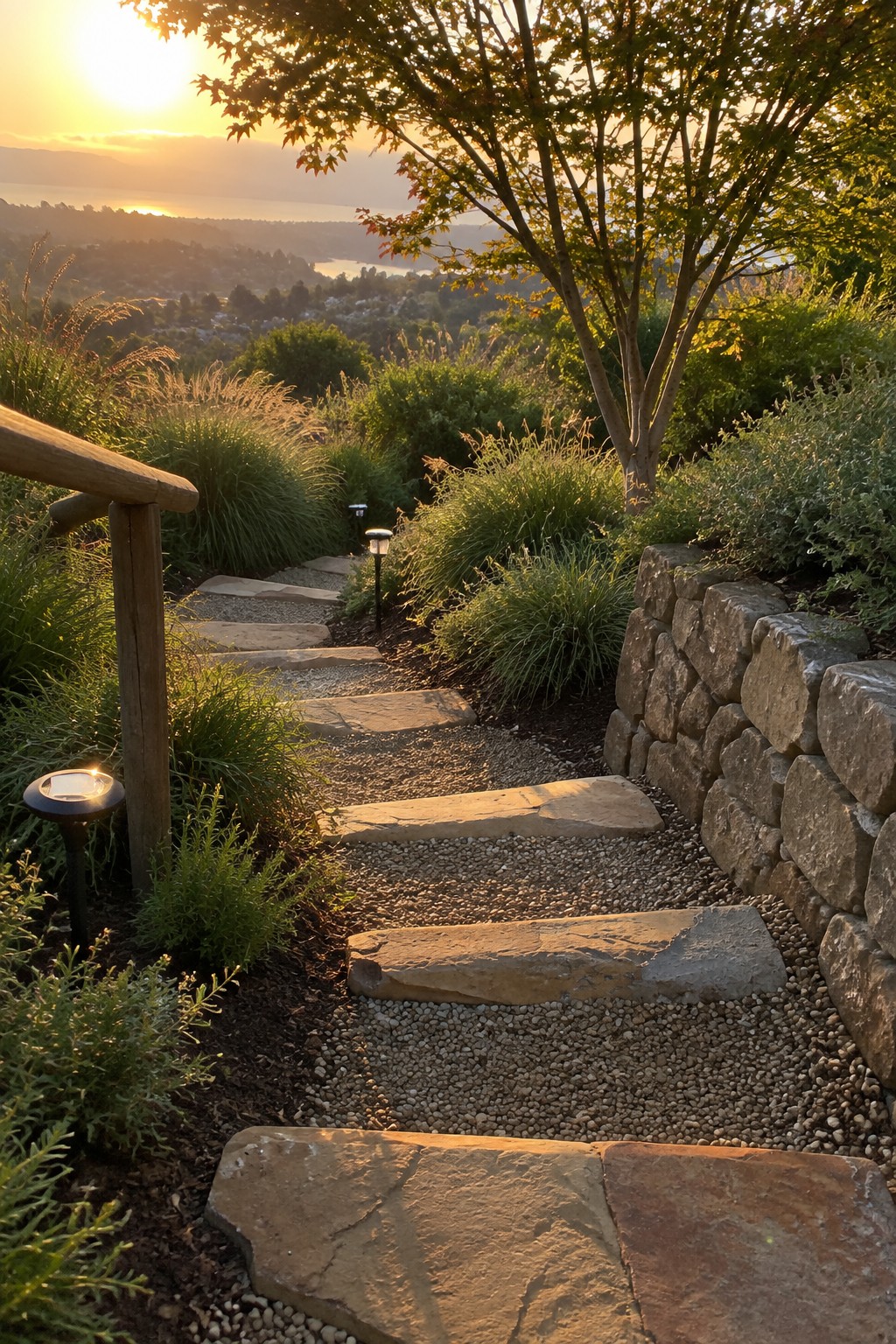
Stone steps paired with gravel work well on sloped ground because the stones give firm footing while the gravel fills gaps and helps with drainage. This combination keeps the path from feeling too formal and lets it blend into the surrounding plants instead of standing out as a separate structure.
It suits homes with hills or terraced yards where a full concrete stair would look out of place. Set the stones level and pack the gravel tight between them so the path stays stable over time. Low lights along the edge can help with evening use if the slope is steep.
Pavers Set In Gravel Make A Low Maintenance Path
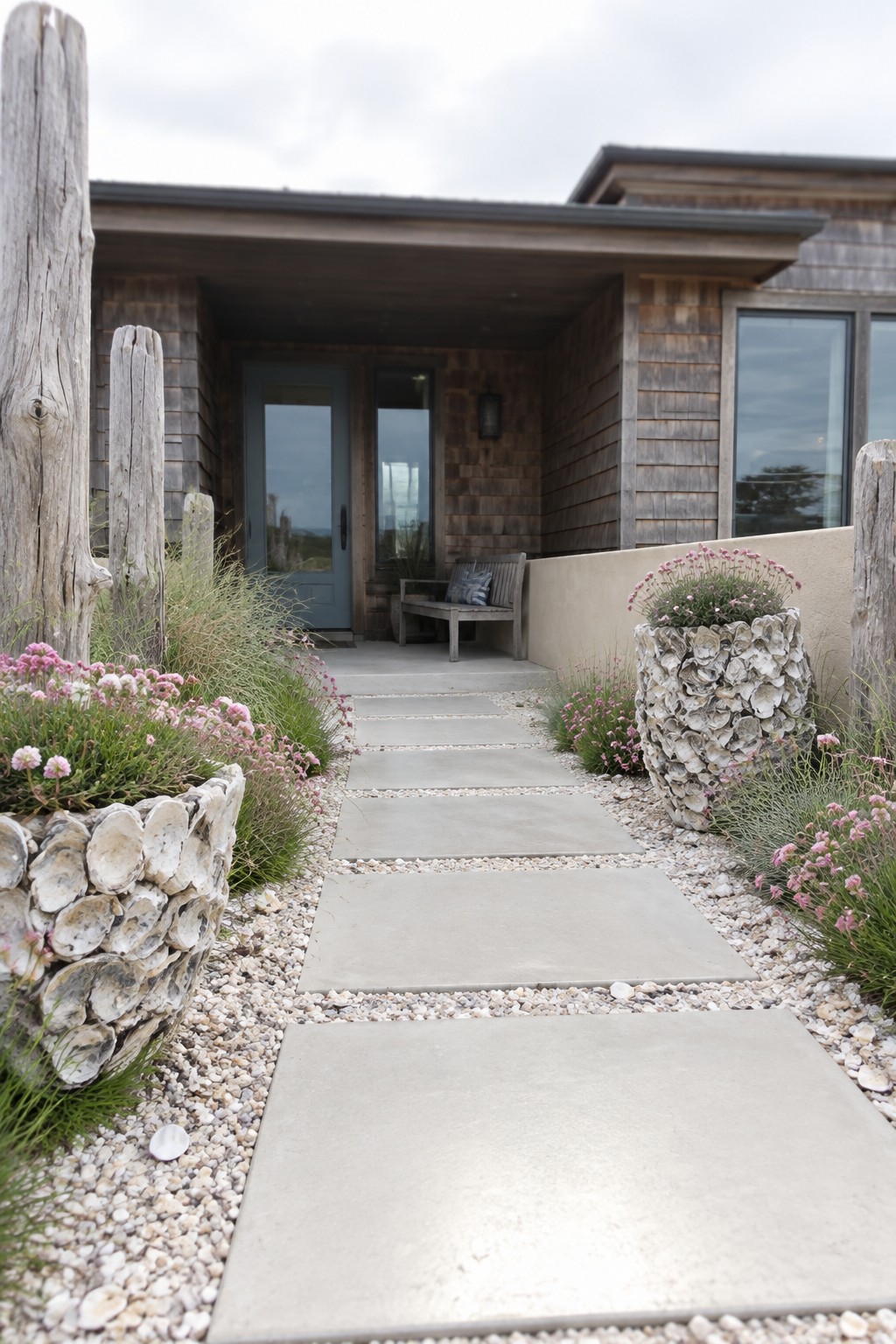
Many people like this style of path because the large pavers give steady footing while the gravel fills the spaces and helps with drainage. It keeps the walkway looking simple without needing a full poured surface.
This setup works well in front yards or side gardens on homes that already have natural plantings around the edges. Just keep the gravel raked level every so often so it stays neat between the stones.
Gravel Paths With A Narrow Water Channel
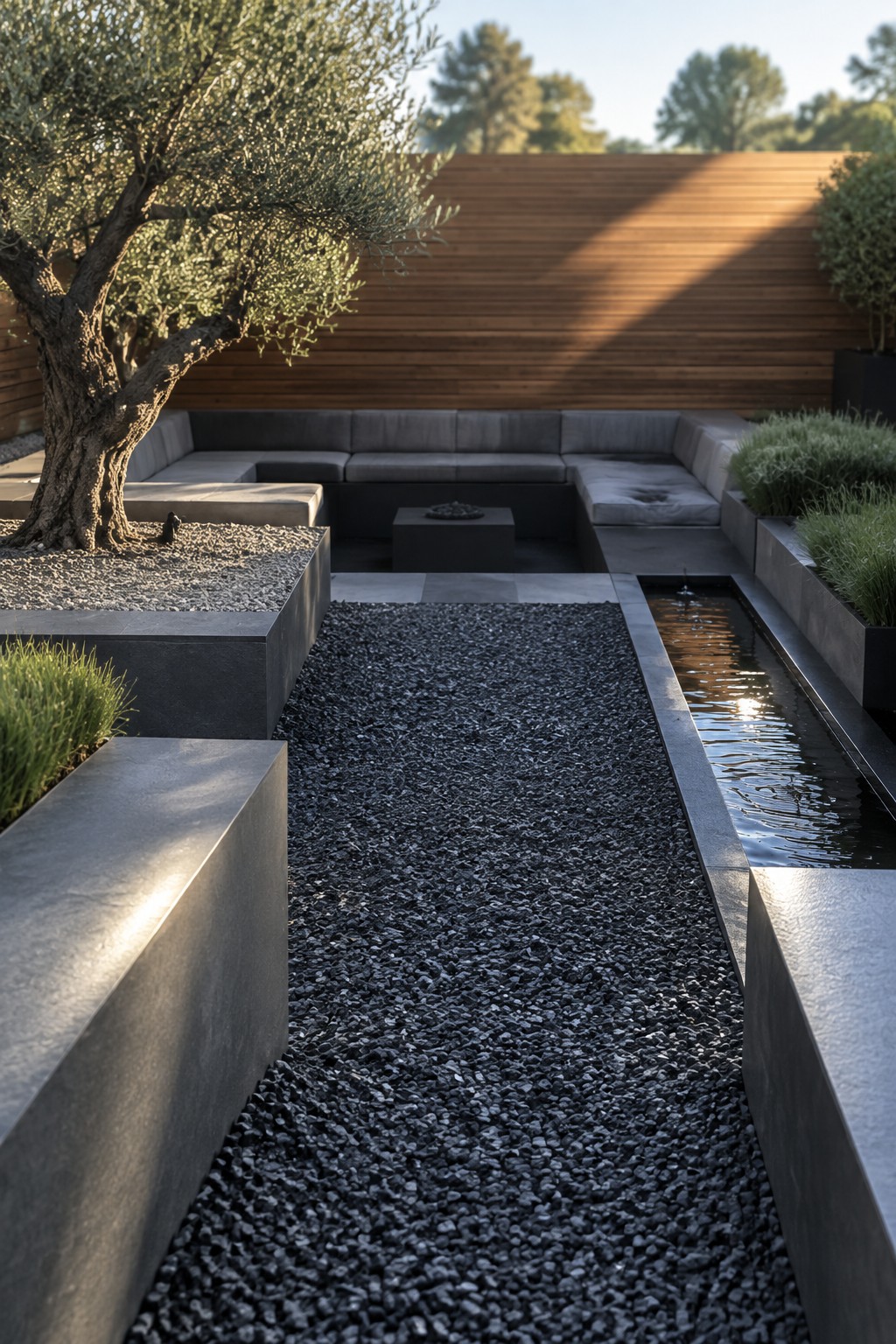
A gravel path next to a slim water rill gives the garden a quiet rhythm that feels both simple and intentional. The combination keeps the space open and easy to walk through while adding the sound and light movement of water without extra planting or clutter.
This approach works best in smaller modern yards or along a side garden where you want a clean line that leads somewhere. Keep the channel narrow and shallow, use solid edging to hold the gravel in place, and let the water run the full length of the path so the two elements feel connected rather than separate.
Stone Pavers Set In Gravel
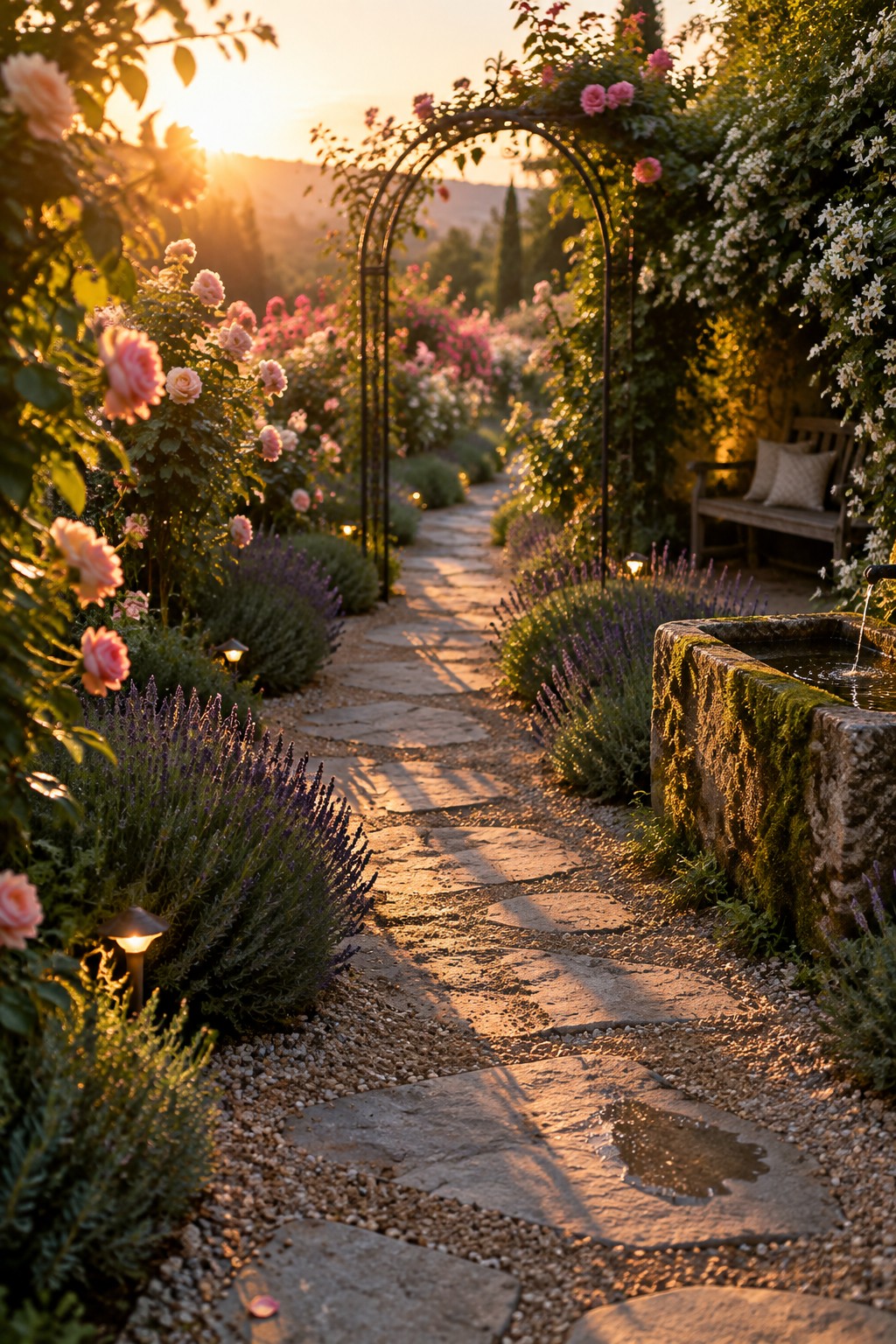
Large flat stones placed into a gravel base give a path that feels settled into the garden instead of laid on top of it. The mix keeps the surface practical while letting plants spill close to the edges without looking messy.
This setup suits older homes or cottage style yards where a rigid walkway would feel out of place. Level the stones well and leave enough gravel between them so the path stays comfortable to walk on even after rain.
Winding Stone Paths That Shape The Garden
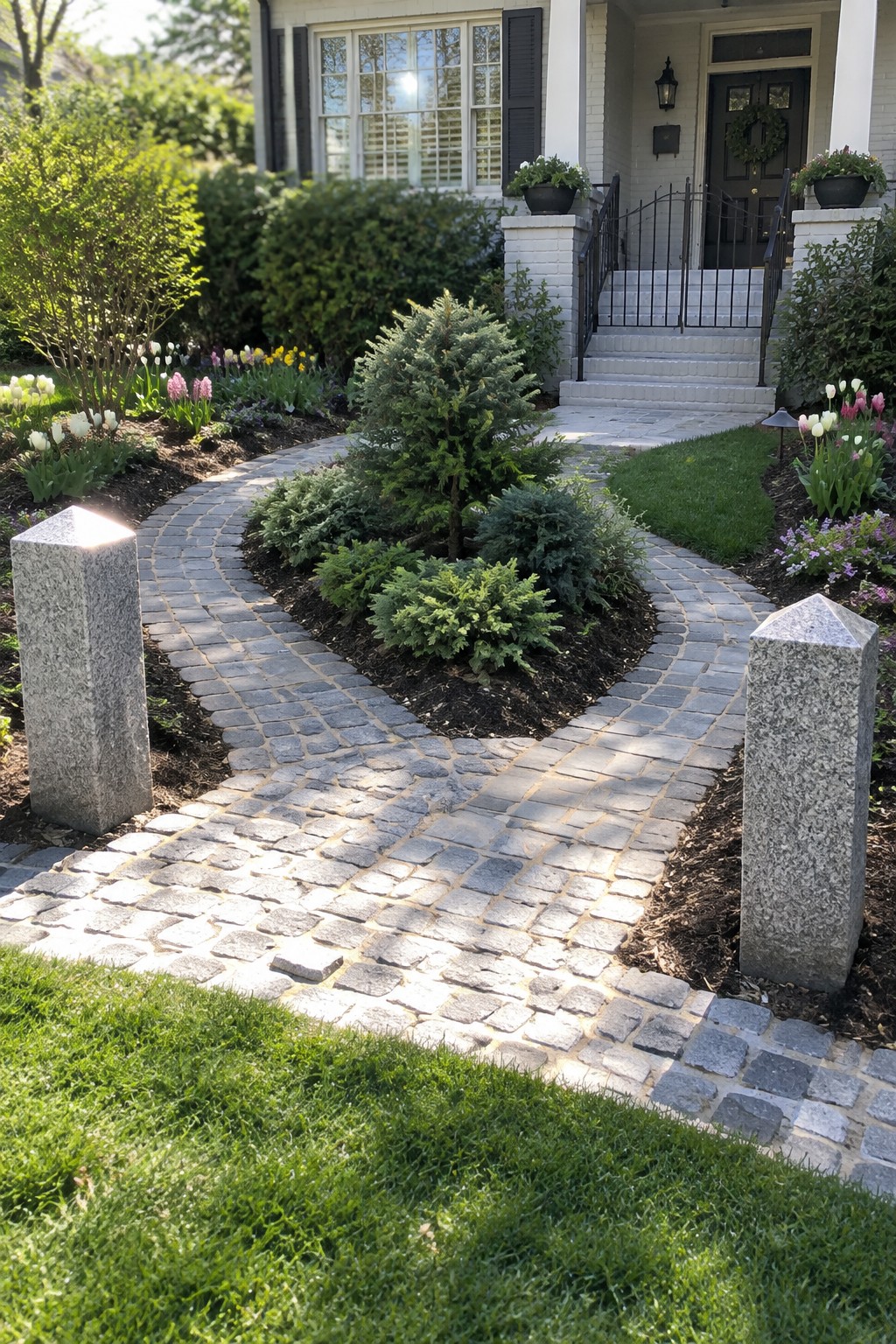
A winding stone path gives the yard more movement than a straight line ever could. It breaks up the lawn and lets the plantings feel like they belong where they are instead of sitting in stiff rows.
This layout works best in smaller front yards where you want a clear route to the door but still need space for beds on both sides. Keep the curves gentle so the path stays easy to walk and mow around.
Stone Slabs In Gravel Create Simple Garden Paths
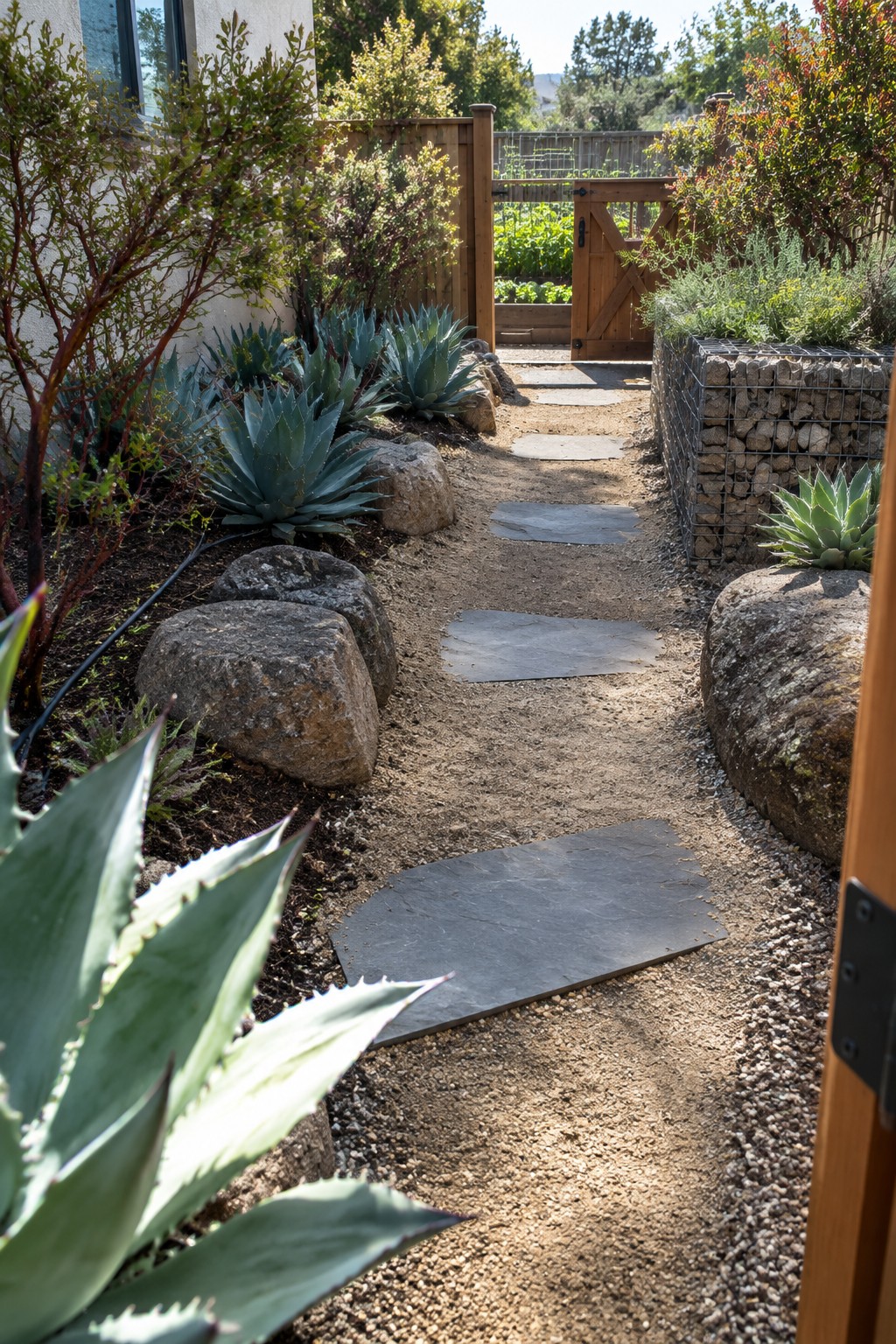
Stone slabs set into gravel make a path that feels natural and holds up well over time. The flat stones give steady footing while the gravel handles drainage and keeps the look loose and low key.
This approach works especially well in dry gardens or yards already using rocks and succulents. It suits homes that want a path without the cost or maintenance of a full paved walkway.
Stone Pavers Set in Gravel
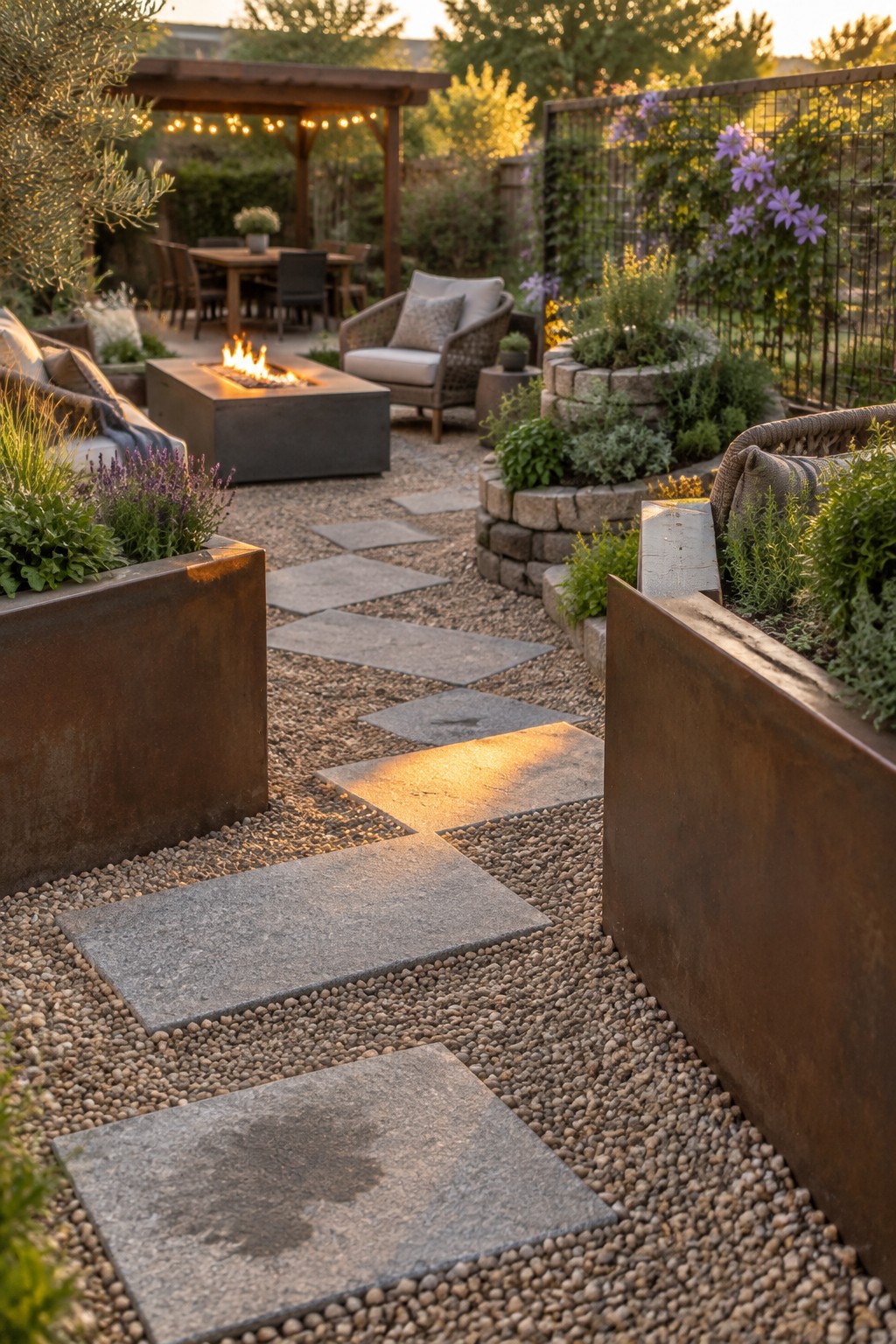
Stone pavers placed in gravel create a path that feels natural and stays practical. The large slabs give solid footing while the gravel fills in around them, allowing water to drain and keeping weeds down without much effort.
This layout works well along garden beds or between raised planters where you need a clear route but want to avoid a solid concrete surface. Use a compacted gravel base under the pavers so they stay level over time.
Stepping Stones Set In Gravel
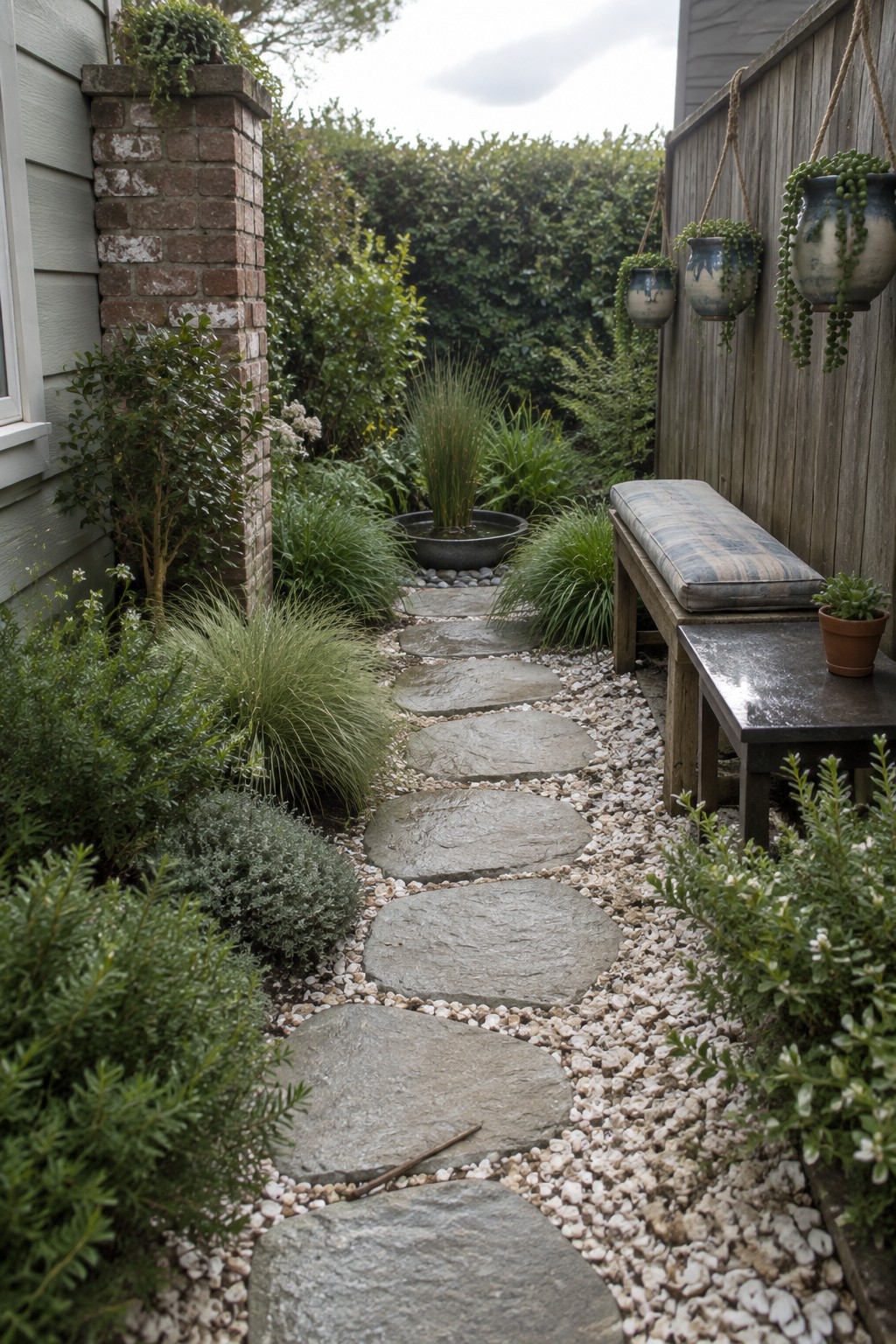
Many gardeners like this kind of path because the flat stones give you solid footing while the gravel keeps things simple and drains well after rain. It feels less formal than a solid walkway and lets the garden edges stay soft.
This layout works best in narrow side yards or along the house where you need a clear route but do not want to lay full paving. Keep the stones level and use a weed barrier under the gravel if you want to cut down on maintenance later.
Gravel Strips Between Stone Pavers
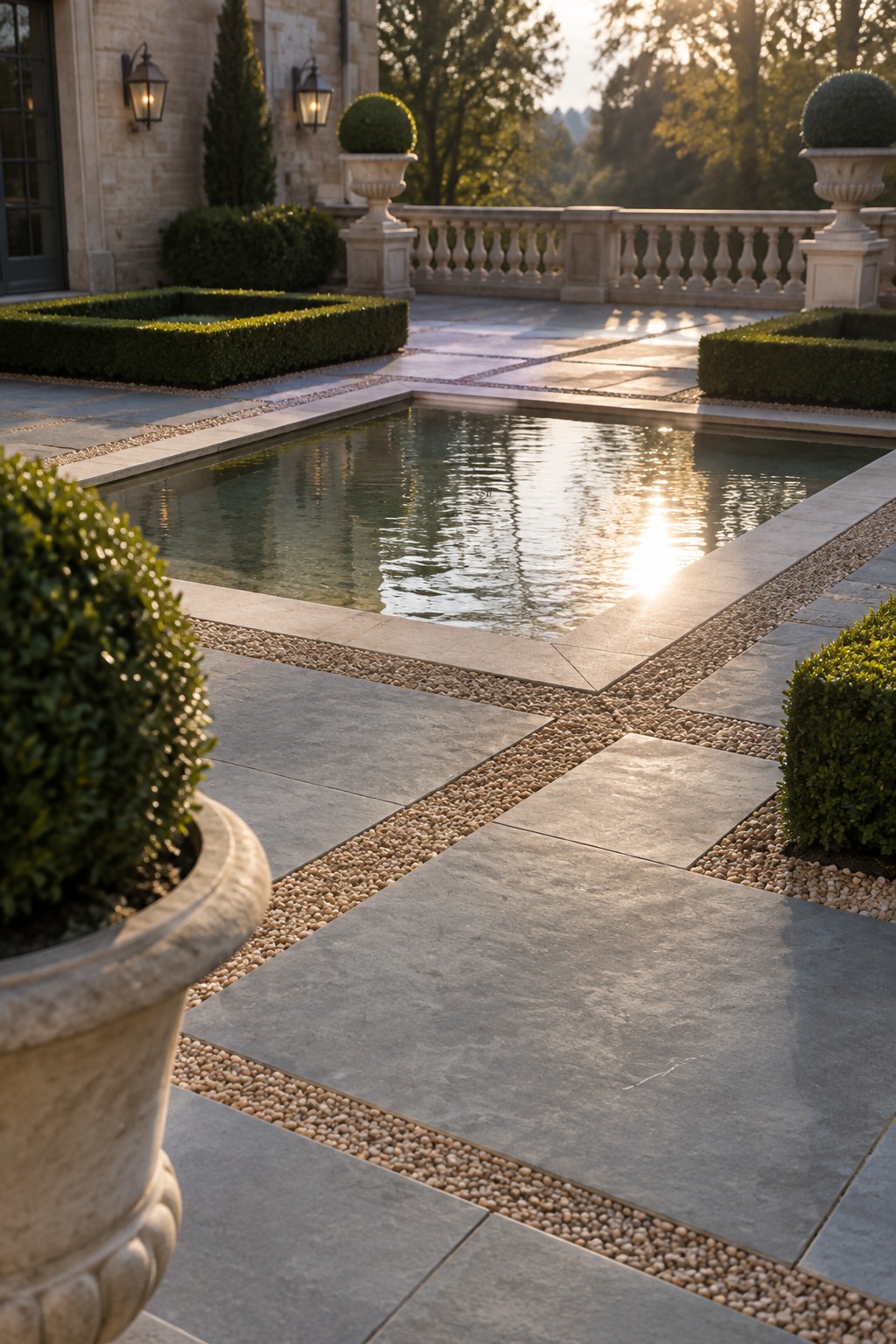
This layout uses wide stone slabs set in a grid with narrow gravel strips running between them. The mix gives clear walking paths while breaking up the hard surface, and it works especially well around pools or in open garden areas where you want structure without a full solid patio.
It fits best in larger yards or formal gardens where drainage matters and you want the paths to feel defined but not heavy. Keep the gravel sections narrow so they stay comfortable to walk on, and match the stone color to the house or walls for a pulled-together look.
Stepping Stones Set Into Gravel Create An Easy Woodland Path

Large flat stones placed right into gravel give a path that stays stable while still feeling natural under trees. The gravel handles drainage and keeps the surface from washing out on slopes, and the stones break up the look so it does not feel too formal.
This approach works best in shaded gardens where tree roots already shape the ground. Space the stones for comfortable steps and let the gravel fill in around them so the path settles in without fighting the existing landscape.
Stone Pavers Set In Gravel
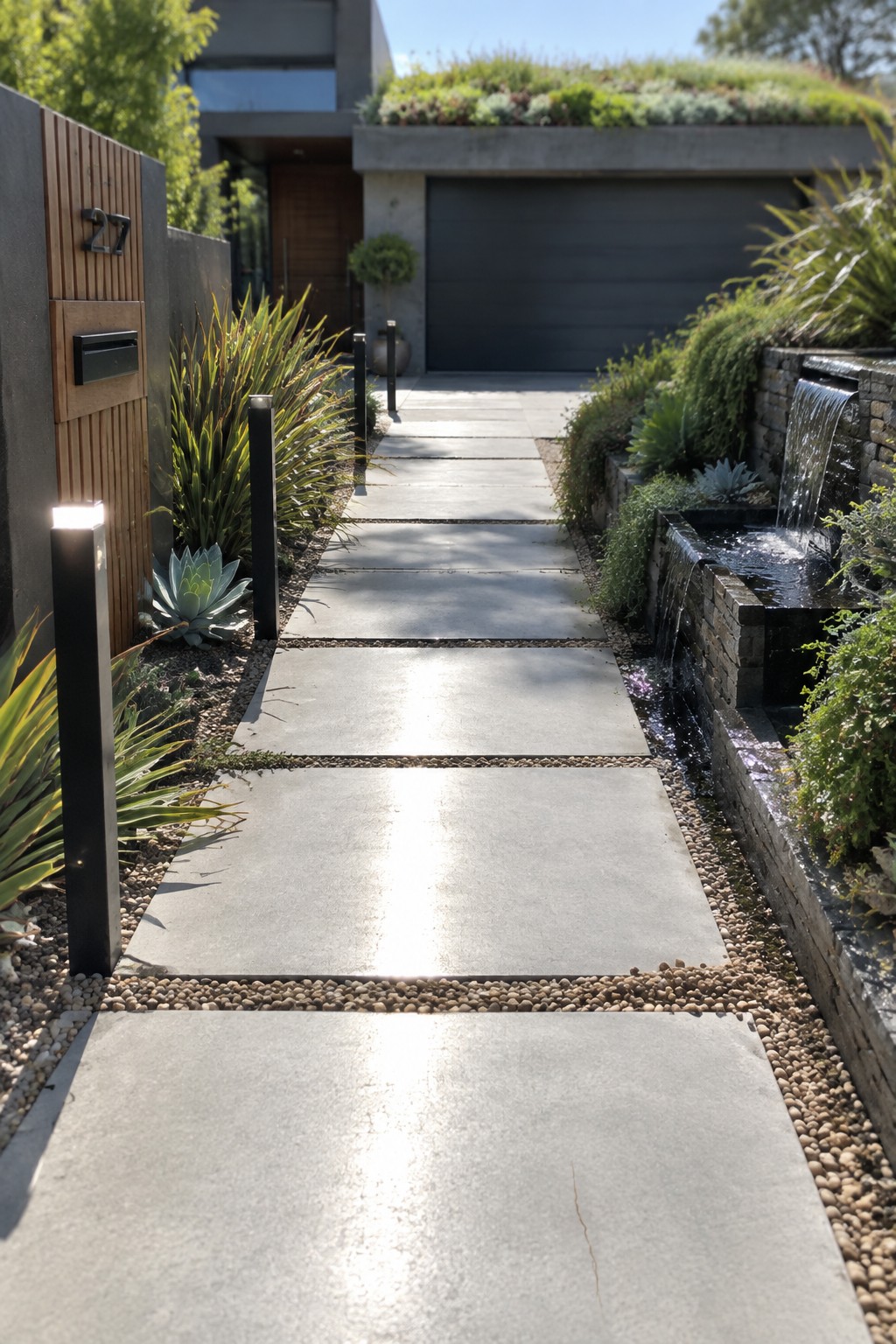
Large stone pavers with gravel filling the gaps give a path a solid, grounded look without making it feel too heavy. The wide slabs handle foot traffic well, while the gravel adds texture and helps water drain away from the surface.
This setup works best along the front or side of a house where you want a low-maintenance walkway that still looks intentional. Keep the pavers big and the gravel layer thin so the path stays easy to walk on and simple to sweep.
Gravel And Cobblestone Garden Paths
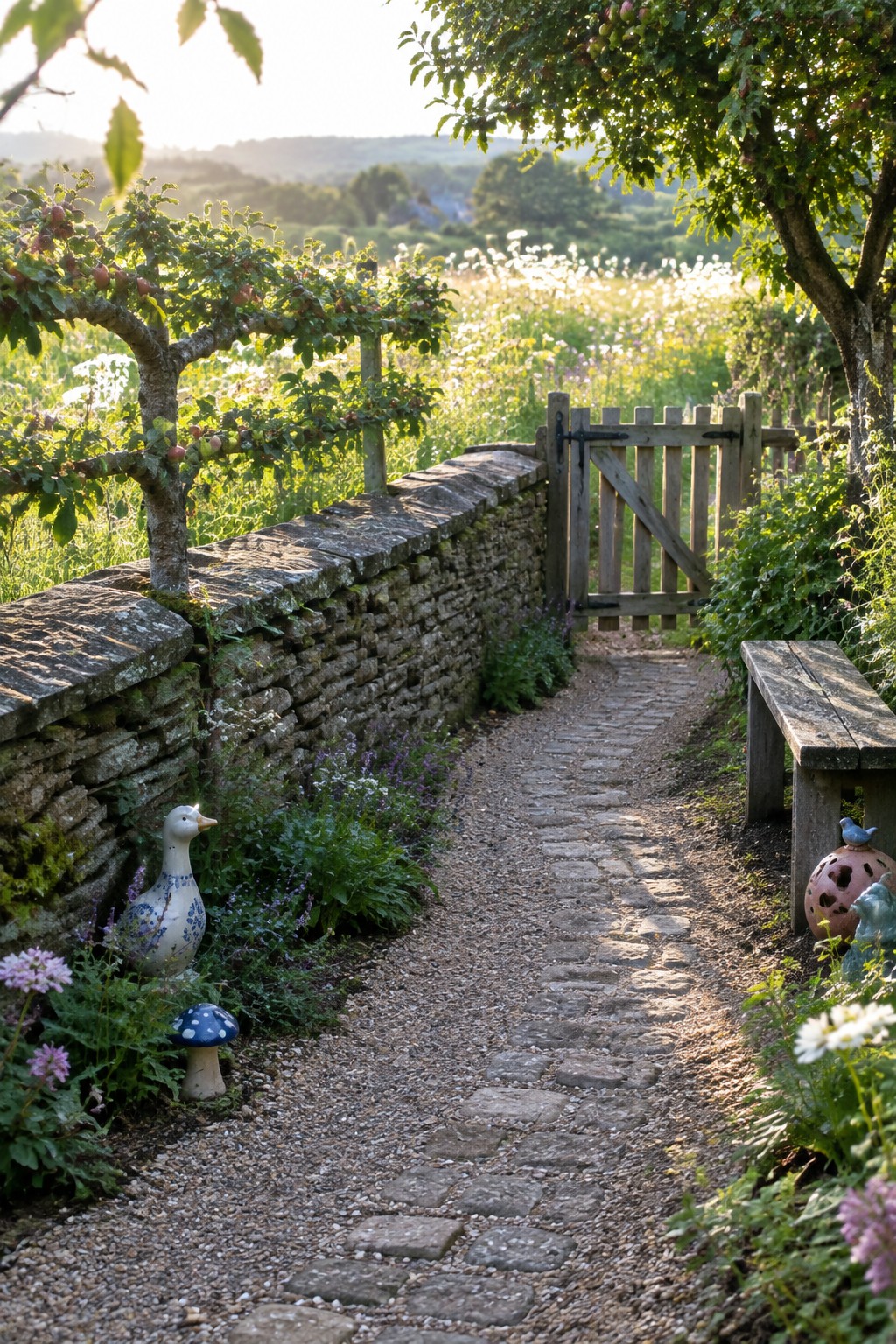
A gravel and cobblestone path works well because it feels natural underfoot and blends into the surrounding plants without looking too formal. The mix of materials keeps the walkway from feeling too hard or stark, especially when it runs beside a low stone wall that already has some age and moss on it.
This approach suits older gardens or cottage style homes where you want a path that looks settled rather than brand new. Keep the stones slightly irregular and let the gravel settle in over time so the whole thing softens. Avoid making the path too wide or perfectly straight if you want it to feel like part of the garden instead of a separate feature.
Stepping Stones Set Into Gravel Create Natural Paths
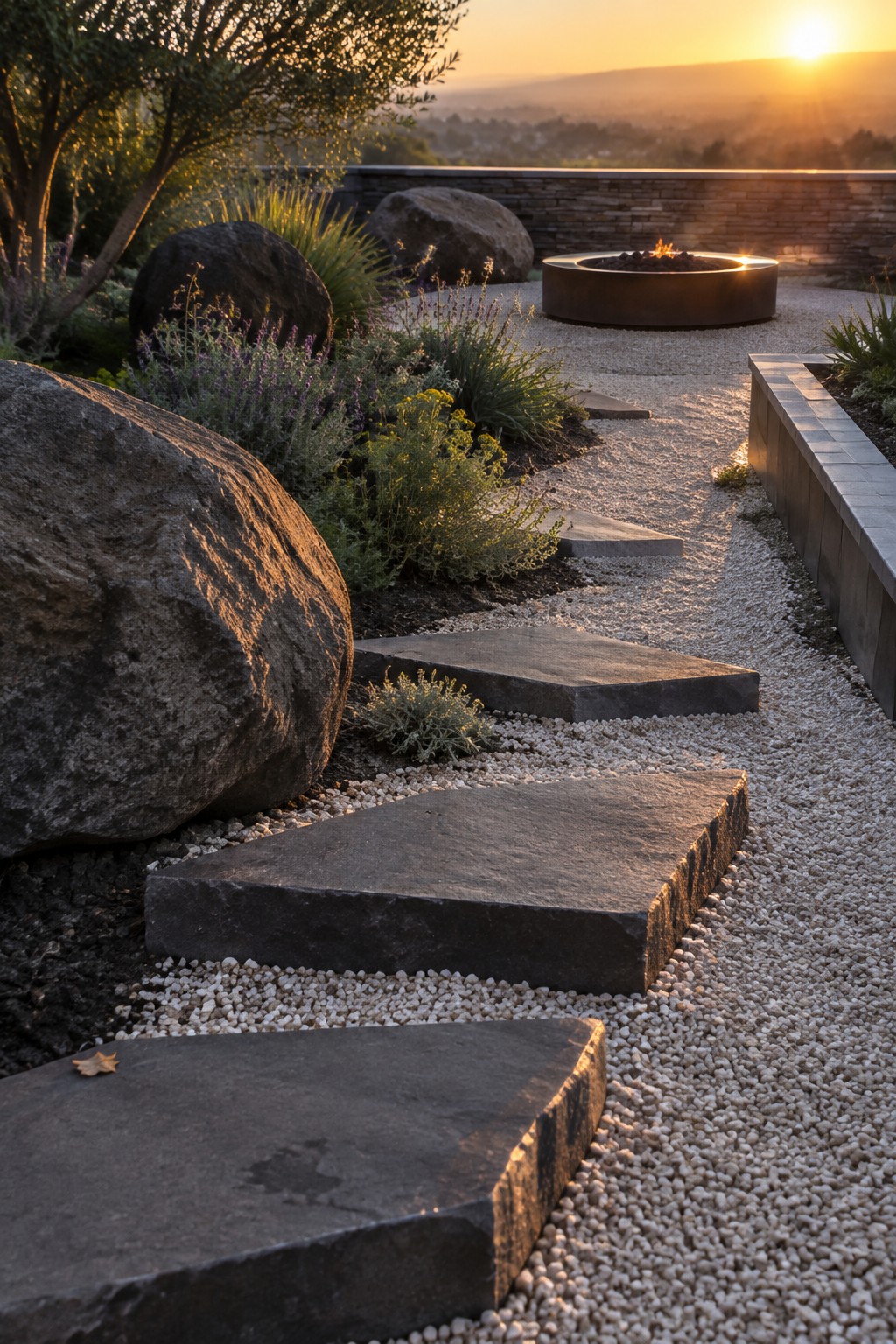
Many gardeners turn to flat stones placed directly into gravel when they want a clear walking route without a solid surface. The stones give solid footing while the gravel fills in around them and keeps the whole area looking loose and open.
This works especially well along the side of a house or through a larger planting bed where you need access but do not want to add a full paved walk. Keep the stones fairly level with the gravel so they stay comfortable underfoot and do not shift much over the seasons.
Stepping Stones In Gravel
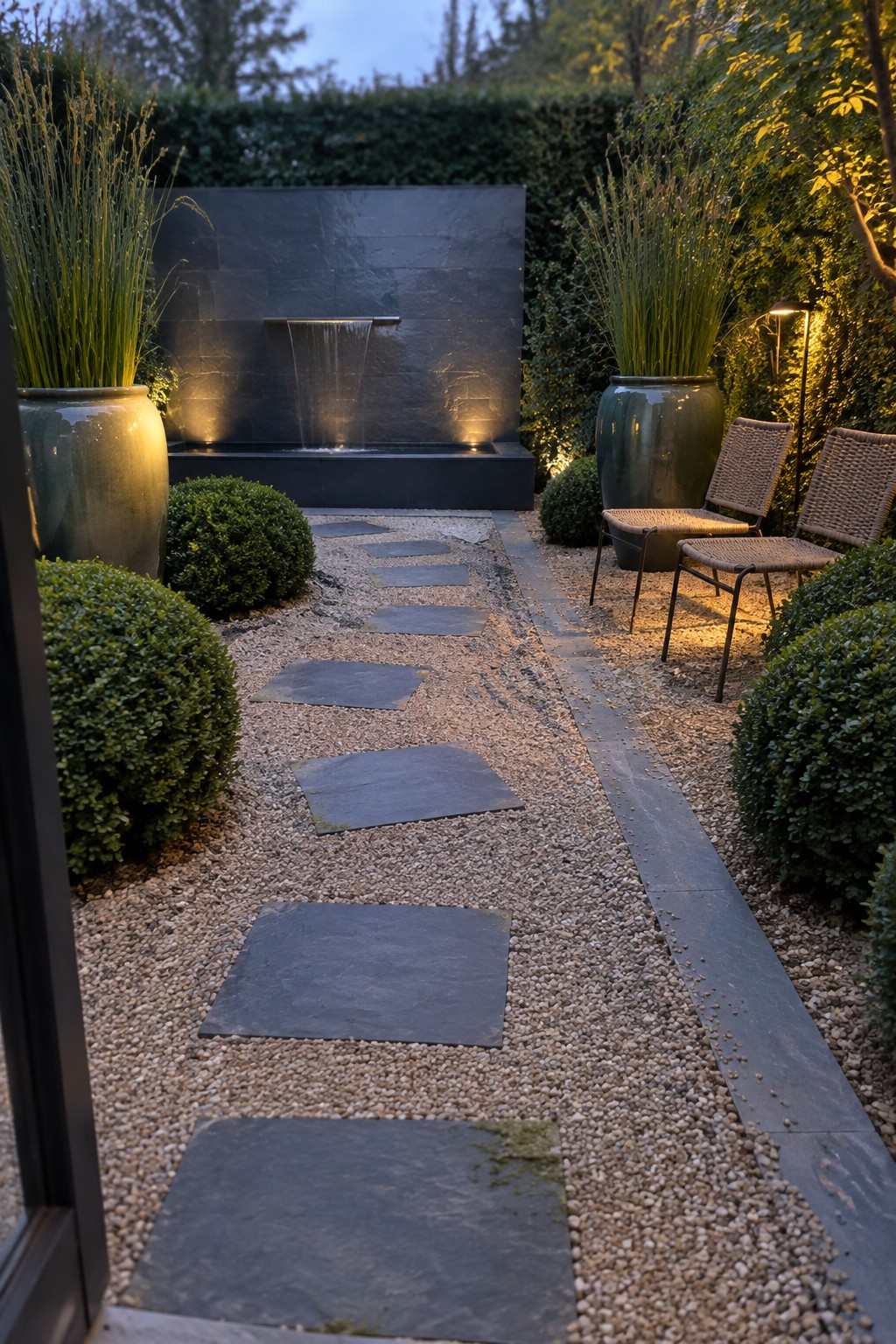
Large flat stones placed straight into gravel make a simple path that feels easy underfoot. The contrast between the solid slabs and the loose gravel keeps the surface interesting without adding much work.
This layout works best in smaller gardens or along side yards where you want a clear route but still need drainage. Space the stones at a comfortable stride and use a weed barrier underneath so the gravel stays neat over time.
Gravel Paths With Stone Edging
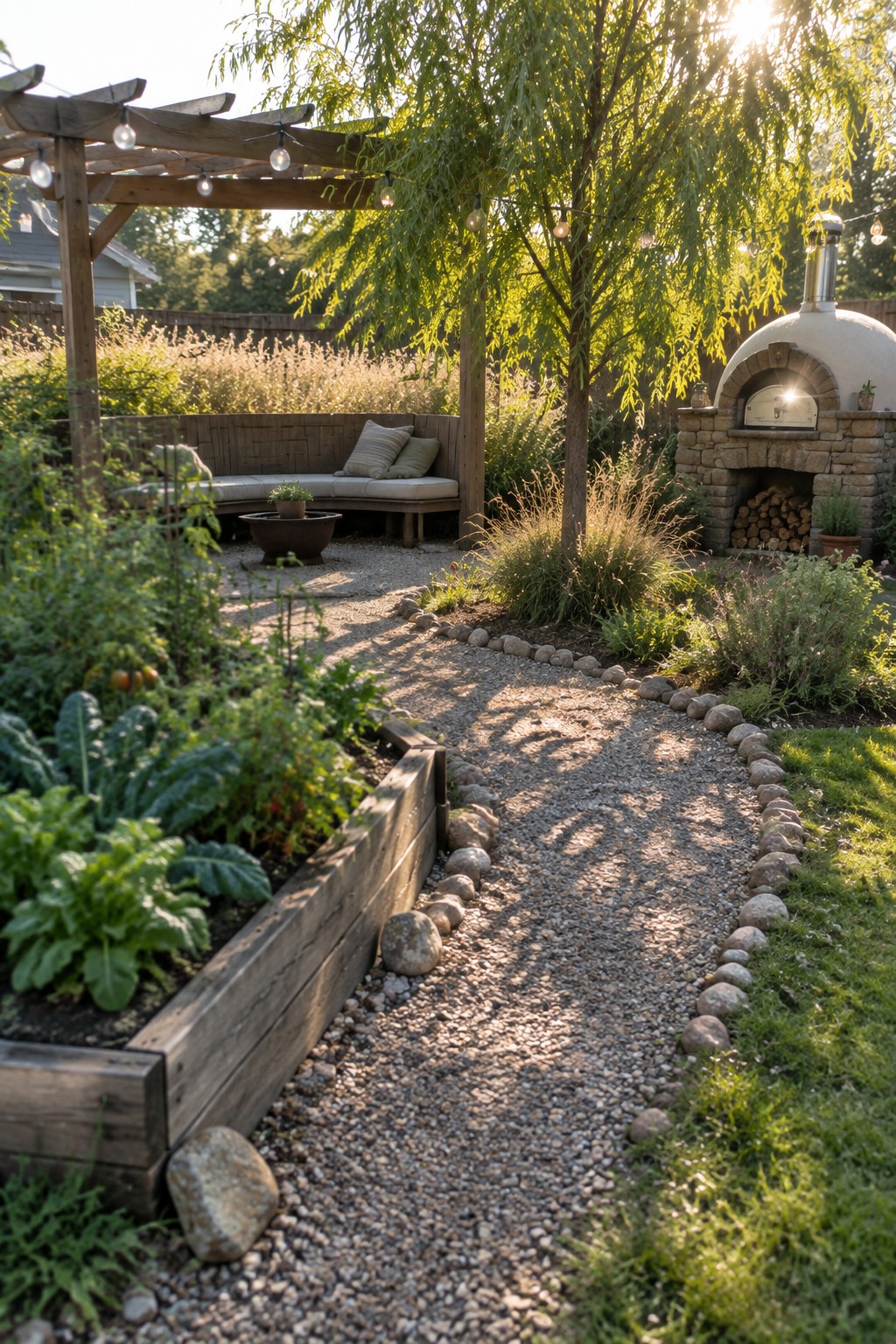
Gravel paths edged with stones give a garden a simple way to separate beds and keep foot traffic off the plants. The edging holds everything in place while the gravel lets water drain through instead of pooling.
This layout works best in yards that mix vegetables and ornamental plants since it creates clear routes without needing fancy materials. Just keep the path width comfortable for walking and make sure the stones sit low enough not to catch on mower wheels.
Mix Gravel and Grass in a Grid Pathway
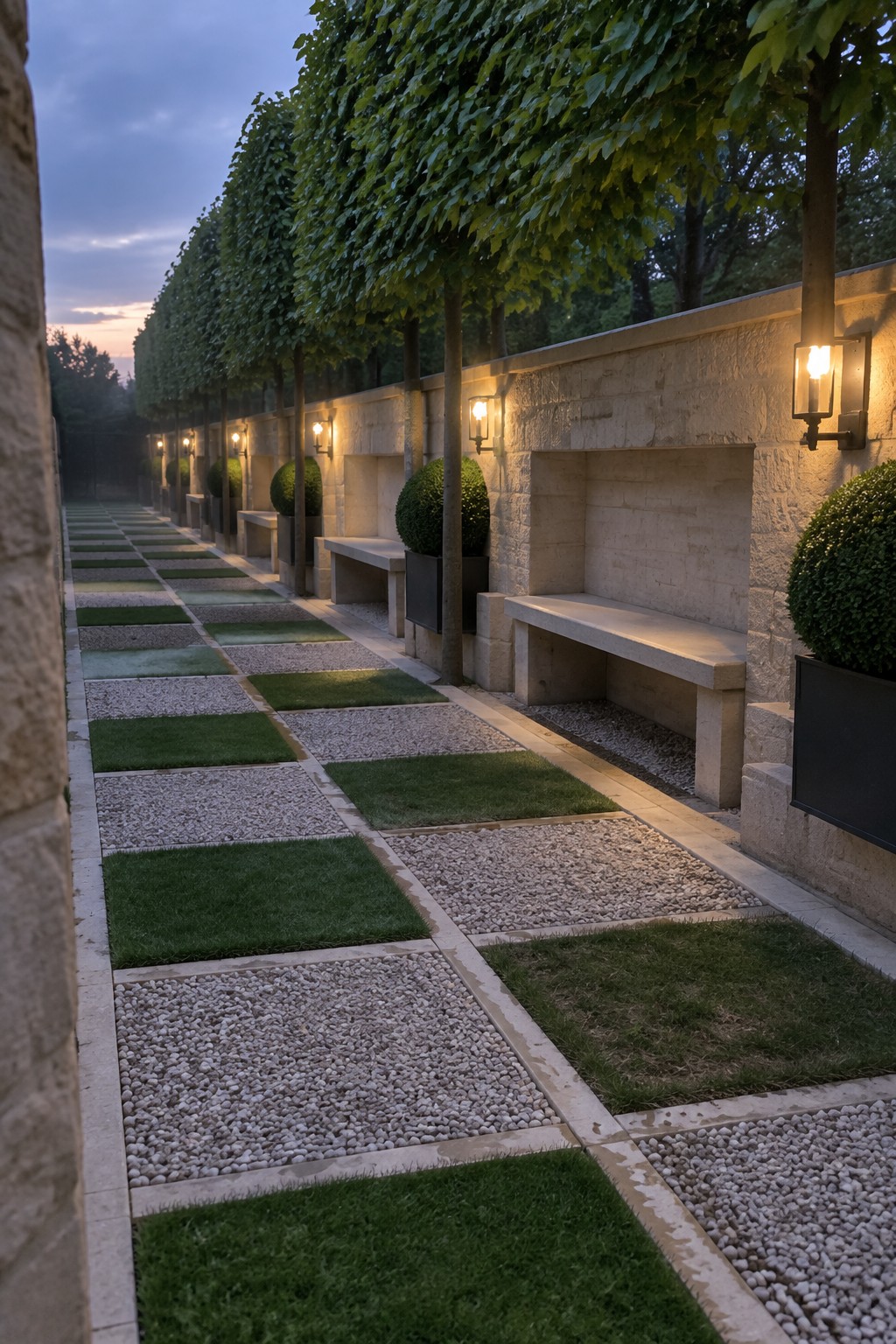
A grid of gravel and grass squares gives a path clear structure while still letting some green show through. The pattern keeps the walk from feeling too hard or too soft, and it works especially well along a long run where you need something simple but not plain.
This approach suits side gardens or narrow stretches beside a wall. Use stone edging to hold the squares in place and space the gravel sections a little wider where foot traffic is heavier so the grass does not wear out too fast.
Stone Slabs Set In Gravel For Garden Paths
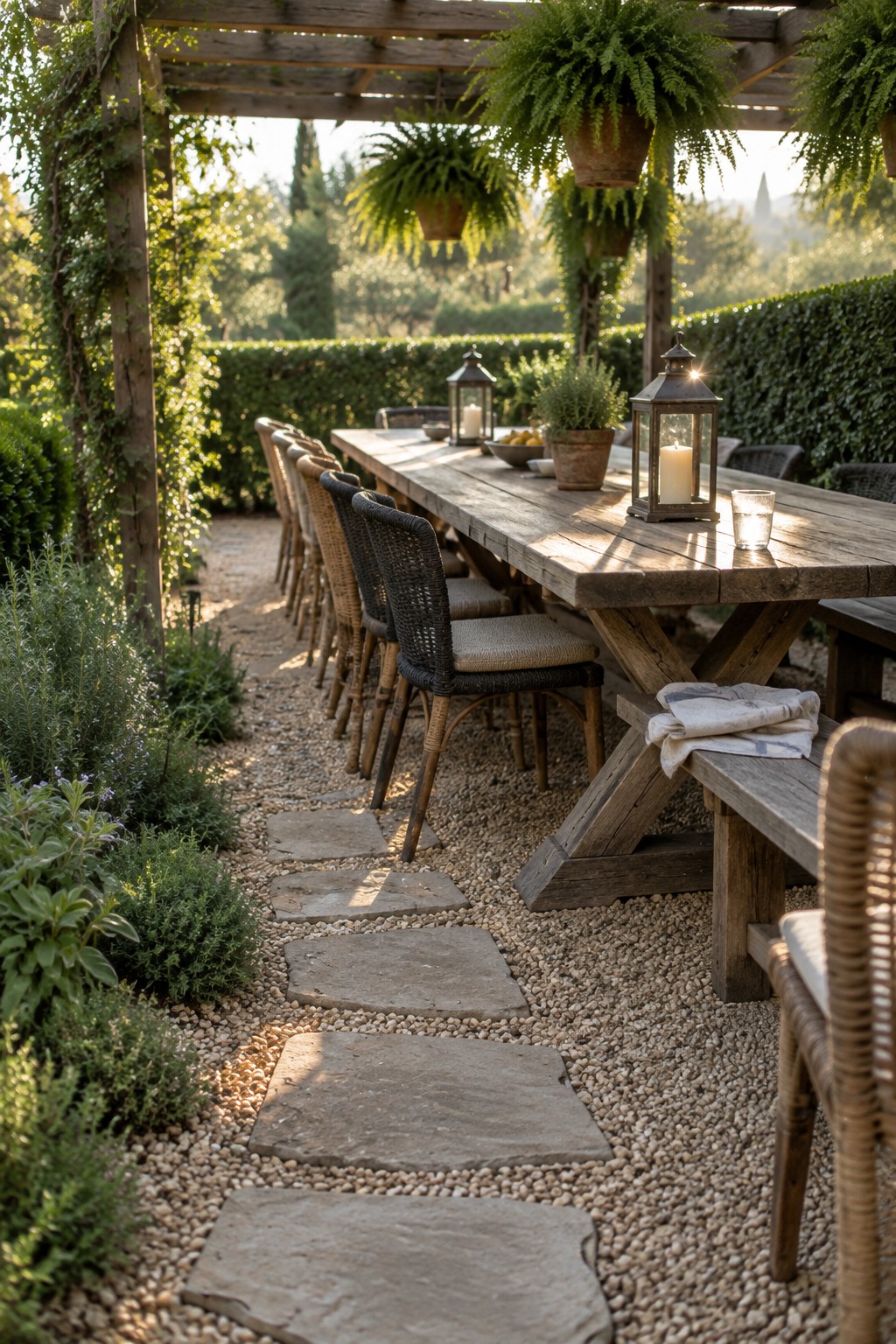
Large flat stones placed in a bed of gravel make a simple path that handles foot traffic without looking too formal. The combination drains well after rain and keeps weeds down better than bare soil, while the stones give you solid footing.
This approach works well in side yards or back gardens that lead to a dining spot or seating area. Space the stones so most people can step naturally from one to the next, and keep the gravel layer a few inches deep for stability.
Frequently Asked Questions
Q: Will weeds take over my gravel path after a season or two?
A: Lay landscape fabric under the gravel right from the start. This blocks most weeds without much extra work. Pull any that do pop up by hand before they spread.
Q: What happens to the path if it rains hard?
A: Gravel paths drain well but you might see some shifting. Rake it back into shape once it dries. Adding a border of larger stones helps hold everything steady.
Q: Can I mix stone and gravel in the same walkway?
A: Yes, use bigger stones for the edges and gravel in the middle. It creates a nice contrast and makes the path feel more solid underfoot.
