

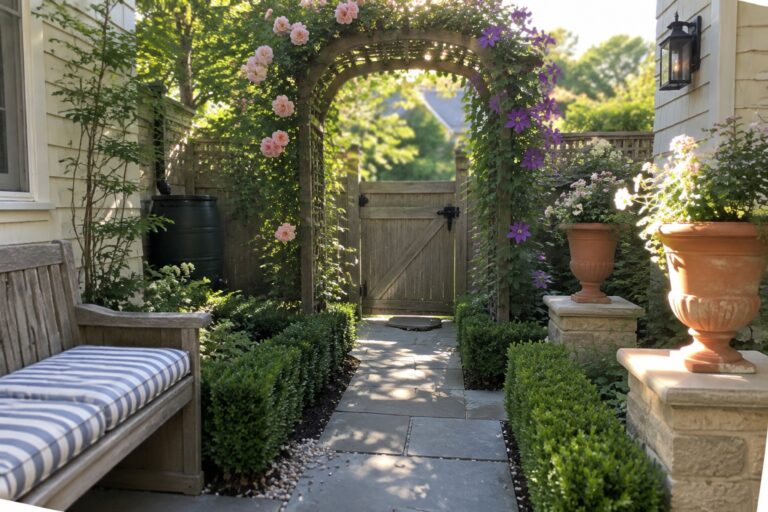
In my own small yard the layout always feels better when I use vertical elements to draw the eye upward instead of spreading plants out flat across the ground.
Vertical planting helps create structure along fences and walls so pathways stay clear and the space does not feel closed in.
I have seen how simple trellises and stacked planters can turn a plain edge into something that changes the whole feel over a few seasons.
Not every trick works the same in every yard.
That is why I like to try one or two new approaches at a time and watch how they settle in with the existing plants.
Cover an Arbor With Climbing Vines
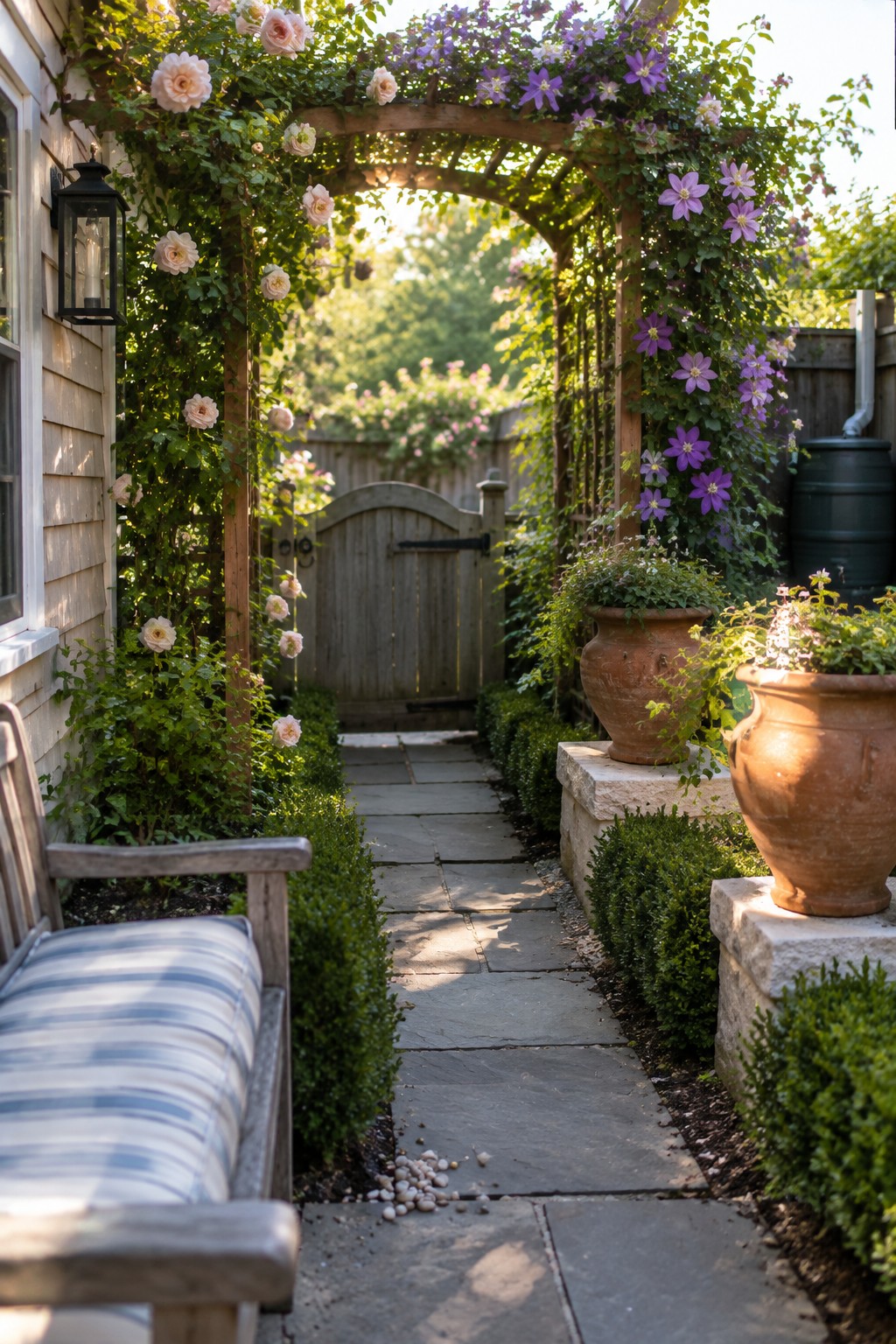
One way to get more planting height in a small yard is to run climbing vines over an arbor. The structure takes up almost no ground space yet adds a full wall of flowers and leaves that changes with the seasons.
This works best along a narrow path or beside the house where you still need room to walk. Choose a simple wood arbor and plant roses or clematis at the base so they can reach the top without crowding other beds.
Mount Planters On The Wall
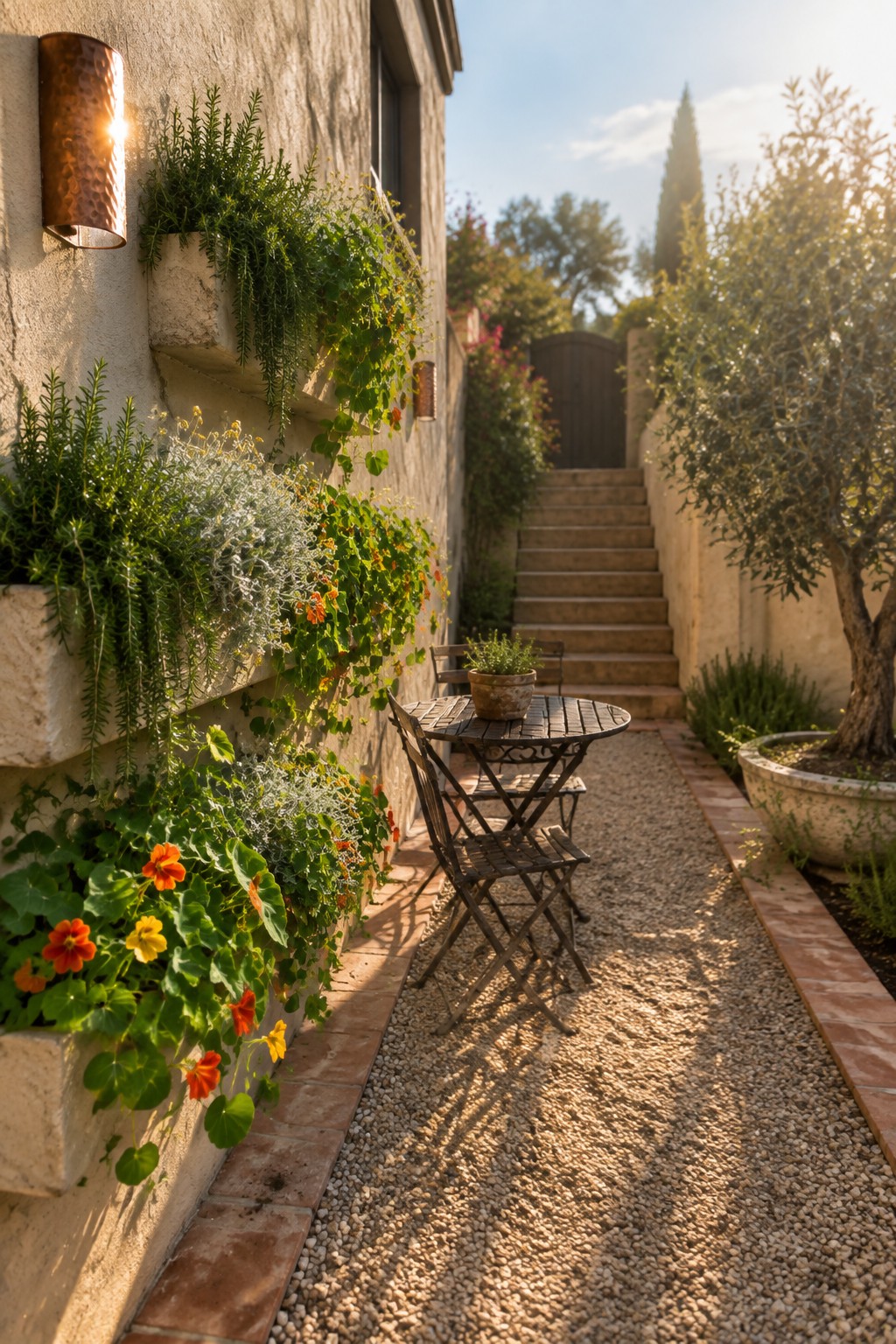
Wall planters let you bring in plenty of greenery when ground space is limited. They turn a plain vertical surface into a living feature that adds color and texture without crowding the walkway or patio area below.
This approach works well along narrow side yards or tight paths where a full bed would feel cramped. Choose sturdy brackets and plants that trail or spill over the edges so the look stays full but controlled.
Add a Vertical Wall Garden to Save Ground Space

A vertical planting wall works well when ground space is limited. The pockets hold a lot of plants without taking up much room at the base, so you can still keep paths and seating areas open. Succulents fit especially well because they stay compact and need little water.
This setup suits small yards with at least one solid fence or wall to attach to. Place it where it gets the right light for the plants you choose, and keep the lower bed simple with gravel or low ground cover so the wall stays the main feature.
Mount Boxes on the Wall to Grow More in Less Space

Mounting planters directly on a brick wall frees up ground space in a small yard. Wooden boxes at different heights let you grow herbs, greens, and even small tomatoes without crowding the patio floor.
A tiered metal stand does the same job and can be shifted around when needed. This approach works best in paved or narrow yards where every square foot counts and you still want fresh produce within reach.
Use Trellises for Vertical Planting

Trellises give small yards a way to add plenty of greenery without eating up ground space. In tight areas they turn blank walls or fences into living backdrops that feel full and layered instead of flat.
Place them along one or two sides where you need coverage most. Climbing vines fill in quickly and the open structure keeps the look light instead of heavy. This works especially well in narrow side yards or small patios where floor room is limited.
Mount Wall Baskets for Vertical Planting
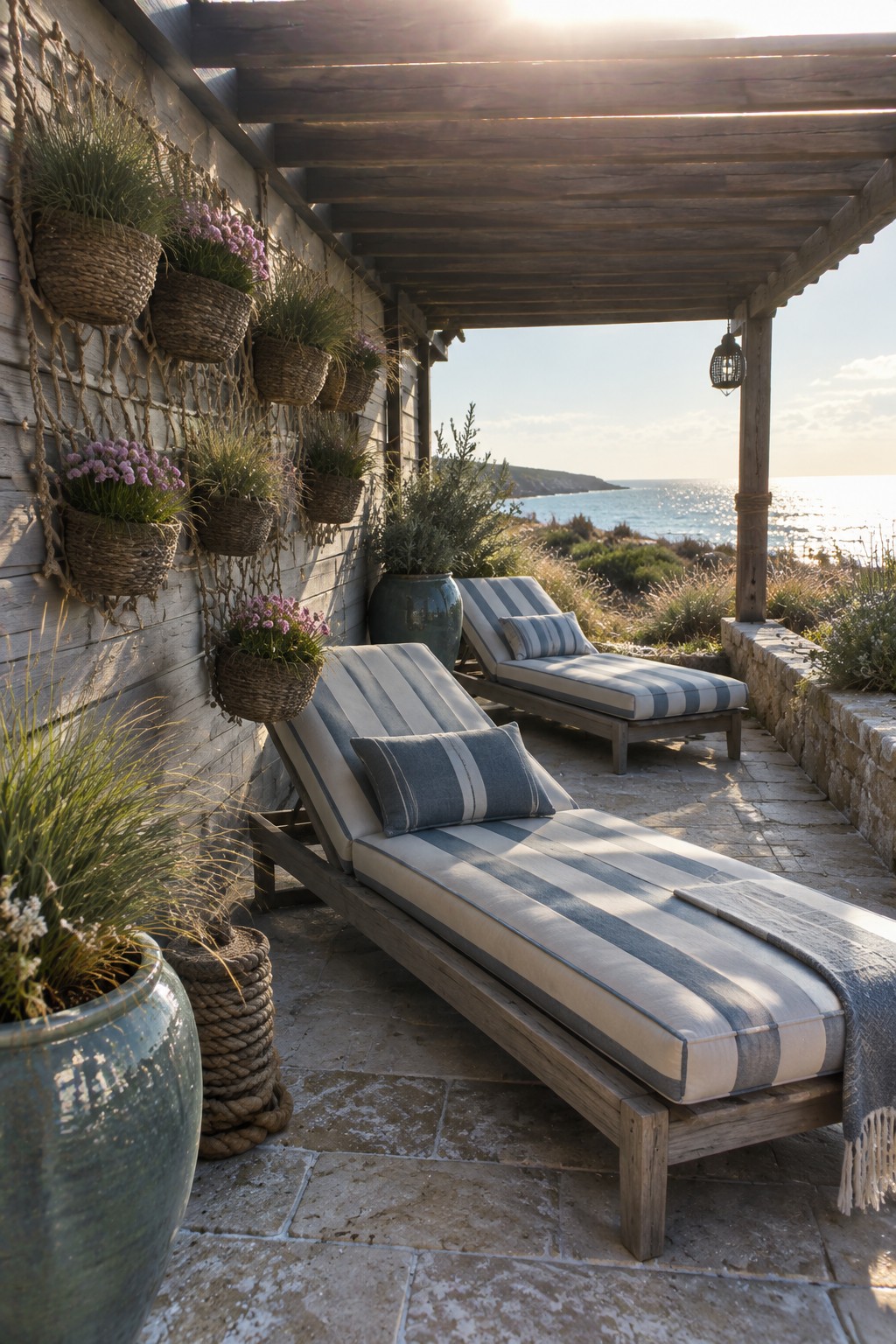
One easy way to add more plants in a small yard is to put them on the wall instead of the ground. Hanging baskets mounted in a loose grid let you grow grasses and flowers upward without taking up patio space or blocking walkways.
This approach works best on solid fences, pergola sides, or house walls that can hold the weight. Use strong rope netting or brackets, and keep the baskets at a reachable height so watering stays simple.
Vertical Planting Frames Narrow Paths

Running a trellis along one side of a path lets vines climb and fill the vertical space without crowding the walkway. Tall evergreens behind the trellis add more height and keep the area feeling enclosed but not tight.
This approach suits long, narrow side yards on modest lots where ground space is limited. Pick a simple wood or metal grid that matches the fence, then choose climbers that grow fast in your climate so the structure looks covered within a season or two.
Use a Vertical Garden Wall

A vertical garden wall lets you pack in plenty of plants without taking up any floor space. The setup here uses a simple grid of mounted boxes that hold trailing vines and leafy greens, turning an otherwise blank wall into the main source of life in the area.
This approach works especially well on balconies, rooftops, or narrow yards where ground room is tight. Start with a basic frame or pocket system, pick plants that match your light and wind exposure, and water them regularly since wall planters dry out faster than ground beds.
Mount Planters On The Wall To Save Space

Vertical planting on a wall works well in small yards because it keeps the ground clear while still giving you room for plenty of plants. The metal boxes sit right against the brick and hold ferns and leafy greens without crowding the walkway or seating area.
This setup works best on a solid wall that gets some sun. Secure the planters firmly and check the drainage so water does not stain the surface below. It suits narrow side yards or small patios where floor space is limited.
Mount Planters On A Wall To Add Greenery

Mounting planters directly on a fence or wall gives you more planting space without crowding the ground. It works especially well in small yards where every square foot counts and leaves room for seating or a table.
This approach suits homes with limited outdoor space and looks best when the boxes match the fence material. Make sure the wall can handle the weight and water the plants often enough to keep them thriving.
Vertical Walls Turn Blank Surfaces Into Planting Space

A vertical garden wall gives you room for lots of plants even when the ground space is tight. It uses the side of a building or fence to create height and texture without crowding the patio or path below.
This works best on a sunny or partly shaded wall that can support the weight of the planting system. Succulents and moss hold up well in these setups and need little watering once established.
Mount Planters on a Wall for More Greenery
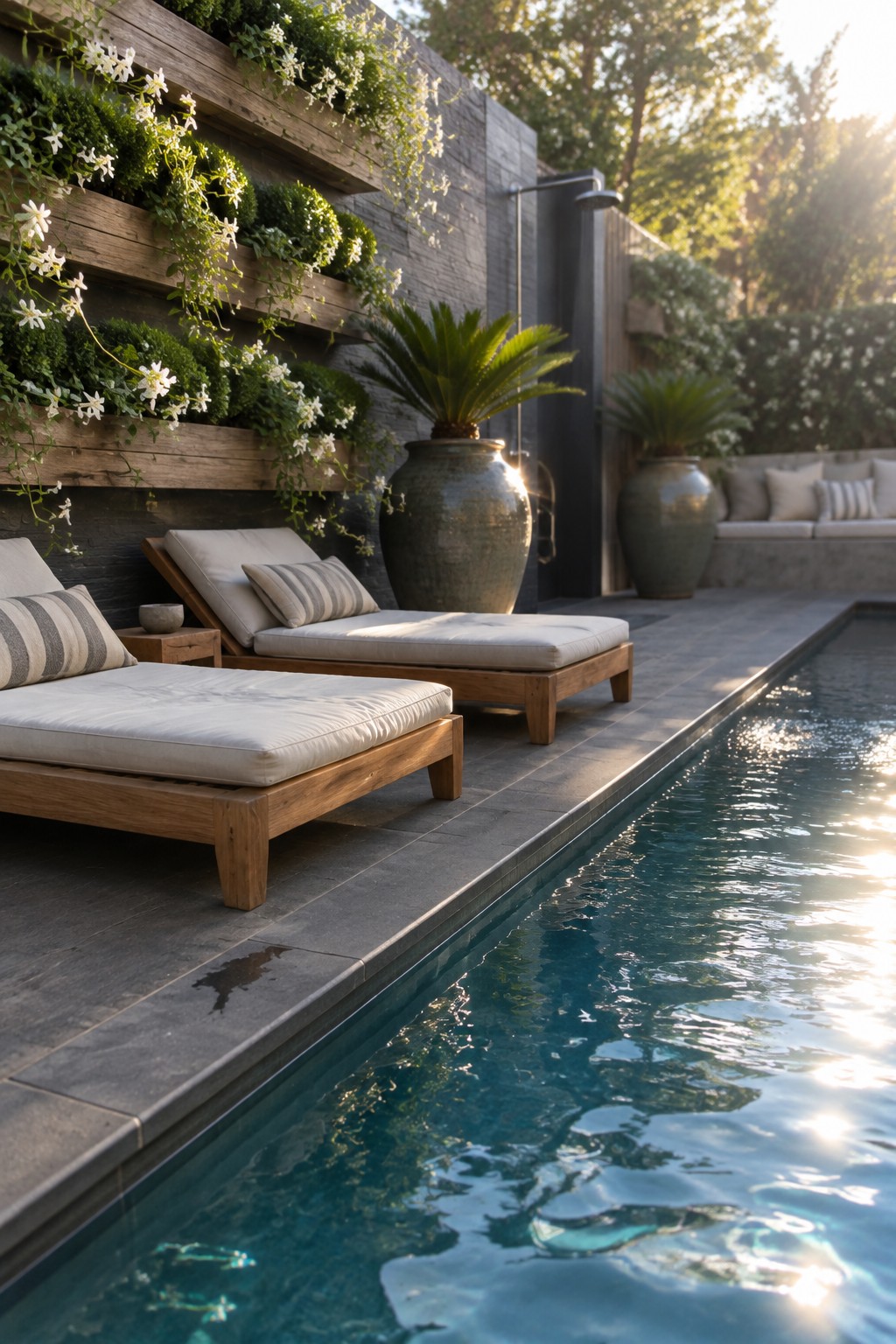
One way to fit more plants into a small yard is to build upward instead of outward. A wall with rows of wooden planters lets trailing plants and shrubs cover the surface without taking up floor space around a patio or pool.
This setup works best on a fence, side wall, or boundary where you want some privacy and color. Keep the planters at a reachable height so watering stays simple, and choose hardy varieties that handle sun or shade depending on the spot.
Create a Vertical Garden Wall With Hanging Pots
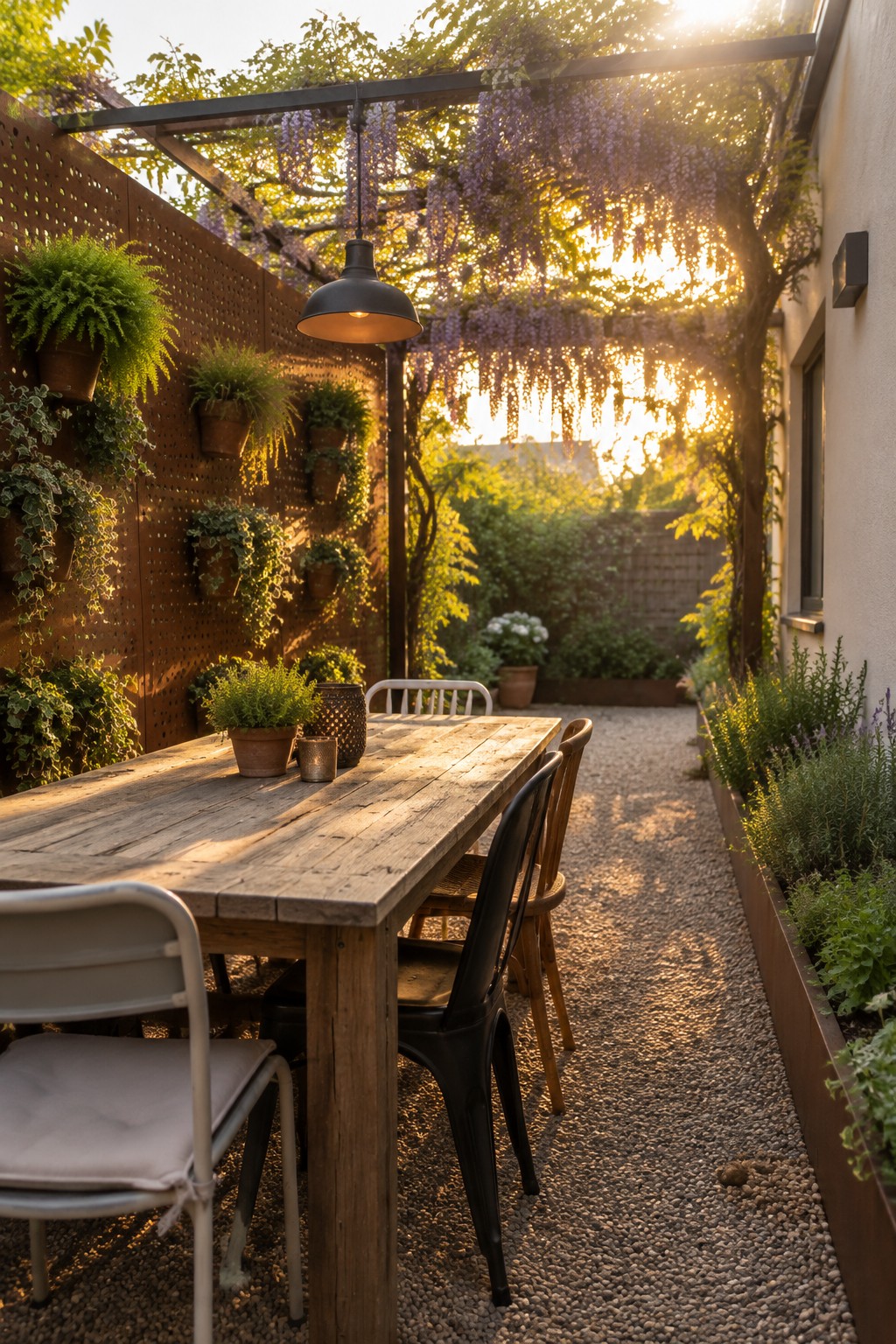
One easy way to pack more plants into a small yard is to hang them on a wall instead of spreading them across the ground. A simple screen or fence panel can hold rows of pots at different heights, giving you a full green backdrop without crowding the path or seating area.
This approach works best along narrow side yards or right next to a patio where floor space needs to stay open. Use a sturdy material that can handle the weight, and pick plants that suit the amount of sun the wall gets throughout the day.
Mount Planters On The House Wall
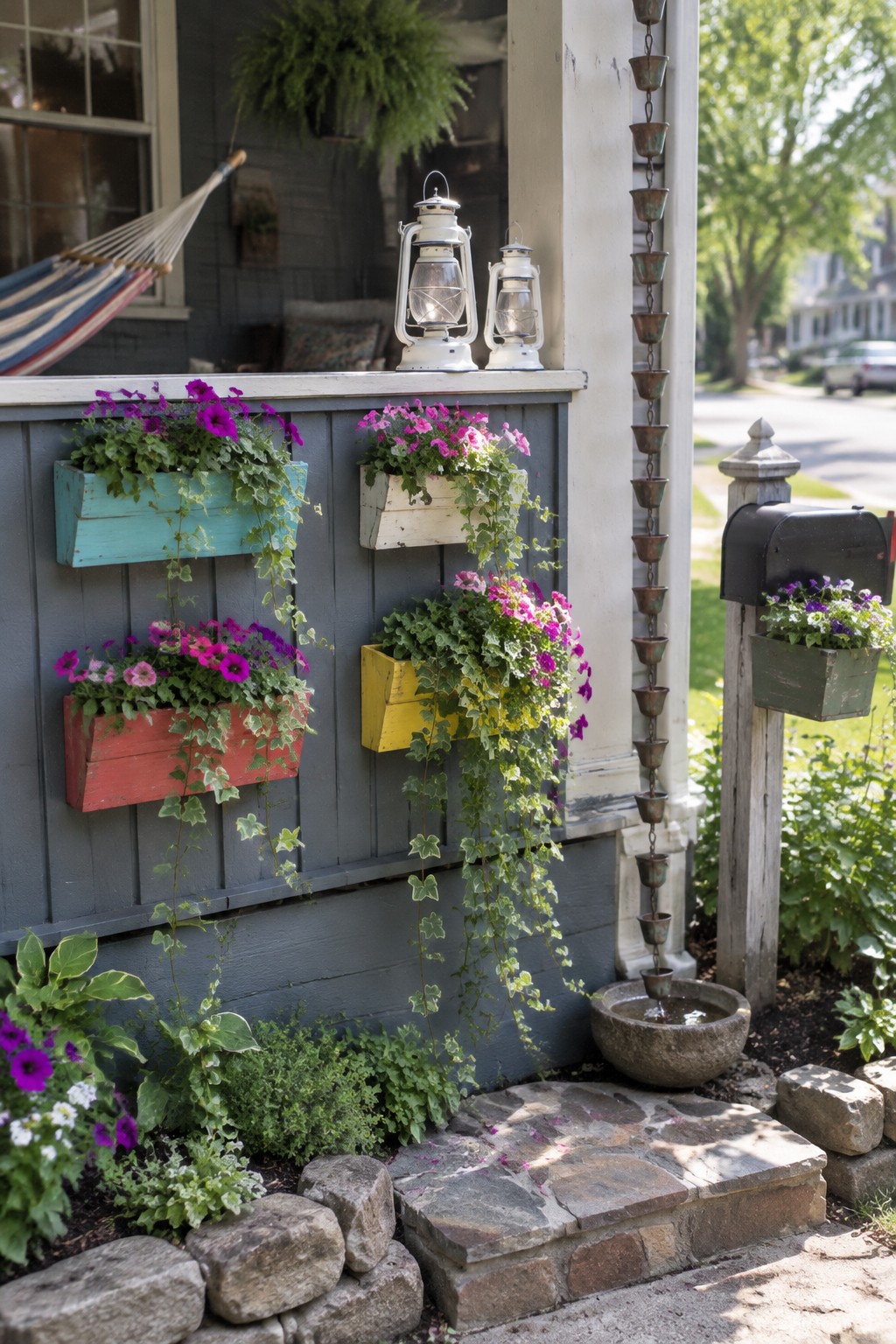
One simple way to add more plants in a small yard is to fix wooden boxes straight onto the side of the house. This keeps the ground free while letting flowers and trailing vines spill down the wall.
It suits homes with plain siding that could use some color and life. Just make sure the boxes are well secured and the wall surface can handle a bit of moisture from the soil.
Vertical Planting on Fences Maximizes Small Yards

Putting a simple wire grid on a fence lets you grow more in a narrow space without crowding the ground. The plants climb instead of spread, which keeps pathways clear and adds height without extra beds.
This setup works best along side yards or property lines where width is limited. Secure the grid firmly to the fence posts and pick climbers like cucumbers or beans that handle the vertical habit well.
Add Wall Shelves for Vertical Planting
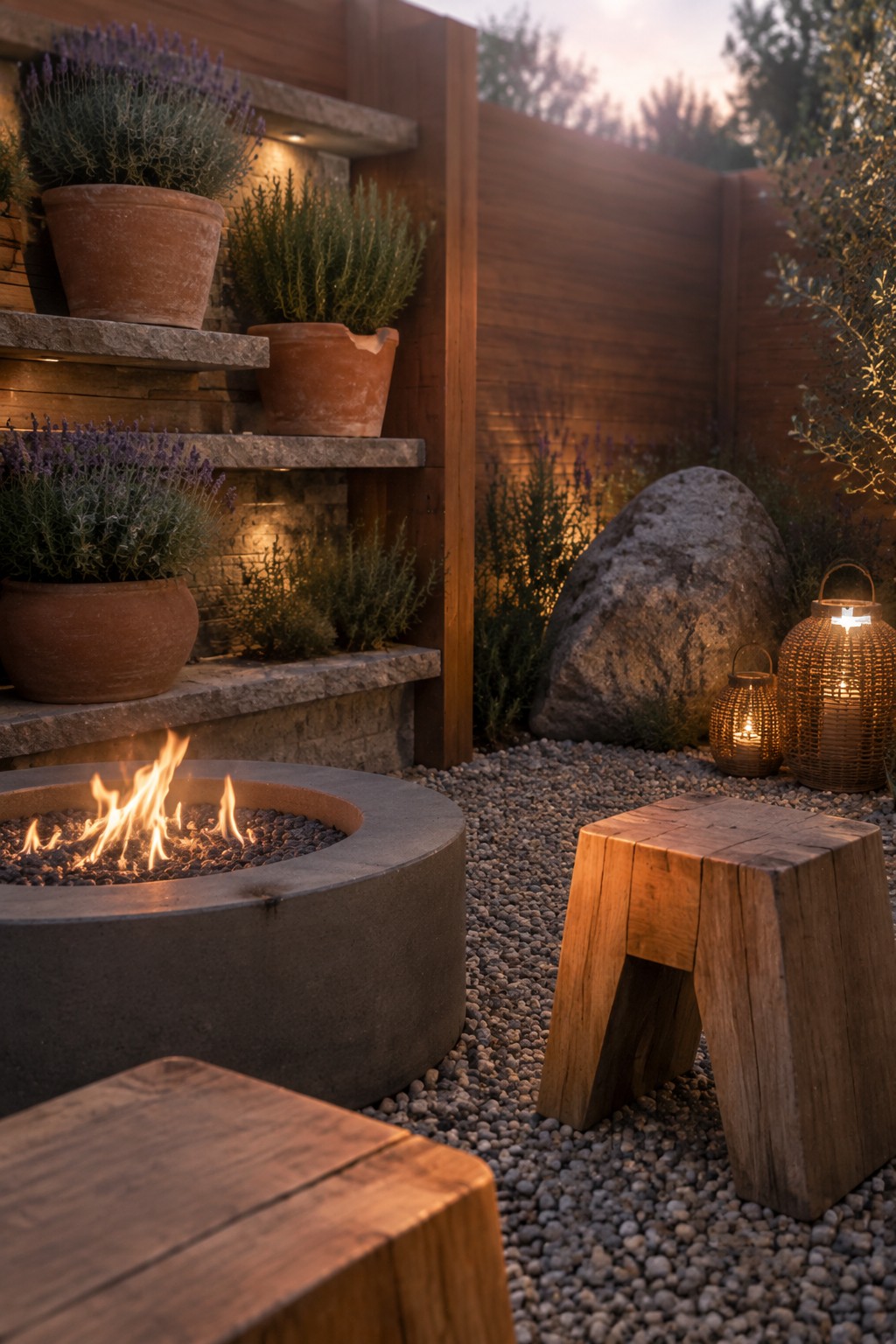
One simple way to fit more plants into a small yard is to run shelves along a fence or wall. This keeps the ground clear for seating or paths while still giving you room to grow herbs, flowers, or shrubs at different heights.
The setup works best on a solid fence or side wall where you can attach sturdy ledges. Use it in a corner or along one edge of the yard so the plants stay out of the main walking area and do not crowd the space.
Add a Vertical Pallet Garden

A vertical pallet garden works well in small yards because it turns an empty wall into usable growing space without eating into the floor area. You can fit many plants in one spot, which helps when the ground is mostly paved or taken up by seating.
This setup works best against a fence or side wall where you have a few feet of clearance. Secure the pallets firmly, line the back, and fill them with soil before planting. It suits townhomes or small patios that need more greenery but lack room for wide beds.
Grow Plants In Wall Pockets
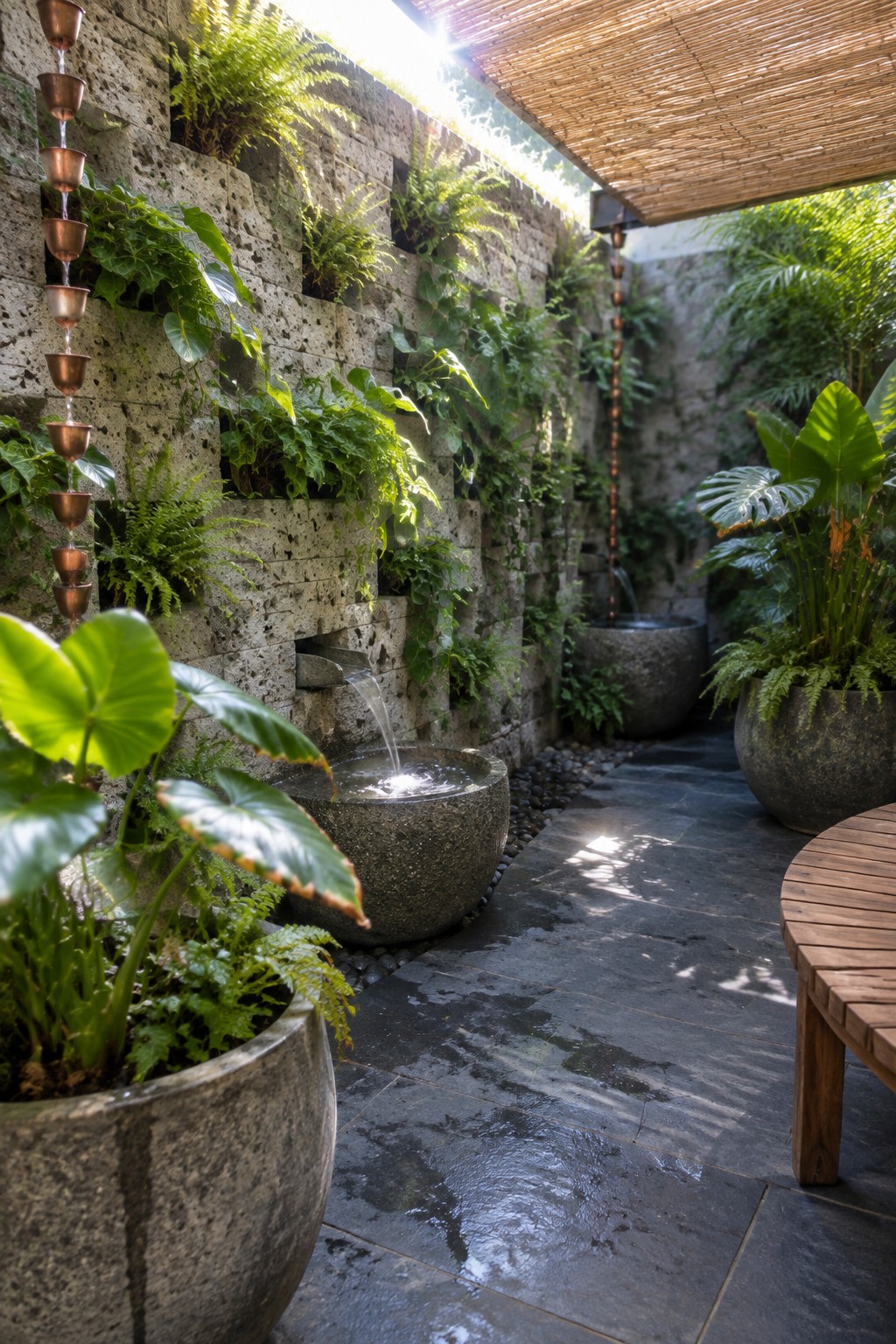
One of the easiest ways to add more planting space in a small yard is to build pockets right into a wall. These recessed spots let you tuck in ferns, vines, and leafy plants without taking up floor area. The stone wall in the photo shows how the pockets can feel like part of the structure instead of an add-on.
This approach works best on solid walls that already get some shade or filtered light. It suits homes with narrow side yards or tight corners where regular beds would crowd the path. Just make sure the pockets are deep enough for soil and have good drainage so the plants do not dry out too fast.
Hang Planters on Posts for Vertical Color

Hanging planters on simple posts let you bring flowers and greenery up off the ground in a small yard. This keeps the path clear while still giving you layers of color that change with the seasons. It works especially well in narrow side yards or along gravel walks where ground space is tight.
Try grouping a few planters at different heights on one or two posts. Choose plants that trail a bit so they soften the edges without spreading into the walkway. This approach suits most small yards and needs only basic posts and sturdy fabric or metal containers.
Mount Planters on Walls to Free Up Ground Space
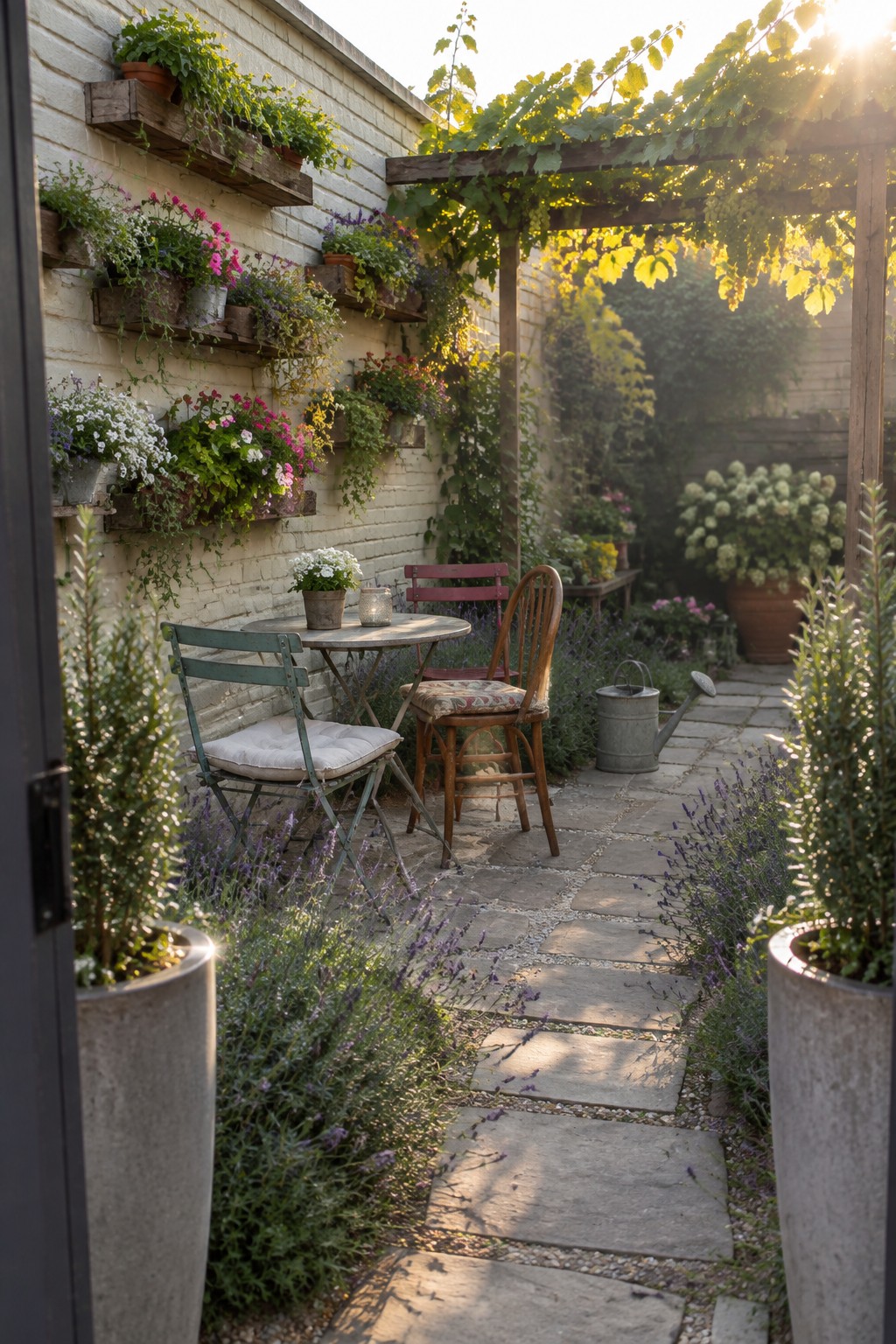
Mounting shelves or brackets on a wall lets you stack plants upward instead of spreading them across the ground. In a small yard this keeps the floor clear for a path or a couple of chairs while still giving you room for plenty of flowers and greenery. The wall becomes the main growing area instead of competing with the paving.
This works best on a sunny side wall or fence that already gets decent light. Use sturdy brackets rated for the weight of wet pots and choose plants that match the exposure. Check the wall for drainage so water does not pool against the surface.
Frequently Asked Questions
Q: My yard gets almost no direct sun. Will vertical planting still work?
A: Choose shade loving plants such as ivy or certain ferns. Mount the structures on a wall that gets indirect light. They will grow steadily with consistent moisture.
Q: How often should I water the top rows of plants?
A: Water from the top and let it trickle down naturally. Test the lower soil with your finger after a day or two. Adjust based on weather rather than a fixed schedule.
Q: What if I rent and cannot attach anything to the walls?
A: Go with freestanding towers or obelisks that sit on the ground. Fill them with lightweight soil mixes. Move them around as needed without any permanent fixtures.
