

Climbing roses can soften a bare fence or give an arch a sense of age, but they need the right support and enough room to grow.
I find they work best when their shape fits the garden, rather than covering every surface just because it is there.
A rose-covered trellis can draw the eye along a path, while a fence planting can add privacy and break up a long, plain edge.
It also helps to think ahead about pruning, sunlight, and how the canes will spread as the plants mature.
These ideas offer practical ways to shape a garden with climbing roses, and I’d start by testing the option that suits the space you already have.
Train Climbing Roses Along a Fence

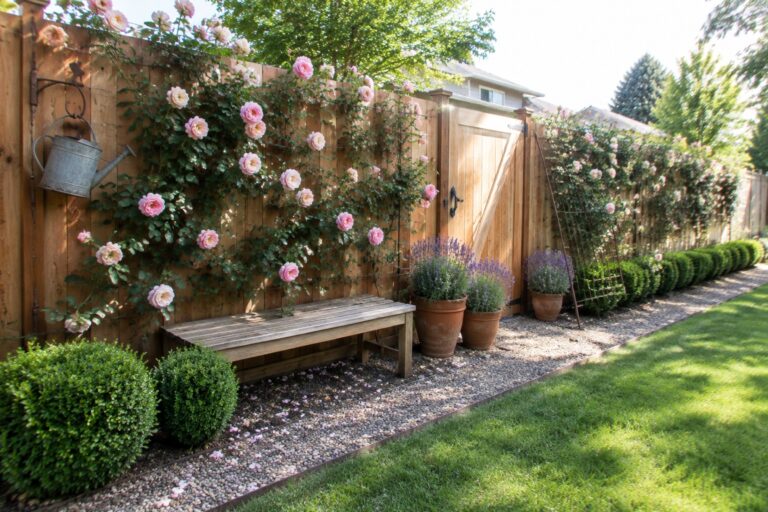
A wooden fence gives climbing roses a sturdy place to grow while turning a plain boundary into a planted feature. The flowers stand out against the boards, and the fence helps keep the rose canes organized.
Use horizontal wires or a simple trellis fixed to the fence, and tie in young canes as they grow. This works well along a side yard or garden path, but leave room to reach the fence for pruning and maintenance.
Grow Roses Over a Garden Arch
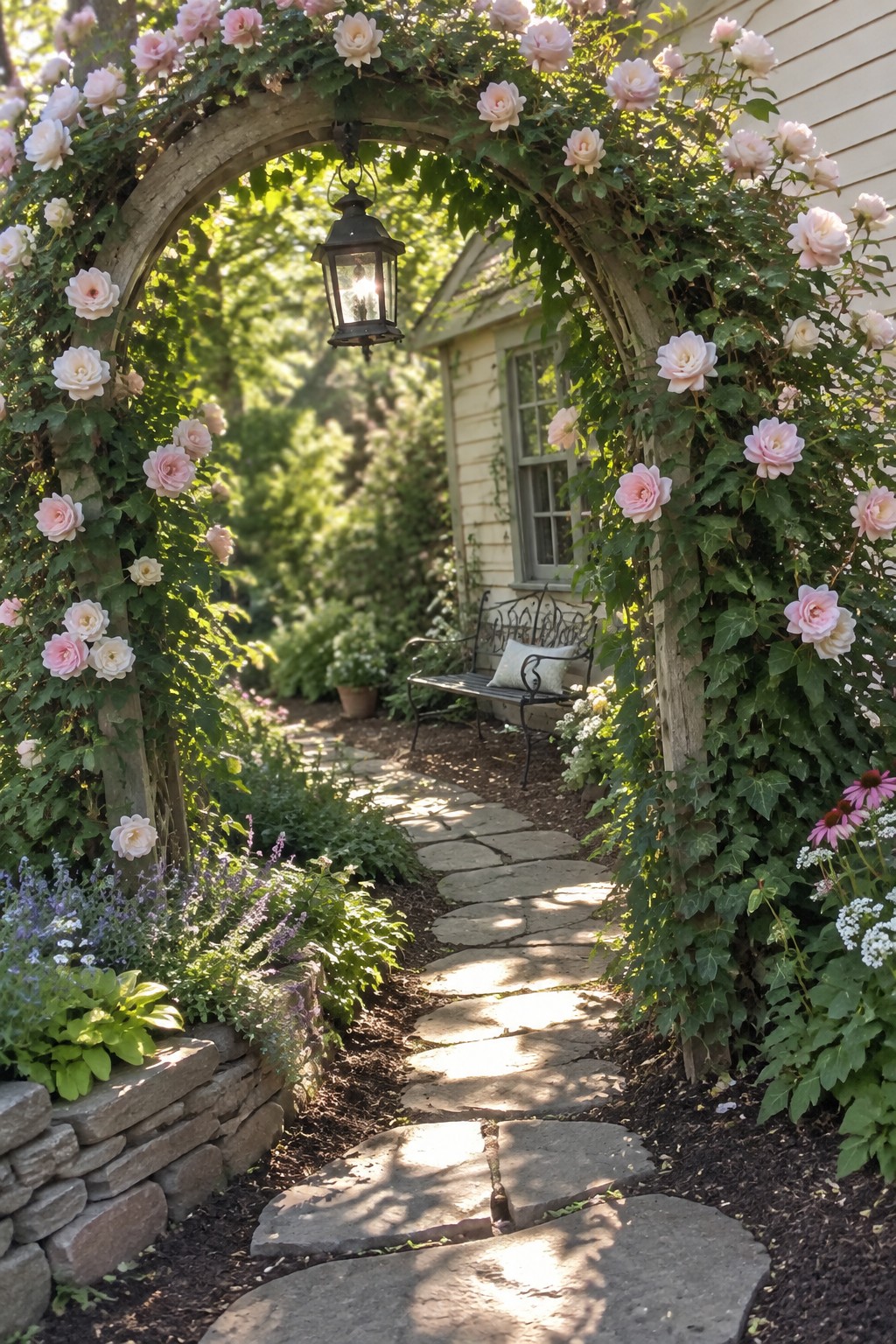
Climbing roses can turn a simple garden arch into a leafy gateway and give a path a clear beginning. The flowers add color overhead, while the arch helps organize the planting instead of letting it spread without direction.
Choose a sturdy arch and train the rose stems along its sides as they grow. This works well over a garden path, but leave enough room for people to pass and prune the plant regularly so the opening does not become crowded.
Use Climbing Roses to Add Privacy Along a Garden Wall

Climbing roses can turn a plain fence or garden wall into a living screen. Trained across a sturdy trellis, they add flowers and foliage while making a patio feel more sheltered.
Choose a support that can hold the mature plants, and leave enough space behind it for pruning and airflow. This works well along a boundary near a seating area, but roses need regular care to stay tidy and healthy.
Train Climbing Roses Along a Fence
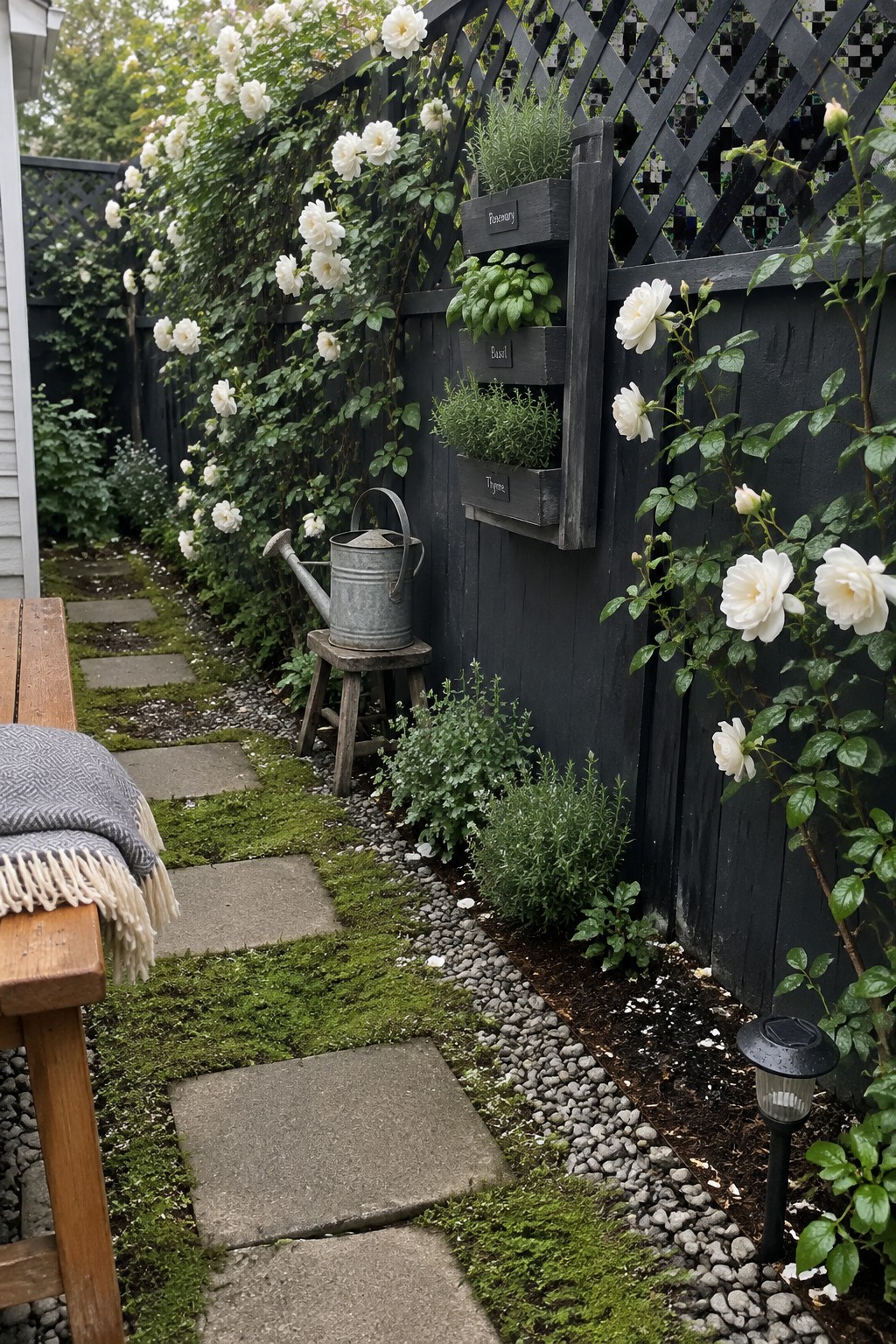
A fence can give climbing roses the support they need while making a narrow garden path feel greener and more private. White roses growing across a dark trellis stand out clearly, and the fence helps keep the plants in a tidy vertical line.
Choose a sturdy fence or trellis and tie new canes loosely as they grow. This idea suits side yards and other tight spaces where there is little room for wide flower beds. Leave enough space for airflow and pruning so the roses stay healthy.
Use a Rose-Covered Arch to Mark a Garden Entrance
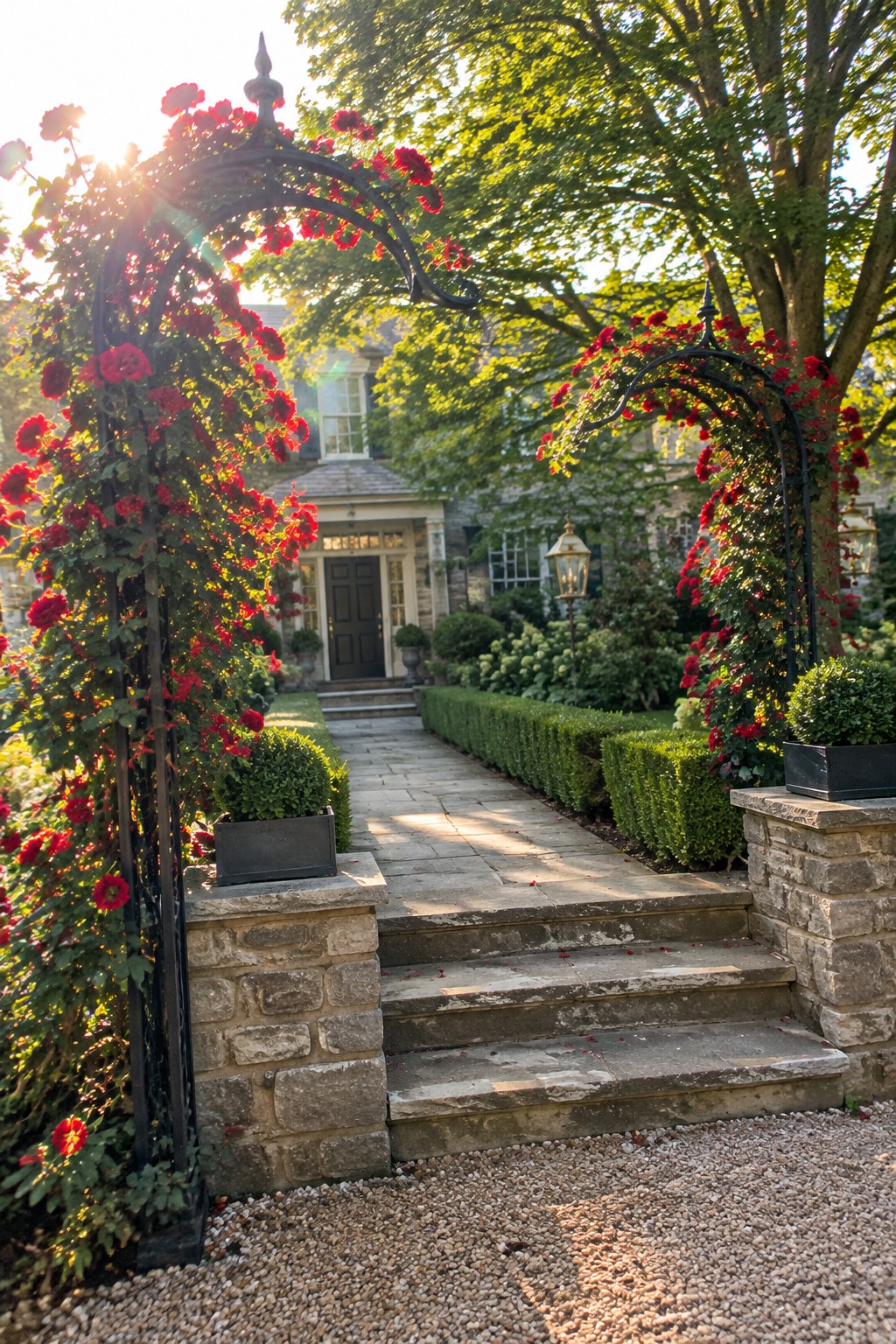
A climbing rose arch gives a garden path a clear entrance and a bit of structure. It works especially well when you want flowers to lead the eye toward a door or a tucked-away part of the yard.
Set the arch at the start of a walkway, then train the rose stems along its sides and over the top. Leave enough room for people to pass comfortably, and choose a sturdy support that can handle the mature plant.
Grow Climbing Roses Over a Patio Pergola

A pergola can give climbing roses a place to spread overhead, making an outdoor dining area feel tucked into the garden. The timber structure in this space is covered in greenery and pale roses, showing how flowers can soften a sturdy frame.
Choose a pergola that can support mature vines, and guide the rose canes along its beams as they grow. This works well over a patio or dining area, but leave enough open space for the plants and keep thorny stems away from the main walkway.
Train Climbing Roses on a Wall Trellis
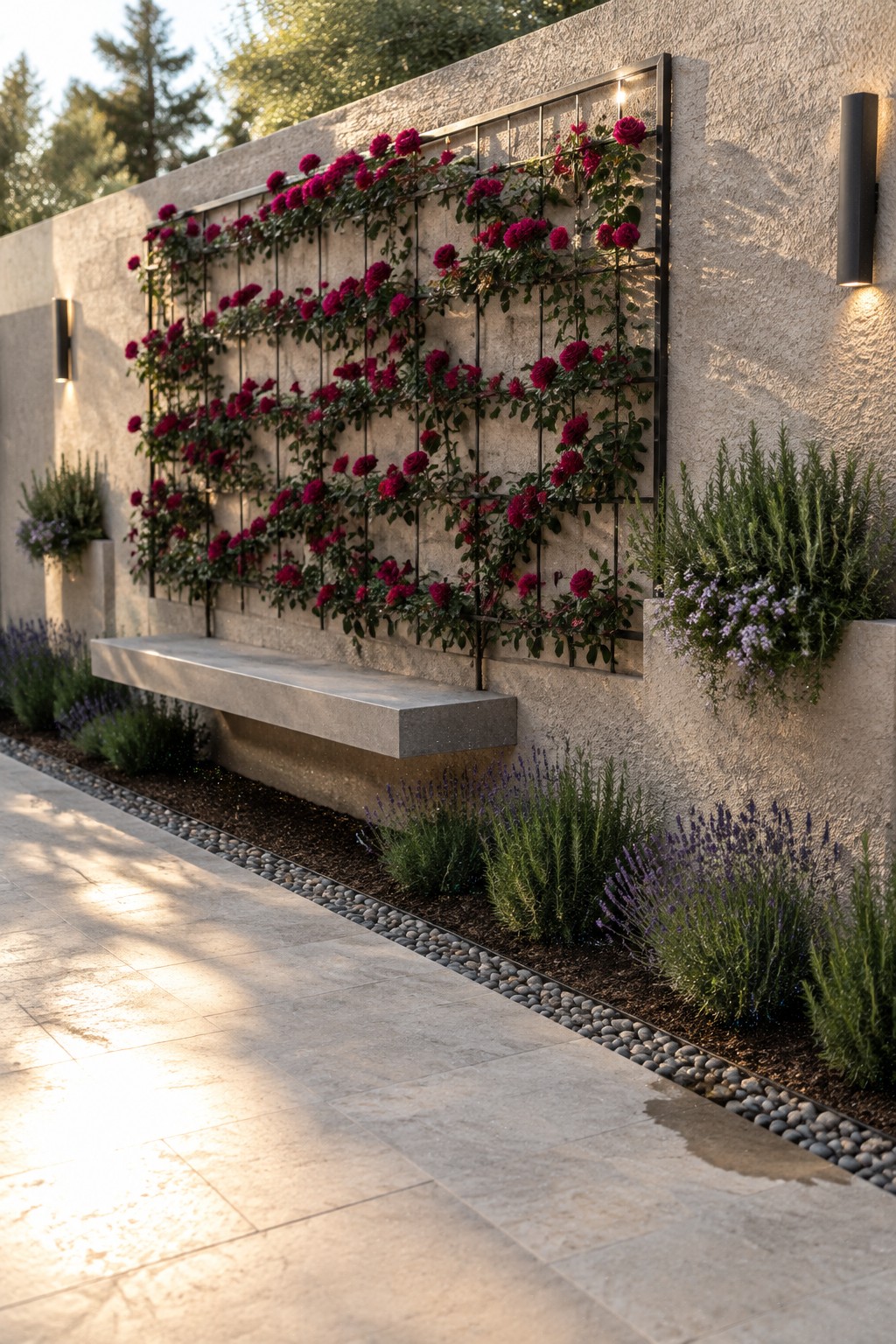
A wall-mounted trellis gives climbing roses a clear path to grow while keeping the stems off the masonry. It is a good way to turn a plain garden wall into a planted feature without letting the roses spread across the ground.
Choose a sturdy trellis with room for the mature plant, then tie in new canes as they grow. This approach works well along a courtyard or narrow garden where space is limited. Leave some distance between the trellis and wall so air can circulate.
Let Roses Mark the Garden Entrance
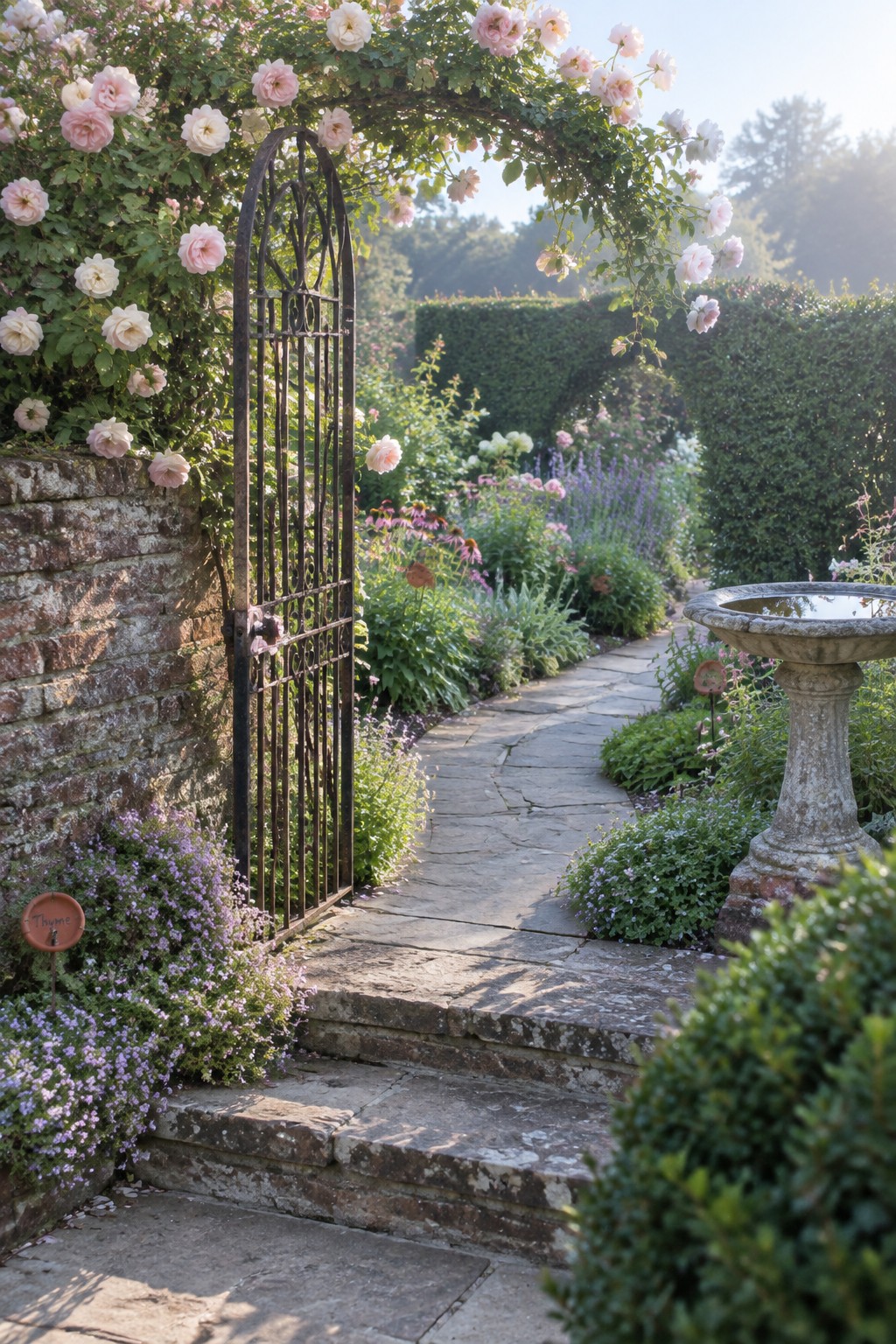
A rose-covered arch can make a garden entrance feel like a clear part of the landscape rather than just a gap in a hedge. It also gives climbing roses a sturdy place to grow, so their blooms can be enjoyed close to the path.
Use a metal or wooden arch where a walkway enters a garden, and guide new canes along its sides as they grow. Leave enough room for people to pass through, and check that the structure is firmly secured before the roses fill in.
Let Roses Climb Along a Garden Path
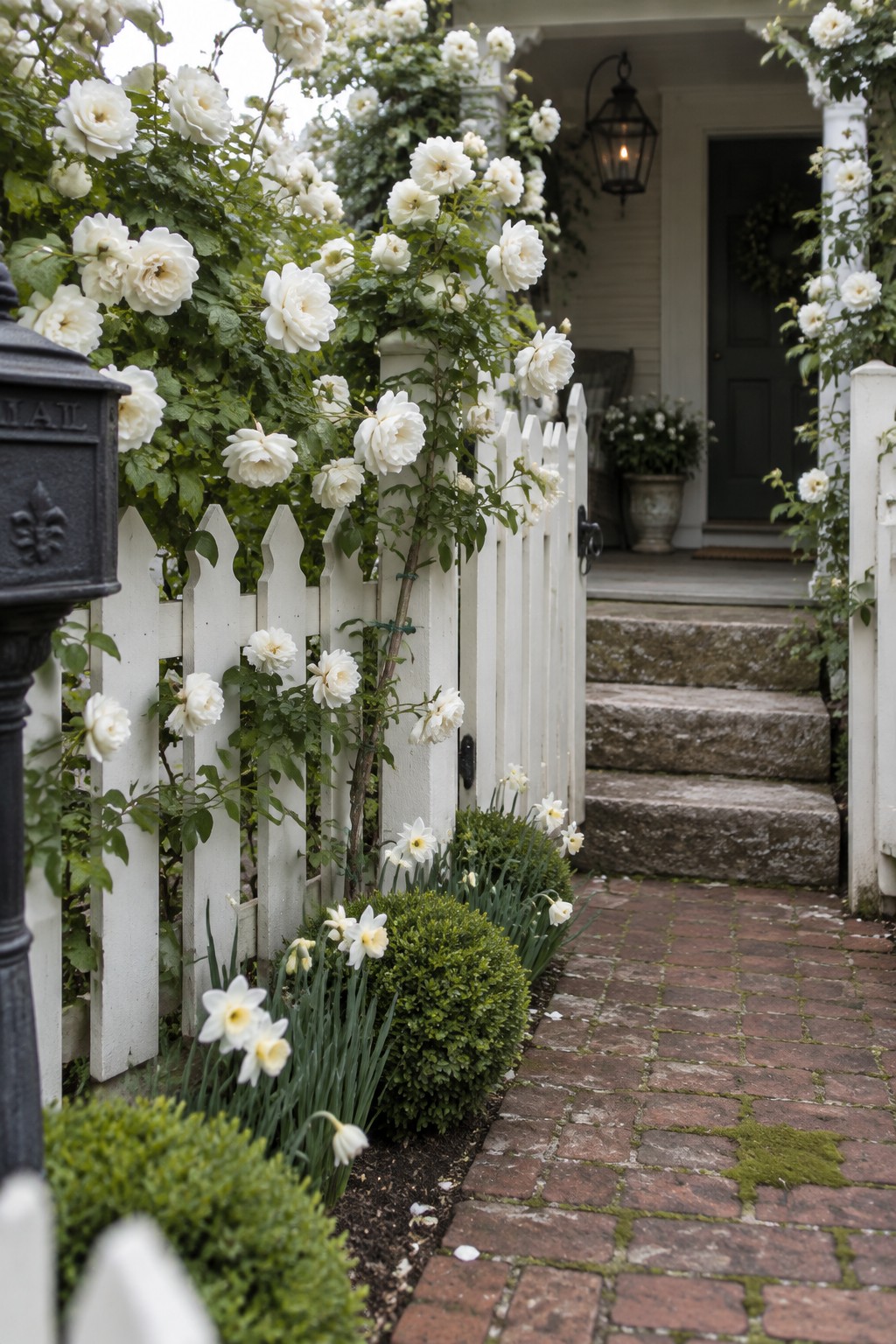
Climbing roses can make a simple path feel like part of the garden rather than just a way to get to the door. Trained along a picket fence, their flowers add height and color without taking up much ground space.
This works well beside a narrow walkway or at the front of a cottage-style home. Give the canes sturdy support and leave enough room for people to pass, since established roses can spread across the path.
Grow Climbing Roses Along a Narrow Garden Path
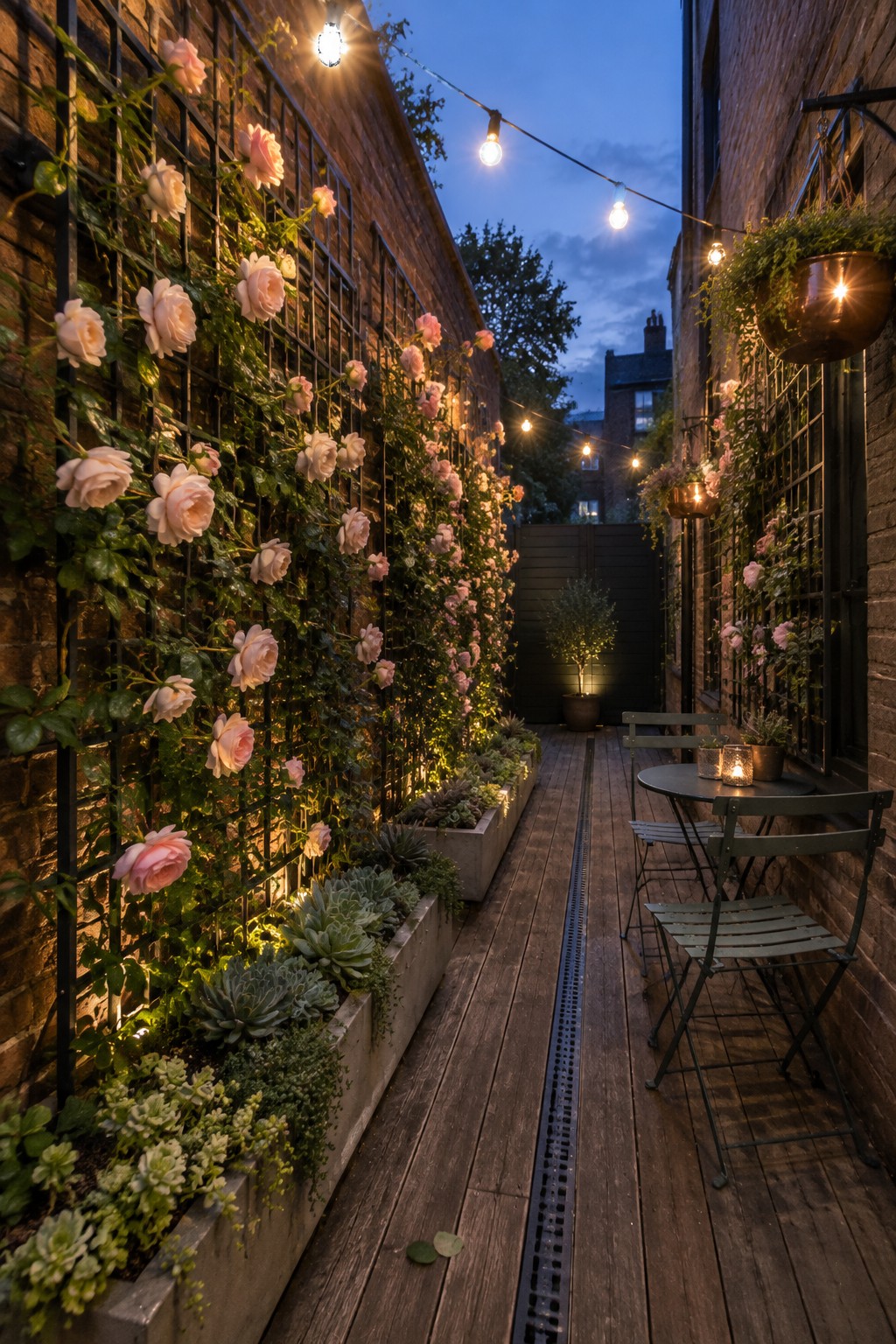
Training climbing roses on a fence or trellis is a useful way to bring flowers into a narrow garden without taking up much floor space. The blooms grow upward, leaving room below for a path or small seating area.
Use sturdy supports and tie new canes loosely as they grow. This works well in side gardens, where a rose-covered fence can add privacy, but leave enough space to reach the plants for pruning.
Grow Climbing Roses Over a Patio Pergola
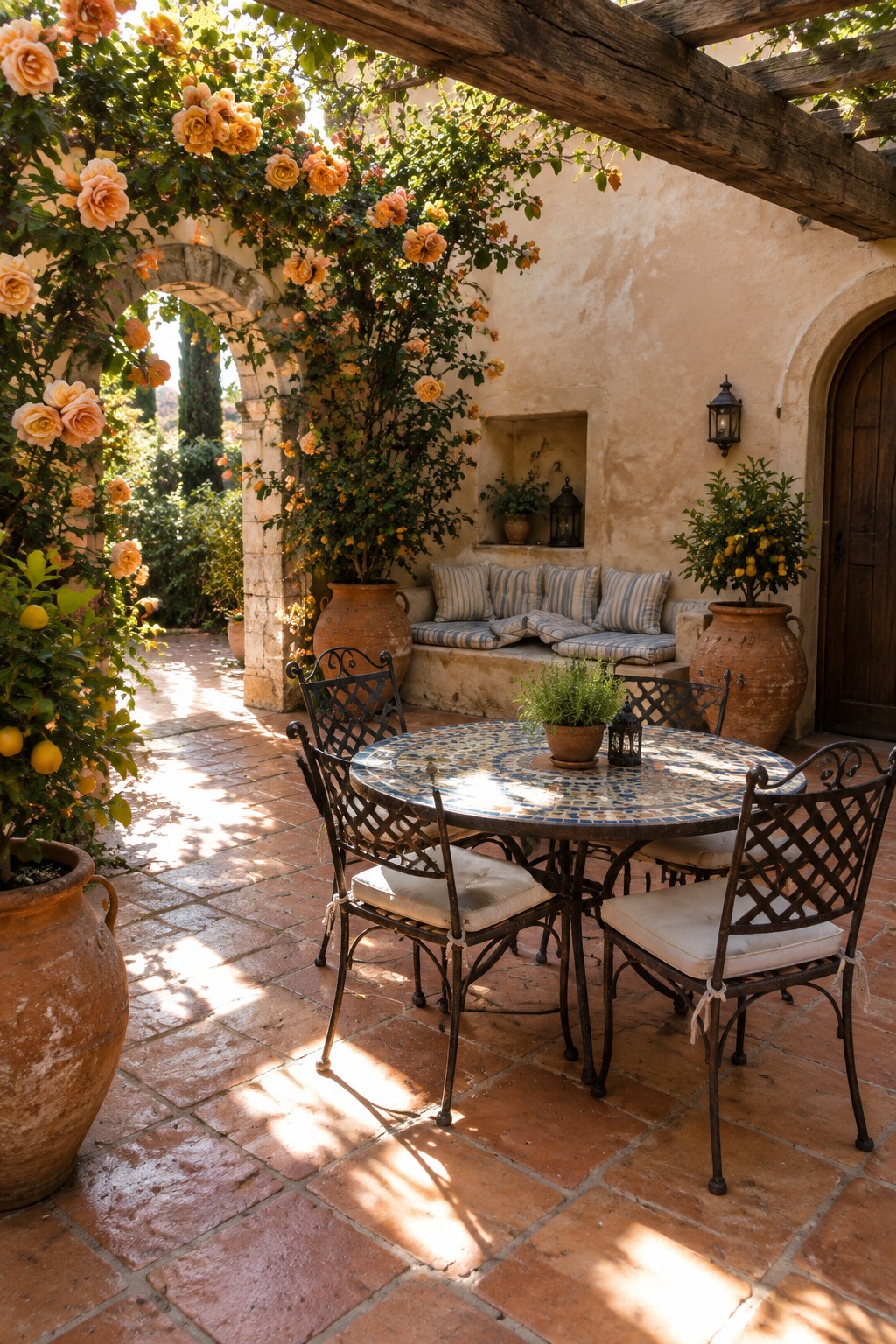
A pergola gives climbing roses a sturdy place to grow overhead, making a patio feel tucked into the garden. The wooden beams provide the support, while the flowers help connect the seating area to nearby planting.
Use this idea where the pergola gets enough sun and has solid posts or beams for tying in new growth. Keep the main walkway and dining area clear, and prune regularly so the roses do not crowd the space.
Grow Climbing Roses Along a Garden Fence
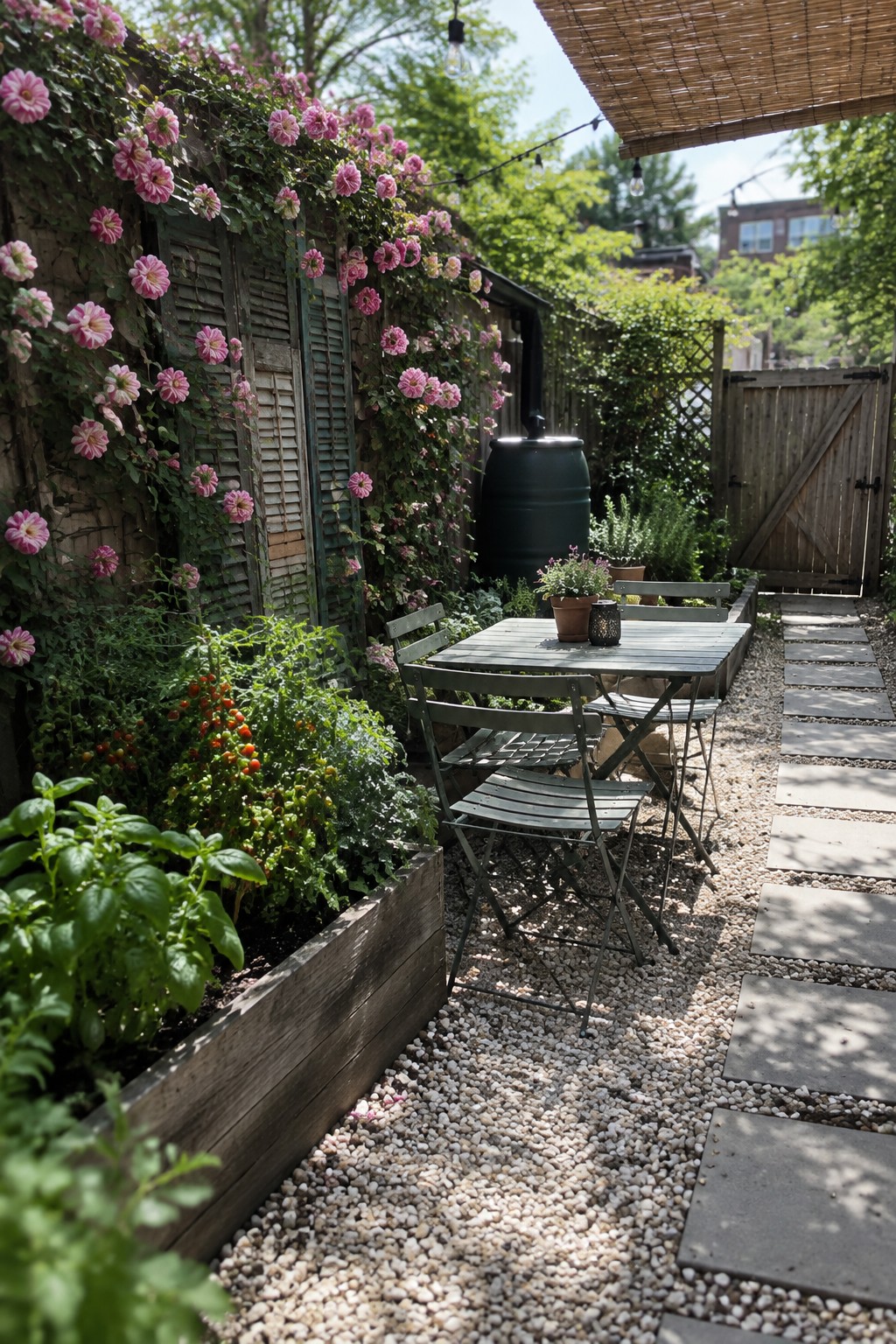
A fence can do more than mark the edge of a garden. Train climbing roses along it to bring color to a plain boundary and make the planting feel connected to the rest of the yard. A sturdy trellis or slatted fence gives the canes something to follow.
This idea works especially well in a narrow garden where there is little room for a separate rose bed. Tie new growth loosely to the fence, and leave enough space for air to move through the plants. Regular pruning helps keep the path and seating area clear.
Let Climbing Roses Form a Garden Arch
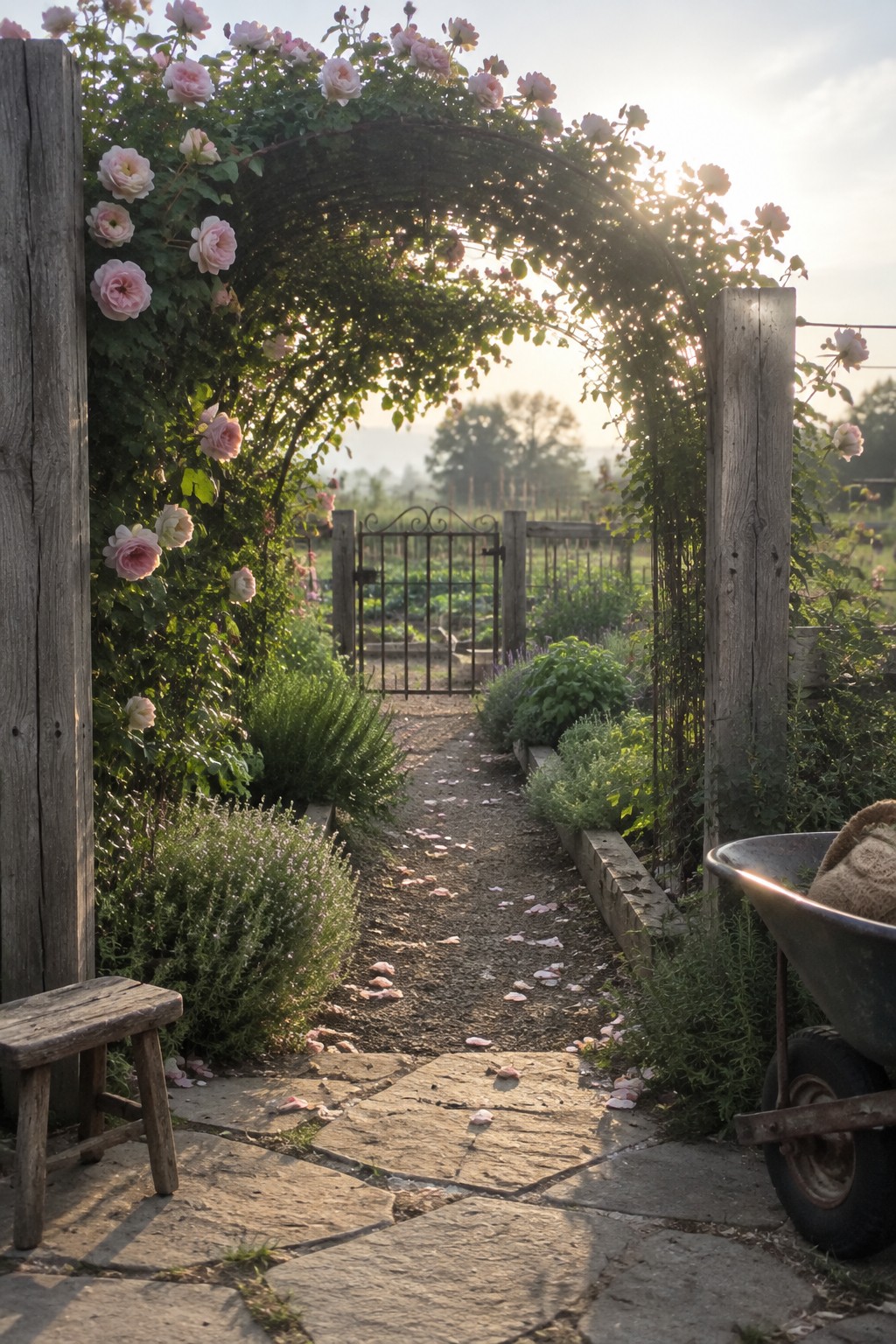
A rose-covered arch makes a garden path feel like a destination, while still keeping the planting practical and easy to enjoy. The flowers add color overhead, and the open structure lets you see through to the rest of the garden.
Use a sturdy arch at a path entrance or between garden areas, then guide rose canes along the sides and across the top as they grow. Leave enough room to walk through comfortably, and prune regularly so the arch stays open rather than becoming tangled.
Use a Rose Trellis to Add Privacy to a Balcony
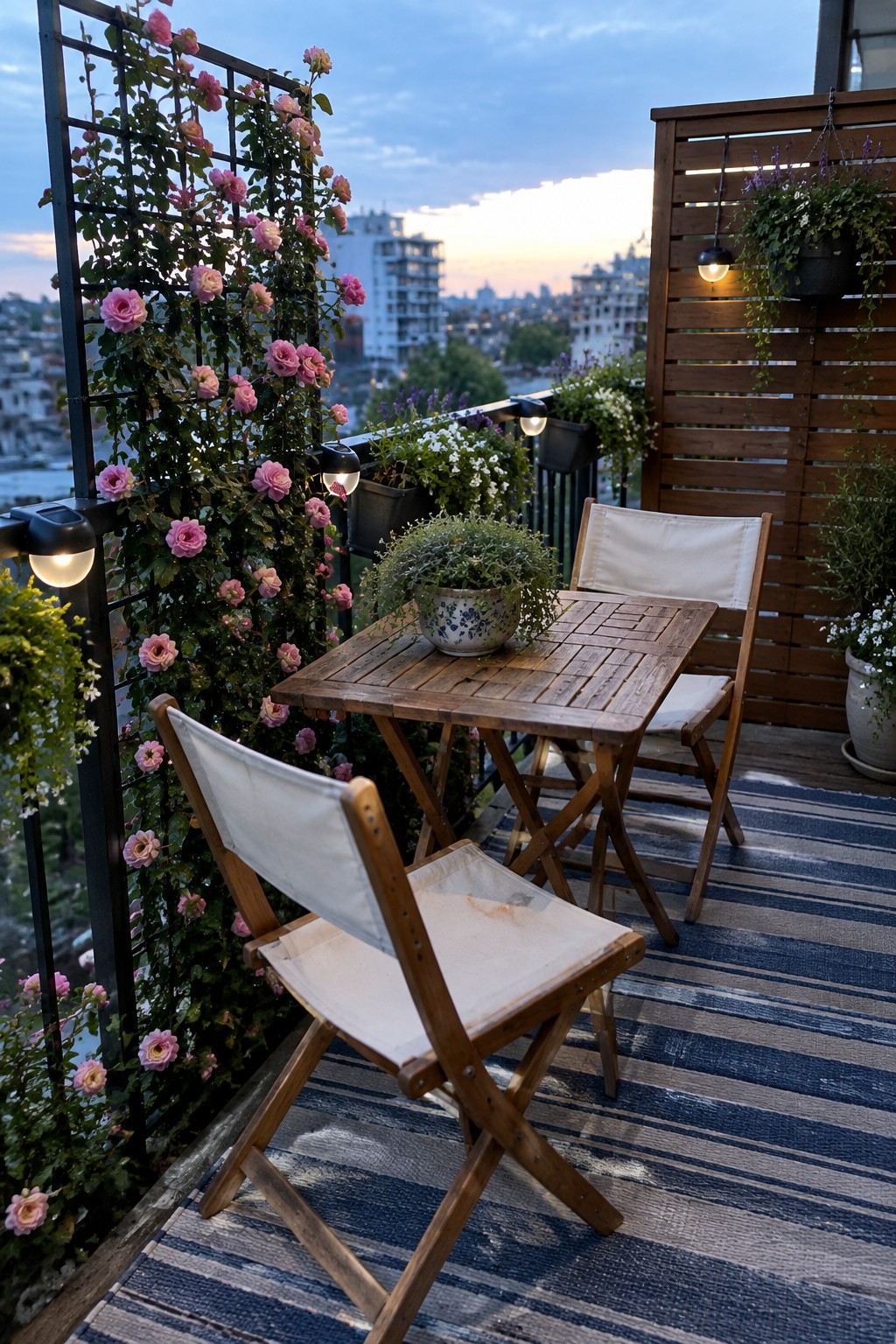
Climbing roses can make a small balcony feel more tucked away without taking up much floor space. Train them up a sturdy trellis along the railing, where the foliage and flowers can form a living screen.
Choose a trellis that fits the balcony and secure it well, especially in a windy spot. Keep the roses pruned so they do not crowd the seating area, and make sure their pots are large enough to support healthy growth.
Use Climbing Roses to Bring Structure to a Garden
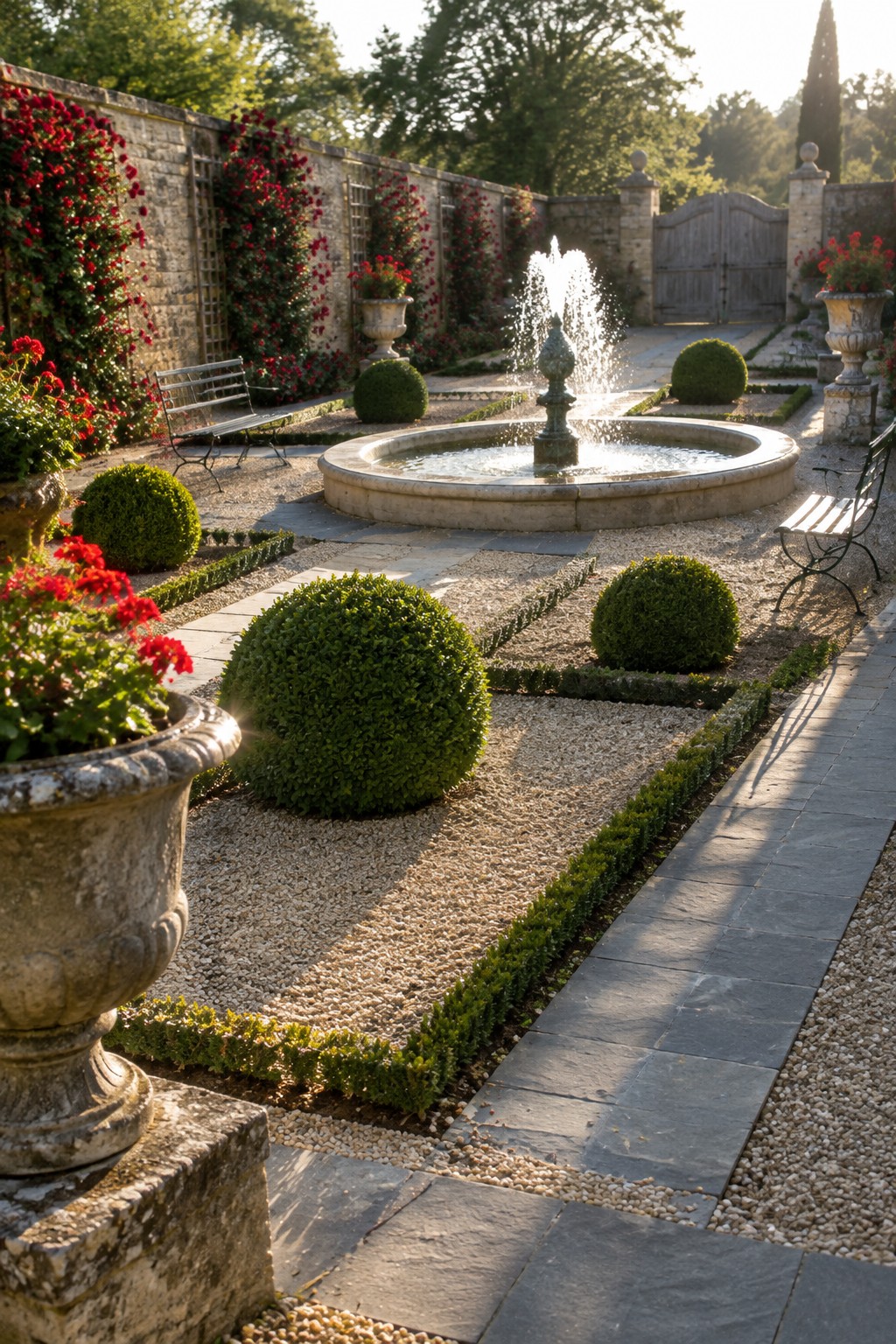
Climbing roses can make a stone garden wall feel like part of the planting plan. Train them on simple trellises along the wall, and they’ll add color without taking up much ground space.
This approach works well in a formal garden or a narrow yard where a fence or wall might otherwise feel bare. Leave room for airflow and pruning, and choose a rose suited to your climate so the growth stays manageable.
Add Stepping Stones to a Garden Path

A stepping-stone path gives a garden a clear route without taking away the relaxed feel of a grassy walkway. Set among low planting, the stones make it easier to move through a flower bed while keeping the path from looking too formal.
Use broad, stable stones and leave enough room between them for a comfortable stride. This works well on a narrow garden path, though the stones should sit level so they are safe to walk on.
Use Climbing Roses to Line a Garden Path

A low fence beside a garden path gives climbing roses a clear place to grow, while keeping the walkway open. The flowers can make a simple sandy path feel connected to the rest of the garden.
Use a sturdy fence along a cottage garden path or a narrow route near the house. Tie new canes loosely as they grow, and leave enough room for visitors to pass without brushing against thorns.
Frequently Asked Questions
Q: Will climbing roses damage a fence or trellis?
A: They won’t cling on their own, so you’ll need to tie the canes to a sturdy support. Use soft garden ties and leave a little room for the stems to thicken.
Q: Can I grow a climbing rose in a large pot beside an arch?
A: Yes, as long as the pot has drainage holes and enough room for the roots. Water it more often than a rose planted in the ground, especially during hot, dry spells.
Q: How do I get roses to grow across an arch instead of straight up?
A: Gently fan the main canes out and tie them along the sides of the arch as they grow. More horizontal canes often produce flowers along their length, not just at the top.
Q: When should I prune a climbing rose?
A: Prune after its main flush of flowers, unless it blooms repeatedly through the season. For repeat-flowering roses, remove dead or crowded growth in late winter and trim lightly after each flush.
