

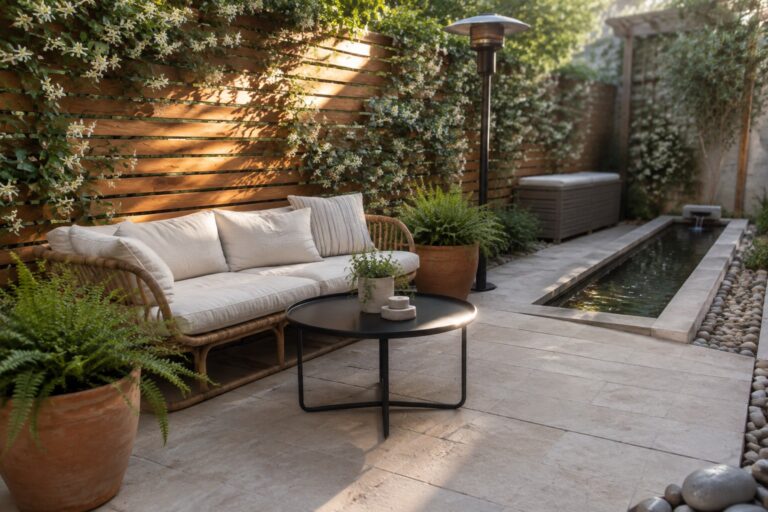
I’ve noticed that garden privacy rarely comes from one element alone, and instead builds when screens give early structure while climbers knit everything together over a few seasons.
The layouts that hold up best usually place the slatted panels where they define paths and seating zones first, then let the plants soften edges so the space feels enclosed without looking boxed in.
What stands out in real yards is how quickly an open stretch turns private once the right climbers start reaching across the gaps, and that gradual change is what makes the whole plan feel settled.
I would start with two or three of these combinations in my own garden to see how the growth rates match the screen spacing.
Over the years the plants end up carrying most of the screening load, which is why the initial layout of the slats needs to account for both support and airflow from the beginning.
Slatted Screens With Climbing Plants for Patio and Garden Privacy
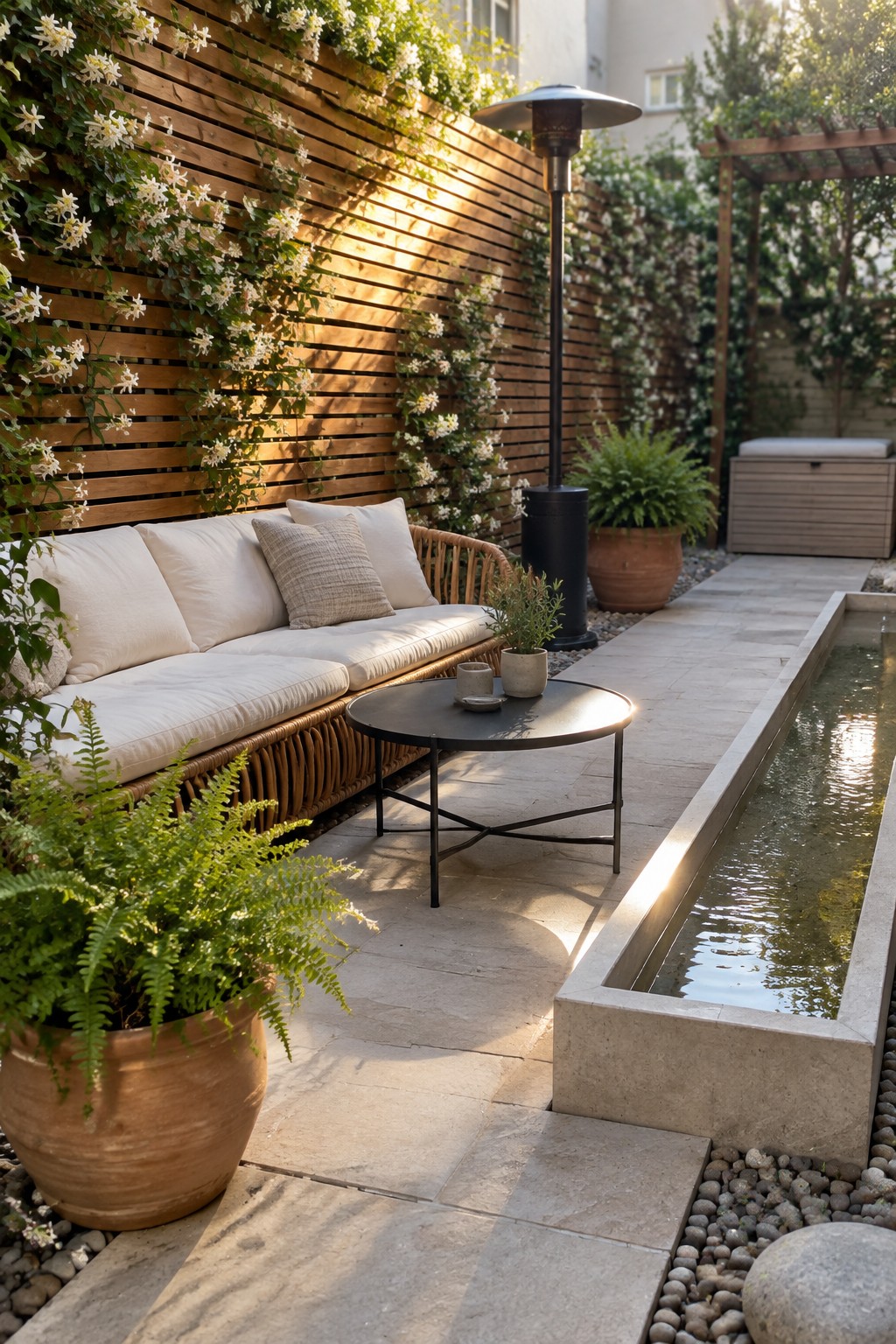
Slatted screens give you privacy without making the garden feel boxed in. The gaps let air move through and keep the space from getting too dark, while the climbing plants slowly fill in and add softness over the seasons.
This works best along a side boundary or behind a seating area where you need a bit of separation from neighbors. Choose a fast-growing climber that can handle the local sun and water it well the first year or two until the roots settle.
Layered Slatted Screens for Narrow Garden Privacy
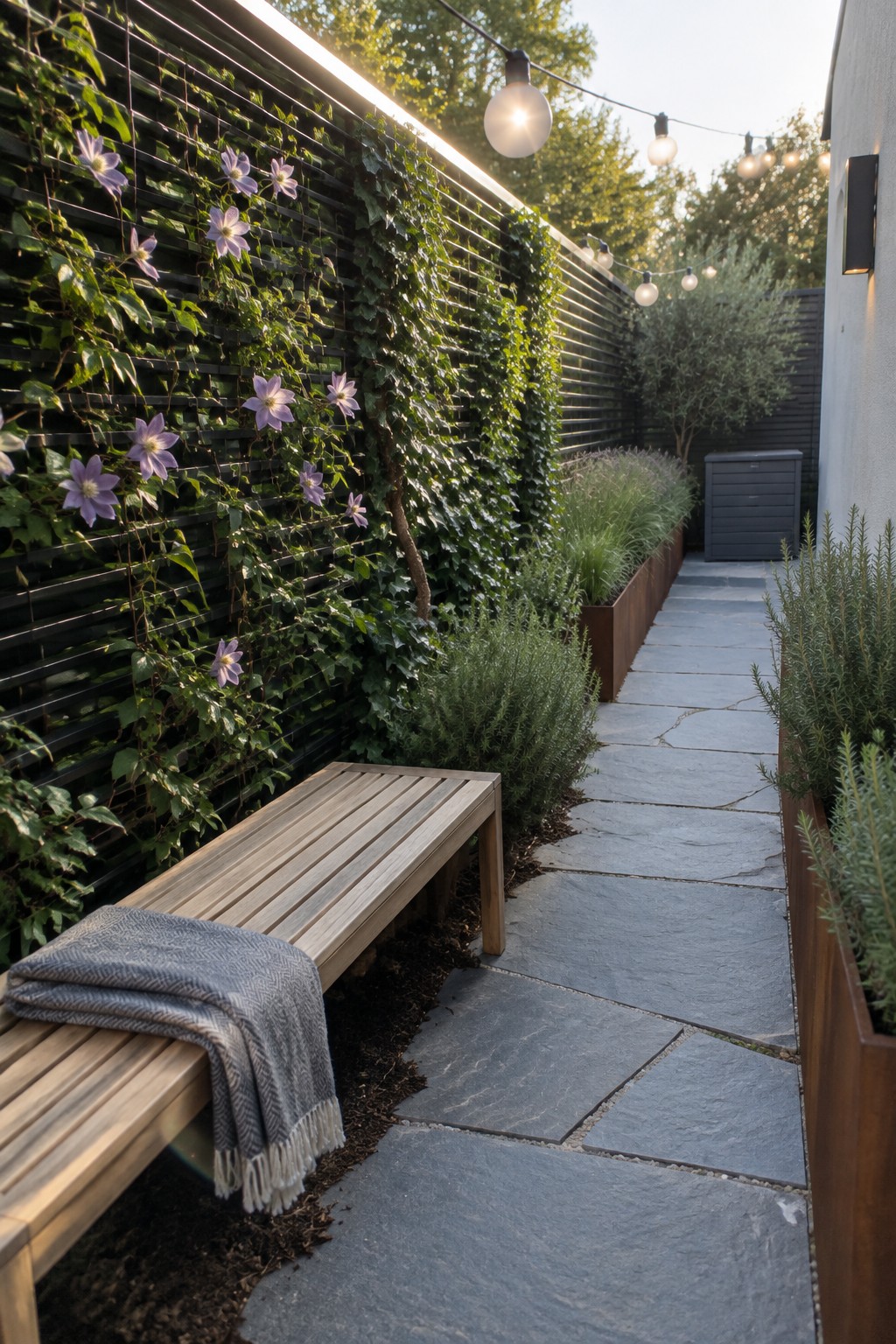
A slatted screen gives you instant structure for privacy while climbing plants soften the look over time. The combination works well in narrow side yards or along paths where a solid fence would feel too closed in.
It suits most homes with a bit of garden space and needs only basic soil along the base for the vines to establish. Pick a screen material that holds up outdoors and choose climbers that match your light and climate so they fill in without constant trimming.
Climbing Plants On Fences For Simple Privacy

Letting vines grow up a fence is one of the easiest ways to add privacy to an outdoor seating area. The plants soften the boundary and create a living screen that feels much less solid than a plain wall.
This approach works best along the edges of patios or dining spaces where you want some seclusion without losing light. Pick climbers that match your climate and give them a few seasons to fill in the gaps.
Layer Privacy With Slatted Screens And Climbing Plants
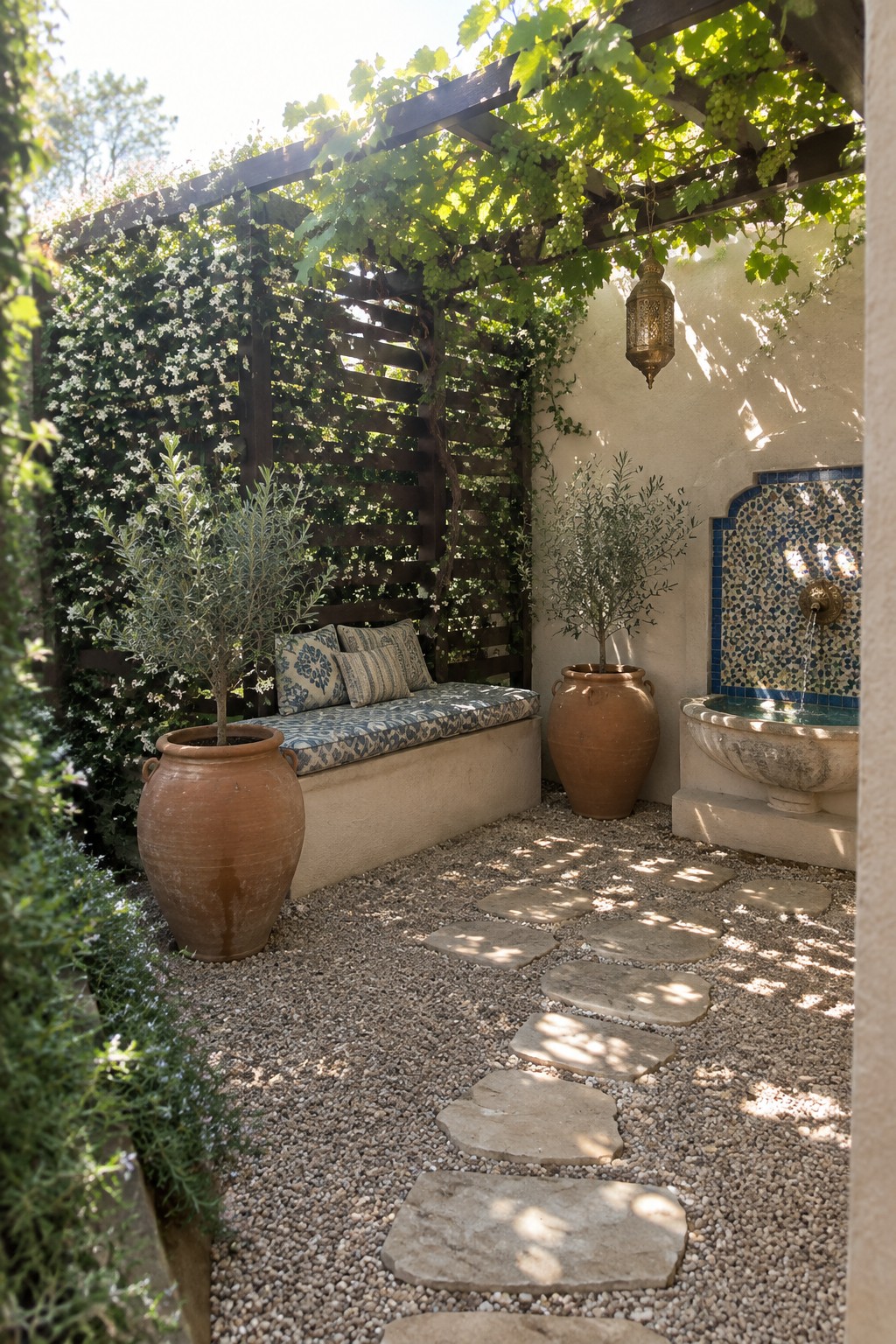
A simple wood slat screen paired with climbing vines gives a garden corner real privacy without making it feel boxed in. The gaps in the slats let some light through while the plants fill in over time, so the space feels sheltered but still open to the air.
This setup works best along the edge of a patio or beside a seating area where you want to block a view from a neighbor or the street. It suits smaller yards especially well since the screen takes up little ground space and the vines add height without needing a big planting bed.
Slatted Screens And Climbing Plants For Privacy
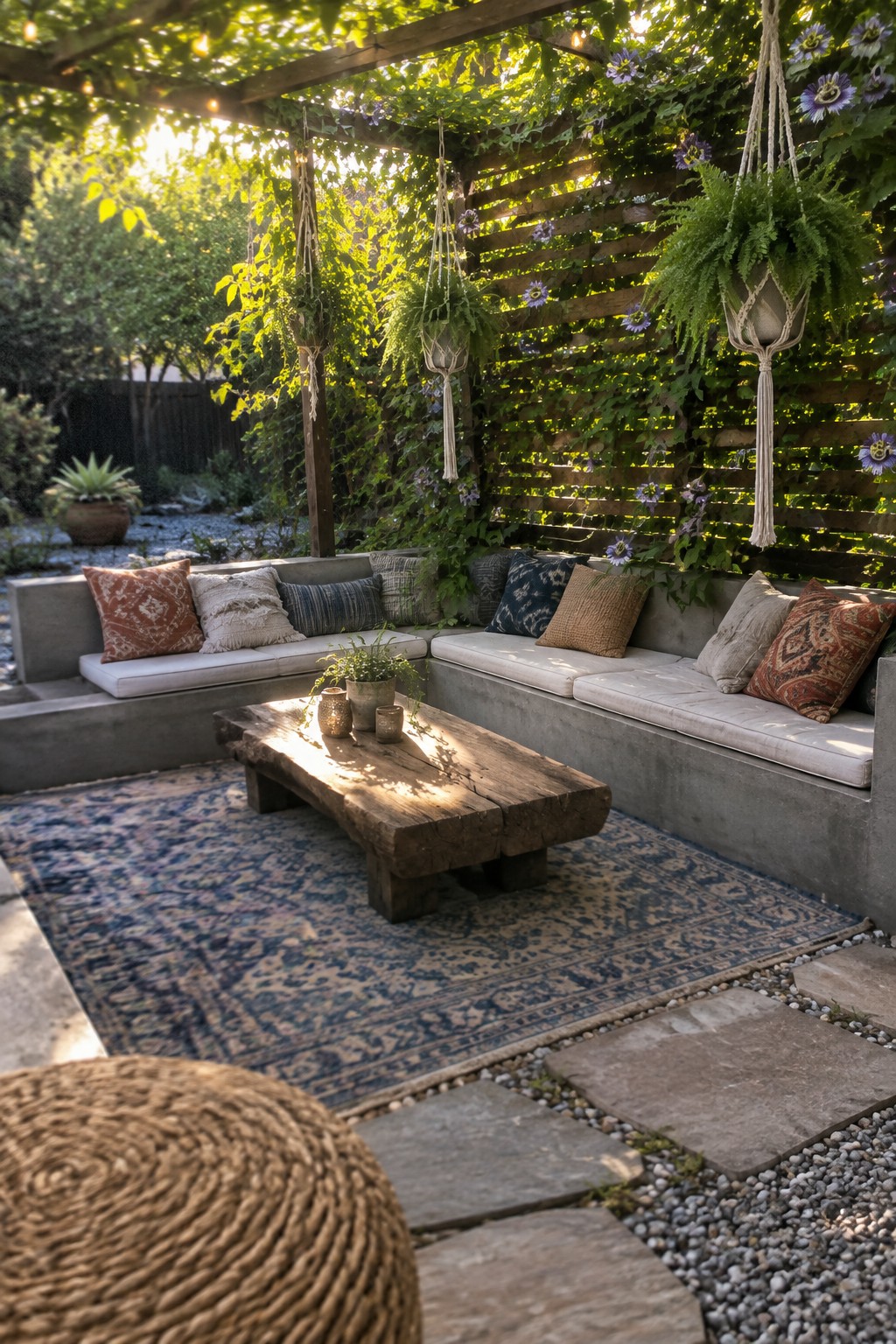
A slatted screen gives you privacy without making the space feel closed in. The gaps let light and air through while vines and flowers grow across the wood to add softness and coverage over time. This approach works especially well along the back or side of a patio where you want to block views from neighbors but still keep the garden feeling open.
It suits homes with existing fences or walls that need softening rather than full replacement. Start with a simple wood screen and choose fast-growing climbers that suit your climate. The bench and hanging plants in this setup show how the screen becomes part of the seating area instead of just a barrier.
Screens And Climbing Plants For Layered Privacy
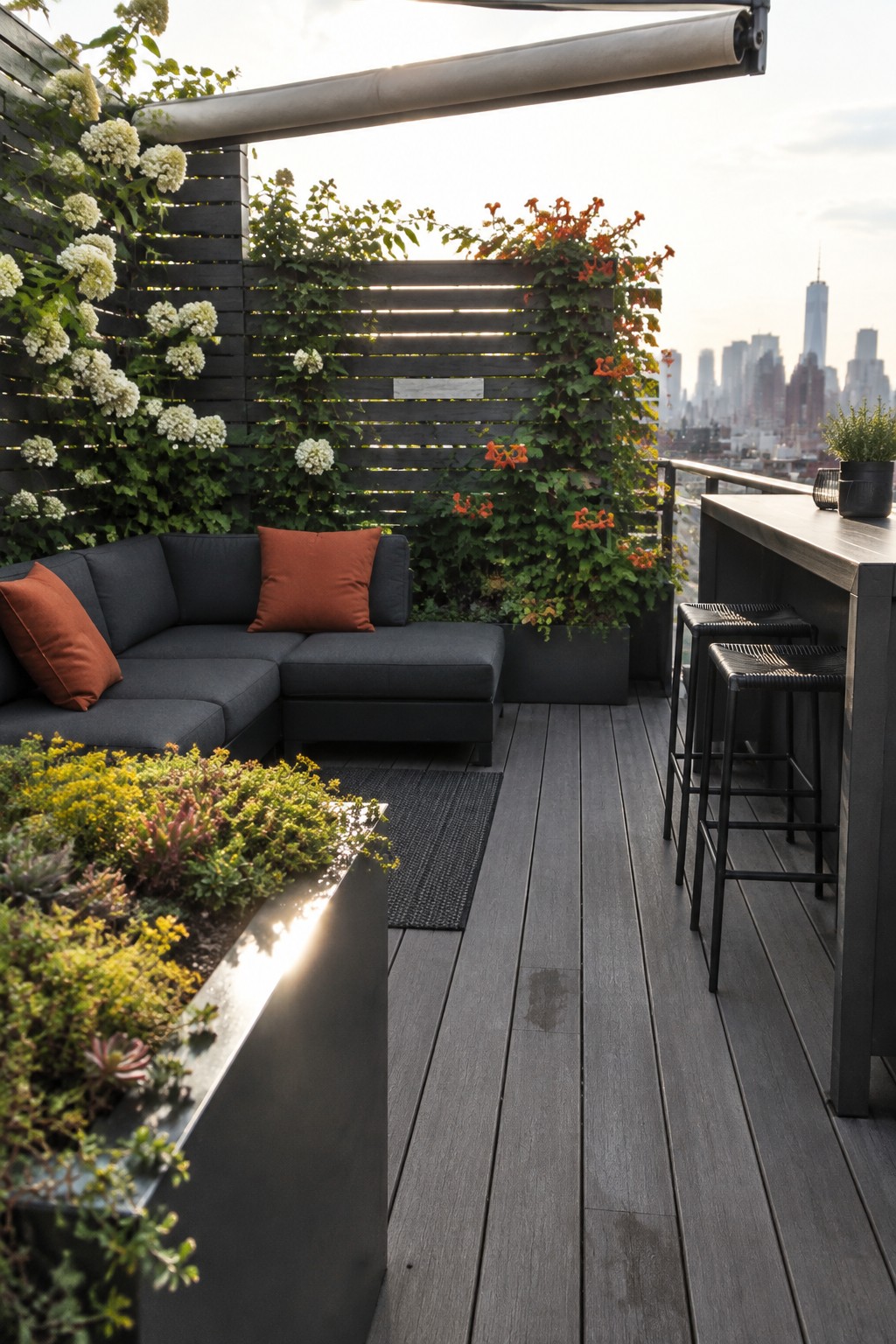
One simple way to add privacy on a deck or terrace is to set up slatted screens and let climbing plants grow across them. The slats give some structure right away while the vines fill in over the seasons and soften the look without blocking all the light.
This approach works best in urban spots where you need to screen views from neighbors or nearby buildings. Pick plants that match the sun exposure and let them grow at their own pace so the screen gets fuller each year.
Grow Climbing Plants On Slatted Screens
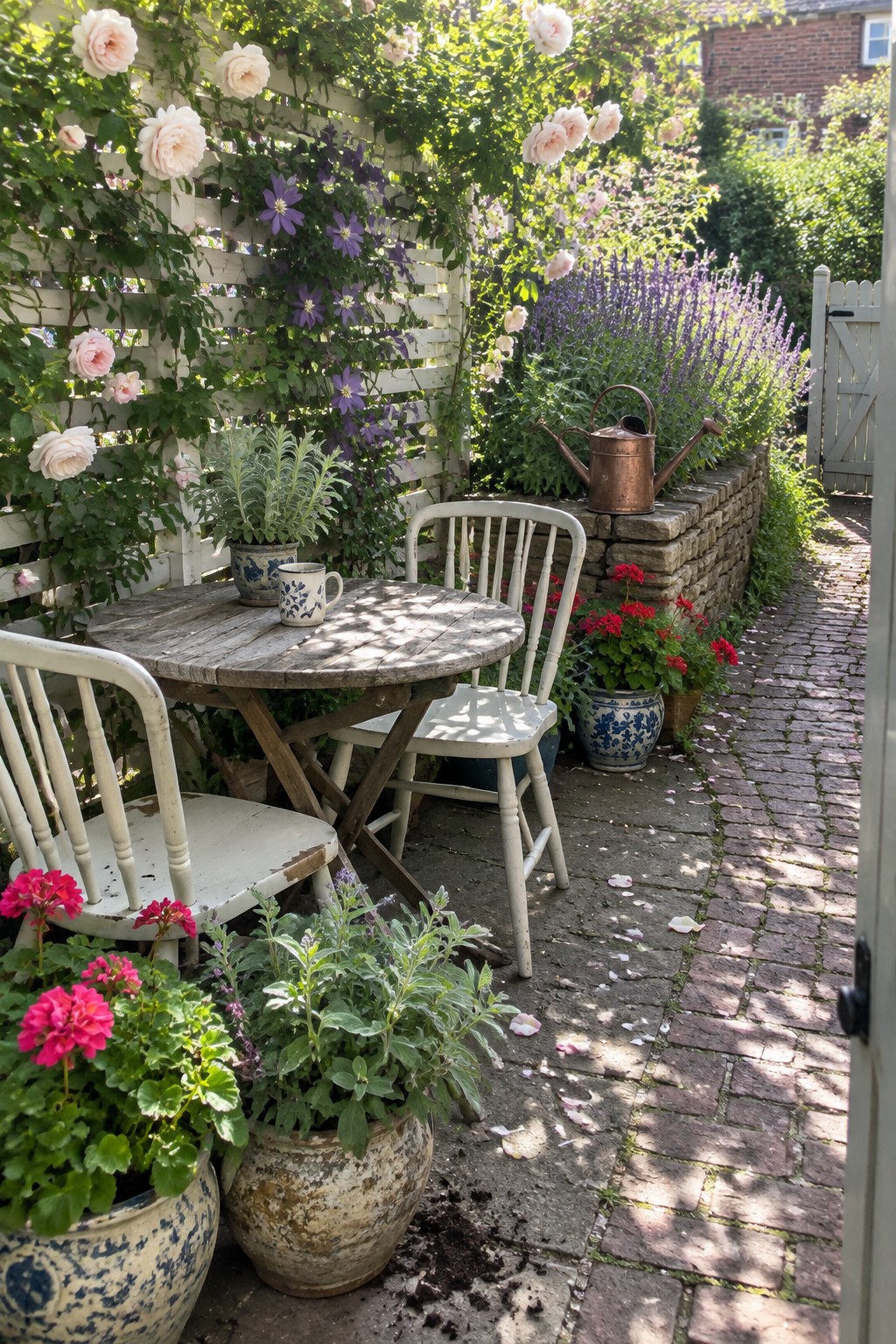
A simple slatted screen gives you a quick privacy wall, but the real payoff comes when you let climbing plants take over. The plants soften the structure, add color through the seasons, and still let some light and air pass through so the space does not feel closed in.
This works especially well along the edge of a small patio or seating area where you want separation without building a solid fence. Choose a sturdy screen, plant something vigorous like roses or clematis at the base, and let it fill in over a couple of seasons. Just keep the screen far enough from seating so the plants do not drop too many leaves on the table.
Slatted Screens With Climbing Plants For Privacy

Many people turn to slatted screens when they want privacy around a pool or patio without building a solid wall. The gaps in the wood let light and air through while the climbing plants fill in over time and create a softer screen.
This approach works best on homes with modern lines where a full hedge would feel too heavy. Choose vines that grow quickly in your area and give them something simple to climb on so the screen stays useful for years.
Slatted Screens With Climbing Plants For Quick Privacy

A slatted screen gives you privacy without cutting off all the light or making the space feel boxed in. The climbing plants add a second layer that softens the look and helps the screen blend into the rest of the garden over time.
This setup works best on balconies or narrow decks where a solid wall would feel too heavy. Use a simple frame, choose vines that grow quickly in your climate, and let them fill in naturally instead of trying to cover every gap at once.
Wooden Slatted Screens With Roses and Honeysuckle
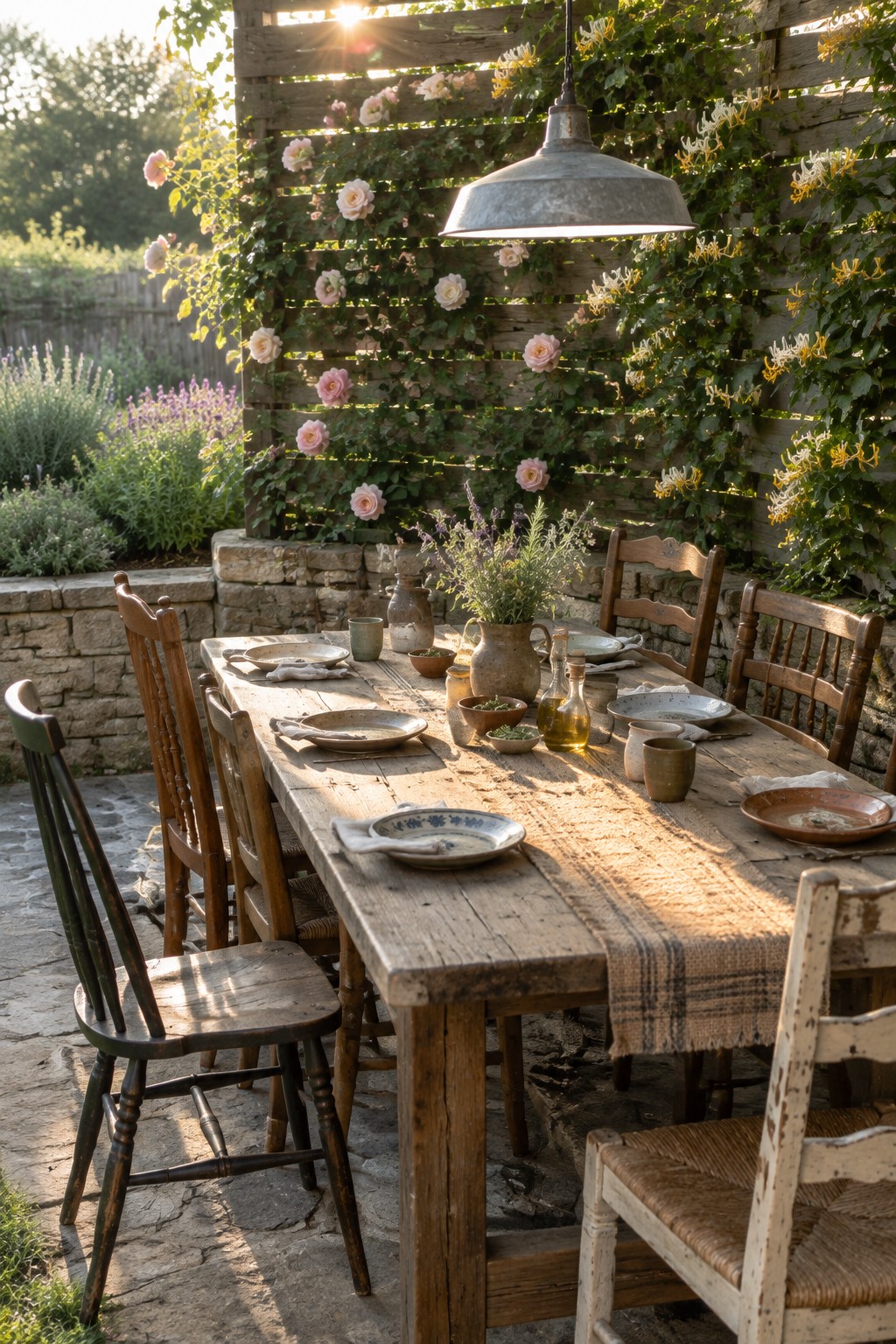
A wooden slatted screen makes a simple divider that still feels open. When you let roses and honeysuckle grow up through the gaps, the screen turns into a living wall that blocks views without cutting off all light or air. The mix of wood and plants softens the look and gives the dining area a settled feel instead of a hard barrier.
This setup works best along the edge of a patio or beside a seating area where you want privacy from neighbors but still like to see some garden beyond. Use sturdy climbers that can handle the sun and water them well the first couple of seasons until the roots settle. Keep the screen a neutral wood tone so the flowers stay the main feature.
Bamboo Screens With Climbing Plants For Layered Privacy

Many gardens need privacy without feeling closed in by solid fencing. A bamboo screen gives quick coverage while climbing plants like honeysuckle and wisteria grow over it to add softness and depth. The combination creates a living barrier that changes with the seasons.
This works best along side boundaries or near seating spots where full enclosure is not needed. It suits smaller gardens because the vertical planting keeps the ground open. Choose a sturdy frame so the screen can support heavier vines as they mature.
Slatted Screens for Creating Living Garden Walls
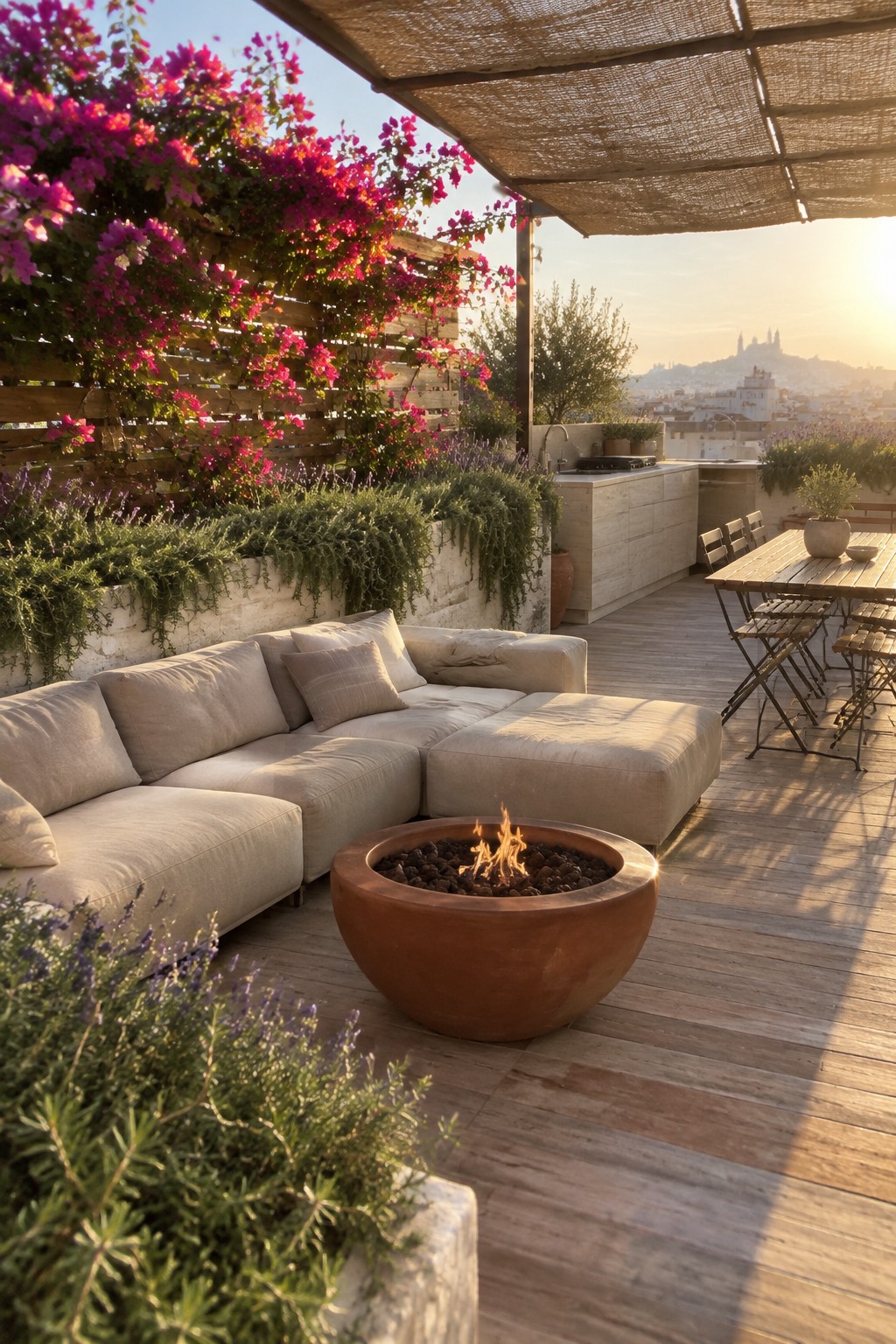
One simple way to add privacy on a patio or terrace is to let climbing plants grow over a slatted screen. The wood gives the plants something solid to hold onto while the leaves and flowers fill in the gaps and soften the look. Over a season or two the screen disappears behind the growth and creates a living wall without blocking all the light.
This works best on spaces that already have some structure like a deck or rooftop terrace. Pick vines that suit your climate and give them room to spread along the top and sides. Make sure the screen is anchored well because the plants will add weight as they fill in.
Slatted Screens With Climbing Plants Layer Privacy Nicely
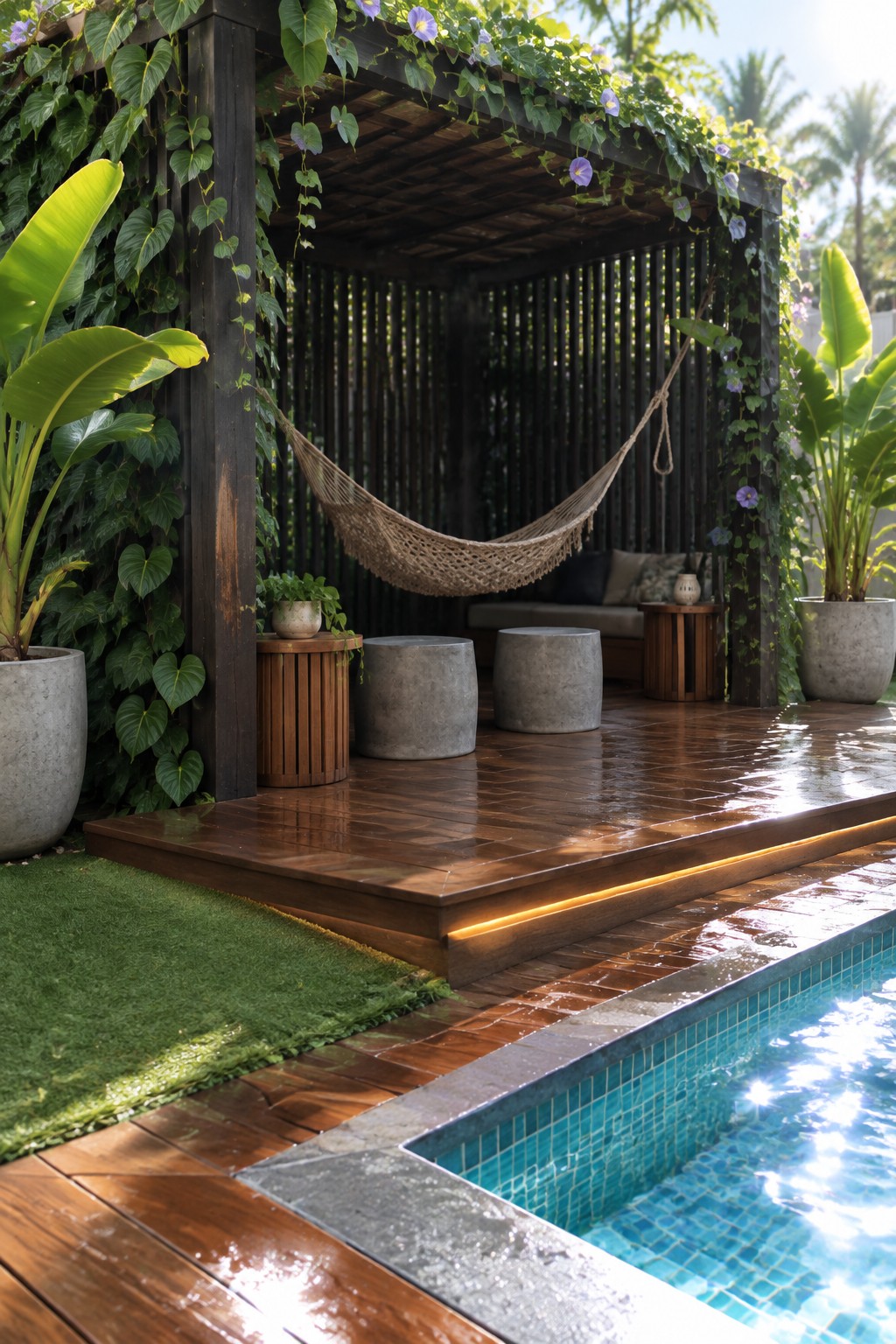
Pairing vertical slatted screens with climbing vines gives an outdoor seating area a natural kind of enclosure without making it feel boxed in. The slats provide the bones while the plants soften the look and fill in gaps over time, which keeps the space feeling open but still private from neighbors or the street.
This works especially well on pool decks or backyard patios where you want shade and screening at the same time. Use a sturdy wood like cedar for the slats, then train fast growers such as morning glory or jasmine along the top and sides so the coverage gets thicker each season.
Flowering Climbers for Softened Slatted Garden Screens
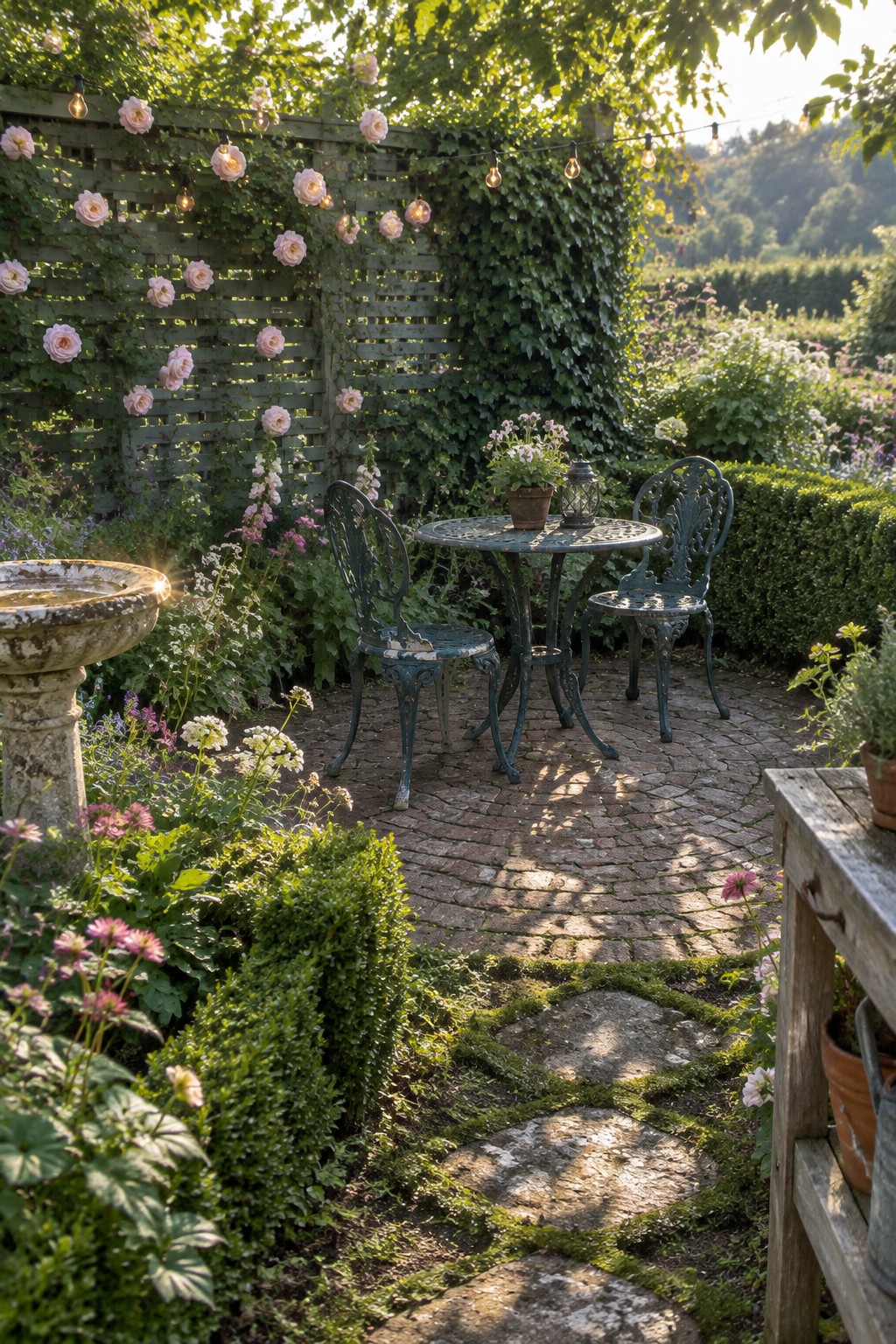
A slatted screen gives a garden some structure while still letting light and air move through. When you grow climbing plants over it, the screen turns into a living wall that feels softer and more natural than a solid fence. The gaps in the wood let vines weave in and out, which builds depth without making the space feel closed in.
This works best along the side of a patio or seating area where you want some screening but not total shade. Roses or similar flowering climbers do well because they add color and scent while the screen holds everything in place. Keep the planting a little layered at the base so the screen does not stand out too much on its own.
Slatted Fences With Climbing Plants For Layered Privacy
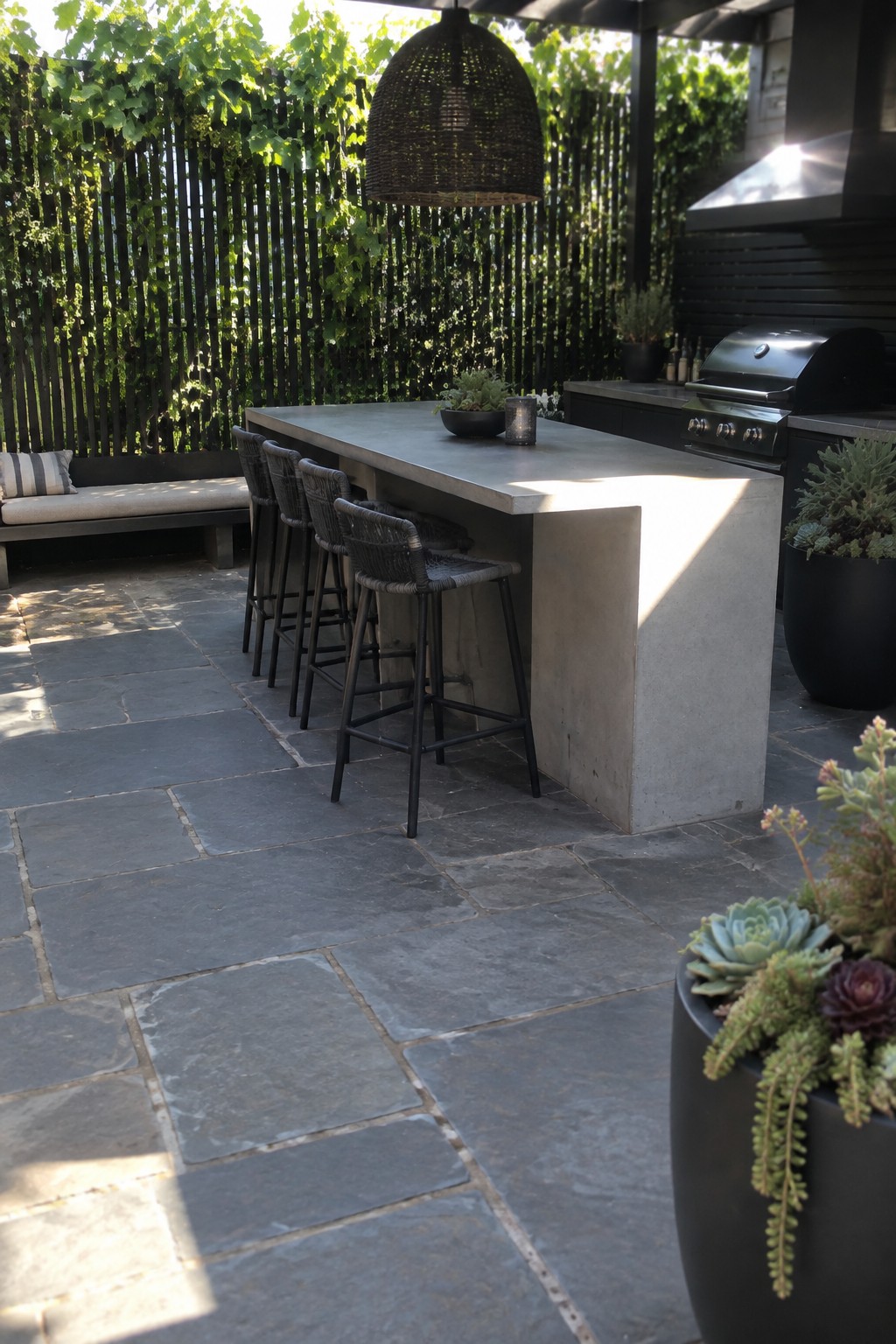
A simple way to add privacy around an outdoor bar or seating area is to use a slatted fence covered in climbing vines. The wood lets some light and air pass through while the plants grow in and create a thicker screen over time. This keeps the space from feeling too open without blocking everything out.
It works best along the edges of a patio where you need to screen views from the sides or back. The setup suits homes with room for vines to climb and spread, and it pairs easily with built-in seating or counters. Just make sure the fence is sturdy enough to support the weight of the plants as they fill in.
Slatted Screens With Climbing Plants For Side Privacy

One simple way to add privacy along a narrow garden path is to install slatted wood screens and let climbing plants grow through them. The gaps in the wood keep the screen from feeling too solid, while the vines and flowers fill in over time to create a living layer that blocks views without cutting off all light and air.
This approach works best in smaller side yards or between neighboring homes where a full fence would feel heavy. Use a sturdy trellis-style screen, choose vigorous climbers like roses, and give the plants room to spread so the coverage thickens each season.
Slatted Privacy Screens for Outdoor Seating Areas
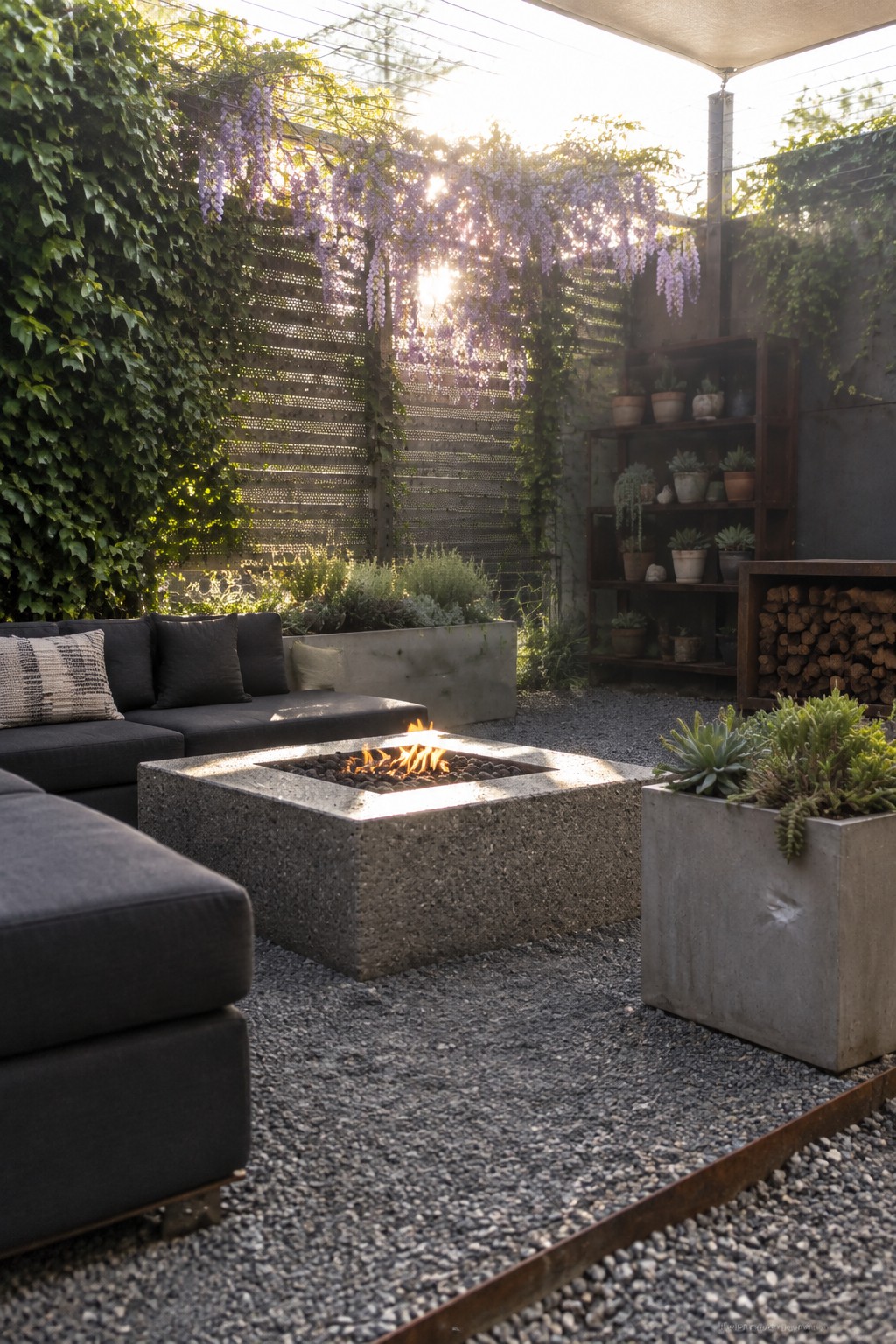
One simple way to get privacy in an outdoor seating area is to use a slatted screen and let climbing plants grow over it. The open slats keep the space from feeling closed in while the vines add a soft layer that thickens over the seasons.
This works well along the edge of a patio or deck where you need to block a neighbor’s view without a solid fence. It suits smaller yards best since the plants need sun and room to spread.
Cover Slatted Screens With Climbing Plants

A simple wooden slat screen becomes much more effective once plants start to grow through it. The slats give structure and let air move, while the vines fill in the gaps over time and block the view without making the space feel closed off. This approach works especially well around patios where you want some separation but still need light and breeze.
It suits most backyard seating areas and side gardens where full walls would feel too heavy. Start with a sturdy screen, choose a fast-growing climber that suits your climate, and let it fill in naturally. The only thing to watch is keeping the plants trimmed so they do not overwhelm the seating or nearby paths.
Slatted Screens With Wisteria and Grapevine for Garden Privacy
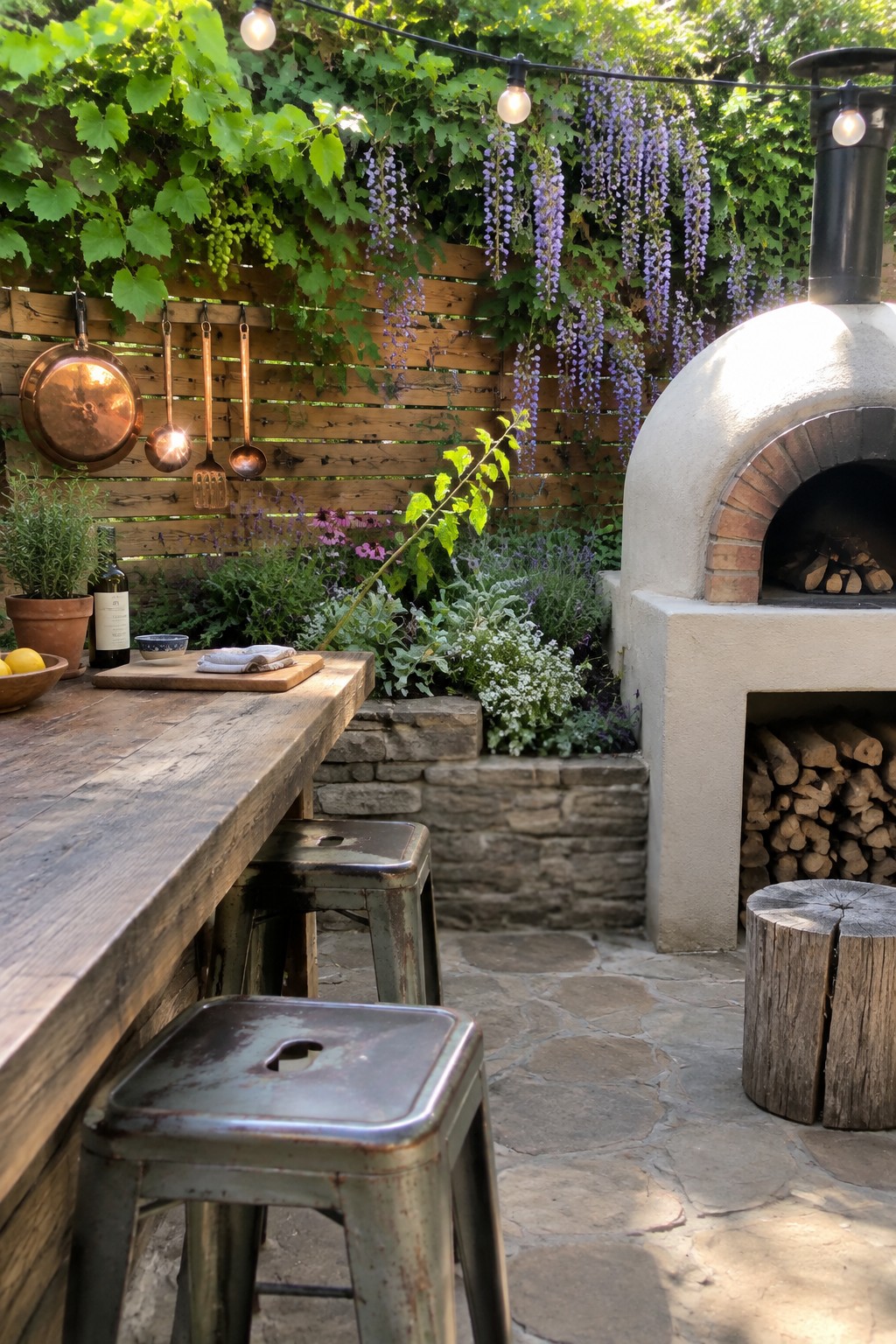
A simple wood slat screen becomes much more effective when you let climbing plants grow through and over it. The slats give structure while the vines add softness and block the view without making the space feel boxed in. This setup works especially well along the edge of a patio or beside an outdoor cooking area where you want some separation but still need light and air to move through.
It suits smaller gardens or side yards where a solid fence would feel too heavy. Plant something vigorous like wisteria or grapevine at the base and let it fill in over a season or two. Just make sure the screen is sturdy enough to handle the weight once the plants mature.
Layering Bamboo Screens With Climbing Vines

One straightforward way to create privacy in a garden is to set up slatted bamboo screens and let climbing plants grow over them. The screens give immediate height and structure while the vines add softness and fill in the gaps as they grow.
This approach works especially well along side yards or near paths where you want screening without a heavy wall. It suits homes with smaller lots since the vertical planting keeps the ground space open for grass or beds.
Frequently Asked Questions
Q: Which climbing plants stay manageable on slatted screens without constant fuss?
A: Pick twining types like star jasmine or clematis that wrap around the wood on their own. They fill in the gaps steadily and add flowers without choking the structure. Cut back the longest shoots each spring to hold the shape you want.
Q: How long does it take for the layered setup to block views from next door?
A: Most climbers reach decent coverage in one full growing season if you start with established pots. Water them well at first so roots settle fast. The slats handle the early gaps while the plants catch up.
Q: What happens if my screens sit in full sun all day?
A: Go with heat-tolerant climbers such as passionflower or trumpet vine. They thrive in strong light and keep the green layer thick. Water a bit more often during the hottest weeks to avoid dry spots.
