

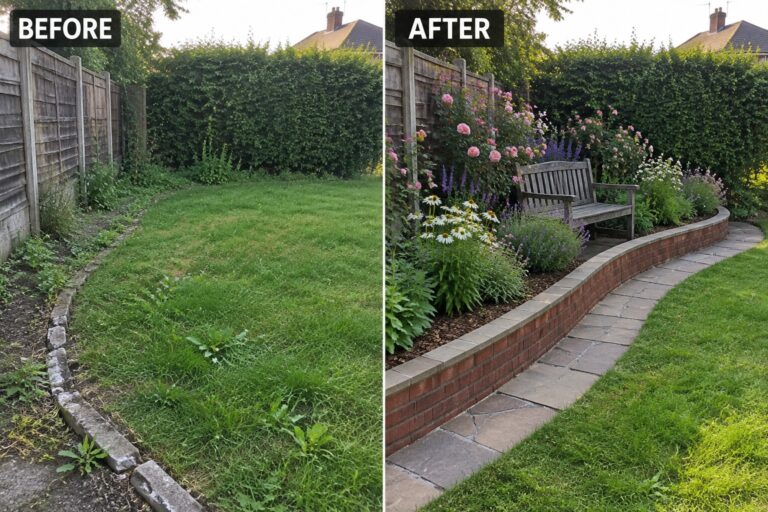
A garden can look a little unfinished when the lawn, planting beds, and fence line don’t have a clear edge.
I like how a low brick wall adds structure without making the yard feel closed off, and it can give a simple fence a more settled, intentional look.
The right height and layout can also help define a path, frame a flower bed, or create a bit more privacy near a seating area.
Even small changes along the boundary can make the whole garden feel more cared for.
I’d save the designs that suit your home and yard, then adapt their details to fit your space and budget.
Create A Defined Garden Bed Along The Fence
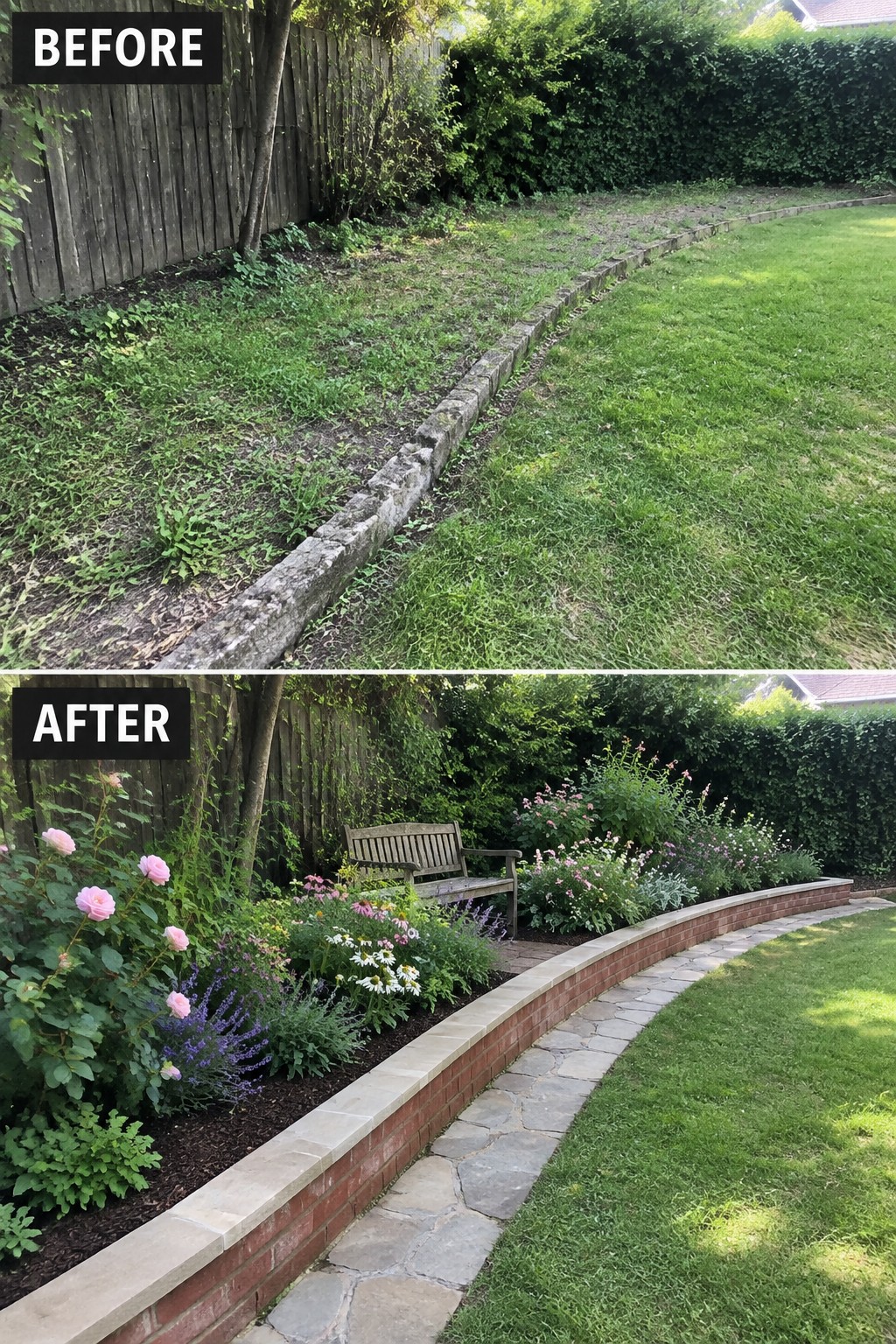
A clear bed edge can make an overgrown yard feel planned without changing the whole layout. Here, the untidy strip becomes a planted border, and a low brick wall separates it from the lawn.
Use this idea where a fence meets grass or along the edge of a garden path. Clear weeds first, then keep the wall low enough that it defines the bed without blocking access or making a small yard feel cramped.
Add Structure To An Overgrown Side Yard
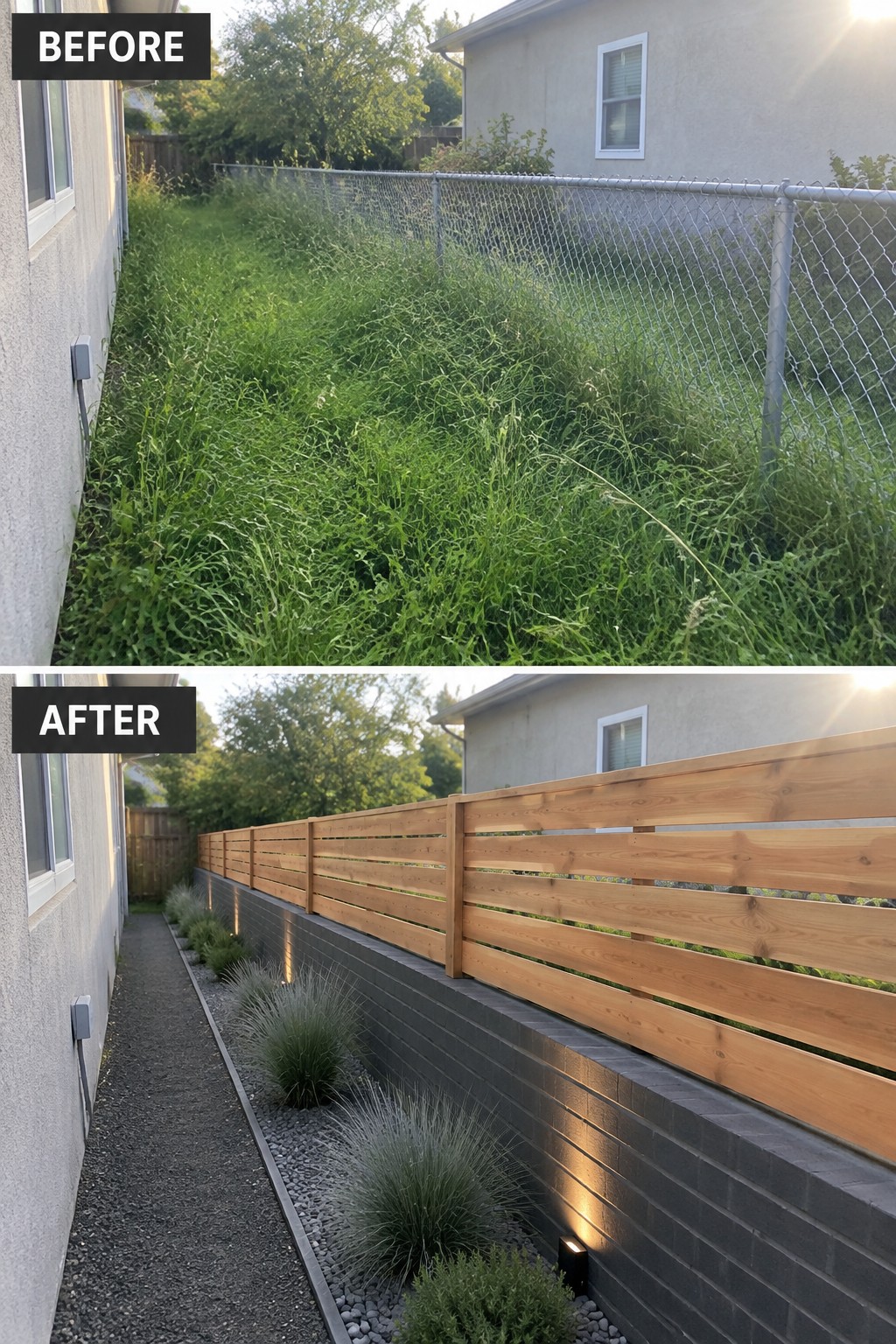
Replacing an overgrown strip of grass with a clear path and a low brick wall makes this narrow side yard easier to use and maintain. The wall also gives the fence a sturdier base and creates a defined edge for the gravel and plants.
This idea works well in side yards where grass is hard to mow or the space feels neglected. Clear the area first, then plan a path wide enough to walk along comfortably and keep planting simple so the narrow passage stays open.
Add A Lattice To Give The Garden More Structure
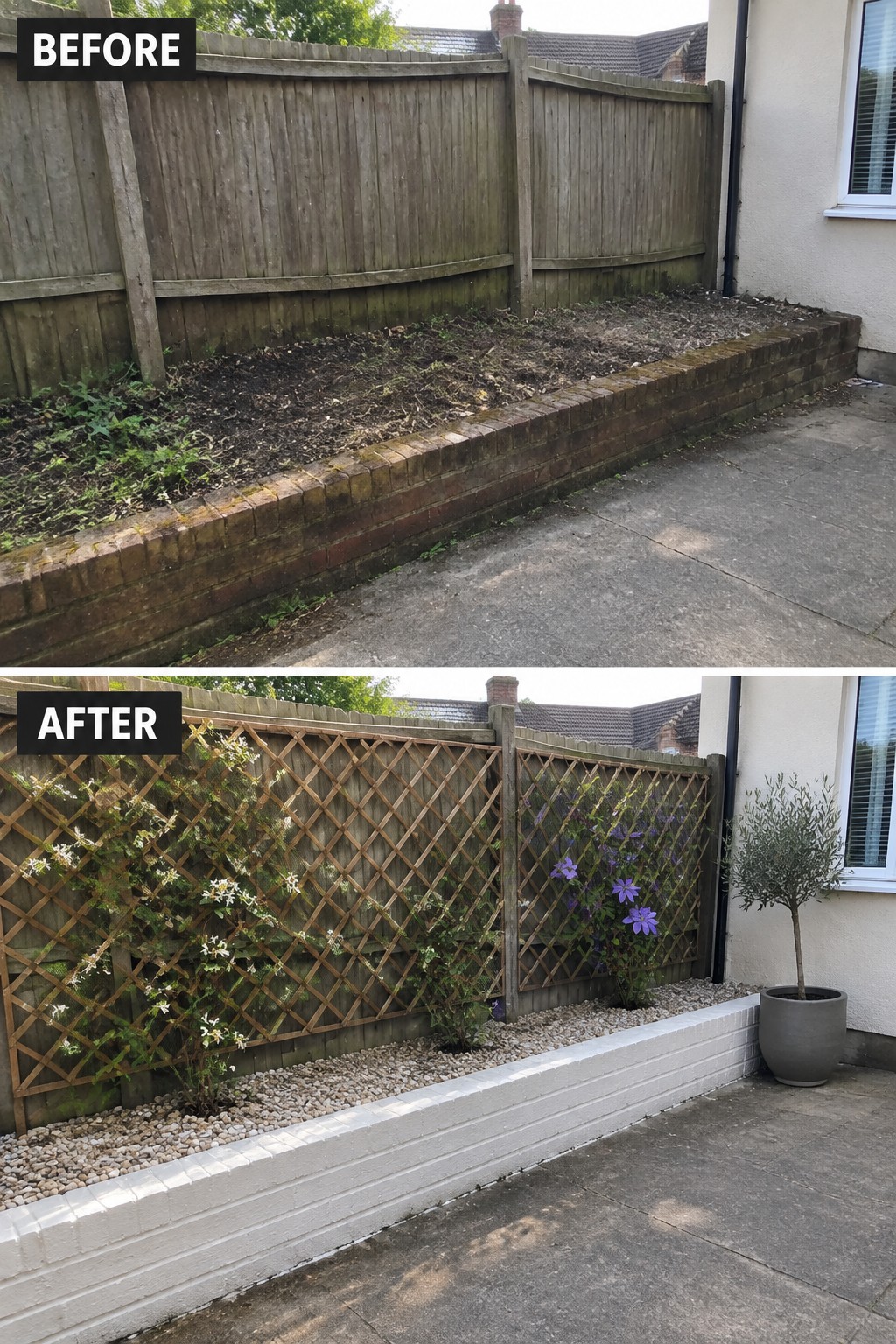
A simple trellis can make a narrow garden bed feel more planned while giving climbing plants a place to grow. Here, lattice panels cover the plain fence, and the old brick wall has been painted white, making the planting area look tidier without changing its basic layout.
This idea works well in small side gardens where there is little room for wide borders. Attach lattice securely to the fence and choose climbers that suit the amount of sun the area gets. Leave enough space for the plants to spread without blocking access along the path.
Add Structure With A Low Brick Garden Wall
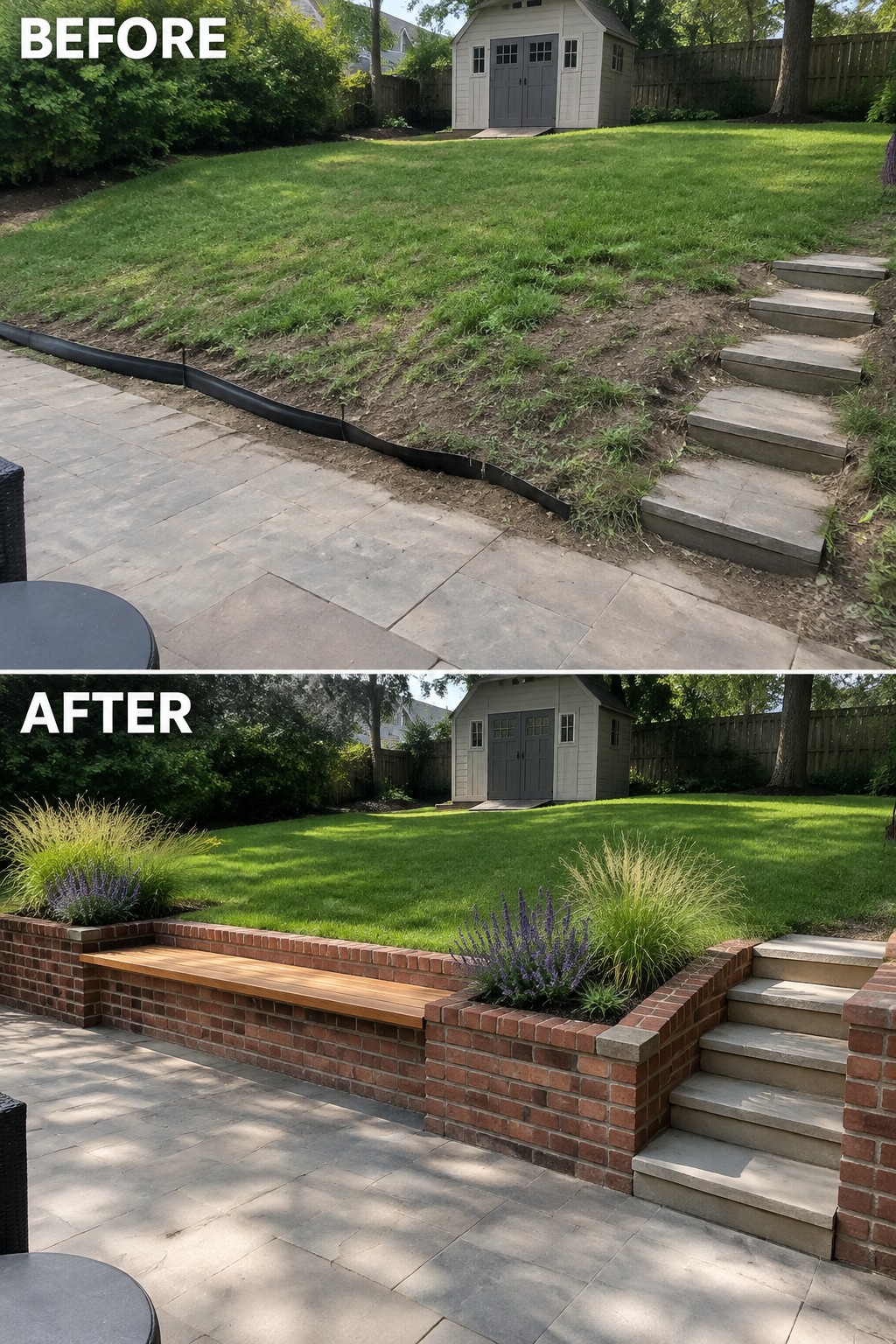
A low brick wall turns a sloped, patchy lawn into a more defined garden edge. Here, the wall also creates a built-in bench, making the patio feel more useful without taking up extra floor space.
This idea works well where a lawn meets a patio or a set of steps. Keep the wall low enough to sit on, and use planting in a few sections rather than filling every inch; the open lawn still needs room to show.
Add A Low Brick Wall To Define A Small Front Garden
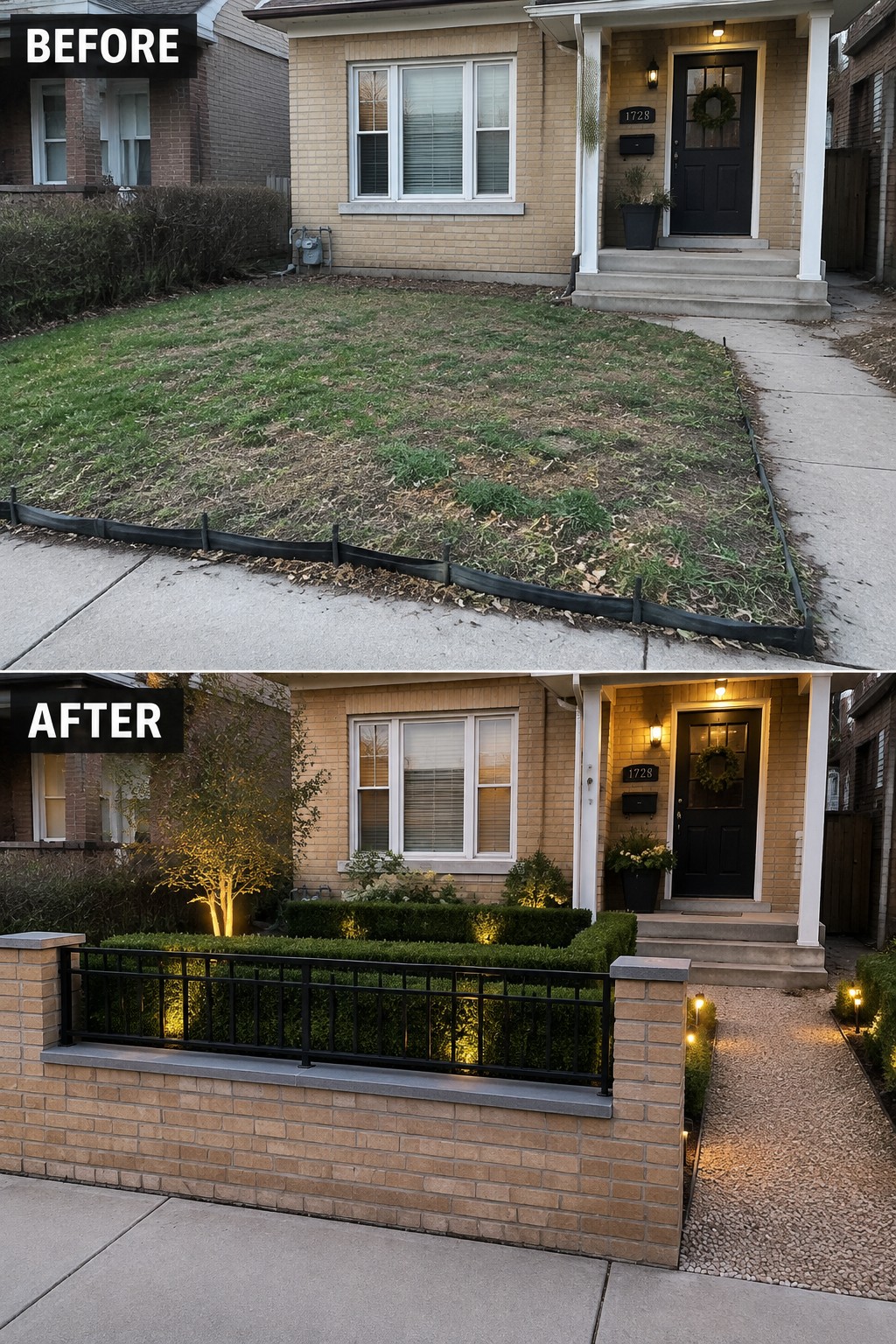
The patchy front lawn feels more planned once a low brick wall sets a clear boundary between the garden and the sidewalk. It gives the planting a neat edge and makes a small yard look cared for without needing a large redesign.
Use a wall that stays low enough to keep the front of the house visible, and leave a clear opening for the path to the door. A black metal fence above the brick can add a little separation, but the wall alone can work well in a narrow front garden.
Use A Brick Wall To Define A Side Yard
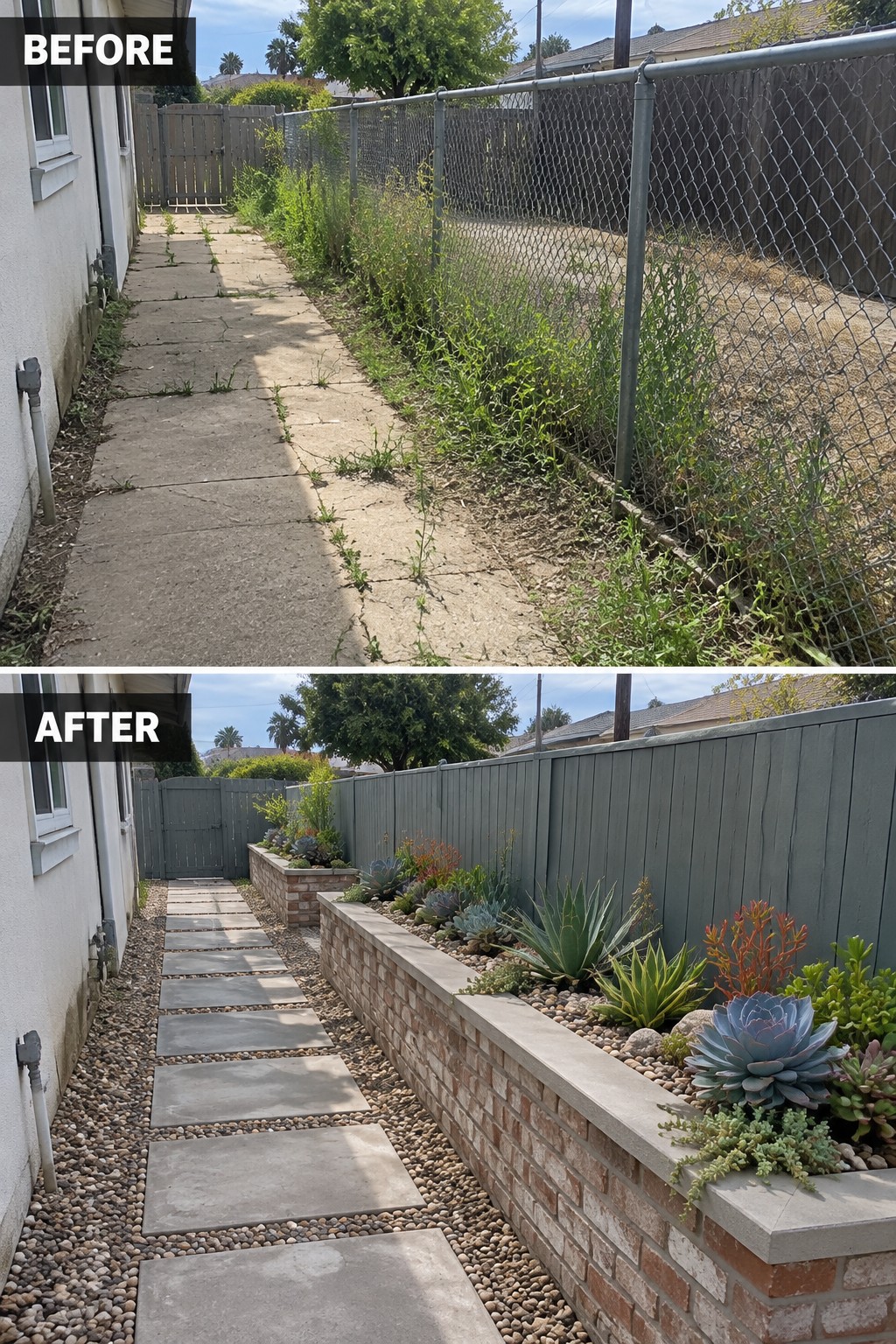
A low brick wall turns a weedy strip beside the house into a more organized garden. Here, the raised bed gives plants a clear place to grow, while a gravel path and stepping stones make the narrow side yard easier to walk through.
This idea works well along a fence where a full garden bed might feel too open or messy. Keep the wall low enough to preserve the sense of space, and leave a comfortable path beside it so bins and garden tools can still pass through.
Define The Front Yard With A Low Brick Wall
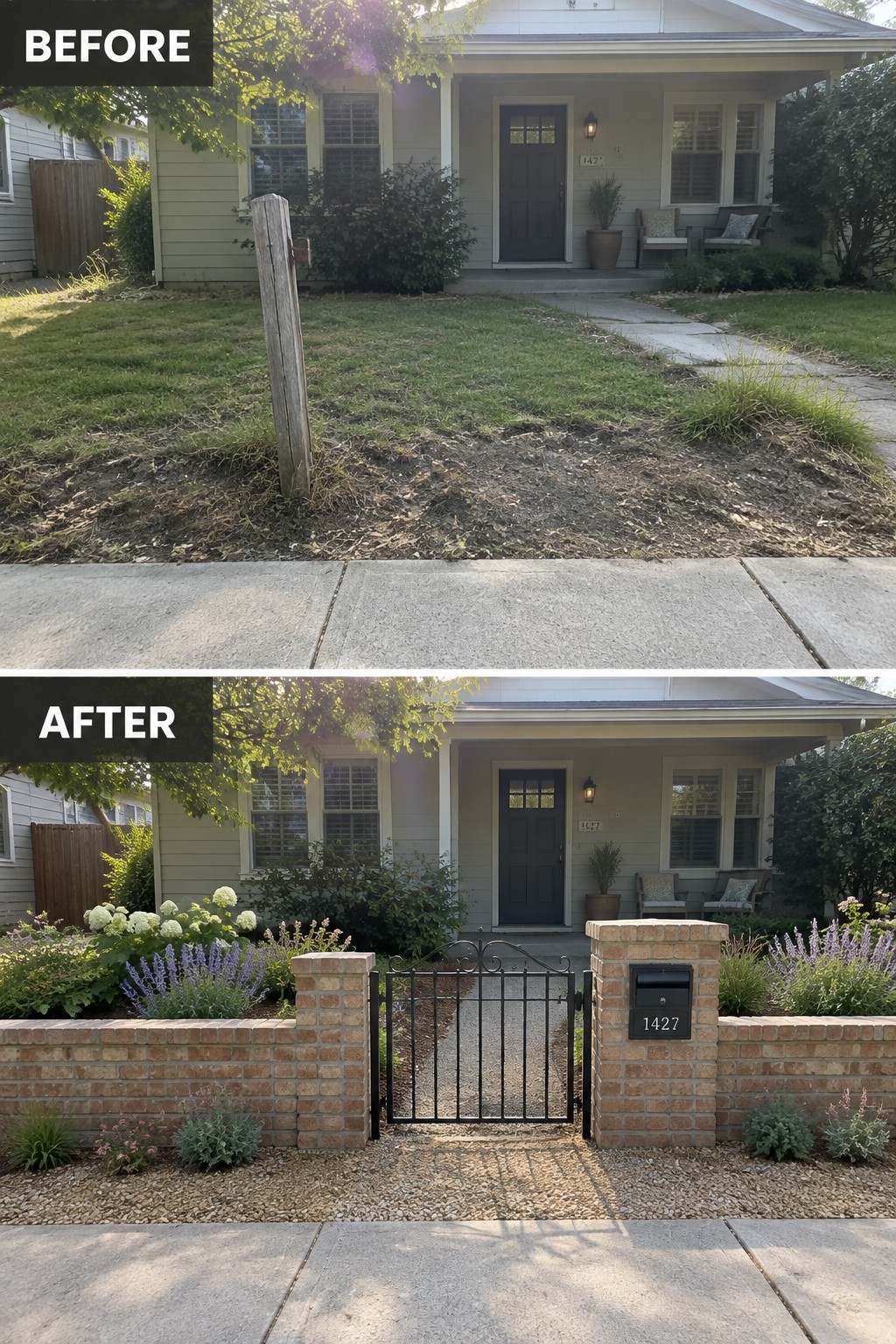
The front yard feels more planned once a low brick wall marks the garden edge and a gate leads to the entry. It replaces a bare, patchy stretch of lawn with a clear boundary, while still letting the house remain visible.
This idea works well in a small front yard where you want to separate planting from the sidewalk without building a tall fence. Keep the wall low and leave a comfortable path through the gate. A mix of shrubs and flowering plants is enough to fill the bed without making it crowded.
Turn An Empty Backyard Into A Fire Pit Seating Area
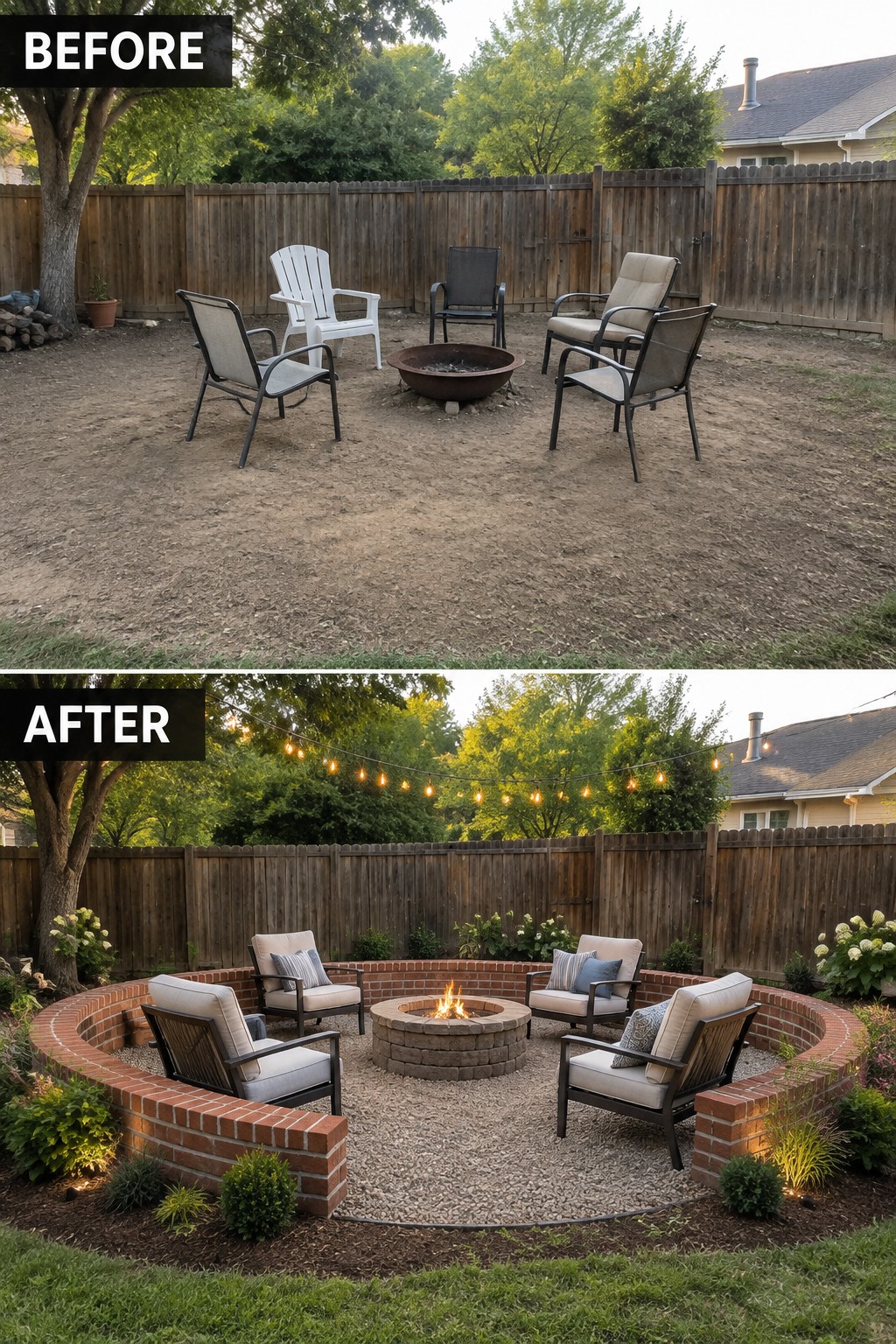
A bare patch of dirt becomes a more usable outdoor room when the seating has a clear place to gather. Here, a low circular brick wall defines the fire pit area and gives the chairs a natural boundary.
This idea works well in a flat backyard where you want a distinct spot for sitting without building a full patio. Use gravel inside the wall for a simple, practical surface, and leave a wide opening so people can move in and out comfortably.
Define A Small Garden With A Low Brick Wall
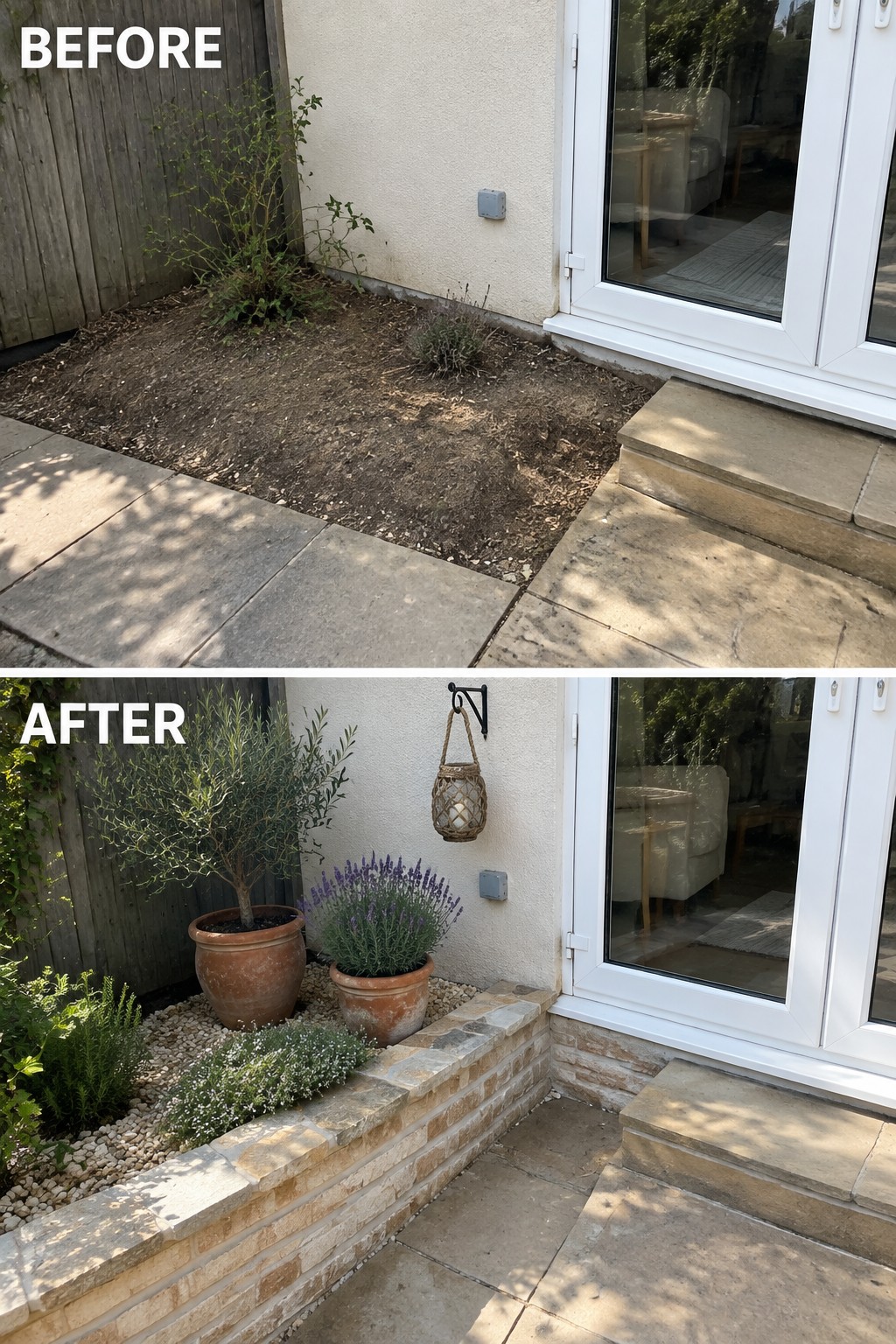
A low brick wall gives a small, bare garden a clear edge and makes the planting feel planned. Here, the raised border separates the bed from the patio, while gravel keeps the soil area looking tidy.
This idea works well beside a house or fence where a full-height wall would feel too heavy. Keep the wall low enough to preserve an open view, and leave enough room inside the bed for plants to grow without crowding the path.
Add A Brick Border To Organize A Narrow Side Yard
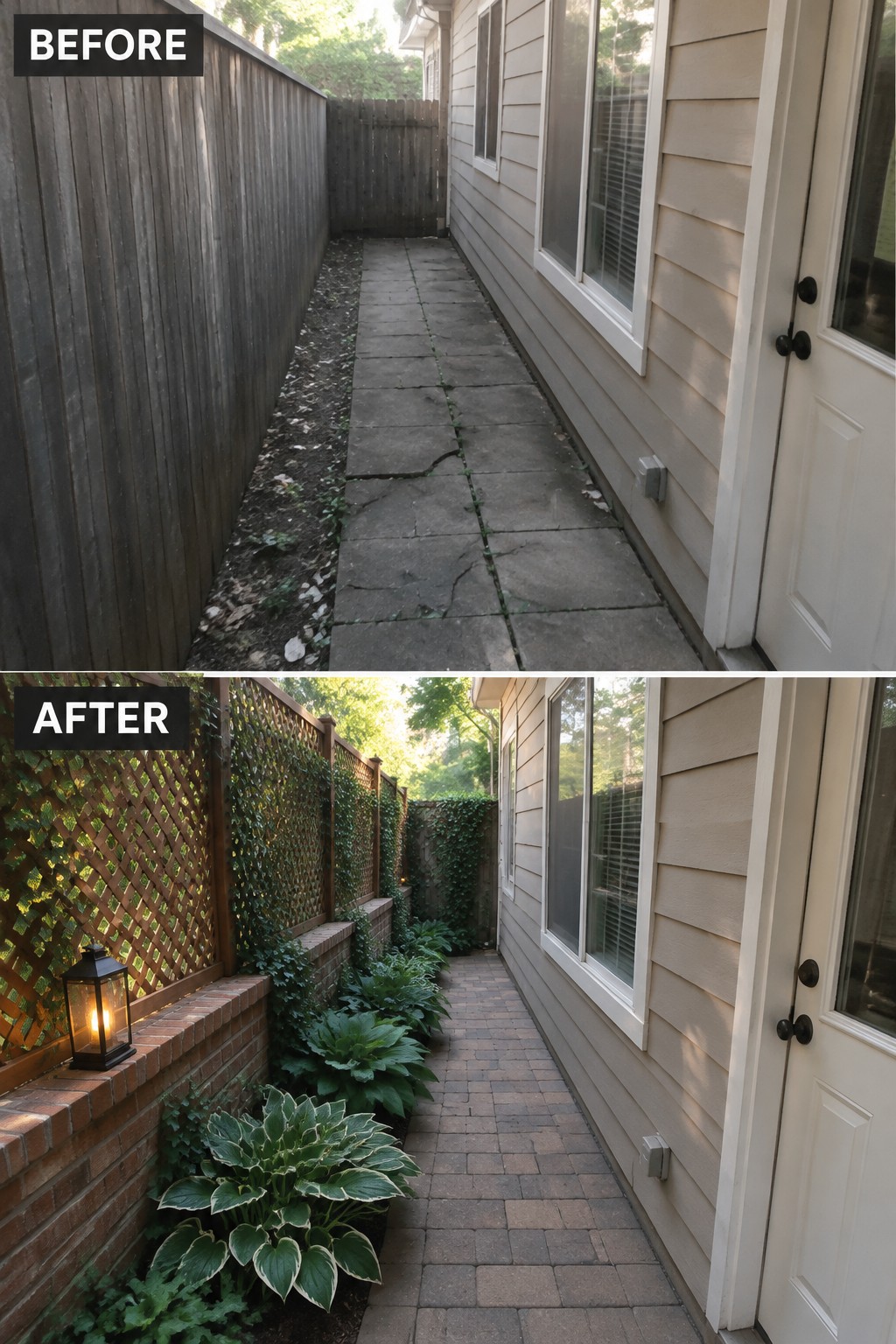
Replacing cracked slabs with a tidy brick path gives this narrow side yard a clearer layout. A low brick wall along the fence helps define the planting area, so the path feels like part of a planned garden rather than a strip of leftover space.
This idea works well beside a house where there isn’t room for a large garden bed. Keep the border low and choose plants that won’t spread across the walkway, leaving enough space to pass comfortably.
Replace Weathered Timber Edging With Low Brick Garden Walls
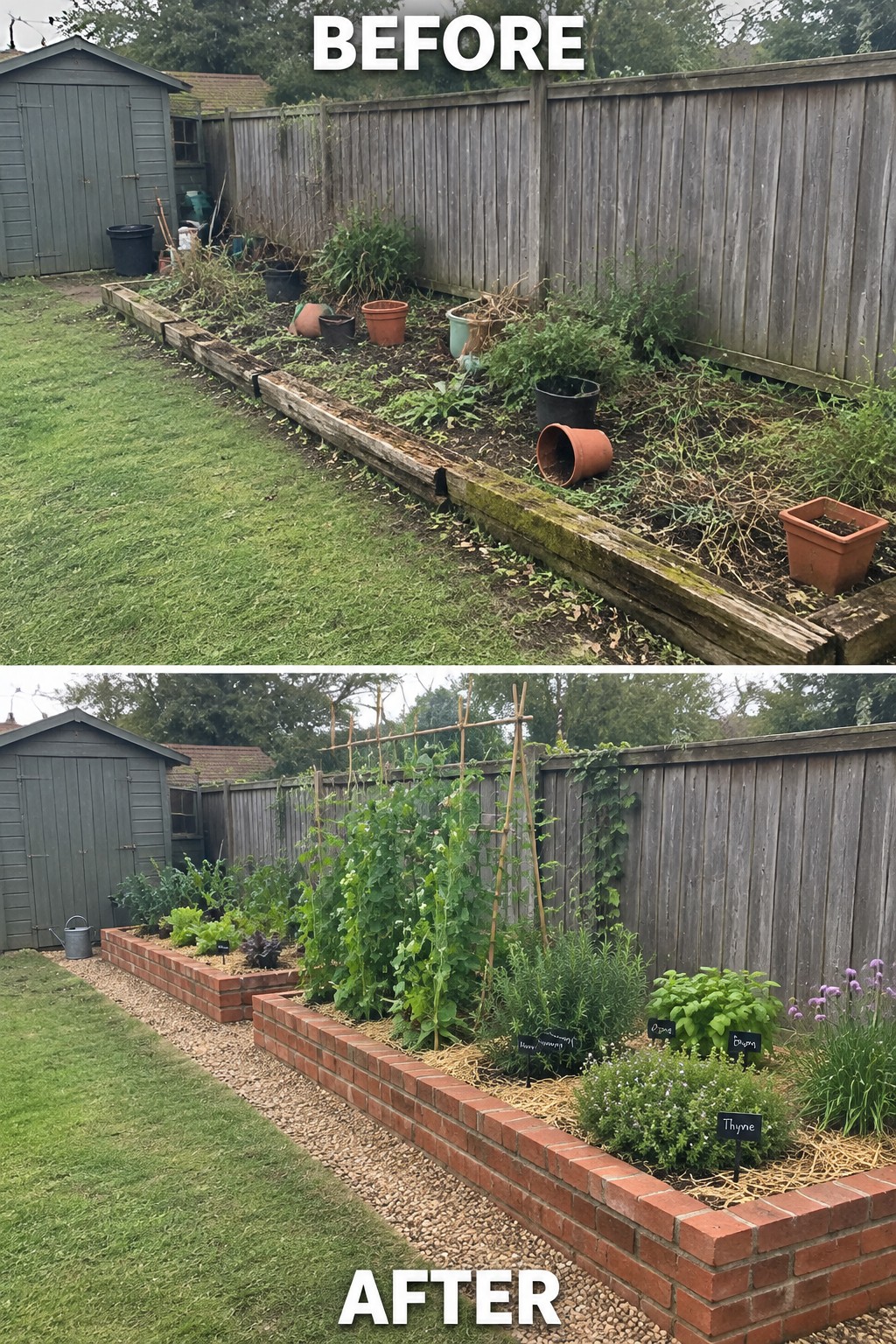
The raised brick beds give this untidy garden a clear shape and a sturdier edge. Replacing the worn timber makes the planting area look planned, while the path beside it keeps the beds easy to reach.
This works well along a fence where a long, narrow bed needs definition. Keep the wall low so it does not block the garden, and leave enough room for a path and for plants to grow without spilling over the edge.
Refresh An Old Brick Wall With A Light Finish
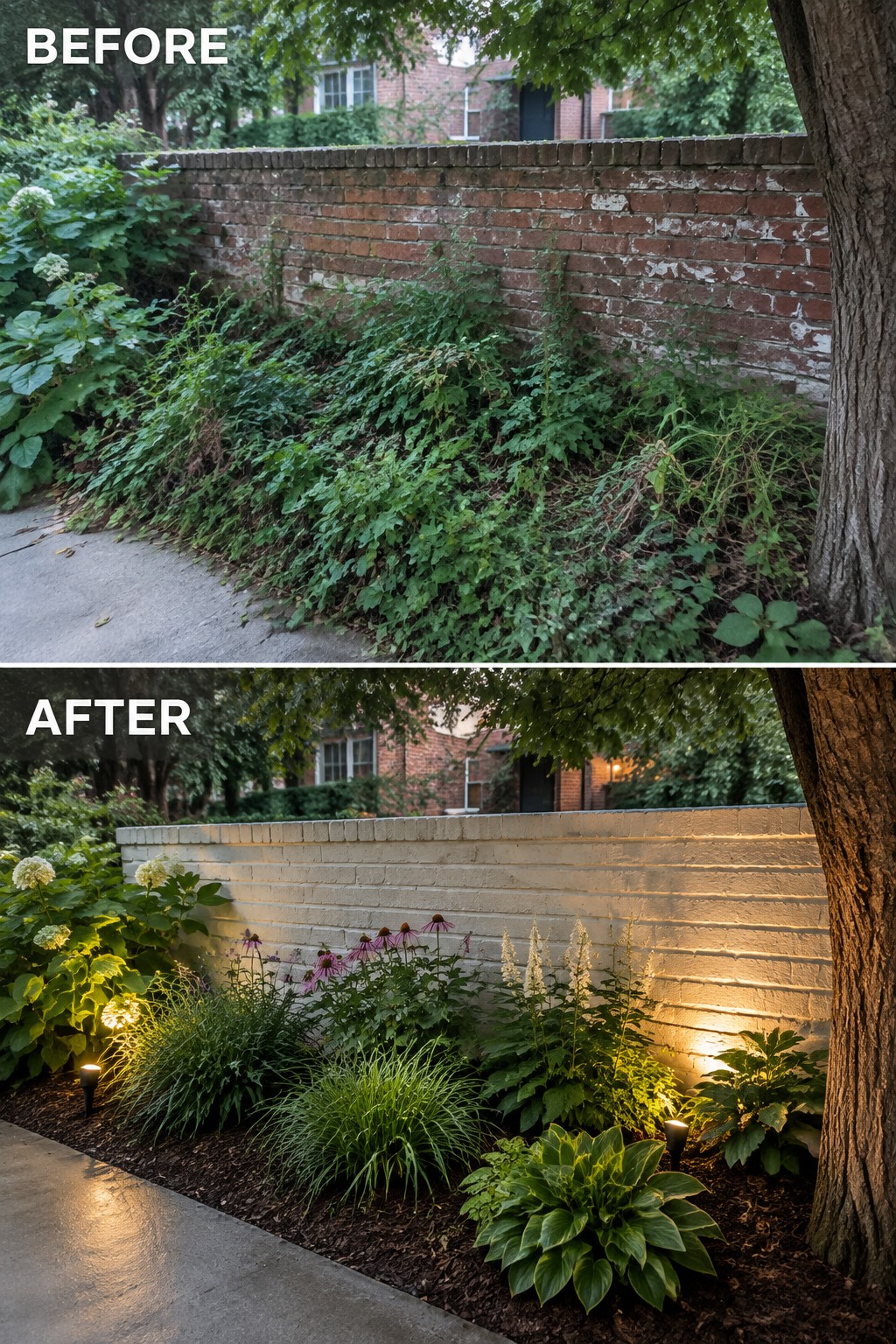
The old brick wall looked worn and was nearly lost behind overgrown plants. A light finish gives it a cleaner look, while a tidier planting bed lets the low wall stand out as a garden feature.
This idea works well when a brick wall is still in good condition but its color feels dated. Clear back excess growth first, then choose a finish suited to exterior masonry; leave the plants room to grow without covering the wall again.
Create A Pebble Path With Low Brick Edging
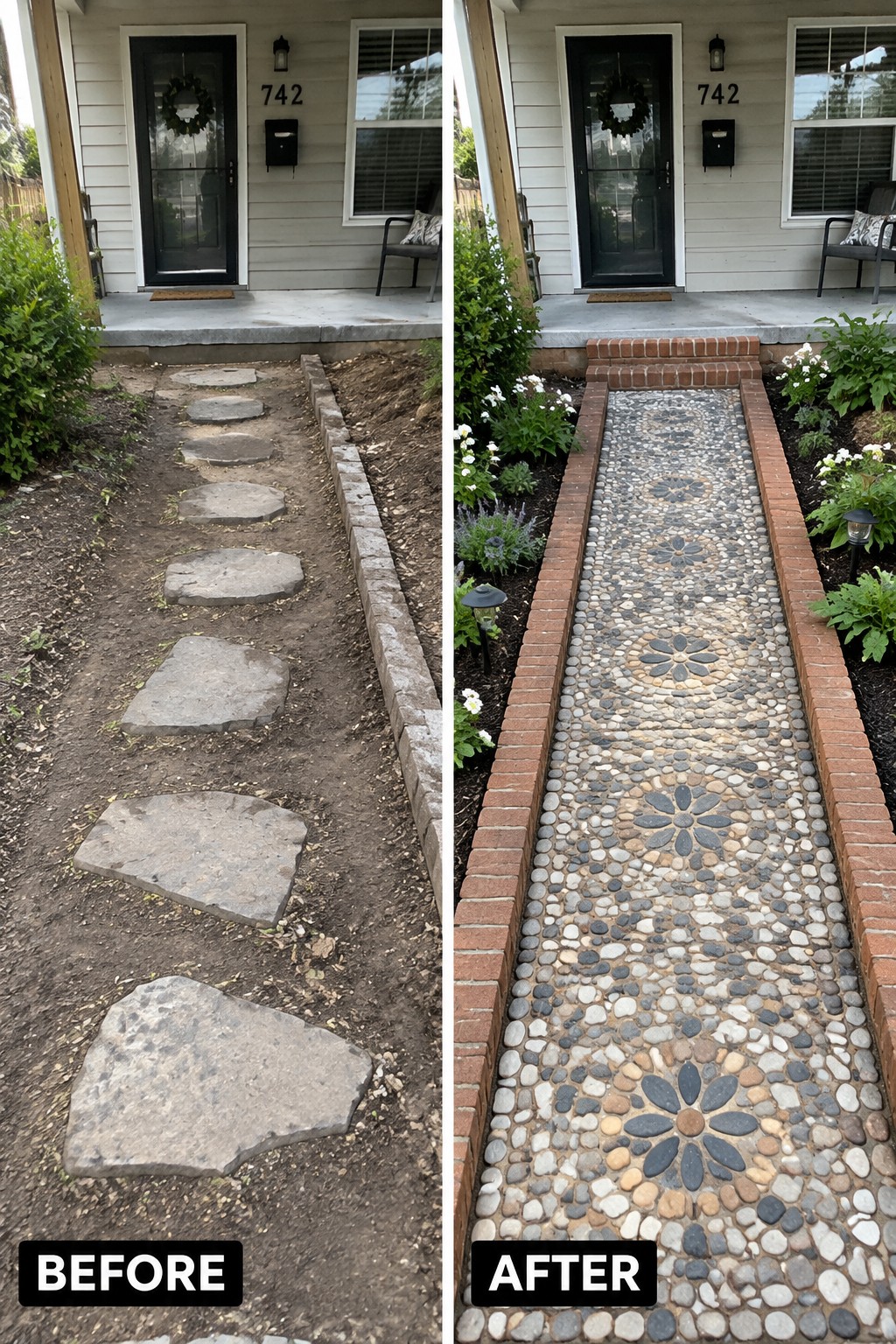
A defined path can make a bare stretch of yard feel planned and easier to use. Here, loose stepping stones give way to a pebble walkway with low brick borders, which keep the path’s edges neat and help separate it from the garden beds.
This idea works well for a narrow front garden or side yard where a clear route matters. Set the path wide enough for comfortable walking, and make sure the brick edging sits securely so it stays in place over time.
Add A Low Brick Wall To Organize A Side Yard
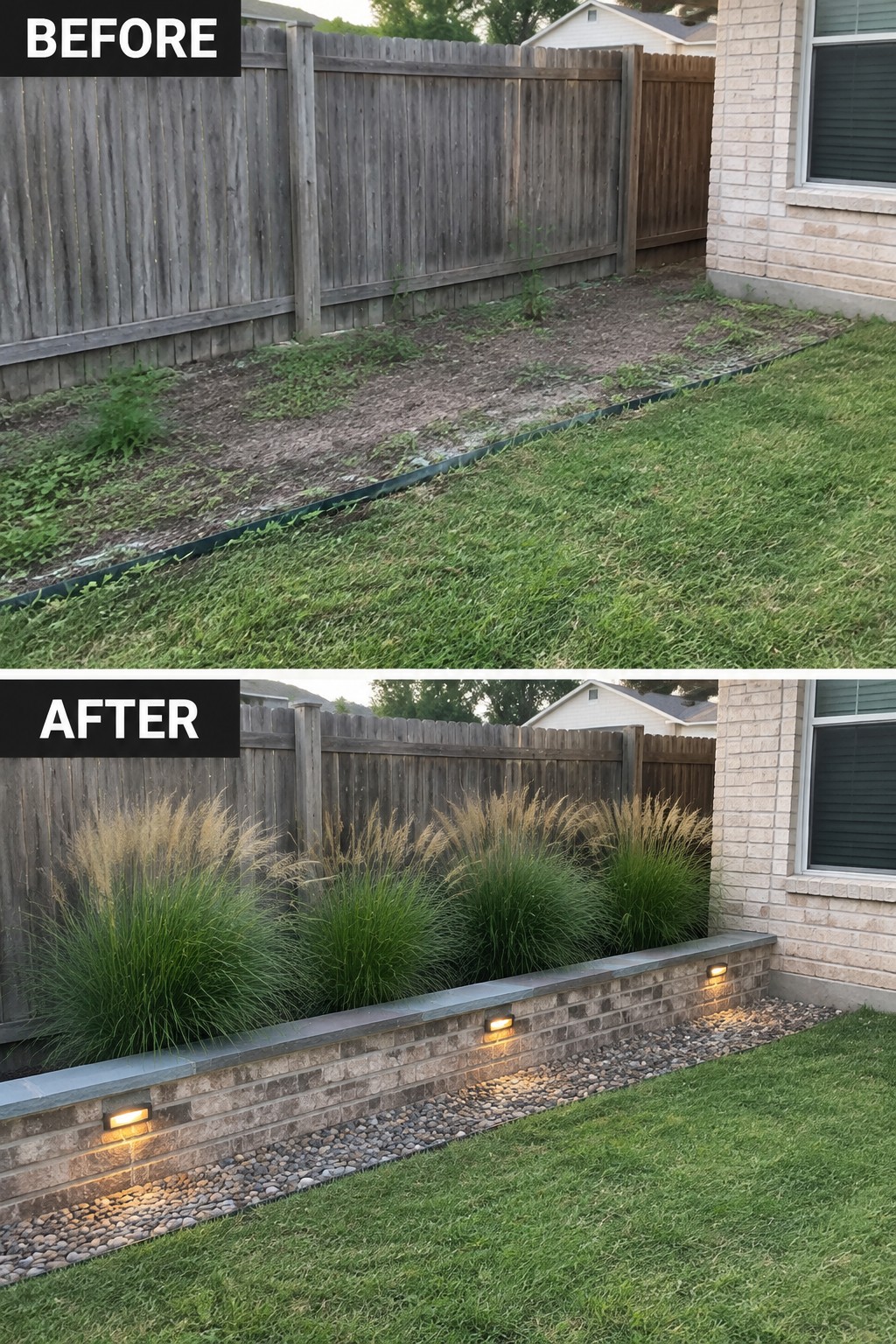
A narrow strip of bare ground along a fence can look untidy and hard to maintain. A low brick wall gives the planting bed a clear edge, while grasses fill the space and make it feel planned.
This idea works well beside a fence or house where a lawn meets a garden bed. Keep the wall low enough to suit the space, and leave room for plants to grow without spilling onto the grass.
Turn A Patchy Yard Into A Defined Garden Space
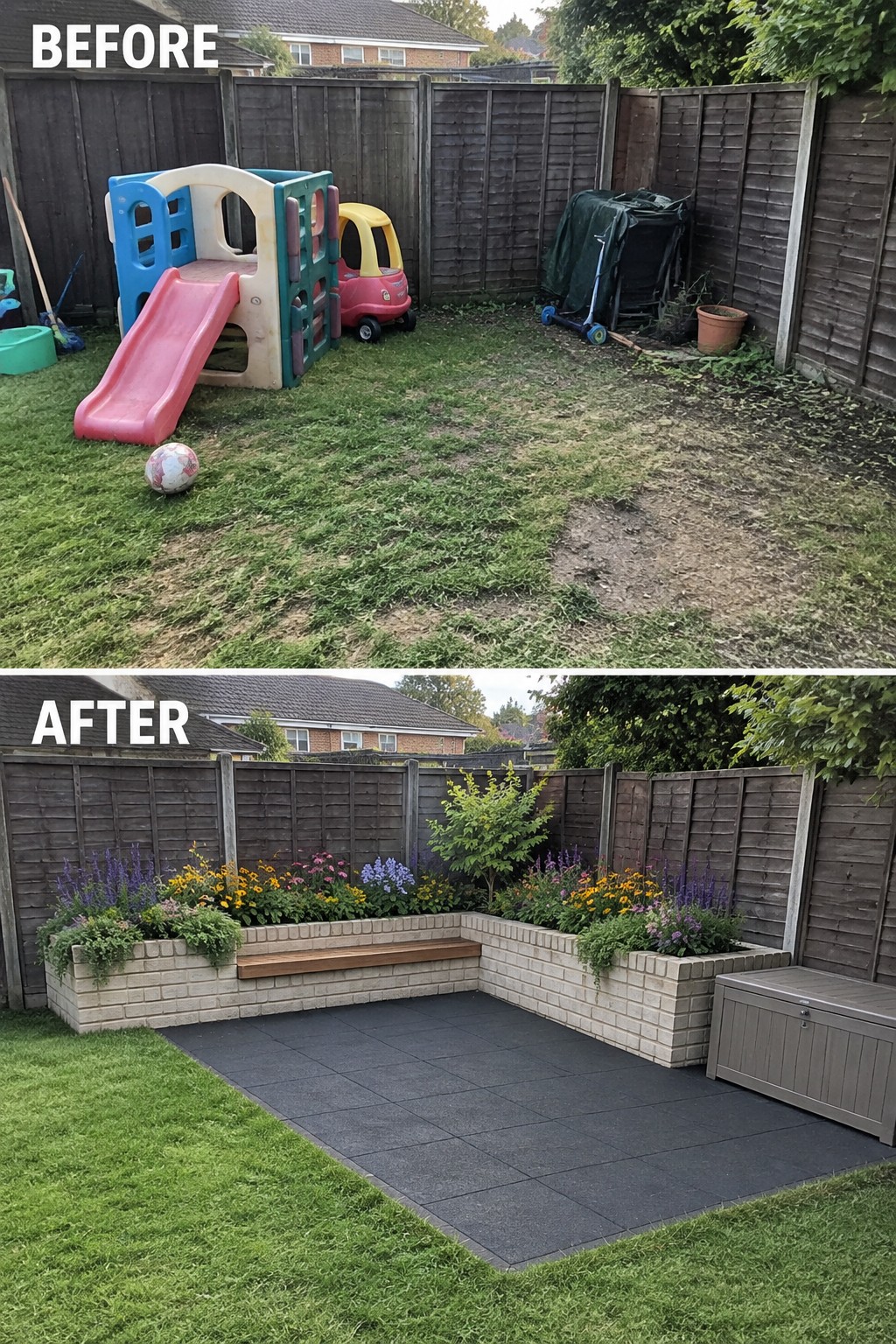
A low brick wall can give an untidy backyard a clear shape and make it feel easier to use. Here, the raised planting bed follows the fence, while paving replaces the worn patch of ground in front of it.
For a similar yard, keep the bed low enough to see over and leave a straightforward route across the paving. This works well in small backyards where you want a tidy planting area without giving up space for moving around.
Add A Low Brick Wall To Organize Poolside Planting
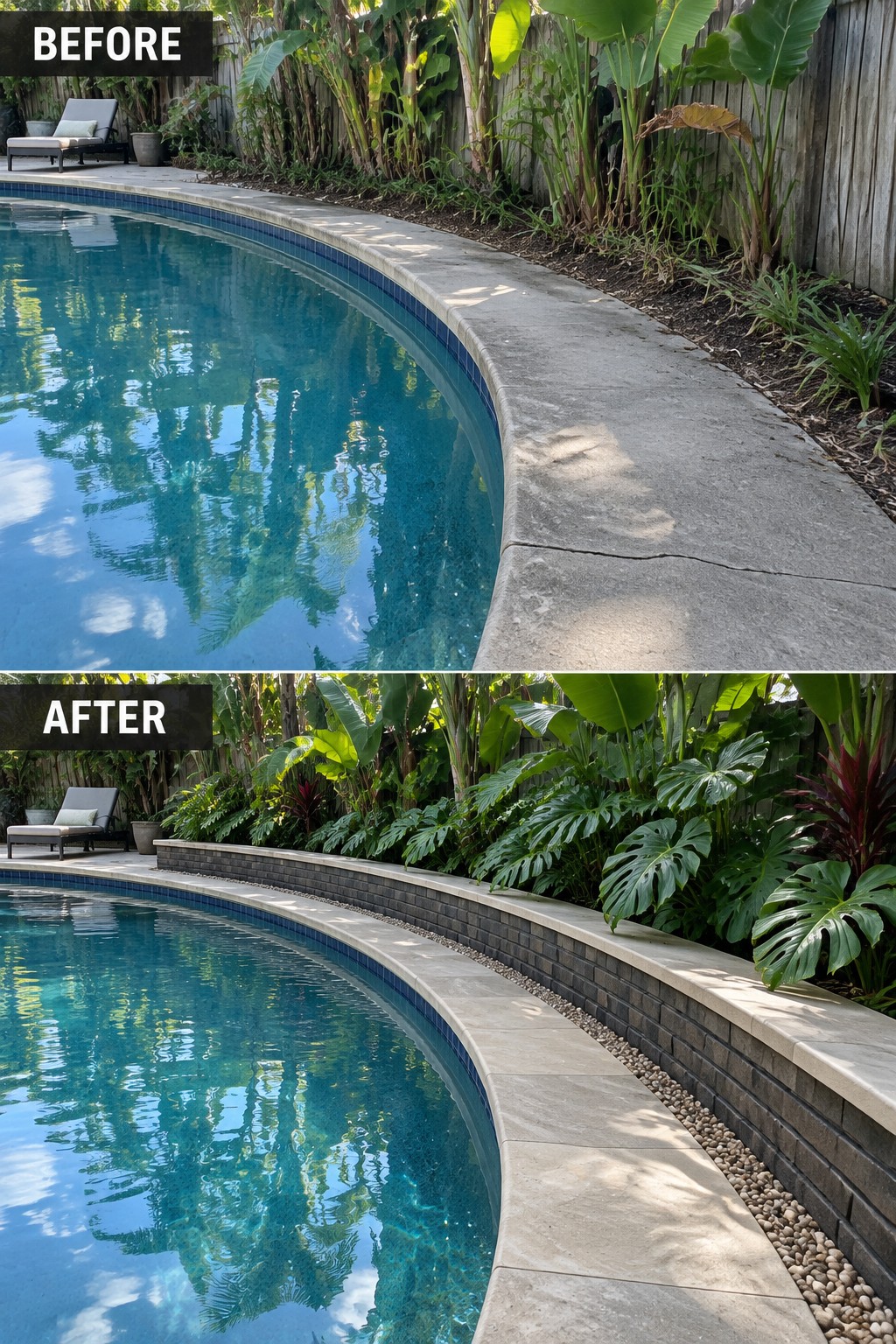
A low brick wall gives the planting beside a pool a clear edge and keeps the garden from looking overgrown. Here, the raised border replaces a loose strip of soil with a neater planting area while leaving the pool deck open.
This idea works well where plants need to sit close to a fence or along a curved patio edge. Keep the wall low enough to preserve the view of the greenery, and leave a practical gap between the wall and the pool for walking and maintenance.
Use Low Brick Walls To Organize A Narrow Side Yard
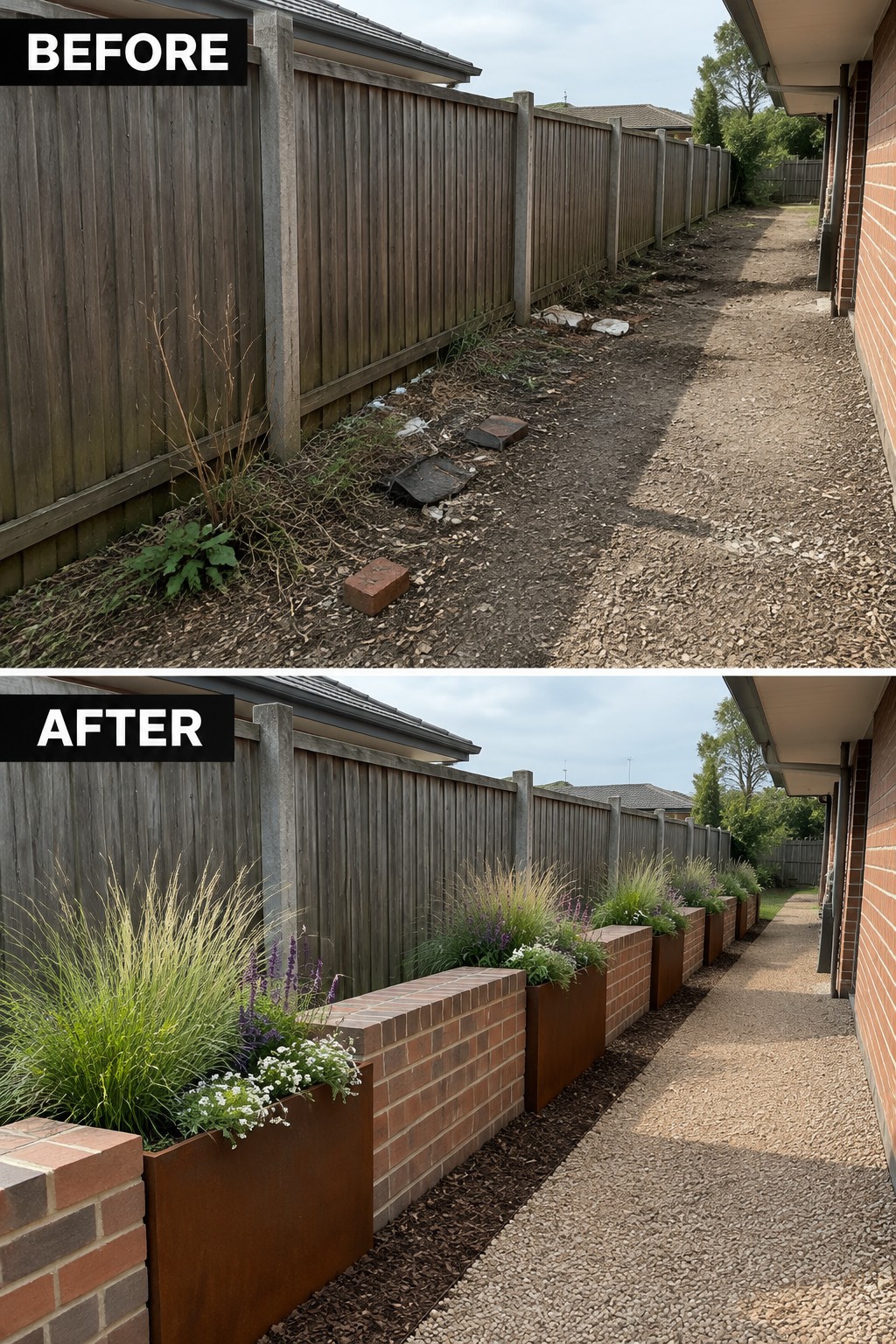
The side yard goes from a bare, untidy strip to a more defined garden by adding low brick walls along the fence. The walls give the planting a clear edge and make the narrow space feel planned without taking away the path through it.
This idea suits side yards where there is room for a walkway but little space for a traditional garden bed. Keep the walls low and leave enough width to move comfortably, then add a few sturdy plants rather than crowding the narrow border.
Make A Small Patio Usable With A Simple Seating Area
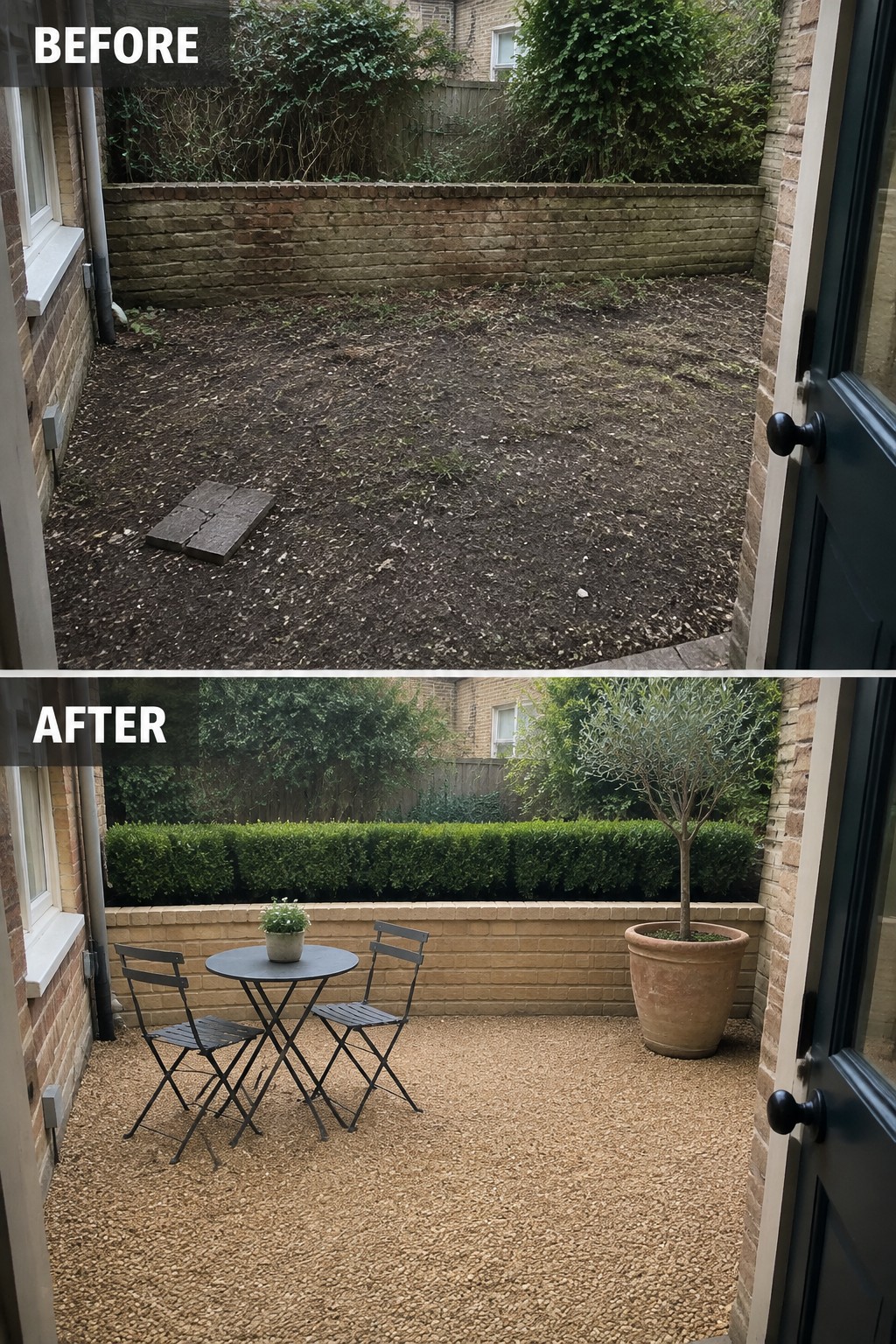
An empty, bare yard can be hard to use, even when it has a low brick wall. Here, a gravel surface and a small table with folding chairs turn the space into a practical spot to sit without making the narrow patio feel crowded.
This idea suits compact courtyards and side patios where there is little room for bulky furniture. Choose a compact set and leave a clear path from the door; a simple surface underfoot can help the seating area feel intentional.
Add A Low Brick Wall To Define A Flower Bed
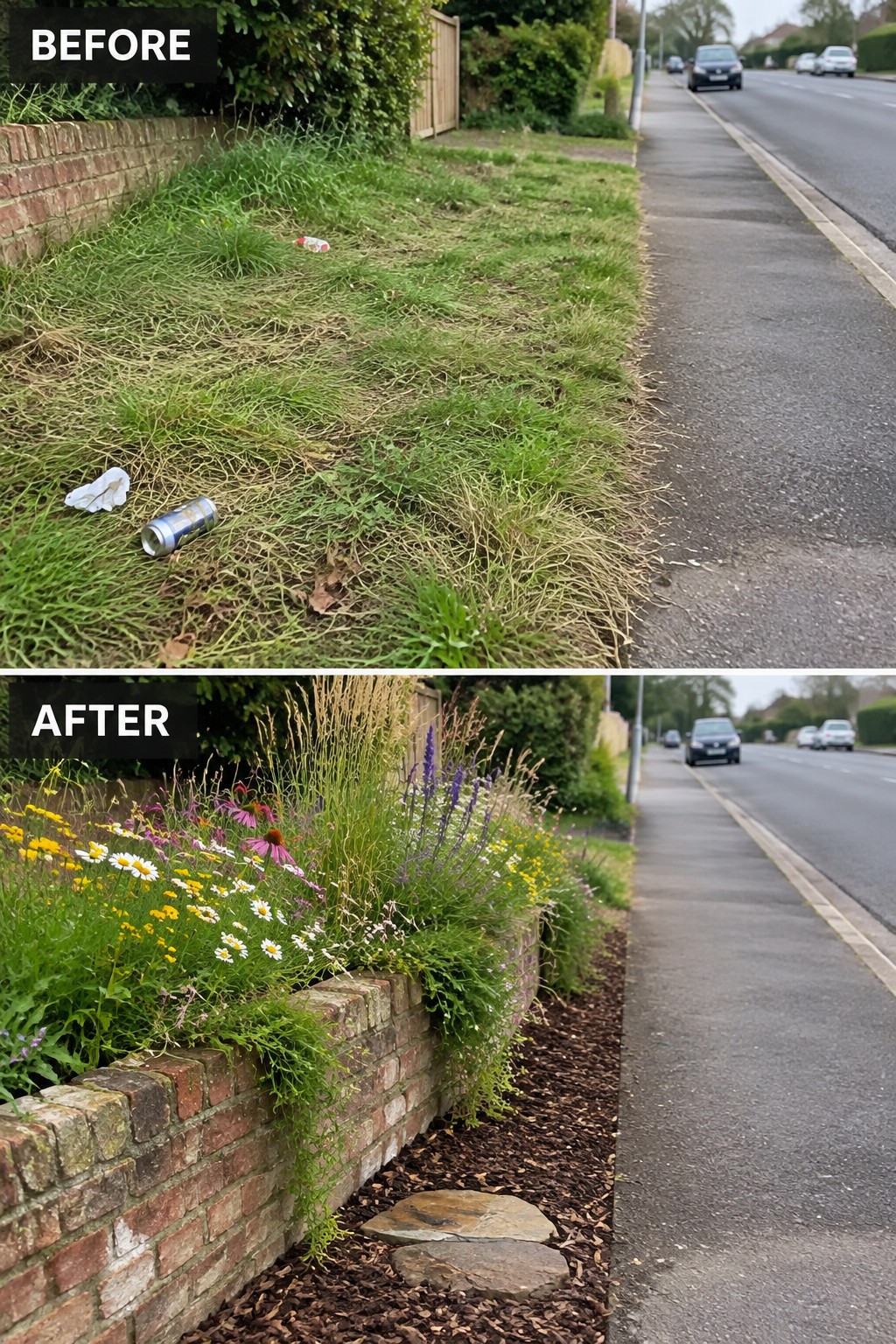
The untidy grass verge becomes a more organized garden once the planting has a clear edge. A low brick wall holds the flower bed in place, while mulch beside it makes the narrow strip easier to maintain.
This idea suits a side yard or front garden where space is tight and plants might otherwise spill toward the path. Keep the wall low enough to preserve sightlines, and leave the pavement clear for walking.
Turn A Bare Garden Corner Into A Small Water Feature
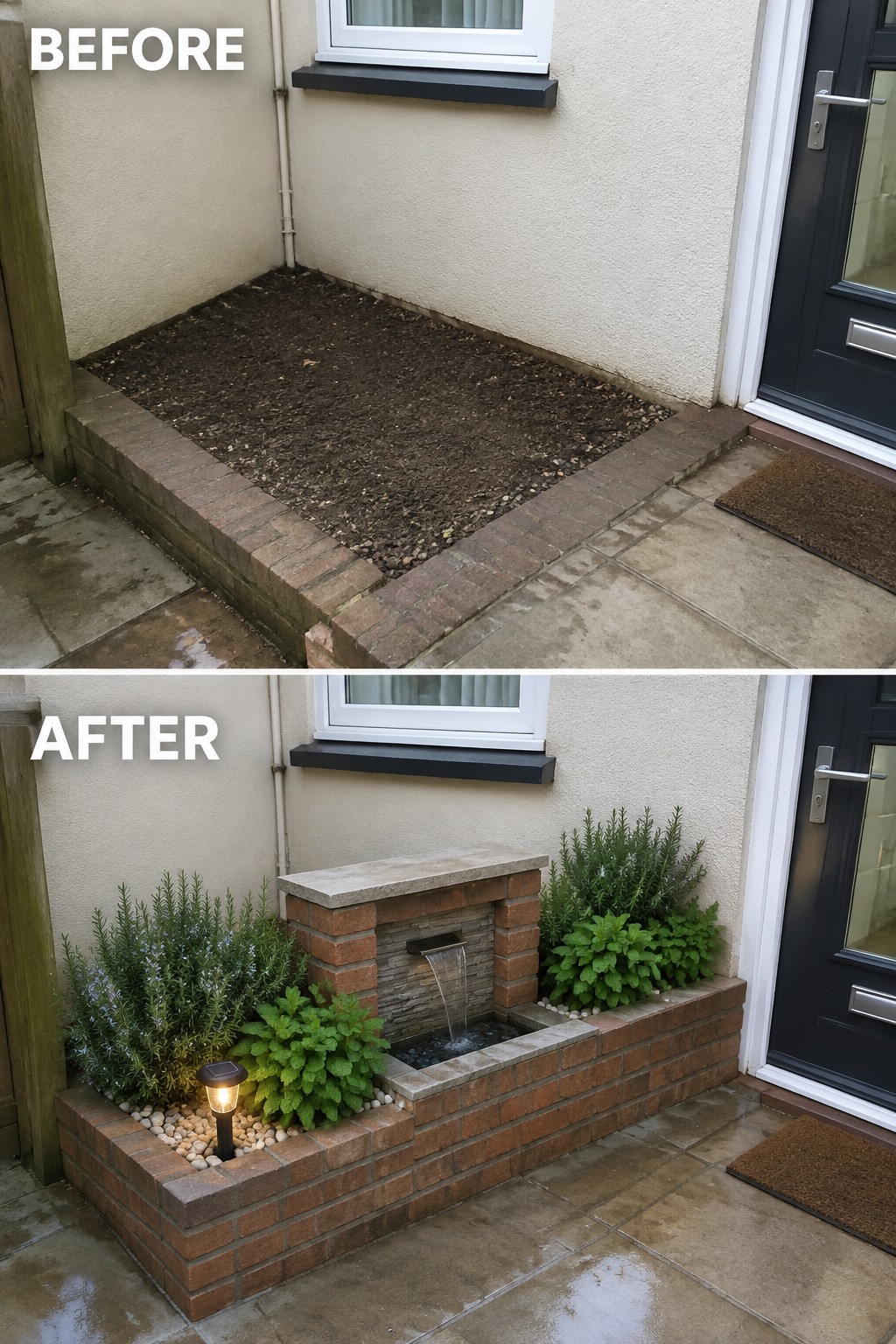
An unused patch of soil can become a garden focal point with a compact brick fountain and a few well-placed plants. The low brick wall gives the planting a clear shape, while the water feature makes the corner feel purposeful.
This idea suits a small courtyard where a full pond or large seating area would take up too much room. Keep the fountain modest and leave enough space to reach it for cleaning and maintenance.
Frequently Asked Questions
Q: Can I build a low brick wall on its own, or does it need a fence above it?
A: A low wall can work on its own as a border or a way to define garden beds. Add fencing above it if you need more privacy, security, or support for climbing plants.
Q: How high should the brick wall be?
A: For a decorative garden edge, knee height or lower often feels right and keeps the garden open. Check local rules before building a taller wall, since height limits can apply.
Q: How do I keep a brick wall from looking too heavy?
A: Pair it with open fencing, lighter materials, or plenty of planting along the base. Matching the brick to your home or paths can also help it feel like it belongs.
Q: Can I build a low brick wall on a slope?
A: Yes. Build the wall in level sections that step down with the ground rather than trying to angle the brickwork. A solid base helps keep each section stable.
